
For most of human history, we treated animal sounds as background noise: birds chirp, dogs bark, whales sing, and that was supposedly the end of the story. Now, in 2026, that story is being blown apart in the most thrilling way. With new recording technology, artificial intelligence, and decades of patient fieldwork, scientists are discovering that many animals are not just making noise – they’re sharing information, naming dangers, flirting, lying, and maybe even gossiping.
When you really dig into the research, a slightly unsettling thought appears: we might have been surrounded by complex conversations for thousands of years and simply never noticed. The forest, the ocean, the backyard, your living room with the cat on the couch – all of it may be louder, richer, and more meaningful than we ever imagined. And for the first time, we’re starting to catch tiny fragments of what they’re saying.
The Shocking Depth of Animal “Words”
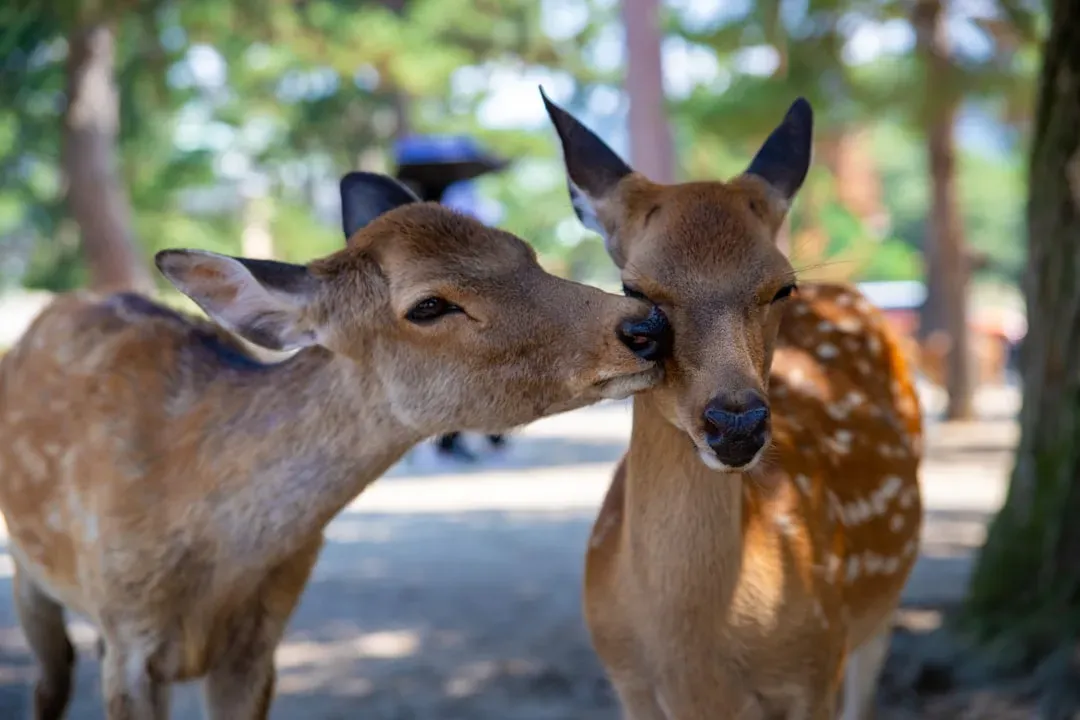
One of the most surprising discoveries of recent decades is that some animal calls aren’t just random cries; they behave a lot like words. Certain primates, for example, use specific alarm calls that distinguish between different predators, such as a bird of prey overhead versus a snake on the ground. Other animals, like prairie dogs, seem to pack even more detail into their calls, conveying not only that a predator is near, but also what kind, how fast it’s moving, and possibly even what it looks like. Suddenly, the forest isn’t full of generic “danger!” alerts; it’s full of detailed bulletins.
This breaks the old assumption that animal communication is simple and purely emotional. Instead, many species seem to use combinations of sounds that change meaning depending on context and order, a bit like how human language uses grammar. There’s still a huge debate about whether we should truly call these “words,” but the pattern is clear: information is being encoded and transmitted with a precision we once thought only humans could manage. It’s like realizing your neighbor, who you always assumed was quietly humming, has actually been speaking a language you never bothered to learn.
Whales and Dolphins: Conversations in the Deep
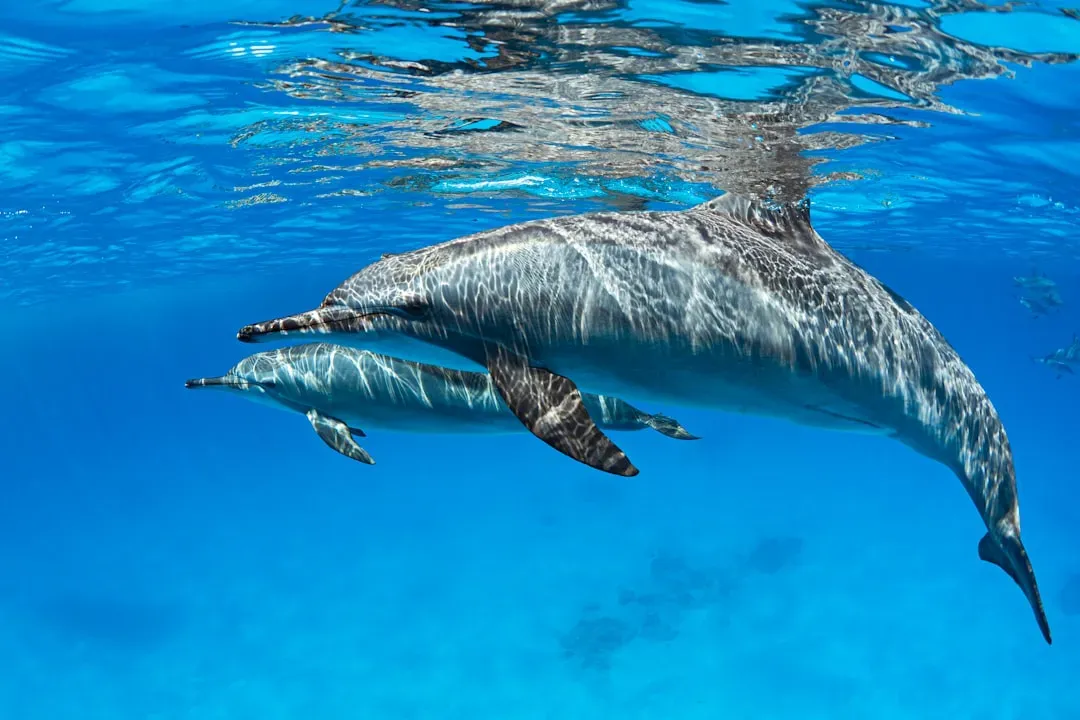
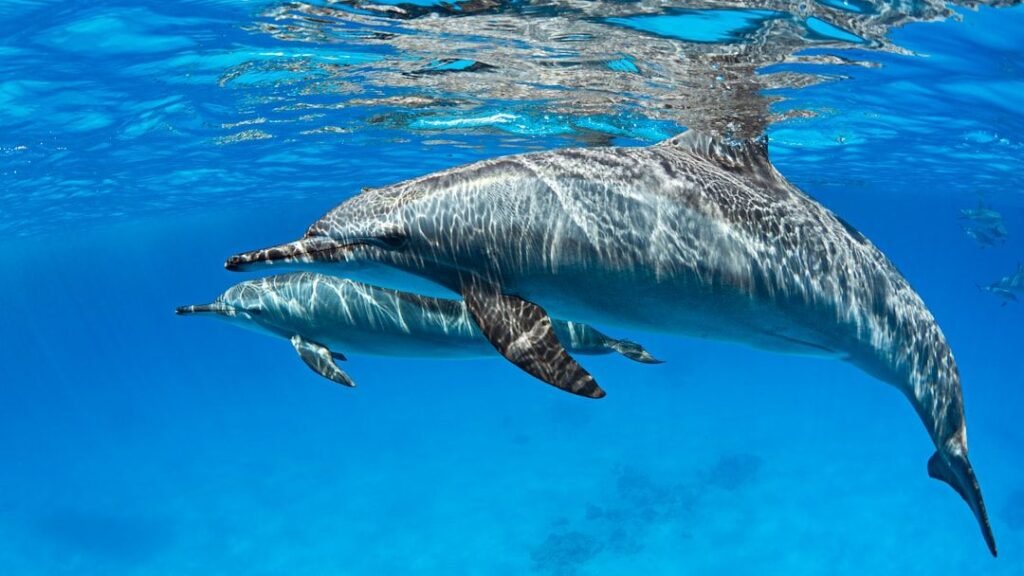
If there’s one place that feels almost alien in terms of communication, it’s the open ocean. Whales and dolphins have been known for their songs and clicks for a long time, but recent work is showing just how intricate these sounds really are. Humpback whales, for instance, sing long, structured songs that evolve over time and spread across entire ocean basins, almost like hit songs that travel from region to region. Dolphins use unique whistles that seem to function like names, allowing them to call specific individuals in a group.
Researchers are now using advanced machine learning tools to analyze vast databases of underwater recordings, trying to find patterns that our ears and brains are too limited to perceive on their own. Some early results hint at rule-based structure – sequences that look, mathematically speaking, a lot like a primitive grammar. We don’t yet know what these whales and dolphins are “saying,” but it’s no longer crazy to imagine something closer to real conversation than we ever thought possible. The ocean might be humming with layered, overlapping dialogues that we’re just beginning to decode.
Songbirds and Dialects: The Accents of the Wild
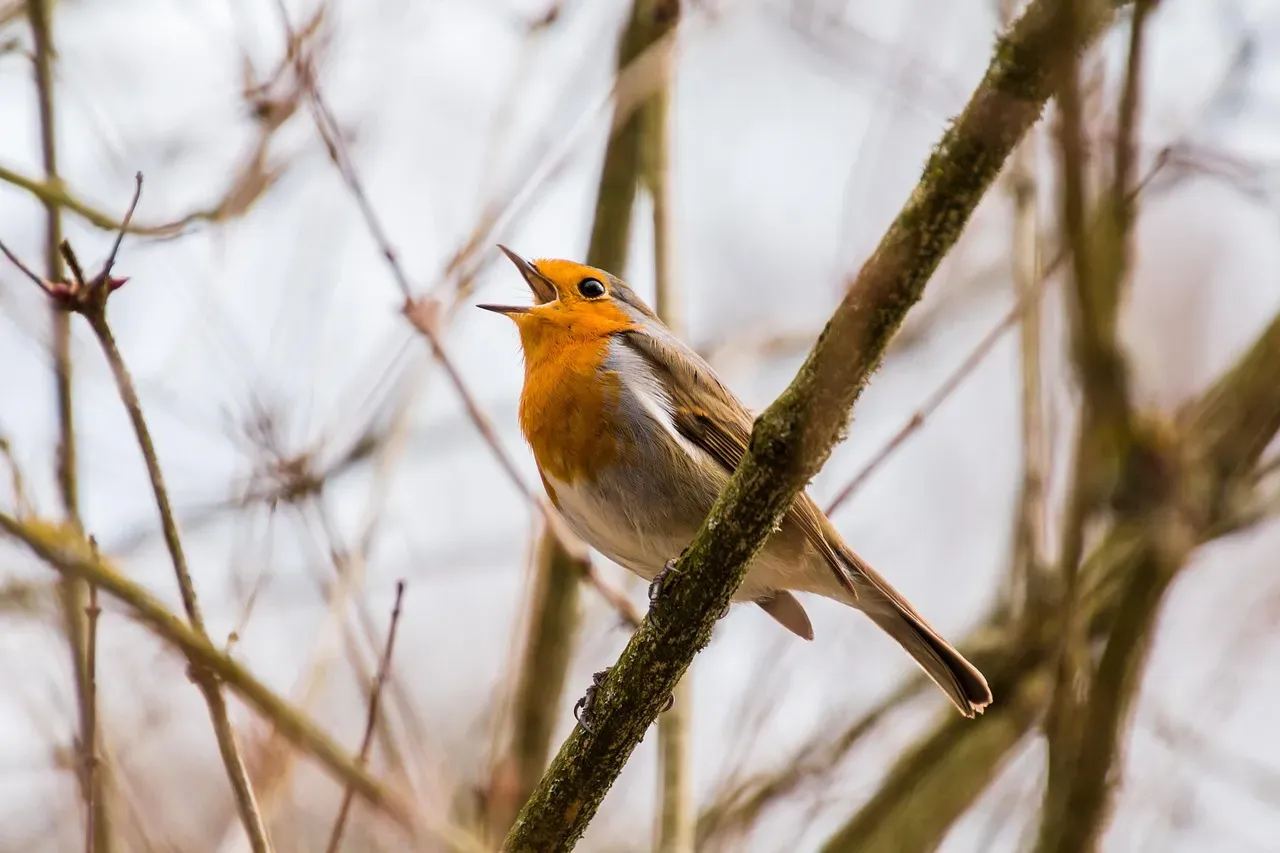
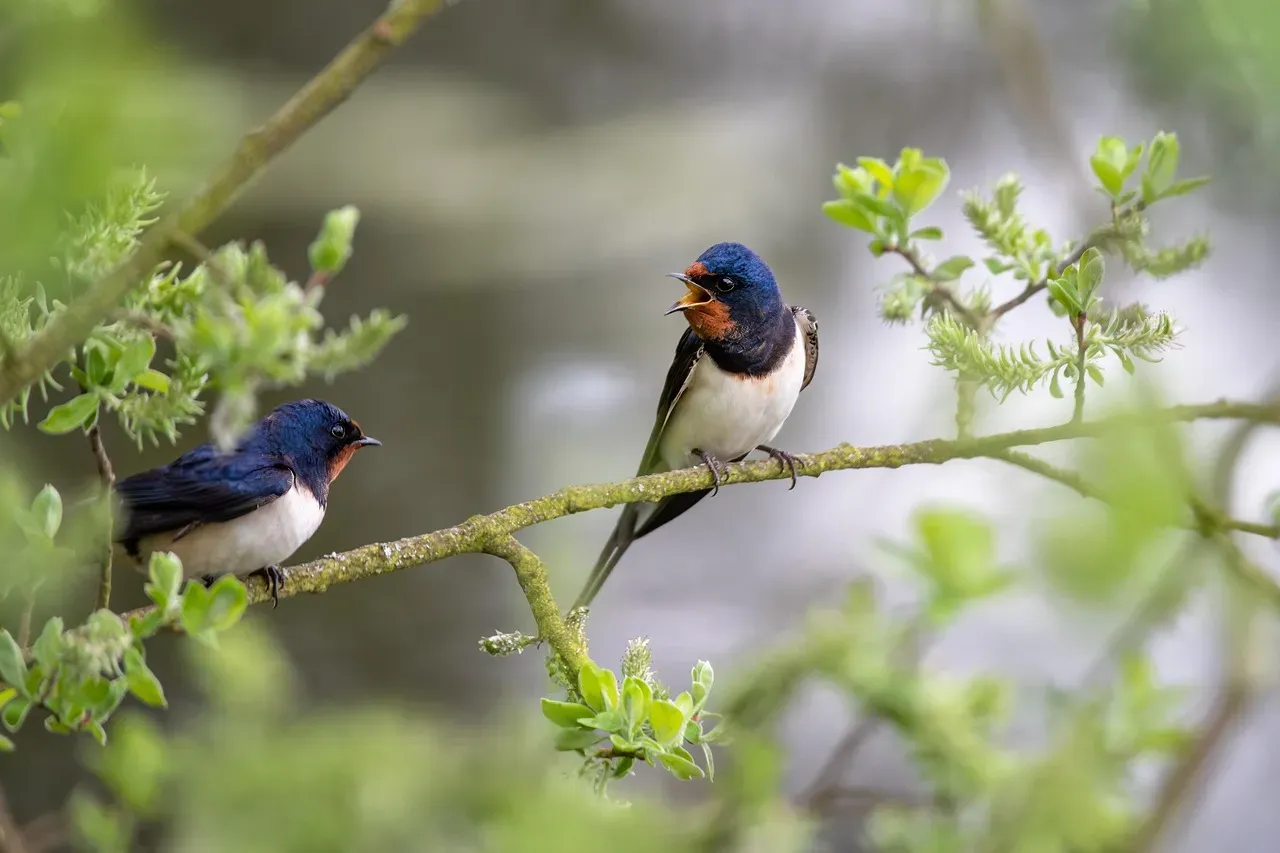
Walk through a forest at dawn and you’re basically stepping into a crowded, multilingual café. Songbirds communicate with songs that are not only complex, but also highly regional – the same species can sing noticeably different “dialects” depending on where they live. Young birds learn these songs from adults, practicing and refining them the way a child learns a first language, sometimes even making mistakes that become new, stable versions over time. Some species have so many song types that cataloging them all can feel like trying to memorize an entire playlist of albums.
What’s even more intriguing is that these differences aren’t just cosmetic. Birds use songs to attract mates, defend territory, and signal social status, and a local dialect can matter a lot in whether a bird succeeds or fails. In some cases, birds moving into a new region have to “translate” and adjust their vocal style to be accepted. This suggests a world where culture is not exclusively human – where style, tradition, and local norms shape the soundscape of the trees. The forest becomes less like a random chorus and more like a patchwork of musical cultures constantly interacting and evolving.
Bees, Ants, and the Language of Touch and Smell
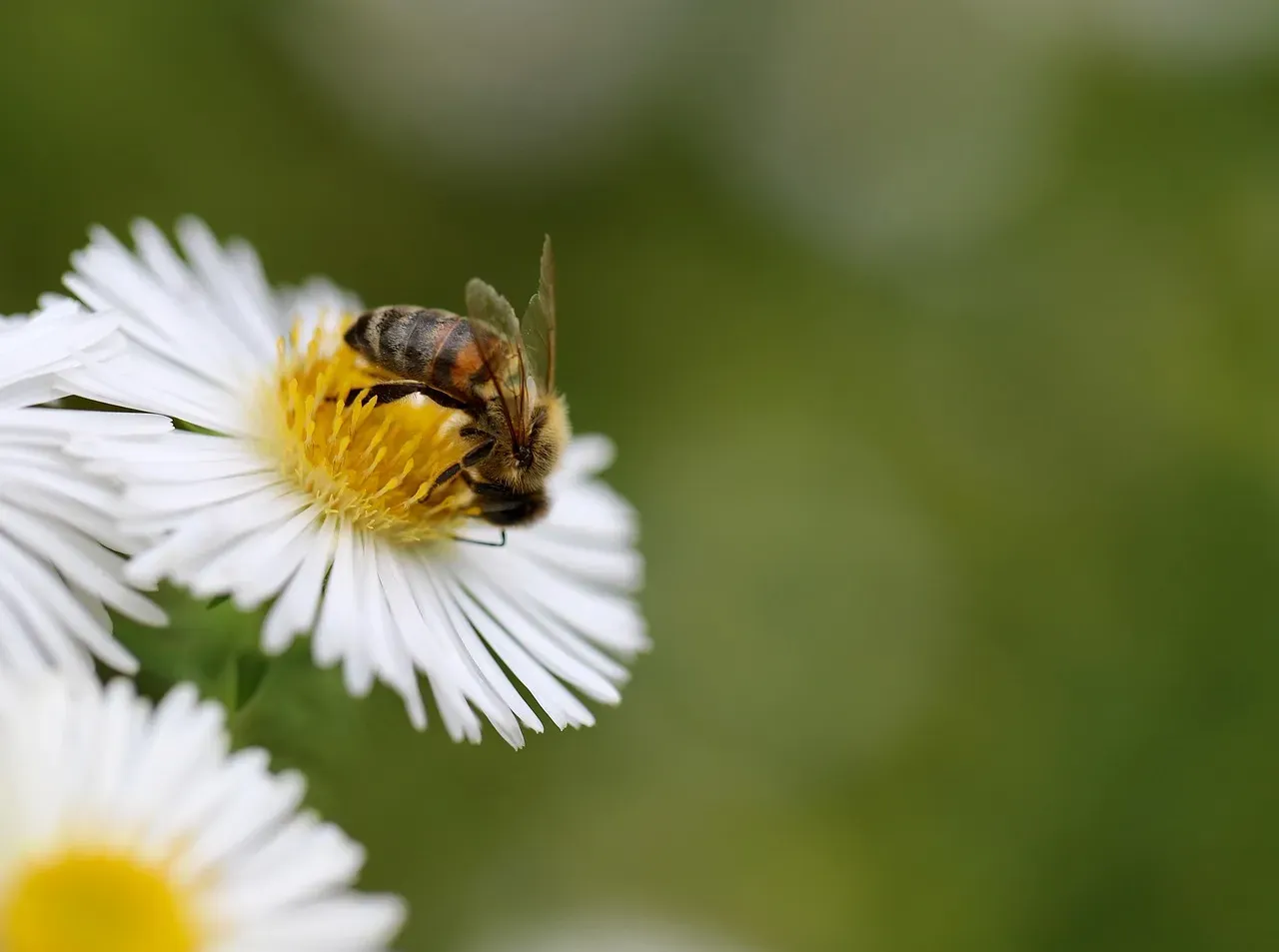
Communication isn’t always about sound. For bees, ants, and other social insects, the main channel is often movement and chemical signals. Honeybees perform a “waggle dance” that encodes direction and distance to a food source in the angle and length of their movement on the hive’s vertical surface. To us, it looks almost comical, but it guides workers with enough accuracy that they can fly straight to a patch of flowers they have never seen. The hive turns into a buzzing information hub where every dance is a kind of living map.
Ants take a different route: scent. They lay down pheromone trails that other ants can follow, strengthen, or abandon depending on how valuable a food source is. Through a combination of touch, smell, and movement, an entire colony can coordinate complex tasks like foraging, nest building, and defense, without any central commander giving orders. When you look closely, it starts to feel like a distributed information network, not so different conceptually from a decentralized internet. The fact that it’s running on smell instead of wires doesn’t make it any less sophisticated.
Primates, Gestures, and the Roots of Human Language
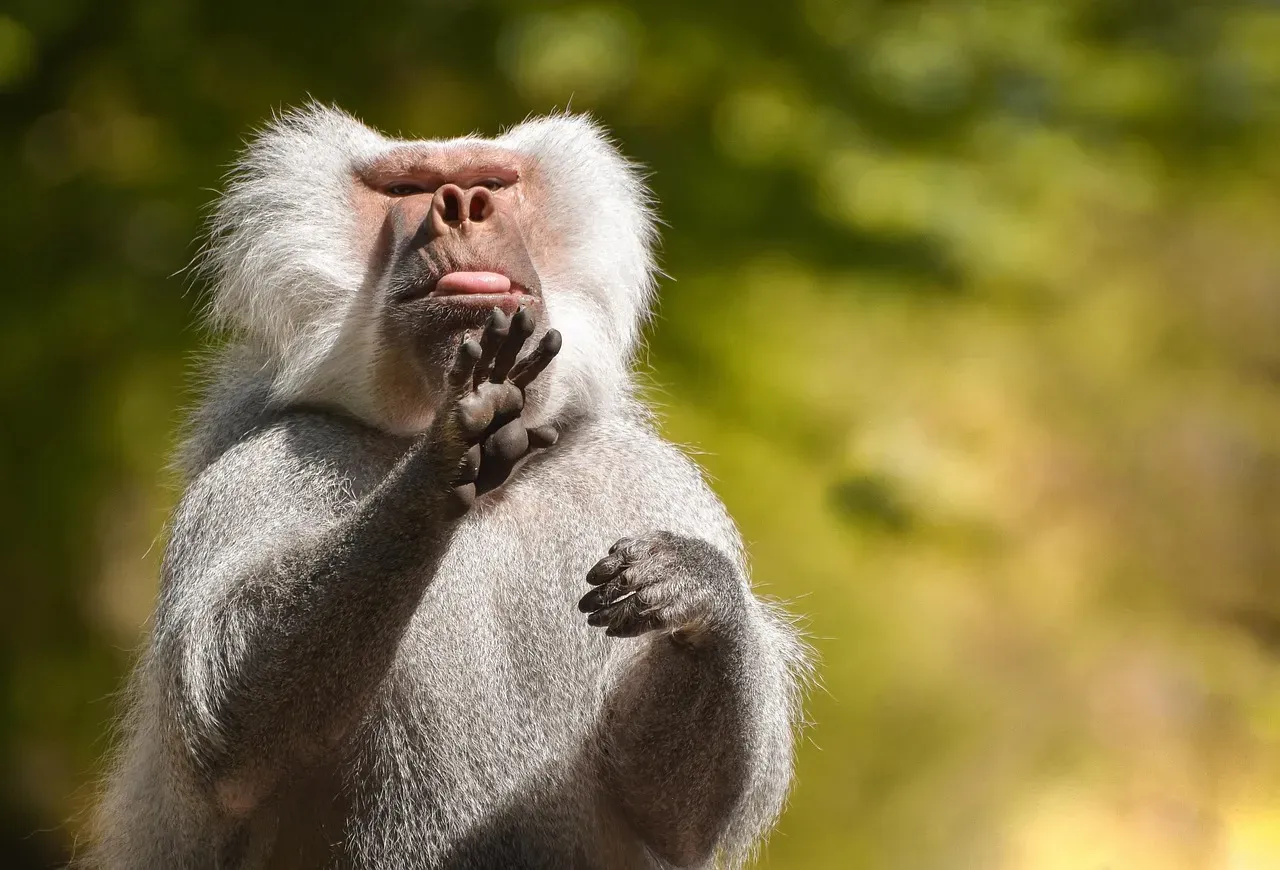
Among primates, communication begins to look eerily like a mirror held up to our own linguistic past. Chimpanzees, bonobos, and other apes use a rich set of gestures, facial expressions, and vocalizations to get what they want, coordinate group behavior, and navigate social tensions. Some gestures are remarkably consistent across different groups, suggesting a shared “vocabulary,” while others are learned and shaped by local culture. Researchers have identified dozens of distinct gestures, each with a fairly specific meaning depending on context.
What’s fascinating is that many of these gestures share features with how human babies first communicate before they can speak: pointing, reaching, and using body movements to direct attention. This has led some scientists to propose that human language may have evolved out of a gestural system like this, with speech added later. Watching apes negotiate access to food or request grooming with subtle hand movements feels like peeking back in time at the earliest stages of our own linguistic evolution. It’s not that they are “almost talking” in a human way; it’s that our talking might be an elaboration of something they still do quite naturally.
AI and the New Age of Decoding Animal Signals
What’s changed most dramatically in the last decade is not the animals themselves, but our tools for listening. Cheap, rugged microphones can now record around the clock in forests, oceans, and savannas, gathering mountains of data humans could never analyze by hand. Artificial intelligence, particularly pattern recognition algorithms, can sift through these recordings and flag repeating patterns, rare sounds, and subtle variations too complex or too fast for us to catch. It’s like suddenly getting a microscope for sound, revealing details that were always there but utterly invisible to us.
Some projects aim to go even further, trying to map animal signals to specific contexts: which calls happen during feeding, mating, or danger; which patterns cluster around play or conflict. Over time, this could produce a partial “dictionary” of meaning, at least in narrow situations. There’s a risk of overpromising, and plenty of room for mistakes, but the direction is clear: we’re moving from casual listening to systematic decoding. The idea of building a working translation system between humans and another species no longer sits purely in the realm of science fiction.
Ethical Questions: If We Understand Them, What Then?
As we peel back the layers of animal communication, an uncomfortable question creeps in: what responsibilities come with understanding? If we learn that certain animals share information about pain, fear, or long-term relationships in ways we hadn’t recognized, does that change what we consider acceptable in how we treat them? It’s one thing to assume an animal suffers in a vague way; it’s another to suspect it may be describing that suffering, however simply, to others. Suddenly, farming, captivity, and experimentation take on a different moral weight.
There’s also the risk of intrusion. If we eventually manage to “speak back” in any crude way, should we? Do we have the right to insert ourselves into wild conversations, influencing decisions that evolved without us for millions of years? On the other hand, better understanding could help us protect species, design quieter ships that stop drowning out whale songs, or manage landscapes in ways that respect complex acoustic communities. The more we realize animals are not silent, the harder it becomes to pretend their voices don’t matter.
A Planet That’s Been Talking All Along
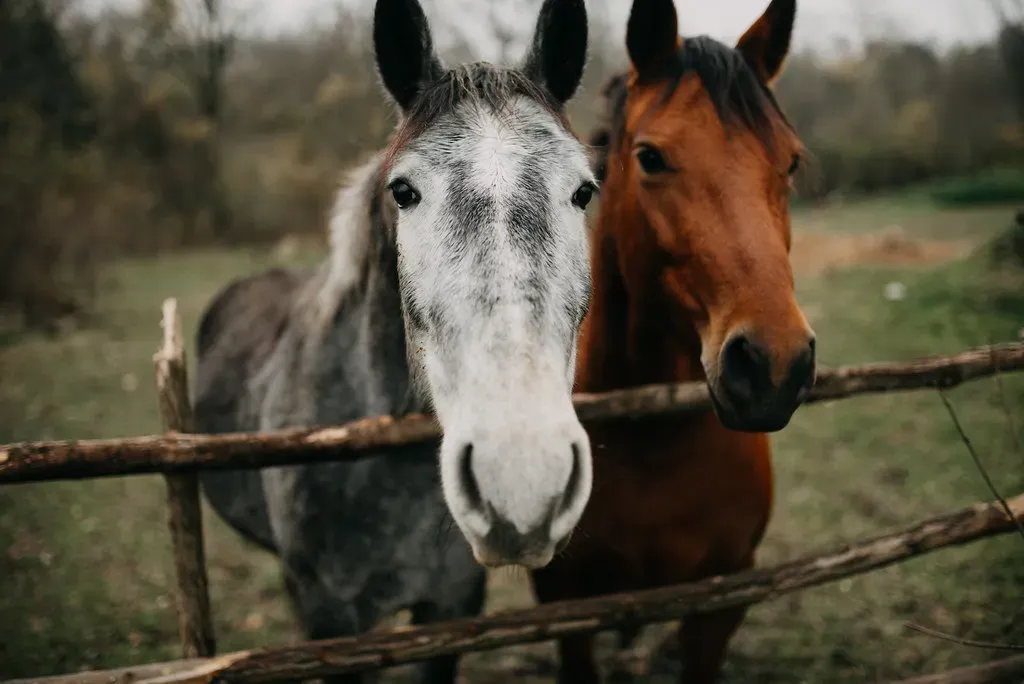
When you pull all of this together, the picture that emerges is simple and humbling: Earth has been talking nonstop, and we’re only now turning down the volume of our own noise long enough to hear it. From whales tracing sonic paths across ocean basins, to birds singing dialects in patchy forests, to ants running chemical traffic systems beneath our feet, communication is everywhere. It’s not always language in the human sense, but it’s ordered, meaningful, and often far more complex than we once assumed.
We’re at the very beginning of this decoding journey, and there’s a good chance that the most startling discoveries are still ahead of us. Maybe one day we’ll be able to exchange simple messages with another species; maybe we’ll “just” learn to listen better and act with more respect. Either way, it’s getting harder to see animals as background characters in a human-centered story and easier to see them as other minds, busy talking in ways we’re finally starting to notice. What, exactly, have we been missing all this time?