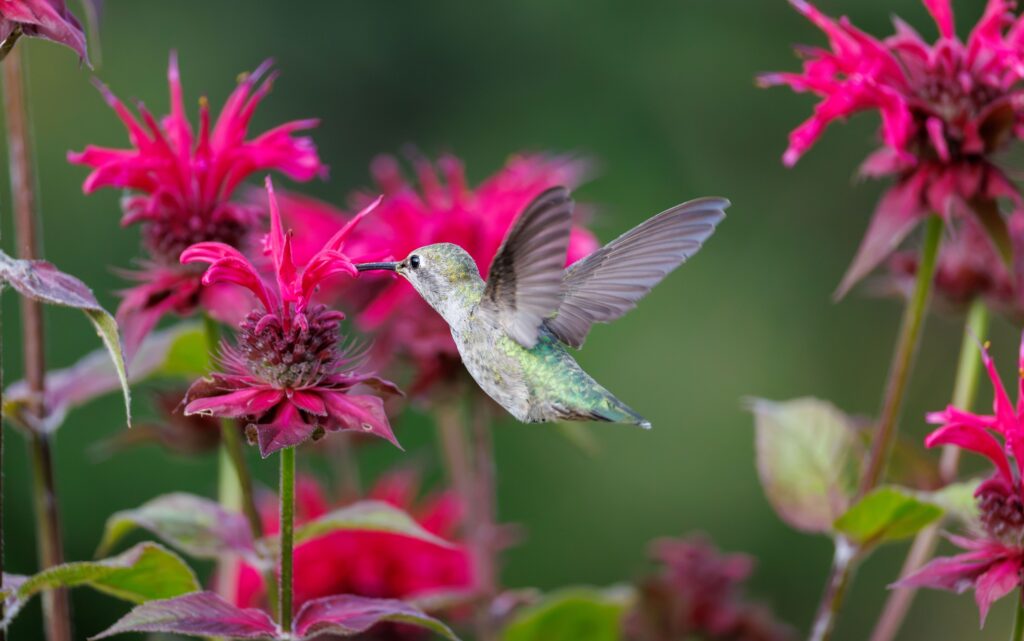

If you have a hummingbird visiting your garden right now, there’s a good chance it already knows your yard better than you do. Animal scientists are finding that hummingbirds do not just flit around at random; they build detailed mental maps of specific gardens and then use those maps when they return in later seasons. When you start to realize how sharp their memory really is, every tiny visit suddenly feels a lot more intentional.
Once you see your garden through a hummingbird’s eyes, the way you plant, water, and arrange flowers starts to change. You are no longer just “decorating” a space; you are designing a living, remembered landscape that a wild animal will carry in its mind over hundreds or even thousands of miles. That idea alone can make your everyday backyard feel a bit magical.
Hummingbirds Are Tiny, But Their Spatial Memory Is Huge
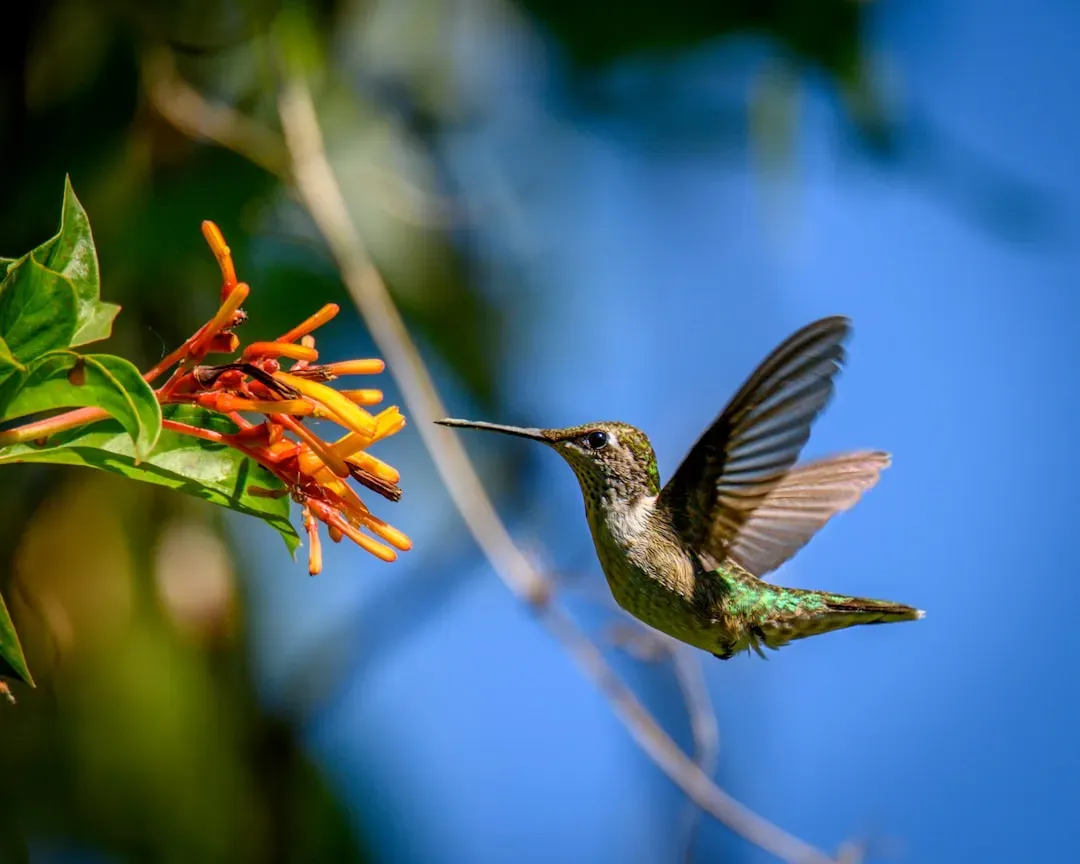
You might assume such a small bird has a simple brain, but hummingbirds completely break that stereotype. Research shows that they excel at spatial memory, especially for tracking flower locations, bloom timings, and nectar rewards. In other words, they do not just remember that a garden has food; they remember which specific spots pay off and which ones are a waste of energy.
Imagine walking into a supermarket where every aisle changes daily; that is basically what a wild landscape looks like for a nectar feeder. Yet hummingbirds navigate this chaos with a memory closer to a seasoned shopper who already knows which shelf, which brand, and which discount sign is worth the trip. When they come back to your yard after migration, they lean on that stored map like a traveler returning to a familiar neighborhood café.
They Remember Not Just Flowers, But Layouts And Routes
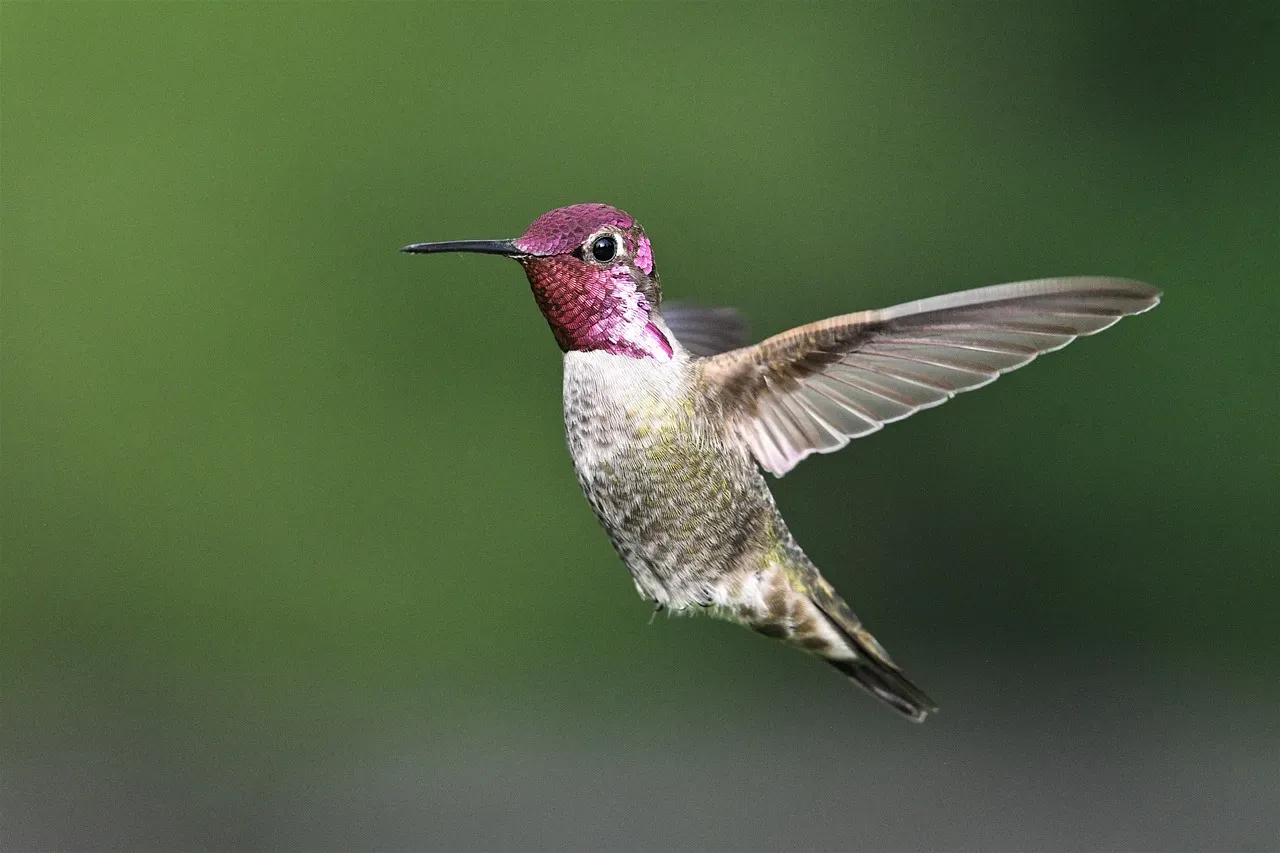
What really stands out is that hummingbirds seem to remember the layout of a feeding area as a pattern, not just isolated points. You are looking at birds that use something very close to a mental “map” rather than a simple list of remembered flowers. They keep track of which plant is near the shed, which feeder hangs by the kitchen window, and which patch of blooms sits in the far corner of the fence line.
In practice, that means a hummingbird can follow nearly the same flight path day after day, season after season, like a mail carrier running a familiar route. You may notice one bird always coming from the same direction, pausing at the same clump of flowers, then darting to the same feeder, as if checking off items on a list. That pattern is not an accident; it is a reflection of how your garden is stored in its memory.
Season After Season, Your Garden Becomes A “Known Address”
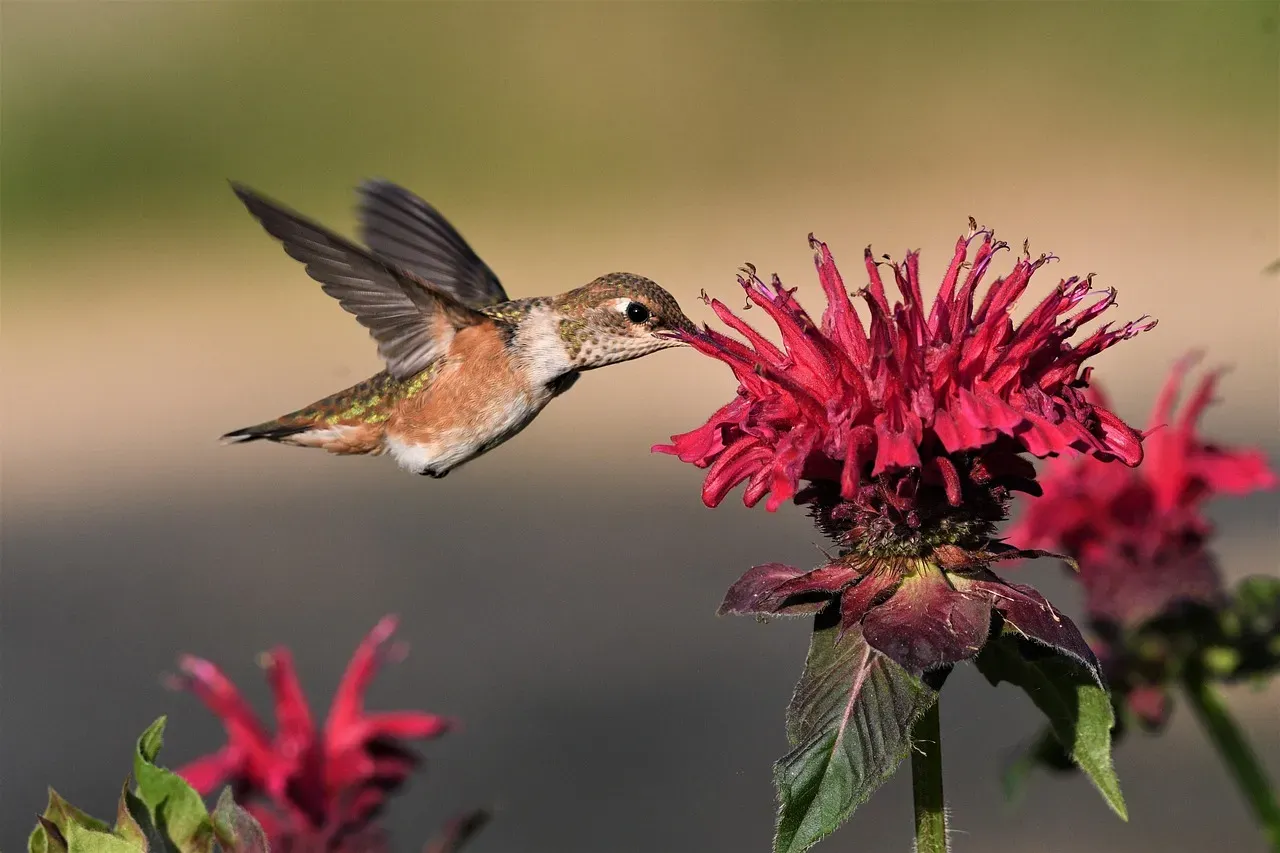
One of the most striking things you notice if you feed or plant for hummingbirds over multiple years is how quickly they rediscover familiar spots each spring. Many birders and gardeners notice the same individual or similar-looking birds returning almost to the week when they first put feeders out the year before. You are basically watching a wild animal show up at your door with the expectation that the “restaurant” will be open again.
This seasonal memory matters because hummingbirds live on a razor-thin energy budget. Remembering a garden’s layout saves them the cost of trial-and-error exploration each time they arrive. For you, that means your consistent planting and feeding habits turn your yard into a stable landmark in their mental map of the landscape, almost like a reliable gas station on a long highway.
Consistency In Your Garden Design Helps Their Memory Work For Them
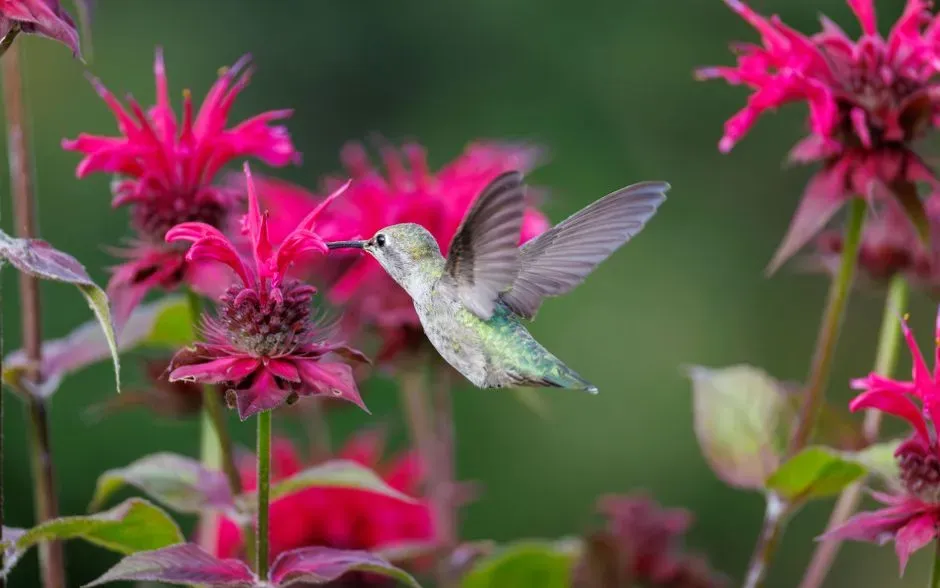
If you constantly move feeders or overhaul your planting layout, you may unintentionally scramble the map a returning hummingbird is expecting. While they can adapt, you make their job easier by keeping some anchor points the same from year to year: a feeder in a familiar spot, a clump of favorite tubular flowers in roughly the same bed, or a trellis that always hosts nectar-rich vines. You are giving them signposts their brains are already primed to look for.
Think of it like rearranging the furniture in someone else’s house every time they visit; they will eventually figure it out, but it costs them time and energy. When you provide a bit of stability, their memory can shine. They can zip straight to known hotspots instead of wasting valuable calories hovering around, trying to decode a brand-new layout.
Your Plant Choices Teach Them A Calendar, Not Just A Map
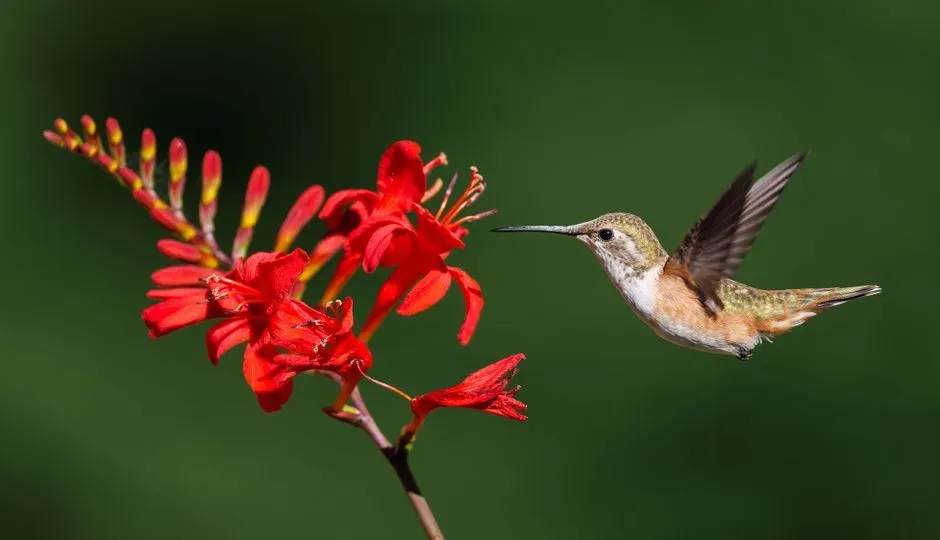
Hummingbirds do not only remember where things are; they also remember when they are worth visiting. If you grow early-blooming perennials, midseason salvias, and late-season trumpets or vines in a consistent pattern each year, you are basically teaching hummingbirds a garden schedule. They learn that certain “stations” on their route pay off heavily in spring, while others are more rewarding later in summer.
Over time, your planting style turns into a predictable nectar calendar synchronized with their memory. You can think of your yard as a series of appointments on their seasonal schedule: this patch in May, that border in July, the heavy-feeding corner in early autumn before migration. When you line up bloom times thoughtfully, you make it easy for them to match their remembered map with a reliable food timeline.
Individual Birds May Recognize You As Part Of The Landscape
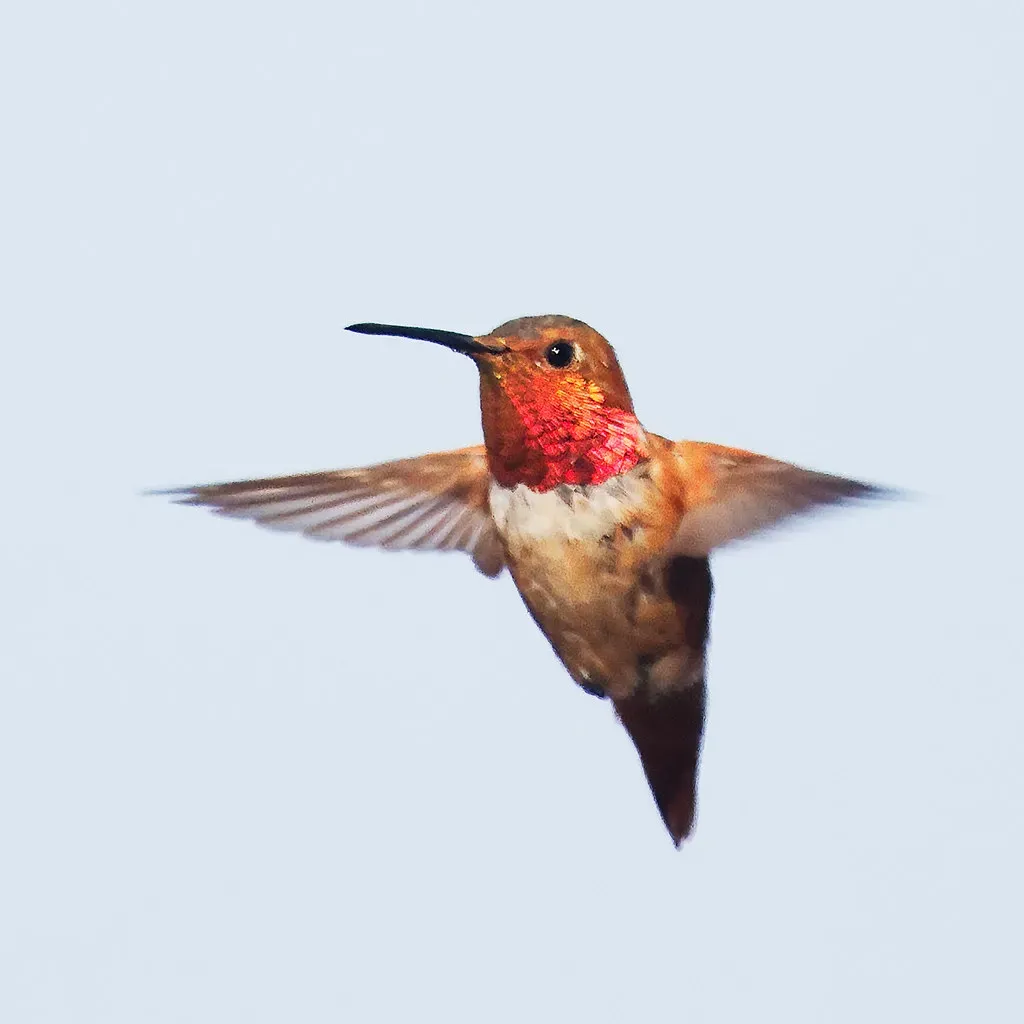
When you spend enough time around hummingbirds, you start to feel like they are watching you as much as you are watching them. While the strongest evidence focuses on their memory for space and food, many people notice that individual birds seem to get used to their regular garden caretaker. You might see a bird hovering near you when you step outside at the usual feeding time, or darting close when you refill a feeder, as if you are just another predictable feature of their foraging world.
Even if you do not want to stretch beyond what the science firmly supports, it is fair to say your behavior becomes part of the regular pattern they experience. You walk the same path, touch the same feeder, and appear at similar times of day. From the bird’s perspective, you are one more consistent element in a landscape it already remembers in astonishing detail.
You Can Design A “Memorable” Garden That Works With Their Brains
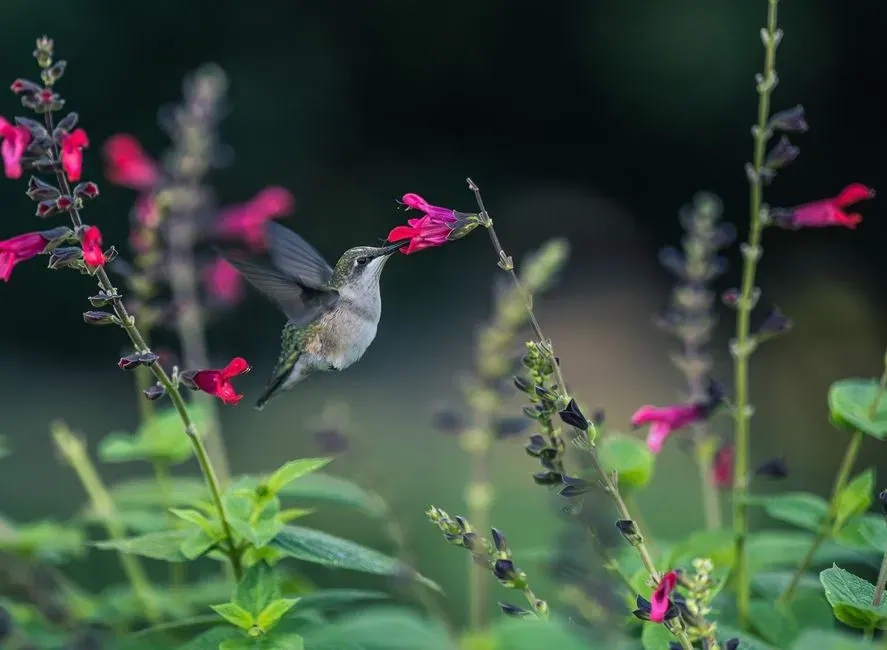
Once you accept that hummingbirds remember layouts, you can start intentionally designing a garden that is easy for them to memorize and revisit. That might mean grouping nectar plants together instead of scattering them randomly, placing feeders near visual landmarks like shrubs or fences, or creating layers of height so that certain routes feel natural. You want to build clear, repeatable patterns rather than visual chaos.
In a sense, you are creating a three-dimensional memory palace for a bird that burns through energy faster than almost any other backyard visitor. The reward is that your yard becomes part of a long-term relationship instead of a one-off snack stop. When you see the same kinds of tight, purposeful flight paths each year, you are watching a tiny brain and a human-designed garden working together remarkably well.
Small Changes Can Confuse Them, But Thoughtful Tweaks Can Help
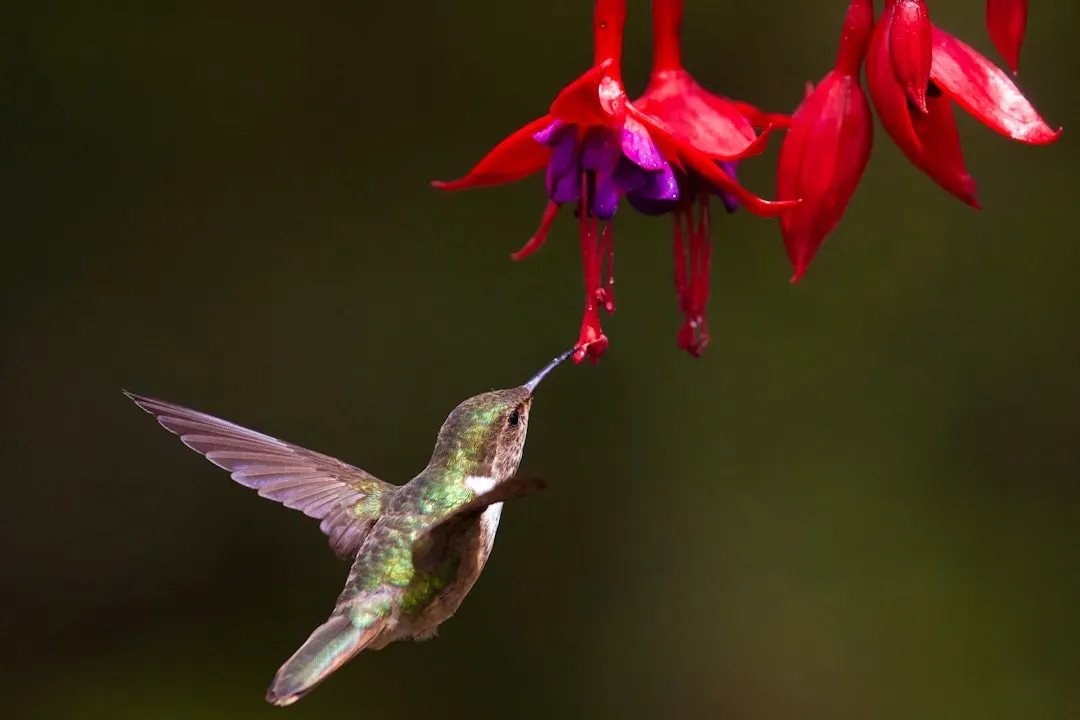
Because hummingbirds lean so heavily on spatial memory, certain changes can throw them off more than you realize. Taking down a prominent feeder without replacing it, cutting back a large flowering shrub, or moving all the nectar plants to a brand-new bed can make a remembered route suddenly feel wrong. You might see birds searching in “empty air” where a feeder used to hang, as if their internal map insists it should still be there.
That does not mean you can never improve your garden. It just means you will want to make changes gradually and leave some familiar anchors in place. You might move one feeder but keep another in its usual spot, or slowly expand a bed instead of ripping it out entirely. In doing so, you respect the memory work the birds have already invested in your space while still making your own gardening life more enjoyable.
Conclusion: Your Garden Lives On In A Hummingbird’s Mind
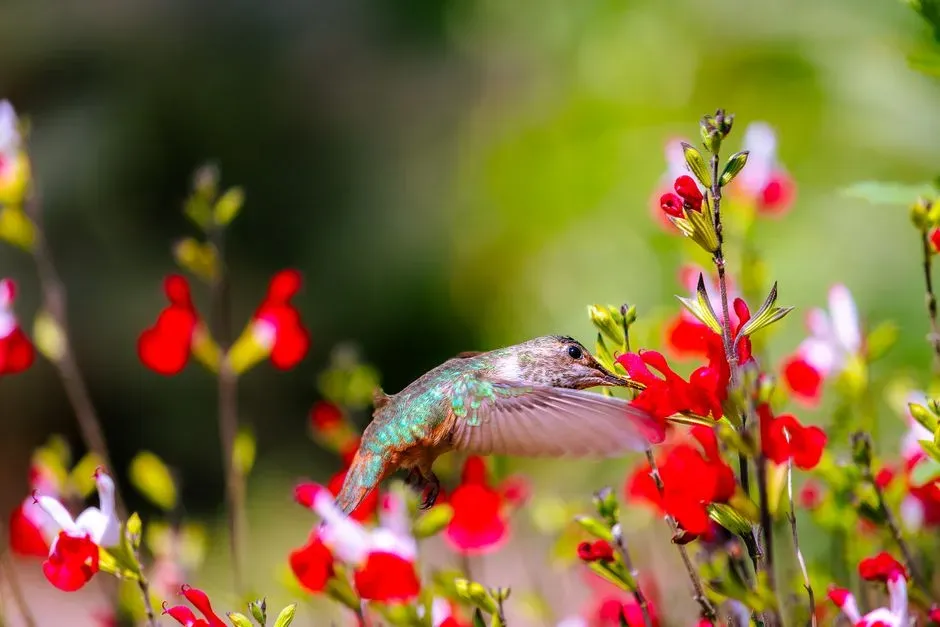
When you step back and think about it, it is pretty humbling to realize that a bird weighing less than a coin is carrying your garden around in its head as it crosses valleys, towns, and maybe even international borders. Your feeders, flower beds, and favorite corners are not just pretty decorations; they are reference points in a mental map that helps a fragile animal survive from one season to the next. Each year you keep things consistent, you reinforce that invisible bond.
So the next time a hummingbird rockets into your yard and heads straight for one specific cluster of flowers, try seeing it as more than a lucky guess. You are watching memory in motion, the result of many visits stitched together into a reliable picture of your personal patch of earth. Knowing that, what small change will you make today to turn your garden into a place worth remembering again and again?