
You grow up with a simple picture of the ancient world in your head: pyramids in Egypt, temples in Greece, maybe some ruins in Rome. Then you start digging a little deeper and realize the map is wrong. Advanced building popped up in places experts once saw as empty, isolated, or too harsh for complex societies, and it completely scrambles how you think about the past. What follows is a tour of nine ancient structures that should not exist where they do – at least not according to old assumptions. As you move from the Andes to the Arctic Circle, from the middle of the ocean to the edge of the Sahara, you start to see a pattern: people were far more adaptable, inventive, and connected than you’ve probably been taught. By the end, you may find yourself questioning what “civilization” even means.
1. Machu Picchu: A Royal City Balanced on a Knife-Edge Ridge
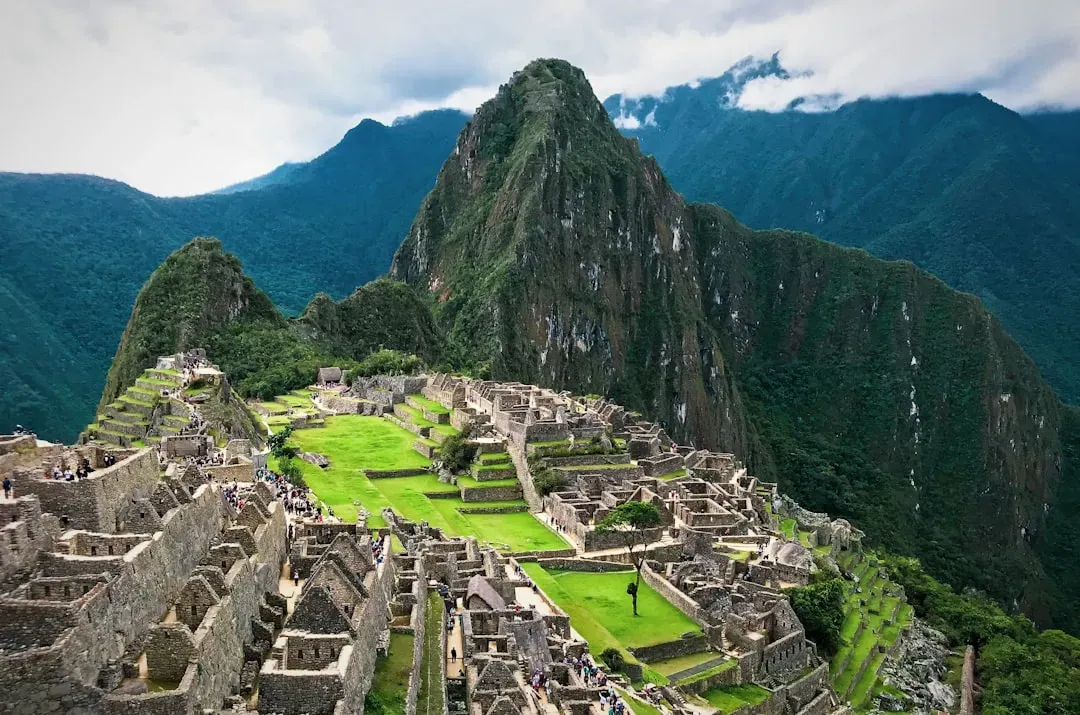
When you first see Machu Picchu clinging to a razor-thin Andean ridge, the obvious question hits you: why would anyone choose to build here? You are dealing with an altitude of well over two thousand meters, surrounded by steep cliffs, landslides, and cloud forest, yet the Inca turned this place into a finely tuned machine of stone, water, and agriculture. Instead of seeing a remote mountain as a barrier, they treated it like prime real estate for royal ritual, astronomy, and political theater. As you walk through the site, you notice how the stonework behaves like it grew out of the mountain itself, every terrace and stairway hugging the contours. You see channels that guide water with frightening precision, and terraces that stabilize slopes while growing food. You realize you’re looking at a city built where most people would struggle just to camp for a night. The location feels insane until you admit something uncomfortable: your idea of what counts as “impossible terrain” is far more limited than theirs ever was.
2. Petra: A Stone City Hidden in the Desert’s Throat
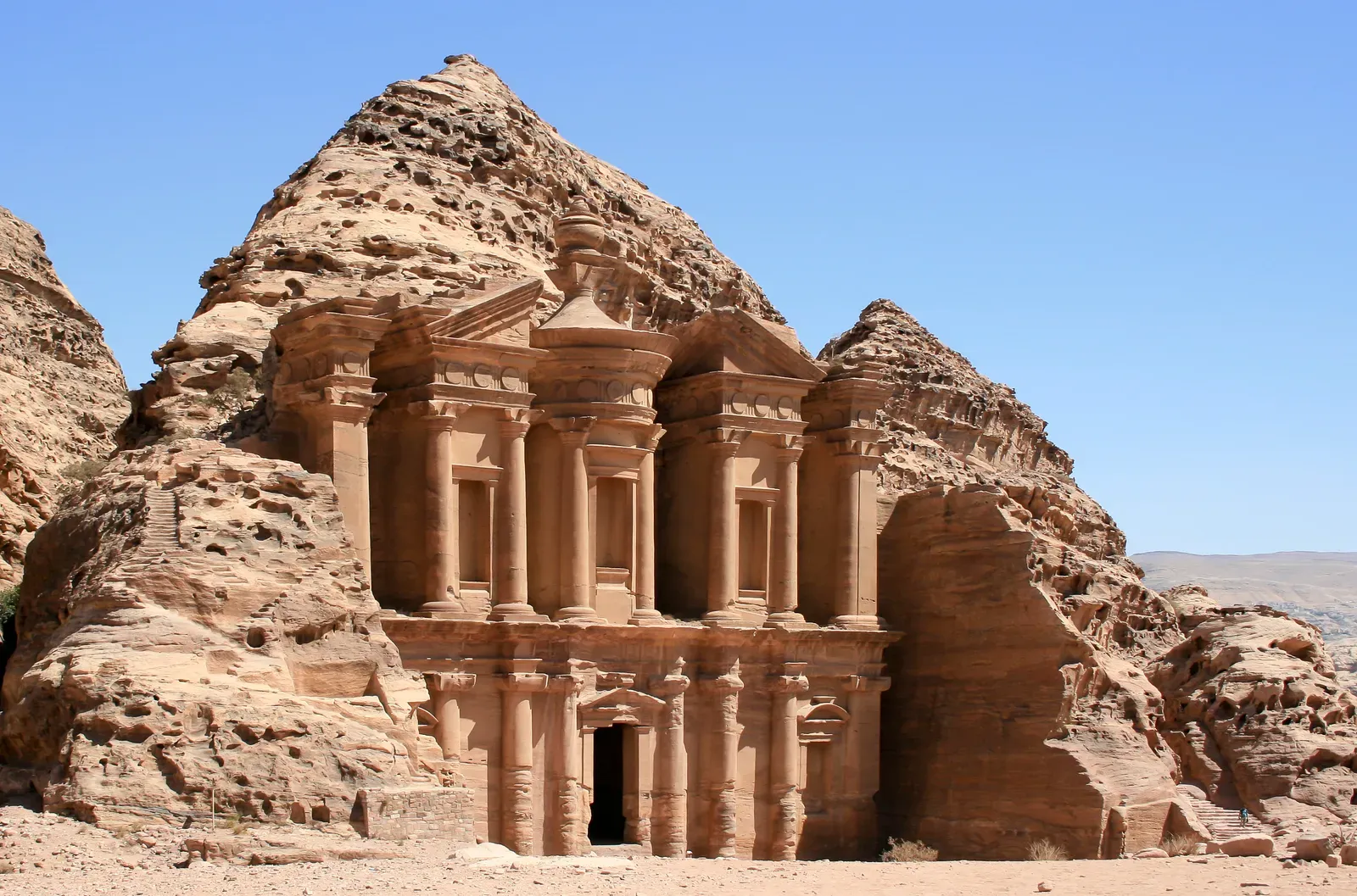
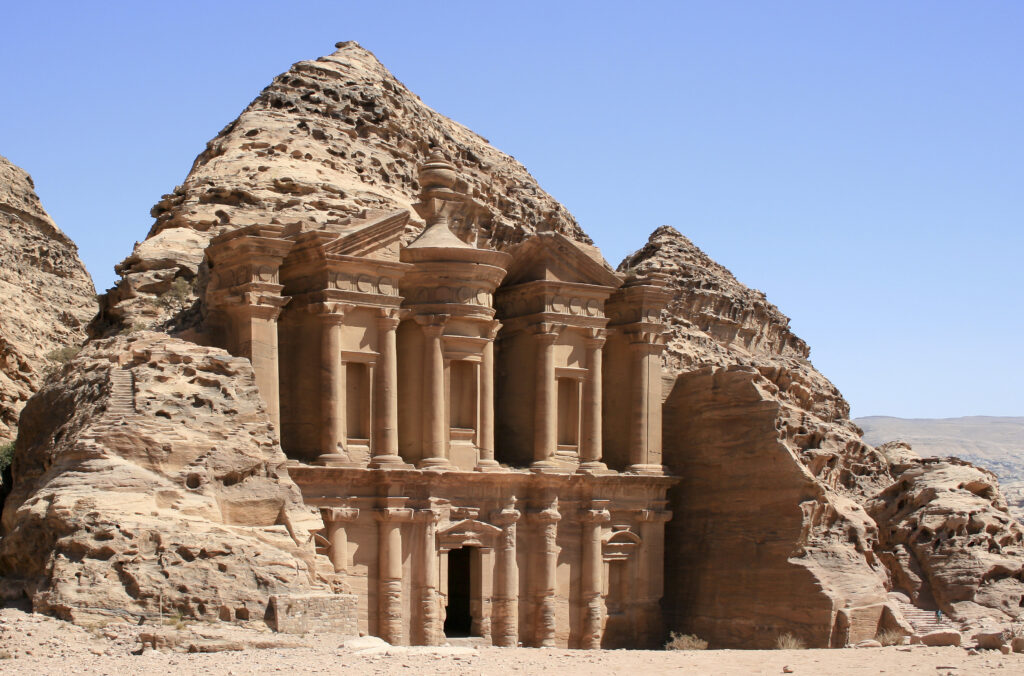
Imagine trekking through blistering desert heat, squeezing into a narrow canyon that feels like a crack in the earth, and suddenly stepping into a city carved straight out of rose-colored cliffs. Petra hits you like a magic trick, and what makes it even more stunning is where it sits: in a brutal, arid landscape that looks more suited to a few tents than an urban center. Yet the Nabataeans not only lived here, they turned this harsh corridor into a thriving commercial hub. If you scratch beneath the dramatic facades, you see the real miracle is water. You follow channels cut into canyon walls, cisterns carved into rock, and hidden reservoirs that trapped the rare desert rains. You realize that what looked like a dead space on the map was actually the perfect place to control trade routes crossing Arabia and the Levant. Instead of avoiding the desert, the builders of Petra learned to ride it, proving that you can build a city where others only see emptiness – as long as you understand how to make the landscape work for you.
3. The Nazca Lines: Giant Designs in a Place You Only See from the Sky
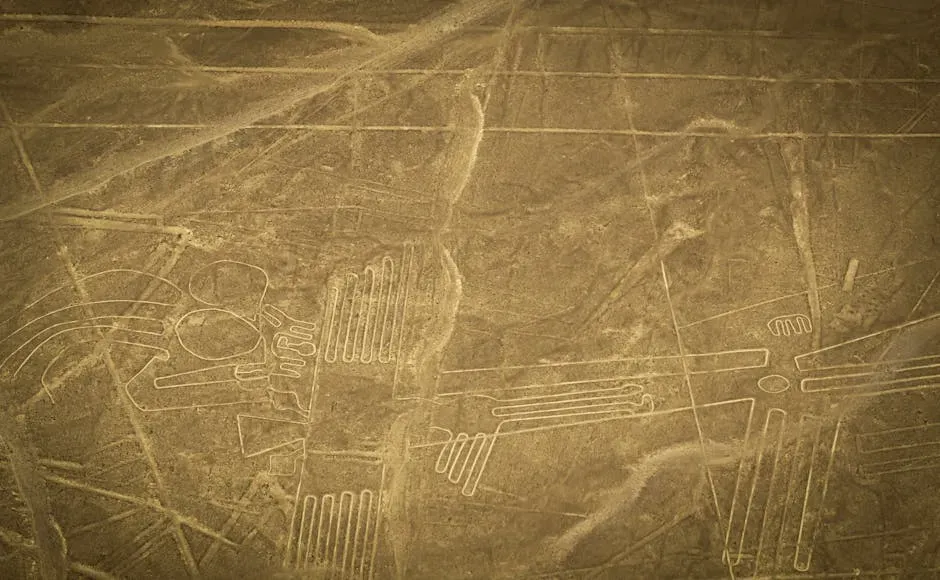
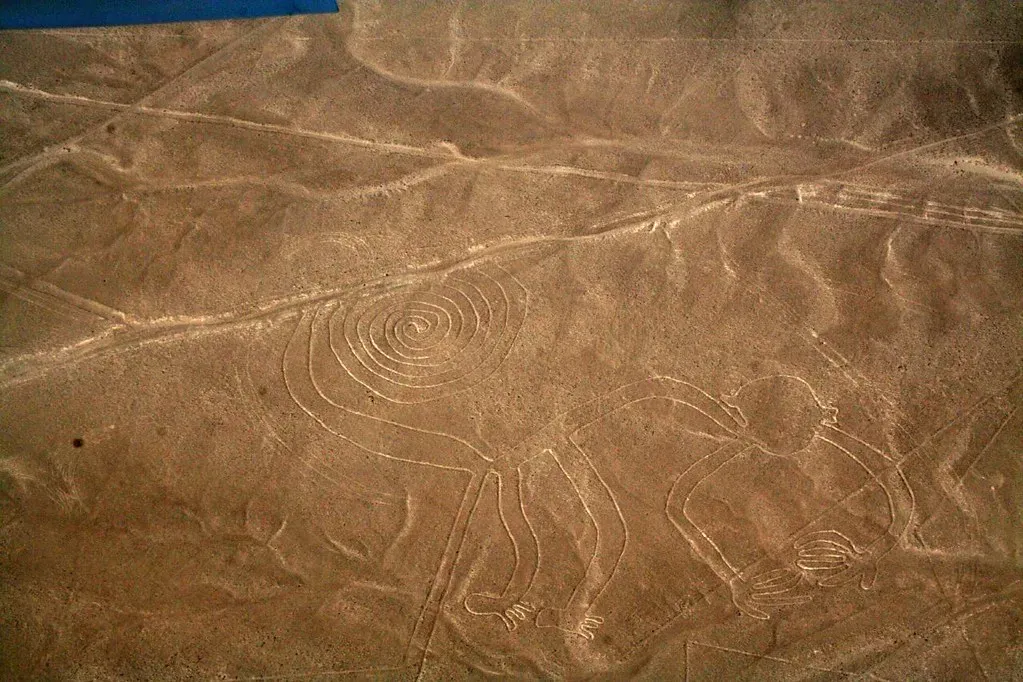
The Nazca Lines sit in one of the driest deserts on Earth, and at ground level, they can feel almost underwhelming – just low grooves in the gravel plain. The shock comes when you realize what they actually are: enormous designs of animals, plants, and geometric shapes spread over tens of square kilometers, fully visible only from high above. You are standing in a pre-airplane, pre-drone world, looking at artwork on a scale that seems to require a bird’s-eye view. You might expect something like this near a great river, lush valley, or palace-filled capital, not out in a parched, wind-swept plateau. Yet here, in a place where rain hardly falls, people invested huge effort into constructions that were almost invisible from the ground. As you think it through, you start to understand how different their priorities were from yours: visibility to the gods, coordination using simple surveying methods, and a deep trust in ritual. The surprise is not just where these lines are, but that anyone thought a desolate desert floor was the right canvas for messages meant to outlive them.
4. Göbekli Tepe: Monumental Stone Circles Before Cities Existed
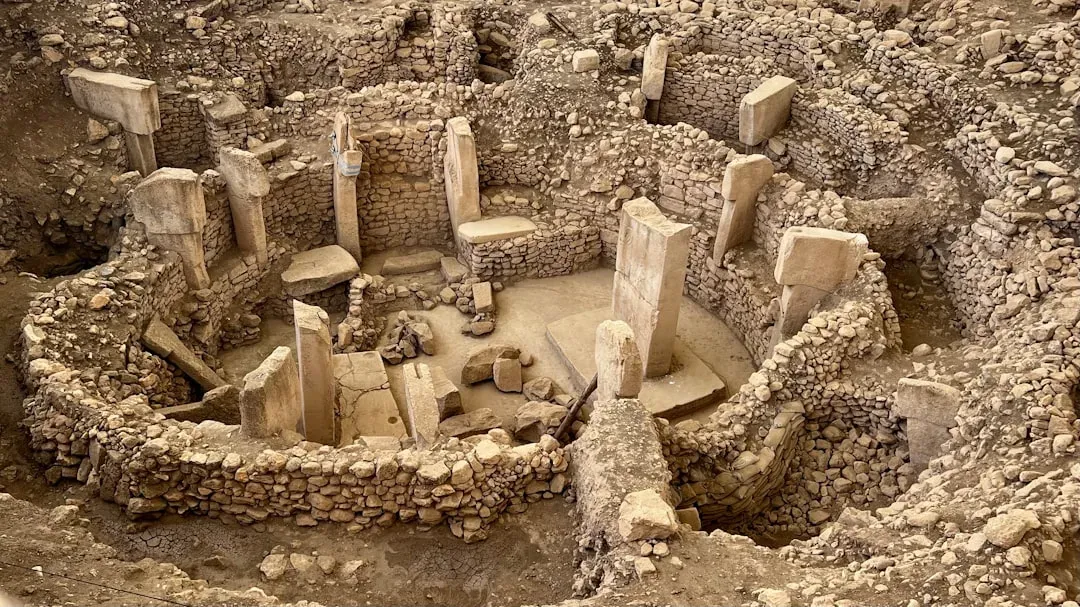
You have probably been told that people invented farming first, then built villages, then gradually developed religion and monumental architecture. Göbekli Tepe in southeastern Turkey flips that narrative upside down. On a remote hilltop, long before known cities or writing, hunter-gatherers raised huge T‑shaped stone pillars in circular enclosures, some towering over you and weighing many tons. The surprise here is not the style of the stonework, but the timing and location. Standing on that hill, you’re not in the middle of an obvious riverine cradle of civilization; you are in a landscape that would’ve looked more like seasonal territory than permanent home. Yet the builders organized labor, carved intricate reliefs, and repeated the design across multiple stone circles. You are forced to consider that religion and shared ritual might have been the reason people gathered and stayed, not a side effect of already settled life. The idea that this level of construction came from groups that still relied heavily on wild resources shows you how thin your line between “simple” and “complex” societies really is.
5. Great Zimbabwe: Massive Stone Walls in the African Interior
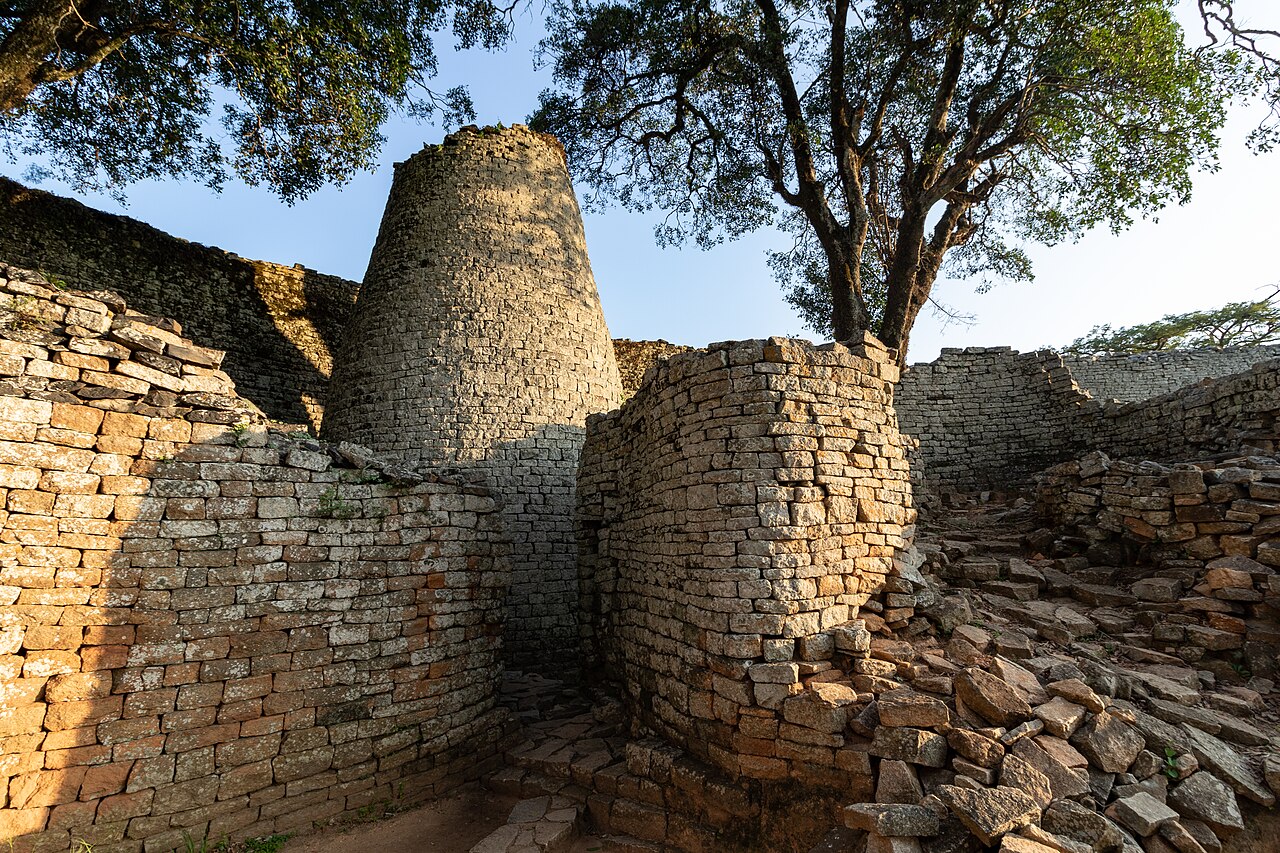
In the rolling highlands of southeastern Africa, far from the Nile or Mediterranean, you suddenly encounter the soaring dry-stone walls of Great Zimbabwe. You are not at a coastal port or along a great river traditionally highlighted in textbooks; you are deep in the continent’s interior. For a long time, outsiders refused to believe local people could have built this, inventing wild theories about lost white civilizations rather than accept African statecraft and architecture in a place they never expected. As you walk along the curving walls, some taller than a multi-story building, you see a level of planning and social organization that clashes with old racist assumptions about “empty” African interiors. You discover this was once a major trading power linked by caravan to the Indian Ocean coast, moving gold, ivory, and other goods. The stonework does not just challenge where complex states could form, it challenges who you have been taught could create them. By the time you leave, you realize how much of your historical map has been drawn by prejudice rather than evidence.
6. The Plain of Jars: Megaliths Scattered Across a Remote Plateau
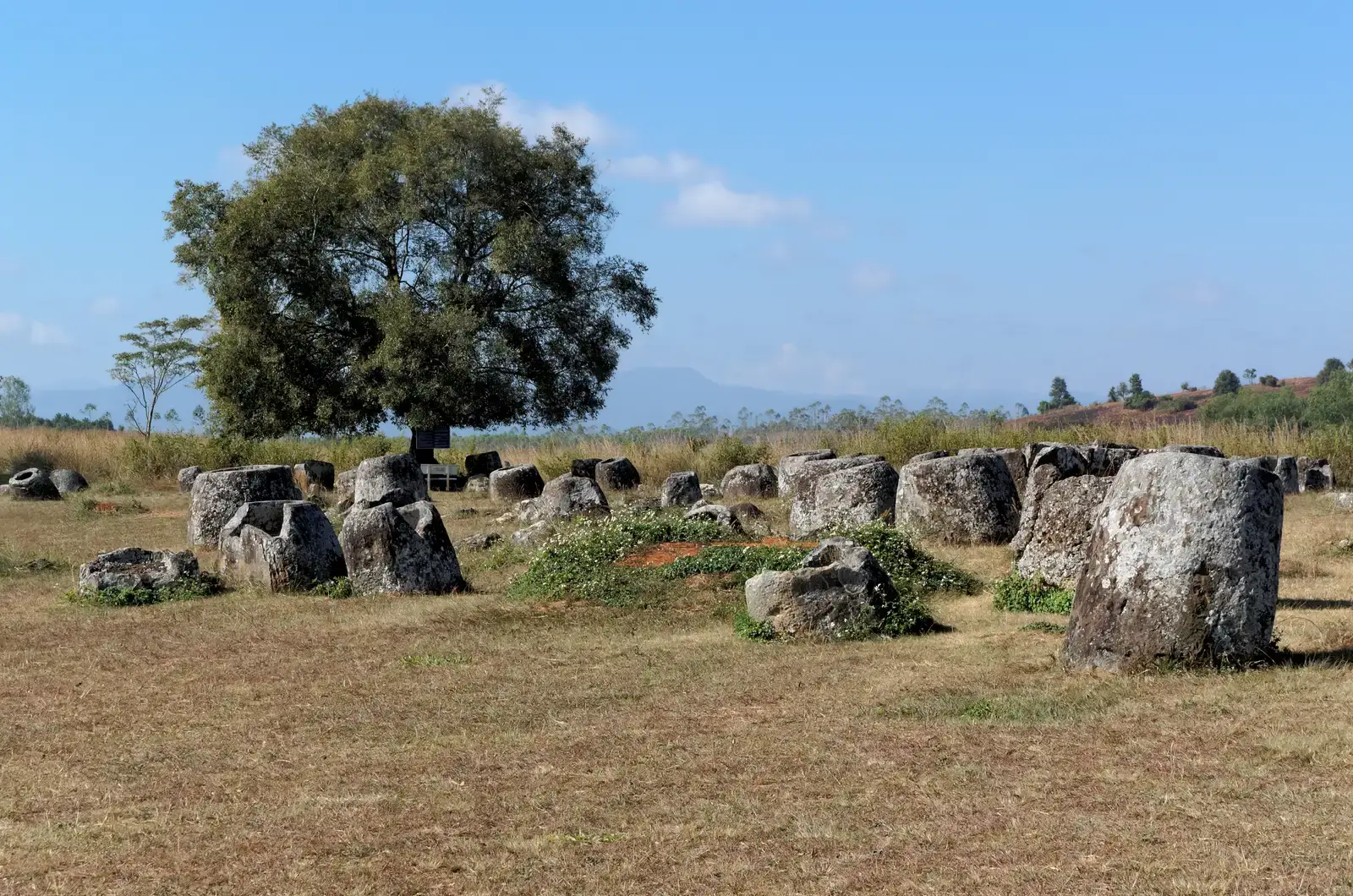
On a quiet plateau in Laos, far from the classic centers of ancient architecture, you come across fields filled with enormous stone jars. They are scattered across the landscape in groups, some taller than you, some cracked, some half-buried. This is not a place early historians and archaeologists focused on; for a long time, it sat at the edge of global awareness, overshadowed by the monumental sites of India, China, and Angkor. Yet here you have hundreds, possibly thousands, of megalithic containers whose purpose is still debated – funerary rituals, storage, or something more symbolic. You are facing evidence of a complex ceremonial landscape built by people who operated far outside the classic “civilization centers” you might memorize for a test. The jars force you to accept that significant ritual traditions, stone working, and social coordination also emerged in upland Southeast Asia, in a region many researchers once assumed held only scattered village life. It’s a reminder that your mental map of ancient innovation is full of blank spots that were never really empty.
7. Nan Madol: A Stone City Floating on a Coral Reef
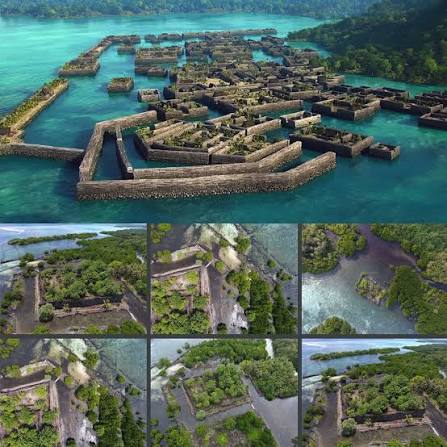
If you picture monumental stone architecture, you probably imagine dry land: mesas, mountains, river valleys. Nan Madol, off the coast of present-day Pohnpei in Micronesia, laughs at that assumption. Here you find a city built on a shallow coral reef – dozens of artificial islets made from stacked basalt columns that look like giant stone logs. You are not just offshore; you are walking through a lattice of canals and platforms that some people call the Venice of the Pacific, raised in a place where most societies would have stopped at simple stilt houses. When you think about the logistics, the surprise only grows: quarries inland, heavy stone transported over water without wheels or draft animals, and structures placed on unstable, submerged ground. The builders turned the ocean itself into their foundation, building a political and ceremonial center in a literally fluid landscape. As you move through Nan Madol, you realize this is not an outlier; it is a powerful example of how island societies took engineering in directions continental architects never had to consider. It forces you to widen your definition of where a “city” can live.
8. The Cairns of Orkney: Monumental Tombs at the Edge of the North Sea
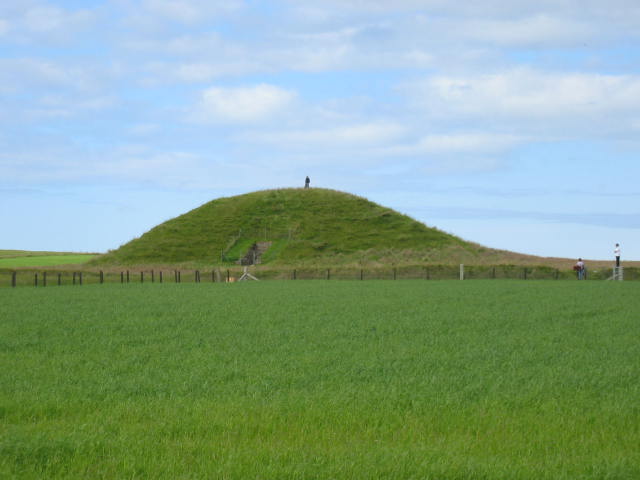
Traveling to the Orkney Islands, you might expect windswept grass, stone fences, and lonely cliffs – what you do not expect is a concentration of Neolithic monuments rivaling more famous landscapes further south. Yet here, on these chilly, storm-battered islands north of Scotland, you step into chambers like Maeshowe or the tombs at the Ness of Brodgar and realize people here were building sophisticated stone architecture while much of Europe was still experimenting with farming. The location feels peripheral, but the archaeology screams “center of something important.” When you duck into one of these cairns, crouching through a narrow passage to reach a carefully proportioned inner chamber, you feel how intentional everything is: alignments with the winter solstice sun, stonework that has held for millennia, a sense of ceremony that goes beyond simple burial. The shock is that this was all done in a place many would consider marginal: poor soils, harsh weather, limited trees. You are forced to accept that people did not just cling to fertile river valleys; they carved meaning, community, and monuments out of tough coasts and cold seas as well.
9. The Desert Kites: Giant Hunting Traps Hidden in Open Nothingness
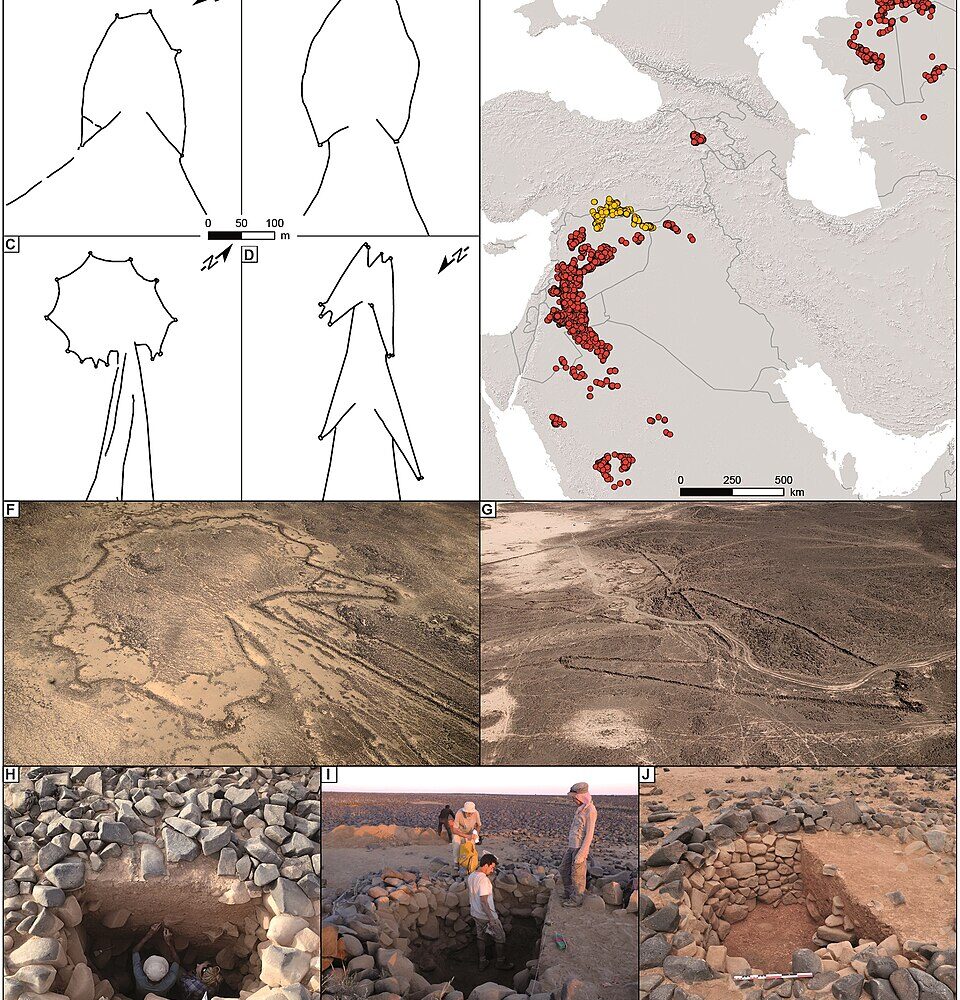
From the ground, the basalt deserts of the Middle East and Central Asia can look utterly empty, just scattered rocks and scrub fading into heat haze. Then you see satellite images and realize you are standing amid enormous stone structures shaped like kites: long, converging low walls leading into enclosed spaces. These so‑called desert kites are prehistoric mass-hunting traps laid out across landscapes that many historians once treated as barren corridors rather than engineered environments. What shocks you is not only their scale, but their subtlety. At eye level, the walls are often so low and eroded that you might walk past without noticing them, yet from above the geometry is unmistakable. You are seeing evidence that people here were not just wandering from oasis to oasis; they were planning large, coordinated hunts on an industrial scale in places long written off as lifeless. The kites teach you that even areas labelled as “wasteland” can be saturated with human strategy and effort, if you bother to look closely – or from the right angle.
Conclusion: Redrawing Your Mental Map of the Ancient World
By the time you have walked these ridges, reefs, deserts, and stormy islands in your imagination, one thing becomes hard to ignore: your old map of ancient civilization was way too neat. You were probably taught to color in a few river valleys and coastal regions and leave the rest as blank or “primitive.” These nine structures show you that people were pushing the limits of environment, technology, and imagination in places historians once thought were too remote, too poor, or too harsh. When you picture hunter-gatherers hauling megaliths, traders carving cities into cliffs, and islanders building stone platforms out on coral, you start to see the past as far more experimental and surprising than a simple timeline suggests. You also start to question how many other “impossible” places are still hiding evidence of complex lives and bold ideas. So the next time you look at a map and see empty space, you might pause and wonder: what remarkable thing has been sitting there all along, just waiting for someone to take a closer look?