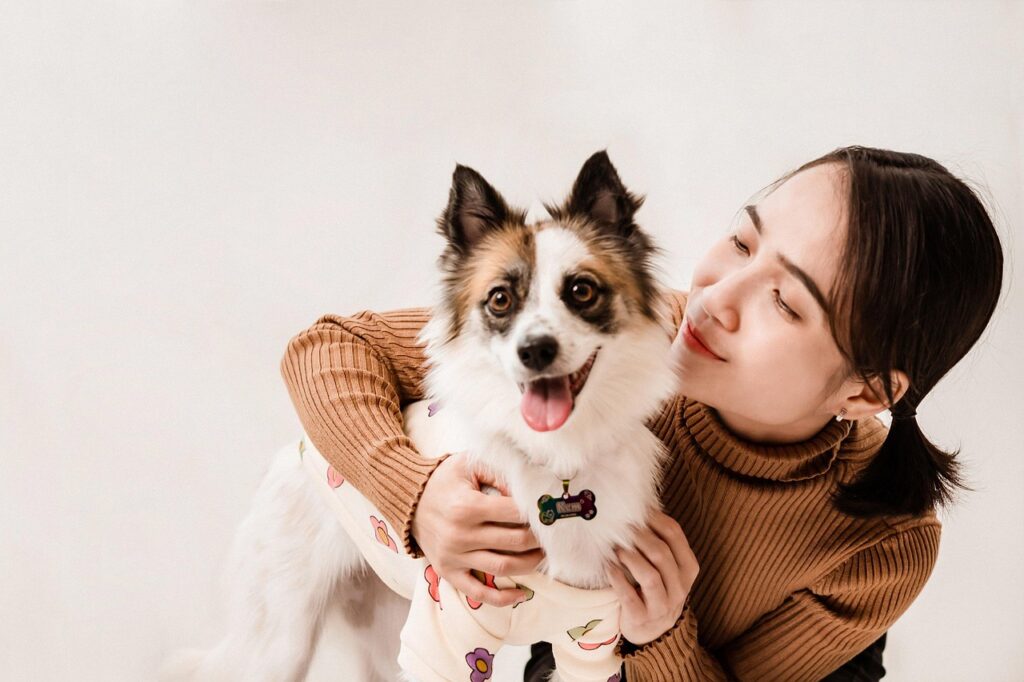

You probably already feel it: that sense that your dog is almost glued to your side, tuned in to your every move, as if the whole world begins and ends with you. When you live alone with a dog, the bond can feel almost shockingly deep, sometimes wonderful and comforting, sometimes a little overwhelming. Animal psychology gives you a framework for understanding why that happens and how your dog’s emotional world actually works. When you look at your dog through this lens, you stop seeing “clinginess” as a random quirk and start seeing it as a logical response to their environment. Your dog has a small social universe and you are at the center of it, which amplifies loyalty, devotion, and sensitivity to your mood. Once you understand the forces shaping that intensity, you can turn it into something healthy, stable, and deeply rewarding for both of you.
The Science Behind Why Your Dog Bonds So Fiercely With You
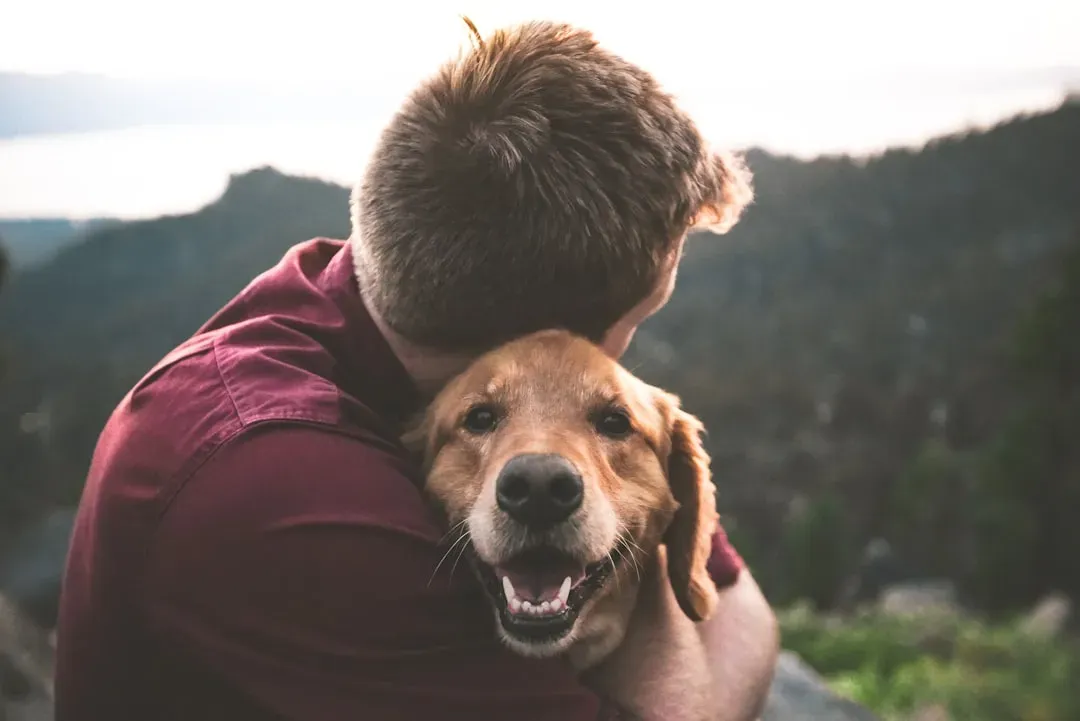
Think of your dog as a social creature wired to form strong attachments, a bit like a toddler who never really grows out of wanting to know where their “person” is. In animal psychology, this is often framed through attachment theory: your dog seeks a secure base, someone they can rely on for safety, comfort, and predictability. In a single-person household, that secure base is you and only you, so the emotional investment your dog makes is incredibly concentrated. You might notice that your dog follows you from room to room, watches the door when you leave, or seems to relax visibly the moment you return. That’s not just habit; it’s their nervous system anchoring itself to your presence. Because there aren’t other humans in the home sharing that role, the intensity of this attachment ramps up, and your dog’s brain learns, over and over again, that you are the center of security, food, play, and affection.
How Living With Only You Shapes Your Dog’s Emotional World
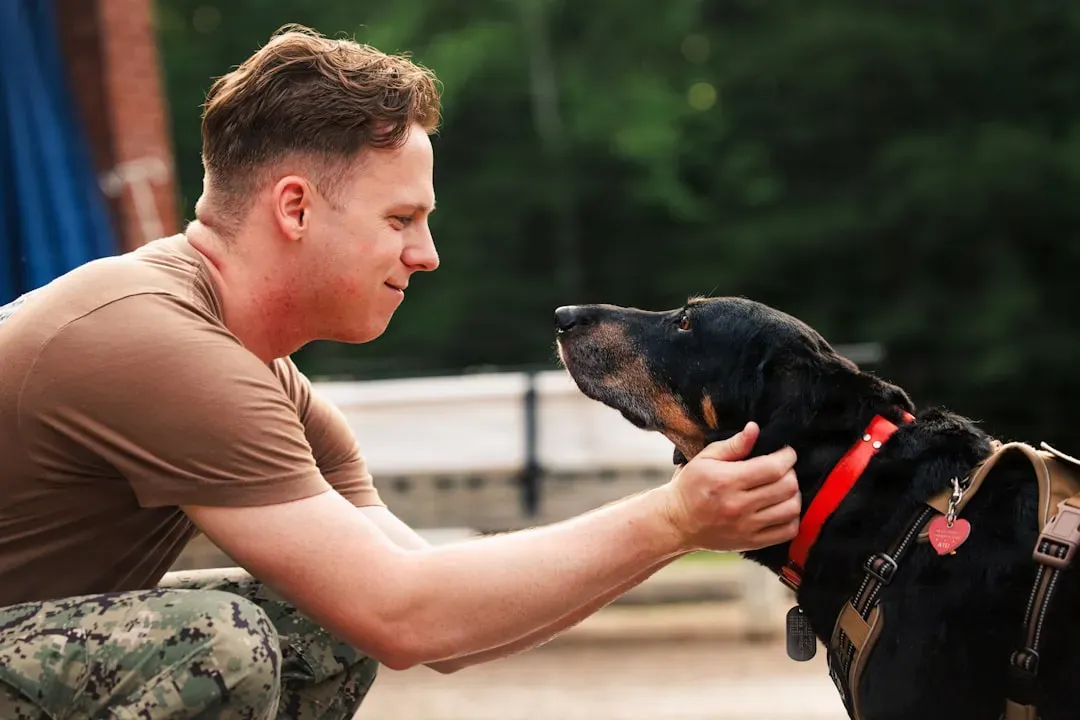
When a dog lives in a multi-person home, attention and caregiving are spread out: one person feeds, another plays, someone else does walks. In your home, you are the one who does all of it, so your dog’s emotional map is drawn with one huge landmark in the middle: you. Over time, your routines, your voice, your footsteps, even the sound of your keys become emotional signals that tell your dog whether life is safe and predictable. That kind of environment naturally amplifies loyalty, because your dog’s loyalty simply has nowhere else to go. There’s no competing bond that dilutes their focus, no alternative lap, no second bedroom where they can retreat with another person. The result is an emotional funnel: all of their attachment, trust, and dependence flows in one direction, which can feel powerfully loving when everything is going well, but also makes them more vulnerable when you’re away or stressed.
Attachment vs. Dependence: When Intense Bonding Becomes Too Much
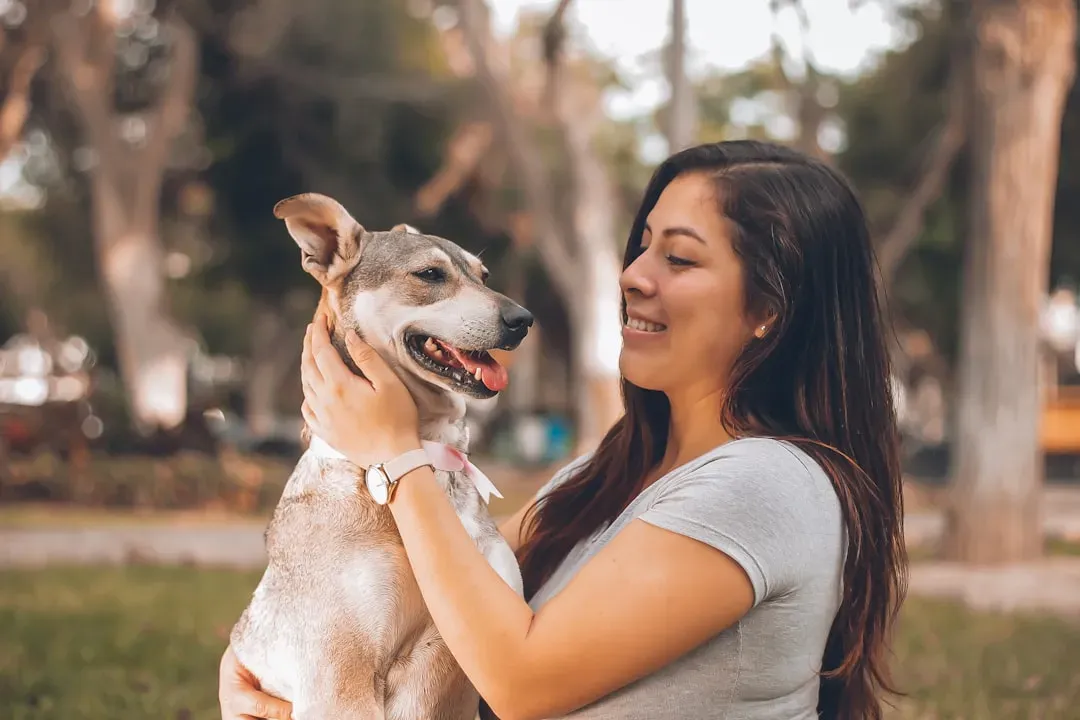
There’s a difference between a healthy strong bond and a dog who crumbles every time you pick up your bag or put on your shoes. A secure attachment means your dog loves you deeply but can still settle, nap, or engage with toys when you are not right next to them. An overdependent dog, on the other hand, may whine, pace, drool, or destroy things when you leave, because they haven’t learned that life is still okay in your absence. In a single-person household, the risk of slipping into overdependence is higher, simply because no one else is stepping in to share the emotional load. You may catch yourself reinforcing it without meaning to – like always rushing back the second your dog whimpers or never leaving them alone for even short periods. When that happens, the message your dog gets is that being alone truly is unsafe, and your intense bond starts to drift from comforting to fragile.
Reading Your Dog’s Signals: Signs of Healthy Intensity vs. Anxiety

Your dog can’t tell you in words that they’re stressed, so you’ve got to read the subtle signals. Healthy intensity looks like a dog who is delighted when you’re home, follows you sometimes, and likes to be near you, but can nap in another room, eat when you’re not right beside them, and settle fairly quickly after you leave. Their body language stays loose: soft eyes, relaxed posture, easy movements. Anxious intensity looks different. You might notice panting when you prepare to leave, pacing, constant eye contact that feels a bit desperate, or barking and scratching at the door after you’re gone. They may cling so much that you literally can’t walk without them underfoot, or they might stop eating when you’re away. When you see those patterns, your dog isn’t just being “extra loyal”; they’re telling you that the intensity of the bond has tipped into discomfort.
Building a Secure Bond Without Creating a Velcro Dog
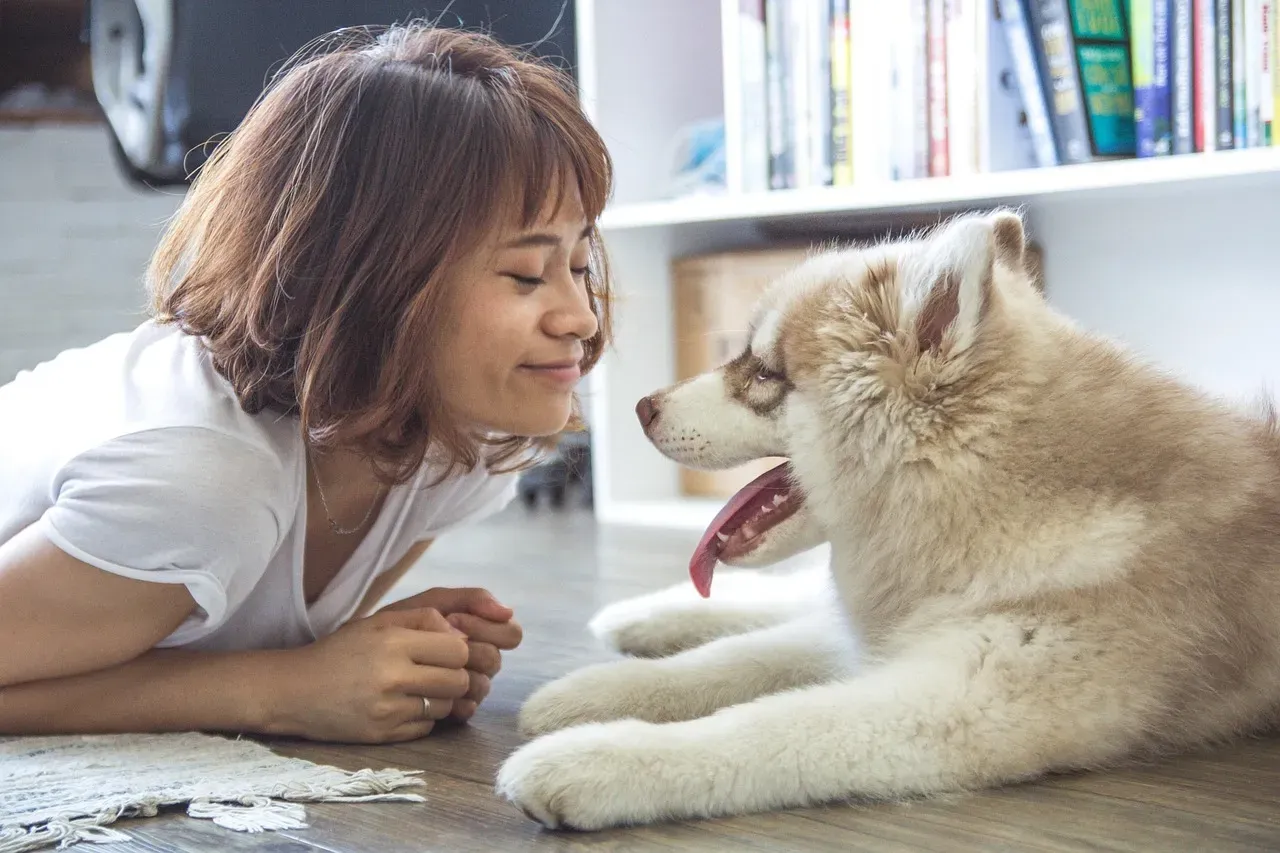
You can absolutely enjoy a deep, almost soul-level connection with your dog and still help them be emotionally steady. One of the simplest tools is predictability: consistent feeding times, walk schedules, and bedtime routines give your dog a sense of structure so they’re not constantly guessing what will happen next. When your dog can predict life, they lean less desperately on your every move. You can also teach your dog that it’s okay to relax a few feet away from you. Try rewarding them for lying on a bed across the room, or chewing a toy in a different space while you read or watch TV. You’re not rejecting them; you’re quietly telling their nervous system that connection doesn’t always mean physical contact, and that slight distance doesn’t equal abandonment. Over time, that builds confidence, not just closeness.
Why Your Emotions Hit Your Dog Like a Wave
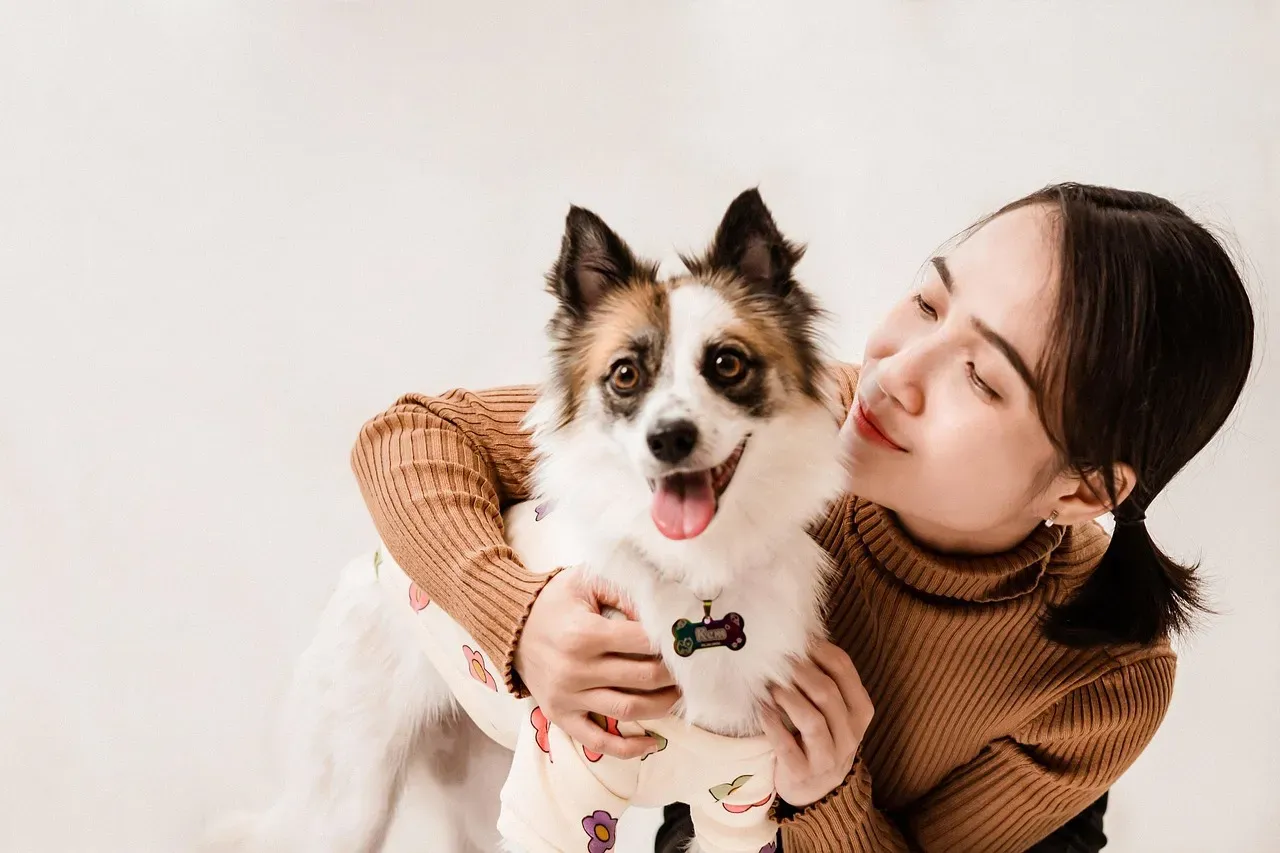
In a single-person household, your dog reads you like a book, whether you want them to or not. You are their main source of social information, so your stress, joy, frustration, and calm are all magnified in their world. If you come home tense and snappy every night, your dog may become edgy and restless. If you move through your routines calmly most days, your dog learns that the background emotional “weather” is usually safe. You might have noticed that on days when you feel low, your dog sticks even closer, as if they’re pulled in by gravity. That is not your imagination; your dog is using proximity as a way to check your emotional state and regulate their own. The flip side is that if you never give them small pockets of emotional space – time where you’re physically around but not highly reactive to them – they can become hyper-attuned and anxious, always scanning your mood for danger.
Practical Ways to Share Their Loyalty So It Doesn’t Overload You
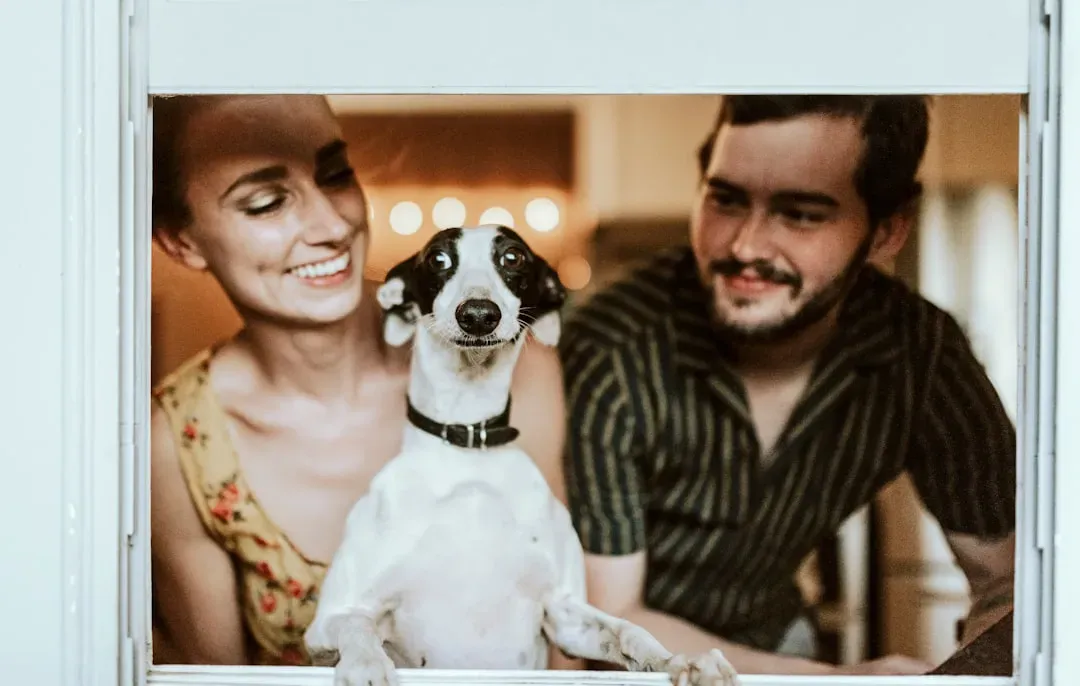
Even if you live alone, you can gently “widen the circle” for your dog so that all their emotional eggs aren’t in one basket. Regular walks with a trusted dog walker, playdates with a calm friend, or occasional daycare days can give your dog more social experiences and reduce the pressure on your shoulders. Your dog can still see you as their number one, while learning that other people and environments are safe too. You can also share the mental load by shifting some of their focus onto activities rather than only onto you. Puzzle toys, scent games, training challenges, and structured chew times give your dog something meaningful to do that does not depend entirely on your constant participation. That way, their loyalty remains intense, but their day-to-day sense of security isn’t completely shattered every time you take a step toward the door.
Protecting Yourself From Emotional Burnout While Loving Your Dog Deeply

If you’re honest, you might sometimes feel guilty leaving your dog, even just to grab coffee or run errands, precisely because you know how much they depend on you. That guilt can lead you to overaccommodate them, staying home more than you’d like or catering to every anxious behavior, which eventually wears you down. When your own emotional battery runs low, it becomes harder to be the calm, steady presence your dog really needs. Giving yourself permission to have a life outside the home is not a betrayal of your dog’s loyalty; it’s an investment in the relationship. Short practice absences, enrichment for your dog while you’re gone, and leaning on trusted friends or professionals give you breathing room. A dog who loves you intensely does not need you to sacrifice your entire world for them – they need you to be present, balanced, and emotionally available when you are there.
Conclusion: Turning Intense Loyalty Into Lasting Security
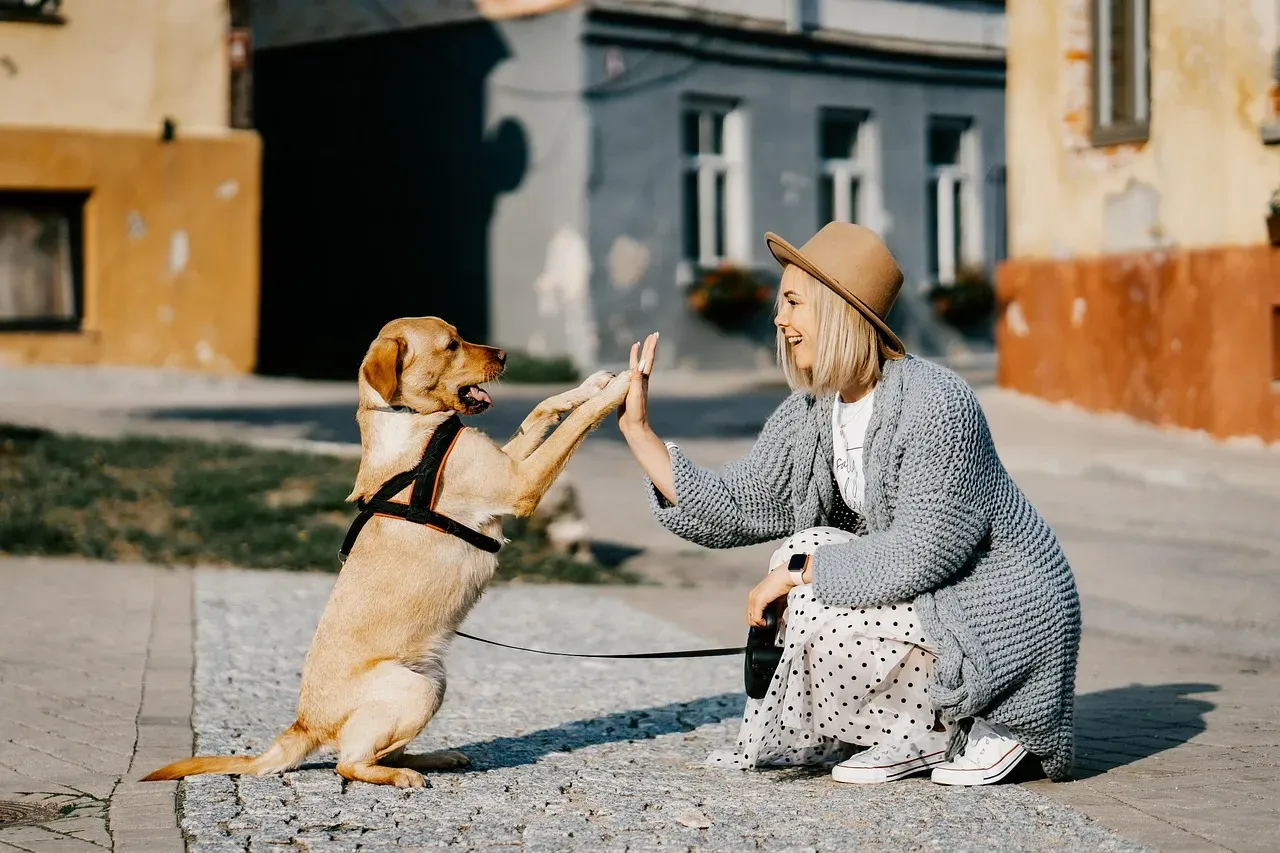
When you share your home alone with a dog, their loyalty naturally concentrates on you, and that can feel both beautiful and heavy at the same time. Once you see that intensity as a predictable outcome of their psychology rather than a mysterious quirk, you can shape it with more intention. You are not just the center of their world; you are the architect of how safe that world feels. By building routines, encouraging small moments of independence, and gently expanding their social and mental horizons, you transform raw intensity into stable, secure attachment. Your dog still loves you with that fierce, focused loyalty, but they are also able to breathe when you step away. In the end, that might be the deepest expression of love between you and your dog: not just that they cannot live without you, but that they feel safe enough to know they will be okay until you walk through the door again.