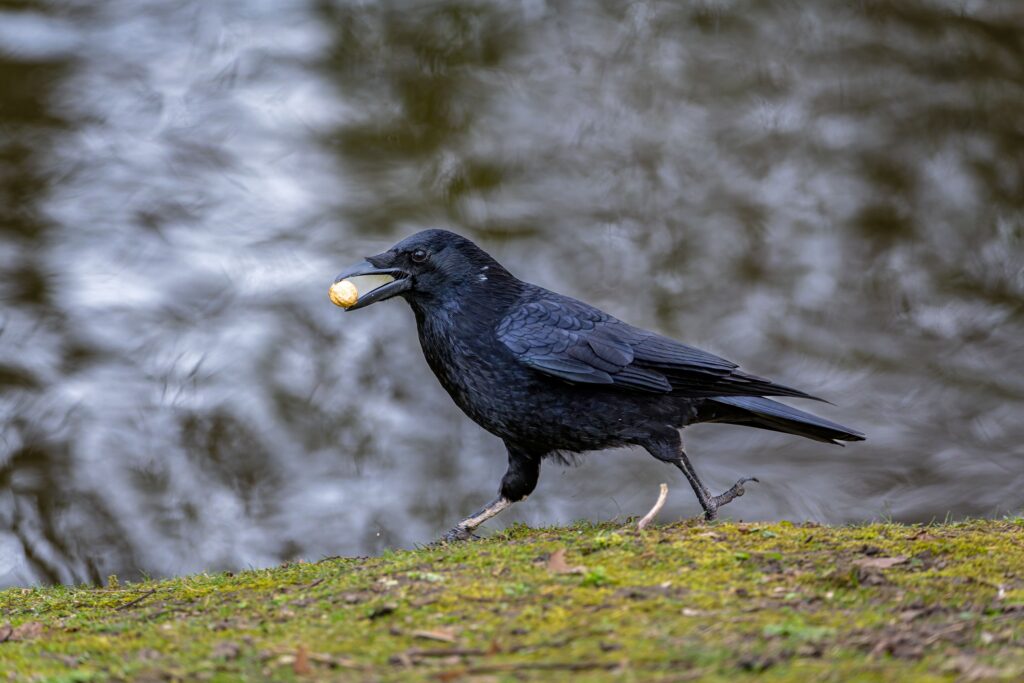

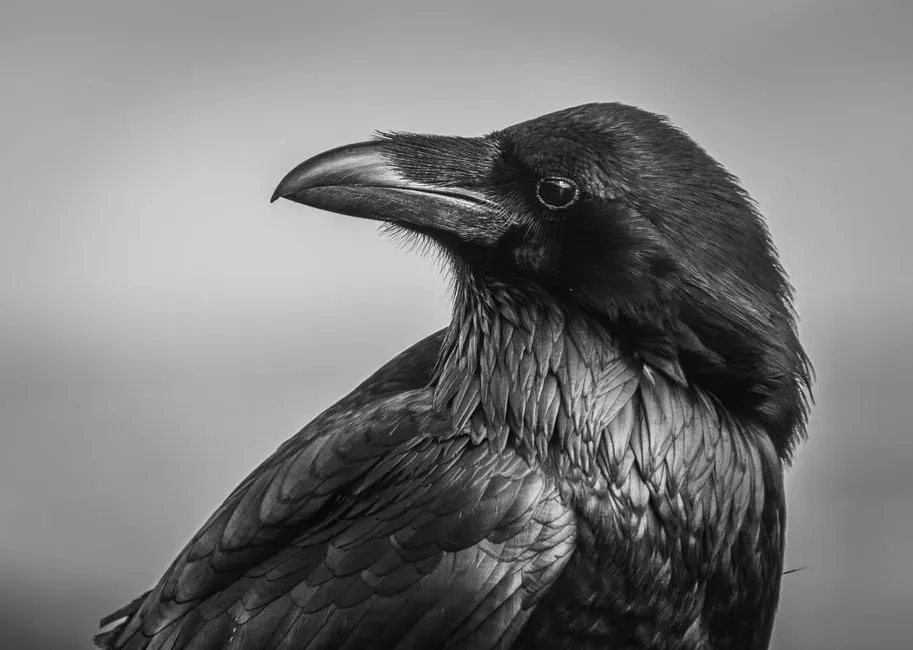
You probably think of ravens as dark, mysterious birds from stories and myths. But when you look closer, you find something even more intriguing than legend: a sharp, strategic mind that rivals what you see in some primates. One of the clearest windows into that intelligence is how ravens hide food, and especially how they change their tactics depending on who is watching.
In recent years, researchers have tested ravens in carefully designed experiments and discovered that these birds do not just stash food randomly. They seem to track who might steal from them, remember what others have seen before, and alter their behavior in ways that look a lot like planning. When you watch how a raven caches food under different kinds of social pressure, you start to see the outline of a very sophisticated mind.
You Are Being Watched: Why Audience Matters to a Raven
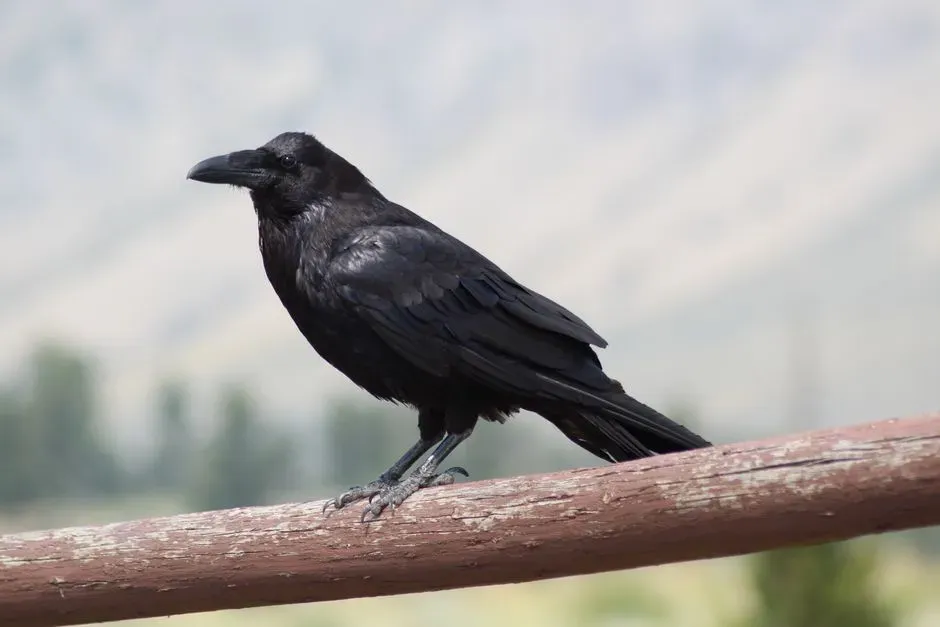
Imagine you are trying to hide your favorite snack while your nosy roommate is lurking nearby. You would not just toss it in the first drawer you see; you would probably wait, fake a move, or choose a spot they cannot easily access. Ravens appear to face a similar social problem, and they act like it matters who is watching them cache food. When another raven is present, the bird doing the hiding often becomes more cautious, more selective, and more strategic about where and how it stashes food.
In studies, when ravens had bystanders around, they were more likely to hide food in locations that were harder for the onlooker to see or reach, and they sometimes delayed caching until the audience was gone. When alone, they were more relaxed and straightforward, as if the risk of theft had dropped. You can think of it as a kind of built‑in risk calculator: the higher the chance of being robbed, the more cleverly the raven adjusts its hiding behavior.
Ravens Read Eyes, Angles, and Attention
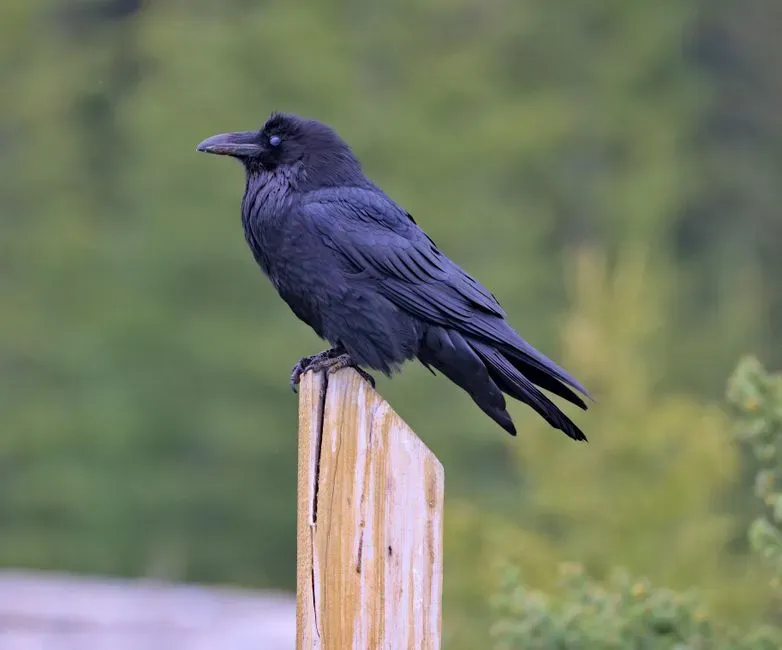
You know that uncomfortable feeling when someone is staring at your hands while you type your PIN at an ATM? Ravens seem to show a similar sensitivity to where others are looking. Experiments suggest they pay attention not only to who is around but also to whether those other birds can actually see the cache site. If an onlooker has a clear line of sight, the caching raven behaves differently than if the other bird’s view is blocked.
Researchers have tested this by placing ravens where they could hear another bird but not see it, or where they could see a peephole that had previously been associated with an observing competitor. In these setups, ravens often behaved as if they assumed they might be observed, even when no bird was currently visible. If you translate that into your own terms, it is a bit like you pulling the curtain closed before you hide something in your room, just in case someone might be peeking through the keyhole.
Different Audiences, Different Strategies
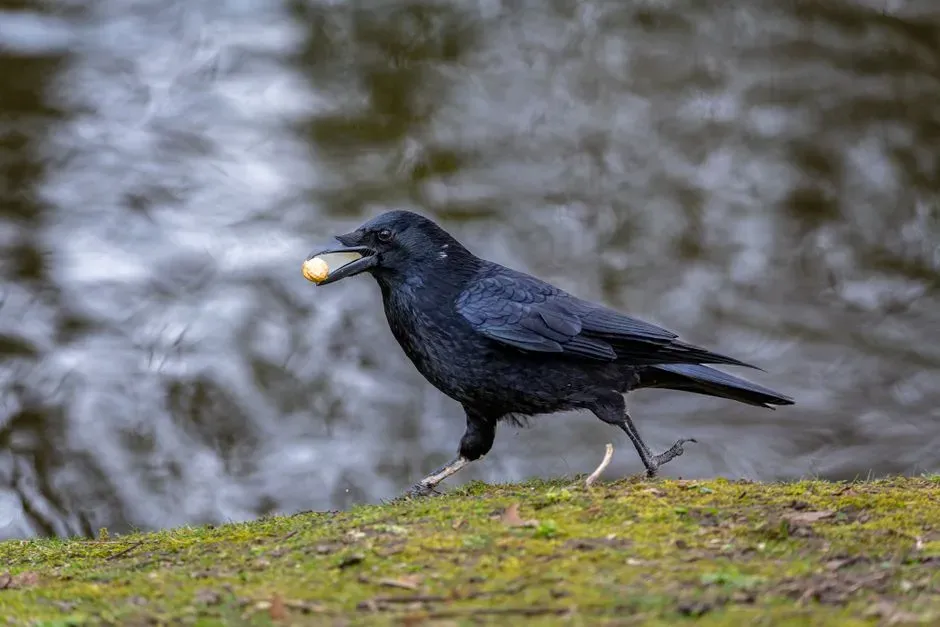
You probably do not treat every person in your life the same way when it comes to trust. A close friend might get your house key; a coworker might not. Ravens seem to draw similar distinctions among other ravens. They do not only react to the presence of any audience; they adjust based on what kind of audience they are dealing with. A familiar partner, a previous thief, or a dominant bird might each trigger a different caching style.
Studies indicate that when ravens cache in front of birds known to pilfer, they use more deceptive or cautious strategies, such as hiding food more slowly, looking around more often, or revisiting and relocating caches later. When the audience is a bird that has never stolen from them, their behavior tends to be more straightforward. In practice, that means a raven’s mental “profile” of another individual shapes how it guards its food, much like you adjust your behavior based on someone’s track record.
Deception and Recaching: Ravens Act Like Strategic Liars
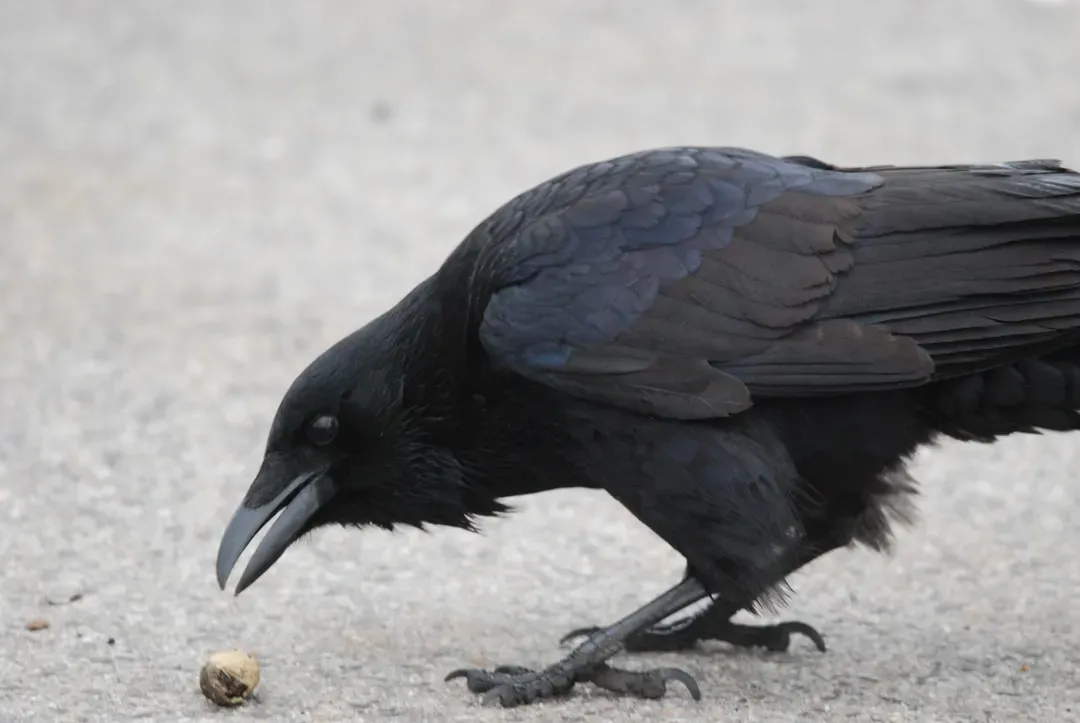
If you have ever pretended to put something in one place while secretly planning to move it later, you already understand a big part of raven strategy. In some experiments, when ravens cached food in front of an observer, they later returned to those spots when the observer was gone and moved the food somewhere else, a behavior researchers call recaching. You can think of it as changing the hiding place after the potential thief has gone to sleep.
Even more striking, ravens sometimes performed what looked like “fake” caches, going through the motions of hiding without actually leaving food in the spot. When a competitor was watching, this made the job of stealing much harder, because the would‑be thief had to sort real caches from decoys. In human terms, it is like you leaving a decoy wallet full of receipts while your real cash is hidden in a different drawer altogether.
Memory and Perspective: You Track Who Knows What
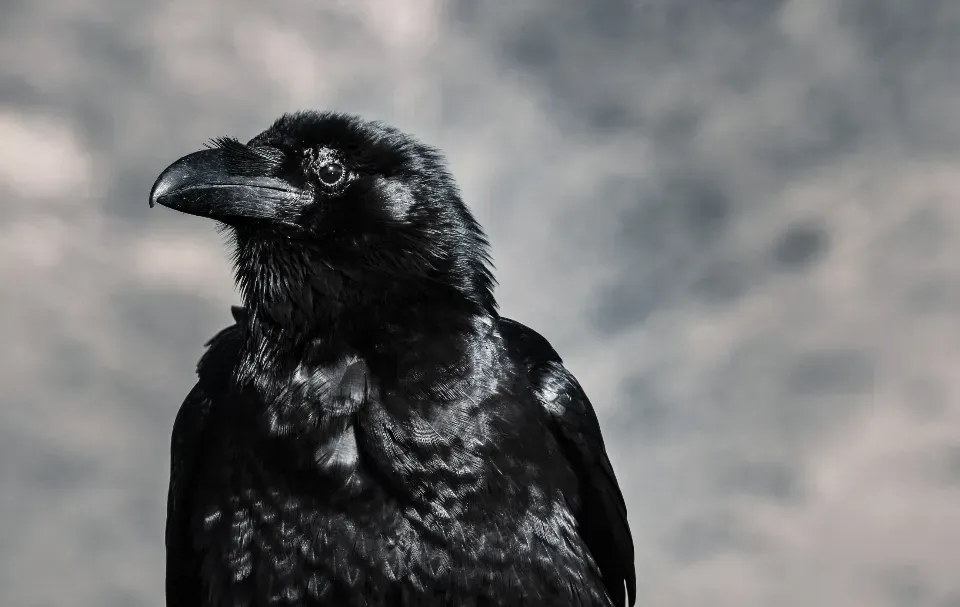
To pull off these strategies, a raven cannot just react in the moment; it has to remember who saw what, and when. That means tracking what you might call “who‑knows‑what” information. When ravens decide whether to recache food, they seem to take into account whether a particular individual was present during the original hiding event. If that bird did not see the cache being made, the raven has less reason to move it later.
Some experiments suggest ravens can even behave cautiously when they have previously experienced being watched from behind a barrier or through a peephole, as if they recall that being in a room alone does not always mean truly being unobserved. To relate that to your life, picture yourself remembering that your office has a security camera in the corner, even if nobody is physically there. That ability to shift perspective and to factor in others’ access to information is one of the markers researchers often associate with advanced social cognition.
Comparisons With Apes and Dogs: Where Ravens Stand
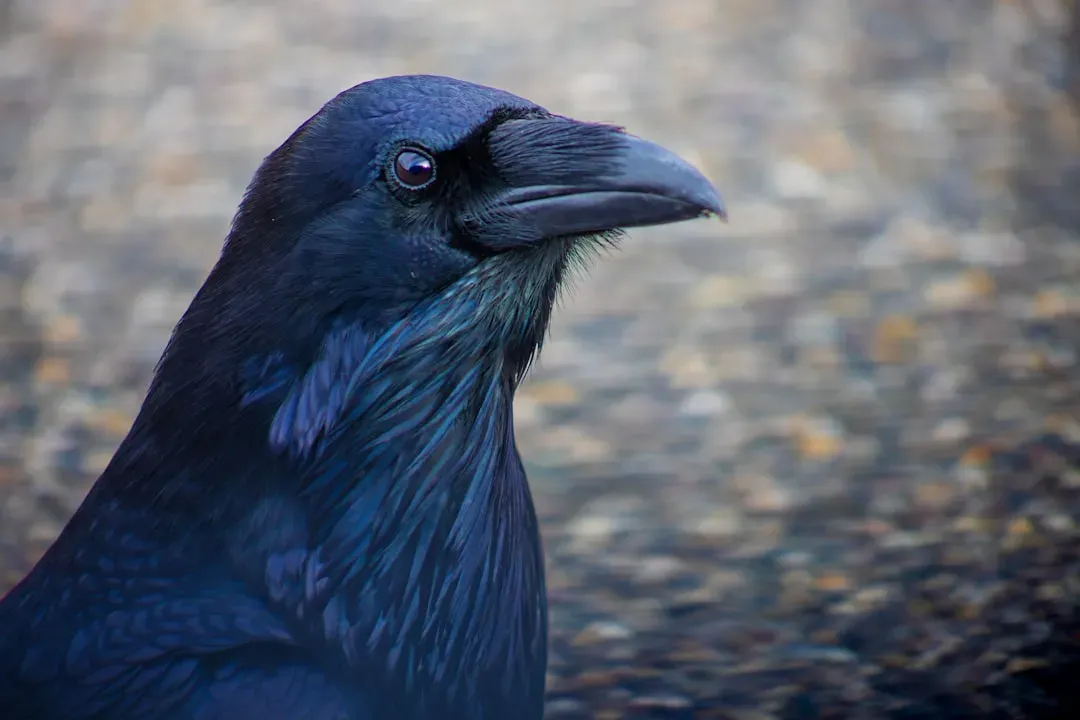
When you hear about animals that can think about others’ minds, you probably picture chimpanzees, bonobos, or maybe your own dog, who seems to anticipate your moods and actions. Ravens, though, are increasingly placed in the same conversation as primates when it comes to certain types of social intelligence. Just like some apes, they adjust their behavior depending on what others can see, what others have previously experienced, and how likely others are to compete with them.
In some tasks that involve understanding gaze direction or anticipating theft, ravens have performed at levels comparable to what you see in great apes and above what is often reported in many other birds or mammals. Dogs excel at reading human gestures and emotions, but they are usually not tested in food‑hiding competitions against their own species the way ravens are. When you step back, you find that a bird with a brain very different in structure from a mammal’s can still reach similar cognitive outcomes, which challenges the idea that only big‑brained primates can play these complex social games.
What Raven Caching Tells You About Animal Minds
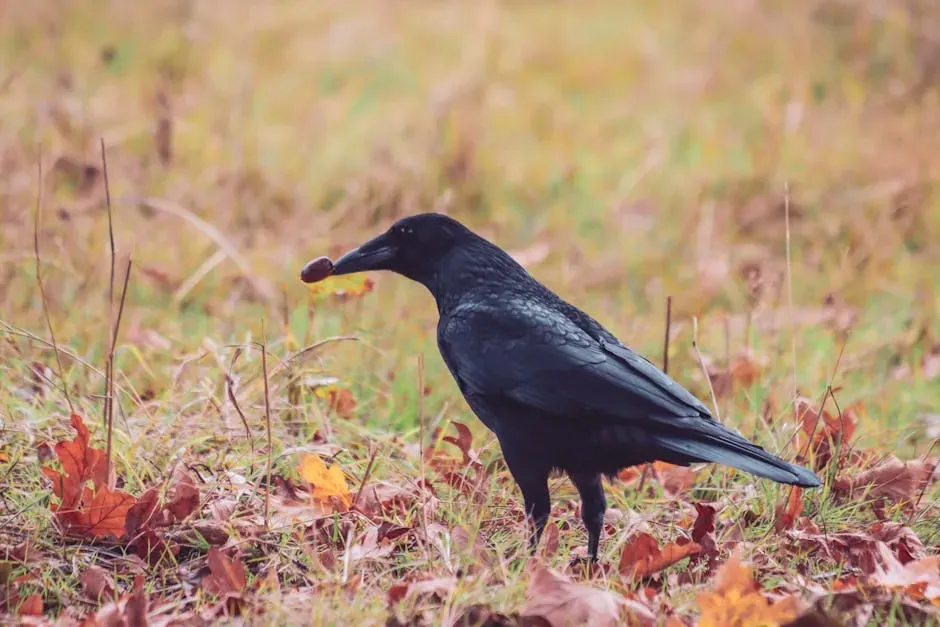
Watching ravens hide food in different ways, depending on their audience, pushes you to rethink what “bird brain” really means. You are not just seeing simple instinct; you are seeing flexible behavior that takes context, history, and the likely actions of others into account. That is closer to what you do when you decide whether to lock a door, hide a password, or share a secret with someone you only half trust.
This does not mean ravens think exactly like you do, or that they have human‑style beliefs about other minds. But the patterns you see in their caching behavior fit with ideas like planning ahead, anticipating theft, and possibly representing what others know or have seen. The more you learn about these birds, the harder it becomes to draw a clean line between “simple animal” and “thinking agent,” and that realization can be both unsettling and deeply inspiring.
Limits, Open Questions, and Why It Still Matters
You should also be careful not to jump too quickly from behavior to grand conclusions. Some researchers argue that you can explain a lot of raven caching with learning and experience, without claiming that the birds literally imagine another mind the way you do. Maybe a raven just learns a rule like “if others are nearby, move the food later,” without forming a rich inner picture of what that other raven knows. At the moment, the evidence supports a sophisticated, flexible system, but exactly how it works inside the bird’s brain is still an open question.
Still, even if you take the cautious view, you are looking at an animal that adjusts its actions in remarkably smart ways. For you, that matters because it challenges old assumptions that intelligence is a straight ladder with humans at the top and everything else far below. Instead, you start to see many different paths to complex cognition, with birds like ravens walking their own branch of the tree. When you realize that, it becomes harder to dismiss other animals as unthinking, and easier to see your planet as full of minds different from yours but fascinating in their own right.
Conclusion: A Bird That Plays the Social Game
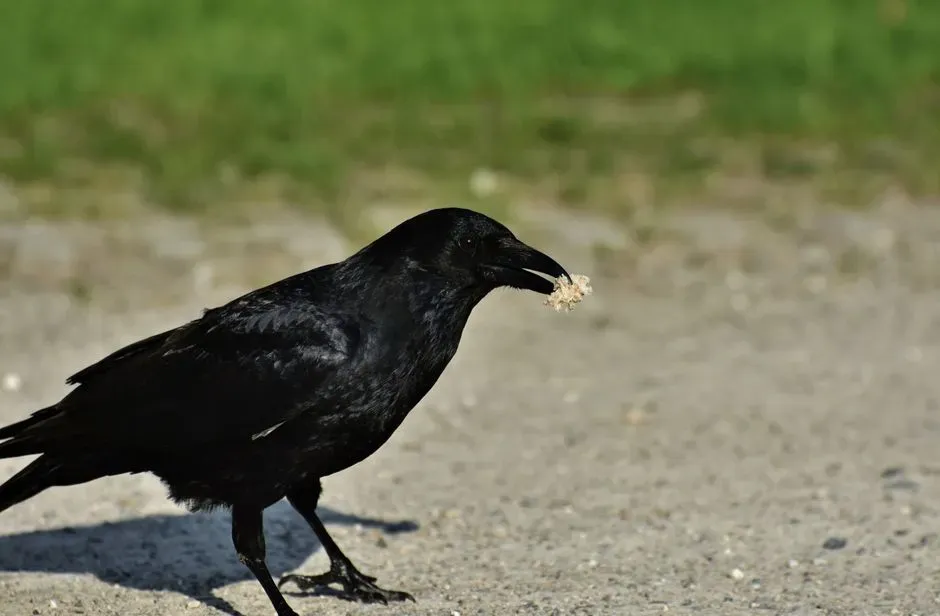
When you follow a raven through its daily routine of hiding and protecting food, you are not just watching a bird store leftovers. You are seeing a living strategy game, where each move is shaped by who is watching, who has stolen before, and what might happen next. The way ravens modify their caching behavior around different audiences hints at mental skills you usually reserve for humans and a few favored mammals: tracking risk, tailoring actions to specific individuals, and sometimes using deception to stay a step ahead.
For you, the real takeaway is this: the more closely you look at other species, the more you realize that intelligence comes in many forms, some of them feathered and perched on a branch. Next time you see a raven hopping around a parking lot or circling above a field, you might wonder what calculations are quietly running behind those dark eyes. If that bird is hiding a snack, who do you think it is planning for: itself, its friends, or the thieves it has already outsmarted more than once?