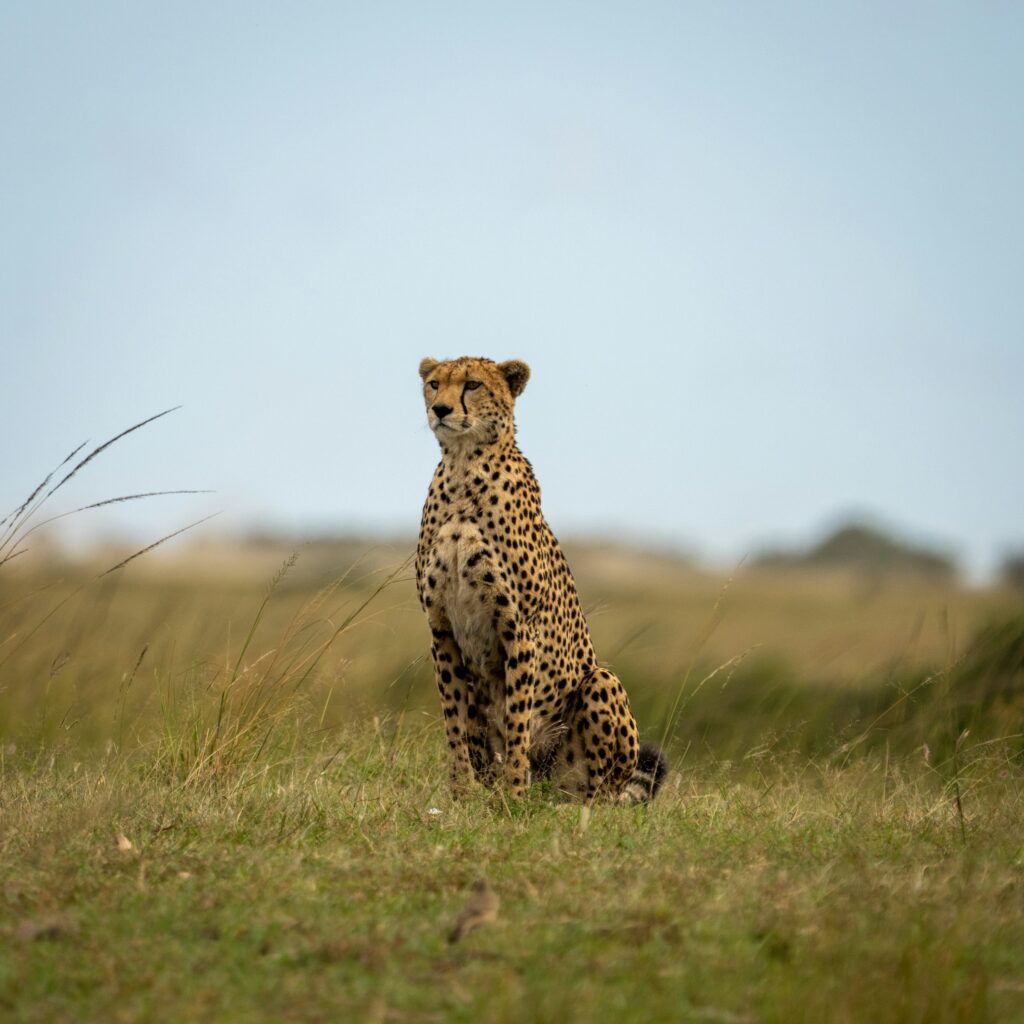

Cheetahs look like they are built only for speed, but what they do in the quiet seconds after a chase tells a much deeper story. When a cheetah suddenly pauses, climbs a small mound, and scans the open plains instead of rushing to eat, it is not just catching its breath – it is doing math with its life on the line. That stillness, that long stare across the savanna, is about risks most other big cats never have to juggle in the same way. I remember watching a video years ago where a cheetah finally brought down a gazelle, then walked away from the kill and just stood on a termite mound, looking tiny against this huge golden landscape. At first it seemed almost wasteful. But the more we learn, the clearer it gets: this “wasted” moment is survival strategy. To really understand cheetahs, you can’t just study the sprint; you have to study the pause and what that pause is quietly calculating.
The Predator That Acts Like Prey
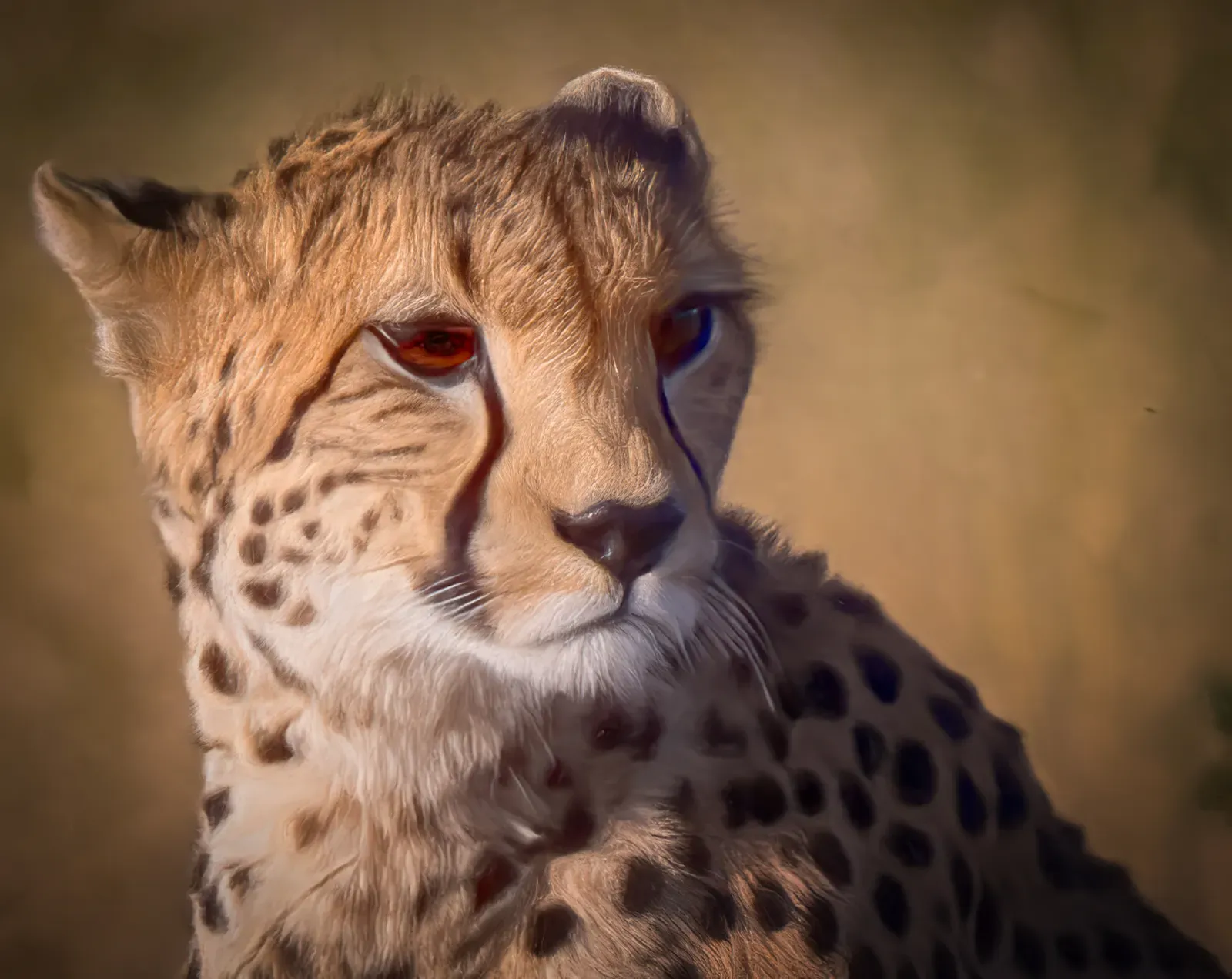
Cheetahs are the odd ones out in the big cat world because they are both powerful hunters and surprisingly vulnerable targets. Unlike lions or tigers, cheetahs are relatively lightweight, built for speed rather than raw strength, and that makes them easy to bully at a kill site. Hyenas, lions, and even large vultures will push them off a fresh carcass, sometimes within minutes, and cheetahs rarely fight back because an injury can be a death sentence for an animal that depends on perfect sprinting ability.
So when a cheetah finishes a chase and immediately starts scanning the horizon, it is not just looking for its next victim; it is also looking for whoever might be coming for it. In a way, cheetahs live like high-performance athletes stuck in a rough neighborhood: they can win the race, but they still might lose the prize. This dual role as hunter and potential victim shapes behavior that looks cautious, even anxious, compared to the swaggering confidence of a lion pride guarding a kill.
Why Cheetahs Keep Their Heads Up When Others Put Theirs Down
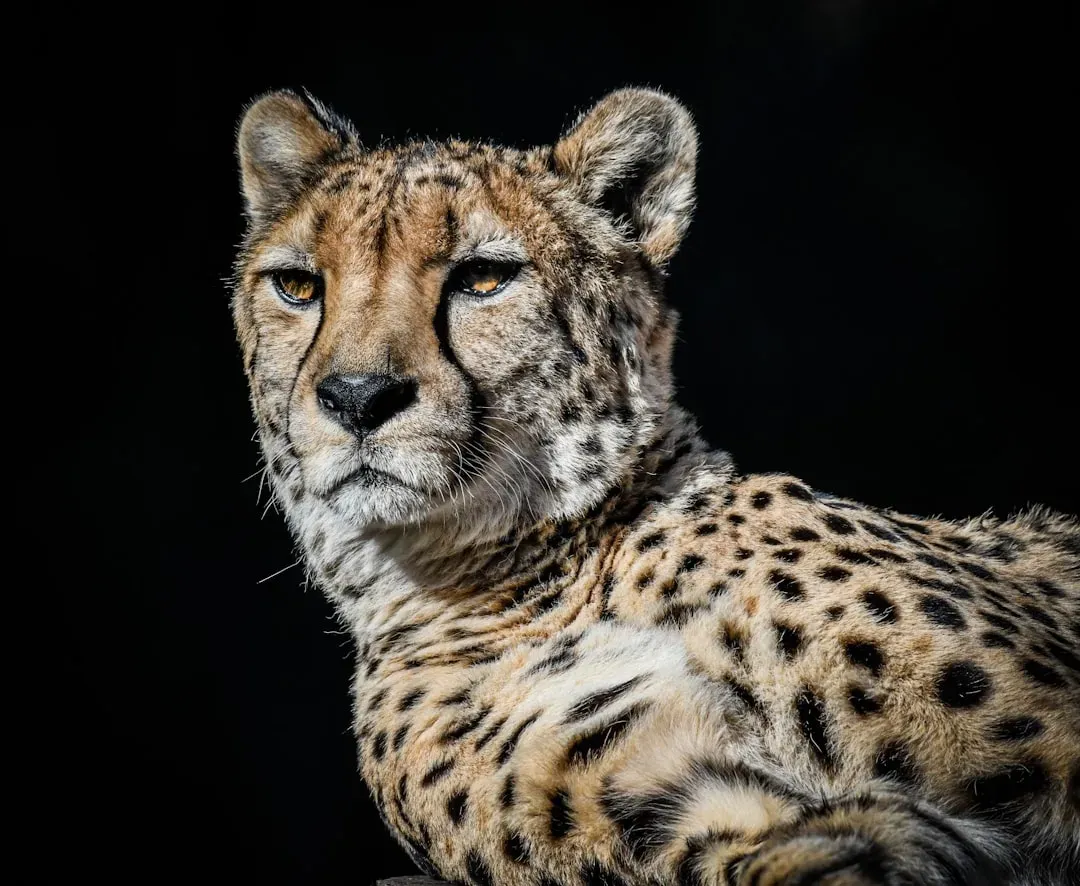
Most big cats have the luxury of dropping their heads to feed quickly or dragging their kill into cover the moment the struggle is over. A tiger in the jungle melts into the shadows with its prey; a leopard hauls a carcass into a tree, turning vertical space into a safe. Even lions, who do face competition, typically rely on strength in numbers and sheer muscle to hold a carcass in the open. Their main risk at that moment is another tough predator, not a gang of scavengers they cannot outfight.
Cheetahs, by contrast, often hunt during daylight on open ground with little to hide behind. When they scan the horizon after a chase, they are doing something that feels almost the opposite of what we expect from a predator at a fresh kill. Instead of diving in, they stretch out their timeline: check for hyenas, watch for lions, gauge how far away the nearest threats might be. It is a different equation entirely – not “Can I eat this?” but “Can I eat this long enough before someone stronger shows up and hurts me?”
The Physics of Exhaustion and the Biology of Risk
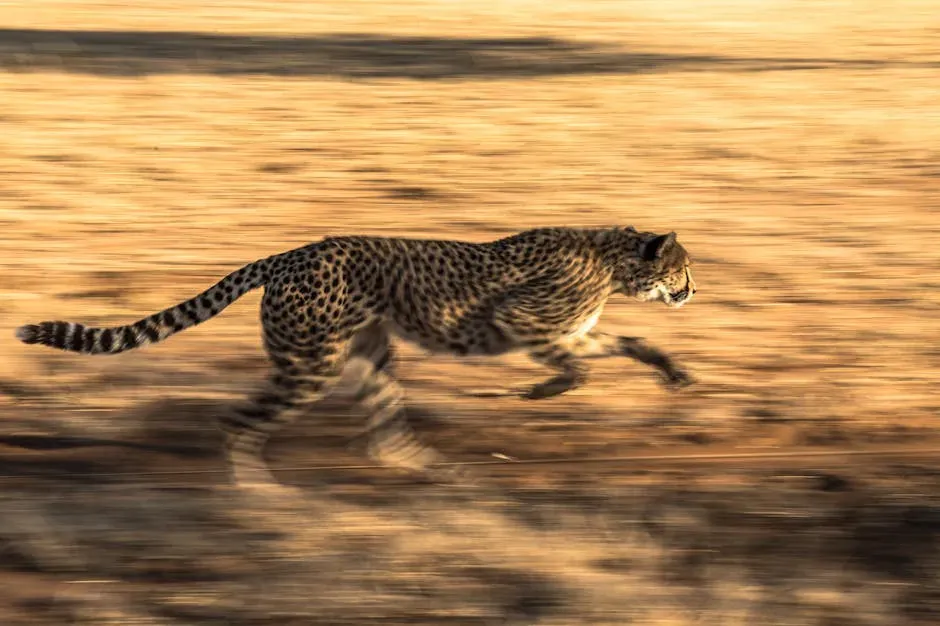
One brutal truth of cheetah life is that a high-speed chase leaves them spent. Their body temperature spikes, their muscles flood with byproducts of intense exertion, and for a few minutes they are dangerously close to the edge of overheating. After a sprint, a cheetah is like an overheated engine pulled into the pit lane – capable of one more big push, maybe, but at serious cost. This is exactly when rival predators could catch them weakest.
That is why the post-chase scan is not just about “who is out there” but about “what can I handle in this state right now.” Imagine trying to defend your lunch right after running a flat-out 400-meter race, while someone else shows up completely fresh and ready to fight. Cheetahs seem to recognize this vulnerability. By scanning the horizon first, they are weighing whether they can risk staying with the kill or whether survival might mean a smaller meal or even walking away from a hard-won prize.
Open Landscapes, Open Exposure
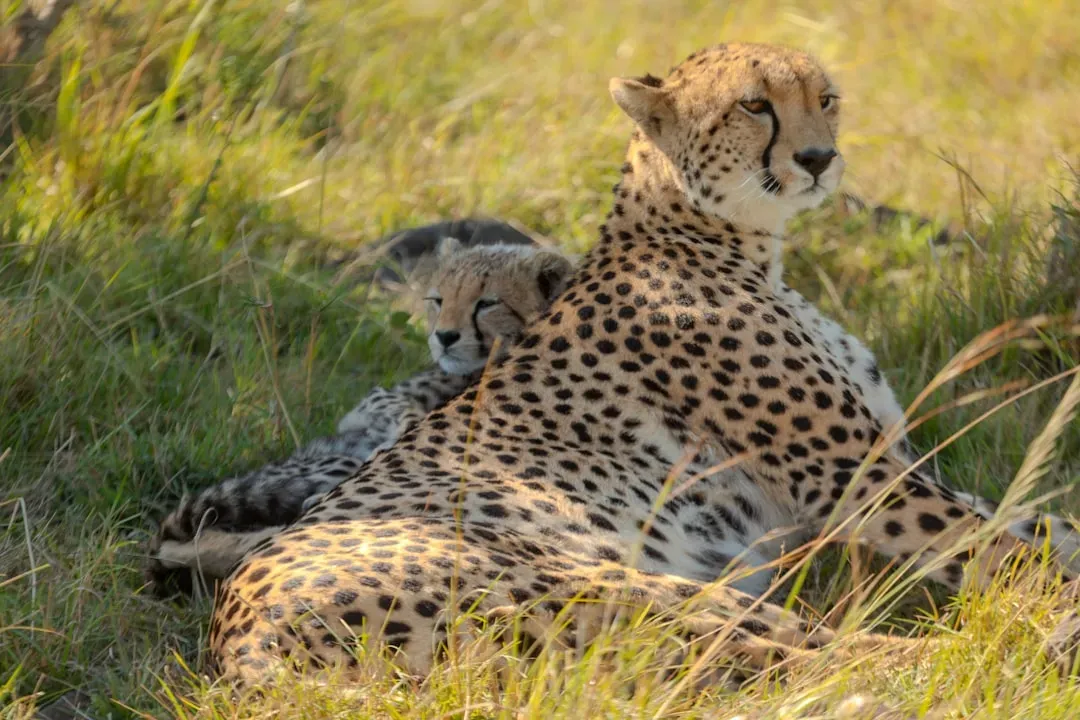
Cheetahs evolved for speed on open grasslands, and that is both their superpower and their curse. The same flat, unobstructed terrain that lets them see and chase prey at distance also makes it easy for enemies to spot them and home in on the sound and movement of a kill. There is nowhere to drag a carcass that truly hides it in the way a dense forest or rocky ravine might help other cats. The ground is basically a giant stage, and everything that happens on it is visible to an audience of potential thieves.
Scanning the horizon in that environment becomes a survival default, not a special behavior reserved for rare moments. A cheetah that fails to look up at the right time can be blindsided by a clan of hyenas closing in or a lion appearing like a bad surprise over a rise. In open country, distance is time: if you see a threat early enough on the skyline, you gain precious seconds to eat faster, move away, or abandon the carcass before a confrontation turns deadly. The horizon, in a sense, is their early-warning system.
The Time Budget: Eating Versus Staying Alive
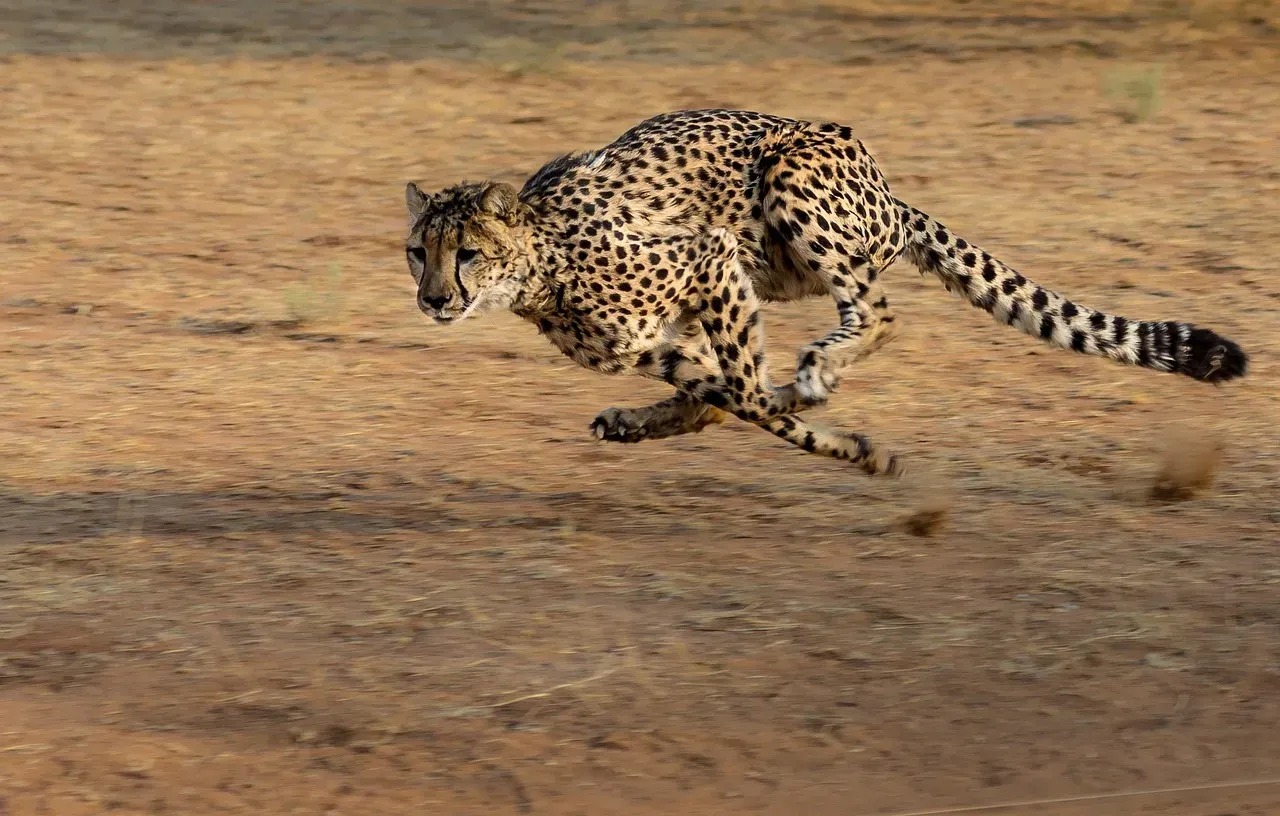
For a cheetah, every second at a kill is a trade-off between fueling up and staying safe. They already face a relatively low success rate in hunts, and every failed chase burns a lot of energy that must eventually be repaid by a successful kill. But a successful kill that gets stolen before they can eat enough is almost as bad as a failed hunt. This makes the decision of how long to stay at a carcass a razor-thin calculation.
That is why horizon scanning fits neatly into their time budget. By constantly checking their surroundings, they can decide when to switch from “maximize calories” to “cut losses and leave” with clearer information. Other big cats often lean more toward “hold the ground and eat,” trusting their size or numbers to carry them through. Cheetahs, living closer to the edge, lean toward “live to hunt another day,” even when that means leaving behind energy they desperately need. It is a harsh, almost cruel logic, but it is one that has kept the species going in hostile company.
Daylight Hunters in a Nighttime World of Bullies
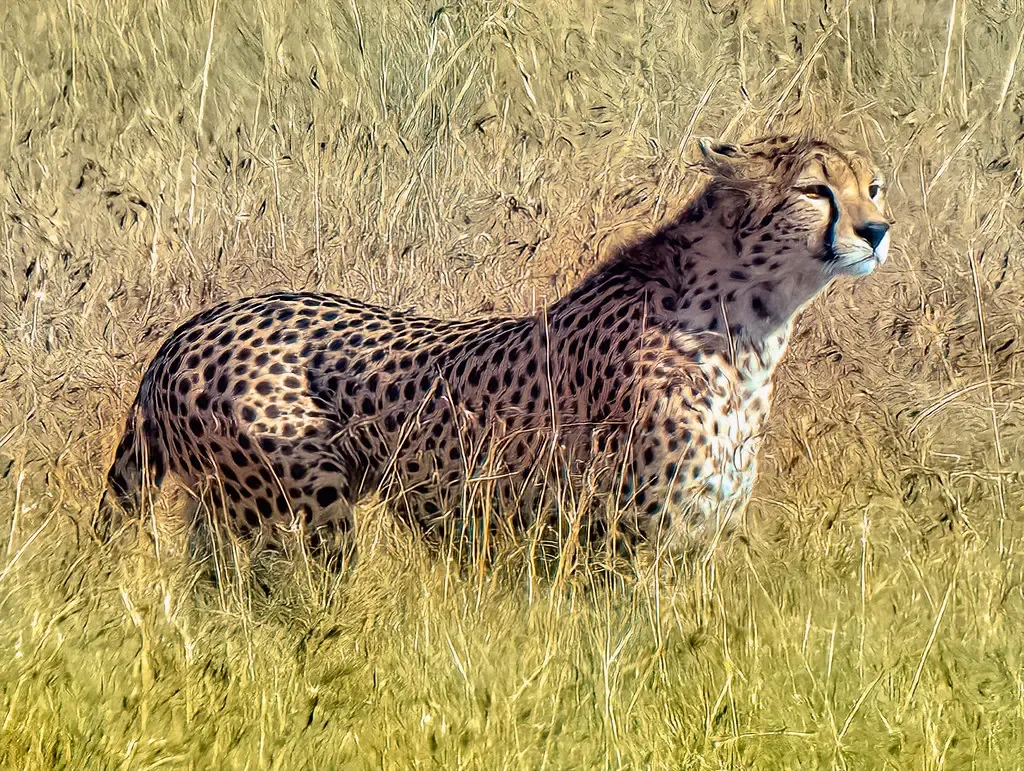
Cheetahs tend to hunt in daylight, partly because their main competitors – lions and hyenas – are more active and dominant at night. On paper, that sounds like a clever way to avoid the worst trouble. In reality, though, the savanna does not shut down when the sun is up. Other predators and scavengers still roam, and vultures circling overhead can advertise a fresh kill to anyone watching, no matter the hour.
After a chase, scanning during the bright part of the day helps the cheetah read not just the ground but also the sky and distant movement. A lion in deep shade or a hyena in tall grass is much easier to spot when the light is in your favor, and that head-up vigilance becomes a form of armor. Compared to many big cats that lean more on darkness or cover, cheetahs are forced to play a more visible game, using awareness rather than concealment as their primary defense.
Solo Specialists in a World of Teams
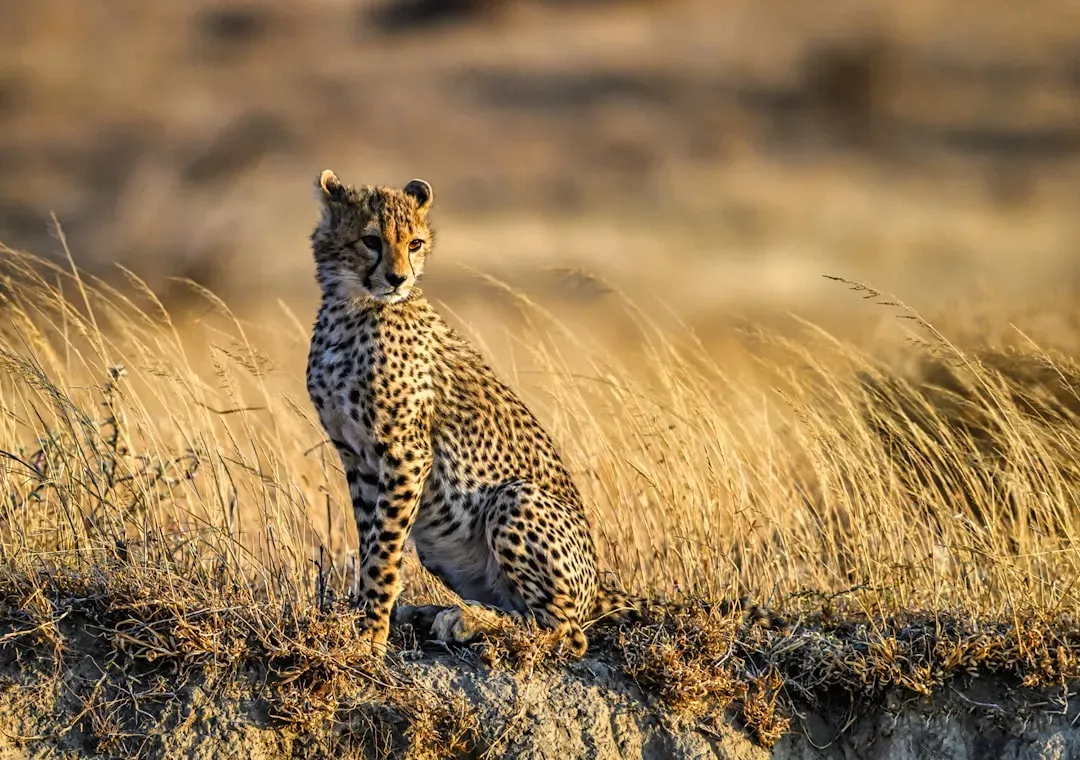
Social structure also shapes this behavior in a big way. Lions operate in prides, with multiple adults and subadults present to defend, intimidate, or at least share the risk at a carcass. Even when male coalitions of cheetahs exist, females still tend to live and hunt mostly alone or with dependent cubs who cannot help much in a fight. Where lions can rely on group defense and the psychological weight of numbers, solitary cheetahs are painfully on their own.
That solitude makes the post-chase scan feel almost like a ritual of self-preservation. There is no backup coming, no reinforcements to chase off intruders. A lone cheetah has to see danger first or pay the price when it is already too close. Compared to group-living big cats, their entire risk profile is sharper and more immediate, and you can see that difference in the way they seem to prioritize looking up, reading the landscape, and planning an exit even while victory is still fresh.
Mother Cheetahs: Horizon Scanning as Parenting Strategy
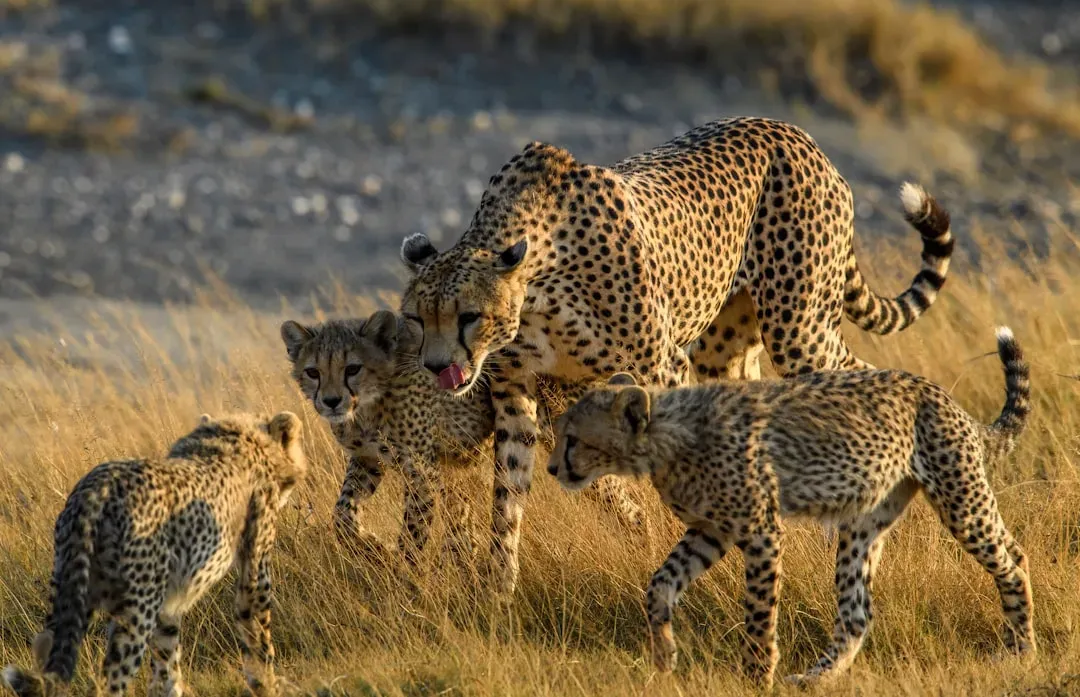
For mothers with cubs, scanning the horizon after a chase carries an extra layer of urgency. Not only is the adult cheetah vulnerable, but a cluster of playful, inexperienced cubs is like a magnet for trouble. Lions, hyenas, and other predators routinely target cheetah cubs, and the mortality rate for young cheetahs is painfully high in many areas. A mother who drops her guard at a kill can lose everything she has invested in her offspring.
In that context, horizon scanning is not just a personal risk calculation but a parenting decision. A mother may decide to abandon a kill earlier than a solitary adult would because the risk to her cubs is simply too high. Watching a mother cheetah stand tall, body tense, eyes sweeping the distance while her cubs feed is like seeing a parent constantly checking the exits in a crowded place. It might look paranoid to us, but in their world it is a hard-earned, rational response to brutal odds.
Different Cat, Different Calculus
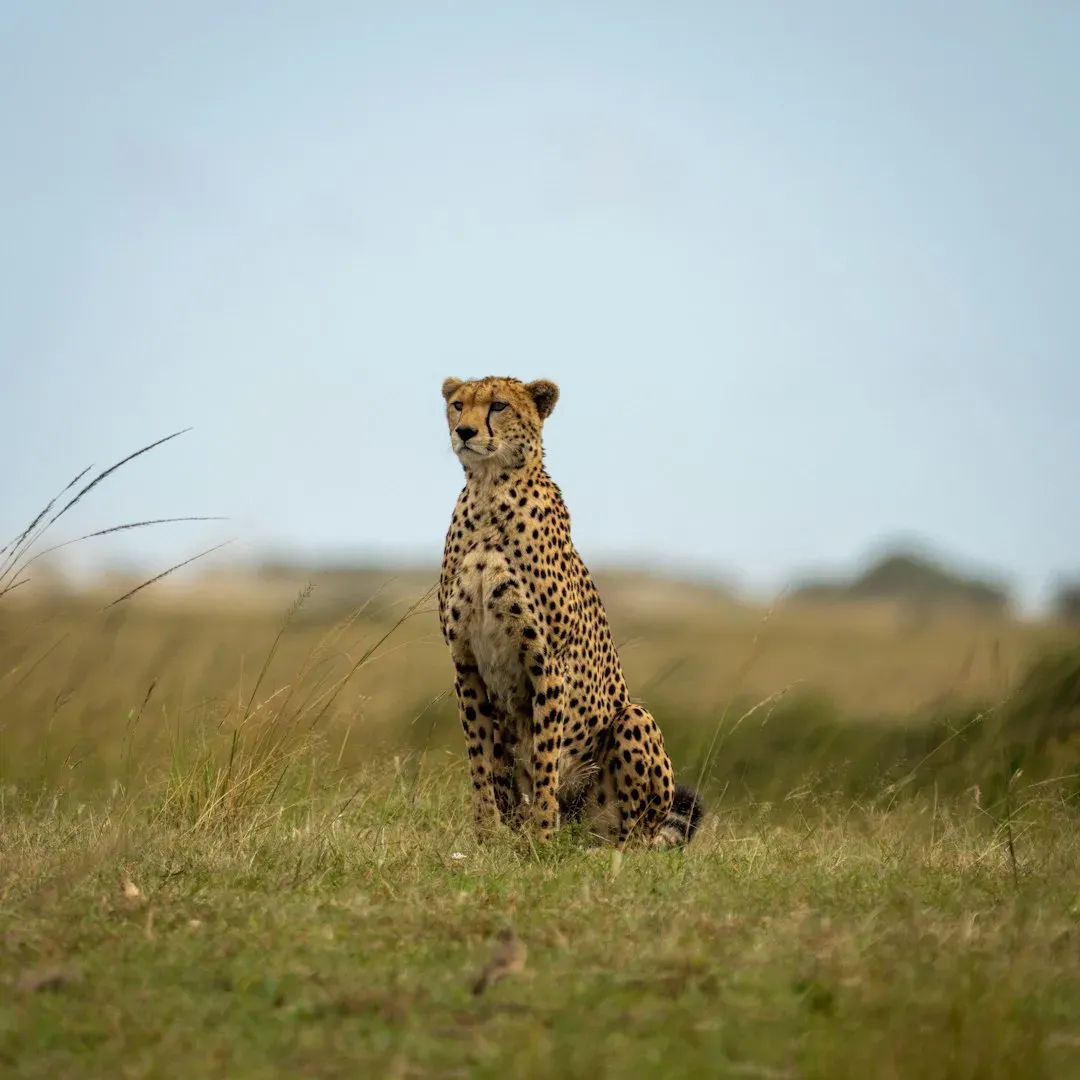
Comparing a cheetah’s behavior to that of other big cats drives home how unique their risk landscape really is. A leopard has its private dining room in the branches. A tiger often has dense cover and sheer size on its side. A lion has a family that doubles as a security team. These species still face dangers and competition, but the odds are more stacked in their favor once they have something on the ground. Their typical move is to defend or hide, not to constantly measure whether it is even worth trying.
Cheetahs flip the script. Their best protection is not muscle or stealth but information and speed, and both of those require seeing trouble before it arrives. Scanning the horizon right after a chase reflects a totally different mental balance sheet: how tired am I, how exposed am I, how close are the bullies, and is this meal worth gambling my next hunt or even my life? It is not that other big cats are careless, it is that they do not face the same relentless combination of weakness at the kill, open terrain, and intense competition that cheetahs do.
Are Cheetahs Overthinking It – Or Just Smarter About Risk?
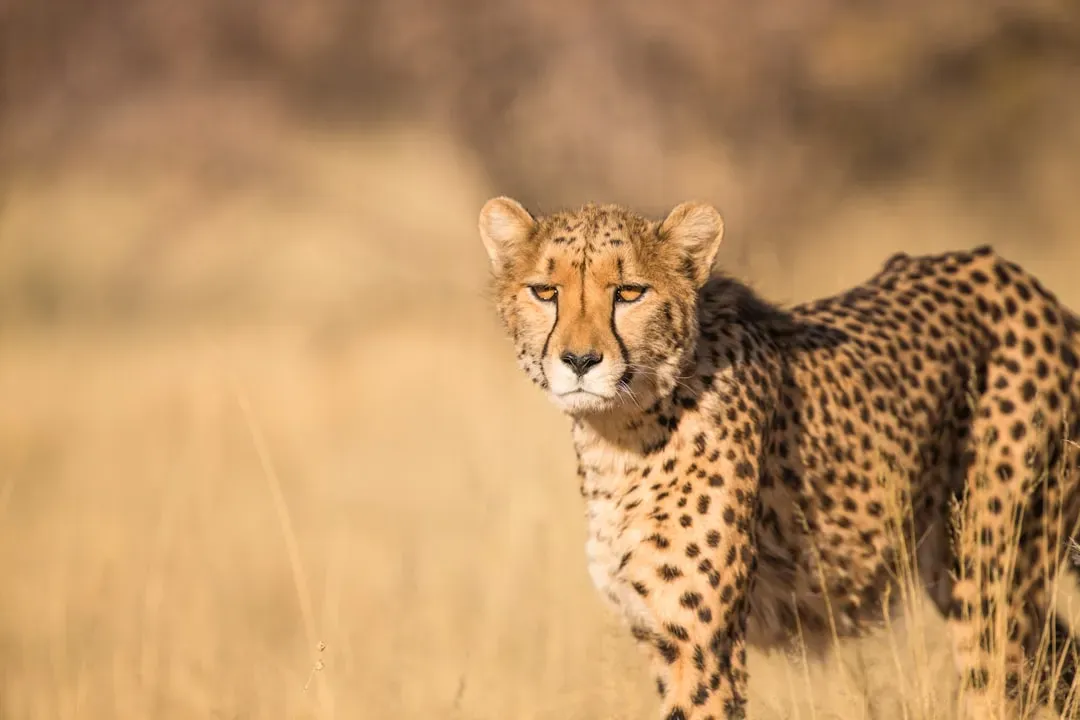
It is tempting to look at a cheetah walking away from a hard-won meal and feel almost frustrated on its behalf, as if it is giving up too easily. But the more we understand about their ecology, the more it looks like cold, effective risk management rather than cowardice. When you live on a razor-thin margin of safety, playing it “safe” is not overthinking – it is genius. That long stare at the horizon is quiet evidence that survival is sometimes about avoiding problems rather than winning every conflict.
In a way, cheetahs are the realists of the big cat world. They accept that they cannot be the strongest, so they lean into being the quickest, most aware, and, yes, the most cautious when it counts. I think there is something almost relatable about that: many of us get by not by dominating everything, but by choosing our battles and walking away when the cost is too high. The cheetah’s post-chase scan is a visible, elegant reminder that sometimes the smartest predators are the ones who know when to look up and reconsider their options.
Conclusion: The Pause That Explains the Predator
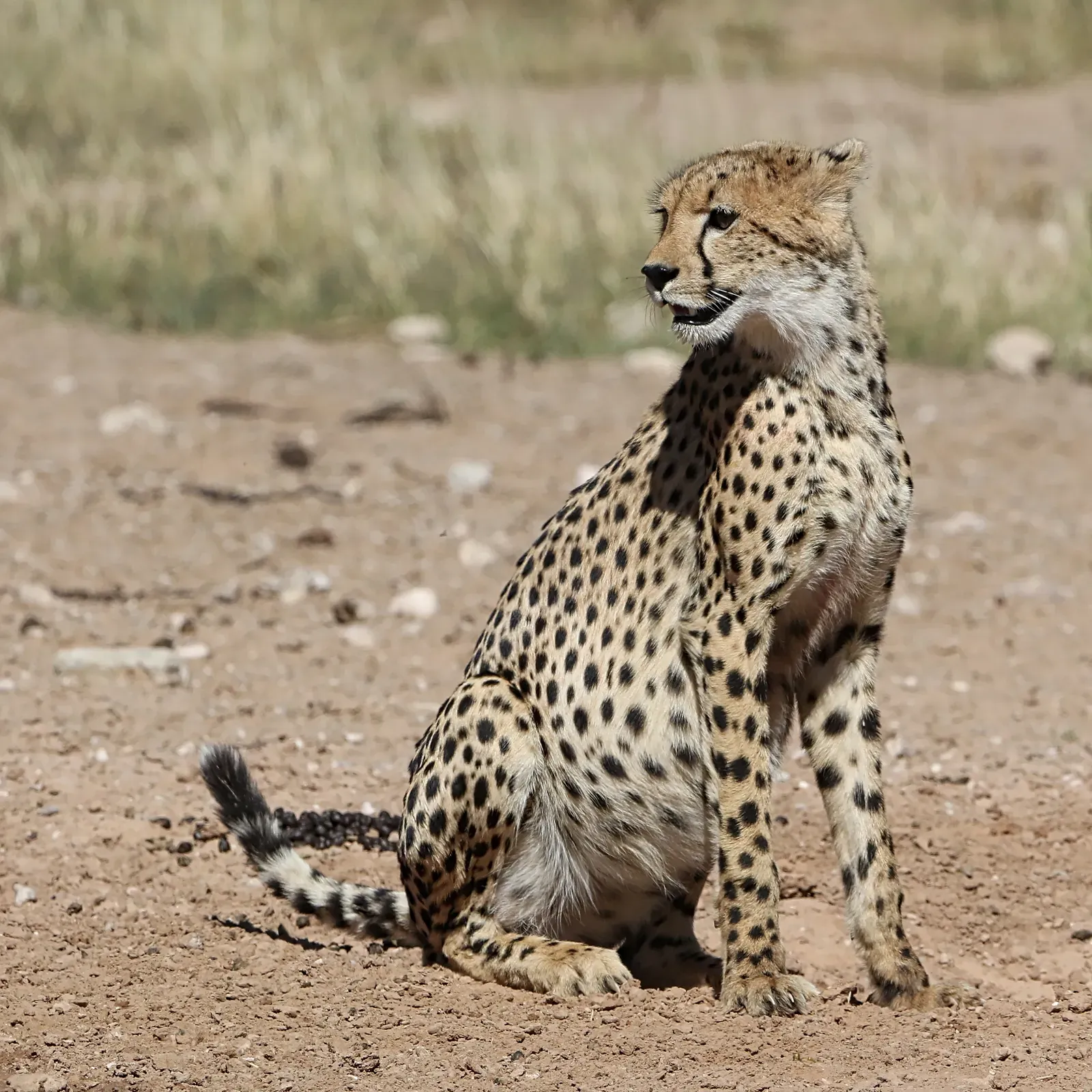
That quiet moment when a cheetah finishes a sprint, stands tall, and sweeps its gaze across the savanna is not just background behavior – it is the key to understanding what makes this big cat so different from the others. Where lions lean on force and leopards lean on concealment, cheetahs lean on awareness, timing, and an almost ruthless willingness to walk away. They calculate risks that most other big cats simply do not face in the same way, living every hunt as both hunter and potential victim. To me, that makes them not weaker, but almost brutally pragmatic.
If anything, we have underestimated cheetahs by focusing only on their speed and not on the subtle, strategic behavior wrapped around each chase. The horizon scan after a kill is a kind of living equation: energy gained, danger rising, time running out. In a world where we often glorify power and dominance, cheetahs show a different kind of strength – the strength to choose survival over pride. When you picture a cheetah now, will you think only of the sprint, or will you also see that still, sharp-eyed pause that decides everything?