
Somewhere beneath the dusty sediment of Morocco, a secret had been hiding for roughly 72 million years. A newly discovered crocodile fossil is now shaking up everything paleontologists thought they knew about ancient terrestrial life in Africa, and honestly, the implications are bigger than most people realize.
This isn’t just another old bone making headlines. The discovery challenges long-standing assumptions about how early crocodile relatives evolved, where they lived, and how they spread across ancient landmasses. Get ready, because the prehistoric world just got a lot more complicated and a lot more interesting. Let’s dive in.
A Fossil That Nobody Saw Coming
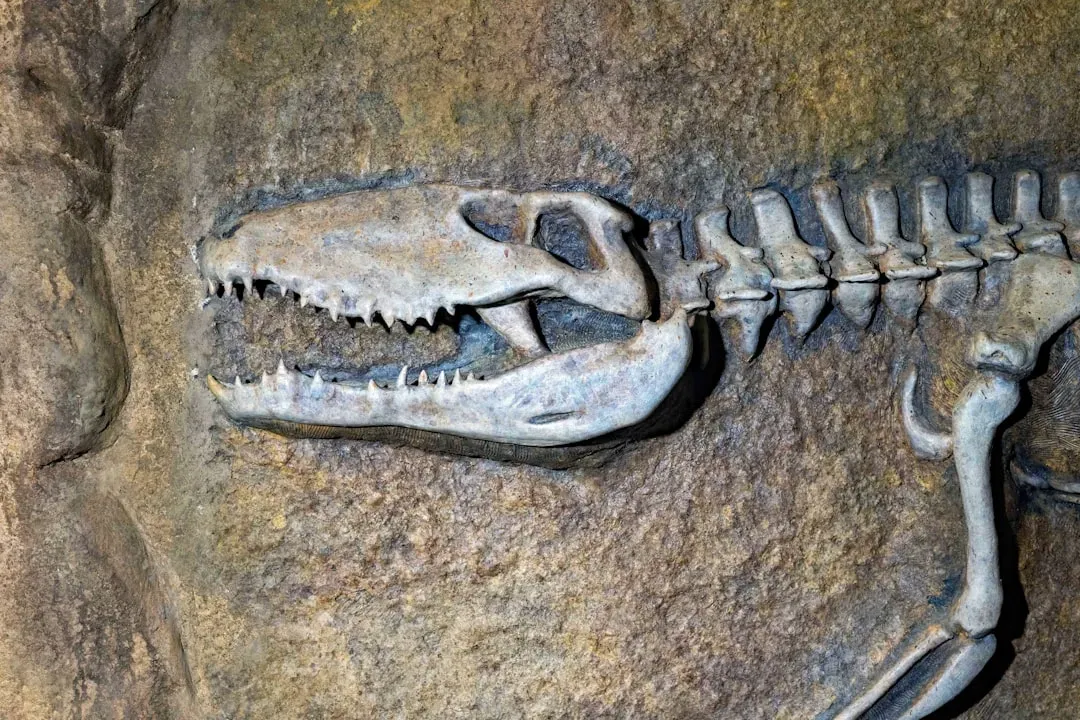
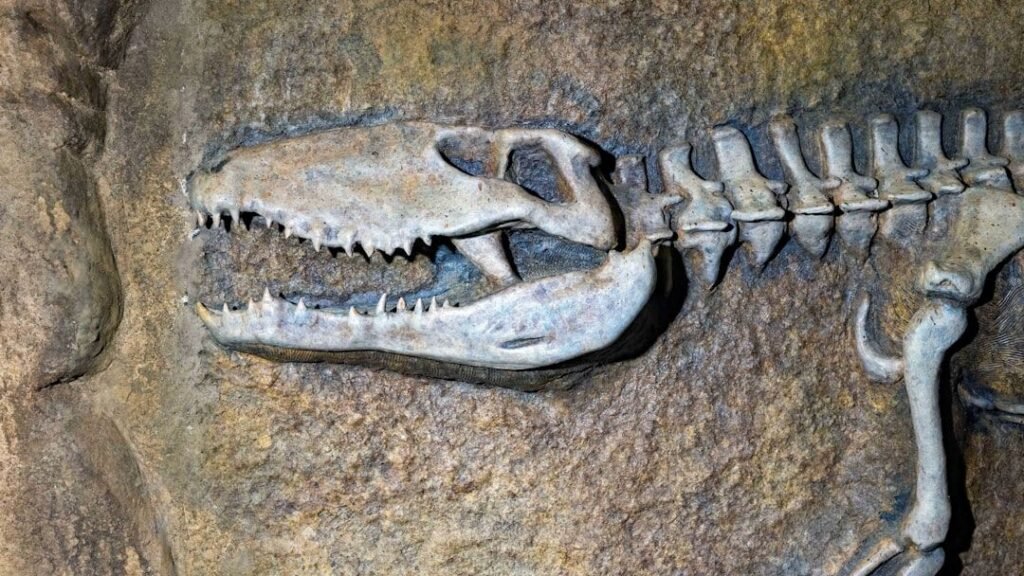
Let’s be real: most major fossil discoveries come with years of anticipation or at least a hint that something remarkable might be buried in a particular region. This one? Completely unexpected. Researchers working in Morocco’s Late Cretaceous deposits uncovered the remains of a terrestrial crocodyliform, a land-dwelling relative of modern crocodiles, that had no business being where it was found, at least according to old scientific models.
The creature has been identified as a new species, and its anatomy tells a fascinating story. Unlike the aquatic, river-hugging crocodiles most of us picture, this animal walked on land, probably hunting prey in a more upright posture. Think less swampy ambush predator, more active terrestrial hunter. The difference is significant, and it completely redraws the map of ancient crocodilian diversity in Africa.
What Makes This Discovery Scientifically Extraordinary
Here’s the thing about fossil discoveries: not every find earns the label “redraws history.” This one legitimately does. The fossil represents a notosuchian crocodyliform, a group previously thought to have been largely confined to the southern supercontinent of Gondwana, particularly South America. Finding one in North Africa during the Late Cretaceous period is, to put it plainly, a bombshell.
The specimen suggests that notosuchians had a far broader geographic distribution than scientists ever credited them with. It’s a bit like finding a kangaroo fossil in medieval Europe. It just doesn’t fit the old narrative, which is precisely what makes it so scientifically valuable. The discovery forces a serious rethink of ancient migration routes and continental connectivity during one of Earth’s most dramatic geological eras.
The Creature Itself: More Fascinating Than You’d Expect
Beyond the geographic drama, the animal itself is genuinely remarkable. Fossils indicate it had teeth adapted for a varied, terrestrial diet, quite different from the conical, fish-gripping teeth of its aquatic cousins. This suggests a lifestyle built around hunting or scavenging on dry land, which was far more common among prehistoric crocodyliforms than most people know.
Notosuchians as a group were wildly diverse. Some had blunt, mammal-like teeth for crushing plants. Others were lean predators. I think people genuinely underestimate how ecologically varied ancient crocodile relatives actually were, because modern crocodiles are so uniform in comparison. This new Moroccan species adds another layer to that already complex picture, and it’s one of the more intriguing additions in recent years.
Rethinking the Ancient Geography of Gondwana and Beyond
The Late Cretaceous world looked nothing like today’s continents. Africa was isolated from many landmasses, surrounded by ancient seas, and its fauna was supposed to reflect that isolation. The presence of a notosuchian in what is now Morocco challenges that assumption in a pretty dramatic way.
Scientists are now considering whether there were intermittent land connections, or perhaps island-hopping routes, that allowed certain groups of animals to disperse more widely than previously thought. It’s hard to say for sure, but the evidence from this fossil opens the door to entirely new hypotheses about African paleogeography. The ancient world may have been more interconnected than the old textbooks ever suggested, and that’s a genuinely exciting prospect.
Morocco as a Window Into Africa’s Lost Ecosystems
Morocco has quietly become one of the most important fossil sites on the planet over the past few decades. The country’s Kem Kem region, in particular, has yielded staggering finds including massive predatory dinosaurs, giant fish, and flying reptiles. The addition of this terrestrial crocodyliform only deepens the picture of an ecosystem that was, to put it gently, absolutely terrifying.
The environment these animals inhabited was likely a massive river system teeming with enormous predators competing for resources. Picture a landscape where a land-walking crocodile would not even have ranked among the top five most dangerous things nearby. Honestly, that puts our modern world into a pretty humbling perspective. Africa’s Cretaceous past was wilder, stranger, and more biodiverse than we ever fully appreciated.
How the Fossil Was Identified and Studied
The identification process for a specimen like this is painstaking work. Researchers analyze bone structure, tooth morphology, and skeletal proportions to classify an animal within the broader tree of life. In this case, the anatomy was distinctive enough to confirm both its notosuchian identity and its novelty as a previously unknown species.
Comparisons with South American notosuchians were crucial to the analysis. The similarities were unmistakable, which is exactly what makes the geographic gap so puzzling and so scientifically significant. Paleontologists are now calling for expanded surveys across North African fossil sites, with the reasonable expectation that more surprises may still be buried in those ancient rocks. The research was published in a peer-reviewed scientific journal, lending full credibility to these conclusions.
What This Means for Paleontology Going Forward
Discoveries like this one do more than fill gaps. They actively create new questions, which is, arguably, the most important thing science can do. The Moroccan notosuchian invites researchers to go back and reexamine existing African fossil collections with fresh eyes, looking for specimens that may have been misclassified or overlooked in light of this new context.
There is also a broader lesson here about humility in science. Models and assumptions that seemed rock-solid for decades can be upended by a single well-preserved fossil. It’s a reminder that the prehistoric world is still revealing its secrets, and Africa, in particular, remains one of the most underexplored regions in terms of deep fossil history. The story of life on Earth is clearly longer, stranger, and more surprising than any single generation of scientists has been able to fully capture.
The Past Keeps Rewriting Itself
This discovery from Morocco is a perfect example of why paleontology never gets old. Just when researchers think they have a reasonable picture of how prehistoric life unfolded, the earth offers up something that flips the narrative entirely.
A land-walking crocodile in North Africa, related to creatures previously thought to belong only to South America, is the kind of find that reminds us how incomplete our understanding of ancient life really is. The fossil record is enormous, and we’ve only scratched the surface. What else might be hiding in those Moroccan rocks, waiting to rewrite history all over again?
What do you think? Does this kind of discovery change how you see the prehistoric world? Drop your thoughts in the comments below.