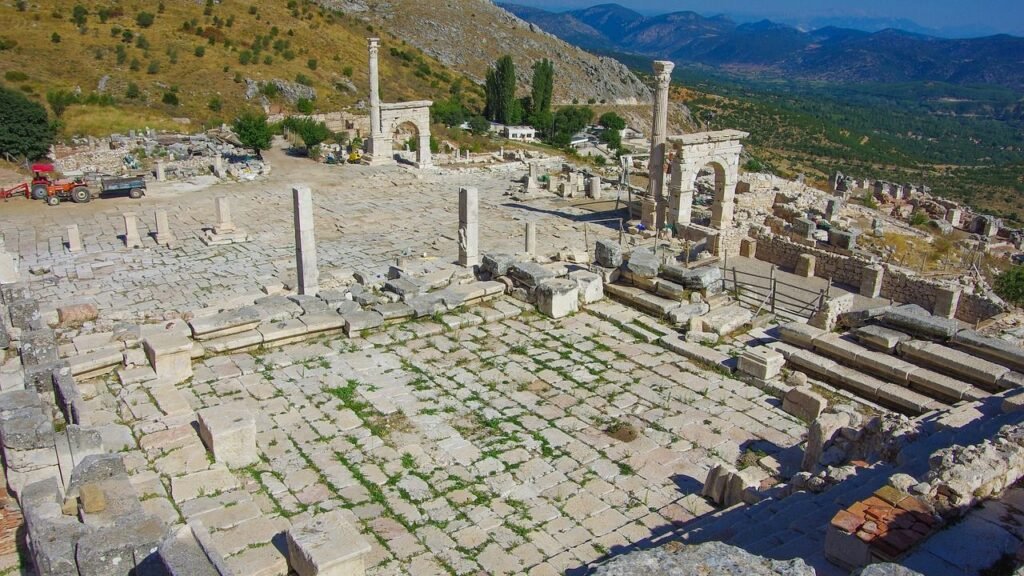

You ever wonder if everything you learned in history class was really the whole story? Lately, archaeologists have been digging up evidence that challenges what we thought we knew about our ancestors. Turns out, ancient people were far more sophisticated than textbooks ever gave them credit for. From tools that shouldn’t exist to entire cities hiding beneath jungle canopies, the past keeps delivering surprises that force us to rethink the timeline of human achievement.
What makes these discoveries so captivating is how they shatter long-held assumptions about when and where technological innovation actually happened. We’re talking about findings that push back dates by thousands of years and shift the geographic centers of early human ingenuity. So let’s dive into the clues ancient civilizations left behind and see how they’re rewriting history right before our eyes.
Stone Tools That Challenge Everything We Thought About Early Technology
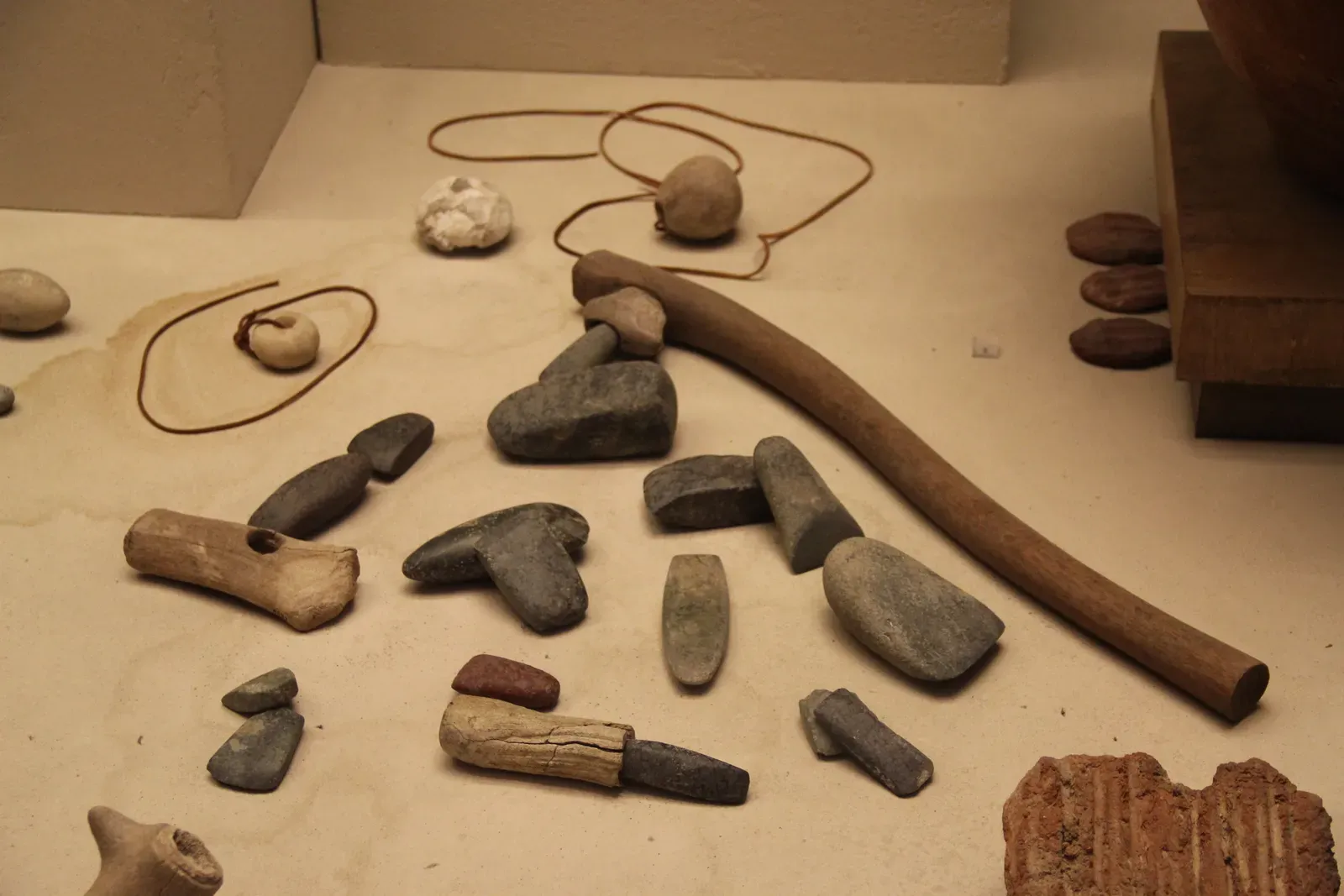
Stone tools excavated from sites in the Philippines, Indonesia, and Timor-Leste show evidence that ancient seafarers had technological sophistication comparable to much later civilizations, with advanced plant-working technology needed for sophisticated boat building and open-sea fishing dating back roughly 40,000 years. Here’s the thing: for decades, scholars believed that technological progress during the Paleolithic period only emerged in Europe and Africa. This research challenges the widely-held contention that technological progress during the Palaeolithic only emerged in Europe and Africa.
Microscopic analysis revealed that these tools were used for complex tasks like plant processing, specifically the extraction of fibers necessary for making ropes, nets, and essential components for boatbuilding and open-sea fishing. The implications are staggering. It’s hard to say for sure, but if these findings hold up, Southeast Asia was a major center for technological innovation tens of thousands of years earlier than anyone imagined.
Sophisticated Maritime Knowledge That Shouldn’t Have Existed Yet
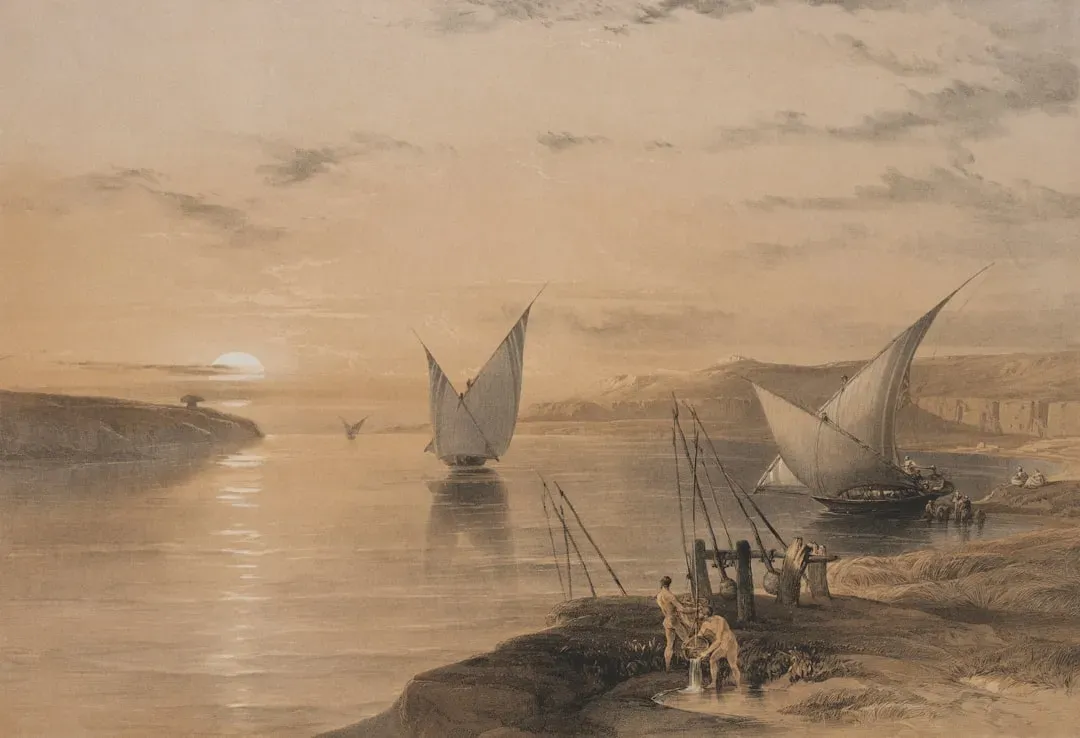
Let’s be real: crossing open ocean in prehistoric times sounds absolutely terrifying. Yet the discovery of fishing hooks, gorges, net weights, and remains of deep-ocean fish such as tuna and sharks indicates that ancient Southeast Asians were not only adept at constructing boats but also had a deep understanding of the ocean, including the seasonality and migration routes of various fish species. This wasn’t just luck or random drifting.
Prehistoric migrations across Island Southeast Asia were not undertaken by mere passive sea drifters on flimsy bamboo rafts but by highly skilled navigators equipped with the knowledge and technology to travel vast distances to remote islands over deep waters. I think that’s the most fascinating part – these weren’t desperate survivors clinging to logs. They were calculated explorers with genuine maritime expertise. Researchers have launched the FLOW Project in partnership with University of Cebu naval architects, designing and testing scaled-down reconstructions of Paleolithic-era boats using native materials and inferred technologies to demonstrate whether prehistoric fiber-based rope and bindings could realistically hold together watercraft capable of open-sea travel.
Bone Tools From Tanzania That Push Back the Timeline by Over a Million Years
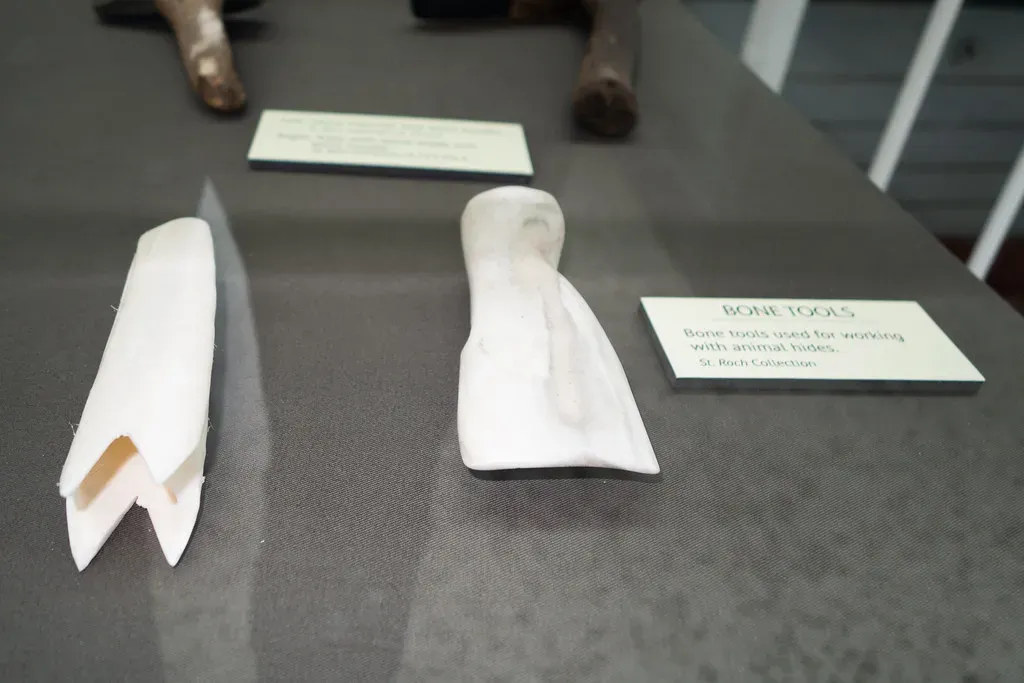
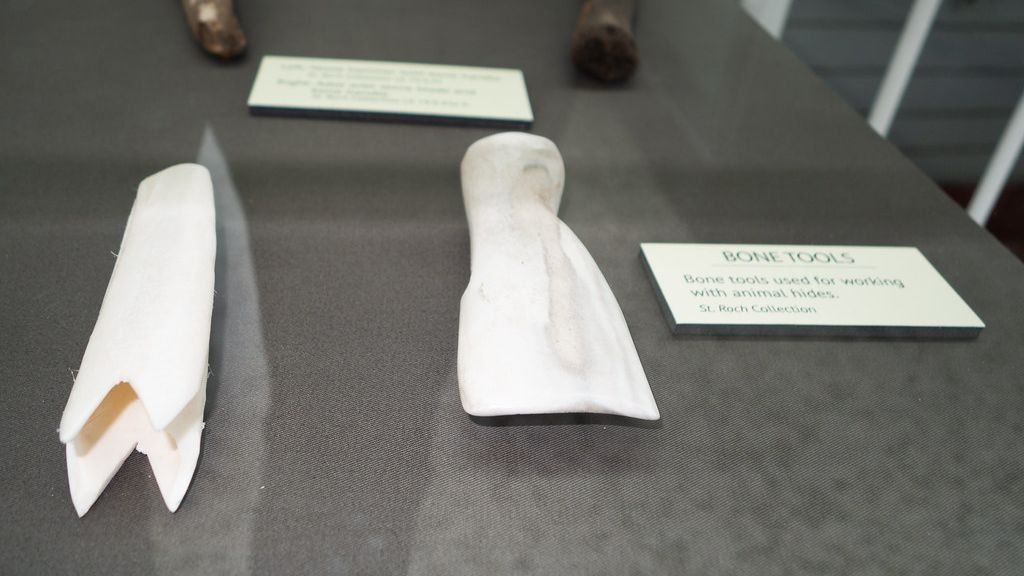
Archaeologists have uncovered a collection of bone tools at Olduvai Gorge in Tanzania, dating back 1.5 million years, pushing back systematic bone tool production by more than a million years and challenging previous assumptions about the technological capability of early hominins. Before this discovery, experts believed that systematic bone tool use emerged much, much later in human development. Crafted from the bones of elephants and hippopotamuses, these tools showcase an advanced level of cognitive ability and craftsmanship, which was thought to have emerged much later in human development.
What really stands out is the level of skill involved. It means that human ancestors were capable of transferring skills from stone to bone, a level of complex cognition that scientists haven’t seen elsewhere for another million years. This kind of cognitive flexibility – adapting stone-working techniques to a completely different material – requires abstract thinking and problem-solving abilities that historians assumed didn’t develop until way later. The Olduvai findings are basically forcing us to reconsider how smart our early ancestors really were.
Royal Tombs and Lost Pharaohs Emerging From Egyptian Sands
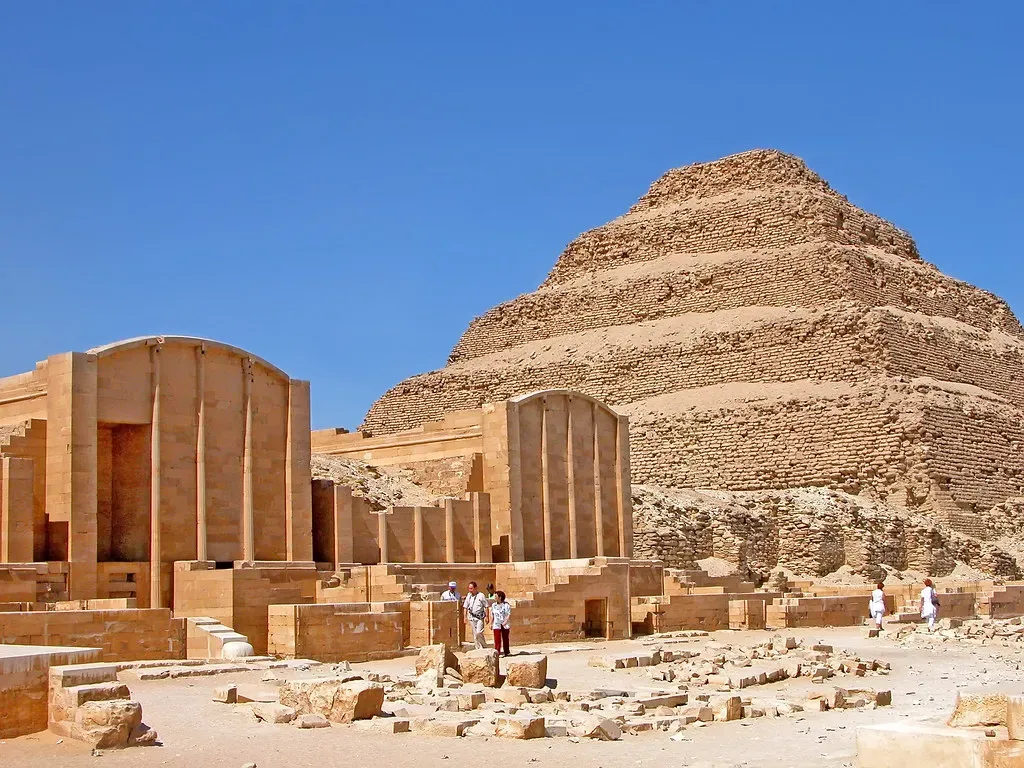
The tomb of Egyptian pharaoh Thutmose II was unearthed in the Valley of the Kings, a vast royal necropolis near ancient Thebes and modern Luxor; Thutmose ruled about 3,500 years ago and was the great-great-great-great-great grandfather of Tutankhamun, making his the first pharaonic tomb found at the Valley of the Kings since Tut’s. Honestly, the fact that major royal tombs are still being discovered in 2025 is pretty remarkable given how long archaeologists have been excavating there.
A joint British-Egyptian team discovered this rock-hewn tomb in the western wadis near the Valley of the Kings in February 2025, and it was immediately hailed as the most significant discovery since Tutankhamun in 1922; it belonged to Thutmose II, known as the ‘missing pharaoh’, who ruled Egypt from 1493 to 1479 BC. Meanwhile, archaeologists announced their discovery of the 1,700-year-old tomb of Te K’ab Chaak, the founding Maya king of the ancient city of Caracol in Belize; the large size of the tomb and the riches in the grave, including an ornate death mask made from dozens of pieces of jade, carved bones, jade jewelry and rare Pacific Ocean shells, indicate he was a ruler, with radiocarbon dates matching the city’s founding around A.D. 330. These aren’t just bones in the ground – they’re windows into forgotten dynasties.
Neanderthal Fingerprints and Art That Predates Everything
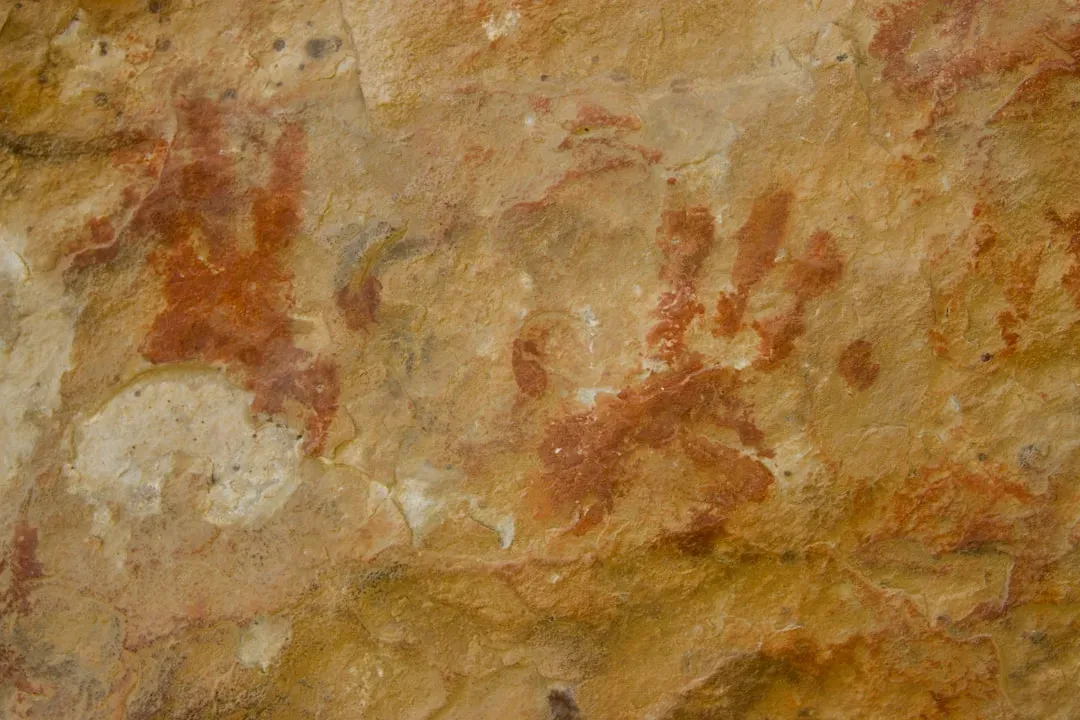
The oldest-known art, or at least the oldest-known fingerprint, appears on a 43,000-year-old stone from a rock shelter in central Spain, made when Neanderthal humans lived there; one side of the roughly potato-shaped stone has an ancient fingerprint in the middle that was made with red ochre. For years, there’s been this assumption that Neanderthals weren’t capable of symbolic thought or artistic expression. This single fingerprint challenges that notion head-on.
What’s wild is that this isn’t just random pigment smudging – it’s an intentional mark. It makes you wonder what other forms of Neanderthal expression have vanished without a trace. A spacious banqueting room decorated with almost life-sized paintings of sacred revelers was unearthed in Pompeii, destroyed by Vesuvius in A.D. 79; the newfound megalography of painted figures portrays a divine procession of dancers, hunters and satyrs for Dionysus, the Greek god of wine, with archaeologists thinking the paintings represented secret initiation rituals into his mystery cult, running around three sides of the room while the fourth opened onto a garden. Ancient art keeps revealing the spiritual and cultural depths of societies we thought we understood.
Ancient DNA Revealing Ancestry and Rewriting Migration Stories

Cutting-edge scientific tools reshaped archaeology in 2025, with ancient DNA sequencing reconstructing the ancestry of an Egyptian who lived at the dawn of the pyramids. DNA analysis has become an absolute game-changer for understanding ancient populations. DNA analysis has had an impact in various areas of history either confirming established historical theories or presenting new evidence that undermines current explanations; carbon dating, examination of ice cores and tree rings, and measuring oxygen isotopes in bones have all provided new data to argue new hypotheses, with extracting ancient DNA allowing historians to debate the meaning and importance of race and current identities.
The genetic evidence sometimes contradicts what archaeologists previously assumed based purely on physical artifacts. Analysis of ancient DNA helped fill knowledge gaps and change preconceived notions, with a prime example being how aDNA research is reframing the way people understand Pompeii, showing that genetic traces from victims’ bones revealed what was once considered to be a mother holding her son in their final moments was an unrelated adult male who likely offered comfort to a child before they perished. These molecular clues are literally rewriting family histories frozen in time.
Pre-Pottery Neolithic Structures That Defy Explanation
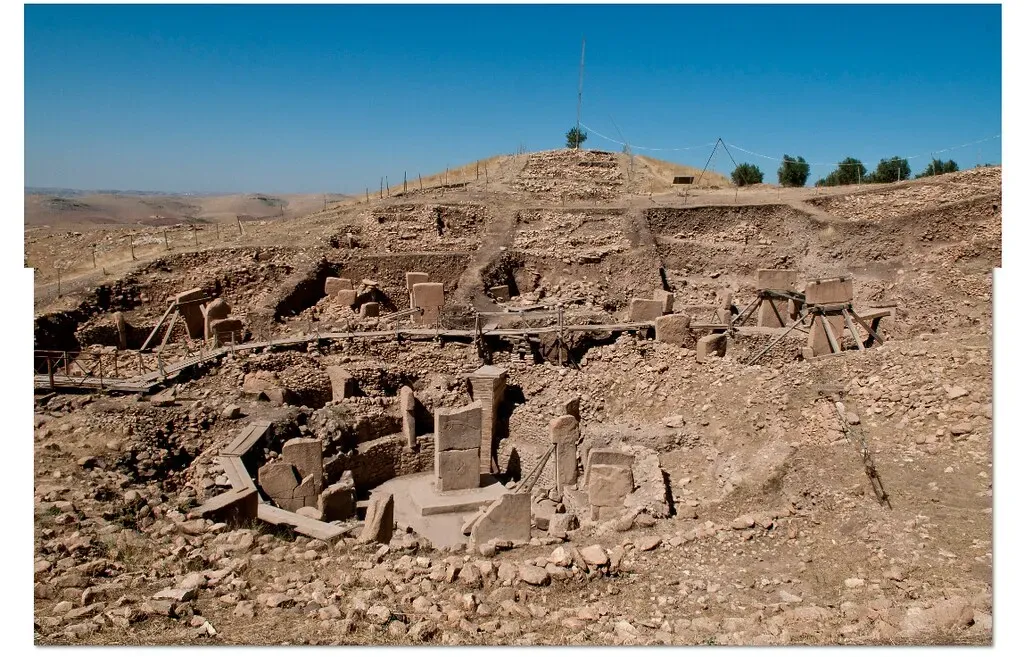
Göbekli Tepe, an archaeological site in southeastern Turkey, dates back to the Pre-Pottery Neolithic period around 9600 BCE and is composed of multiple circular enclosures, each containing large T-shaped limestone pillars that reach up to 19 feet in height. Let me tell you, when archaeologists first uncovered this site, it completely upended theories about when humans started building monumental architecture. This predates pottery, farming, and everything we thought was necessary for complex construction projects.
Excavations at Karahantepe, a Neolithic site near Şanlıurfa in southeastern Turkey inhabited from approximately 9400 to 8000 BCE, have revealed a large structure resembling an amphitheatre; the circular structure measures almost 17 meters in diameter and features tiers of stone benches, human and animal sculptures, and carved heads embedded in the walls. The level of social organization required to build these structures suggests that hunter-gatherer societies were far more sophisticated than the “primitive nomad” stereotype we’ve been fed.
Underwater Discoveries and Sunken Ports That Hold Royal Secrets
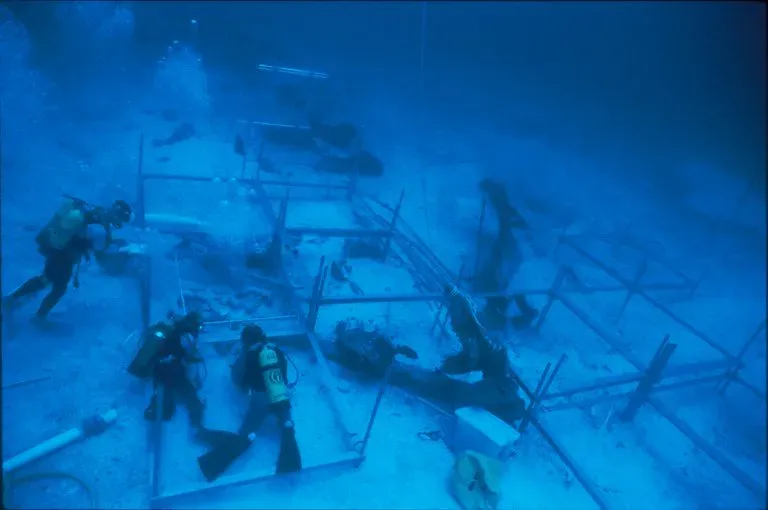
Archaeologists announced the discovery of an underwater wreck of a giant pleasure barge or floating palace in the harbor near the Egyptian city of Alexandria; the remains had been lying only about 23 feet under the water and about 5 feet under the sediment. The Mediterranean is basically a time capsule of shipwrecks and submerged structures. Archaeologist Kathleen Martínez and famed Titanic discoverer Bob Ballard uncovered a sunken landscape near Taposiris Magna, believed to be crucial in solving the 2,000-year-old mystery of Queen Cleopatra VII’s tomb; with discoveries of amphora, multiple anchors, a polished floor and towering columns, the team believes they have uncovered an ancient port lost to the sea.
Off the coast of Turkey’s Antalya province, SCUBA-diving archaeologists uncovered a remarkably intact Roman-era shipwreck submerged about 148 feet below the Mediterranean Sea surface; the vessel contained hundreds of sealed amphorae that had been perfectly preserved for nearly 2,000 years. Each shipwreck is like a frozen moment – a snapshot of trade routes, cargo, and lives interrupted. What’s really exciting is that rising sea levels and improved underwater archaeology techniques mean we’re going to find even more of these submerged sites in the coming years.
Conclusion: The Past Is Never Truly Settled
The clues ancient civilizations left behind are constantly forcing historians to revise and refine what we know. From bone tools that predate expectations by a million years to sophisticated seafaring technology in prehistoric Southeast Asia, these discoveries prove that human ingenuity has deeper roots than anyone imagined. Each find challenges the Eurocentric narrative that technological progress only happened in certain places at certain times.
What’s humbling is realizing how much we still don’t know. Every excavation season brings surprises that overturn decades of scholarly consensus. The story of human history is far more complex, far more interconnected, and far more impressive than the simplified version presented in textbooks. Did you expect that ancient people were this advanced? What other assumptions about the past might be completely wrong?