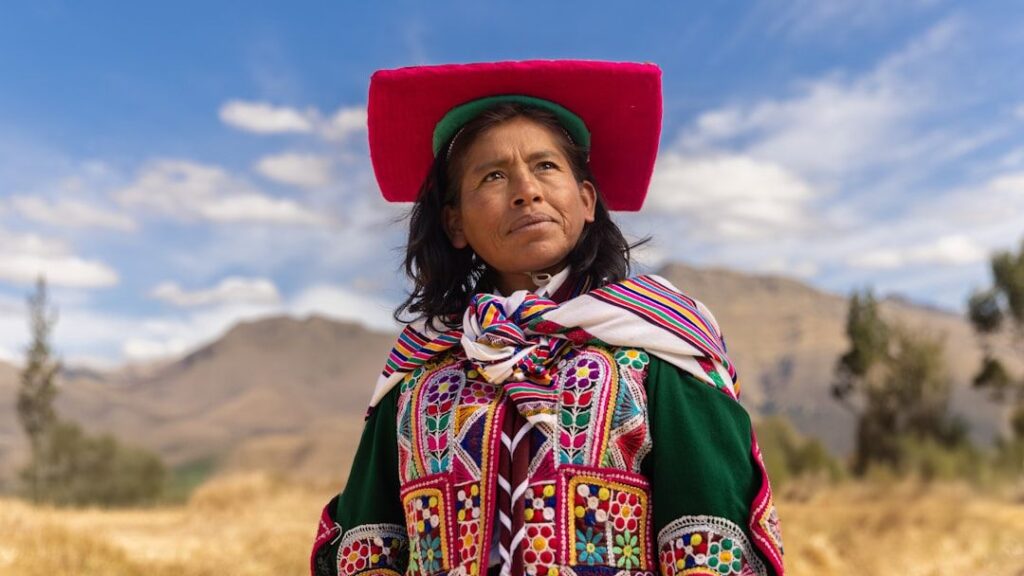
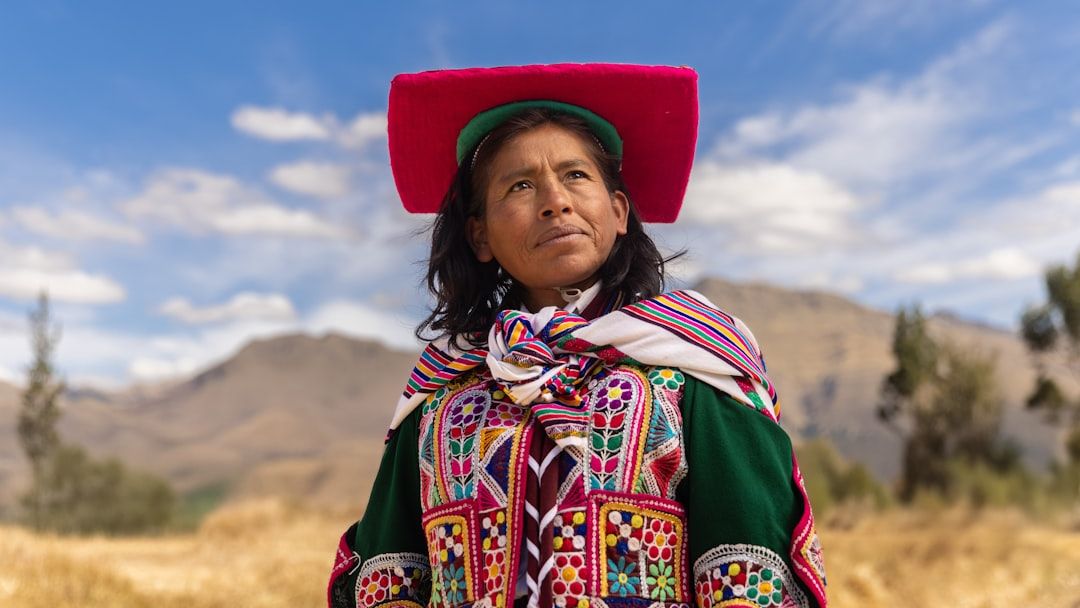
Indigenous Amazonian shamans identified the specific combination of two plants required to make ayahuasca active orally – a pairing that stands as what may be one of the most unlikely discoveries in the history of human botany, given there are roughly 80,000 plant species in the Amazon – Image for illustrative purposes only (Image credits: Unsplash)
Indigenous communities in the Amazon have long prepared a brew that produces powerful effects only when two specific plants are combined in precise ways. This discovery carries real consequences for how people today view traditional knowledge systems and their ability to solve complex problems without modern tools. The process highlights both the practical value of long-observed practices and the gaps that remain in explaining their origins.
The Brew That Requires Exact Pairing
Ayahuasca functions as a two-part system rather than a single ingredient. One plant supplies a compound known as DMT, which the human body normally breaks down before it can take effect. The second plant contains substances that temporarily block those breakdown enzymes, allowing the first compound to reach the bloodstream when swallowed.
Neither plant works on its own. The vine must be prepared through pounding and extended boiling, while the leaves enter the process at a specific stage. Cold mixtures of the same plants produce no comparable result, showing that preparation details matter as much as the species chosen.
The Enormous Odds Against Random Success
The Amazon holds tens of thousands of plant species, creating billions of possible two-plant pairings. Finding the right match, along with the correct preparation steps and dosing ratios, would take far longer than human history allows under pure trial-and-error conditions. Some form of guidance or pattern recognition had to narrow the search from the start.
Practitioners also had to learn which additional plants could be added safely and which would create dangerous interactions once the enzymes were blocked. These extra layers of knowledge further reduced the chance that chance alone produced the working formula.
Practitioner Accounts of How the Knowledge Arrived
Shamans across different groups describe the plants themselves as the source of the information. They report that attentive preparation and repeated use revealed the correct steps over time. This view treats the process as an ongoing dialogue with the natural world rather than a series of isolated experiments.
Western accounts often set this explanation aside in favor of gradual empirical testing across generations. Yet the scale of the combinatorial problem suggests that observational systems rooted in taxonomy, sensory cues, and accumulated tradition played a larger role than simple random sampling would allow.
Western Science Arrived Centuries Later
Researchers identified the active compounds and their interaction only in the twentieth century, long after the brew had been in use. Laboratory methods involving enzyme studies and chemical analysis eventually confirmed why the combination succeeds where single plants fail.
The gap in timing underscores a key point: accurate pharmacological understanding existed in practice well before formal scientific tools existed to describe it. This sequence challenges assumptions about which methods must come first when reliable results are the goal.
What the Discovery Still Leaves Unexplained
The working system demonstrates that effective knowledge of biological mechanisms can develop through routes that do not rely on controlled experiments or written records. How the initial identification occurred remains difficult to reconstruct with current frameworks for the history of science.
One concrete outcome is continued ceremonial use of the brew alongside growing interest from outside researchers. The unresolved question centers on the internal logic of the observational practices that produced such a precise solution in the first place.