Imagine standing alone in the vast, echoing silence of the California desert, surrounded by mountains and endless sky. Suddenly, you see a cluster of enormous metal dishes rising from the dusty earth—silent sentinels once tuned to the whispers of the universe. The Owens Valley Radio Observatory (OVRO), once a beacon of astronomical discovery, now sits eerily quiet, its antennas frozen in time. How did this scientific powerhouse fade from the headlines, and what secrets linger in its shadowed control rooms? For decades, OVRO was at the heart of cosmic research, unraveling mysteries of space with stunning precision. Now, its fate stirs questions about the future of exploration, the march of technology, and the lasting mark of human curiosity on wild, remote landscapes.
The Birth of a Desert Titan
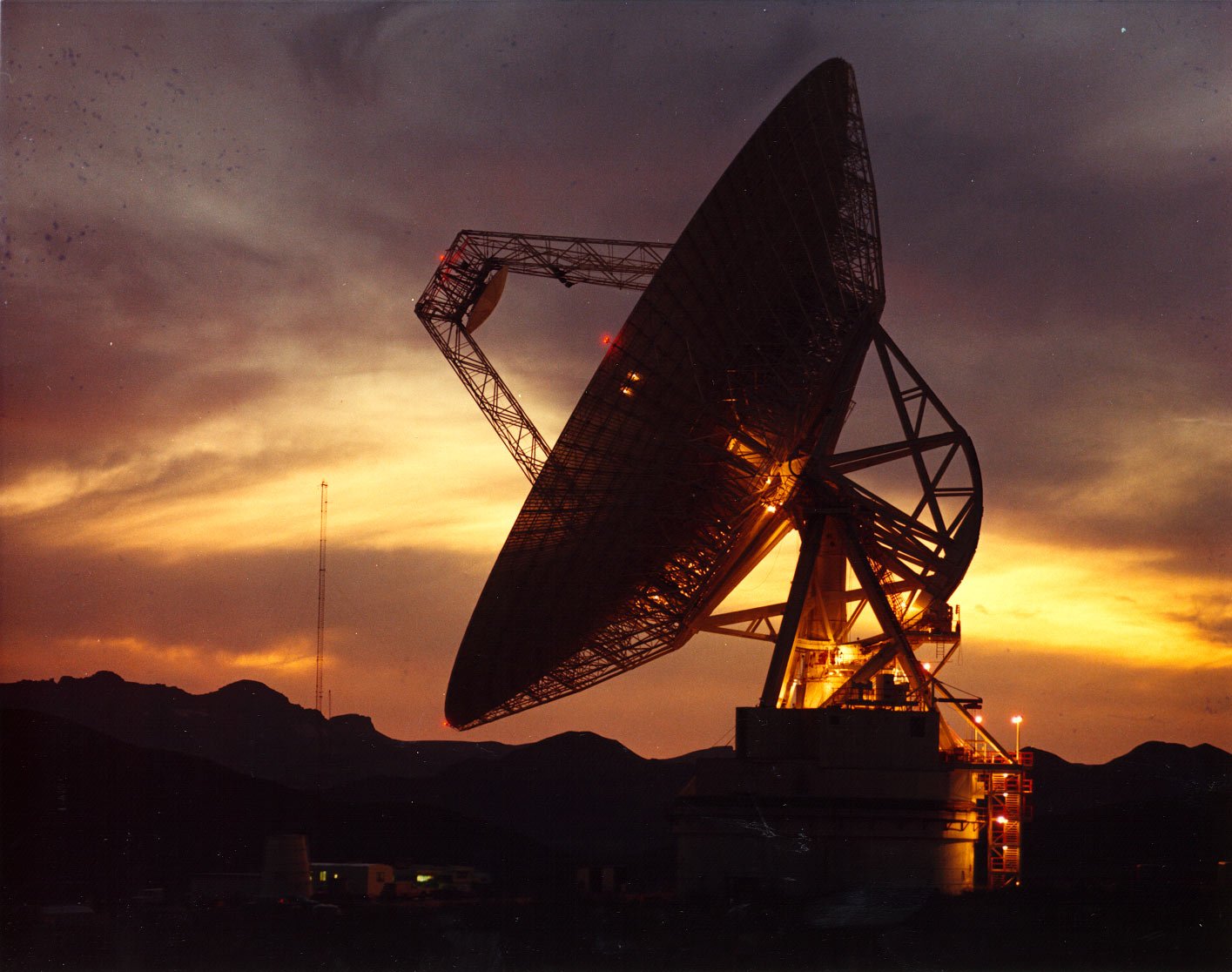
In the early 1950s, the world was on the brink of a scientific revolution. The Owens Valley Radio Observatory sprang to life in 1956, nestled in California’s Inyo County where the Sierra Nevada meets the vast desert. This wasn’t just another lab; it was a daring leap into the unknown, built to listen to the cosmos with ears bigger and keener than ever before. The site was chosen for its isolation—far from the buzzing interference of city life, giving astronomers a rare, clear window into the universe. OVRO’s first dish, a massive 27-meter antenna, became a symbol of the era’s bold ambition and ingenuity. Its remote, almost otherworldly setting only heightened the sense of adventure and determination that defined the observatory’s early years.
A Hub for Cosmic Discovery
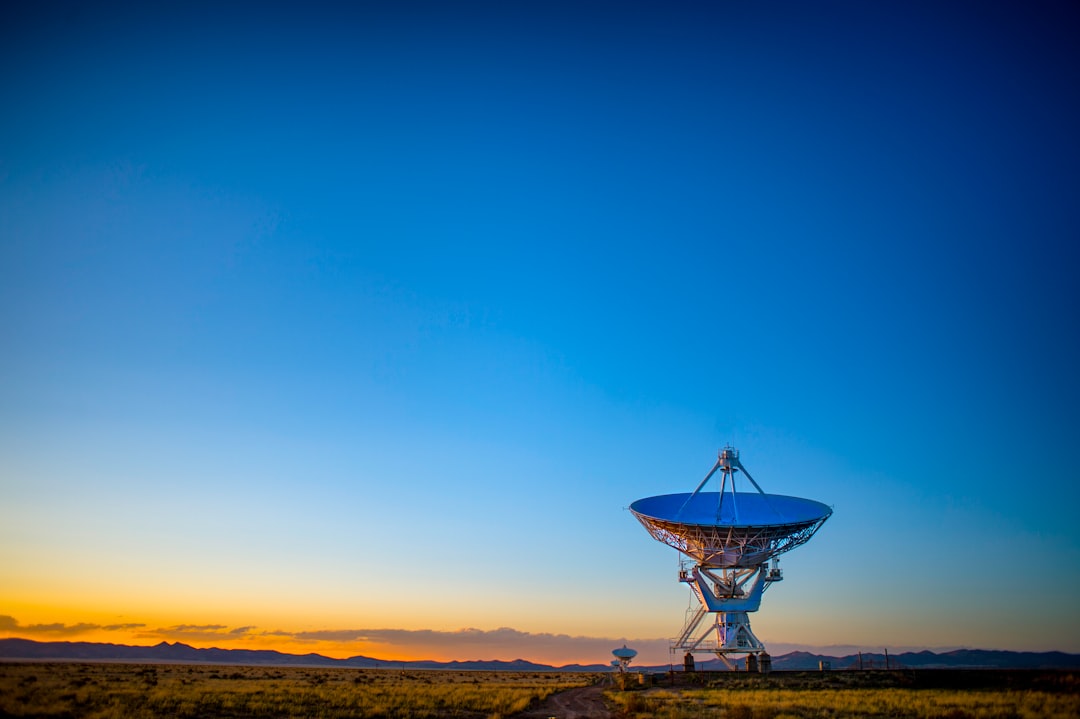
For decades, OVRO didn’t just keep up with the world’s top observatories—it helped set the pace. Scientists flocked here from across the globe, peering into the heart of radio galaxies, pulsars, and even the faint afterglow of the Big Bang. The dishes captured signals invisible to human eyes, revealing entire chapters of cosmic history hidden in radio waves. In those heady days, discoveries made at OVRO rewrote textbooks and inspired a generation of astronomers. The observatory became a proving ground for new technology, collaborating with NASA and other leading agencies. Its data sparked excitement far beyond the desert, reaching classrooms, research labs, and newsrooms worldwide.
A Changing Landscape: The March of Technology

As decades passed, technology evolved at a dizzying pace. Newer, more sensitive telescopes sprouted up in Chile, Hawaii, and even in orbit, each boasting sharper eyes and broader reach than the last. OVRO’s aging dishes, once state-of-the-art, began struggling to compete. Funding grew tighter as scientific priorities shifted and the price of maintaining old equipment soared. Researchers searching for the next big breakthrough looked elsewhere, drawn to facilities with more advanced arrays and powerful computers. Though the heart and history of OVRO remained strong, the world spun forward, and the observatory was forced to adapt—or risk fading into obscurity.
The Quieting of the Dishes
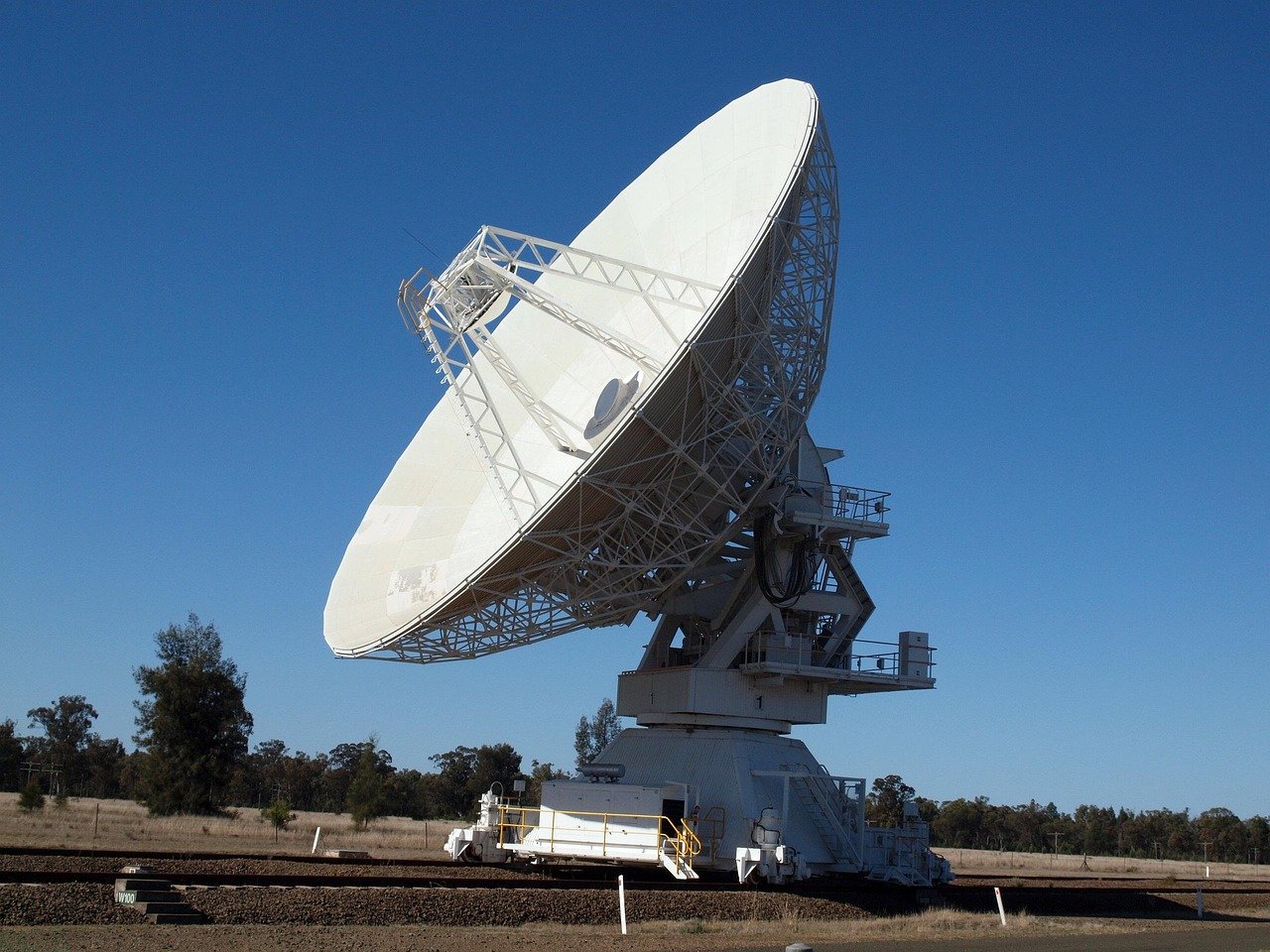
By the late 2010s, the once-bustling control rooms of OVRO grew quiet. Fewer scientists made the trek to the desert. The hum of equipment gave way to the soft whistle of wind through abandoned buildings. Some of the massive dishes were decommissioned, their motors and gears left to gather dust. The silence was almost haunting, a stark contrast to the decades of lively chatter and breakthrough discoveries. The observatory’s decline wasn’t sudden; it was a slow, bittersweet process, marked by budget cuts, retirements, and a sense of nostalgia among those who remembered its golden days. For many, seeing the dishes idle and the campus empty felt like watching a giant fall asleep.
Environmental Challenges and Remote Realities
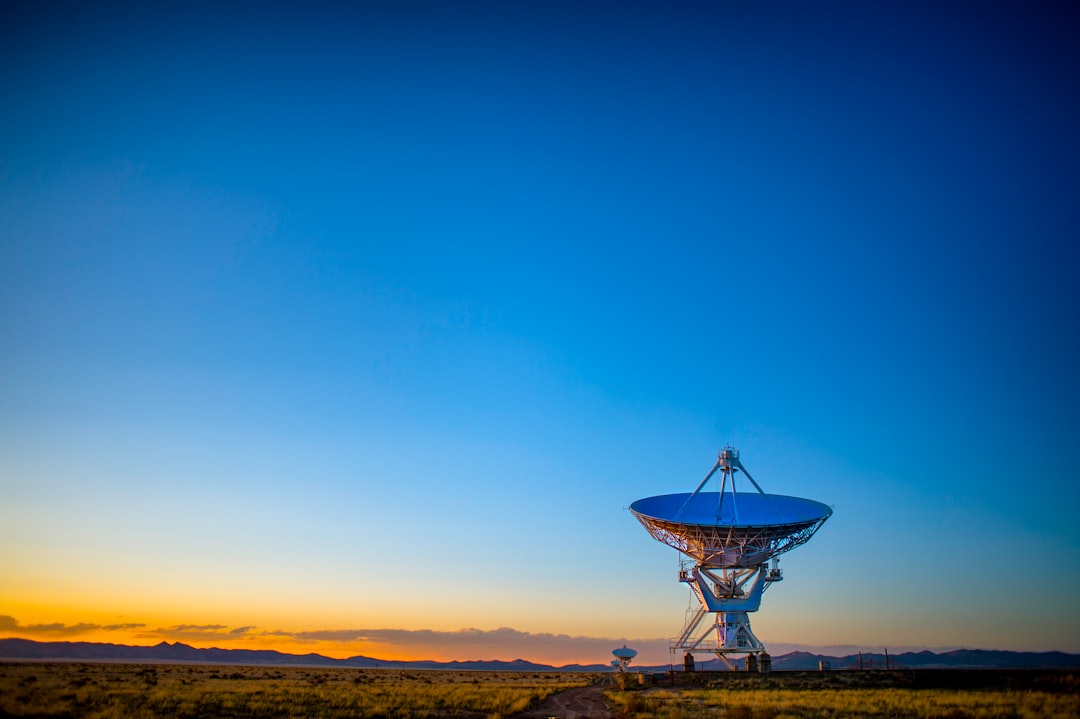
OVRO’s location, once its greatest strength, became one of its toughest challenges. The harsh desert climate battered equipment year after year—scorching heat, sudden winds, and biting winter cold took their toll on delicate machinery. Maintaining such a large facility in the middle of nowhere required a constant supply of parts, fuel, and skilled technicians, all of which grew more expensive as budgets shrank. Add to this the growing threat of wildfires and drought, and the observatory’s vulnerability became all too clear. Sometimes, it felt as if nature itself was reclaiming the site, slowly erasing the footprints of human ambition.
The Legacy of Groundbreaking Research
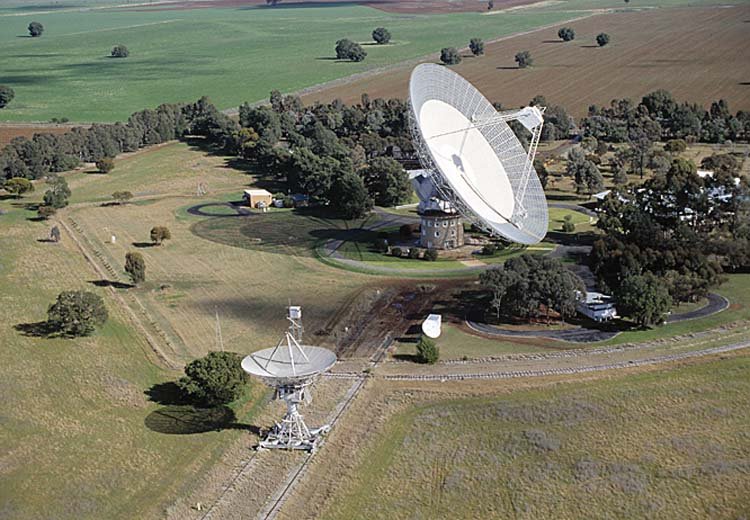
Despite its decline, OVRO’s legacy is woven into the fabric of modern astronomy. The observatory’s archives hold a treasure trove of data—maps of cosmic microwave background radiation, early radio images of distant galaxies, and detailed studies of mysterious cosmic signals. Many of the world’s top astronomers cut their teeth here, honing their skills under the desert sun. The techniques and insights born at OVRO continue to influence new generations of telescopes and researchers. Even now, scientists revisit its findings, mining them for clues about the universe’s deepest secrets. In this way, OVRO’s voice still echoes, even if its dishes are silent.
Human Stories: The People Behind the Science
Behind every great discovery at OVRO were passionate individuals—engineers, astronomers, and students—whose lives became entwined with the observatory. For some, working at OVRO was a lifelong dream come true, a chance to chase questions that kept them awake at night. Life in the desert was often tough, with long hours and isolation, but the camaraderie was unmatched. Teams would gather under the stars after a long night’s work, sharing stories and marveling at the vastness above. Many describe their time at OVRO as transformative, a period defined by wonder, perseverance, and friendship. The human spirit thrived here, as boundless as the sky.
What Remains: A Haunting Beauty

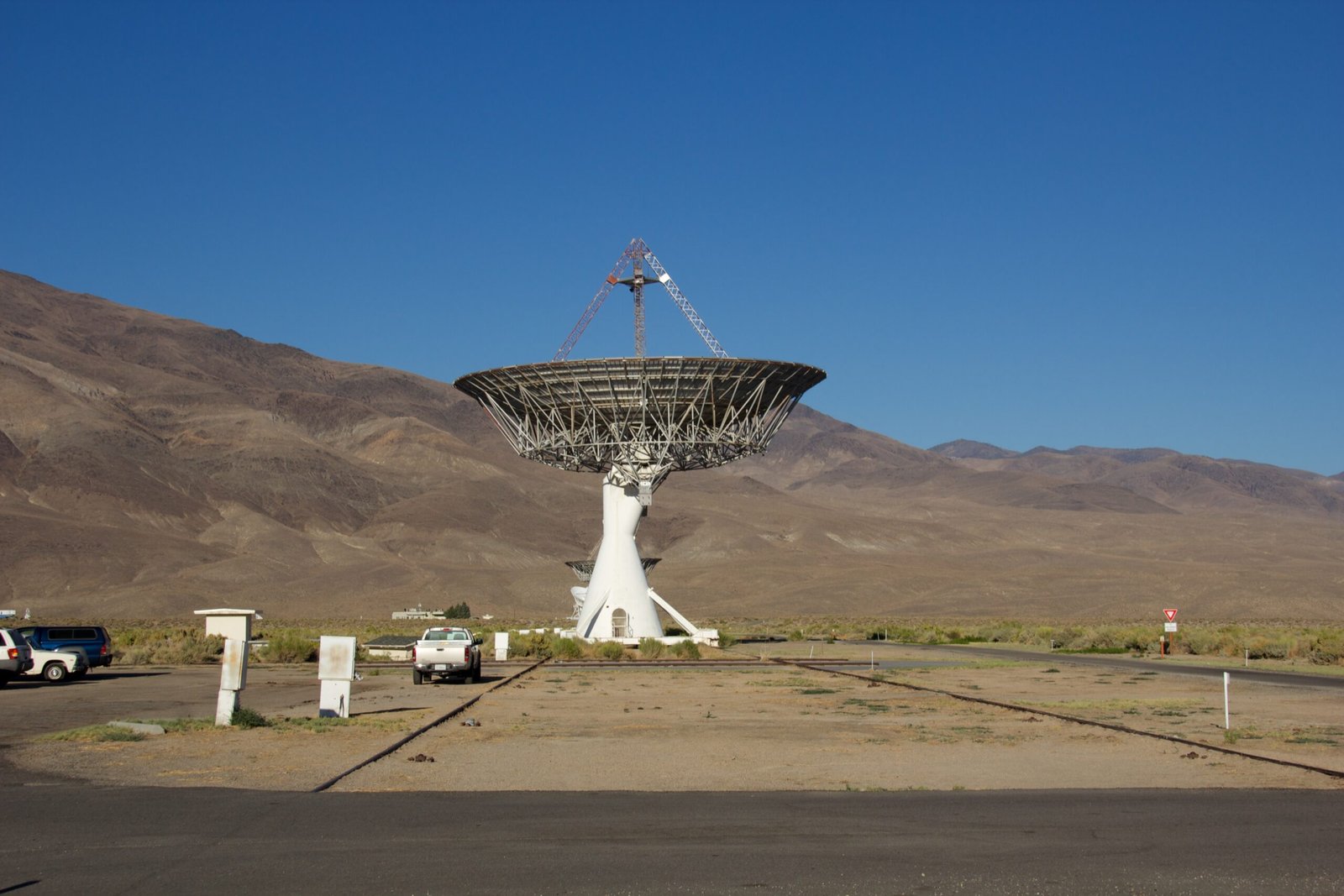
Today, OVRO’s silent dishes cut stark silhouettes against the desert landscape. Crickets and coyotes have replaced the sounds of motors and voices. The observatory has taken on a haunting beauty, its empty halls and rusting frames standing as monuments to curiosity and ambition. For travelers and locals alike, the site is both a relic and a reminder—a place where dreams of reaching the stars once took physical form. The way the sun hits the metal at dusk can make the whole scene glow, stirring a sense of awe and melancholy in equal measure. Even in abandonment, OVRO refuses to be forgotten.
Preserving a Scientific Landmark

Efforts to save and repurpose OVRO have surfaced over the years. Some advocates dream of transforming the site into a museum or educational center, where visitors can walk among the dishes and learn about the history of discovery. Others hope to see parts of the facility revived for new research, perhaps in partnership with universities or private institutions. The challenge lies in balancing preservation with practicality—finding the funds and vision to keep the spirit of OVRO alive. Communities and scientific societies continue to debate the best path forward, united by a shared respect for what the observatory represents.
Echoes from the Past, Lessons for the Future
The story of the Owens Valley Radio Observatory is more than just the rise and fall of a research facility; it’s a testament to the power of human curiosity and the relentless march of progress. As technology advances and priorities shift, some places are left behind, but their impact endures. OVRO’s journey reminds us that even as we reach for distant worlds, we leave traces behind—monuments to our desire to understand the unknown. This abandoned desert dish, quiet yet imposing, whispers a question to all who pass by: what discoveries might be waiting in silence, just beyond the edge of what we know?