If you leave a trench open over winter, the ground does not simply pause and wait for you to come back in spring. The soil shifts, water sneaks in, frost rearranges everything, and what started as a neat, well-cut excavation can turn into a distorted, unstable, sometimes dangerous mess. The process is surprisingly dramatic for something that looks so still on the surface.
Whether you are a contractor, an engineer, a landowner, or just someone who has watched a muddy job site sit idle for months, understanding what happens to an open trench over winter is more than a curiosity. It’s about safety, cost, environmental risk, and whether your project will survive the cold season at all. Think of winter as a slow-motion stress test for every mistake and shortcut in that trench.
I still remember standing at the edge of what was once a crisp, rectangular utility trench and seeing it in March as a slumped, waterlogged trough, pipes exposed in places and completely buried in others. That one winter turned a simple job into a corrective nightmare. If you want to avoid that story, or at least understand why it happens, let’s walk through the thirteen big changes an open trench goes through when it faces one full winter on its own.
#1: Water Fills, Pools, and Slowly Saturates the Trench
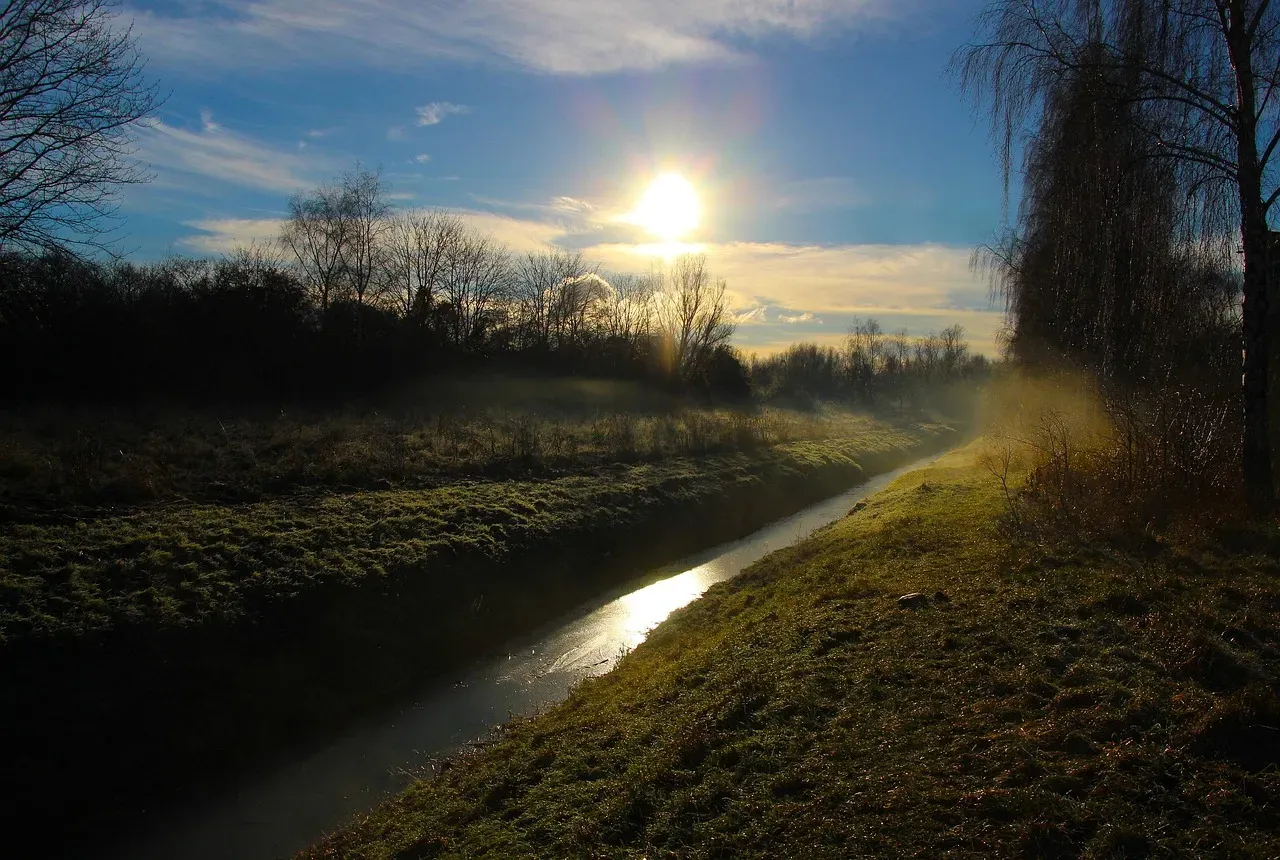
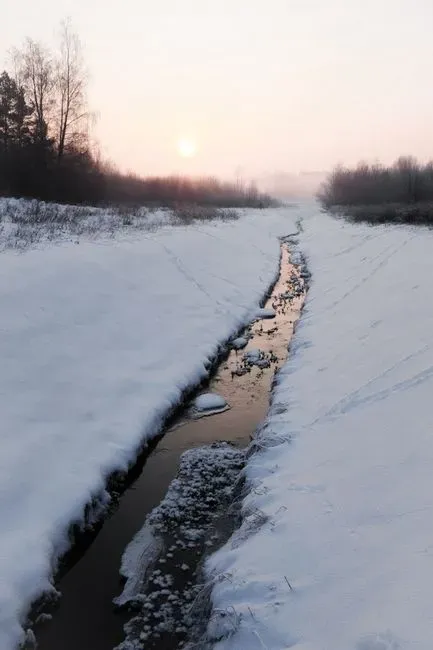
The first and most obvious thing that happens to an open trench in winter is that it starts to collect water. Rainfall, snowmelt, and even groundwater seepage all find their way into the lowest point in the landscape, and an open excavation is basically a ready-made bathtub. Unlike in summer, when evaporation and warm ground help move water out, winter conditions often keep that moisture sitting in place.
Over time, this standing water saturates the trench walls and base. Soil that was once firm and relatively dry transitions into a soft, plastic mass that can no longer hold its shape. If the soil has a high clay content, it can become sticky and slippery, while sandy soils can be washed out and redistributed. It is not just a puddle; it is an active hydraulic environment steadily undermining your excavation.
A few key things usually follow when water is allowed to sit in the trench:
- Soils become weaker and lose their bearing capacity.
- Fine particles are carried away, opening voids and channels.
- Access becomes dangerous due to mud, slick surfaces, and hidden soft spots.
By the time spring arrives, the trench might look intact from above, but below the surface the structure of the soil is often radically different, and almost always worse.
#2: Freeze–Thaw Cycles Break Down the Trench Walls
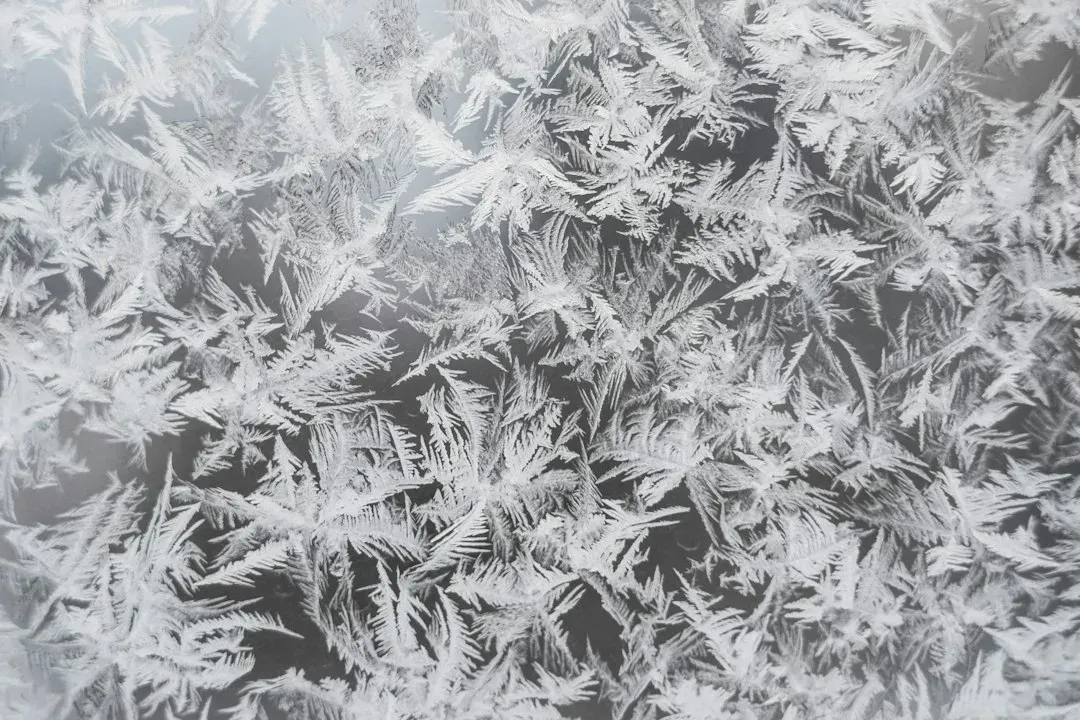
Once water is in that trench, cold temperatures start a new kind of trouble: freeze–thaw cycles. When water in the soil pores freezes, it expands, pushing soil particles apart and generating internal pressures. When it thaws, the structure collapses slightly. Repeat that dozens of times over a winter, and the result is like taking a jackhammer to the trench walls and base, just very slowly.
This repeated expansion and contraction is especially destructive in fine-grained soils, such as silt and clay, where water can be retained in tiny voids. The frost wedges into cracks, widens them, and over time causes chunks of the wall to detach and fall. Even in coarser sands and gravels, these cycles can cause loosening, raveling, and gradual collapse of previously stable slopes.
The net effect is that a trench that passed an initial inspection in autumn can become structurally unreliable by late winter, even if no one ever touched it. The walls may seem stable until one more thaw triggers a slide or slab failure. It is one of those subtle risks: nothing appears to happen for weeks, and then, suddenly, a whole section gives way.
#3: Frost Heave Lifts, Distorts, and Misaligns the Base
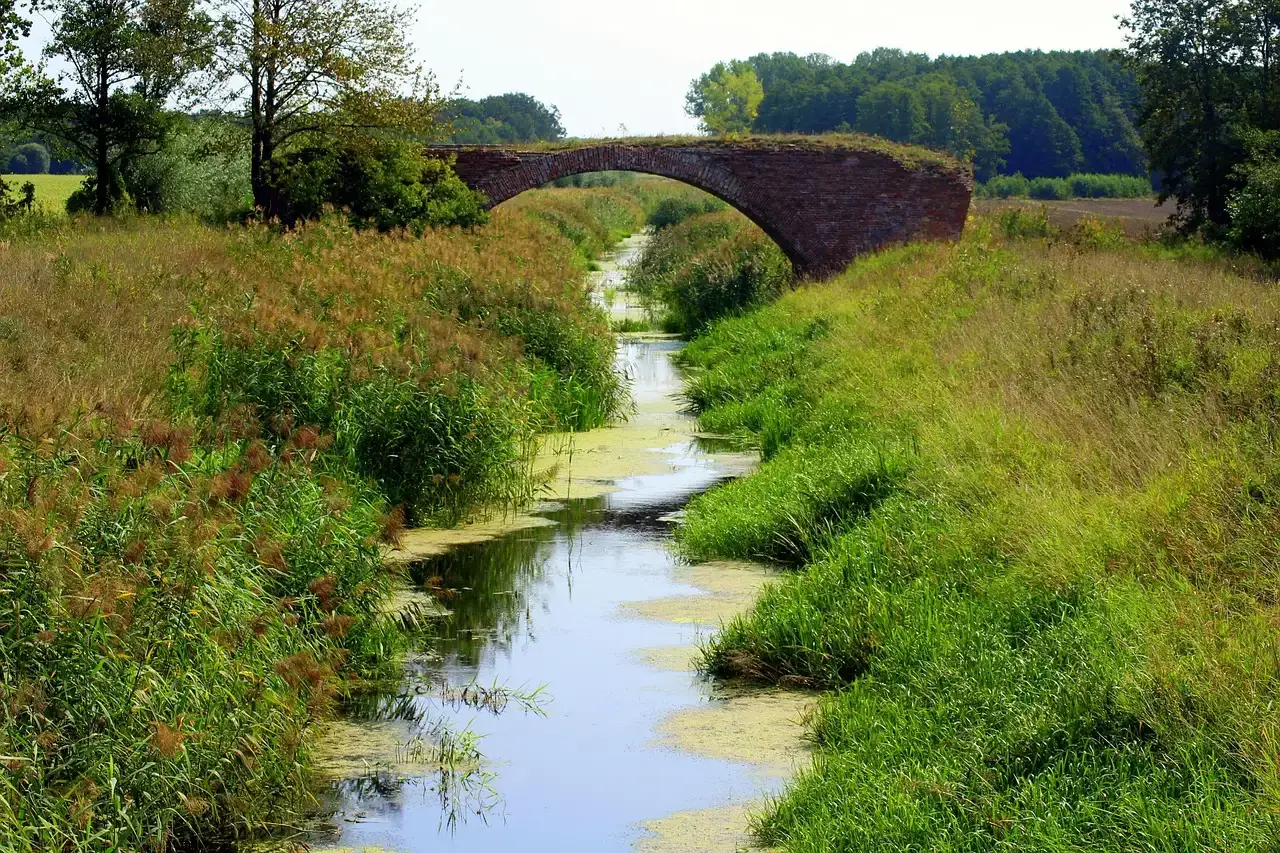
Frost does not just eat away at the sides of an open trench; it can also lift and distort the bottom. In frost-susceptible soils, particularly silty materials with enough moisture, ice lenses can form and grow as the freezing front moves downward from the surface. These ice lenses literally push soil and anything resting on it upward, a process known as frost heave.
If you have pipes, conduits, or prepared subgrade sitting at the bottom of an open trench, frost heave can shift them out of alignment. Joints can be stressed, slopes can change, and carefully graded bedding can become irregular. By spring, what was once level might be full of humps and dips, creating drainage problems and forcing rework before you can backfill or continue construction.
- Frost heave is strongest where moisture can feed freezing fronts from below or from the sides.
- Partially frozen, saturated bases are especially vulnerable to uneven heaving.
- Once the ice melts, the soil often settles unevenly, leaving soft spots and voids.
Leaving a trench open exposes it to these processes without any protective cover or insulation, turning winter into a powerful, invisible reshaping tool.
#4: Sidewall Sloughing and Progressive Collapse
At first, sidewall sloughing looks minor: little piles of soil crumbling from the trench walls, a bit of raveling here and there. Over an entire winter, especially under wet and freezing conditions, those small failures can turn into a full-blown reshaping of the trench profile. The near-vertical sides that were carefully cut in autumn gradually erode, slump, and slide inward.
There are several forces working together here. Saturated soils lose strength. Freeze–thaw weakens the soil fabric. Gravity constantly pulls anything unstable toward the bottom. The result is that material keeps shedding from the walls, often in chunks, sometimes suddenly. In cohesive clays, you might see large slabs coming away; in sandy soils, it can be more like a continuous trickle and slope flattening.
From a safety point of view, this is one of the biggest hazards of leaving trenches open. What looked like a controlled excavation can turn into a wide, unpredictable void with hidden overhangs and undermined edges. If people or equipment come close in late winter, they may be dealing with a trench geometry that bears little resemblance to what was originally designed or shored.
#5: Erosion Carves Channels and Undermines Edges
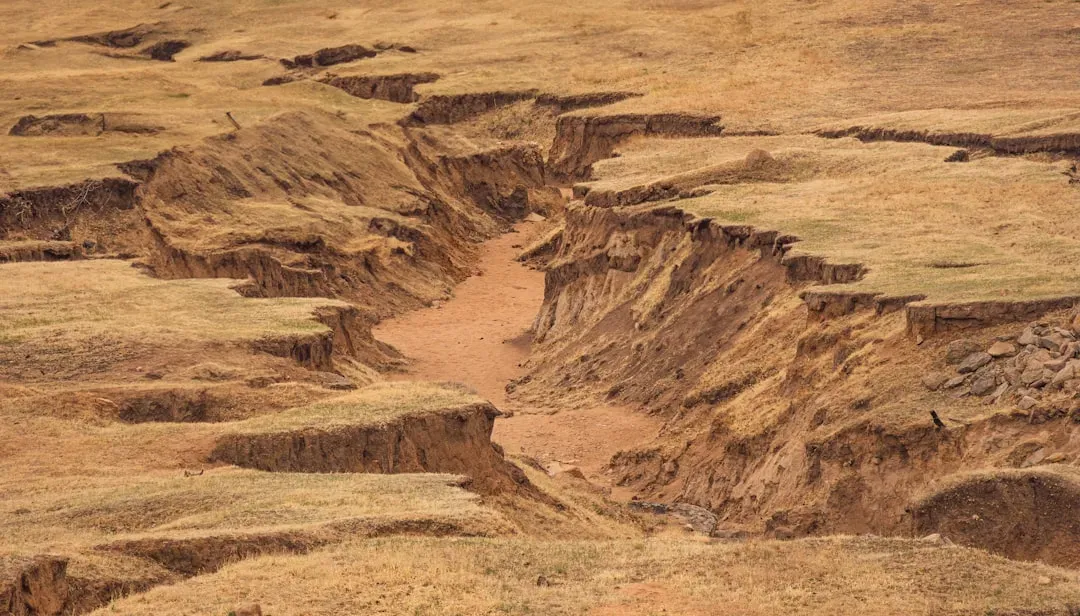
As snow melts and winter storms bring intermittent rain, surface water starts to move across the ground and into the trench. If the site is sloped or poorly drained, that runoff will carve paths that concentrate flow. These flows can erode the soil at the top edges, creating little gullies that feed directly into the excavation and eat away at the banks.
Over the months, these small channels can grow, extending upslope and down the sides of the trench. They do not just move soil; they can also transport sediment, debris, and even contaminants into the trench. Where geotextiles, silt fences, or temporary berms were not installed or maintained, erosion can be particularly aggressive, and the top of the trench slowly pulls back as more material is removed.
It becomes a feedback loop: water finds a path, that path deepens, more water follows, and even more soil is lost. By the end of winter, you often see undercut edges, irregular profiles, and a trench that is significantly wider and shallower than before, with much of that missing soil now sitting at the bottom as loose, saturated sediment.
#6: Sediment Build-Up Buries the Original Trench Shape
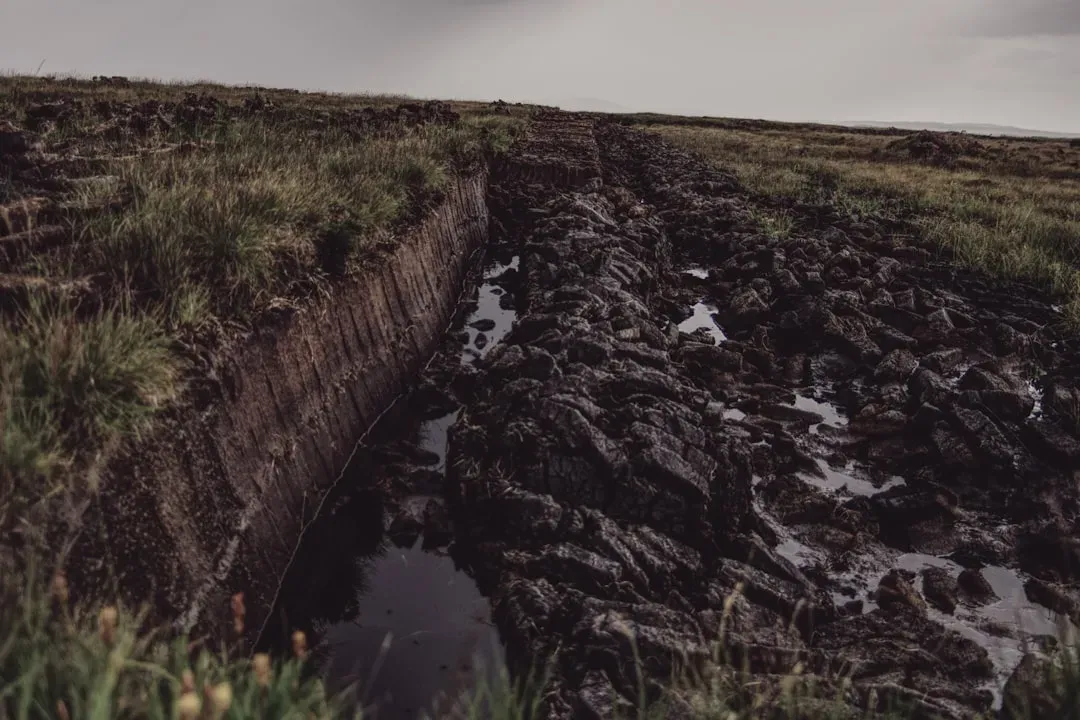
An open trench in winter behaves like a long, narrow sediment trap. Everything that erodes from the sides, washes in from surrounding ground, or drops from equipment and passing vehicles tends to end up at the bottom. Over time, this accumulation can completely hide the original grade, bedding, or installation work that was present before the site went idle.
This is not just an aesthetic issue. When you return in spring, you might see only a shallow ditch, but under that soft, muddy layer there may be pipes, cables, or partially completed structures. Excavating this sediment without damaging what lies beneath can be time-consuming and risky. The fines-rich material often has poor strength, drains badly, and sticks to equipment, making cleanup tedious.
- Eroded sidewall material is often highly disturbed and weaker than the original soil.
- Organic debris and trash may get mixed into the bottom fill, further degrading its quality.
- If left in place, this build-up can compromise compaction, bearing capacity, and long-term performance.
By the time winter is over, the clean, engineered geometry of the trench might be replaced by a messy, layered fill that needs careful re-excavation and conditioning.
#7: Groundwater Levels Shift and Seepage Increases
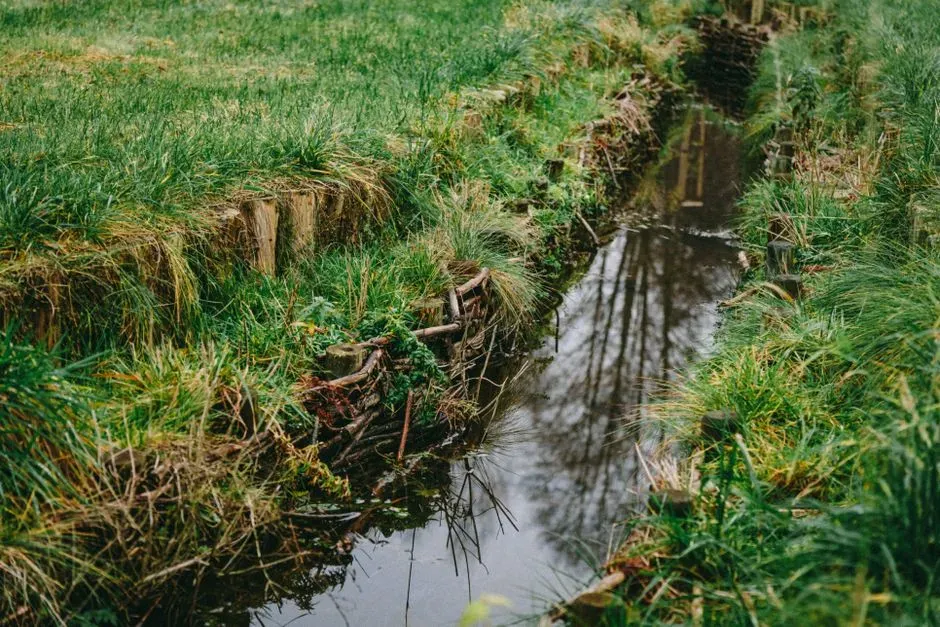
In many climates, winter and early spring come with higher groundwater levels due to reduced evaporation and ongoing recharge from precipitation and snowmelt. An open trench can intersect this rising groundwater, turning from a dry excavation into a partially submerged or fully waterlogged cut. This shift may happen gradually and go unnoticed until the trench is clearly flooded.
When groundwater intersects the trench, seepage paths form along the walls and base. These flows can carry fine particles, creating piping channels and localized zones of erosion. Over time, these seepage routes can undermine the stability of the excavation and the surrounding ground, occasionally causing sudden slumps or sinkholes adjacent to the trench alignment.
It also complicates any future work. Dewatering that might have been unnecessary at the time of excavation can become essential after a winter of groundwater movement. Pumps, sumps, and drainage measures might be needed just to restore dry working conditions. The simple act of leaving an excavation open through a season of fluctuating groundwater can transform a straightforward trench into a persistent water problem.
#8: Pipes, Cables, and Structures Are Exposed to Harsh Conditions
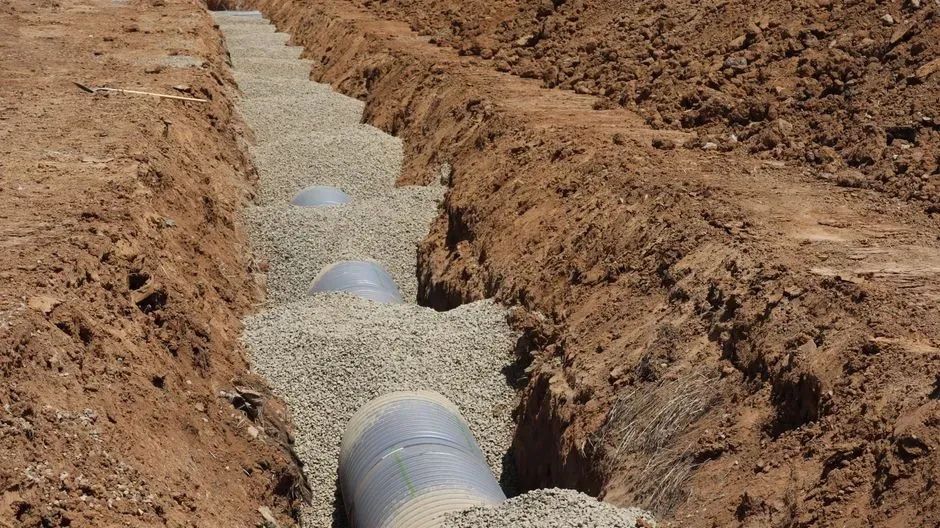
If utilities or structures are already placed in the trench before winter sets in, leaving the trench open exposes them to the full range of seasonal stress. Unbackfilled pipes can float or shift if water accumulates and freezes around them. Cables left partially buried or exposed at the sides may be pulled, bent, or damaged as soils move and collapse.
Mechanical and thermal stresses combine here. Frost heave can lift or twist components that were originally aligned to tight tolerances. Repeated freeze–thaw around rigid structures can cause differential movement between the soil and the material itself. Protective coatings, wraps, and gaskets might not have been designed to sit in sun, ice, and standing water without the stabilizing effect of backfill.
From a practical standpoint, that means more inspections, more repairs, and potentially more replacement work once warmer weather returns. Even if everything looks visually intact from the surface, hidden stresses can show up later as leaks, joint failures, or unexplained misalignments during testing and commissioning.
#9: Safety Risks Increase as Conditions Become Unpredictable
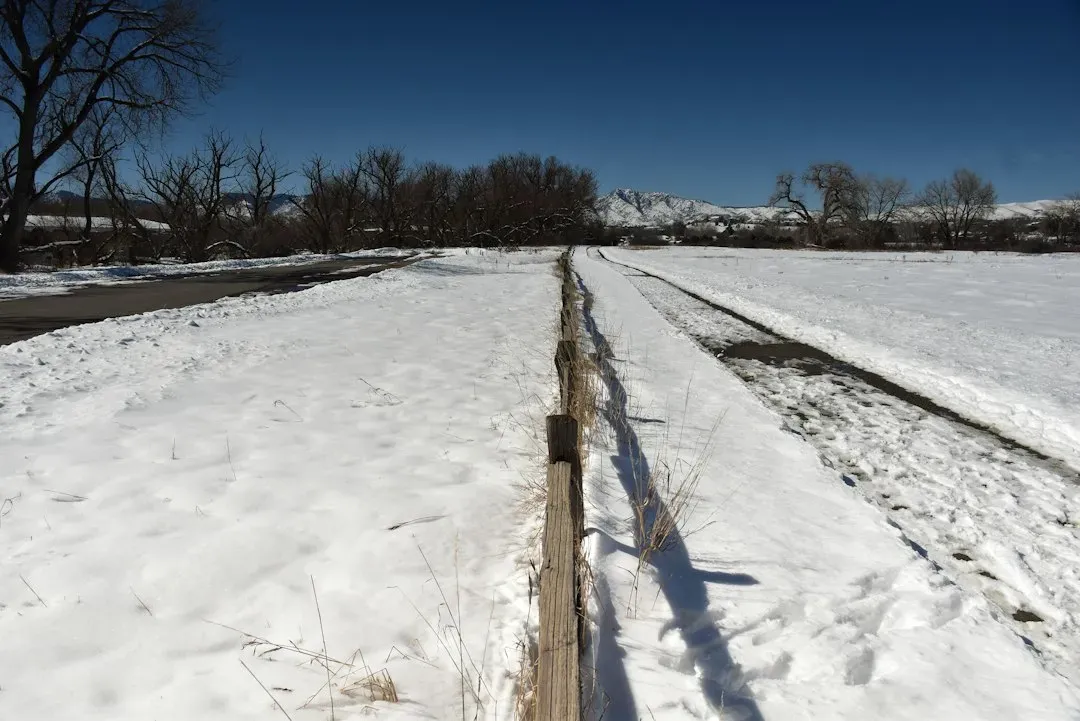
An open trench going into winter might have been safe under fall conditions, with firm soil, clear edges, and well-marked boundaries. Several months later, the situation is usually very different. Slippery ground, hidden voids, undercut slopes, and water-filled sections all increase the risk for anyone walking or working nearby. Add snow cover, and those hazards can be completely invisible.
Snow and ice do not just hide the trench; they can also add extra load near the edges as they accumulate, especially when plowed up or pushed aside. That added weight can trigger collapses or sidewall failures at times when no one expects movement. Fences, barricades, and signage might get buried, blown over, or damaged during storms, leaving nothing to warn a casual passerby or worker returning to the site after a storm.
- Edges can appear solid but be undermined by erosion or sloughing.
- Frozen crusts can span water or soft spots, then break suddenly under load.
- Reduced daylight and poor visibility in winter make risk recognition harder.
By the end of winter, a trench that was originally created under controlled conditions may present a complex and unpredictable safety environment requiring a fresh risk assessment, not just a quick look.
#10: Environmental Impacts Accumulate Quietly
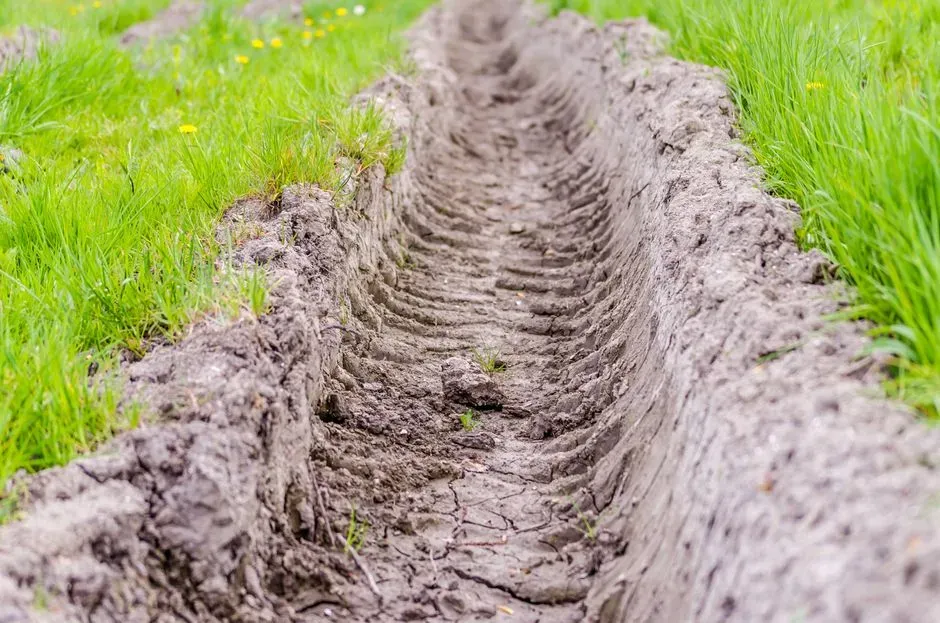
While most people worry first about structural and safety issues, an open trench over winter can also become an environmental liability. Eroded soil from the trench walls and surrounding disturbed area often moves with meltwater into nearby drains, ditches, or streams, increasing turbidity and sediment loads. If the exposed soil contains contaminants, nutrients, or construction residues, these too can be mobilized.
Temporary erosion and sediment controls that were adequate in dry weather may fail or become overwhelmed under prolonged winter runoff and snowmelt. Silt fences can sag or collapse under snow loads, and straw bales or check dams can freeze into useless blocks. Without maintenance, these measures stop functioning just when they are most needed.
The trench itself may act as a conduit, channeling water and sediment along its length and out to lower-lying areas. In sensitive locations, that can mean unintended discharges into wetlands, watercourses, or off-site areas, leading to regulatory problems or cleanup obligations. Winter does not suspend environmental processes; it often just makes the damage harder to see until the thaw.
#11: Equipment Access and Site Logistics Get Complicated
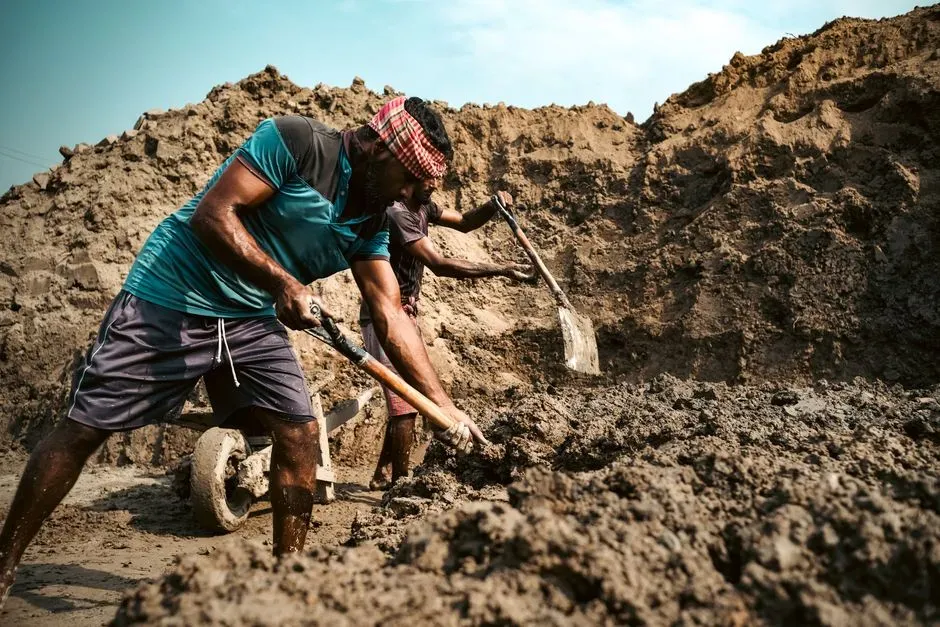
By the time you come back to a site in late winter or early spring, the open trench can be only one part of a larger logistical headache. Soft, saturated ground around the excavation may not support machinery or trucks the way it did before. What used to be a firm working platform can turn into a patchwork of ruts, mud, and icy patches that limit where you can safely move equipment.
Snow banks, ice buildup, and frozen ground also change how you can physically approach and work around the trench. You may need to clear snow, chop ice, or build temporary access routes just to get close enough for inspection and repairs. In some cases, heavy equipment needed to re-cut or shore the trench cannot safely get near it without further stabilization measures.
- Access roads and staging areas degrade under freeze–thaw and heavy loads.
- Turning and maneuvering near weakened trench edges becomes risky.
- Delays and extra mobilization are common when winter reshapes the whole site.
All of that adds time and cost that would have been far lower if the trench had been backfilled or properly protected before the cold weather hit.
#12: Plans, Surveys, and Reality Drift Apart
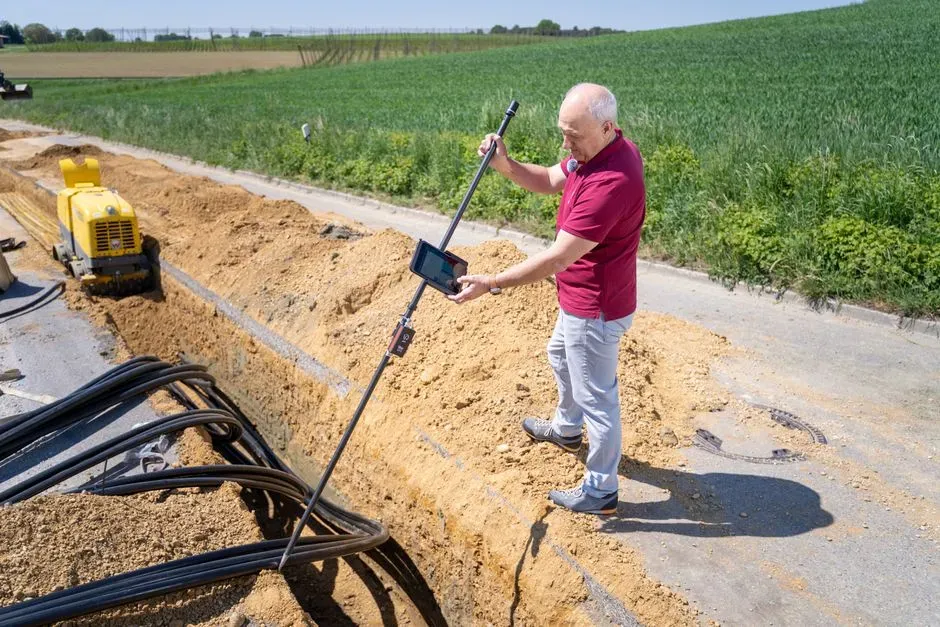
On paper, the trench you designed in autumn still exists in neat lines and precise depths. After one full winter in the real world, those drawings are often more like a historical record than a current description. Side slopes have changed, depths are different, utilities may have shifted, and the surrounding ground elevation may have altered due to frost heave or settlement.
When work resumes, that gap between design and reality has to be closed. New surveys, fresh measurements, and updated assessments are needed before you can confidently proceed. This can come as a surprise to teams that assume they can simply pick up where they left off, only to find that benchmarks, stakes, and markers are gone or no longer reliable.
In practical terms, a winter-exposed trench often forces you to treat the site almost like a new job. You may need to re-establish control points, verify alignments, and re-check depths and slopes. Every hour spent reconciling plans with what winter has done is an indirect cost of leaving that trench open in the first place.
#13: The Final Shape Sets Up Long-Term Settlement and Failure Risks
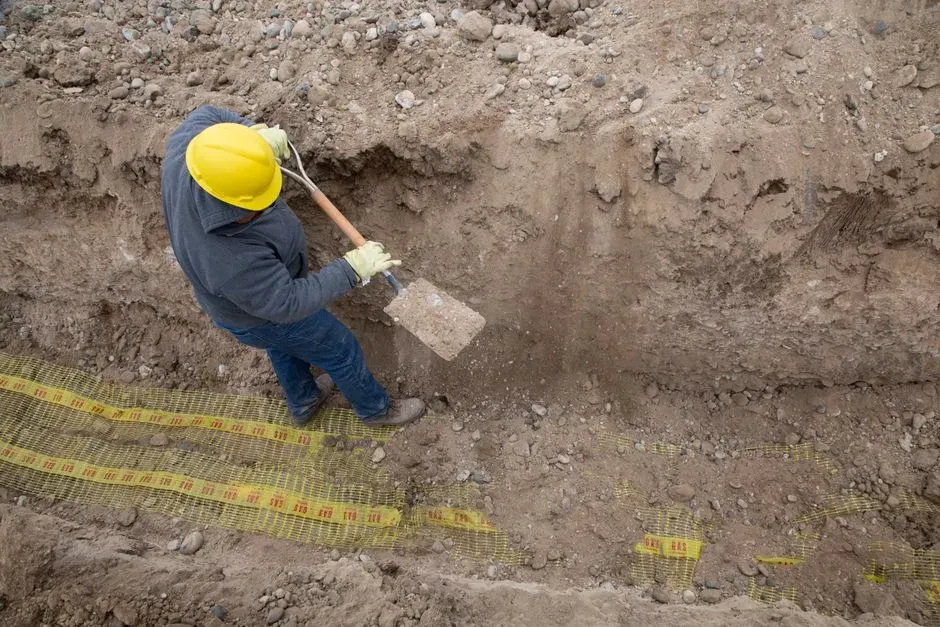
By the end of winter, the trench is rarely just “open” in the same sense it was before. It is now a reshaped, partially collapsed, sediment-filled, and moisture-altered feature in the landscape. Whatever happens next – backfilling, installing utilities, or simply abandoning the cut – will be influenced by this altered condition. The choices you make at that point can lock in long-term performance issues.
If the accumulated sediment and disturbed soil are simply compacted in place without proper removal and conditioning, you are essentially building on a weak, inconsistent base. That often leads to uneven settlement, cracking, or later trench line depressions at the surface. Similarly, if misaligned pipes or shifted structures are left “as is,” the risk of leaks, blockages, and failures goes up over the life of the system.
In other words, winter does not just temporarily damage an open trench; it can set the stage for problems that appear years down the road. You might see a subtle sag along a roadway, chronic drainage issues, or repeated maintenance at one stubborn stretch of pipeline. Often, the root cause traces back to that one winter when the trench was left open and allowed to transform in ways no one documented or corrected properly.
Conclusion: Winter Is Not a Neutral Bystander
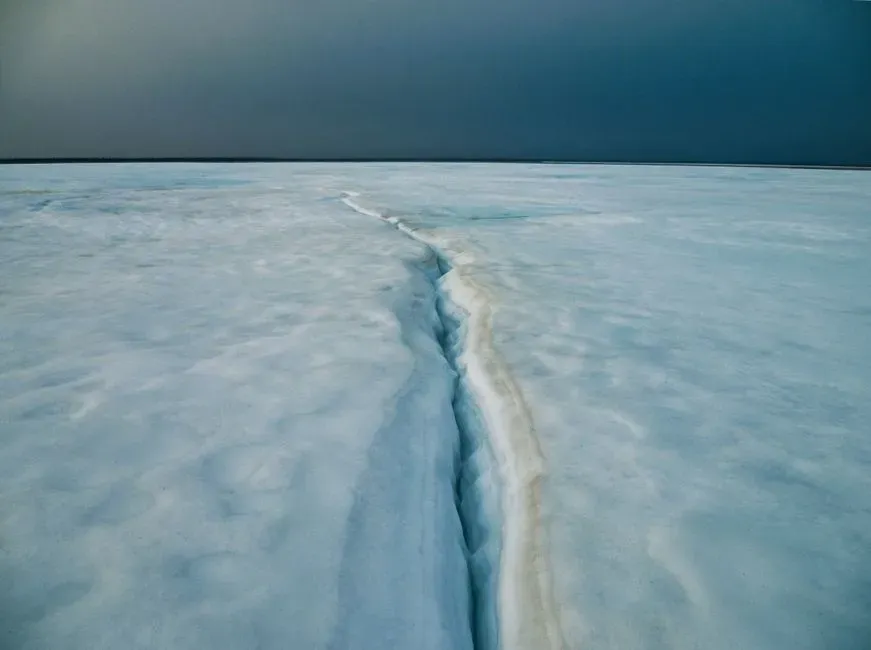
Leaving is a bit like leaving a half-built house with no roof through storm season and hoping for the best. The ground does not stay obedient just because you drew clean lines on a plan. Water finds the lowest point, frost breaks down structure, slopes slump, and the careful geometry you started with gets rearranged by slow, relentless forces that do not care about your schedule or budget.
From sidewall sloughing and frost heave to hidden safety risks and long-term settlement, winter quietly exposes every weakness in how a trench was designed, excavated, and protected. In my own experience, the projects that fared best were not the ones that gambled on good weather, but the ones that acted as if winter was coming sooner than anyone expected: backfilling where possible, shoring properly, managing water aggressively, and resisting the urge to walk away from a neat, open cut “just for a few months.”
If there is a takeaway here, it is this: an open trench is never simply paused when the cold season arrives – it is actively changing, day by day, whether you are watching or not. The question is not whether winter will alter it, but how much you are willing to let it change before you pay the price in rework, safety, and long-term performance. Looking at your own projects, would you still leave that trench open now that you know what really happens to it over a single winter?