Ask anyone who has watched a big construction project from their window: one week the site is buzzing with machines and hard hats, and the next week it looks abandoned the moment the weather turns ugly. It can feel almost mysterious. Did everyone just decide to take a long break the moment the clouds rolled in?
In reality, there are very practical, scientific, and legal reasons why excavation work often grinds to a halt when conditions shift. From soil mechanics to worker safety laws, from million‑dollar equipment at risk to underground utilities suddenly becoming invisible, bad weather changes the entire risk profile of digging a hole in the ground.
This article breaks down twelve of the biggest . Some of them are obvious, some are surprisingly technical, and a few might make you look at muddy construction sites in a totally new way. By the end, you might never look at a rainy forecast and an idle excavator the same way again.
#1 Saturated Soil Loses Strength and Becomes Dangerous
One of the most shocking things for non‑engineers is just how fast soil behavior changes when it gets wet. A stable trench wall that looked rock‑solid in dry weather can become crumbly, soft, or even flow like a very slow liquid once the pores between soil grains fill with water. Engineers call this a loss of shear strength, and it is one of the main reasons excavations are paused when rain sets in.
In simple terms, water acts like a lubricant between soil particles. Instead of grains locking together and resisting movement, they can slide past each other. This dramatically raises the risk of cave‑ins, slumping, and sudden wall failures. On a live excavation where workers may be down in the trench, that is a life‑or‑death difference, not a minor inconvenience.
When the forecast shows persistent rain, project teams will often stop digging and focus instead on stabilizing or protecting what is already open. That might mean installing extra shoring, pumping standing water, or even partially backfilling. Continuing to dig into soil that is rapidly losing strength is like picking at the edges of a sandcastle while waves start hitting the shore – sooner or later, it will collapse, and you do not want people inside when it does.
#2 Trench Cave‑In Risk Skyrockets Under Wet or Freezing Conditions
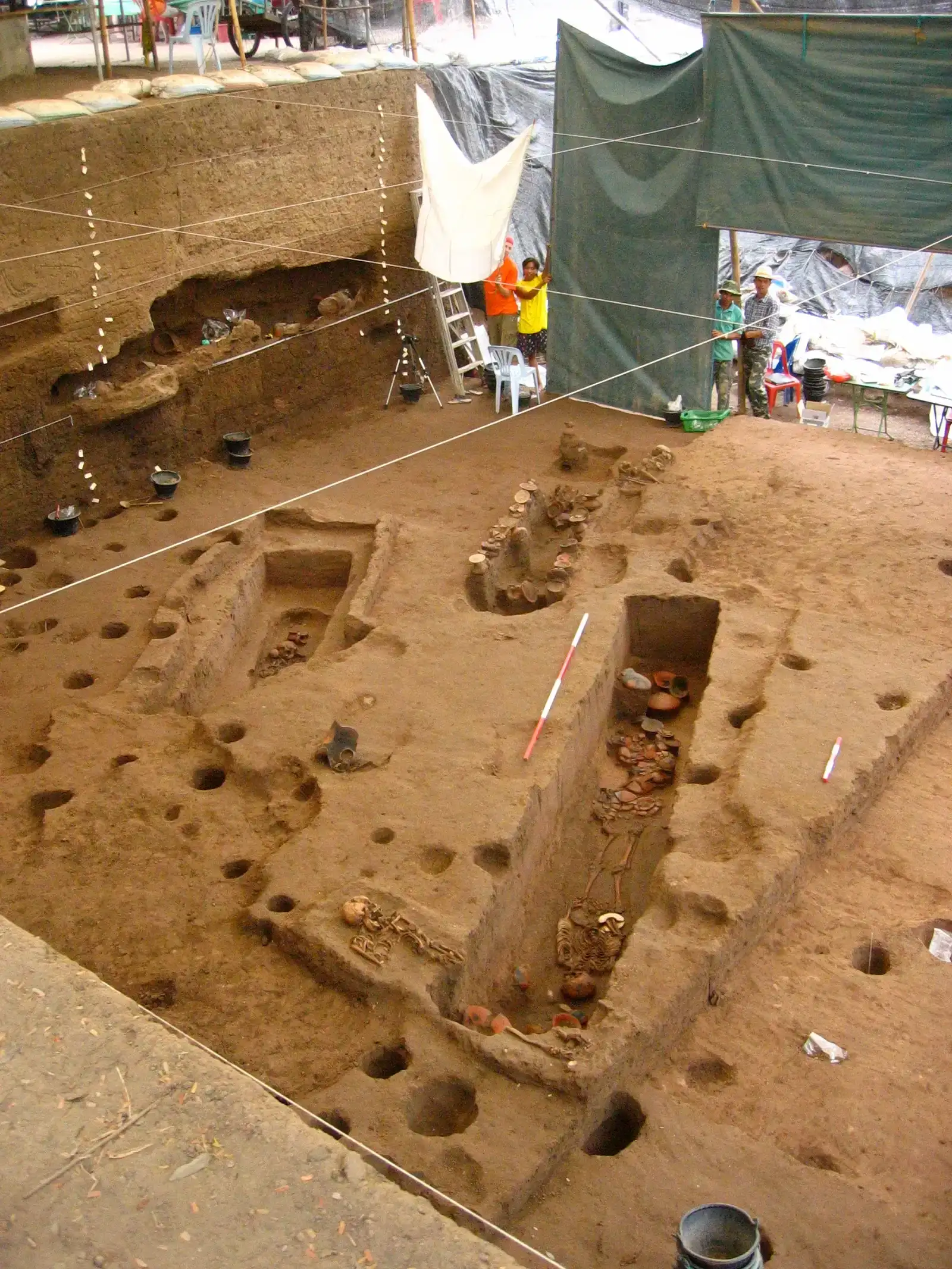
If you talk to safety managers, trench cave‑ins are one of their worst nightmares. A collapse can bury workers in seconds, and wet or freezing weather multiplies that risk. Saturated soil becomes heavier and less stable, and freeze–thaw cycles can fracture and loosen what was previously a stable trench wall, making it unpredictable.
Regulations in many countries require that any trench deeper than a modest depth be supported, sloped, or shielded. In bad weather, those same regulations often push contractors to be even more conservative. If shoring was designed for dry conditions, supervisors may decide that once storms arrive, nobody goes into the trench until it is re‑inspected or reinforced.
- Wet soil increases the load on trench walls.
- Ice lenses and thawing can cause chunks of soil to break off suddenly.
- Visibility is worse in bad weather, so early warning signs are easy to miss.
From a distance, it might just look like everyone has gone home because of some rain or snow. Up close, the calculation is simple: the risk of a wall failure is now too high for anyone to be allowed down there. Halting excavation is not laziness; it is a deliberate choice to keep workers alive.
#3 Heavy Machinery Loses Traction and Becomes Hard to Control
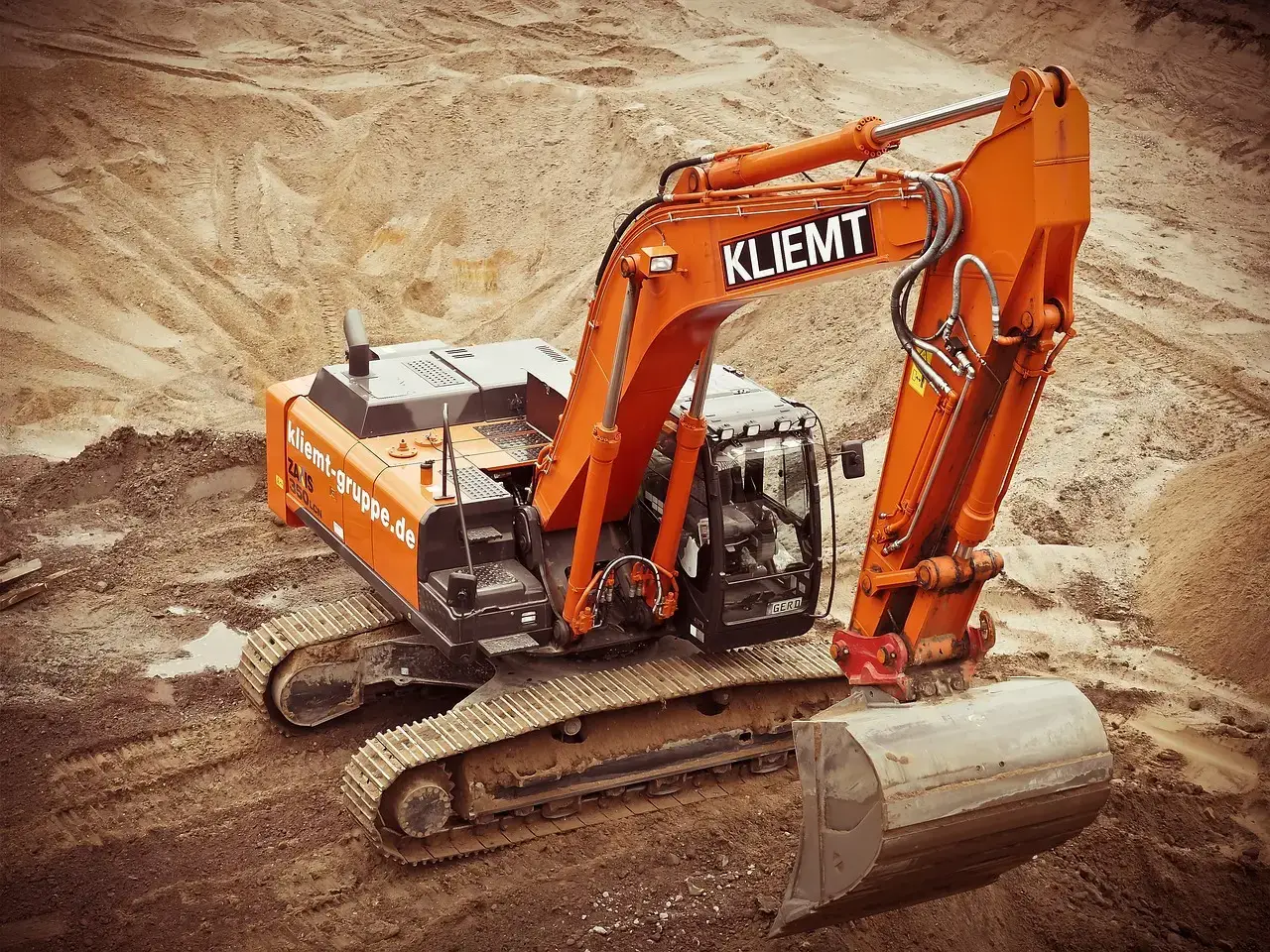
Excavations rely on heavy equipment: excavators, loaders, dump trucks, cranes, and compactors. These machines are incredibly powerful, but they are not invincible. On muddy, slick, or icy ground, their tracks and tires lose traction, braking distances grow, and even small slopes can turn into slipping hazards. A sliding excavator bucket near a trench edge is a disaster waiting to happen.
Modern job sites work under strict rules about how close machinery can operate to the edge of an excavation. Those limits assume predictable ground conditions. When the weather turns and surfaces soften, those safety margins effectively shrink. A machine that was a safe distance away in dry conditions might exert too much pressure on a now‑weakened edge, triggering a collapse or a partial slide.
There is also the practical side: machines bogging down in thick mud or spinning their wheels cost time and money. Repairs from overstraining engines or damaging undercarriages in rutted, waterlogged ground are expensive. At a certain point, site managers run the numbers and decide it is more sensible to halt operations, let the ground dry, or bring in mats and stabilization rather than fight the elements and damage equipment.
#4 Flooding and Runoff Can Turn Sites Into Hazard Zones
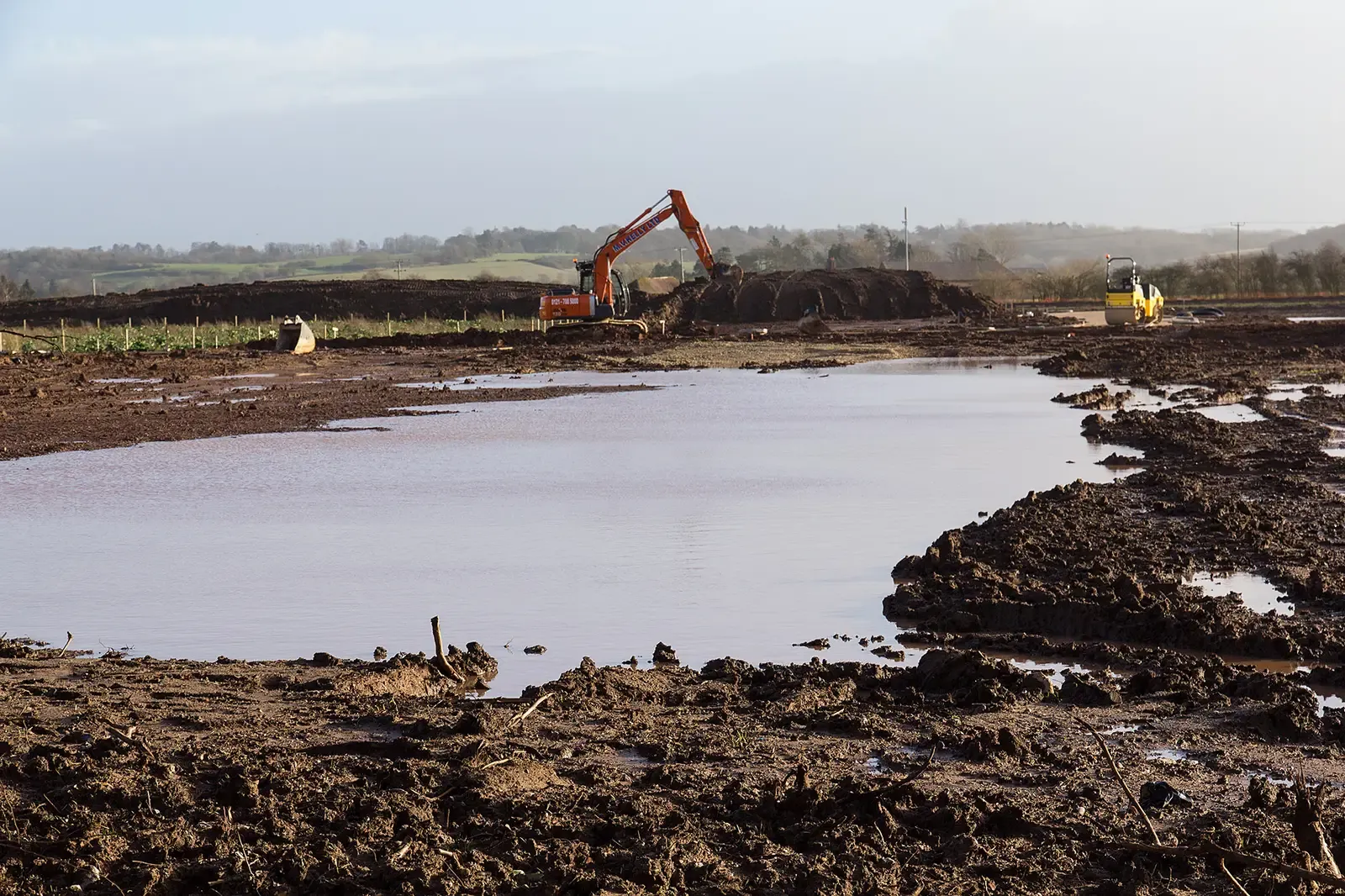
Excavations are, by definition, low points in the landscape. When the weather turns and heavy rain arrives, those low points quickly become collectors of water, runoff, and debris. In extreme cases, a trench or excavation pit can fill like a bathtub, trapping equipment and undermining the sides as water seeps in and out.
Even moderate storms can cause surprising changes in water levels. Stormwater from adjacent roads, neighboring properties, or surrounding hillsides may suddenly find the excavation as the path of least resistance. The result is fast‑moving water cutting channels into the walls and base, eroding support and carrying away compacted material. Once that process starts, it can be hard to control while people are still working in the hole.
- Standing water hides trip hazards, utilities, and uneven surfaces.
- Moving water can undercut shoring or wash away protective berms.
- Contaminated runoff can introduce environmental and health risks.
Because of all this, many sites have hard rules: if water rises above a certain level, or if forecasts predict intense storms, excavation work stops and pumps, drainage channels, or temporary barriers become the priority. Until the water is under control again, digging further only magnifies the problem.
#5 Electrical, Gas, and Utility Risks Increase in Wet Weather
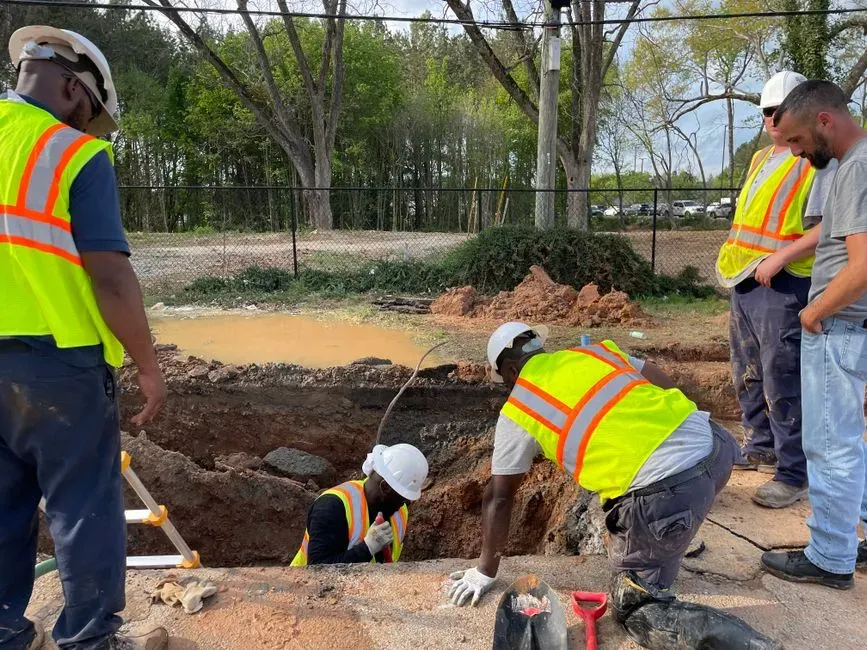
Excavations are often close to buried utilities: electric lines, gas pipes, fiber‑optic cables, and water mains. Bad weather makes these systems more fragile and more dangerous at the same time. Waterlogged soil conducts electricity more efficiently, so a damaged underground cable can energize a much wider area than it would in dry conditions.
On top of that, utilities are more likely to be stressed during storms. Surge conditions, lightning, and power fluctuations can mean that a line which is usually quiet might become unexpectedly energized. For crews exposing or working near buried lines, that adds another layer of uncertainty. The safest option is often to stand down until the storm passes and utility providers confirm conditions are stable.
Gas lines are not spared either. Heavy rain can cause minor ground movements that stress joints and connections. Frost and thaw cycles have a similar effect. If crews smell gas, see bubbles in standing water, or suspect a leak, evacuation and shutdown rules are strict and immediate. When weather makes leaks harder to diagnose or contain, managers tend to take less risk rather than more.
#6 Poor Visibility and Harsh Conditions Make Safe Work Nearly Impossible
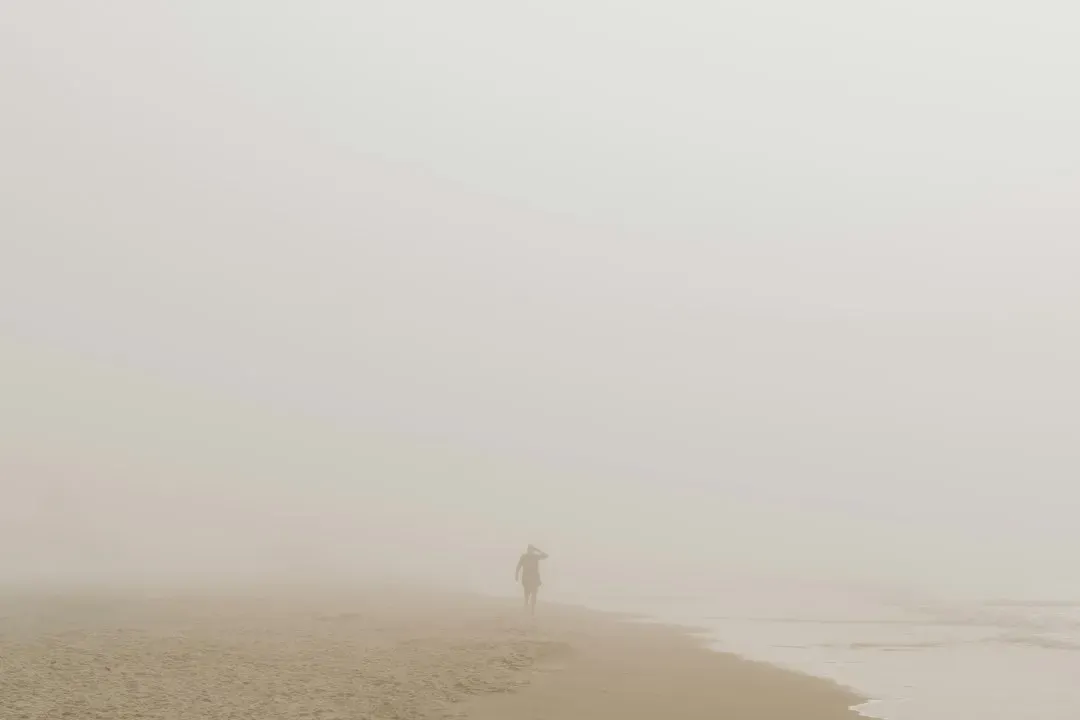
So much of excavation safety relies on clear communication and visibility. Spotters signal to operators, supervisors watch for ground movement, and workers check trenches for small cracks or bulges that warn of impending failures. When rain is lashing sideways or snow is blowing across the site, all of that becomes much harder.
Fogged goggles, rain‑spattered mirrors, and dim light can turn everyday maneuvers into blind guesses. A machine operator might struggle to see the edge of a trench or a coworker walking nearby. That is exactly how many preventable accidents happen, and safety‑conscious teams know it. Turning off the machines and regrouping once conditions improve is far better than gambling on borderline visibility.
- Rain and snow reduce contrast, hiding subtle ground cracks.
- High winds distort sound, making shouted warnings unreliable.
- Workers are more distracted when they are cold, soaked, or uncomfortable.
There is also the human factor. People working while shivering, soaked, or battered by wind get tired faster and make worse decisions. Reaction times slow down, and attention to detail fades. Excavation is unforgiving of lapses like that, which is why many supervisors draw a line: once conditions cross a certain threshold, safe excavation protocol is simply not achievable, so work stops.
#7 Health and Safety Laws Force Work Stoppages in Extreme Weather
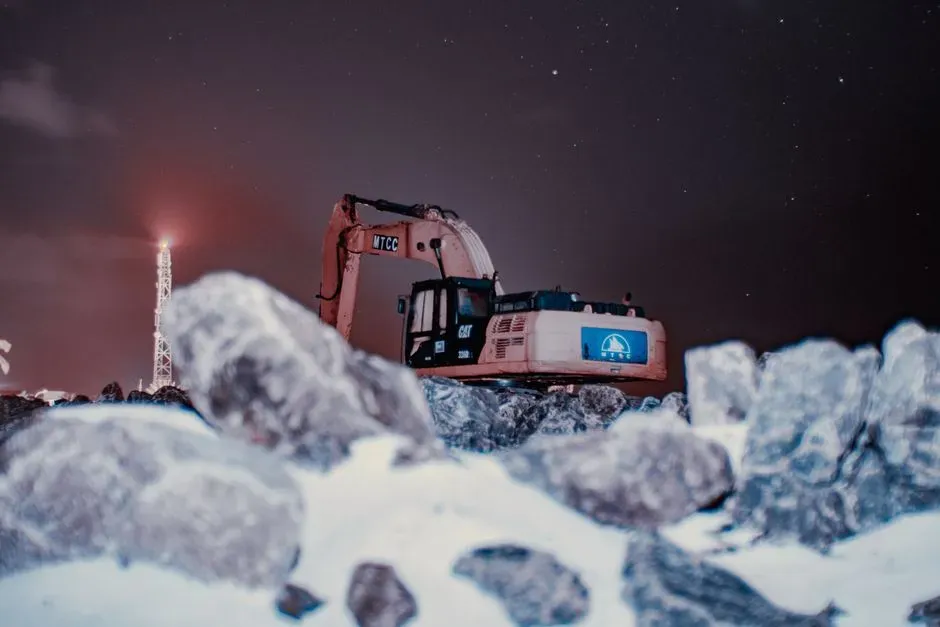
It is easy to assume that bad weather stoppages are just a matter of opinion or convenience, but on most professional sites they are tightly tied to health and safety rules. Many regulations require employers to protect workers from excessive heat, cold, lightning, and severe storms. If conditions become too risky, continuing excavation is not just unwise, it may actually be illegal.
For example, risk assessments usually consider wind speed, temperature, precipitation, and lightning proximity. When thresholds are exceeded – like a storm cell moving within a certain distance or a wind speed high enough to affect lifting operations – the safe work plan often specifies that operations must be suspended. Excavation, which already involves inherent risk, is usually among the first tasks to shut down.
Insurance policies and contractual obligations back this up. If an accident happens while ignoring clearly unsafe weather, a contractor may face severe financial and legal consequences. That reality makes most responsible companies err on the cautious side. It is rarely worth risking a lawsuit, regulatory penalties, or worse, a fatality, just to squeeze in a few extra hours of digging before the storm arrives.
#8 Frost, Thaw, and Temperature Swings Destroy Stability
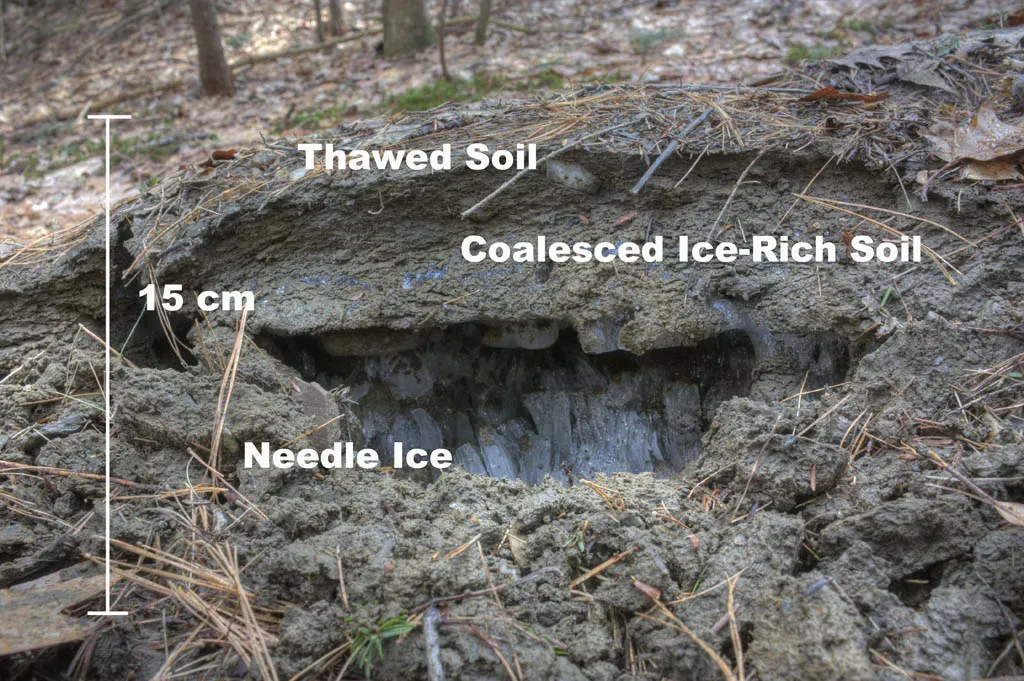
In colder climates, excavation work is not just about whether it is snowing today. The cycle of freezing and thawing can quietly wreak havoc on soil stability. When water in the ground freezes, it expands, lifting and loosening the soil structure. When it thaws, the soil can slump, settle, or become saturated and mushy. That movement can turn previously safe slopes into unstable messes.
From a practical standpoint, frozen ground is also hard and slow to dig, then suddenly becomes soft and waterlogged once temperatures rise. Crews might start the day working on almost rock‑hard surfaces and end the day dealing with mud. Excavation planners have to anticipate that shift; if a warm front or cold snap is coming, they may pause digging to avoid leaving unsupported slopes in a transitional state.
- Ice lenses can fracture cohesive soils, reducing their strength.
- Thawing changes water content and increases the weight of soil blocks.
- Frost heave can push shoring and structures out of alignment.
All of these factors make winter and shoulder seasons particularly complex for excavation. Stopping work during key temperature swings is often a conscious strategy: better to wait for stable conditions than constantly chase a moving target where today’s safe trench becomes tomorrow’s hazard because the ground literally changed overnight.
#9 Project Schedules and Contracts Build in Weather Downtime
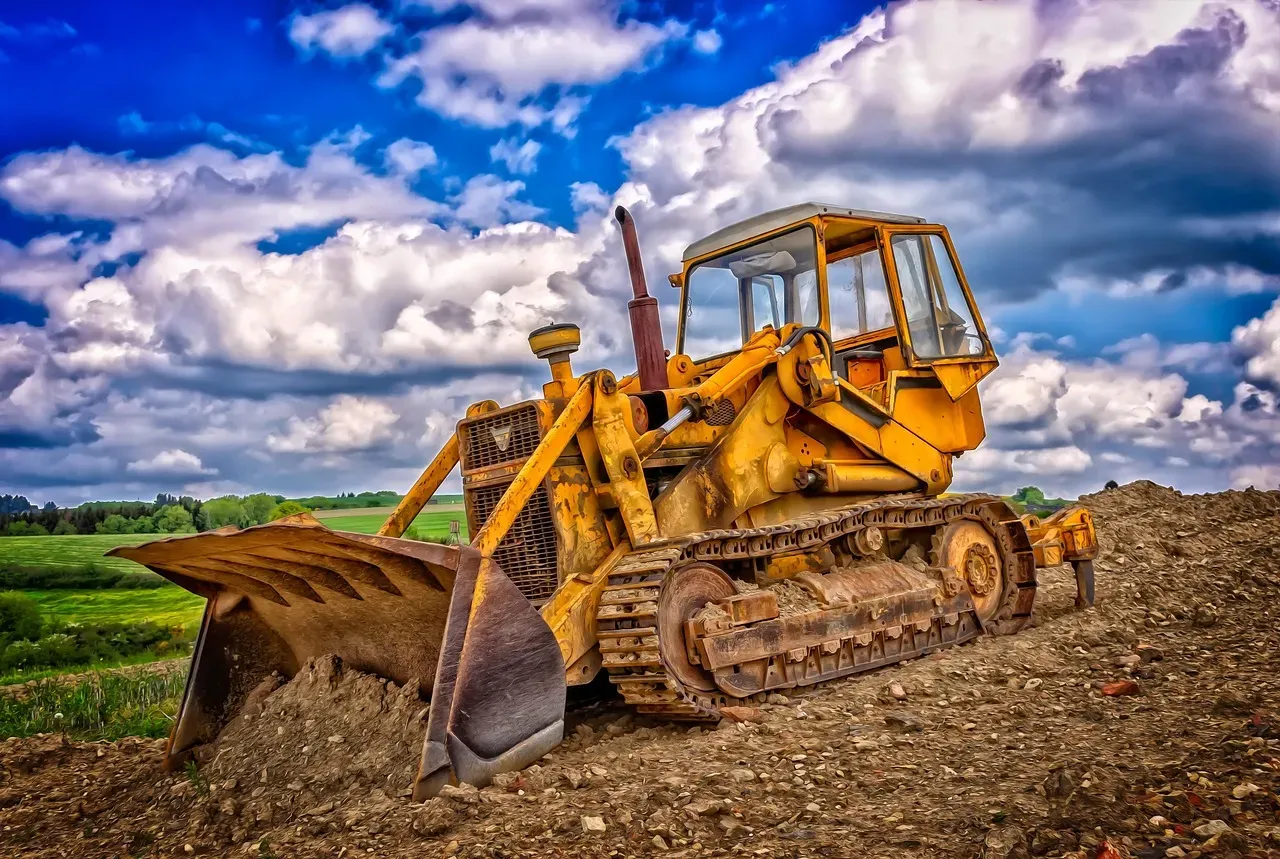
From the outside, it may look like a project is “behind schedule” whenever excavators are sitting idle in the rain. Behind the scenes, though, most serious construction contracts and schedules already assume there will be days or weeks lost to weather. In other words, stopping excavation when the weather turns is not a surprise; it is part of the plan.
Schedulers talk about weather days as expected delays. Historical climate data is often used to estimate how many days per month are likely to be lost to rain, snow, or extreme heat. Those estimates are then written into contracts, risk registers, and cost models. When a storm actually arrives, pausing excavation is simply executing the plan, not suddenly falling off track.
There is also a money angle. Idle equipment and labor cost money, but rushed work in bad conditions can cost even more in rework, claims, and damage. For example, if slopes erode or trenches collapse because someone tried to push through a storm, the cleanup and reconstruction may eat far more time than a planned stoppage would have. Savvy project managers know this and are often firm about weather hold points, even when it frustrates observers who just see a quiet site.
#10 Environmental Rules Limit Work on Wet or Erodible Sites
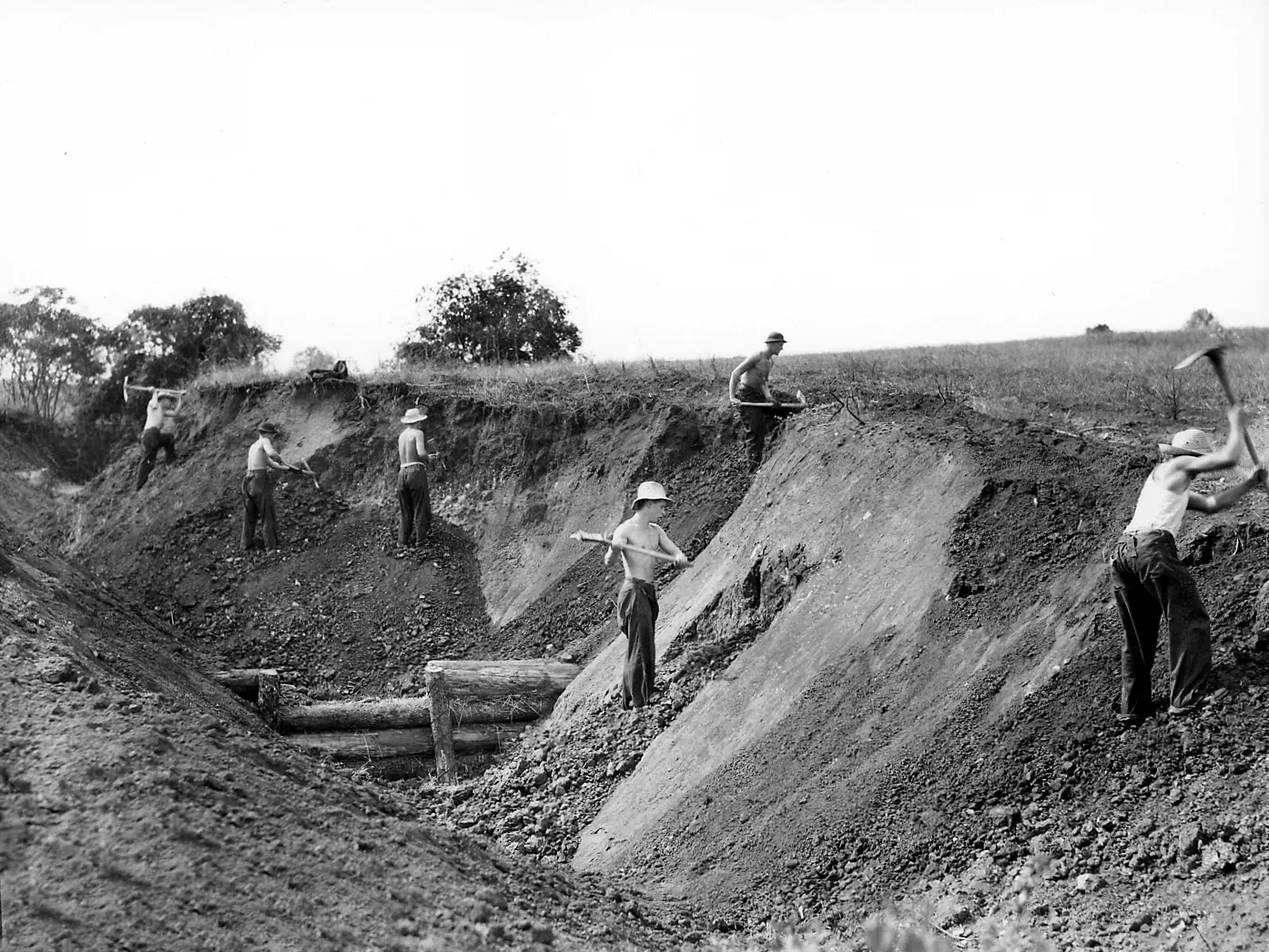
Modern excavation projects do not just answer to clients and safety inspectors; they also have to comply with environmental laws. When weather turns wet, the risk of erosion, sediment runoff, and pollution of nearby streams or drains goes way up. A site that is harmless when dry can suddenly start sending muddy water and fine particles into storm sewers, wetlands, or neighboring properties once rain starts to fall.
To stay compliant, many projects have erosion and sediment control plans. These might involve silt fences, sediment basins, stabilized construction entrances, and careful timing of earthworks. When a storm is forecast, crews may be required to stop digging and focus on securing the site: covering stockpiles, reinforcing barriers, and checking drainage paths. Continuing to excavate during heavy rain could violate permits and trigger fines.
- Sediment‑laden runoff can harm aquatic habitats and clog drainage systems.
- Disturbed soil is more likely to wash away than undisturbed ground.
- Chemicals or fuels on site can be spread by uncontrolled stormwater.
From a distance, that looks like “everyone stopped because of a little rain.” In reality, teams are often scrambling to protect both the environment and their legal standing. Running afoul of environmental regulators can delay a project far more than losing a day of excavation to bad weather.
#11 Quality of Work Suffers When Soil and Backfill Are Too Wet
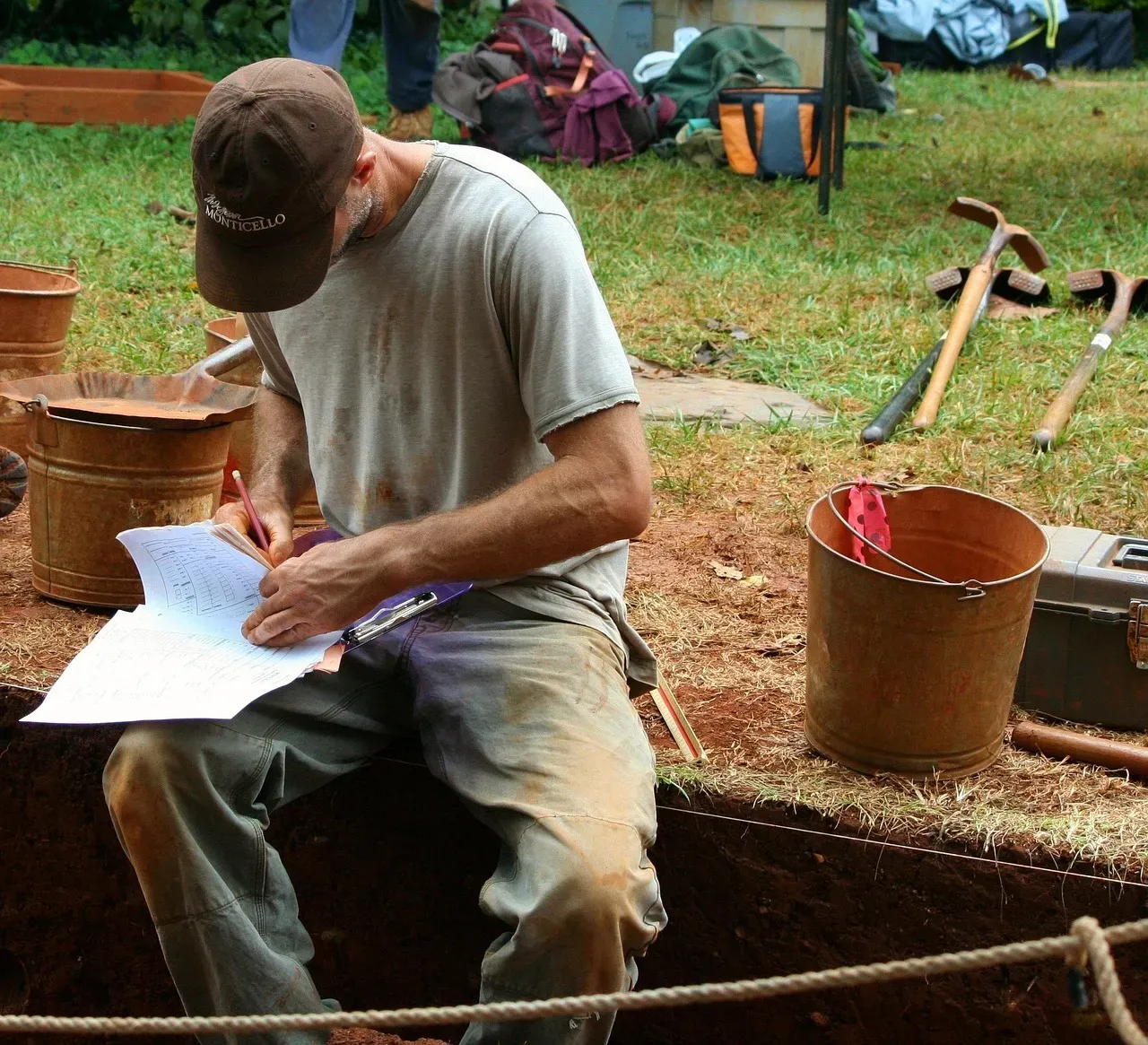
Excavation is not just about moving dirt; it is about preparing a stable, long‑lasting base for whatever comes next, whether that is a foundation, pipeline, or roadbed. Much of that stability depends on compacting soil or backfill to a specific density and moisture range. When the ground is soaked, achieving those targets can be nearly impossible.
Compaction equipment relies on expelling air and arranging soil particles tightly together. If there is too much water in the mix, the soil can pump, squish, or simply refuse to tighten up. Inspectors performing density tests may reject lift after lift, forcing crews to rework or delay the process. That is why some foremen will simply call a halt when conditions get too wet, rather than fighting a losing battle with soggy ground.
There is also the long‑term performance issue. Poorly compacted soil can settle over time, cracking pavements, stressing pipes, or tilting structures. Fixing those problems after the fact is expensive and disruptive. Stopping excavation and related earthworks until the moisture levels are workable is, in many ways, an investment in the future – it protects the quality and durability of whatever is being built on top.
#12 Lightning, Wind, and Extreme Events Trigger Automatic Shutdowns
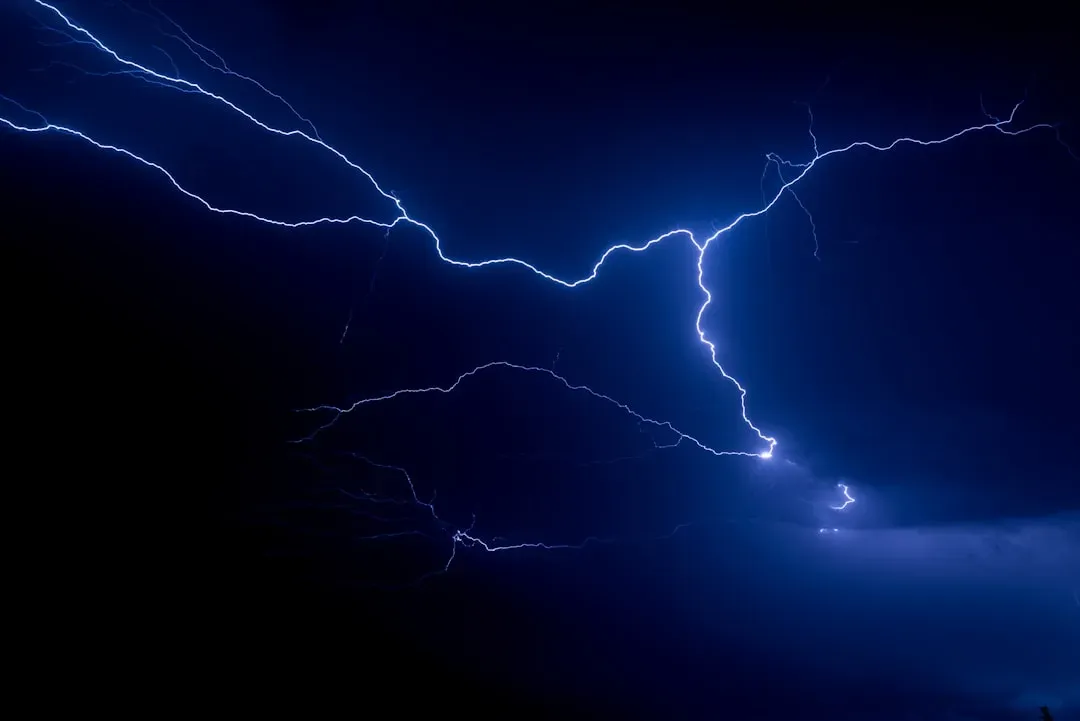
Finally, there are the kinds of weather that leave almost no room for debate. Lightning in the area, severe wind warnings, and extreme storms all tend to flip an automatic switch on many sites: everything stops. Excavation crews are usually among the first to move to safety because they are often working in open areas, sometimes near metal equipment that can attract electrical charges.
Lightning risk is taken seriously because the consequences are immediate and severe. Some sites use formal lightning detection tools and specific rules, like stopping outdoor work when lightning is detected within a defined radius and waiting a set period after the last strike before resuming. Trenches full of water, tall cranes, and long lengths of metal pipe or rebar make the risk even more acute.
- High winds can topple temporary shoring or barriers.
- Flying debris becomes more likely around open excavations.
- Emergency response is harder when conditions are extreme.
Beyond personal safety, extreme events can also overwhelm any control measures put in place for erosion, stability, or runoff. In those moments, the priority shifts from making progress to protecting life and limiting damage. Excavation will restart when the storm has passed and the site has been thoroughly reassessed, but during the event itself, the only sensible move is to suspend operations.
Conclusion: Weather Is Not an Excuse – It Is a Structural Reality
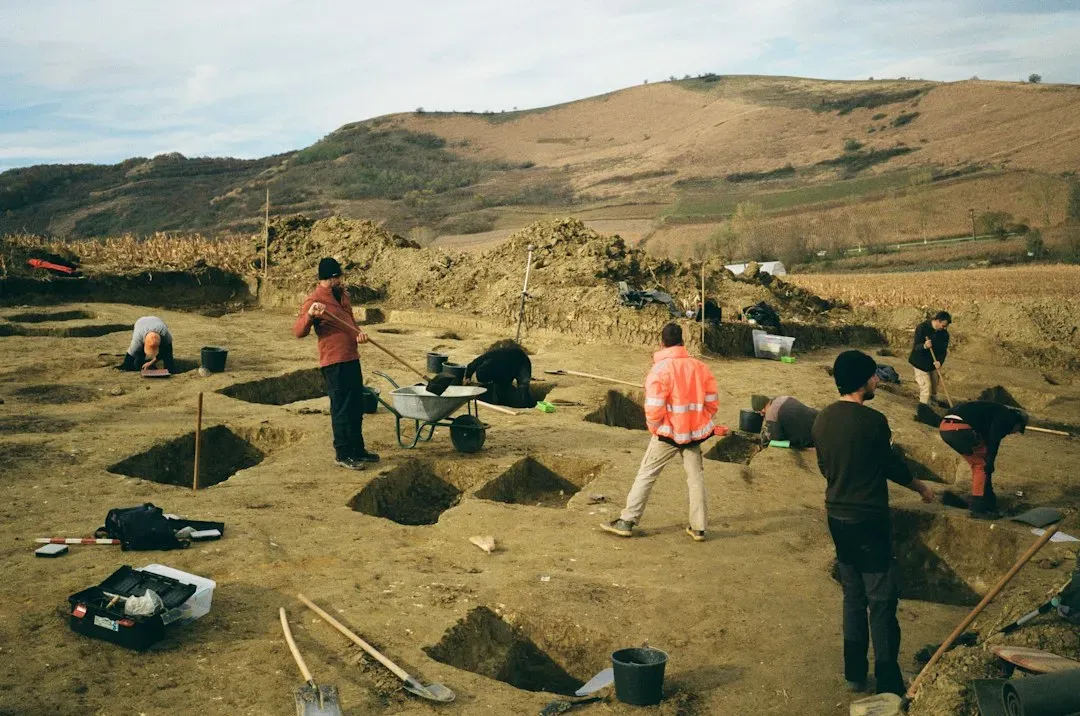
When you piece it all together, it becomes clear that excavations do not stop for bad weather because crews are being overly cautious or looking for an easy day off. They stop because physics, soil behavior, human limits, safety laws, and environmental rules all pile up at once the moment the weather turns. A site that is manageable in sunshine can become a layered system of invisible risks in a matter of hours.
In my own experience talking with people who work in excavation and civil construction, there is a kind of respectful fear of what weather can do to a hole in the ground. They know that ignoring a forecast is not being tough, it is being reckless. A smart crew would rather be teased for “packing it in early” than remembered for the day a trench collapsed or a storm washed months of work down the drain.
So next time you pass a silent excavation site on a rainy or bitterly cold day, you can see it less as a delay and more as a sign that the people in charge understand the ground beneath their feet – and its limits. In a world that prizes speed and constant progress, choosing to is a quiet, stubborn way of putting safety and long‑term quality first. Knowing all that, would you really still be comfortable seeing those machines keep digging through the storm?