There’s something strangely haunting about a place that is alive for only a slice of the year, then falls quiet again. These are not the classic ghost towns where life vanished forever, but settlements that pulse on a seasonal rhythm: crowded and noisy for a few rushed weeks or months, then almost entirely handed back to the wind, ice, sea, or sand. They exist in a kind of limbo between permanent town and pure wilderness.
Some of these places are driven by science, others by fishing seasons, pilgrimage, tourism, or raw climate extremes that no one wants to endure year‑round. All of them tell us something about what humans will tolerate, what we value, and how we bend our lives to the patterns of nature. Once you notice them, you start to see a different kind of world map – one that flickers in and out over the course of a year instead of staying constantly lit.
Below are eleven remarkable examples of settlements that are occupied . They range from floating villages to Antarctic science hubs, from pilgrimage camps that appear and vanish in days to Arctic communities whose population swells with migrating workers and then shrinks back toward zero. Some are famous, others quietly tucked into remote coastlines or ice sheets, but all live on a seasonal heartbeat.
#1 Longyearbyen and the Seasonal Life of Svalbard
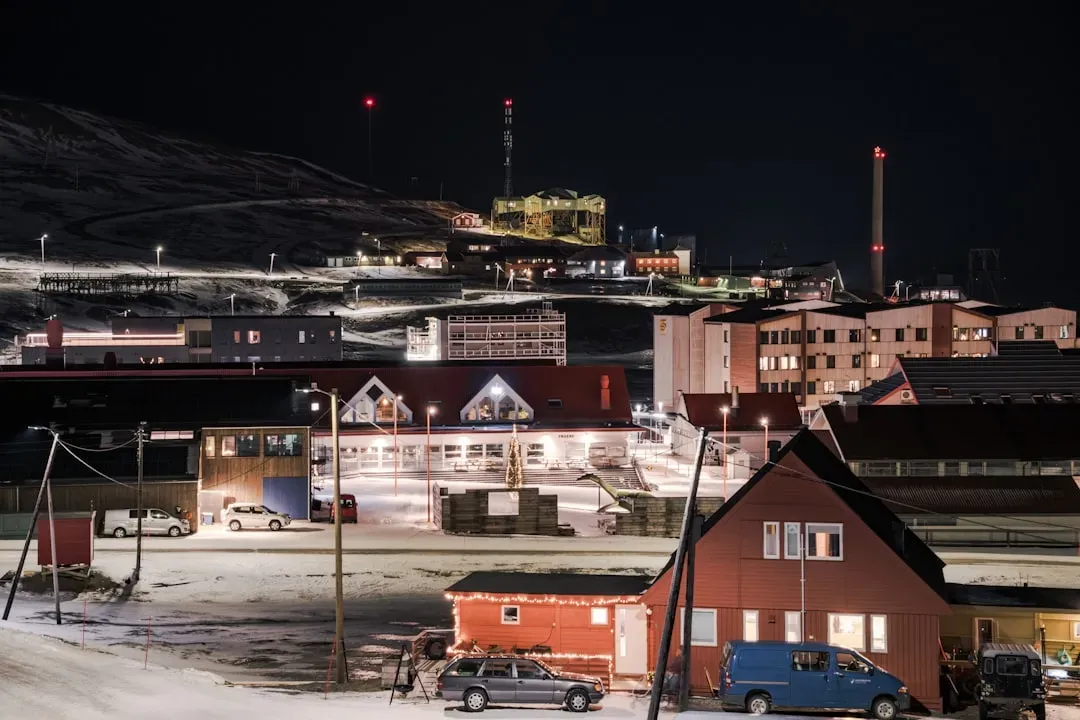
If you want a place that feels almost like a human outpost on another planet, Longyearbyen, on the Norwegian archipelago of Svalbard, comes very close. Although it is officially a permanent town, its reality is far more seasonal than the maps suggest. Population and activity surge in the milder months, especially late spring and summer, when researchers, seasonal workers, students, and adventurous tourists arrive. Then winter clamps down, and plenty of people rotate out, leaving a much smaller core of long‑term residents to face the long polar night.
Part of what shapes this seasonal occupancy is pure climate and light. For months in winter, the sun never rises, and the town is plunged into a prolonged darkness that many visitors are simply not willing – or able – to endure. In summer, the midnight sun does the opposite, turning Longyearbyen into an oddly buzzing hub of hiking, boat trips, and research projects that only make sense when the snow softens and the light returns. The same buildings that feel cramped and busy in July can seem almost abandoned by February.
Life here is also defined by strict rules tied to the harsh environment. Residents are not allowed to give birth or be buried here, and anyone spending significant time must be prepared for polar bears and extreme cold. That combination of legal and environmental boundaries creates a transient feeling: lots of people pass through Longyearbyen for a season or a short contract, then leave, treating it more like a temporary camp than a forever home. In that sense, the town behaves more like a seasonally occupied settlement than a classic permanent one, even if the lights technically stay on all year.
#2 Antarctic Research Stations: Towns That Vanish Each Winter (Or Summer)
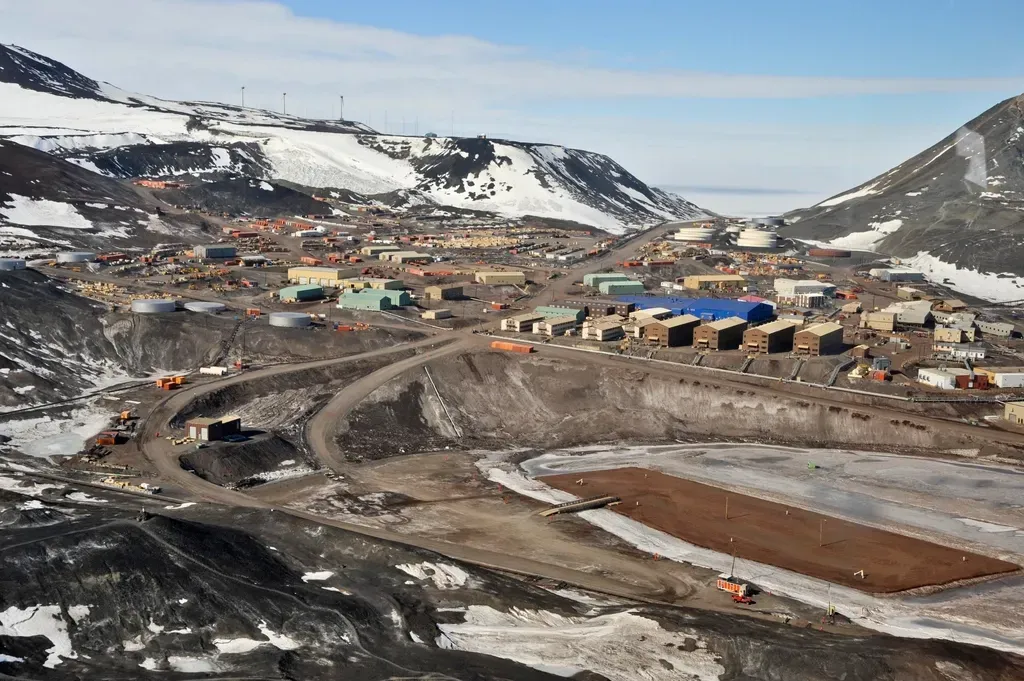
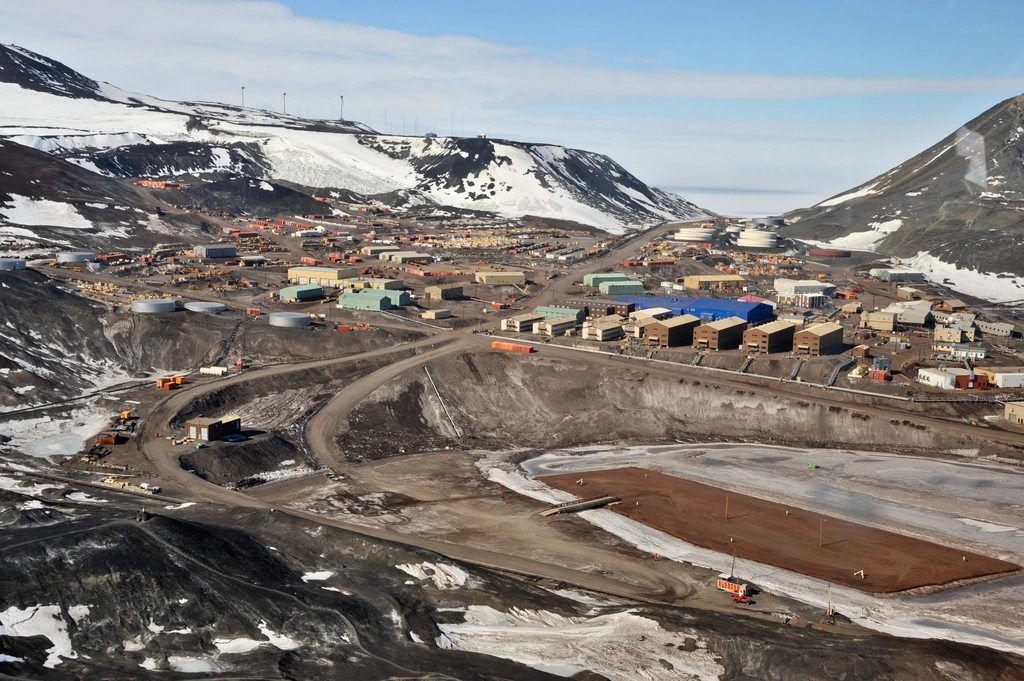
Antarctica is probably the clearest example of human settlements that truly switch on and off with the seasons. Almost every research station on the continent runs on a summer‑heavy cycle: a big influx of scientists, technicians, and support staff between roughly November and February, followed by a dramatic downsizing when the long, brutal winter returns. Some stations, especially smaller ones, close entirely in winter, leaving only automated instruments to face the storms and darkness.
Even the largest stations, such as McMurdo (run by the United States) or Casey and Davis (run by Australia), operate with radically different populations depending on the time of year. During the Antarctic summer, they can feel like busy, if spartan, small towns: canteens packed at mealtimes, lab spaces humming, helicopter and tractor traffic, and social events to keep people sane in the isolation. In winter, staffing can drop to a fraction of that number, and an eerie quiet settles over the same buildings.
The logistical challenges behind this seasonal rhythm are huge. Supplies, fuel, and equipment are shipped in during a short summer window when sea ice retreats and flights are more feasible. That window determines how big the population can be and for how long. Bullet‑pointed, the pattern looks almost mechanical:
- Summer: large multidisciplinary teams, major maintenance, heavy logistics, construction.
- Shoulder seasons: gradual build‑up or draw‑down of staff and activity.
- Winter: skeleton crews only, focused on core observations and keeping the base alive.
Although a few hardy winter‑over teams maintain a continuous human presence, it is hard to call these places fully “occupied” year‑round in the ordinary sense. They are more like periodically swelling micro‑cities, directly keyed to the tilt of Earth’s axis.
#3 Barrow (Utqiaġvik) and the Elastic Population of the Arctic Coast
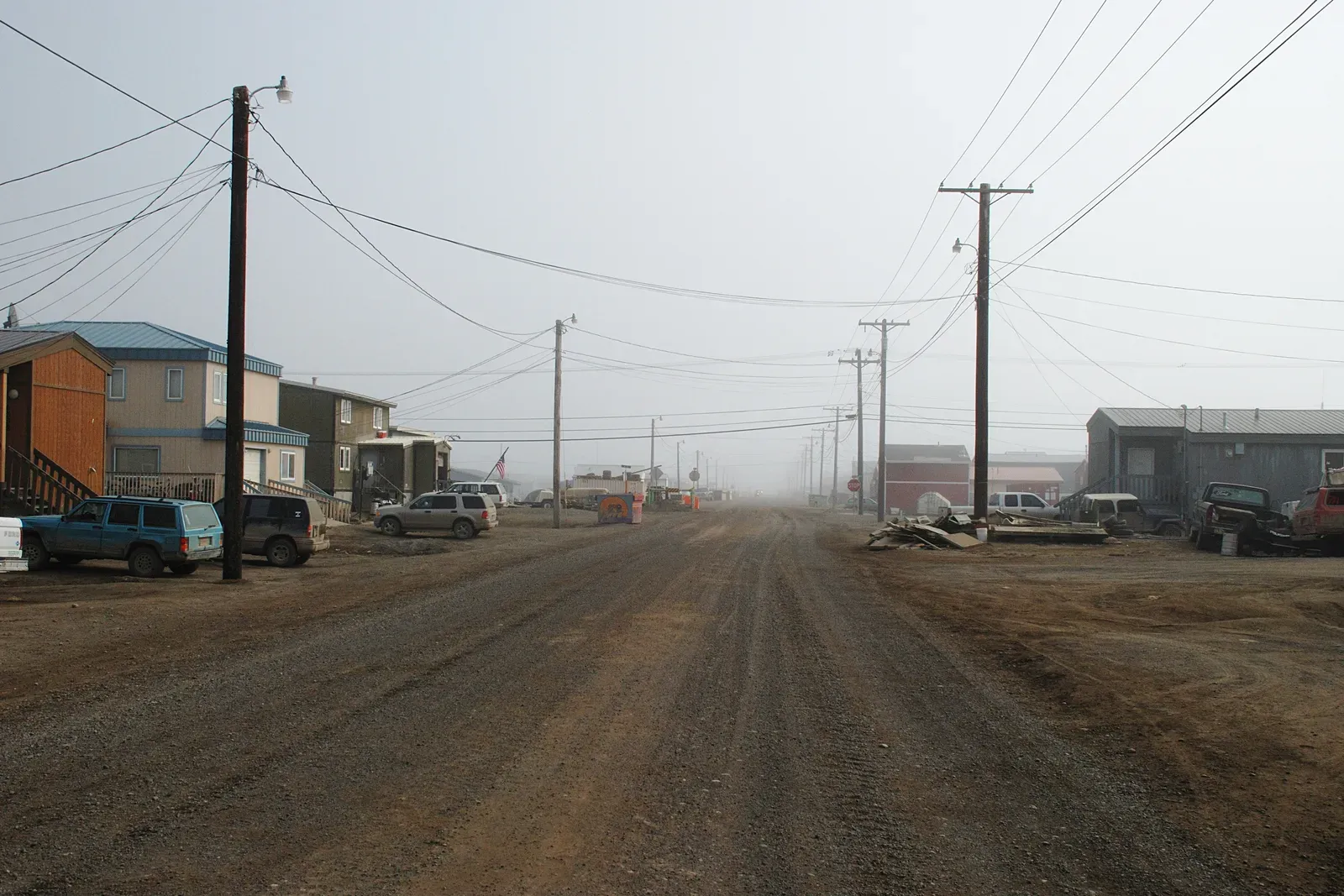
Utqiaġvik, formerly known as Barrow, sits at the very northern tip of Alaska and is one of the northernmost communities in the world. It is home to a long‑established Iñupiat population, so it is not a temporary camp in the classic sense. But if you look at who actually lives there at any given time of year, the town behaves like a partly seasonal settlement, with numbers and activity swinging in step with weather, daylight, and oil‑industry logistics.
During the milder months, Utqiaġvik sees an influx of temporary workers, researchers, and support staff. Energy projects, coastal research, environmental monitoring, and construction all tend to be scheduled when the ice retreats and planes and boats have a better chance of operating reliably. Hotels and guest facilities that can seem half‑empty in winter suddenly fill, and the social landscape temporarily reshapes itself around transient residents.
Winter changes the equation. Extended darkness, storms, and cold that can feel almost unreal to those used to lower latitudes make it much harder to justify keeping non‑essential personnel on site. Many researchers, contractors, and visiting staff depart, leaving a much smaller, more stable core community rooted in subsistence hunting, family ties, and local culture. In that sense, Utqiaġvik lives a sort of double life: a deeply rooted Indigenous town overlaid with a seasonal frontier hub that appears and fades each year.
#4 Ny-Ålesund: A Scientific Hamlet That Hibernates
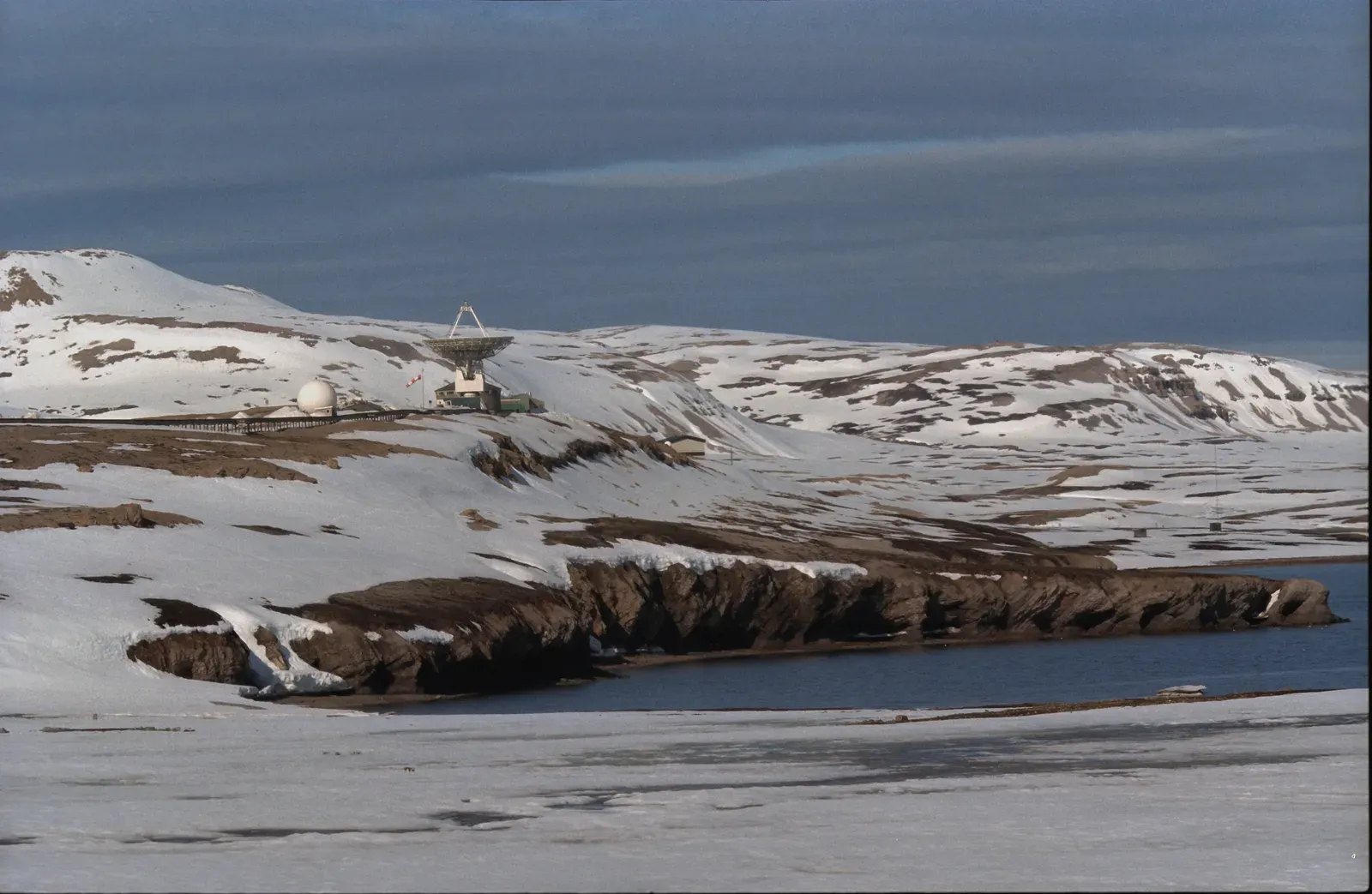
Ny‑Ålesund, also on Svalbard, is often described as the world’s northernmost permanent civilian settlement – but the word “permanent” is doing heavy lifting here. Originally a mining town, it has transitioned into a tiny international research village where several countries operate field stations. In reality, its occupation is almost entirely seasonal, with a notable spike in population during the Arctic summer and long stretches of near‑emptiness in winter.
In summer, Ny‑Ålesund becomes a surprisingly lively place given its isolation. You might find staff from Europe, Asia, and North America sharing lab benches, small boats shuttling people to field sites, and a communal mess hall that functions as both restaurant and social glue. Research focuses heavily on polar climate, glaciology, ecosystems, and atmospheric chemistry, and many of the long‑term monitoring projects are designed around the short window when humans can work outside without serious risk.
When the season ends, most of the scientists pack up and leave on the last ships and flights before conditions worsen. A minimal crew remains to maintain infrastructure and handle essential observations, but the number of people can fall so low that the place feels close to abandoned. From a distance, Ny‑Ålesund’s buildings stay put year‑round, but in terms of daily life, it behaves like a settlement that “wakes up” once a year, does a frantic burst of science, and then goes back to sleep.
#5 Seasonal Fishing Villages in Arctic Norway
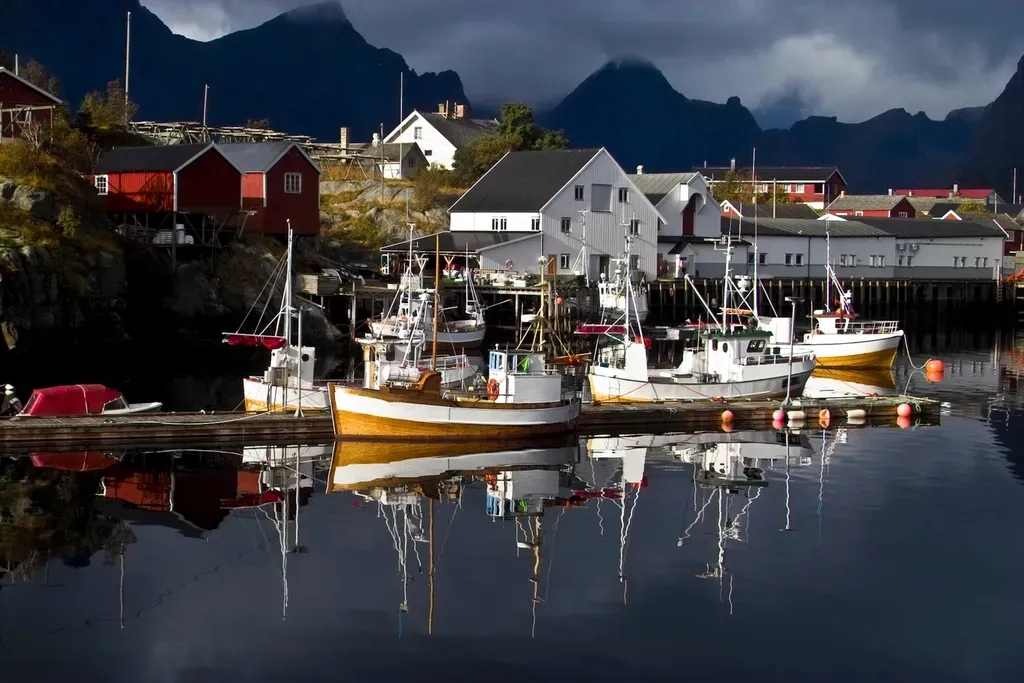
Along the ragged coasts of northern Norway, especially in places like the Lofoten and Vesterålen islands, small settlements have long been shaped by seasonal fishing. Some have grown into more permanent communities, but others still function as classic seasonal bases: occupied and buzzing only when specific fish runs – most famously cod – are at their peak. Outside those seasons, they can be eerily quiet, with only a handful of residents or even none at all.
The pattern goes back centuries. Fishing crews historically traveled from inland or southern areas to stay in simple cabins called rorbu or sjøhus during the cod season. Today, some of those cabins have been restored as tourist housing, yet the underlying rhythm persists: an intense, crowded season when boats fill harbors, processing plants operate at full tilt, and temporary workers flood in, followed by a dramatic slowdown. In shoulder seasons, these settlements can feel like movie sets waiting for the cast to arrive.
Modern transport and technology have modified, but not erased, this seasonality. Freezing and transport allow fish to be shipped globally, and many local economies now blend tourism with fishing. Still, the most profitable activity remains heavily concentrated in a few critical months. You could sum up the cycle like this:
- High season: population spike, full harbor, extended working hours, noisy and crowded.
- Low season: limited staff, minimal operations, many houses dark, like a half‑forgotten stage.
These places demonstrate a key theme of partly occupied settlements: the land itself may not be truly hostile, but the economic reason to be there only switches on for a slice of the year.
#6 Khumbu’s High Himalayan Villages: On When the Trails Are Busy
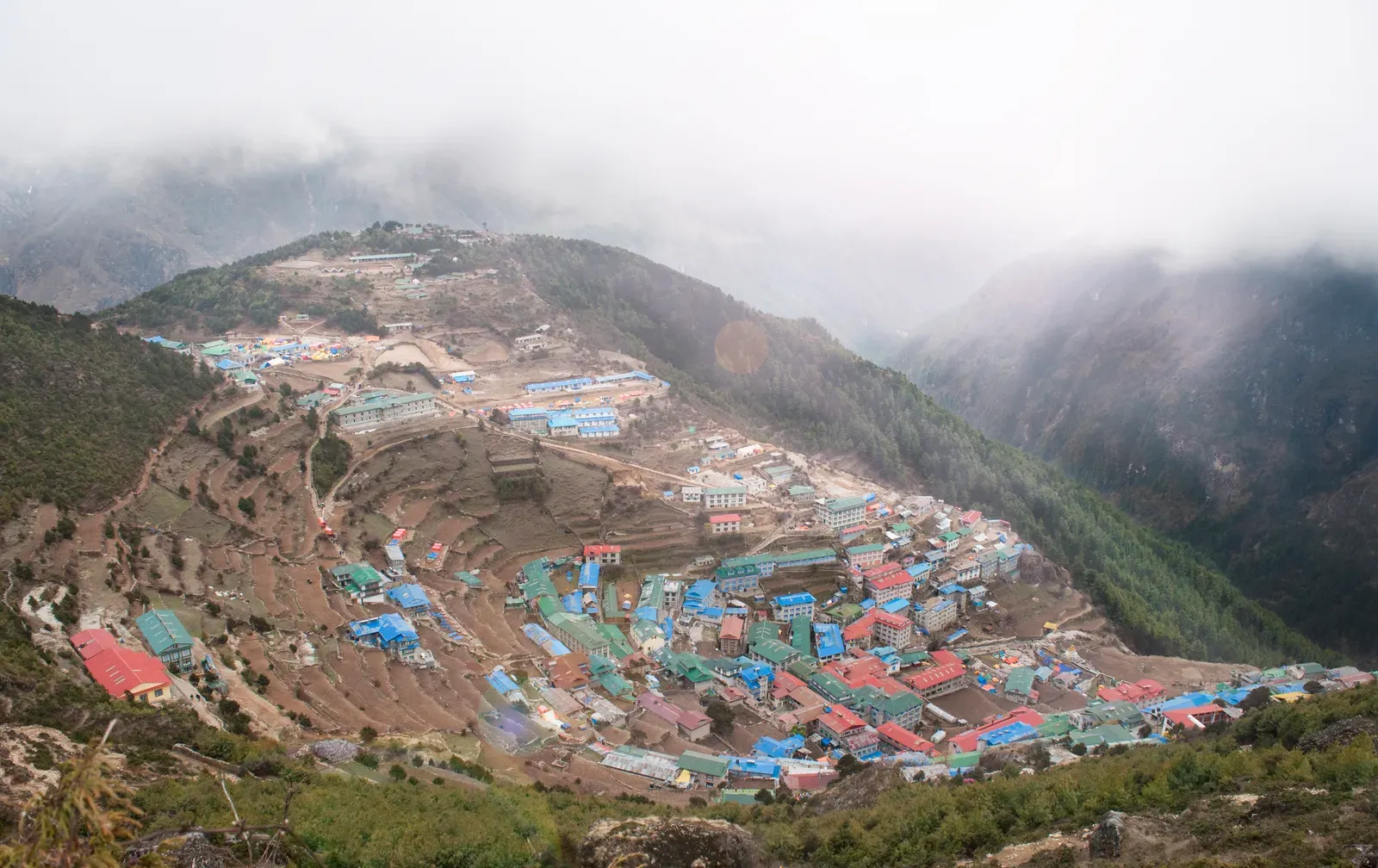
High in Nepal’s Khumbu region, on the approach to Mount Everest, a chain of villages like Namche Bazaar, Dingboche, and Lobuche live on an unmistakably seasonal rhythm. These settlements are not entirely empty in the off‑season, but they are heavily under‑occupied compared with the chaotic periods of trekking and climbing. For large parts of the year, many lodges and tea houses are shuttered, and only a small number of local residents remain.
The busiest windows line up with trekking seasons: usually in spring and autumn when weather is most favorable. At those times, these villages are crammed with expedition teams, independent trekkers, guides, and porters. Dormitory rooms are booked out, dining rooms roar with conversations in multiple languages, and yaks or porters thread constantly through narrow streets. The whole landscape feels temporarily urbanized in a way that would be unrecognizable a few months earlier.
During the harshest winter months and the heart of the monsoon, though, visitor numbers drop sharply. Many families migrate to lower altitudes or to Kathmandu and other cities, leaving behind a skeletal population that focuses on basic maintenance, livestock, and local social life. This seasonal occupancy has real consequences: schools, health services, and infrastructure have to be robust enough to handle peak loads, but financially survive long stretches of much lower use. The settlements themselves become, in effect, high‑altitude pop‑up towns keyed to trekking schedules.
#7 Seasonal Floating Villages on Tonle Sap Lake
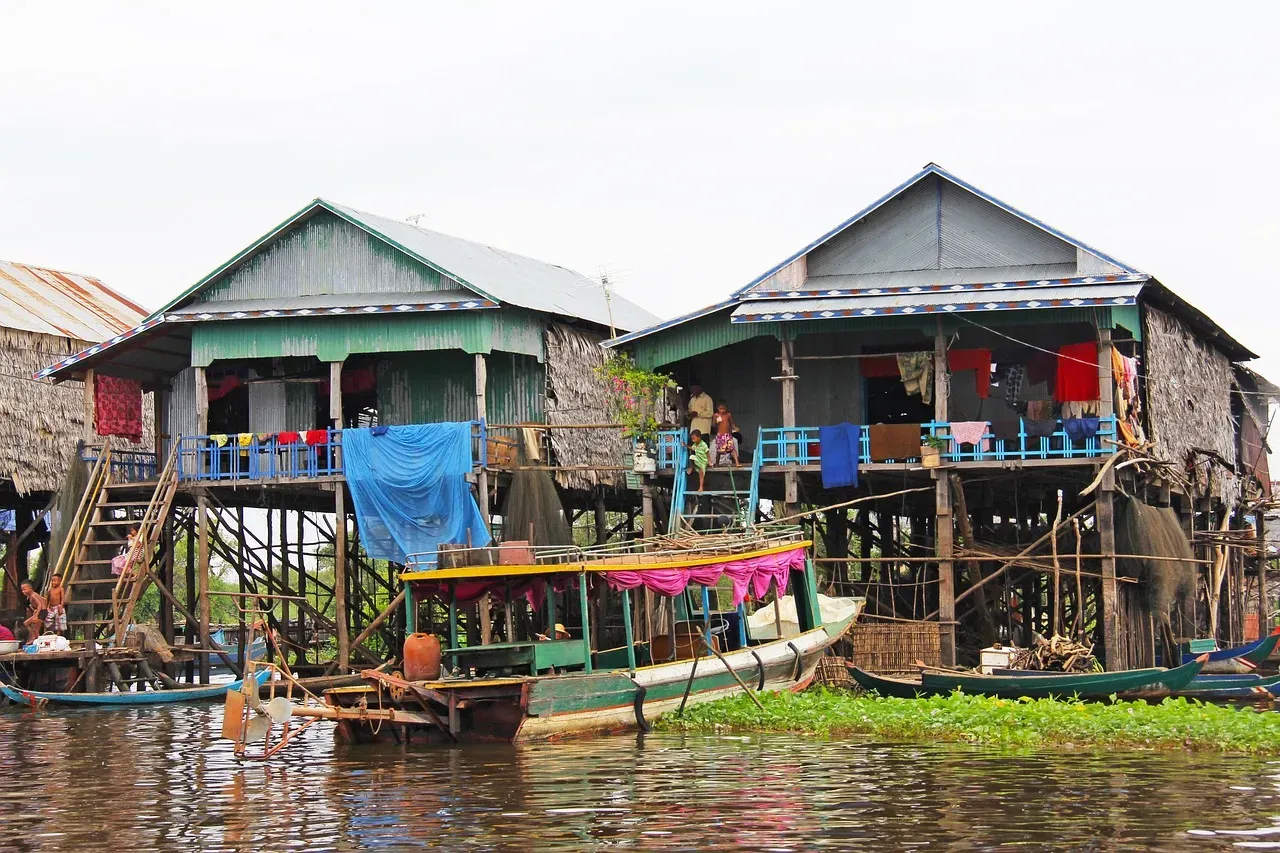
Cambodia’s Tonle Sap Lake hosts some of the most visually striking seasonal settlements on Earth: floating villages whose population density and position shift with the dramatic rise and fall of the water level. While many residents live there year‑round in some form, the effective occupation of specific clusters or mooring spots is highly seasonal, driven by fish availability, schools, trade routes, and water depth.
During the wet season, the Mekong River backs up into Tonle Sap, causing the lake to swell many times its dry‑season size. Villages that were near shore can end up far out on open water, and new temporary clusters form where conditions are best for fishing and transport. The population can feel concentrated and vibrant in certain zones, with floating shops, schools, and even temples forming a dense aquatic neighborhood for a few months.
As the dry season advances and the lake shrinks again, some families relocate to more permanent structures on or near land, while others adjust their moorings to follow the retreating water. In practice, this means that particular “villages,” understood as fixed locations, are only heavily inhabited for part of the year. Seen through that lens, Tonle Sap is less a set of stable settlements and more a shifting network of seasonal communities, appearing and thinning out like the tides.
- Wet season: expanded lake, clustered floating settlements, intense fishing and trade.
- Dry season: dispersed boats, partial move onto land, reduced density in specific spots.
This fluid way of living challenges our usual idea that settlements must stay put on solid ground to count as real places.
#8 Hajj‑Season Districts in Mecca and Mina
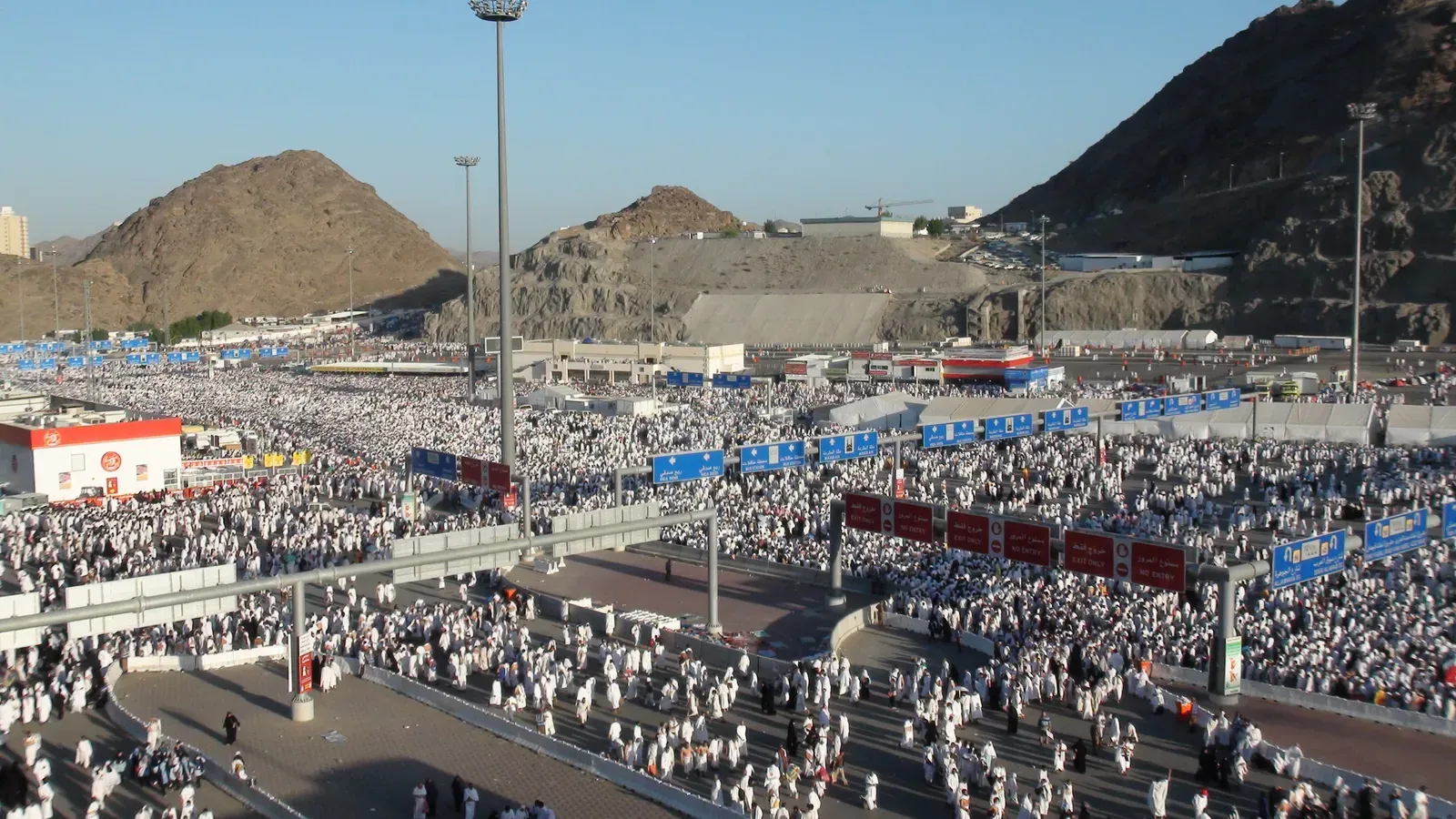
Some of the most extreme examples of part‑year occupancy are tied not to climate or fish, but to religion. Each year during Hajj, millions of pilgrims travel to Mecca and the nearby settlement of Mina in Saudi Arabia. For a few days, Mina in particular grows into a vast tent city – one of the largest temporary human concentrations on the planet – before dissolving again as pilgrims depart. Outside of Hajj, much of the infrastructure is only lightly used or stands essentially empty.
The tent city at Mina is planned with extraordinary care: tents arranged in structured zones, services laid out to handle food, water, medical care, and emergencies for a mind‑boggling number of people. But its full form exists for only a tiny fraction of the year. Once the pilgrimage period ends, the population reduces from several million to a negligible number. It is a settlement that exists intensely in time rather than space, almost like a festival that happens to be sacred instead of recreational.
Mecca itself has more permanent residents, of course, but even there, certain districts, hotels, and facilities are overwhelmingly focused on seasonal pilgrims. The year can be read in pulses: peaks of occupancy during Hajj, lesser waves during other pilgrimage periods, and quieter times in between. It raises an interesting question: when a place is built to serve extraordinary crowds only rarely, is its “real” state the crowded peak or the calm emptiness afterward?
#9 Alpine Ski Resorts: Winter Cities That Thin to Villages
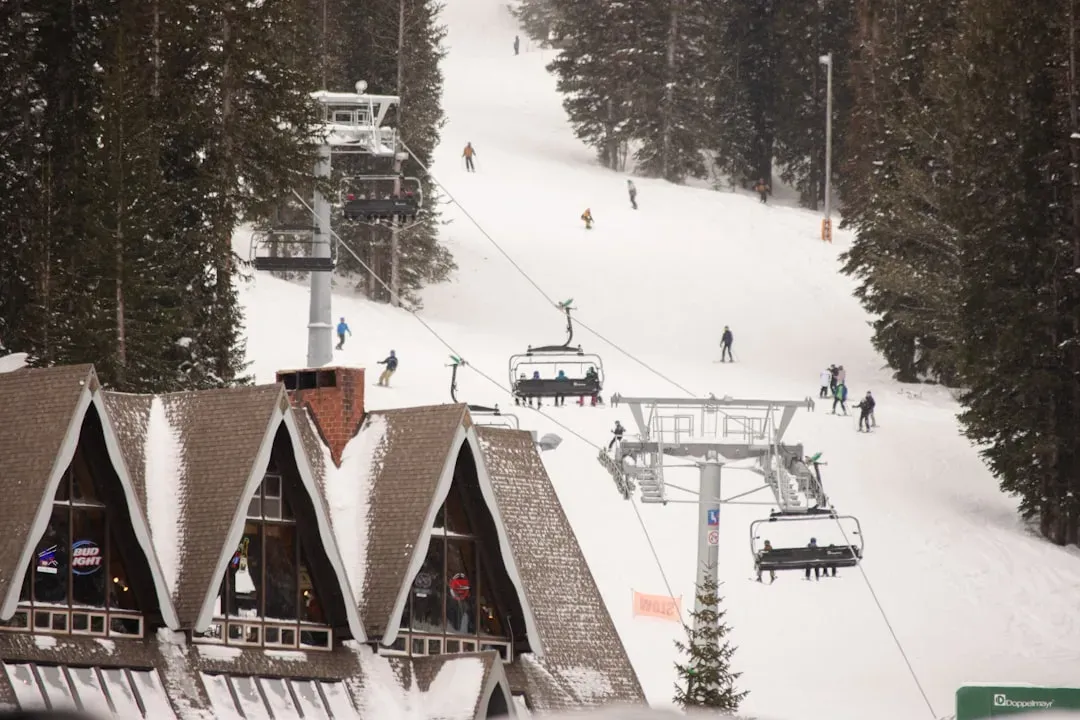
High‑altitude ski resorts in Europe, North America, and elsewhere are some of the most familiar examples of settlements that swell and shrink dramatically with the seasons. In winter, places like Val Thorens in France, Whistler in Canada, or Zermatt in Switzerland turn into dense, humming communities packed with visitors, seasonal workers, ski instructors, and hospitality staff. Walk the streets in peak season, and it can feel like a small city perched on a mountain.
Then spring arrives, the snowline retreats, and the story changes. Some resorts have worked hard to market summer hiking, mountain biking, and conferences, but in many cases, off‑season occupancy still collapses. Apartment blocks that once glowed in the evening fall dark, shops shorten their hours or close entirely, and the workforce shrinks to a small group maintaining lifts, hotels, and infrastructure for the next season. A surprising percentage of the beds sit empty for months.
This kind of seasonal settlement is driven largely by economics and culture rather than strict environmental survival. Modern buildings and services could support people year‑round, but without the draw of good snow and the culture of winter tourism, there is little incentive for visitors to stay. The result is a built environment that is technically permanent but socially intermittent, a winter‑city skin wrapped around what is essentially an off‑season village.
- Peak winter: high density, full employment, intense social life and nightlife.
- Off‑season: reduced staff, limited services, many second homes or holiday flats empty.
Anyone who has driven through a ski resort in May or October knows the uncanny atmosphere: all the physical evidence of a town, but strangely few people.
#10 Arctic Hunting and Fishing Camps of Indigenous Peoples
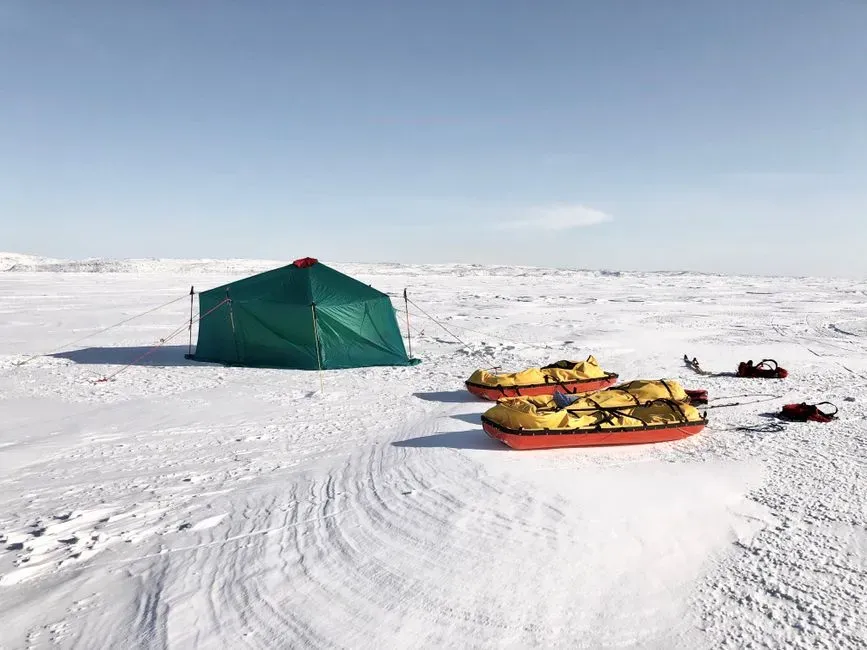
Across the Arctic – whether in Greenland, northern Canada, Alaska, or Siberia – many Indigenous communities maintain a network of seasonal camps used for hunting, fishing, and gathering. These are often small clusters of cabins or simple shelters that may be fully occupied for a few weeks or months, then sit almost deserted the rest of the year. For the families who use them, though, they are deeply important places, stitched into memory and tradition.
Typically, these camps are tied to the seasonal movements of animals and ice. A coastal camp might be used intensely in late spring when sea ice conditions are right for hunting seals or travelling to certain fishing grounds. An inland camp could come alive in autumn for caribou hunts or berry harvesting. People leave their main community, occupy the camp as a temporary settlement, then return home when the season passes, often leaving behind tools, sleds, or supplies for the next year.
From a satellite image, this might look like human presence flickering on and off in the same spots, but culturally, it is a continuous relationship. The land is not “empty” in winter just because no one is sleeping in a specific cabin; knowledge of routes, weather, and animal behavior keeps the place conceptually inhabited. Still, if you walked into some of these camps in the off‑season, you might find only wind‑scoured footprints and fading traces of the last fire, waiting quietly for the next round of occupancy.
#11 Summer‑Only Island Communities and Lakeside Cottages
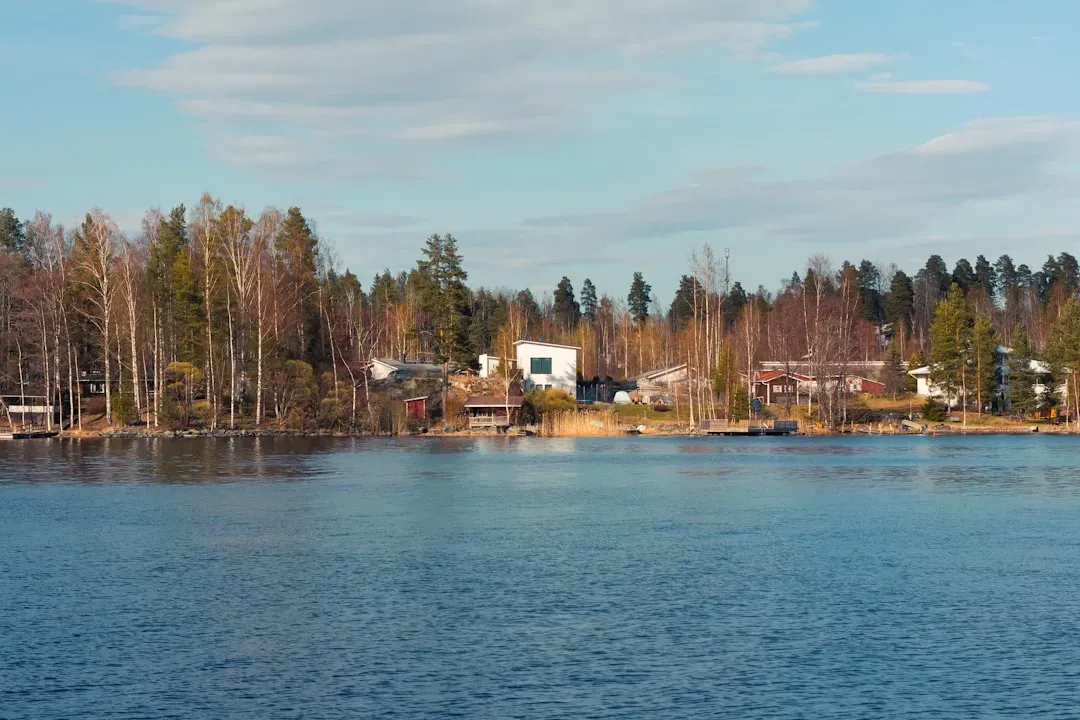
Not all partly occupied settlements are remote or extreme. In many wealthy countries, especially in North America and Northern Europe, entire island communities or lakeside cottage clusters are effectively summer‑only towns. Think of places where almost every house is a holiday home, inhabited at full capacity in July and August, then largely abandoned during the rest of the year, apart from a tiny minority of year‑round residents or caretakers.
On paper, these might be listed as permanent settlements, with postal codes and property registers. In reality, the social fabric appears, then dissolves, like clockwork. In summer, the local grocery store is packed, kids roam in groups on bikes, and the water is dotted with boats. Neighbors who barely notice each other in the city suddenly greet each other at the same small dock or shoreline café, creating an intense but short‑lived sense of community.
Once autumn hits and schools restart, you can walk through these same streets and see curtain after curtain drawn, driveways empty, and docks pulled out of the water. Services adjust accordingly: some restaurants and shops operate only in peak months, local councils plan maintenance around the quiet season, and emergency services face the odd problem of needing to scale up dramatically for a brief window. In bullet form, the pattern is straightforward:
- Summer: high occupancy, strong social ties, active local businesses.
- Rest of the year: low occupancy, minimal services, settlement feels half‑asleep.
These places highlight a slightly uncomfortable truth: a lot of our built environment, especially in coastal and lakeside areas, is now designed around part‑time habitation, even as governments struggle with housing shortages elsewhere.
Conclusion: What Part‑Time Settlements Reveal About Us
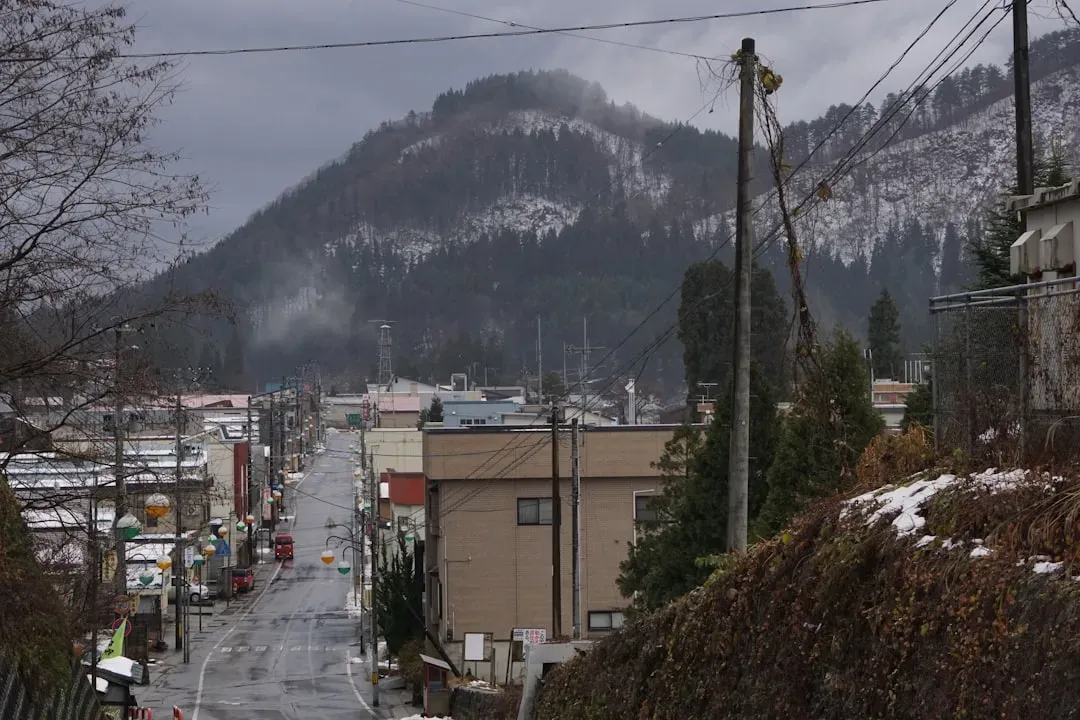
When you line up all these examples – from Antarctic research hubs and Arctic fish camps to high‑end ski resorts and sleepy island cottage towns – a pattern emerges. These are not just curiosities; they are snapshots of how humans negotiate limits. Sometimes the limit is brutal climate, like polar darkness or hurricane‑prone seas. Sometimes it is economic, like a fish stock that only passes through for a few months or snowfall that only justifies an expensive ski lift system for part of the year. Either way, we respond not by giving up on those places, but by learning to inhabit them intermittently.
I think that is both inspiring and slightly unsettling. Inspiring, because it shows our flexibility: we can build tent cities that serve millions for a week, or floating schools that drift with seasonal waters, or high‑mountain villages that surge to life only when the trails are safe. Unsettling, because it exposes a widening gap between where our buildings stand and where our lives actually unfold. We pour resources into settlements that spend most of the year half‑empty, while other communities struggle to afford permanent homes at all.
Personally, I find these part‑time places weirdly magnetic. There is a special mood in walking through a seasonal town out of season – whether that is an almost empty ski resort in late spring or a shuttered lakeside community in October. You can feel the ghost of the crowd still hanging in the air, like the echo in a concert hall after the band has left. It leaves you wondering: if our settlements can flicker like this, on and off with the seasons, what else about our sense of place and home is less permanent than we think?
Next time you look at a map, it might be worth asking yourself a quiet question: which of these dots are really alive all year, and which are just briefly lit beacons on a much darker, more flexible human landscape?