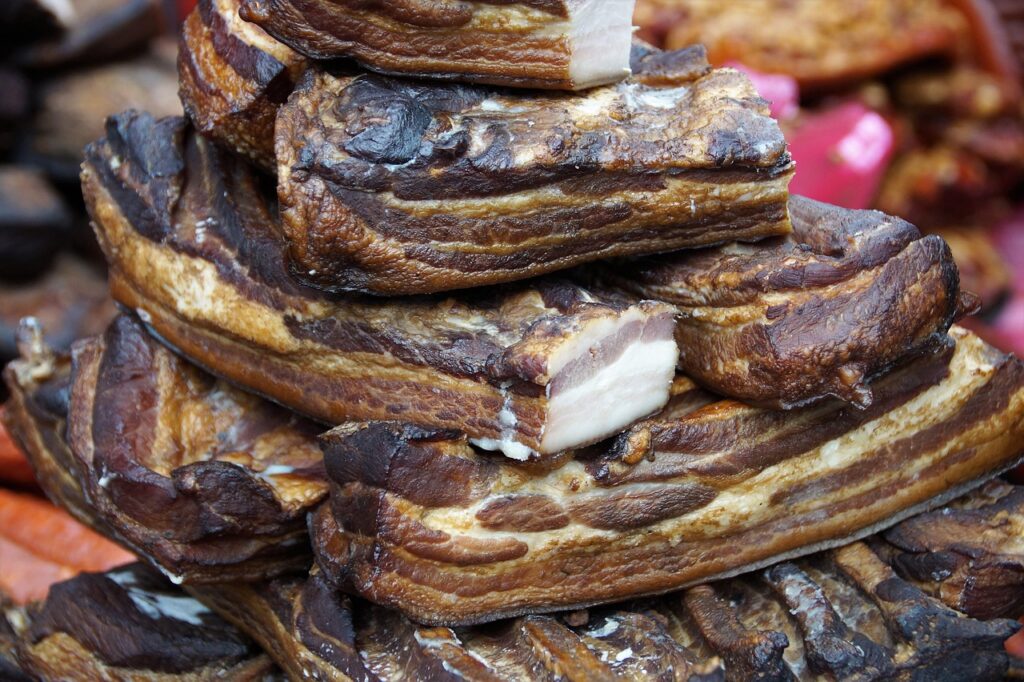
Imagine standing in the middle of January, snow piled against the door, and knowing that whatever you have in your home is what you’ll eat until the ground thaws. No grocery store, no freezer, no emergency delivery. For most of human history, that was normal life. The real miracle is not that some people starved, but that so many families managed to eat, year after year, using clever, low‑tech methods that actually worked.
The story of how is surprisingly dramatic. It is part science experiment, part survival puzzle, and part everyday kitchen routine. People learned to bend time a little, slowing rot, pushing back mold, and stretching harvests for months without really understanding microbes or enzymes. They just knew: do this, and the food lasts.
Let’s walk through twelve of the most important ways families from Europe to Asia, Africa to the Americas kept themselves fed through the long hungry months. You’ll recognize some of them from modern “artisan” food trends, but in the past they weren’t hobbies or aesthetics. They were the line between a hard winter and a deadly one.
#1 Storing Roots and Grains in Cool Underground Cellars
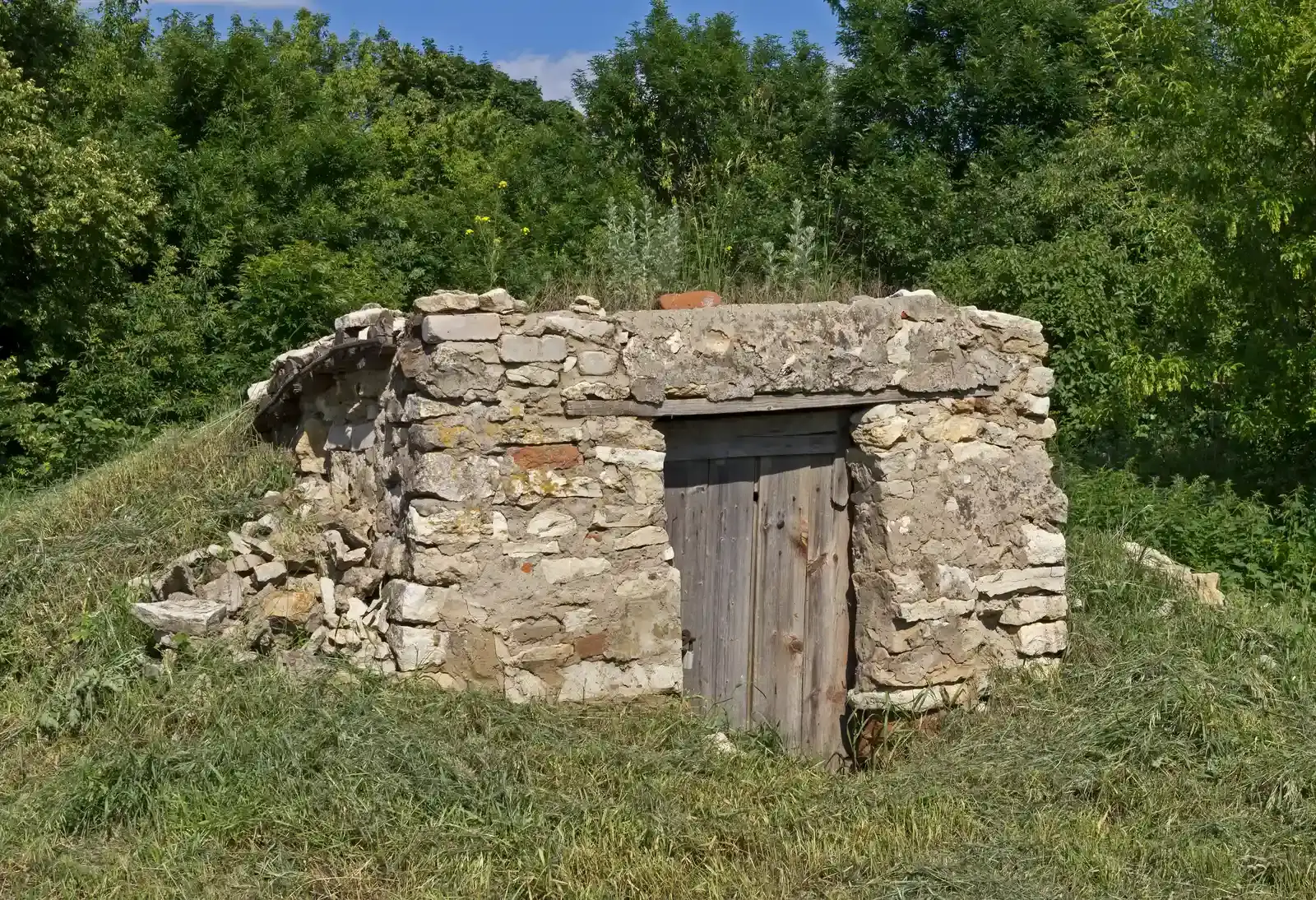
Picture a dark, earthy room under the house, lined with shelves of turnips, onions, clay jars of grain, and barrels of apples. That was the beating heart of winter survival: the cellar. Long before anyone named it “controlled atmosphere storage,” people instinctively figured out that a cool, stable, slightly humid underground space slowed down decay dramatically.
By digging below the frost line, families could escape the temperature swings and harsh sunlight that quickly wreck food. Root vegetables like carrots, beets, parsnips, and potatoes keep far longer in cool, slightly damp air, especially when stored in boxes of sand, straw, or dry leaves that prevent them from touching and rotting each other. Grain in sealed bins or clay jars stayed dry and out of reach of mice, which mattered as much as the temperature.
Cellars were not uniform. In some regions, people dug deep rock‑lined pits; in others, semi‑buried outbuildings or caves served the same purpose. What mattered was the microclimate: air that was cold but not freezing, still but not suffocating, and dry enough that mold growth slowed. It is essentially a primitive refrigerator powered by geology instead of electricity.
Many families also separated foods within the cellar. Strong‑smelling onions and cabbages might be kept apart from apples and grain, because ethylene gas and moisture from one type of produce could shorten the life of another. That kind of practical observation, passed quietly between generations, turned a hole in the ground into a carefully managed storage system.
#2 Smoking Meat and Fish Over Slow, Cool Fires
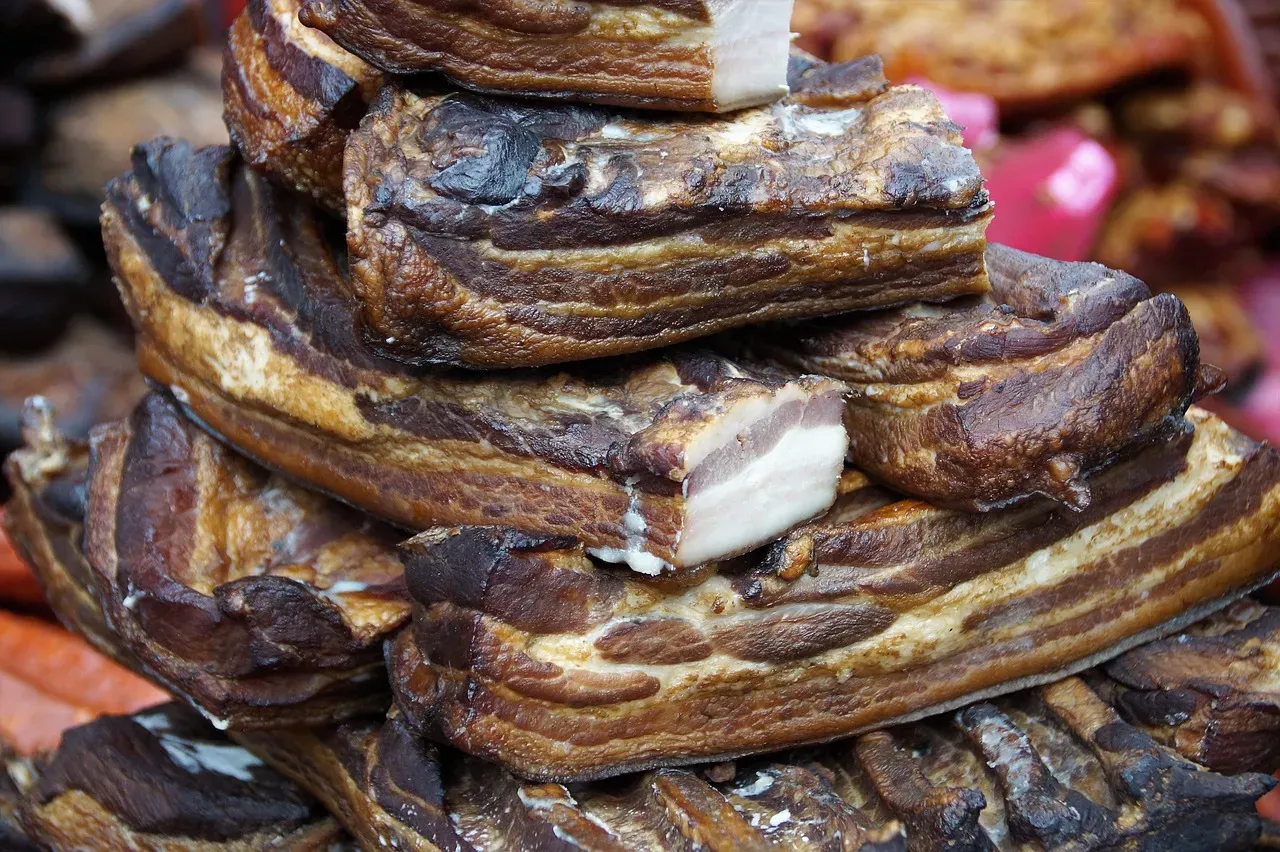
If the cellar was about temperature, smoking was about chemistry. Long before anyone talked about “antioxidants” or “phenolic compounds,” people knew that hanging meat or fish above a smoldering fire gave it a deeper flavor and made it keep for months instead of days. Smoke coats the surface with antibacterial and antifungal substances while gently drying it out.
In coastal and river communities, autumn and early winter meant intense work: nets full of fish, carcasses from hunting seasons, all needing to be preserved quickly. Families would clean and salt the meat, then hang it in small smokehouses or over hearths where cool, dense smoke from hardwoods like oak, beech, or alder wrapped around the pieces for days or even weeks. The result: smoked hams, bacon, and fish that could get a household as far as the spring thaw.
What’s interesting is how regional and precise these methods became. In some cultures, smokehouses were simple huts; in others, they were multi‑chamber structures that let people control heat and airflow better than many modern backyard smokers. This was not just “wave food over a fire” but a learned craft: too hot and you cook instead of dry; too cold and you do not drive off enough moisture.
Of course, smoke alone was rarely the entire story. It often worked together with salting, hanging in cool air, or drying in the wind. But the characteristic smell of smoked food carried a deeper truth: it was the scent of security in winter, a reminder that someone had thought ahead when the weather was still good.
#3 Salt Curing: Turning Meat into Winter Insurance
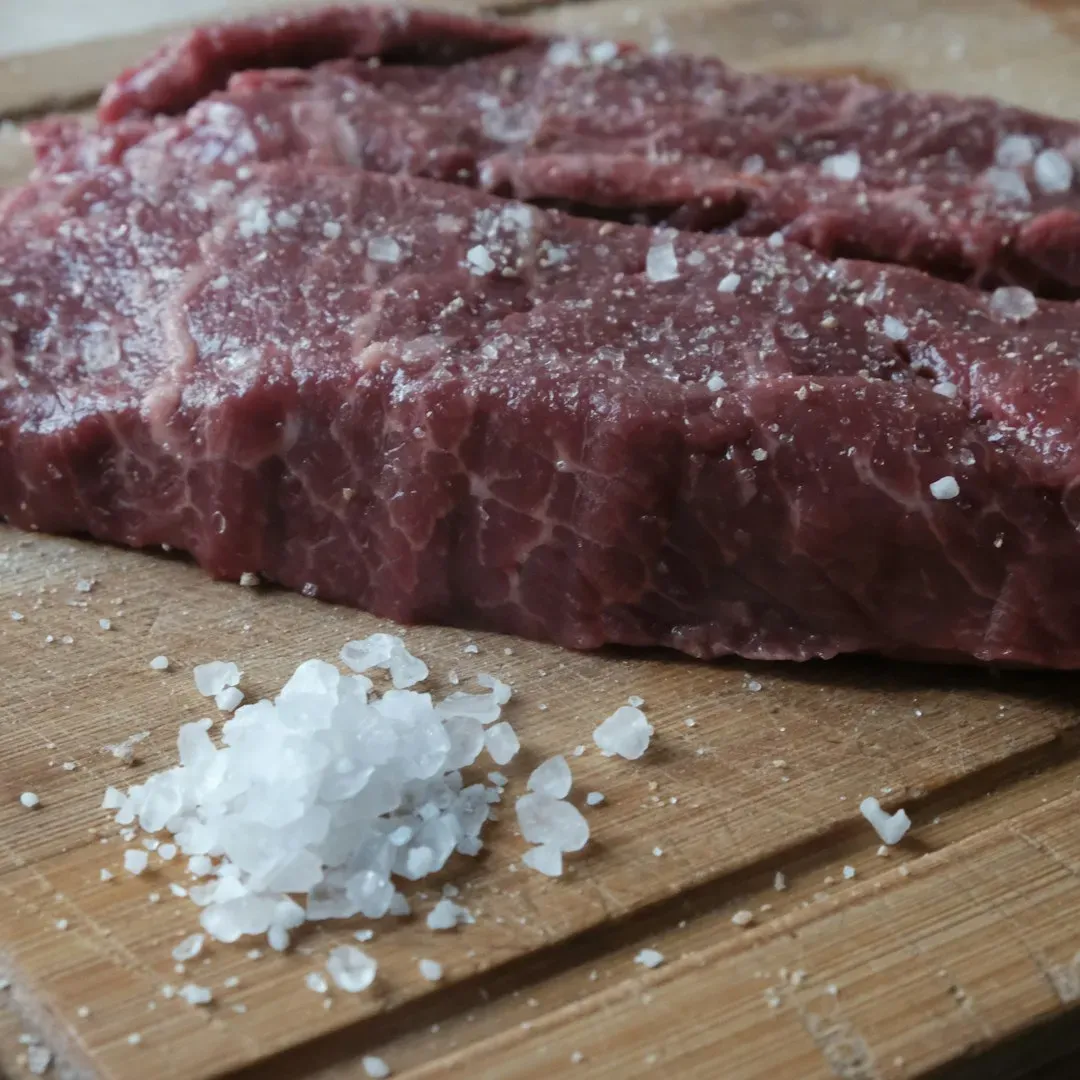
Salt is boring until you imagine life without it. In ancient households, it was not just a seasoning but a preservation tool so important that communities fought wars and built trade routes around it. Sprinkling meat with salt, or packing it in thick layers of salt crystals, pulled out moisture by simple osmotic pressure and made it much harder for spoilage bacteria to grow.
Families used salt curing in several ways. Sometimes they rubbed a mixture of salt and spices directly into cuts of meat, stacking them in wooden tubs and letting the brine form naturally as the salt drew out juices. Other times they submerged meat or fish in strong brine solutions, topping the container with weights to keep everything under the liquid and away from air. After curing, the food might be rinsed and dried, smoked, or stored as is in a cool place.
People did not need microscopes to notice the patterns. Fresh meat spoiled fast; salted meat, properly handled, stayed safe for months. The trade‑off was flavor and texture: cured meats are chewier, saltier, often stronger tasting. But in a January snowstorm when fresh protein is a luxury, that trade‑off was more than acceptable. It was survival by design.
Salt curing also captured the surplus of boom times. A large animal slaughtered in late autumn was impossible to eat all at once, so butchering became a preservation event. Households and neighbors gathered, dividing fat, bones, and lean meat, salting and hanging pieces in coordinated chaos. You can almost see the scene: tables smeared with salt, hands moving in well‑practiced rhythms, everyone aware that these hours determine how many good meals they’ll have in February.
#4 Drying and Dehydrating with Sun, Wind, and Fire

Rot loves water. Once you remove enough moisture from food, microbes can no longer thrive, and that simple principle is what made drying one of the most universal preservation methods on earth. From dried figs in the Mediterranean to strips of jerky on the American plains, households everywhere learned that thin, dry, and airy beats thick, wet, and fresh when winter is coming.
The science is straightforward: lower water activity means slower bacterial and fungal growth. But the practice looked different depending on where you lived. In hot, dry climates, fruits, vegetables, and herbs could be laid out on mats or rooftops, turned occasionally, and protected from insects with cloth or screens. In colder or wetter places, people hung food near hearths or in lofts where the rising warm air gradually drove off moisture.
Drying is one of those “set it up and keep an eye on it” tasks. Families had to slice pieces evenly, leave enough space for air circulation, and bring everything in quickly if rain threatened. Getting it wrong could mean moldy, inedible food, so there was a lot of quiet know‑how behind those simple strings of apples or garlands of chili peppers you sometimes see in old drawings.
Some advantages of drying were huge for winter life:
- Food becomes lighter and easier to carry or trade.
- Flavor concentrates, turning ordinary fruit into intensely sweet snacks.
- Dried foods rehydrate well in soups and stews, stretching small amounts into filling meals.
In that sense, drying didn’t just preserve calories; it preserved flexibility, giving families options when options were scarce.
#5 Fermenting Vegetables into Probiotic Pantry Staples
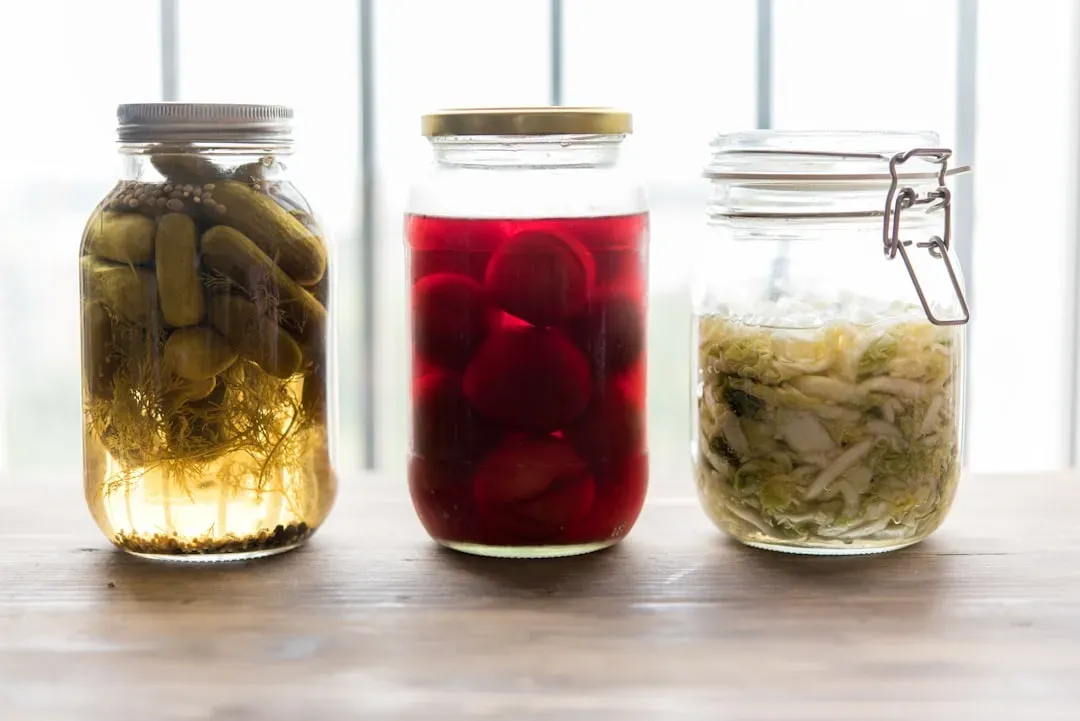
Fermentation looks like magic until you realize it is really just a controlled battle between microbes. Ancient households, without knowing any biology, discovered that if you shred cabbage, pack it tightly with salt, and keep it submerged, helpful lactic acid bacteria will outcompete the dangerous ones. The result is tangy, preserved food that lasts deep into winter.
This same basic process shows up across the world in different forms: sauerkraut in central Europe, kimchi in Korea, pickled turnips and carrots in the Middle East, and countless regional recipes elsewhere. The pattern is simple. You create a salty, low‑oxygen environment that certain friendly bacteria love. As they feast on sugars in the vegetables, they produce lactic acid, which slowly lowers the pH and creates a harsh environment for spoilage organisms.
From a winter perspective, fermentation did several valuable things at once:
- It extended the life of perishable vegetables beyond what cellars alone could manage.
- It kept some vitamins available at a time when fresh greens were rare.
- It added sour, complex flavors that broke up the monotony of dried and salted food.
There is also a psychological side here that is easy to overlook. Opening a barrel of crunchy, sour cabbage or spicy fermented radishes in late January is not just about nutrients; it is about a shock of flavor that reminds you of the harvest, a small spark of brightness when everything outside is white and gray.
Modern science now talks about beneficial gut bacteria, immune support, and bioactive compounds. For past households, the argument was much simpler: it did not rot, it tasted good, and the elders swore by it. That was more than enough proof.
#6 Packing Food in Cold Springs, Snow, and Ice Houses
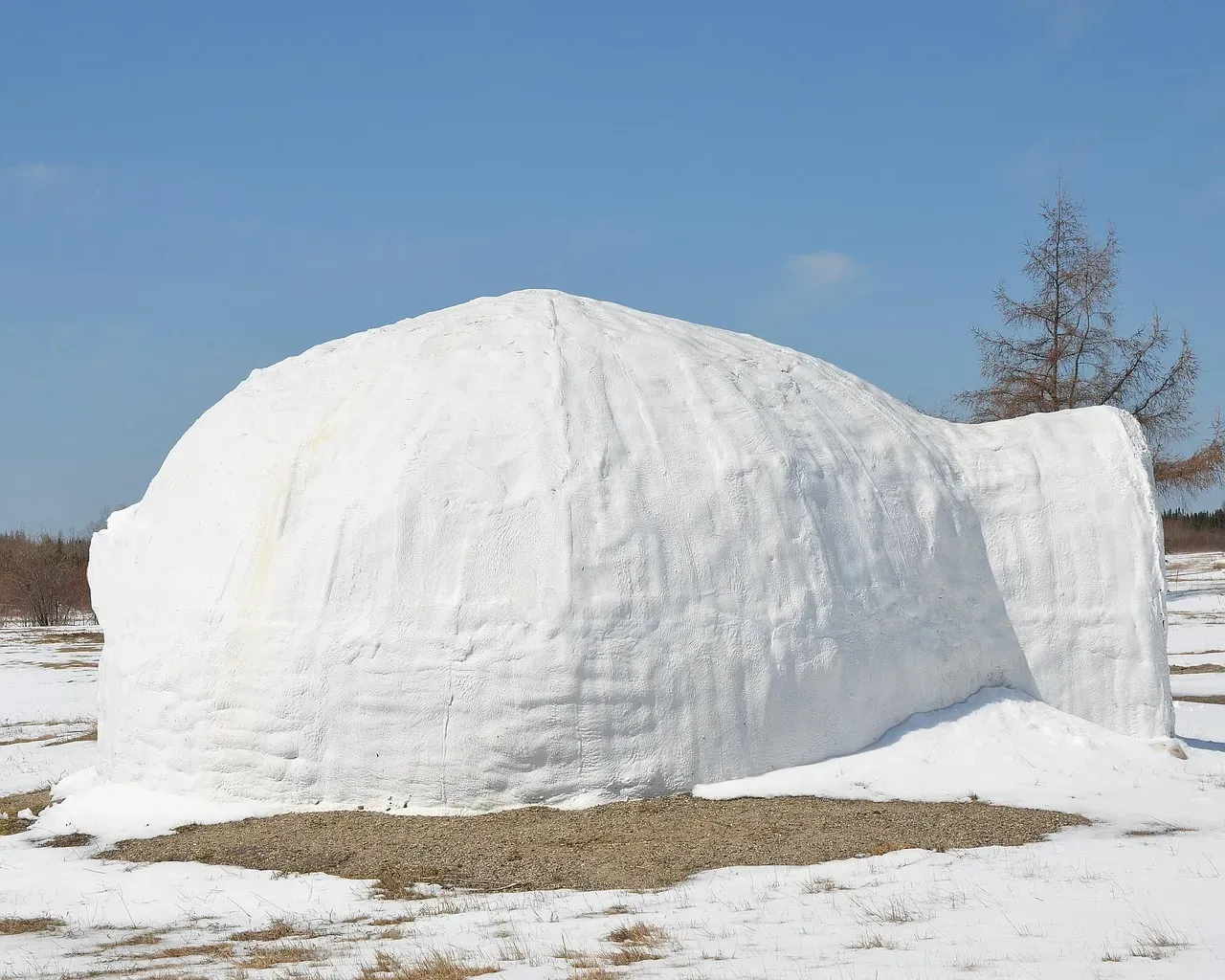
Before refrigerators, cold water and frozen landscapes were free technology. Households that lived near springs, wells, or rivers quickly realized that these were natural chillers. Submerging sealed containers of milk, butter, or even meat in cold running water could dramatically slow spoilage, buying precious time between slaughter, milking, and actual consumption.
In colder climates, winter itself became a preservation ally. People dug snow pits and lined them with straw, burying root vegetables or even whole carcasses so they would freeze and keep for months. Later, communities developed ice houses: insulated buildings where blocks of ice cut from lakes or rivers were stored under layers of sawdust or straw, staying solid well into the warm months.
This was not as effortless as it sounds. Cutting and hauling ice was heavy, dangerous work, often done in bitter weather. Ice houses had to be carefully built to minimize melting: thick walls, small doors, good drainage. Families needed watertight containers so river water would not seep into food and contaminate it. But for those willing to put in the labor, the payoff was huge.
In practical terms, cold storage had some key benefits:
- It allowed short‑term preservation of foods that did not dry or salt well.
- It offered a fallback if other methods failed or supplies ran low.
- It made it possible to keep some foods closer to their fresh texture and taste.
When you see frozen lakes or snowdrifts today, it is easy to think of them as scenery. For ancient households, they were seasonal tools, just as real and necessary as a knife or a cooking pot.
#7 Sealing Food in Fat: Confit, Potted Meats, and Ghee
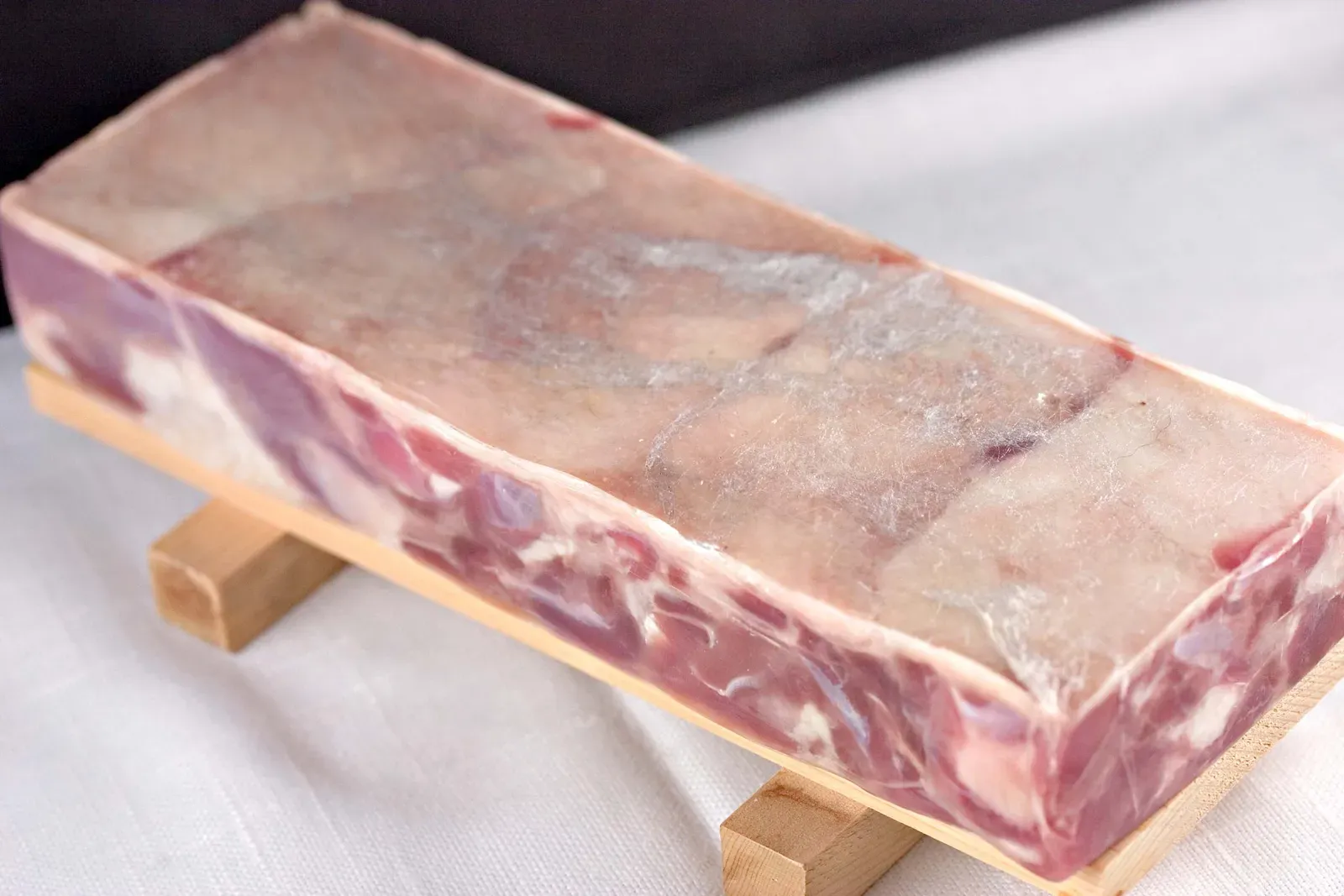
One of the cleverest tricks ancient cooks used was to remove air from the equation entirely. Many bacteria that spoil food need oxygen, so if you cook meat and then bury it under a thick, solid layer of fat, you create a largely oxygen‑free environment. This is the logic behind confit, potted meats, and clarified butter traditions seen in different forms across Europe, Asia, and Africa.
A classic example: duck or goose confit. Meat is salted, slowly cooked in its own fat until tender, then packed tightly into a crock. The rendered fat is poured over the top, forming a solid lid once cooled. Stored in a cool cellar, the meat beneath can remain safe for weeks or even months. When needed, you dig in, scoop out a portion, and reseal as best you can.
Clarified butters and ghee follow a similar principle, though aimed at the fat itself rather than the meat. By gently heating butter to remove water and milk solids, households created a pure fat that resisted rancidity far better than fresh butter. Stored tightly covered in cool rooms, this shelf‑stable fat carried families through seasons when fresh dairy was less available.
From a survival standpoint, preserving fat was almost as important as preserving protein. Fat is dense energy, vital in cold weather, and necessary for absorbing certain vitamins. These fat‑based preservation methods basically turned jars and crocks into edible batteries, storing calories as well as flavor for the harshest part of the year.
#8 Keeping Grain Dry and Safe from Pests
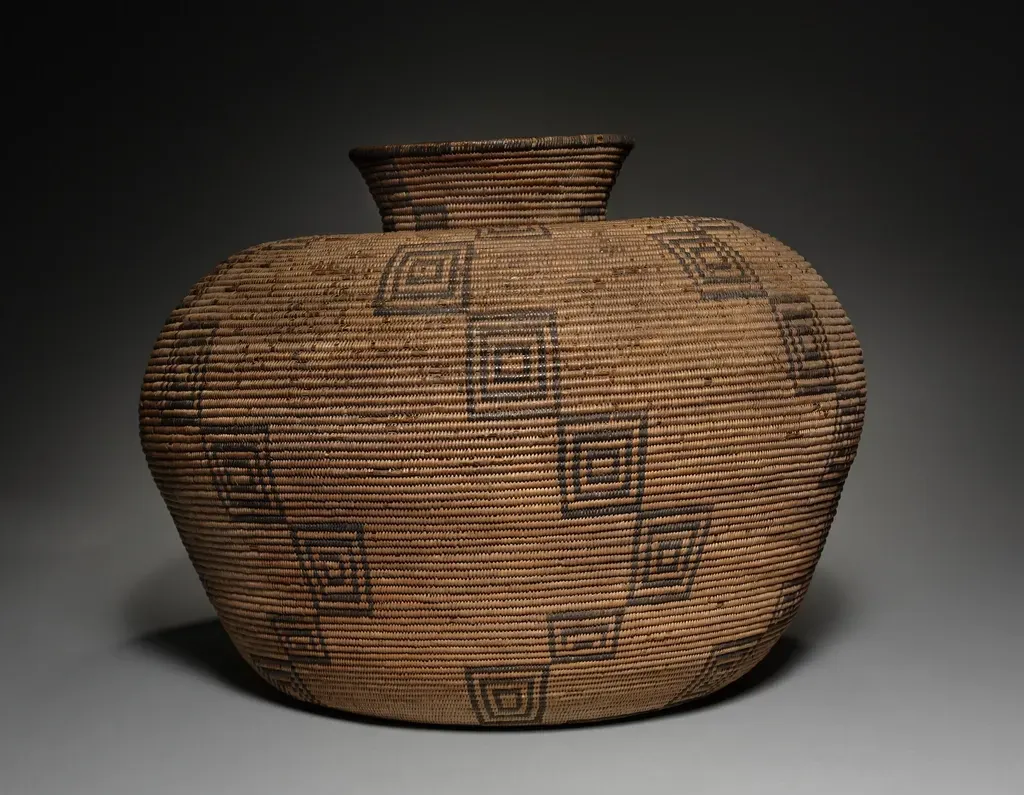
We tend to romanticize hams hanging in smokehouses, but for most ancient households the real foundation of winter survival was humble grain. Wheat, barley, millet, rice, sorghum, maize: these were the staple calories. The challenge was not just keeping them from molding, but keeping them away from mice, rats, insects, and even hungry neighbors.
The core rule was simple: dry and sealed. Harvested grain was often spread out to dry fully in the sun or wind, then stored in clay jars, woven baskets lined with pitch, wooden bins, or even underground silos lined with stone or plaster. By limiting oxygen and moisture, families could hold grain for months, sometimes years, smoothing out the boom‑and‑bust cycle of harvests.
Pest control methods might look primitive, but many were surprisingly effective:
- Raising storage off the ground on posts or stone pillars, sometimes with smooth “rat guards.”
- Using strongly scented plants or ash layers to discourage insects.
- Sealing containers with clay, mud, or wax to close tiny gaps.
There is also a social and emotional dimension here. A full granary in late autumn meant psychological security in a way that is hard to grasp today. Parents could look at those bins and imagine, with some confidence, how many loaves, porridges, or flatbreads that grain could turn into before the first spring shoots appeared.
Personally, whenever I read about ancient history, the scenes that hit me hardest are not the battles or the palaces, but the quiet work of stacking grain in a dusty storeroom. That was real power: the ability to carry your family across the gap between one growing season and the next.
#9 Using Clay, Ash, and Controlled Atmospheres
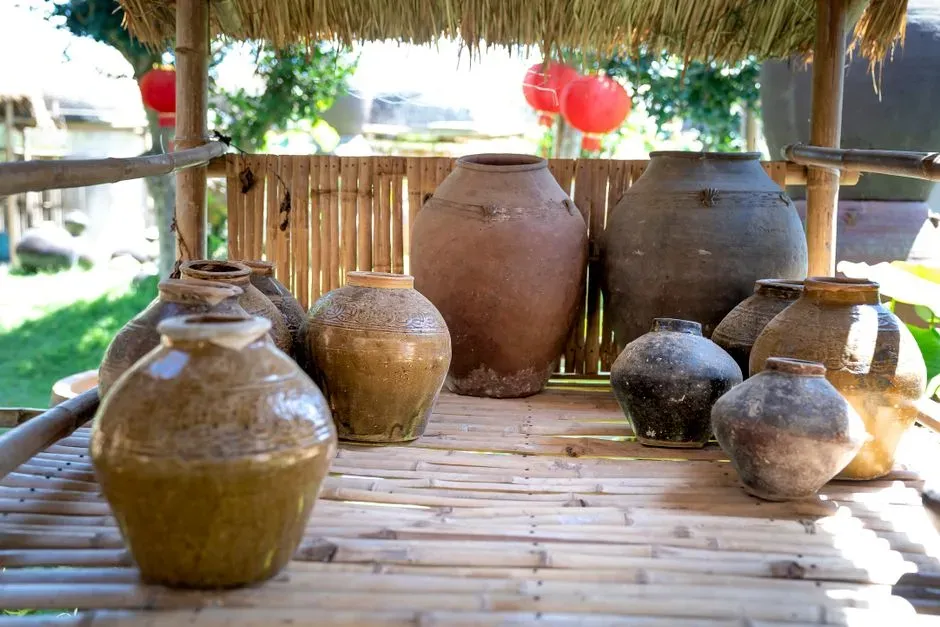
Not all preservation methods were obvious at first glance. Some of the smartest tricks relied on changing the micro‑environment around the food, often in ways people discovered by trial and error. Sealing foods in clay pots, covering them with ash, or storing them in low‑oxygen pits are all examples of what we might now call crude atmosphere control.
Clay pots, especially when sealed with wax, resin, or tightly fitted lids, limited airflow and slowed moisture exchange. Households stored grains, dried fruits, olives, and even oils this way. Some pots were buried up to their necks in the ground to keep temperatures stable, combining the benefits of a cellar with the airtight protection of pottery.
Ash might seem like an odd preservation aid, but it helped in several ways. Clean, dry ash is alkaline and absorbs moisture, creating a less friendly environment for insects and microbes. Eggs, for example, could be stored for weeks or longer packed in cool ash or lime mixtures, slowing down the aging process and keeping out bacteria that might penetrate the shell.
On a more advanced level, some communities developed underground storage pits designed to limit oxygen. Once filled with grain or root crops and sealed, these pits created a low‑oxygen atmosphere as any remaining air was gradually used up by insects or the food itself. With less oxygen available, many pests and spoilage organisms struggled to survive, effectively turning the pit into a simple, passive preservation chamber.
None of this looked high‑tech on the surface. It was just clay, ash, earth. But behind those materials was a quiet sophistication: a recognition that food does not just sit in space; it lives in an environment you can shape to buy yourself more time.
#10 Turning Milk into Cheese, Yogurt, and Long‑Keeping Dairy
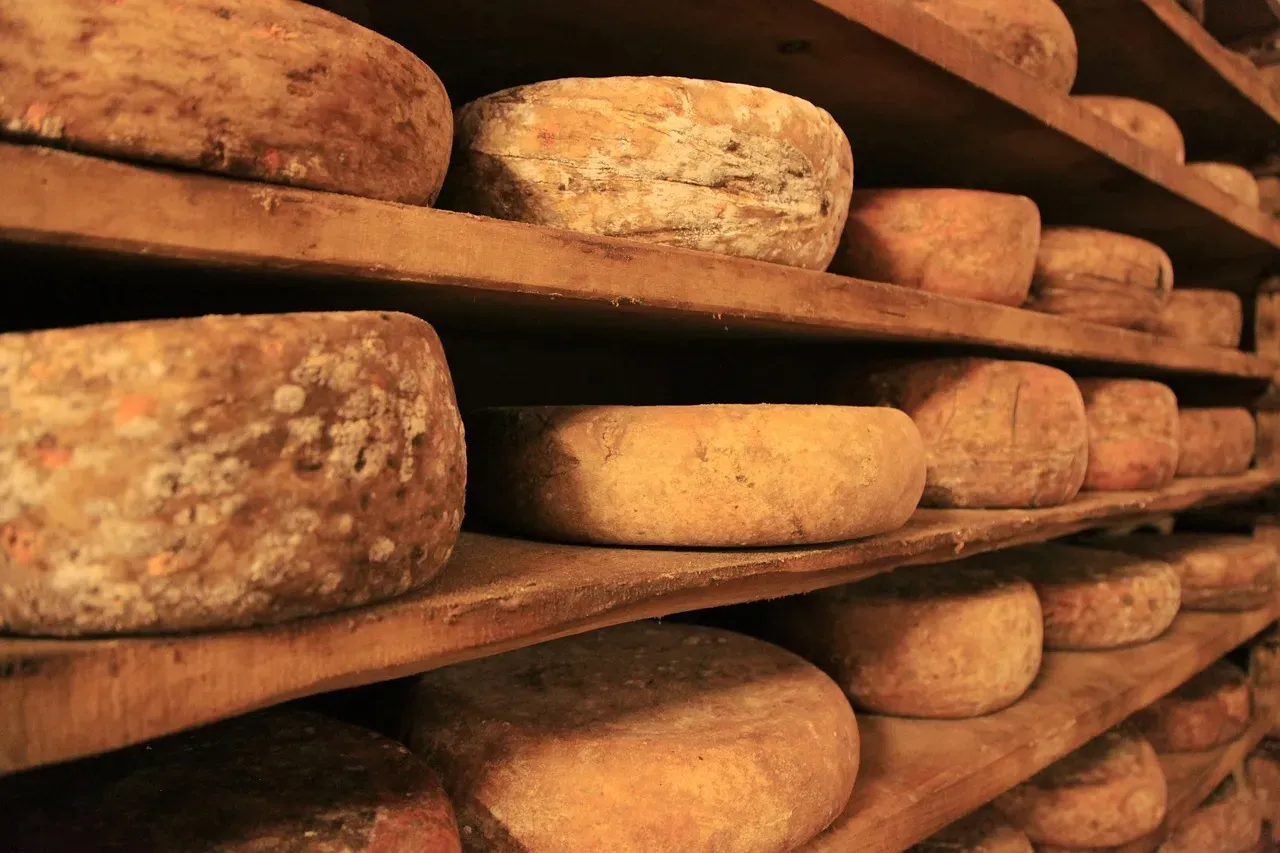
Fresh milk is the ultimate fragile food: full of nutrients, loved by microbes, and quick to sour if left alone. Ancient households dealt with that problem by transforming milk almost immediately into more stable forms like cheese, yogurt, and cultured butter. These were not luxury goods; they were practical strategies to convert something temporary into something that could see you through winter.
Cheesemaking, at its core, is about removing water and changing the internal chemistry so that spoilage bacteria struggle. By curdling milk, draining off whey, salting, and sometimes aging in cool cellars, people created dense, high‑fat, high‑protein blocks that lasted far longer than the fresh liquid they originated from. Harder, drier cheeses kept the best, sometimes surviving months of storage when properly handled.
Fermented dairy like yogurt and sour milk followed a similar logic to vegetable fermentation. Friendly bacteria acidified the milk, lowering pH and making it hostile to many spoilage organisms. These products did not necessarily last all winter on their own, but they extended milk’s life enough to bridge gaps between fresh supplies, especially during colder seasons when animals might produce less.
These dairy traditions carried some hidden benefits:
- They made nutrients more digestible for many people, especially where lactose tolerance was lower.
- They compressed nutrition into portable, tradable forms like aged cheese.
- They provided variety when winter meals could otherwise blur into the same few flavors.
When we treat cheese boards or artisan yogurt as indulgences today, it is easy to forget that behind them sits a very practical question: how do you make sure that the milk you have now can still feed you months from today?
#11 Sweet Preservation: Honey, Syrups, and Candied Fruits
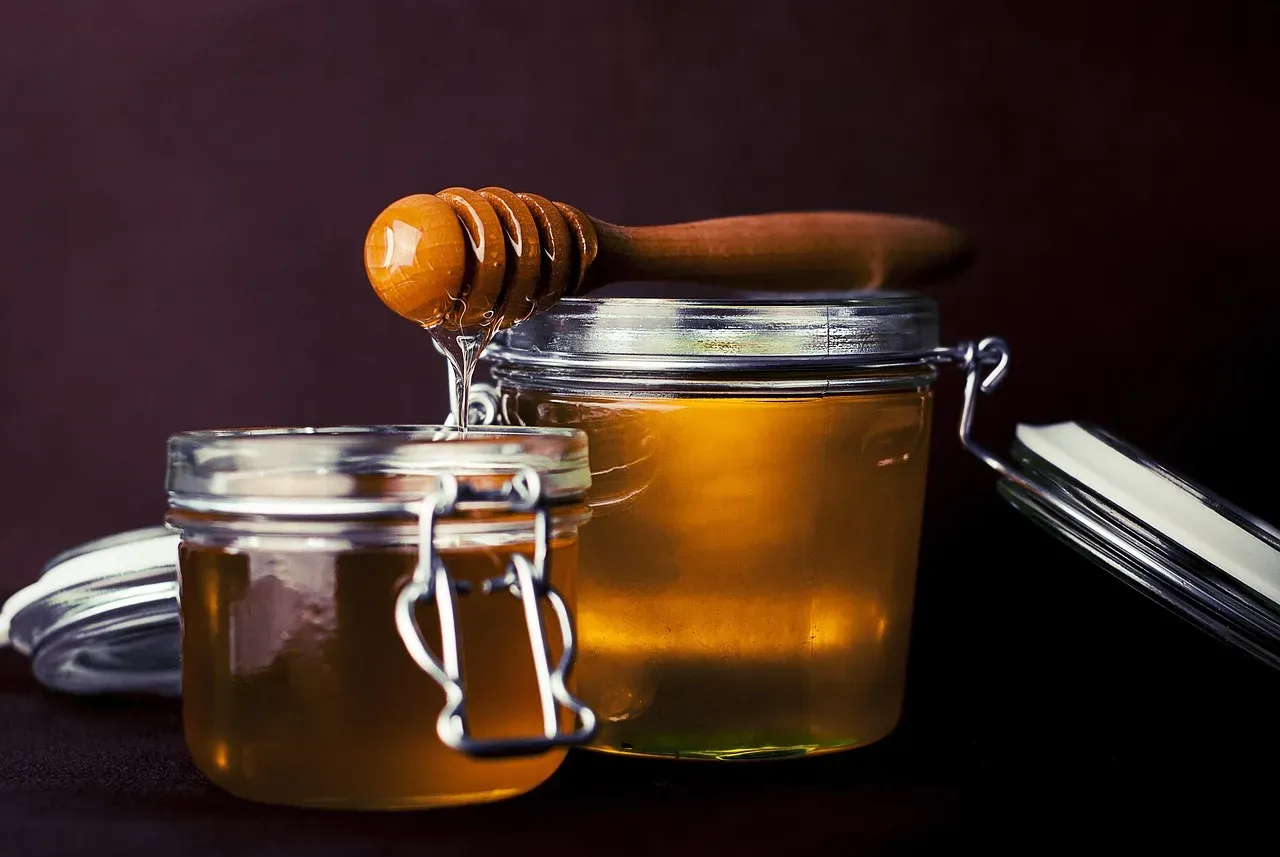
One of the more pleasant ways to fight decay is with sugar. At high enough concentrations, sugar binds available water and makes life difficult for microbes. Ancient households might not have had cheap white sugar, but they did have honey, fruit syrups, and, in some regions, concentrated grape must or date syrup. All of these could be used to preserve fruit and sometimes even nuts or flowers.
Honey is naturally low in water and full of compounds that suppress bacteria. Submerging nuts or pieces of fruit in honey effectively locked them in a sugary armor, keeping air and microbes out. Boiling fruits down with honey or thick syrups achieved something similar, leaving behind dense, sticky preserves that could be stored in jars in cool rooms.
There was a clear trade‑off here: these sweet preserved foods were more of a supplement than a foundation. You could not live through winter on candied quince or figs alone. But in a season dominated by grains, roots, and salted meats, having occasional bursts of sweetness was a big deal, both nutritionally and emotionally. Natural sugars provided quick energy during physically demanding cold months, and the flavors were a reminder of sunlit orchards.
In some cultures, this kind of preservation evolved into what we now think of as treats: pastes, jellies, or thick fruit leathers. In others, it stayed closer to its survival roots, with jars of honeyed fruit pulled out slowly and carefully over the winter, like edible treasure held in reserve.
#12 Planning, Rationing, and the Culture of Not Wasting

Here is the slightly uncomfortable truth: no technique could save a household that did not plan. All the cellars, smokehouses, and jars of honey in the world did not matter if families ate too much in December and ran short in March. In that sense, one of the most powerful “preservation methods” ancient households had was not physical at all; it was mental and cultural.
Households counted. They knew roughly how many mouths they had to feed, how far a barrel of grain could stretch, how many hams they needed to keep hanging for each cold month. Social rules often reinforced this mindset. There were feast days, sure, but there were also periods of relative restraint, fasting traditions, and unspoken agreements about not raiding next month’s supplies unless things were truly desperate.
Rationing was rarely written down in ledgers; it lived in habits. A ladle of soup poured just a bit thinner, a loaf of bread sliced a touch more carefully, a decision to save a piece of smoked meat “for later” even when the present hunger was loud. Parents taught children not to waste scraps, bones, or fat because they understood in their bones that luxury today could mean hunger later.
Personally, I think this is the hardest part for modern readers to fully feel. We can recreate sauerkraut and confit in our kitchens, but the mindset of watching a cellar slowly empty, week by week, and adjusting your expectations accordingly is something our supermarket age rarely demands. Yet it is exactly that quiet discipline, layered on top of all the clever techniques, that got so many families through to spring.
Conclusion: Old Skills, New Respect
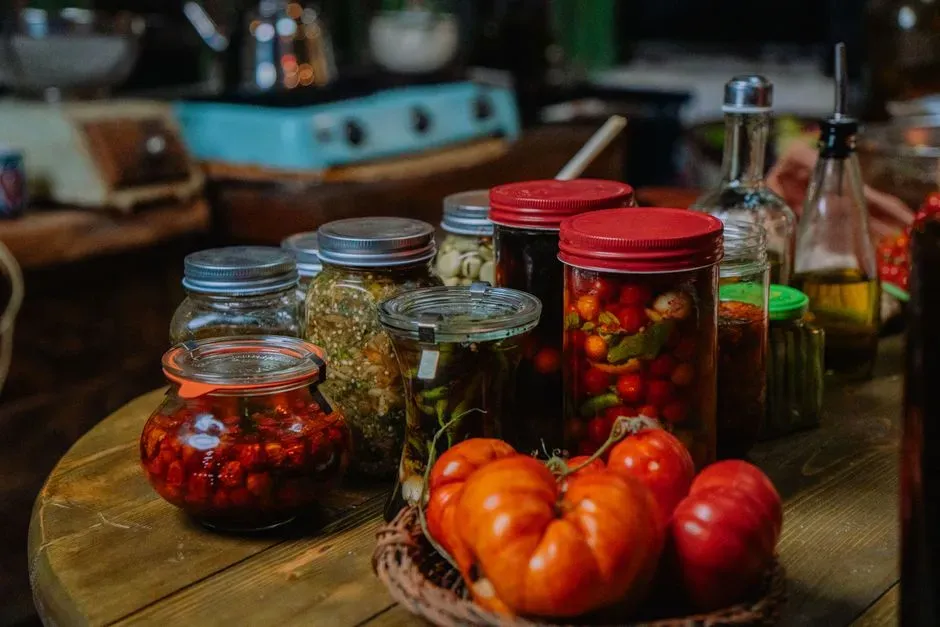
When you line up these twelve methods – cellars, smoking, salting, drying, fermenting, cold storage, fat sealing, grain management, clay and ash tricks, dairy transformation, sweet preservation, and deliberate rationing – you start to see a pattern. Ancient households did not rely on a single magic trick. They built overlapping safety nets, each method covering the weaknesses of the others, all woven together by observation, patience, and a healthy respect for nature’s limits.
It is tempting to romanticize this world, to imagine cozy firelit rooms and rustic crocks of preserved goodness. The reality, though, was harsher and more impressive. These techniques were born from necessity, refined through mistakes that probably cost real lives, and held in place by cultures that understood winter as a serious opponent. That makes our modern obsession with “traditional” foods slightly ironic; we embrace the flavors while forgetting the fear that originally shaped them.
At the same time, maybe there is something worth reclaiming. Not the constant anxiety about starvation, of course, but the sense that food is seasonal, that planning matters, and that a household can be more resilient than we usually assume. Learning how people once is not just a history lesson. It is a quiet challenge to our assumption that convenience is the only way to live well.
So the next time you stir sauerkraut, hang herbs to dry, or stash root vegetables in a cool corner, you are not just being old‑fashioned; you are reaching back into a long, stubborn conversation between humans and winter. And honestly, if you had to bet on one side of that struggle, would you really underestimate the people who learned to make a single harvest last until the world turned green again?