There is something quietly mind‑bending about a building that only truly makes sense on a single day. For three hundred and sixty‑four days it is just stone, steel, glass. But on that one precise date, one precise minute, the whole thing snaps into alignment with the Sun, a star, a shadow, or a story humanity refuses to forget. It is like the planet briefly whispering back to us: you were right to pay attention.
This idea is far older than modern engineering and far more widespread than most people realize. From pre‑Columbian pyramids to ultra‑precise twentieth‑century memorials, architects and astronomers keep teaming up to embed one special day into the bones of their creations. Some mark solstices and equinoxes, others religious feasts, national tragedies, or moments of hope. All of them ask the same quiet question: what is worth remembering this precisely?
Let’s walk through fourteen of the most fascinating examples. Some are famous, some tucked off the main tourist routes, but each is literally built around a date on the calendar. And on that day, they stop being just structures and briefly become instruments, aligning light, shadow, and memory in a way that feels as much like ritual as it does like science.
#1: Chichén Itzá’s Pyramid and the Spring/Autumn Equinox Serpent
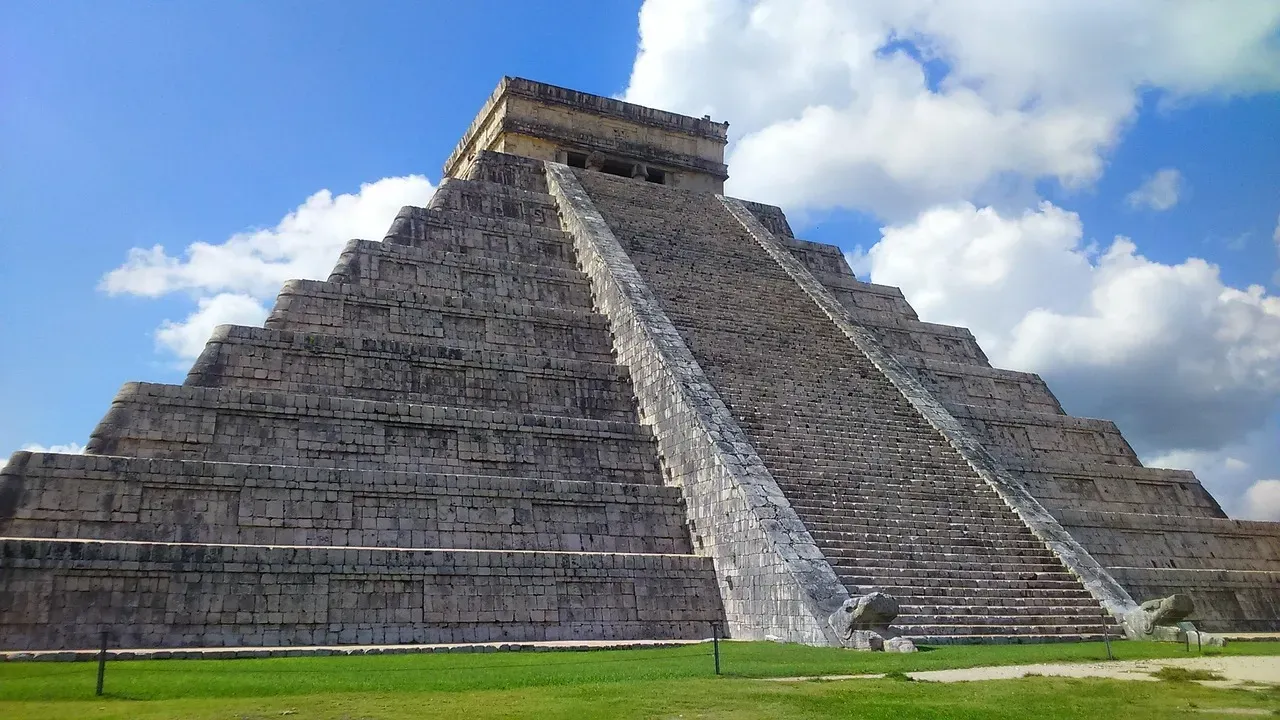
On two days each year, around the March and September equinoxes, the pyramid of El Castillo at Chichén Itzá in Mexico turns into a kind of cosmic stage trick. As the late afternoon Sun slides down the sky, a serrated shadow crawls down the balustrade, connecting a carved serpent’s head at the base with a zigzag body of light and dark triangles. For a short window, it looks like a giant snake slithering down from the heavens.
This is not an accident. The pyramid’s orientation and the angle of its terraces were carefully tuned to the Sun’s position on the equinox. Archaeologists still debate exactly how much the ancient Maya tied this spectacle to specific rituals or political displays, but nobody doubts the astronomical intent. The structure itself is a solar calculator that produces one dramatic answer on just two key days.
What makes it so powerful is the mix of precision and myth. You can explain the effect with geometry and solar altitude angles, but for the people who built and used it, this was the feathered serpent Kukulcán returning to Earth. It’s a reminder that ancient “observatories” were rarely scientific in the modern sense; they were spiritual devices that used light and time to anchor beliefs about how the world is supposed to work.
- Equinox days bring the Sun directly over Earth’s equator.
- That geometry makes day and night roughly equal in length worldwide.
- El Castillo uses this geometry to animate a sacred serpent in shadow.
#2: Stonehenge and the Summer Solstice Sunrise
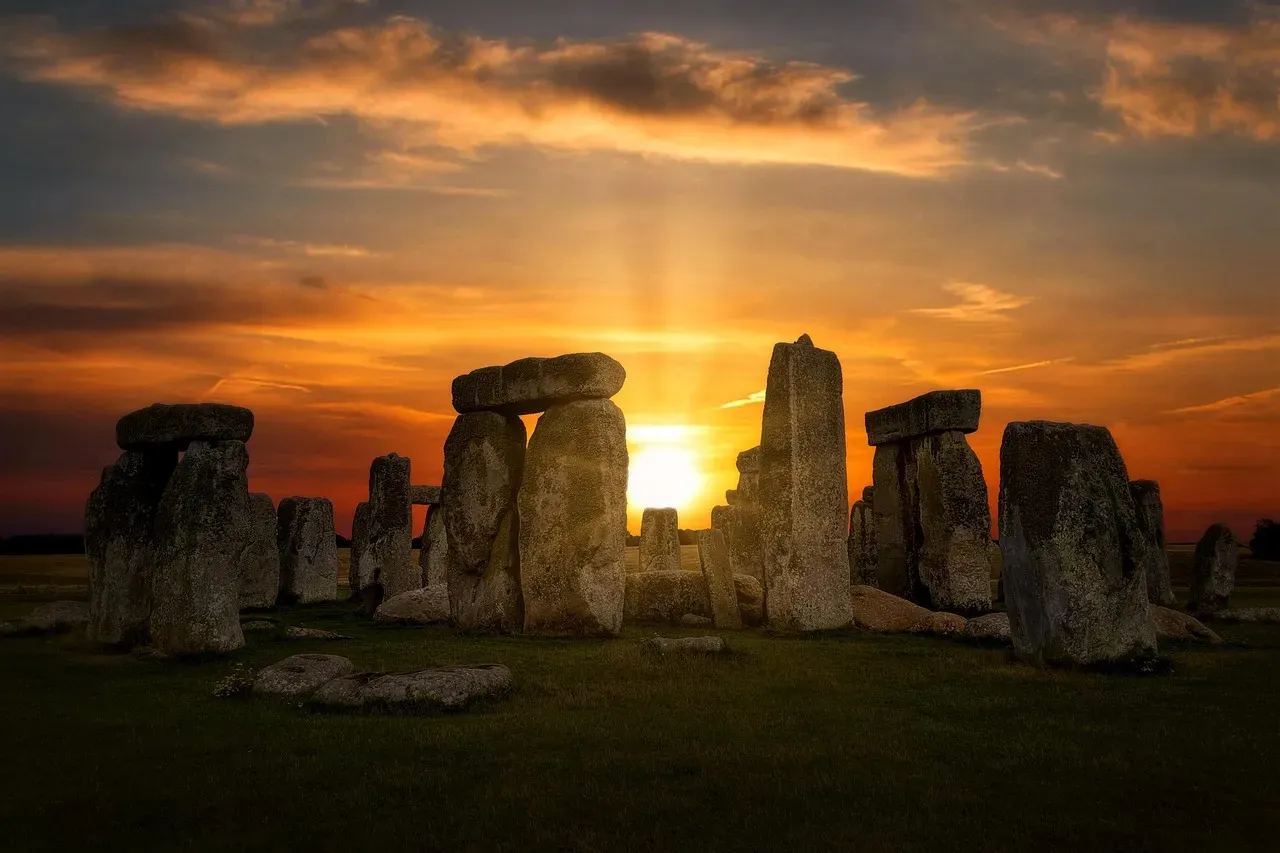
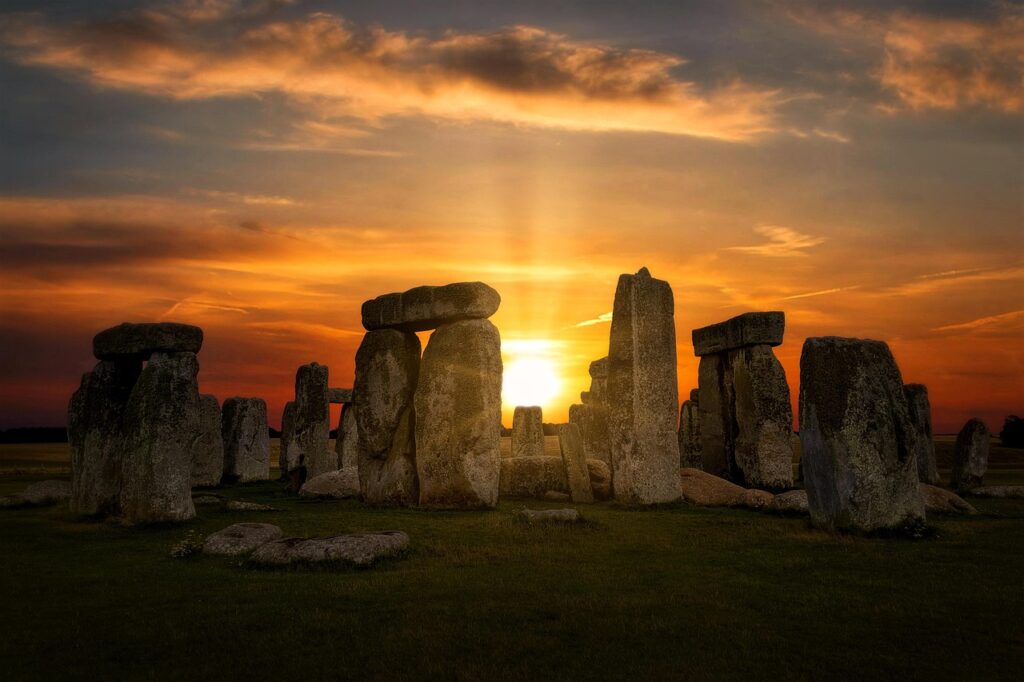
Every year around June 21, thousands of people gather at Stonehenge in England to watch the midsummer Sun rise over the Heel Stone and shine into the heart of the circle. The alignment is so iconic that it can feel almost cliché, but when you strip it back, it is astonishing: massive stones hauled and arranged over four thousand years ago still sync with the longest to within a sliver of the horizon.
Stonehenge is not exactly a one‑day‑only machine; its arrangement also relates to winter solstice sunset and probably other lunar and solar cycles. But culturally, the site has become inseparable from that one sunrise, that one date when people wrap themselves in blankets, bang drums, and wait for a star to crest a particular notch. It has gone from Neolithic construction to living calendar ritual.
We do not know the original intent in perfect detail, and anyone who pretends to is overselling the evidence. What we do know is that its builders paid deep attention to the Sun’s extremes, locking the turning points of the year into stone. On most days, Stonehenge is an eerie ring in a windy field. On the summer solstice, it becomes a conversation between humans and the sky about time, harvests, and the fragility of light.
- Summer solstice is the longest day and shortest night of the year.
- Stonehenge lines up with both summer sunrise and winter sunset.
- The monument fuses ritual, astronomy, and raw human effort.
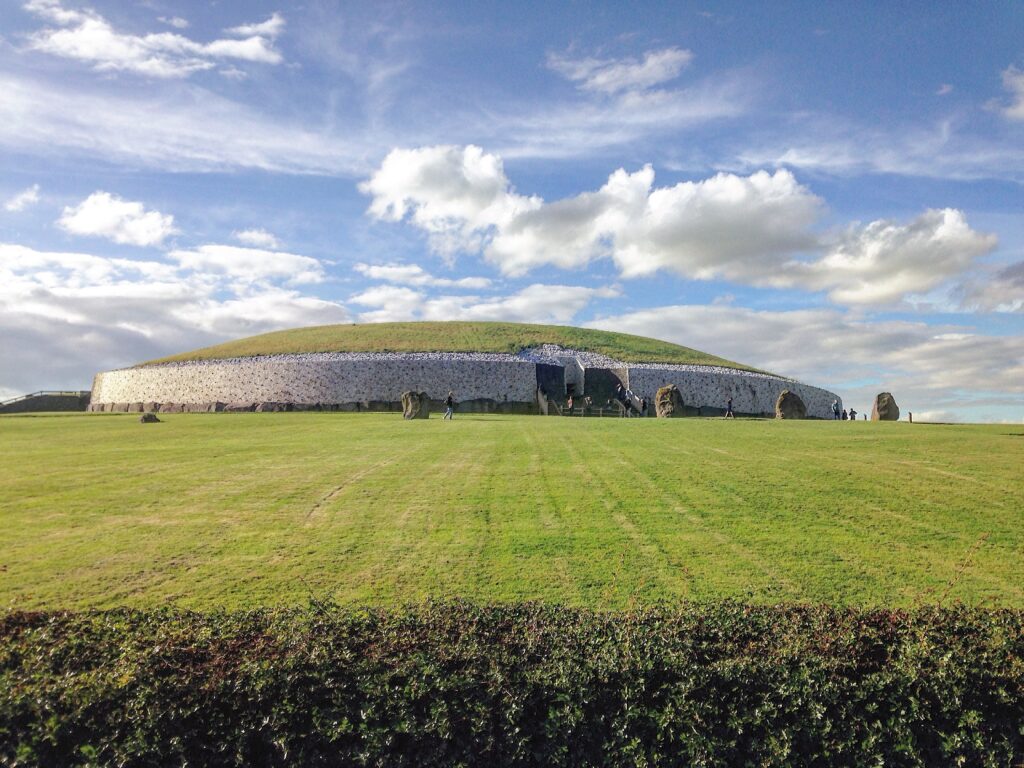
#3: Newgrange and the Winter Solstice Beam
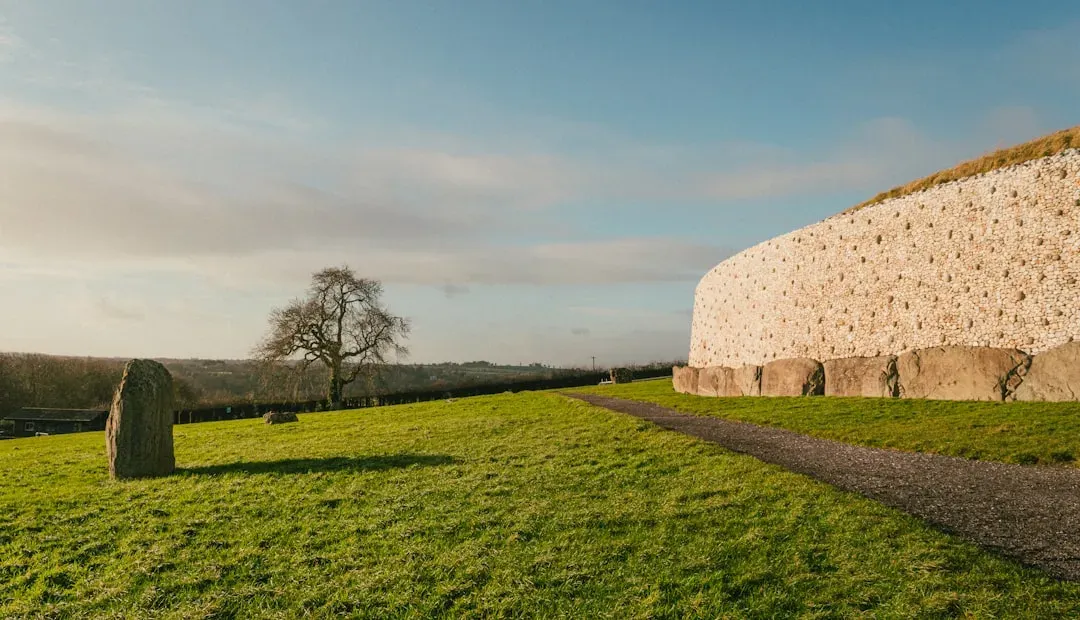
In Ireland, Newgrange looks from the outside like a rounded, grass‑topped mound. Inside, though, is a narrow stone passage leading to a central chamber. For almost the entire year, this chamber sits in total darkness. But on just a few mornings around the winter solstice, a shaft of sunlight penetrates through a small “roof box” opening and crawls along the floor, illuminating the interior in a golden band.
The alignment is so precise that modern observers run lotteries to decide who gets to sit inside on those rare mornings. The structure is older than Stonehenge and the Egyptian pyramids, yet its builders already understood how to place and tilt an aperture so that only the low winter Sun, at a particular time of year, can reach the inner sanctum. The rest of the time, the chamber may as well be a sealed cave.
The symbolism is hard to miss. In the darkest part of the year, when days are shortest and cold bites hardest, light physically invades the tomb‑like inner space. It is part calendar, part promise that the Sun will return. To me, Newgrange is one of the most moving examples of how prehistoric communities used architecture to fight back against cosmic gloom, pinning hope to a specific dawn in late December.
#4: Abu Simbel and the Twice‑Yearly Solar Illumination
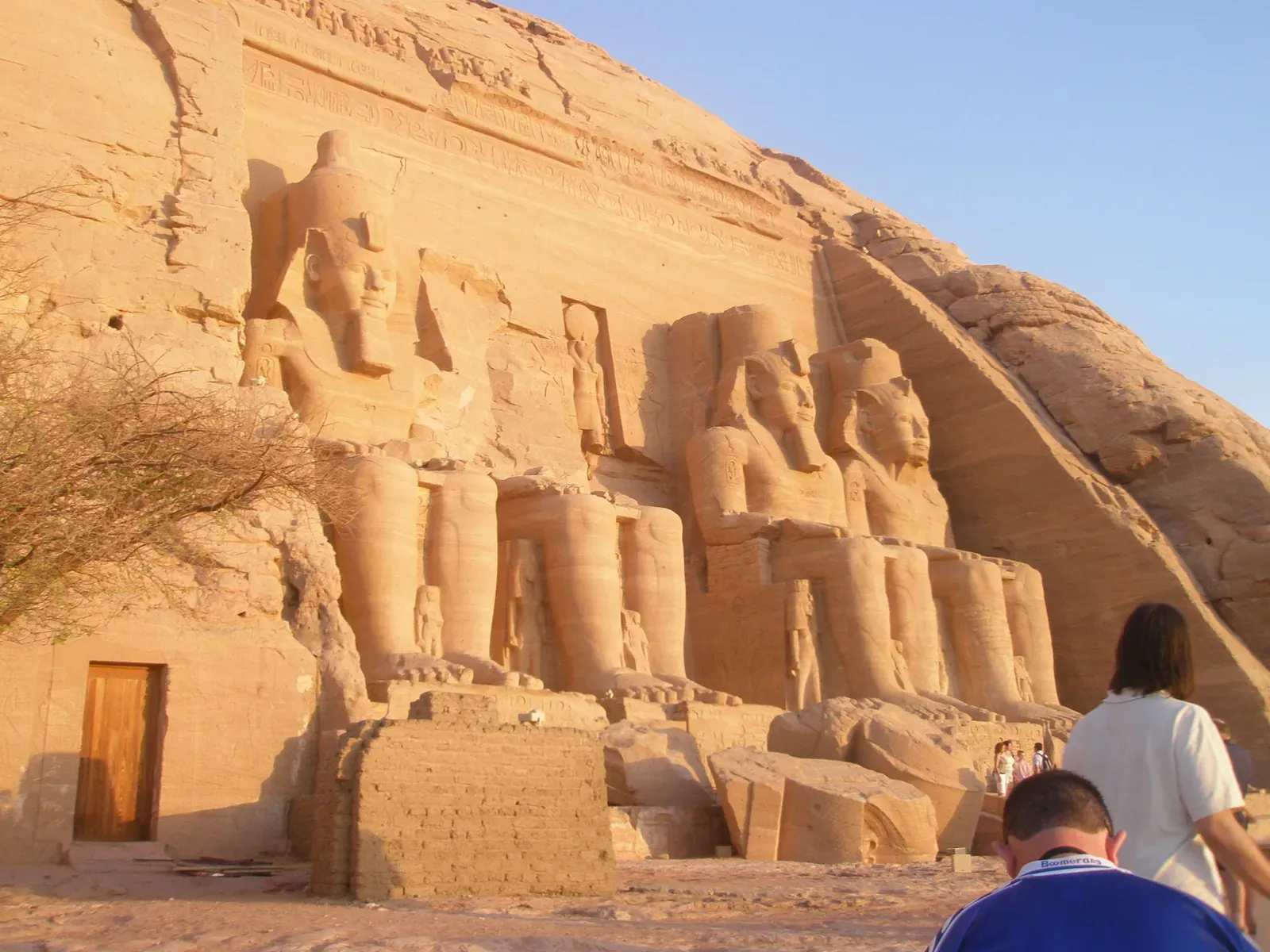
Deep in southern Egypt, the Great Temple of Abu Simbel was carved into a cliff for Pharaoh Ramesses II. At its innermost point sits a sanctuary with four statues. For most of the year, those figures sit in near‑permanent twilight. But on two special mornings, roughly around late February and late October, the rising Sun pierces the temple’s long axis and lights three of the statues, leaving only the figure associated with the underworld in the dark.
The dates are thought to be tied to key events in Ramesses’ life, possibly his coronation or birthday, though historians are careful not to overstate what can be proven. Regardless, it is a building with an internal light show scheduled for two days out of three hundred and sixty‑five, powered entirely by geometry and the Sun’s changing position along the horizon. It is as choreographed as any modern stage production.
The feat became even more impressive in the twentieth century. When the Aswan High Dam project threatened to flood the site, the entire temple was cut into blocks and moved to higher ground. Engineers had to reassemble it so that the original solar alignment still worked. Aligning a temple to a specific sunrise is hard enough once; reproducing that precision millennia later is a bizarre collaboration between living engineers and long‑dead architects.
- Two annual dates bring direct sunlight into the inner sanctuary.
- Three statues are lit; one remains in shadow by design.
- Modern relocation preserved the original solar targeting.
#5: Manhattanhenge and the Accidental Grid Alignment
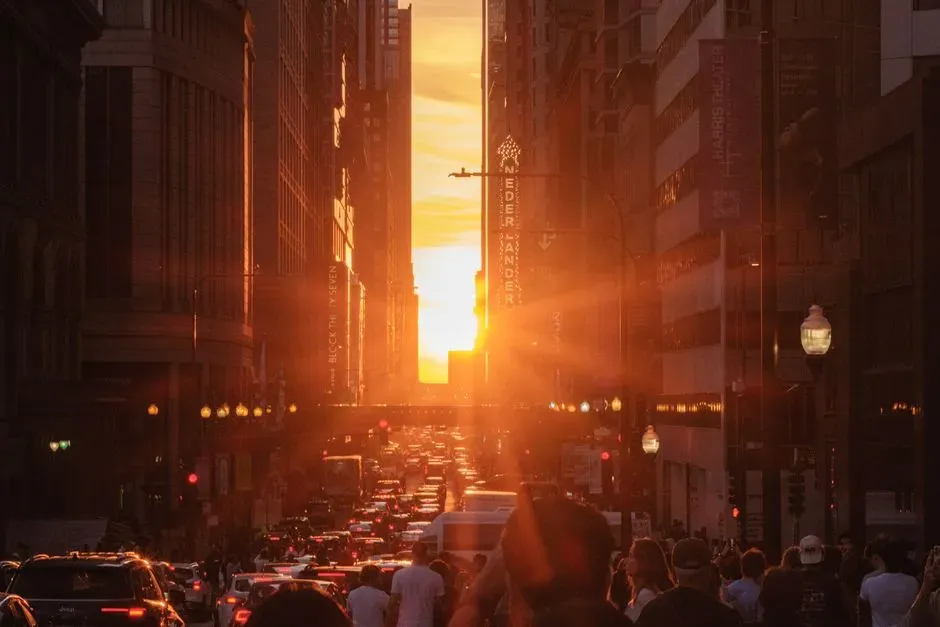
Not all one‑day‑of‑the‑year structures were designed on purpose. Manhattanhenge, the moment when the setting Sun aligns perfectly down Manhattan’s east‑west streets, is essentially a cosmic coincidence. The island’s street grid is rotated slightly off true east‑west, and on a couple of specific days near the summer solstice, that rotation lines up with the Sun’s path so that the whole city seems to frame a giant glowing disk at street level.
People crowd into intersections, stand on taxi bumpers, and risk a scolding from cops just to get a perfect view. The buildings form the “structure” here: glass and steel canyons turned into a makeshift observatory. It’s a reminder that even when we are not trying to align with the cosmos, our habits of right angles and repeating grids inevitably intersect with the sky’s own choreography.
Unlike ancient stone circles, nobody carved Manhattan specifically to track solstices. But the effect is similar: a fleeting, calendar‑linked spectacle where the city feels like it is suddenly in tune with the solar system. Personally, I like that one of the most talked‑about “astronomical” events in a modern metropolis is unintentional. It shows how easily human order and celestial order can accidentally resonate.
#6: The Analemma Tower Concepts and a Hypothetical One‑Day Focus
Every few years, visionary architects float concept designs for towers based on the analemma, the figure‑eight pattern the Sun traces on the sky at the same time of day over a year. Many of these speculative projects imagine openings, sky gardens, or viewing platforms keyed to exact dates: a balcony that the Sun touches only on New Year’s Day, or a chapel that floods with light on a national holiday.
These designs are more thought experiment than construction site reality, but they illustrate a growing fascination: using modern software and parametric design to do deliberately what ancient builders did by trial and error. By modeling the Sun’s azimuth and altitude for any location and date, architects can now “paint” dates into three dimensions, deciding exactly where sunlight will fall on, say, October 1 at 9 a.m. fifty years from now.
I am including these conceptual analemma‑based structures because they hint at a near future in which one‑day‑specific architecture becomes easier and more common. Imagine apartment lobbies that celebrate the day the building opened with an annual sunrise alignment, or stadiums where a certain seat lights up only on the club’s founding date. If ancient people could pull off Newgrange with stone tools, it feels almost irresponsible for us not to push these ideas further with the tools we have now.
- Analemma patterns capture the Sun’s yearly wobble in the sky.
- Designers can tie building features to exact dates and times.
- Most such projects are unbuilt, but they map out a plausible future.
#7: The U.S. Marine Corps War Memorial and the Iwo Jima Anniversary

In Arlington, Virginia, the U.S. Marine Corps War Memorial shows the famous flag‑raising scene from the Battle of Iwo Jima. Most visitors see it as a static bronze sculpture, but the entire memorial is oriented so that on the anniversary of the actual flag raising in late February, the Sun sets in a way that aligns with the pole and composition. It becomes less a frozen photograph and more a timed performance in light.
Compared to ancient solar temples tuned to solstices, this is a very modern use of celestial alignment: tying a piece of twentieth‑century war history to the yearly rhythm of the Sun. The date matters in a way that is emotionally specific, not seasonally generic. It is about one moment in 1945, revisited every year when the sky echoes the gesture in bronze.
Opinions differ on how consciously this effect was planned versus how much is a happy reinforcement of the design, but I do not think that ambiguity lessens its impact. Standing there on that date, watching sunlight catch the flag, you understand what all these one‑day structures are really doing: using astronomy to insist that some days are not allowed to dissolve into the blur of the calendar.
#8: The Oklahoma City National Memorial and April 19
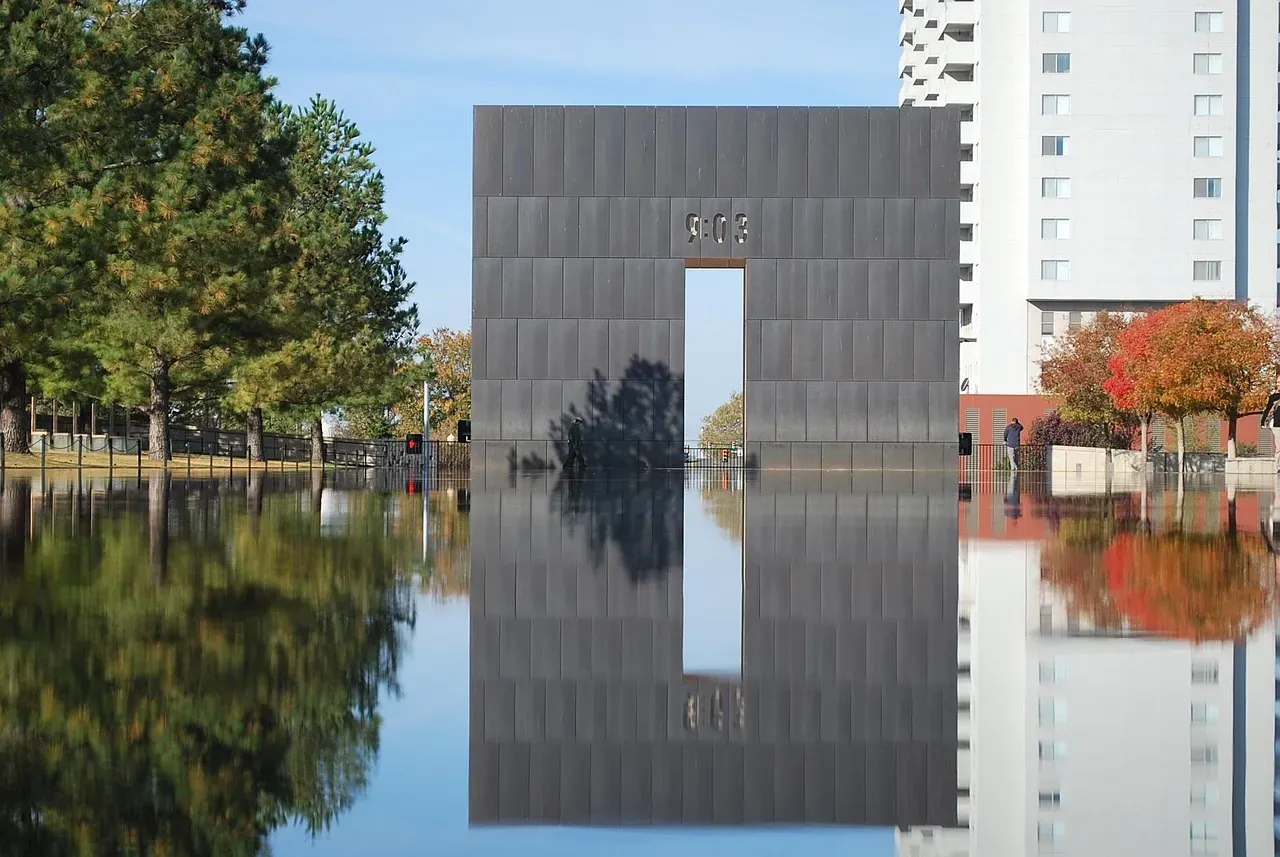
The Oklahoma City National Memorial marks the site of the 1995 bombing of the Alfred P. Murrah Federal Building. Two monumental bronze‑clad “Gates of Time” stand at either end of a long reflecting pool, bearing the times 9:01 and 9:03. They frame the moment of 9:02 a.m., when the explosion happened on April 19. Each year on that date, ceremonies and light installations use the architecture as a precise stage for remembrance.
The structure is not astronomically aligned in the ancient sense, but it is absolutely engineered around a single day and single minute. The empty chairs representing victims are placed where people were located in the building, and the whole site becomes a diagram of one morning laid permanently over the landscape. You can visit any , but April 19 hits differently; the design concentrates emotion on that date.
In a way, this is a new form of “calendar architecture.” Instead of using the Sun’s position to mark agricultural seasons, it uses spatial layout and inscriptions to lock in a civic trauma. Some might find that too heavy, but I think it is brutally honest: we build around the days that change us, whether that change came from harvest, myth, or loss.
- The memorial’s core symbolism centers on 9:02 a.m., April 19, 1995.
- Physical elements map where victims were, freezing that moment in space.
- Annual ceremonies on that date activate the site’s full meaning.
#9: The Memorial to the Murdered Jews of Europe and Holocaust Remembrance Days
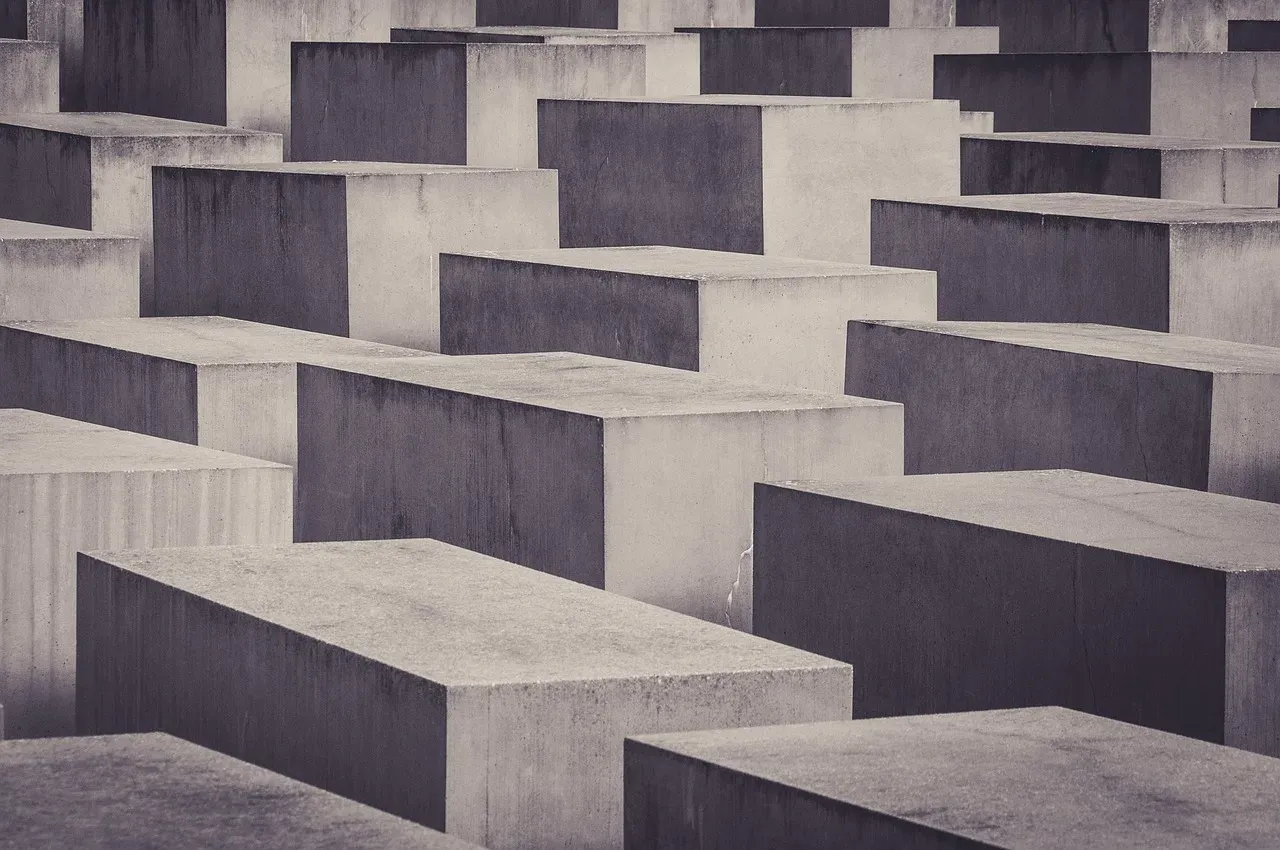
Berlin’s Memorial to the Murdered Jews of Europe is not tied to a single astronomical event, but its use and lighting on specific remembrance days give it a powerful one‑day‑of‑the‑year quality. On International Holocaust Remembrance Day in January and on national days of mourning, the grid of concrete stelae becomes the focus of rituals, speeches, and symbolic illuminations that are tightly tethered to those dates.
The field of stelae, rising and falling over uneven ground, is deliberately abstract. It lets each visitor read their own meaning into the space: a frozen wave, a cemetery without names, a city of silence. But when you walk through it on a remembrance day, surrounded by people and sound, the structure feels almost like a resonant instrument, designed to be struck once a year by collective attention.
Some critics argue that tying remembrance so strongly to dates risks compartmentalizing grief. I lean the other way: humans need anchors. Memorials like this one give calendar days a physical counterpart, a place where the abstract weight of history collides with your body moving between cold slabs. That pairing of date and place is exactly what many of these structures are about.
#10: The Pantheon and the April 21 “Birth of Rome” Illumination
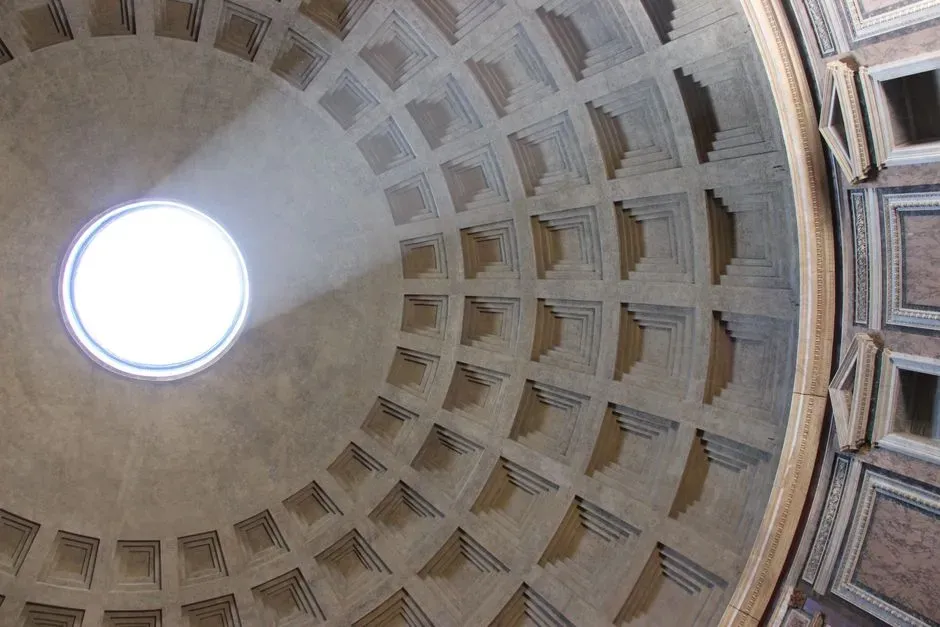
In Rome, the Pantheon’s famous oculus in its domed roof lets in a moving circle of sunlight that tracks across the interior like a spotlight. While it performs this dance daily, there is one day when its choreography is especially meaningful: April 21, traditionally celebrated as the founding date of Rome. Around midday on that date, the sunlight falls directly on the entrance, theatrically illuminating the doorway and, historically, anyone entering – quite possibly the emperor himself.
For most of the year, the oculus beam highlights different parts of the coffered dome or floor, turning the building into a sort of analog sundial. On April 21, though, the geometry, the urban myth, and the politics line up. The city’s cosmic birthday gets its own celestial cue, the Sun itself appearing to welcome Rome into being anew each year.
The scientist in me admires the sheer control over light in such a massive masonry structure. The human in me loves the ego of it: a city so convinced of its importance that it choreographs the Sun to bow at its anniversary. That mix of technical skill and swagger shows up again and again in one‑day‑focused architecture, from pharaohs to modern nation‑states.
- The Pantheon’s oculus creates a moving solar spotlight inside the dome.
- On April 21, that light dramatically frames the main entrance.
- The effect reinforces Rome’s civic myth about its own birth date.
#11: The Ein Gedi Synagogue Mosaic and the Day of the Zodiac
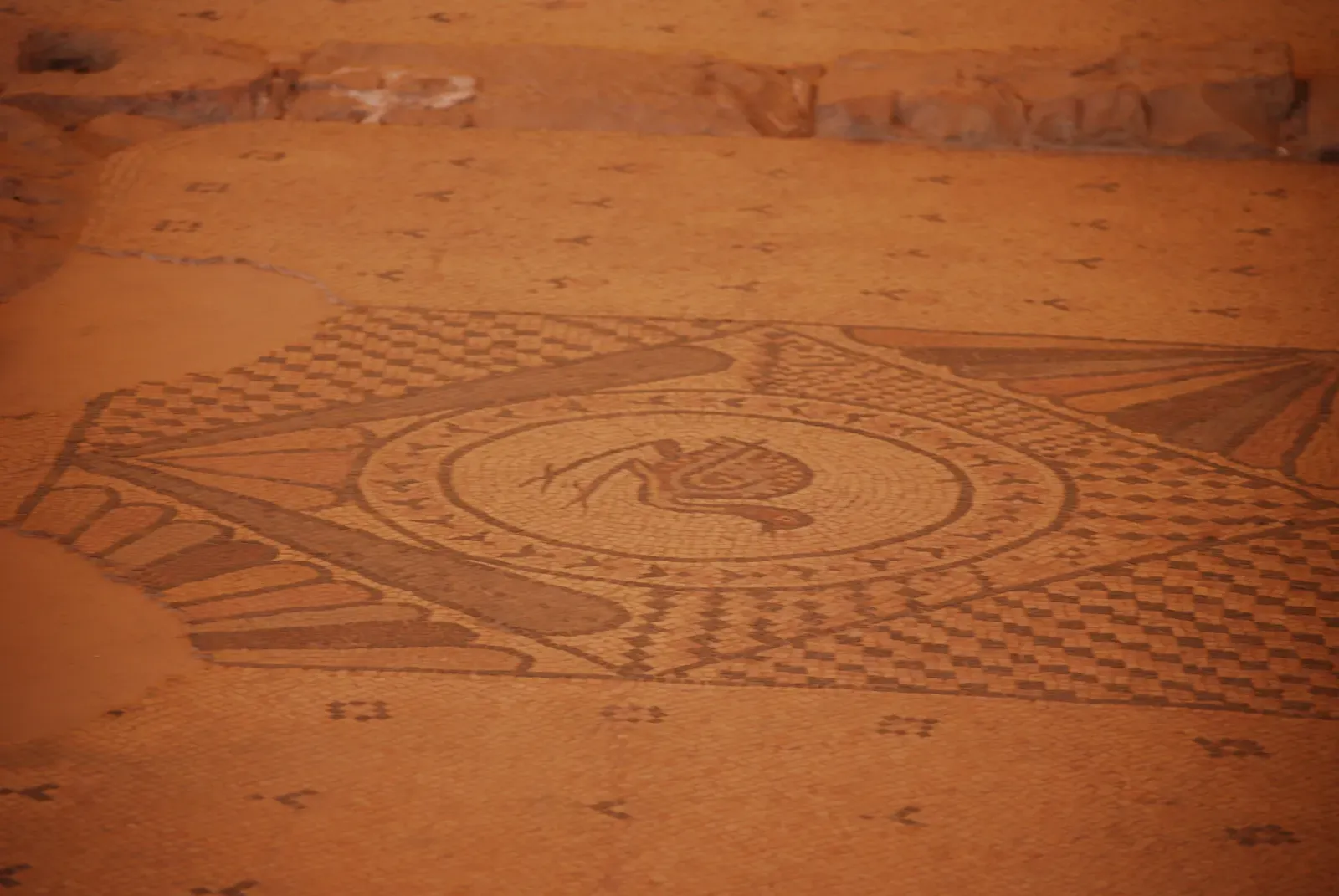
In an ancient synagogue at Ein Gedi near the Dead Sea, a mosaic floor includes a curious inscription warning against revealing the “secret of the town” and referencing specific calendar matters. While the details are still debated, the design and inscriptions appear to tie religious observance to particular days connected to the zodiac and the agricultural cycle, with architectural orientation reinforcing those timings.
This is a softer, more coded version of one‑day architecture. Instead of a blinding sunbeam or a perfect alignment with a distant stone, you get a floor that quietly encodes which days are spiritually dangerous, significant, or forbidden. The building becomes a kind of permanent wall calendar under your feet, reminding worshippers that time itself has structure within the year.
I like including examples like this because they show that not every one‑day‑oriented structure is photogenic in an Instagram sense. Some are about rules and taboos, about embedding collective memory of auspicious or ominous dates into the bones of a space so that no one forgets – even if they cannot read the sky directly.
#12: The Giza Pyramids and the “Perfect Date” Alignment Theories
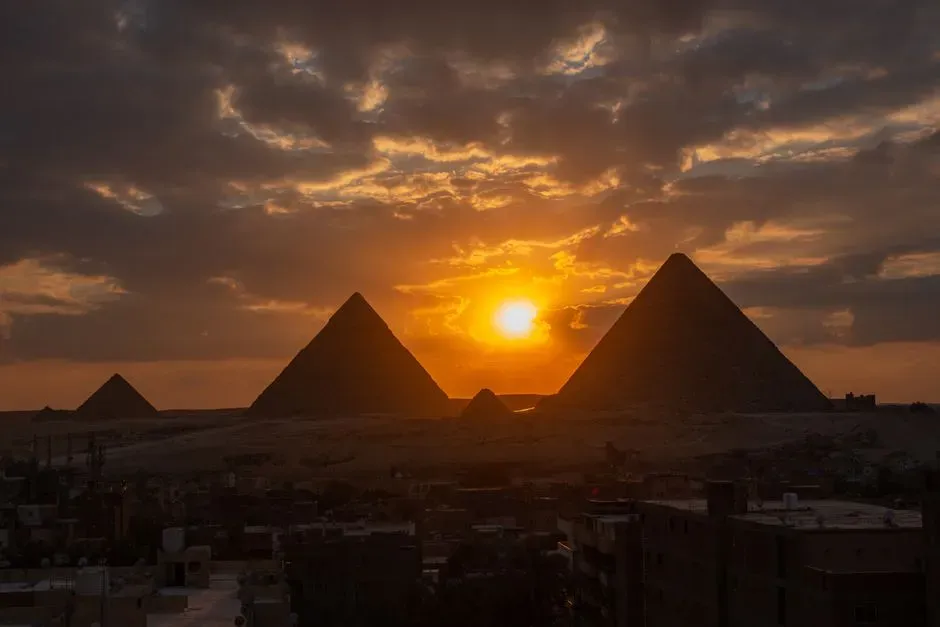
The pyramids of Giza have attracted all kinds of speculative claims about special dates, from winter solstice shadow alignments to theories about them pointing at specific star configurations on a particular day in ancient history. The reality is more cautious: we know the pyramids reference cardinal directions and some stellar targets, but tying them to a single annual date is much harder to prove.
Still, there is one defensible calendar‑based point: around the equinoxes, the setting Sun lines up closely with the edges of the Great Pyramid when viewed from certain angles, creating striking visual effects where the monument seems half in day, half in night. Whether that was meticulously planned for a specific date or is a side effect of cardinal orientation is an open question, and serious Egyptologists are careful not to stretch the evidence.
Why include such a contested case in this list? Because it illustrates a crucial point: humans are so drawn to one‑day alignments that we sometimes see them even when they might not be there. A healthy skepticism is part of respecting these structures. When the data is strong, as at Newgrange or Abu Simbel, we can celebrate obvious intent. When it is thin, we should enjoy the beauty of the effect without pretending to have time‑traveled into the builders’ heads.
- Giza’s pyramids are firmly aligned to cardinal directions.
- Equinox sunsets can create dramatic light‑shadow zones on their faces.
- Specific one‑day intentions remain debated rather than settled fact.
#13: Modern Solar Temples: Solstice Houses and Light Chapels
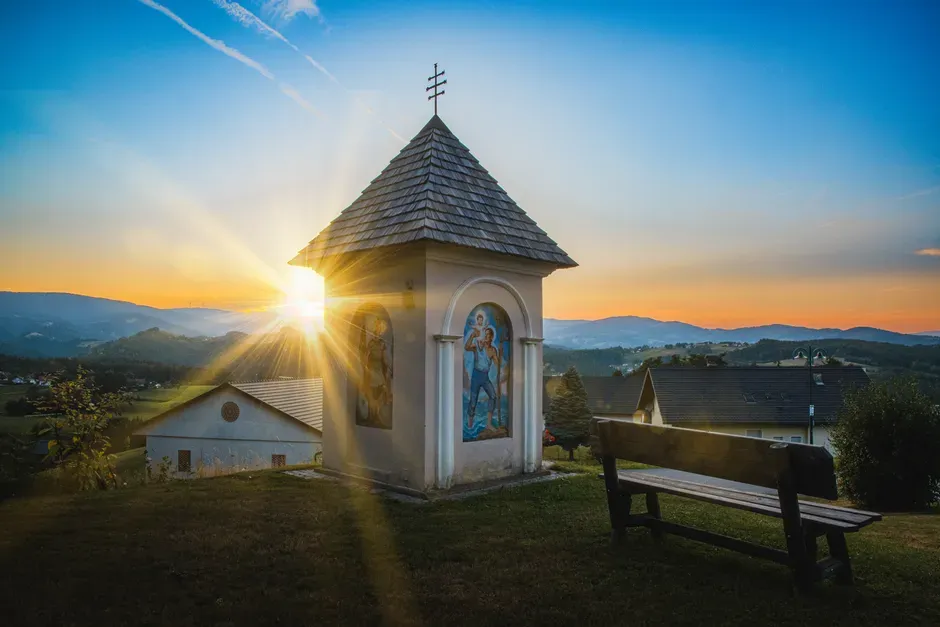
Contemporary architects, especially in northern Europe and North America, have been quietly designing private homes and chapels with one‑day‑only lighting effects. A house might have a narrow slit window that sends a blade of light across the dining table on the owner’s wedding anniversary each year. A small chapel might be built so the rising Sun on the winter solstice turns a plain wall into a glowing cross for just a few minutes.
These projects do not always make the news, but they are everywhere once you start looking: small, personal acts of calendar magic. With modern solar modeling tools, designers can test and refine these alignments before a single brick is laid, making the process less mystical but more accessible. What used to require lifelong observation of the horizon now takes a few clicks and a good understanding of azimuth charts.
I am slightly obsessed with this trend because it feels like a reclaiming of something ancient. For a long time, we treated buildings as pure utility: boxes that keep out rain and hold in heat. One‑day touches turn them back into instruments that relate our lives to the wider cycles of the planet. You do not need to carve a pyramid to feel that connection; you can bake it into a suburban living room.
#14: September 11 Memorials and the Annual Light in the Sky
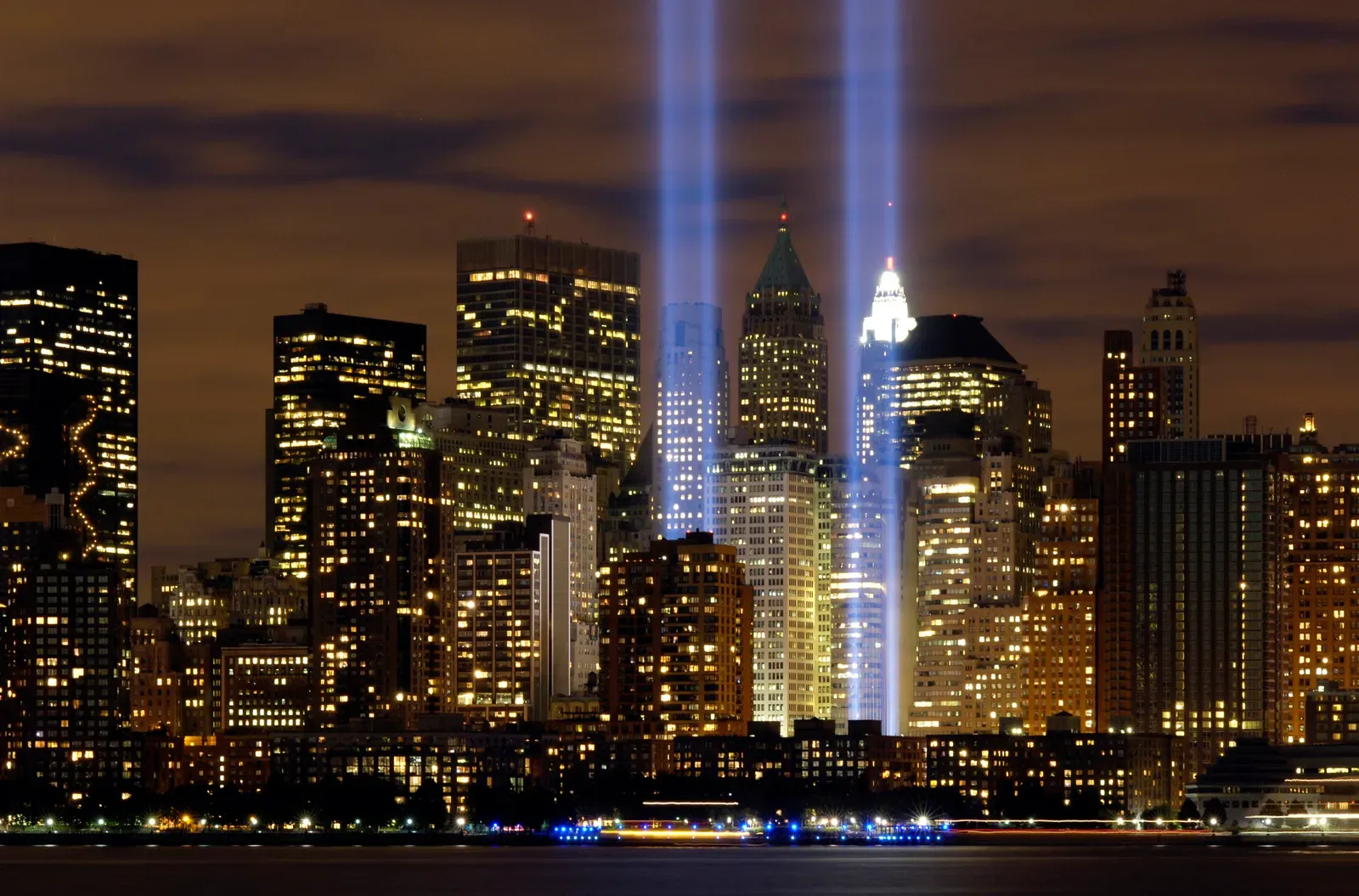
In New York, the primary 9/11 Memorial at Ground Zero combines fountains, engraved names, and a museum to anchor the memory of that day. But every year on the evening of September 11, an additional structure appears: the Tribute in Light, two vertical columns of light beamed into the sky from near the site. They are temporary, but they turn Manhattan’s skyline into an enormous, date‑locked monument that exists only one night each year.
Other 9/11 memorials across the United States echo this approach, using shafts of light, bells, or architectural features that activate specifically on that date. The message is blunt: this day stands apart. The structures around it – plazas, walls, voids – are designed to support an annual ritual, not just a continuous presence. Compared to ancient solar temples, the timekeeping here is executed with projectors and electric grids, but the emotional logic is identical.
I find these memorials among the most honest descendants of places like Newgrange and Stonehenge. They admit that most days we do not want to live inside our trauma. So they sit quietly, then once a year burst into light or sound, forcing us to look up, count the years, and wrestle again with what happened. That rhythm of forgetting and remembering is as human as tracking solstices for planting.
Conclusion: Why We Keep Building Around One Day
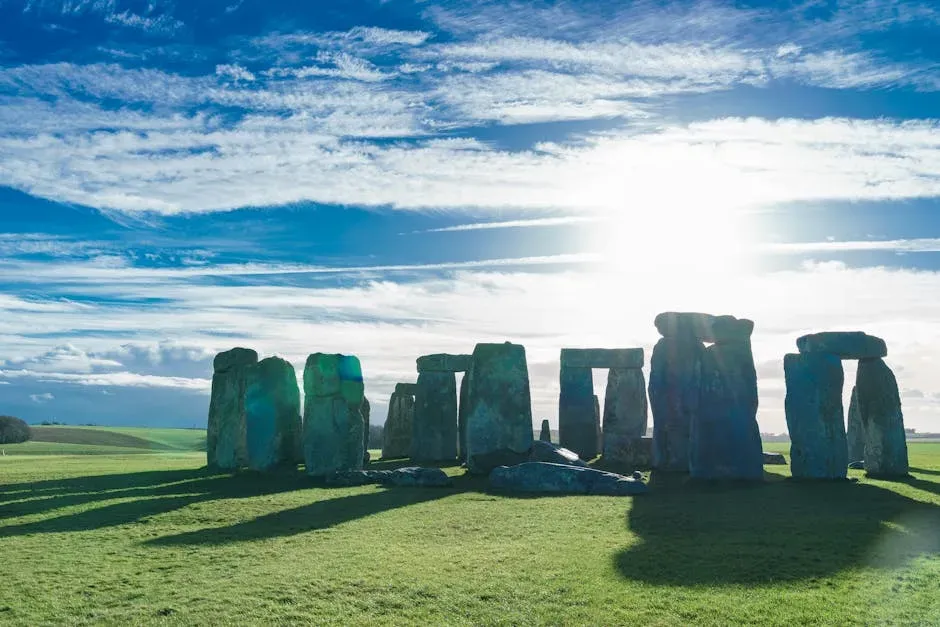
Looking across these fourteen examples, it is tempting to focus only on the technical cleverness: perfect alignments with solstice Sun angles, beams of light threading tiny openings to hit distant walls, annual spotlights on specific statues. The physics is genuinely impressive. But if all we see is engineering, we have missed the point. What unites Chichén Itzá, Newgrange, Abu Simbel, the Pantheon, Manhattanhenge, and modern memorials is not geometry – it is obsession with meaning.
Every one of these structures is, at heart, a refusal to let certain days dissolve into the background noise of the calendar. Whether the date is tied to harvests, founding myths, battles, genocides, or terrorist attacks, the architecture is making a slightly defiant claim: this happened, it matters, and the universe itself will be bent, just a little, to help us remember. Sometimes the builders use the Sun as an ally, sometimes they use light bulbs and lasers, sometimes only inscriptions and spatial layouts. The method changes; the drive does not.
If anything, I think we are not ambitious enough with this kind of design today. We settle for commemorative plaques when we could be aligning schools to equinox dawns or letting hospital lobbies blaze with annual beams of hope on the day they first opened. Ancient people with rough stone tools shaped entire hillsides to mark a single sunrise. With all our software and steel, we mostly build boxes and call it a day.
Maybe that is the real lesson from these one‑day structures: time is not just something that happens to us. It is something we can carve into our cities, aim through our windows, and choreograph with the sky. So the next time you walk past a memorial, a strange shaft of light, or even a particularly dramatic sunset between tall buildings, it is worth asking: is the date doing something here that I have not noticed yet?