Walk into any major museum and you’ll see the same quiet assumption on almost every visitor’s face: someone, at some point, checked. The skeleton is definitely what the label says it is. The painting is definitely by the artist whose name sits on the little brass plaque. That assumption feels obvious.
It is also, shockingly often, wrong. Objects can sit in drawers, storage vaults, and even prime display cases for 100, 150, sometimes nearly 400 years under the wrong name, the wrong artist, or the wrong species entirely. Nobody hid them. Nobody lied. In case after case, the truth was sitting in plain sight the whole time, and the reasons it stayed buried are stranger, and far more human, than most people expect.
#1 – The Object Was Labeled Before Its True Category Even Existed
Sometimes an object isn’t misidentified because someone made a mistake. It’s misidentified because the correct answer literally didn’t exist yet as a scientific concept.
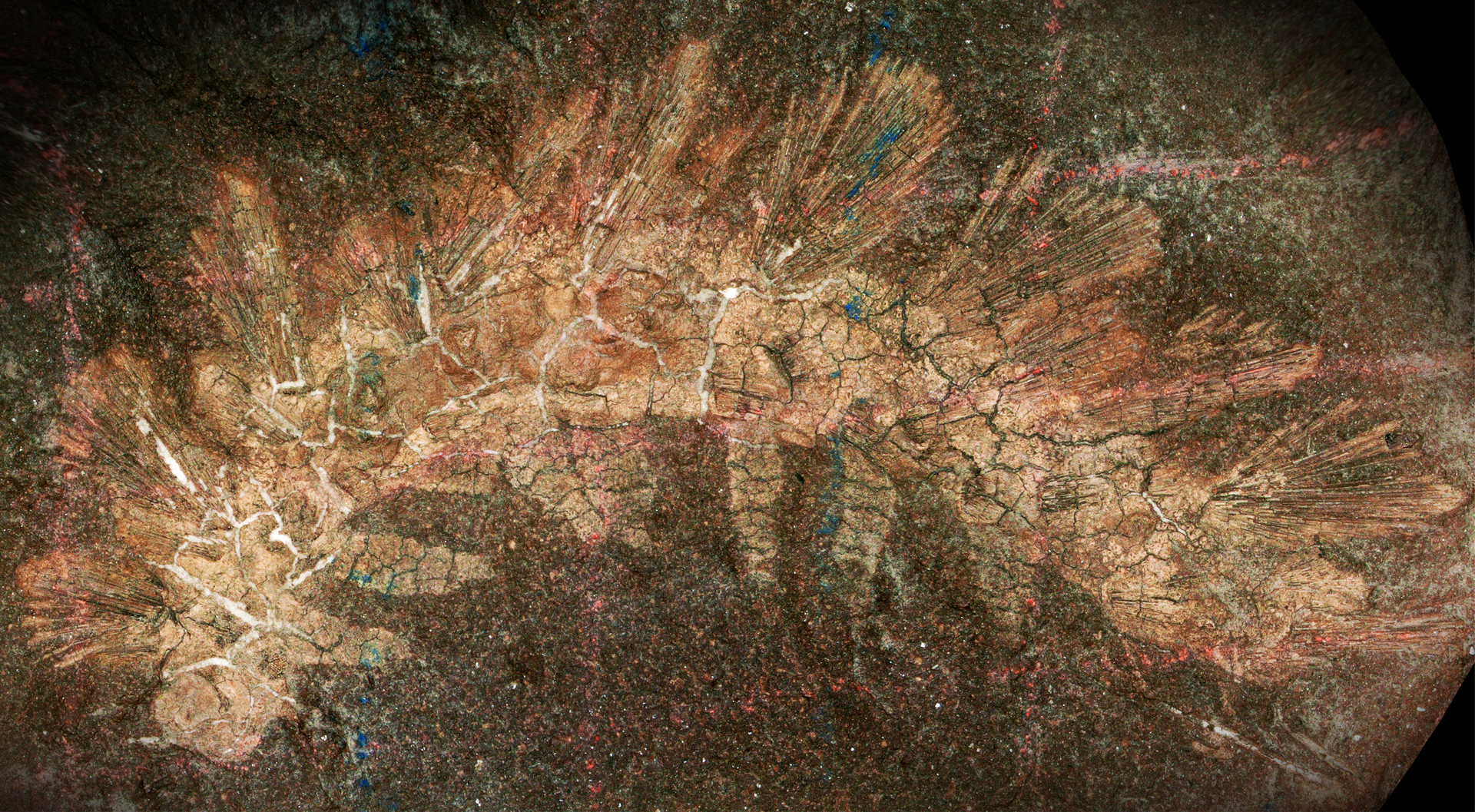
Take the fossil now known as Palaeocampa anthrax. It sat misidentified since its discovery during the Civil War, until researchers realized it actually marks the first time this entire line of sea creatures is known to have crawled out of the ocean. As the scientist who finally cracked the case put it plainly: “When the specimen was first discovered, lobopods didn’t even exist as a group.”
“This is the first evidence that we have that this group actually did leave the ocean.”
Richard Knecht, paleontologist, University of Michigan
That’s the trap. A 19th-century naturalist can only sort a specimen into categories that already exist in the textbooks of their era. If the correct category is a scientific concept that won’t be formalized for another hundred years, the object gets filed under the closest available guess, and that guess sticks.
The object wasn’t wrong. The entire field of knowledge around it was incomplete. That’s a strange kind of comfort, and also a warning: somewhere in a drawer right now, something is waiting on a word that hasn’t been invented yet.
#2 – The Original Paperwork Was Vague, Lost, or Just Plain Wrong
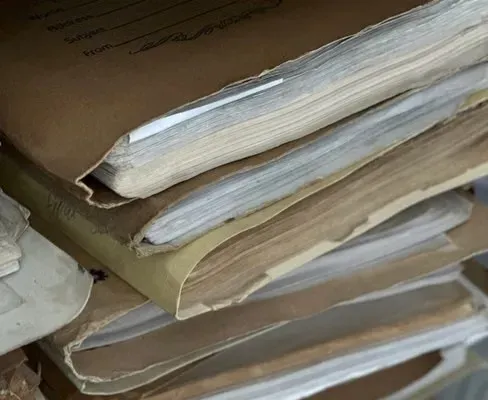
Every object in a collection is only as reliable as the label glued to its base or the line written in a ledger decades ago. Turns out, those early records were shockingly casual.
Early collectors often wrote descriptions in shorthand, in a foreign language, or in handwriting later staff simply couldn’t decipher. Attribution disputes have plagued famous names for centuries. One analysis of a Dutch master’s catalog noted that some of his works were in poor condition, had been “improved” with overpainting, or were deliberately misattributed to other, more fashionable artists.
Multiply that kind of ambiguity across thousands of items acquired over 150 years, and errors don’t cancel out. They compound.
Most people assume old paperwork is more trustworthy than modern records. It’s actually the opposite. Early acquisition logs frequently listed only a vague provenance, a nickname, or a donor’s personal guess. Once that guess got typed onto an index card in 1920, it became the “official” record every future researcher inherited without question.
#3 – There Are Simply Too Many Objects and Too Few Experts
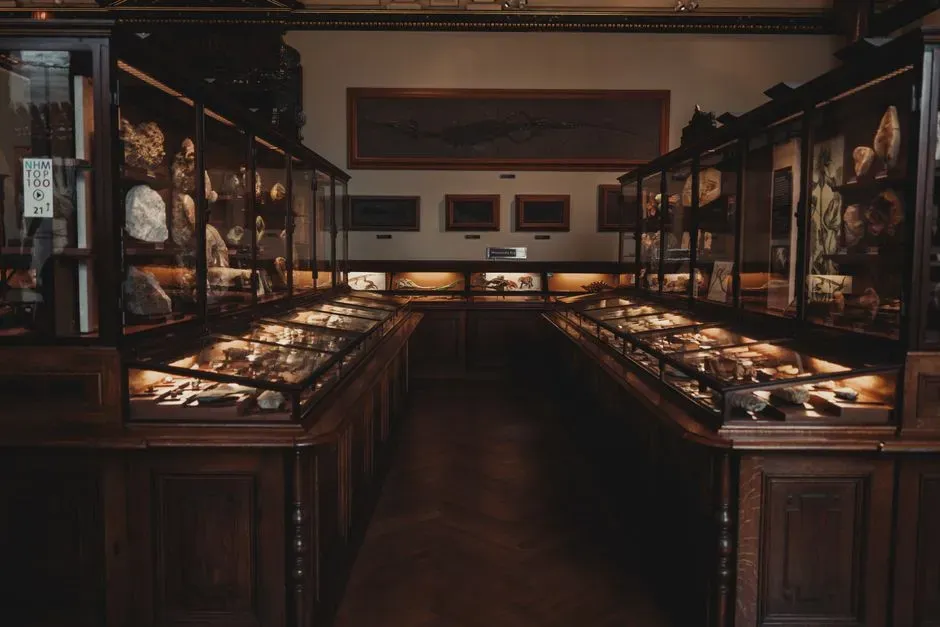
Here’s a number that surprises most people: major natural history museums hold tens of millions of specimens, but only a tiny fraction have ever been examined by a specialist qualified to confirm their identity.
A single overworked curator might be responsible for hundreds of thousands of insects, fossils, or textiles. Realistically, they can only deeply study the handful flagged for a specific research project. Everything else sits exactly where it was placed decades ago, technically “cataloged” but never actually verified.
This is why re-examinations tend to happen in waves, triggered by outside researchers rather than in-house staff. The Palaeocampa breakthrough only came after a team reexamined century-old specimens from museums including the MCZ, Yale Peabody Museum, the Smithsonian National Museum of Natural History, France’s Muséum d’histoire naturelle d’Autun, the Chicago Field Museum, and others.
Fast Facts
- Major natural history museums hold tens of millions of specimens, and only a sliver have ever been checked by a qualified specialist.
- A single Palaeocampa reexamination required pulling records from six major institutions across two continents.
- Contributing collections included the MCZ, Yale Peabody Museum, and the Smithsonian’s National Museum of Natural History.
- France’s Muséum d’histoire naturelle d’Autun and the Chicago Field Museum also supplied specimens for comparison.
It took a coordinated, multi-institution project just to properly look at one specimen that had been sitting in plain sight the entire time. That’s not a failure of any single museum. That’s just math: too many objects, too few pairs of trained eyes.
#4 – Look-Alikes Fool Even the Most Trained Eyes

Sometimes the problem isn’t sloppiness at all. It’s that two completely different things simply look identical to the naked eye.
A newly recognized moth species stayed hidden for generations because it was a near-perfect visual twin of a much more common relative. Researchers noted that for over a century it was mistaken for oak carcina, a moth first described in 1775. The two share the same vivid pink and yellow tones, close enough that even trained entomologists walked right past it.
The same visual-twin problem plagues fossils, minerals, and artworks. Two artists working in the same studio tradition, using the same pigments and the same biblical subject matter, can produce paintings that only reveal their differences under X-ray analysis.
A creature or object doesn’t need to be rare to stay hidden. It just needs a convincing double. The moth is proof: its resemblance to a common cousin kept it hidden in collections and in the wild for decades.
#5 – Storage Rooms Are Where Objects Go to Be Forgotten
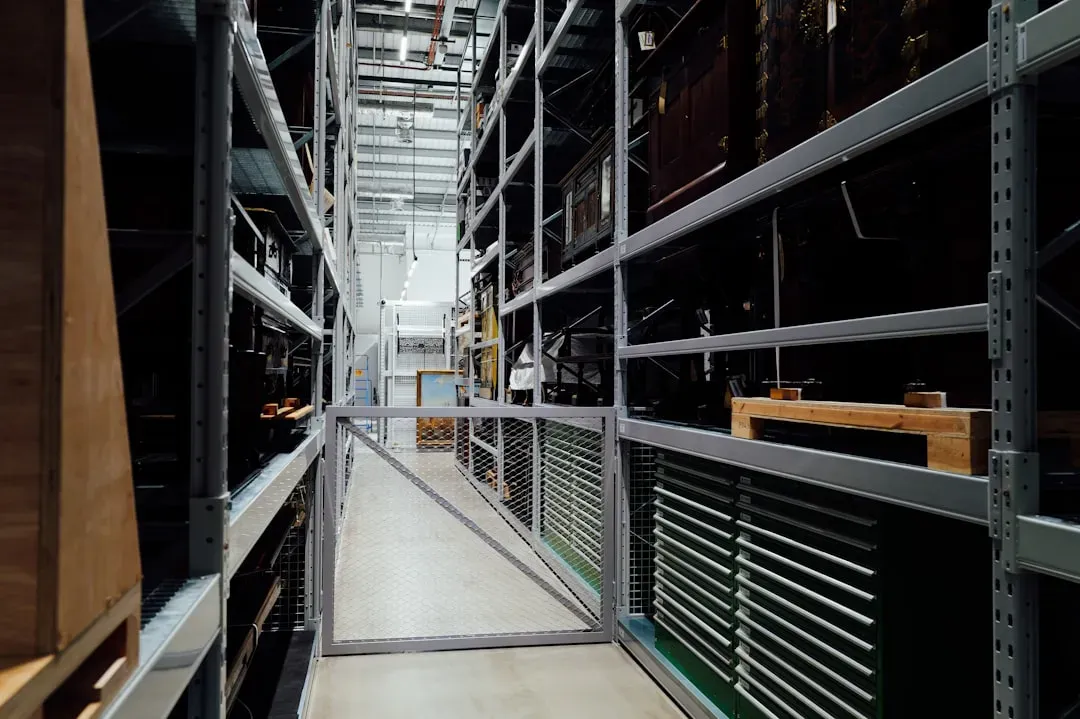
Display cases get dusted, photographed, and walked past by thousands of visitors a year. Storage rooms get none of that attention, and that’s exactly where most misidentifications survive undisturbed.
Coelacanth fossils recently reexamined in British collections illustrate this perfectly. Many had been housed in museums since the Victorian era, some displayed under the wrong name, others left in storage with vague labels no one had reason to question.
Nobody was lying about what the fossils were. Nobody was looking at all. Researchers involved described something almost eerie about it: generations of visitors and scientists had simply passed by, never realizing what was actually in front of them.
A storage shelf isn’t neutral ground. It’s an active mechanism for burying mistakes. The objects most likely to be shelved and forgotten are the ones already marked “identified,” even when that identification was never actually verified.
#6 – Once an Expert Signs Off, Nobody Wants to Argue

This is the uncomfortable one: authority bias. Once a respected name attaches their reputation to an identification, junior researchers become extremely reluctant to challenge it, even when something feels off.
The story of “Vision of Zacharias in the Temple” is the textbook example. The painting was last studied in 1960, when scholars ruled out the possibility that it could be the work of Rembrandt. That verdict stuck for over sixty years, not because it was airtight, but because reversing a formal expert conclusion requires enormous evidence and even more nerve.
It eventually took an entirely new generation of scientists, armed with a far wider range of advanced analysis tools, to overturn the old ruling.
The original 1960 experts weren’t stupid. They simply lacked tools that wouldn’t exist for another sixty years, and nobody wanted to be the one who publicly doubted them in the meantime.
#7 – Restoration and Overpainting Can Literally Bury the Truth
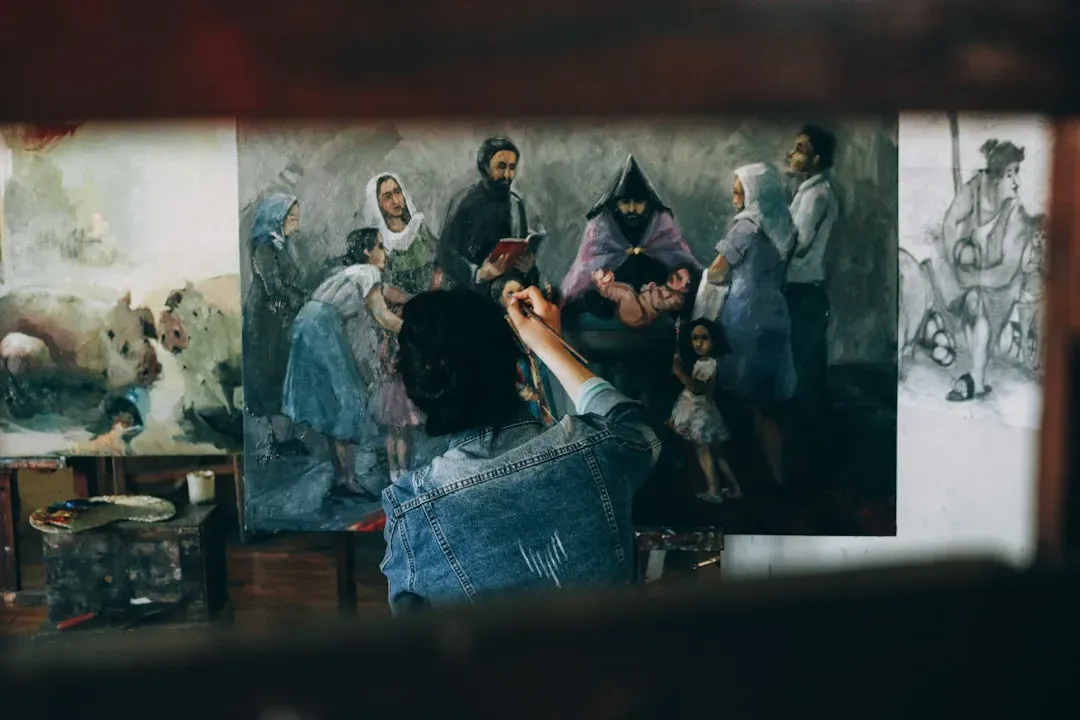
Sometimes a misidentification isn’t a paperwork error or a scientific gap. It’s physically painted over. Later owners, art dealers, and sometimes even the original artists altered works to make them more marketable, hiding the true creator underneath layers of paint.
Art historians studying one of the Netherlands’ most famous painters documented a striking case: a rooftop detail in a well-known domestic scene had been deliberately overpainted, possibly to make the piece look more fashionable for sale. If a detail that visible could be concealed, imagine how easily an entire signature or stylistic fingerprint could disappear for the right price.
This wasn’t rare, either. The same research noted that misattribution driven by fashion and market taste continued for centuries and, in some cases, has survived right up to today.
The object in the collection isn’t lying to you on purpose. But somebody, centuries ago, may have wanted it to. Only modern imaging can peel back those layers and reveal what’s actually underneath.
#8 – Old Technology Simply Couldn’t See What We Can See Today

For most of collecting history, “examining” an object meant looking at it with your eyes, maybe under a magnifying glass. That’s it. Compare that to today’s toolkit: macro X-ray fluorescence scanning, DNA barcoding, CT imaging, and pigment analysis precise enough to date a painting layer by layer.
Quick Compare
- Then: Visual inspection, a magnifying glass, and a handwritten note in a ledger.
- Now: Macro-XRF scanning, DNA barcoding, CT imaging, and layer-by-layer pigment dating.
- Then: One expert’s opinion, rarely revisited once it was written down.
- Now: Cross-referenced scans compared directly against confirmed works from multiple institutions.
The Rembrandt reattribution case shows exactly how much this matters. Researchers used macro-XRF scans revealing compositional changes beneath the surface, the kind of evidence the human eye alone could never settle. Curator Jonathan Bikker’s team relied on those scans, plus direct comparisons with other confirmed works by the artist, to finally close the case.
A misidentification from 1900 isn’t necessarily a failure of intelligence. It’s a failure of available instruments. Nobody in 1900 had fluorescence imaging or genetic sequencing. They made the best call possible with the tools of their era, and that call calcified into “official fact” for the next hundred years, quietly waiting for technology to catch up.
#9 – Staff Turnover Quietly Erases Institutional Memory

Every curator eventually retires, and with them goes a mental map of which objects in the collection were shaky calls versus solid ones. New staff inherit thousands of labels with zero context about which ones actually deserve a second look.
This isn’t a hypothetical risk. It’s a structural one. Collections built over 150 years have typically passed through five, six, or more generations of staff, each trusting the paperwork left behind by their predecessors rather than re-verifying it from scratch.
Researchers investigating a widely misidentified frog species pointed directly at this gap, noting that specimens preserved for decades, even centuries, can give scientists a way to revisit old classifications and resolve questions earlier researchers simply couldn’t answer.
The chain of trust gets longer with every retirement, and every extra link is a chance for an old error to become permanent. Once a specimen is marked “identified,” it effectively disappears from anyone’s priority list, sometimes for a hundred years.
#10 – The Original Reference Specimens Are Sometimes Gone Forever
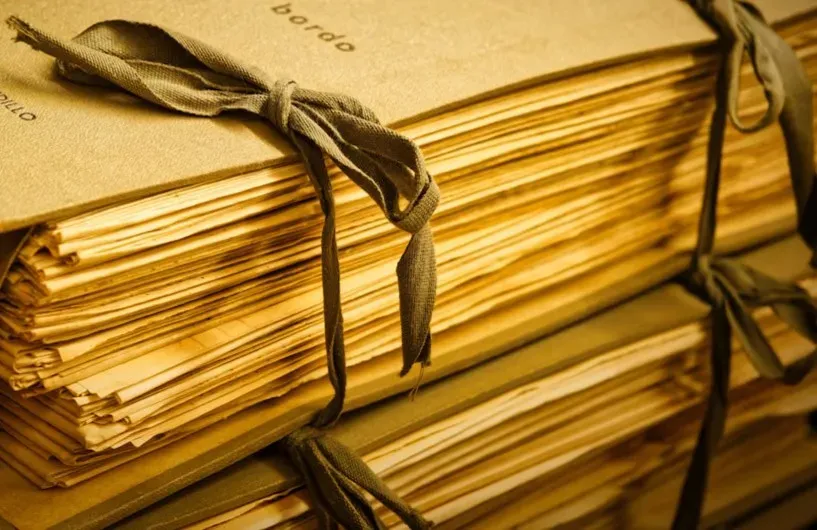
To correctly identify a species, taxonomists usually need to compare a mystery specimen against the “type specimen,” the original reference example the species was first described from. When that reference material is destroyed, lost, or misplaced, every future identification becomes a guessing game built on secondhand descriptions.
One long-running taxonomic tangle over a fly species shows exactly how catastrophic this can be. Researchers investigating the confusion discovered that the types of both species appear to be lost entirely, and that every insect collected in Carniola was destroyed in a fire at the collector’s house in 1787. Two centuries of confusion, traced directly back to a fire that happened before anyone alive today was born.
Without the original benchmark, scientists are stuck comparing shadows against half-remembered descriptions. That’s precisely why untangling this one 260-year-old mess required examining specimens from nine major European museums, one Turkish museum, one Bulgarian institute, and multiple private collections.
#11 – Digitization Backlogs Mean Nobody Rechecks Old Records
Modern museums are racing to digitize millions of paper records, but the backlog is staggering, and digitizing a record doesn’t automatically mean anyone re-verifies its accuracy. Most digitization projects simply transcribe the old, possibly-wrong label into a shiny new database.
This creates a strange illusion of accuracy. A misidentified object that gets photographed, uploaded, and given a searchable database entry looks more “official” than ever, even though nothing about the underlying identification has actually been checked.
Digitization can accidentally cement an error instead of catching it, because the goal of most digitization projects is speed and accessibility, not scientific re-verification.
Only when a specific researcher goes looking for something unusual, like the team that traveled to London specifically to re-examine the original specimens behind a newly recognized frog species, does a genuine correction happen. Digitizing a hundred-year-old error just makes it easier to find, and easier to keep believing.
#12 – Money and Reputation Quietly Discourage Second-Guessing

Most people assume museums are eager to uncover hidden masterpieces. Plenty of insiders would tell you the opposite: institutions can be slower to reopen settled cases than they should be, because reattribution is expensive, reputationally risky, and legally complicated.
Confirming a painting as a genuine work by a major master doesn’t just change a label. It can shift the object’s insurance value by tens of millions of dollars overnight, which is roughly what happened when analysis confirmed a Rembrandt work and lifted its worth from thousands of dollars to millions. That kind of financial swing invites lawsuits, ownership disputes, and scrutiny nobody asked for.
There’s also a quieter, more human reason. Admitting a decades-old identification was wrong can feel like publicly criticizing respected former colleagues, or even an entire institution. A painting rejected in the 1970s at one American museum sat in reputational limbo for decades: for over 50 years, “Portrait of a Young Woman” was attributed to Rembrandt’s studio rather than the master himself, simply because nobody wanted to be the one to reopen that fight.
#13 – Nobody Thought to Ask the Question in the First Place
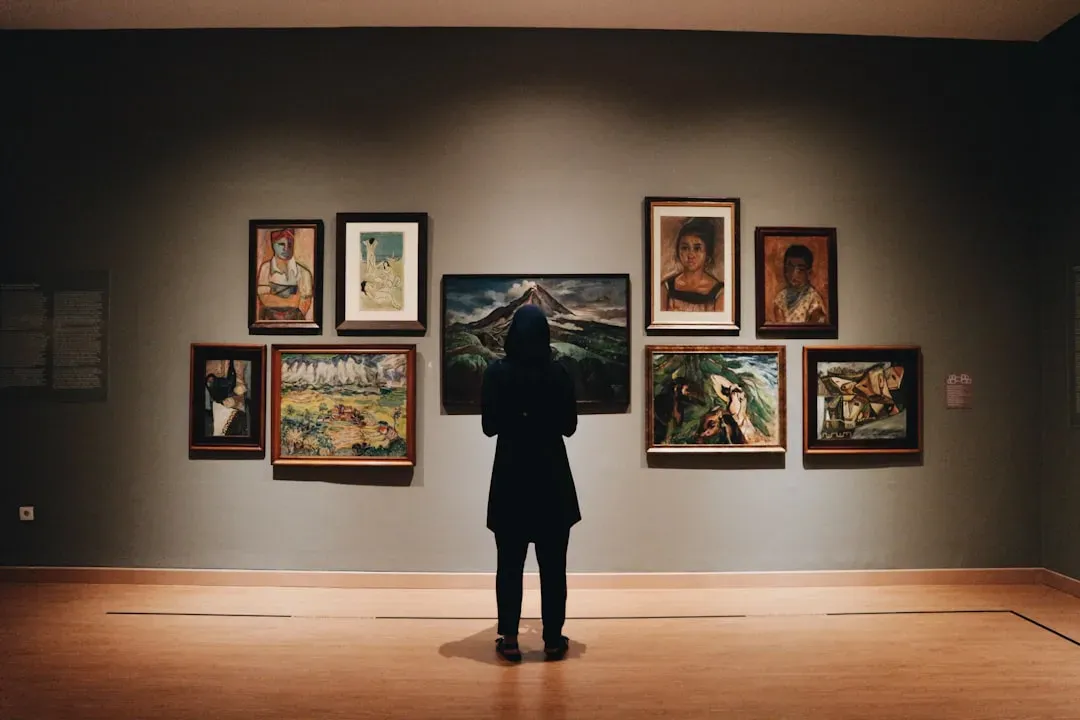
This is the simplest, and most unsettling, reason of all. Most misidentified objects don’t stay wrong because of some dramatic scientific gap or conspiracy. They stay wrong because nobody happened to walk by and ask, “Wait, is this actually right?”
A 17th-century still life gathered dust in storage for generations after its attribution was retracted, quietly parked and forgotten, until curators finally revisited it and confirmed it belonged to a different, overlooked painter entirely. Nobody removed it maliciously. It just sat there, waiting for someone with the right expertise to take a second look.
The pattern repeats everywhere you look: a Rubens portrait sat in a Scottish collection believed to be a mere copy for centuries, a South American frog carried the wrong scientific name despite being widespread across more than 67,000 square kilometers, and a single fossil was labeled as three different wrong organisms across 150 years.
At a Glance
- A Rubens portrait sat dismissed as a mere copy in a Scottish collection for centuries.
- A South American frog carried the wrong scientific name across a range of more than 67,000 square kilometers.
- One fossil was mislabeled as three different wrong organisms over a 150-year stretch.
- A 17th-century still life sat forgotten in storage after its original attribution was quietly retracted.
The common denominator isn’t incompetence. It’s the sheer volume of objects competing for a tiny number of specialist hours. Most errors aren’t caught because someone was brilliant. They’re caught because someone finally had a reason to look twice.
The Bottom Line
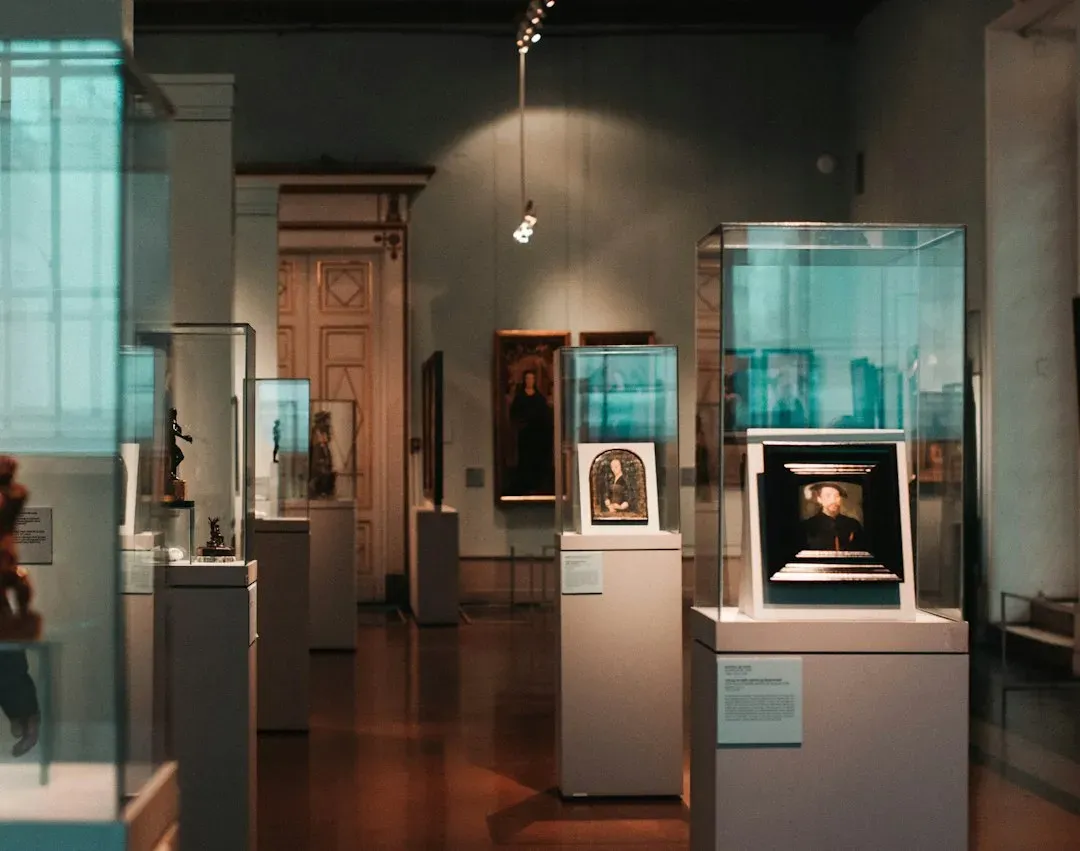
The truth is uncomfortable but weirdly liberating: collections are not infallible archives of settled facts. They’re snapshots of the best guesses available at the time each label was written.
Fossils get reclassified across three wrong categories over 150 years. Paintings get deauthenticated, boxed up, and rediscovered decades later worth millions more. Frogs and moths hide in plain sight simply because nobody had a reason to double-check a 19th-century specimen drawer.
None of this is a scandal. It’s just how knowledge actually advances: slowly, unevenly, and often by accident. The next “stunning new discovery” you read about probably isn’t new at all. It’s just finally being looked at correctly, by someone who happened to ask the right question at the right time.
So next time you’re standing in front of a glass case, take the label with a grain of salt. Somewhere in that same building, something is still waiting for its real name. What do you think it might be?