Most people assume ancient ruins simply “survive” or “vanish” based on luck, but archaeologists know it’s almost never random. Two settlements from the exact same century, built by the exact same culture, can end up in wildly different conditions – one a pristine time capsule, the other a scatter of dust and rust.
The difference usually comes down to a handful of brutal, predictable forces: chemistry, oxygen, water, human greed, and sheer accident. Here’s what excavation records, soil scientists, and site managers actually say about why some places freeze in time while others disappear almost completely – and the answer starts somewhere you’d never expect.
#1 – The Uncomfortable Truth: Most of History Is Already Gone
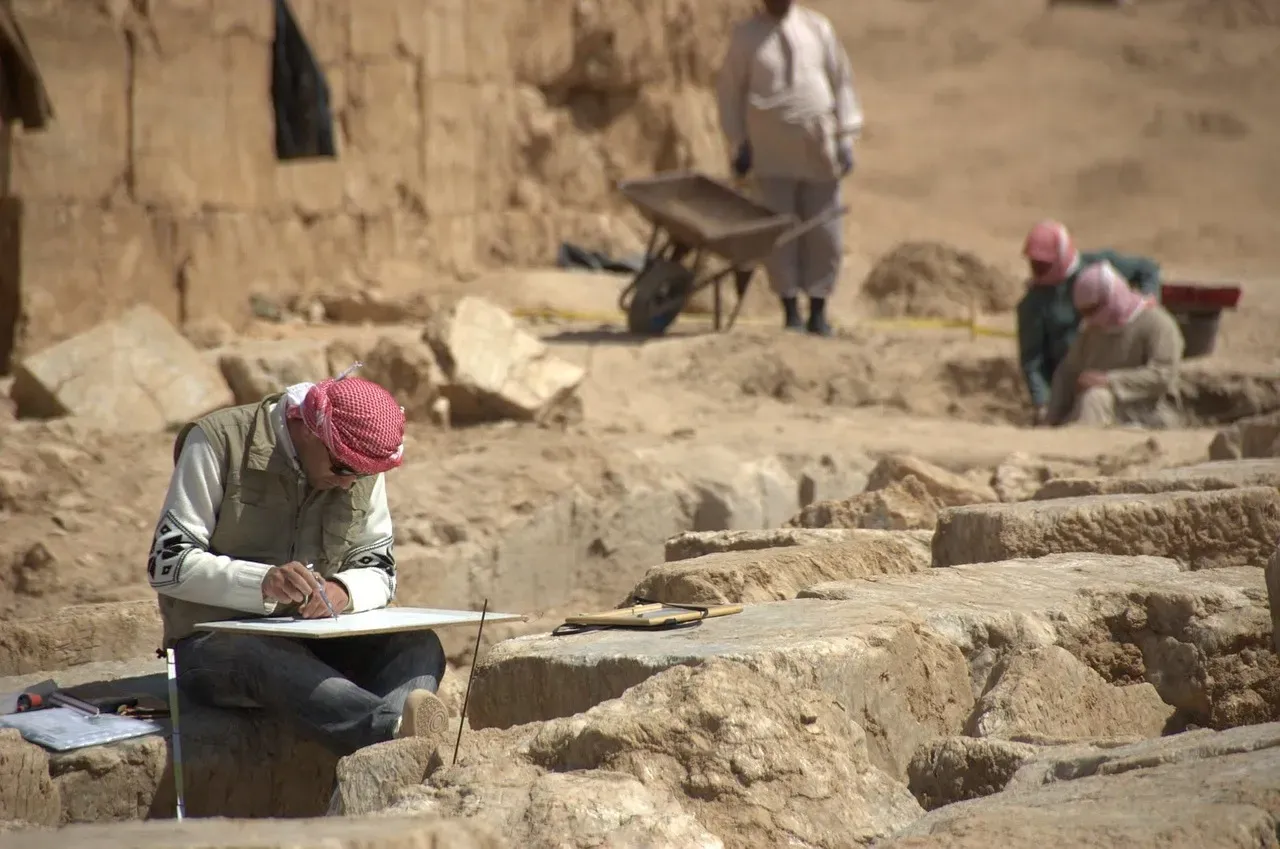
Archaeologists have a term for this problem, and it’s more unsettling than most people realize. Some materials survive well because of their composition or the burial environment, while others decay or get destroyed, meaning the visible record is shaped by both human behavior and preservation conditions. That means what we dig up isn’t a full picture of the past – it’s whatever happened to survive.
This creates a dangerous trap for interpretation. If you do not find wood, bone, or small tools at a site, that does not automatically mean people never used them there – it may just mean those materials did not survive the site formation process well. Entire categories of daily life can vanish simply because the soil was wrong.
Archaeology records both what people left behind and what the environment allowed to remain, and two sites from the same period can look very different simply because one preserved organic material better than the other. This single fact rewires how every ruin on Earth should be read. But what happens when water gets involved is even stranger.
#2 – Water Is Either the Destroyer or the Secret Preservative

Here’s the twist almost nobody expects: water can rot a site into nothing, or it can be the exact reason a 9,000-year-old artifact still exists. It depends entirely on whether oxygen is present.
Standard decomposition needs air. Chemical impacts come from moisture, acids, and bases in soils that damage and deteriorate archaeological resources, and pollution and waste intrusion can also impact sites and artifacts. In most environments, water speeds up rot dramatically. Tropical, humid regions destroy organic material faster than almost anywhere else on the planet.
Material decomposition, particularly for organic artifacts, is most rapid in tropical climates and less a factor in arid or frozen climates. That’s the paradox – the wetter and warmer a place is, the less of its own history survives. Yet flip the equation: remove the oxygen entirely, and water suddenly becomes a preservation machine. That flip is the whole secret behind our next entry.
#3 – Bogs Turn Bodies Into 2,000-Year-Old Time Capsules
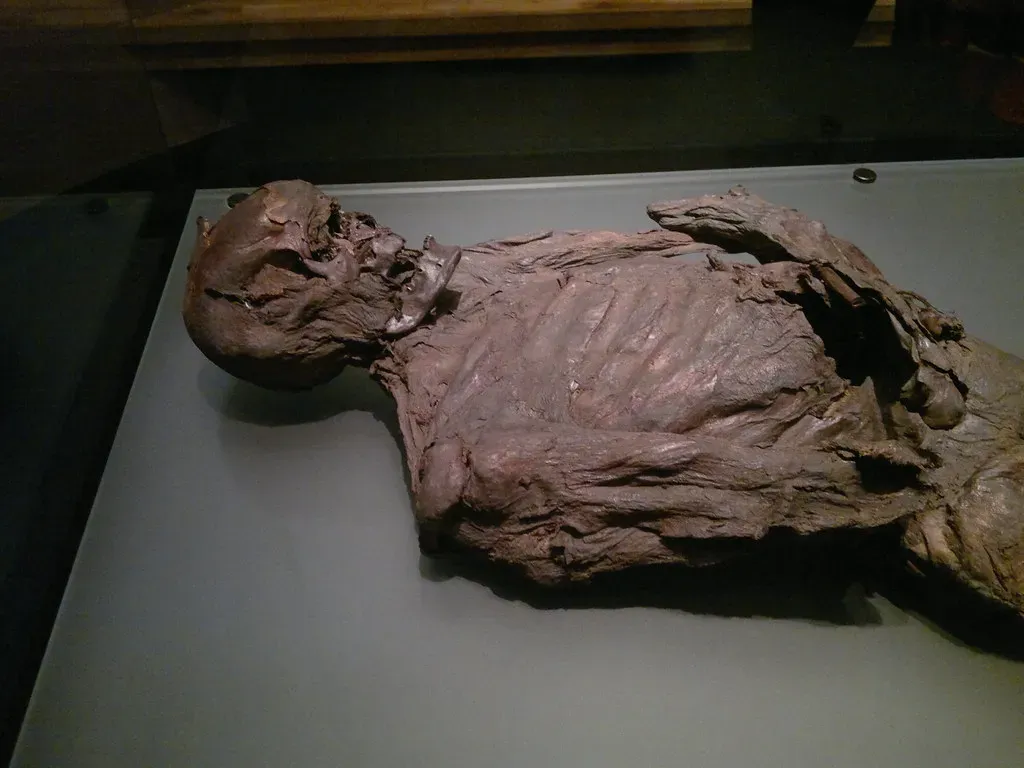
If you want proof that oxygen – not water – is the real enemy of preservation, look no further than Northern Europe’s bog bodies. These aren’t skeletons. They’re skin, hair, and stubble.
Below approximately 40 centimeters from the bog surface, oxygen disappears almost entirely, and aerobic bacteria, which drive most soft-tissue decomposition in buried remains, cannot function in this oxygen-free zone. That single chemical fact explains why a face pulled from Danish peat can look freshly dead after millennia underground.
Tollund Man is the textbook case. He had been dead for roughly 2,300 years when he was found – one of the most famous bog bodies ever recovered, his preserved skin, closed eyes, and stubbled chin remain among the most astonishing objects in all of archaeology. Bones, ironically, fare worse than skin in this environment – the mineral component gets leached out by the bog’s acidity, leaving the flesh in better shape than the skeleton beneath it.
But even this frozen-in-time wonder gets outdone by an entire climate zone built for preservation – one that’s now disappearing before our eyes.
#4 – Permafrost Is Nature’s Deep Freezer, and It’s Melting
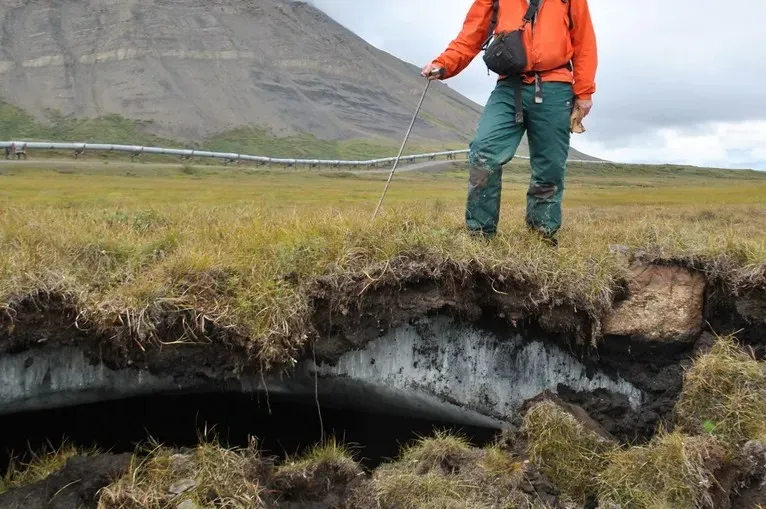
For tens of thousands of years, the Arctic has functioned as the planet’s most efficient archive. Nothing preserves flesh, fur, and DNA quite like permanent ice.
In the Arctic, where snow covers the ground for much of the year, permafrost has long preserved the region’s archaeological record, acting as a natural deep freeze that has kept bones, wooden artefacts, and even traces of human skin and hair in extraordinary condition – sometimes for millennia. Cave lion cubs, woolly mammoths, even ground squirrel nests with intact grass linings have emerged looking barely disturbed by time.
Here’s the controversial part most people ignore: this incredible archive is actively disappearing right now, not in some distant future. As the climate warms, we are losing our frozen heritage – a record of ancient life preserved in a way that exists almost nowhere else on Earth. Worse still, as sites become more exposed and accessible, archaeologists have seen looting increase in some places, with ivory hunters using high-pressure water pumps to strip tusks from mammoths melting out of the permafrost. The freezer is failing, and thieves are racing scientists to what’s inside.
#5 – Deserts Preserve What Wet Climates Destroy Instantly
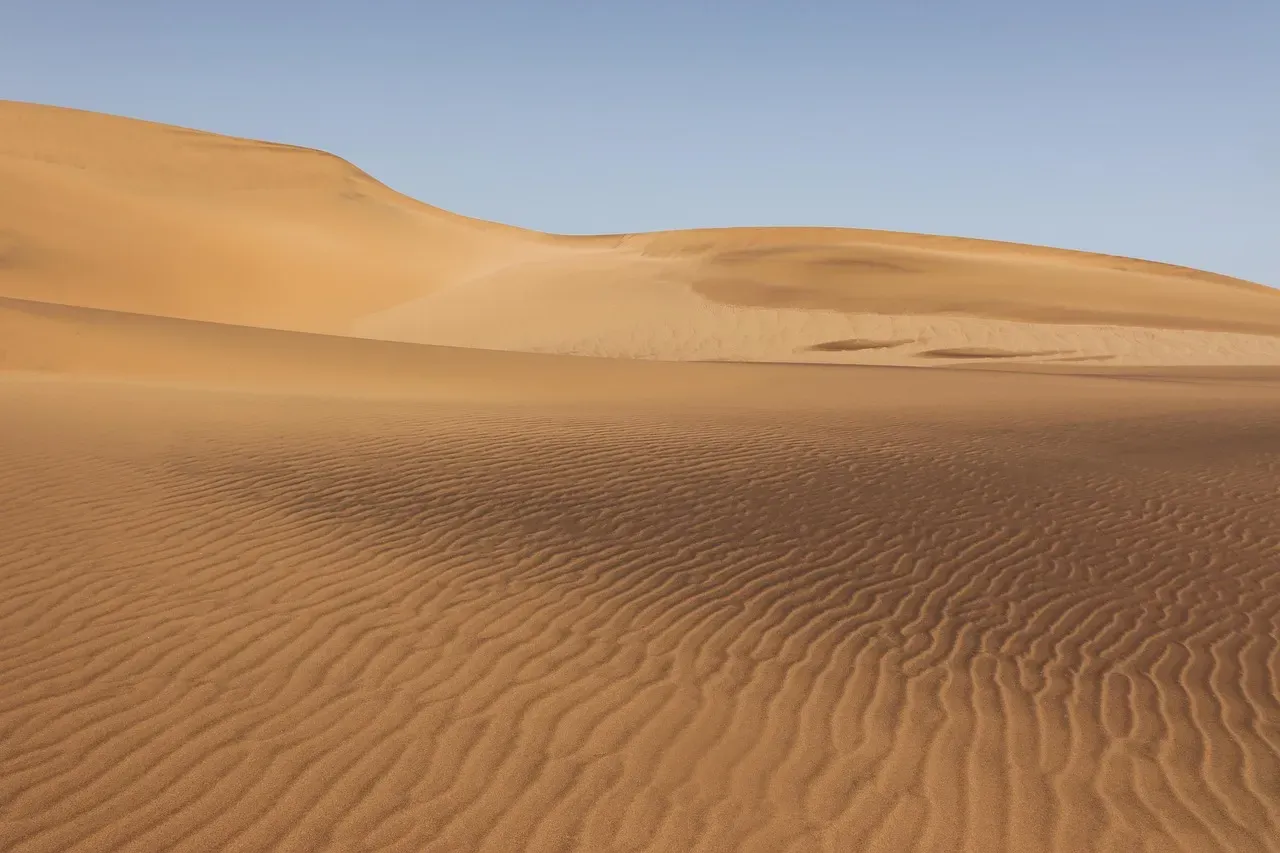
If ice is one extreme, bone-dry desert air is the other – and it’s just as effective at stopping decay in its tracks.
Decomposition depends on moisture-loving microbes, and deserts starve them out. The extremely dry conditions typically found in deserts allow for preservation of textiles, basketry, and other woven items – entire Navajo hogans have been preserved in the American Southwest. Materials that would rot within a decade elsewhere have survived for centuries in arid regions with almost no intervention.
This is why desert archaeology often produces artifacts urban digs never could – fabric, rope, seeds, even food remnants. Compare that to a humid rainforest site, where decomposition of organic material happens fastest and leaves the least behind. The lesson is blunt: rainfall is often the real villain in the “why did this disappear” story, not time itself.
But dry air alone doesn’t explain history’s most famous preservation story – that one required a volcano, and the truth about how it actually worked will surprise you.
#6 – A Volcano Buried a City Alive, and Ironically Saved It
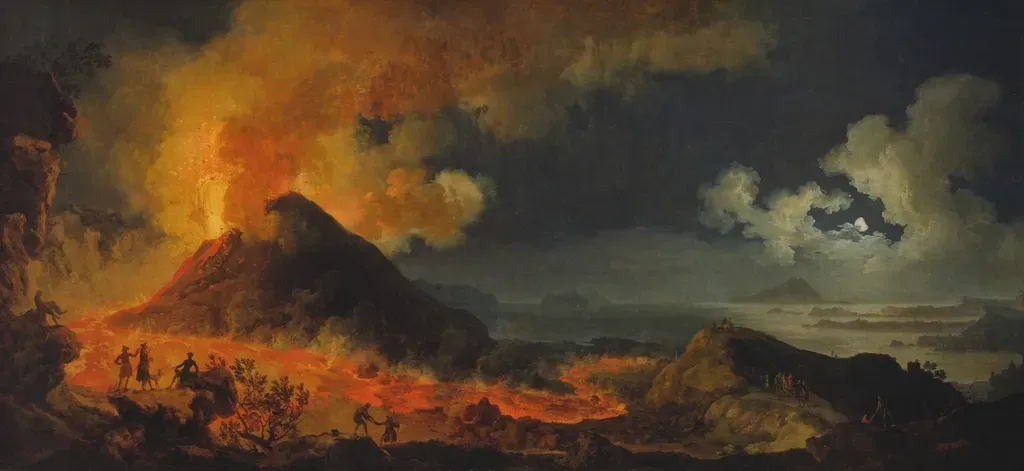
Nothing illustrates “catastrophe as preservation” better than Pompeii – and most people get the mechanism wrong.
Unlike the remains of other ancient cities, such as Rome itself, which had been exposed to the elements for centuries, Pompeii was completely preserved under layers of ash that protected it from the ravages of time. Sealed away from rain, sun, looters, and rebuilding for nearly 1,700 years, the city essentially stopped aging the moment it was buried.
Here’s the twist most tourists never learn: Pompeii isn’t even the best-preserved victim of that eruption. Herculaneum was spared from the first stage of the eruption by a westerly wind, but unlike Pompeii, the ash that eventually covered it carbonized instead of just burying it – preserving the wood of roofs, beds, and doors, along with organic material like food and vegetation.
Two cities, one eruption, two totally different preservation outcomes – and it all came down to wind direction and ash chemistry.
#7 – Stone Survives Almost Anything; Everything Else Is a Gamble
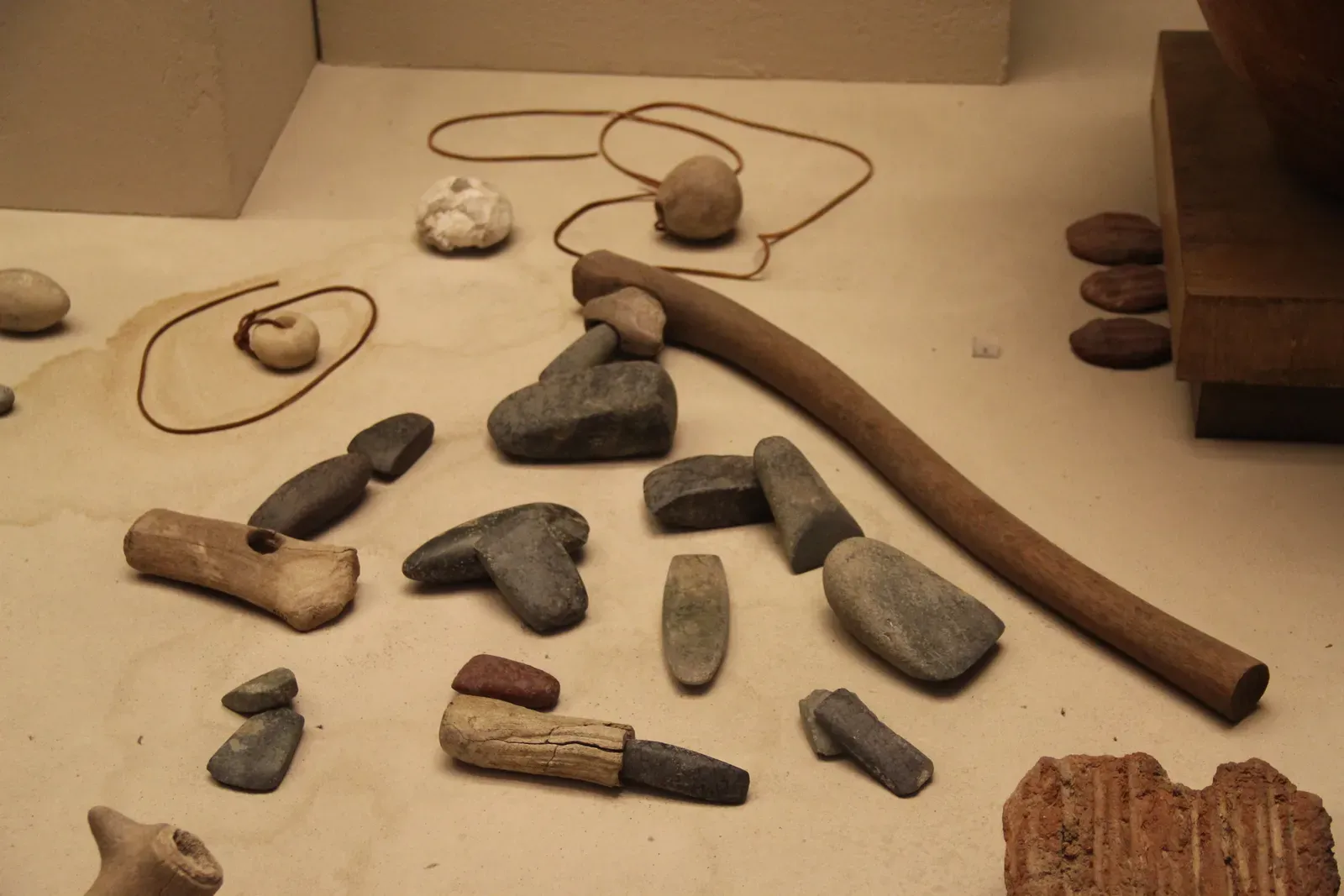
Here’s a controversial opinion most casual history fans resist: the “ancient world” we picture is really just the world’s stone objects, not its actual daily life.
Objects made of stone, clay, and metal are commonly found at archaeological sites, and they’re the most reliably preserved materials because they’re inorganic and don’t decompose, though they can weather. Meanwhile, everything softer – the tools, clothes, food, and furniture that filled ordinary homes – rarely makes it.
The gap is staggering. Stone is far less vulnerable to decay than organic materials; bone, wood, fiber, and seeds break down through moisture, acidity, microbes, and time, while stone and many ceramics simply hold up better. Even ancient toolmaking survives in forensic detail: stone tools dating back more than 2.5 million years have been found so well preserved that microscopic wear analysis can determine how they were used and even which hand the maker favored.
Our entire mental image of ancient civilizations is skewed toward whatever happened to be made of rock. But soil chemistry can flip even that rule upside down – sometimes literally overnight.
#8 – Soil Chemistry Can Make or Break an Entire Excavation
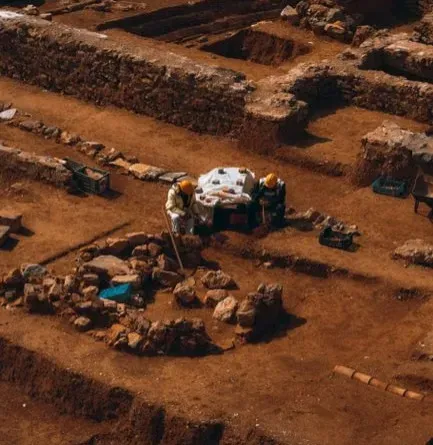
Two sites, identical climate, wildly different outcomes – because of what’s literally in the dirt.
At Vindolanda, a Roman fort in northern England, archaeologists found something unusual: waterlogged layers stacked on top of each other from repeated rebuilding, creating near-perfect anaerobic seals. Between Roman occupation periods, wooden and stone buildings were destroyed, sealed beneath thick layers of clay, then rebuilt upon – forming layers where oxygen was completely excluded from whatever was decomposing underneath.
The result is one of the best-preserved Roman sites in existence, purely from an accident of stratigraphy. Meanwhile, acidic soils elsewhere do the opposite, dissolving bone and pottery surfaces over centuries. Highly acidic soils can damage the surfaces of baked clay items, and objects that were poorly fired or made from porous clay can turn fragile in humid conditions. The pH of the ground beneath a site can matter more than the age of the site itself.
#9 – Humans Have Always Been the Biggest Threat to Ruins
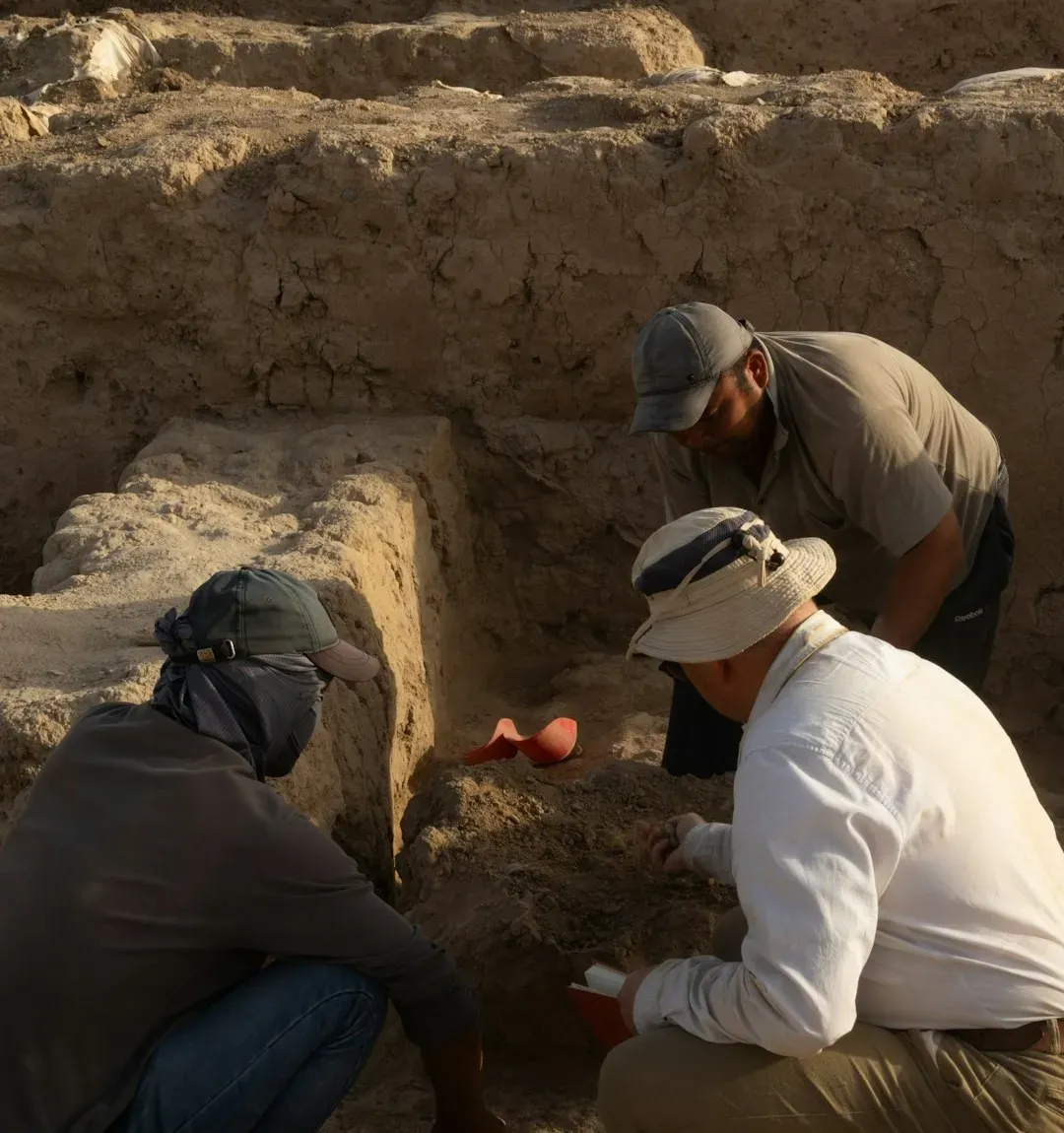
Nature gets blamed for most destruction, but the uncomfortable reality is that people – not weather – have wiped out more history than any storm ever could.
Illegal excavation and deliberate damage by people remain one of the most significant factors working against preservation. This isn’t a modern problem either – it’s been happening for centuries, often for practical reasons rather than malice.
Look at the Maya ruins across Central America. Building materials used for colonial-era churches and other structures were taken directly from Maya sites, and degradation has only accelerated as tourism has grown. Stone that took generations to carve was simply repurposed as free building material. Modern threats make the picture worse still: vandals, looters, and metal detectorists intentionally damage archaeological sites and remove artifacts, often for profit rather than ignorance. Volcanoes and floods are dramatic, but slow, deliberate human dismantling has erased far more of the ancient world.
#10 – Some Cities Got Buried by Their Own Success
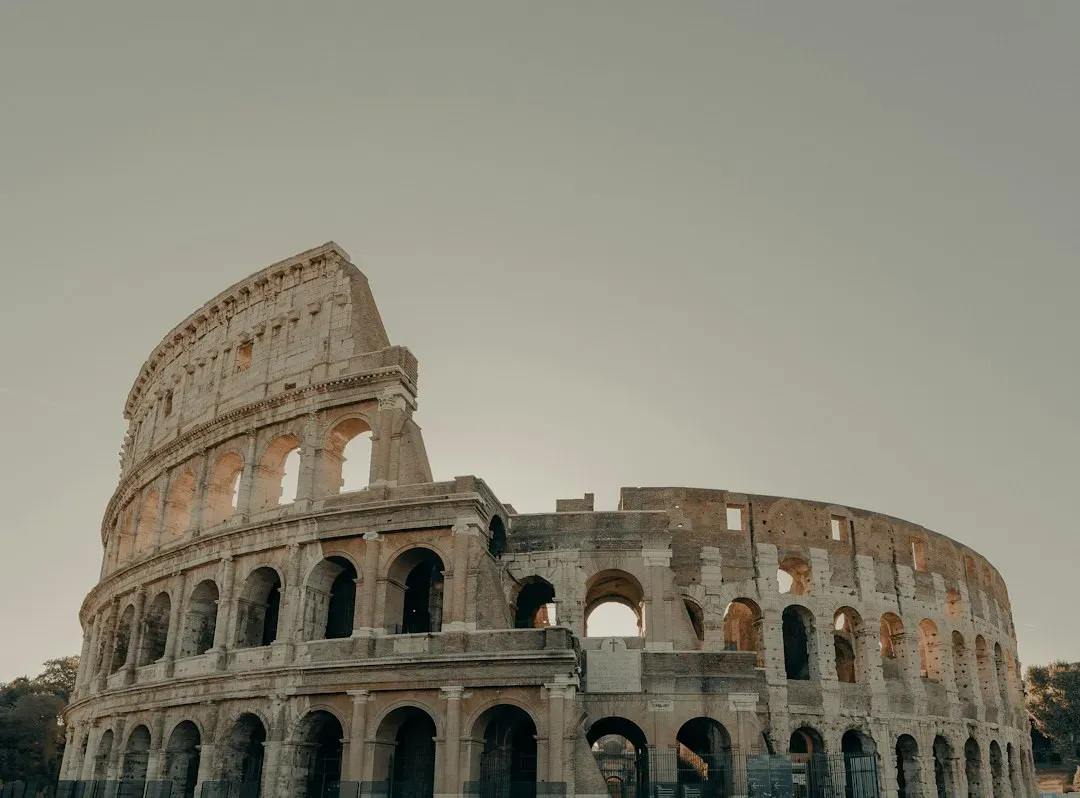
Here’s an idea that surprises people: sometimes a site “disappears” not because it was destroyed, but because it simply kept being lived in.
Rome is the perfect example. Unlike Pompeii, which was frozen the instant it was buried, Rome never stopped – it was continuously built, demolished, and rebuilt for two thousand years straight. The Pantheon and Colosseum still stand in varying states of preservation, but most of “Roman” Rome sits buried under the modern city, while Pompeii and Herculaneum were sealed under several feet of volcanic ash with little subsequent construction on top.
That’s the paradox: constant habitation actually destroys more history than abandonment does. Every new foundation dug through Rome’s soil sliced through older layers, scattering or crushing whatever came before. A site frozen in a single moment – however tragic that moment was – often tells us more about daily life than a city that’s been continuously renovated for two millennia. Silence, in archaeology, is sometimes the loudest evidence of all.
#11 – Tourism and Development Are Quietly Finishing the Job
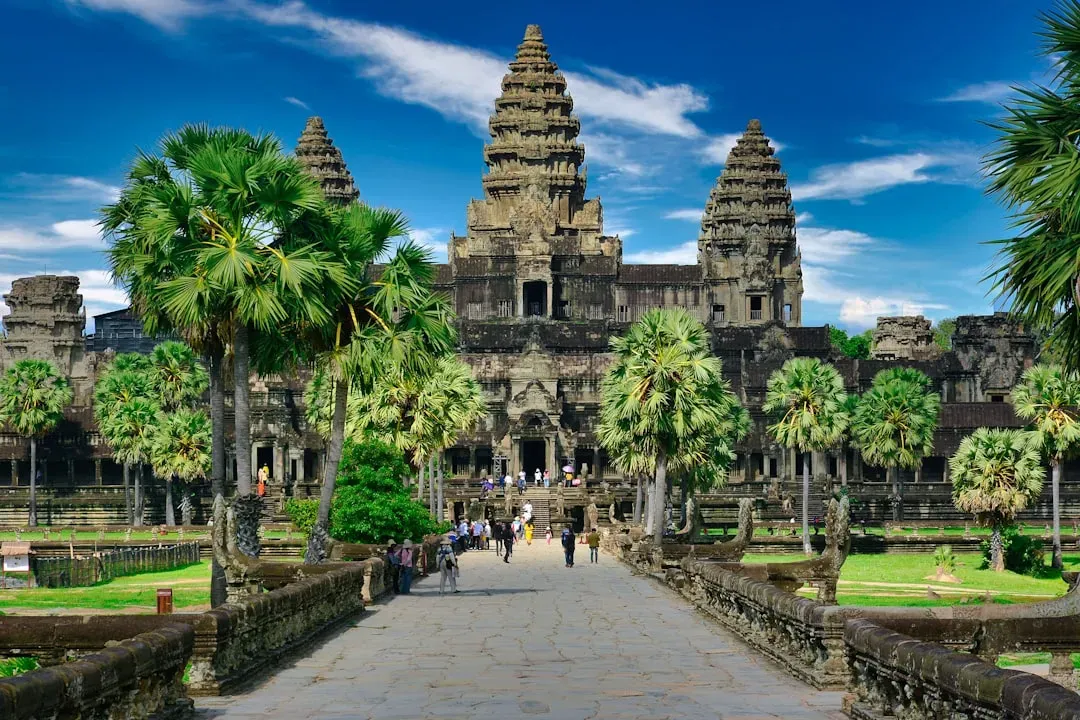
Modern life poses its own threat, and it’s arguably more relentless than any ancient collapse.
Angkor Wat, for example, is fully open to tourists – visitors are free to walk on the stones and touch the reliefs – and as a result, the temple will probably be significantly more damaged within a generation. Millions of footsteps do what centuries of weather couldn’t.
Development pressure is even more permanent. Sites face constant threats from road construction, urban sprawl, mining, and agriculture as growing populations crowd into land never previously occupied. And once a site is bulldozed, there’s no undo button – once destroyed, it cannot be re-excavated, because archaeological research depends entirely on undisturbed original context. The irony is brutal: the same popularity that funds a site’s protection is often what erodes it fastest.
#12 – Sites We Thought Were “Safe” Are Now Degrading in Real Time
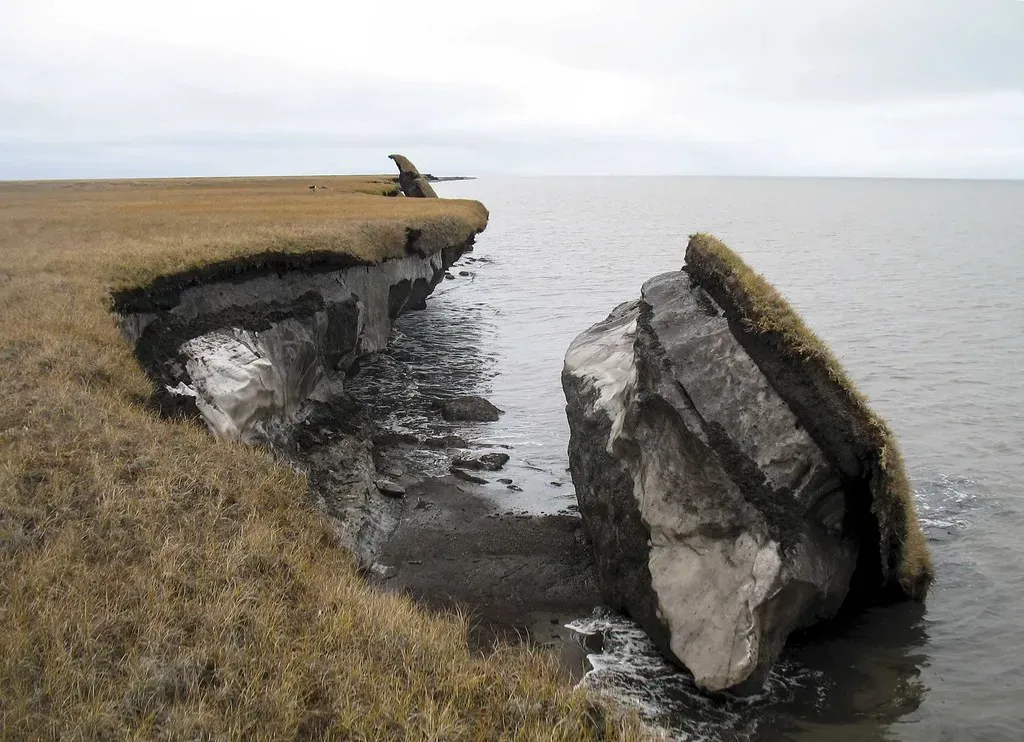
This is the part almost nobody talks about: preservation isn’t permanent. Conditions that protected a site for 9,000 years can reverse within a single human lifetime.
At Ageröd, a Swedish Mesolithic site once considered a preservation miracle, researchers returned decades later and found alarming decay. The bone material had suffered accelerated deterioration over the last 75 years, leaving some remains heavily degraded and others destroyed completely. A site that survived nine millennia is now unraveling within living memory.
The same story is playing out globally. The permafrost is thawing, and with it, the stories it once held are melting away – in South Greenland, the very region where Erik the Red famously settled, archaeological remains are now at direct risk. Drainage, drought, and warming don’t just threaten future digs; they’re actively erasing evidence scientists already knew existed. Preservation, it turns out, was never guaranteed forever.
#13 – Money and Politics Decide What Survives Long-Term

At the end of it all, chemistry and climate only get a site so far – funding and priorities decide the rest.
People have tried to protect ruins from further damage, but most such attempts fall short due to a lack of sufficient funds. A site with perfect anaerobic soil and zero looting can still crumble if nobody pays for a roof, drainage system, or security fence.
This is arguably the most controversial factor of all, because it’s entirely preventable. Weather and volcanic ash are acts of nature; underfunded heritage management is a choice. Identifying and protecting archaeological sites is remarkably important, yet thousands of known sites worldwide sit unprotected simply because no government or institution decided they were worth prioritizing. The ancient world isn’t only judged by what survived naturally – it’s judged by what humans today decide is worth saving.
The Bottom Line
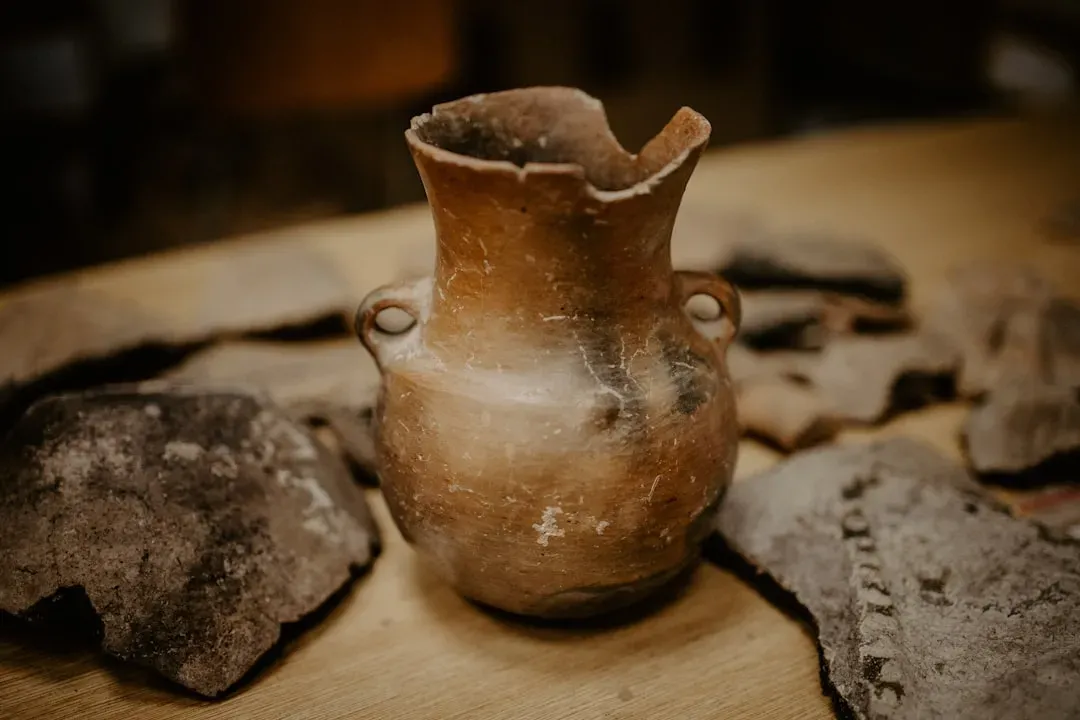
The truth is uncomfortable: preservation was never about age, importance, or luck alone. It’s chemistry, oxygen, water, wind direction, soil pH, human greed, and modern budgets – colliding in ways nobody fully controls. A bog preserves skin better than bone. A volcano can protect a city better than centuries of careful curation. And sites that survived 9,000 years can start collapsing within a single human lifetime once climate or funding shifts.
Nature decides the starting odds – but humans, through looting, tourism, and neglect, usually decide the ending. And that’s the opinion worth sitting with: we’ve spent far more effort digging up the past than actually protecting what’s left of it. Until funding and policy catch up with what archaeology already knows, the next Tollund Man or the next Pompeii may not survive long enough to ever be found.