Walk any coastline after a long, wild winter and you can feel it in your chest: the sea has been busy. Whole sections of shore look rearranged, as if someone picked up the beach, shook it like a rug, and set it back down in a different pattern. What storms rip away in a few violent nights, calmer seas spend months quietly returning, grain by grain, shell by shell.
This article is about those returns – the surprising, beautiful, and sometimes unsettling things the ocean gives back after a season of heavy weather. Some are obvious, like sand slowly rebuilding a battered beach. Others are subtle, like buried organisms returning to shallow light or long-lost human artifacts suddenly appearing after decades or centuries out of sight.
Think of these 13 “finds” less as objects and more as clues. Each one tells you something about wave energy, sediment flows, climate trends, and the hidden life of the seabed. Together, they form a kind of field guide to reading the shoreline in spring, when the sea catches its breath after winter and quietly rearranges what it once took away.
#1 Sandbars Rebuilding Like Ghosts Coming Back to Life
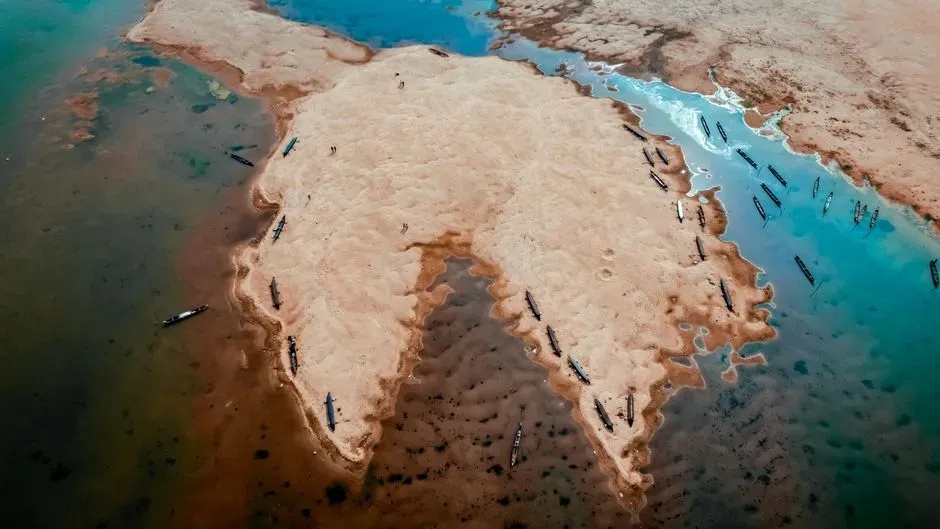
Stand on a storm-battered beach in late winter and you might swear the sand is simply gone. In reality, a lot of it is still there; it has just migrated offshore into temporary sandbars. Those bars form when strong storm waves strip sand off the beach and push it seaward, where it settles in elongated ridges parallel to the coast. To the untrained eye, it looks like loss. To a coastal scientist, it’s more like a savings account.
As storms quiet down and smaller, more regular waves return, those same bars become sand donors. Gentle waves push sand from the bars back toward shore, slowly rebuilding the beach face. If you look at drone photos or satellite images across seasons, you can literally see the bar crests creeping landward, like ghost-beaches walking home. The process can take weeks to months, but it is one of the most important natural repair mechanisms for sandy coasts.
In practical terms, this means what looks like permanent erosion in January can partially rebound by May. It’s not magic; it’s physics. Wave energy, water depth, and grain size all cooperate to move sand along invisible highways. Summarised in plain language:
- Winter storms push sand offshore into protective sandbars.
- Quieter spring and summer waves slowly drive that sand back to shore.
- Beaches may look “destroyed,” yet often retain their sand in a different shape.
#2 Dune Toes Creeping Forward After Being Bitten Back
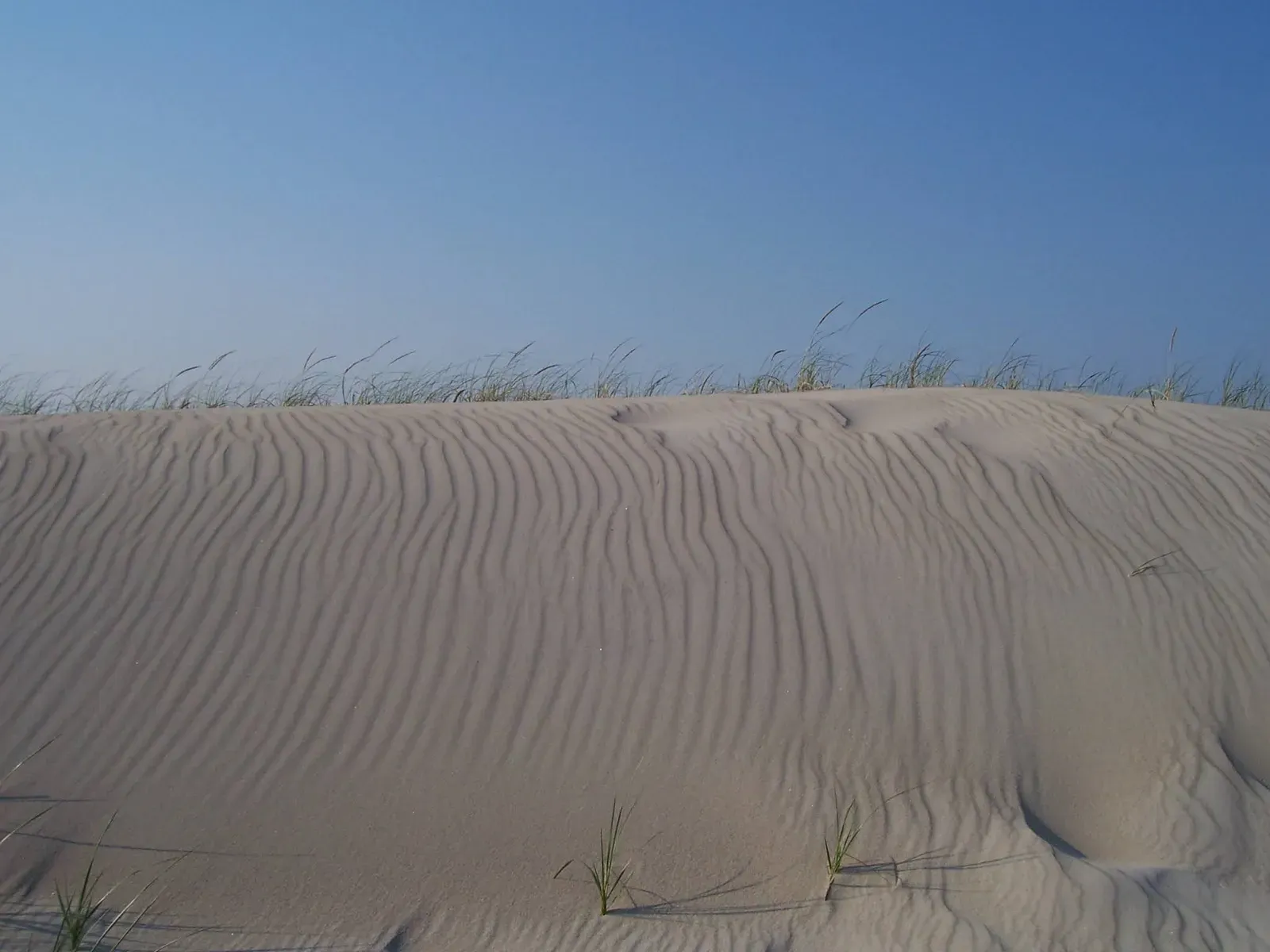
During a stormy winter, the ocean often bites into coastal dunes, carving steep scarps at the base. Plants are undercut, roots dangle in midair, and chunks of sand slump down the beach. It looks brutal – and it is. Dunes are a crucial buffer that protects inland areas from flooding and surge, so every winter bite feels alarming if you live nearby.
But after the worst storms pass, something quieter happens. Wind begins picking up the dry sand from the upper beach and blowing it landward, dusting the dune scarp with fresh grains. Meanwhile, small waves deposit sand at the foot of the dune, building a low ramp that climbers and sand-loving plants can colonize. Over time, that steep storm-cut face softens and the dune “toe” creeps seaward again.
There is a catch, though: dunes only properly rebuild if there is enough sand supply and robust vegetation. Native grasses and shrubs trap wind-blown sand with their stems and leaves, effectively stitching the dune back together. Where dunes are trampled, stripped of plants, or cut off from sand sources by seawalls and hard structures, that healing process stalls, and each winter bite becomes more permanent than the last.
#3 Shell Ridges Revealing Hidden Life on the Seabed
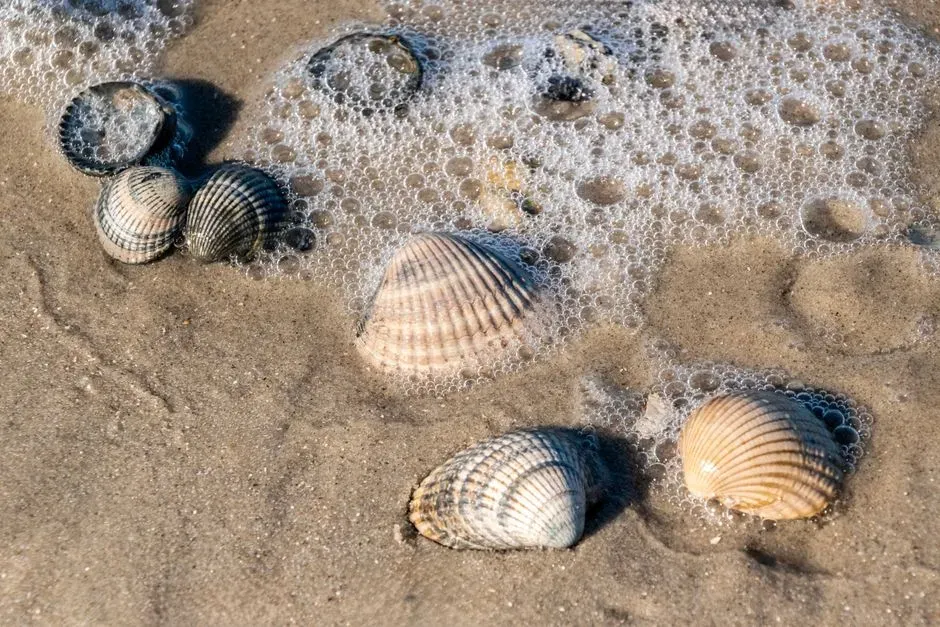
After a season of pounding waves, beaches often develop striking shell lines – ridges and arcs of crushed shells, snail cases, and bits of coral or echinoderm skeletons. They may look like simple decoration, but those lines are a record of what the sea floor has been hiding. Storm waves are strong enough to dredge up heavier materials from deeper or more stable parts of the seabed, essentially “sampling” habitats that calm conditions rarely touch.
These post-storm shell ridges can include deep-burrowing clams, offshore snail species, or shell fragments from organisms that normally live beyond swimming depth. That means that by just walking slowly and paying attention, you can read a rough inventory of the nearby ecosystem without ever diving. It’s like someone emptied out a series of underwater drawers onto the sand in front of you.
- Dark, robust shells often point to deeper or more energetic environments.
- Delicate, fragile shells suggest calmer pockets the storm only lightly disturbed.
- A sudden change in shell species from one year to the next can hint at shifting water temperatures or currents.
On a more human note, shell ridges also tell a story about sediment sorting. As waves rush up and back, they selectively leave behind heavier materials at specific points on the slope of the beach. What looks like a random heap is actually a signature of wave height, speed, and angle, written in calcium carbonate instead of ink.
#4 Kelp Wrack Lines Delivering Nutrients and Tiny Forests
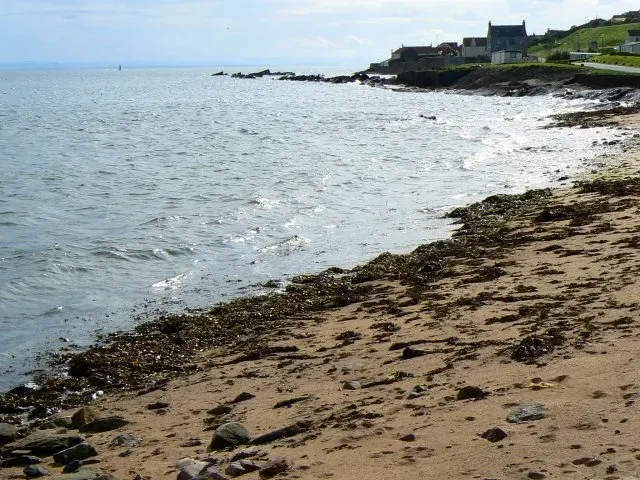
One of the most dramatic things winter storms tear up and later redeposit are kelp forests. Huge tangles of kelp and seagrass can pile up along the high-tide line in thick, slippery bands known as wrack. After the storms, when new kelp starts regrowing offshore, the wrack left on the beach becomes a crucial link between sea and land, especially in the shoulder seasons of late winter and early spring.
That messy, rotting line is a buffet for beach invertebrates. Flies lay eggs in it, amphipods and isopods tunnel through it, and tiny crustaceans gorge themselves on both the kelp and the microbes breaking it down. Those small creatures then become food for shorebirds and some small mammals, forming a tight coastal food web that simply does not exist on sterile, cleaned beaches.
Many communities rake wrack away for aesthetic or tourism reasons, but ecologically, that’s like removing a seasonal fertilizer and protein delivery. As the kelp decomposes, it releases nutrients into the sand and nearby dunes, feeding plants and even influencing the growth of dune grasses. So what looks like a smelly nuisance is, in many ways, the sea returning organic wealth it ripped loose from offshore forests during winter storms.
#5 Driftwood Sculptures and the Story of Watersheds
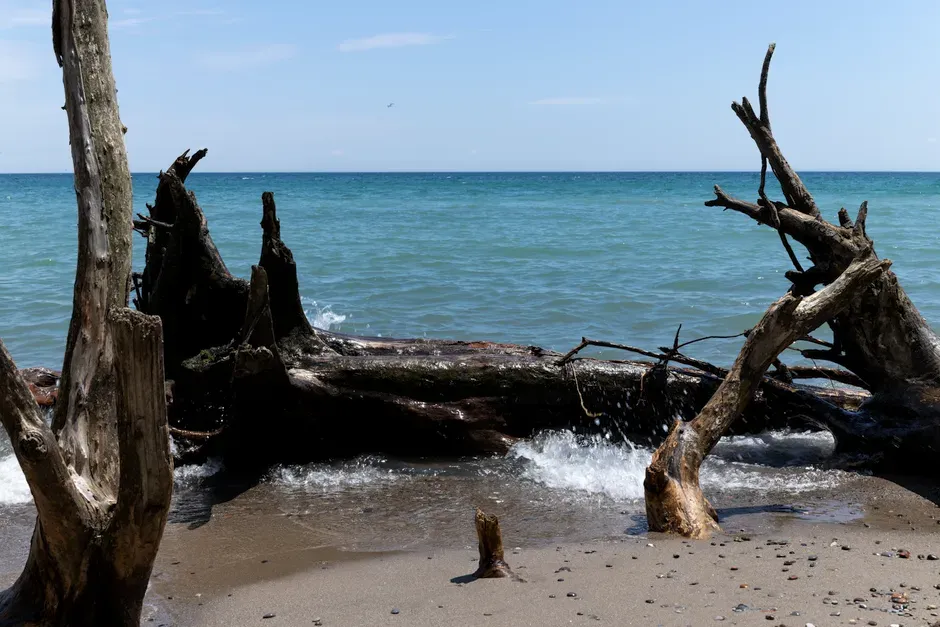
After high river flows and coastal storms, the shoreline can suddenly look like an open-air gallery of driftwood sculptures. Logs, root balls, and splintered branches collect in arcs along the upper beach, marking the highest waves like rings in a bathtub. Each piece has traveled by flood, tide, and current, turning from tree to timber to smooth, sun-bleached form along the way.
That driftwood is not just decoration. It is a sign that rivers upstream ran high enough to rip trees from banks or move old deadwood out of floodplains. Heavy rains inland translate into floating logs at the coast weeks or months later. Seeing a fresh line of large driftwood after winter is essentially seeing the “receipt” for everything that happened across the watershed – storms, landslides, logging practices, even beaver activity in some regions.
Over time, driftwood also becomes habitat. It stabilizes sand, casting shade and breaking up wind flow. It creates cool moist micro-pockets where insects, small crabs, and seedlings can thrive. For kids, it becomes ships, forts, and balance beams. For coastal geomorphologists, it is a reminder that land and sea are not separate systems; they are one continuous conveyor belt of material, from mountain forest to open ocean and – sometimes – back to shore again.
#6 Storm-Tossed Seafloor Artifacts and Human History
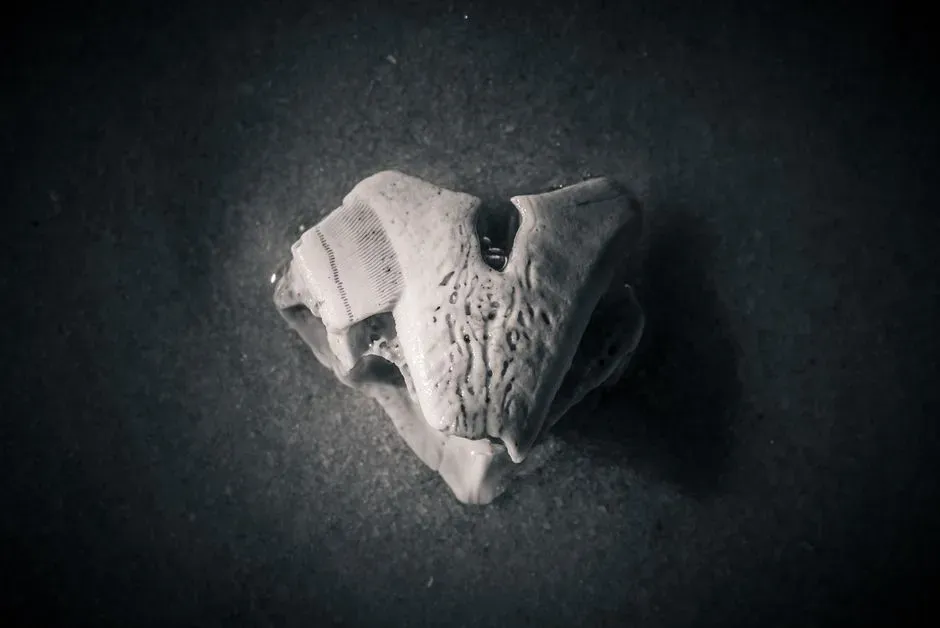
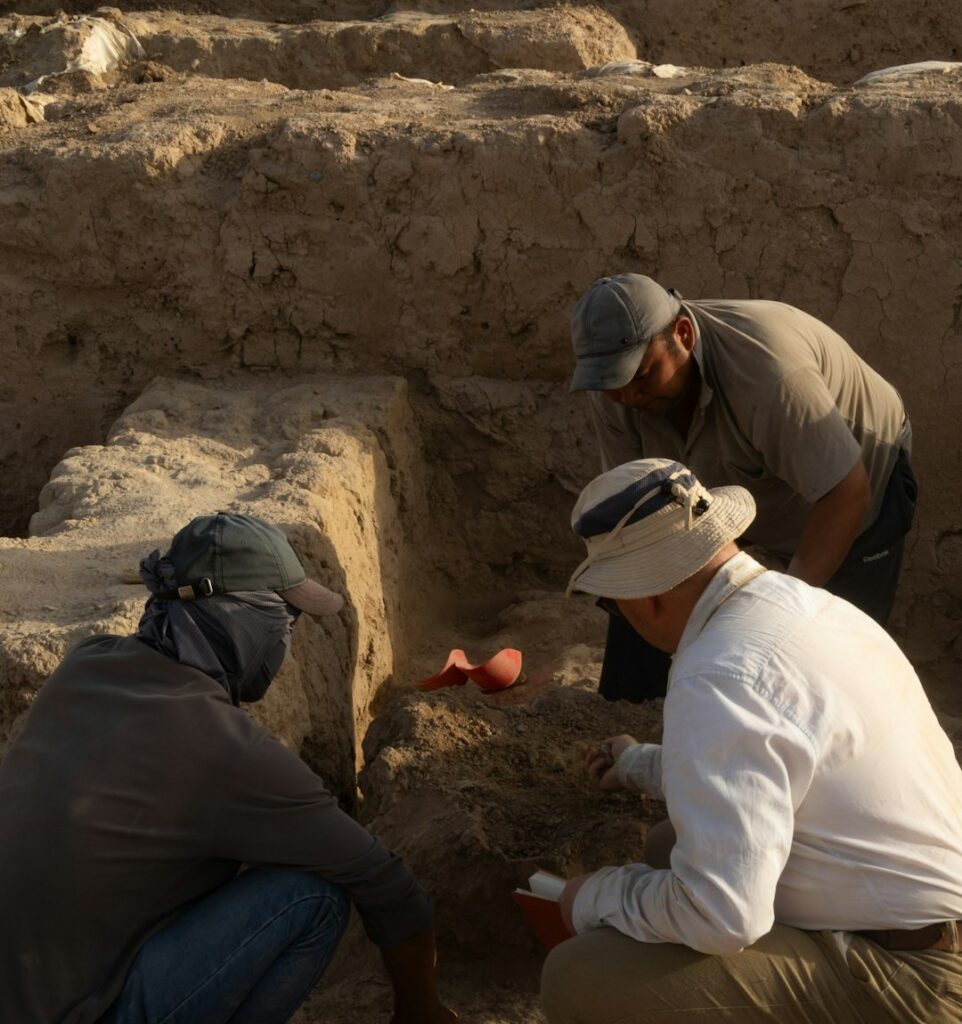
Every so often after a powerful winter, the sea returns pieces of human history we had literally buried and forgotten. Old ship timbers, broken pottery, rusted anchors, fishing gear from decades past, even long-lost bottles can suddenly appear on scoured sections of shore. Erosion and strong wave action strip away the upper layer of sand or mud, exposing objects that were safely tucked away in the seabed for years or centuries.
These finds are a double-edged revelation. On one hand, they are thrilling – a physical connection to older trade routes, fishing grounds, or coastal communities. On the other, they highlight how much debris and infrastructure we have sunk into coastal waters over time. When a storm uncovers a long-lost anchor ground chain, it’s impressive; when it exposes old landfill material or submerged construction waste, it’s a blunt reminder that the sea is not an infinite dumping ground.
- Storm-exposed artifacts often appear where waves have carved new scarps in the seabed or beach.
- Sudden changes in shoreline shape can expose former harbor structures or piers.
- Responsible handling matters; some finds may fall under heritage or archaeological protections.
Personally, I think we romanticize these discoveries a bit too easily. A barnacle-encrusted bottle is charming; a twisted mass of metal and plastic from a wrecked industrial site is more honest about what we’ve left behind. The sea, in this sense, returns not just curiosities but accountability.
#7 Buried Beach Profiles Rising Back from the Trough
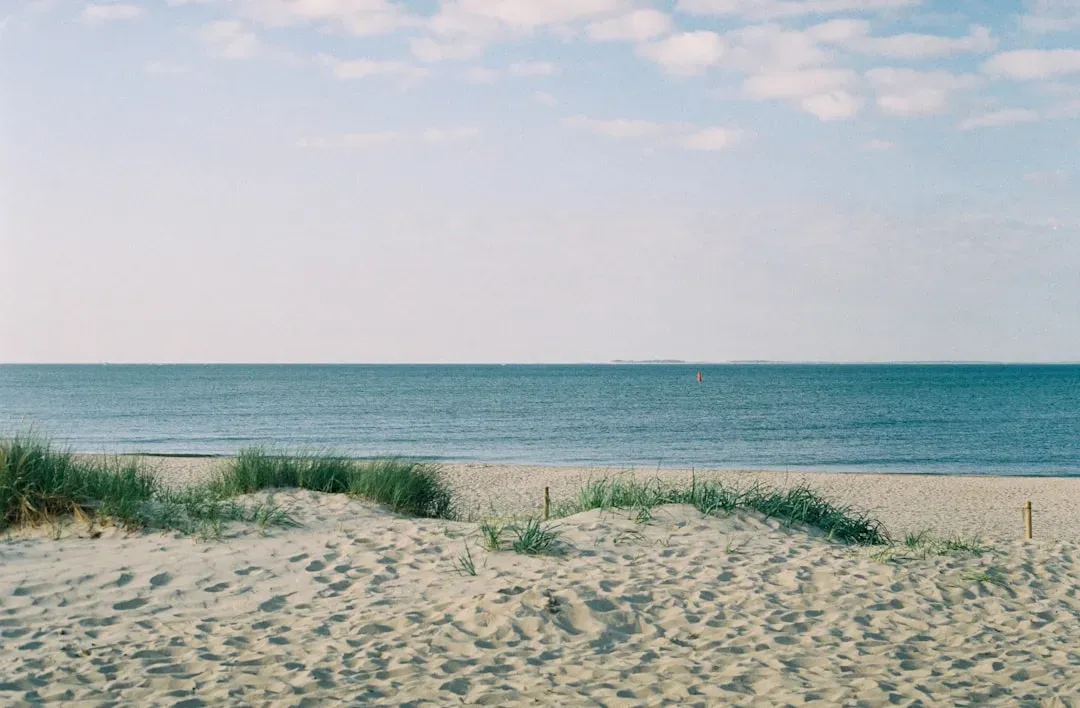
If you walk the same beach all year, you might notice a strange pattern: in winter it is steep, narrow, and often has a sharp drop near the water. In spring and summer, that same beach may be broader, flatter, and easier to walk on. This is not just your imagination. Storm waves actively carve a steep “winter profile,” while gentler swells slowly rebuild a “summer profile” that extends farther seaward with a more gradual slope.
That seasonal swing is one of the most reliable ways to see the sea’s give-and-take. During storm season, high-energy waves pull sand offshore, deepening nearshore troughs and building those sandbars we discussed earlier. When conditions calm, lower-energy waves roll in, pushing sand back toward shore and filling the troughs. Over weeks, the beach surface literally climbs up from winter’s carved-out shape to a softer, more generous form.
Coastal engineers take these shifts seriously because they affect flooding risk, wave runup, and where people can build safely. A structure that looks far from the water on a wide summer beach might be dangerously close during a stormy winter, when the profile is steeper and waves can run farther inland. The seasonal “return” of a broader beach is comforting, but it should never blind us to the harsh winter shape that is almost guaranteed to come back again.
#8 Returning Seagrass and Recolonizing the Shallows
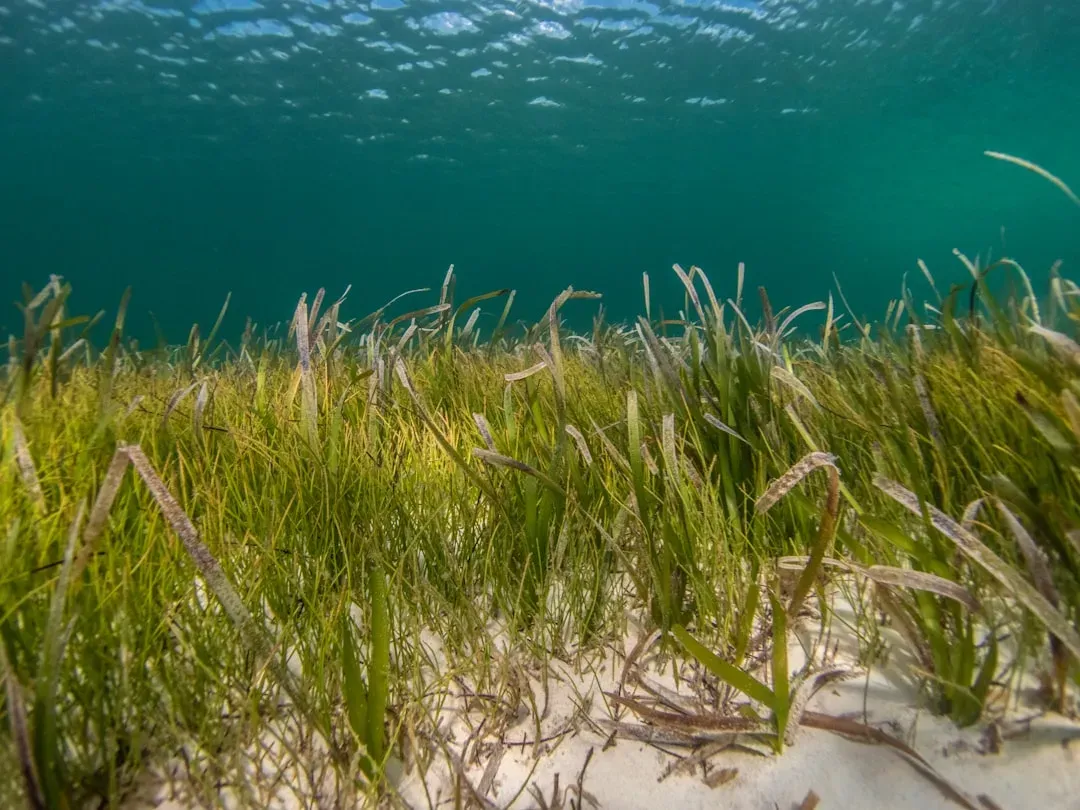
Winter storms can be brutal to shallow seagrass meadows, ripping out patches, burying them under sand, or clouding the water with enough sediment to block sunlight. For a few months, areas that were lush green carpets in autumn can look like bare, scoured patches of mud or sand. It feels like a loss, especially knowing how important seagrasses are for fish nurseries, carbon storage, and water quality.
When calmer weather returns, however, you often see the first shoots of seagrass pushing back through the sediment. Many species spread through rhizomes – underground stems that can survive some physical disturbance and quickly send up new leaves. If water clarity improves and there is still enough light reaching the bottom, those patched meadows can re-knit themselves surprisingly quickly over a growing season.
- Healthy root networks act as anchors, helping meadows withstand moderate storms.
- Chronic pressures like pollution or dredging can limit recovery, even if wave conditions improve.
- In some places, restoration teams plant seagrass seeds or plugs to jump-start that natural return.
There is a delicate balance here. A single bad winter is rarely enough to permanently erase a strong seagrass bed, but repeated harsh seasons combined with warmer waters and human stressors can tip systems past recovery. When seagrass does come back after winter, it is a hopeful sign – but also a reminder that resilience has limits.
#9 The Slow Comeback of Water Clarity and Underwater Light
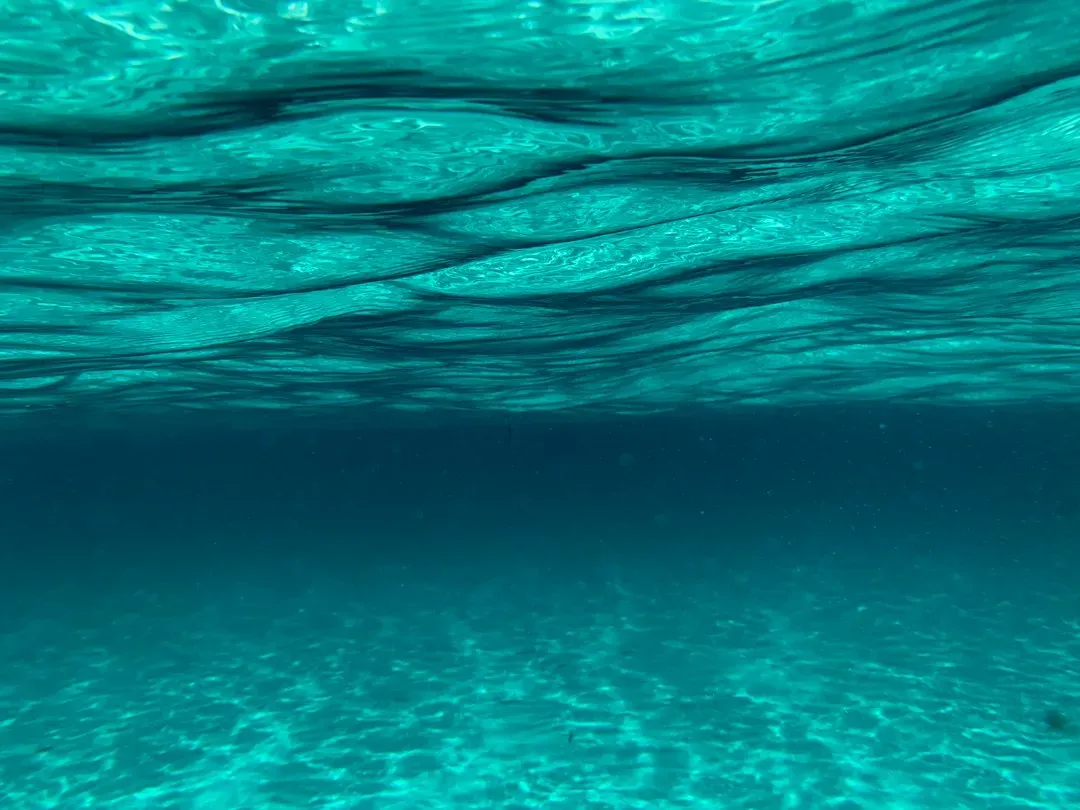
One of the less obvious returns after a stormy winter is simple: light. Winter storms churn up the seabed, suspending fine sediments and organic matter that turn coastal waters murky brown or green. River floods add their own pulses of silt and nutrients. For months, sunlight struggles to penetrate the upper water column, and photosynthetic organisms – seagrass, algae, microalgae – operate under a heavy filter.
When winds calm and wave heights drop, those sediments slowly settle. Larger particles fall first, then finer clays drift down, coating surfaces or getting locked into quieter pockets on the seafloor. The result is a gradual return of underwater visibility. Divers and snorkelers notice the difference: a world that was cloudy and gray in February can feel almost glassy and illuminated by late spring, especially after a window of stable weather.
This clarity is not just aesthetic. More light means more photosynthesis, more oxygen produced in shallow waters, and more energetic base production for the local food web. It also helps corals and some algae recover from physical stress, as they can rebuild energy reserves. In a sense, light is one of the sea’s most important currencies, and post-storm calm is when that currency starts to flow freely again.
#10 Migratory Species Returning to a Reshaped Coastline
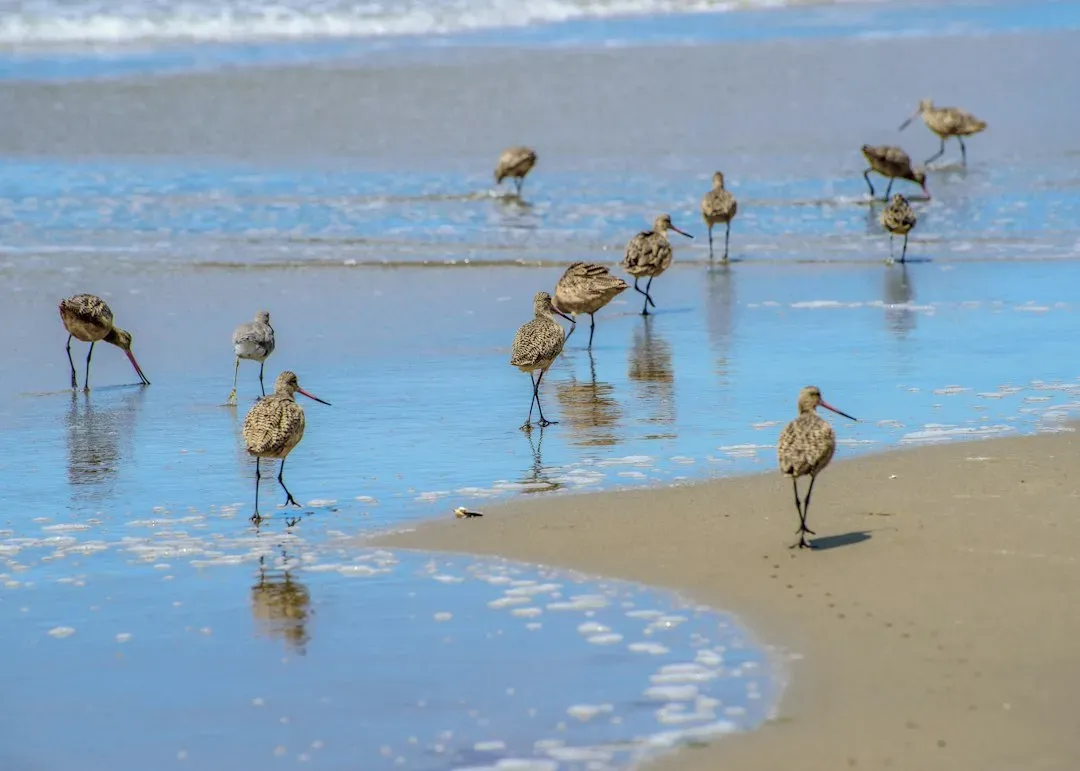
Many marine and coastal species treat winter storms almost like a reset button. Some migrate away from the worst-affected regions; others hunker down in deeper or more sheltered waters. When the season turns and conditions stabilize, you see a wave of life coming back to the coast – fish pushing back into estuaries, shorebirds returning to feed on newly enriched beaches, marine mammals cruising nearer to shore in search of easier prey.
This seasonal recolonization happens against a backdrop of reshaped habitats. Sandbanks have moved. Channels have shifted. Some shallow areas are deeper; others are shallower. For migratory species, this is normal; they have evolved to navigate and exploit a coastline that is never exactly the same from year to year. For us, it can be jarring. A favorite fishing hole might vanish, while a new hotspot emerges half a kilometer away.
- Predatory fish often follow baitfish into newly formed channels and troughs.
- Shorebirds target post-storm wrack lines rich in insects and small crustaceans.
- Marine mammals may use clearer, calmer water to teach young or hunt nearer the surf zone.
I find it oddly comforting that animals seem less bothered by these changes than people are. Where we see “damage,” many species see opportunity, moving quickly to take advantage of newly exposed feeding grounds or sheltering features that did not exist a few months earlier.
#11 Plastic Debris and the Uncomfortable Truth the Sea Keeps Sending Back
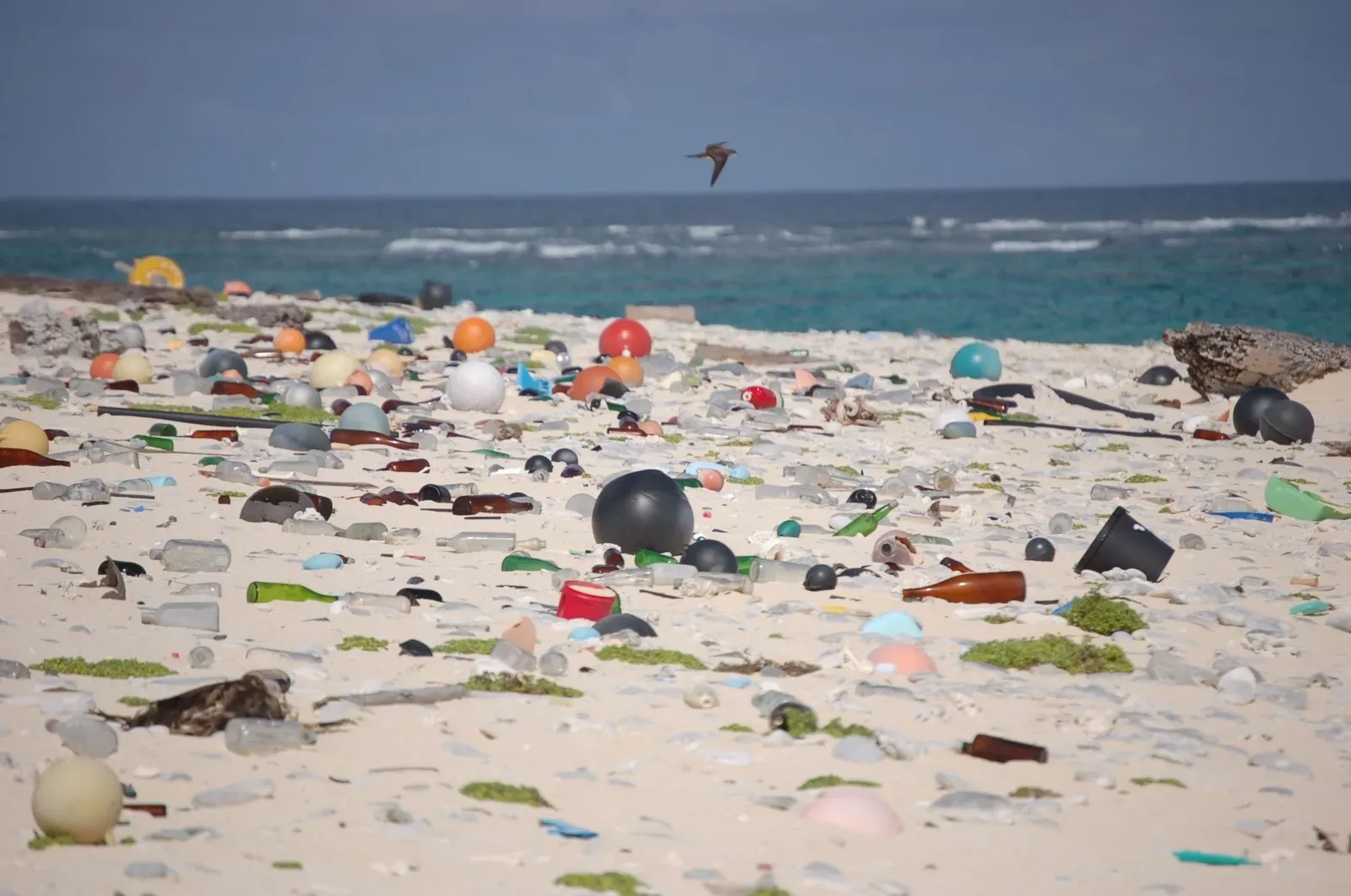
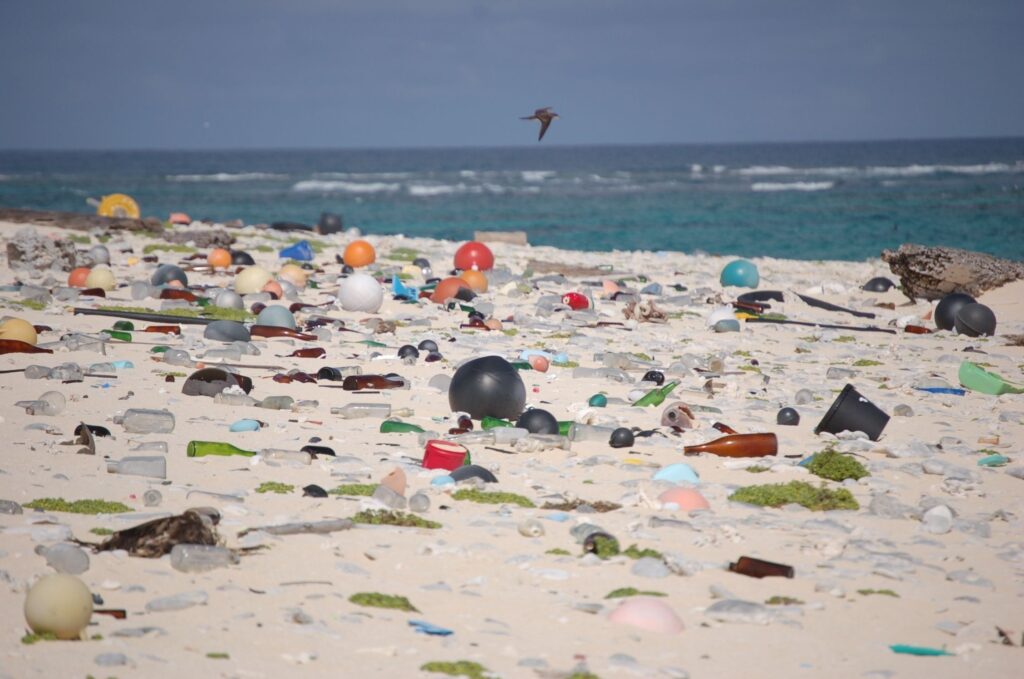
Not every post-storm find is inspiring. After a violent winter, beaches are often littered with plastic – bottles, fishing gear, packaging fragments, foam, and tiny nurdles that look disturbingly like fish eggs. Storm waves stir up the entire nearshore and bring in floating debris from offshore gyres, river plumes, and local sources. The result is a brutal, technicolor collage of human waste.
Unlike driftwood or kelp, plastic does not rot in any meaningful human timeframe. It breaks into smaller and smaller pieces, but the material remains. Every winter’s worth of debris that washes up and is not removed simply gets buried, blown inland, or re-floated for another lap. When storms return that material to the surface, they are not just delivering this year’s trash; they are remixing a backlog.
The emotional impact is hard to escape. You can walk a pristine stretch of coastline, feel a deep awe at the power of waves and the resilience of dunes, and then trip over a cracked crate or a tangled snarl of fishing line. For me, these finds land like a quiet accusation. The sea is doing what seas have always done – moving material along energy gradients. We are the ones who introduced materials that the system cannot gracefully absorb.
#12 Emerging Salt Marsh Edges and the Tug-of-War with Rising Seas
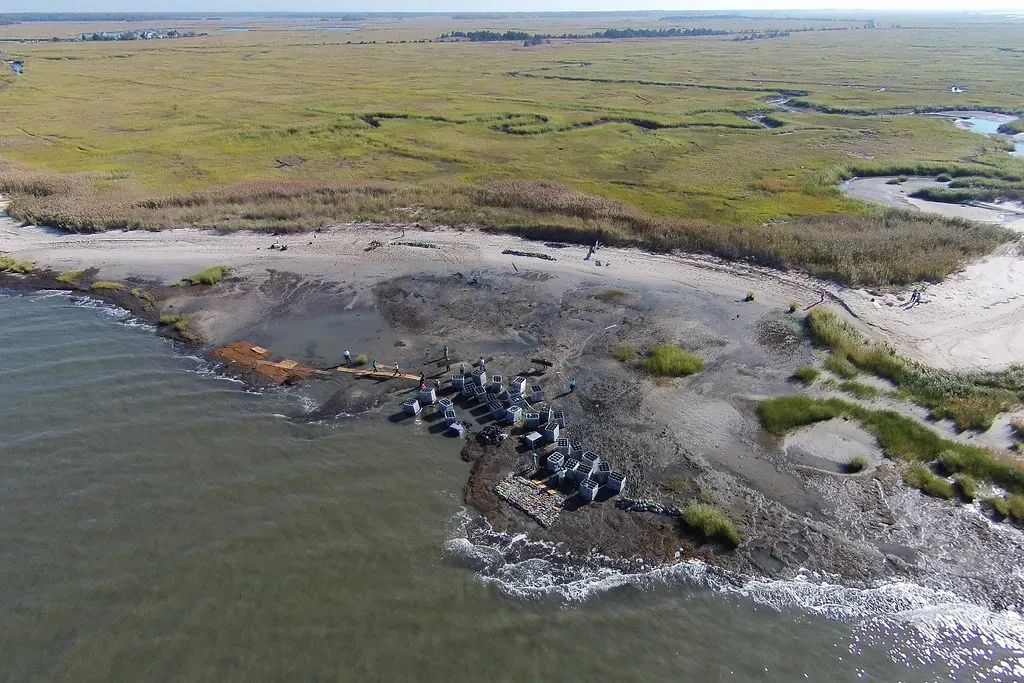
Beyond the sandy beaches, many coasts are fringed by salt marshes – low, grassy wetlands that breathe with the tides. Winter storms and high water levels can erode the edges of these marshes, carving out mini-cliffs and sending chunks of peaty soil and plants sliding into adjacent channels. It can look like the slow unraveling of a vital buffer, especially in regions where sea level is steadily rising.
In calmer months, you sometimes see a more hopeful pattern. Sediment carried by storms and rivers settles out in the quieter backwaters of the marsh, building up the surface or forming new mudflats where seedlings can take root. Over time, marshes can migrate landward, colonizing slightly higher ground if there is space and if human structures do not block that movement. In that sense, the marsh edge “returns” in a new location, even as the old edge retreats.
- Healthy marsh vegetation traps suspended sediments, helping land keep pace with rising water in some regions.
- Hard shorelines and bulkheads can prevent this migration, turning dynamic systems into eroding edges.
- Post-storm sediment pulses are not just messy; they are raw material for future marsh platforms.
There is a tension here that we cannot ignore. Winter storms are getting more intense in many places, and sea levels are creeping up. The seasonal return of marsh edges is still happening, but the long-term trend is more complicated – and ultimately more sobering – than a simple cycle of loss and recovery.
#13 Data, Baselines, and the Return of Perspective
One of the most important “finds” is not physical at all; it is perspective. Each season gives scientists, local communities, and even casual beachwalkers another round of data: new storm scars, fresh sand builds, altered channels, changes in species timing or abundance. Over years and decades, those seasonal snapshots layer into a record of how the coast is truly changing – not in dramatic headlines, but in quiet, measurable increments.
For coastal researchers, this looks like repeated beach profiles, drone surveys, sediment cores, and biological monitoring. For everyone else, it might be as simple as noticing that the high-tide line is creeping closer to a familiar path, or that certain shells are rarer than they used to be. The sea does not send us a neat report each spring, but it does put its updates in plain sight if we are willing to look closely.
Personally, I think this is where our relationship with shorelines needs the most adjustment. We tend to latch onto individual storms as disasters or freak events, then celebrate when the beach “comes back” in a few months, as if that erases the deeper trend. The wiser move is to treat each winter and each return as one data point in a long-running experiment that we are, intentionally or not, participating in.
Conclusion: The Sea Always Returns Something – But Not Always What We Expect
After a winter of storms, it is tempting to walk the first calm, sunny shoreline and breathe a sigh of relief. The sand is wider again. The water looks clearer. Birds are foraging in the wrack, and kids are climbing on new driftwood forts. It feels like a reset – like nature has bounced back, closing the chapter on a rough season. In many ways, that is true. Sandbars migrate home, seagrass sprouts, and coastal life surges back into the shallows with a kind of stubborn optimism.
But that optimism should be tempered with honesty. Some of what the sea returns – plastic fragments, eroded marsh edges, exposed waste – is a ledger of our own choices. Not every lost dune will rebuild, not every seagrass bed will recover after repeated hits, and not every artifact exposed by waves is a romantic relic. The same storms that power natural renewal are now playing out on coastlines already stressed by rising seas and human pressure, and the balance between loss and return is shifting in ways we cannot ignore.
In the end, these 13 finds are reminders that coasts are not static scenery; they are living, changing interfaces where energy, sediment, water, and life are constantly being traded. If we want beaches and marshes and underwater meadows to keep coming back after hard winters, we have to give them room, respect their rhythms, and stop treating their capacity to recover as infinite. The sea will always return something after a season of storms – the question is whether we will learn enough, and act soon enough, to like what it brings back. What will you see the next time you look closely at the shore after winter has passed?