Most people picture spoil heaps as ugly, useless piles of rock nobody wants to touch twice. That assumption has cost fortunes, buried history, and hidden the bones of animals that walked the earth 300 million years before any of us showed up.
From forgotten mine dumps to century-old coal waste, these mounds have quietly held onto fossils, gold, diamonds, and even human remains that the original workers walked straight past without a second glance. Here’s what geologists, paleontologists, and prospectors actually found waiting in plain sight – and why nobody caught it the first time around.
#12 – Rare Earth Elements Hiding in America’s Forgotten Tailings
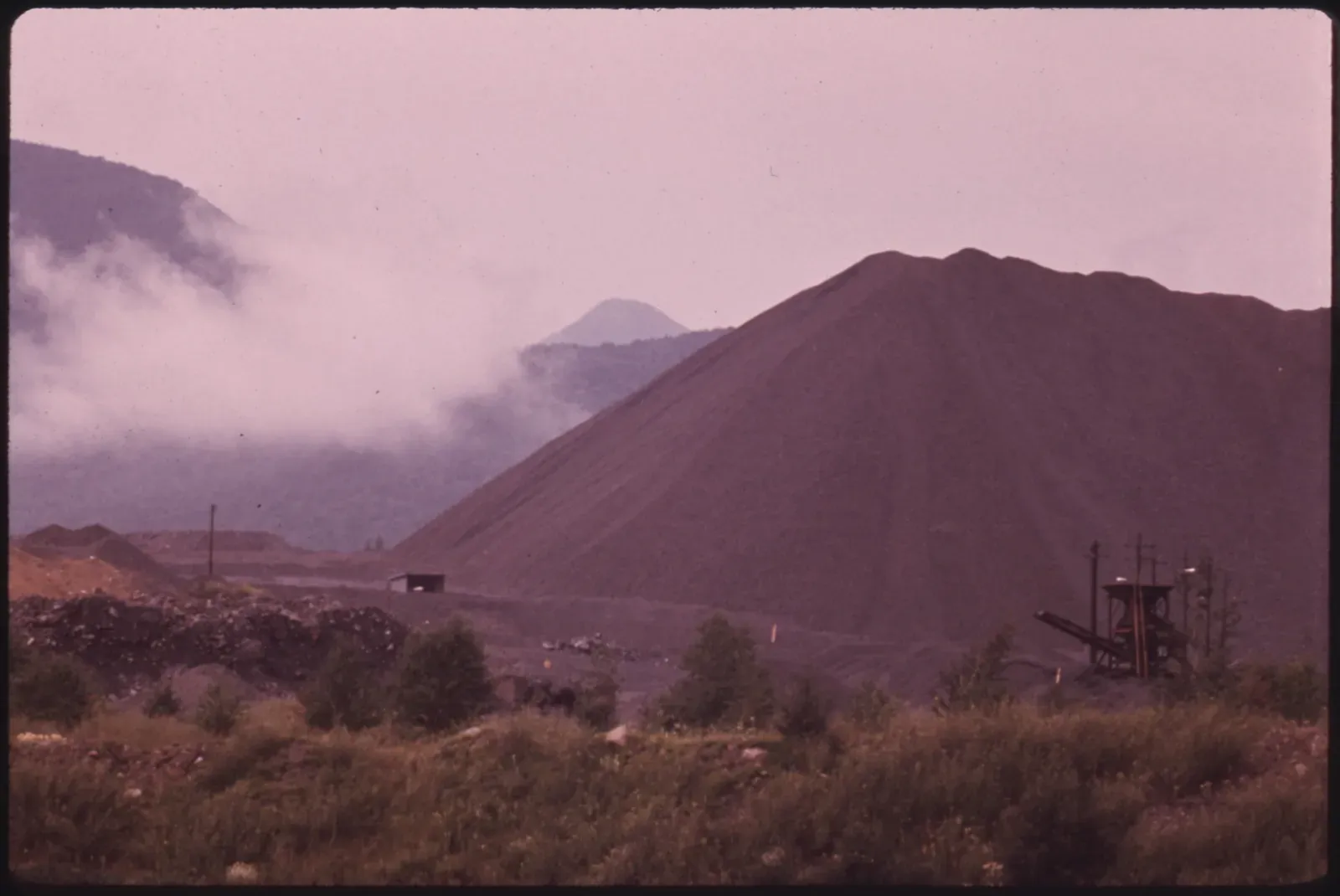
Old mine waste that miners tossed aside a century ago is now worth more than the ore they originally dug for.
Prospectors say they’ve discovered a modern mother lode – not one buried deep within the earth, but sitting on the surface. The tailings of old mines, some dating back to California Gold Rush days, contain rare earth elements essential to the manufacture of MRI scanners, cell phones, and lasers. These elements weren’t even known to be valuable when the original miners dumped this rock.
Fast Facts
- Rare earths pulled from old tailings help build MRI scanners, phones, and lasers
- Some piles trace back to California Gold Rush-era mining operations
- No agency has ever tallied the total volume of U.S. tailings nationwide
- New tech recovers gold, copper, diamonds, and rare earths from the same waste rock
What’s most striking is how little anyone actually knows about how much of this material exists. When asked how many piles of tailings the U.S. has, the Director of the USGS’s mineral resource program simply said “Lots,” adding that nobody has ever made an assessment of their total volume. That’s an entire category of American landscape that has never been properly counted.
Reprocessing technology is finally catching up. Some mining companies are figuring out ways to turn tailings into profits with novel reprocessing techniques, recovering very small diamonds from diamond-ore residue, while the USGS found that discarded mine tailings may yield significant amounts of rare earth elements. Several efforts are already underway to extract gold and copper from the same waste, and researchers have even found the leftover rock can capture carbon while yielding battery metals in the process.
Stick around, though – #11 is where the story stops being about metal and starts being about bone.
#11 – A Whale Bone Buried in a Phosphate Mine’s Waste
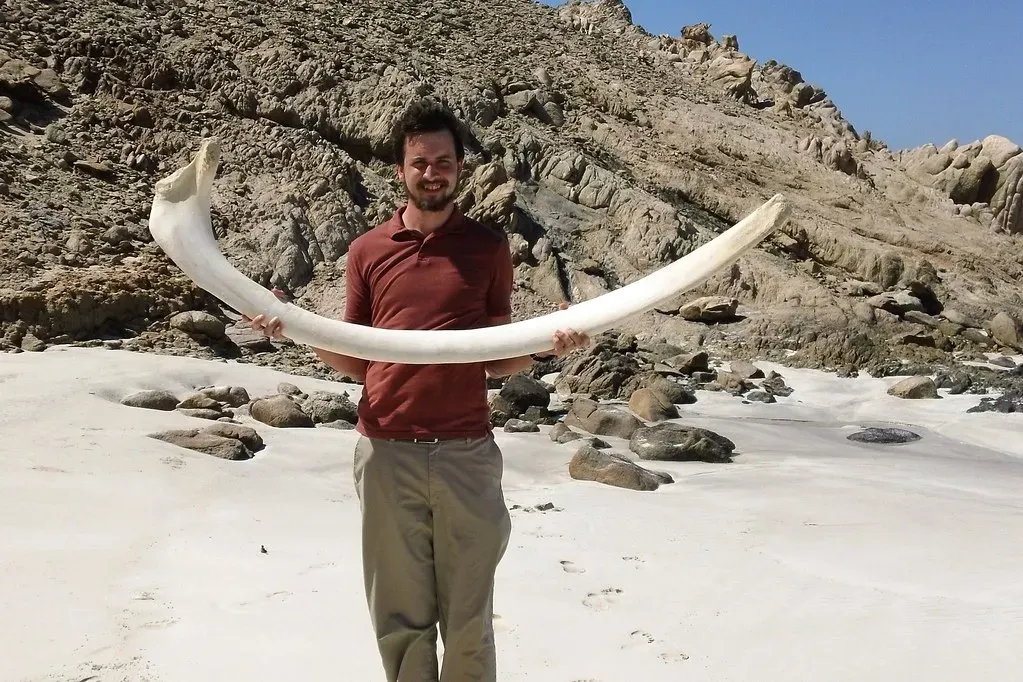
Nobody expects a marine mammal to surface in a landlocked mining pit, yet that’s exactly what happened.
In 2011, a piece of rib from a prehistoric whale turned up in a North Carolina phosphate mine. Phosphate deposits form from ancient seabeds, so the region had once been ocean floor millions of years before any drag line ever touched it. The bone had been sitting in reworked sediment for ages before anyone recognized what they were looking at.
Finds like this aren’t flukes anymore. Mining companies know how valuable these discoveries are, which is why they frequently lend paleontologists a hand. Many even employ staff scientists who watch for unusual formations and alert researchers the moment something interesting turns up, turning what would otherwise be crushed or buried material into scientific data.
It’s a strange kind of trade-off. The same machinery that destroys ancient landscapes also exposes them layer by layer, giving scientists a window they’d never get from surface digging alone. Without industrial-scale excavation, a fossil like this whale rib might never have been seen by human eyes at all.
Compared to what a coal miner tripped over next, though, this one’s almost quiet.
#10 – The Four-Foot “Turtle” a Miner Stumbled On Walking Out
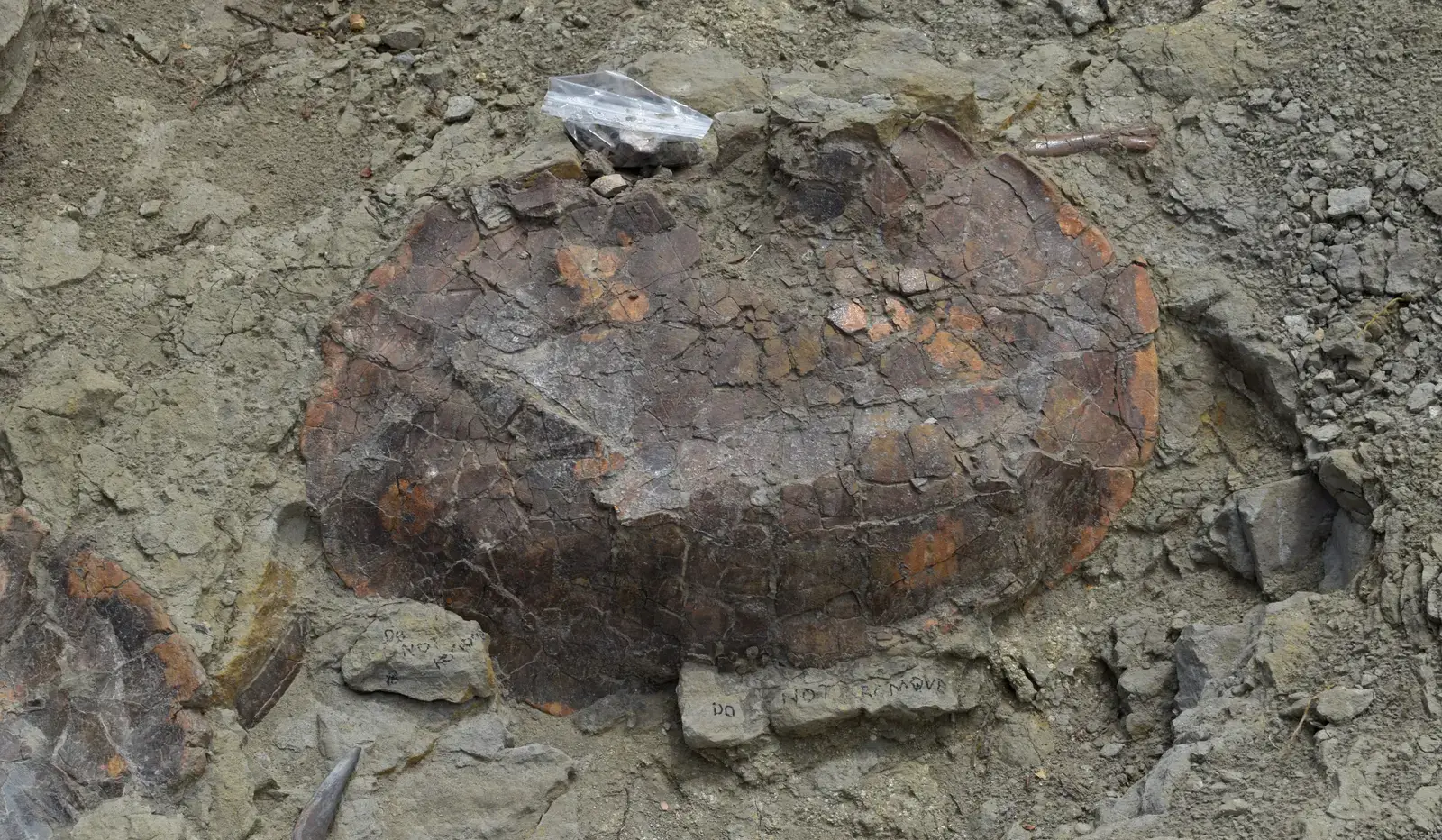
Sometimes the biggest scientific finds happen by pure accident, on someone’s way home from a normal shift.
A West Virginia man said he found a massive fossil in the early 1980s while walking out of a mine at the end of a workday. He wasn’t a geologist, wasn’t searching for anything, and by his own admission was amazed something like it would even be in the area. He almost left it behind entirely.
His first instinct was to identify it using the only reference he had. He was initially convinced it was a sea turtle, recalling how they picked it up, looked at it, and noticed the body appeared to sit up near the top – describing what looked like a shell four feet wide. That’s not a small specimen for an amateur to carry out casually on a whim.
Experts now believe the fossil is far older than anyone at the mine originally assumed. Geologists believe the find could be as much as 315 million years old, based on the age of the surrounding coal seam. It sat in Raleigh County rock for that entire span before a working coal miner happened to glance down at the right moment.
And that’s still nothing next to what #9 says about every played-out mine you’ve ever heard of.
#9 – The Gold Nobody Bothered to Look For Twice
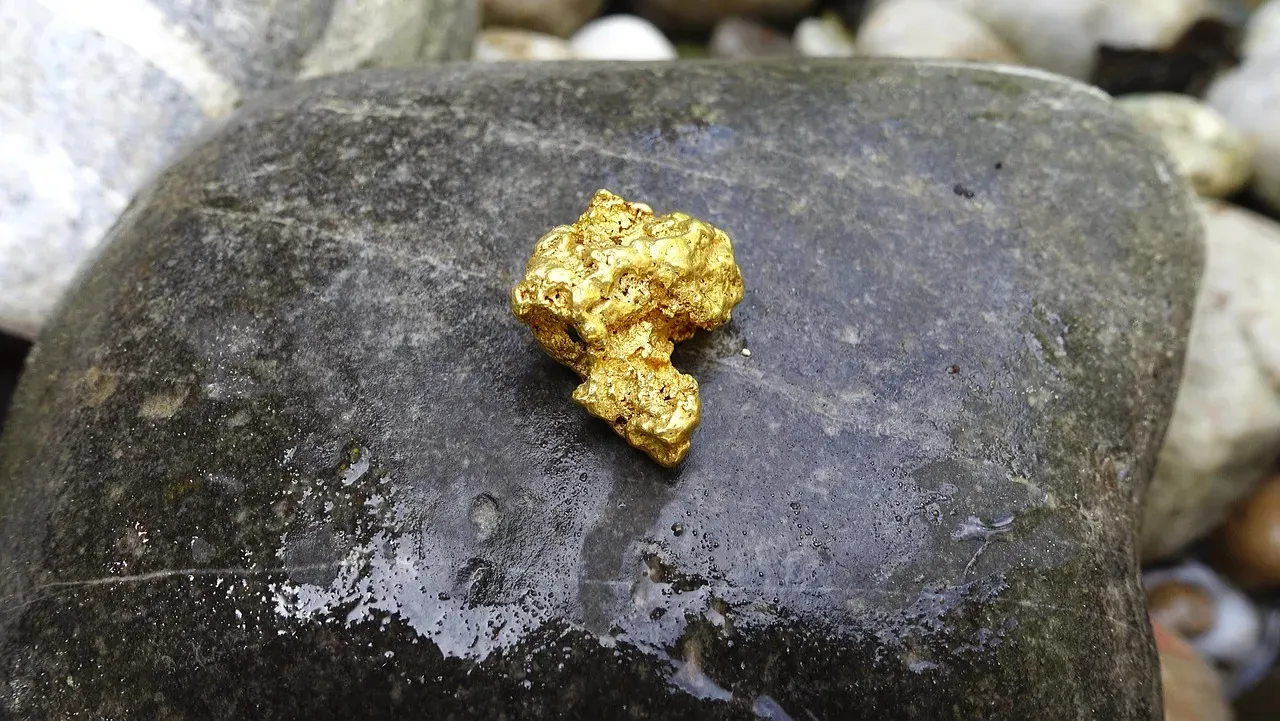
Most people assume a played-out mine means every ounce of value has already been removed. That assumption is flatly wrong.
Old-time processing equipment was nowhere near as efficient as today’s tools. Faulty equipment design, inconsistent air flow, overloading, and plain operational error meant more than 50% of the gold miners processed was left behind in drywasher tailing piles, simply because miners of the past couldn’t see the gold hidden inside the rocks they discarded. That’s not a rounding error – that’s the majority of the resource, left in the dirt.
Modern detecting technology has completely flipped the economics. Tailing piles from old mines are now hot locations to work, and they’re some of the easiest, quickest sources of gold if a prospector is proficient with a metal detector. Pieces once dismissed as worthless waste rock are now targets worth digging up all over again.
Even large dredge operations weren’t immune to these losses. Dredges were notoriously inefficient, relying on processing volume rather than precision, so plenty of gold was left behind in tailing piles – including large nuggets and specimens that got screened out and rejected like any other oversized rock. An entire secondary industry now exists just to recheck what was already declared “finished.”
#8 takes that same idea and turns it into a five-kilogram payday.
#8 – The 5-Kilogram Nugget Sitting Near an Old Goldfield
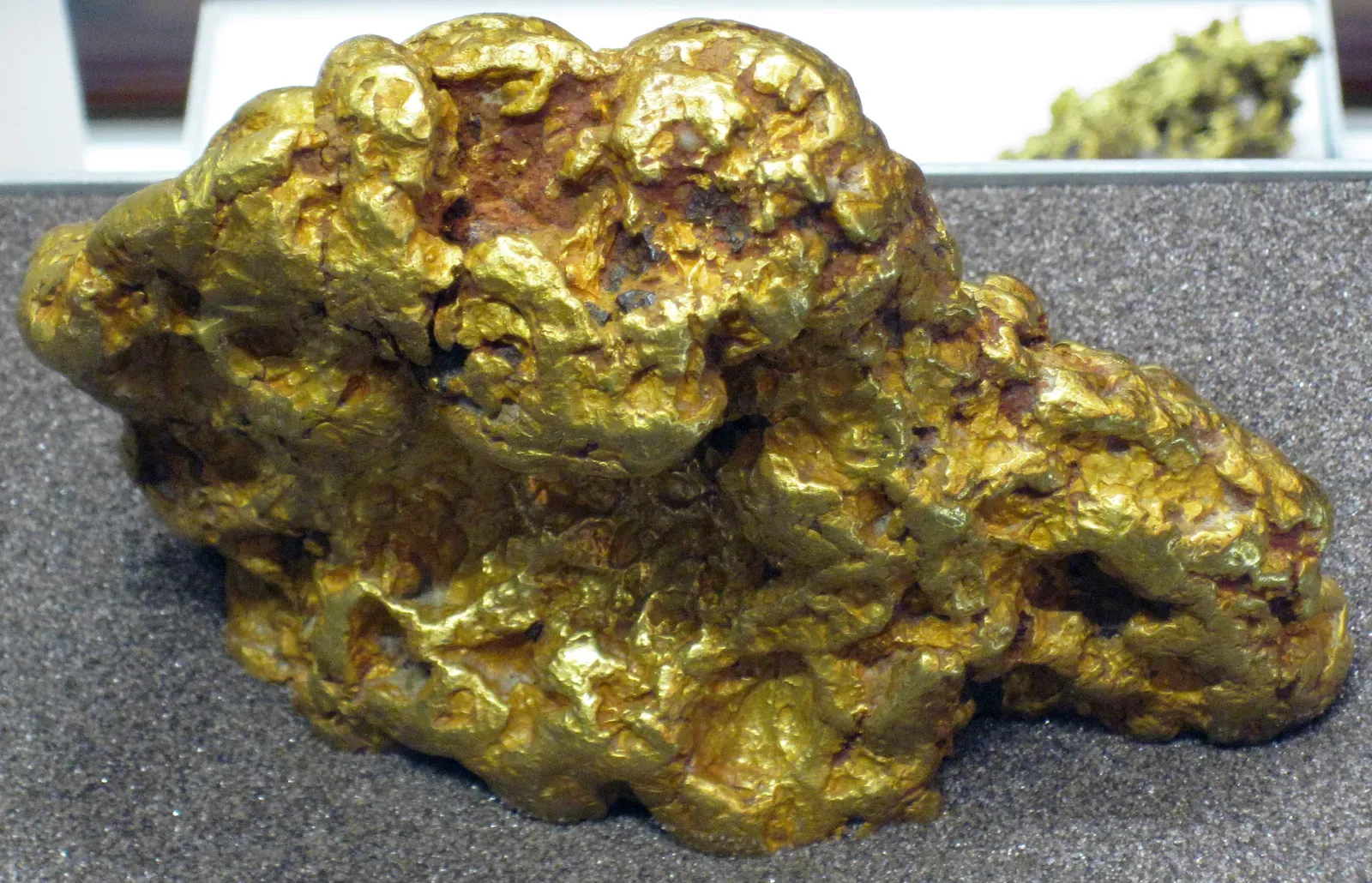
Sometimes the reward for rechecking old ground isn’t just a few flakes – it’s a five-figure payday in a single afternoon.
On January 16, 2013, a large gold nugget was found near the city of Ballarat in Victoria, Australia, by an amateur prospector. It weighed slightly more than 5 kilograms, measured around 22 centimeters high by 15 centimeters wide, and carried a market value just below 300,000 Australian dollars. That’s a life-changing find made with modern detecting equipment on ground people assumed had been picked clean during the original 19th-century gold rush.
What makes this story land differently is the location. Ballarat was one of the most intensively worked goldfields in the world during the 1850s boom, meaning thousands of prospectors had already combed the surface and shallow ground more than a century earlier. The nugget’s survival for over 150 years shows just how much gold slips through even a heavily mined district.
Reports valued the piece well beyond its raw gold weight because of its rarity and shape, with some suggesting it could fetch significantly more than the standard market price if sold to a collector rather than melted down. That’s the difference between treating a find as bullion and treating it as history.
#7 flips the whole search upside down, literally.
#7 – Dinosaur Footprints Hanging From a Coal Mine’s Ceiling
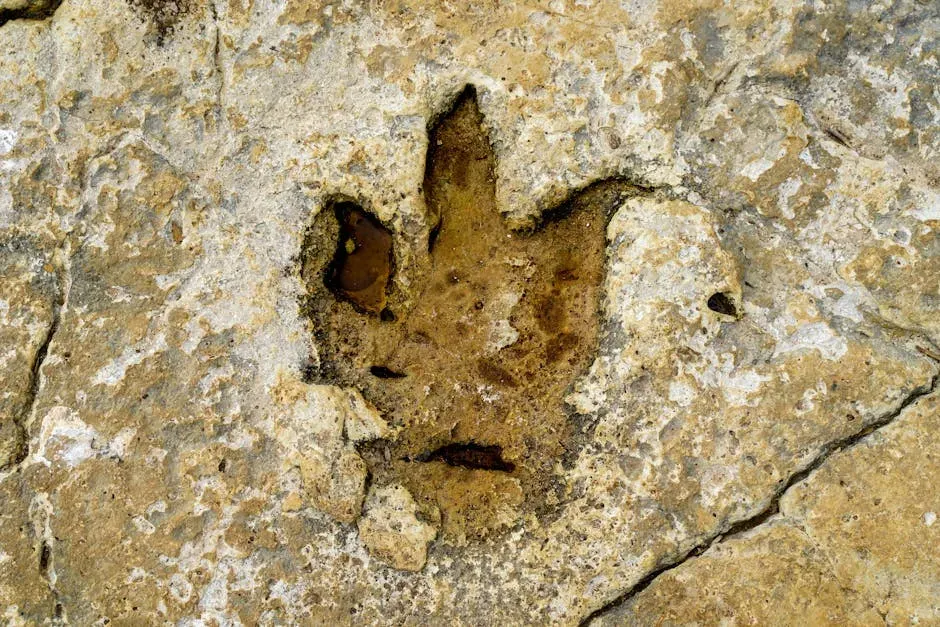
Most fossil hunters look down at the ground. In this case, the discovery was literally overhead.
Thousands of natural casts of dinosaur footprints have been found in the roof surface of a coal mine in Spring Canyon, Utah. They occur as protrusions that hang down from the roof, some up to three feet long and weighing hundreds of pounds. Nobody was searching for footprints when the coal seam was first opened – they were simply mining fuel.
Worth Knowing
- Casts hang from the roof of a coal mine in Spring Canyon, Utah
- Some individual casts stretch up to three feet long and weigh hundreds of pounds
- They formed when peat filled ancient footprints before turning into coal
- Miners now display them as lawn ornaments and conversation pieces at home
The science behind how these formed is almost as interesting as the discovery itself. The casts formed when peat from an ancient forest floor gradually turned to coal, filling the footprints with shale material as it went. As the shiny coal was mined from the bottom, the casts were exposed – miners essentially uncovered footage of prehistoric traffic patterns without meaning to.
These casts didn’t stay buried in academic collections either. Nowadays, it’s not uncommon to see them displayed as lawn ornaments at miners’ homes or as conversation pieces in local businesses. Somewhere out there, a piece of a dinosaur’s daily commute is sitting on someone’s front porch, unrecognized by most visitors who walk right past it.
#6 belongs to a company that should have known better – and still missed millions.
#6 – De Beers’ Diamond Harvest From Rock It Had Already Rejected
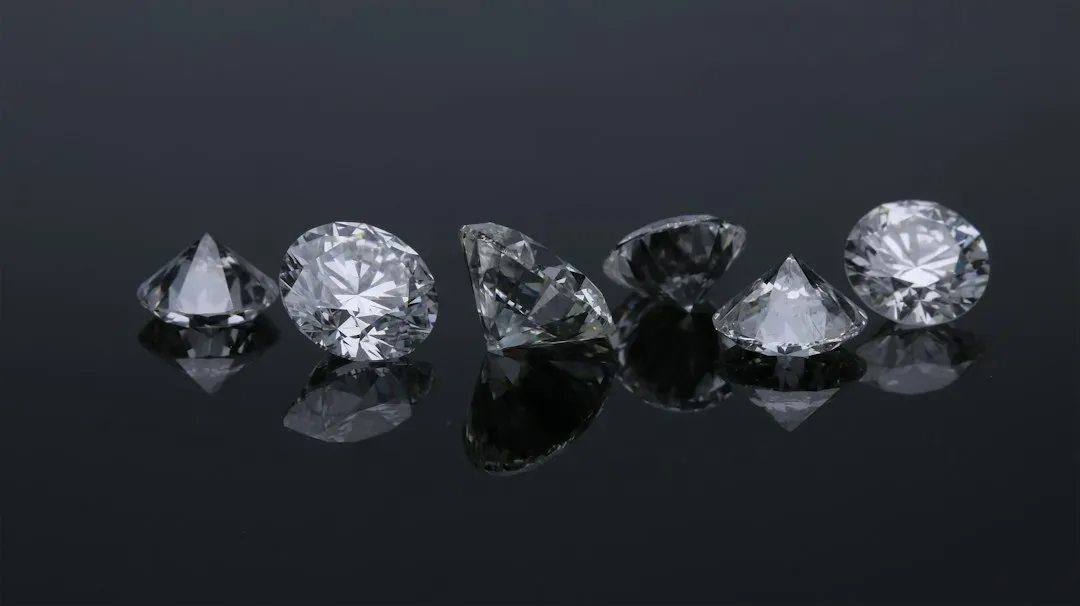
If any company should know exactly how much a diamond is worth in a pile of rock, it’s De Beers. And even they left millions of carats behind.
De Beers Consolidated Mines set out to extract overlooked diamonds from 360 million tons of old tailings surrounding the Kimberley mines in South Africa. In a single year, the operation recovered 815,036 carats of diamonds from 6,133,799 tons of tailings, and the company expects to continue running the operation beyond 2030. That’s not a small side project – that’s a multi-decade industrial operation built entirely on “waste” rock.
What changed wasn’t the ground. It was the technology. Advances in separating, sorting, and crushing equipment made it possible to recover very small diamonds from the residue of the original ore – stones the original 19th and early 20th-century sorting methods physically couldn’t detect are now routinely pulled out.
Here’s the part most people find hard to accept: the original Kimberley miners weren’t careless or lazy. Their equipment simply wasn’t precise enough to catch smaller stones, so an entire secondary diamond field has existed in plain sight around Kimberley for over a century, waiting for the right machinery to show up.
#5 doesn’t involve gems at all – it’s an entire lost forest.
#5 – The Largest Fossil Forest Ever Found, Preserved in a Coal Mine’s Ceiling
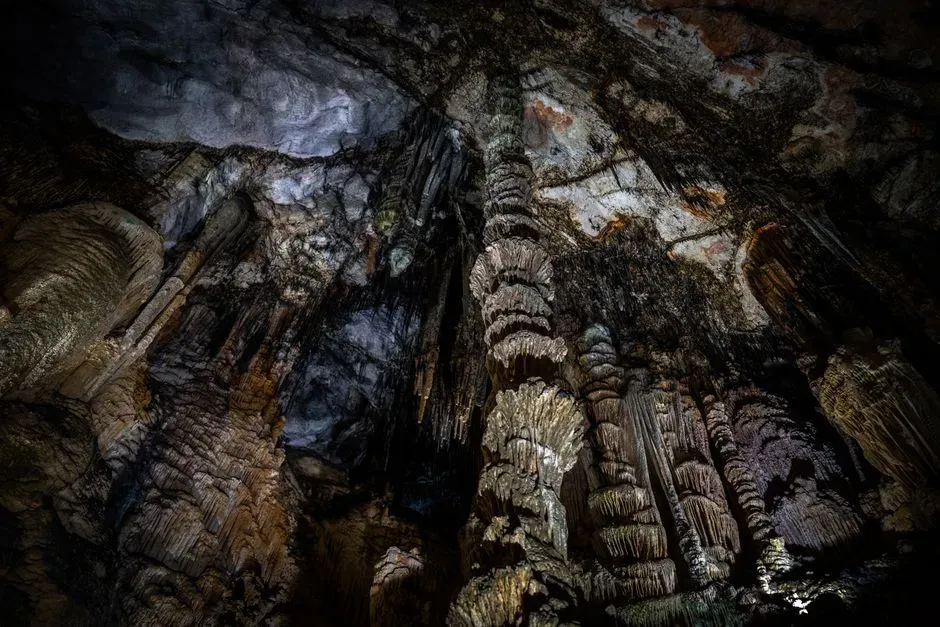
Geologists weren’t hunting for anything unusual when they walked into two ordinary coal mines in Illinois. What they found rewrote the record books.
When John Nelson and Scott Elrick, geologists with the Illinois State Geological Survey, examined the Riola and Vermilion Grove coal mines in eastern Illinois, they found something etched into the ceilings: the largest intact fossil forest ever seen, at least four square miles of tropical wilderness preserved 307 million years ago. That’s not a scattered handful of plant impressions – that’s an entire ancient ecosystem frozen mid-collapse.
At a Glance
- Discovered inside the Riola and Vermilion Grove coal mines in eastern Illinois
- Covers at least four square miles of preserved tropical forest
- Dated to roughly 307 million years old
- Preserved after an earthquake dropped the swamp 15 to 30 feet almost instantly
The reason it survived intact comes down to a sudden geological accident. An earthquake abruptly lowered the swamp 15 to 30 feet, burying the forest fast enough to preserve its structure instead of letting it decay or erode away gradually. Without that single violent event, this forest would likely have vanished like nearly everything else from that era.
Most people assume coal mines are geologically boring once the coal is removed. That assumption couldn’t be further off. The Illinois discovery proves the material surrounding the coal seam can hold more scientific value than the coal itself ever did.
#4 proves the same logic works for an entire U.S. state.
#4 – Arkansas’s Diamond Field Everybody Thought Was Just Dirt
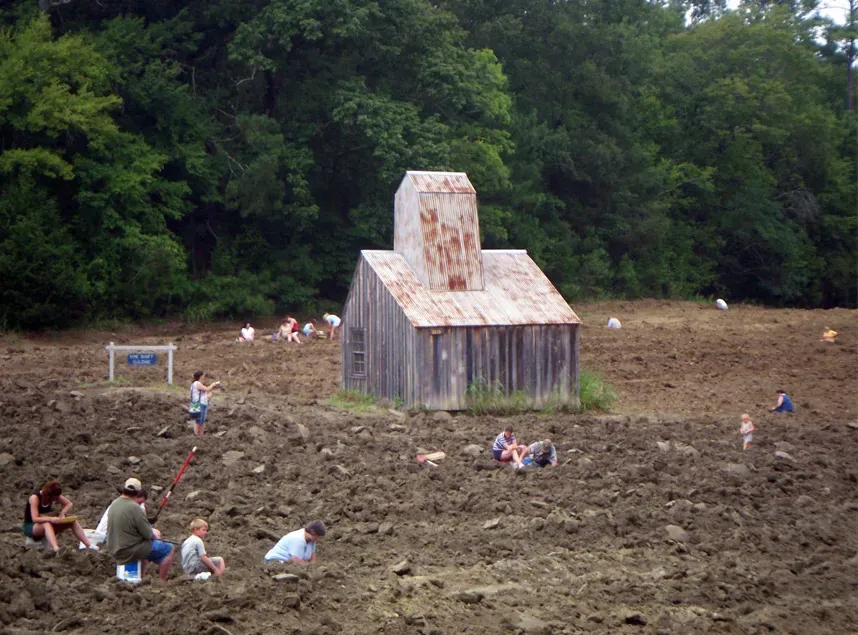
An entire state park exists today because a man looking for gold accidentally found something far rarer sitting in the open ground.
In early 1906, John Wesley Huddleston purchased the area looking for gold, and instead that August found two diamonds – 3 and 4.5 carats. George Frederick Kunz, who identified the stones after visiting the site, noted that the diamonds collected from the surface were absolutely perfect and equal to the finest stones ever found in Africa or India. Nobody had thought to check the surface soil for gems before that moment.
The site has kept producing ever since, decades after the “obvious” finds were supposedly exhausted. Diamonds have been discovered in the field continuously since 1906, including the Uncle Sam, found in 1924, which at over 40 carats is the largest diamond ever found in the United States, and the graded-perfect Strawn-Wagner Diamond, found in 1990. That’s 84 years between two record-setting finds, on ground the public has been allowed to dig through the entire time.
Here’s the controversial part many collectors won’t say out loud: this location proves surface-level “amateur” searching regularly outperforms expensive industrial equipment when the ground itself simply hasn’t been checked recently. Sometimes the best tool isn’t a drill – it’s someone willing to look again.
#3 is where the tone shifts, hard.
#3 – Miners Panicked When They Found a Human Skull in a Tailings Dump
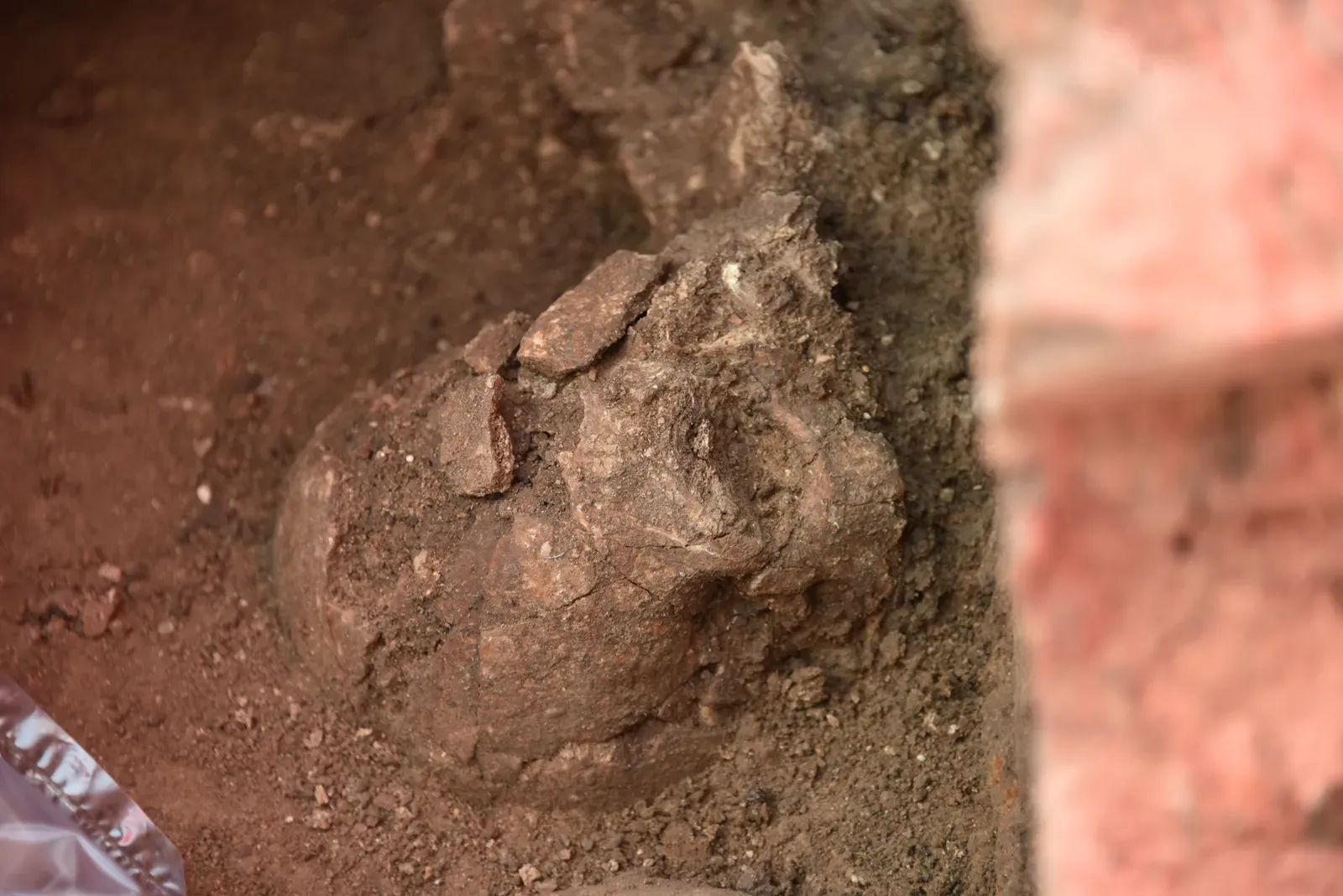
Not every spoil-heap discovery is a happy one, and this find turned a routine workday into a genuine crime-scene scare.
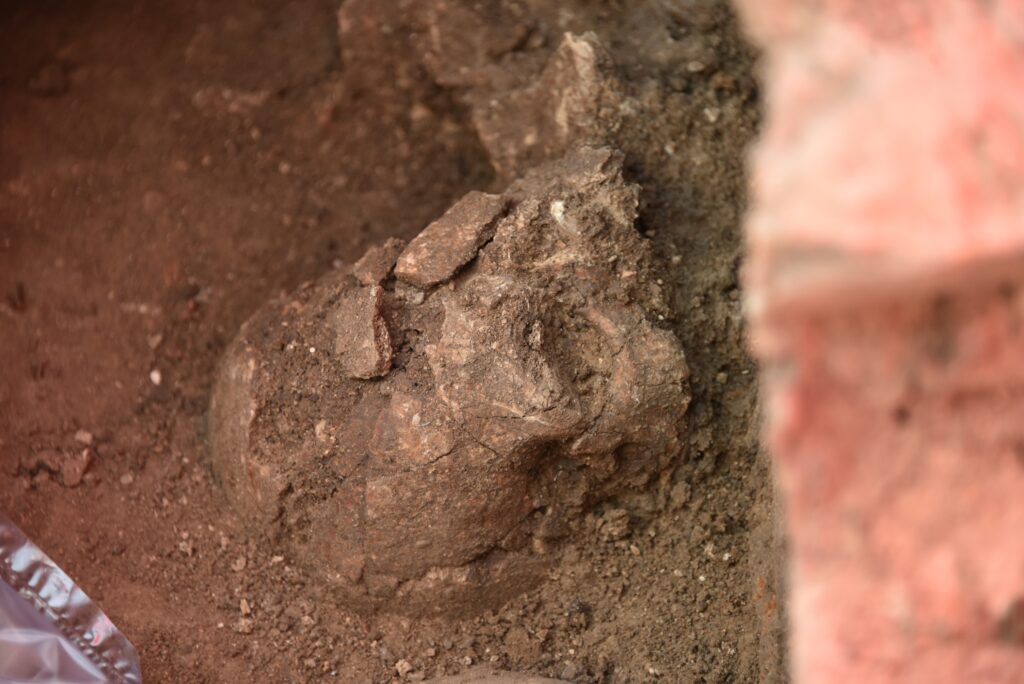
Artisanal miners working the tailings in a South African diamond district were shocked to make a discovery of human remains after two days of digging at the same spot. This wasn’t a quick surface scrape – it took sustained digging before anything unusual turned up.
The miners’ own reaction shows just how unprepared they were for what surfaced. At first they thought the bones were part of an animal and set them aside, but as the pile kept growing they started to get panicky. After finding a copper bracelet, they realized it might be human remains. As soon as the skull appeared, all digging in that spot stopped completely.
Officials had to treat the entire tailings area as a potential heritage or forensic site. A municipal spokesperson said until a full forensic analysis is carried out on the bones, it is impossible to tell who the remains belong to, and that all mining in the area needed to cease until other possible graves could be ruled out. A site that had been mined for years without incident suddenly became a suspended investigation overnight.
#2 goes back to fossils – but this one rewrote an entire branch of the reptile family tree.
#2 – The “Coal Dragon” Fossil That Rewrote Reptile History
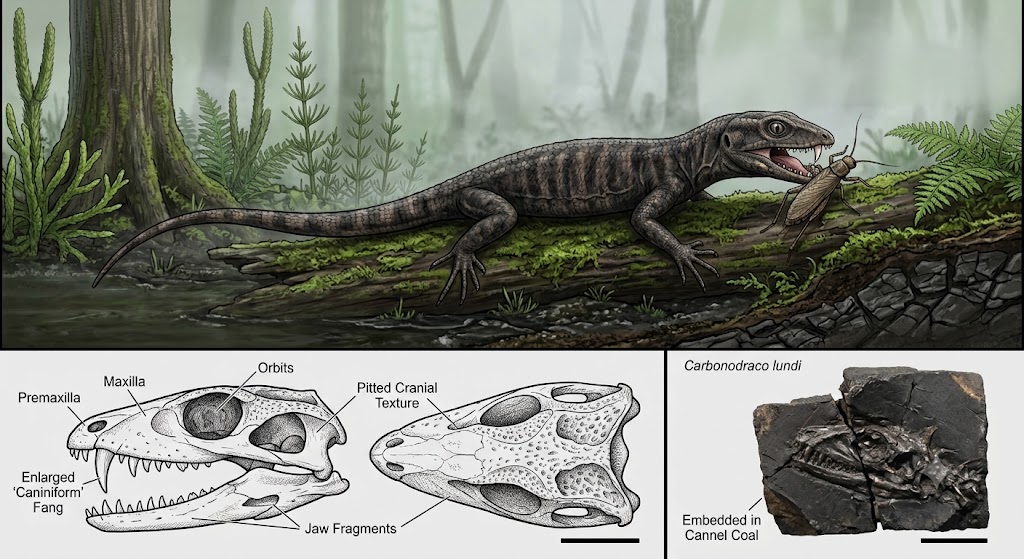
Most fossils look like rock with a shape pressed into it. This one looked like nothing more than a lump of coal, which is exactly why it went unnoticed for so long.
Unlike most fossils, which are typically embedded in shale, limestone, or sandstone, this one was literally a black piece of coal. It was found in the dump of a coal mine operated by the Ohio Diamond Coal Mine Co., and the paleontologist who studied it described it as very unique. Anyone glancing at it in the field would have assumed it was simply waste rock.
Why It Stands Out
- Found in the dump of the Ohio Diamond Coal Mine Co., disguised as ordinary coal
- Named Carbonodraco lundi, translating roughly to “coal dragon”
- Displaced a previous record holder among ancient reptile specimens
- Lived in a mangrove-like swamp roughly 310 to 306 million years ago
The new species it revealed reshaped the reptile family tree. Named Carbonodraco lundi – meaning “coal dragon” – it was a lizard-like predator that scampered about in ancient swamps snatching and stabbing insects and other prey. This wasn’t a minor addition to the catalog; it directly displaced a previous record holder.
Here’s the detail that stops people cold: this fossil unseated a specimen previously believed to hold a major distinction, and it sat unrecognized in a 19th-century mine dump the entire time. The coal deposits themselves formed from a steamy, mangrove-like swamp that covered the region roughly 310 to 306 million years ago, meaning this predator was walking the earth long before most reptiles existed at all.
Nothing on this list compares to what was waiting at #1.
#1 – Titanoboa: The Giant Snake Almost Shoveled Away as Waste
![#1 - Titanoboa: The Giant Snake Almost Shoveled Away as Waste (own work uploaded by artist here:[1] Larger version from:[2], CC BY 3.0)](https://nvmwebsites-budwg5g9avh3epea.z03.azurefd.net/dws/badee568ed31790856dea1ae53d3c370.webp)
Nothing on this list compares to discovering a 40-foot predator sitting quietly in what everyone assumed was ordinary mining overburden.
Paleobotanists working at a Colombian coal mine site had previously found fossilized plants suggesting the mine was once a tropical rainforest, and they invited a vertebrate paleontologist to look for animal fossils. Nobody expected the invitation to produce anything close to what came next.
We found completely unexpected things.
Researcher on the Titanoboa discovery team
What they uncovered changed how scientists understand prehistoric climate entirely – an animal now known as titanoboa, a dozen-meter-long snake that weighed about 1,000 kilograms. That’s roughly the length of a school bus, made entirely of muscle and bone, sitting in rock that mining crews had been actively digging through for material.
The size of the animal wasn’t just a curiosity – it was evidence. The enormous size of the snake suggests warmer tropics back then, giving climate scientists a direct biological thermometer for a period of Earth’s history that’s otherwise difficult to measure. A creature this size simply couldn’t survive in a cooler climate, which means its fossilized bones are now used as proof of just how hot the ancient tropics really were. As miners kept digging deeper, they kept uncovering layer after layer of fossils nobody had ever catalogued, turning an active coal operation into one of the richest paleontological sites on the planet.
The Bottom Line
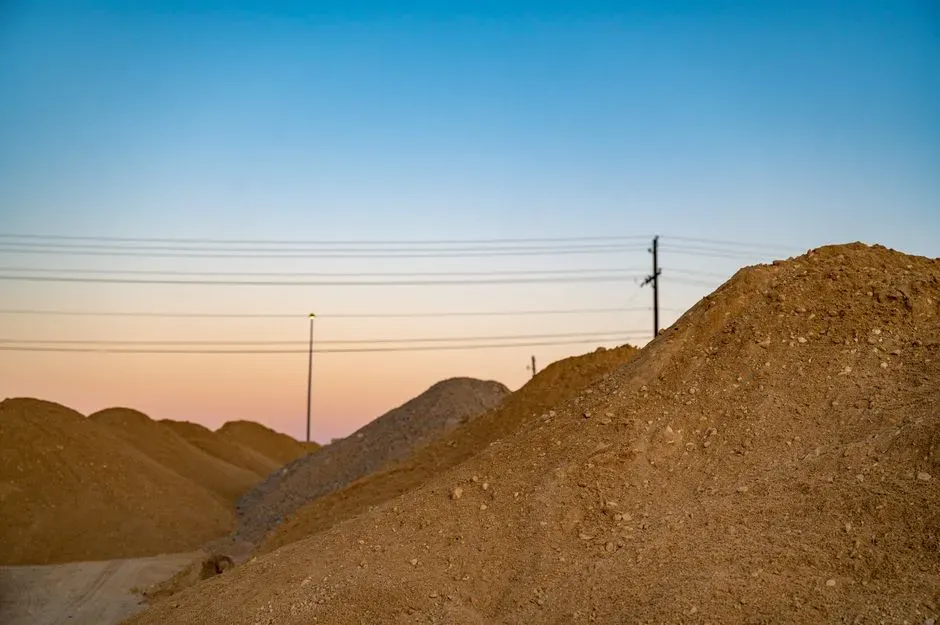
Spoil heaps get treated like trash piles, but the evidence says otherwise. Titanoboa, a 40-foot snake, sat in Colombian coal waste until scientists finally looked. A “coal dragon” fossil rewrote reptile history from inside a 19th-century mine dump. De Beers pulled over 815,000 carats from rock it had already thrown away once. Even human remains turned up in tailings that had been mined for years without anyone noticing.
The pattern is impossible to ignore: old processing methods missed far more than anyone wants to admit, and modern tools keep proving it, one overlooked pile at a time. We think every abandoned mine dump deserves a second look before it gets bulldozed for good – because the ugliest pile of rock in the county might be sitting on the next titanoboa, the next coal dragon, or the next nugget nobody thought to check for. What’s the strangest thing you’ve ever heard of turning up in old mine waste? Drop it in the comments.