Every carved word from the ancient world carries a quiet dare: are you sure you’re reading me correctly? In a field that likes to present itself as precise and scientific, some of the most famous inscriptions on stone, clay, and metal remain stubbornly ambiguous, even when brilliant experts stare at the exact same lines. Two scholars, both impeccably trained, can look at one inscription and walk away with two radically different histories.
This isn’t just a curiosity for specialists. When an inscription can be read in two credible ways, entire narratives shift: who ruled what, who fought whom, whether a people were conquered, tolerated, or simply invented by later storytellers. These debates expose something deeply human about scholarship itself: even with data literally carved in stone, interpretation is still a battlefield.
Below are twelve inscriptions that have been capable scholars. Some disagreements are about a single word; others about entire lines, dates, and identities. In each case, the stone is real, the letters are (mostly) legible, and the people arguing over them are not crackpots. That’s precisely what makes them so fascinating.
#1 The Mesha Stele and the “House of David” Debate
The Mesha Stele, discovered in the nineteenth century in what is now Jordan, is often described as the longest and most detailed royal inscription from Iron Age Moab. It tells how King Mesha triumphed over Israel, complementing and contradicting the Hebrew Bible in a single block of basalt. The truly explosive issue, though, is one damaged line that some scholars see as the earliest extra-biblical reference to the “House of David.” Others are just as convinced that this reading is wishful thinking etched over broken stone.
On one side are epigraphers who, using squeezed copies, high-resolution photos, and reflectance imaging, argue that the faded letters can only sensibly restore as something like “House of David.” This would push the dynastic name of David back into the ninth century BCE and provide precious external confirmation of a Davidic line. On the other side, equally respected specialists counter that the broken vowel points and letter traces are too fragmentary to be trusted. In their view, alternative restorations – sometimes involving different personal or place names – fit the Moabite text just as well.
The disagreement isn’t just linguistic hair-splitting. If “House of David” really stands there, it anchors biblical tradition to a tangible, contemporaneous non-Israelite inscription. If it doesn’t, then David’s dynasty remains historically plausible but less firmly pinned to archaeology. Summarized, the two main readings tend to cluster into:
- Pro-Davidic: damaged line plausibly reads “House of David,” early dynastic reference.
- Non-Davidic: traces too weak; better treated as unknown name or title.
Both readings are defended with intricate philology, reconstructions of missing letters, and comparisons with other Northwest Semitic inscriptions. The stone hasn’t changed in over two and a half millennia; our eyes and expectations, on the other hand, absolutely have.
#2 The Tel Dan Inscription: Dynasty or Generic “Beloved”?
The Tel Dan inscription, a broken Aramaic victory stele found in northern Israel in the 1990s, ignited debates almost overnight. It appears to be a boasting text by an Aramean king, likely Hazael, recording victories over the kings of Israel and “the House of David.” For one camp of scholars, this is clear, straightforward, and finally the clinching epigraphic evidence that Judah’s royal line truly bore David’s name as an official dynastic label.
Yet another group, equally trained, reads those same characters more cautiously. They point out that the phrase could potentially be parsed differently, perhaps as a title or a descriptive epithet meaning something like “house of the beloved” or even a toponym. The fragmentary context leaves just enough room for these alternatives to be grammatically possible, even if not everyone finds them equally persuasive. They emphasize that reading David onto every “DWD” sequence in early Semitic inscriptions can become circular.
Part of the tension comes from how heavily modern debates about the historicity of the biblical David lean on this single inscription. If you assume the biblical narrative is broadly historical, then “House of David” seems almost obvious. If you are more skeptical, the same marks on basalt look like an open field for other readings. A few key points often frame the disagreement:
- Traditional reading: “House of David” as a Judahite dynasty already recognized by foreign enemies.
- Alternative readings: non-dynastic term, title, or place name sharing the same consonants.
- Shared reality: everyone agrees the inscription records conflict between an Aramean king and Israel/Judah.
What makes Tel Dan so emblematic is that both sides use the same grammar, the same script, and the same photos, yet land in strikingly different historical stories. The stones may be silent, but they are not neutral.
#3 The Gezer Calendar: Schoolboy Exercise or Farming Almanac?
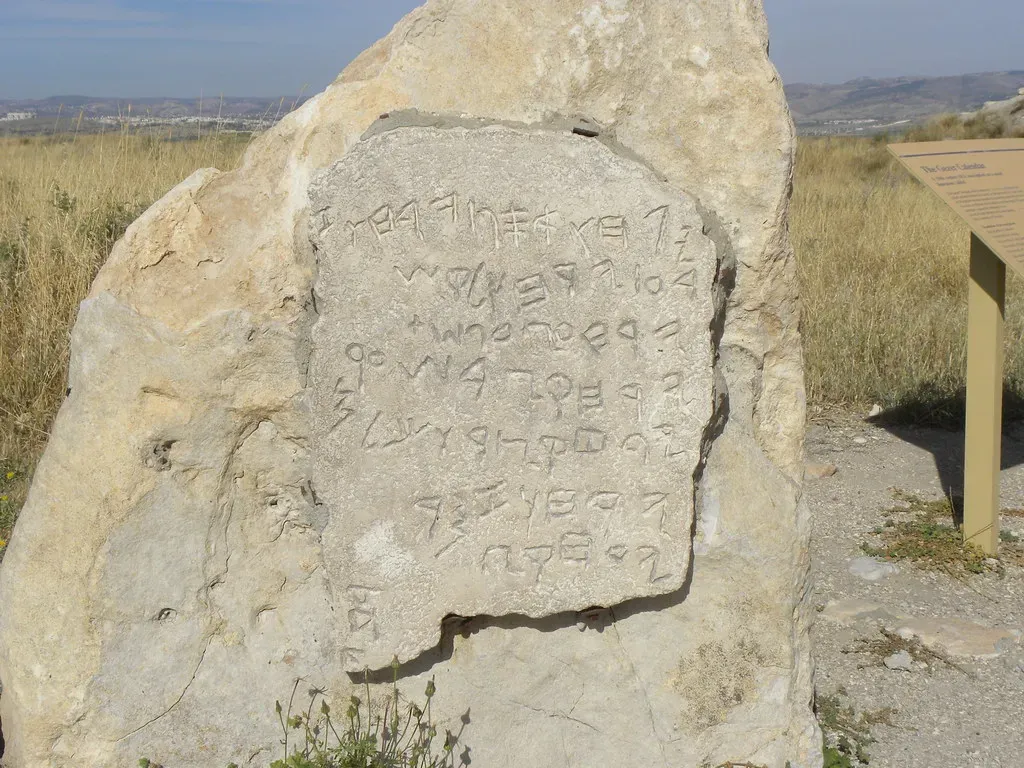
The Gezer Calendar, a small limestone tablet with a short list of seasonal agricultural activities, is often called one of the oldest known Hebrew inscriptions. It lists months associated with planting, harvesting, and pruning. That much is broadly agreed. Where equally skilled scholars diverge is over what this little text actually is and what kind of world it implies.
One influential reading sees it as a schoolboy’s writing exercise, perhaps scribbled by an apprentice scribe practising cursive forms and memorising the yearly cycle. The repetitive and formulaic structure fits that kind of pedagogical drill, and the somewhat awkward script is taken to reflect a learner’s uncertain hand. Under this interpretation, the tablet becomes a window into early literacy, education, and scribal culture rather than high literature or royal propaganda.
Others argue the calendar is not merely a student exercise but a functional farmer’s mnemonic or even a ritual text encoding sacred agricultural rhythms. They note the careful ordering of the months and suggest that an official, rather than a child, may have recorded these cycles, perhaps in a rural administrative context. In this view, the inscription represents the early codification of agrarian knowledge, tying local practice to broader regional systems of timekeeping.
Because the text is so short, both readings can make a plausible case. This is a good example of how “two ways” does not always mean two different translations of each word, but sometimes two very different stories about who wrote a text, why they wrote it, and who cared enough to preserve it in stone.
#4 The Siloam Tunnel Inscription: Engineering Feat or Theological Sign?
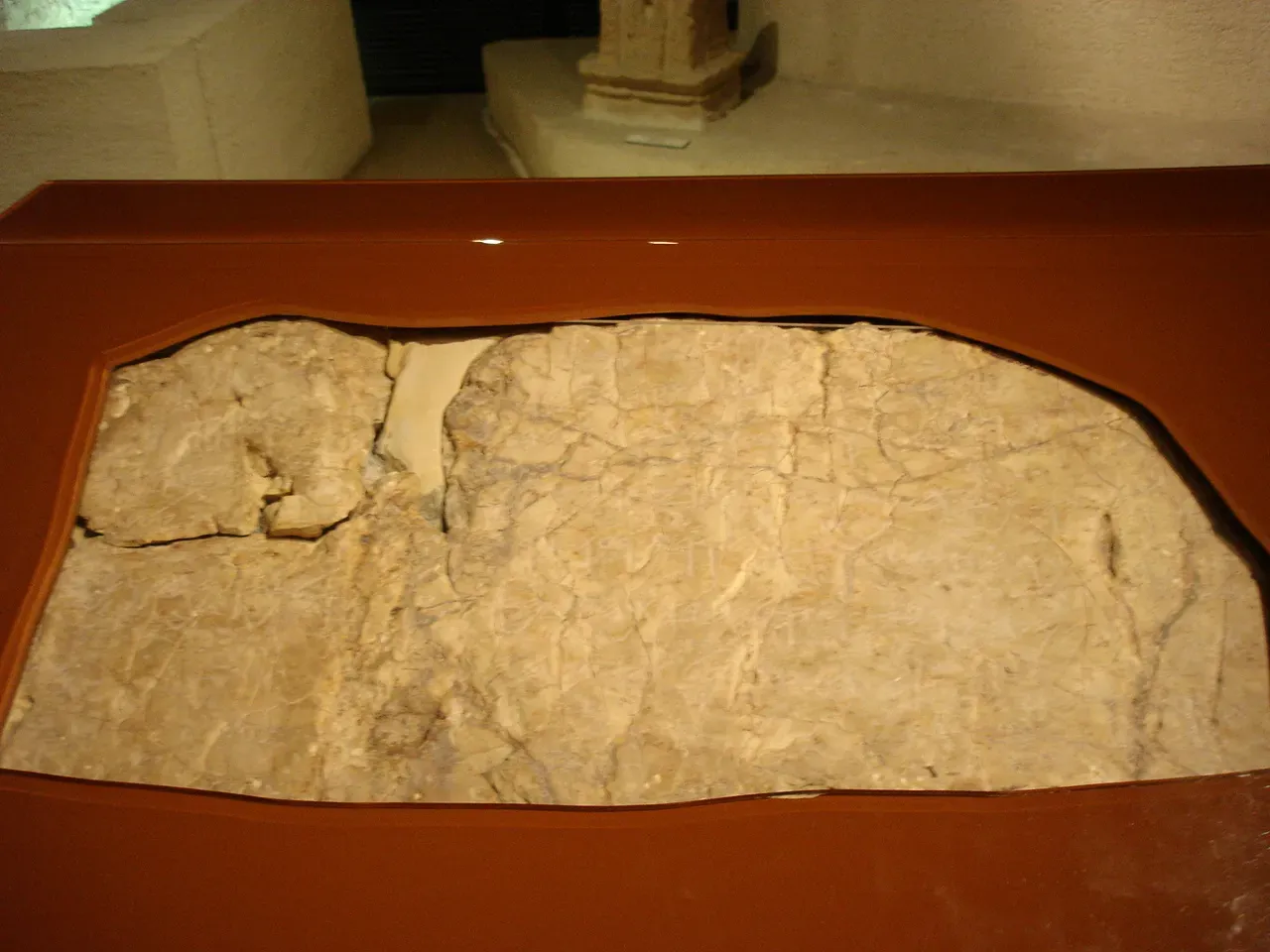
The Siloam Inscription, carved into the rock wall of a water tunnel in ancient Jerusalem, describes two teams of diggers tunneling toward each other and finally meeting in the middle. On the surface, it seems straightforward: a celebration of engineering and a bit of triumphant civic pride. But for more than one generation of scholars, the debate has boiled down to what kind of text this actually is and how it should be read in relation to biblical narratives about King Hezekiah and the Assyrian threat.
Some specialists interpret the inscription in largely practical terms. They read it as a commemorative note, perhaps by the workers themselves or by a local official, recording the remarkable technical achievement. On this reading, the lack of explicit divine names and the down-to-earth description of chisels and measurements emphasizes an almost secular tone, rare in ancient Near Eastern monumental texts. The text is then used to highlight the sophistication of late eighth-century BCE Judean administration and urban planning.
Equally respected scholars insist that in the cultural context of ancient Judah, carving a text in such a prominent, enduring medium would almost inevitably carry theological weight. They read subtle allusions to protection, providence, and divine favor into the description of the tunnel’s completion, paralleling it with the biblical account that portrays Hezekiah’s waterworks as part of a faith-inflected response to looming invasion. Their translation choices emphasize any hint of divine oversight or royal agency embedded in the verbs and narrative structure.
So the same inscription can be read as a rare example of ancient “technical writing” or as a compressed, theologically charged monument tied to a specific king and moment. In practice, most careful scholars acknowledge elements of both. Yet which side you lean toward shapes whether the Siloam Inscription appears in engineering histories, histories of religion, or both.
#5 The Behistun Inscription: Political Propaganda or Historical Chronicle?
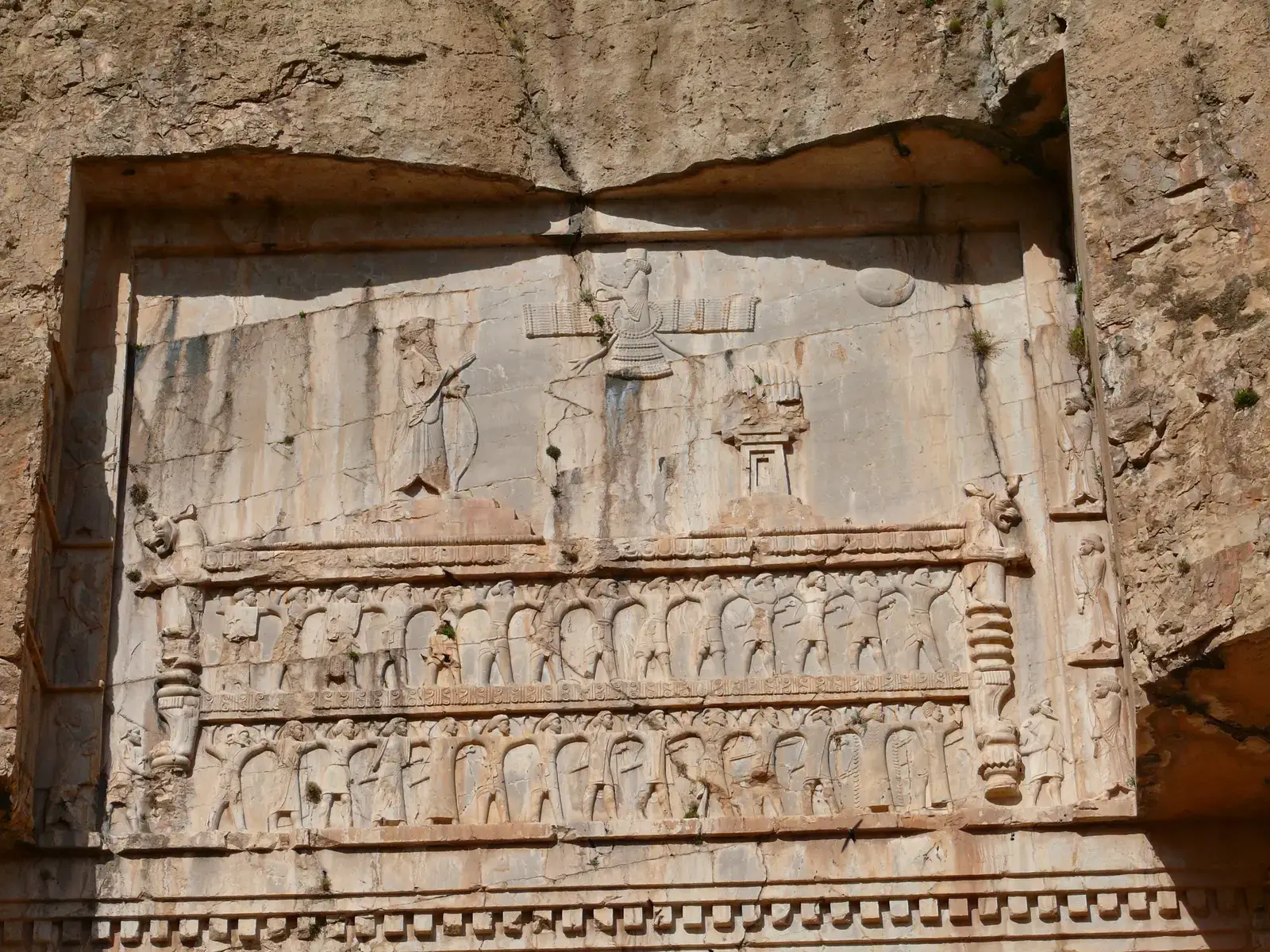
The Behistun Inscription in western Iran, carved high into a cliff by the order of Darius the Great, is famous for helping scholars unlock cuneiform scripts. Written in three languages, it lists Darius’s victories over rivals and rebels as he secures the Persian throne. Nobody doubts its importance. The dividing line runs through how literally we should take its story of events versus how heavily we should stress its function as propaganda.
One reading, more common in earlier generations of scholarship, treats the inscription largely as a trustworthy chronicle. While allowing for some exaggeration, it accepts Darius’s narrative that he was a legitimate heir who heroically crushed impostors and usurpers. In this approach, linguists pay close attention to the text as a “source” for dates, battles, and names, reconstructing a detailed timeline of campaigns across the empire based on its clauses.
Another equally serious camp of historians emphasizes that the entire inscription is an exercise in royal spin. They note how every opponent conveniently becomes a liar or pretender and how the rhetoric of divine sanction saturates each victory claim. Rather than reading Behistun as a transparent window onto events, they see it as a carefully polished mirror reflecting how Darius wanted to be remembered. Translation choices under this view highlight stylized formulae, downplaying any sense of neutral reporting.
Most modern readers stand somewhere between these poles, but the tension remains. Is Behistun our best early Persian history book with some ideology sprinkled in, or is it almost entirely ideology with occasional historical nuggets? Your answer shapes how much weight you give to each sentence when reconstructing the rise of the Achaemenid Empire.
#6 The Cyrus Cylinder: Human Rights Charter or Routine Royal Decree?
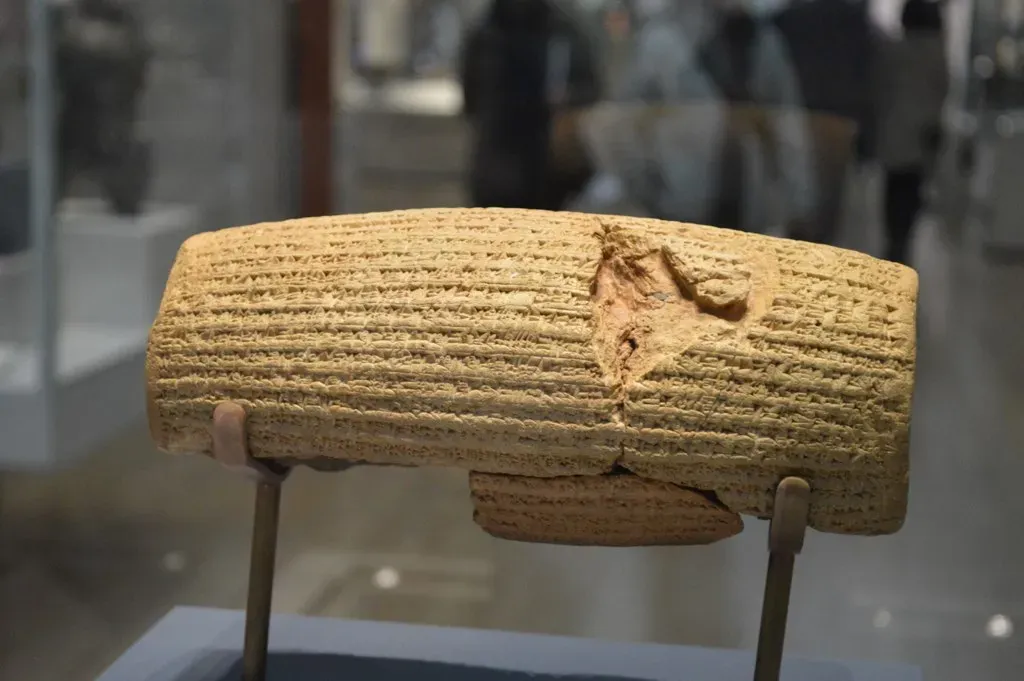
The Cyrus Cylinder, a small clay barrel etched in Akkadian cuneiform, has enjoyed an extraordinary modern afterlife. Cyrus of Persia describes how he conquered Babylon, restored shrines, and sent displaced peoples back to their homelands. In popular culture and even in some museum displays, it has been hailed as an early declaration of human rights. Yet among specialists, this description is hotly contested.
One interpretive tradition, heavily amplified in public discourse, reads the text as a blueprint for enlightened rule. Here, Cyrus is seen as consciously promoting religious freedom, respecting local customs, and correcting the injustices of the previous Babylonian king. Bullet-point summaries in this vein often look like:
- Cyrus as liberator, not oppressor.
- Return of exiles framed as principled policy.
- Religious tolerance elevated as a core royal value.
Academic skeptics, many of them equally expert in Akkadian and Achaemenid history, argue that this is a dramatic over-reading. They note that the Cylinder’s language closely echoes other ancient Near Eastern royal inscriptions that praise kings for restoring temples and appeasing local gods. In their view, Cyrus was following a long-standing political playbook: win over conquered populations by honoring their cults. The text, then, is a conventional piece of royal legitimation, not a philosophical manifesto about universal rights.
The underlying translation differences are subtle – a verb here, a nuance there – but the interpretive stakes are huge. The same lines can be phrased to sound like policy rooted in respect for human dignity or like standard imperial self-promotion. When two honest, competent scholars issue very different English versions, they are revealing less a secret code in the clay and more their own priorities about what kinds of stories we want ancient texts to tell.
#7 The Rosetta Stone: Neutral Legal Text or Performative Imperial Power?
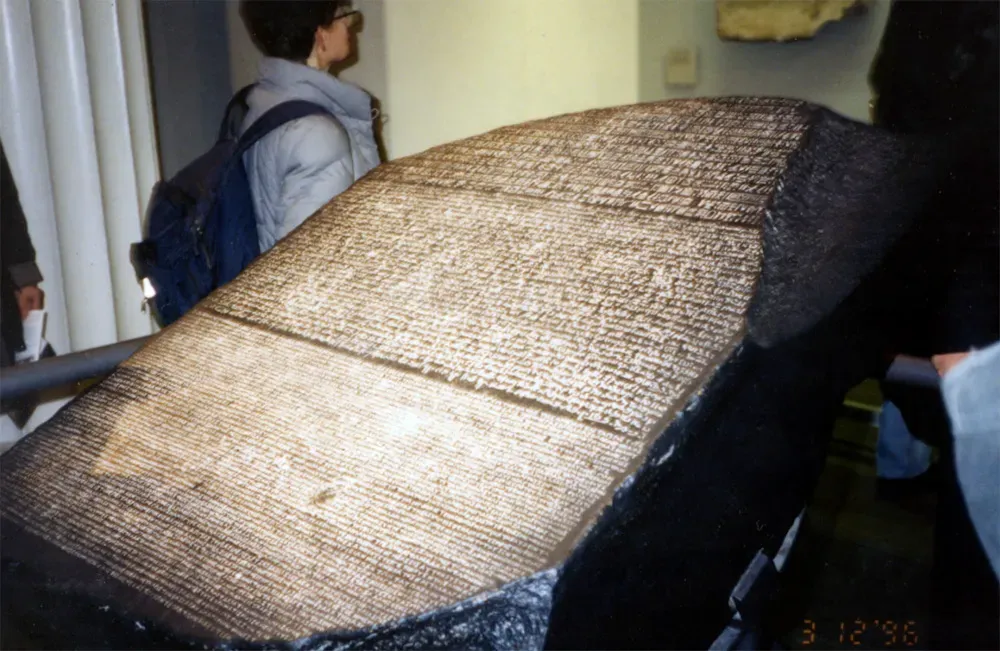
The Rosetta Stone is best known today as the key to deciphering Egyptian hieroglyphs, thanks to its trilingual text in Greek, Demotic, and hieroglyphic Egyptian. But once you step away from the language puzzle, you still have a decree to interpret. It praises Ptolemy V and outlines tax exemptions and honors, linking them to temples and priests. The two main readings of this text revolve around whether we treat it mainly as a bureaucratic legal decree or as a performative script of imperial theatre.
Some scholars, especially those focused on legal and administrative history, emphasize the decree’s concrete measures: tax remissions, temple privileges, and regulatory details. They translate and annotate the text as a representative example of Ptolemaic legal practice, mining it for clues about economic policies and the relationship between crown and clergy. In this reading, the flowery phrases are decorative trimmings around a core of practical governance.
Others, drawing on cultural and postcolonial approaches, argue that the decree’s real function is to project royal power through ritual language and spectacle. For them, the multiplication of titles, the ritual setting in which the decree was publicly displayed, and the insistence that it be carved in multiple scripts all scream performance rather than neutral legislation. Translators working from this angle often keep some of the bombastic flavor, stressing how the king’s virtues are staged for a multi-lingual audience.
Both camps use the same Greek vocabulary and hieroglyphic parallels, but their target questions are very different. Is the Rosetta Stone “about” revenue and exemptions, or is it fundamentally about the theatre of rule in a multicultural kingdom? Most nuanced interpretations weave both threads together, while still leaning more heavily to one side or the other.
#8 The Phaistos Disc: Prayer, Inventory, or Elaborate Game Piece?
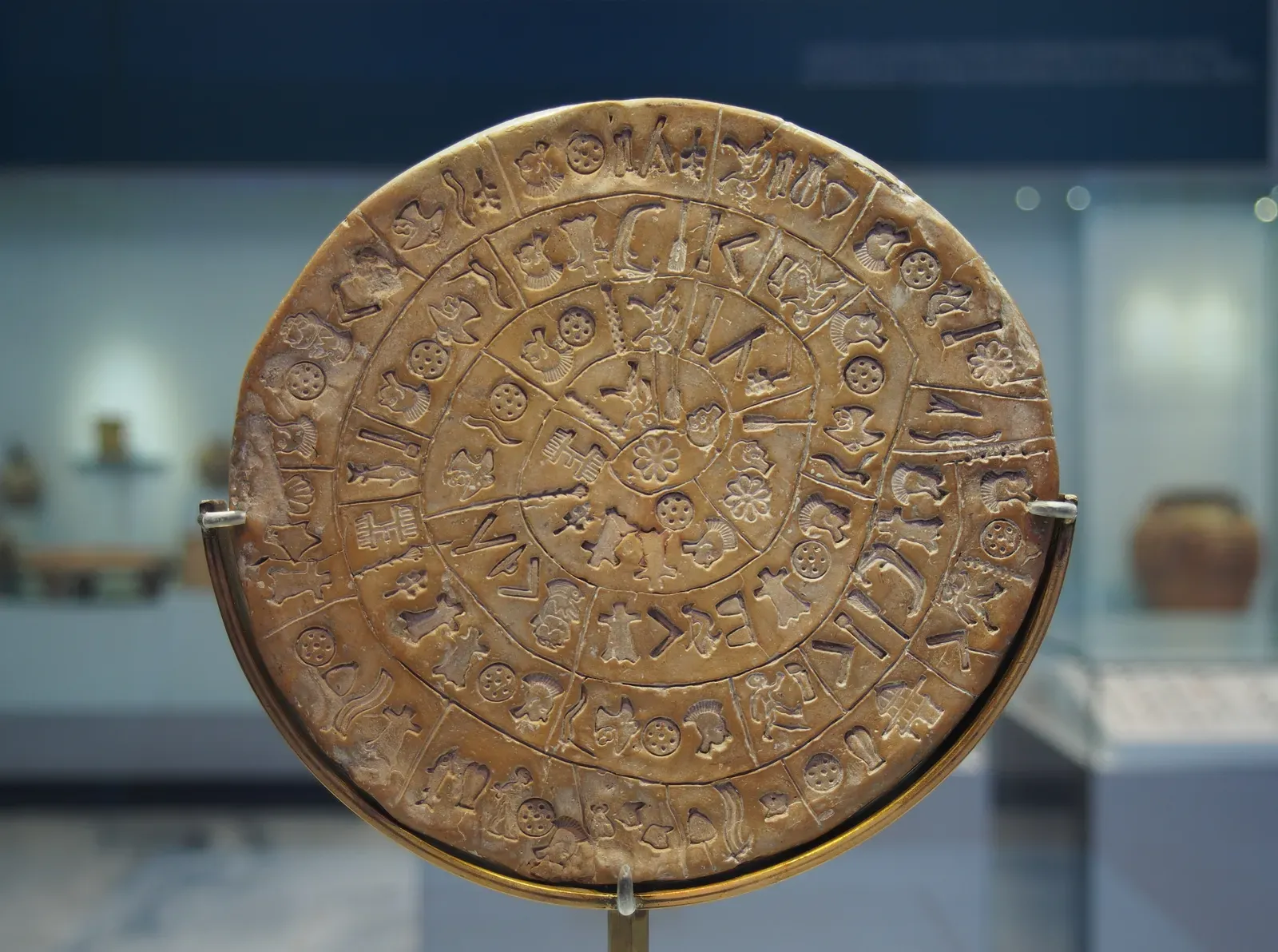
The Phaistos Disc, a small fired-clay disk from Bronze Age Crete impressed with spiraling pictographic signs, might be the most debated single inscription in Mediterranean archaeology. The signs remain undeciphered, the language is unknown, and there is no second example to compare it to. Unsurprisingly, scholars who are otherwise equally formidable in Aegean scripts have proposed wildly different readings – and just as importantly, different ideas of what kind of text it even is.
One stream of interpretation treats it as a sacred text: perhaps a hymn, a prayer, or a ritual chant. That reading leans on comparisons with later Linear B and other ritual formulae, suggesting repeated sign clusters could be refrains or divine names. Proponents often imagine the disc being used in a ceremonial context, its spiral read aloud in a processional or divinatory setting. Their hypothetical translations tend to tilt toward invocations and offerings.
Another camp is profoundly skeptical of “reading” the disc in any traditional sense at all. They point out the lack of external parallels, the singularity of the object, and the possibility that the signs might encode something non-linguistic – such as a complex game, calendar, or mnemonic device. For these scholars, trying to squeeze a full semantic text out of it may simply be chasing a mirage. Instead, they prefer descriptions that bracket off translation and focus on structure, iconography, and manufacturing technique.
A third, more cautious position accepts that we probably are dealing with a script, but insists we are at least one big discovery away from any credible decipherment. So we sit in a strange state where the same disc can be confidently paraded in popular accounts as a “mysterious prayer” while top experts shrug and say: it might be a prayer, a list, or something entirely outside our textual categories. Sometimes, the most honest reading is to admit that there may be several plausible readings and no responsible way to pick one.
#9 The Rongorongo Inscriptions of Easter Island: History, Genealogy, or Something Else?
![#9 The Rongorongo Inscriptions of Easter Island: History, Genealogy, or Something Else? (Chauvet, Stéphen-Charles; on-line translation by Ann Altman (2004) [1935] L'île de Pâques et ses mystères (Easter Island and its Mysteries), Paris: Éditions Tel, CC BY-SA 3.0)](https://nvmwebsites-budwg5g9avh3epea.z03.azurefd.net/dws/374496d9f9079ab520ebb8a72f422308.webp)
The wooden tablets and artifacts bearing Rongorongo inscriptions from Rapa Nui (Easter Island) have haunted decipherment attempts for more than a century. The script consists of stylized glyphs arranged in alternating directions, and a small number of colonial-era reports suggest that a reading tradition once existed. Today, there is no consensus on the language encoded, the exact reading order, or the nature of the texts themselves, even among leading specialists.
One line of interpretation proposes that many of the inscriptions encode genealogies, king lists, or historical records, roughly analogous to royal annals elsewhere in Polynesia and beyond. On this model, repeated sequences could mark ancestral names or titles, and the texts would serve to legitimate rulers and remember lineages. Scholars who favor this view often look for patterns matching known Rapa Nui social structures and oral traditions.
Another serious camp leans toward liturgical or astronomical content: chants, creation narratives, or calendrical data potentially related to star cycles and ritual timing. They point to repetitive glyph groupings and possible numerical or cyclical structures. Summarizing the two poles in broad strokes, you could say:
- Historical reading: Rongorongo as a medium for recording people and events.
- Ritual-cosmological reading: Rongorongo as a vehicle for sacred, cyclical, or astronomical knowledge.
- Shared uncertainty: lack of bilingual texts or living readers keeps all proposals provisional.
A third perspective, shared by some of the most careful analysts, warns that our modern urge to classify all scripts as either “history” or “myth” might itself be misleading. Rongorongo could well blur those categories in ways we are not prepared for, or even encode layered meanings – ritual texts that simultaneously function as mnemonic devices for dynastic memories. With so little firm ground, well-trained scholars can defend different readings with equal passion while still acknowledging just how tentative all of them must remain.
#10 The Duenos Inscription: Early Latin Charm or Legal Formula?
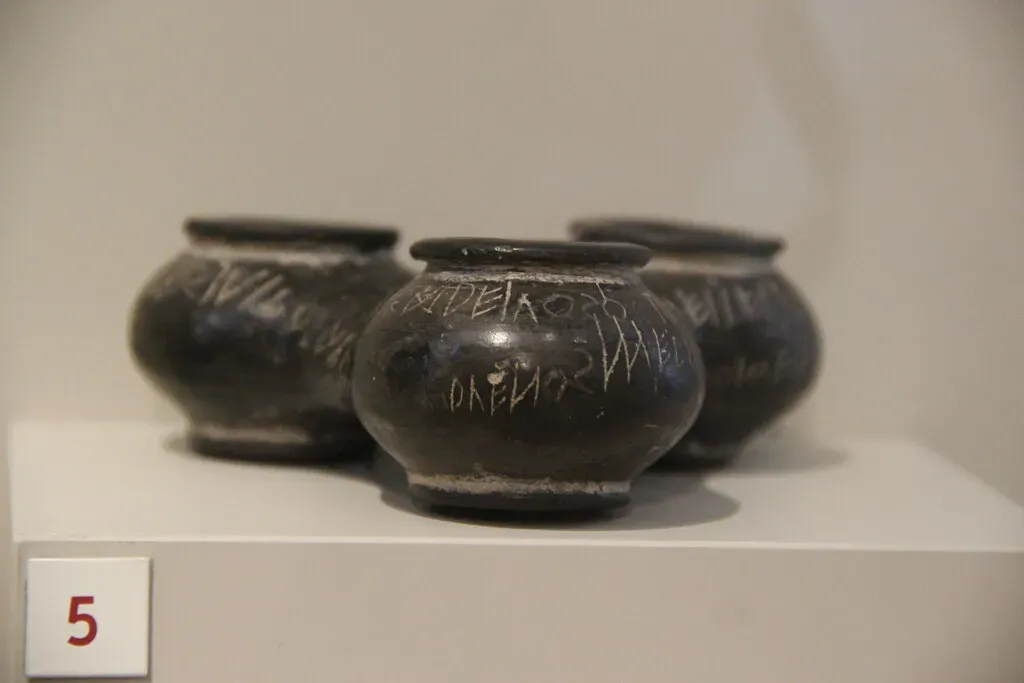
The Duenos Inscription, carved on a small ceramic object from early Rome, is one of the oldest extended texts in Latin. Its letters are difficult, the language archaic, and the syntax notoriously tangled. That combination has turned it into a rite of passage for Latin epigraphers – and a playground for competing interpretations that range from magical charm to proto-legal document.
Some scholars read the text as a binding formula or charm associated with love, loyalty, or protection. They highlight possible imperative verbs and archaic terms that resemble later incantatory language. In this view, the object might have functioned like a verbal spell: a small, portable promise or threat encoded in formalized words, perhaps exchanged between lovers or allies. Their translations tend to have an intimate, personal tone.
Others argue that the inscription encodes a more prosaic but still weighty legal or contractual formula. They point to references that can be construed as obligations, conditions, and guarantees, seeing in the text an early example of Roman private law. Here, the object becomes evidence of how contracts and promises were ritualized in material form long before fully developed legal treatises. The resulting translations sound more like awkward early legalese than poetry or magic.
Because the grammar is so compressed and some words occur nowhere else in Latin, both camps rely on reconstruction, analogy, and educated guesswork. To an outsider, the two kinds of translations can feel almost like entirely different texts. To the experts, this is exactly what makes Duenos such a powerful reminder that even in a language as well documented as Latin, the earliest layers still resist being squeezed into tidy modern categories.
#11 The Shapira-like Controversies: Forgery or Fragmentary Treasure?
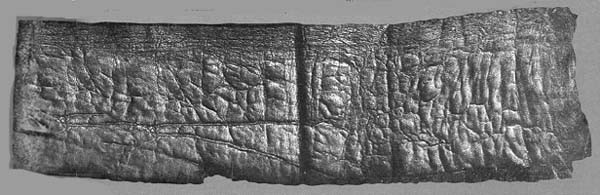
Every now and then, an inscription shows up that splits the scholarly world into two camps that are not arguing over translation but over authenticity itself. While the infamous Shapira strips connected to Deuteronomy are the best-known example of this pattern, the broader phenomenon recurs: some scholars see a groundbreaking ancient text, while others are equally convinced it is a clever forgery. The two readings – genuine or fake – immediately reshape how the words on the object are understood.
When authenticity is assumed, interpreters tend to read such inscriptions as missing puzzle pieces that fill gaps in our knowledge: alternative versions of biblical texts, early drafts of known works, or new genres altogether. They will labor over every letter, proposing nuanced translations and drawing connections to other ancient traditions. Commentary proliferates, often with a sense of excitement and high stakes.
Those who suspect forgery read the same letters differently. They look for anachronisms in grammar or script, suspicious echoes of modern concerns, or inconsistencies in patina and material. Their “translation” efforts often spotlight clumsy wording or artificial archaisms, suggesting that the inscription reflects what a nineteenth- or twentieth-century mind imagined an ancient text should look like. In this reading, the stone or parchment becomes a window into the history of collecting and forgery, not into antiquity itself.
What makes these debates particularly intense is that both sides can be staffed by first-rate linguists and historians. I’ve seen colleagues, all of them excellent, walk away from the same photograph with completely different intuitions. Until new evidence emerges – chemical testing, secure excavation contexts, or parallel texts – the same inscription remains suspended between two incompatible worlds: precious relic or skilled fake.
#12 The Nazca “Astronomical” Inscriptions: Ritual Calendar or Everyday Record?
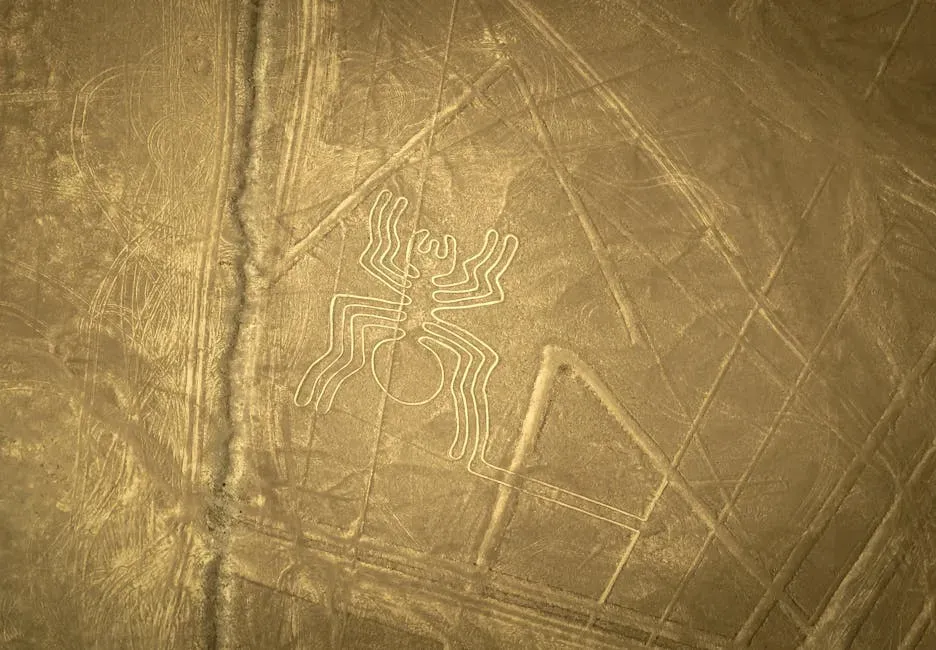
Moving outside the classic Old World canon, some Andean inscriptions associated with the Nazca and related cultures have sparked intense debate about what exactly is being recorded. While most public attention gravitates toward the Nazca Lines on the desert floor, smaller inscriptions and notational marks on ceramics and textiles also raise questions. Some archaeologists and epigraphers see encoded astronomical or calendrical data. Others, equally experienced, downplay the cosmic and read more mundane, social, or ritual accounting into the same marks.
Proponents of an astronomical-calendrical reading note regular sequences of signs that appear to track cycles – days, months, or celestial events. They compare these to later Andean practices where timekeeping and sky-watching were tightly interwoven with agriculture and ritual. Their translations, insofar as we can call them that, talk about sequences like “days of festival,” “ritual counts,” or “phases” of seasonal ceremonies, implying a sophisticated integration of sky and social time.
Others caution that this kind of interpretation risks seeing stars where there may simply be social bookkeeping. They suggest that repeated sign groups may record offerings, clan identifiers, or ritual roles, without mapping neatly onto celestial cycles. For them, the inscriptions document who did what, who owed what, and how ritual obligations were distributed, not when Venus rose or set. Summarizing the tension, a few key alternatives often surface:
- Cosmic reading: inscriptions as reflections of sky cycles, calendars, and celestial order.
- Social reading: inscriptions as records of people, goods, and ritual participation.
- Hybrid possibility: cycles of obligation that are simultaneously social and astronomical.
In practice, the best researchers keep both options alive, testing each against new finds and patterns. But the fact remains: equally careful readings can transform the same marks from a star chart into a community ledger, depending on where you choose to focus.
Conclusion: When Stones Refuse to Settle
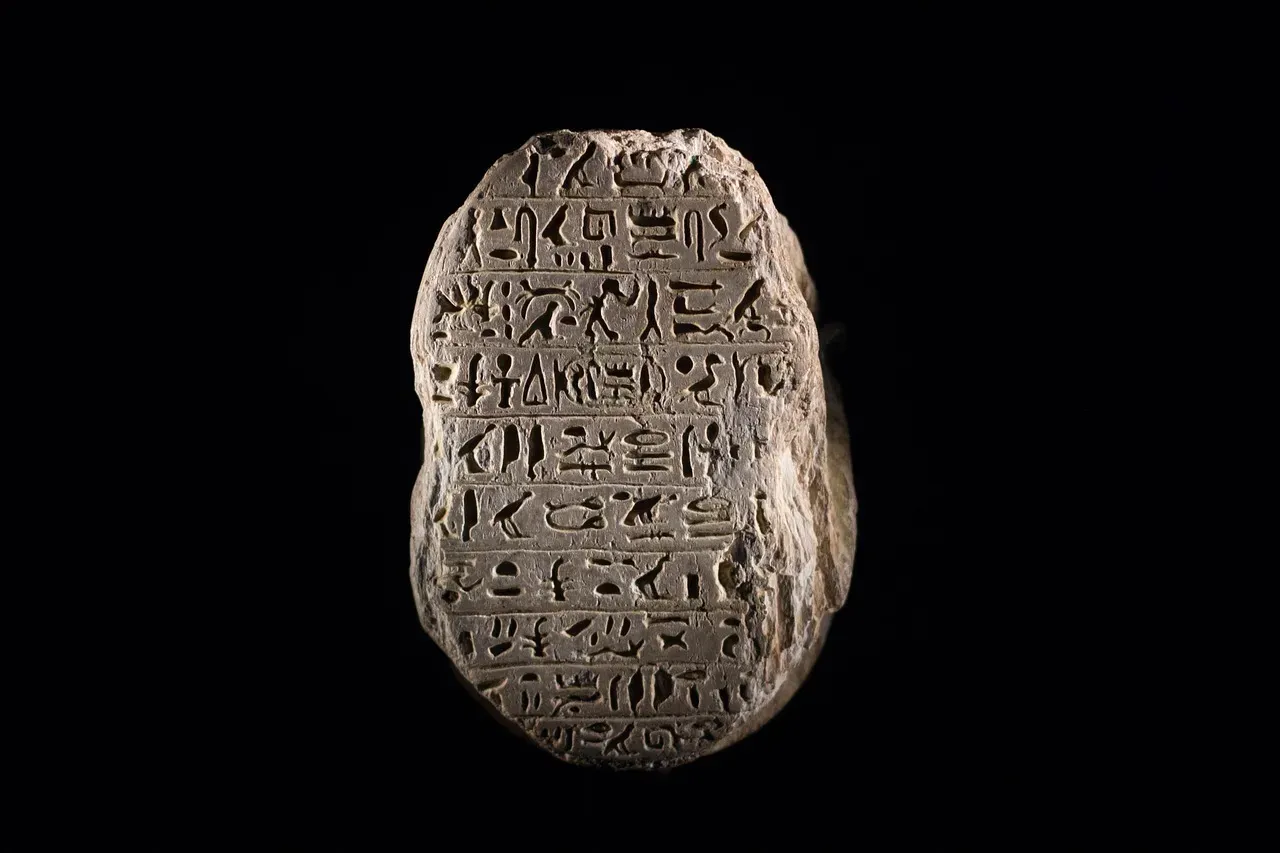
What all these cases share is not sloppy work or fringe theorizing, but the opposite: sharp, disciplined scholars grappling with texts that outstrip the certainty our methods can reliably deliver. The Mesha Stele does not come with a footnote telling us whether it really mentions the House of David. The Phaistos Disc does not include a how-to-read-me appendix. Even the Cyrus Cylinder, which feels straightforward at first glance, becomes slippery once we ask whether it truly preaches human rights or just repeats old imperial formulas in a slightly nicer tone.
For me, the most honest stance is to embrace this tension rather than pretending it does not exist. Multiple plausible readings are not a failure; they are a measure of how thin the surviving evidence can be and how rich the human imagination inevitably is when faced with gaps. In a way, every ambiguous inscription is like a fork in the road of history where we can see both paths but have to choose one when we write our textbooks. The trick is remembering, and admitting, that the unchosen path still exists.
So the next time you hear someone say that history is written in stone, it is worth asking a follow-up question: written in stone, yes – but read by whom, and how? The answers, as these twelve inscriptions show, are rarely as simple or unanimous as we might like. And that lingering uncertainty might be the most honest legacy the ancient world has left us. Which of these stones would you be most tempted to read differently if you had them in your hands?