You probably assume that when humans “put something away,” they do it so someone can find it again later. Money in a bank, data in a cloud, gold in a vault – all meant to be retrieved. But scattered across history, science, and culture are deposits that seem almost perversely designed never to be fully reclaimed, understood, or even located again.
Some were laid down by nature over millions of years and then partly erased. Others were engineered by people who wanted to hide, protect, or delay something so far into the future that it might as well be lost. And a few are so encrypted – literally or metaphorically – that we have no realistic path to “getting them back” at all.
What follows is a tour of twelve such deposits: deliberate, real, and deeply puzzling in their ultimate purpose and recoverability. Think of them as messages stuck halfway between intention and oblivion – a kind of cosmic lost-and-found box where everyone knows something was put inside, but nobody can honestly say when, how, or whether it will ever come out.
#1 The Long Shadow of Nuclear Waste Repositories
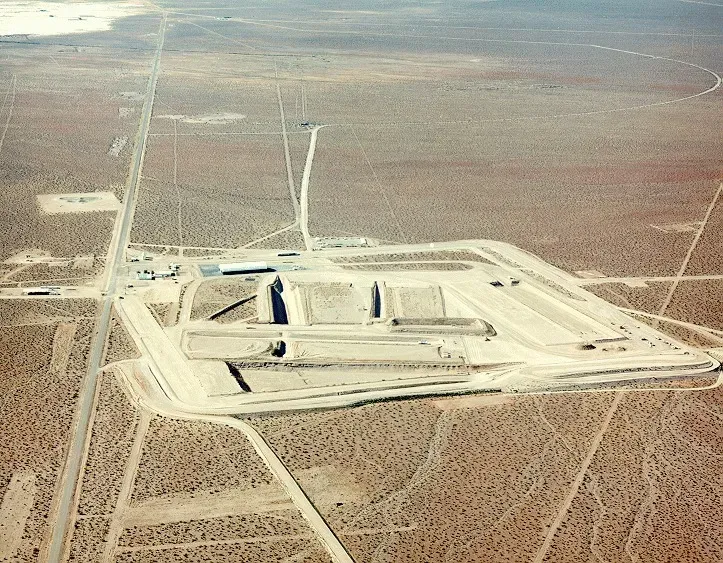
Imagine trying to send a warning label ten thousand years into the future. Not ten years, not a century – but longer than any civilization has survived in continuous form. That is exactly the problem posed by deep geological repositories for high-level nuclear waste, which are being sealed in salt beds, granite, and clay layers far underground. These sites are literal deposits of human technological byproducts, placed very deliberately in the hope they will never be “recovered” in the everyday sense.
The engineering is astonishing: waste encased in multiple barriers, surrounded by backfill materials, and locked away in rock formations that have been stable for millions of years. On paper, this looks like responsible containment. In practice, it raises an eerie question: how do you tell people in the year 12026 that digging here is a catastrophically bad idea, when languages and symbols themselves might be unrecognizable?
Because of this, some researchers have explored ideas that sound almost like science fiction. Proposals include ominous landscape architecture that makes the site feel naturally cursed, or even biological “signal” organisms that permanently mark contaminated zones. At a deeper level, the plan is paradoxical: we are carefully arranging a vast deposit of deadly material and then doing everything in our power to ensure that no normal process of recovery – curiosity, archaeology, resource extraction – ever succeeds.
- Meticulously engineered barriers, but no guaranteed way to warn future cultures.
- Designed to be stable for many thousands of years, far beyond written history’s normal lifespan.
- A deposit we fully intend to lose track of, for everyone’s safety.
#2 National Strategic Oil Reserves Buried in Salt and Politics
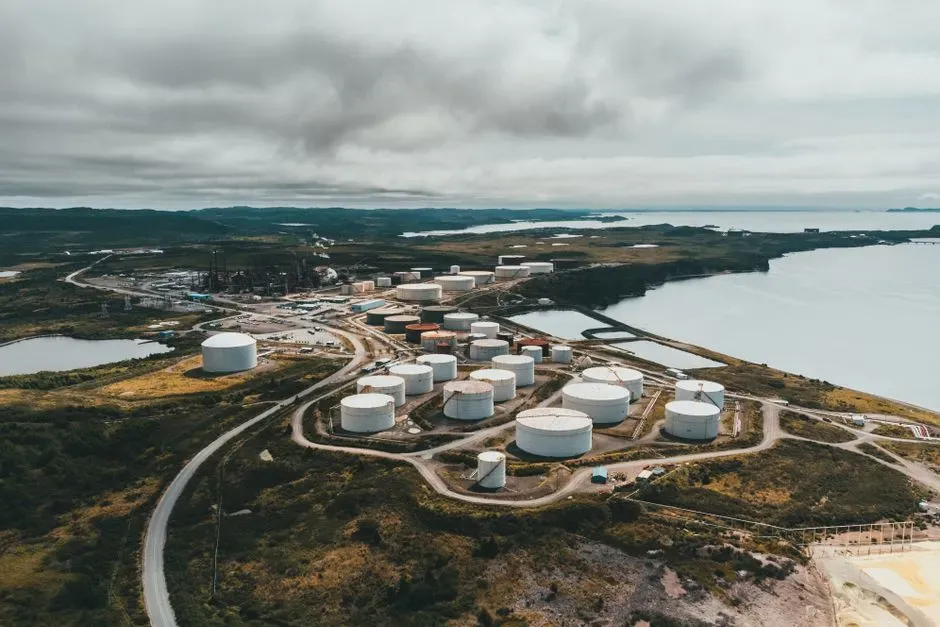
Crude oil is the opposite of a mystery, right? We burn it, we track it, we price it to the cent. Yet strategic petroleum reserves are one of the strangest kinds of deliberate deposit: millions of barrels of oil injected into underground salt caverns, not for daily use, but as a geopolitical shock absorber. The United States, China, and several other nations maintain these reserves as insurance against wars, embargoes, and market chaos.
On a technical level, these caverns are feats of geology and engineering. Mines are leached into stable salt formations, then filled with oil that may sit for decades, monitored but untouched. On a human level, though, the future of this oil is murky. As countries pledge to decarbonize and shift to renewables, the very substance locked underground may become a kind of stranded relic – still there, still valuable on paper, but politically and ethically difficult to “recover” and use.
Layer onto this the messy reality of politics. Decisions about when to release or refill reserves are tied up with elections, alliances, and crises. Oil can be pumped out, yes, but the original purpose of the deposit – steady, rational protection against worst-case scenarios – is often obscured by short-term battles. In a weird way, we have engineered underground pools of energy whose real destiny may be to remain a permanent bargaining chip, more conceptual than physical.
- Huge volumes of oil stored in engineered underground caverns.
- Created to hedge against emergencies that may never happen in the way planners expect.
- Increasing tension between their original purpose and a future that demands burning less fossil fuel.
#3 Cryptocurrency Lost in the Blockchain Forever

Unlike nuclear waste or oil, cryptocurrency is pure digital abstraction – yet it might be one of the most dramatic examples of deposits that no one can recover. Trillions of dollars’ worth of coins and tokens sit inside blockchain addresses protected by private keys that, in many cases, are now lost. Hard drives were thrown out, passwords forgotten, and early adopters vanished without leaving a clue.
The brutal logic of cryptography means that, without the key, a wallet is mathematically sealed. There is no help desk, no “forgot password” button, no sympathetic bank manager. Those lost keys turn visible wealth on the blockchain into untouchable ghost money. It is all still recorded transparently in public ledgers, but the ability to move or spend it has evaporated.
What fascinates me is that these deposits are entirely human-made – not accidents of nature, not the result of erosion or tectonics. People consciously chose to secure value with encryption, fully aware of the consequences. The system worked exactly as designed, and in doing so, it permanently locked away fortunes that now function more like modern-day buried treasure, visible from space yet unreachable from the ground.
#4 Time Capsules That Outlived Their Instructions
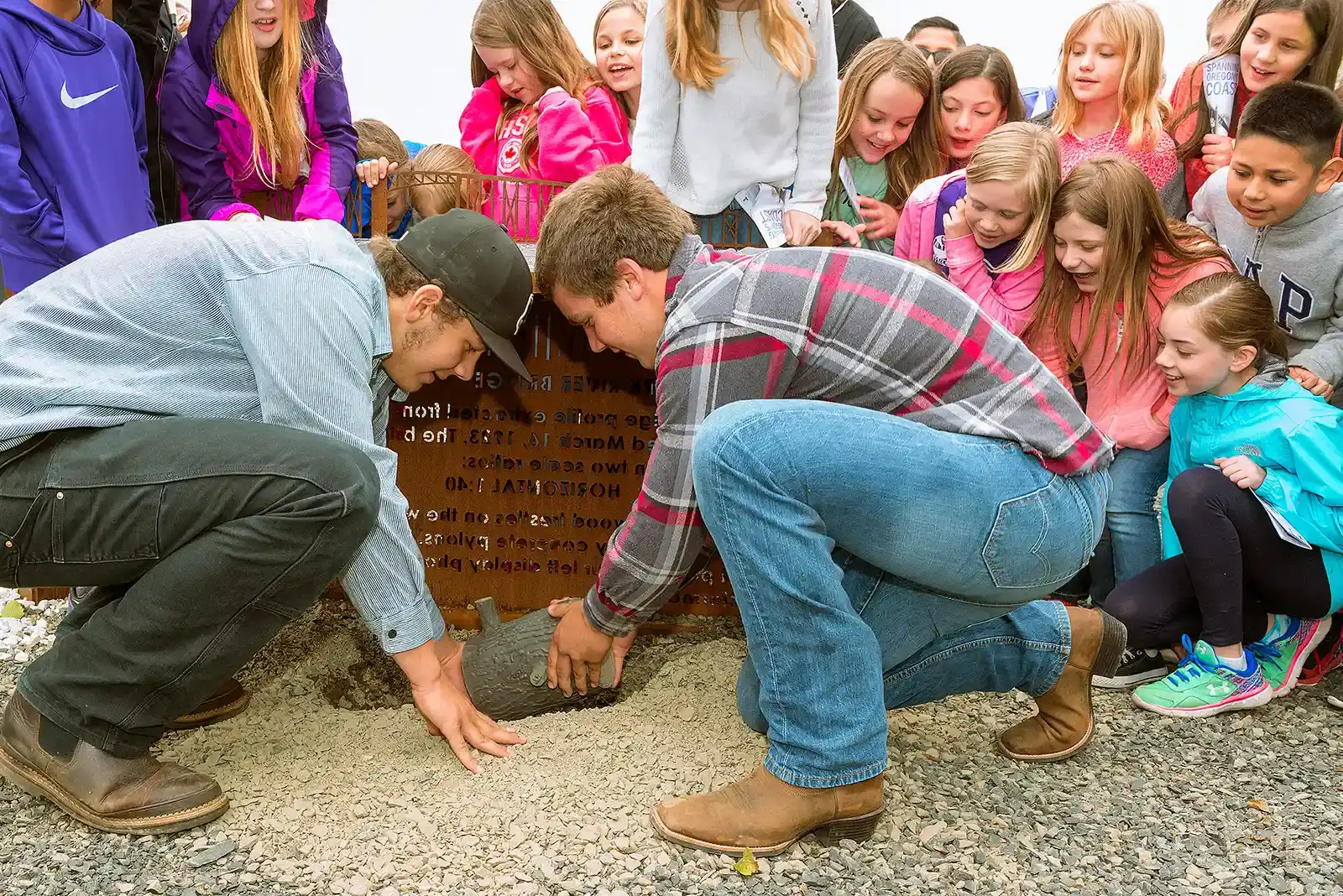
There is something irresistibly romantic about time capsules: boxes of letters, artifacts, and everyday objects, buried or sealed in buildings to be opened by future generations. From school projects to grand national ceremonies, societies have buried thousands of these deliberate deposits under parks, town halls, and monuments. The twist? A shocking number are lost, mislabeled, or impossible to retrieve without destroying the structures that hold them.
Some capsules are known only from yellowing local newspaper clippings or half-remembered speeches. Others were entrusted to institutions that later merged, moved, or dissolved. The coordinates and keys faded away with retired officials and city planners. So while the intent was clear – send a curated message forward in time – the practical reality is that the message has effectively vanished into the ground or the walls that surround it.
The irony is that the very excitement of the moment often undermines long-term planning. People focus on the ceremony, not the logistics of future recovery. No one imagines that a town hall will be demolished or that district borders will be redrawn. Time capsules become hostages to urban development and bureaucratic memory. They are deliberate deposits aimed squarely at the future, yet many have already slipped beyond anyone’s realistic ability to locate and safely open.
- Thousands of capsules have been buried worldwide over the last century.
- Poor documentation, lost records, or building alterations have made many irretrievable.
- Intended communication with the future quietly transforms into nonrecoverable historical noise.
#5 Scientific Ice Cores Sealed Back Into a Warming World
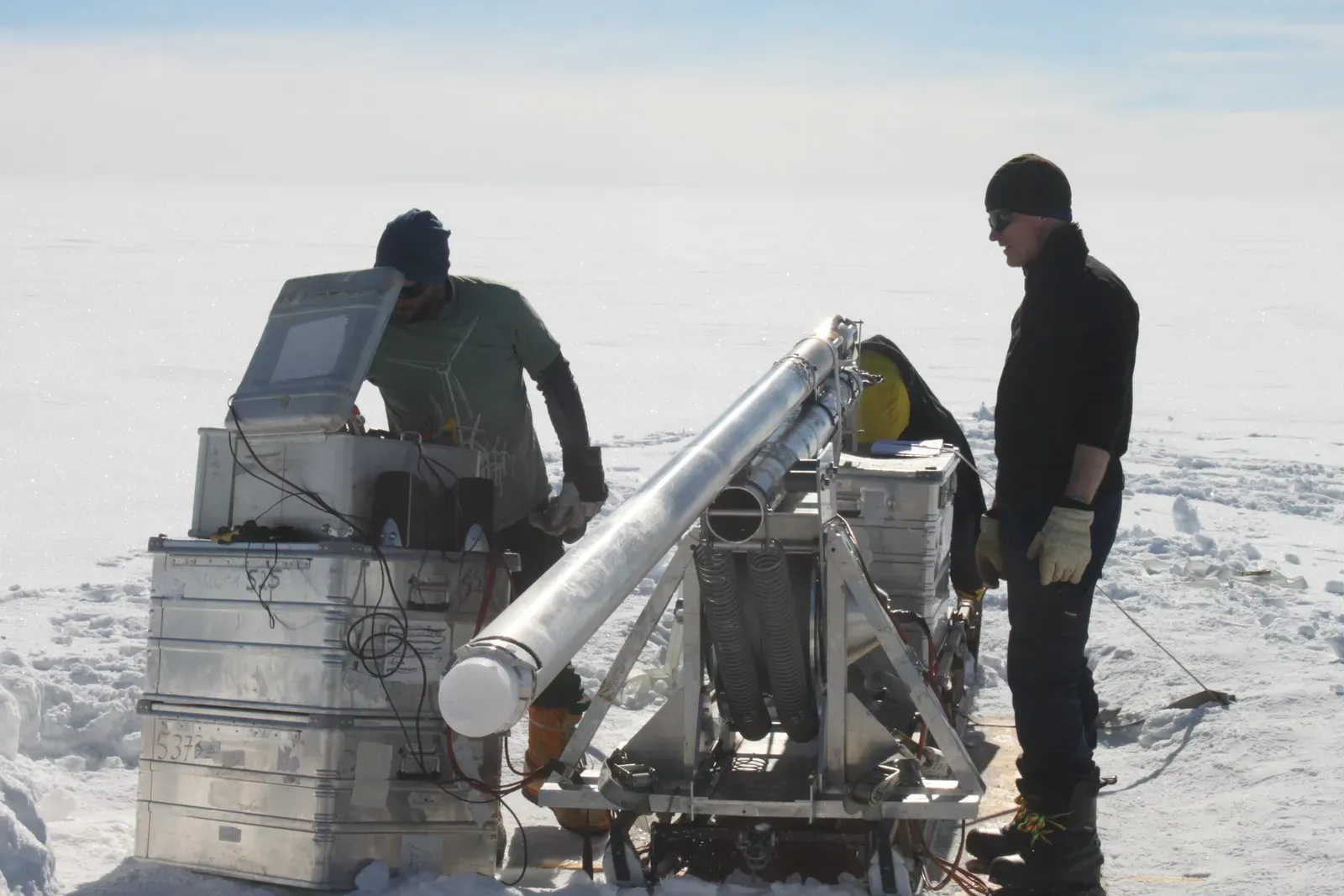
In polar research, ice cores are like nature’s filing cabinets. Scientists drill deep into ice sheets in Greenland, Antarctica, and high mountain glaciers to extract long cylinders of ice, each layer preserving bubbles of ancient air, volcanic ash, and climate clues. But here is the twist: the drilling holes themselves, and some extracted segments, are carefully backfilled, refrozen, or stored in limited archives. Once a segment is melted for analysis or a borehole is sealed, that particular configuration of information is gone for good.
We like to think that scientific data is infinitely copyable, but in this case, the raw original is irreplaceable. You cannot rewind the glacier and drill again in exactly the same state. The atmosphere represented in a thin ring of ice from eighty thousand years ago can be sampled once, and that act is itself destructive. The sample is a deliberate deposit into scientific freezers and databases, but what remains in the ice sheet is permanently altered by our attempt to read it.
The situation has become even more poignant as climate change accelerates. Some glaciers are melting faster than teams can reach them, meaning entire natural archives will disappear before they are ever sampled. Researchers now face agonizing choices about where to drill, which cores to preserve, and what to sacrifice. The Earth laid down these deposits patiently over tens of thousands of years. Our ability to recover them is constrained by time, logistics, and the physics of ice itself.
#6 Password Vaults, Dead Accounts, and Digital Remains
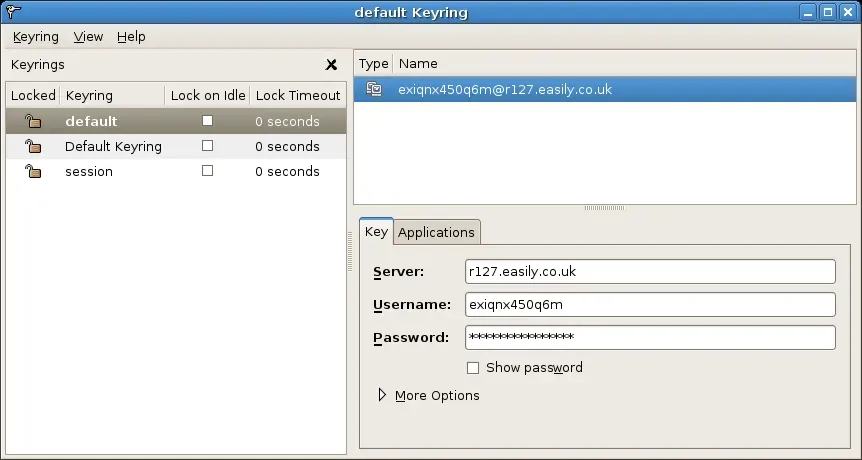
If you have ever tried to help settle a relative’s online affairs after they died, you know how surreal the modern digital afterlife can be. Bank balances, cloud storage, email archives, and social media profiles are secured behind passwords, two-factor devices, and biometric checks. When the person who controlled those keys is gone, vast amounts of personal and financial data effectively become a sealed deposit in corporate servers.
To be fair, many platforms now offer “legacy contact” options or legal pathways for heirs. But they are patchy, slow, and often dependent on paperwork that the deceased never set up. In practice, countless accounts drift into a sort of digital limbo: not deleted, but not truly accessible. Encrypted drives in drawers, password managers locked behind master phrases no one else knows, crypto wallets on forgotten phones – all of these are deliberate, rational security setups that turn into unsolvable puzzles the moment their owner disappears.
From a distance, this looks like a social experiment in how much of our lives we are willing to store behind one or two points of failure. We design systems that prioritize privacy and protection from hackers, then seem startled when even loved ones cannot ethically or technically break in. The result is a growing layer of digital sediment: memories, assets, conversations, and creative work, all deposited into cyberspace in ways no one can fully excavate once the human key-holder is gone.
- Strong personal security measures often outlive the person who set them up.
- Legal and technical recovery processes lag far behind real-world needs.
- Huge amounts of data function as a digital estate that can never be fully opened.
#7 Classified Archives Destined for Eternal Redaction
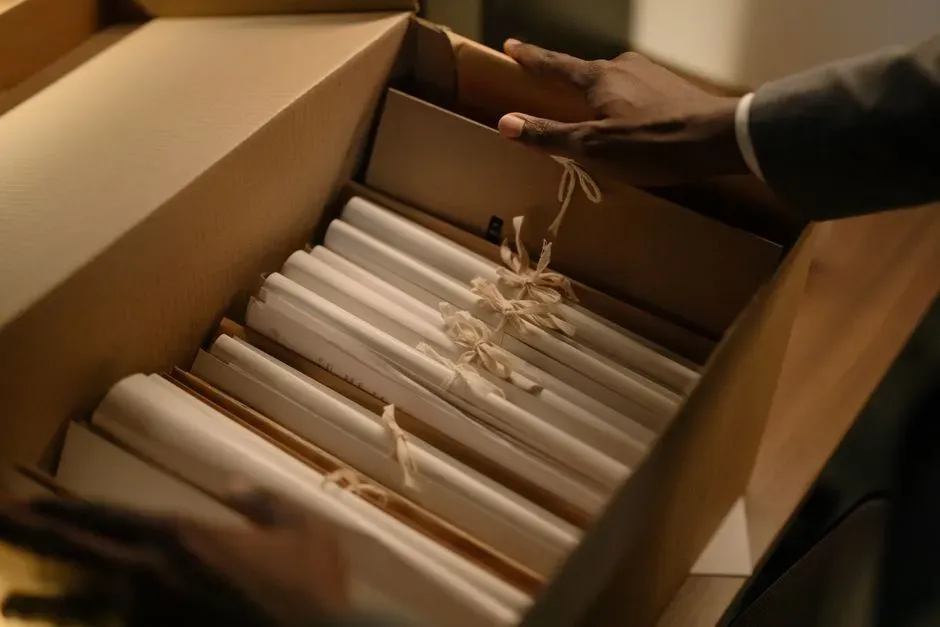
Governments around the world generate rivers of documents: cables, memos, intelligence reports, scientific studies, and policy drafts. Many go into official archives with declassification dates decades in the future. On paper, this is a temporary secrecy deposit that will eventually be opened to historians and the public. In reality, some materials are so sensitive, embarrassing, or entangled with ongoing operations that they remain permanently withheld or heavily redacted.
One of the strangest features of this system is selective preservation. Agencies decide which files to keep and which to destroy, often with minimal outside oversight. So we end up with vaults of boxes that technically exist but may be unreadable in any meaningful sense. Pages are blacked out, names removed, or entire folders withheld under national security exemptions. The archive holds a deposit of events as they were seen at the time, yet what researchers can ever recover is a carefully curated ghost of that reality.
It gets more complicated when you consider digital formats and decaying media. Old tapes, disks, and proprietary file types require hardware and software that might no longer exist. Even when secrecy rules relax on paper, the practical ability to open and interpret the data falls away. These classified archives thus embody a double obstruction: rules that lock them up and technological drift that slowly makes them unreadable, even for those with permission.
#8 Undersea Cables and Buried Technological Skeletons
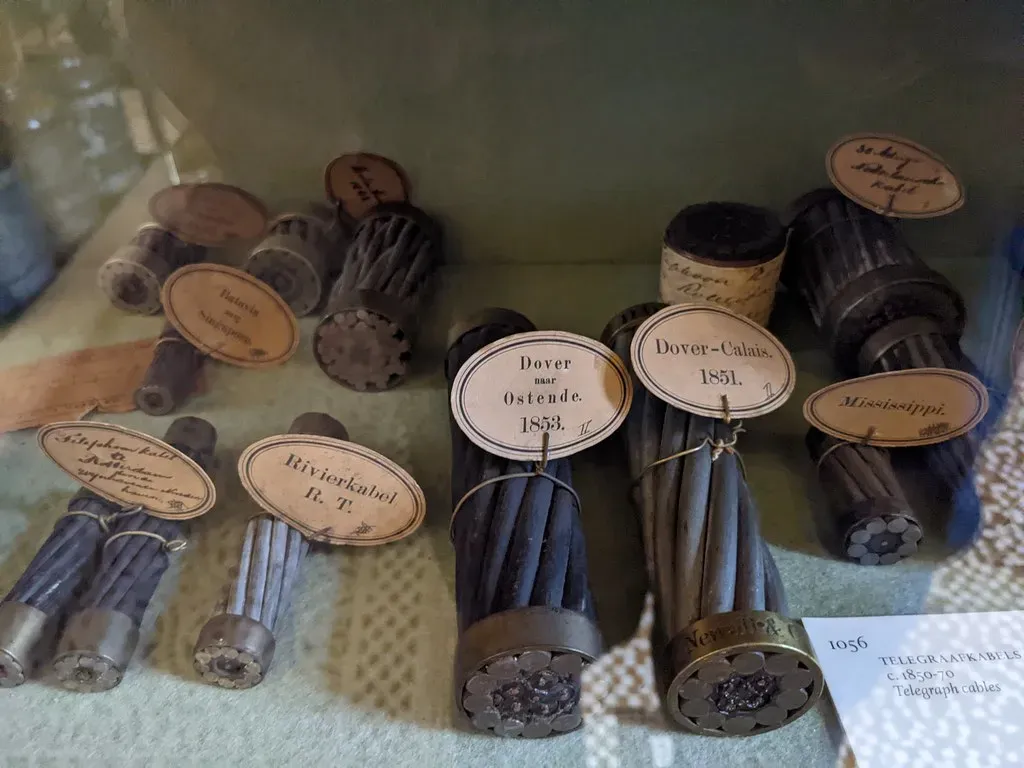
We often talk about the internet as if it floats in some invisible cloud, but the truth is brutally physical. Much of global connectivity depends on fiber-optic cables laid across ocean floors, connecting continents with strands of glass as thin as a garden hose. When newer, faster cables are installed, older ones are sometimes abandoned in place, left as technological fossils beneath the waves. They are clear examples of deliberate deposits with no realistic plan for recovery.
The same story plays out on land with pipelines, power lines, and communication conduits. Infrastructure gets buried, encased in concrete, or integrated into buildings and roads. Once obsolete, many of these systems are simply left where they are because extraction would be too expensive or disruptive. They become hidden skeletons of past technological eras, mapping older priorities and trade routes that future archaeologists may one day puzzle over.
What interests me here is how quickly yesterday’s marvel becomes today’s buried nuisance. A cable that once transformed intercontinental communication can end up as little more than an ignored line on a seabed chart. We made the deposit consciously, with immense effort and investment, yet we treat its remnants like harmless geological clutter once we move on. Whether that clutter will stay harmless – or complicate future projects and ecosystems – is a question no one can fully answer.
- Obsolete infrastructure is usually left buried due to high removal costs.
- Old undersea cables and conduits form invisible archaeological layers of technology.
- Deliberate placement, unplanned long-term consequences, and no clear recovery pathway.
#9 Microplastic and Chemical Footprints in the Environment
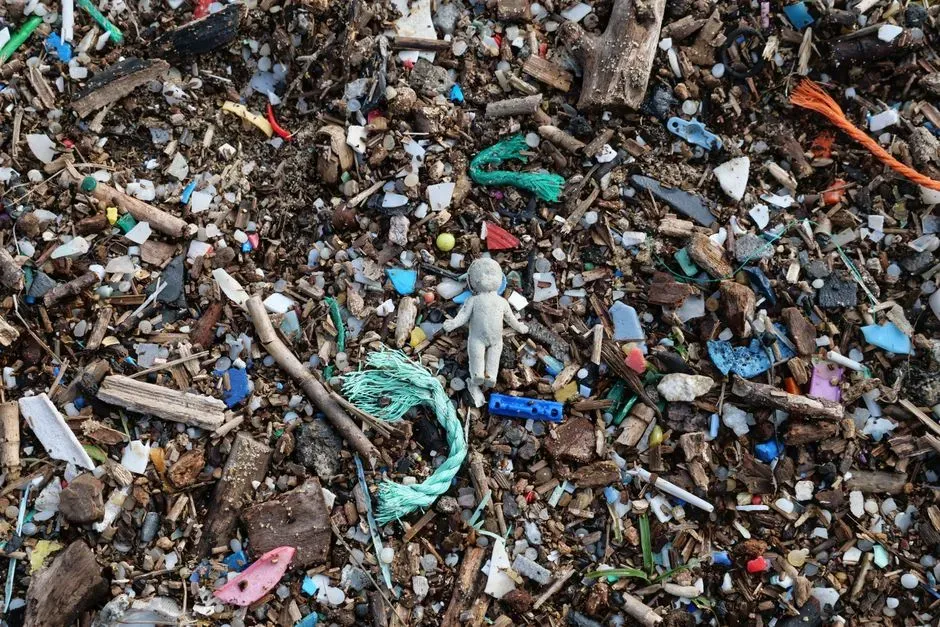
Not all deliberate deposits come from one dramatic moment of burial. Some are the slow result of production and disposal decisions repeated billions of times. Microplastics are a grim example: tiny fragments and fibers shed from products, packaging, tires, and clothing that end up in rivers, oceans, soils, and even the air. While no one sets out to sprinkle plastic dust across the planet, our entire industrial system effectively acts as a global seeding machine.
These particles have now been detected from Arctic ice to deep-sea sediments and inside human bodies. Alongside them are chemical residues from pesticides, flame retardants, pharmaceuticals, and industrial processes. Together they form a permanent layer in environmental archives, sometimes called a “technofossil” signature of our age. We have, in a sense, deposited synthetic fingerprints into the geology and biology of Earth that no cleaning campaign can fully remove.
What makes this especially haunting is that the decision points are so ordinary: buying a bottle, washing a fleece jacket, applying a product that later washes down the drain. The deposit is cumulative and distributed, not dramatic and localized. We may collect and recycle some plastics, regulate some chemicals, and shift to less harmful alternatives. But the material already out there is embedded in complex ecosystems. Unlike oil in a cavern or waste in a vault, it cannot simply be pumped back out or dug up; it is an everywhere-and-nowhere deposit, impossible to fully recover.
#10 Cultural References Trapped in Obsolete Media
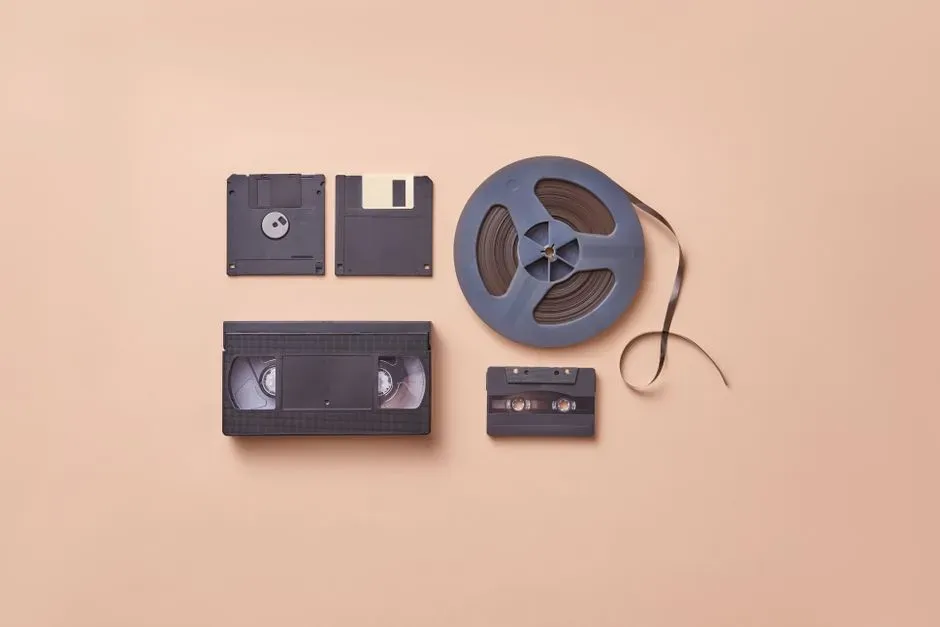
There is a quieter, more emotional kind of deposit that fades beyond reach: the art, software, and culture locked inside obsolete formats. Think of early video games available only on dead consoles, educational software sold on floppy disks, local TV broadcasts that were never archived, or music released in tiny regional runs on media that deteriorated. These works were deliberately created, published, and sold, yet many have become inaccessible as hardware, codecs, and players vanish.
Archivists and hobbyists fight back with emulators, digitization projects, and private collections. Still, the scale of the problem is overwhelming. Every year, more operating systems are sunsetted, more web services shut down, and more proprietary ecosystems turned off. Entire slices of early internet culture already survive only in fragments or in screenshots, if at all. The original experience – how it looked, sounded, felt to interact with – is gone for the majority of works.
Personally, I find this one of the most poignant deposits on the list. Unlike secret archives or toxic waste, these are things many people would actually love to recover: childhood programs, local bands, niche communities. But without the right combination of hardware, software, rights clearances, and motivated volunteers, they sink into a kind of cultural silt. What remains is an uneven, accidental canon, shaped less by artistic value and more by which formats happened to be easy to save.
- Media decays physically, and the devices to read it vanish from daily life.
- Only a fraction of older digital culture is actively preserved.
- Vast amounts of creative output exist in theory but are practically unrecoverable.
#11 Human Remains and Reburials Hidden by Purpose
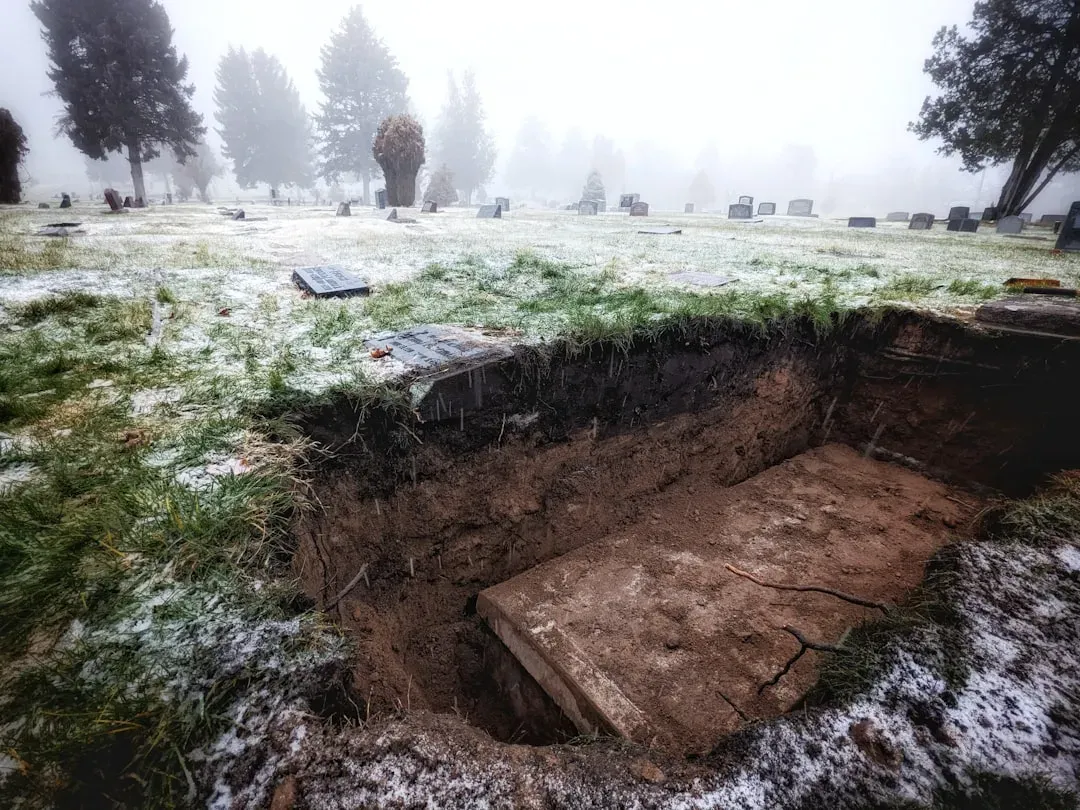
Across continents and centuries, societies have buried their dead with extraordinary care – and sometimes equal determination to prevent disturbance. From graveyards moved for construction and quietly re-interred elsewhere, to unmarked mass graves in war zones, to remote family plots on private land, human remains represent deeply intentional deposits that later generations often struggle, or refuse, to fully uncover.
In some cases, the secrecy is deliberate and permanent. Victims of political violence may have been buried in hidden sites precisely so that their stories could never be fully told. In others, religious or cultural beliefs insist that disturbing graves is unacceptable, even if their exact location fades with time. Archaeologists sometimes know a burial ground must exist from records or oral histories, but cannot ethically, politically, or practically excavate it.
There is also a quieter bureaucratic version of this phenomenon. When cemeteries are relocated for highways or urban development, remains are sometimes moved to consolidated memorial grounds. Over generations, documentation gets patchy. Descendants know that an ancestor is “somewhere” in a given field of markers, but the specifics are lost. The original burial was an act of precision and meaning. What survives is a broader, hazier sense of place that cannot be narrowed back down without violating the very respect that guided the deposit in the first place.
#12 The Genetic Code We Scatter Without a Map

Every time humans migrate, farm, breed animals, or modify plants and microbes, we are in effect depositing genetic information into the environment. Domesticated crops carry genes for traits like yield, flavor, or pest resistance; genetically modified strains may include lab-designed sequences; even traditional breeding shuffles genomes in ways that spread across landscapes. Once these living systems interbreed, pollinate, or escape into wild relatives, the original genetic “package” dissolves into a complex, moving mosaic.
There are seed banks and DNA repositories that try to capture snapshots of this living diversity, storing seeds and genetic samples in carefully controlled vaults. But those archives are partial and constantly racing against extinction, climate shifts, and economic changes. Meanwhile, the genes themselves continue to flow through fields, forests, and microbiomes, leaving traces in places we never systematically document. We intentionally release and cultivate these organisms for food, medicine, or research – yet we do not maintain a comprehensive map of where all those genetic combinations end up.
From one angle, this is just life doing what life does: mixing, mutating, adapting. From another, it is a quiet, irreversible deposit of information into the biosphere. Once a trait spreads into wild populations or microbial communities, safely pulling it back out is a fantasy. We can regulate future releases and track specific markers in limited studies, but the cumulative record of everything we have already set loose is largely unrecoverable. We know something was placed. We will never know exactly where it all went.
Conclusion: Deposits as Messages We Cannot Fully Read
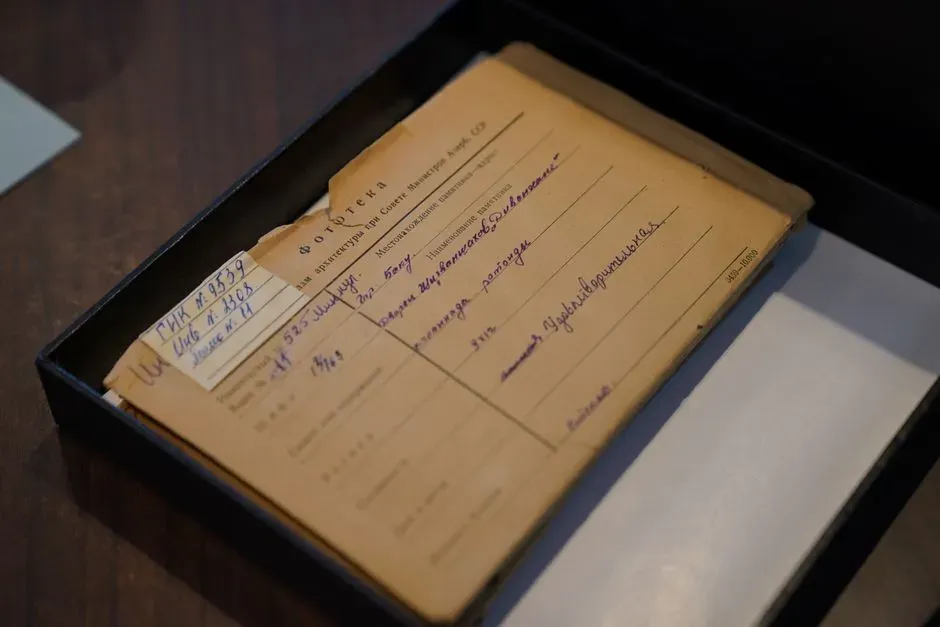
Looking across these twelve examples, a pattern emerges that is both unsettling and oddly beautiful. Whether it is nuclear waste entombed in rock, oil cached deep in salt caverns, encrypted fortunes on the blockchain, or art trapped in obsolete media, humans keep staging the same quiet drama: we put something away with a purpose in mind, then time, physics, politics, or our own forgetfulness dissolve that purpose into ambiguity.
In some cases, the irrecoverability is the point. We do not want anyone casually digging up radioactive waste or unearthing every secret ever recorded in classified archives. In others, it is a tragic side effect – no one sets out to lose family photos in locked accounts or to scatter microplastics across the planet. And a few sit uneasily in between, like strategic reserves and genetic releases, where intentions are mixed and futures uncertain. These deposits expose how limited our control really is once something leaves our hands and enters deep time, big systems, or rigid mathematics.
My own view is that we should treat every long-lived deposit – physical, digital, or biological – as a kind of message to strangers who will not share our assumptions, languages, or incentives. That does not mean we stop burying, storing, encrypting, or archiving. It does mean we are more honest about the odds that no one will ever fully recover what we are so carefully putting away. The question that lingers is a simple one: if future people cannot read our deposits the way we intend, what story will they think we were trying to tell?