Archaeology loves a good timeline. We like clean charts, straight arrows, and tidy labels that say who was where, when, and doing what. But the real story of the past is often messier, and some of the most important sites on Earth are held together by dates that do not quite agree with one another.
In fact, a surprising number of famous sites are built on conflicting, overlapping, or downright confusing chronologies. Different dating methods clash, samples give incompatible ages, and new techniques occasionally blow apart what everyone thought was settled. Far from being a weakness, these contradictions are actually where the science gets most interesting.
This article walks through eleven major does not line up neatly. You’ll see how radiocarbon, stratigraphy, luminescence, paleomagnetism, and even written sources can pull in different directions. And along the way, you’ll see a deeper truth: our timelines are not frozen; they are living arguments about how we understand the past.
#1 Göbekli Tepe: The Temple That Shouldn’t Be That Old
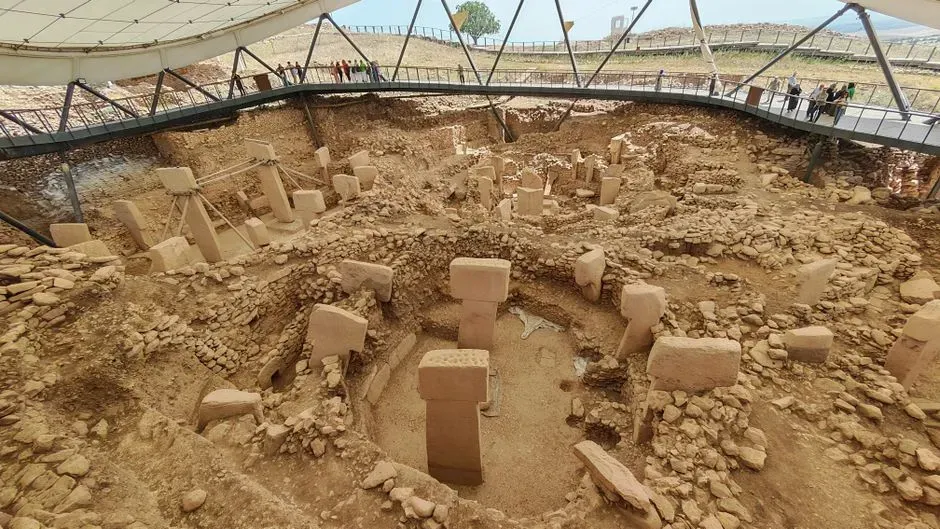
Imagine a monumental ritual complex, stone pillars carved with animals, built long before pottery, metal, or settled farming were supposed to exist. That is Göbekli Tepe in southeastern Türkiye, often described as the world’s oldest known monumental architecture. The problem is not that it is old; the problem is that some of its dates do not quite agree with each other.
Most of the dating relies on radiocarbon samples from organic materials in the fill and surrounding layers, placing the main construction in the tenth to ninth millennia BCE. But the site was deliberately backfilled in prehistory, meaning that materials found in the fill do not automatically mark the age of the standing pillars. In some cases, younger materials ended up next to much older stonework, producing apparent contradictions between architecture and radiocarbon ages.
There are also debates over how to interpret differences in dates from various parts of the site. Some samples suggest activity over many centuries, while others cluster surprisingly tightly. Are we seeing a long-lived ritual center, or a shorter, more intense building phase with later reuse? Depending on which samples you trust most, you can tell either story.
Archaeologists have to juggle several threads at once here:
- Stone architecture that is clearly early Neolithic in character.
- Radiocarbon dates that spread over a wide time range.
- Stratigraphy complicated by intentional backfilling.
In the end, Göbekli Tepe is securely old, but how its different structures overlap in time is still being untangled, and the exact sequence of construction remains under active debate.
#2 Jericho: The Walls That May or May Not Have Fallen for Joshua
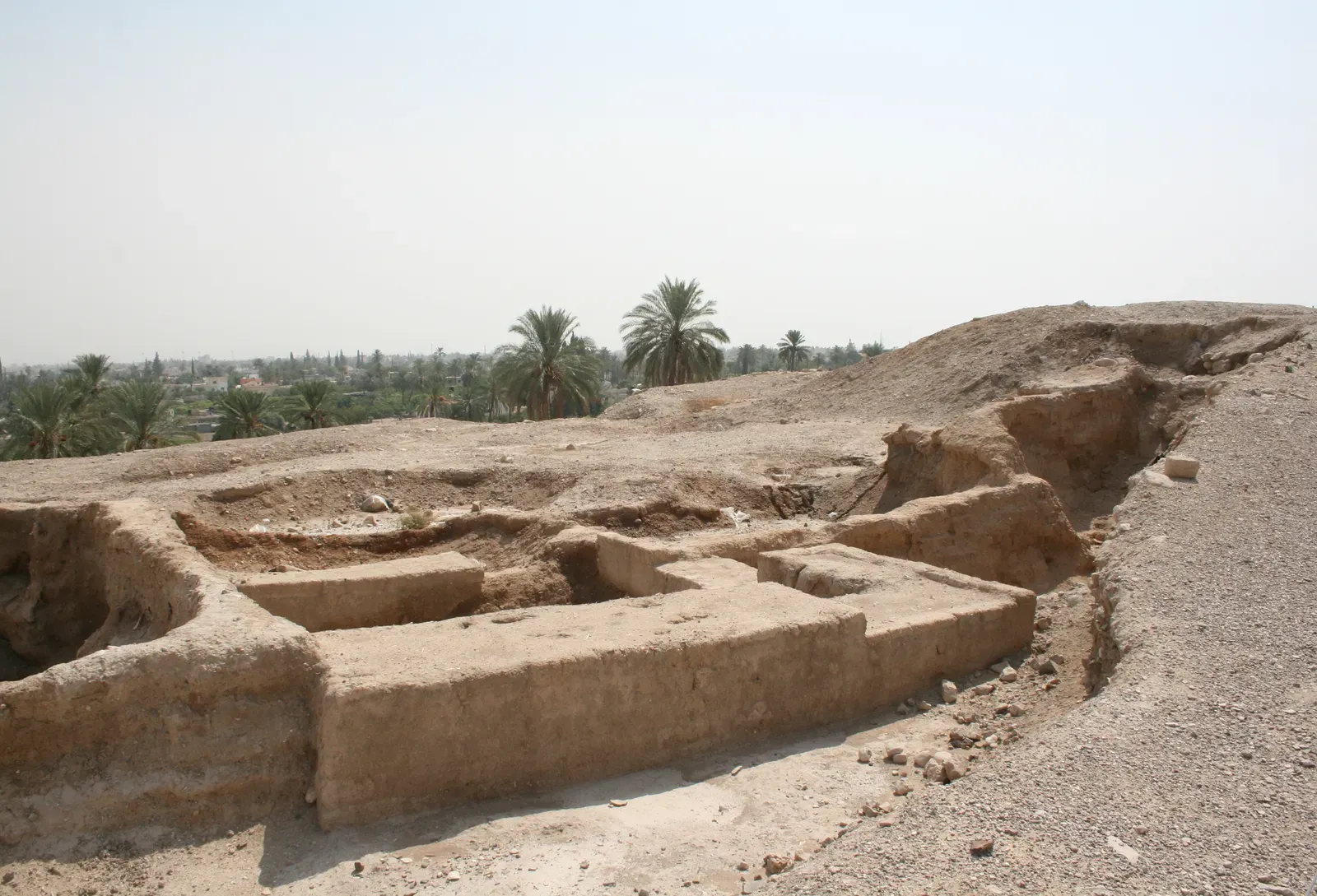
Few sites have sparked more argument over dates than ancient Jericho, in the Jordan Valley. For decades, a central question has been whether a destruction layer there lines up with the biblical story of a city falling to invading Israelites. It sounds straightforward: find the layer, date it, and check the match. Reality is much messier.
Excavations in the mid twentieth century identified a substantial Bronze Age city with massive fortifications, which ended in a dramatic destruction. But different archaeologists reading the same pottery and stratigraphy have reached different conclusions. Some argued the city was destroyed centuries before any plausible date for the events described in the text; others saw a closer alignment.
Radiocarbon dating added another twist. Early radiocarbon results did not perfectly match the conventional pottery-based chronology, and later re-analyses refined the dates again. That led to overlapping windows where one method supported a date around the traditional horizon, while another pushed it earlier. The same layers could be read as confirming or undermining the narrative, depending on which data you prioritized.
To make things even more tangled, Jericho has been occupied, destroyed, and rebuilt many times. Not all destruction layers are equal, and erosion, bioturbation, and limited excavation areas mean we see only fragments of the full story. The main takeaways for Jericho are often summarized as:
- Pottery sequences and radiocarbon do not always land on the same decade.
- Interpretations are shaped by what questions researchers care most about.
- The site is undeniably ancient and complex, even if one specific story cannot be pinned down cleanly.
#3 The Sphinx and Giza Plateau: Natural Erosion vs. Cultural Chronology
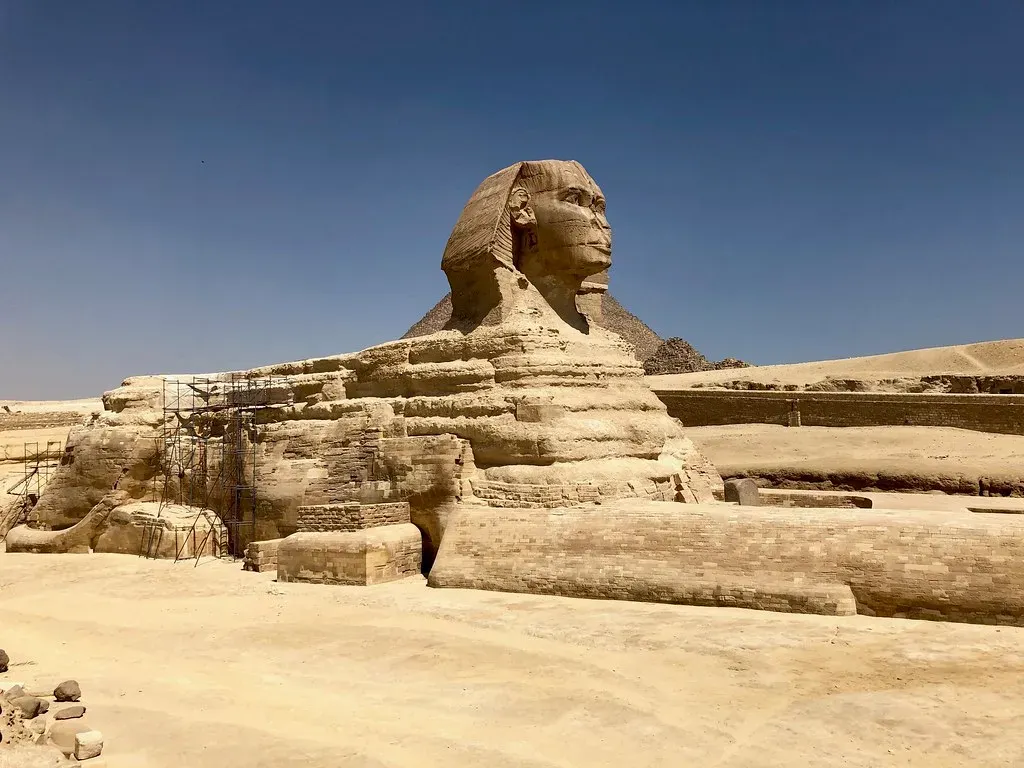
The Great Sphinx at Giza is normally placed firmly within the fourth dynasty of ancient Egypt, in the third millennium BCE, matching the reign of Khafre and the surrounding pyramid complex. Most Egyptologists are comfortable with that window, supported by art style, architecture, and associated deposits. But the Sphinx has become a textbook example of conflicting dating narratives because of one very visible feature: its weathered body.
Some researchers have argued that the erosion patterns on the Sphinx and its enclosure suggest a much older date, possibly many centuries earlier than the standard dynastic attribution. They point to rounded, vertical weathering that looks more like water erosion from heavy rainfall than straightforward wind and sand abrasion. If that reading were correct, it would imply the Sphinx predates the Old Kingdom and belongs to a wetter climatic period.
Most geologists and Egyptologists remain unconvinced by a drastic re-dating, countering that complex interactions of wind, salt, and groundwater can produce similar patterns. Archaeological context still ties the monument to the fourth dynasty: the layout of the causeway, the nearby temple complexes, and the broader building program on the plateau all fit the conventional chronology better than a remote deep prehistory date.
So you end up with two different kinds of dating evidence pressing against each other:
- Archaeological and cultural evidence anchoring the Sphinx in the Old Kingdom.
- Geological interpretations suggesting some weathering features could be older, or at least more complex than the traditional story.
For now, the mainstream view holds, but the Sphinx remains a lesson in how a single monument can host multiple, sometimes non-overlapping, chronologies depending on which data you emphasize.
#4 Stonehenge: Rings of Stone, Rings of Conflicting Dates
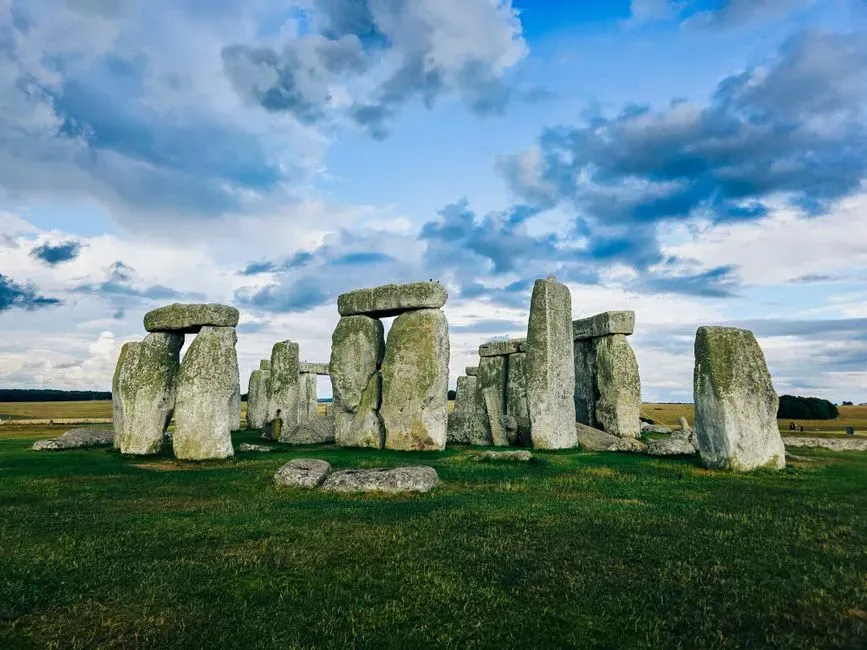
Stonehenge is not a single monument; it is a palimpsest of activity stretching over many centuries. That alone makes dating tricky. When people talk about the age of Stonehenge, they often mean the big sarsen stones, but the site includes earlier earthworks, timber structures, cremation burials, and later rearrangements.
Radiocarbon dates from human remains and associated features cluster in several phases, with early activity in the late fourth millennium BCE and major stone-setting episodes in the third. However, not all samples fit neatly into those phases. Some cremations appear surprisingly early relative to the main stone circle; others persist later than expected. Meanwhile, optically stimulated luminescence (OSL) dating of sediments sometimes suggests slightly different timelines from the radiocarbon sequence.
Complicating things further, some stones themselves are reused, moved, or reshaped over time. Bluestones may have been part of earlier arrangements before ending up where visitors see them today. That means the first time a stone arrived on site is not necessarily the same as the date of its final placement, but the surviving archaeological record often blends those events together.
When researchers try to write a tidy construction history, they have to reconcile:
- Radiocarbon dates from burials and charcoal, with their own error margins.
- OSL dates from surrounding sediments that sometimes drift slightly earlier or later.
- Evidence of multiple construction, dismantling, and reconfiguration episodes.
The result is not chaos, but a fuzzy, overlapping series of timelines that can be drawn slightly differently depending on which dates you treat as more reliable, or how you model the phases. Stonehenge is definitely ancient; what is still being argued is exactly how its many lives overlap.
#5 Çatalhöyük: Living on Top of Your Own Past
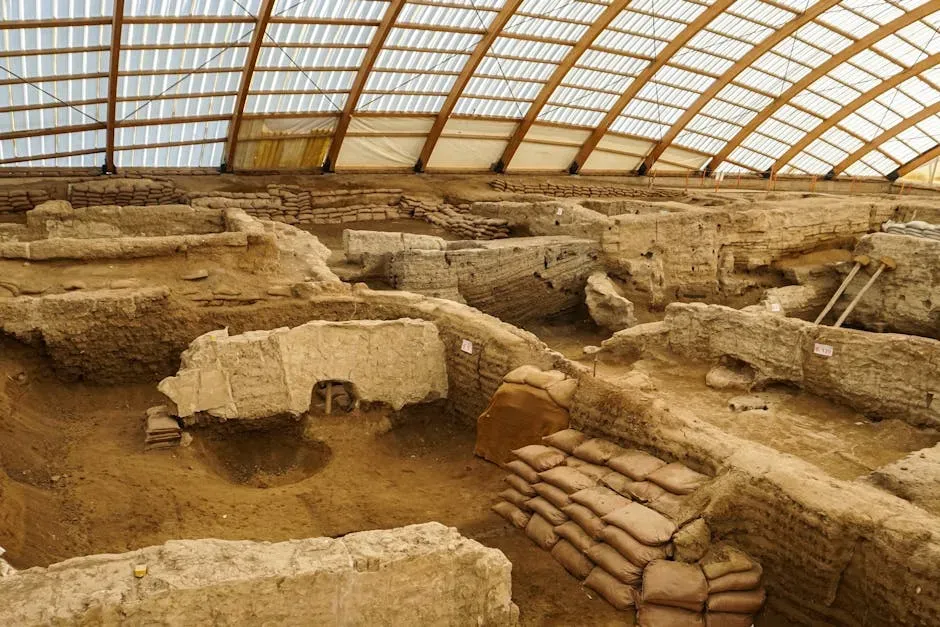
Çatalhöyük in central Türkiye is a Neolithic mega-village built as a stack of houses over houses, creating a mound of overlapping lives. People built, burned, rebuilt, and buried their dead under their floors in a tight urban-like setting for many centuries. If you ever wanted a recipe for dating contradictions, this is it.
The site has produced hundreds of radiocarbon dates from bones, seeds, and other organics, and they broadly confirm that the settlement flourished in the late ninth to sixth millennia BCE. But when archaeologists zoom in on specific buildings, floors, and burials, the data can get messy. Some dates from deeper layers come out younger than samples from above, likely because of later disturbance, mixing, or intrusive burials cutting down into older deposits.
There is also the problem of very long use of similar building forms. Houses were repeatedly rebuilt on the same footprints, often with almost identical plans. That makes it hard to distinguish early and late iterations without very fine-grained excavation records. Even when the stratigraphy is clear, radiocarbon calibration curves for this period can flatten out, creating broader date ranges that overlap more than anyone would like.
Researchers at Çatalhöyük have had to lean heavily on careful Bayesian modeling, combining stratigraphy with radiocarbon in statistical frameworks rather than treating each date as a standalone fact. Even so, they acknowledge some contradictions between:
- Expected sequences from the order of layers and architecture.
- Individual radiocarbon measurements that appear offset or inverted.
The site is a powerful reminder that when people live in one place for centuries, their own behavior can scramble the very evidence future scientists rely on to reconstruct time.
#6 Lascaux and the Dating of Ice Age Art
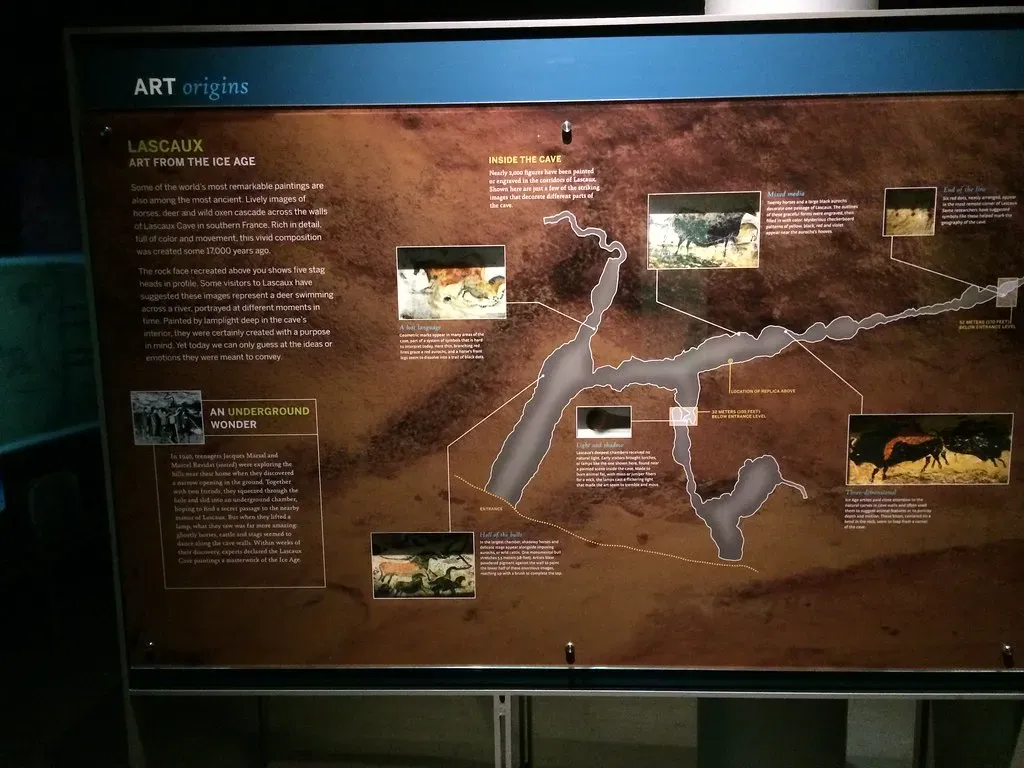
The famous painted cave of Lascaux in southwestern France is iconic Ice Age art: horses, bulls, deer swirling across the stone like something between a dream and a documentary. Everyone agrees the art is Paleolithic, but pinning down more precise dates has been a stumbling block, and the evidence is not always harmonious.
Many caves in the region are dated by radiocarbon samples taken from charcoal pigments, hearths, or organic remains in related layers. At Lascaux, however, direct sampling of the paintings is limited to avoid damage, and some early samples may have been contaminated. That has led to a patchy set of dates that point toward the Upper Paleolithic, but with a spread that is wider than researchers would prefer.
Stylistic comparisons with other caves, such as Chauvet or Altamira, add another layer of complexity. When the art at Chauvet was radiocarbon dated, it turned out to be significantly older than many experts had assumed based on style alone. That discovery forced a rethinking of how reliable stylistic sequences really are. If similar styles can appear at different times, then style-based dating can clash with radiocarbon evidence.
So for Lascaux and its peers, you often have three partially conflicting clocks:
- Radiocarbon dates from nearby or associated deposits, with varying degrees of contamination risk.
- Stylistic sequences comparing animals, techniques, and motifs across caves.
- Stratigraphic context that is sometimes unclear, especially inside complex cave systems.
Most scholars place Lascaux firmly in the later Upper Paleolithic, but exact century-level precision remains elusive, and the different lines of evidence do not always sing in perfect harmony.
#7 The Indus Valley Cities: Urban, Ancient… and Chronologically Slippery
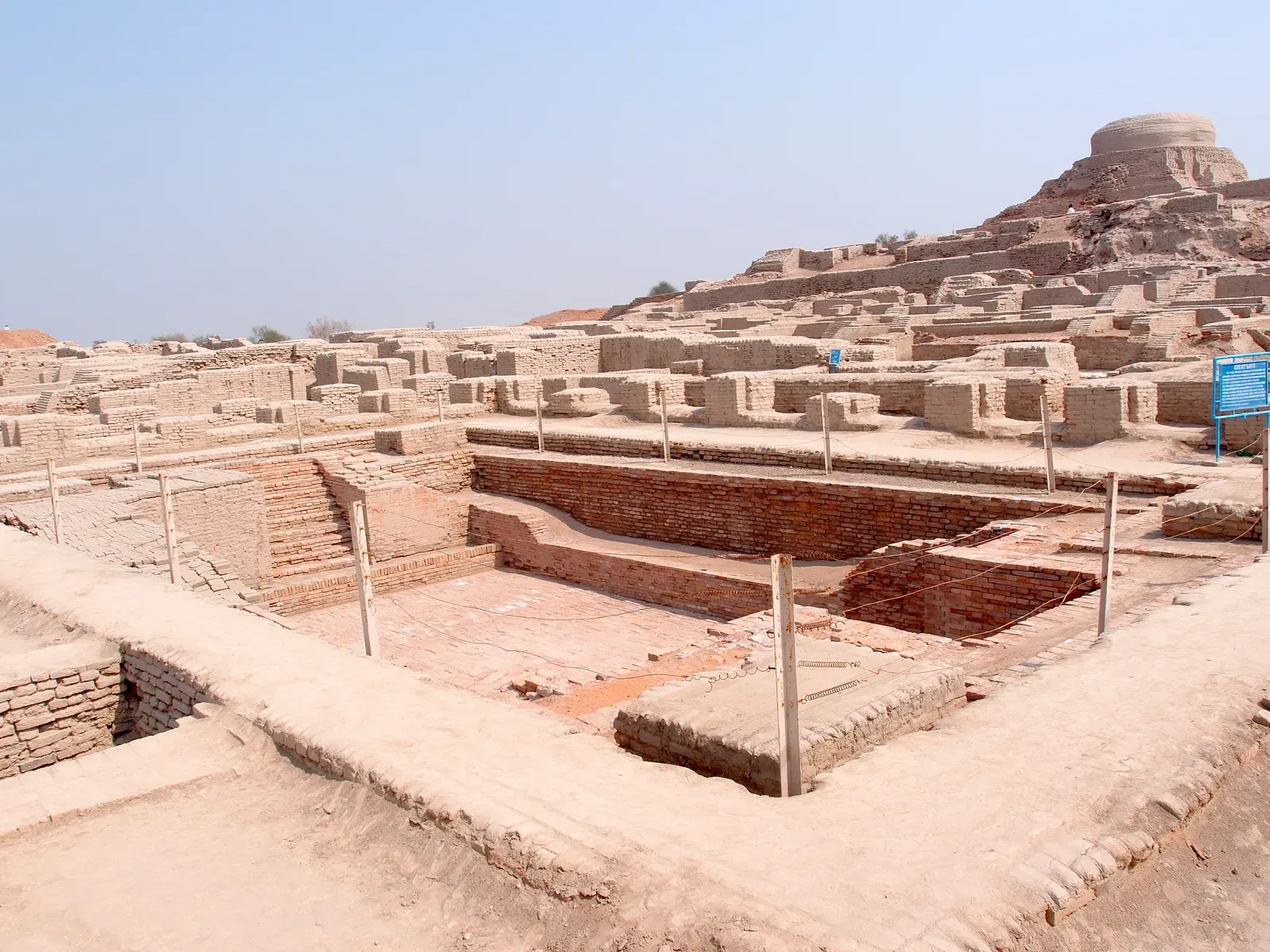
The Indus Valley Civilization, also known as the Harappan civilization, boasted well-planned cities, drainage systems, and standardized weights across parts of what are now Pakistan and northwest India. Yet for such a sophisticated urban culture, its timeline has been surprisingly difficult to nail down, and different dating methods have clashed more than once.
Archaeologists originally relied heavily on pottery sequences and cross-comparisons with Mesopotamian artifacts to place the Indus phases. These relative chronologies were then overlaid with radiocarbon dates from various sites. But the radiocarbon data are scattered across a massive geographic area, and not all samples come from secure contexts. That has produced ranges for the so-called Early, Mature, and Late Harappan phases that overlap and sometimes contradict one another.
At some sites, radiocarbon ages seem to push the beginnings of urbanization earlier than previously thought, while others suggest a more compressed window. Climate-related evidence, such as changes in river courses and monsoon patterns, adds yet another set of dates that do not always align neatly with the archaeological phases. When people talk about the decline of the Indus cities, for example, there is ongoing debate about whether environmental pressures peaked before, during, or after the main urban collapse.
Key tensions in the Indus chronology include:
- Radiocarbon dates that vary by centuries across different sites.
- Pottery-based phase labels that are not perfectly synchronized regionally.
- Environmental proxies (like river shifts) that may lag behind or precede cultural changes.
From a distance, the Indus story is clear enough: an early urban experiment that rose and transformed over millennia. Up close, the dates are more like overlapping smudges than crisp lines.
#8 The Younger Dryas Boundary Sites: Catastrophe or Gradual Change?
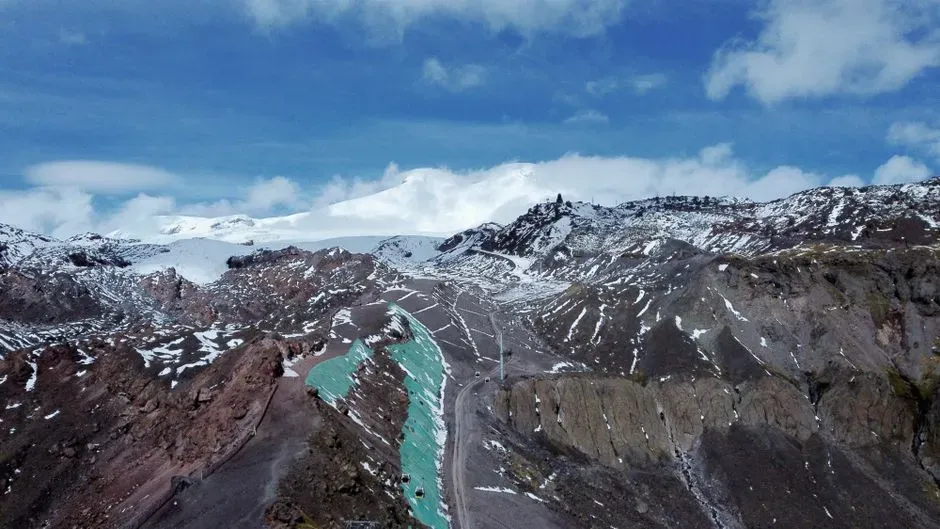
In recent years, a cluster of sites associated with the onset of the Younger Dryas climatic event, roughly the end of the last Ice Age, has become a battleground for competing chronologies and interpretations. Some researchers have proposed that a cosmic impact or airburst triggered sudden environmental change, pointing to layers rich in microspherules, unusual geochemical signatures, or apparent burn layers.
The dates associated with these boundary layers often come from radiocarbon measurements on organic material just above or below the supposed event horizon. The issue is that not all sites line up perfectly in time, and some allegedly synchronous layers turn out, on closer analysis, to span periods longer than a single sudden event. Calibration uncertainties around this period add more wiggle room, allowing critics to argue that the signal is smeared across decades or centuries instead of pinpointing a single catastrophe.
In some locations, what was initially reported as clear evidence of a rapidly formed boundary layer has later been reinterpreted as a more gradual accumulation, or even as unrelated local burning. Other sites, meanwhile, do show sharp transitions, but the exact alignment of those transitions with the Younger Dryas onset is not identical everywhere. That inconsistency opens the door to competing narratives: one dramatic, one more incremental.
Summarizing the contradictions around these boundary sites:
- Some radiocarbon dates suggest near-simultaneous changes; others show spread-out transitions.
- Geochemical markers do not appear uniformly or with equal clarity at all proposed sites.
- Different research teams interpret the same datasets through very different lenses.
The result is a patchwork of dates and signals where either an abrupt event or a more gradual shift can be argued, depending on which evidence you prioritize and how tightly you insist the clocks must match.
#9 The Settlement of the Americas: Clovis, Pre-Clovis, and Moving Goalposts
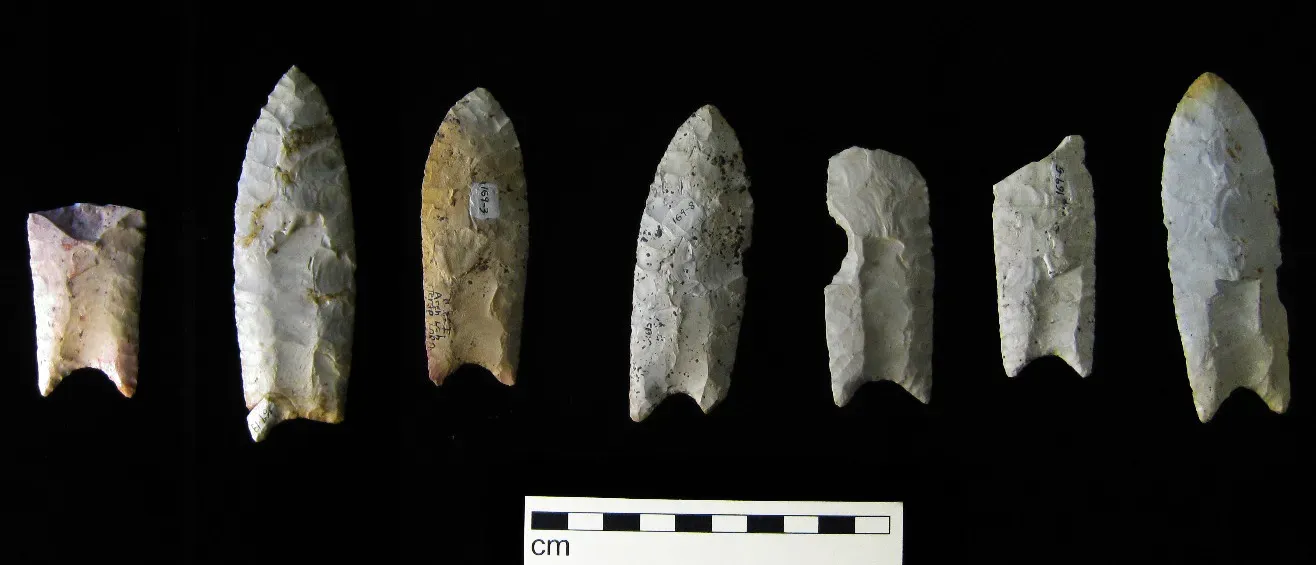
Few topics in archaeology shift as dramatically as the timeline for the first humans in the Americas. For a long time, the so-called Clovis culture was treated as the earliest secure evidence of human presence, around the late Pleistocene. Then came a growing number of proposed pre-Clovis sites, many with dating evidence that often contradicts older models.
Some sites have yielded radiocarbon dates that push human presence back by thousands of years before Clovis, but their acceptance depends heavily on whether the artifacts are clearly human-made and whether the dated materials are securely associated with those artifacts. In several cases, new excavations or re-analyses have revised dates downward or questioned the context, leading to dramatic swings in how early a given site is believed to be.
At coastal or submerged sites, the problem intensifies. Sea-level rise has erased many potential early settlements, and underwater contexts are notoriously hard to date precisely. Meanwhile, genetic evidence provides its own timeline for population splits and expansions that does not always line up smoothly with the archaeological dates. You can have a genetic signal of an early migration that appears slightly out of sync with the oldest reliably dated tools or campsites.
When you boil it down, the contradictions in dating the peopling of the Americas come from:
- Radiocarbon dates with wide error margins near the limits of the method.
- Disagreements over how confidently artifacts can be tied to the dated layers.
- Genetic chronologies that must be reconciled with spotty and uneven site distributions.
The overall trend is clear: humans were here earlier than once thought. But the precise when is still shifting as new evidence appears and old sites are reevaluated, making this one of the most fluid timelines in archaeology.
#10 The Shroud of Turin: Medieval Relic or Ancient Cloth?
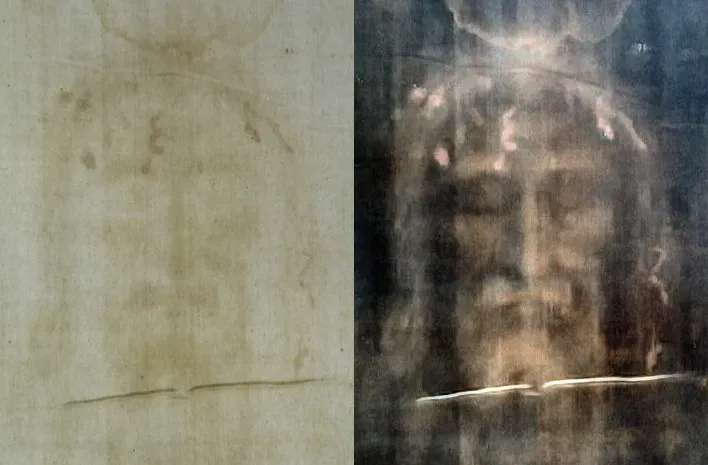
While not a settlement or city, the Shroud of Turin is one of the most famous objects whose dating has provoked intense debate. It offers a sharp case study in how different dating methods can collide. When a small sample of the cloth was radiocarbon dated in the late twentieth century, the results clustered in the medieval period, apparently contradicting claims of an ancient origin.
Supporters of a much older date have argued that the sampled area may have been contaminated, repaired, or otherwise unrepresentative of the original fabric. They point to textile analysis, historical records, and various chemical or microstructural observations that, in their view, hint at a more complex history than a straightforward medieval manufacture. Critics respond that alternative methods and anecdotal clues are far less precise than radiocarbon, and that extraordinary claims require exceptionally strong evidence.
Over the years, new studies have revisited the question using different approaches: spectral analysis, image examination, and assessments of pollen or dust trapped in the fibers. Each technique carries its own uncertainties and interpretive challenges. Instead of converging neatly on a single age, these approaches have often fueled more argument, since they can be read in multiple ways.
In practical terms, the Shroud’s dating conflict rests on a few core points:
- Radiocarbon results from limited samples that point strongly to a medieval date.
- Questions about contamination, repairs, and sampling strategy.
- Non-radiocarbon evidence that is suggestive but not tightly dated.
The object remains an example of how one powerful method can dominate the discussion, yet still leave enough room for doubt and reinterpretation when other lines of evidence do not entirely agree.
#11 The Antikythera Shipwreck: A Clockwork Puzzle with Slippery Dates
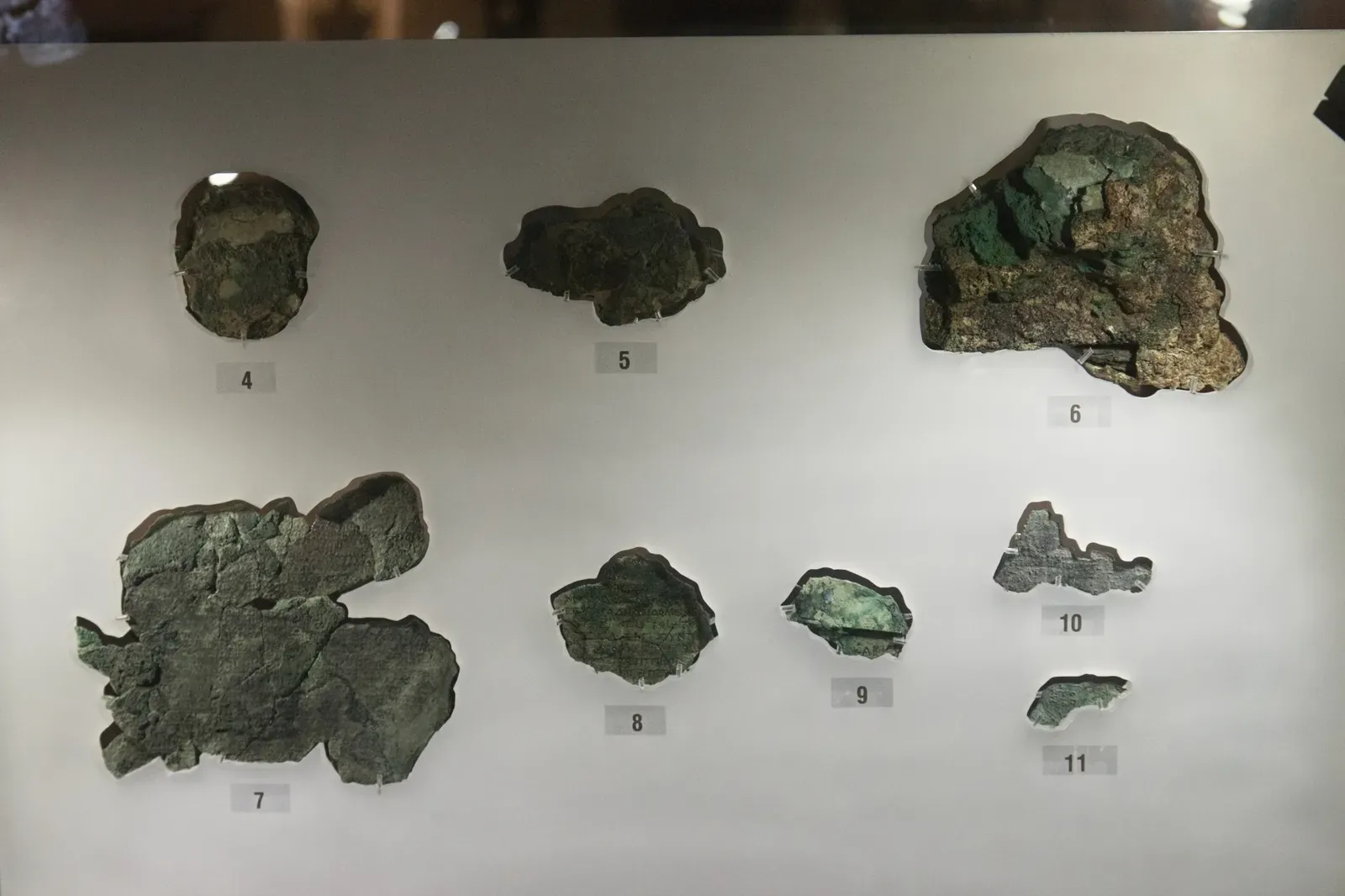
The Antikythera shipwreck, discovered off the coast of a Greek island, is best known for its astonishing mechanical device often called the first known analog computer. Dating the ship and its cargo, however, has been a balancing act between different kinds of evidence that sometimes refuse to sync perfectly.
Scholars have used the styles of bronzes and ceramics, inscriptions, and coinage found on the site to frame a likely date range for the ship’s sinking, broadly in the late Hellenistic to early Roman period. But within that window, individual lines of evidence point to slightly different decades. Some artifacts seem to cluster around one part of the first century BCE, while others nudge the range either earlier or later.
Attempts to date the wood of the ship through dendrochronology and other techniques have been limited by preservation, and even when tree rings or radiocarbon provide an approximate age for the timber, that only tells you when the trees were cut, not exactly when the vessel went down. Meanwhile, studies of the Antikythera mechanism itself – its inscriptions, astronomical cycles, and engineering – suggest a design tradition that might predate the actual shipwreck by a significant margin.
If you zoom out, the shipwreck’s contradictory dating evidence can be summarized as:
- Artifact typology and coins that anchor the wreck in a broad historical band, but not one single year.
- Technical features of the mechanism implying a longer development history behind it.
- Material dating (like wood) that provides a minimum age, but not an exact sink date.
So the Antikythera site is secure within a general period, yet the fine-grained timeline of when the ship sailed, how long the mechanism had been in use, and when exactly it sank still involves overlapping, sometimes conflicting, slices of evidence.
Conclusion: Why Contradictory Dates Are a Feature, Not a Bug
Looking across these eleven cases, a pattern emerges: the more important and complex the site, the more likely its dating evidence is to argue with itself. That is not because archaeologists are careless or because the methods are worthless. It is because we are asking a chaotic, three-dimensional past to fit into neat, one-dimensional timelines, and the real world does not cooperate that easily.
Personally, I find these contradictions reassuring. They show that researchers are not just hunting for confirmation of a story they already believe; they are wrestling with stubborn data that push back. When radiocarbon clashes with pottery, or geology raises doubts about traditional chronologies, it forces everyone to sharpen their arguments, improve methods, and admit uncertainty where the evidence is thin.
In a way, each of these sites is less like a single photograph and more like a stack of overlapping exposures. Different dating techniques capture different aspects of time: the last burning of a hearth, the slow weathering of stone, the growth of a tree, the style of an artifact, or the memory of a text. When those exposures do not line up, the job is not to discard the awkward ones, but to ask why they differ and what that difference reveals.
So the next time you hear a confident statement about when something in the ancient world happened, it is worth remembering all the places where the dates themselves are still arguing in the background. The contradictions are not just glitches; they are clues that the past is more layered, more human, and more surprising than any single timeline can capture. Which of these contested chronologies would you put your money on, and which would you happily see overturned by the next unexpected piece of evidence?