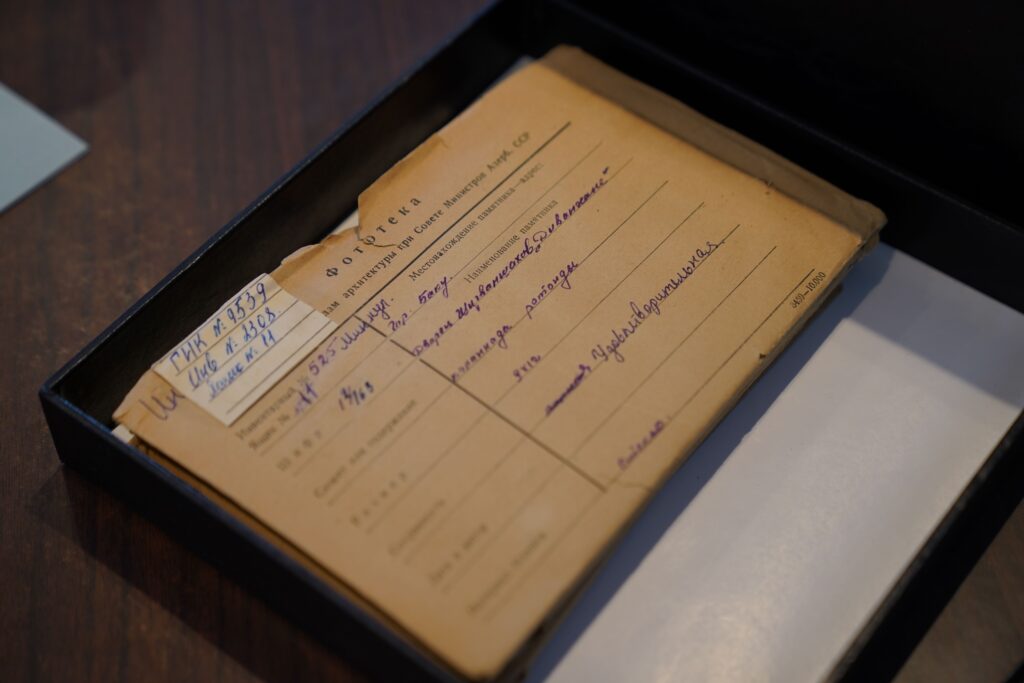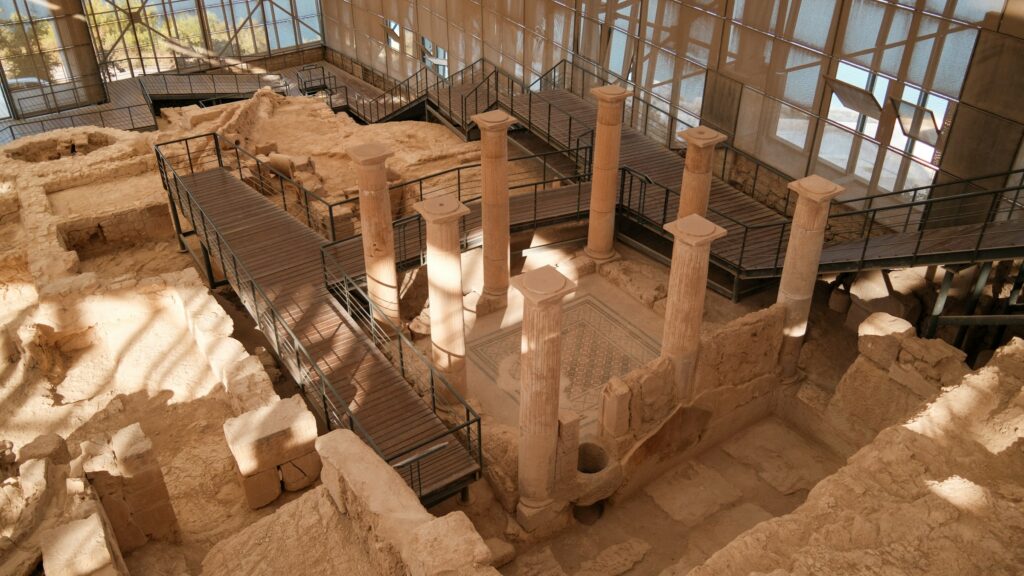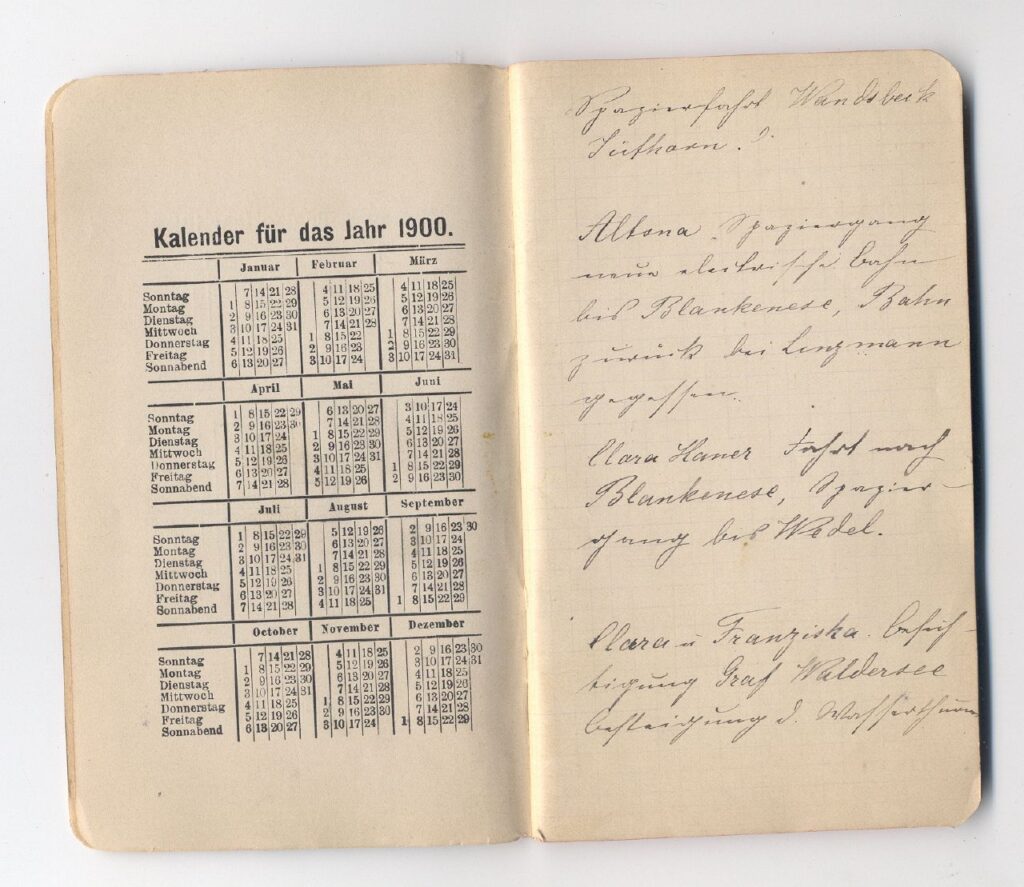
Every field has its ghosts: ideas half-finished, projects abandoned, records scribbled in a single notebook and then forgotten on a shelf. In archaeology, science, history, and even our personal lives, those ghosts often look like trenches left open and never fully mapped. We remember that we started something, but the details are trapped in one fragile record, vulnerable to time, loss, and misunderstanding.
This article uses the metaphor of “” to explore how incomplete documentation, fragile memory, and messy human habits shape what we know. Think of each trench as a different kind of gap: in science, in family history, in digital life, in mental health. Together, they show how much of our world rests on shaky, handwritten foundations – and what we can do about it.
We’ll move through twelve “trenches,” one by one, unpacking how they appear in real life, what happens when they’re left open, and how we might close them more thoughtfully. Some of this will feel uncomfortably familiar. Some will feel oddly reassuring. And by the end, you may look at your own half-finished projects – and your own battered notebooks – very differently.
#1 The Archaeologist’s Half-Finished Dig
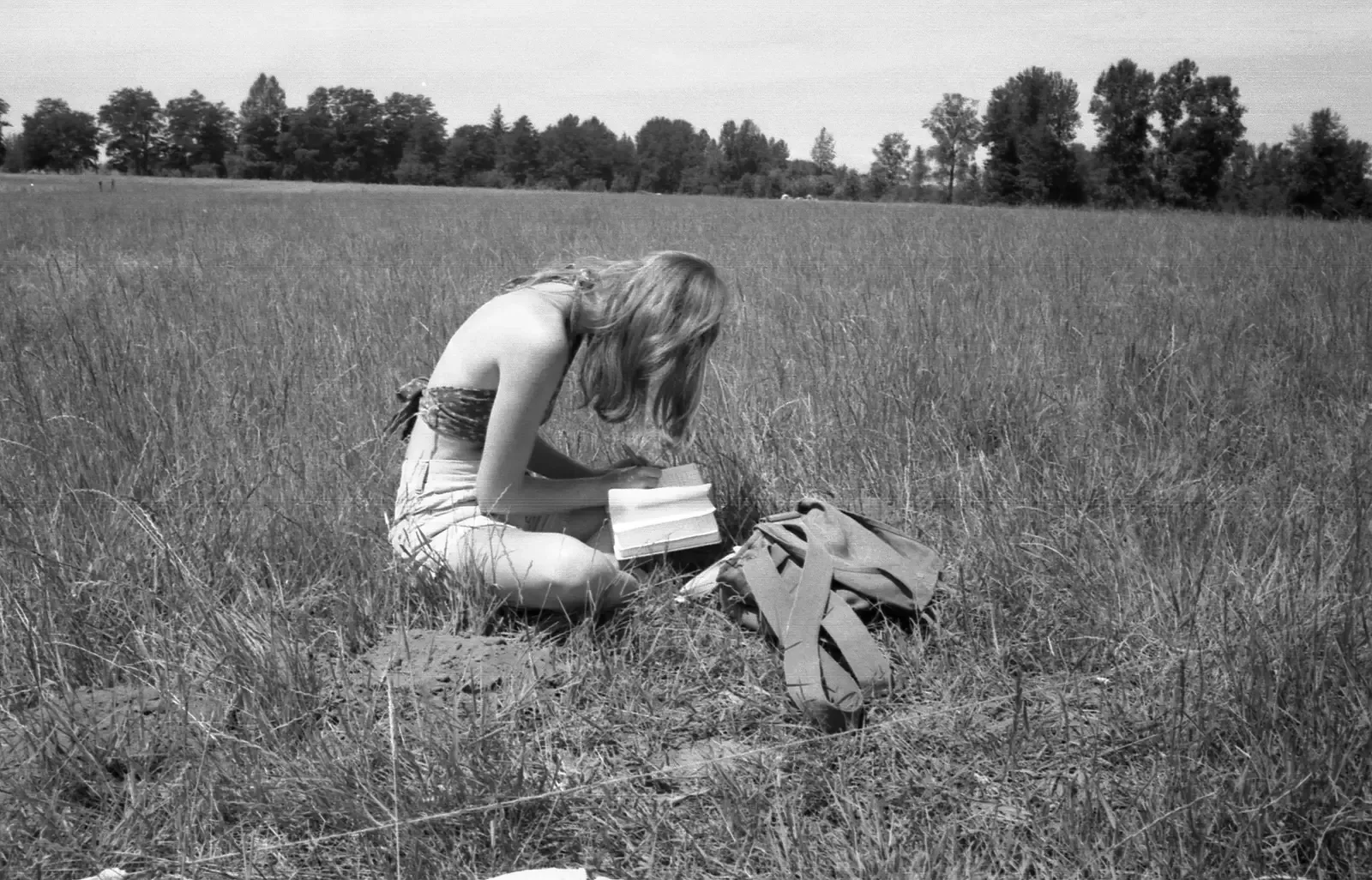
Imagine a field season cut short by sudden rain, funding troubles, or political unrest. The excavation team has opened twelve trenches, but by the time they pack up, only a few are fully recorded. In one of them, the trench supervisor has scribbled measurements, sketches, and quick notes into a single weather-beaten notebook. That notebook becomes the only real memory of what was uncovered in that slice of earth.
In archaeology, this is not just a poetic image; it is a real risk. Context is everything: once you dig, you destroy the original arrangement forever. If the only full record of a trench lives in a single notebook, written by one tired person working under pressure, then entire chapters of the past may hinge on their handwriting, their mood that day, or whether the notebook makes it back to the archive. Lose that notebook, and the evidence might as well have never existed.
Over the last decades, many teams have tried to fix this with digital recording systems, standardized forms, and shared databases. Still, even in well-funded projects, there are moments when time runs out, devices fail, and people fall back on the familiar: a notebook and a pencil. The lesson from this first trench is simple but brutal: data that exists only once – on one page, in one mind – is always at risk of becoming a ghost.
#2 The Scientist’s Unrepeatable Experiment
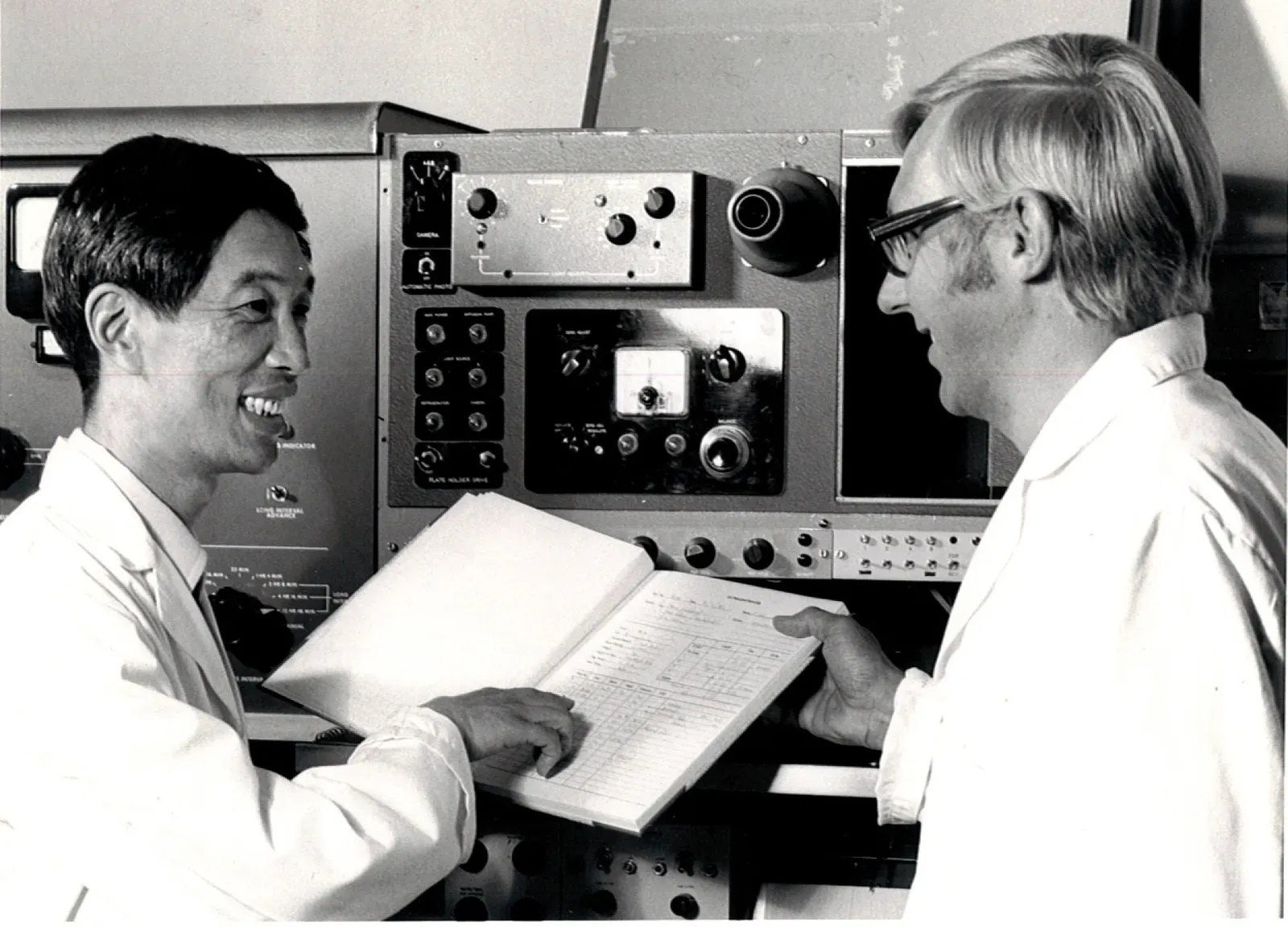
Move from the dirt of an excavation to the sterility of a lab bench, and the same problem appears with a lab coat on. A researcher runs a difficult experiment, gets surprising results, and writes everything down in a single lab notebook. Maybe they leave the field, change institutions, or switch topics. Years later, another group tries to replicate the work and finds the published paper thin on practical details – as if half the experiment stayed locked inside that original notebook.
In science, reproducibility is supposed to be the gold standard, yet many studies are hard or impossible to repeat because tiny but crucial details live only in someone’s scribbles. Exactly how long did the trial run? Was the temperature really constant? Did the researcher tweak a protocol on the fly and forget to add it to the formal methods section? When that information exists only in one place, the study becomes a kind of open trench: impressive from a distance, but dangerous to step into.
Some fields are pushing back against this with open lab notebooks, shared protocols, and pre-registered methods. However, cultural habits are slow to change, and the romantic image of the lone genius with a personal notebook still lingers. A more honest view is that the lone notebook is often a trap. It turns complex, collaborative science into something that can live or die based on whether one person remembered to write down which batch of reagents they used.
Think of it like a recipe passed down verbally through a family, where the crucial instruction is always “until it feels right.” That may be charming for soup; it’s less charming when your experiment is meant to guide medical decisions or environmental policy.
#3 The Historian’s Single Source Problem
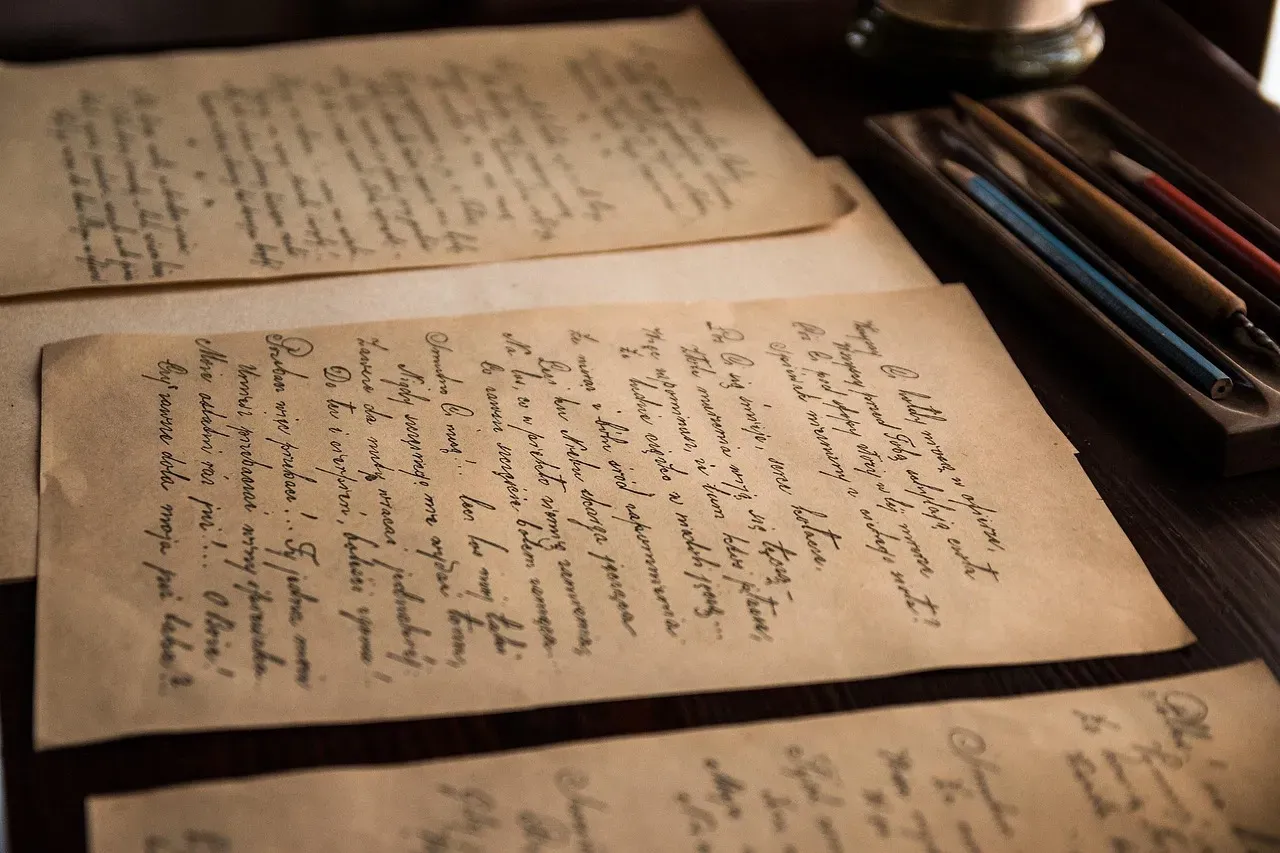
History, too, has its trenches left open. Many episodes from the past are known mainly from a single diary, letter, or official report. A battle remembered mostly through one officer’s memoir, a village seen only through the tax records of a distant empire, a political crisis surviving in just one bundle of papers that happened not to burn. In each case, our understanding of “what happened” is filtered through one notebook-like source.
Historians are trained to treat sources critically, to compare accounts, and to look for bias. But you can’t cross-check what doesn’t exist. When only one set of notes survives, there is no guarantee that it is typical, fair, or complete. It may be the work of a careful observer doing their best, or of a bitter participant settling scores, or simply of someone who did not notice what did not personally affect them. Yet their words can become the foundation for textbooks, documentaries, and public memory.
There is a deep irony here: we love the intimacy of single voices from the past, but we rarely see the people who were never recorded at all. The “one notebook” that survives often belongs to someone privileged enough to write, store paper, and keep their records safe. Everyone else’s experience remains an unexcavated trench, invisible but no less real. Whenever we rely on a single source, we should feel a small, nagging discomfort: what are we missing because only one person had a pen?
#4 The Family Story No One Wrote Down
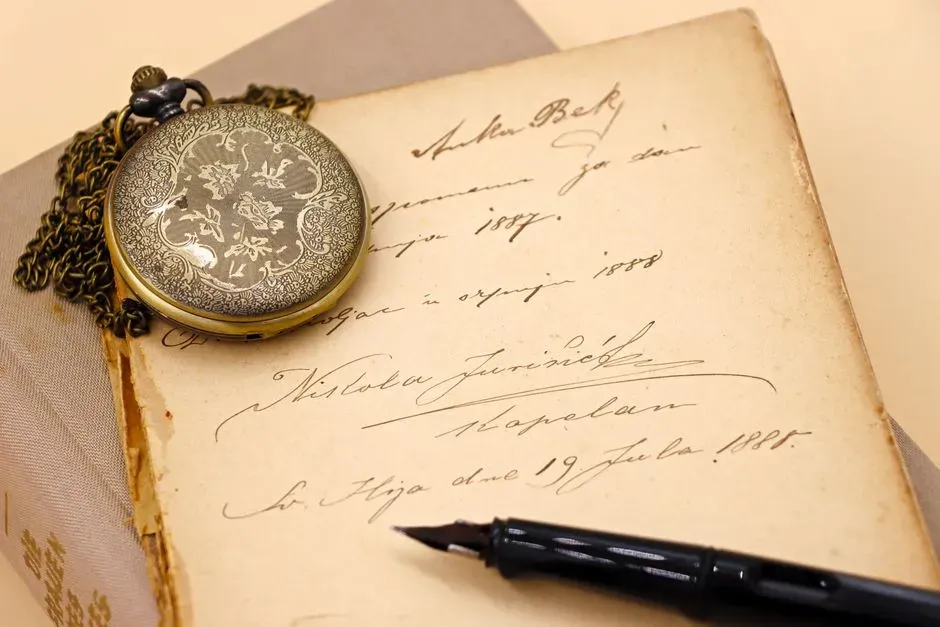
On a smaller, more personal scale, every family has its own “one notebook” problem. There is usually one aunt, uncle, or grandparent who remembers the names, places, migrations, and dramas of the last three or four generations. They can tell you who moved where, who changed their name, who never came back from a war. But all of it lives in their head, maybe with a few dates scribbled in a diary or on the back of old photographs.
When that person is gone, the trench closes. Questions that seemed easy to answer – where did our great-grandparents actually come from, what language did they speak at home, which relatives were estranged and why – suddenly become mysteries. The one mental notebook that carried those details is no longer accessible. Families are left to piece together scattered bits: half-remembered stories, mismatched documents, and whatever digital traces can be scraped from archives.
In a time when genetic testing and online trees can make ancestry look almost algorithmic, the fragile, narrative side of family history is easy to overlook. Yet the stories – why someone left, how they felt, what they feared – rarely show up in official records. They live in conversations and, if you are lucky, in someone’s handwritten notes. Once again, the pattern reappears: when knowledge lives in one place, it is always just one medical event, one move, or one house fire away from disappearing.
Some practical ways families try to avoid this include:
- Recording audio or video interviews with older relatives
- Scanning and transcribing any existing letters, diaries, or photo captions
- Creating simple shared documents where multiple people can add dates, names, and stories
None of these are perfect, but even imperfect duplication is better than trusting everything to one human notebook with a finite lifespan.
#5 The Digital Project With One Admin Password
In the digital world, open trenches hide behind sleek interfaces. Picture a community website, an online archive, or a grassroots mapping project that depends on one highly motivated person who set everything up. The domain registration, server access, backup routine, and user management tools all live in their head – or maybe in one password manager that no one else has access to. The project looks solid from the outside, but underneath, it’s as vulnerable as a single paper notebook left on a bus.
When that person gets too busy, burns out, changes jobs, or simply forgets to renew the domain, the entire project can evaporate. Even organizations with good intentions often underestimate how much knowledge is really centralized. Documentation may exist in theory, but in practice, crucial steps stay trapped in private email threads or quickly jotted notes. The “bus factor” – how many people would need to disappear to cripple the project – is often dangerously close to one.
Healthy digital projects increasingly try to spread this risk: multiple admins, institutional emails instead of personal ones, shared documentation, and clear succession plans. It sounds bureaucratic, but it is really about respect – for the contributors who trust the platform, and for the communities whose histories or data are being stored. Relying on a single admin is like digging a deep trench and then pretending no one will ever fall into it.
- If only one person can reset the password, the project is fragile.
- If only one device holds the latest backup, the project is fragile.
- If only one notebook explains how everything fits together, the project is fragile.
Redundancy, in this context, is not waste; it is basic care.
#6 The Research Field Built on a Few Classic Studies
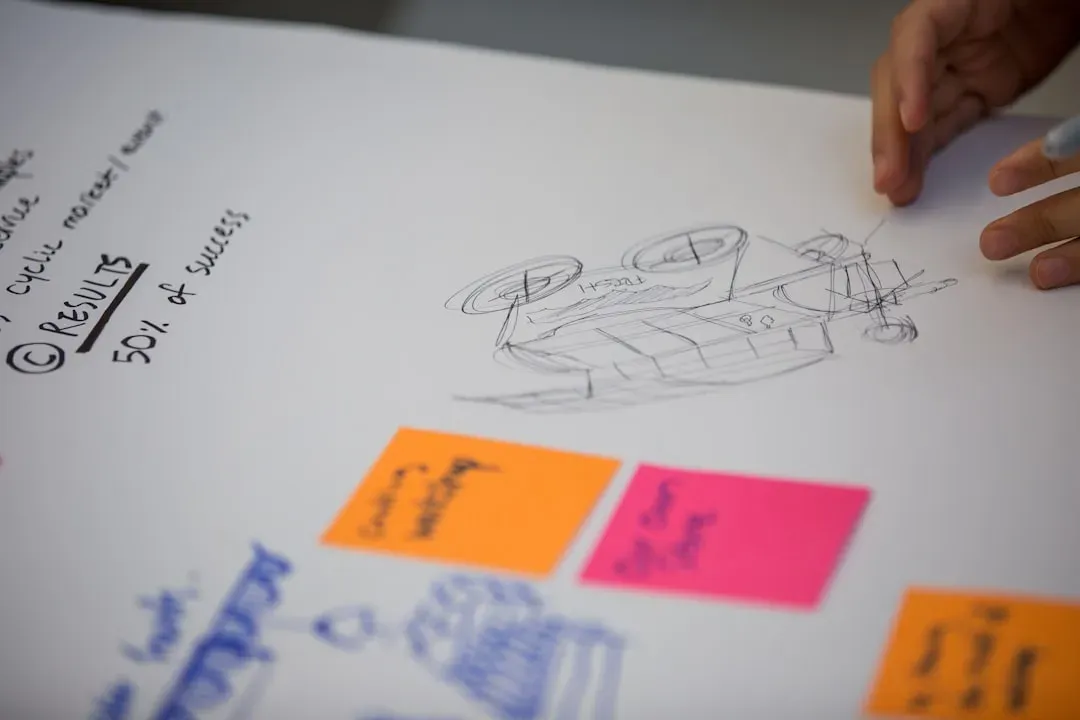
Some academic fields are effectively built around a handful of “classic” studies that everyone cites and no one fully re-reads. These foundational experiments or case studies become like trenches that were carefully excavated once, recorded in a single famous paper, and then left open forever in the literature. New work piles up around them, often assuming that the original findings are rock solid because they have been repeated in textbooks and lectures for years.
Yet occasionally, when someone goes back and tries to replicate or re-examine those foundational studies, cracks appear. Maybe the sample was small, the participants were unusually homogeneous, or the measurement tools were cruder than anyone now remembers. Sometimes, the full data never survived beyond the original researcher’s notes, which may or may not have been preserved carefully. A whole subfield can end up balancing on evidence that is thinner than it looks.
To be fair, science has always worked this way to some degree: you have to build on something. But a healthier culture would be more comfortable revisiting those open trenches, replicating, re-measuring, and even closing them when they turn out to be unreliable. Instead of treating the “classic” studies as sacred, we could see them as historical artifacts: important for how thinking evolved, but not necessarily final word on how reality actually works.
If you have ever been taught a “fact” that later turned out to be more complicated, you have felt this trench under your feet. It is unsettling, but also exciting. The ground is not as fixed as we thought – and that means there is room to improve it.
#7 The City’s Hidden Infrastructure Records
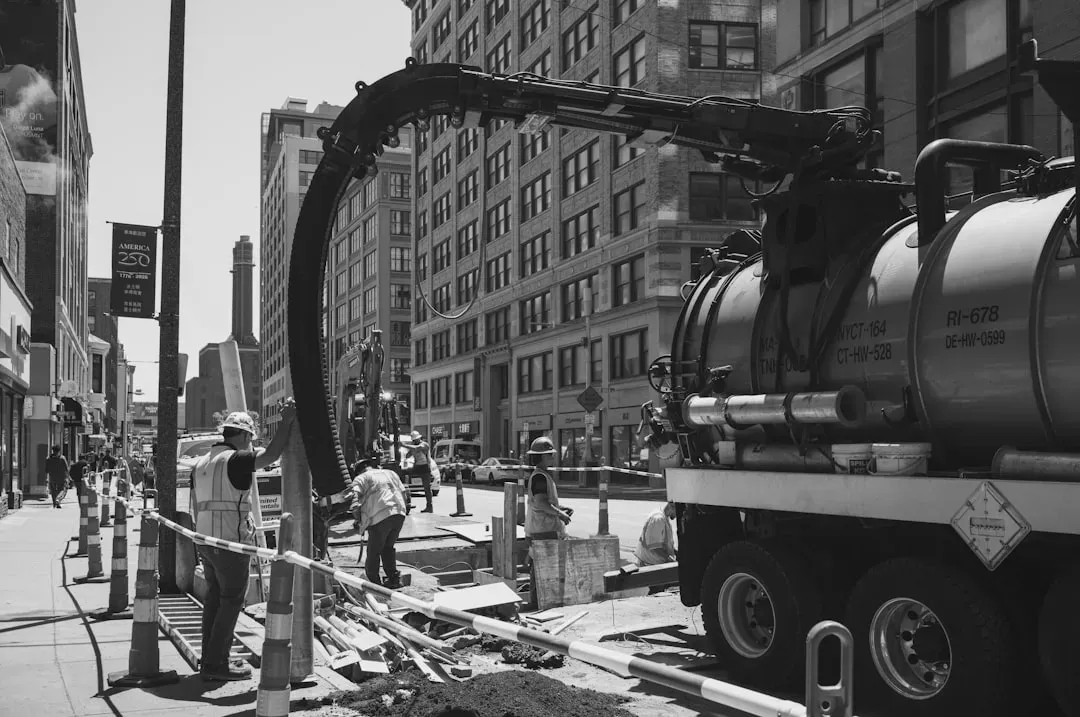
Cities are full of literal trenches: buried pipes, cables, and tunnels that crisscross underground. In many older cities, the detailed records of where everything lies exist in a patchwork of old maps, engineering notebooks, and institutional memory held by a few long-serving staff. When a new construction project opens up the street, no one is completely sure what they will find until the asphalt is peeled back.
This is not just an annoyance; it can be dangerous and expensive. Hitting an unmarked gas line or fiber cable can cause massive disruption. Some municipalities are trying to digitize and unify their infrastructure records, but the legacy of decades – or centuries – of piecemeal documentation is hard to overcome. One department might have detailed sketches from the 1970s; another might have only vague notes and the recollections of a few remaining engineers.
The city, in other words, has its own version of the “one notebook” problem. A particular section of pipe might be known primarily because a retired worker once marked it in the margins of a plan. When that knowledge does not get copied, standardized, and updated, each new project re-digs the same metaphorical trenches of uncertainty. You see this every time a road that was just resurfaced gets torn up again because someone discovered, belatedly, that a line needed replacement.
- Old, paper-based records are vulnerable to water, fire, and simple misfiling.
- Institutional memory can disappear quickly when staff retire or departments are reorganized.
- Digital mapping can help, but only if it captures messy, real-world complexity instead of pretending everything is neat.
Urban planning becomes much more honest when it admits how much is unknown underground – and treats each new trench as a chance to improve the shared notebook, not just patch a pipe.
#8 The Personal Journal as the Only Witness

On the most intimate level, a private journal is often the one notebook that bears witness to a person’s inner life. For many people, the only honest record of their fears, ambitions, and shifting identities lives in those pages. No social media feed or public persona comes close. The journal becomes a trench into the self: deep, sometimes messy, rarely fully explored by anyone else.
There is something powerful and beautiful about that privacy. But it can also be isolating. When someone is struggling with mental health, grief, or trauma, they may pour everything into a notebook and show nothing to friends, family, or professionals. In that case, their suffering is literally recorded but still unseen. If the notebook is lost or destroyed, it can feel like parts of their life have been erased. If it survives and surfaces after their death, it can radically change how others understand who they were.
The ethical questions here are complicated. Should personal journals be preserved, archived, or shared? Who gets to decide? There is no universal answer. What is clear is that this kind of trench – deep, personal, and recorded in only one place – reminds us how much of human experience never makes it into public history or formal science. It is possible to live a life that is mostly invisible to the broader world yet intensely documented to oneself.
Speaking personally, I like the idea that some things stay private forever. Not every trench has to be mapped by others. But when the only witness to pain is a notebook, and the person carrying it feels utterly alone, that is when it might help to gently widen the circle – sharing a few lines with a therapist, a trusted friend, or even a support group, so the record exists in more than one place.
#9 The Data Set With One Copy and No Context

These days, people talk a lot about “big data,” but the more mundane reality is that many important data sets are small, messy, and stored in one place on one person’s machine. A field researcher might have years of measurements in a single spreadsheet, with variable names only they understand. The context for how those numbers were gathered – weather conditions, instrument problems, subtle site differences – may live only in their memory or in a personal notebook that no one else has read.
When that researcher moves on, the data may be uploaded somewhere, but stripped of nuance. Years later, another team grabs the file, assumes the columns are self-explanatory, and plugs it into a model. The result looks clean and objective, but it hides the reality that many of the original decisions, limitations, and caveats were never fully written down. The data set becomes a trench: deep but narrow, carefully dug once and barely documented.
The push toward open data is meant to help with this, but sharing files without rich metadata can be a false comfort. What is really needed is more boring discipline: codebooks, field notes, clear filenames, version control, and backups. It is not glamorous, and it rarely gets anyone promoted, but it is what turns a private notebook into a resource that others can use without guesswork.
- Raw numbers without clear labels invite misinterpretation.
- Single copies of data risk corruption, loss, or silent modification.
- Detailed, human-readable documentation is a form of respect – for future researchers and for the people the data came from.
When you treat your own data as if you might forget everything about it in six months, you naturally start building better notebooks – ones that someone else could read without calling you in a panic.
#10 The Creative Project That Lives Only in Drafts

Writers, musicians, designers, and artists all have their own version of the single notebook trench. A novel that exists only in scattered drafts, a folder of demo tracks with cryptic filenames, a set of design mockups that never made it into a portfolio. These unfinished projects hold a part of the creator’s voice, but no one else has access to them. They are like exploratory trenches in a field of ideas: dug, studied for a moment, and then left open and unmarked.
On one hand, this is just how creativity works; not every idea needs to be shared. There is value in having a private playground where you can experiment without worrying about quality or reception. On the other hand, leaving all your experiments trapped in drafts can blunt your growth. You never get outside feedback, never see your work in conversation with others, and never learn from the process of actually finishing and releasing something.
Some creators intentionally treat their drafts as a living archive and periodically go back to mine the trenches. They consolidate sketches, pull out recurring themes, and decide which ideas deserve a second life. Others set rituals: once a year, they pick one abandoned piece to finish, no matter what. These small acts can turn a notebook of half-ideas into a garden of late bloomers, where nothing is truly wasted.
If you have ever opened an old file and been surprised by how much you like it, you know this feeling. The trench was not empty after all; you just needed a better light to see what you had already dug.
#11 The Social Movement With One Chronicler
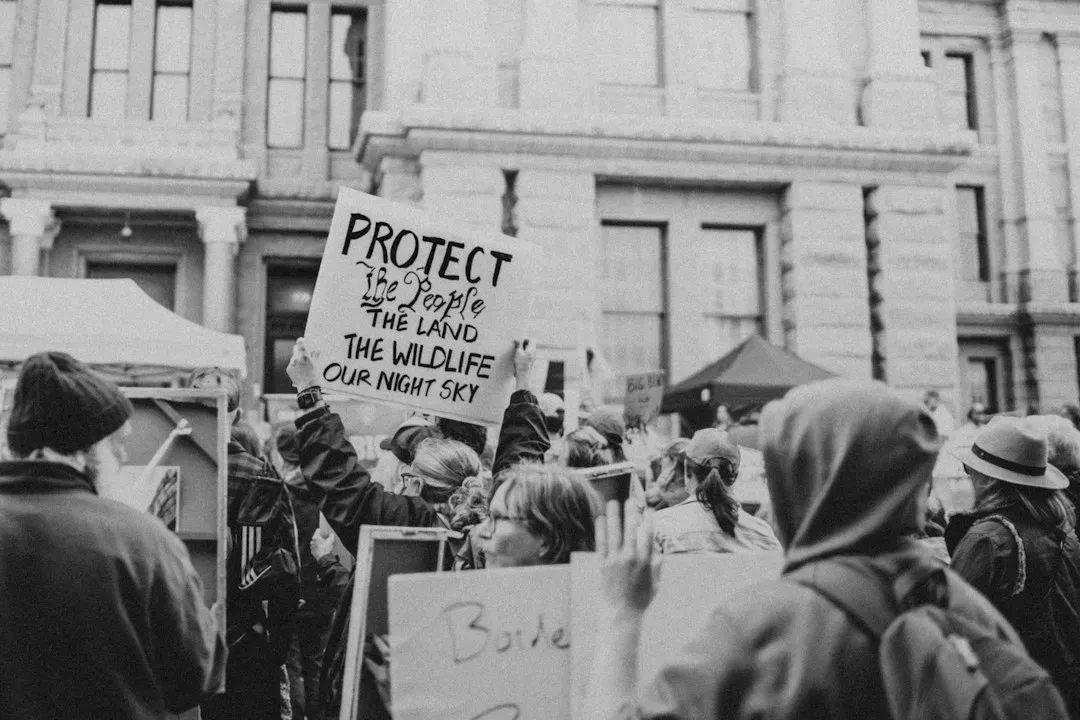
Many social movements, protests, and grassroots campaigns are documented mainly by one or two dedicated people: a blogger, a photographer, an independent journalist, or a volunteer archivist. They attend every meeting, film every march, and capture the moments that mainstream media ignores. Their notes, photos, and timelines become the de facto record of what happened on the ground.
This is both inspiring and risky. Inspiring, because so much history is saved only because someone cared enough to keep writing. Risky, because their perspective, their blind spots, and their ongoing access all shape what gets recorded. If they burn out, lose equipment, or face legal or physical threats, the documentation can stop instantly. A rich, complex collective experience ends up filtered through one person’s lens, with all the distortions that implies.
A healthier model for movements is distributed documentation: multiple people keeping minutes, sharing photos, archiving flyers, and contributing to secure, shared repositories. It does not have to be perfect or professional. The goal is simply to ensure that no single notebook or camera holds all the memory. That way, when historians, journalists, or new activists look back, they have more than one trench to examine.
- Diverse record-keepers capture different perspectives and priorities.
- Shared archives reduce the risk that crucial evidence simply disappears.
- Even simple steps – like redundant photo backups – can protect fragile histories.
Movements are about many voices. Their records should be, too.
#12 The Planet’s Environmental Records on the Edge
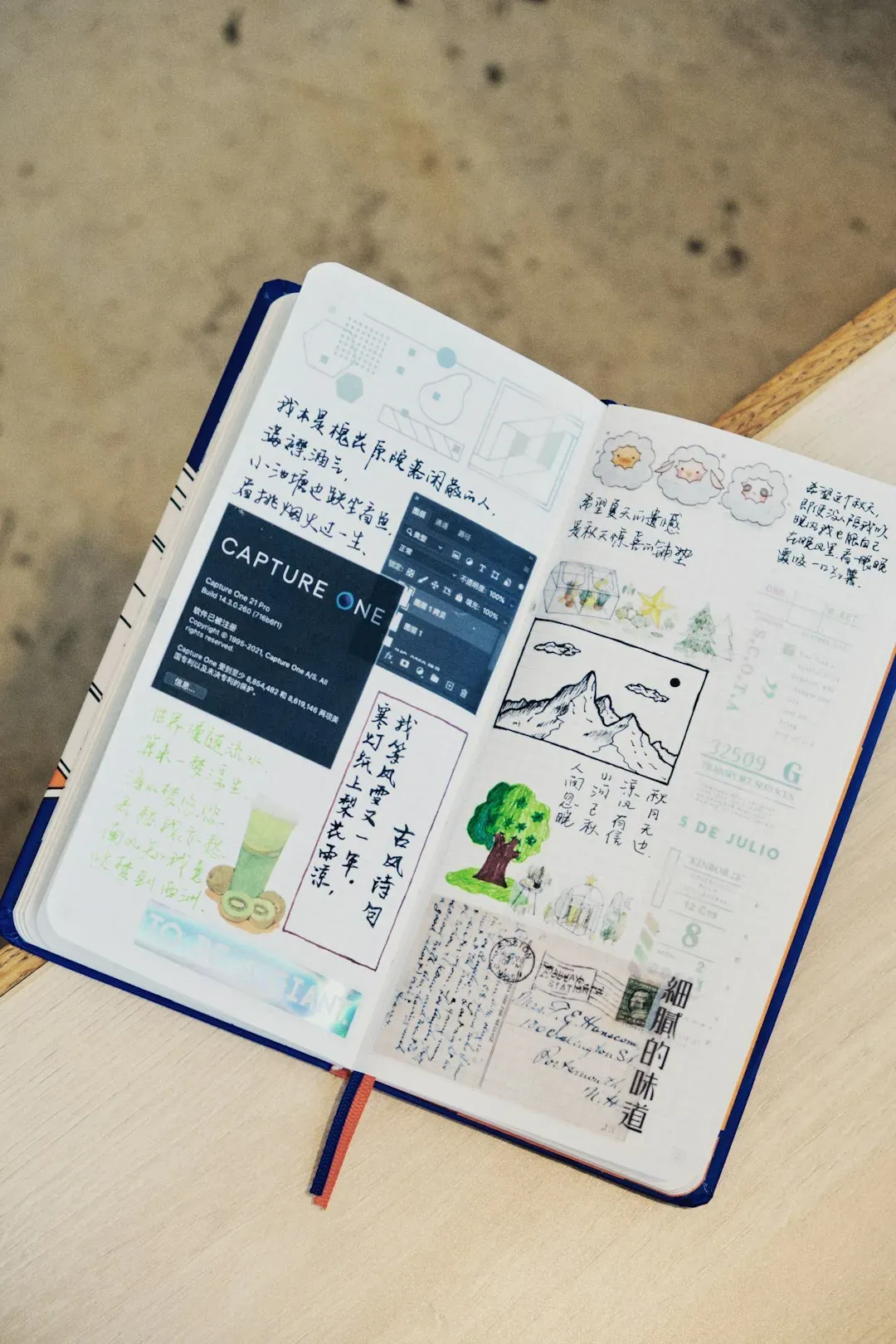
Finally, zoom out to the largest trench of all: our changing planet. Much of what we know about long-term environmental shifts comes from a patchwork of measurements: tree rings, ice cores, old ship logs, weather station data, satellite imagery, and localized field notes. In many places, the most continuous records are surprisingly fragile. A single weather station run by a dedicated volunteer, a lone researcher tracking glacier melt, a community elder recording seasonal changes in their notebook.
When those records are not preserved, shared, and properly contextualized, we lose the ability to see slow-moving crises. Abrupt shifts can be mistaken for normal variation, and local knowledge can vanish just when it is needed most. Some climate and environmental initiatives have started to recognize this, partnering with Indigenous communities, citizen scientists, and local observers to build more robust, shared databases. Still, for many regions, the long-term baseline is thin.
There is a sort of quiet heroism in people who faithfully log the first frost date every year, or count migrating birds at dawn, or maintain a decades-old rain gauge. Yet their work only becomes truly powerful when it connects with others – when their notebook joins a network. Otherwise, the story of a changing landscape risks being told as if it started the moment satellites began to look down, ignoring the trenches dug earlier at ground level.
When we talk about “the data” behind environmental policy, it is worth remembering how human and contingent much of that data still is. In many cases, the future stability of coastal cities, forests, and farms depends on notes once taken by one patient person, standing in the cold with a clipboard.
Conclusion: Closing Trenches Without Burying the Truth
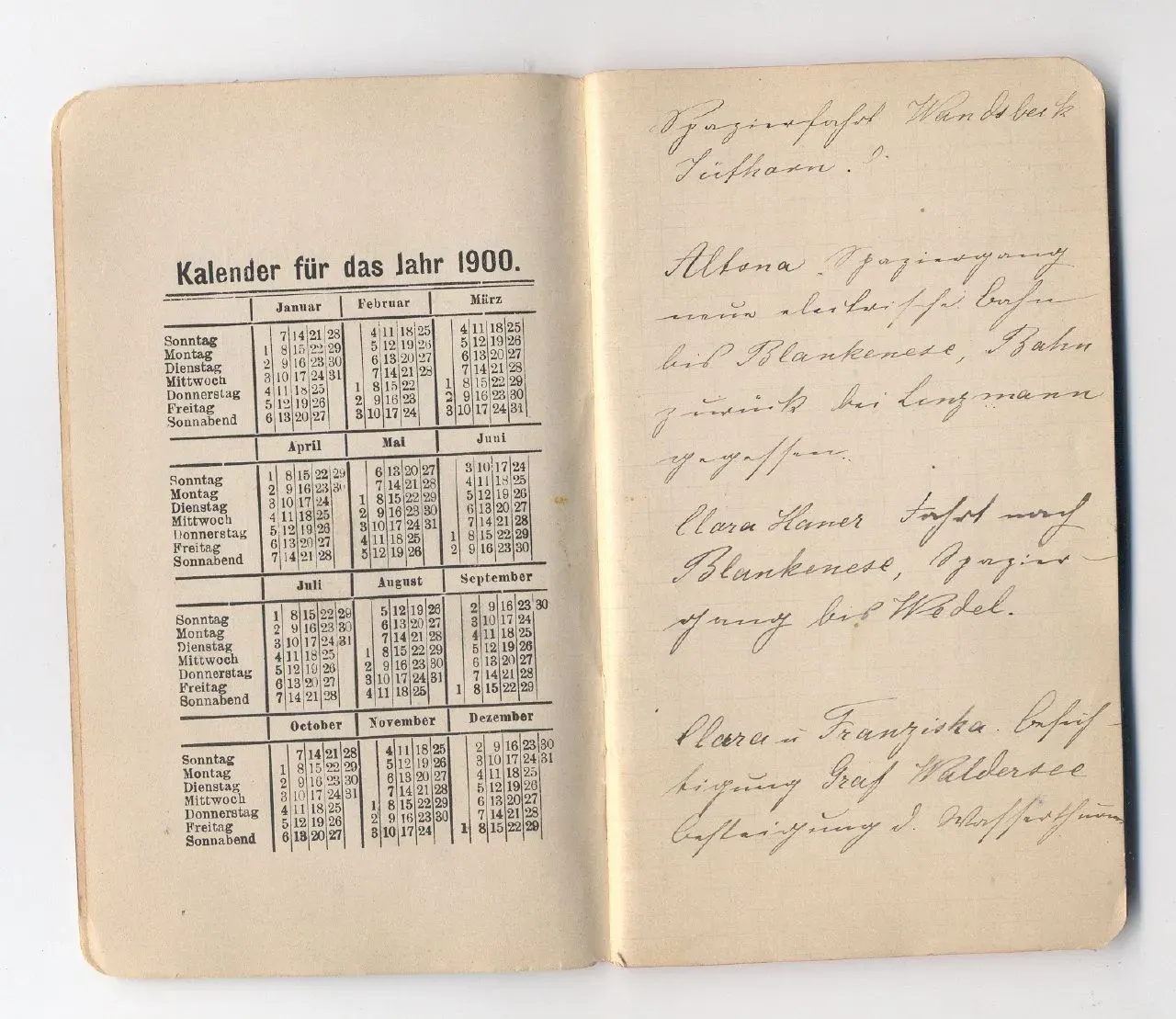
Across all twelve trenches – scientific experiments, family histories, city pipes, social movements, and quiet environmental logs – the same pattern repeats: we build knowledge on the edge of fragility. One notebook here, one admin there, one aging expert, one unlabeled spreadsheet. It is tempting to see this as a failure of planning or technology, but it is also just how humans have always operated: improvising, documenting unevenly, and only later realizing which scraps would matter most.
I think we should resist two extremes. On one side is nostalgia for the lone chronicler, the genius notebook, the precious archive guarded by a single gatekeeper. On the other side is a fantasy of perfect, total documentation where nothing is ever lost. Both miss the point. The real challenge is to honor the human scale of record-keeping while also refusing to accept ignorance and fragility where they are avoidable. Redundancy, collaboration, and clear sharing are not glamorous, but they are forms of care – care for future scientists, for descendants, for neighbors, and for strangers who will one day ask what we knew and when.
There is also a more personal choice hiding in this metaphor. All of us carry trenches we have dug in our own lives: projects half-finished, stories half-told, feelings half-acknowledged. Some deserve to stay private; others might need a second pair of eyes, a shared folder, or a long conversation over coffee. You do not have to document everything, but you can choose not to let the most important things live in one fragile place.
In the end, maybe the real work is not just closing trenches but deciding which ones deserve brighter light and more voices. The next time you pick up a notebook – physical or digital – ask yourself: if this were the only record that survived, what story would it tell, and who would be missing from it?