If you’ve ever stared at a leaning church tower or a stone bridge with no visible steel and thought, “There is no way that thing should still be standing,” you’re not alone. Around the world there are buildings, temples, forts, and bridges that seem to defy both time and basic common sense.
What makes them fascinating is not just that they are old, but that they rest on foundations that, by modern standards, look fragile, improvised, or flat‑out wrong. They were built on sand, mud, shifting cliffs, earthquake zones, and even marshes. Yet while many modern constructions crack within decades, these survivors are still here, shrugging off centuries of storms, wars, and human neglect.
Let’s walk through 13 of the most astonishing examples. Some are famous icons, others are underrated weirdos of structural engineering. All of them are proof that ancient builders were far more clever, and sometimes luckier, than we usually give them credit for.
#1 The Leaning Tower of Pisa: A Mistake That Became a Miracle
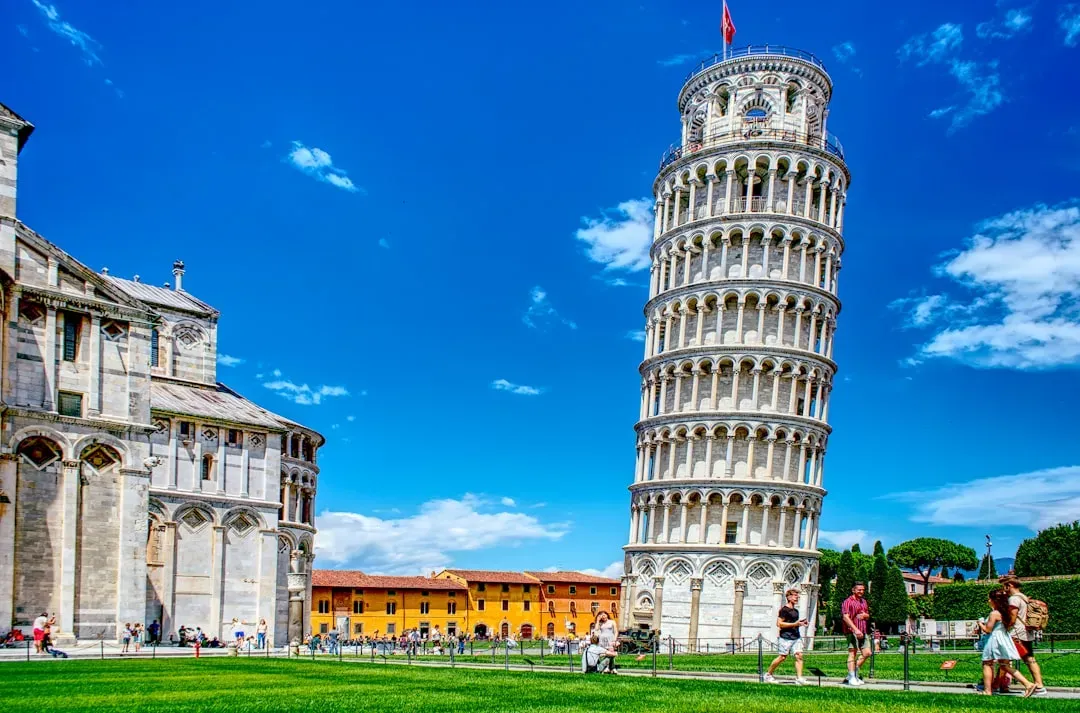
The Leaning Tower of Pisa is the poster child for “this should’ve fallen already.” Built on soft, compressible subsoil made of clay and sand, it started tilting while construction was still going on in the 12th century. Any modern engineer seeing those soil reports today would probably refuse the job or completely redesign the foundation.
At its worst, the tower leaned so far that its top shifted several meters off center. That means gravity is constantly trying to pull it down, yet the tower has stubbornly refused to obey. Counterintuitively, the same soft ground that caused the tilt also cushioned the building against total collapse, allowing the base to settle instead of suddenly snapping.
In recent decades, engineers stepped in and very carefully stabilized it by removing tiny amounts of soil and anchoring it, essentially freezing the lean where it is. So now you’ve got medieval stonework, sitting on bad ground, propped up by 20th‑ and 21st‑century engineering tricks like steel cables and underground counterweights. It’s half architectural accident, half engineering surgery, and somehow it works.
In short, the tower stands today because of a bizarre mix of faulty foundations, flexible soil, and extremely delicate modern interventions. By all predictable logic, it should’ve toppled long ago – and yet it just leans and smiles for the cameras.
#2 Venice: A Sinking City Balancing on Wooden Toothpicks
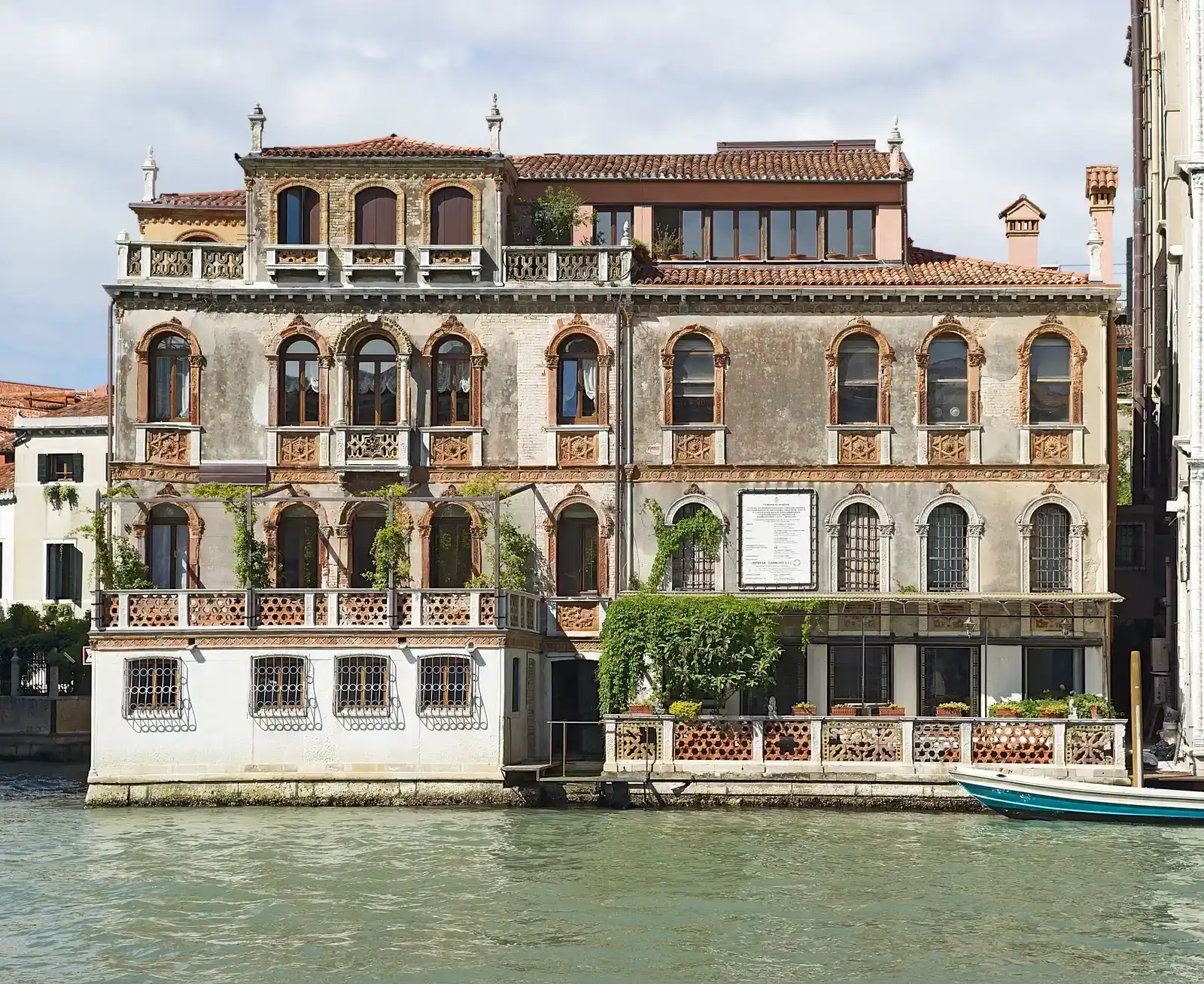
Venice is not so much a city as a giant architectural dare. Most of its historic buildings are built directly on a lagoon, supported by forests of wooden piles driven into mud. On paper, that sounds like the worst foundation you could choose for stone palaces that weigh thousands of tons.
The miracle is that the wood did not rot away centuries ago. Submerged in oxygen‑poor mud and water, the timber piles were essentially pickled over time, mineralizing and hardening. The mud acts almost like a cast, helping distribute loads evenly, while the dense web of piles keeps structures from sinking unevenly.
Of course, Venice is sinking slowly, and it faces rising sea levels and frequent flooding. Modern engineers are desperately trying to rescue it with underwater barriers and constant maintenance. Yet the core fact stands: people built a stone city on what is essentially soupy ground, using wood foundations, and it has stayed upright for hundreds of years.
On a purely rational level, choosing a tidal lagoon as your long‑term real estate plan makes no sense. But Venice proves that when you understand your materials and environment deeply enough, even “bad” foundations can be turned into something shockingly durable.
#3 The Parthenon: Ancient Stone on Shaky, Quake‑Prone Earth
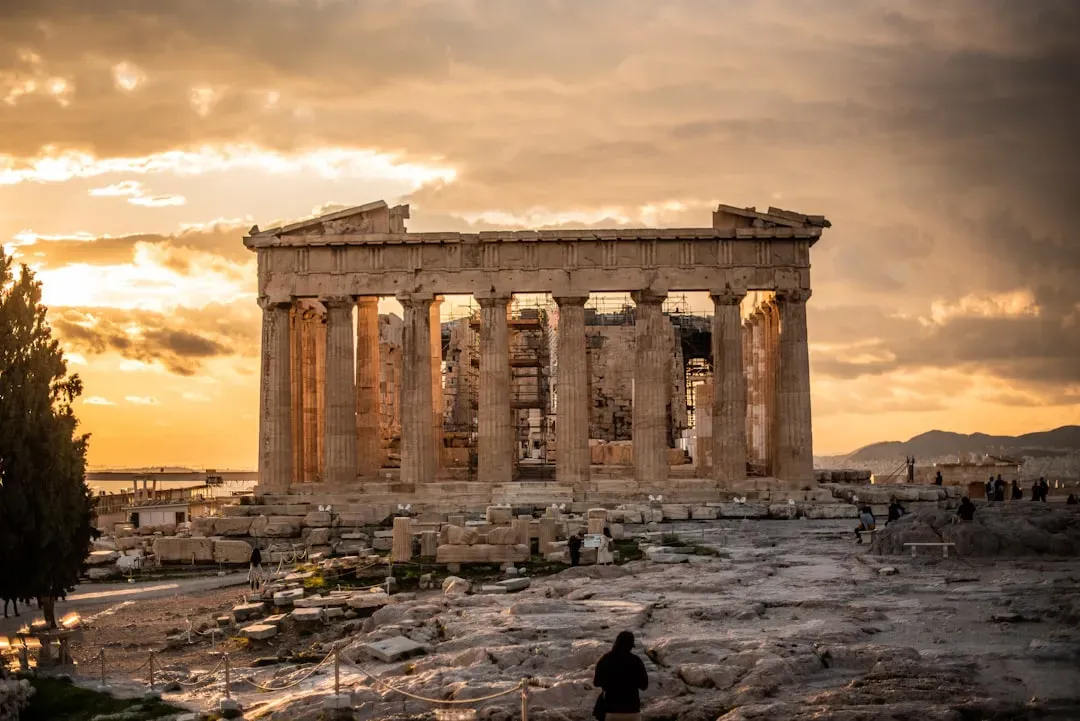
The Parthenon in Athens sits on a rocky hill, which sounds solid, but the region is no stranger to earthquakes and ancient quarrying. Over more than two thousand years, it has endured quakes, explosions, looting, and even being used as a gunpowder depot. The true shock is that any part of it still stands.
The Greeks did not pour reinforced concrete or use steel frames. They stacked marble blocks with astonishing precision, relying on weight, geometry, and tiny metal clamps to hold everything together. This dry‑joint approach, where stones could move slightly without snapping, turned out to be a hidden superpower during earthquakes.
Instead of shattering, the structure could flex imperceptibly, transferring loads from one stone to another like a giant stone puzzle. Even where parts have collapsed, significant chunks of the colonnade and inner structure remain upright on a hill that has shaken again and again over the centuries.
To a modern engineer, the foundation and superstructure look brutally simple. But that simplicity, combined with careful proportions and impeccable stone cutting, may be exactly why the Parthenon has survived conditions that should have wrecked a less cleverly assembled building.
#4 Mont Saint‑Michel: A Stone Island Pinned to a Tidal Trap
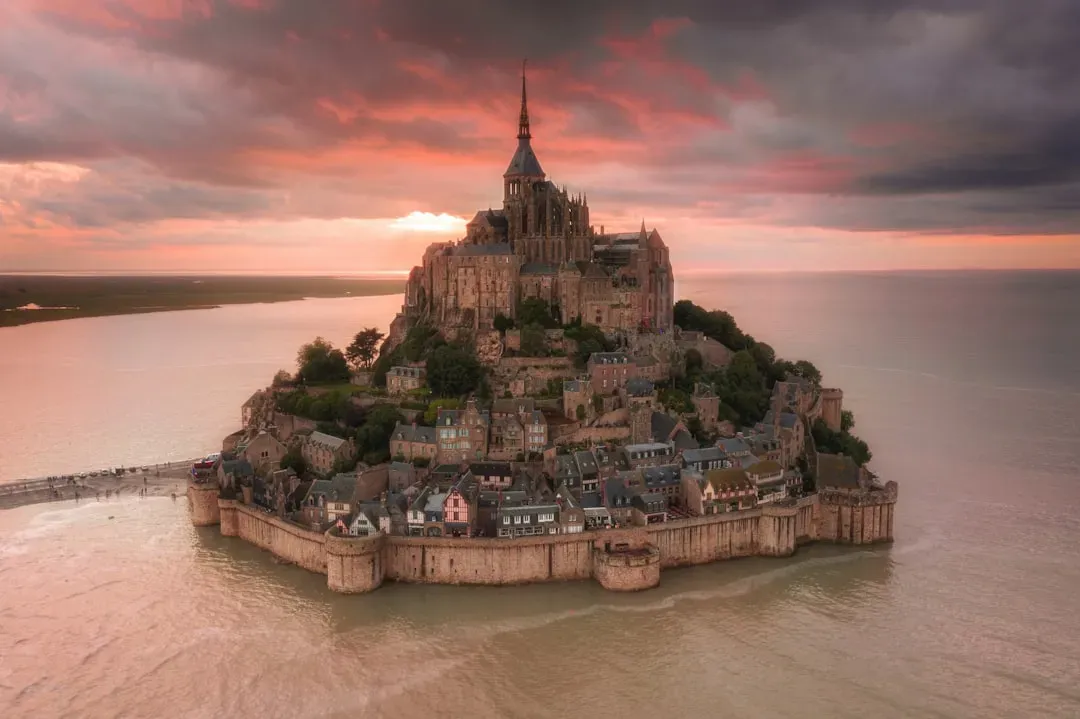
Mont Saint‑Michel in France rises from tidal flats that transform constantly under the pull of the sea. It is surrounded by quicksand‑like mud and some of the fastest‑moving tides in Europe. If you were picking a place to build a heavy stone abbey and fort, this would rank near the bottom of any sensible list.
The mount itself is a granite outcrop, which helps, but the lower walls, access routes, and some subsidiary structures are intimately tied to the messy transition between rock and mud. Over centuries, the shape of the coastline and the flow of water around the island have shifted repeatedly, threatening to cut it off or bury it in silt.
Yet somehow the core buildings have remained, gripping the rock like a barnacle that refuses to be washed away. The vertical mass of stone, layered down the steep slopes, actually helps pin the whole complex to the mount, lowering the center of gravity as the structures cascade toward the sea.
From a foundations perspective, Mont Saint‑Michel is a balancing act on the edge of land and water. It survives because rock, weight distribution, and relentless human maintenance have combined to fight back against an environment that never stops trying to erase it.
#5 The Pont du Gard: A Roman Bridge that Laughs at Time
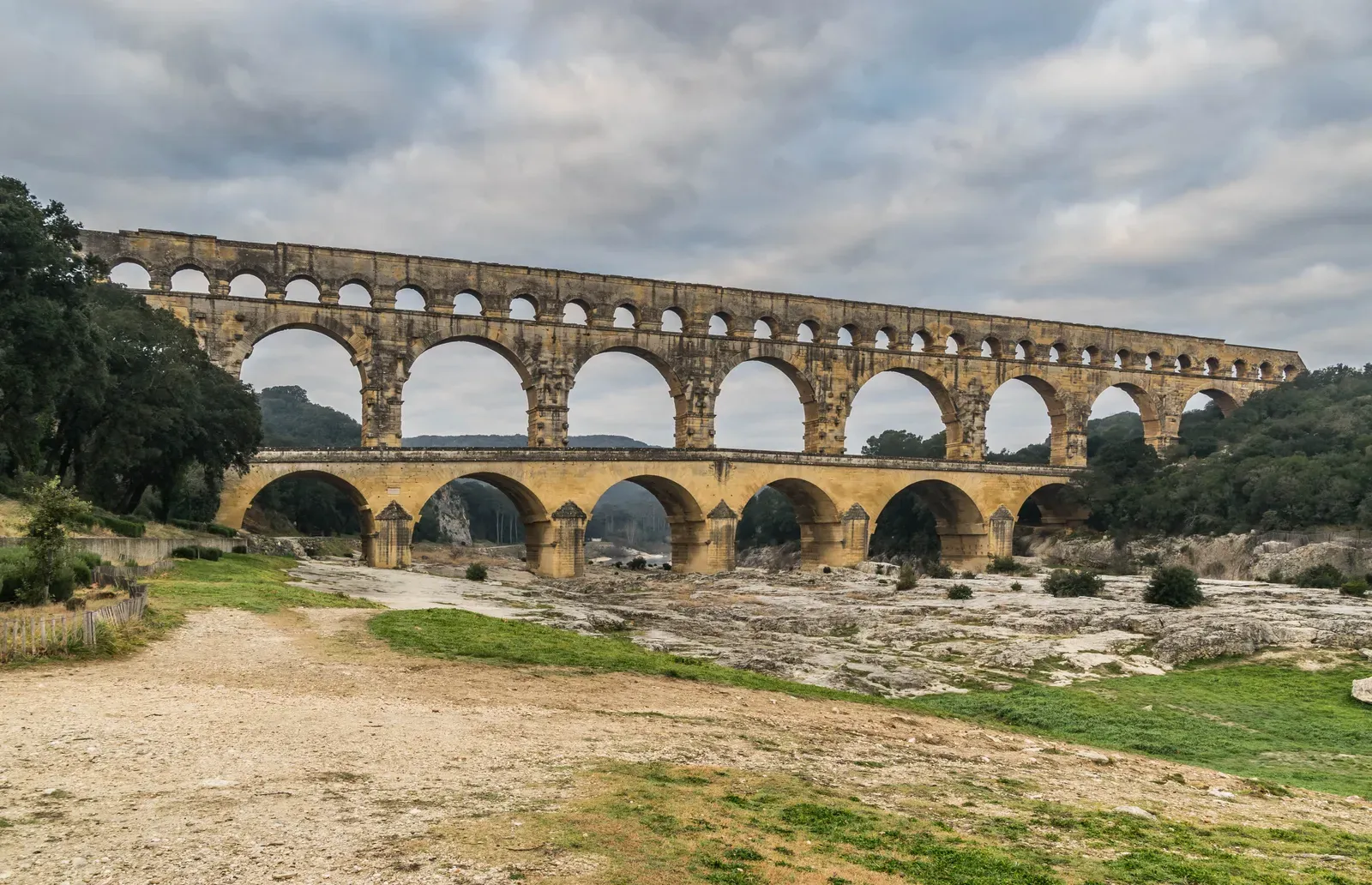
The Pont du Gard aqueduct bridge in southern France was built by the Romans to carry water, not as some permanent monument. Yet there it is, a massive multi‑tiered arc of stone still standing while countless newer bridges have come and gone. It rests on piers in a river that floods, erodes, and shifts like any other.
Roman engineers were fanatical about foundations, but they were also working with limited tools. They used cofferdams, rough surveying, stone plinths, and massive masonry to punch down into the riverbed. Over time, scouring around piers and seasonal floods should have undermined those foundations beyond repair.
What saved it was deliberate over‑engineering. The bridge is simply heavier and more redundantly built than it strictly needed to be. Its semi‑circular arches distribute loads smoothly into the piers, and the piers themselves are so thick and robust that partial erosion does not automatically mean failure.
There is something almost stubborn about it. Pont du Gard looks like a relic but behaves like an immortal piece of infrastructure, a reminder that sometimes the secret to surviving bad foundations is to build the rest of the structure so robust that it can tolerate a shocking amount of abuse.
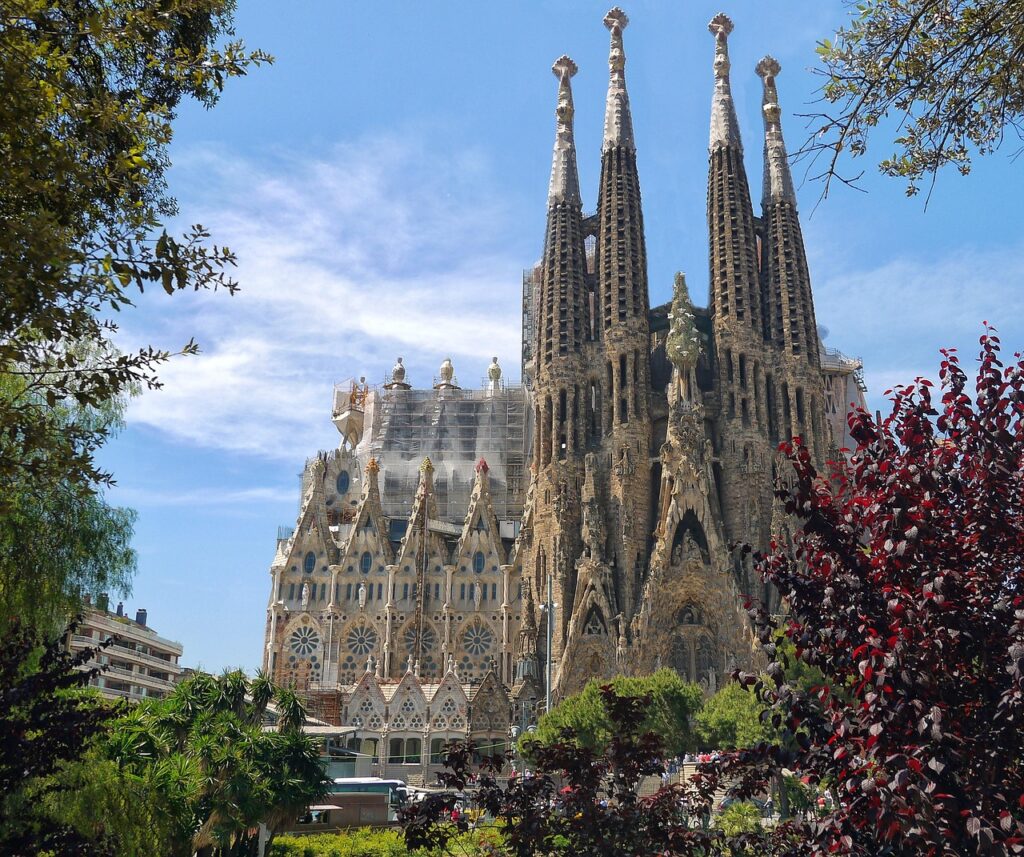
#6 The Sagrada Família: Soft Ground, Moving Subway, Endless Construction
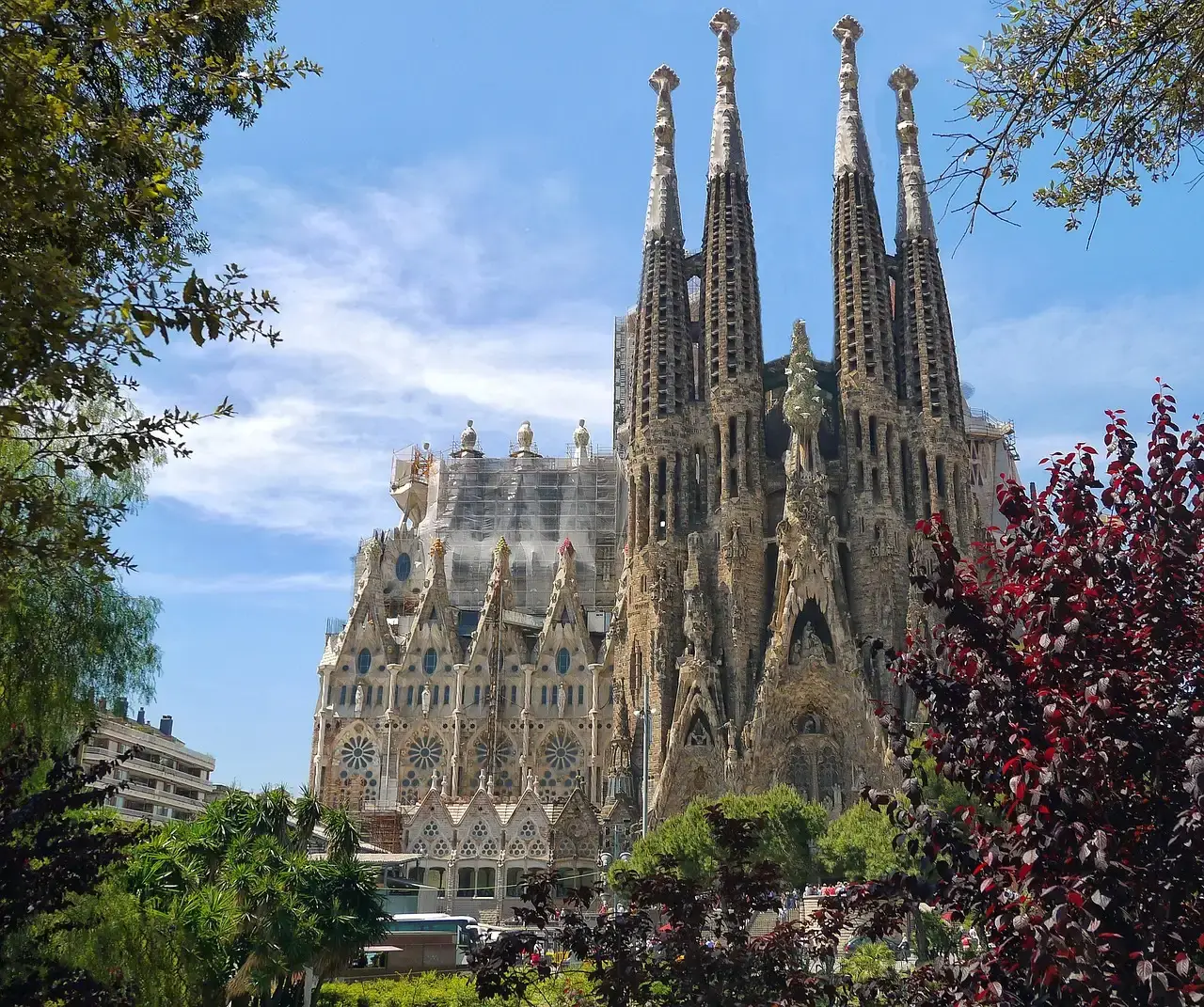
Barcelona’s Sagrada Família is famous for cranes and scaffolding, but the real drama is underground. It is built in an urban setting with complex soils, tunnels, and modern infrastructure weaving all around and under it. By the time subways and basements joined the party, the basilica’s foundations were already in place.
That means you have massive stone and concrete towers rising above a patchwork of supporting ground that has been poked and prodded by later development. Movements in the soil, changes in groundwater, and vibrations from traffic all affect a foundation system that was never designed with this future in mind.
Despite that, the structure stands and grows. Careful monitoring, strengthening of certain zones, and conservative engineering choices have compensated for the shaky context. The load paths are deliberately redundant, and the hyperboloid shapes of the columns distribute forces with impressive efficiency.
In a way, Sagrada Família is a living experiment in how to keep a building on its feet while the city underneath keeps changing. The fact that it remains stable on such a compromised foundation is a quiet feat overshadowed by its dramatic facades.
#7 The Cliff Palaces of Mesa Verde: Homes Wedged into Rock
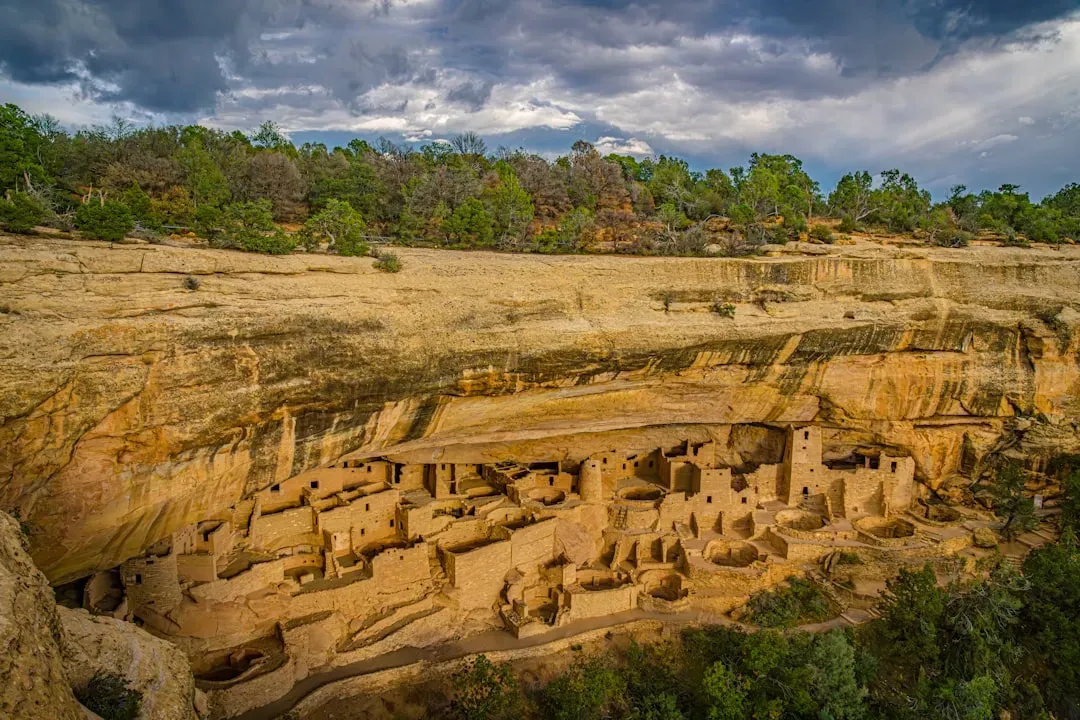
The cliff dwellings at Mesa Verde in the United States cling to overhanging sandstone alcoves that look more like natural shelves than safe real estate. These structures were built by the Ancestral Pueblo people centuries ago, wedged into cracks and ledges that, to modern eyes, seem terrifyingly precarious.
Sandstone can flake and erode, and the overhangs themselves are part of a rock face shaped by freeze‑thaw cycles, water, and time. A large enough rockfall could easily have wiped out entire complexes in a single event. Yet many of these dwellings remain in remarkably stable condition.
The key was a sensitive reading of the cliff itself. Builders placed walls and rooms where the rock was soundest, leaning structures into the natural curves and ledges. The modest size and relatively low weight of the buildings helped them sit lightly on their rocky perches instead of overloading them.
From a modern structural standpoint, these are homes built on what amounts to a moderately reliable ledge with a built‑in expiration date. The fact that they still hang there so gracefully tells you just how carefully the original builders listened to the landscape.
#8 The Château de Chambord: A Giant Palace on Potential Swamp
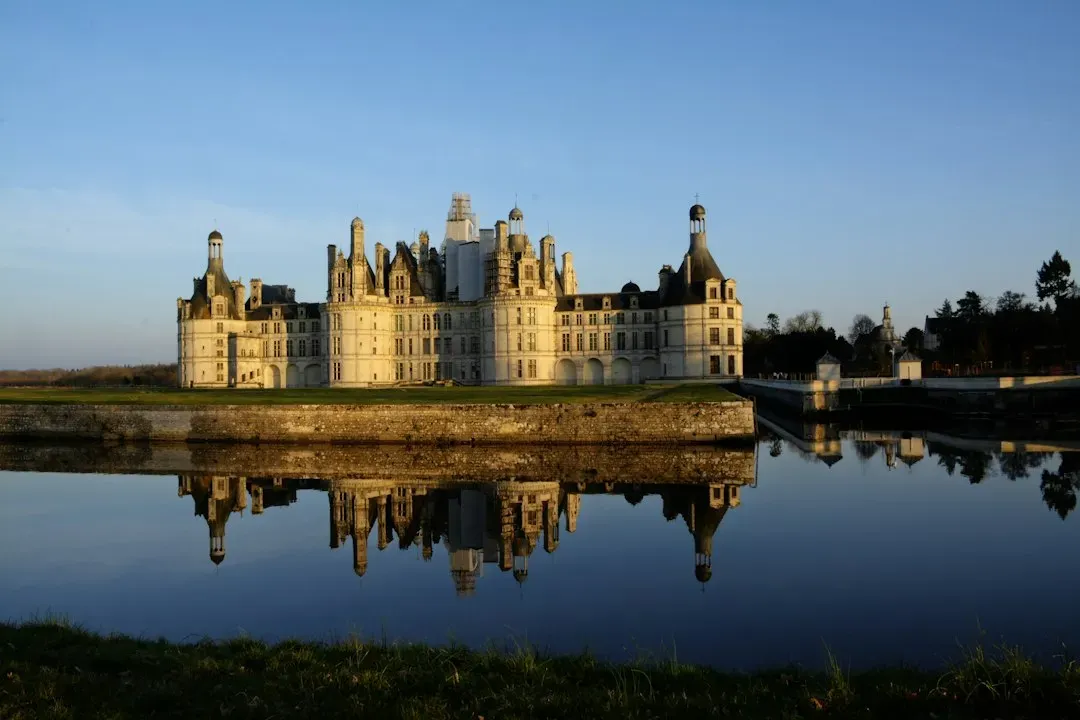
Château de Chambord in the Loire Valley is a colossal Renaissance fantasy dropped into an area that has historically included wetlands, marshy soil, and shifting water tables. Massive stone towers and a complicated double helix staircase rest on ground that, in many places, is far from ideal.
Early builders used stone footings and wide foundations to spread the load, but they were working with imperfect information about what lay deep below. Over time, the region has seen drainage changes, agricultural development, and alterations to nearby rivers and channels, all of which can subtly change how the soil behaves.
Yet the château has not suffered the kind of dramatic settlement or tilting that might be expected from such conditions. Tiny movements have been absorbed by thick masonry walls and vaults that can tolerate small cracks without immediately threatening the whole.
It is a reminder that historic builders, even when they did not fully understand modern soil mechanics, often intuitively oversized foundations and used materials that aged slowly and forgivingly. Chambord should be a cautionary tale about building huge on uncertain ground, but instead it is a serene lesson in cautious overbuilding.
#9 The Pyramids of Giza: Epic Stones on Less‑Than‑Perfect Bedrock

The Great Pyramids look unshakably solid, but their foundations are less perfect than the smooth geometric image suggests. They rest on a plateau of limestone that varies in quality, with fractures, softer layers, and subtle slopes. The builders had to carve and level this natural rock to create a platform, and they did not have lasers or digital mapping.
Any mismatch in the rock could lead to uneven settlement over thousands of years. Add to that the immense weight of millions of stone blocks pressing down relentlessly, and you get a scenario where small flaws could gradually turn into large problems. Yet the core shapes remain astonishingly true.
The explanation is partly in how the builders trimmed and stepped the rock so that the pyramid’s base locked into the plateau like a plug in a socket. The mass of the structure is arranged in such a way that loads concentrate near the center, while the outer layers act like armor against erosion.
It is easy to assume that the pyramids stand simply because they are heavy. The reality is more subtle: they are heavy, yes, but they are also cleverly integrated with imperfect natural rock that, by current standards, would be considered a risky, uneven foundation.
#10 The Tower of London’s White Tower: Medieval Masonry on River‑Softened Ground
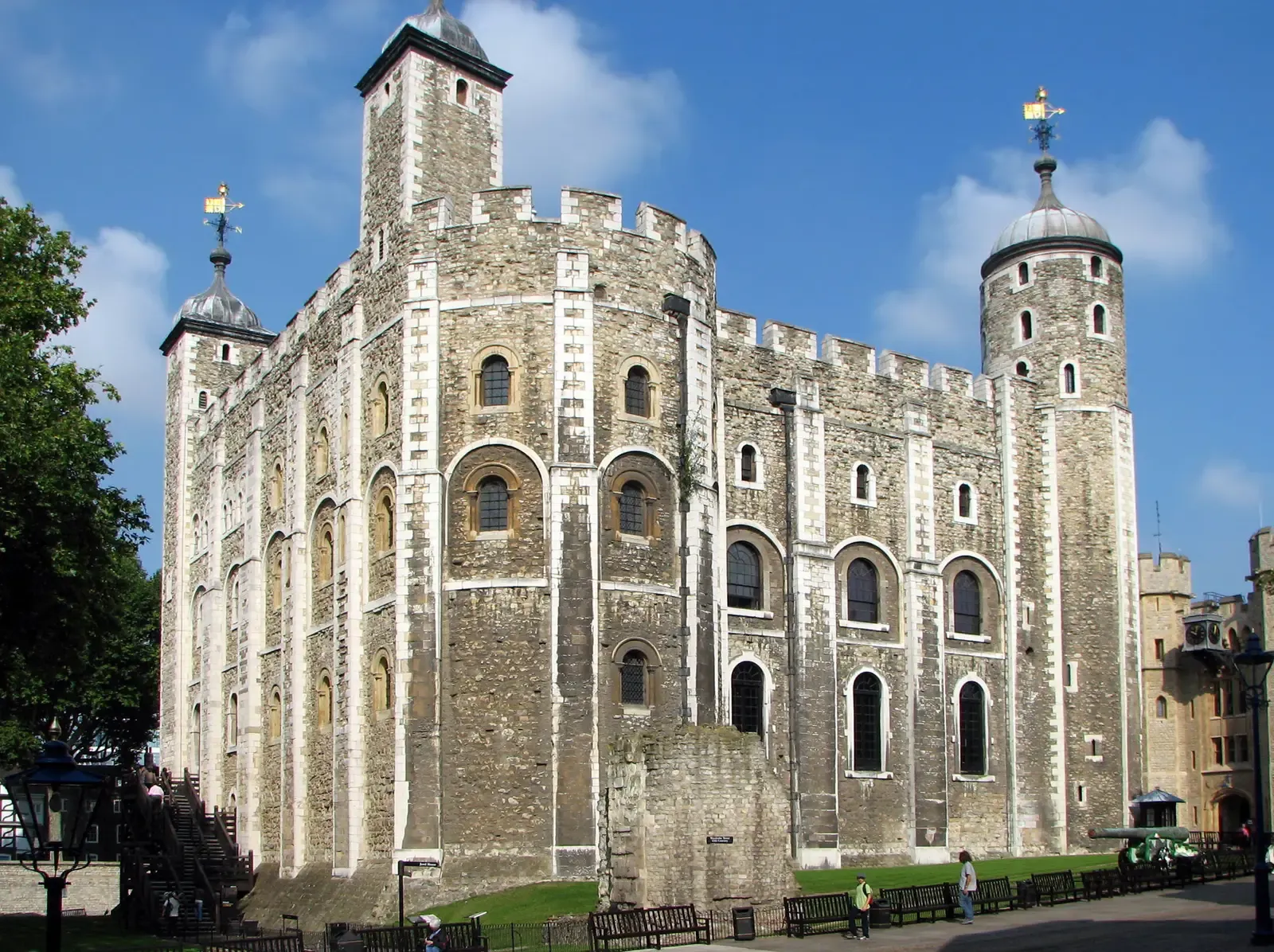
The White Tower at the heart of the Tower of London was built close to the River Thames, where the ground is influenced by tides, river deposits, and centuries of human tinkering with banks and embankments. Medieval engineers had to contend with soil that could shift, compress, and be undermined by water movement.
They responded with thick stone walls, deep but relatively simple foundations, and a willingness to accept some level of movement. Over the centuries, parts of the complex have been rebuilt or reinforced as ground conditions changed, yet the core keep has remained stubbornly upright.
What makes it remarkable is the lack of modern underpinning for most of its life. For hundreds of years, this heavy masonry core rested on ground that would likely trigger a long list of concerns in a modern geotechnical report. And still it held.
It shows how a combination of conservative building (very thick, very heavy walls), slow adaptation, and reasonably lucky soil behavior can keep a seemingly vulnerable foundation working long past its predicted lifespan.
#11 The Salt Cathedral of Zipaquirá: A Church Inside a Salt Mine
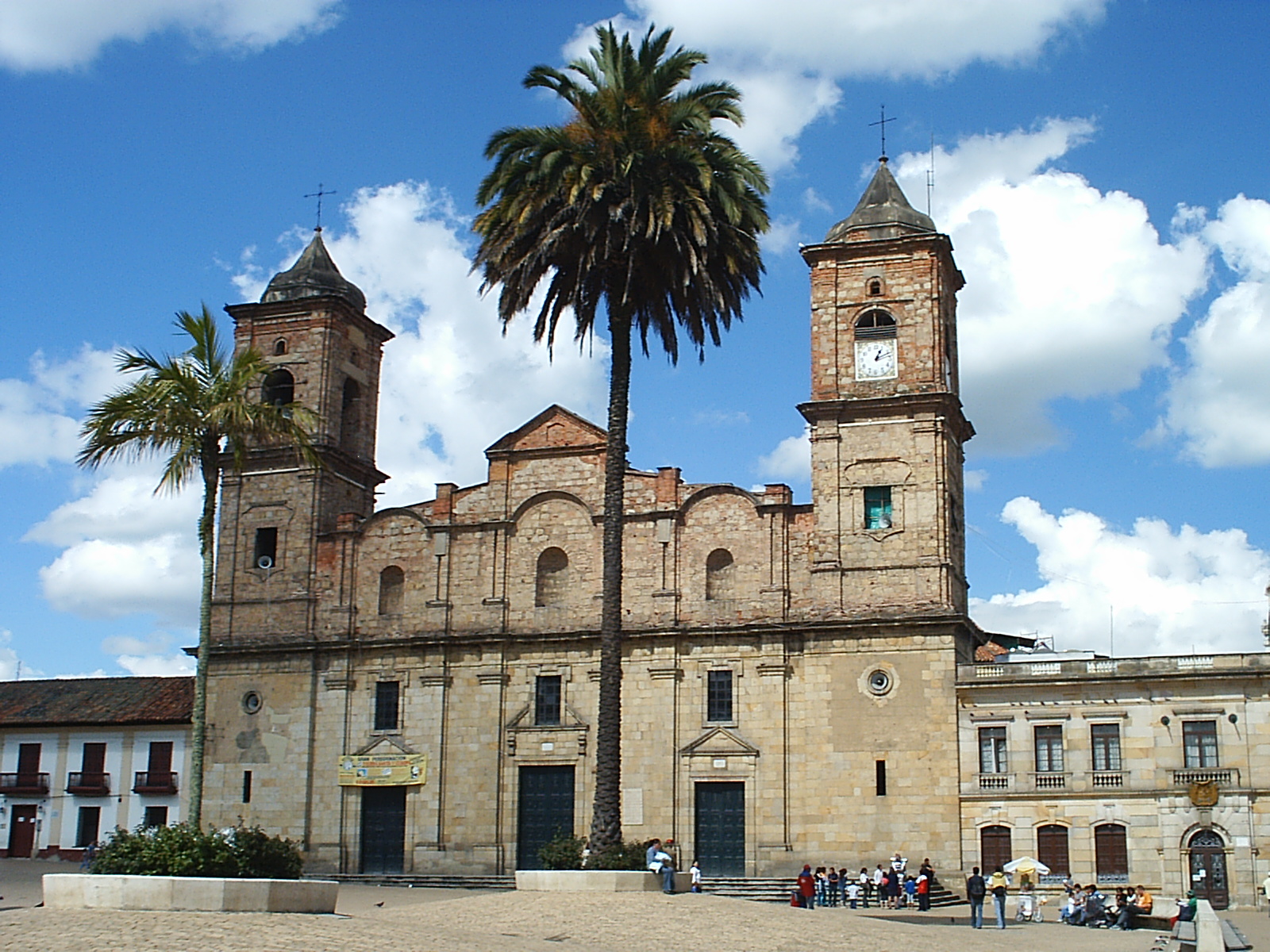
Building a place of worship inside a salt mine sounds poetic, but from a structural point of view it borders on reckless. Salt is not a stable rock over geological time; it can creep and deform under pressure, and it is extremely vulnerable to water. Yet the Salt Cathedral of Zipaquirá in Colombia has functioned as a remarkable underground sanctuary.
The “foundation” here is actually excavated spaces within salt deposits, supported by carefully retained pillars and carved buttresses. If those supports were misjudged, the overlying rock could slowly squeeze the voids, distorting or crushing them. Humidity and water infiltration are constant threats.
Engineers and miners relied on cautious excavation, leaving robust support columns and constantly monitoring for deformation. Modern interventions have helped, but the basic feat remains: people turned a material that dissolves in water into a host for long‑term architecture.
In a world where many surface structures crack and crumble within decades, a church hollowed out of shifting, sensitive salt layers surviving for generations feels almost like a geological magic trick – one constantly maintained against the odds.
#12 St. Mark’s Basilica: A Marble Jewel Sinking in Slow Motion
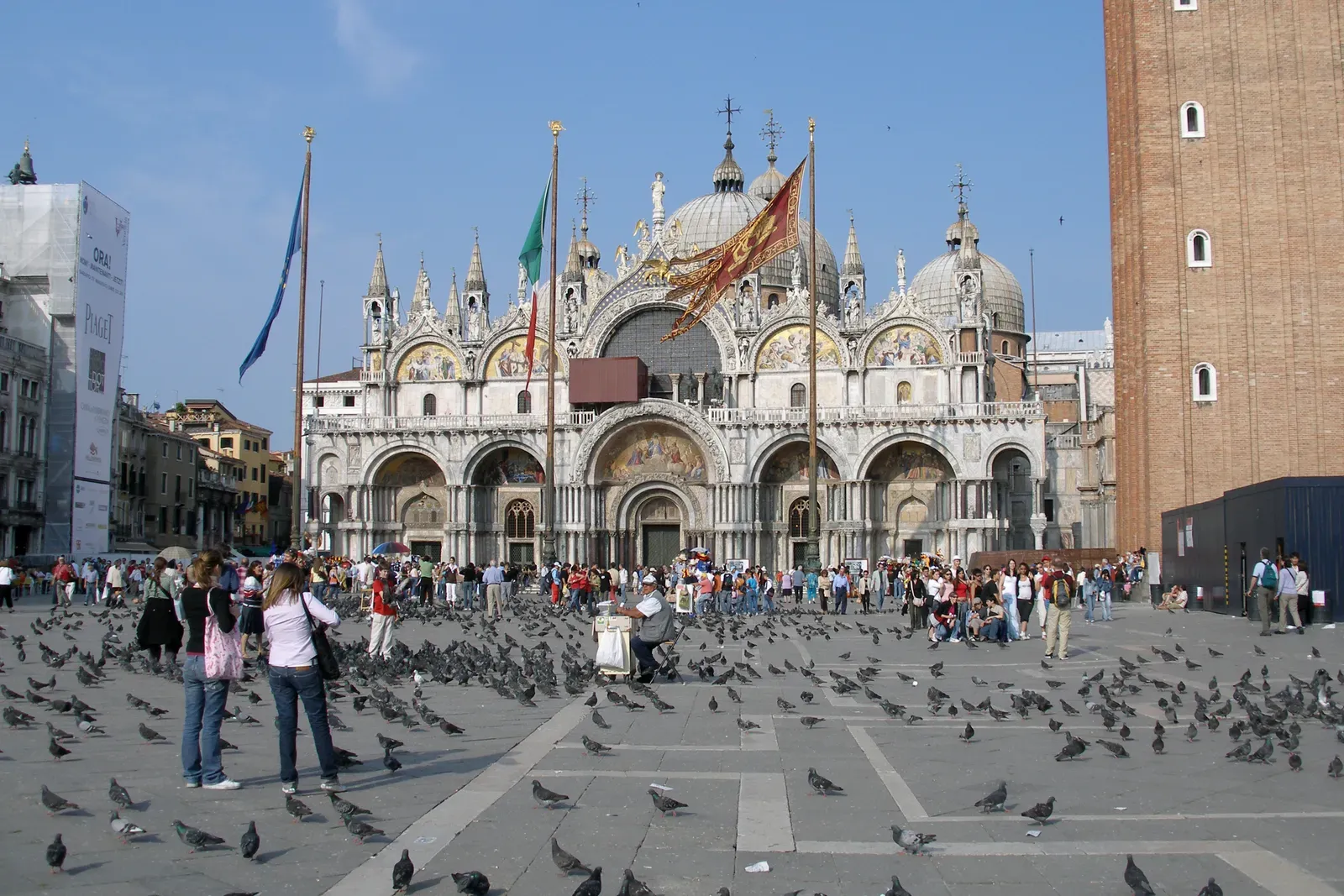
St. Mark’s Basilica in Venice is a masterpiece perched on arguably one of the worst foundation situations imaginable: soft, water‑logged soils over a lagoon bed. Like the rest of the city, it stands on timber piles, but its ornate facades, domes, and marble cladding make it especially heavy and vulnerable to differential settlement.
Over the centuries, parts of the building have sunk and shifted slightly. Floors have tilted, columns have leaned, and surfaces have gently warped. To a structural pessimist, this should have led to catastrophic cracking and partial collapse long ago.
Instead, the basilica has been endlessly patched, propped, and subtly re‑leveled. Its masonry is more tolerant than it looks, able to absorb small distortions without catastrophic failure. The underlying forest of piles continues to do its job surprisingly well, held in place by the very mud that seems so untrustworthy.
St. Mark’s is essentially a long, slow fight against gravity on a base that was never ideal. Its continued existence is a testament to how persistent maintenance and a bit of structural forgiveness can keep even the most vulnerable foundation performing beyond its expected life.
#13 The Hanging Monastery of Hengshan: A Temple Nailed to a Cliff
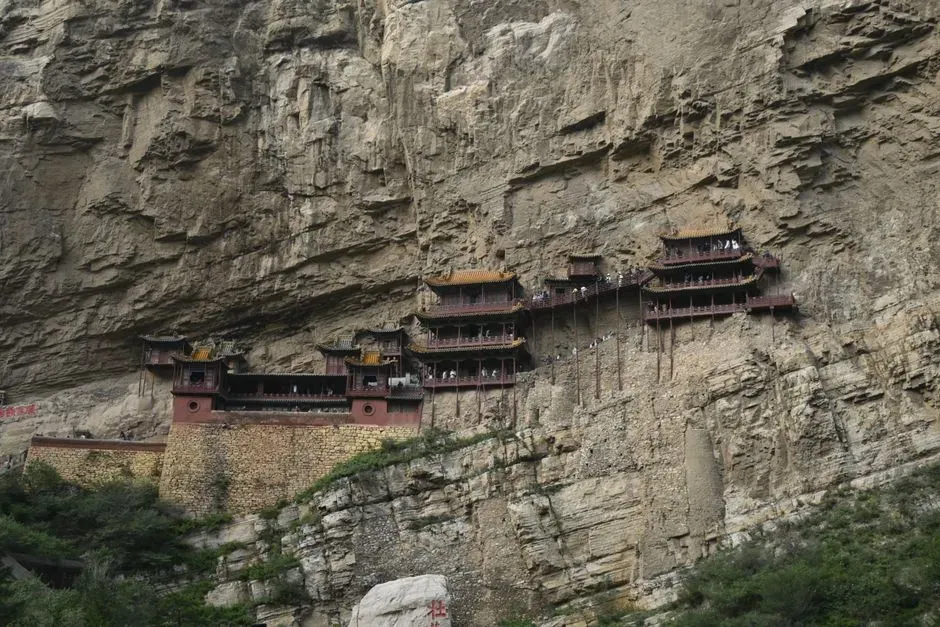
The Hanging Monastery near Mount Heng in China looks like a movie set: timber buildings clinging to a near‑vertical cliff, supported by thin wooden stilts and beams driven into rock. Every instinct says that one good rockfall or a serious tremor should rip it right off the wall.
The foundation is essentially a clever combination of horizontal beams slotted into cliff‑face holes and vertical posts that reach toward the ground below. The cliff itself is the true support, but cliffs are not perfect. They crack, erode, and shed stones, especially under wind and rain over centuries.
Yet this temple complex has stood for well over a millennium, surviving storms and time in large part because it is lighter than it looks and smartly positioned in a sheltered recess. The timber has some flexibility, absorbing small movements that would shatter brittle stone supports.
From a modern engineering perspective, it is a high‑risk design resting on a geological surface that can never be fully trusted. And still it hangs there, a mix of faith and structural pragmatism pinned to rock that has no obligation to behave.
Conclusion: When “Bad” Foundations Outlive Our Expectations
Looking at these 13 structures together, a pattern emerges: what we casually call “bad foundations” often hide layers of clever strategy, conservative overbuilding, and relentless maintenance. These buildings are not magically beating physics; they are exploiting it in ways that are sometimes subtle, sometimes brutally simple.
- Soft soils are tamed by spreading loads and accepting slow settlement instead of perfection.
- Rocky cliffs and alcoves become supports when builders read the landscape with patience and humility.
- Massive masonry, redundancy, and flexibility help structures ride out movements that would wreck more delicate designs.
Personally, I find it humbling that so many of these survivors come from eras with no advanced math, no digital models, and very little formal geotechnical theory. People watched, experimented, overbuilt, and then kept repairing. Meanwhile, plenty of shiny modern projects crack within a generation because they chased efficiency over resilience.
Maybe that is the real lesson here. A foundation is not just what you pour into the ground at the start; it is also the relationship you maintain with the building and the land beneath it over time. These “impossible” structures are still with us precisely because someone, in every century, decided they were worth the hassle of saving. Given the choice, would you rather live in a flawless box that lasts fifty years, or a slightly crooked masterpiece that your great‑great‑grandchildren can still visit and marvel at?