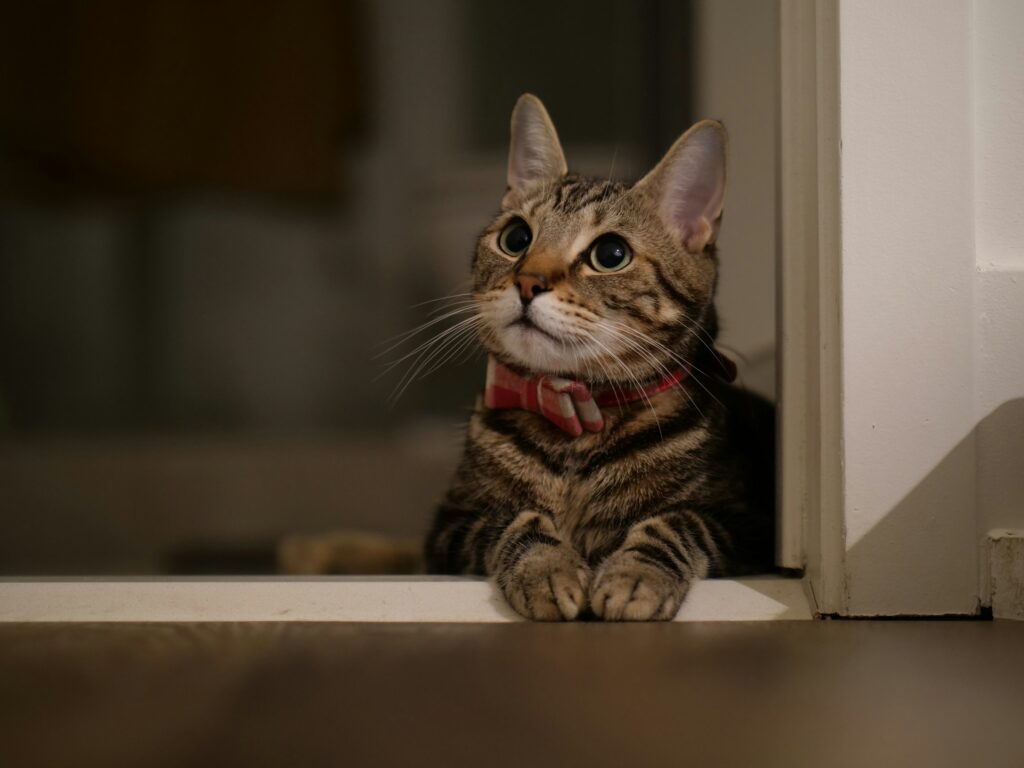
Cats have a reputation for being aloof little enigmas, gliding in and out of rooms like they’re above it all. But recent animal cognition research suggests something quietly astonishing: while they pretend not to care, they may actually be keeping very close tabs on us, even when they can’t see us. In particular, experiments indicate that cats can mentally track their owners’ location by listening to sounds from another room, building a kind of invisible map in their minds. If that sounds more like something out of a spy movie than a lazy afternoon nap, you’re not alone. Many cat owners underestimate just how tuned-in their pets really are. Yet when you look at the science, a picture emerges of an animal that is constantly listening, updating, and predicting where you are, often more carefully than you track them. Once you see your cat through this lens, the stare from the doorway or the sudden appearance at your feet feels less random and more like the work of a furry little detective.
The Surprising Science Behind Cats “Knowing” Where You Are
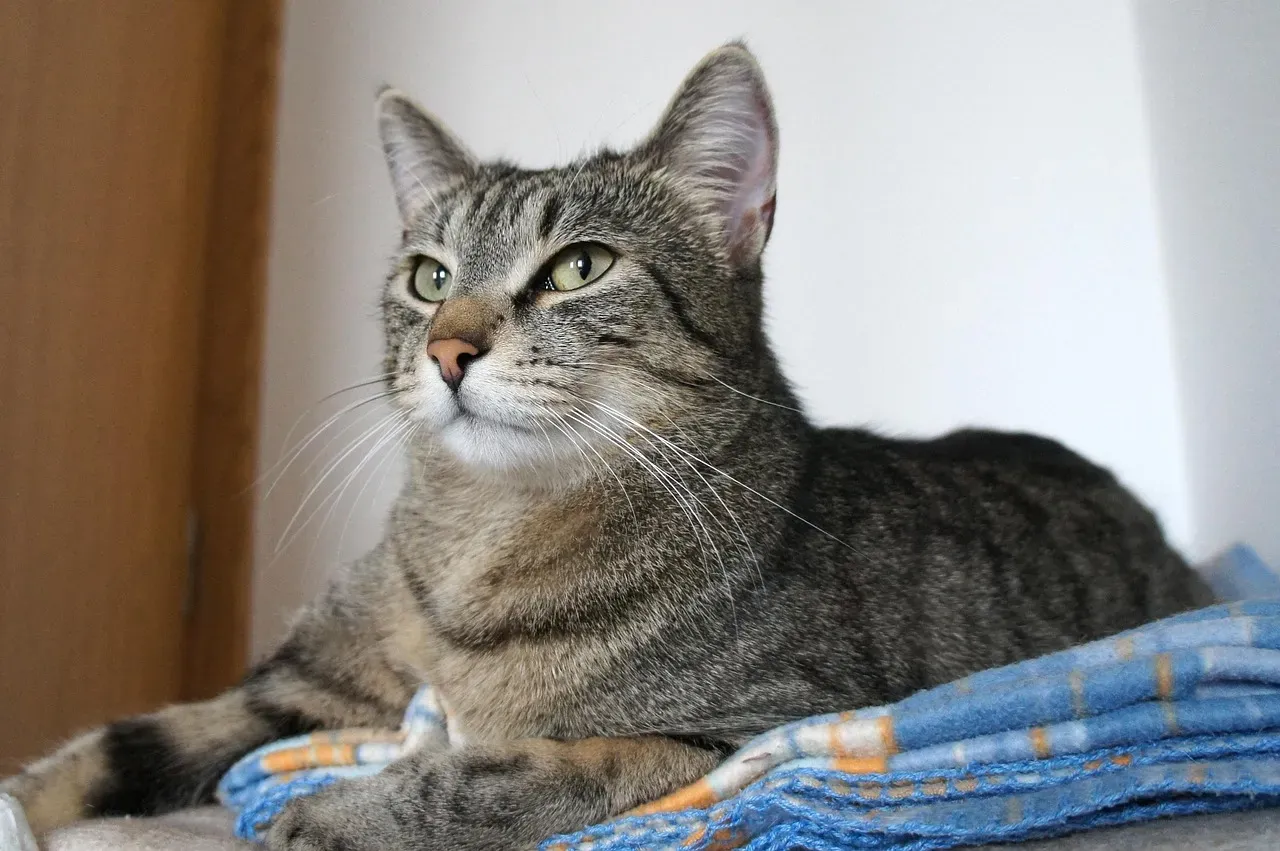
One of the most intriguing findings in modern animal cognition is that cats seem to form what researchers call a mental representation of their owner’s location. Even when you step into another room and disappear from sight, your cat doesn’t simply forget you exist; it uses sound to guess where you’ve gone. When your voice or footsteps come from an unexpected direction, many cats show signs of confusion or surprise, suggesting they had strong expectations about your position. This ability, sometimes described as a form of invisible object tracking, was once thought to be more developed in dogs or primates. Yet controlled tests have shown that cats react differently when a familiar human’s voice appears to “teleport” from one spot to another inside a home or test room. That reaction is a clue that they were quietly following an internal map: you should still be over there, not suddenly over here. In other words, they are thinking about you even when you are not in their line of sight.
How Cats Use Sound to Build a Mental Map of You
Unlike humans, who lean heavily on vision, cats live in a landscape rich in subtle sounds. The soft creak of a floorboard, the click of a light switch, the muffled vibration of a voice through a wall – all of these help your cat triangulate your location. Over time, this constant listening lets them stitch together a mental layout of the space and where you typically move inside it, especially if you’re their main source of food, comfort, or entertainment. When you talk on the phone in the bedroom, walk to the kitchen, or open a cabinet, each sound becomes a little breadcrumb your cat can follow with its ears. Even if they stay curled up on the couch, they may be quietly tracking you, updating their expectations as sounds change. If a sound suddenly appears from a strange direction, like your voice playing from a speaker or a recording, their flicking ears and alert posture reveal that something doesn’t match the map they’ve built.
What Experiments Actually Show About Feline “Tracking”
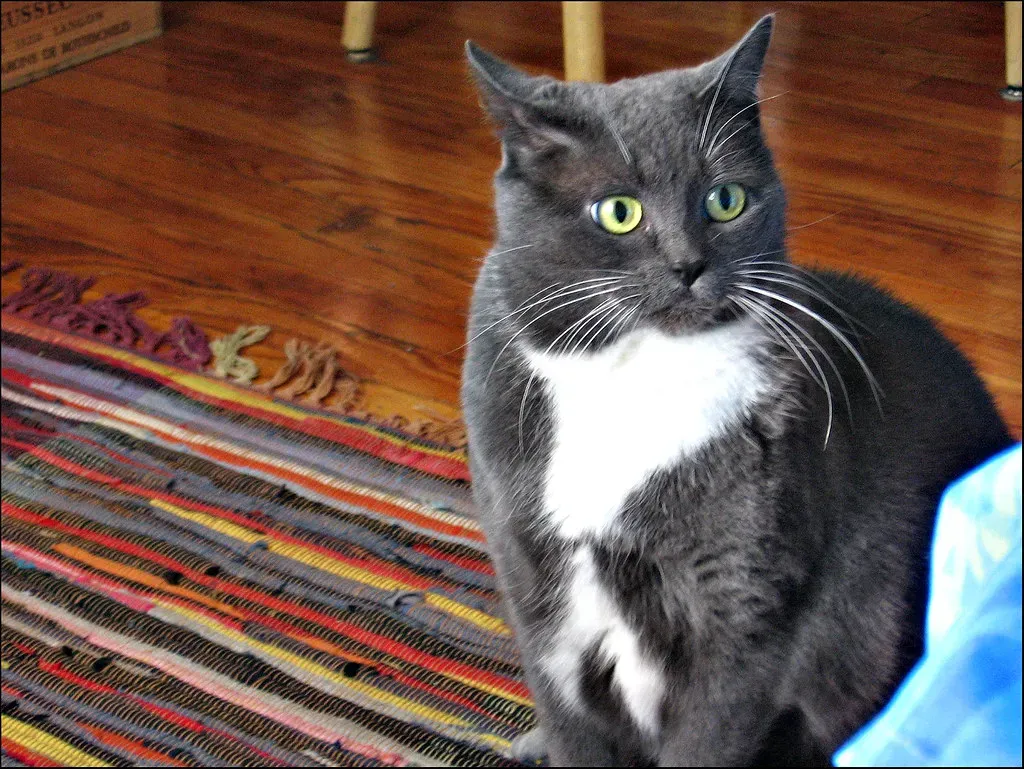
In structured tests, researchers have played recordings of an owner’s voice from behind a cat, then suddenly from a different location, sometimes at the side or in front, without any visible movement. Many cats respond with a quick head turn, wide eyes, or a pause that looks very much like surprise, as if they’re thinking, “You aren’t supposed to be over there.” That reaction may sound simple, but it suggests that they didn’t just hear a noise – they expected a consistent place for that familiar human. Different experiments tweak these conditions, changing the distance or timing of the sounds, or using unfamiliar voices for comparison. The general pattern is that cats seem especially sensitive to their owner’s voice moving unexpectedly around the space. This is compatible with the idea that they are not passively absorbing sound but actively using it to track who is where. While this is still an emerging area of research, the consistent reactions across many cats hint at a real, widespread cognitive ability rather than a handful of quirky individuals.
Why Your Cat Appears “Out of Nowhere” at Exactly the Right Time
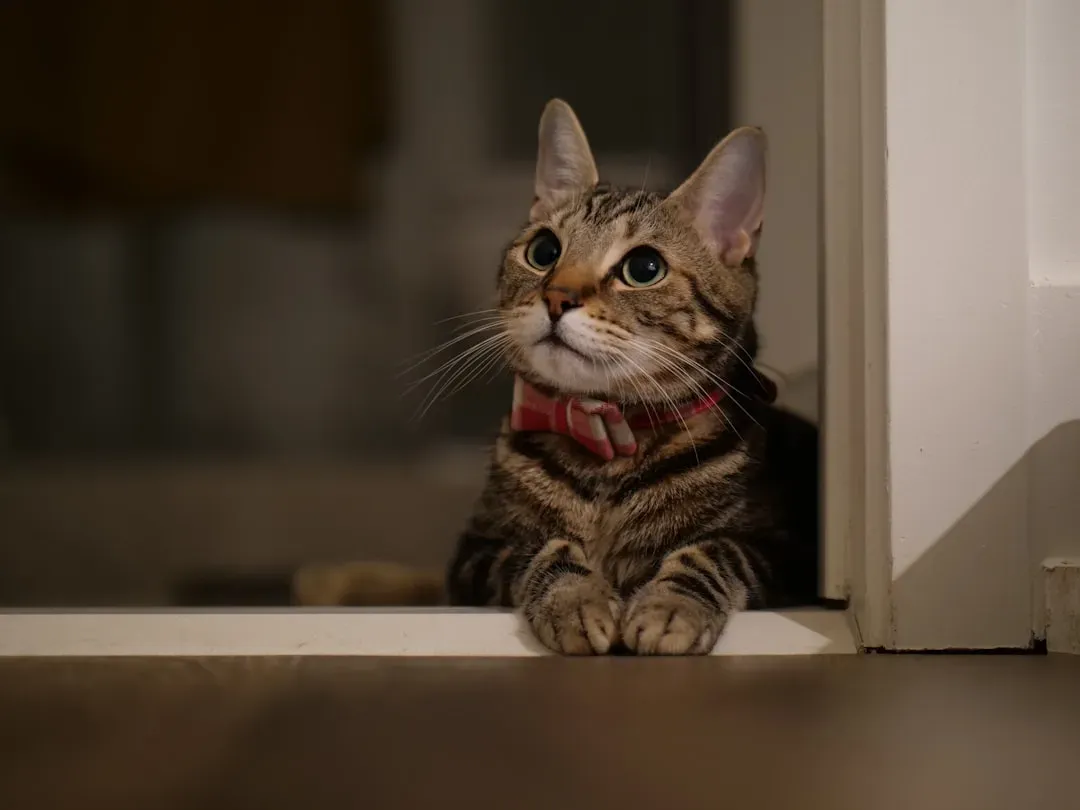
If you’ve ever opened a can in the kitchen and watched your cat materialize from a distant bedroom in seconds, you have seen this tracking in action. To you, it might feel like teleportation; to your cat, it’s just very efficient sound processing. They heard you stand up from the couch, move across the hallway, open the cabinet where the food usually is, and crack the can – and they connected all those sounds into a clear prediction: dinner is coming from that direction. The same thing happens with more subtle routines. Maybe you always grab your keys, close a specific drawer, or push a chair back right before leaving the house. Over time, your cat learns that those sounds mean you’re about to disappear. They may suddenly appear at the door, meow, or jump onto a surface to intercept you. It’s easy to mistake that for pure coincidence, but when those patterns repeat again and again, it becomes clear that your cat is not clueless; it’s tuned into your soundtrack.
Emotional Bonds Hidden in All That Silent Listening
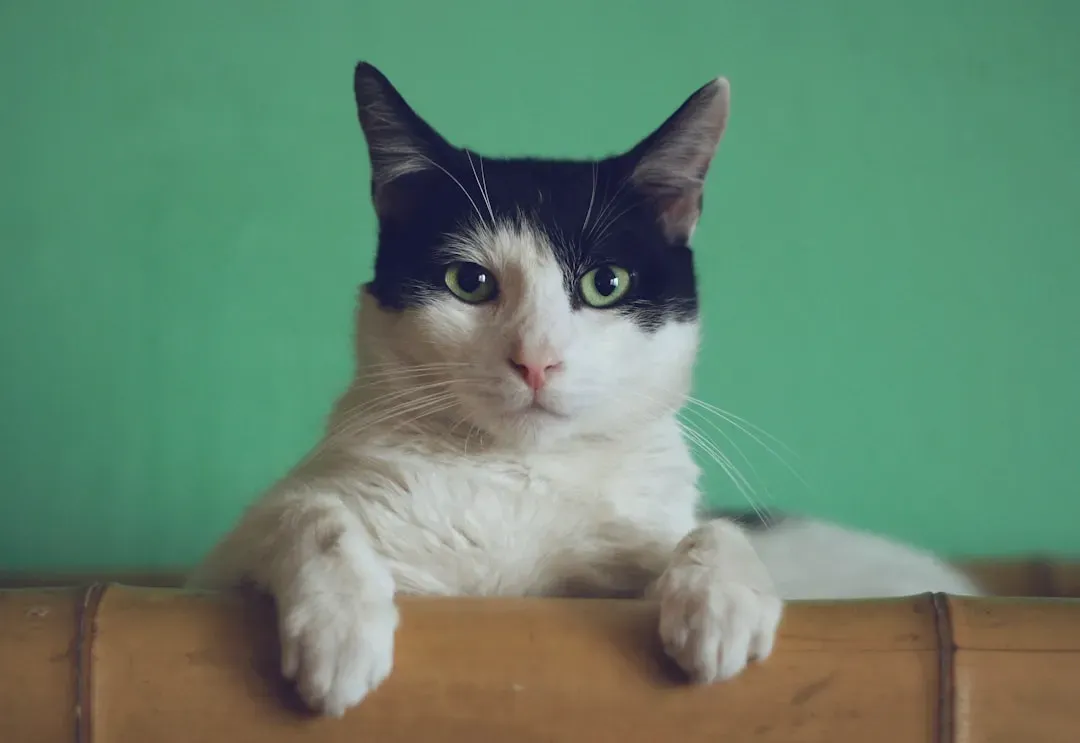
There’s a deeper, more emotional side to this tracking ability: it only makes sense for a cat to mentally follow someone who matters. For many cats, that “someone” is the person who feeds them, plays with them, or simply spends the most time around them. The fact that they track your position by sound suggests they are not indifferent roommates. Instead, they’re quietly invested in where you are in the house and what you might do next. Some cats show visible signs of stress or unrest when they can’t locate their person, pacing or vocalizing more. Others relax when they can hear you somewhere nearby, even if you are out of sight. That calmness in response to familiar sounds is a kind of trust: they know you’re there, they know roughly where you are, and that is enough. It’s not dramatic, and it rarely looks like a movie-style reunion scene, but it is a subtle emotional tether shaped by attention and familiarity.
Independent, Not Indifferent: Rethinking the Aloof Cat Stereotype
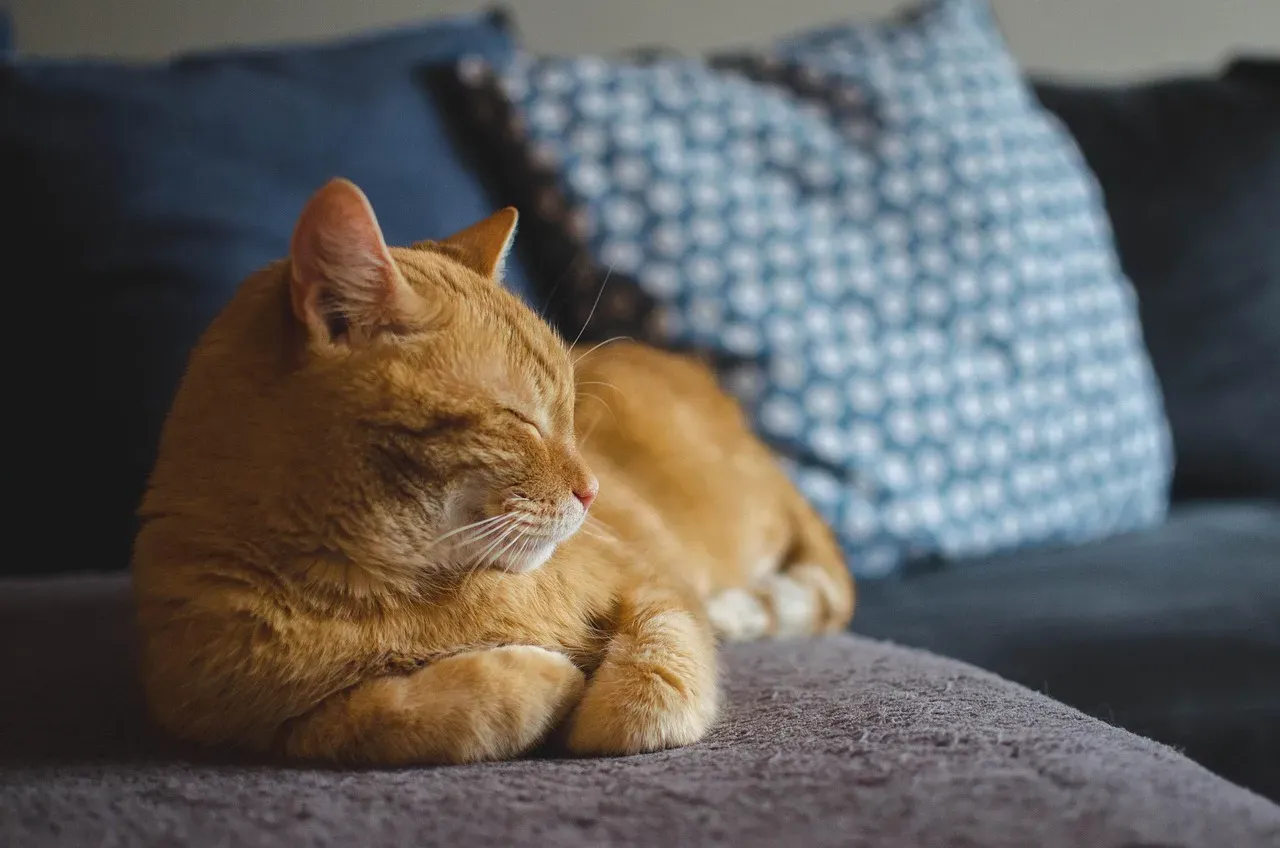
For years, people have claimed that cats only care about humans as walking food dispensers. Yet the picture painted by animal cognition research is more nuanced. A creature that uses its sharp hearing to map your movements, track your location, and react when your position suddenly changes is not detached from you. It may not cling to you like a Velcro dog, but it certainly notices where you are and adjusts its behavior around that knowledge. This forces a rethink of the lazy “cats are cold” stereotype. Independence is not the same as indifference. Your cat may choose to stay in another room while you work, but that doesn’t mean you’ve dropped off its mental radar. In a way, cats are like that friend who sits quietly at the edge of the party but never misses a thing; they seem distant, but they catch every detail, especially when it concerns someone they care about.
How This Ability Compares to Dogs and Other Animals
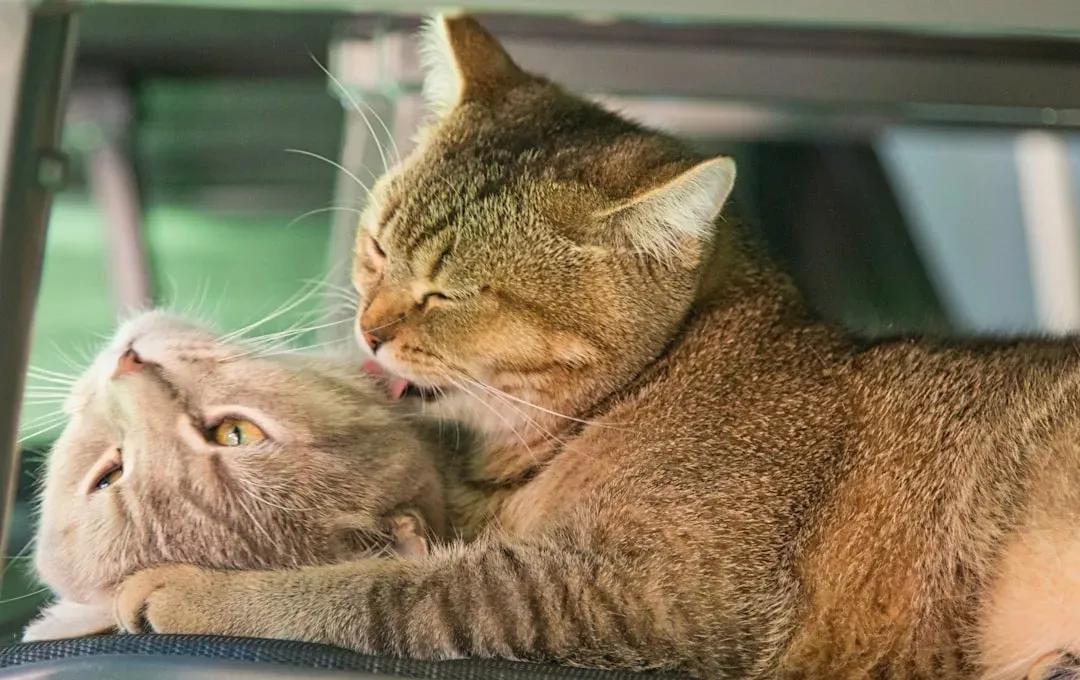
Dogs have long been the stars of studies on social cognition, especially when it comes to reading human cues. They excel at following pointing gestures, understanding some words, and reacting to emotional tones. Cats often get unfairly written off as less intelligent simply because they do not always cooperate in lab settings. But when researchers design experiments that fit feline preferences, cats show their own brand of impressive social tracking through sound and spatial awareness. Unlike dogs, who are often eager to interact and perform tasks, cats seem to favor quiet observation and subtle responses. That might make their abilities easier to overlook, but it does not make them smaller. In some ways, their skill at tracking a human’s location from another room puts them closer to wildlife that must monitor potential allies, rivals, or predators without being seen. Instead of putting cats on a lower rung than dogs, it makes more sense to see them as specialists in a different social style.
What This Means for Life at Home With Your Cat
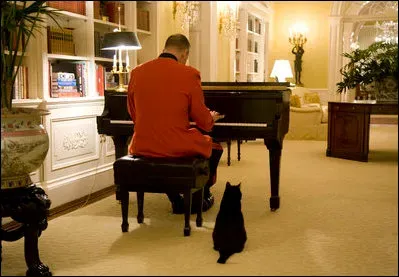
Knowing that your cat is likely tracking you by sound can change the way you move around your own home. When you talk to them from another room, you are not just babbling into the void; you’re giving them information about where you are and what you might be doing. Simple habits like calling out when you leave a room or making consistent sounds before feeding can help them feel more secure, because their internal map of you becomes more predictable. It can also help explain certain “annoying” behaviors. That shadow that appears at your feet when you open a specific drawer is not random pestering but the result of careful learning. If your cat suddenly becomes more clingy when it hears packing sounds or suitcase zippers, it might be drawing on memories that those sounds mean you will be gone for a while. Understanding the logic behind this can make you more patient and maybe a bit more compassionate.
How to Strengthen Your Cat’s Sense of Security Using Sound
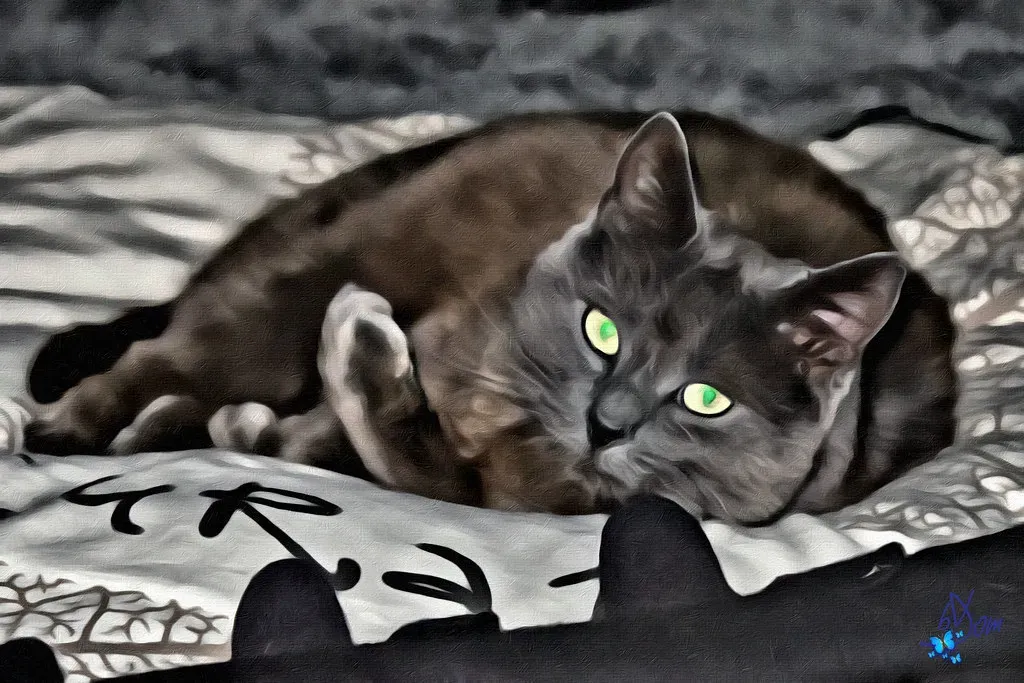
You can lean into your cat’s sound-based tracking to build more trust and comfort. Using a calm, consistent voice when you move from room to room helps them keep you “on the map,” especially in larger or noisy homes. Gentle sound rituals – like a particular phrase before feeding, the same jingle of toys before playtime, or a certain way you tap their bowl – become audio landmarks that help them predict good things and feel more stable in their routine. If your cat is anxious, you can sometimes ease that by making departures and arrivals more predictable. Softly talking as you move toward the door, rustling your keys in a calm way instead of a frantic rush, or announcing your return before you open the door can help them track the transition instead of being startled. You do not need elaborate training; you just need to remember that your cat’s world is stitched together through sound as much as sight.
What We Still Don’t Know About Feline Minds
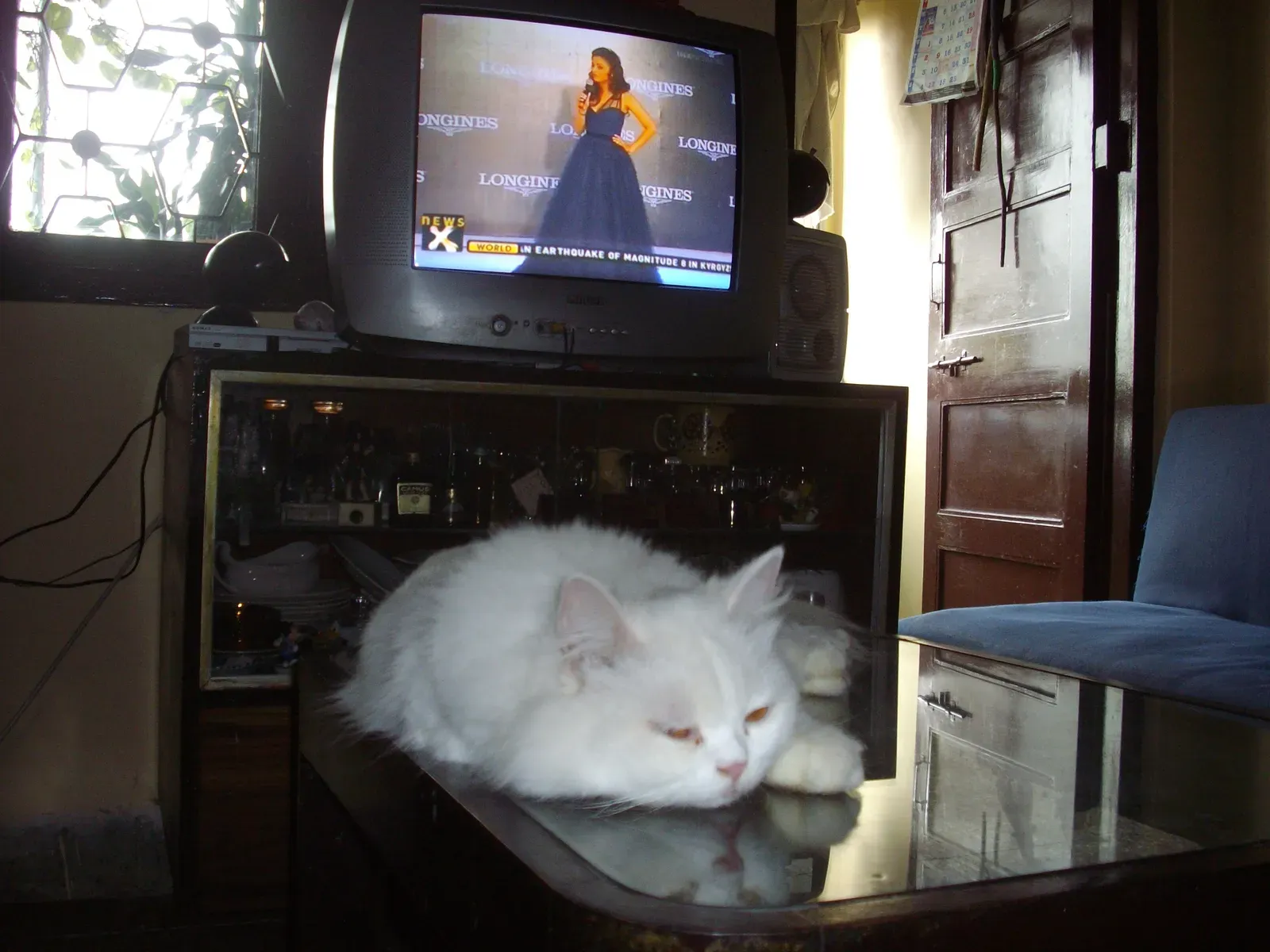
As revealing as current research is, there is still a lot we do not know about how cats think about us. Do they form something like a narrative of our daily paths through the house, or is it more like a rolling update of sound and location? How flexible is their mental map if we change routines, move furniture, or bring in new people? These questions are tricky, because cats are not always willing test subjects, and scientists have to work around their preference for doing things on their own terms. We also do not fully understand which cats are best at this kind of tracking and why. It might be that more attached or more social cats pay closer attention to their people, while others tune in mainly around feeding and play. Age, health, and hearing ability likely play big roles too. Instead of pretending we have all the answers, it is more honest to say we are seeing the edges of a deeper intelligence, one that is still being mapped out, much like the way cats quietly map out our every move.
Opinion: Cats Are Paying Far More Attention to Us Than We Deserve

Looking at all this, it is hard not to take a side: cats are seriously underrated. The idea that they lazily drift from nap to nap while ignoring us does not survive contact with what we now know about their listening and tracking abilities. They are tuning into our sounds, building internal maps of our movements, and reacting when those maps are violated. That is not the behavior of a creature that does not care; it is the behavior of an animal investing energy into keeping tabs on someone important. Personally, I find that a little humbling. While we scroll on our phones and forget they are even in the room, they may be quietly logging every footstep and cupboard door, ready to anticipate the next moment that matters to them. Maybe we should give them more credit – and a bit more respect – for that invisible work. The next time your cat appears “out of nowhere” right when you need company or when dinner is ready, it is worth asking yourself: did they really come out of nowhere, or have they been following you all along?