Most people assume tomb curses are just spooky Victorian fiction dreamed up to sell newspapers – crumbling hieroglyphs and campfire ghost stories, nothing more. But modern science has quietly confirmed that some of history’s most “cursed” tombs were engineered, sealed, and guarded with genuinely lethal precision, not superstition.
From poison rivers to airborne toxins that can still kill today, ancient builders left behind real, physical warnings that we’re only now learning to read correctly. Here’s what archaeologists, toxicologists, and historians actually say about the tombs that were never meant to be opened – including one discovery near the end that still baffles modern science.
#1 – The Door Had Already Been Resealed Once Before
A tomb that’s been closed, reopened, and closed again isn’t a mystery – it’s a message.
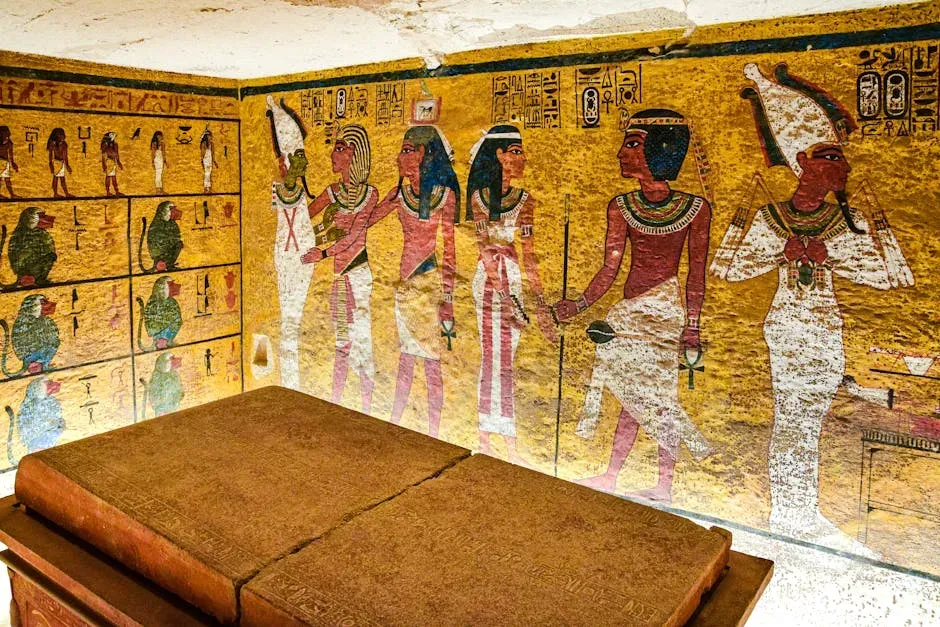
When Howard Carter’s team examined the entrance to Tutankhamun’s tomb in 1922, they noticed something that should have stopped them cold. Carter and his financier, Lord Carnarvon, knew that the tomb had been compromised, because of a re-plastered and sealed hole in the outer doorway. Ancient priests had discovered the breach, removed whatever evidence of intrusion they could, and physically resealed the chamber to keep it closed for good.
That’s not decoration. That’s a repair job on a locked door that someone desperately wanted to stay locked. The disorganized state of the material, the damage sustained by several objects, and the lack of solid metalwork all suggested the tomb had been robbed in antiquity.
Whoever resealed it wasn’t hiding treasure anymore – they were hiding the fact that the peace of the dead had already been disturbed once, and they didn’t want it happening again. But the wording carved into the walls nearby is even more unsettling.
#2 – The Walls Were Covered in Explicit Threats
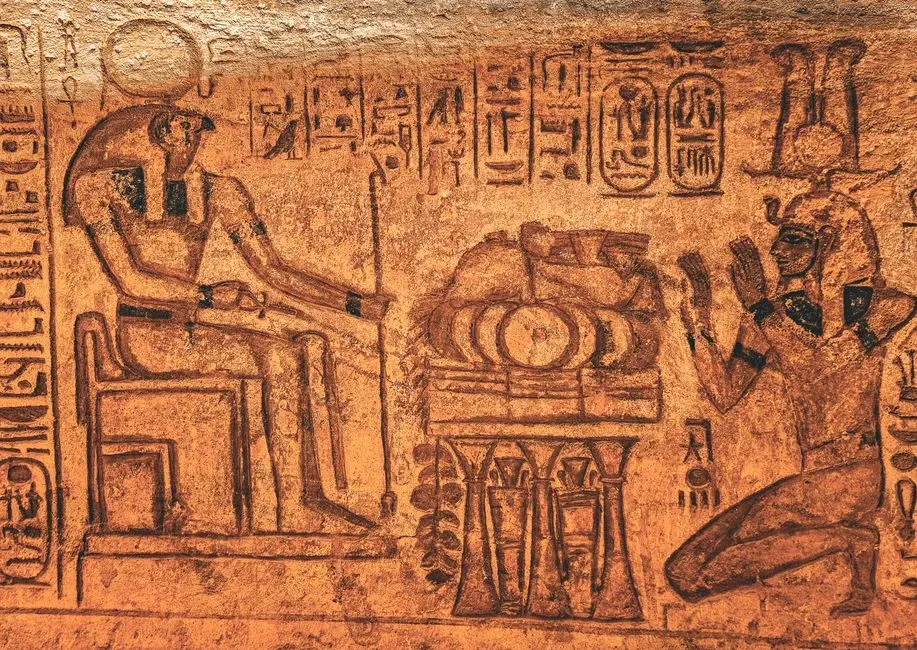
Most people picture tomb curses as vague, ominous poetry. Actual Egyptian tomb inscriptions were far blunter than that.
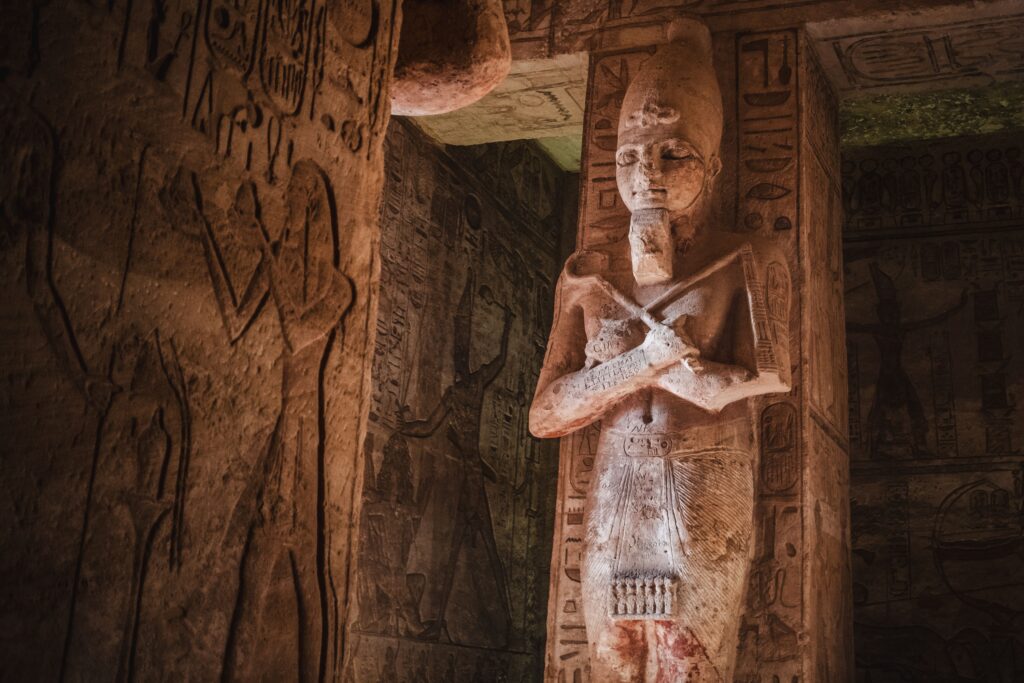
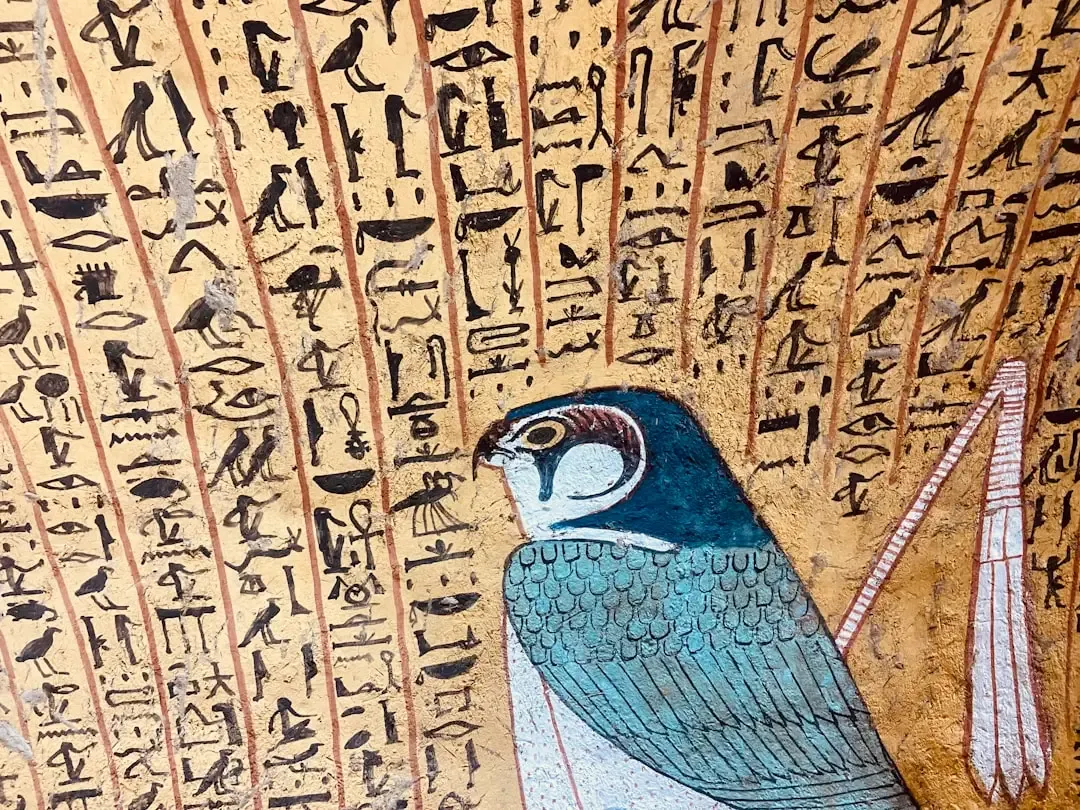
Inscriptions might warn that a god could punish a person by wringing their neck like a bird, or that they’d be eaten by a crocodile, hippopotamus, or lion. Egyptologists note these weren’t random scare tactics – the tomb was being protected by the three scariest animals, the ones with the biggest teeth, near the Valley of the Kings. This was targeted messaging aimed at grave robbers, written in language locals would immediately understand as a death sentence.
Fast Facts
- Curse inscriptions appear in only about 40 to 50 of the thousands of Egyptian tombs uncovered so far
- Favorite threats invoked crocodiles, lions, and hippos – animals with the deadliest bite
- Warnings clustered around high-status burials near the Valley of the Kings
- Most Egyptologists read these as targeted deterrents, not open-ended magical spells
That rarity matters. When a tomb does carry one of these warnings, it signals the builders considered that specific burial worth an extra, deliberate layer of psychological deterrence – not a standard afterthought. And the legal loophole hiding inside these curses is stranger still.
#3 – The Curse Language Read Like a Legal Contract
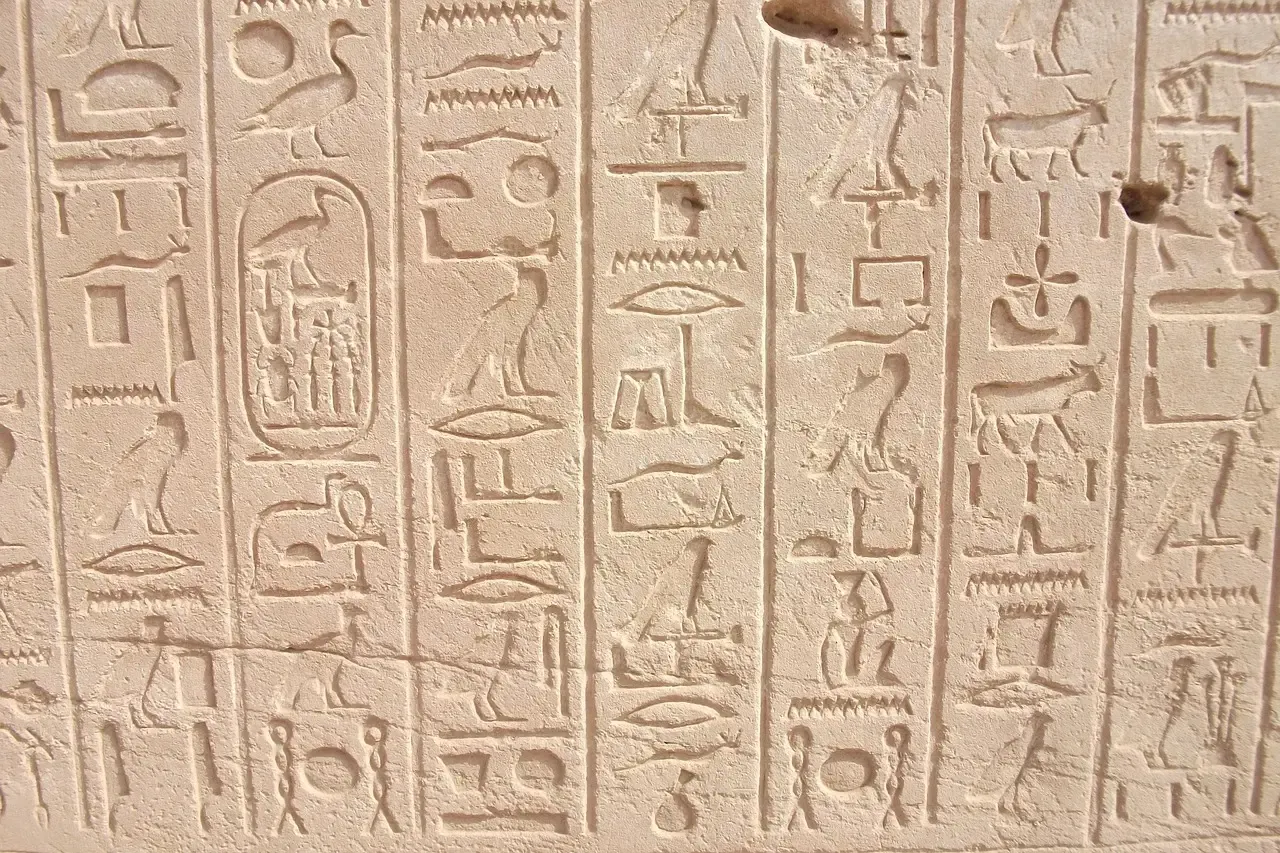
Here’s the twist historians rarely mention: Egyptian tomb warnings weren’t mystical at all – they were legalistic.
Those that survive generally follow an almost legal structure: if you do something negative, you will be punished. One museum curator put it bluntly – you wouldn’t call a modern “No Trespassing” sign a curse, so why call these inscriptions one? These texts mirrored real Egyptian legal writing, where bad behavior triggered specific, stated consequences.
That reframes everything. A tomb wasn’t cursed in the Hollywood sense – it was posted with a contractual penalty clause for trespassing, written to be taken as seriously as any binding oath of the era.
These warnings were usually directed at people who entered with malicious intent, hoping to damage or confiscate offerings, according to Egyptologist Colleen Darnell. The tombs that carried this language weren’t being poetic. They were drawing up terms nobody was supposed to violate. Some tombs skipped the paperwork entirely – and vanished instead.
#4 – The Tomb Was Deliberately Left Unmarked
Sometimes the biggest warning sign is the complete absence of one.
Genghis Khan’s burial is the ultimate example. According to legend, Genghis Khan asked to be buried without markings or any sign, and after he died, his body was returned to present-day Mongolia. No pyramid, no engraved slab, no monument – just intentional invisibility.
That’s a far more effective deterrent than any curse tablet, because you can’t rob what you can’t find. Even Marco Polo, writing decades later, couldn’t locate it.
Marco Polo wrote that even by the late 13th century, the Mongols themselves did not know the location of the tomb. Compare that to Egypt’s carved warnings, and you see two completely different philosophies of protection: threaten intruders, or simply erase every trace of the target entirely. Mongolia chose erasure, and it worked for nearly 800 years. The secrecy around that vanishing act turned genuinely brutal.
#5 – The Funeral Procession Killed Witnesses on Sight
This is the sign that turns “keep out” into something closer to a war crime.
According to Mongolian oral traditions and medieval texts, soldiers allegedly carried his body to a secret site, killing anyone who saw the funeral procession to maintain total secrecy. Herders, travelers, entire caravans reportedly vanished simply for being in the wrong valley at the wrong moment.
Modern historians debate how literal this account is, but the pattern shows up again and again in the historical record for a reason: it worked as psychological deterrence for centuries.
Legend has it that his grieving army carried his body home to Mongolia, killing anyone it met along the way to hide the route, before later dying by suicide themselves to fully conceal the secret of his resting place. When the people building the tomb are willing to disappear themselves rather than risk revealing it, that’s not a burial. That’s an operation. Killing witnesses wasn’t even the last step.
#6 – A Thousand Horses Trampled the Ground Afterward
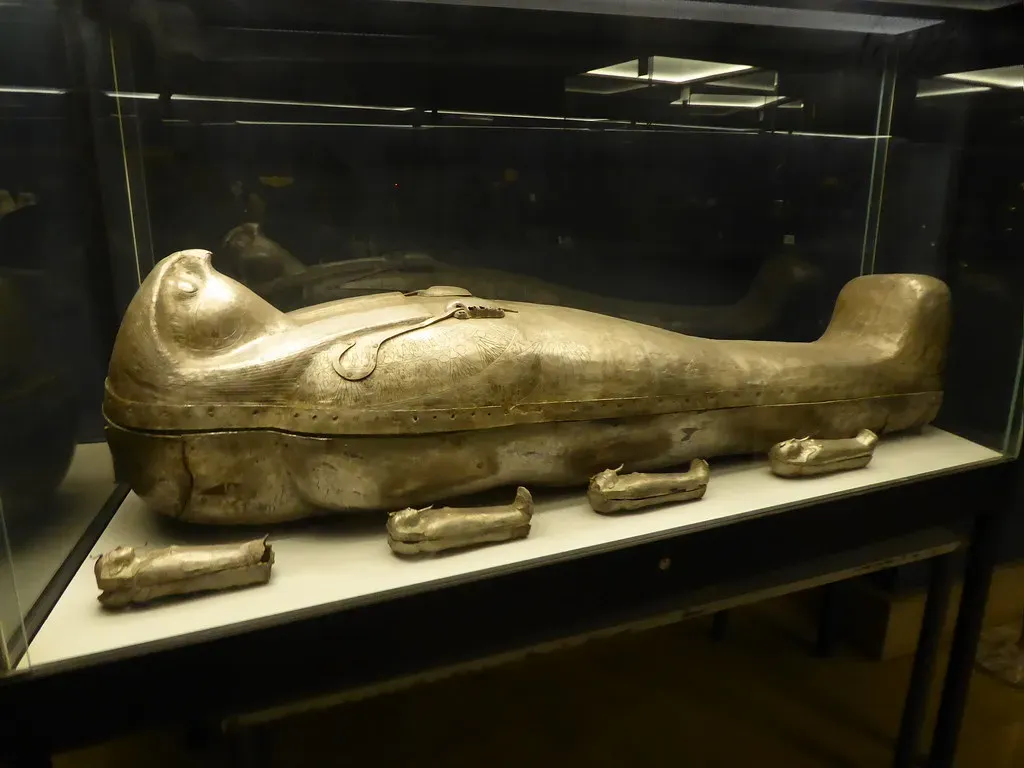
Erasing a grave site takes more than silence. It takes physically destroying the evidence.
When he was buried, the army reportedly rode a thousand horses over the ground to conceal any traces of their activity. Other versions of the legend put the number at ten thousand. Fresh dirt, disturbed vegetation, footprints – all of it flattened into indistinguishable steppe.
Some accounts even claim a river was rerouted over the burial spot, diverted specifically to make it impossible to find.
Whether or not every detail is historically accurate, the sheer number of independent methods – killing witnesses, trampling ground, diverting water – tells you this wasn’t paranoia. It was layered, redundant, professional-grade concealment. Centuries later, an entire nation is still guarding the secret.
#7 – The Location Was Declared Permanently Off-Limits
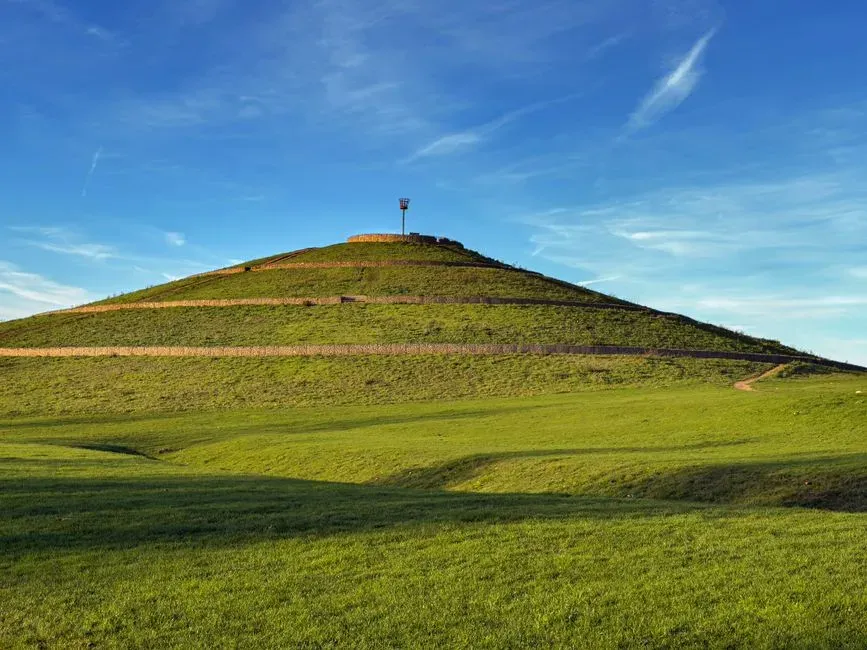
Some tombs don’t need traps or curses because an entire culture agrees to protect them.
The mountain believed to hold Genghis Khan’s remains, Burkhan Khaldun, was designated Ikh Khorig, or “The Great Forbidden Zone” – a restricted area that’s remained largely untouched for centuries. This isn’t ancient history, either.
Why It Stands Out
- Burkhan Khaldun sits inside Mongolia’s Ikh Khorig, or “Great Forbidden Zone”
- The restriction has held, in some form, for close to 800 years
- No tomb, marker, or excavation has ever been confirmed at the site
- Local sentiment today favors leaving the area undisturbed, not fear of a curse
Most Mongolians today would prefer if Genghis Khan’s tomb stayed hidden. That’s a living, ongoing sign that a tomb was meant to stay closed.
It’s not archaeologists guessing at intent from crumbling inscriptions – it’s a modern population actively enforcing a burial wish that’s nearly 800 years old, not out of fear of a curse, but simply out of respect. When the taboo outlives the empire, the language, and even the religion that created it, that’s about as strong a “stay out” sign as history offers. Other tombs didn’t rely on taboo – they relied on weapons.
#8 – The Chamber Was Booby-Trapped With Weapons
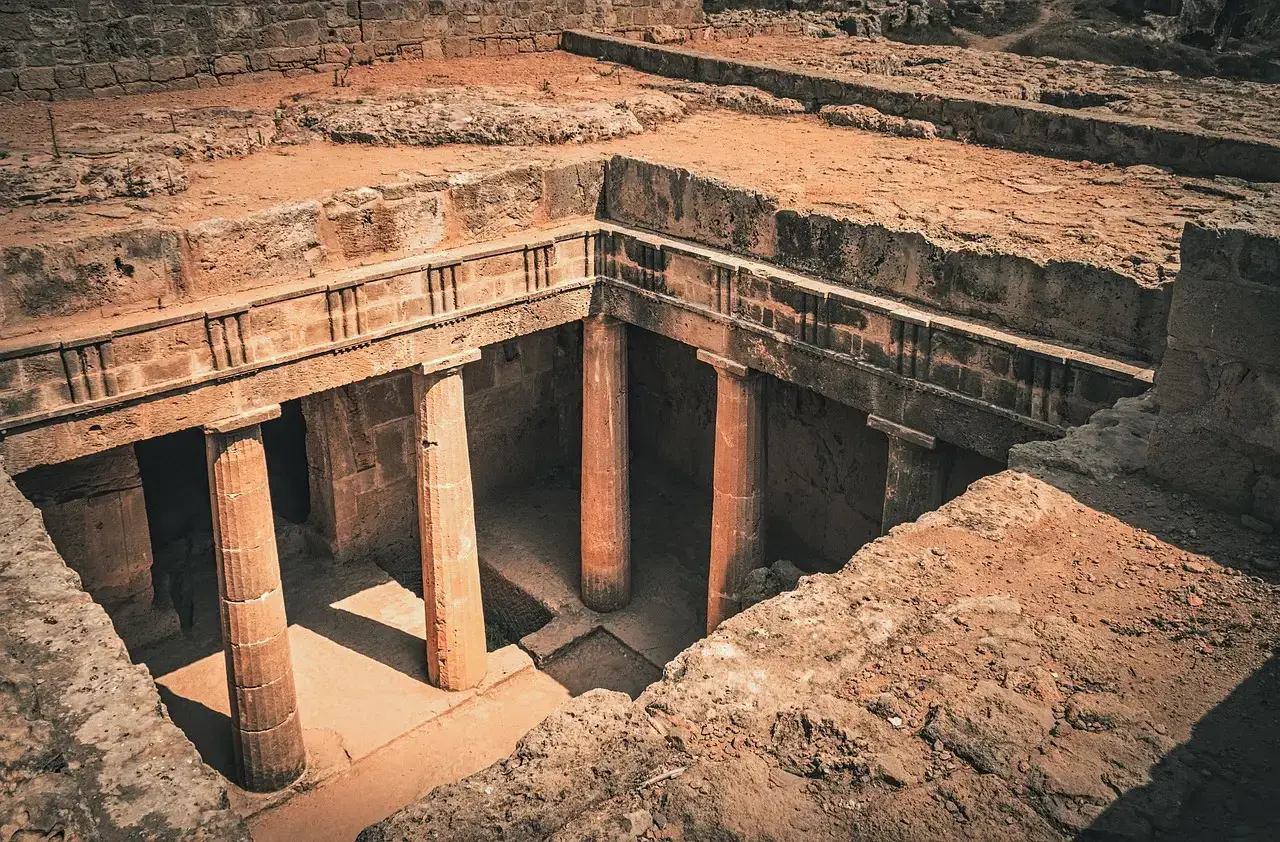
Not every tomb relied on words or secrecy. Some were built to physically kill you.
According to the ancient historian Sima Qian, the tomb of China’s first emperor, Qin Shi Huang, was engineered with lethal mechanisms. To protect the tomb, the emperor’s craftsmen were reportedly instructed to build traps that would fire arrows at anyone who entered.
For centuries, historians treated this as exaggerated legend – a good story attached to a powerful man. That assumption has aged badly.
Modern science has offered surprising support for these ancient claims. When the same “myths” keep getting confirmed by soil samples and ground-penetrating radar, it stops being folklore and starts being an engineering blueprint. And the ground around one of them tells its own story.
#9 – The Ground Itself Tested Toxic
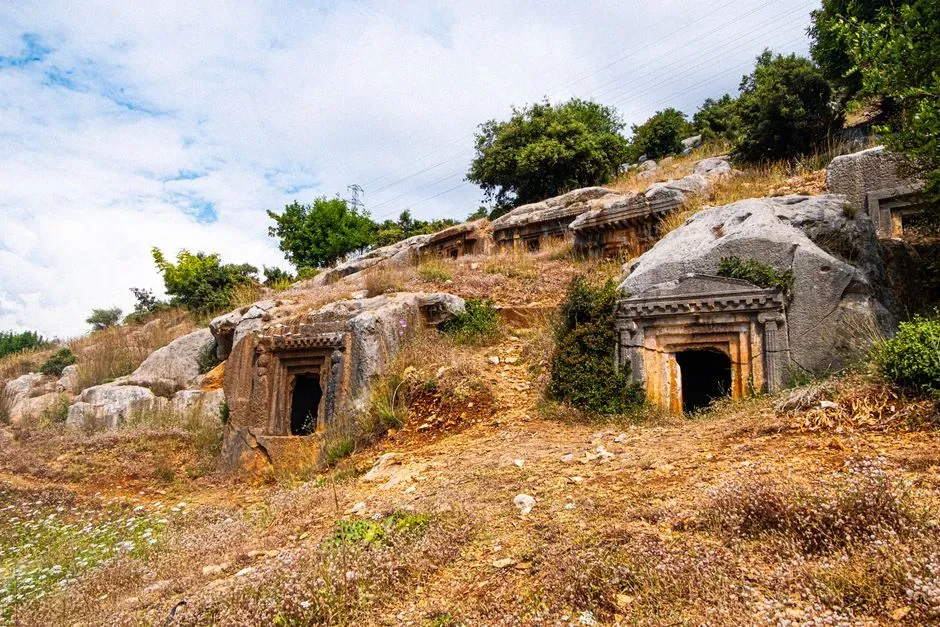
This is where a tomb warning stops being symbolic and becomes a literal chemical hazard.
Sima Qian’s ancient account describes a vast underground palace with “rivers of mercury” flowing mechanically through channels inside Qin Shi Huang’s tomb. For nearly two thousand years, that sounded like myth.
At a Glance
- The mausoleum complex spans roughly 56 square kilometers (about 22 square miles), according to UNESCO
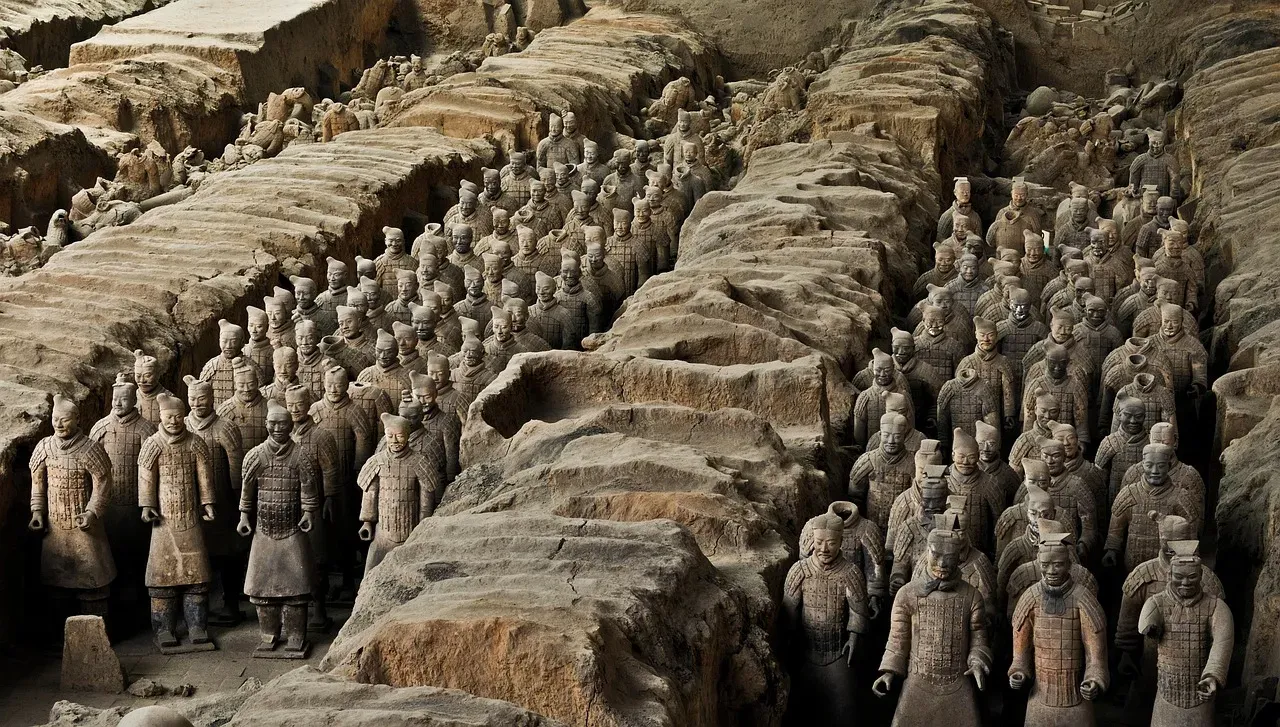
- The famous Terracotta Army alone includes an estimated 8,000 soldiers, plus hundreds of horses and chariots
- Ancient accounts claim the project took decades and hundreds of thousands of laborers to build
- The entire site was discovered by accident in 1974, when local farmers digging a well struck a buried clay head
Then scientists actually tested the soil. In the 1980s, researchers at China’s Institute of Geophysical and Geochemical Exploration found that the soil surrounding the tomb contains considerably higher concentrations of mercury than the rest of the region.
That’s not a coincidence – that’s confirmation. A 2020 paper posits that highly volatile mercury may have seeped through cracks that developed in the tomb’s structure over time, corroborating ancient chronicles that claim the tomb was never opened or looted. A 2,200-year-old written warning about poisonous rivers turned out to be measurably, chemically true. That danger, it turns out, never actually went away.
#10 – Opening It Could Still Poison You Today
Here’s the detail that keeps modern archaeologists from ever touching the site: the danger hasn’t expired.
Mercury vapor has already been detected at the surface, and if large quantities exist inside the tomb, excavation could release toxic fumes. This isn’t a hazard from 200 BC. It’s a live, breathable, present-day risk sitting under a mound of earth outside Xi’an.
Due to preservation risks, mercury hazards, and inadequate conservation technology, Qin Shi Huang’s tomb has remained sealed for more than two millennia. Most people assume ancient defenses lose their teeth once the centuries pass. This tomb proves the opposite.
Chinese authorities and archaeologists have opted for patience, relying on non-invasive technologies to gather information remotely while waiting for preservation methods to advance. A booby trap that still works two thousand years later isn’t a legend. It’s arguably the most successful security system ever built. The people who built it knew that better than anyone.
#11 – The Builders Were Sealed Inside With It
Some of the harshest evidence that a tomb was never meant to be reopened comes from who was buried alongside the dead.
According to Sima Qian’s account of Qin Shi Huang’s burial, secrecy extended to the very people who built the tomb. Once completed, hundreds of concubines and craftsmen were reportedly sealed inside the towering mound of earth to make sure they took the secrets of what lay inside to the grave.
The people with the most detailed knowledge of the traps, the layout, and the treasure were never allowed to leave and describe it to anyone.
That’s the most extreme “keep out” measure imaginable – not a warning aimed at future robbers, but a permanent silencing of everyone who already knew the truth. It also explains why so much of what we “know” about the tomb comes from a historian writing a century later, piecing together secondhand rumor rather than firsthand testimony. Even today, the officials in charge agree.
#12 – Officials Have Openly Refused to Unseal It
Sometimes the clearest sign a tomb should stay closed comes straight from the people with the authority to open it.
A former director of the museum overseeing Qin Shi Huang’s mausoleum said it plainly in a 2009 interview.
Letting Qin Shi Huang rest in peace for all eternity – that would be ideal.
Yuan Zhongyi, former director of the Qin Shi Huang mausoleum museum
That’s not archaeological caution dressed up as diplomacy – it’s a direct statement of intent from an expert who has studied the site for decades. And it’s not just about the mercury.
There’s also a political dimension, since Qin remains central to China’s national narrative as both a unifier and a controversial autocrat, and his mausoleum functions as a state monument where any failed excavation or preservation disaster would carry serious public and political consequences. When national identity, unresolved toxicology, and basic respect for the dead all point the same direction, “stay sealed” stops being a suggestion. But the strangest confirmation of all came from something alive.
#13 – The Curse Turned Out to Be a Real, Living Organism
This is the discovery that finally proves ancient tomb warnings weren’t superstition – they were early hazard labels for something science didn’t have a name for yet.
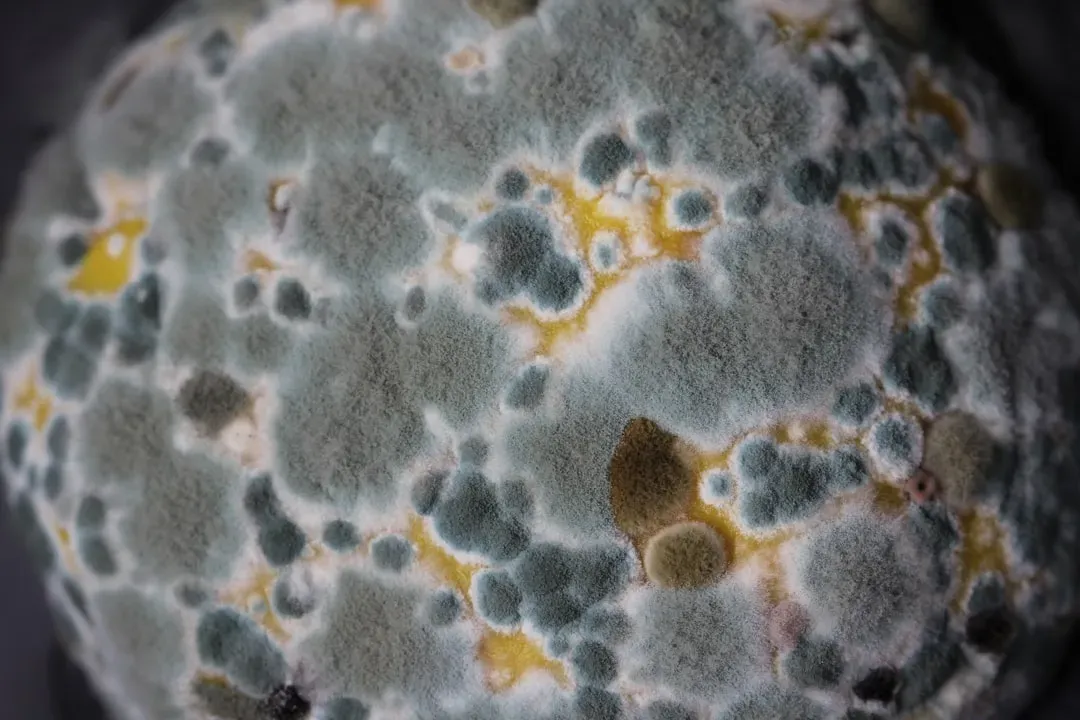
Aspergillus flavus is a common mould found in soil, decaying vegetation, and stored grains, infamous for its ability to survive in the sealed chambers of ancient tombs, where it can lie dormant for thousands of years. When disturbed, it releases spores that can cause severe respiratory infections.
In 1973, a team of scientists learned this the hardest way possible. Twelve conservationists opened the tomb of Casimir IV Jagiellon, a famous King of Poland from the 15th century – and ten of them died over the ensuing weeks and months.
Investigators later confirmed the culprit: analysis of Casimir’s tomb revealed the presence of Aspergillus flavus, whose toxins are known to cause a deadly lung infection. The same organism has since turned up in Egypt too – researchers found it in the mummy of Ramses II, and while it’s a common fungus, it can pose a real threat to weakened lungs and immune systems.
Worth Knowing
- Aspergillus flavus produces spores that can lie dormant for centuries inside sealed tombs
- The fungus has been linked to lung infections in several tomb excavation teams, including researchers who opened King Tutankhamun’s tomb
- In 2025, University of Pennsylvania researchers isolated new molecules from the fungus, naming them asperigimycins
- Early lab tests show these compounds can kill leukemia cells with effectiveness comparable to existing FDA-approved drugs
A tomb sealed to protect the dead ended up sealing in a genuinely lethal biological agent, one that science only identified decades after the “curse” started claiming lives – and one researchers are now studying for cancer treatment.
The Real Curse Was Never Supernatural
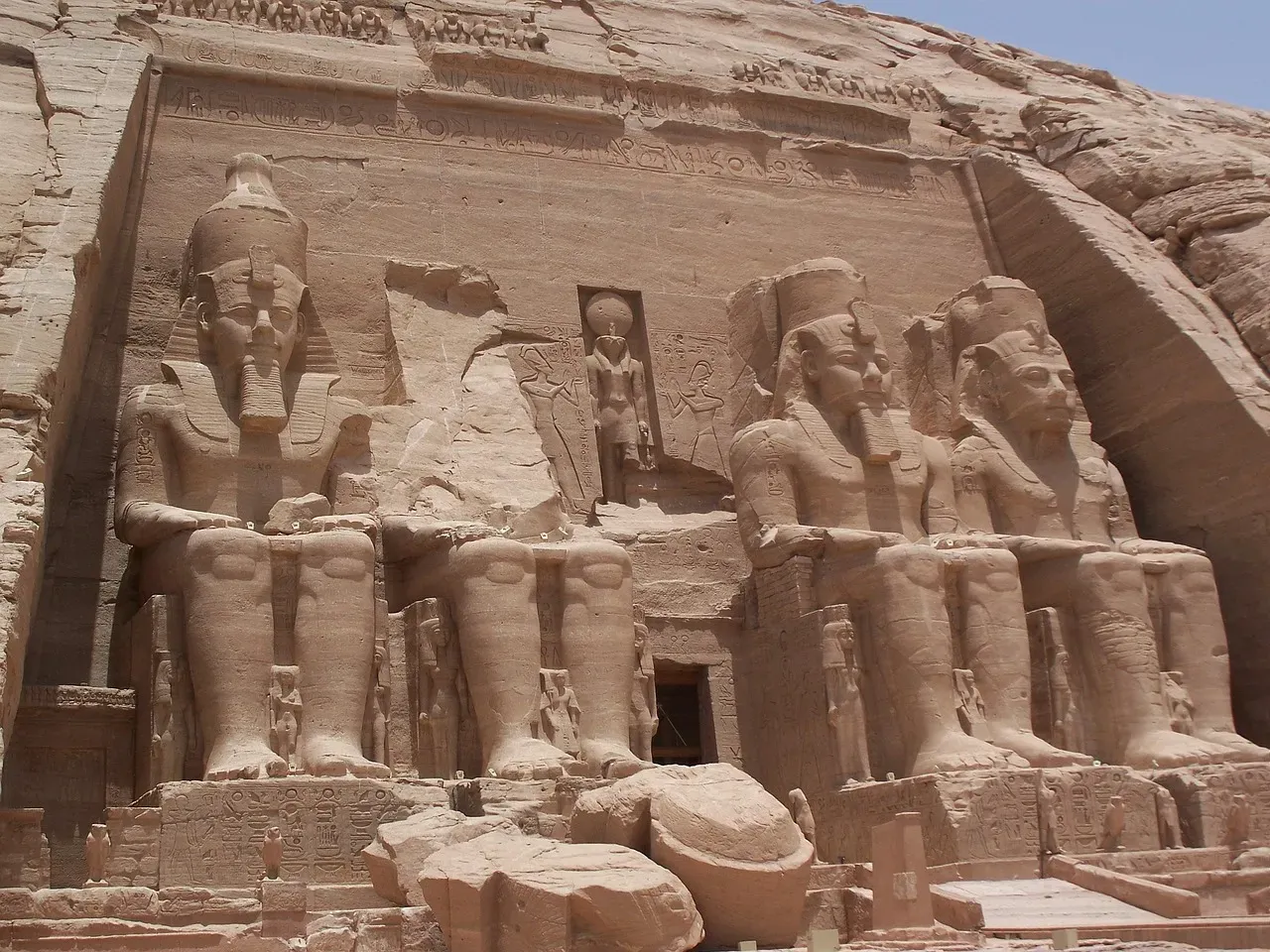
Strip away the ghost stories, and the real pattern is far more unsettling than any curse. Tombs stayed sealed because their builders used every tool available – legal-style threats, physical erasure of the burial site, engineered weapons, toxic minerals, and even fungal spores that can still kill today.
What looks like ancient superstition keeps turning out to be documented, testable, sometimes lethal engineering. The tombs of Qin Shi Huang and Casimir IV alone prove that “curse” was often just the closest word people had for chemistry and biology they didn’t yet understand.
If you ask me, the smartest defense system on this list isn’t the crossbows or the poison river – it’s the silence. A curse only scares the superstitious. A thousand trampling horses, a mountain nobody will climb, a name nobody wrote down – that keeps working on believers and skeptics alike, eight centuries later. Which one of these thirteen warnings would you have dared to ignore?