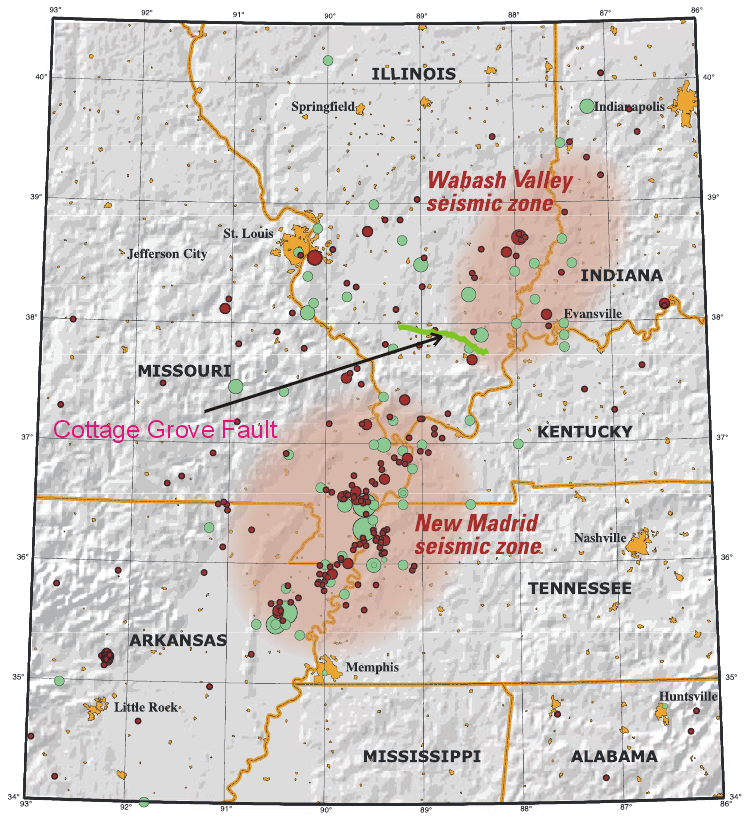
If you live anywhere in the central United States, there is a hidden giant under your feet that almost no one talks about until something shakes: the New Madrid Seismic Zone. It does not have the pop‑culture fame of California’s San Andreas, but in terms of what it could do to the Midwest and Mid‑South, it is one of the most quietly worrying geologic features in North America.
Once you learn what scientists know – and do not know – about this fault system, it becomes hard to look at the Mississippi River Valley the same way. The story of New Madrid is part history, part mystery, and part very practical question: how ready are we if this thing really wakes up again?
1. It Is Not One Fault, But a Whole Hidden Seismic Zone
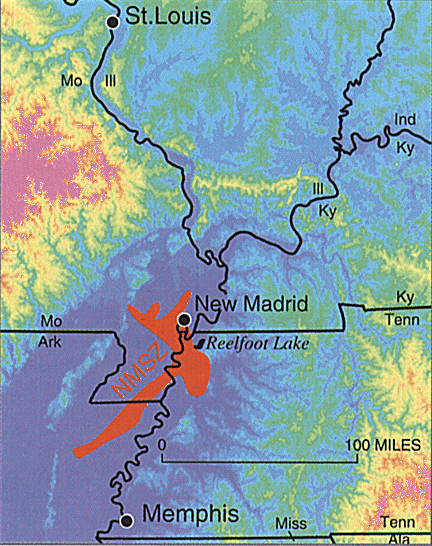
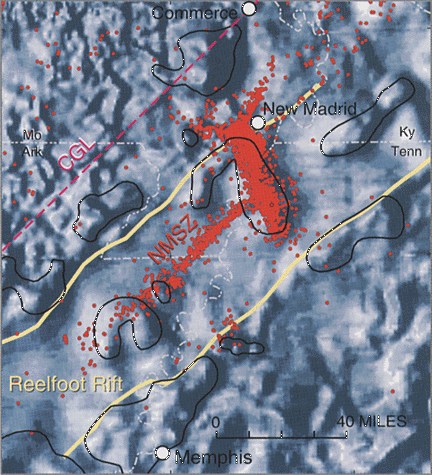
When people say “the New Madrid Fault,” they usually imagine a single big crack in the ground, but what actually lies beneath the central US is a network of faults called the New Madrid Seismic Zone. It cuts through parts of southeastern Missouri, northeastern Arkansas, western Tennessee, western Kentucky, and southern Illinois, mostly buried deep under layers of sediment. Because these faults are hidden and the land above them is flat and quiet most days, it is easy to forget they even exist.
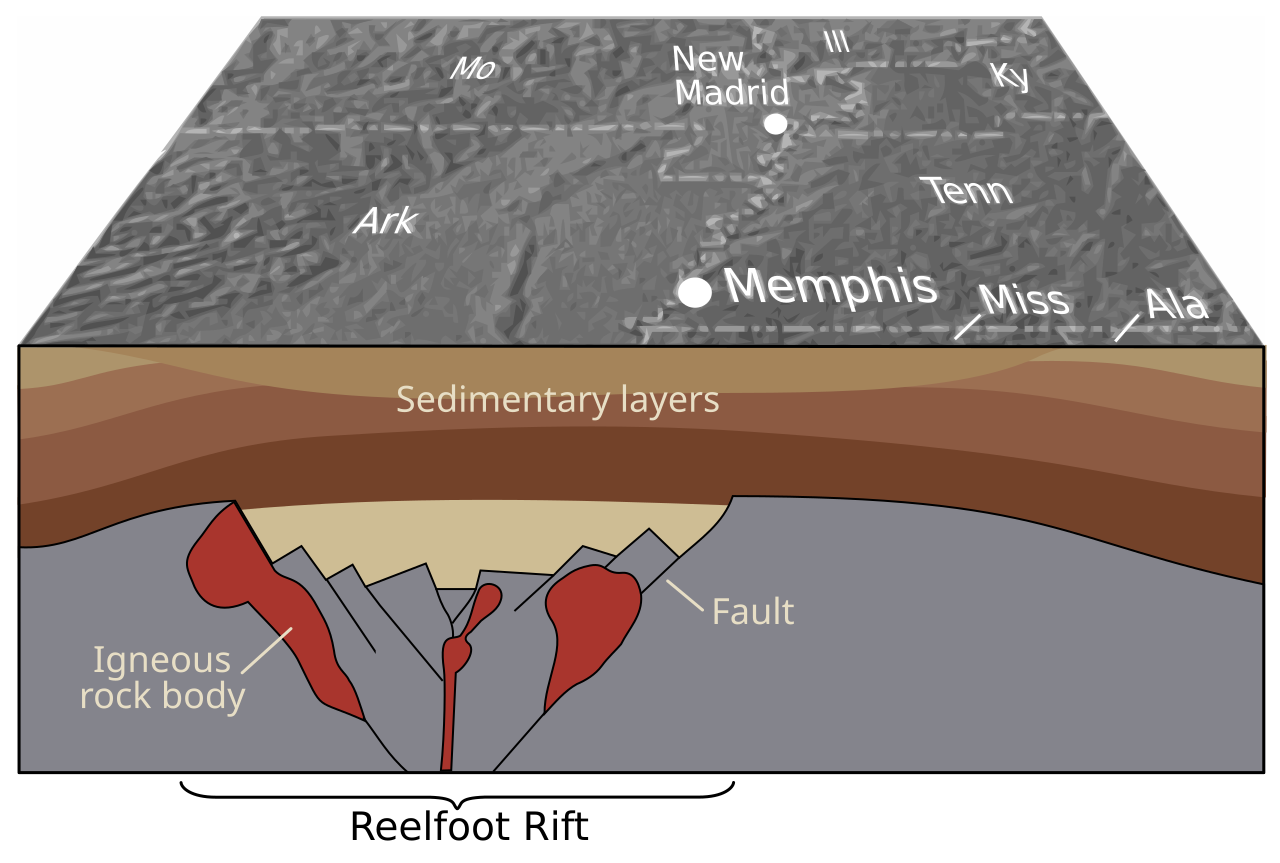
Geologically, this zone sits inside a much older scar in the crust, a failed continental rift that never fully tore North America apart hundreds of millions of years ago. That ancient wound left the crust weaker there, and modern tectonic stresses can still take advantage of that weakness, producing earthquakes far from any plate boundary. So while the New Madrid region looks calm on the surface, structurally it is more like an old fracture that never quite healed right.
2. The 1811–1812 Quakes Were Among the Most Powerful in US History
![2. The 1811–1812 Quakes Were Among the Most Powerful in US History (Woodcut.gif via [1] (now archived at Woodcut.gif via [2]), Public domain)](https://nvmwebsites-budwg5g9avh3epea.z03.azurefd.net/dws/180f00ee6ab3f61091b13fadecddc2c7.webp)
Between December 1811 and February 1812, a series of massive earthquakes shook the frontier towns along the Mississippi River, centered near New Madrid, Missouri. Historical accounts describe ground cracking open, trees snapping, landslides along river bluffs, and the river itself appearing to flow backward temporarily as the landscape warped. People living hundreds of miles away reported shaking, church bells reportedly rang in distant cities, and the quakes left a psychological scar on the region long before modern seismology existed.
Scientists have tried to estimate the magnitudes of those shocks using written reports, ground deformation, and preserved geologic features. Their best estimates place the largest events in roughly the lower to middle magnitude‑7 range, with several very large shocks closely spaced in time and many strong aftershocks. In a part of the country with soft sediments and long‑range wave propagation, that level of energy does not just rattle a town or two; it affects entire states.
3. Central US Shaking Travels Farther Than on the West Coast
One of the most unsettling facts about the New Madrid region is that its earthquakes can be felt over far greater distances than similar‑sized quakes on the West Coast. The main reason is geology: the older, colder, and more continuous crust of the central and eastern United States carries seismic energy efficiently, like sound traveling cleanly down a long hallway. In contrast, the crust around plate boundaries out west is more broken and complex, which tends to scatter and dampen the waves.
What this means in practical terms is that a magnitude‑7 quake in the New Madrid Seismic Zone could be strongly felt across multiple states and weakly felt well beyond that. The area of significant shaking for a big central US quake can cover many times the area affected by a similar event in California. So even if you live what feels like a comfortable distance from the fault zone, the shaking could still reach you in a serious way.
4. Scientists Still Debate How Likely a Big Quake Is
Here is where things get uncomfortable and a bit controversial: experts do not fully agree on the probability of another large New Madrid earthquake in the coming decades. Some early studies interpreted the geologic and historical record as evidence that the region produces large quakes on the order of every few hundred years, suggesting that the early 1800s events might not be a one‑off fluke. Based on that, some hazard models once put relatively high odds on another major event within a typical human lifetime.
More recent work, including refined GPS measurements and reevaluations of past surface deformation, has suggested that the crust may currently be straining more slowly than previously thought. That has led some scientists to argue that the probability of another large event in the near term might be lower than earlier estimates. There is no consensus that the danger has vanished, though; instead, the honest answer is that uncertainty is still large, and the smart move is to prepare for a serious but not precisely predictable risk.
5. Modern Infrastructure Was Not Built With New Madrid in Mind
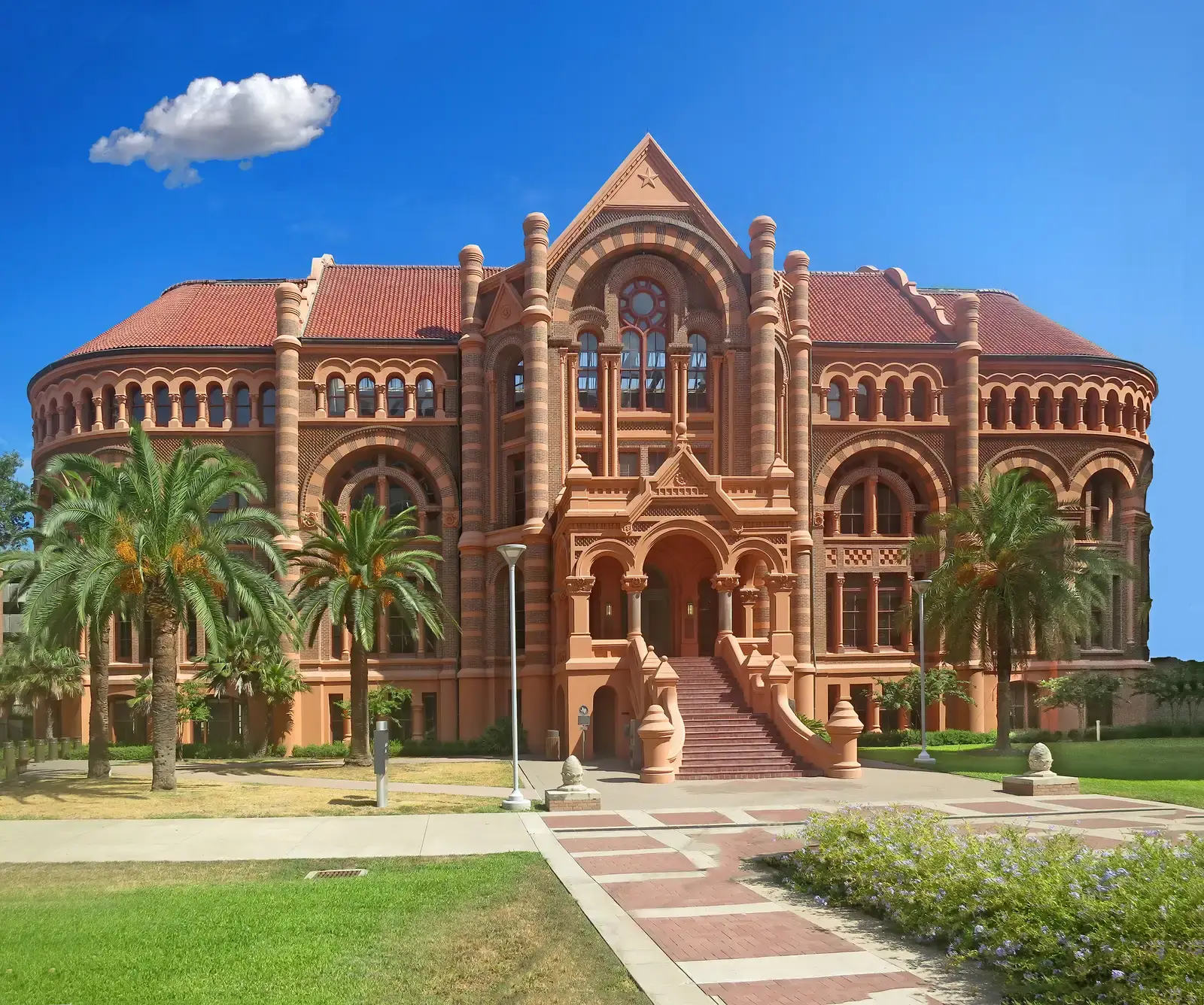
Unlike California or Japan, the central US did not grow up thinking of itself as earthquake country, and you can see that in much of the infrastructure. Older brick buildings, unreinforced masonry, aging bridges, and older water and gas systems in cities across the region were never designed for strong lateral shaking. Even many newer structures, especially outside major urban centers, do not always meet the kind of seismic standards common in places with more frequent quakes.
On top of that, the region is threaded with major highways, rail lines, pipelines, and electrical transmission corridors that cross the Mississippi and Ohio Rivers. In a large New Madrid event, the shaking, soil liquefaction, and ground deformation could damage not only homes and offices but also these lifelines that connect large portions of the country. I sometimes think about how much we depend on invisible systems – fuel in the gas pump, food deliveries, broadband cables – and how one big jolt under the Mississippi Valley could ripple through all of them.
6. The Soft River Sediments Add a Dangerous Twist
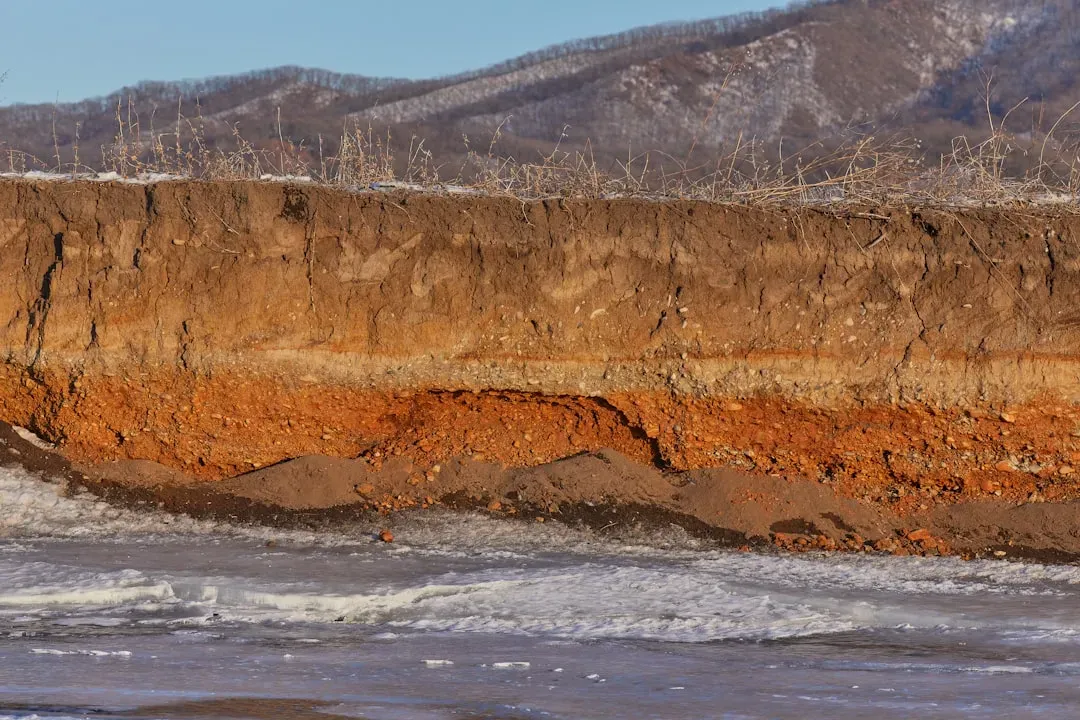
The Mississippi embayment, the broad lowland stretching across the New Madrid region, is filled with thick layers of loose, water‑rich sediments that behave badly during strong shaking. These soft soils can amplify seismic waves, making the shaking worse than it would be if the same quake hit solid bedrock. In some places, the ground can behave more like a bowl of jelly than a sturdy foundation, lengthening the shaking and increasing building damage.
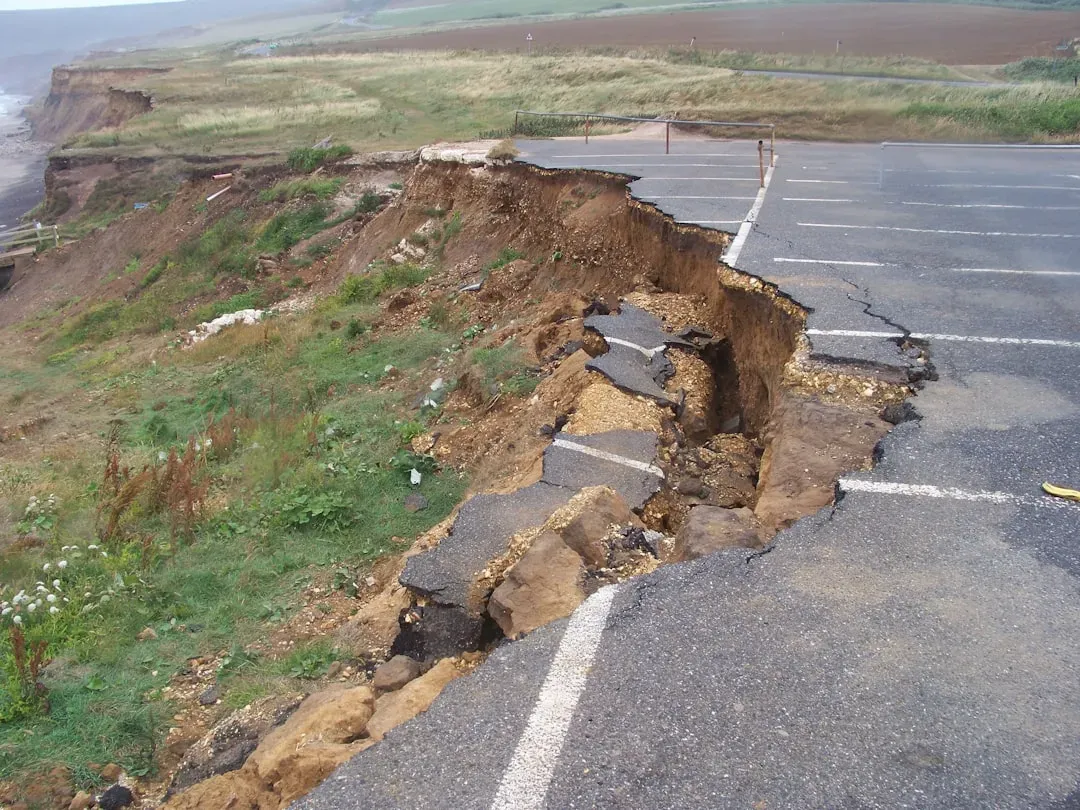
Another worry is liquefaction, where saturated sandy soils temporarily lose their strength and act more like a liquid when shaken. During the 1811–1812 quakes, the region saw sand blows, ground fissures, and other liquefaction features that are still visible in the geologic record. In a modern event, that same process could tilt building foundations, rupture buried pipes, and undermine levees that many communities rely on for flood protection. It is an unsettling combination: a powerful seismic zone paired with some of the least cooperative ground you could ask for.
7. Preparedness and Honesty About Risk Matter More Than Fear
It is easy to fall into two extremes with the New Madrid Fault: shrug it off as overhyped folklore or fear it as an inevitable, apocalyptic event. The reality sits somewhere in between, and dealing with it well starts with clear, evidence‑based communication. Seismologists, emergency managers, and community leaders have pushed in recent years for better scenario planning, building code updates, and public drills that account for an unlikely but very high‑impact earthquake.
At the personal level, the advice is remarkably similar to what you hear in California: secure heavy furniture, know how to drop, cover, and hold on, keep basic supplies, and understand local plans for communications and shelters. I tend to think of New Madrid less as a looming doom and more as a stress test for how honestly a society can face low‑probability, high‑consequence threats. We do not get to choose the faults under our feet, but we absolutely get to choose how seriously we take them.
Conclusion: A Quiet Fault That Tests How Seriously We Take the Future
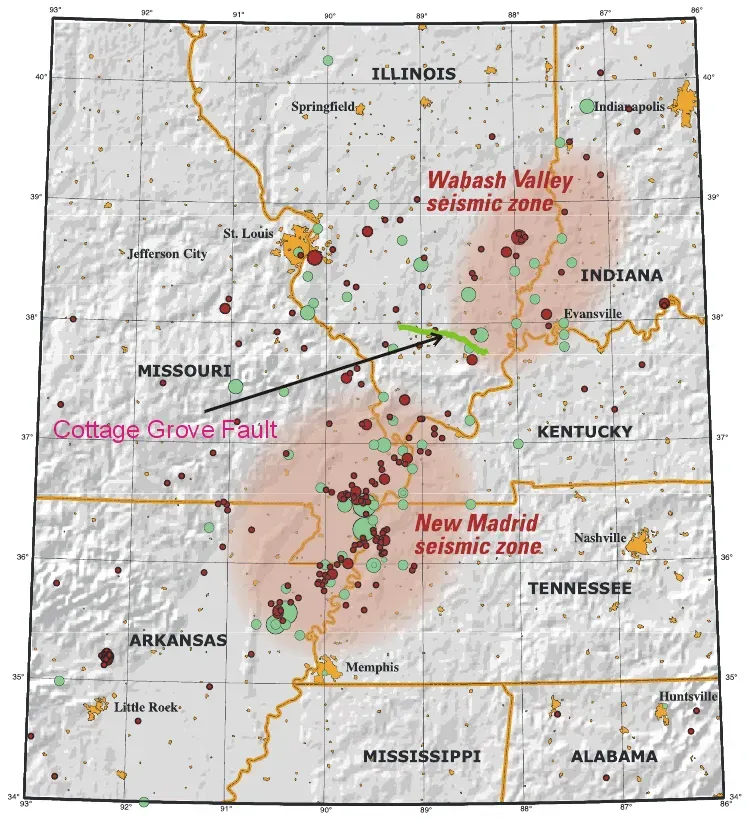
To me, the New Madrid Fault is a kind of mirror held up to the central US. It shows a region that has grown comfortable on the surface while an old geologic engine hums quietly below, occasionally reminding us that the ground is not as permanent as it looks. The science is mixed and still evolving, but it points to a simple truth: the danger is real enough that ignoring it outright is more about convenience than evidence.
I think the more honest, grown‑up stance is to accept the uncertainty and still invest in preparation, stronger codes, and realistic planning rather than waiting for a disaster to make the case for us. We live in a time when we can map hidden faults, model shaking, and strengthen buildings before they are tested, which feels like an opportunity we would regret wasting. The New Madrid Seismic Zone may stay mostly quiet for a long time, or it may not, but how we act now will decide whether its next big move becomes a tragedy or a challenge we were ready to meet; which future would you rather bet on?