If you grew up with textbooks quietly announcing that certain species were “gone for good,” it can feel almost unreal to learn that some of them are not only still here, but actually doing better. The story of extinction is usually told as a one‑way street: once a species slips off the edge, that’s it. Yet across the United States, a handful of animals that were written off as doomed have staged some of the most dramatic comebacks in conservation history.
These recoveries are not fairy tales. They came out of ugly crises, political fights, messy compromises, and a lot of stubborn, unglamorous science. But that’s exactly why they matter so much right now. When the headlines scream about irreversible loss, these eight species quietly remind us that smart laws, fierce public pressure, and a bit of humility about our place in nature can actually change the ending. Some of these animals now feel almost “normal” again – so normal that people forget they were nearly gone. Their stories are a warning, a lesson, and maybe a small blueprint for hope.
Bald Eagle: From Toxic Symbol to Soaring Icon Again
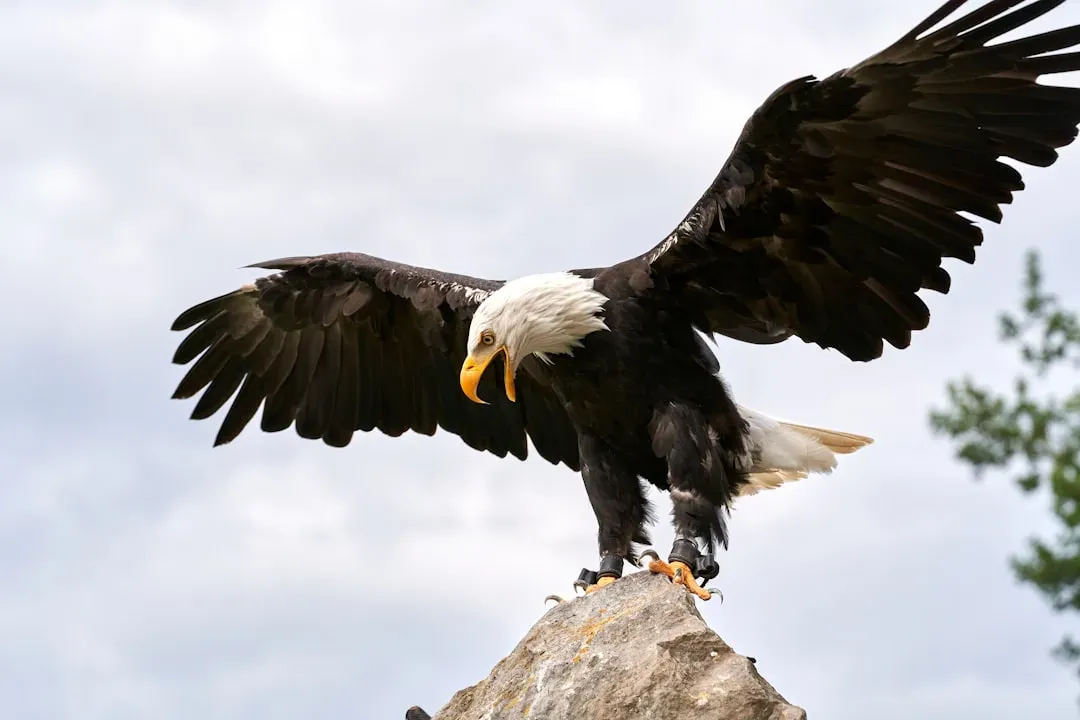
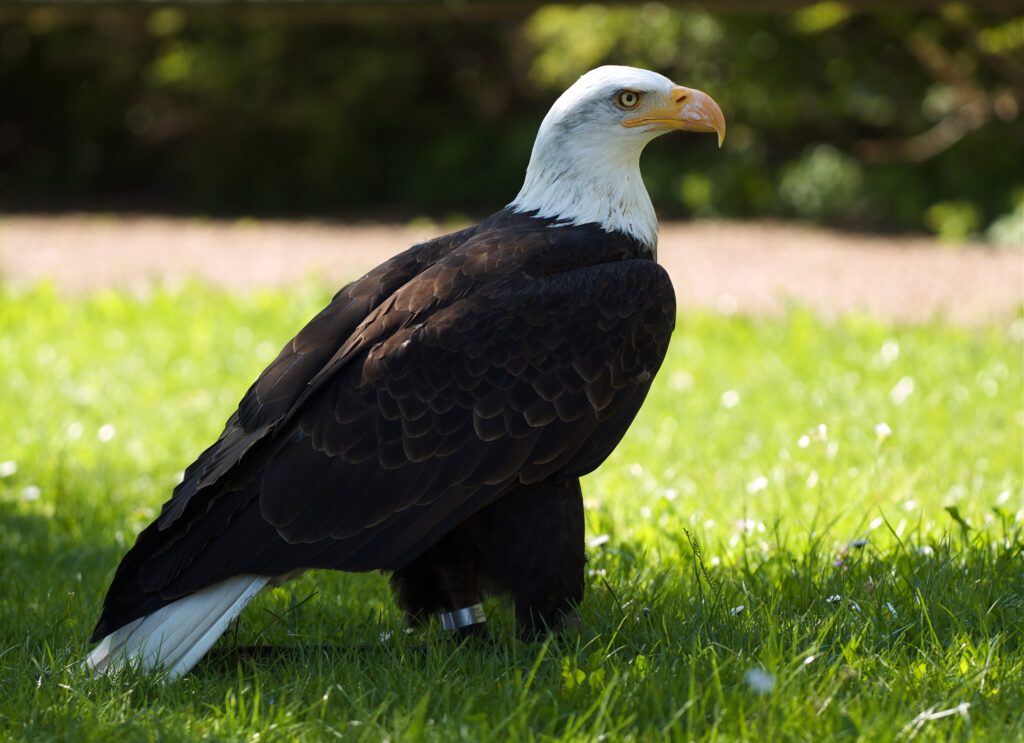
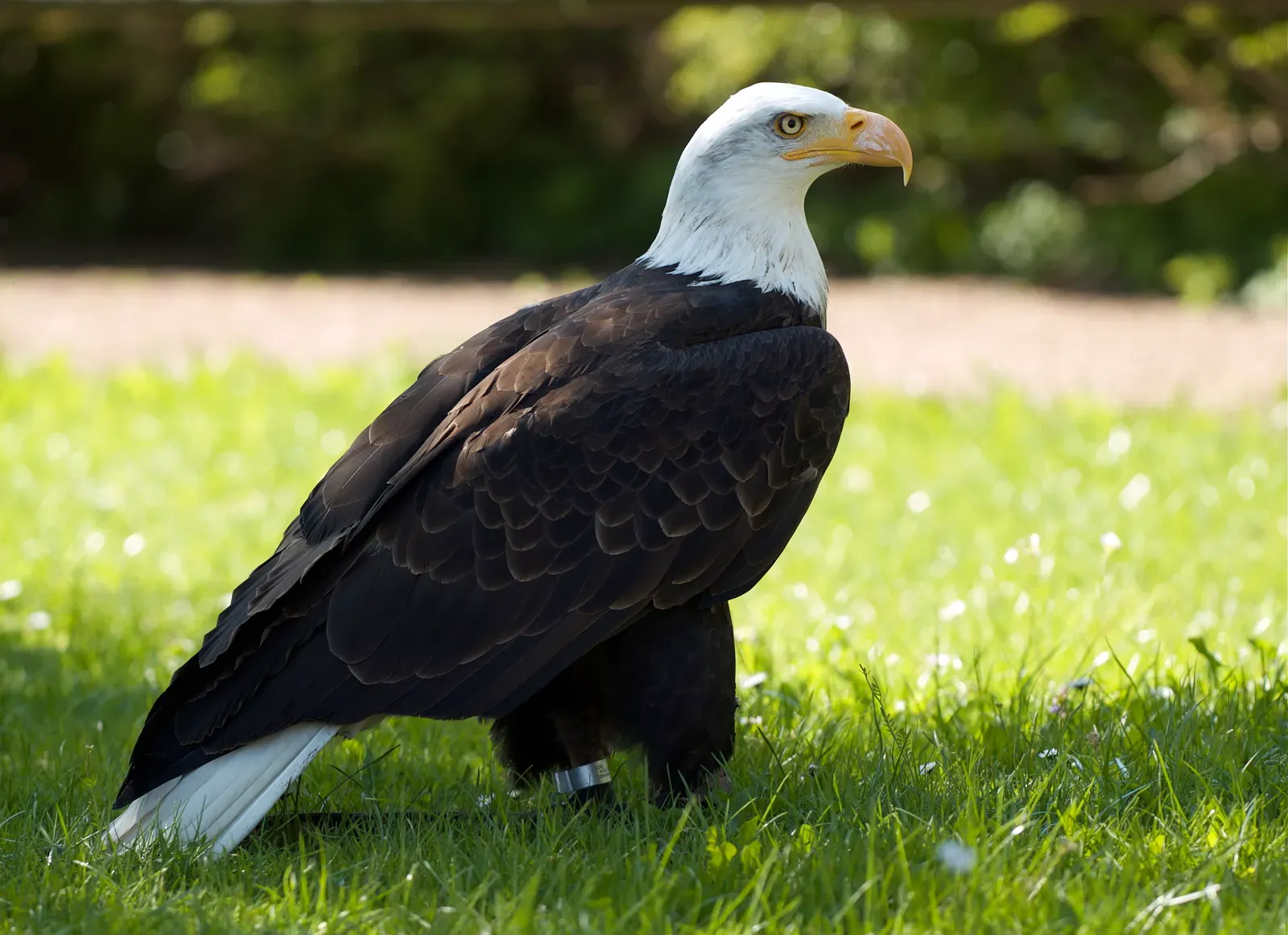
It’s hard to imagine that the national bird, plastered on everything from government seals to cheap T‑shirts, was once clinging to survival in the lower forty‑eight states. By the middle of the twentieth century, widespread use of the pesticide DDT had thinned eagle eggshells so badly that parents crushed their own offspring just by trying to incubate them. On top of that, habitat loss and direct shooting pushed numbers to painfully low levels; in some states, you could count known nesting pairs on two hands.
The turnaround for bald eagles became the classic case study of how law and science can actually work together. Banning DDT, listing the bird under the Endangered Species Act, and aggressively protecting nests allowed populations to rebound far faster than many biologists dared hope. Today, bald eagles nest along lakes, reservoirs, rivers, and even near suburbs; you can spot them perched on cell towers or swooping over highways. The fact that people now complain about them stealing fish from docks is, honestly, a good problem to have – it shows that a species that was almost a ghost in the contiguous United States has forced its way back into our everyday landscape.
California Condor: The Bird That Went Down to 27 and Refused to Die
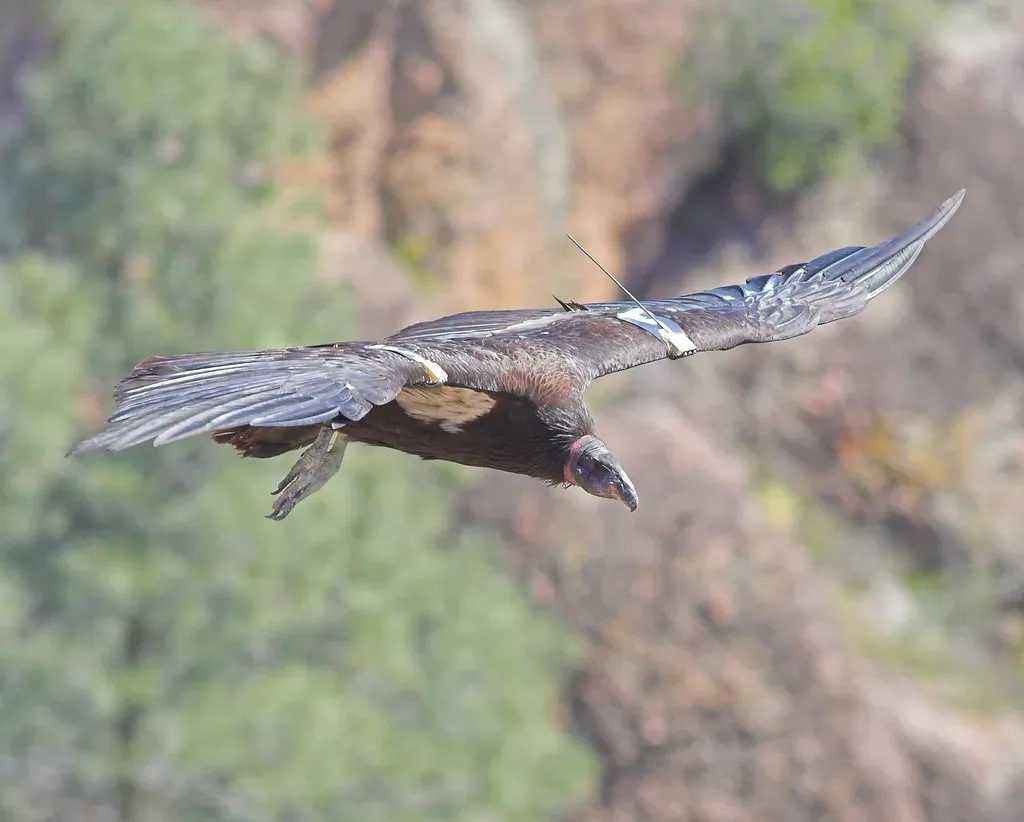
Few stories are as intense, controversial, and downright dramatic as the saga of the California condor. By the 1980s, these enormous vultures – birds with wingspans wider than some cars are long – had been hammered by shooting, poisoning, and especially lead fragments left in carcasses from hunting ammunition. The wild population fell so low that biologists knew every individual by number, and each death felt like watching a page burn out of a history book.
In a move that divided conservationists, every remaining wild condor was captured and brought into a captive breeding program. For a time, there were literally zero condors flying free anywhere on Earth. That gamble, as risky and emotionally brutal as it was, ended up saving the species. Through careful breeding, strict management of lead exposure, and painstaking releases, condors now soar again over California, Arizona, Utah, and Baja California. Their numbers are still small and fragile, and one policy misstep could send them back into crisis – but the fact that they exist in the wild at all, after crashing to just a couple of dozen birds, feels almost like science fiction written by very stressed biologists.
Gray Wolf in the Northern Rockies: The Predator That Wouldn’t Stay Erased
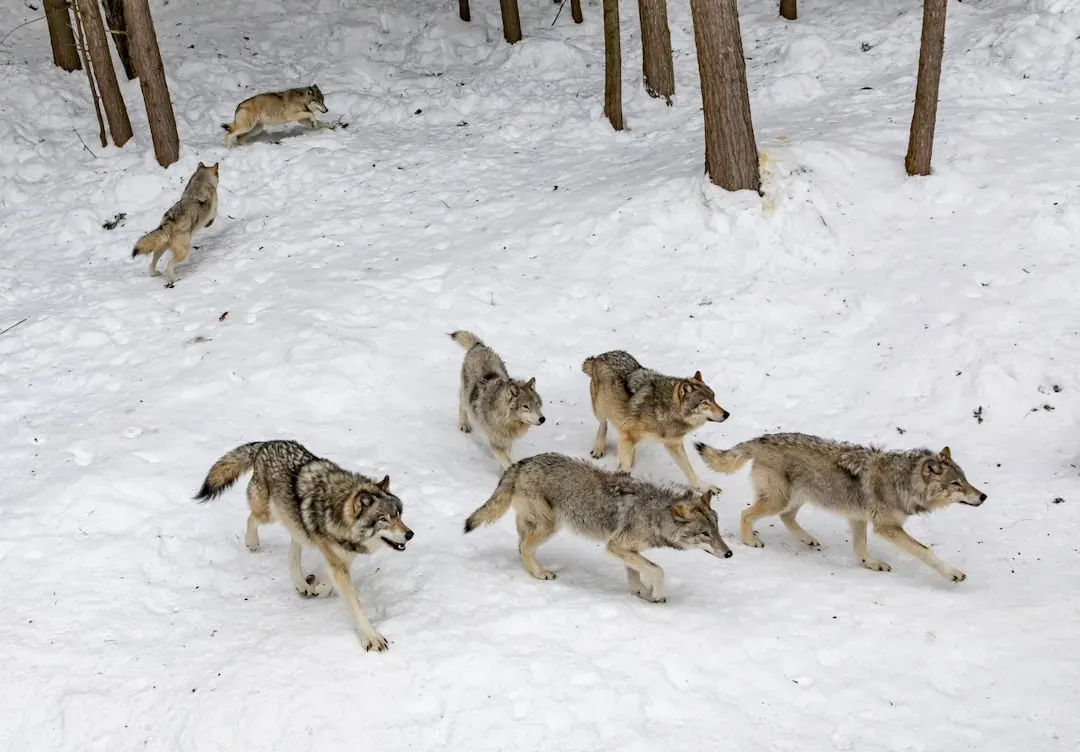
For much of American history, gray wolves were hunted, trapped, and poisoned with the explicit goal of wiping them out. In the lower forty‑eight, that campaign largely succeeded by the early twentieth century. The Northern Rockies – Wyoming, Montana, Idaho – were stripped of their native top predator, and ecosystems shifted accordingly: elk lingered in riparian zones, young trees suffered, and the landscape slowly forgot what it meant to live with wolves.
Reintroduction efforts in the mid‑1990s were politically explosive. When wolves shipped in from Canada were released into Yellowstone and central Idaho, opponents warned of carnage among livestock, hunters fretted over elk numbers, and lawsuits flew. Decades later, the reality is more complicated and much less apocalyptic. Wolf populations in the region grew, spread, and eventually became robust enough to be removed from the federal endangered list in some areas. Conflict with ranchers is real and needs serious, ongoing management. Still, it’s hard to deny that seeing a wolf track in fresh snow or hearing howls roll across a valley restores something older and wilder that we once decided we could live without – and then realized we actually missed.
Whooping Crane: A Walking Reminder of How Close We Came
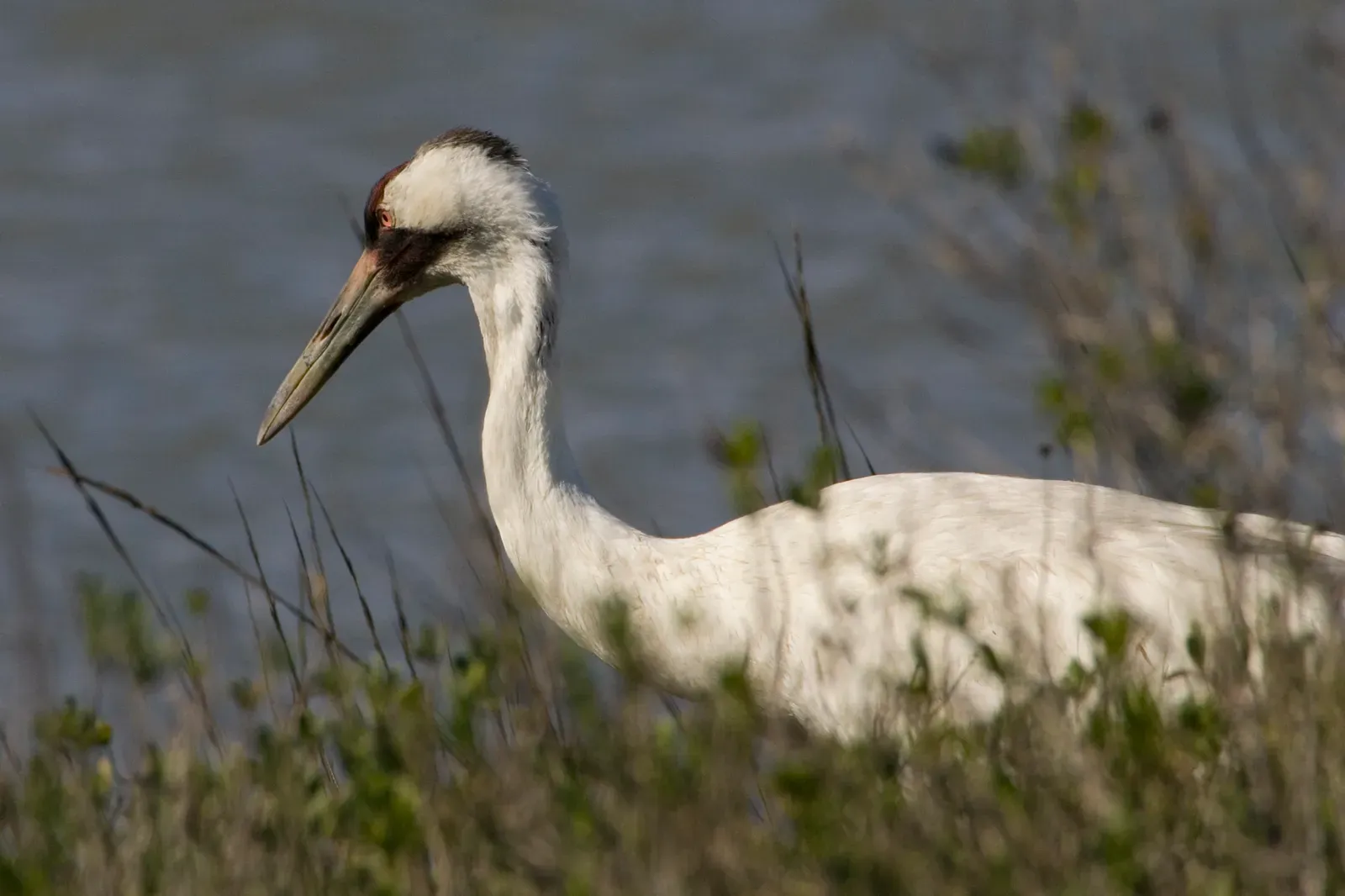
The whooping crane might be the most dramatic example of a North American bird flirting with total extinction. In the middle of the twentieth century, the wild population of this tall, ghost‑white crane with its haunting bugle calls dropped to only a couple of dozen individuals migrating between Texas and Canada. Habitat loss in wetlands, unregulated hunting, and disturbance at nest sites left biologists staring at a number so small it felt like a bad joke.
The path back for whooping cranes has been slow, messy, and highly experimental. Conservationists protected and restored wetlands, carefully guarded nesting grounds, and launched captive breeding programs to create new migratory and non‑migratory populations. Some young cranes were even taught migration routes by following ultralight aircraft flown by humans, an image that still feels both inspiring and absurd. Today, several hundred whooping cranes exist across wild and managed populations. That is still a razor‑thin margin for comfort, but it is miles away from the desperate days when a single hurricane or oil spill could have wiped out almost the entire species in a week.
American Alligator: From Overhunted Reptile to Southern Success Story
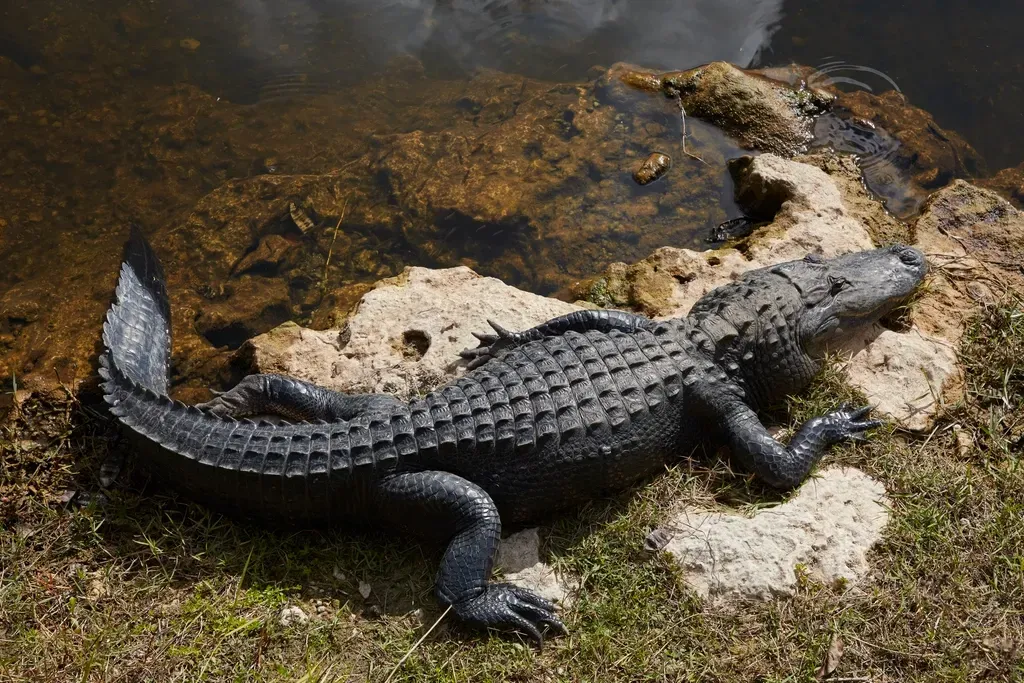
If you wander through wetlands of the American South today, it can be hard to believe that American alligators were once in serious trouble. By the mid‑1900s, decades of unregulated hunting for their hides, combined with habitat loss and persecution, pushed alligator numbers to dangerously low levels across much of their range. In many places, spotting one was rare enough to be newsworthy, not a casual roadside distraction.
Listing the species under federal protection, cracking down on poaching, and managing wetlands with an eye toward both wildlife and people flipped the script. Over time, alligators rebounded so strongly that they were eventually removed from the federal endangered list and reclassified as a conservation success. Regulated hunting is allowed in some states, and people now worry more about gators wandering into golf course ponds than about them disappearing. There’s a lesson here that a lot of policymakers gloss over: when you give a tough, adaptable species even a little legal breathing room and some intact habitat, it often does the rest on its own – sometimes so well that humans have to relearn how to live next to it without panicking.
Humpback Whale: A Giant Saved When We Finally Listened to the Numbers
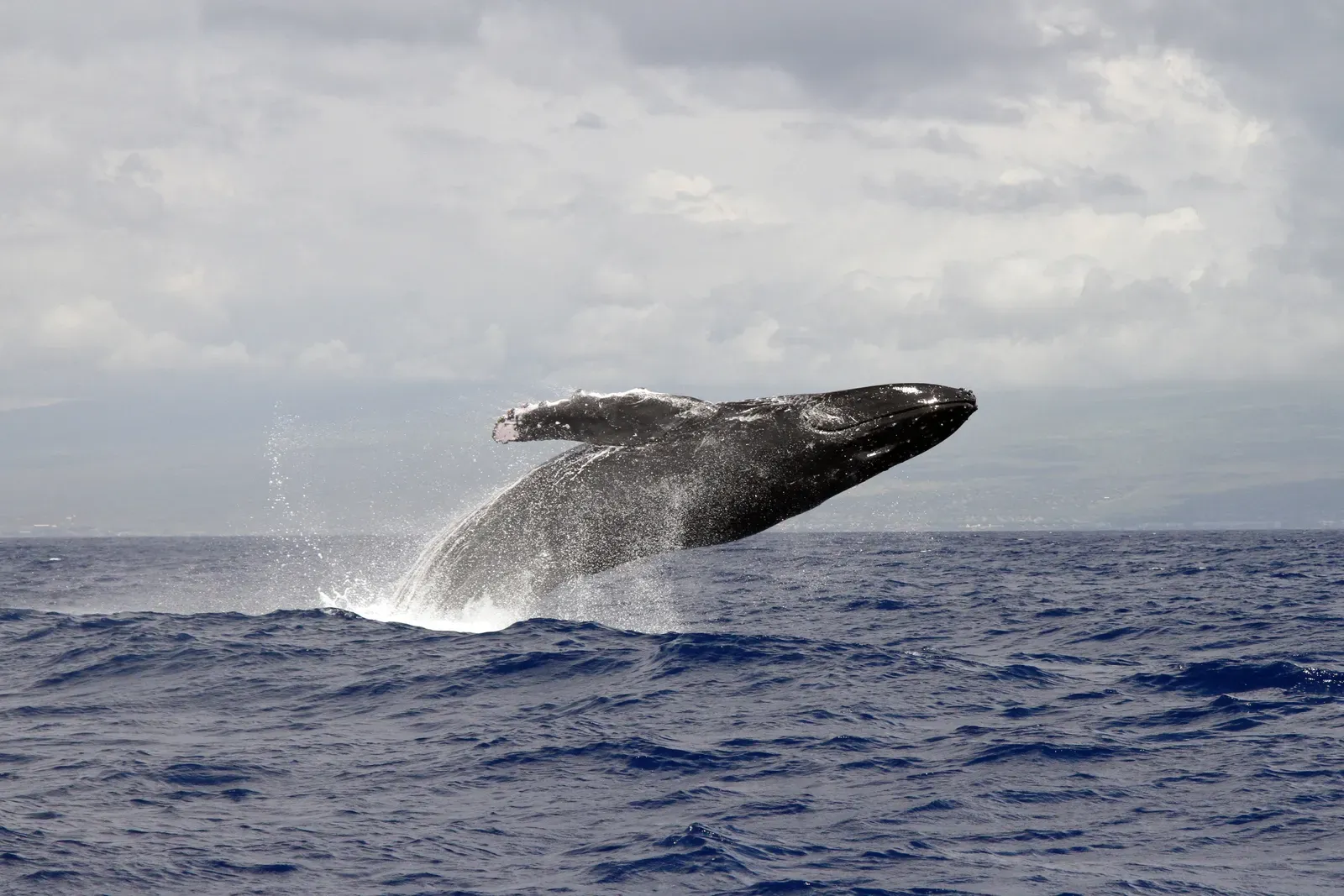
For much of the twentieth century, whaling fleets treated humpback whales like floating oil wells, driving population after population toward collapse. Industrial whaling ships, armed with exploding harpoons and global communication, pushed this slow‑breeding giant into a steep decline around the world. In US waters, humpbacks were hammered so badly that, for a long time, seeing one was a rare luxury instead of the almost expected highlight of a coastal whale‑watching trip.
The eventual imposition of whaling bans and strong marine protections gave humpbacks what they most needed: time and space. Populations off parts of the US coast have grown to the point that several distinct groups have been removed from the endangered list, though others remain listed and still face threats like ship strikes, entanglement in fishing gear, and changing ocean conditions. Their haunting songs and acrobatic breaches have become not just a symbol of wild oceans, but a kind of living receipt proving that when we stop treating wildlife as infinitely harvestable, some species really can bounce back. It shouldn’t have taken brutal numbers and graphic data to convince us, but at least in this case, we actually listened before it was too late.
Black‑Footed Ferret: The Grassland Ghost Pulled Back by Science
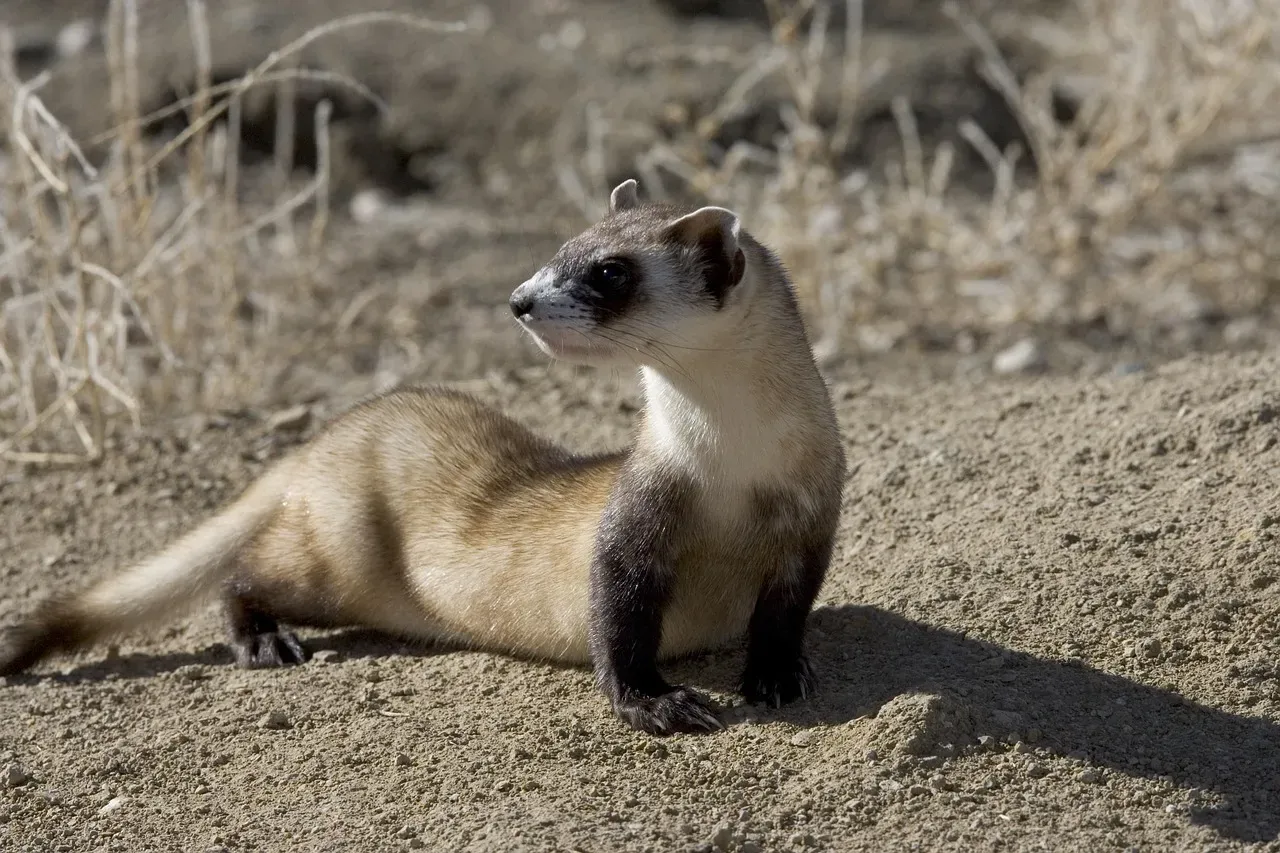
On the shortgrass prairies of the American West, black‑footed ferrets were once stealthy, nocturnal predators slipping in and out of prairie dog burrows. By the late twentieth century, they were believed extinct in the wild – wiped out by a brutal combination of habitat conversion, poisoning of prairie dogs (their primary prey and landlords), and disease. Then, in a twist that sounds made for a documentary, a tiny remnant population was rediscovered in Wyoming in the 1980s, abruptly changing the conversation from mourning to emergency triage.
Conservationists captured the remaining ferrets and threw every tool they had at the problem: captive breeding, vaccination against diseases like sylvatic plague, reintroduction into multiple states, and relentless monitoring. The species remains one of the most endangered mammals in North America, and its survival is tied to the fate of prairie dogs, which many landowners still view as pests. Yet the fact that black‑footed ferrets exist at all – slinking across nighttime camera traps, raising kits in reintroduced colonies – shows just how far we can push the envelope when we combine field biology, veterinary science, and a willingness to admit that earlier land‑management policies were flat‑out wrong.
Gray Whale (Eastern North Pacific): Resilience Written in Saltwater
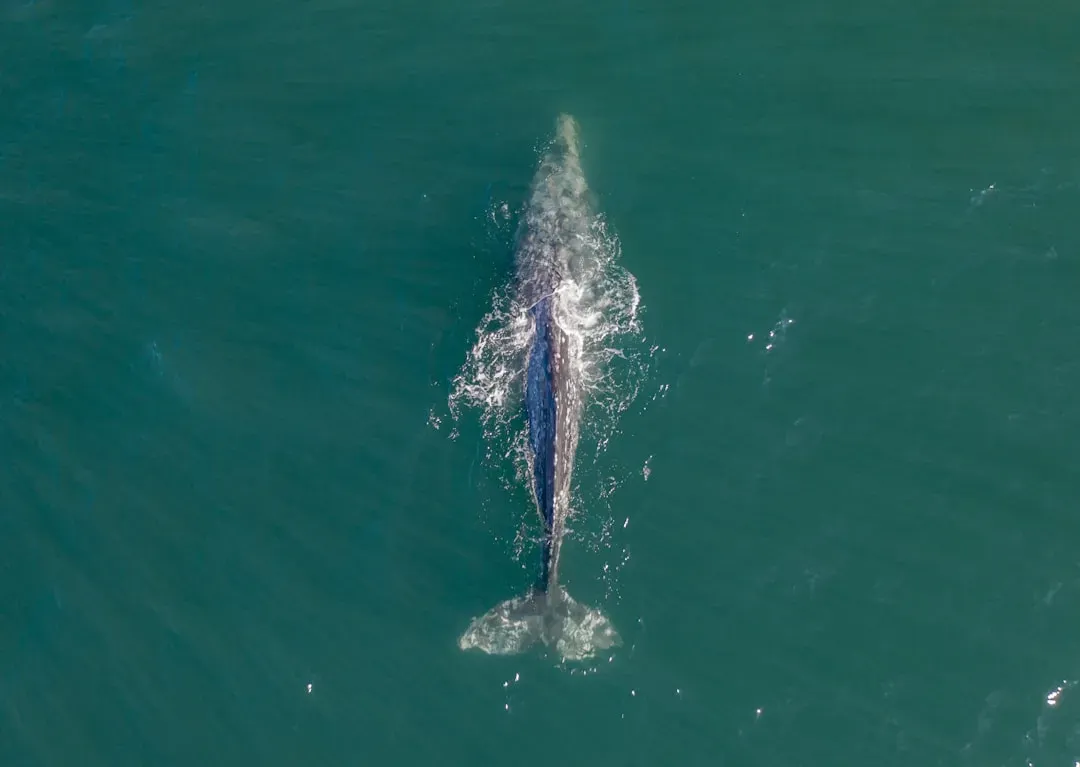
Gray whales in the eastern North Pacific tell a story that straddles US, Mexican, Canadian, and Arctic waters, but their recovery remains a major chapter in American conservation. After being hunted heavily for oil and baleen in the nineteenth and early twentieth centuries, these coastal migrants were driven down to a fraction of their former numbers. They were easy targets: slow, coastal, and predictable, hugging shorelines where whaling operations could easily track them.
With commercial whaling finally shut down and legal protections in place, eastern North Pacific gray whales staged a remarkable recovery over the following decades. Populations rose enough that this distinct group was removed from the US endangered list, and today they are regulars along the West Coast, passing by beaches, harbors, and ferry routes. That said, recent years have seen worrying die‑offs tied to shifting ocean conditions and food availability, a reminder that legal recovery on paper does not guarantee permanent safety. Their story is hopeful but not tidy: a species can claw its way back from brutal exploitation and still remain deeply vulnerable to the next round of human‑driven change.
Conclusion: Recovery Is Possible, but Only If We Stop Treating It as a Miracle
Looking at these eight species side by side, a pattern jumps out that I wish more politicians had to sit with. None of these comebacks were accidents or acts of cosmic kindness; they happened because people made hard choices, passed real laws, funded unglamorous fieldwork, and sometimes admitted that long‑standing practices like unregulated hunting or blanket predator killing were simply not defensible. Recovery is not magic – it is policy, patience, and a willingness to be unpopular in the moment for the sake of a future where bald eagles and gray wolves are more than pictures on classroom posters.
At the same time, we should be honest: for every species on this list, there are others that slipped past the edge while we argued or looked away. Treating these success stories as feel‑good exceptions misses the point; they should be our baseline expectation. If we accept that it is normal for a continent as wealthy and scientifically capable as the United States to lose species forever, we are quietly lowering the bar for what counts as “acceptable” damage. Personally, I think that’s a failure of imagination more than anything else. The real question is not whether recovery is possible – we already know it is – but whether we’re willing to act quickly enough, and boldly enough, that future lists like this have to be much, much longer. Which species would you want to see added before it is almost too late to try?