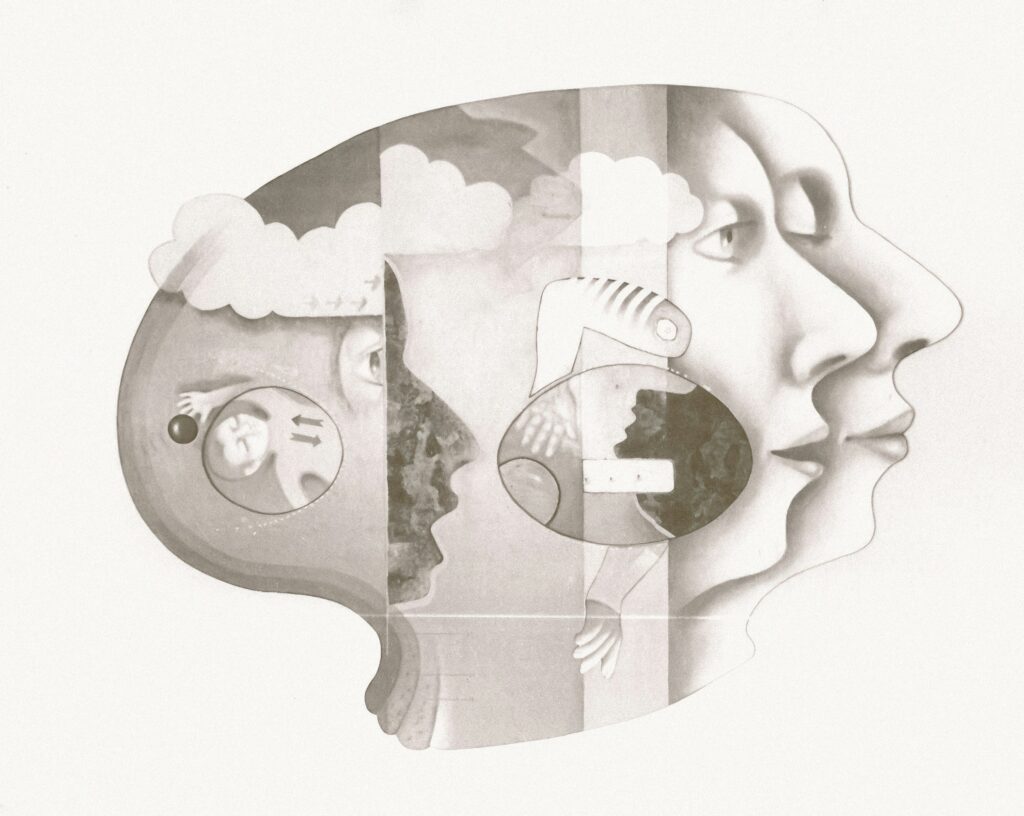
You probably feel like you wake up each morning as the same “you” who went to sleep last night. Same memories, same personality, same story. But under the hood, your brain is buzzing with change: cells rewiring, connections strengthening or fading, tiny chemical storms rewriting what matters and what doesn’t. The wild possibility many neuroscientists now explore is that this stable “self” you feel might actually be a moving target that your brain keeps reconstructing on the fly.
That idea can be a bit unsettling at first, like realizing the solid-looking floor beneath you is actually made of water flowing in a tight loop. But it can also be strangely comforting. If the self is something that’s being actively rebuilt rather than a fixed object you can break forever, then growth, healing, and change are baked into what it means to be a person. Let’s dig into how the brain might be stitching “you” together, moment by moment, like an endlessly edited movie that somehow still feels like one continuous film.
The Illusion of a Solid, Unchanging “Me”
One of the most surprising findings from modern neuroscience is how fragmented brain processing actually is. Vision, hearing, touch, language, memory, emotion – each has its own circuits firing in parallel, often without direct conscious access to what the others are doing. Yet subjectively, you feel like there’s one unified “I” at the center, watching one coherent stream of experience. That smooth continuity feels so natural we rarely question it, but it may be more like a brilliant magic trick than a literal description of what’s going on.
Think about how a social media feed feels seamless even though every post comes from a different person, topic, or time. Your sense of self might be built in a similar way: a stream made from many separate pieces, stitched together quickly and presented to consciousness as a single identity. Your brain is constantly receiving incomplete, messy data – from outside and inside – and somehow molding it into a story called “me, right now.” The continuity is convincing, but the construction work behind it is nonstop.
Memory as a Story Editor, Not a Hard Drive
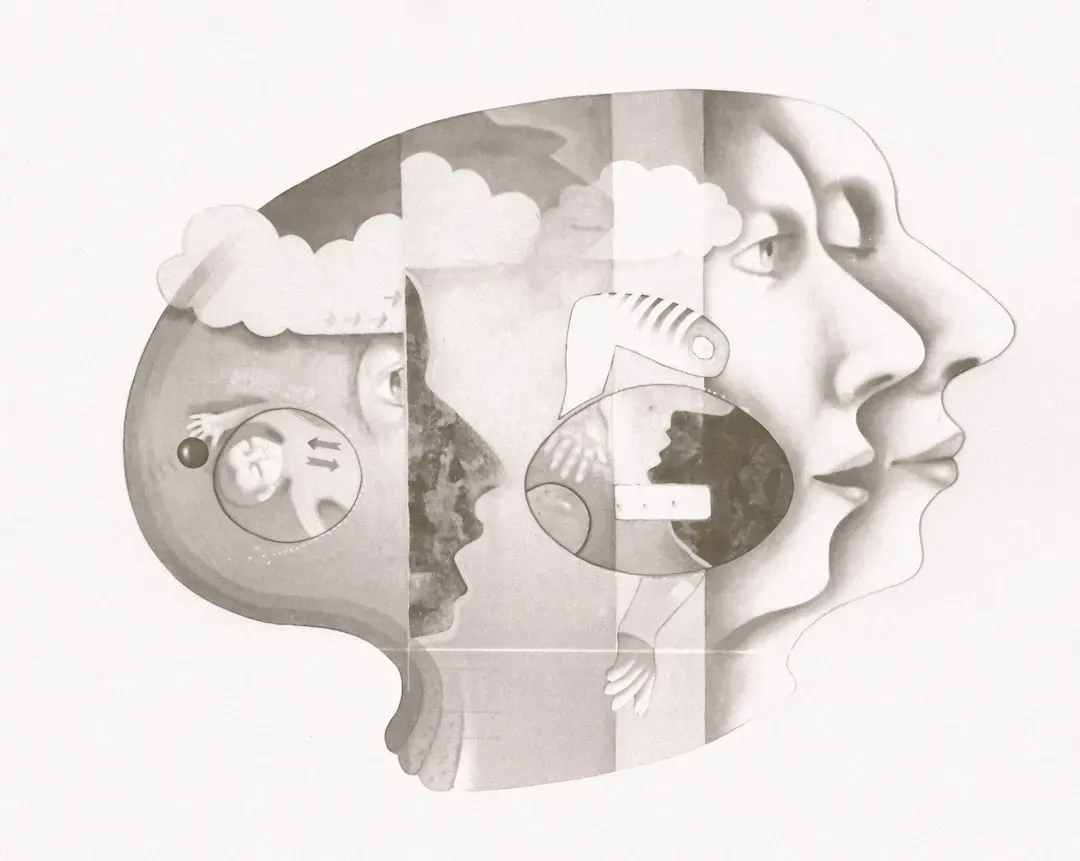
We like to imagine memory as a hard drive where our life experiences are stored and then faithfully replayed, but the evidence points to something much messier and more creative. When you recall a memory, your brain partially reconstructs it using scattered fragments stored across different regions, filling in gaps using expectations, emotions, and your current beliefs. In other words, remembering is more like reimagining than pressing “play,” and what you retrieve can be subtly reshaped every time you bring it back.
This has big implications for your sense of self because so much of “who I am” is built on “what has happened to me.” If your memories are being tweaked, emphasized, or de-emphasized each time they surface, the backbone of your identity is changing along with them. A painful event that once defined you can fade, be reinterpreted, or take on new meaning as other experiences pile up. That doesn’t make your past fake; it just means your brain is constantly curating your personal history like an evolving playlist instead of a frozen archive.
Neuroplasticity: Your Brain’s Constant Remodeling Project
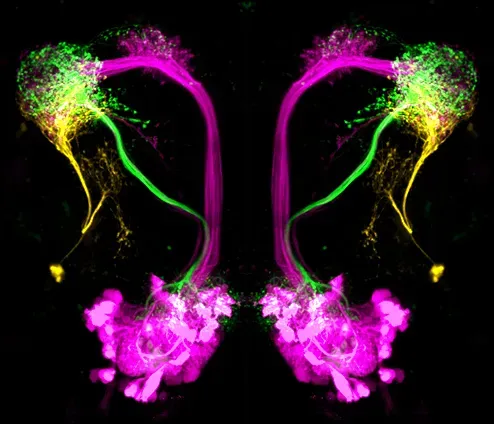
Neuroplasticity is the brain’s built-in ability to change its wiring based on experience, and it quietly undermines the idea of a fixed self. Learning a new language, recovering after an injury, or simply forming a habit can reshape which neurons fire together and how strongly they connect. Over time, these physical changes in your brain support new patterns of feeling, thinking, and acting – the raw ingredients of personality and identity.
What I find both humbling and inspiring is that even ordinary experiences – scrolling your phone, having a hard conversation, taking a walk – are nudging that wiring in small ways. It’s like living in a house where the walls are always shifting just a little based on what you do each day. You may feel like the same person, but under the surface, the hardware that generates that feeling is in constant renovation, sometimes subtly, sometimes dramatically, and “you” is whatever stable pattern emerges out of this ongoing construction.
The Brain’s “Narrator”: How We Explain Ourselves to Ourselves

Researchers have proposed that parts of the brain act like an internal narrator, constantly stitching together explanations for why we feel, think, and act the way we do. Instead of having direct access to every neural process, this narrator works with whatever information is available and fills in the blanks with plausible stories. That means some of the reasons you give yourself for your own behavior may be thoughtful reconstructions rather than precise reports from your inner control center.
You’ve probably felt this in real life: you snap at someone because you’re secretly anxious, but later you tell yourself you were just “tired” or “hungry.” The story is not necessarily a lie; it’s just the best fit your brain can find with limited insight into its own complexity. Over time, these explanations become part of your identity: “I’m just a driven person,” “I’m shy,” “I’m terrible at relationships.” The self, in this view, is not just what happens in your brain, but how your brain keeps interpreting and reinterpreting its own patterns.
Multiple Selves: How Context Brings Out Different “You”s
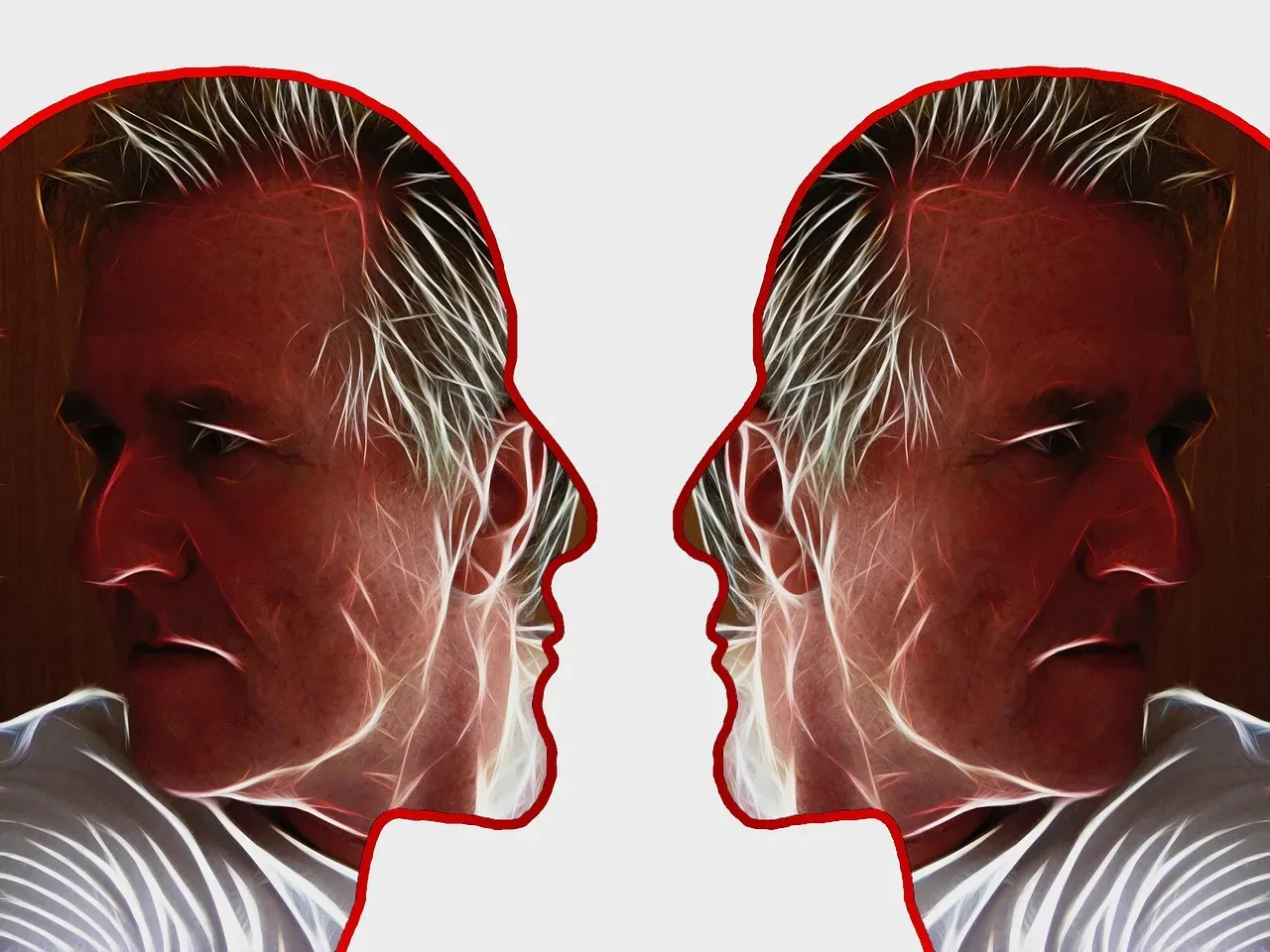
Most of us act noticeably different depending on context: relaxed and goofy with old friends, professional at work, vulnerable with a partner, guarded with strangers. It can feel almost like you’re switching between different versions of yourself. Neuroscience and psychology suggest that this is not a glitch, but a feature: different networks and emotional states get activated depending on the situation, bringing different traits to the front while others fade into the background.
Instead of a single rigid self, you might be better understood as a flexible cluster of tendencies that light up in different combinations. Your brain has to solve a complex problem: how to stay consistent enough to recognize yourself over time, while also adapting to wildly different social worlds. So it rebuilds “you” on demand, drawing from the same basic material – your memories, values, habits – but remixing it to fit the moment. That dynamic adaptability is why you can grow and change without feeling like a total stranger to yourself.
Time, Emotion, and the Shifting Core of Who You Are

Your sense of self is not just about facts – age, job, background – but also about how you emotionally relate to your past and future. The same memory can either feel like something that “happened to another person” or like a defining piece of who you still are, depending on your current emotional state. Studies on mood and memory show that when you’re anxious or low, your brain more easily pulls up similarly colored memories, which reinforces that emotional lens and alters how you feel about “who I’ve always been.”
On the flip side, when you imagine your future self, your brain often treats that person almost like a different individual. People are more likely to save money, quit a harmful habit, or start therapy when their future self feels vivid and emotionally real. That suggests your brain can dial the closeness to your “past me” and “future me” up or down, rebuilding your sense of continuity across time. Some days you feel completely aligned with who you used to be; other days you feel like you’ve outgrown that person entirely – and your brain updates the story accordingly.
Body, Brain, and the Feeling of Being “In Here”

Your sense of self is not just abstract thinking; it is deeply tied to your body. Signals from your heart, lungs, gut, muscles, and skin are constantly flowing into the brain, shaping how you feel and how anchored you are in the present moment. When those bodily signals are disrupted – through illness, fatigue, or certain drugs – people often report feeling detached, unreal, or like they’re watching themselves from the outside. That suggests the brain is continually weaving bodily information into the fabric of “I am here, in this body, right now.”
Even simple illusions can reveal how negotiable that sense of ownership is. When visual and touch signals are carefully manipulated, people can momentarily feel like a fake hand or even a virtual body is their own. The fact that these tricks work at all shows how much the brain is inferring, not just passively receiving, where “you” are located. In a way, every moment is a fresh guess: this is my body, these are my sensations, this is what it feels like to be me. Those guesses tend to be stable, but they are still guesses, constantly updated from the inside out.
When the Self Fractures: What Extreme Cases Reveal

Some of the most striking insights into how the self is built come from situations where it partially breaks down – brain injuries, neurodegenerative diseases, or certain psychiatric conditions. People with memory disorders may lose access to major parts of their personal history yet still feel like there is a “me” experiencing the present. Others may feel emotionally detached from their own lives, as if watching someone else’s story play out. These experiences are not just tragic; they also highlight which pieces of the puzzle are most crucial for stitching together a coherent identity.
There are also documented cases where damage or disruption in particular brain networks seems to change personality, values, or even moral judgments. When that happens, the person may insist they are still the same, while loved ones feel they have become someone else. That painful mismatch shows how fragile our shared idea of “who someone is” can be. To me, it underscores a hard but important truth: the self we treat as fixed and obvious is, in reality, dependent on delicate patterns of activity that the brain has to keep rebuilding, and sometimes it cannot rebuild them in quite the same way.
What It Means If the Self Is Always Being Rebuilt
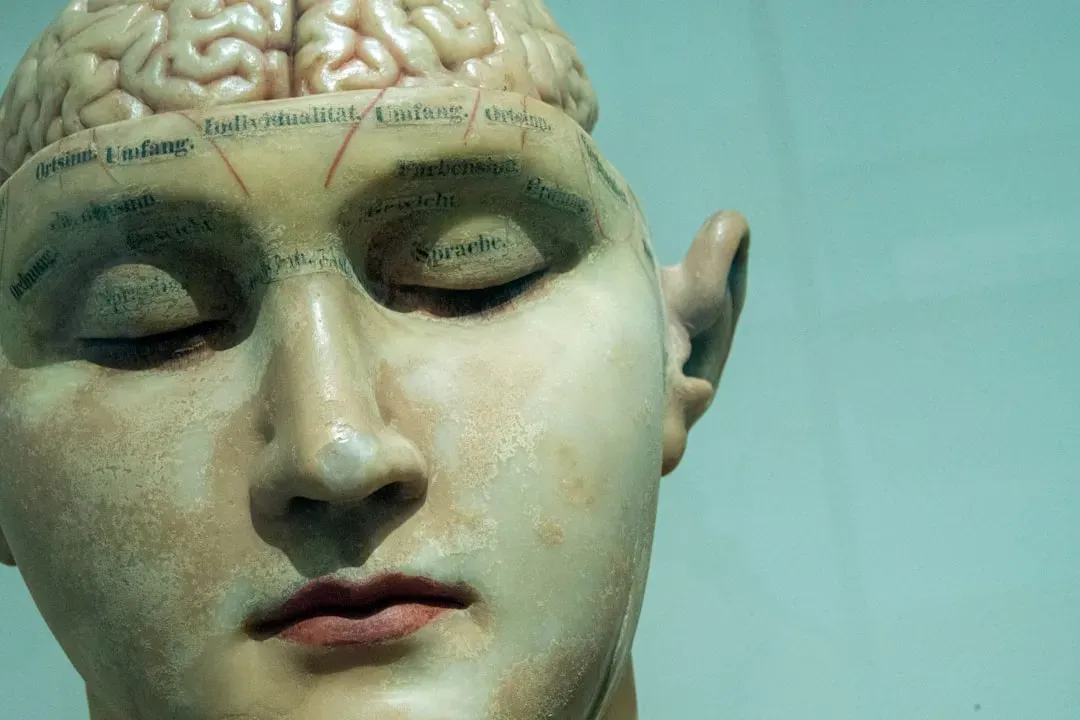
If your sense of self is something your brain continuously reconstructs, what does that actually mean for how you live? On one hand, it’s a reminder not to cling too tightly to rigid labels like “I’m just this kind of person” or “I’ll always be this way.” Those are shorthand stories your brain uses for stability, but they are not sacred truths. With new experiences, new relationships, and sometimes deliberate effort, your brain can rewire its expectations about who you are and what you’re capable of.
On the other hand, this view does not mean there’s nothing real or trustworthy about your identity. The patterns your brain keeps recreating – your values, your quirks, the people you care about – form a kind of signature that others recognize over time. I think the healthiest stance is to see the self as a living pattern rather than a rigid object: real, meaningful, and worthy of respect, but also open to revision. That leaves room for responsibility and continuity, while still honoring the messy, ongoing construction project that makes growth possible.
Conclusion: Embracing a Self That’s More Process Than Thing

Personally, I think the idea that the brain is constantly rebuilding the self is less threatening than it sounds and more honest than the comforting myth of a perfectly fixed core. It explains why people can change so dramatically – through trauma, therapy, love, aging – yet still feel some thread of sameness running through it all. Your identity is not a stone statue that can only chip and crack; it is more like a river that keeps its recognizable shape even as new water flows through every second.
At the same time, this perspective challenges some of our lazy excuses. When we say “that’s just who I am,” we might be underestimating the brain’s capacity to rewire and renegotiate its own patterns. Seeing the self as a process makes growth less optional and more inevitable; the question is not whether you will change, but how intentionally you will participate in that ongoing rebuild. If your brain is already rewriting the story of “you” day after day, what kind of character do you want to help it create next?