Some ancient cultures feel almost too familiar: we can read their letters, walk their streets, even recognize their jokes. Others, though, left behind a trail of maddening mysteries that still tease modern researchers. Strange scripts, impossible engineering, vanished cities, and unexplained collapses sit there like cosmic riddles carved in stone.
What makes these civilizations so compelling is not just what we know, but the stubborn gaps we still cannot fill. Each new discovery solves one puzzle and immediately raises three more. Let’s dive into ten societies that keep archaeologists awake at night – because despite satellites, lab tests, and powerful computers, we still do not fully understand how they lived, what they believed, or why they disappeared.
The Indus Valley Civilization: A Flourishing Urban World With Silent Scripts
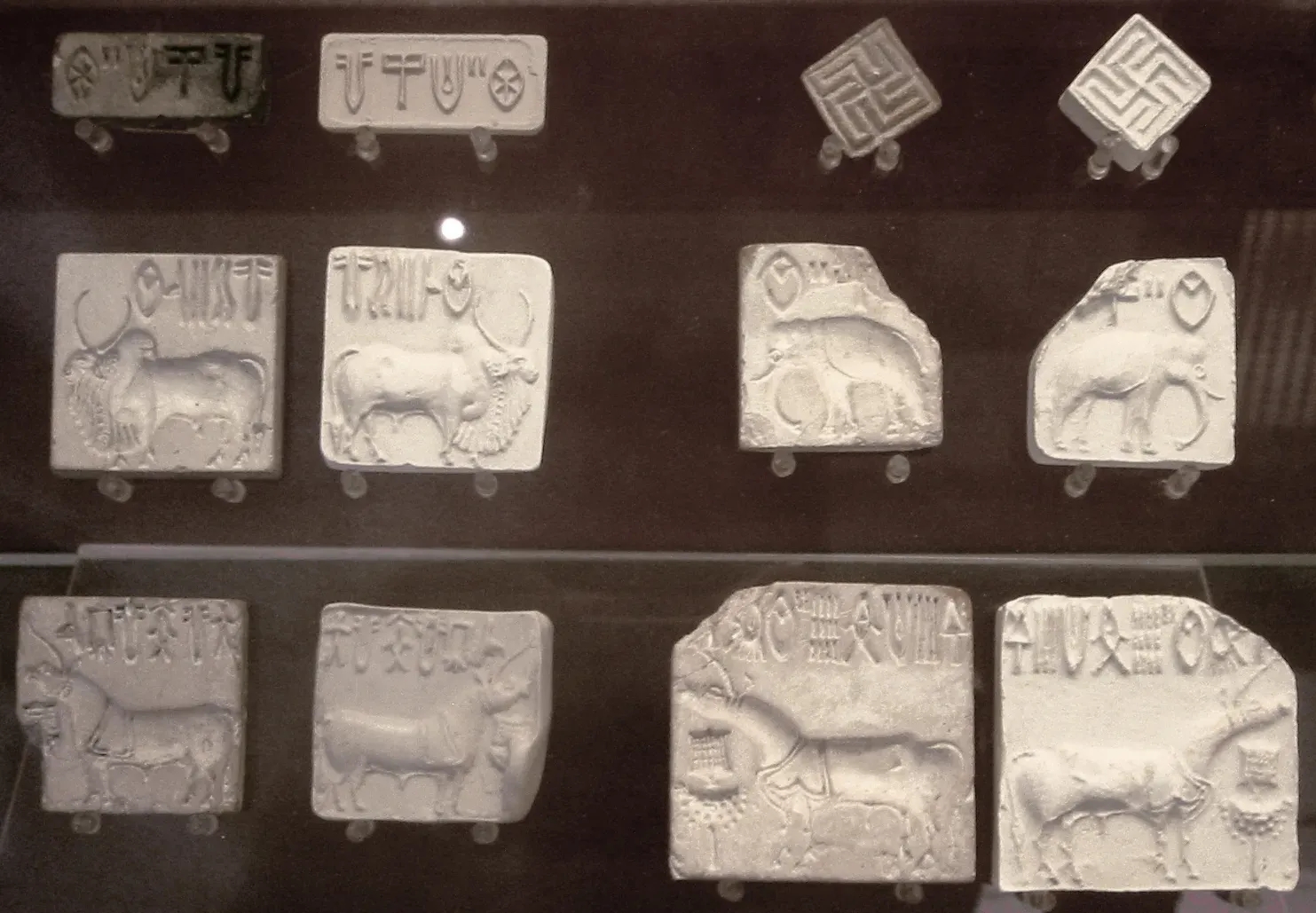
This Bronze Age civilization, spread across what is now Pakistan and northwest India, built cities so well planned that modern urban designers still study them. Gridded streets, standardized bricks, complex drainage, and large public baths suggest a society that valued order, hygiene, and maybe even a sense of civic identity. Yet despite its size and sophistication, we do not know what its people called themselves or how their political system functioned.
The biggest puzzle is their undeciphered script. Hundreds of short inscriptions on seals and pottery hint at administration, religion, or trade, but they are all maddeningly brief. Researchers argue over whether it is a true written language or a symbolic system, and without a bilingual key like the Rosetta Stone, we are stuck. It feels like having a beautifully bound library where every page is glued shut – you can see the intelligence, but you cannot hear its voice.
The Maya: Masters Of Time And Writing, Yet Crashing Into Collapse
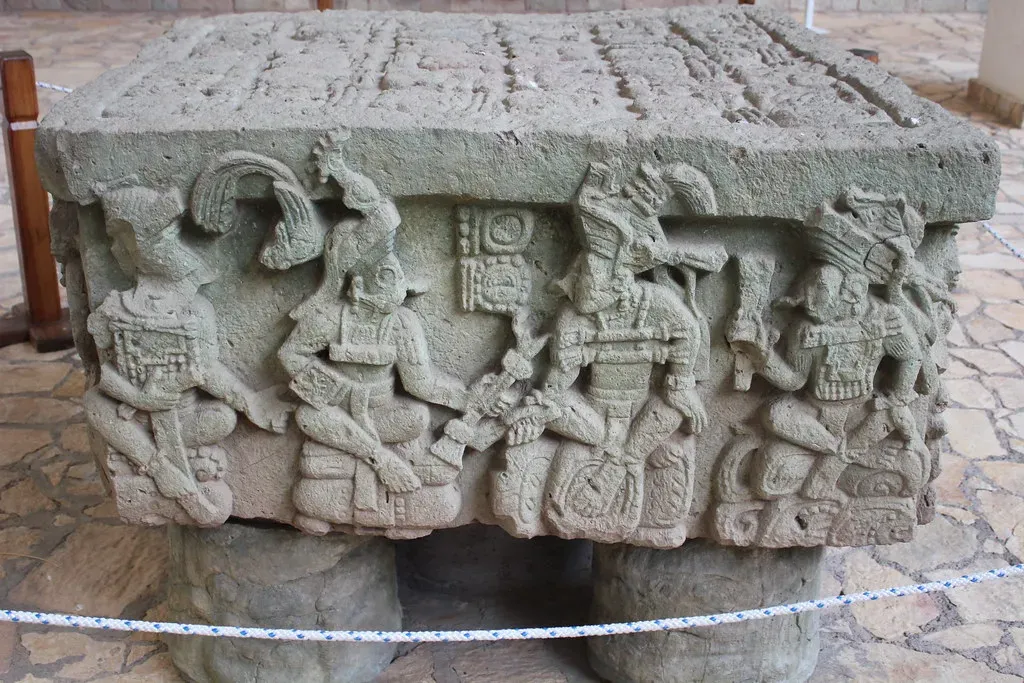
The Maya of Mesoamerica developed an astonishing writing system, advanced mathematics, and a complex calendar that tracked celestial cycles with eerie precision. They built towering pyramids, mapped the movements of Venus, and recorded royal histories across stone monuments and painted codices. For a long time, we could barely read any of it, but recent breakthroughs in epigraphy have opened up entire narratives of war, alliance, and dynastic drama.
Even with this new understanding, one question still hangs over the Maya: why did so many of their great southern lowland cities decline around the end of the first millennium? Climate stress, warfare, overpopulation, and political fragmentation all play a part, but the exact combination remains debated. The partial decipherment of their texts has turned the Maya from a faceless “mystery culture” into real people with ambitions and failures – yet it has not given us a simple answer for their dramatic upheavals.
Ancient Egypt’s Pyramid Builders: Engineering Genius With Hidden Motives
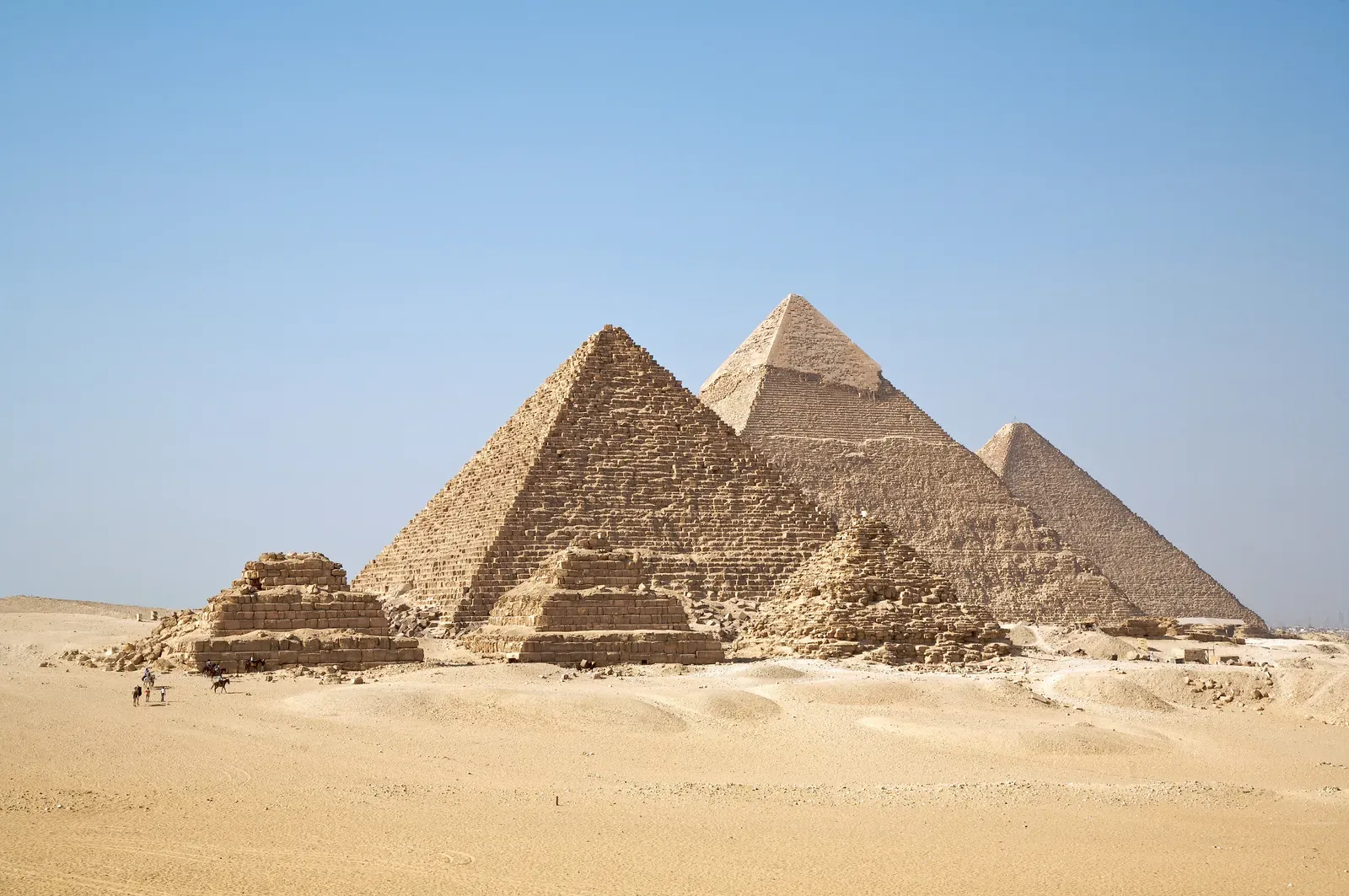
The pyramids of Giza are so familiar that it is tempting to think we have them all figured out. We know they were royal tombs, we have a reasonable idea of the logistics, and we even have workers’ villages that show ordinary laborers, not enslaved masses, likely built them. Still, some questions refuse to die, especially when it comes to the fine details of construction techniques and the deeper religious logic behind their design.
Archaeologists continue to debate how exactly massive stone blocks were transported and placed with such astonishing accuracy using Bronze Age tools. New surveys have revealed internal voids and tunnels that may conceal still-unexplored chambers, making the pyramids feel less like finished monuments and more like half-read manuscripts. Even more intriguingly, our understanding of Egyptian beliefs about the afterlife is still evolving, painting the pyramids as part of an elaborate spiritual technology we only partly grasp.
The Olmec: The “Mother Culture” With Colossal Heads And Missing Words
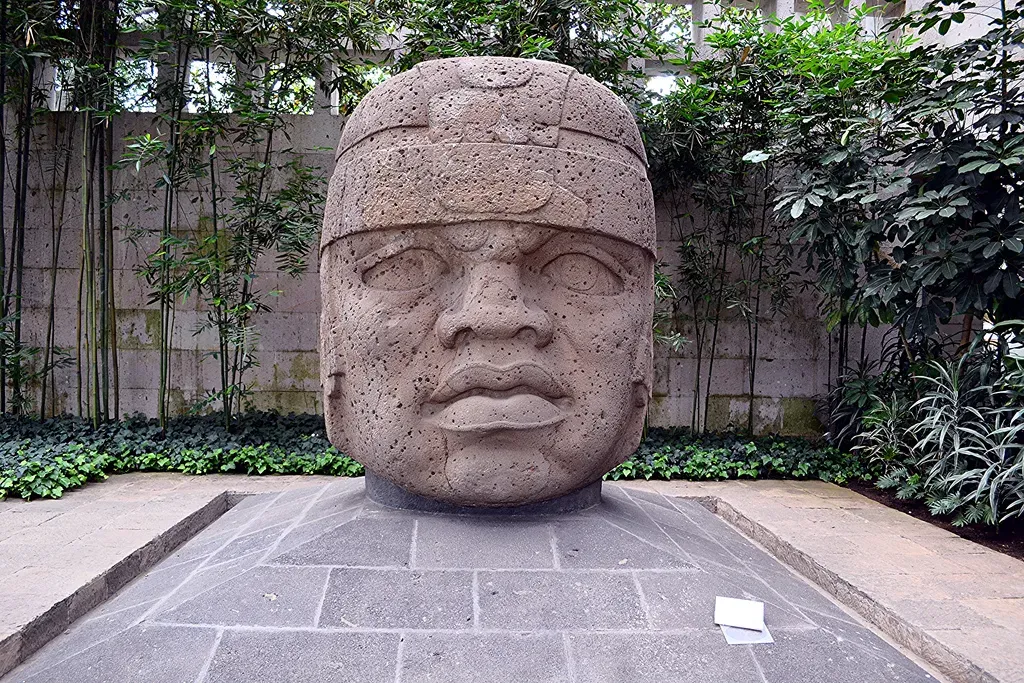
The Olmec civilization, centered in what is now the Gulf Coast of Mexico, is often described as a foundational culture of Mesoamerica. They left behind massive carved stone heads, some taller than a person, with distinctive facial features and helmets that may have been protective gear or symbols of elite status. These sculptures feel oddly individual, almost like portraits, which raises unsettling questions about power, identity, and ritual.
Yet for all their artistic impact, the Olmec remain shadowy because their writing, if they had a full system, is barely understood. A few inscribed objects suggest some form of notation, but nothing close to the richly preserved texts of later Maya scribes. Researchers still argue about how much of later Mesoamerican religion, ballgames, and political symbolism can truly be traced back to the Olmec. In a way, they are like the legendary band that influenced everyone, but left almost no recordings of their own.
The Minoans: A Sea-Faring Culture Silenced By Undeciphered Scripts
On Crete, the Minoans built palatial complexes filled with colorful frescoes, storerooms, and intricate corridors that feel like physical metaphors for the twists of their society. They were clearly wealthy, plugged into long-distance trade networks, and capable of impressive architectural feats. Their art shows lively scenes of processions, nature, and perhaps ritual performances, suggesting a vibrant culture that enjoyed spectacle and display.
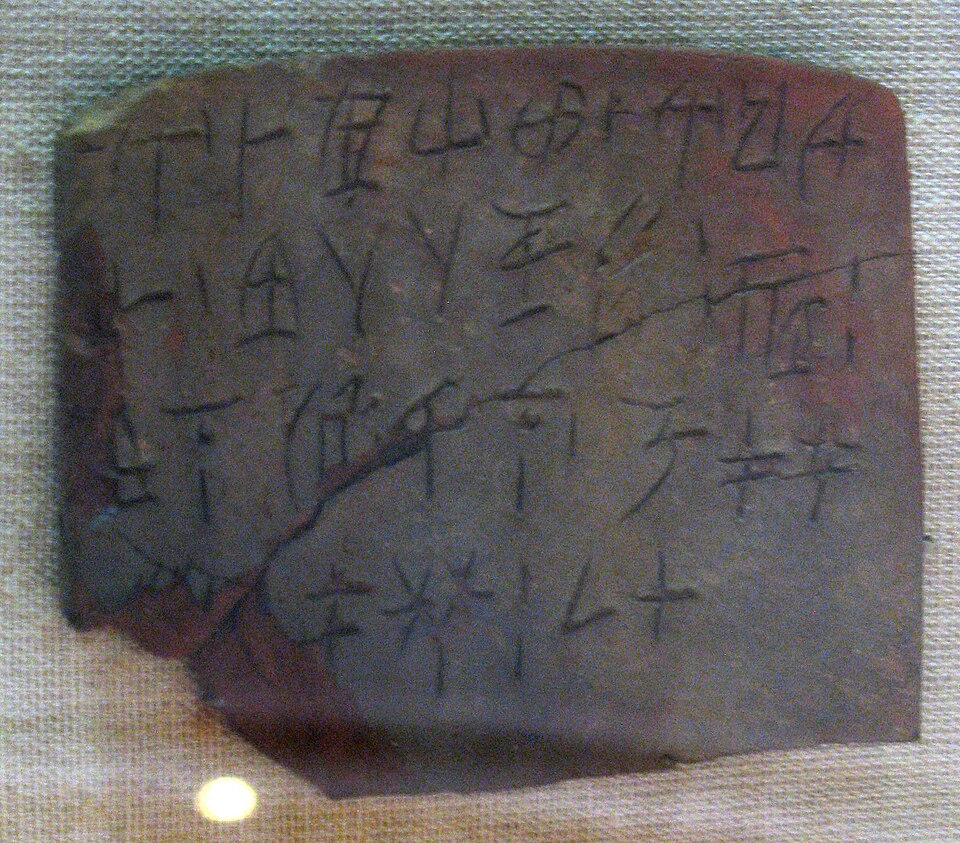
The real frustration is that we cannot yet read their main script, known as Linear A. While a later script, Linear B, turned out to be an early form of Greek, Linear A has stubbornly resisted decipherment. Without access to their own words, we are forced to make cautious guesses based on art and architecture. It is hard not to feel that we are seeing their world through glass: bright and beautiful, but with a silence that keeps us permanently at a distance.
The Nabataeans: Architects Of Petra’s Rose-Red Enigma
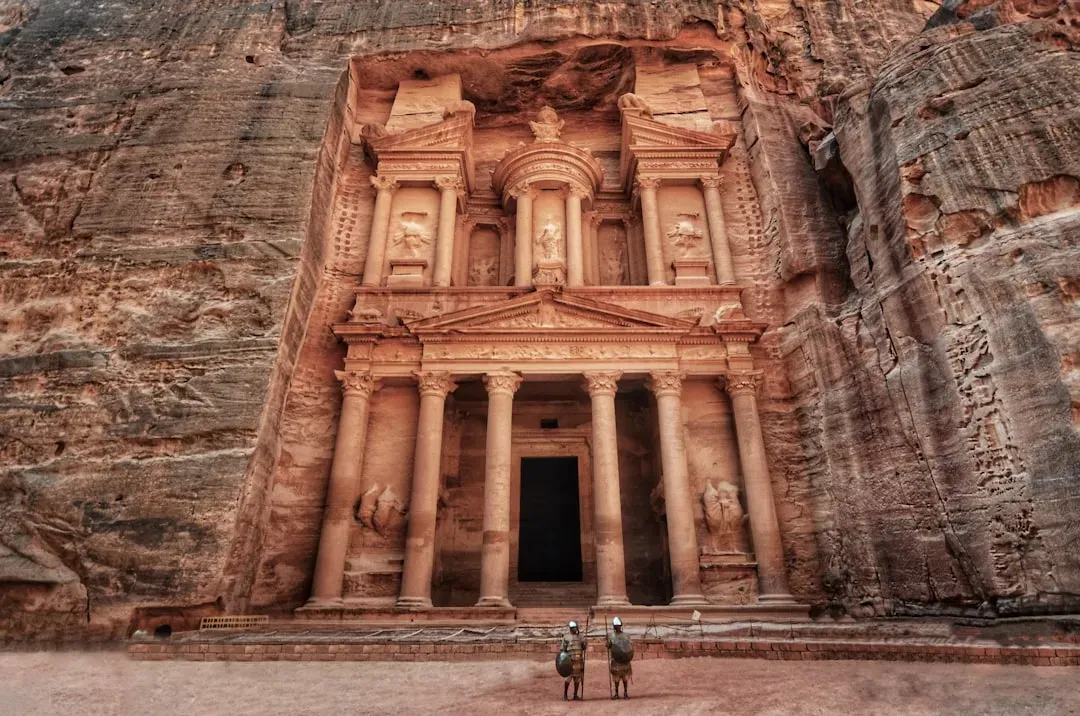
The Nabataeans, who carved the city of Petra into the sandstone cliffs of modern Jordan, turned an unforgiving desert crossroads into a wealthy trade hub. Their rock-cut facades, with their dramatic blend of local and imported architectural styles, feel both familiar and alien at the same time. You can stand in front of the famous treasury and recognize classical elements, yet also sense that the underlying meanings and ceremonies have slipped away.
We know the Nabataeans grew rich by controlling trade routes for incense, spices, and other luxuries, but the internal workings of their society are still murky. Their religion, social structure, and even the extent of their kingdom’s integration remain open questions. Inscriptions in their script survive, but they tend to be short and formulaic, providing frustratingly few insights into everyday life. Petra feels like a stage set after the actors have left: the backdrop remains spectacular, but the script and the plot are largely gone.
The Rapa Nui (Easter Island): Moai, Ecological Mystery, And Silent Tablets
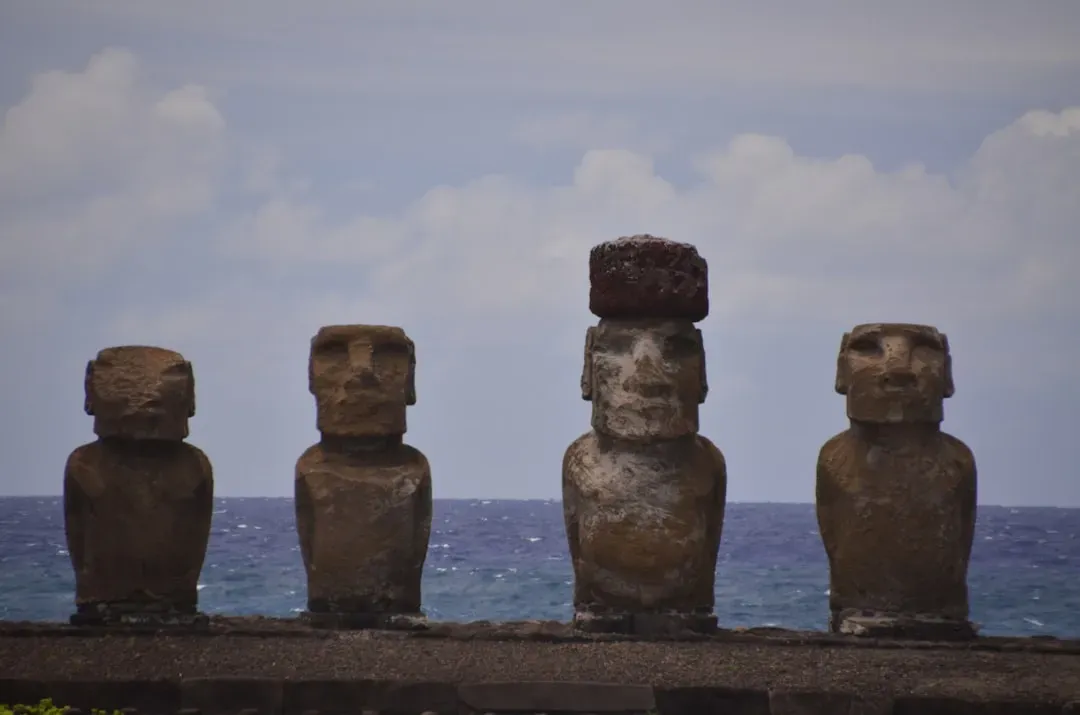
The people of Rapa Nui, a remote island in the Pacific, raised the iconic moai statues that seem to stare endlessly toward the interior of the island. These massive stone figures required serious organization, engineering ingenuity, and deep cultural motivation, all from a community living on a small, isolated landmass. Their achievement challenges lazy assumptions about what so-called “small-scale” societies can or cannot accomplish.
The puzzles of Rapa Nui are layered. Researchers continue to debate how environmental changes, resource use, social conflict, and outside contact shaped the island’s population decline and transformations. On top of that, the script known as rongorongo – carved on wooden tablets – is still undeciphered, if it is truly a full writing system at all. Between the unreadable symbols and the silent moai, Rapa Nui embodies the feeling that human creativity can leave marks that even future humans struggle to decode.
The Norte Chico (Caral-Supe): A Monumental Society Without Obvious Pottery Or Warfare
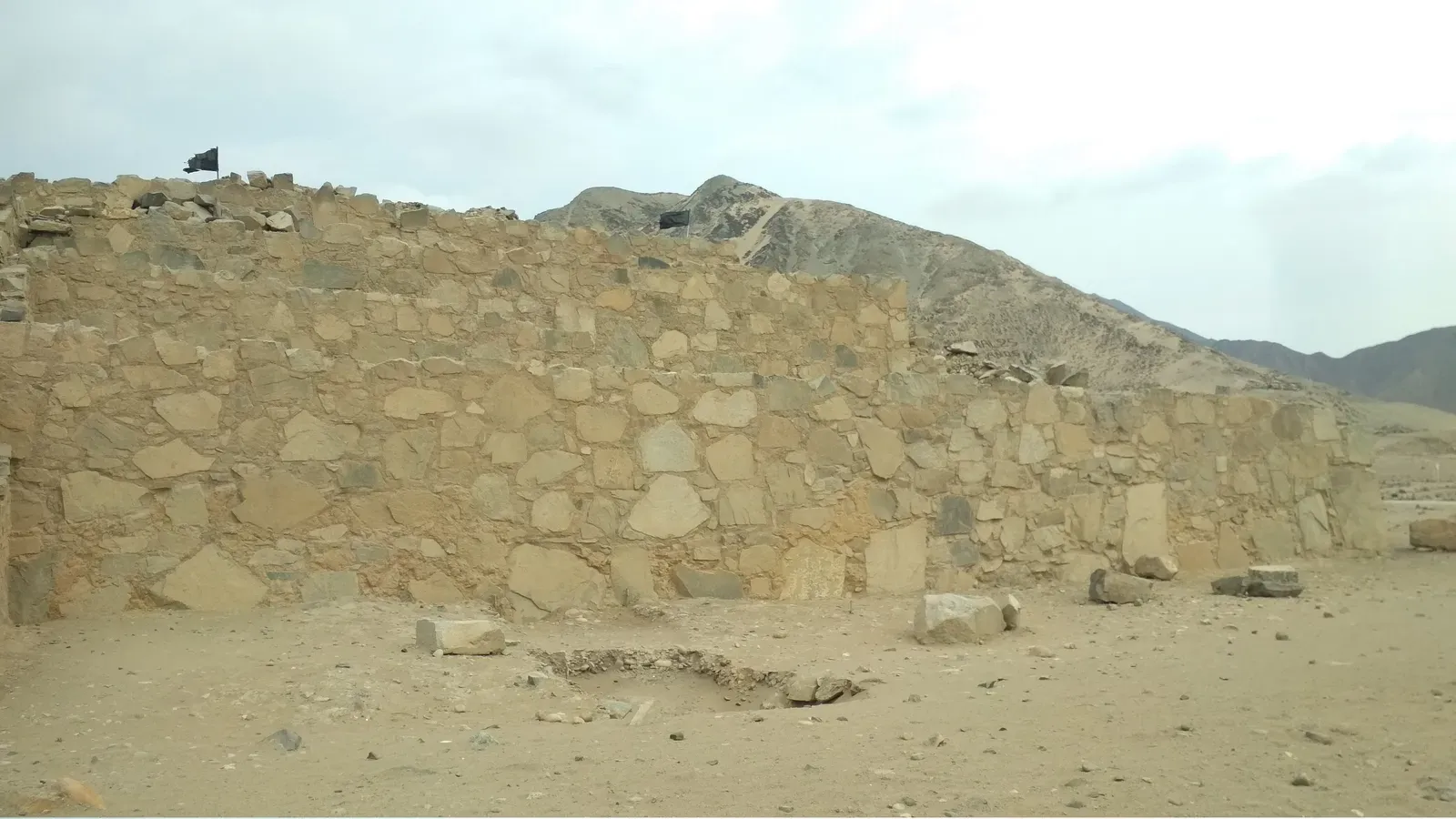
Along the arid coast of Peru, long before the Inca, the Norte Chico or Caral-Supe civilization built large platform mounds, sunken plazas, and planned settlements. What shocks many people is how early this happened, roughly in the same era that big cities were forming in Mesopotamia and Egypt. Yet unlike many later Andean cultures, evidence of typical markers like abundant ceramics or clear militaristic iconography is surprisingly thin.
This leads to a series of tantalizing questions: how did they organize labor, maintain social cohesion, and sustain complex architecture without the usual signs of strong centralized military power? Some researchers point to trade in dried fish, cotton, and other goods as the economic glue that held things together. There are also hints of early record-keeping using knotted cords, a possible ancestor of the later Inca quipu tradition. Still, with so few texts or explicit images, we are left to piece together their story from the bones of their buildings and the careful layout of their towns.
The Hittites: Lost Empire Rediscovered, But Still Not Fully Understood
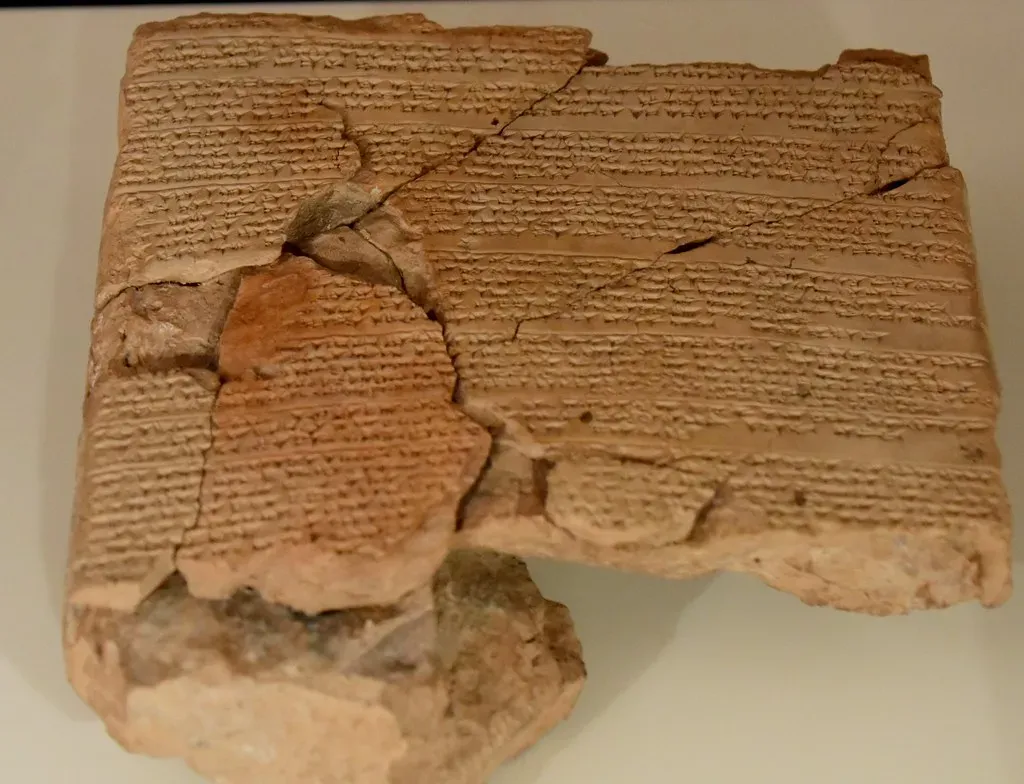
Once a major power in the ancient Near East, the Hittites were almost completely forgotten until archaeologists and linguists started recovering their texts and monuments in the late nineteenth and early twentieth centuries. Their empire, centered in what is now Turkey, negotiated treaties with Egypt, waged wars, and developed a rich legal and religious tradition. Excavations at their capital, Hattusa, reveal city walls, temples, and archives that speak to a highly organized state apparatus.
Even though scholars can now read their cuneiform texts, the Hittites still contain major gaps. The circumstances surrounding the collapse of their empire are not fully settled, with climate shifts, invasions, internal strife, and wider regional upheavals all competing for emphasis. Their relationships with neighboring peoples, many of whom also left fragmentary records, complicate the picture even further. In a sense, they show that even when you can read a civilization’s language, you can still be left puzzling over the larger arc of its rise and fall.
The Göbekli Tepe Builders: Monumental Rituals Before Farming Took Hold
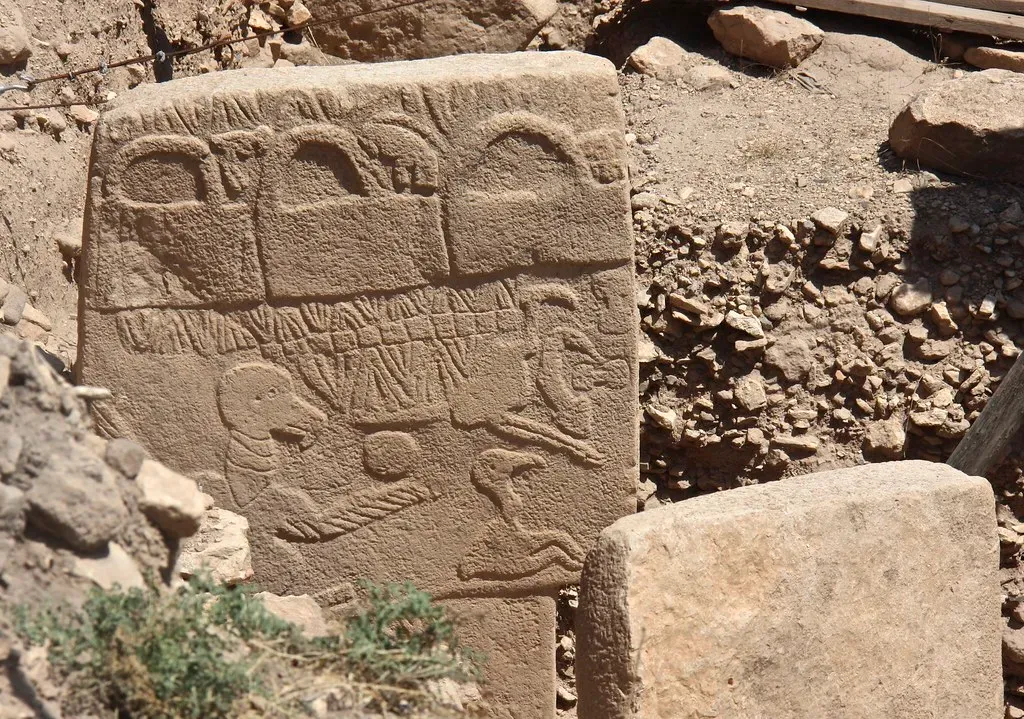
Göbekli Tepe, in southeastern Turkey, upended long-held ideas about how and when complex ritual architecture emerged. Dating back to a time before widespread agriculture and permanent village life, its circular enclosures and T-shaped stone pillars depict animals and abstract symbols carved with surprising skill. The site suggests that large-scale ceremonial gathering, not just practical food production, may have played a central role in drawing people together.
The biggest mystery is who exactly built Göbekli Tepe, how their society was organized, and why the site was eventually deliberately buried. Without houses, burials that clearly define social hierarchy, or extensive everyday artifacts, researchers are left guessing about the people behind the stones. The carvings look like a symbolic system, maybe even a form of proto-storytelling or memory-keeping, but their exact meaning is beyond reach. To me, this site is a humbling reminder that we still do not fully understand the emotional and spiritual engines that drove early humans to reshape their world.
The Conclusion: Why These Ancient Puzzles Still Matter
When you look across these ten civilizations, one thing becomes clear: our story as a species is much stranger, more inventive, and more fragile than the tidy timelines in school textbooks suggest. I find it oddly comforting that even with satellites in orbit and particle accelerators underground, we are still baffled by stone carvings, abandoned plazas, and mute scripts. It means the past is not a closed book; it is more like a half-finished novel with missing chapters, daring us to keep reading between the lines.
In my view, the real value of these unresolved mysteries is not just about eventually finding neat answers. It is about learning to live with uncertainty, to question easy narratives about progress, and to recognize that countless lives and ideas vanished without leaving a clear explanation. Every undeciphered text or unexplained collapse is a quiet warning that our own world is not guaranteed the tidy ending we imagine. When you think about it, which feels more unsettling – and more honest – than that?