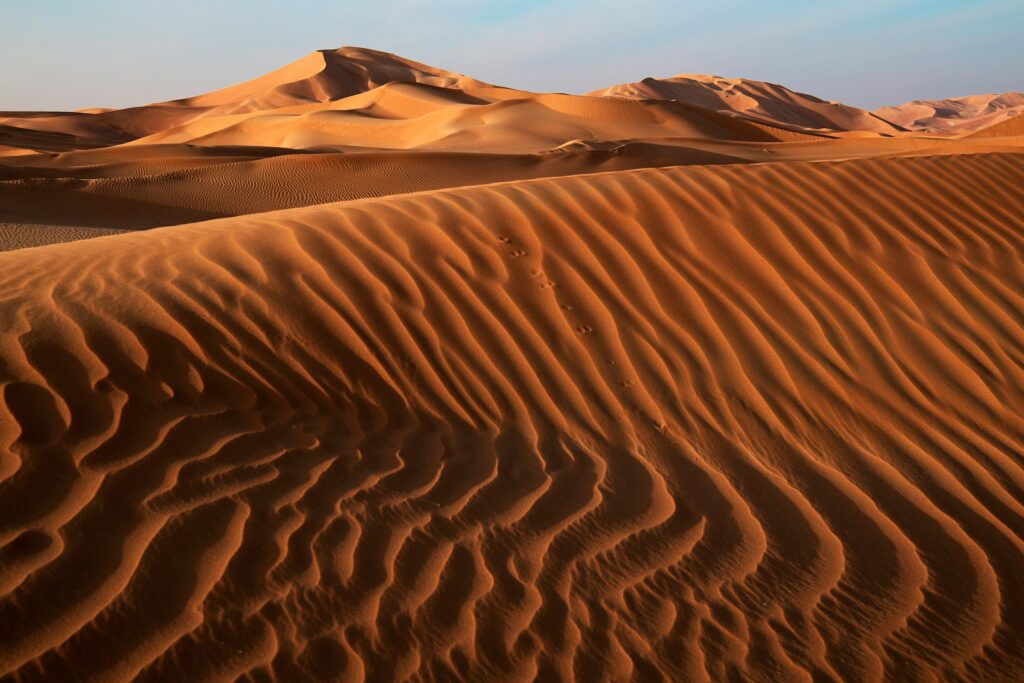
Imagine going to sleep with a clear road outside your town and waking up to find it swallowed overnight by a wall of sand. It sounds like a scene from a sci‑fi movie, but for a surprising number of communities around the world, this is just… Tuesday. Mobile sand dunes are not just pretty landscapes for postcards; they are powerful, restless landforms that can creep, roll, and surge straight across highways, villages, and even major infrastructure.
In some of the world’s windiest deserts and coasts, dunes move fast enough to bury cars, choke farm fields, and force governments to literally dig settlements back out of the sand. Let’s walk through nine places where dunes are on the move, why they race forward in some regions more than others, and what people are actually doing when their neighborhood is slowly eaten by a moving hill.
1. The Tarfaya Coast, Morocco: Sand Marching Straight Across a Highway
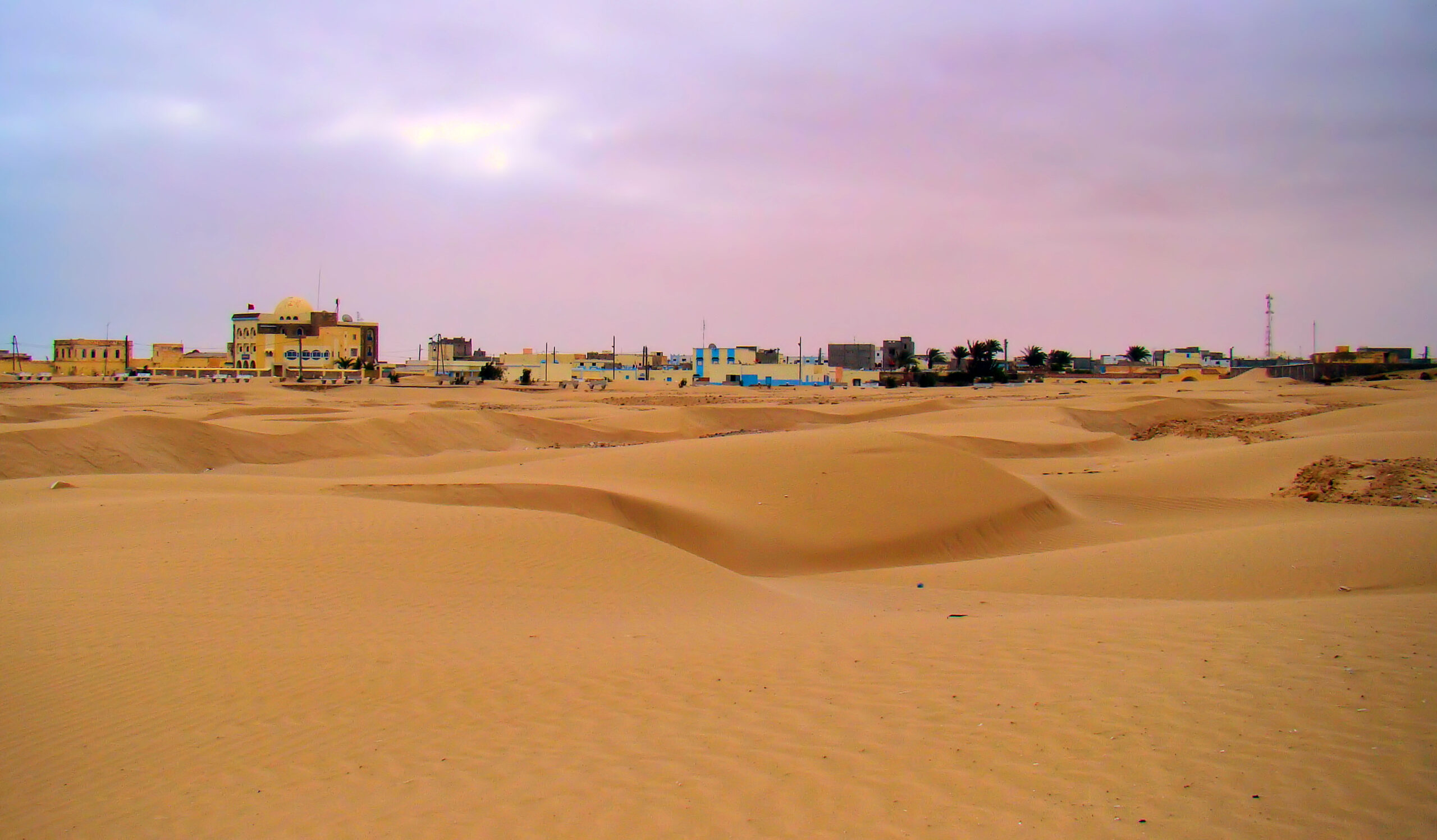
On Morocco’s Atlantic coast near Tarfaya, dunes behave like living creatures that refuse to stay put. Strong trade winds blow in from the ocean and slam into a wide sandy shoreline, picking up grains and shoving them inland in rolling waves. Here, low crescent‑shaped barchan dunes march across the landscape, some advancing several meters in a year, frequently smothering stretches of the coastal highway that links towns and ports.
Drivers along this route are used to the shock of rounding a bend and finding the road half buried, with maintenance crews scrambling to clear sand like snowplows after a storm. Engineers try to hold the line with fences, plantings, and earthworks, but the dunes simply reform and continue their slow assault. The uneasy truth is that the road is built right in the path of a natural sand conveyor belt, and each year the dunes remind everyone who was there first.
2. The Namib Desert, Namibia: Dunes That Threaten a Historic Desert Town
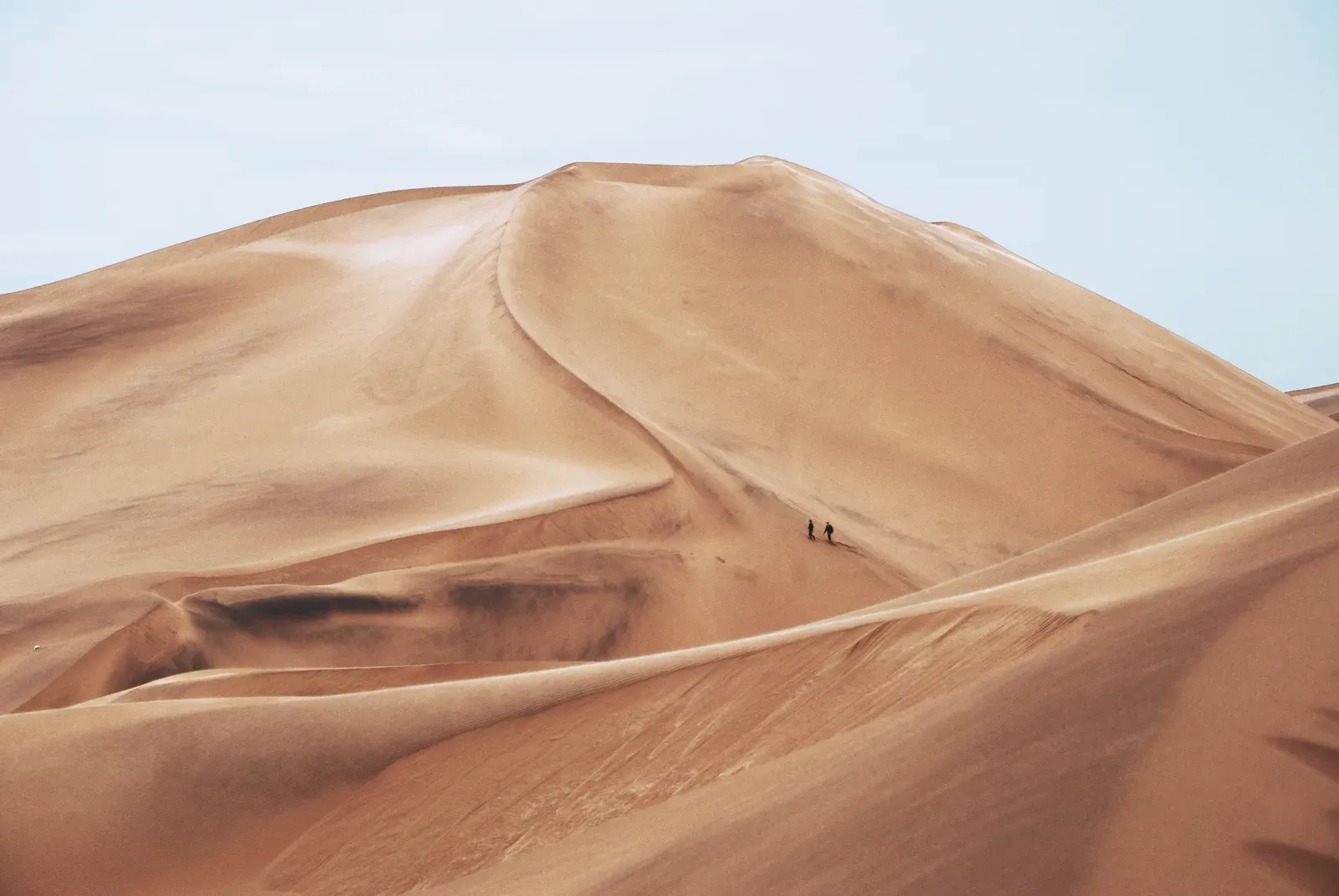
The Namib Desert, often described as one of the oldest deserts on Earth, is home to some of the tallest, most dramatic dunes on the planet. Near places like Lüderitz and the ghost town of Kolmanskop, strong winds drive sand inland from the Atlantic, piling it against rocky outcrops and abandoned buildings. Over time, entire structures have been filled room by room, with dunes pouring through broken windows and doors like a slow orange flood.
Even where people still live, roads and rail lines routinely disappear under drifting sand and must be cleared again and again. It’s a tug‑of‑war: humans lay down asphalt and track, and the dunes push back, grain by grain, season after season. Visiting the area feels like getting a glimpse of the future for other vulnerable towns, a quiet warning that if maintenance ever stops, the desert will move in without hesitation.
3. Western Sahara and Mauritania: Moving Dunes on Trans‑Saharan Routes
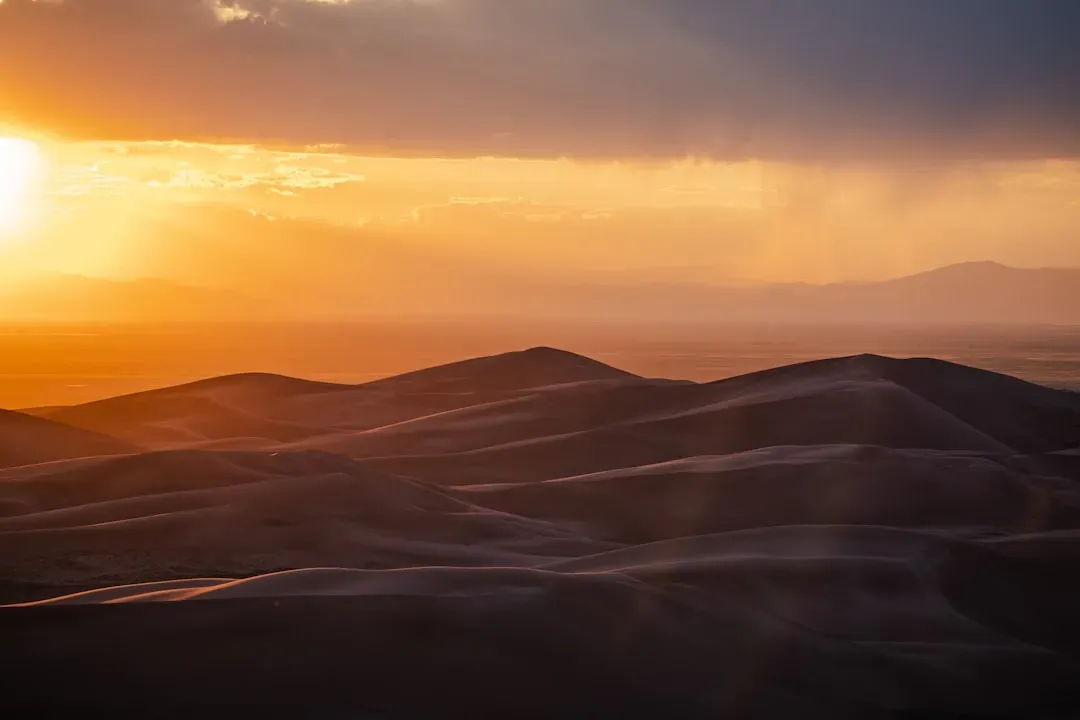
In parts of Western Sahara and northern Mauritania, mobile dunes are a constant threat to the main roads that stitch together remote communities. Here, the Sahara’s powerful winds blow almost unimpeded across vast fields of sand, shaping long dune ridges that can slide sideways or creep downwind like conveyor belts. A single stormy season can shift a dune front enough to block a paved highway or half‑bury telecommunication lines.
Road crews often treat sand like never‑ending roadwork; there is no “finish line,” only the next clearance. In some stretches, travelers rely on GPS and local knowledge as much as road markings, because dunes will casually overrun signposts and shoulders. When you see a line of bulldozers parked along the desert’s edge, it can feel like a permanent frontline between human infrastructure and the world’s biggest sand machine.
4. The Taklamakan Desert, China: Highways on the Edge of a Sand Ocean
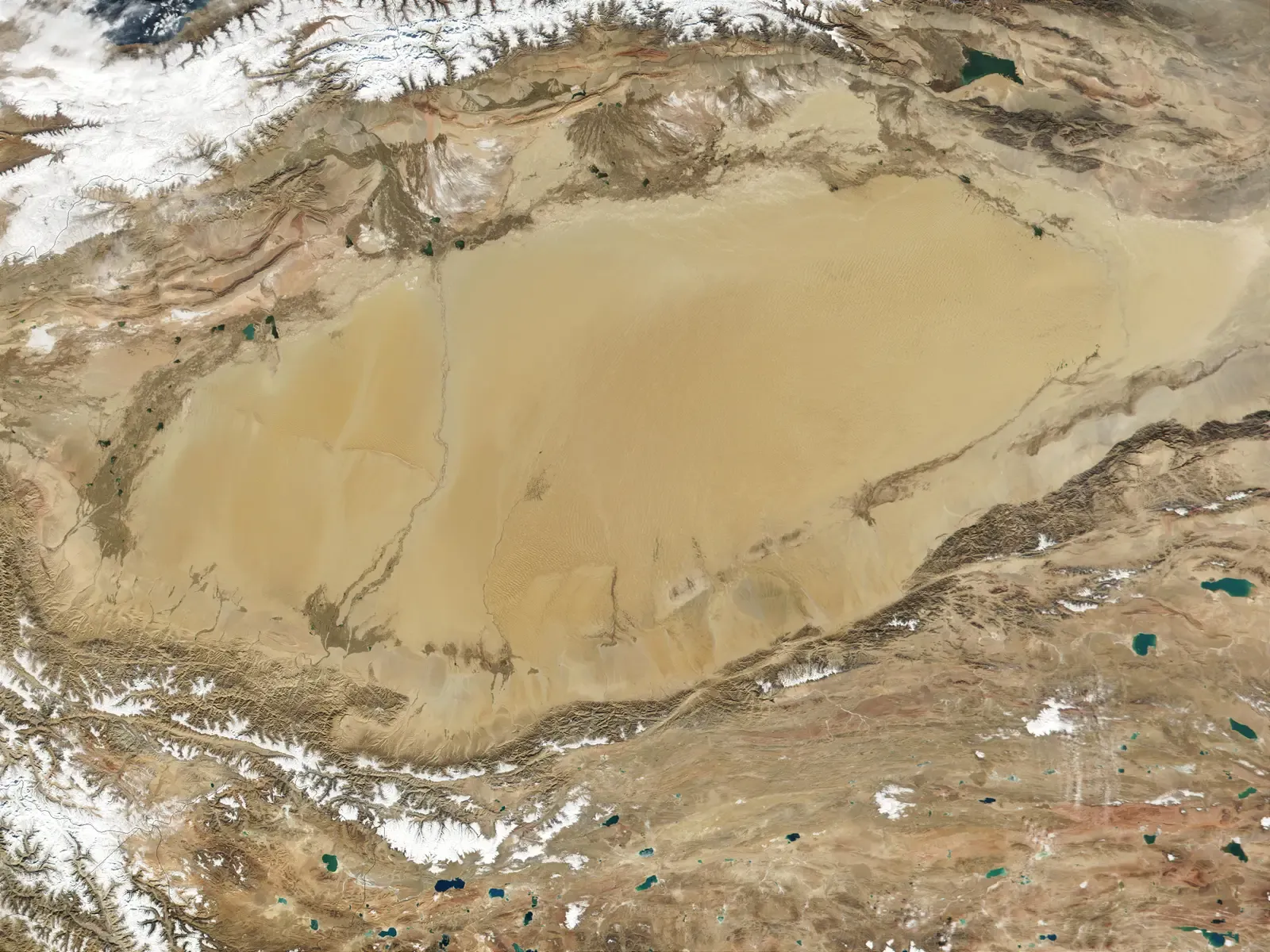
The Taklamakan Desert in western China is sometimes called the “Sea of Death,” and from above it really does look like a churning ocean of dunes. China has built ambitious highways and pipelines across its fringes and even through the interior, and some of those routes pass right beside or between active dune fields. In these zones, dunes can migrate quickly enough that a road cleared in spring may need repeated cleanups by the end of summer.
To keep sand from swallowing these lifelines, engineers roll out an arsenal of defenses: grids of straw or brush to trap moving grains, rows of hardy shrubs, and long barriers that break the wind. These measures can slow dune migration, but they don’t fully stop it. In a way, the highway system here is an experiment in whether you can peacefully coexist with a restless desert if you are willing to constantly adapt and invest in protection.
5. The Arabian Desert, Saudi Arabia: Sand vs. Highways and Oil Infrastructure
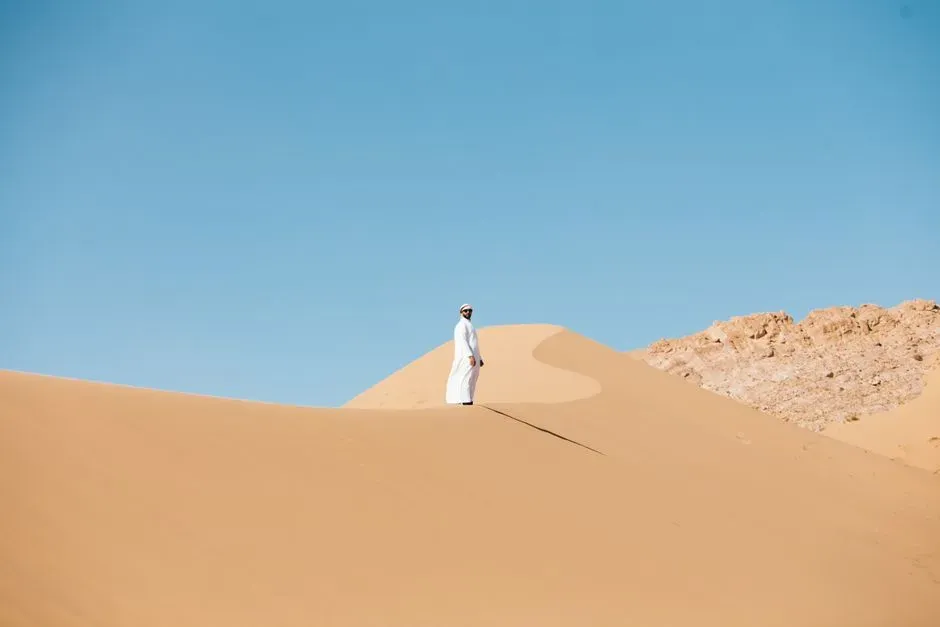
Across parts of Saudi Arabia, especially along the edges of the Empty Quarter and central dune fields, roads and pipelines snake through landscapes that are anything but stable. Wind‑sculpted dunes, some of them towering, drift across the desert floor in slow but relentless fashion. When seasonal winds pick up, certain dunes can lurch forward faster than usual, smothering sections of road and threatening access to energy infrastructure and remote settlements.
Authorities respond with a mix of high‑tech monitoring and old‑fashioned shoveling: satellite imagery to track dune fronts, plus crews in trucks literally pushing sand back. Yet for all the engineering muscle, there’s a quiet recognition that the dunes cannot truly be tamed. If the balance between climate, vegetation, and land use shifts even slightly, those already mobile dunes could accelerate, forcing another round of rethinking how and where to build.
6. The Thar Desert, India and Pakistan: Dunes Nibbling at Villages and Roads
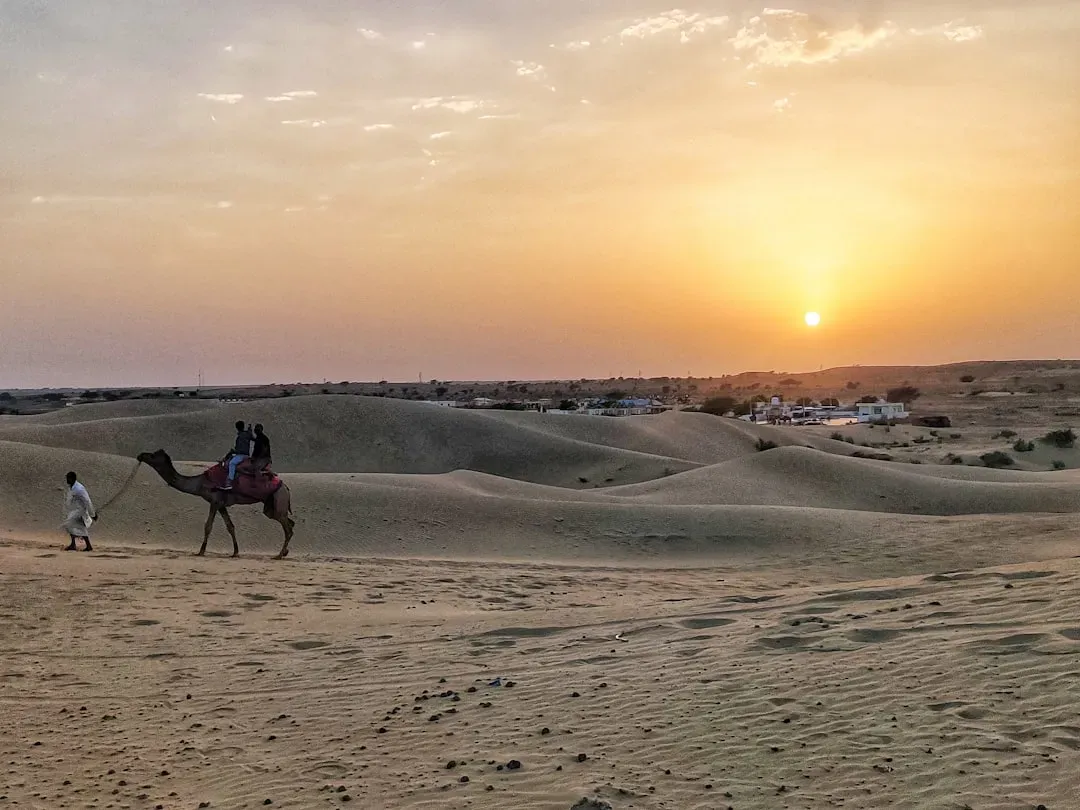
The Thar Desert straddling India and Pakistan is not an empty wasteland; it is dotted with villages, farms, highways, and even busy border roads. That makes its moving dunes particularly disruptive, because they do not just cover lonely tracks but can press right up against houses and fields. In windy seasons, barchan and parabolic dunes creep toward settlements, sprinkling sand over crop land and gradually piling against walls and fences.
Local communities often fight back with tree belts, grass plantings, and low fences designed to slow the sand, turning dune stabilization into a kind of community project. Yet the pressure is rising as overgrazing and land disturbance can free up more sand to move, while rising temperatures may strengthen some wind patterns. In my view, the Thar is a test case for how human choices can either amplify or blunt the natural restlessness of dunes, with roads and homes standing right in the crosshairs.
7. Coastal Dunes of Western Australia: Sand on the Move Near Growing Towns
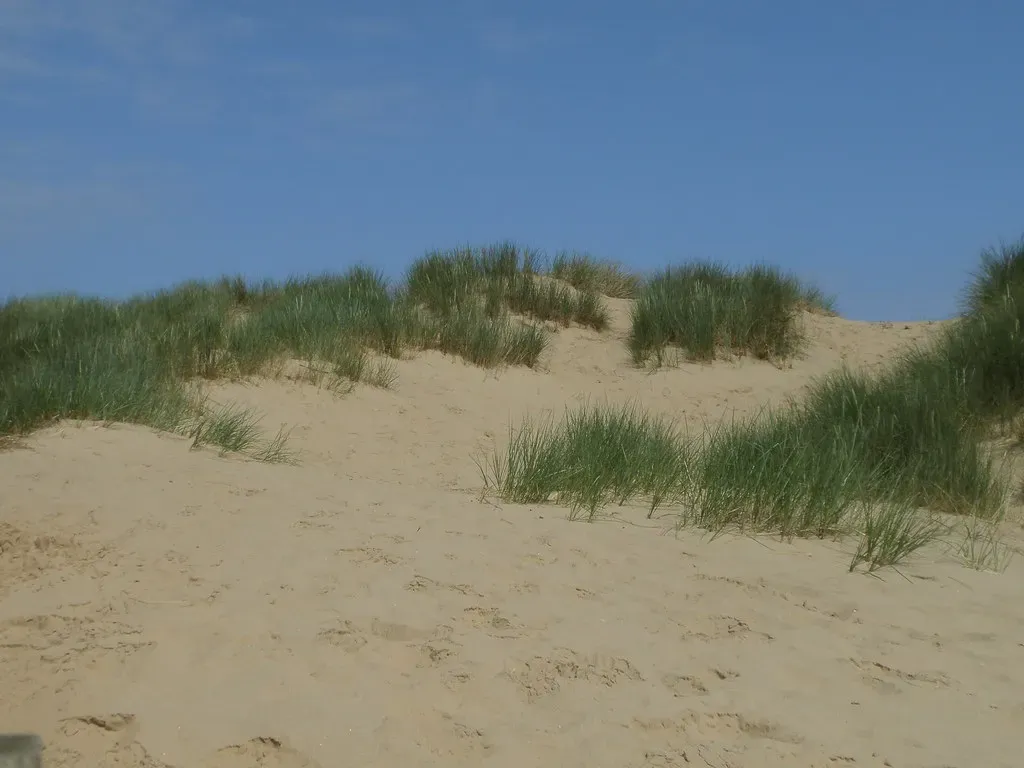
Along sections of Western Australia’s coast, loose quartz sand is constantly being shuffled around by strong sea breezes that dominate the local climate. Coastal dunes migrate inland, sometimes inching into the outskirts of fast‑growing towns or edging toward roads that were once safely distant from the beach. What looks like a gentle white ridge on a weekend drive can, over years, become a moving barricade that slices into property lines and road shoulders.
Local governments have tried everything from dune fencing to carefully managed vegetation and boardwalks, hoping to guide tourist traffic and keep plants intact so dunes stay relatively stable. But building closer and closer to the coast inevitably brings people into more direct contact with active sand systems. It raises a provocative question: are we treating dunes as decoration when in reality they behave more like slow landslides that never really stop?
8. The Gran Desierto de Altar, Mexico: Dunes Threatening Cross‑Border Corridors
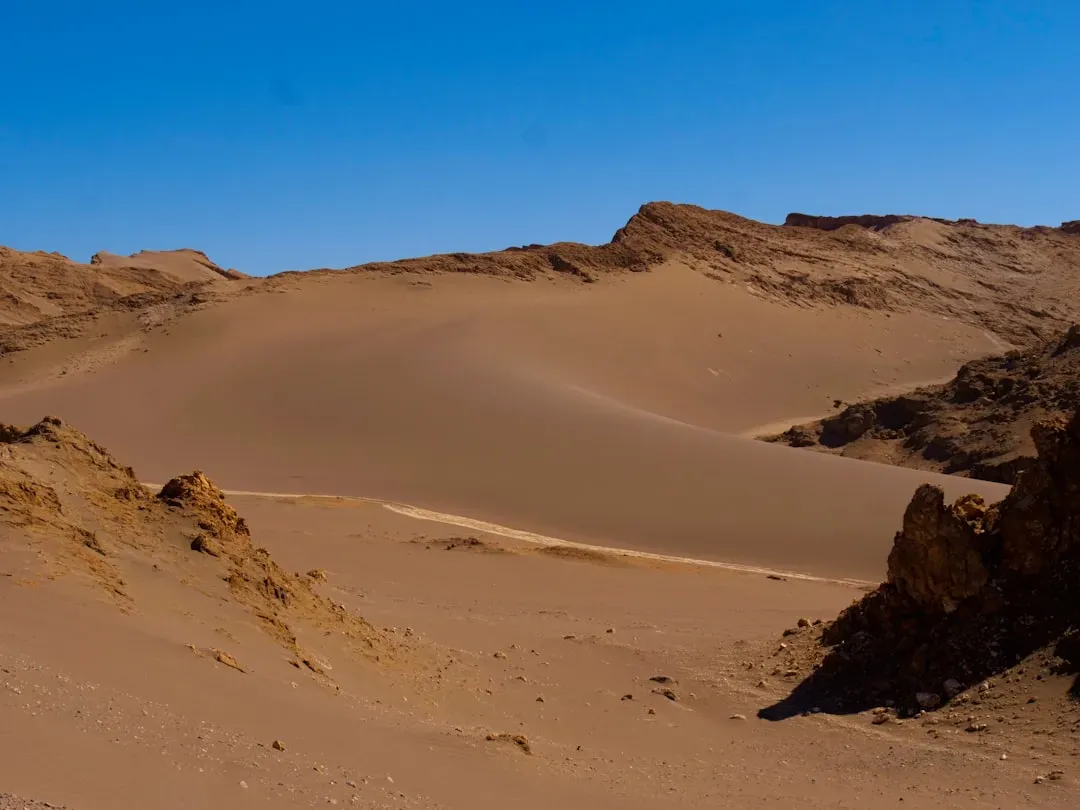
In northwestern Mexico, near the border with the United States, lies the Gran Desierto de Altar, a striking field of tall dunes and sand sheets. Some of these dunes migrate under the influence of strong regional winds, nudging closer to roads, power lines, and other infrastructure that serve cross‑border trade and local communities. From the ground, these dunes can feel like a looming wall that very gradually leans into anything in its way.
Managing mobile sand here is complicated by overlapping jurisdictions, protected areas, and economic interests. On one hand, the dunes and their unique shapes are valued for their ecological and scenic importance; on the other, no one wants to see vital routes buried. This tension forces planners to think longer term: do you reinforce existing roads again and again, or reroute around the most active dune corridors and accept that the sand will go where it wants?
9. The Kalahari Margins, Southern Africa: Shifting Dunes and Expanding Settlements
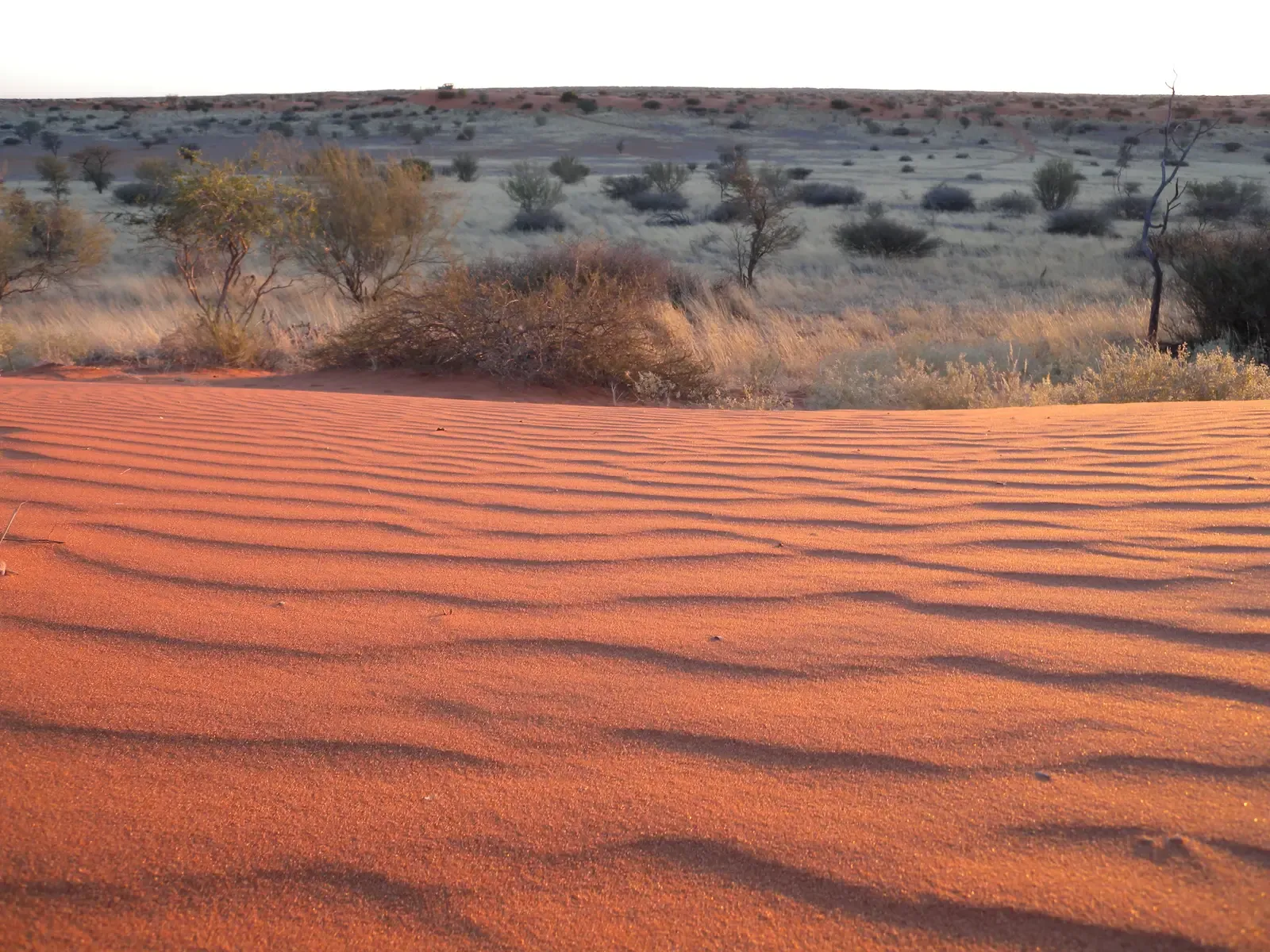
The Kalahari is often pictured as endless rusty grassland, but along some of its margins and in localized dune fields, mobile sands are an active force. Here, longitudinal and transverse dunes can slowly migrate under persistent winds, while people expand ranches, towns, and regional roads into areas that were once considered safely marginal. In a few places, this overlap means dunes are edging toward fences, farmsteads, and unpaved roads, sometimes cutting access after particularly windy spells.
Unlike the towering dunes of the Namib, Kalahari dunes can look deceptively modest, which leads some to underestimate their potential to move. I think this quiet, creeping quality is exactly what makes them dangerous for planners who focus only on what the land looks like today. In a warming world with shifting rainfall and vegetation patterns, these seemingly gentle dune systems could speed up, surprising communities that never realized the sand itself was on the move.
Conclusion: Living With Landscapes That Refuse to Sit Still
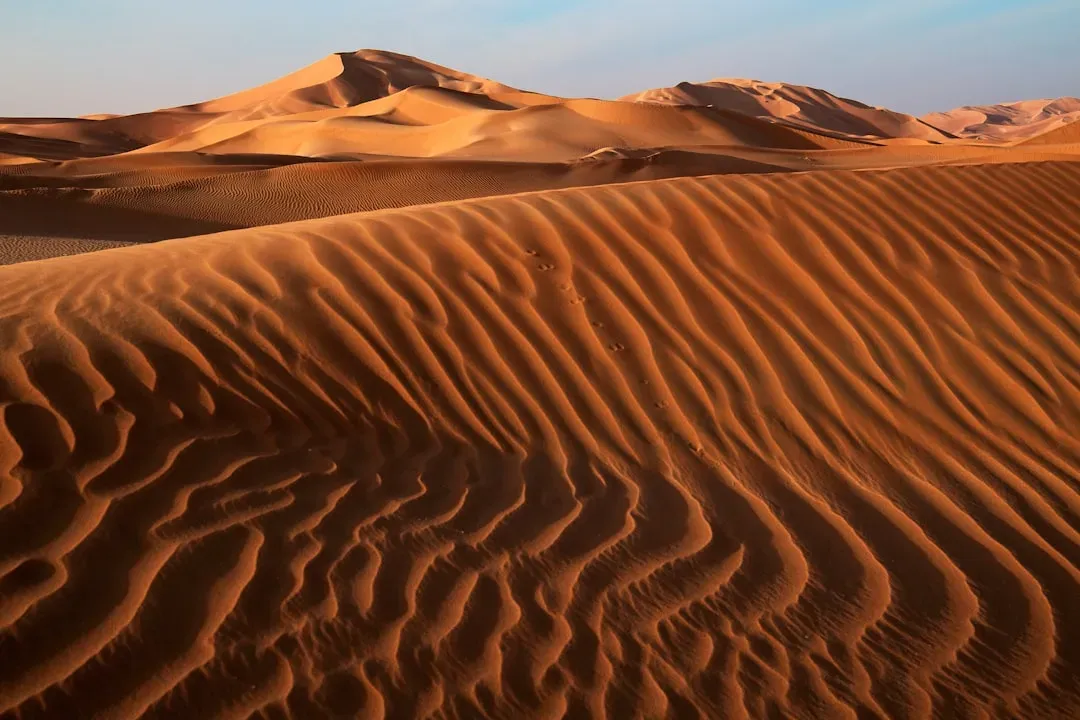
Across Morocco, China, Saudi Arabia, India, Australia, Mexico, and southern Africa, one theme keeps repeating: when we build roads and towns in the path of active dunes, we are making a long‑term deal with a restless landscape. The dunes will not suddenly decide to stop migrating because there is now asphalt or a housing development in their way; at best, we can slow them, redirect them, or adapt around them. Pretending they are just scenic backdrops is, frankly, a dangerous kind of wishful thinking.
My strong view is that we should stop seeing these dune problems as rare “acts of nature” and start treating them as predictable outcomes of our planning choices. With satellite data, wind records, and geomorphology research, we already know which dune belts are on the move and how fast they are likely to advance. The real question is whether we respect that knowledge and design around it, or keep building in the line of fire and then act surprised when the sand comes knocking – what would you bet we’ll choose?