History has a funny way of turning rumor into record. Somewhere along the line, a passing remark in a memoir, a exaggerated soldier’s tale, or a convenient story told to children gets copied into a textbook, and suddenly it’s treated as gospel. Decades later, researchers go back to the original sources and realize the story never quite held up in the first place.
What follows are ten of the most repeated “facts” from history that, on closer inspection, turn out to be little more than confident guesswork, dressed up over centuries until nobody thought to question them anymore.
1. Napoleon Was Short
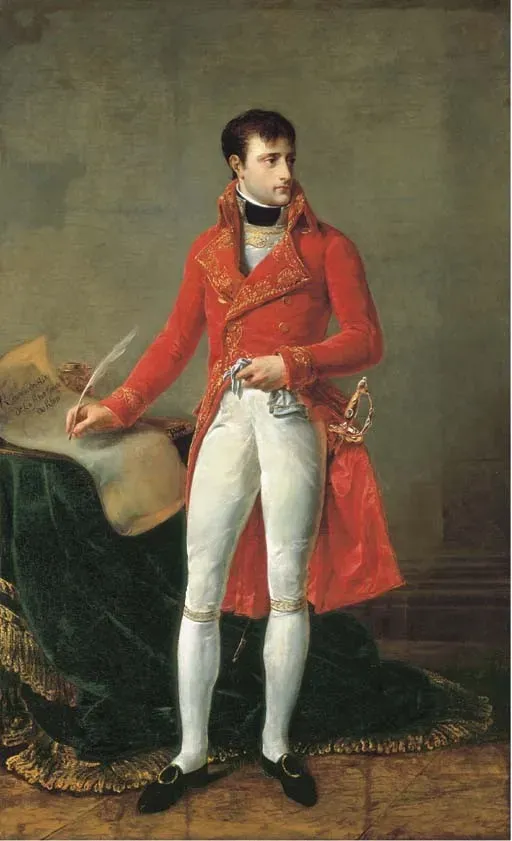
The image of a tiny, temperamental Napoleon Bonaparte compensating for his lack of height has been a punchline for two centuries. The trouble is that the measurement historians relied on came from French units, not English ones, and the two systems use different definitions for an inch. When properly converted, Napoleon stood around five foot six or seven, which was roughly average for a Frenchman of his era.
The myth likely persisted because British propaganda cartoonists loved drawing him as a diminutive figure throwing tantrums, and the image simply stuck. His own guards, some of whom were notably tall, may have made him look shorter by comparison in portraits and public appearances. Once historians cross checked the units, the “short Napoleon” story collapsed, yet the caricature remains far more famous than the correction.
2. Vikings Wore Horned Helmets
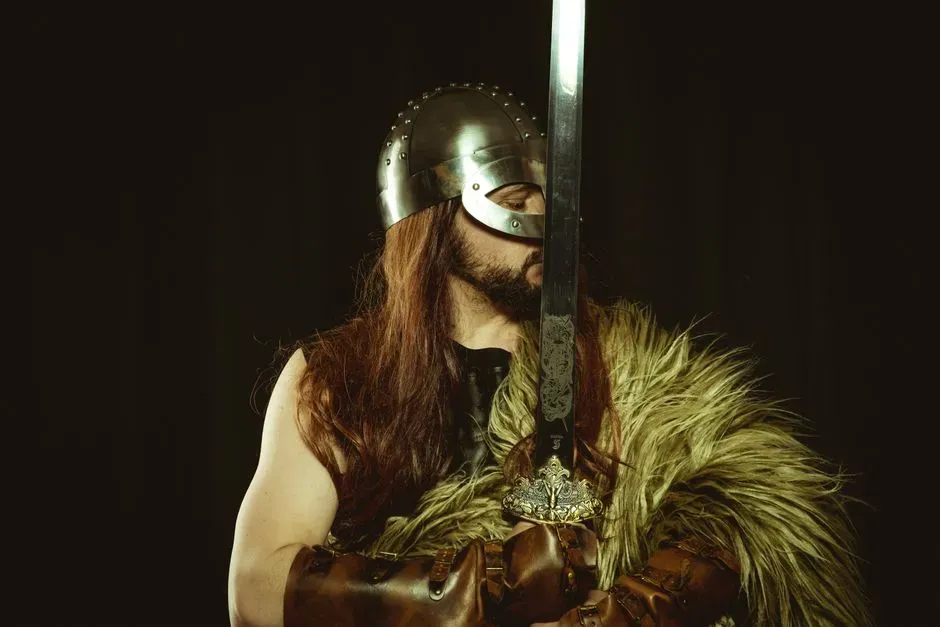
Ask most people to picture a Viking, and horns on a helmet are practically guaranteed to appear in the mental image. Archaeologists have found plenty of Viking Age helmets, and not a single verified one has horns attached. The idea seems to trace back largely to nineteenth century costume designers, particularly for opera productions, who wanted something visually dramatic for the stage.
Historians now believe real Viking helmets were simple, functional, and made for close combat rather than spectacle, since horns would have been a liability in a fight. The romanticized version took hold during a period when European nations were eager to build heroic national myths, and Scandinavian identity got wrapped up in this invented imagery. It is a case where art directors, not historians, effectively wrote the historical record for the public.
3. Medieval People Believed the Earth Was Flat
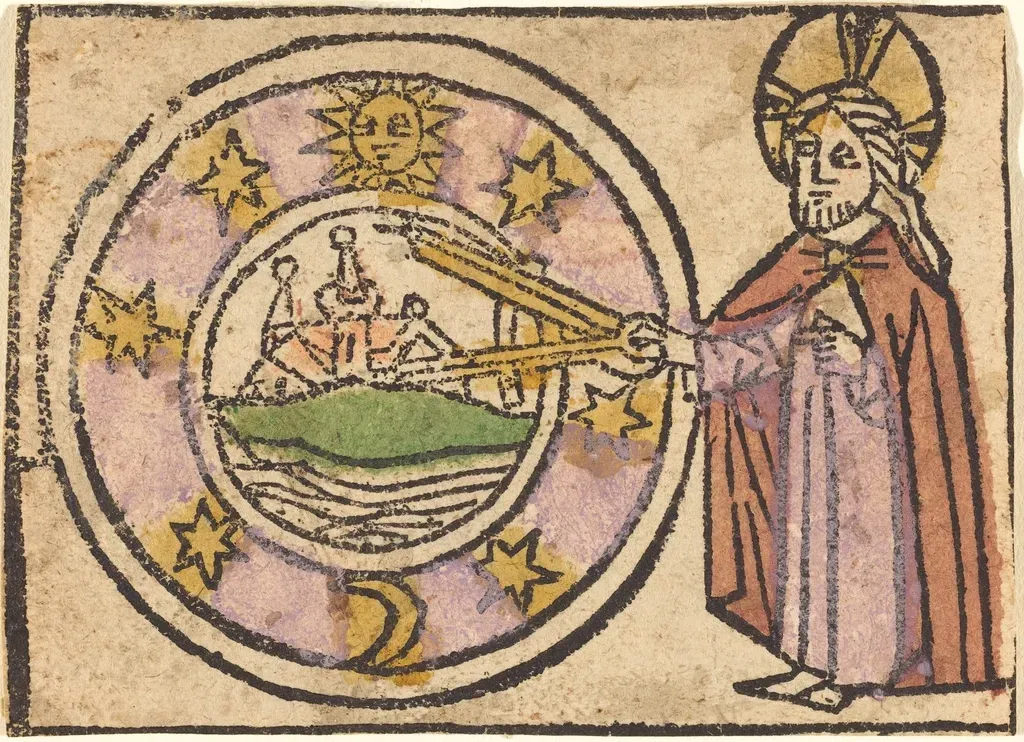
One of the most persistent classroom stories is that medieval Europeans thought the world was flat until explorers proved otherwise. In reality, educated scholars, clergy, and navigators throughout the medieval period generally accepted a spherical earth, a concept inherited from ancient Greek astronomy. Manuscripts and university texts from the era routinely reference the earth’s roundness without controversy.
This myth appears to have been popularized much later, in the nineteenth century, by writers eager to portray the medieval church as anti-science for dramatic effect. It made for a tidy narrative about progress triumphing over ignorance, even though the actual historical record does not support it. Historians studying medieval cosmology now describe the flat earth belief as largely a modern invention projected backward onto the past.
4. Marie Antoinette Said “Let Them Eat Cake”
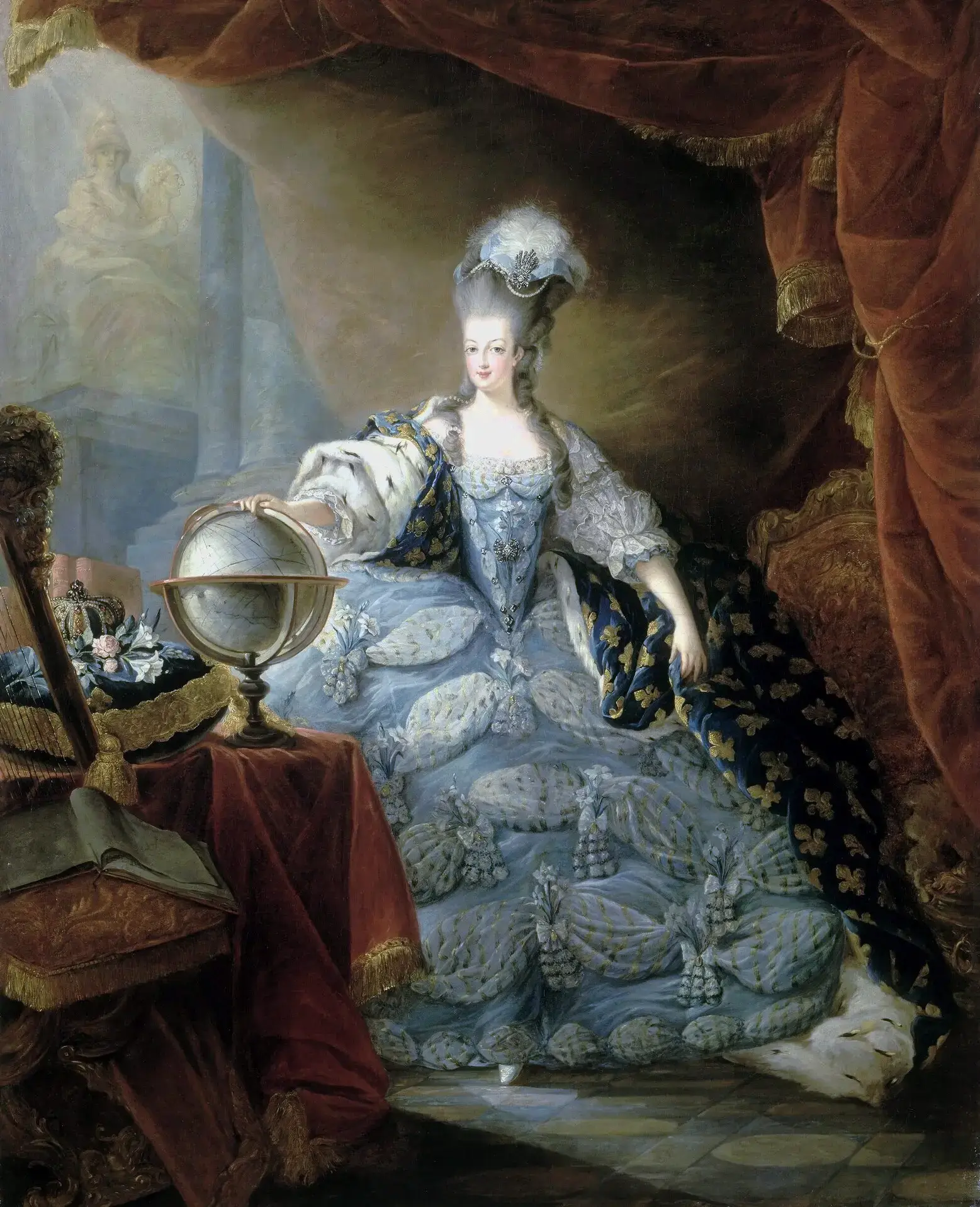
Few quotes are as instantly associated with royal indifference as this supposed remark from Marie Antoinette upon hearing that peasants had no bread. Historians have never found a reliable primary source connecting her to the phrase, and the sentiment actually appears in Jean-Jacques Rousseau’s writing years before she arrived in France as a teenager. The quote was almost certainly attributed to her after the fact, as a convenient symbol of aristocratic detachment during the Revolution.
Once the French Revolution needed a villain, Marie Antoinette became an easy target, and the line simply attached itself to her reputation. Modern biographers who have gone through her actual correspondence describe someone far more complicated, and in some cases more sympathetic, than the callous caricature. The phrase endures not because it is documented, but because it fits so neatly into the story people already wanted to tell.
5. Einstein Failed Math in School
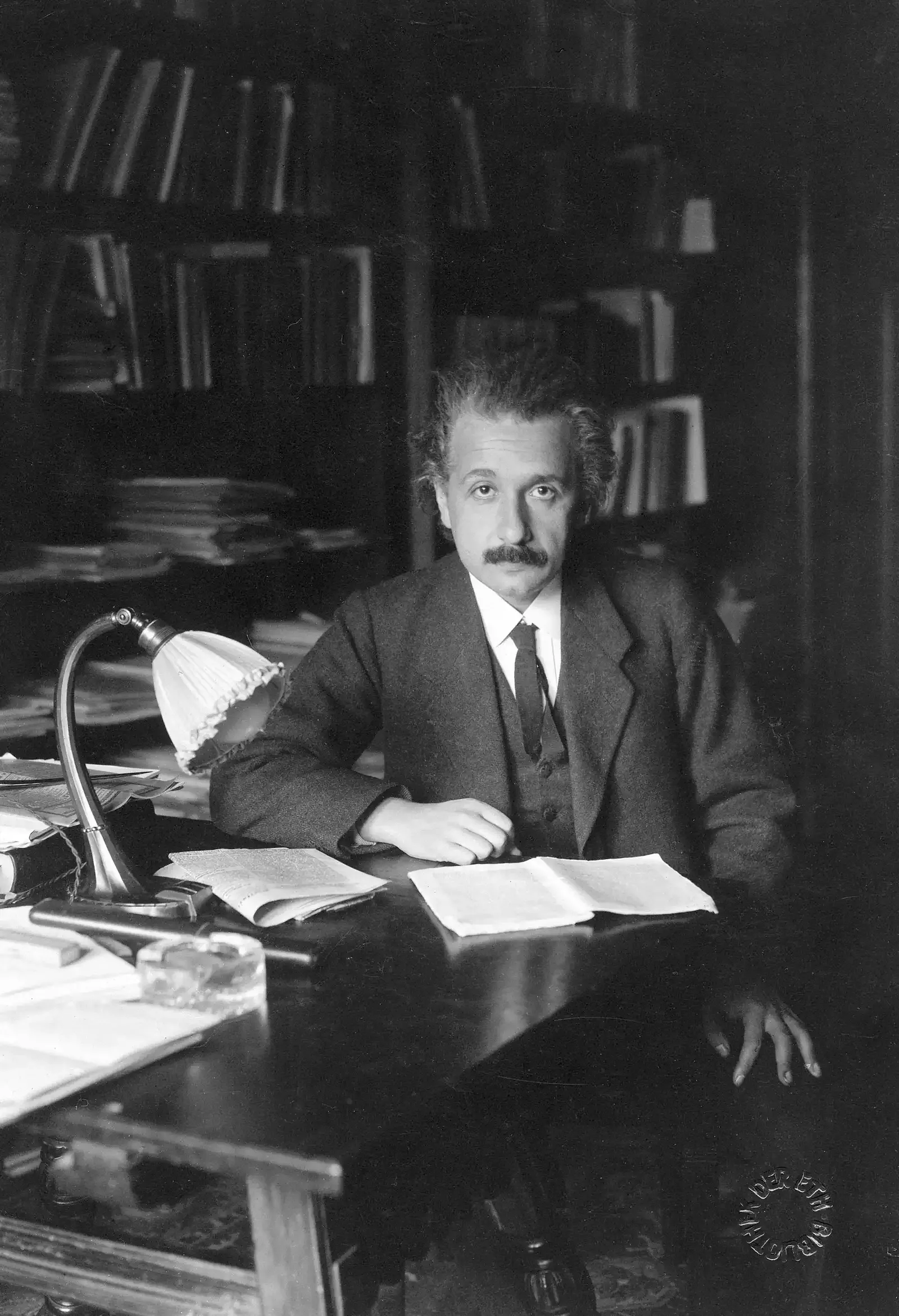
It has become almost comforting shorthand for struggling students everywhere: even Einstein flunked math. School records that have since surfaced tell a different story, showing that Einstein excelled in mathematics and physics from a young age. The confusion likely stems from a shift in Swiss grading scales, where a low number once meant excellent performance before the system was reversed.
Einstein himself reportedly found the myth amusing rather than flattering, since it misrepresented his actual academic strengths. Historians of science now point to this as a case of a comforting rumor outrunning the paperwork, since nobody wanted to check the transcripts when the story was already so appealing. It remains one of the more harmless myths, but a myth nonetheless.
6. George Washington Had Wooden Teeth
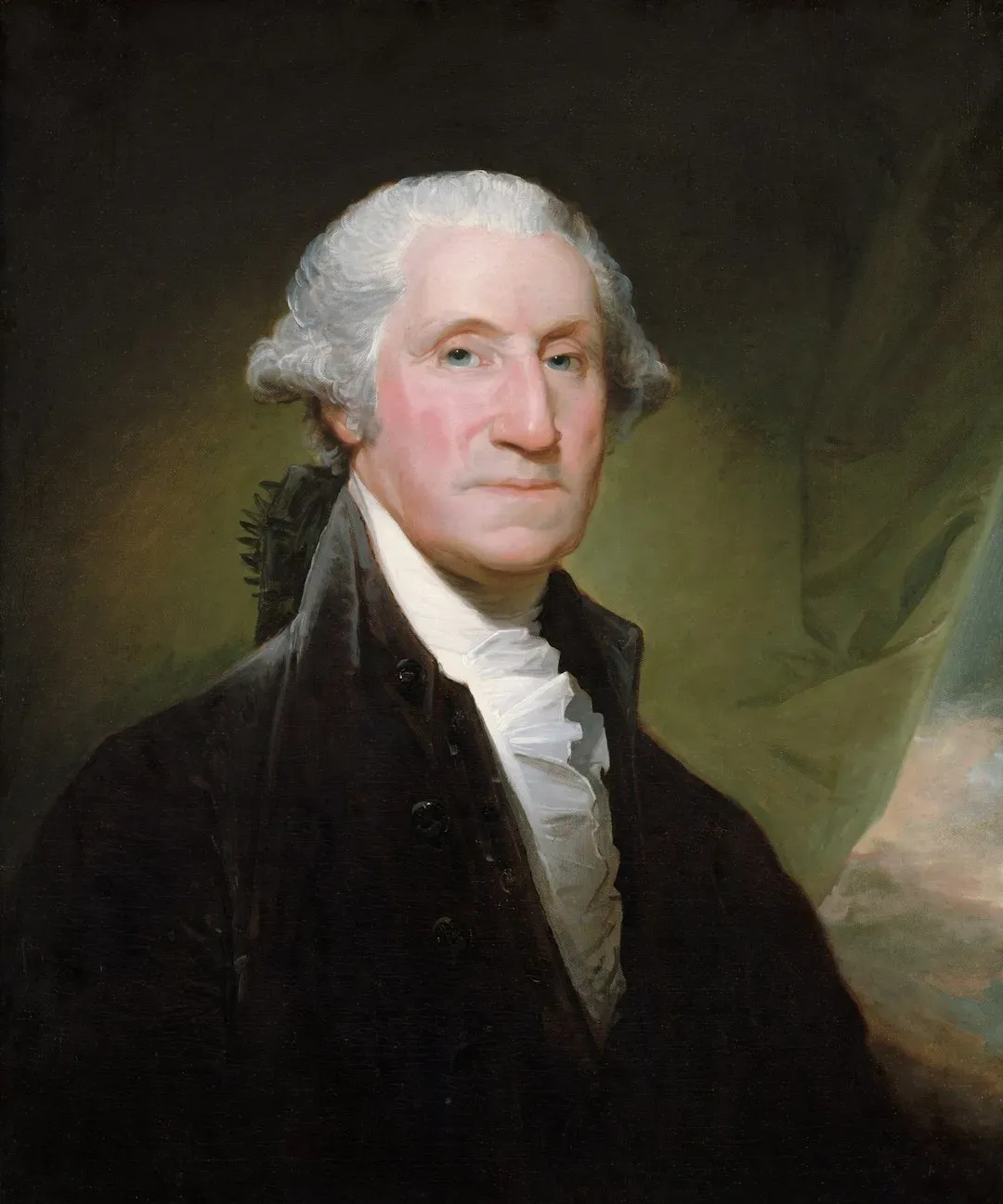
The image of America’s first president gritting a mouthful of wooden dentures has been repeated in classrooms for generations. Dental historians who examined Washington’s surviving dentures found materials like ivory, gold, lead, and even human and animal teeth, but no wood. Wood does not hold up well in a wet human mouth, which alone should have raised suspicion about the original claim.
The wooden teeth story may have grown out of the stained, worn appearance of ivory dentures over time, which can take on a grainy, wood-like look. Once the image took hold in popular imagination, it proved far stickier than the actual historical record. Museum conservators studying the artifacts now describe the wooden teeth tale as one of the more durable dental myths in American history.
7. Nero Fiddled While Rome Burned
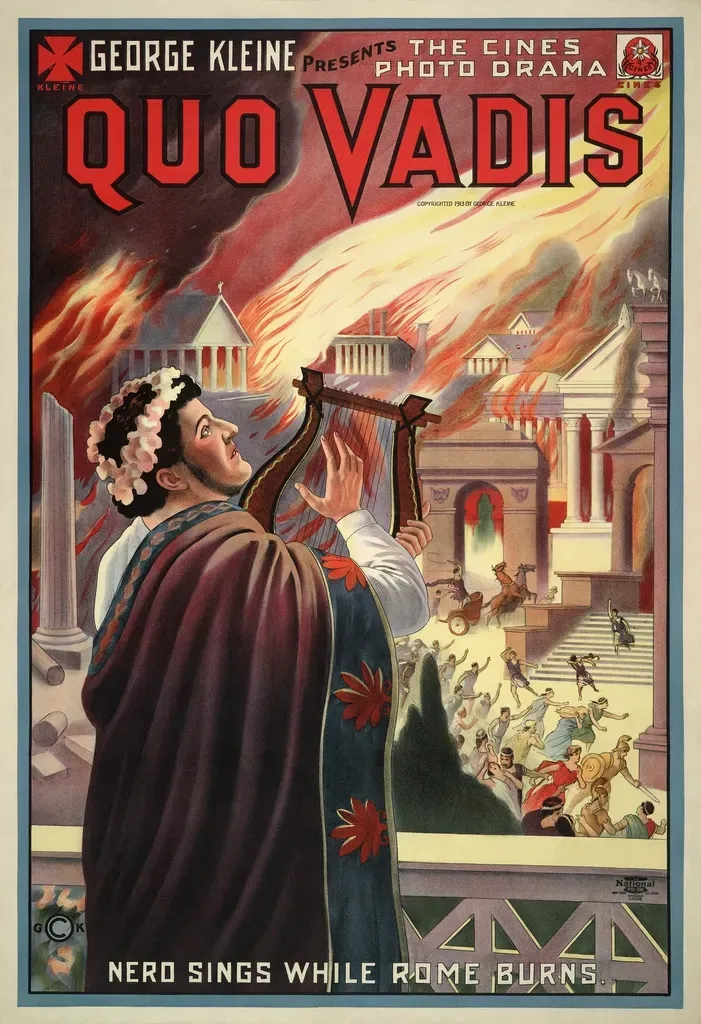
The phrase itself has become a popular idiom for indifference during a crisis, but the literal image runs into a basic problem: the violin family of instruments did not exist in ancient Rome. Some ancient historians, writing decades after the fire in 64 AD, claimed Nero played a lyre or sang while the city burned, but even those accounts are considered unreliable secondhand gossip rather than eyewitness fact. Other sources from the period actually describe Nero organizing relief efforts and opening his own gardens to displaced residents.
Historians studying Roman politics note that Nero had plenty of enemies among the senatorial class who had every reason to paint him as a monster after his death. The fiddling detail appears to have been added centuries later, well after fiddles existed, making the story anachronistic on its face. It remains a vivid image, just not one supported by anything close to solid evidence.
8. Caligula Made His Horse a Senator
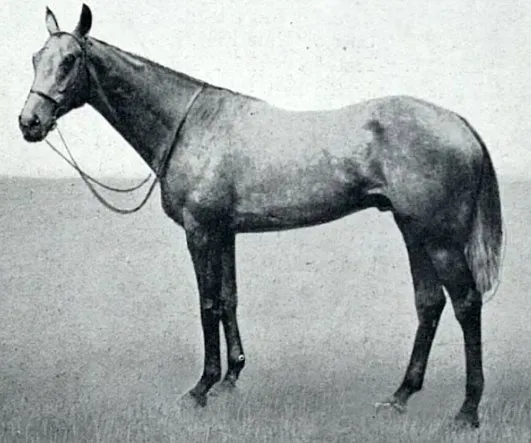
Roman Emperor Caligula’s reputation for erratic cruelty includes the famous claim that he appointed his favorite horse, Incitatus, to the Roman Senate. The story comes from ancient historians writing after Caligula’s assassination, sources with clear motivation to portray him as unhinged to justify his removal. Modern historians studying the original texts note the claim may have actually been closer to a sarcastic threat, suggesting the Senate was so useless a horse could do the job just as well.
There is no surviving Senate record or independent confirmation that Incitatus ever held any formal title. What does appear consistent across sources is that Caligula lavished extravagant care on the animal, which may have been the seed of truth that later got exaggerated into political appointment. Historians now treat the senator story as likely satire mistaken for straightforward fact.
9. Paul Revere Shouted “The British Are Coming”
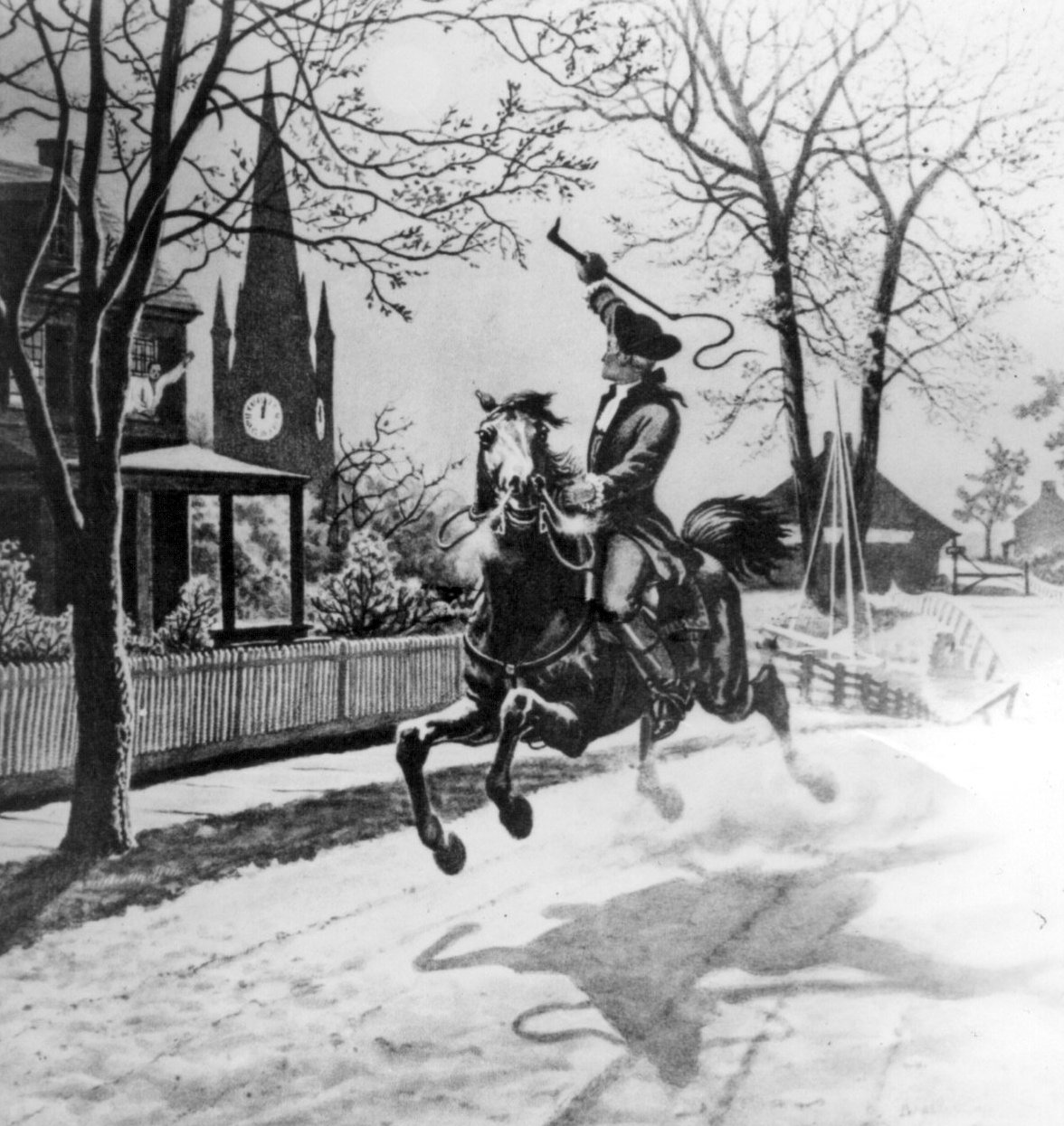
American schoolchildren learn that Paul Revere rode through the night yelling this exact warning, but historians studying eyewitness accounts from 1775 note the phrase would have made little sense at the time. Most colonists still considered themselves British subjects, so shouting that phrase risked confusing or alarming the very neighbors he was trying to warn. Contemporary accounts suggest Revere used more specific language, warning that regulars, meaning British troops, were mobilizing.
The dramatic catchphrase largely comes from Henry Wadsworth Longfellow’s poem written decades later, which took considerable creative liberty with the actual events of that night. Revere was also not the lone rider of legend, since several other messengers carried similar warnings that same evening. Historians now view the popular version of the ride as more poetry than reportage.
10. Newton Discovered Gravity When an Apple Fell on His Head
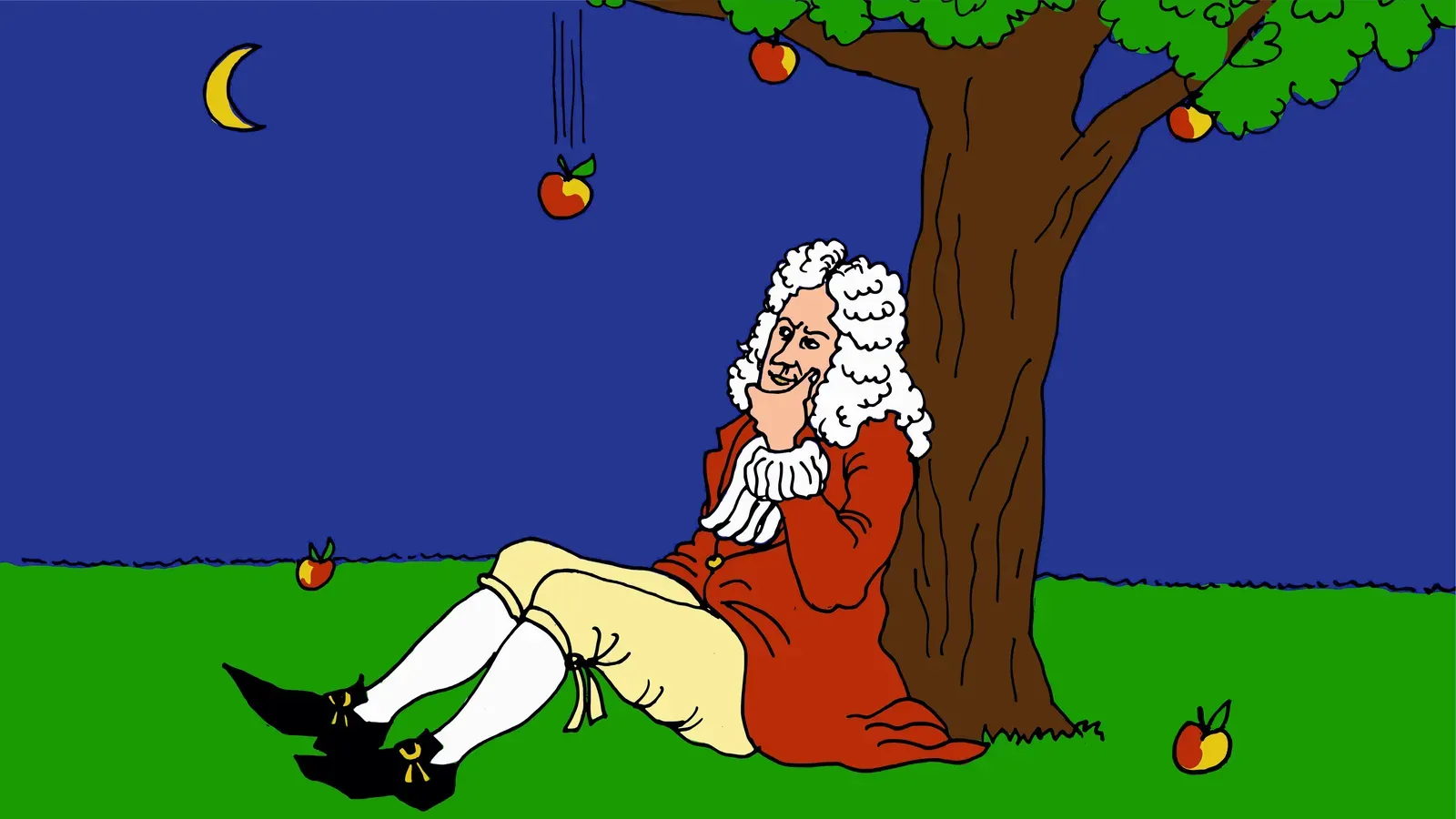
The tidy image of Isaac Newton getting bonked by a falling apple and instantly conceiving universal gravitation has charmed generations of students. Newton himself did mention an apple in later recollections of his thinking, describing it as something that helped prompt his ideas about gravity extending to the moon. However, there is no credible account of the apple actually striking him on the head, an embellishment that appears to have crept in through retellings after his death.
Historians of science note that Newton’s actual work on gravitation took years of mathematical development, not a single flash of insight in an orchard. The apple story likely persists because it turns a complex, gradual intellectual process into a single memorable image anyone can picture. It is a useful teaching shorthand, just not an accurate account of how the theory actually came together.
Final Thoughts
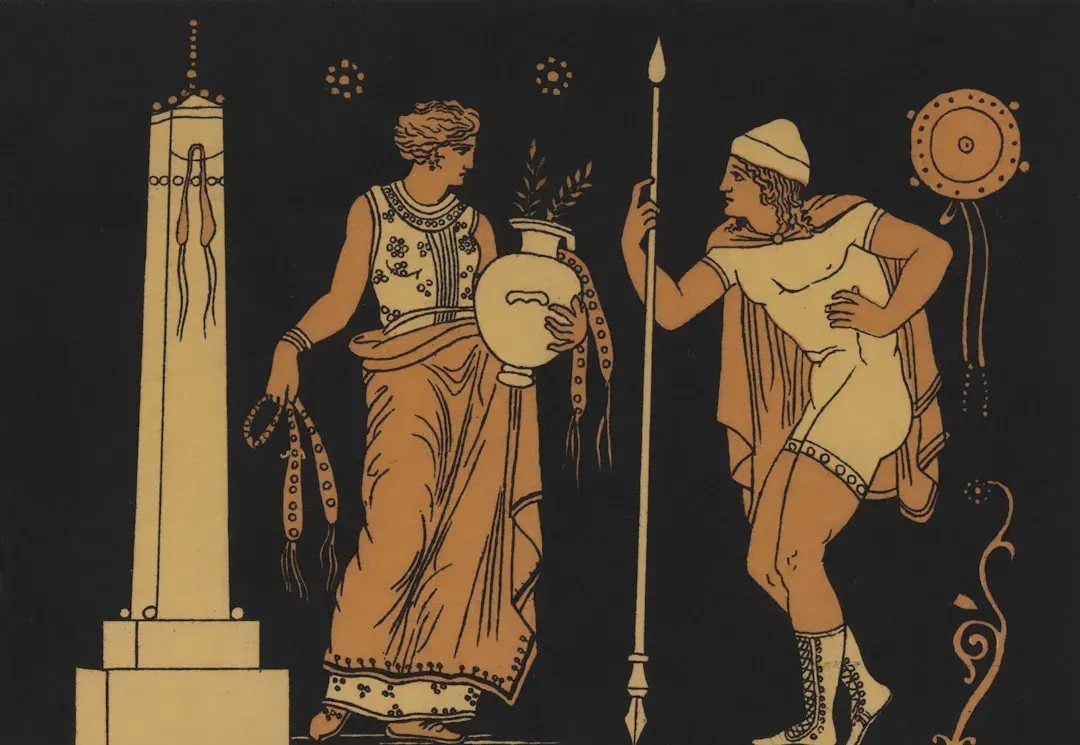
Looking at these ten examples side by side, a pattern becomes hard to ignore. Almost every one of these myths survived not because the evidence supported it, but because the story was simply better than the truth, more quotable, more visual, easier to teach in a single sentence.
That should probably bother us more than it does. History gets treated as settled fact far too often when it is really an ongoing argument built on incomplete records and secondhand accounts written by people with their own agendas. The real lesson here is not just about Napoleon’s height or Nero’s fiddle, it is a reminder to stay a little skeptical of any historical claim that sounds too clean, too dramatic, or too convenient to be entirely true.