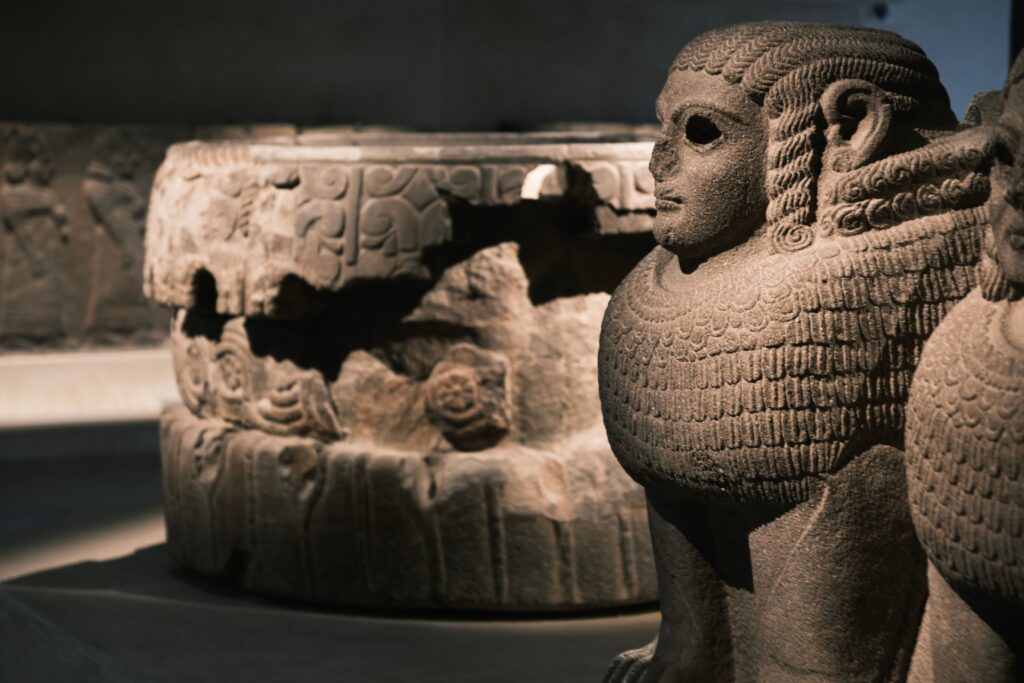
Most museum visitors assume every artifact behind glass comes with a tidy paper trail – a donor’s name, a dig site, a purchase receipt, something. The truth is far messier than that comforting picture.
Institutions from the Smithsonian to small university zoology departments quietly hold thousands of objects that arrived with zero documentation. No donor card. No excavation report. Sometimes not even a date. Curators have a name for these strays – “orphaned” or “Found in Collection” items – and some have sat unexplained in drawers and storerooms for a century. Here are 13 real cases where the object survived, but the story of how it got there simply vanished.
#1 – The Roman Dodecahedron Nobody Can Explain
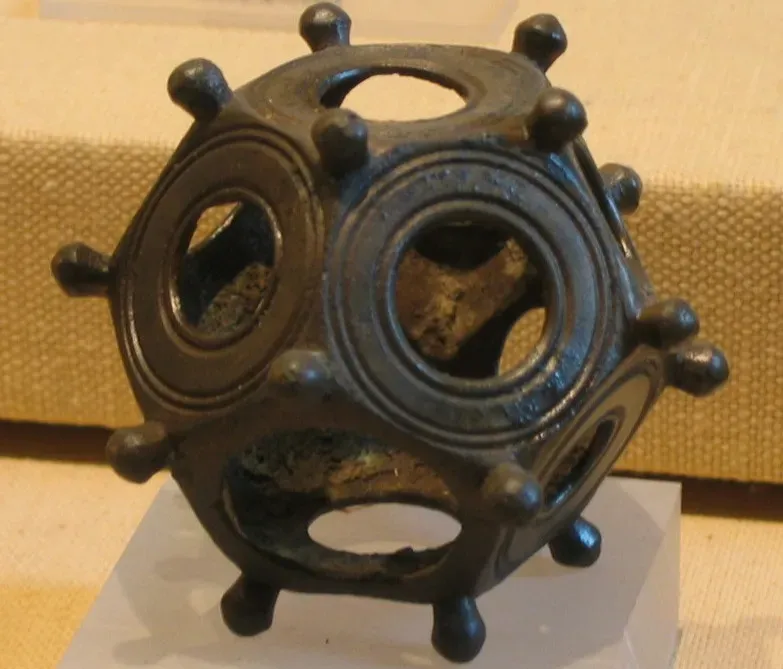
Picture a small, hollow, twelve-sided bronze object covered in circular holes and knobbed corners, and you’ve pictured one of archaeology’s strangest unsolved mysteries. More than 130 of these objects have turned up across the former Roman Empire. Not a single ancient text, letter, or drawing ever mentions them.
That silence in the historical record is what makes dodecahedrons so unusual among museum objects. No visual or written references have ever surfaced, so the objects float in a kind of interpretive void. Museums can date the metal and pinpoint the findspot, but the purpose – and often the full chain of custody before excavation – remains a blank page. Theories range from calendars to ritual dice to knitting tools, and experts still can’t agree on any of them.
Fast Facts
- More than 130 dodecahedrons have been found, mostly across the northwestern Roman provinces.
- Sizes range from roughly 4 cm to 11 cm across.
- Most examples date to the 2nd through 4th centuries CE.
- None have ever turned up paired with tools, instructions, or matching artifacts that explain their use.
#2 – The Smithsonian Necklace With No Purchase Record
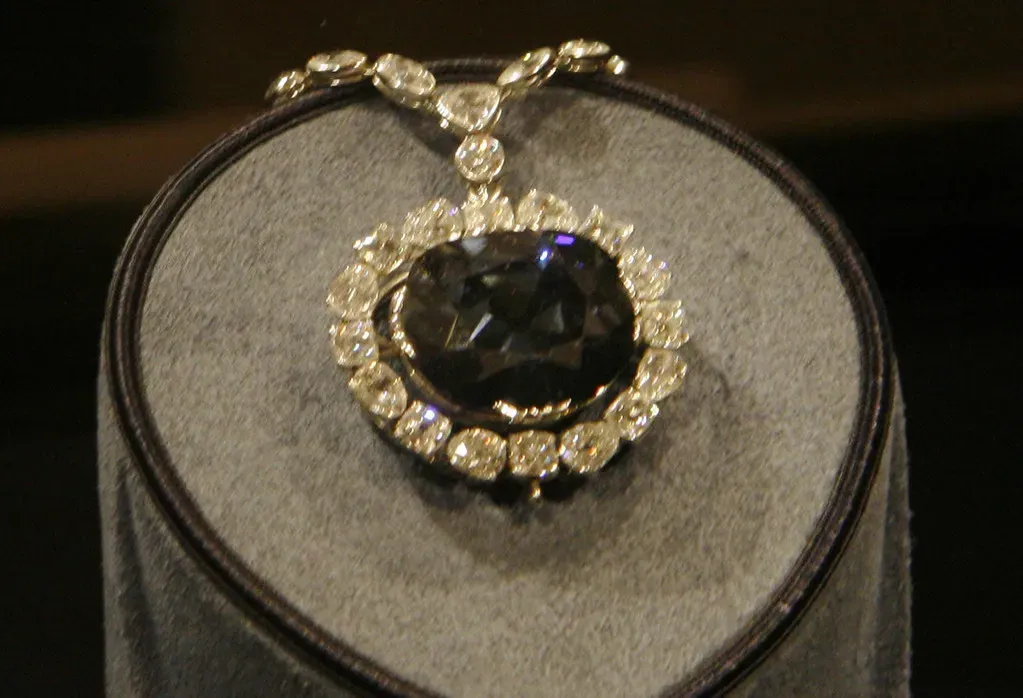
Walk through the American Art collection and you’ll find a gold necklace labeled as sixth-century Byzantine work. Except curators now suspect that label is wrong, and they can’t say why the piece is even in the building. It entered the collection in 1929, and under closer study, conservators now believe it’s more likely a nineteenth-century imitation.
The paperwork gap is the real story here. Researchers can trace the necklace back to 1929, when it entered the collection, but the files contain no record of where or when the donor actually purchased it. Conservators are left playing detective with materials science instead of documents, comparing the glasswork to Venetian traditions and guessing at a craftsperson who may never be identified. The object survived intact. Its entire origin story did not.
#3 – The Victorian Jar That Baffled a Zoology Museum

Tucked on a “junk drawer” shelf of specimens sits a jar that has stumped an entire zoology museum staff for years. As one staff member put it, they don’t have the information about when it arrived or who acquired it – only that the jar itself is genuinely old, Victorian-era glass, holding something nobody could confidently name.
The leading theory isn’t even biological – it’s culinary. The current best guess is a pickled plum, originally dropped into a jar of booze as a novelty brandy that somehow snuck into the museum’s shelving unnoticed. One manager suspects it arrived tangled up with a retiring academic’s office contents, mistaken for a genuine specimen simply because it looked like the thousands of real ones around it. No accession card, no collector’s name – just a guess built on glass style and gut instinct.
#4 – The Peabody Vessel With a Century-Long Blank Spot
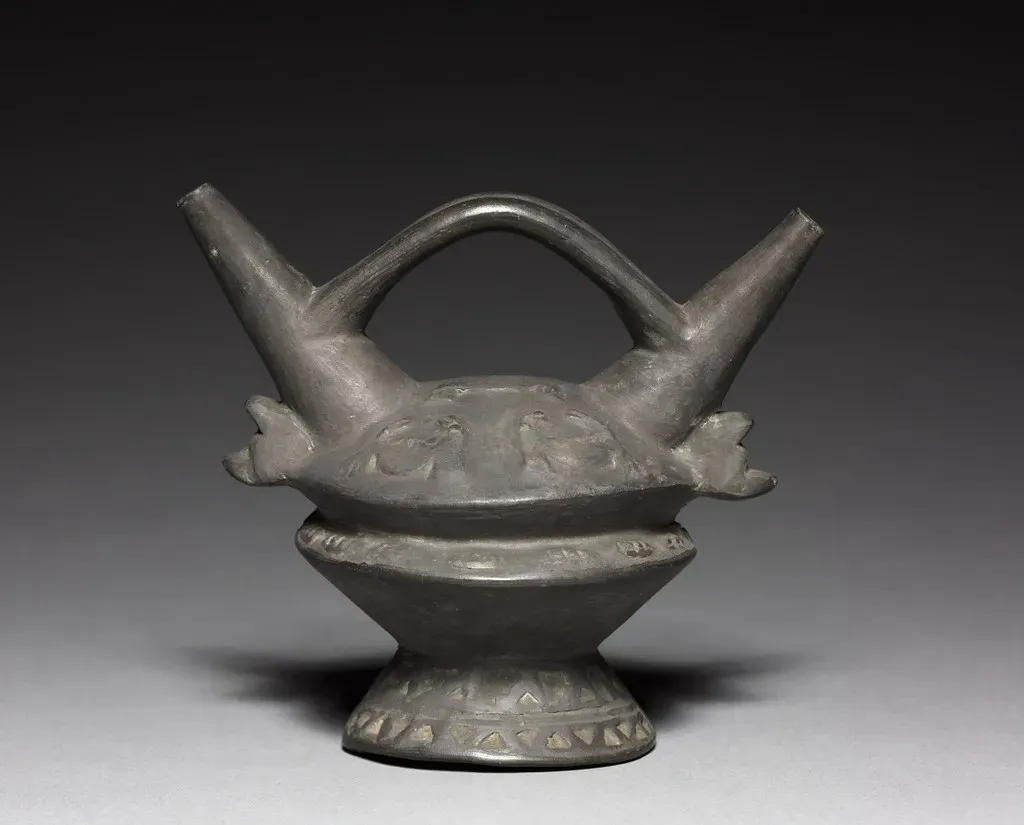
A black ceramic vessel with a stirrup spout sits in the Peabody’s collection, its form and style pointing to an Indigenous artist working in Chimor, the Chimú Empire, roughly 1,000 to 1,500 years ago in what is now Peru. The culture isn’t the mystery. The missing decades right before the museum received it are.
Too often, further records simply don’t exist – memories fade, and the people who might have had answers have long since passed away. The collector who once owned this vessel admitted he couldn’t even remember who he’d bought it from, and nearly a century later, researchers still don’t know. Without a documented findspot, curators say, a piece of this object’s history is gone for good.
Worth Knowing
- The Chimú Empire ruled Peru’s northern coast from around 900 to 1470 CE, before falling to the Inca.
- Its capital, Chan Chan, was one of the largest adobe cities in the ancient world.
- Chimú artisans were famous for glossy blackware pottery, often shaped with stirrup spouts like this vessel.
- Many surviving pieces entered Western collections through private purchases long before modern export laws existed.
#5 – The Portrait of an Anonymous 18th-Century Man

Museum storage rooms are full of faces nobody can name, but one portrait at a British science collection has become a running joke among researchers. It keeps resurfacing in every mystery-object appeal the museum publishes, an unknown man from an 18th-century canvas staring out with no name, no profession, and no obvious reason for existing in the file at all.
Nobody knows why a science-focused collection ended up holding a formal portrait in the first place, which only deepens the puzzle. Curators have essentially crowdsourced the case, hoping a stray family resemblance or a costume detail jogged loose in a visitor’s memory might finally crack it. So far, the man keeps his secret.
#6 – The Copper Tool Nobody Can Name
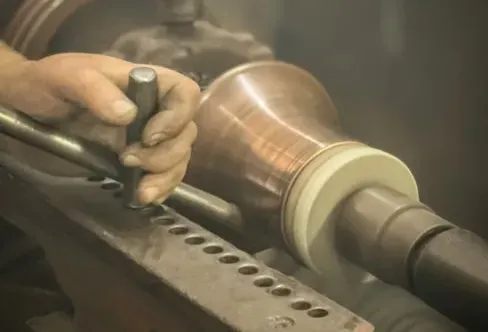
Among a backlog of unclassified items sits a small, crudely made metal tool that has resisted identification for years despite public appeals. It’s a copper-alloy piece with a rectangular head that tapers from all four sides to an edge, wear patterns and all, and still nobody can say what it was built to do.
The head once featured parallel lines along its slanted edges, but those wore away long ago, erasing whatever clue they might have offered. Proposed guesses range wildly, from a ramming dolly used in sand casting to a tool for shaping mold materials. No donor slip, no purchase invoice – just the object itself, sitting in a drawer until someone finally noticed it lacked a file.
#7 – The “Diagram” That Turned Out to Be Medical Equipment
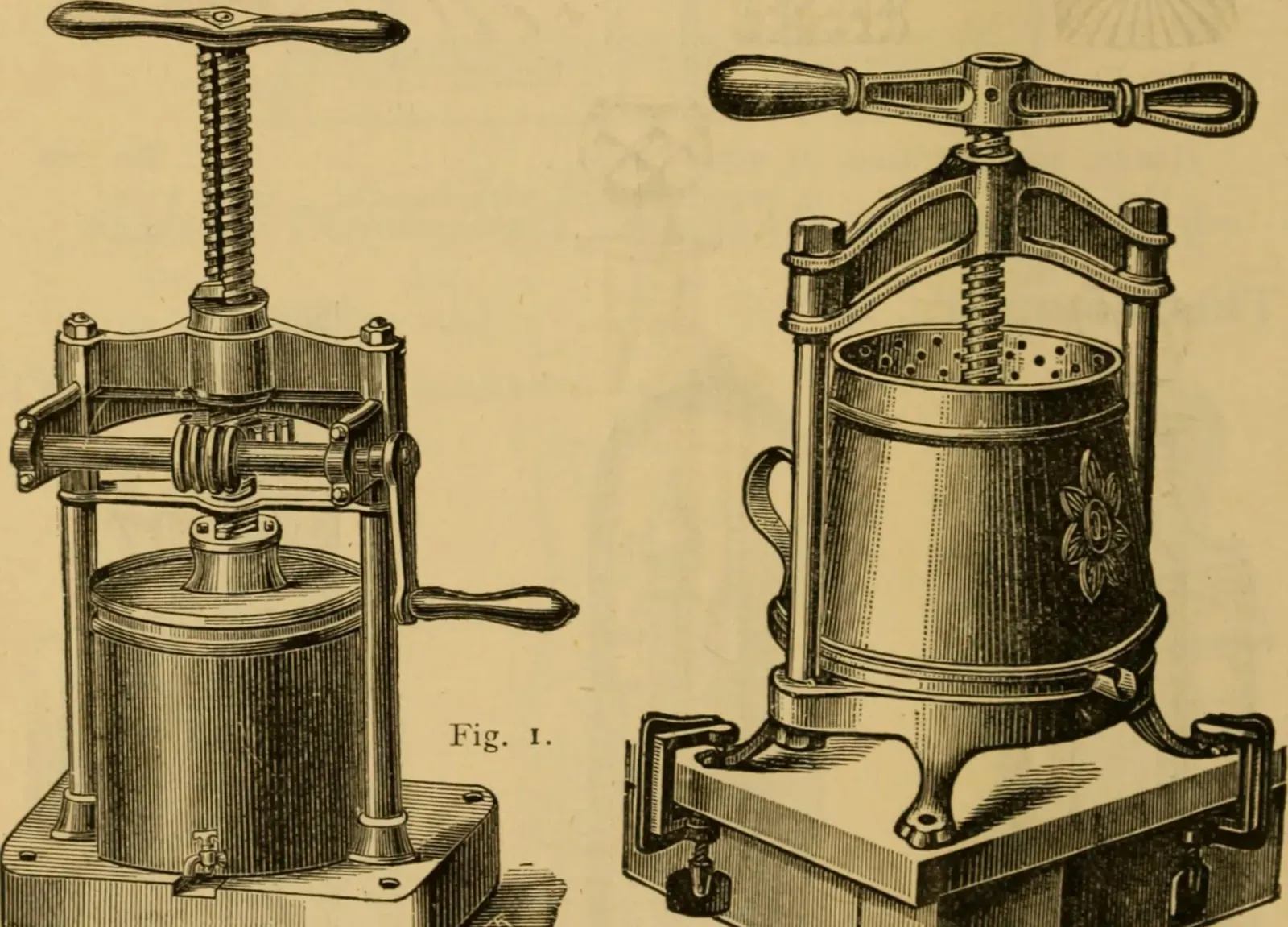
Sometimes a mystery object doesn’t lack documentation entirely – it lacks documentation anyone can read, because the clues are buried in a foreign-language catalog nobody had translated. A researcher scanning old records stumbled onto a match almost by accident, spotting a diagram with a familiar-looking recording drum while searching for mentions of galvanometers.
I was skimming the internet for mentions of galvanometers until I came across this diagram with a very familiar-looking recording drum.
Museum researcher
Once the catalog entry was translated into English, the payoff turned out to be strange and oddly medical: part of a flame tachograph, built to record a person’s heartrate using a gas flame. Until that translation happened, the device had sat labeled as essentially unknown – a pulse-measuring instrument hiding behind a language barrier for who knows how many decades.
#8 – The Ornate Box That Was Secretly a Clock
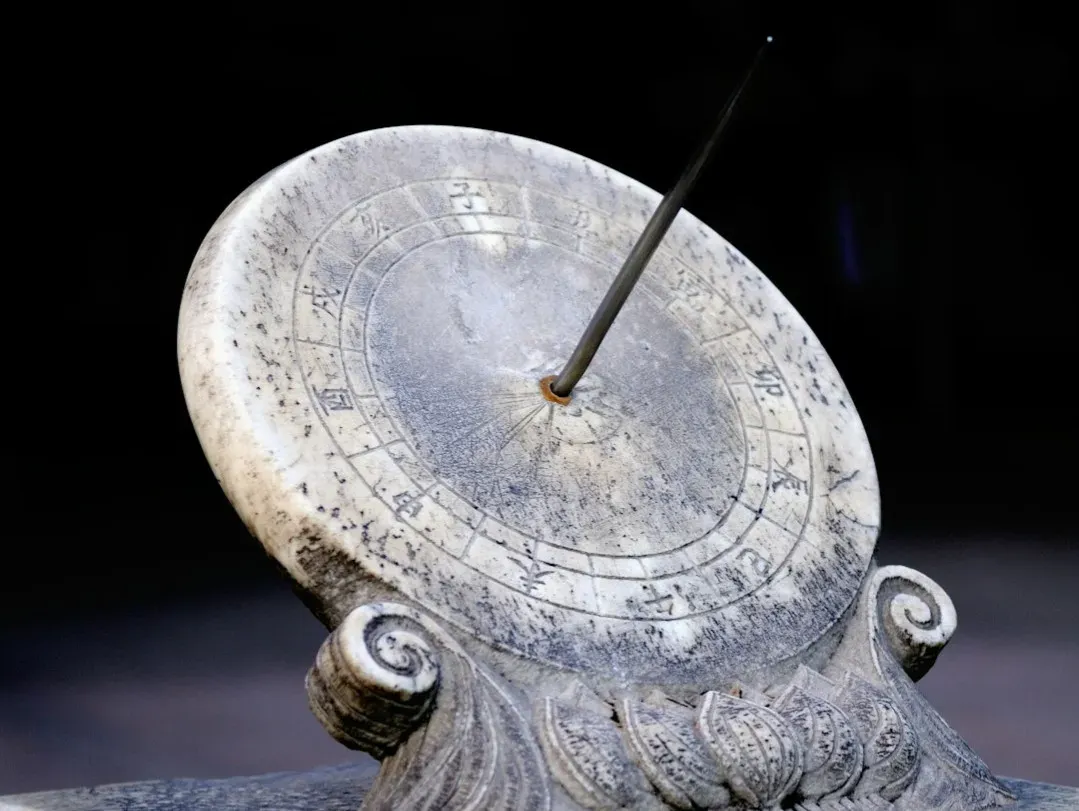
An elaborately decorated box with a screen-like lid confused staff for years until someone with the right background happened to walk past the display case. A curator who had previously worked in China recognized the object instantly as a Chinese incense clock, solving in seconds what the file couldn’t explain in decades.
The mechanism inside is almost poetic. Incense burned through a maze-like track at a predictable speed, so users could track the passage of time simply by smelling which perfume was currently lit. Before that chance encounter, the box carried no functional label at all – just a physical description and a shrug. Sometimes “no record of where it came from” really means “no record of what it even is,” until the right person glances at the right shelf.
#9 – Neolithic Stone Balls With Almost No History
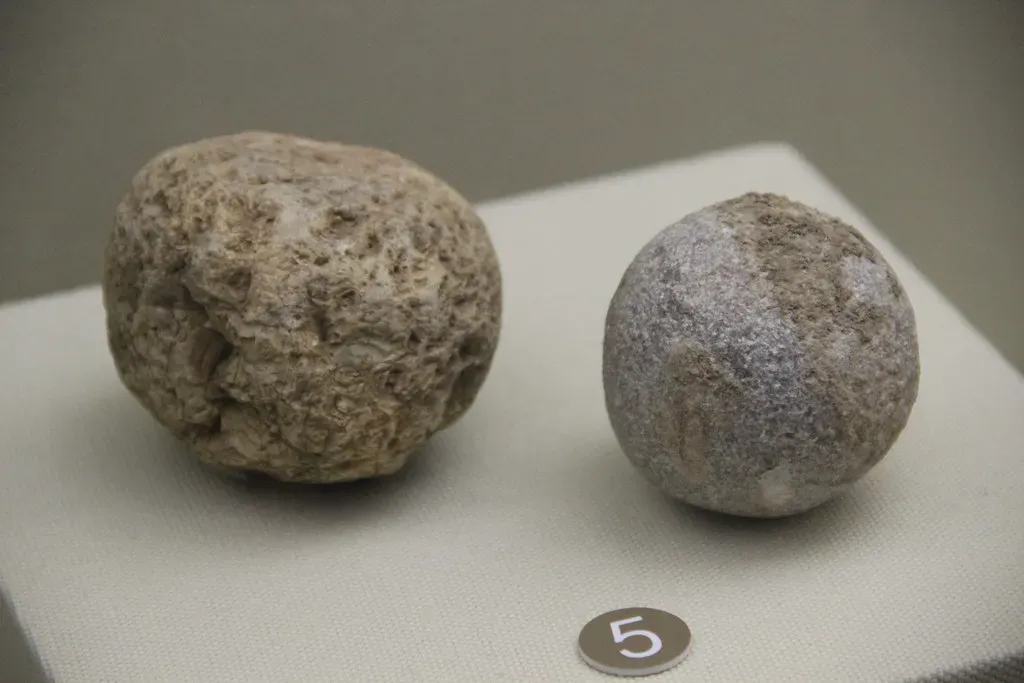
Long before written records, someone carved perfectly round stone balls covered in geometric knobs. Museums holding them today often have no idea where most examples were originally found, since many surfaced as chance finds or circulated through art collections with barely any provenance attached.
That missing context is the whole problem. Without a documented findspot, archaeologists can’t cross-reference the balls against burial sites, settlements, or tool assemblages that might explain what they were for. Theories swing from weapons to measuring devices to decorative ornaments, and researchers still debate whether they were mnemonic devices, ball bearings for moving megaliths, or something as mundane as yarn holders. The answer still escapes everyone.
At a Glance
- Roughly 400 carved stone balls are known today, and most come from Scotland.
- They typically measure about 7 cm across – small enough to fit in one hand.
- Most date to the Late Neolithic period, thousands of years before written records existed.
- No two carving patterns are exactly alike, which only deepens the mystery of their purpose.
#10 – The Porcelain That Vanished for Eighty Years
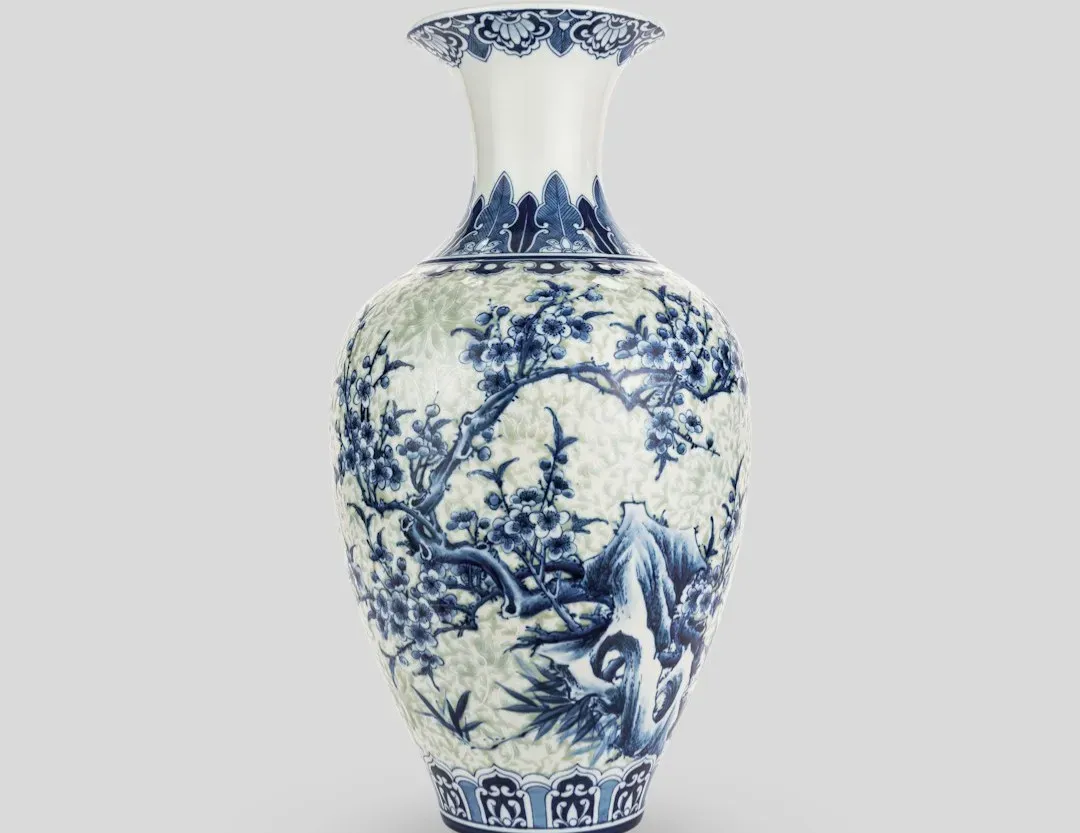
A set of decorative porcelain pieces sat in a major museum’s collection with essentially no known history until a completely unrelated exhibition accidentally solved the mystery. The provenance of these porcelains – along with a related vase and food warmer – stayed unknown until researchers recognized them as the same objects photographed in Vienna back in 1938.
That single photograph reopened a case nobody thought could be reopened. Matching the porcelain to decades-old wartime images gave researchers, for the first time, a documented link connecting the objects to their pre-war owners – something the museum’s own files had never contained. It opened the door to reexamining the restitution history of dozens of related artworks that had been sitting quietly, provenance-free, for generations.
#11 – The Objects Flagged for a 1933–1945 Blank Spot

Not every undocumented object is ancient. Some of the most sensitive gaps in museum records fall squarely in the mid-20th century, when ownership changed hands across Europe under conditions nobody bothered – or was able – to write down properly.
Curators at some museums now work specifically to flag every piece that either changed hands in continental Europe between 1933 and 1945 or has an unexplained gap from that period, posting them on searchable databases of art with unresolved history. Missing paperwork here might mean lost or destroyed documents, or simply a transfer that happened without the written records we’d expect today. For these pieces, “no record of where it came from” isn’t academic curiosity – it’s a legal and ethical flashpoint that can decide whether an object stays on the wall or goes home.
#12 – The Antiquities Museums Quietly Sent Back
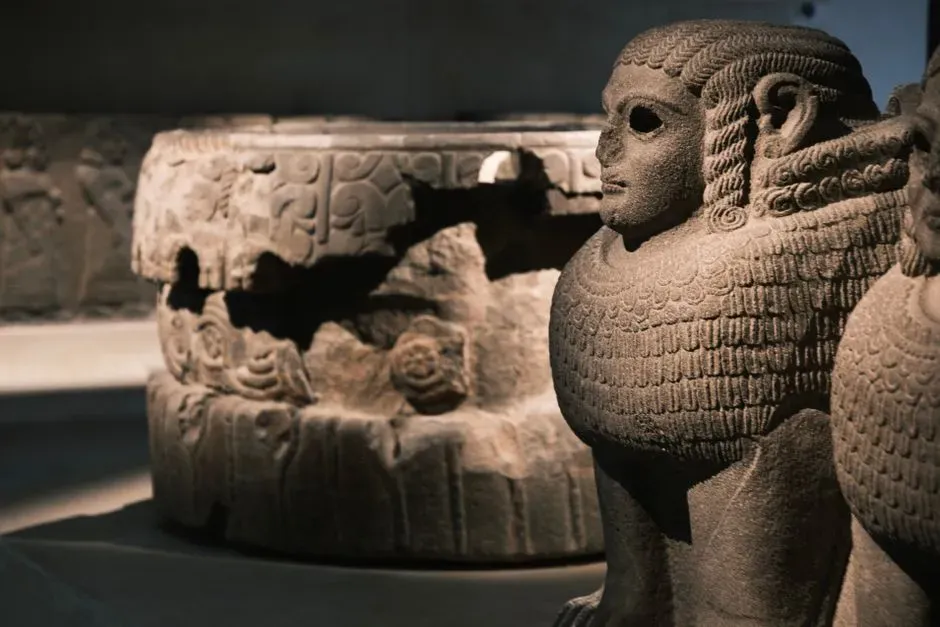
Some objects arrive so poorly documented that the safest move isn’t more research – it’s returning them outright. One major religious-artifact museum has made this a stated policy for certain pieces, committing to acknowledge objects that may have entered its collection through war, looting, or colonial-era practices.
This is where the arbitrage of undocumented antiquities gets uncomfortable. Plenty of museum objects were never recovered through documented excavations, which means uncertain findspots are common across major collections worldwide. Most institutions simply display the gap quietly and move on. A handful, facing pressure, have chosen honesty instead – sending pieces back to Iraq, Egypt, and Greece rather than pretend the missing paperwork doesn’t matter.
Quick Compare
- Looted antiquities: Ancient artifacts removed from conflict zones or dig sites without permits.
- Wartime transfers: Art that changed hands in Europe between 1933 and 1945 under forced or unclear sales.
- Colonial-era acquisitions: Objects taken during periods of occupation, often without consent from origin communities.
- Honest gap: Simply lost paperwork, with no evidence of wrongdoing at all.
#13 – The “Found in Collection” Items With Literally No Paperwork At All
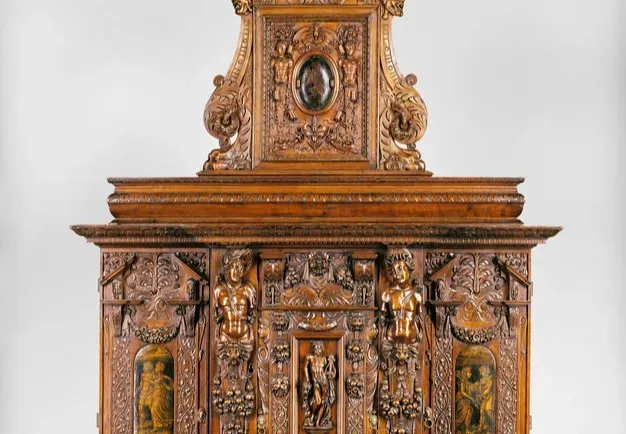
Every large museum and archive eventually opens a cabinet and finds something that simply shouldn’t exist on paper: no accession number, no donor slip, no catalog entry, nothing. Professionals have a name for this exact scenario – “Found in Collection” – and it may have sat there, unacknowledged, for years or even decades.
This is the single most common version of the mystery-object problem, and it’s rarely dramatic. It’s just neglect. Left alone, these items stay undocumented, inaccessible, and under-researched, and the longer they go unclaimed, the more institutional memory fades around them. Archivists now recommend actively researching and appraising these orphans – comparing form and function to known items, consulting outside historians – instead of letting them sit forgotten in the dark for another fifty years.
The Bottom Line

The uncomfortable truth is that “no record of where it came from” is far more common in museums than most visitors realize, from Roman dodecahedrons with zero ancient documentation to porcelain rediscovered by accident in a 1938 wartime photograph. Some gaps are innocent – lost paperwork, a forgetful donor, a Victorian jar mistaken for a specimen. Others are far murkier, tangled up in looting, war, and colonial-era collecting practices that museums are only now being forced to confront.
I’d argue institutions have hidden behind “incomplete records” for far too long as a polite excuse, when in many cases it’s simply unfinished homework. If a museum can’t tell you where an object came from, that’s not a charming mystery. It’s a research backlog demanding attention, and the objects deserve better than another fifty years in the dark. Which of these thirteen blew your mind the most? Drop your pick in the comments.