You’d assume every animal on Earth got its name after someone watched it swim, run, or fly. That assumption is wrong more often than most people realize, and the truth is stranger than the myth.
Some of the planet’s most bizarre creatures spent decades – in a few cases, well over a century – existing in science purely as bones, beaks, or bodies washed up dead on a beach. Museums built full taxonomies around animals nobody had ever seen breathe. A couple are still stuck in that limbo right now, known to us only through death records. Here’s what actually happened with the animals we met dead first.
#1 – The Giant Squid Terrified Sailors for Centuries Before Anyone Filmed One Alive
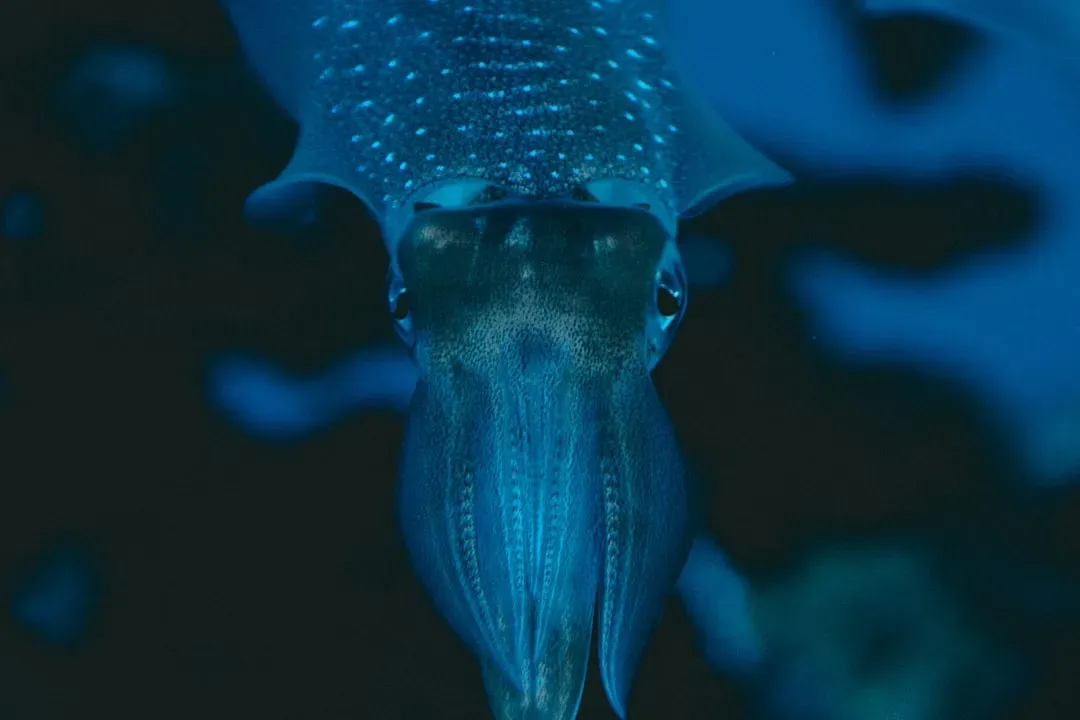
Sailors told stories of ship-swallowing sea monsters for hundreds of years, and scientists had the proof rotting on beaches to back it up. Giant squid carcasses and enormous beaks pulled from sperm whale stomachs gave naturalists concrete evidence of Architeuthis dux long before anyone could confirm what the animal actually looked like in motion.
The first footage of a live giant squid in its natural habitat wasn’t captured until 2004, off Japan – meaning science accepted this animal’s existence for well over a century based purely on corpses and fragments. Whalers routinely found squid tentacle scars on sperm whales and undigested beaks in their stomachs, treating the giant squid as almost mythical even while cataloguing its remains. The monster was real the entire time. But it’s nothing compared to what happened with #2.
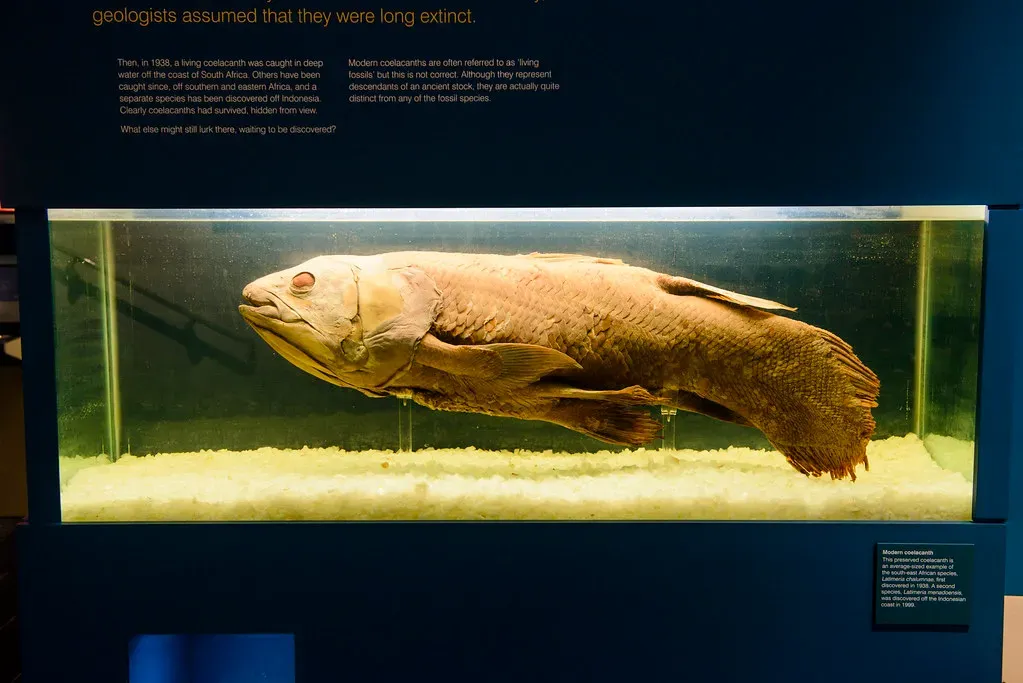
#2 – The Coelacanth Was “Extinct” for 66 Million Years, According to the Fossil Record
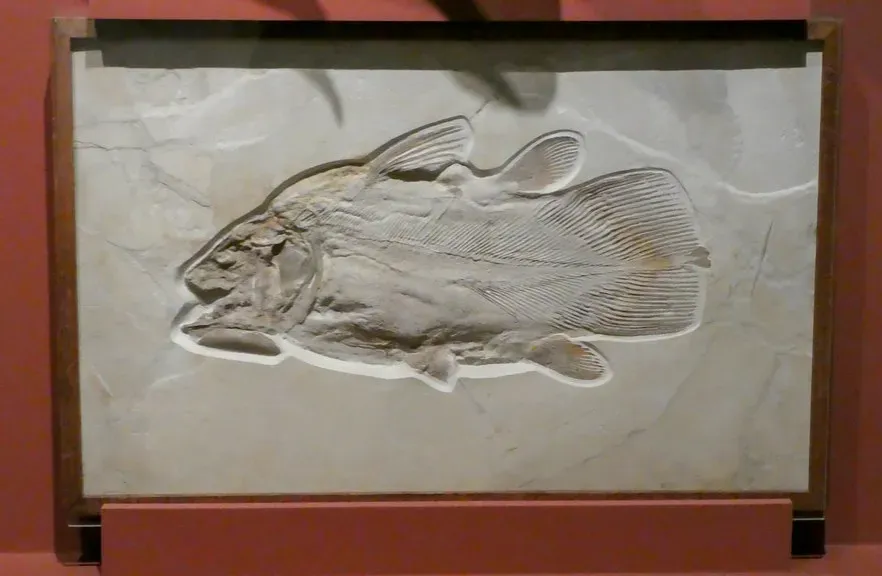
Scientists confidently declared the coelacanth extinct because the fossil record simply stopped – no trace of the fish appeared anywhere after the age of dinosaurs ended. For decades, museum textbooks used it as the textbook example of a “living fossil” that had vanished entirely, known exclusively through ancient rock impressions.
Then in 1938, a South African museum curator spotted a strange blue fish among a trawler’s catch and realized it matched fossils dated to roughly 66 million years old. The coelacanth had been swimming in deep ocean caves the entire time science insisted it was gone. This wasn’t a new species discovery – it was proof that an entire lineage everyone assumed had died out alongside the dinosaurs had quietly survived undetected the whole time. Turns out the fossil record has bigger blind spots than most textbooks admit.
Fast Facts
- Discovered alive on December 22, 1938, when museum curator Marjorie Courtenay-Latimer spotted one in a trawler’s catch off South Africa
- Scientists had assumed the fish extinct for roughly 65 to 70 million years before that day
- Lives hundreds of feet down, often sheltering in underwater caves during daylight hours
- Two living species are now recognized – one near the Comoro Islands, one near Indonesia
#3 – The Chacoan Peccary Was Classified as Extinct From Fossils, Then Found Grazing in the Chaco
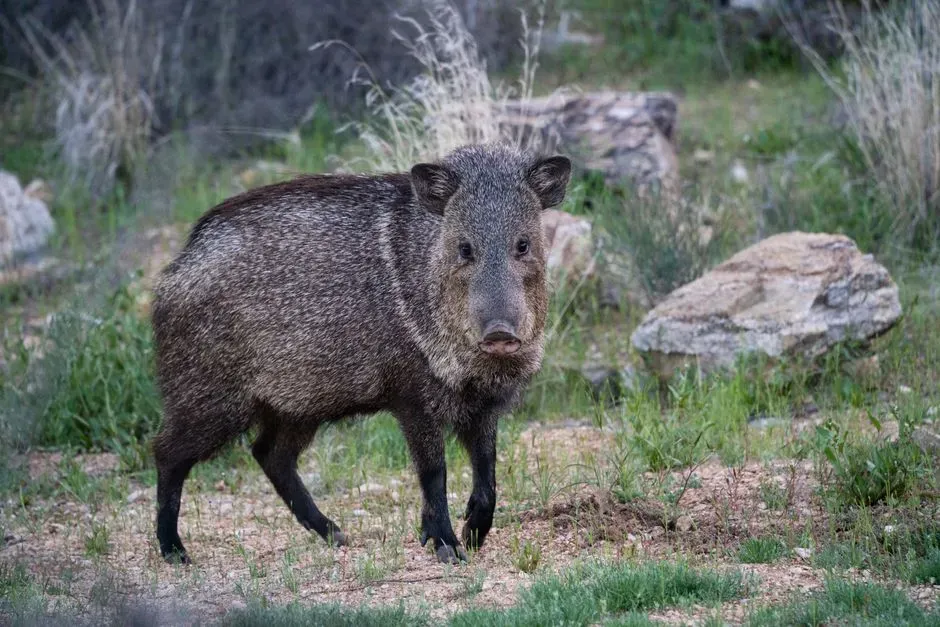
In 1930, a paleontologist named the Chacoan peccary based entirely on subfossil bones, treating it as a Pleistocene-era animal that had died out thousands of years earlier. It sat in scientific literature as an extinct genus for over four decades, with no living representative ever suspected to exist.
In 1971, the animal was discovered to still be alive and grazing in the Argentine province of Salta. Local communities had known about this animal the whole time – it was common knowledge to people who actually lived in the region, but Western science took decades to catch up. The official paper confirming it was alive wasn’t published until 1975, in the journal Science, under an almost comedic title declaring an “extinct” peccary very much alive in Paraguay. Compared to what came next with #4, though, this one is downright tame.
#4 – The Saola Was Identified From a Skull in a Hunter’s House, Not a Live Sighting
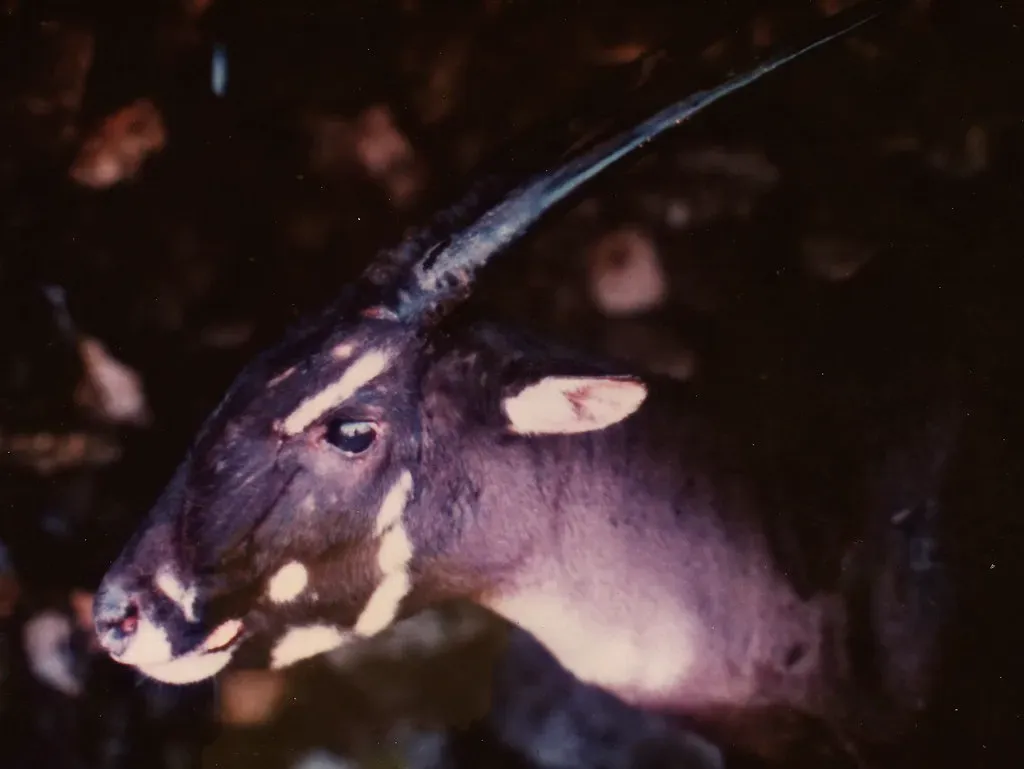
While most large-mammal discoveries these days come from remote camera traps, the saola broke that pattern entirely. It was discovered by science in 1992, after researchers stumbled across a skull hanging in a hunter’s house in a remote Vietnamese village. The unusual, nearly straight horns immediately told them they’d found something new to Western science.
No biologist has ever laid eyes on a living saola in the wild, even decades after its discovery. It’s the first large mammal new to science in more than 50 years, and one of the most spectacular zoological finds of the twentieth century. A few individuals were briefly captured over the years, but none survived long in captivity, and confirmed sightings still amount to nothing more than scattered camera-trap images. Nicknamed the “Asian unicorn,” it’s arguably the most famous animal alive today that essentially exists as a rumor with paperwork.
#5 – The Megamouth Shark Was Discovered Tangled in a Navy Ship’s Anchor
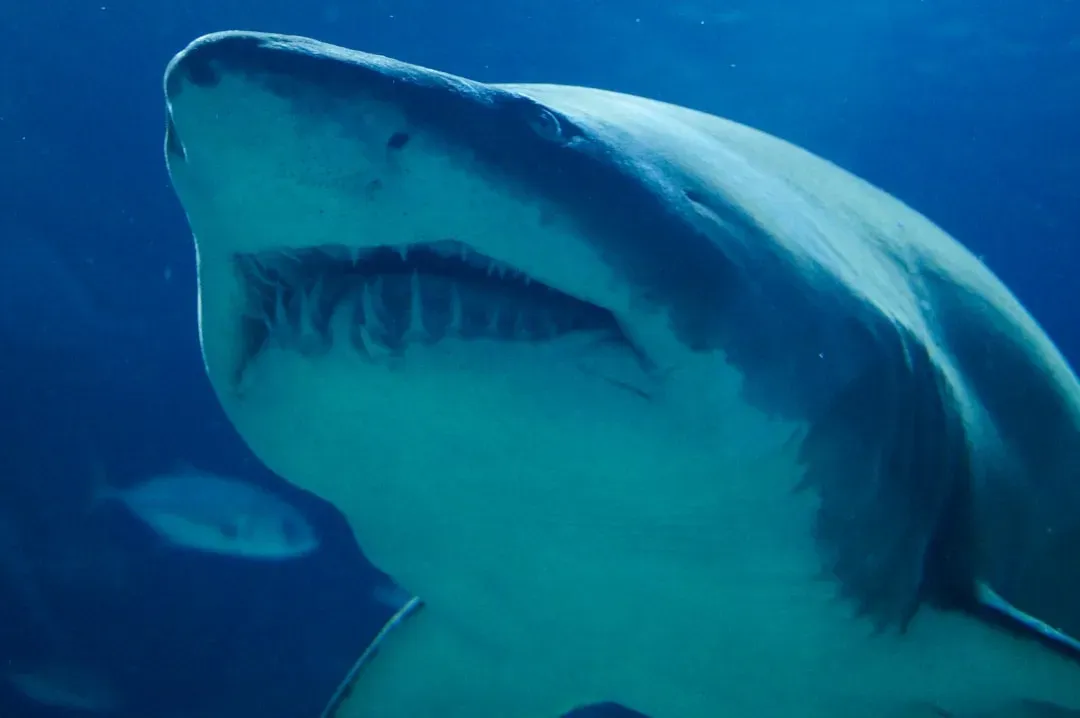
Nobody was hunting for a new species of shark in 1976 – a U.S. Navy research vessel near Hawaii simply hauled up its sea anchor and found an enormous, bizarre-looking shark tangled in the parachute lines. The animal had a cavernous, glowing mouth unlike anything catalogued before, and it was already dead by the time anyone got a good look at it.
Scientists had to build an entirely new family, genus, and species around a single dead specimen. For years afterward, megamouth sharks remained almost mythically rare, with each new discovery – dead or alive – making international news. Even today, confirmed live sightings number only in the dozens worldwide, making this deep-water filter feeder one of the rarest large sharks ever documented, despite reaching lengths of over 16 feet.
At a Glance
- First specimen surfaced on November 15, 1976, tangled in a U.S. Navy ship’s sea anchor near Oahu, Hawaii
- It’s the sole member of its own shark family, Megachasmidae
- For decades after its discovery, fewer than 100 specimens total had ever been documented worldwide, dead or alive
- It feeds by slowly swimming with its huge, rubbery-lipped mouth open, filtering plankton and jellyfish
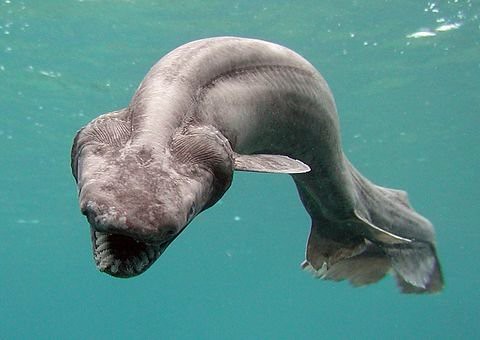
#6 – The Frilled Shark Looks Like a Sea Serpent and Was Known Almost Entirely From Trawled Corpses
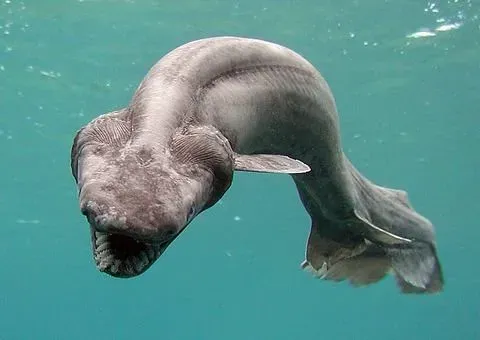
With its eel-like body, rows of needle-thin teeth, and gill slits that ripple like a frill around its throat, the frilled shark looks more like a Victorian sea-monster illustration than a real animal. For most of its scientific history, that’s essentially how people encountered it – as an unsettling dead specimen pulled from deep trawl nets, never once seen hunting or moving in the wild.
This shark is considered a living fossil, with a lineage stretching back roughly 80 million years with almost no change in body plan. Live footage of a frilled shark in its natural deep-sea environment wasn’t captured until relatively recently, and even now sightings remain exceptionally rare because the species lives in waters most cameras never reach. Most encounters, even today, still happen after the animal is already dead in a fishing net.
#7 – The Giant Oarfish Was Called the “Doomsday Fish” for Centuries Before Anyone Filmed It Swimming
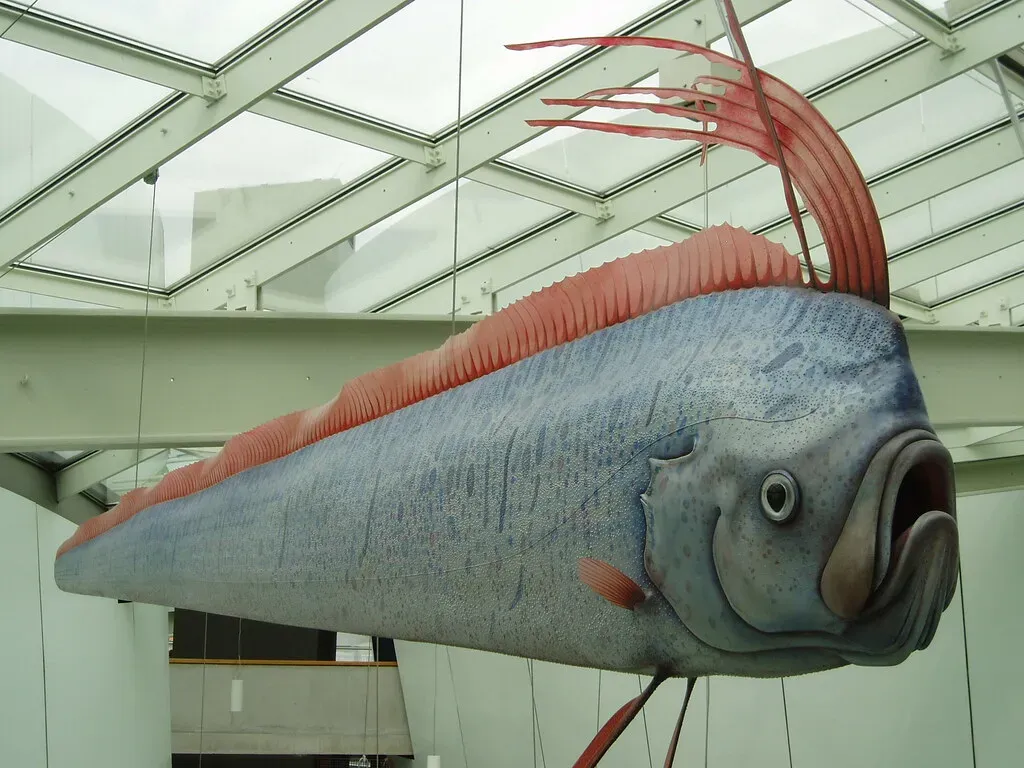
Long, silver, and capable of growing past 30 feet, the giant oarfish has washed ashore dead often enough throughout history to spark earthquake superstitions in Japan, where locals nicknamed it the “Messenger from the Sea God’s Palace.” For generations, nearly every human encounter with this fish involved a corpse on a beach, never a living animal in open water.
Giant oarfish live so deep that footage of one swimming naturally in its own habitat remained essentially nonexistent until recent decades. Scientists pieced together most of what they knew about its anatomy from stranded specimens, since the fish rarely survives being pulled to the surface. Its resemblance to sea-serpent legends isn’t a coincidence, either – many historical “sea monster” sightings are now believed to have simply been dying or dead oarfish drifting near shorelines.
#8 – The Pygmy Right Whale Is Still Better Known From Skeletons Than From Living Behavior
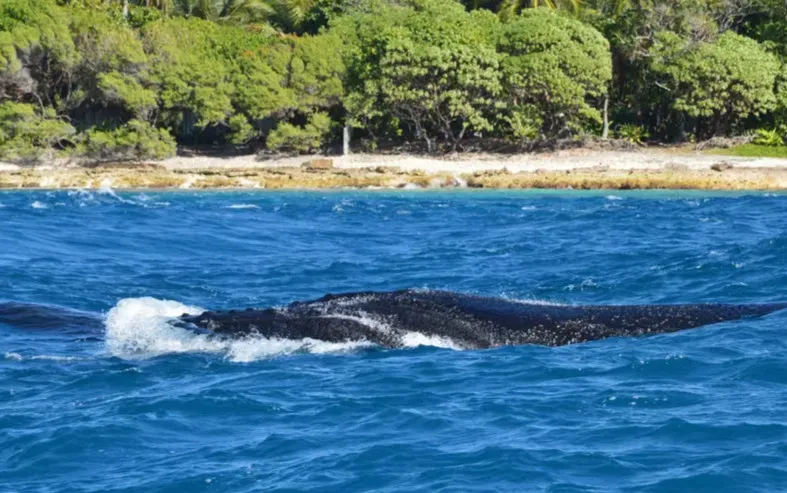
Despite being the smallest baleen whale species on Earth, the pygmy right whale remains one of the least understood large mammals alive today. Most of what scientists know about its skeletal structure, feeding apparatus, and internal anatomy comes from examining stranded or dead specimens rather than observing live populations.
Researchers still can’t confidently estimate this species’ global population, largely because live sightings at sea are so infrequent. Unlike most whales that surface dramatically or breach for observers, pygmy right whales are notoriously inconspicuous, blending into open water with almost no visible behavior. For much of the twentieth century, nearly everything published about the species relied on stranding records collected along Southern Hemisphere coastlines. It’s a strange case of an animal common enough to occasionally wash ashore, yet still nearly invisible alive.
Worth Knowing
- It’s the smallest of all baleen whale species alive today
- It’s the sole living member of its own family and genus, with no close living relatives
- Its range is limited to the temperate waters of the Southern Hemisphere
- Most scientific knowledge still comes from whales that stranded on beaches in New Zealand, Australia, and South Africa
#9 – The Colossal Squid Was Pieced Together From Beaks and Fragments for Decades
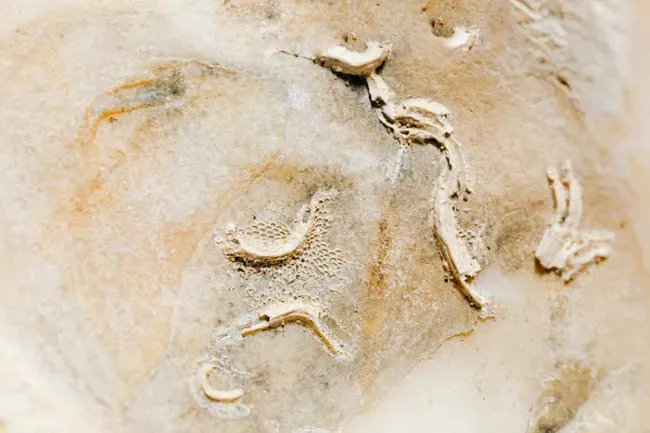
Even larger and heavier than the giant squid, the colossal squid spent most of its scientific history as a puzzle assembled from stomach contents and scattered body parts rather than a complete specimen. Sperm whales hunting in the deep Southern Ocean occasionally surface with massive sucker-scars and undigested beaks, giving researchers indirect proof of an animal nobody had actually seen intact.
A largely complete colossal squid specimen wasn’t examined by scientists until the early 2000s, and even then it arrived dead, hauled up by a fishing vessel in Antarctic waters. Its eyes are believed to be the largest of any animal on the planet, an adaptation for spotting faint light and predators in the crushing darkness of the deep sea. To this day, no one has filmed a healthy, adult colossal squid alive in its natural habitat.
#10 – The Bigfin Squid Is Only Known Alive Through Blurry Submersible Footage, Never a Clean Specimen
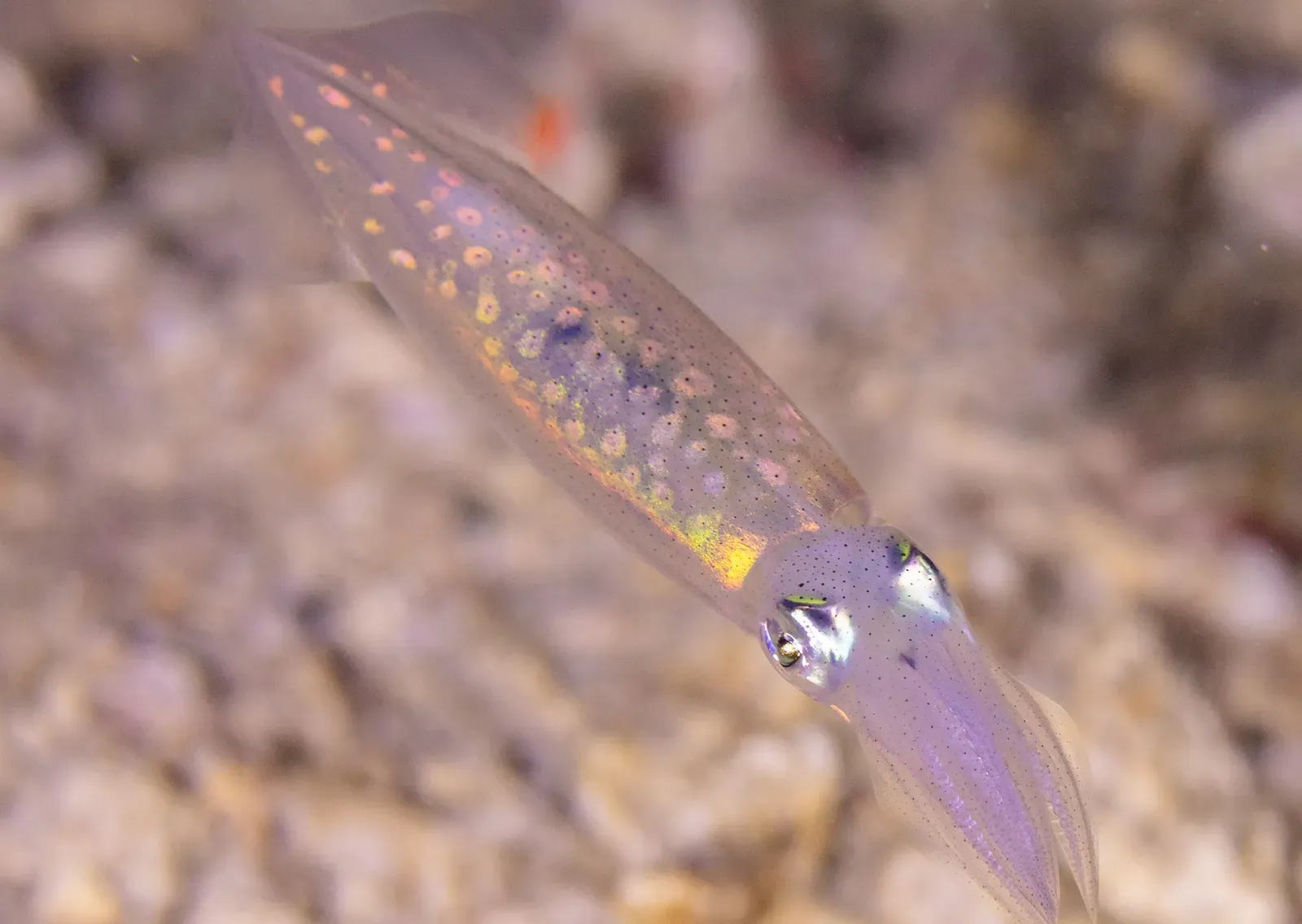
Most of what science actually knows about bigfin squid comes from a handful of grainy submersible video clips, because every physical specimen recovered has arrived in terrible condition. Their long, spindly arms are so fragile that nets and pressure changes destroy them almost instantly, leaving researchers with little more than damaged tissue to study.
Scientists still can’t confidently describe this squid’s full adult size, reproductive behavior, or even basic taxonomy, because a fully intact specimen has essentially never been recovered. The bizarre, elbow-like bends in its ten nearly equal-length arms make it one of the strangest cephalopod body plans ever documented. Ironically, this is one of the only animals on this list where the rare glimpses of it alive are actually less confusing than its dead remains.
#11 – Neopilina Was Known From 500-Million-Year-Old Fossils Before a Living Mollusk Was Ever Found
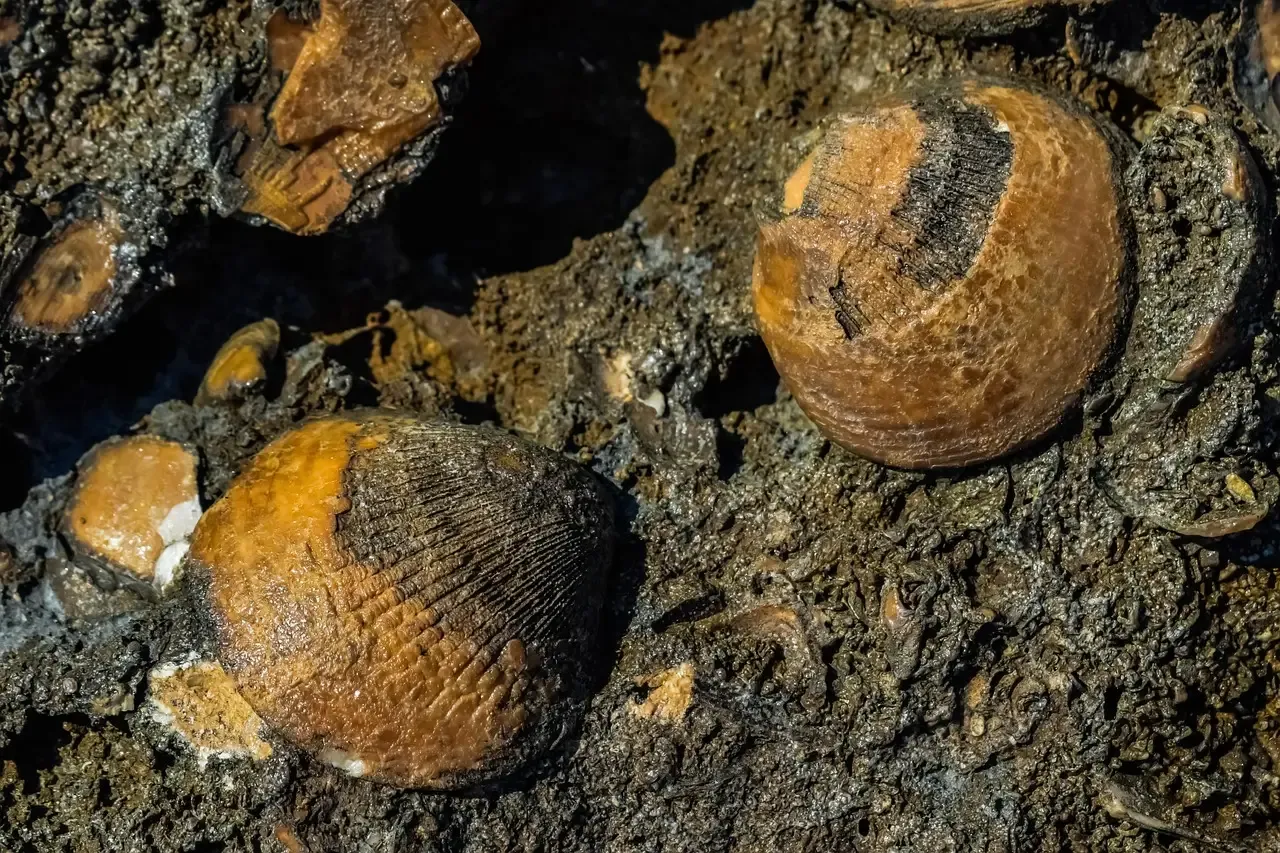
For nearly a century, paleontologists treated an entire class of mollusks called Monoplacophora as unambiguously extinct, known only through fossilized shells embedded in ancient rock layers. These segmented, limpet-like creatures were assumed to have vanished hundreds of millions of years ago, alongside the earliest complex marine life.
In 1952, a Danish research expedition dredged living Monoplacophorans from a deep ocean trench near Costa Rica, shocking the scientific community and instantly rewriting a chapter of evolutionary biology. The genus was named Neopilina, and its discovery is still cited as one of the most significant “living fossil” finds of the twentieth century. Most people have never heard of it, yet it’s arguably a bigger scientific bombshell than the coelacanth.
#12 – The Laotian Rock Rat Was Identified From a Dead Specimen Sold as Food
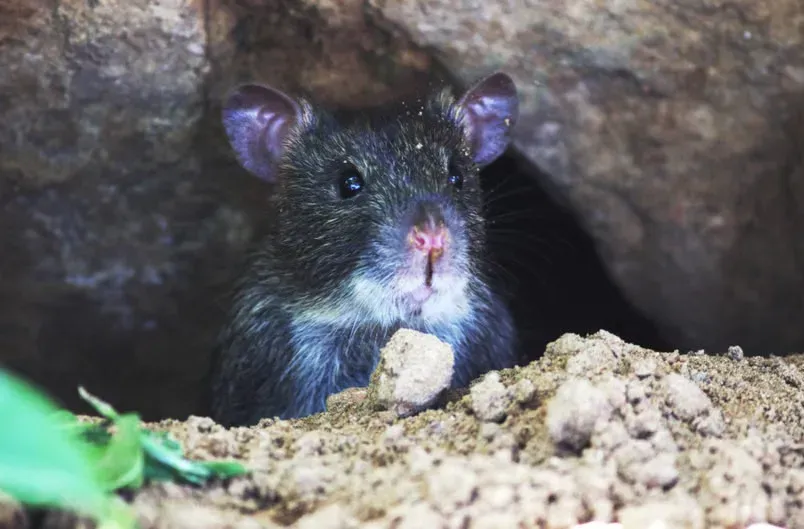
In 1996, researchers stumbled across an unfamiliar rodent for sale on a food market stall in Laos – already dead, skinned for cooking, and unlike anything documented in modern rodent taxonomy. The animal’s unusual features were distinctive enough that scientists eventually classified it not just as a new species, but as representing an entire family thought to have gone extinct roughly 11 million years earlier.
Locals had apparently eaten this animal for generations without anyone realizing its evolutionary significance.
This rodent is sometimes nicknamed a “living fossil” because its closest known relatives exist only in the fossil record, not among any other living species. It took years after that initial market discovery before scientists managed to document and study confirmed living individuals in their natural habitat. Most people have never heard of an animal being scientifically identified from a dinner stall – but stick around, because #13 is stranger.
#13 – Longman’s Beaked Whale Was Known From Two Skulls for Nearly 80 Years
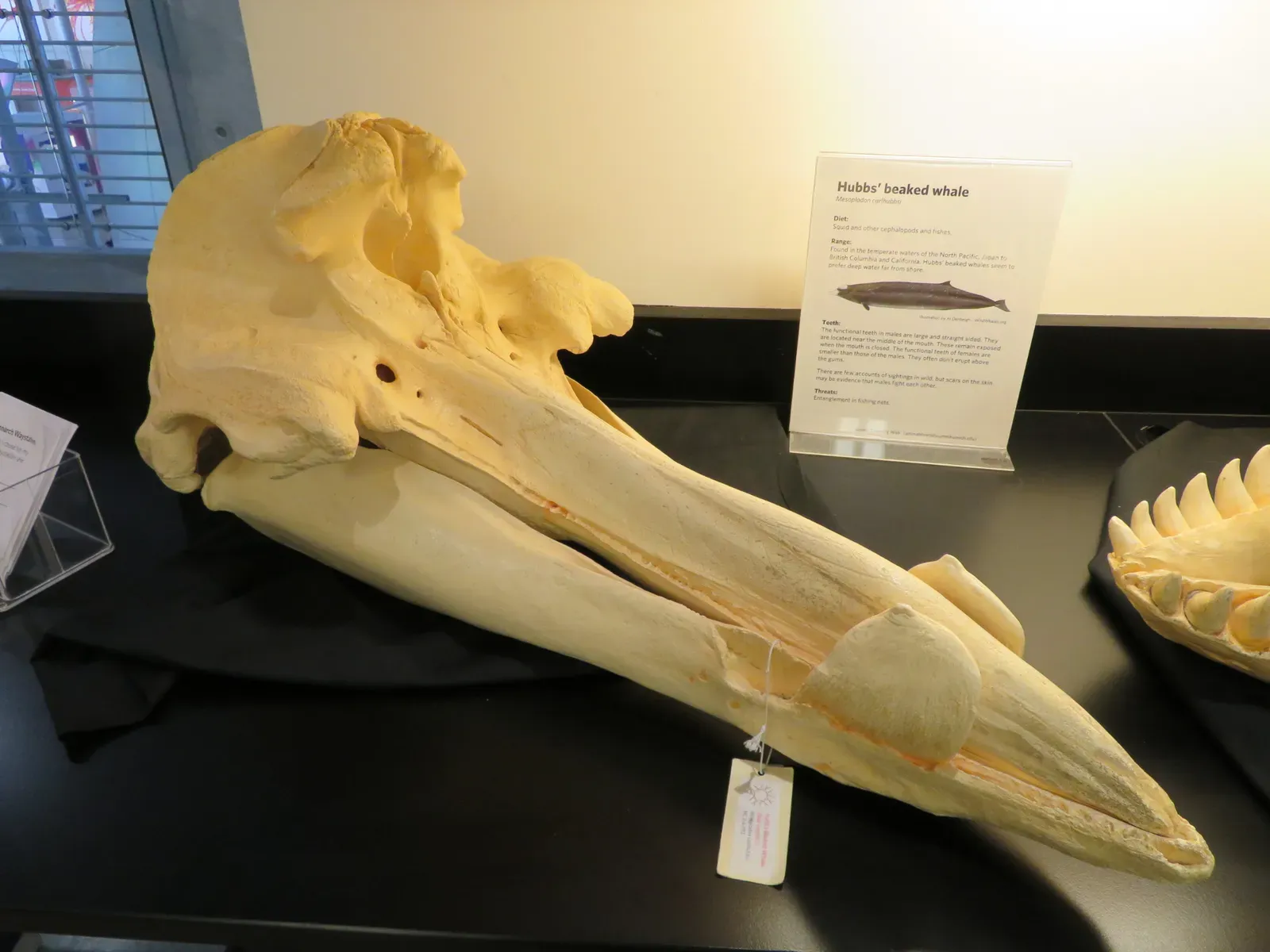
For most of the twentieth century, one of the ocean’s largest beaked whale species existed in scientific literature purely as bones. The first skull was found in Australia in 1882 and described by H.A. Longman – the whale’s namesake – in 1926; the second skull turned up in Africa in 1955. That’s it. Two skulls, found decades apart on opposite sides of the world, were the entire evidentiary basis for an animal that can grow over 20 feet long.
Researchers debated for years whether this whale was even a legitimate, distinct species, since so little physical evidence existed to compare it against other known whales. A skeleton later collected from Santa Ana, Cagayan turned out to be by far the most complete ever found, and probably one of the best-preserved beaked whale specimens in the world. It wasn’t until DNA analysis in the early 2000s and a wave of confirmed strandings that scientists finally described what this whale actually looked like alive – and went back to review old photographs, realizing it had quietly been spotted at sea for years without anyone knowing what they were looking at.
Quick Compare
- Longman’s beaked whale: known only from two skulls for nearly 80 years before DNA testing finally confirmed the species in the early 2000s
- Spade-toothed whale: known only from jaw and skull fragments for close to 150 years, and still never observed alive
- Coelacanth: presumed extinct for tens of millions of years until a living specimen surfaced in 1938
- Saola: identified from a skull in a hunter’s home in 1992, and still never confirmed alive by a scientist in the wild
#14 – The Spade-Toothed Whale Has Never Been Confirmed Alive, Even Once, in Recorded History
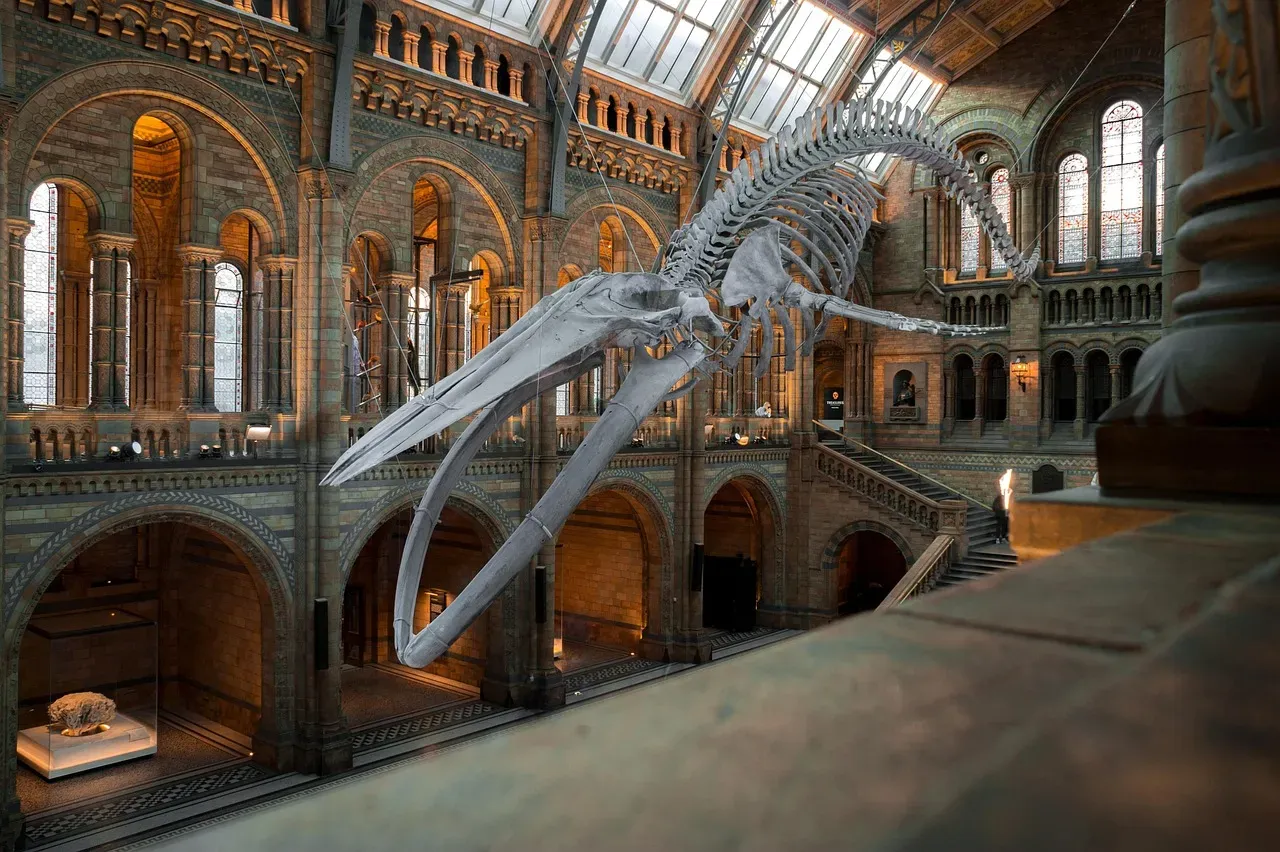
If there’s one animal on this list that represents the absolute extreme of “known dead, never confirmed alive,” it’s this one. For almost 150 years, nobody had seen a spade-toothed whale – not because it had gone extinct, but because no one had ever seen one alive in the first place. The first clue to its existence came in 1872, when Scottish geologist James Hector described an unusual jaw found on New Zealand’s Pitt Island.
Only a handful of specimens have ever been documented, and every single one has been dead. Since then, just seven stranded individuals have ever been found. Another turned up on an offshore island in the 1950s, and a third set of bones surfaced on Chile’s Robinson Crusoe Island in 1986. DNA sequencing in 2002 proved all three specimens belonged to the same species, and that it was distinct from every other beaked whale on record. But researchers couldn’t even confirm the species was still alive until 2010, when two whole spade-toothed whales – both dead – washed up on a New Zealand beach. This is officially the rarest whale on Earth, and it may stay that way indefinitely. Nobody knows where it lives, what it sounds like, or how it behaves, because nobody has ever watched one breathe.
The Bottom Line
These fourteen animals prove something most people never stop to consider: science doesn’t need a living witness, just enough evidence to build a convincing case. From a squid known through whale stomach contents to a whale that has genuinely never been seen alive by a single human being, corpses and fragments have quietly rewritten zoology again and again.
The coelacanth and the Chacoan peccary aren’t just fun trivia – they’re proof that “extinct” is often just a polite way of admitting we haven’t looked hard enough yet. Given how much of the deep ocean and remote forest remains unexplored, I’d bet money more “dead-first” discoveries are sitting out there right now, waiting for someone to trip over the right skull, the right net, or the right fish market stall. Which one on this list surprised you the most? Drop your pick in the comments.