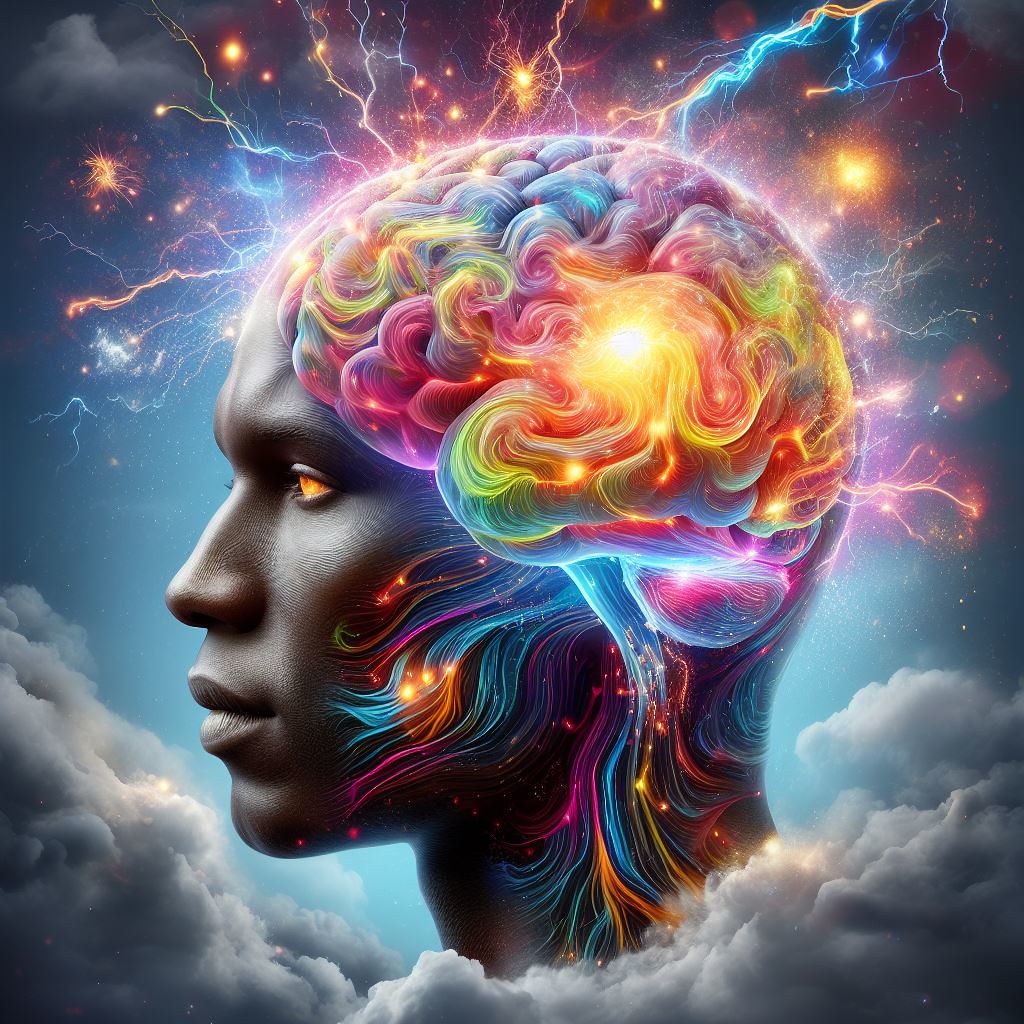
If you have ever replayed a decision in your head and wondered whether you could honestly have chosen differently, you are stepping straight into one of the deepest fights in modern neuroscience. On one side, you have brain data that seems to show your neurons gearing up for action before you are consciously aware of choosing; on the other, your lived sense that you really do weigh options and decide. You are caught between a lab stopwatch and your gut feeling of being an author of your own life.
What makes this so unsettling is that the stakes are not just academic. How you think about free will changes how you judge yourself, how you forgive others, how you think about responsibility, addiction, mental illness, and even criminal justice. As you walk through what neuroscience actually knows (and what it really does not), you start to see that the question is less about whether you are a robot and more about what kind of freedom is realistic for a brain made of cells, chemicals, and electrical spikes.
Why Your Sense of Choosing Feels So Real

You wake up each day with a powerful impression that you are in the driver’s seat: you pick your clothes, your breakfast, your route to work. This feeling of agency is not a tiny side-effect; it is one of the core ways you experience being alive. Your brain stitches together these moments into a story where you are the main character who makes things happen, not a passenger being dragged along by biology and circumstance.
Neuroscientists see this sense of control as a kind of internal model, built from many brain systems that track your actions, their consequences, and how predictable they are. When your actions lead to outcomes you expect, you feel in charge; when they don’t, that sense of agency weakens. You can notice this directly when you feel clumsy, drunk, exhausted, or manipulated: your movements and words still happen, but they do not feel quite like they are fully yours, and your felt freedom shrinks.
What Classic Experiments Really Show (and What They Don’t)
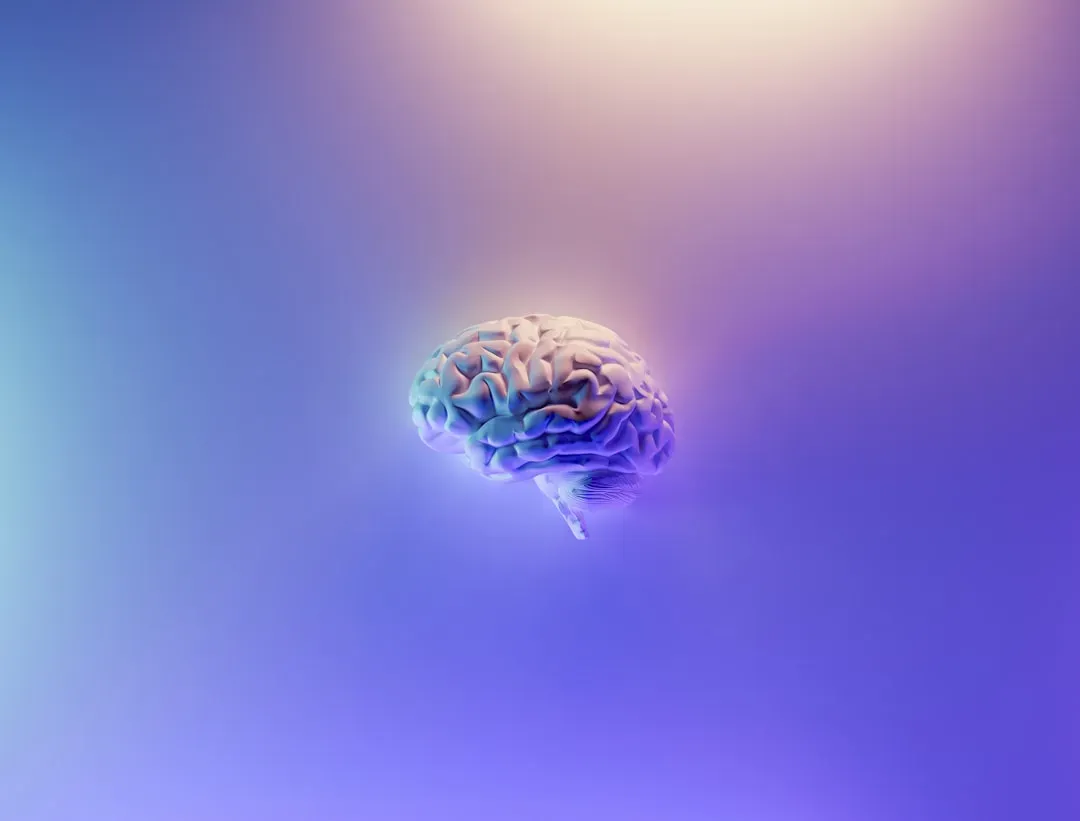
If you have heard that scientists “proved” free will is an illusion, you are usually hearing a simplified version of classic experiments where people flex a wrist or press a button while watching a clock. In these setups, researchers find brain signals that ramp up a fraction of a second before people say they made a conscious decision to move. On the surface, it looks like your brain “decides” first and only later hands you the story that you chose.
But when you look closer, those experiments ask you to make trivial, meaningless choices on command, with no real stakes or planning. The early brain signals could reflect a buildup of random fluctuations or general readiness rather than a fixed decision. In your real life, important choices usually involve weighing goals, values, and consequences over minutes, days, or years, not milliseconds. Lab data about finger taps can still be valuable, but it does not straightforwardly tell you whether your career moves, relationships, or moral decisions are just illusions.
Your Brain as a Prediction Machine
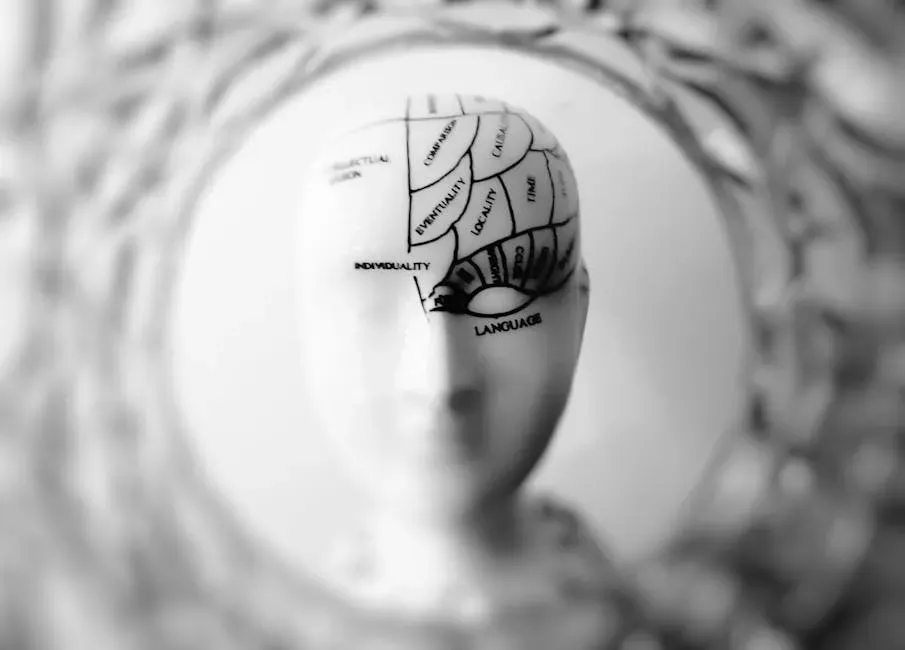
You can think of your brain less as a passive receiver of experience and more as a restless prediction engine. It constantly tries to guess what will happen next and what you will do next, using your past experiences, your habits, and your current context. From that angle, your feeling of “I am about to choose this” might partly be your brain predicting your own future action and then experiencing that prediction as a conscious intention.
This prediction view does not automatically kill free will, but it does make your experience of deciding more complex. Your sense of “I could have done otherwise” might really mean “my brain could have entered a different predictive loop if the situation or my learning history had been different.” That still leaves real room for change, because when you learn new skills, adopt new habits, or change environments, you literally reshape what your brain predicts you will do next.
Habits, Biases, and How Much Control You Really Have
When you pay attention to your daily routines, you notice that a surprising amount of your life runs on autopilot. You grab your phone without thinking, you snack when you are stressed, you scroll social media even when you promised yourself you would not. Neuroscience links this to habit circuits in your brain that can trigger actions with very little conscious input once they are well-learned. In those moments, it does not feel like you are thoughtfully choosing so much as sliding down a well-worn track.
Add to that your cognitive biases: shortcuts your brain uses that tilt your judgments in systematic ways, like favoring familiar options or sticking with default choices. These invisible nudges can make your decisions look freer than they really are. But the key point is that you can become aware of some of these patterns and deliberately push back. When you install small friction points – like blocking apps, rearranging your environment, or pausing before reacting – you are not escaping biology; you are using one part of your biology to steer another, which is a more realistic kind of control.
Brain Damage, Disorders, and the Edges of Free Will

You see the limits of free choice most dramatically when something goes wrong in the brain. People with certain frontal lobe injuries can act impulsively, losing the ability to plan ahead or resist urges they themselves find disturbing. Others with movement disorders or seizures can experience actions, words, or tics that feel completely alien to them. In these cases, your intuitive sense that responsibility should be softened or shared with the illness gets very strong very quickly.
These conditions do not prove that everyone else is fully free; instead, they show you that your capacity for self-control exists on a spectrum, and it depends heavily on healthy brain networks. You probably move up and down that spectrum even within a single week, based on sleep, hormones, substances, stress, and mood. When you recognize this, you can stay compassionate without pretending that nothing is ever under anyone’s control, including your own.
Can You Be Free in a Determined Universe?

A big philosophical worry you may have heard is that if the universe follows physical laws, then every brain state follows from earlier brain states, leaving no room for genuine freedom. On this view, even your deepest choices would be the inevitable outcome of genetics, early upbringing, and random events, all grinding along like gears. That can feel like a punch in the stomach when you imagine your life as something you are supposed to author.
Many philosophers and neuroscientists respond by redefining what kind of freedom actually matters. Instead of demanding magical independence from causality, they argue that you are free when your actions flow from your own reasons, values, and long-term goals, not from coercion, addiction, or severe impairment. Under that picture, your brain’s causal story does not erase your agency; it is the mechanism that makes your agency real, in the same way that the structure of a violin does not ruin the music but enables it.
From your point of view, this means your freedom grows when your reasoning is clearer, your impulses are regulated, and your environment stops constantly hijacking your attention. You become more of an author when your actions line up with what you care about most, rather than with your shortest-term cravings.
Responsibility, Guilt, and How You Judge Yourself
How you think about free will quietly shapes the way you treat your own mistakes. If you imagine yourself as a completely free-floating chooser, you might swing toward harsh self-blame: every bad outcome becomes a pure character failure. If you go to the opposite extreme and treat yourself as a powerless product of forces beyond your control, you can easily slide into passivity and learned helplessness, where change feels pointless.
Neuroscience pushes you toward a middle ground, where your brain and environment set strong tendencies but do not absolutely fix your future. You can acknowledge that childhood, trauma, poverty, or illness stack the deck without pretending the game is already over. That gives you room to see guilt and regret not as punishments you owe yourself forever, but as signals that can guide learning, therapy, or concrete changes. In that frame, responsibility is less about moral weight on your shoulders and more about the honest power you have to shape what comes next.
How Understanding Your Brain Can Expand Your Freedom
Counterintuitively, learning that your decisions are influenced by brain mechanisms does not have to make you feel less free; it can actually give you more leverage. When you understand that willpower is a limited resource, you stop relying on sheer grit for everything and start designing smarter cues, routines, and social supports. You begin to see that changing your sleep, exercise, and stress levels are not lifestyle decorations but direct ways of tuning the circuits that help you pause, reflect, and choose more wisely.
You can also use this knowledge to be less mystified by yourself. When you notice that you are more irritable or impulsive after a terrible night, you can treat it as a brain state to be managed, not a moral verdict. Over time, those small, brain-savvy adjustments add up. You may never get the godlike, absolute free will some stories promise, but you can gain a more grounded, practical kind of freedom: the growing ability to steer your life within real biological and social limits.
So, Are You Really Free? A Realistic Takeaway
When you put it all together – the experiments, the brain scans, the habits, the disorders – you do not get a neat yes-or-no answer. You get a picture where your sense of free will is partly constructed, partly constrained, and partly earned. You are not a ghost in the machine, but you are also not just a puppet dangling from invisible neuronal strings; you are more like a self-modifying system that can slowly rewrite some of its own rules.
In practice, that means you do best when you drop the fantasy of total control and the excuse of zero control at the same time. You live in the messy middle, where understanding your brain is not an attack on your freedom but a toolkit for strengthening it, bit by bit. As you move through your next tough decision, you might ask yourself: within the real limits of my brain and my world, what kind of freedom can I grow today – and what will I choose to do with it?