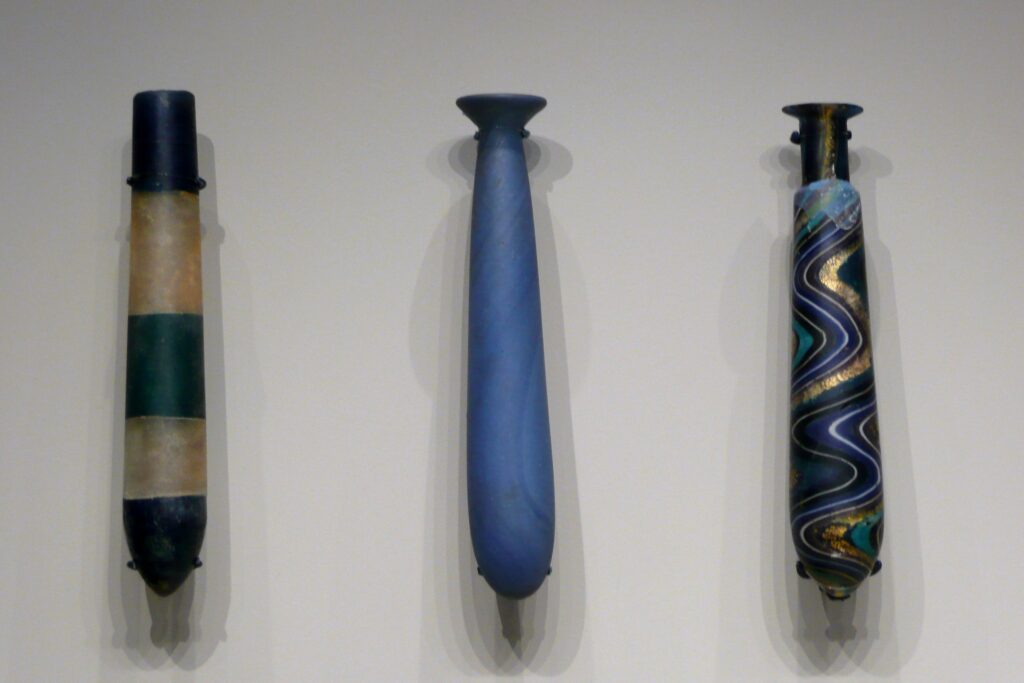
Everyone assumes a “lost recipe” is just a nice campfire story – a monk who forgot to write something down, a grandmother who took a secret to her grave. Cute, but harmless. Except when actual chemists, with actual mass spectrometers and electron microscopes, sit down to rebuild these ancient formulas, something weirder happens: they fail. Quietly, repeatedly, and in some cases permanently.
We’re not talking about primitive guesswork here. We’re talking about materials so strange that modern labs can match the ingredient list on paper and still end up with something worse, weaker, or shorter-lived than what people were casually making two thousand years ago with clay pots and fire. Thirteen of these recipes have humbled some of the smartest chemists alive – and the reasons why are stranger than the recipes themselves.
#13 – Roman “Self-Healing” Concrete That Gets Stronger in Seawater
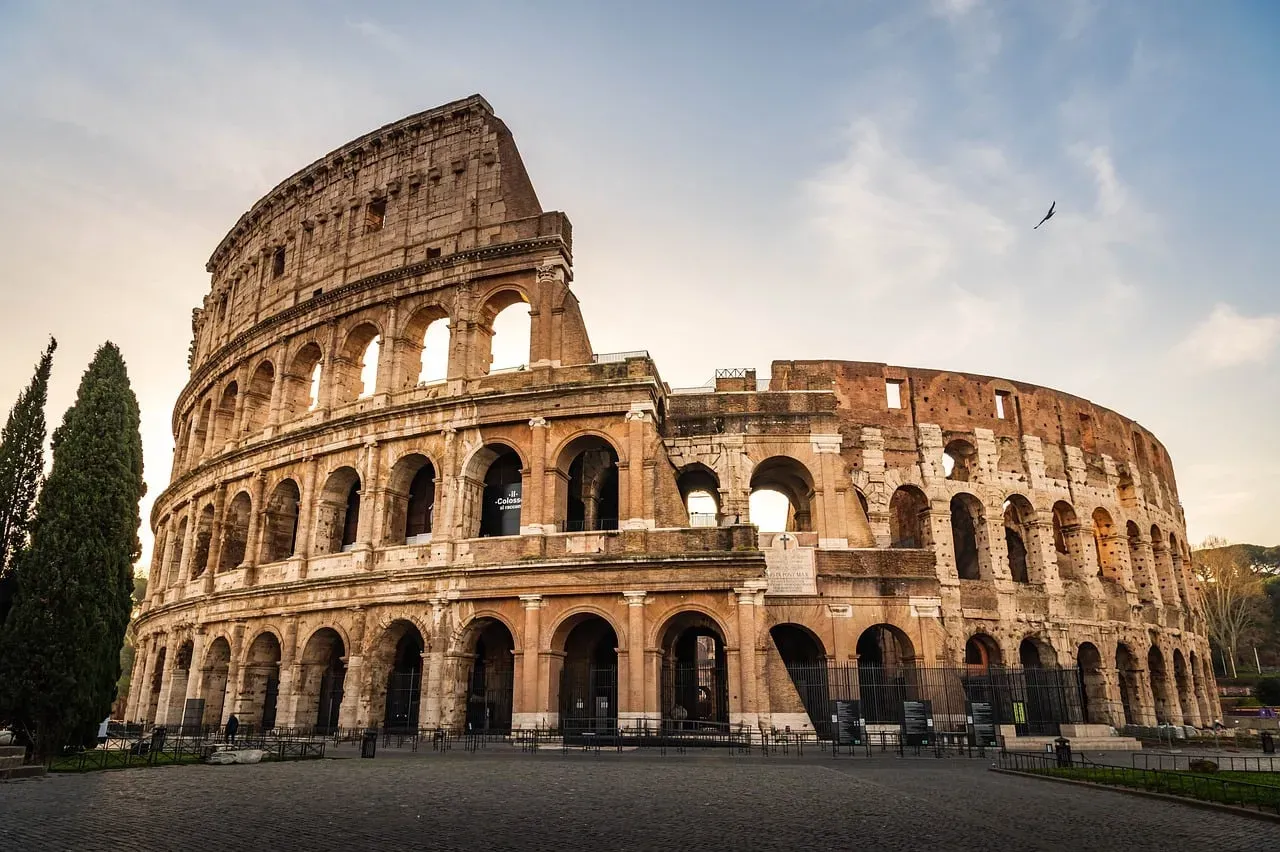
Roman concrete doesn’t just survive – it actively heals itself. Most people assume scientists cracked this one years ago, but talk to a materials researcher off the record and you’ll hear something different: they’re still guessing at the fine print. Builders mixed volcanic ash, often hauled from Pozzuoli near Naples, with lime and aggregate, then let seawater slowly seep into the mix for centuries. That salty intrusion triggered crystal growth inside micro-cracks, quietly turning weak spots into new stone.
The catch is that Rome never used one master formula. Different quarries, different kilns, even different firewood changed the ash chemistry and firing temperature in ways nobody bothered to record. Trace elements and decades-long curing conditions mattered more than anyone expected, and today’s “Roman-style” concretes, however promising, haven’t earned the right to call themselves proven. We simply won’t know for another few centuries whether our modern copies can survive real seawater the way the originals did.
Fast Facts
- Roman concrete recipes date back to at least the 3rd century BCE
- The unreinforced dome of the Pantheon, poured around 126 AD, is still the largest of its kind in the world
- Volcanic ash from Pozzuoli, near Naples, was shipped across the empire specifically for concrete production
- Roman harbor structures built with this material have survived over 2,000 years of direct wave and saltwater exposure
#12 – Damascus Steel: The Blade That Behaved Like a Living Metal
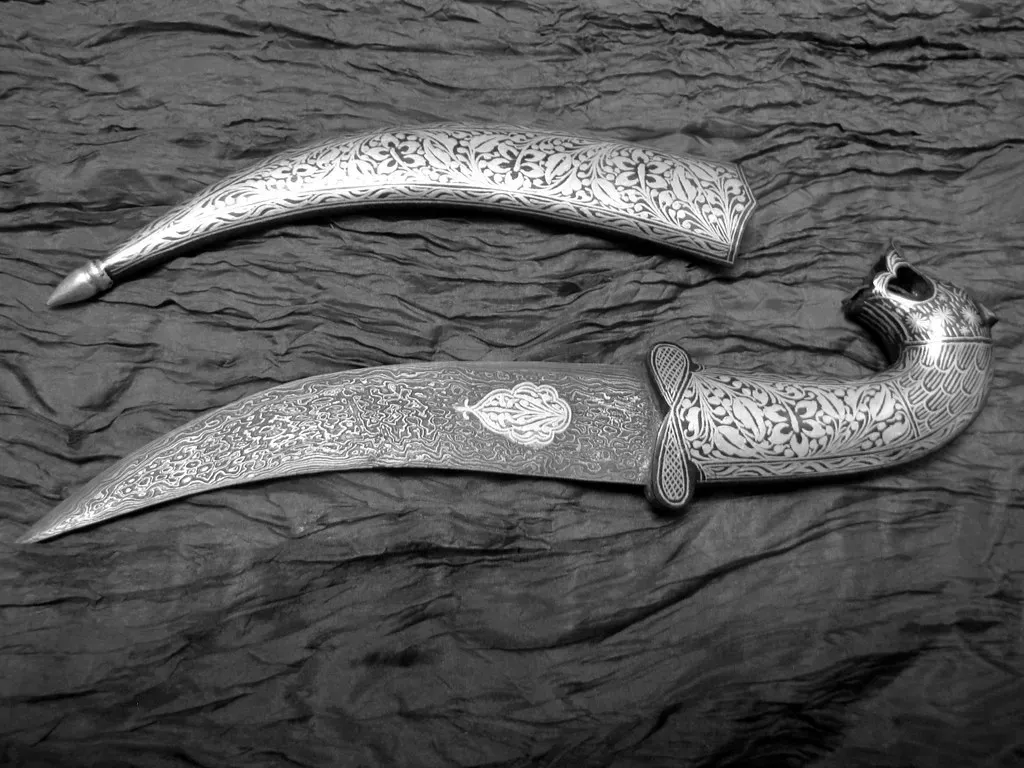
Damascus steel is the ultimate ancient tease – modern metallurgists get maddeningly close and still miss. These legendary Middle Eastern blades combined razor-sharp edges with bizarre flexibility, all wrapped in swirling, water-like patterns baked into the metal itself. Today’s patterned steels can look the part, but most are cosmetic laminates layered to mimic a structure that was originally grown, not forged.
The real magic came from microscopic carbides arranged in impossibly delicate patterns, shaped by ore source, plant-based carburizing materials, and forging temperatures nobody wrote down. Modern labs can nail one property at a time – pattern, hardness, or toughness – but rarely all three at once, and rarely twice in a row with a new batch of ore. Until someone can mass-produce a blade with the full authentic performance, Damascus steel stays a recipe we’ve only half-cracked.
#11 – Greek Fire: The Medieval Weapon Nobody Actually Wants Rebuilt

Calling Greek Fire “ancient napalm” undersells it badly. This Byzantine weapon reportedly burned on top of water and clung to enemy ships like something out of a nightmare, and it terrified opponents for centuries. Every serious modern attempt to rebuild it hits the same wall: chemists can name the likely ingredient family – petroleum distillates, resin, sulfur, quicklime, maybe metal powders – but nobody can lock down the exact ratios or delivery method.
Two things keep this recipe buried. First, it was a closely guarded state secret passed down orally by a tiny circle of specialists, and secrets like that don’t survive empires falling. Second, ancient accounts describe pressure-driven siphons and heated bronze tubes that would be genuinely tricky to engineer even now without the whole apparatus clogging or melting. Labs can cook up something that burns nastily on contact with water – matching the persistence and range described by terrified eyewitnesses is another story entirely, and maybe that’s for the best.
#10 – Mithridates’ Antidote: The Poison King’s “Universal” Cure
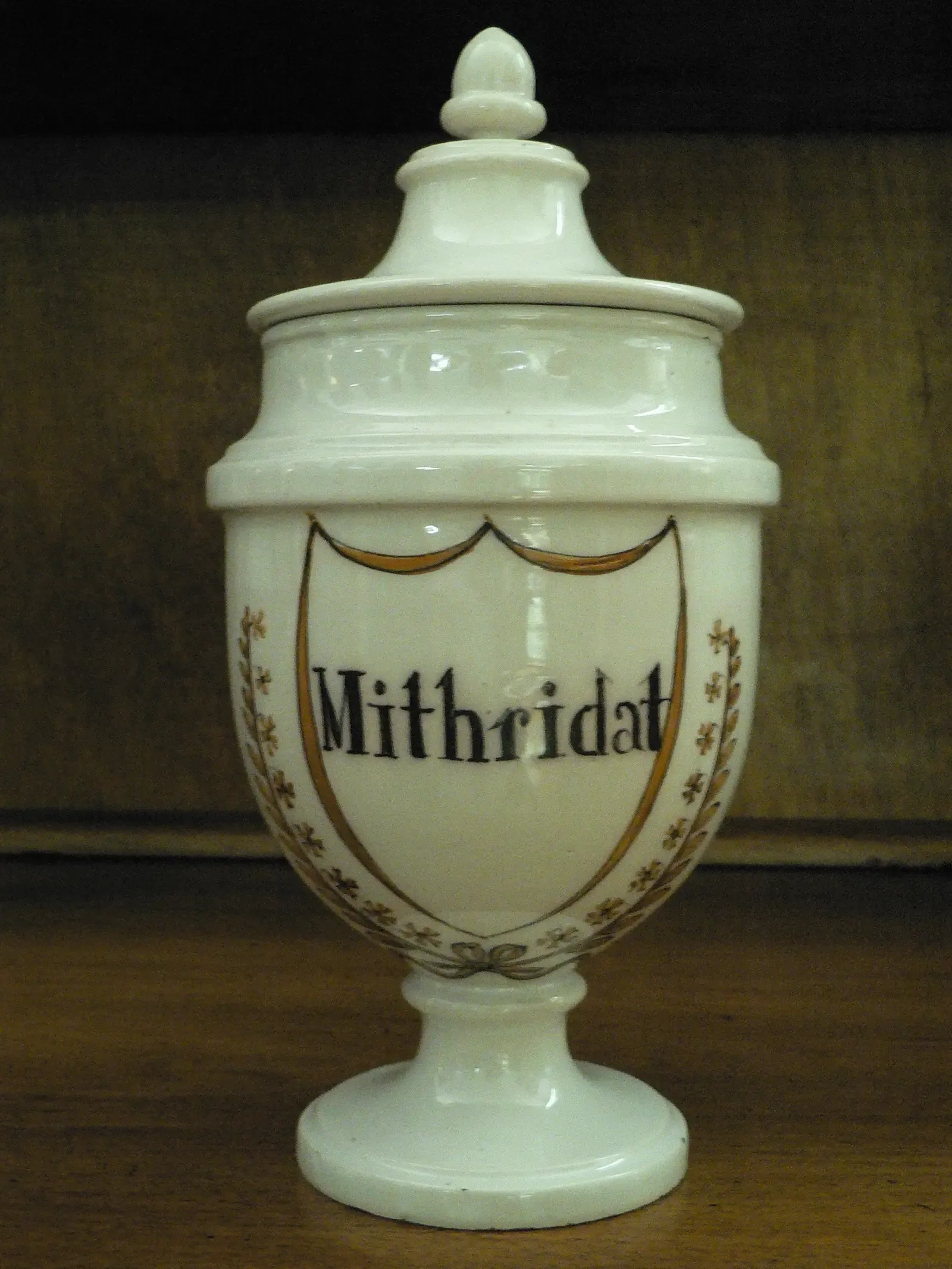
King Mithridates VI of Pontus supposedly dosed himself with tiny amounts of dozens of poisons every day, then commissioned a master antidote meant to neutralize almost anything thrown at him. Roman physicians later expanded it into “theriac,” a dense paste sometimes containing 50 to 70 ingredients, from opium to exotic spices to viper flesh. It sounds like something a modern toxicologist could reverse-engineer in an afternoon. It isn’t.
Ancient manuscripts routinely leave out the details that actually matter: which exact snake species, which plant chemotype, whether the ingredient was fresh or dried, macerated or boiled. Modern labs can mash together a historically inspired version, but the synergistic interactions of dozens of bioactive compounds over long aging times are nearly impossible to model, especially when the original ingredients varied by region and season anyway. There’s no single authoritative chemical fingerprint of Mithridates’ antidote to compare anything against – just plausible guesses dressed up as reconstructions.
#9 – Egyptian Blue: The Accidental Nanotech Pigment
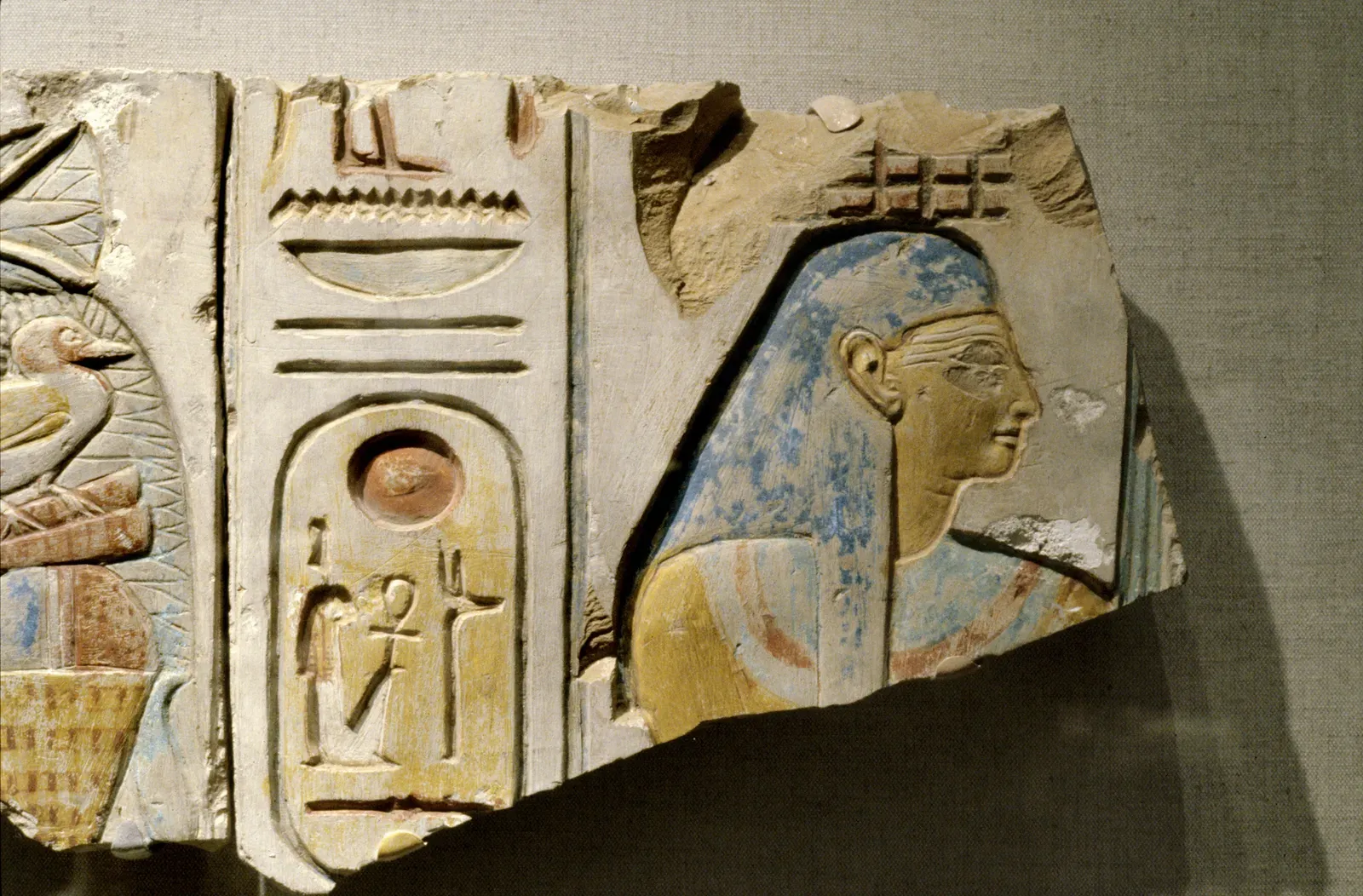
Egyptian blue sounds simple on paper – copper, silica, lime, and an alkali, fired together in a kiln. In reality, it’s a nanotechnology accident that predates the concept of nanotechnology by roughly four thousand years. Shine infrared light on it and it glows with startling efficiency, a property modern scientists now borrow for security inks and biomedical imaging.
What still eludes labs is the sheer range of textures, hues, and long-term stability seen across surviving artifacts. Ancient artisans used variable sand sources and kiln atmospheres that subtly reshaped the crystal growth of cuprorivaite, the pigment’s key mineral phase, tuned by eye and smell rather than thermocouples. Trace impurities of iron, magnesium, and stray alkalis shifted the color and glow in ways no textbook ever captured, so a powder that performs beautifully in a controlled lab test can quietly underperform the moment it’s mixed into real paint or plaster.
At a Glance
- Egyptian blue is considered the first known synthetic pigment, dating to around 2600 BCE
- Its key mineral, cuprorivaite, wasn’t properly identified by chemists until the 19th century
- The pigment glows under near-infrared light, a property completely invisible to the naked eye
- Faint traces of it have turned up on the Parthenon marbles, long after the visible color vanished
#8 – Han-Era “Ghost” Bronze That Refuses To Corrode
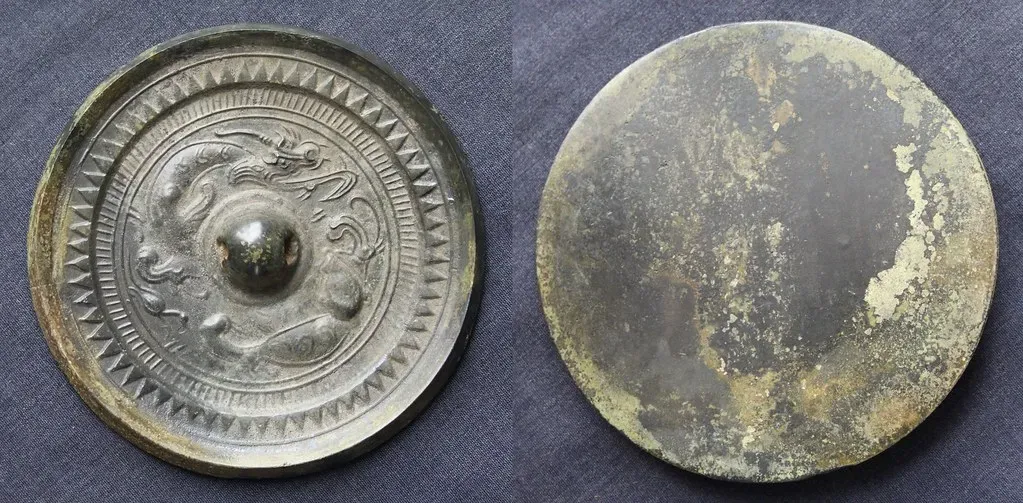
Some ancient Chinese bronzes, from the Shang and Zhou dynasties through the Han period, look shockingly fresh for objects buried thousands of years ago in aggressive soil. Most people chalk it up to a dry climate. Metallurgists know better – these artifacts often show unusual alloy compositions and self-limiting corrosion layers that behave like a built-in protective coating rather than ordinary rust.
Modern foundries can cast bronze in similar copper-tin-lead-arsenic ranges, yet still struggle to reproduce the exact microstructure. The likely culprits are variable ore sources rich in trace elements like antimony and silver, repeated melting cycles that altered impurity profiles over generations, and cooling rituals that were never written down in engineering terms. The result is a patina that seals the metal instead of flaking off, and modern labs can only approximate it – tiny shifts in soil moisture or chemistry can flip a reconstruction from “protected” to “ruined” without warning.
#7 – Maya Blue: The Pigment That Laughs At Acid Rain
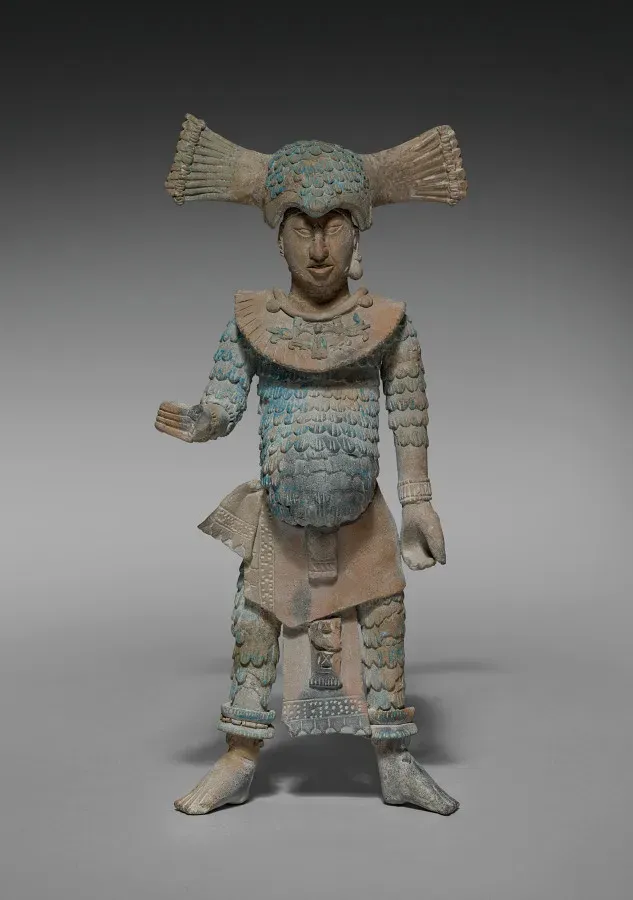
Maya Blue is a turquoise pigment used across Mesoamerica on murals, pottery, and even human remains, and chemically it’s a strange hybrid of organic dye and clay mineral – an indigo-like molecule locked into the microscopic channels of palygorskite clay. Scientists understand this part fine. What they can’t fully copy is the pigment’s bizarre resistance to acids, solvents, and centuries of weathering.
Lab versions can look right under normal light, but replicating the exact particle size, the uniform depth of dye intercalation into the clay channels, and the extreme long-term stability on humid temple walls is another matter. Ancient artisans heated plant dyes and clay over low fires, sometimes with incense resins mixed in, and minor variations in firing time or the botanical source of the indigo could radically change the final durability. Modern attempts get close enough to fool the eye, but under a microscope or accelerated aging test, conservation scientists can usually spot the fake – it fades, chalks, or shifts tone in ways true Maya Blue simply refuses to.
#6 – Orichalcum: The Almost-Mythical Metal of Atlantis
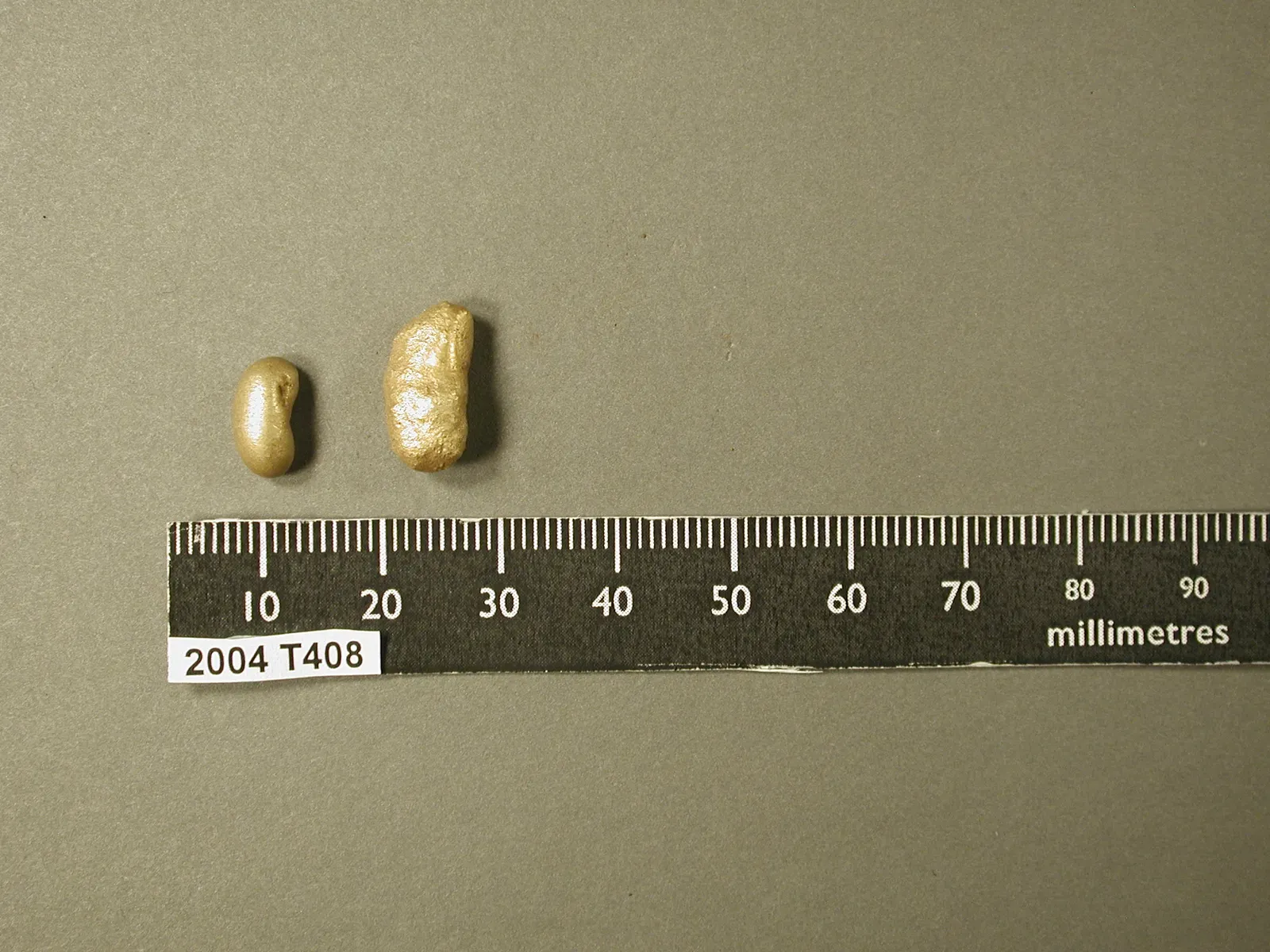
Orichalcum shows up in ancient myths and inscriptions as a prestigious metal ranked just below gold, tied to temples, armor, and famously to Plato’s Atlantis. For decades, historians argued over whether it was a real alloy, ordinary brass, or pure literary invention. Then ingots turned up off the coast of Sicily, suggesting it might be a brass-like copper-zinc alloy with extra touches of lead and nickel.
But matching the bulk composition on a spectrometer isn’t the same as recovering the recipe as ancient people actually experienced it. Ancient texts describe a color, shine, and workability that don’t map cleanly onto modern brass categories, likely because variable ores and furnace atmospheres produced subtle gradients in zinc content and grain structure across a single piece. Archaeometallurgists still argue over whether these Sicilian ingots truly behave like the orichalcum admired in old inscriptions, which means this recipe remains only partially recovered – numbers on a printout, not a matched artifact.
#5 – Roman Perfumes and Cosmetics That Outlasted Empires
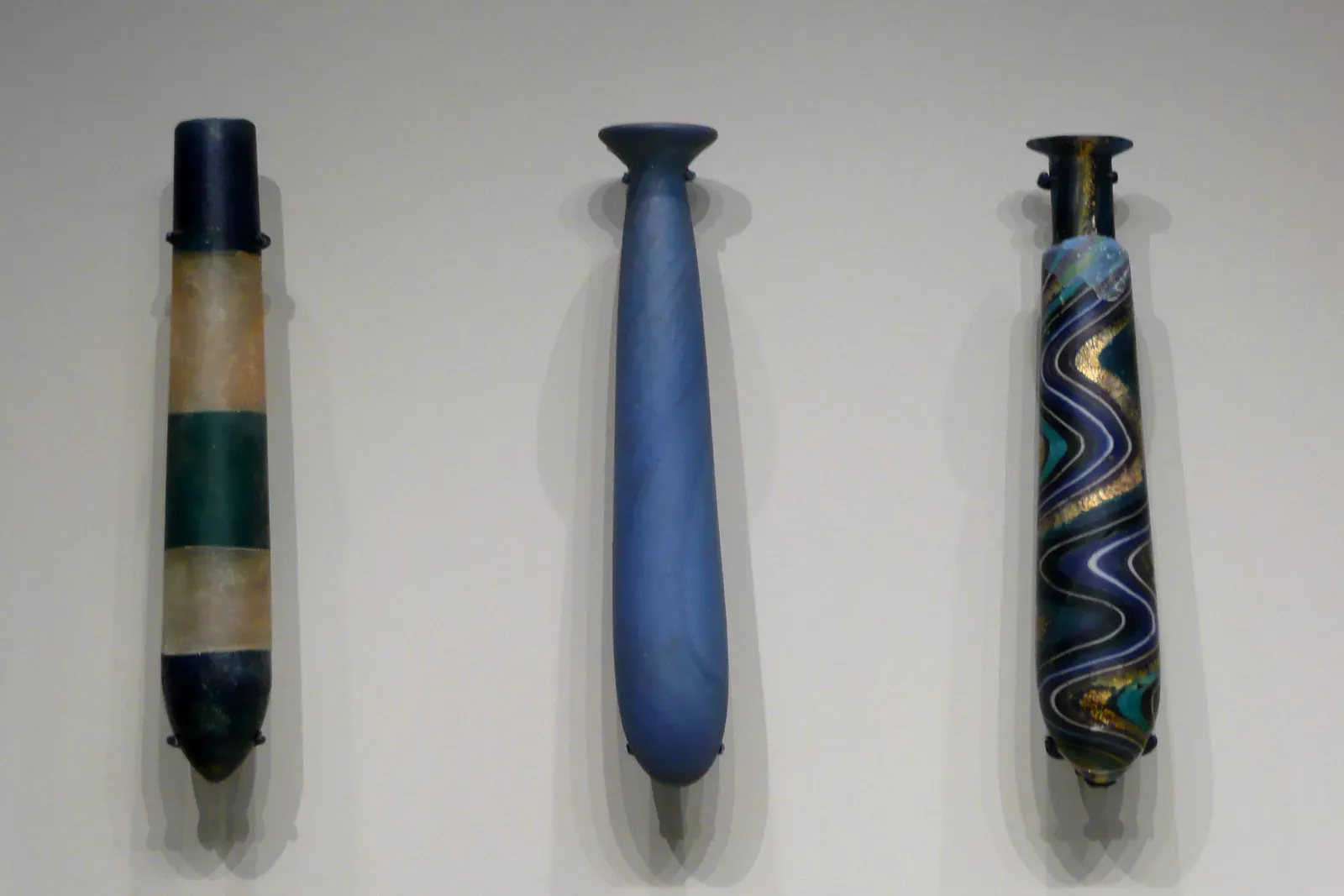
Roman cosmetics were never just olive oil and flower petals. Residue analysis from excavated containers reveals complex emulsions built from animal fats, beeswax, resins, and plant extracts, engineered to survive heat and time far better than anything on a modern vanity. Some sealed containers have been opened after nearly two thousand years with recognizable scent notes still clinging on – a fact modern perfumers find equal parts impressive and mildly humiliating.
We can read the ingredient lists in Pliny’s writings, but turning that into a stable, lab-tested formula is brutally hard. Plant varieties have shifted genetically since then, ancient processing methods like sun maceration and smoke exposure altered the chemistry in ways we only roughly understand, and microbial communities on tools and storage jars may have quietly “edited” the mixtures over months, stripping out rancid notes before anyone noticed. Even refrigerated modern reconstructions can turn rancid within months, while the Romans, using nothing but clay amphorae and room temperature, somehow produced fragrances that aged gracefully instead.
Worth Knowing
- Pliny the Elder catalogued dozens of perfume ingredients and methods in his Natural History
- Some excavated unguent containers have retained identifiable scent compounds for nearly two thousand years
- Ancient perfumers relied on sun maceration and smoke exposure instead of refrigeration or synthetic preservatives
- Modern reconstructed versions, even when refrigerated, can turn rancid within a matter of months
#4 – Silk Road Reds and Purples That Refuse To Fade

Certain textiles from the late antique and early medieval Silk Road survive with reds and purples so rich they look freshly dyed, despite centuries of burial, light exposure, and shifting humidity. Modern textile chemists can identify the core dye molecules easily enough – alizarin from madder, various insect-based anthraquinones – but copying the entire system of dye, mordant, fiber, and finishing technique that locks color in for a millennium is a different challenge altogether.
The unknowns pile up fast: exact mordant bath ratios of alum, iron, and tin, repeated cycles of dyeing and after-treatment with oils or smoke, and slow, weeks-long processes that built complex metal-dye complexes at low temperature. Accelerated aging tests on modern reproductions show fading far faster than on real artifacts, and one uncomfortable theory suggests ambient contamination – smoke, soot, skin oils from actual wear – created extra protective films on the fibers over months. That’s not something you can standardize in a sterile lab; you’d basically need to make people wear the fabric for years.
#3 – Roman Flexible Glass: Miracle Material or Beautiful Myth?
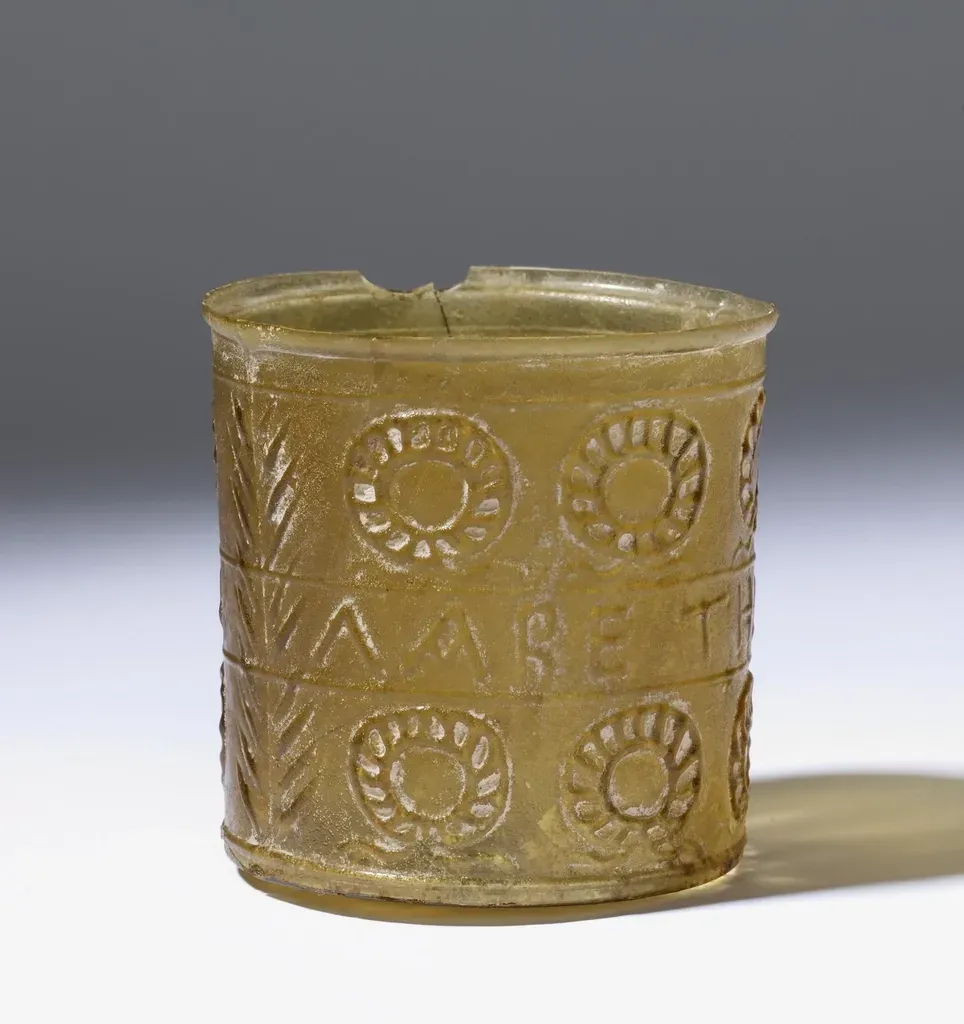
Ancient writers tell a suspiciously specific story: a glassmaker presented Emperor Tiberius with a cup that dented instead of shattering, then calmly hammered it back into shape. Tiberius, reportedly terrified this would crash the value of precious metals, had the inventor executed and the secret destroyed. Most scientists file this under colorful legend, but a few glass technologists admit certain borate or phosphate glasses really can behave more plastically under impact when thin and properly annealed.
The problem is that no archaeological sample has ever unambiguously matched the described “flexible glass.” Modern labs can make ion-exchanged, chemically strengthened glass that bends slightly without breaking – the same trick used in smartphone screens – but that requires industrial processes and rare earth additives nobody in early Imperial Rome had access to. We can produce unusually tough Roman-style glass with charcoal kilns and simple fluxes; we still can’t bang it with a hammer and reshape it the way the legend insists, which leaves this one balanced right on the edge between chemistry problem and historical hoax.
#2 – Stradivari’s Secret Varnish and Wood Treatment
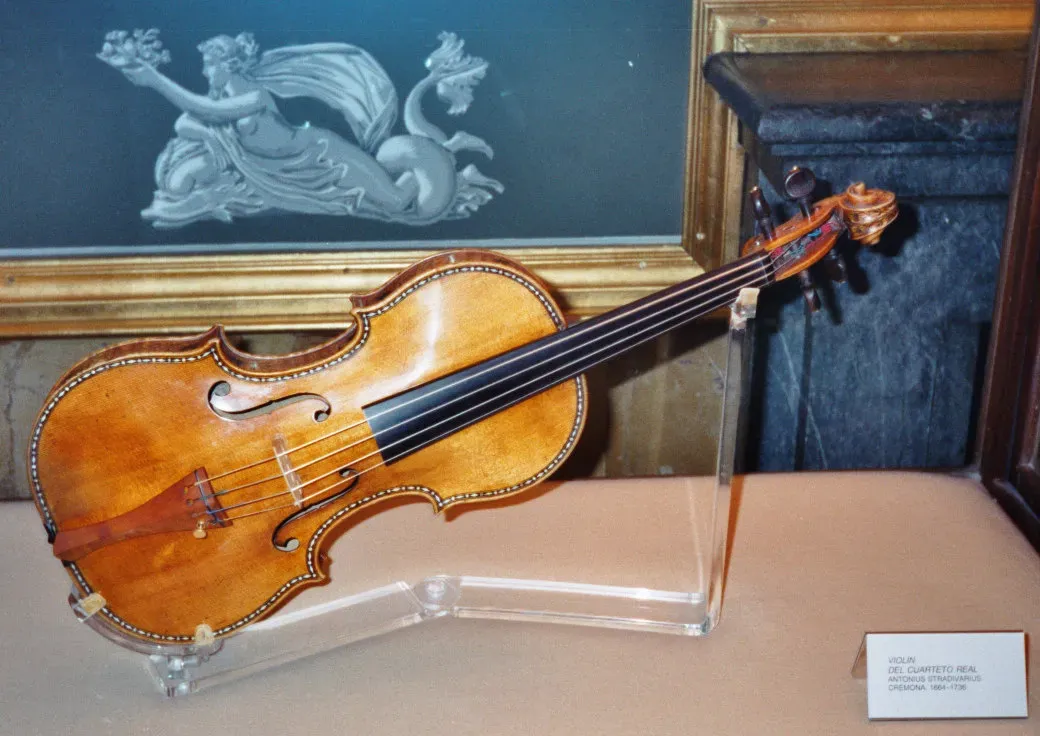
String players still fight over Stradivarius violins, and while blind listening tests are mixed, plenty of elite musicians swear these instruments have a projection and complexity they can’t find anywhere else. Acousticians agree the wood treatment and varnish matter enormously. Chemical analysis of tiny wood chips has turned up traces of borax, silica, and metal salts – likely anti-worm treatments that happened to alter the wood’s mechanical properties as a side effect.
The varnish itself is a multi-layer system of oils, resins, and pigments interacting with the spruce and maple underneath, and luthiers have spent decades trying to reverse-engineer it. They can match the elemental composition found in scrapings, but reproducing the same micro-porosity in the wood, the same varnish penetration depth, and the same centuries-long aging behavior of the resins has proven elusive. Tiny differences in 17th-century Cremona’s climate and tree growth rates shaped tone in ways no modern lab has matched – nobody has produced a “Strad copy” that experts consistently mistake for the real thing over decades of actual playing.
#1 – Roman Garum: The Fermented Fish Sauce Chemistry Still Can’t Pin Down
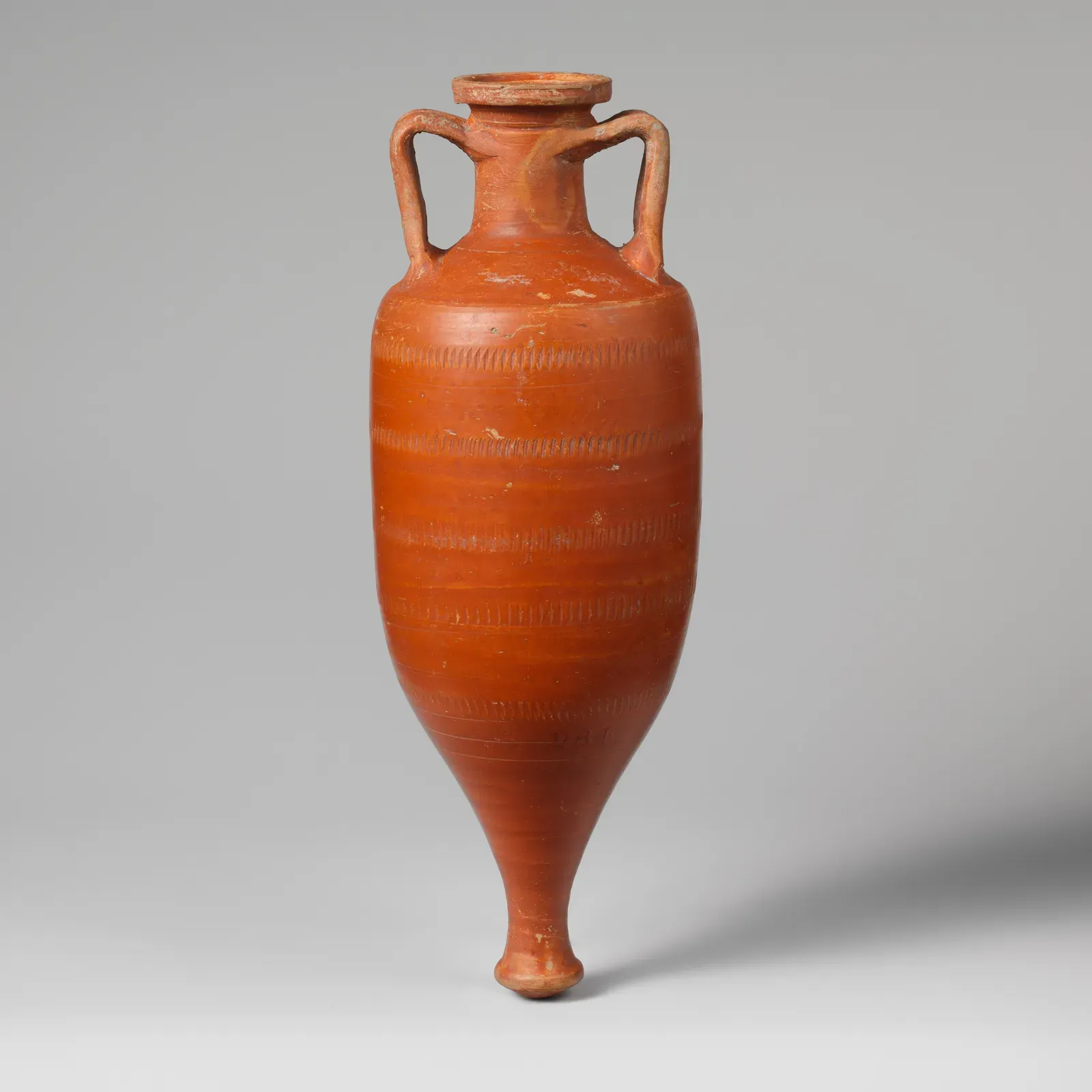
Ask food chemists which ancient recipe haunts them most, and Roman garum sits shockingly high on the list. It sounds almost insultingly simple – fish left to rot with salt – the kind of thing you’d assume takes an afternoon to copy. In reality, garum behaves like a living chemical ecosystem, not a fixed recipe you can just follow off a scroll.
Ancient sources describe layering small fish or fish guts with heavy salt and herbs, then letting the sun do the work in clay vats for months, producing a clear amber liquid so prized it was shipped across the empire like fine wine. When analytical chemists compare modern replicas to residue from genuine Roman amphorae, they find mismatched protein and amino acid profiles, distinct lipid oxidation patterns from the ceramic interface, and evidence of specific bacterial communities shaped by local climate and vat history. Garum, it turns out, was closer to a sourdough starter than a condiment – a unique microbial culture nurtured by one workshop over years, maybe decades, and you simply cannot ship that back to a sterile lab and expect it to reboot.
Quick Compare
- Roman garum: fermented for months in open clay vats under local sun and airborne bacteria
- Modern fish sauce: produced in sealed, temperature-controlled tanks with standardized starter cultures
- Roman garum: flavor shaped by one workshop’s unique microbial community over years, maybe decades
- Modern fish sauce: flavor engineered for consistency and modern food-safety compliance
Line up all thirteen of these failures and the pattern turns almost eerie: it was never really about missing ingredient lists. It’s missing entire environments – ore from one specific hillside, bacteria from one specific vat, tree rings grown during one unusually cool century, smoke from one particular species of firewood. Modern chemistry is astonishingly good at matching bulk composition on a printout, and astonishingly bad at recreating the messy, lived-in process that actually produced the uncanny result.
My honest opinion after digging through all thirteen? We’ve gotten arrogant about what “solving” something even means. Matching the chemical formula isn’t the same as matching the outcome, and pretending otherwise is exactly how modern replicas keep quietly underperforming their two-thousand-year-old ancestors. Some of this knowledge is gone for good, tangled up forever with a specific hillside, a specific vat, a specific decade of weather nobody thought to write down – and honestly, a couple of these (looking at you, Greek Fire) can probably stay lost. Which one do you think gets cracked first?