If you have ever been left off a group chat, not invited to a party, or ignored at a meeting and felt a sharp sting in your chest, you are not being dramatic. Your brain is wired to treat social rejection as a genuine threat, not just a bad vibe. In fact, modern neuroscience shows that some of the same brain regions that process physical pain also light up when we are socially excluded or humiliated.
That overlap changes how we should think about loneliness, bullying, breakups, and even “jokes” that leave someone out. This is not just about feelings getting hurt; it is about a brain that interprets social disconnection almost like a broken bone or a burn. Once you see that, those “little” social slights stop looking so little. Let’s dig into what is actually going on in the brain, and why being left out can hurt in ways we have been trained to dismiss.
The Brain’s Pain Circuit: Why Social Pain Feels So Physical
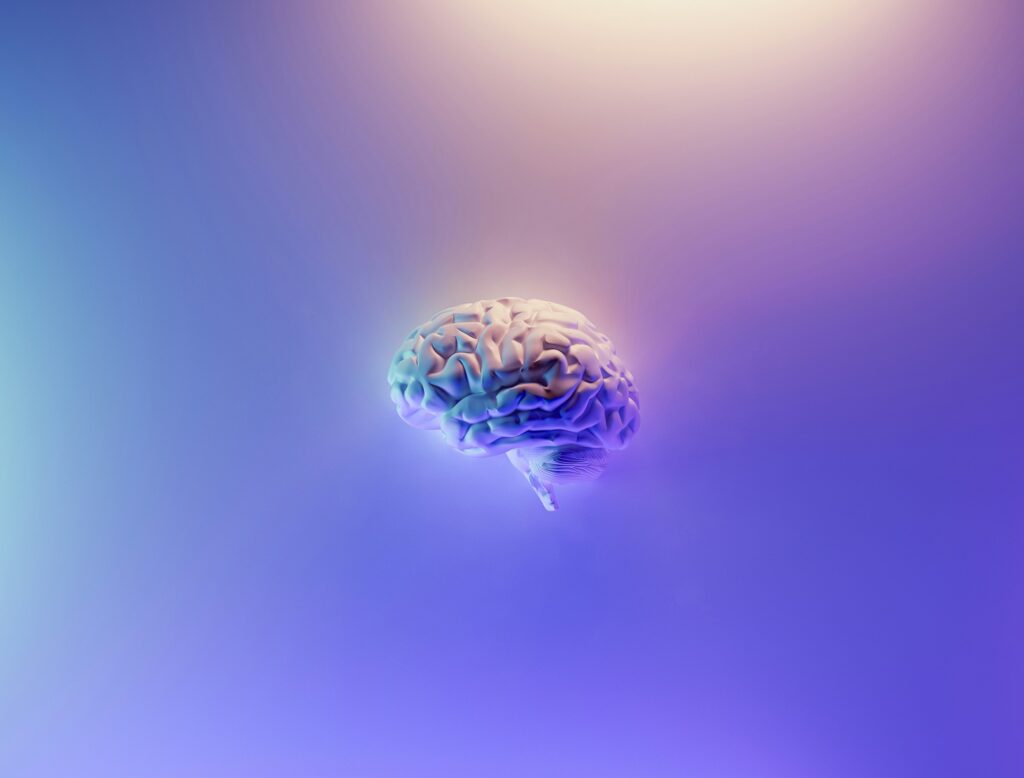
One of the most striking findings in social neuroscience is that social pain and physical pain share overlapping neural real estate. Brain imaging studies have consistently shown that regions like the dorsal anterior cingulate cortex and the anterior insula, which are heavily involved in processing the unpleasantness of physical pain, also activate when someone is excluded, rejected, or harshly judged. These areas are less about the sharpness or location of pain and more about how bad it feels.
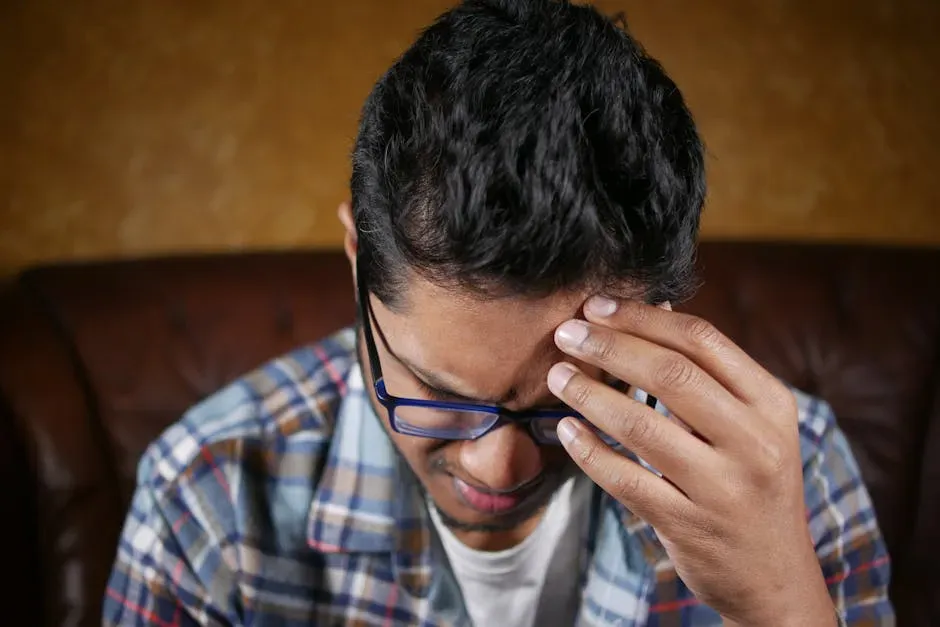
Think of it like a central alarm system that does not really care whether the danger is a twisted ankle or a cold shoulder from your friends. The alarm rings, your body mobilizes stress responses, and your attention locks onto the threat. That is why a cutting comment or a sudden ghosting can sit in your chest and gut for hours, even when nothing has “happened” physically. From your brain’s point of view, something very real and potentially dangerous just occurred.
Evolution’s Harsh Logic: Why Rejection Hurts So Much
From an evolutionary standpoint, being left out was never just awkward; it was deadly. For most of human history, survival depended on belonging to a group that could share food, defend territory, and care for vulnerable members. Being kicked out or quietly ignored could mean less access to protection, mates, and resources. In that context, it actually makes sense that the brain evolved to treat social disconnection as an emergency.
This is the harsh logic of evolution: if the pain of exclusion motivates you to repair bonds or avoid behaviors that get you rejected, you are more likely to survive and pass on your genes. Social pain, then, is not some design flaw of the human mind. It is a feature, a built-in warning system telling you that your connection to the tribe might be at risk. Unfortunately, in a modern world of online “friends,” temporary jobs, and weak community ties, that alarm can go off a lot more often than our nervous system was designed to handle.
From Playground Snubs to Group Chats: Everyday Exclusion in Modern Life
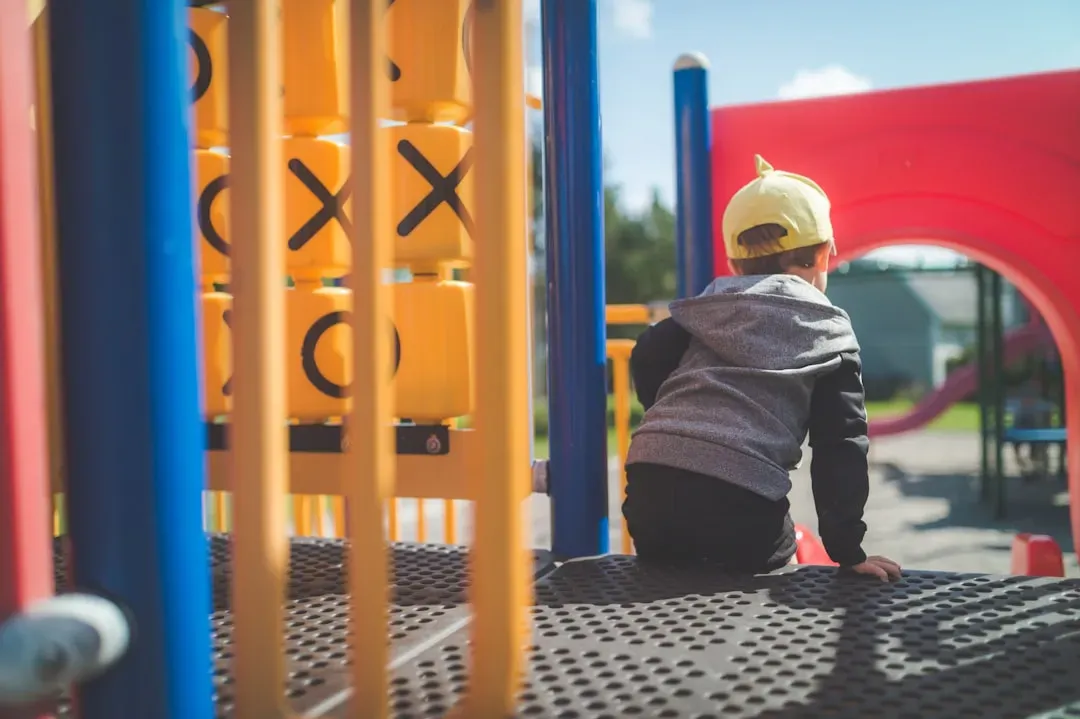
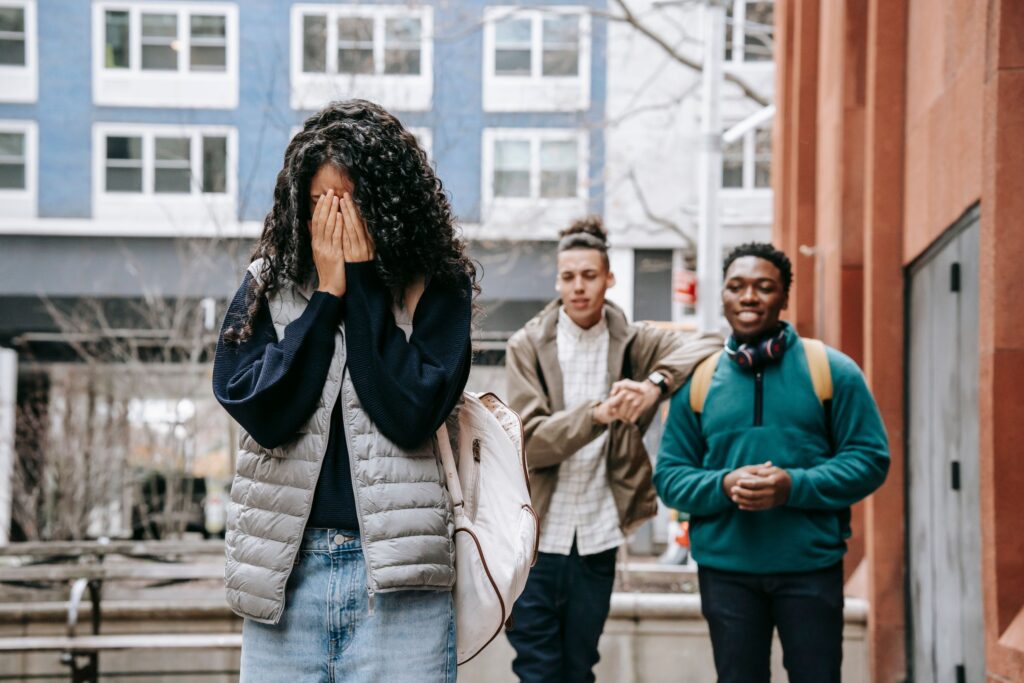
Most people picture bullying or outright shunning when they think of social exclusion, but the reality is often more subtle and more common. Being left out might look like coworkers going to lunch without you, friends planning a trip in a side chat, or family members making big decisions without asking your opinion. Each instance might seem minor on its own, yet your brain quietly logs them as evidence of where you stand.
In digital life, this can get even more intense. Seeing photos of gatherings you were not invited to, being left on read, or noticing that everyone else has reacted to a message except you can feel like micro-shocks to your social nervous system. The trouble is that we are often told to brush these things off, to “not take it personally.” Meanwhile, your brain has already taken it very personally, firing up the very circuits that also respond to bodily harm.
Cyberball and Beyond: How Scientists Study Social Pain

You might wonder how on earth scientists can reliably measure something as messy and personal as feeling left out. One clever method uses a simple virtual ball-tossing game often called “Cyberball,” where participants think they are playing with two other people online. At first, everyone shares the ball, but then the other players suddenly stop passing it to the participant. Even though it is just a cartoon ball on a screen, people report feeling hurt, ignored, and rejected.
Brain scans during this game show that the same pain-related regions that respond to a physical injury also activate when the player is excluded. This may sound almost silly – upset by a fake game – but that is exactly the point. If such a minimal setup can trigger real emotional and neural responses, imagine what repeated exclusion in school, work, or relationships can do. The lab version is just a stripped-down glimpse of a powerful mechanism that shapes our social lives in the real world.
Stress Hormones, Sleep, and Immunity: The Body Cost of Feeling Left Out
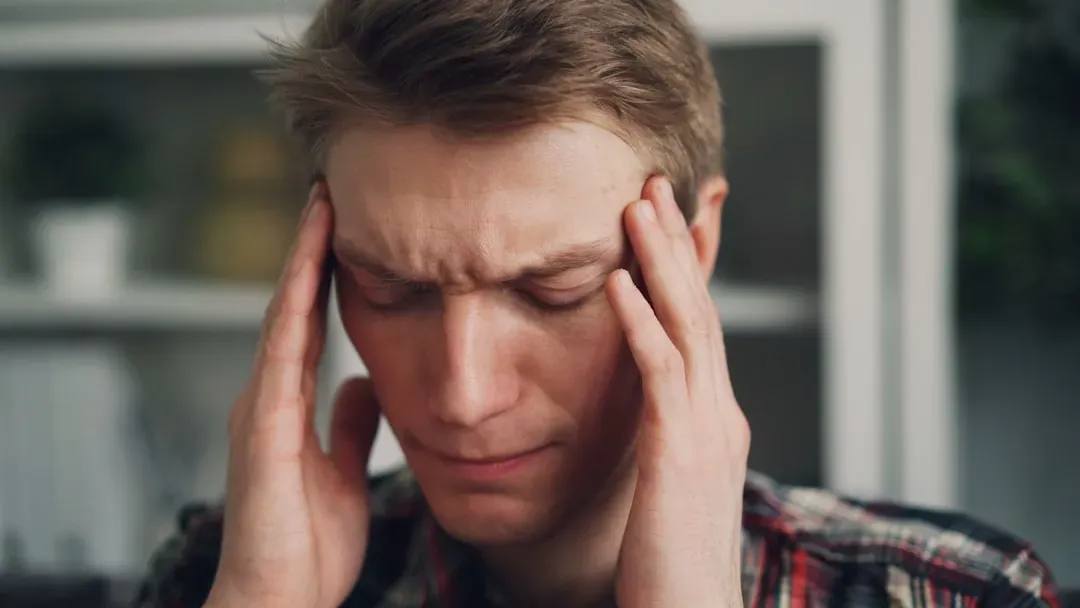
The story does not stop at the brain. When social pain persists, the body follows suit. Being chronically left out or rejected can ramp up stress hormones like cortisol, disrupt normal sleep patterns, and nudge the immune system toward a more inflammatory state. Over time, that combination is associated with increased risk for depression, anxiety, cardiovascular problems, and poorer overall health.
It is not that a single awkward moment will make you sick, just like one fast-food meal will not ruin your body. The problem is ongoing exclusion, loneliness, or subtle but constant signals that you do not quite belong. The brain interprets that as a long-term threat and keeps the stress system partially switched on. It is like running your car engine at a high idle all day; sooner or later something starts to wear out.
Why “Toughen Up” Is Terrible Advice

When someone is upset about being left out, the default response in many cultures is to tell them to grow thicker skin or stop being so sensitive. That advice sounds strong and practical, but it is often scientifically ignorant. If social pain tracks with physical pain in the brain, telling someone to shrug off rejection is a bit like telling them to walk off a sprained ankle. You might be able to limp forward, but the injury does not magically vanish because you decided to ignore it.
A healthier response is to treat social pain as real pain that deserves care, boundaries, and problem-solving. That might mean acknowledging that certain environments or relationships are genuinely harmful, not just “personality clashes.” It might mean advocating for inclusion at work, taking bullying seriously at school, or simply validating a friend who feels sidelined. Denying the reality of social pain does not make people stronger; it just makes them suffer in silence.
How to Soothe Social Pain Without Numbing Out

If social pain is real pain, the next question is obvious: what actually helps? One powerful protector is having at least a few relationships where you feel genuinely seen and valued, even if your wider environment is rough. Knowing that you matter to one or two people can buffer the sting of exclusion from others. Quality, in other words, often matters more than sheer quantity of contacts or followers.
On a personal level, it helps to name what you feel instead of immediately scrambling to distract yourself or pretend you do not care. That might mean saying to yourself that being left out of the dinner hurt more than you wanted to admit. From there, you can decide whether to communicate your feelings, adjust your expectations, or invest more energy elsewhere. It is tempting to numb out with doom-scrolling, alcohol, or overwork, but that often just layers more problems on top of an already activated nervous system.
Building Better Norms: Choosing Inclusion as a Daily Habit
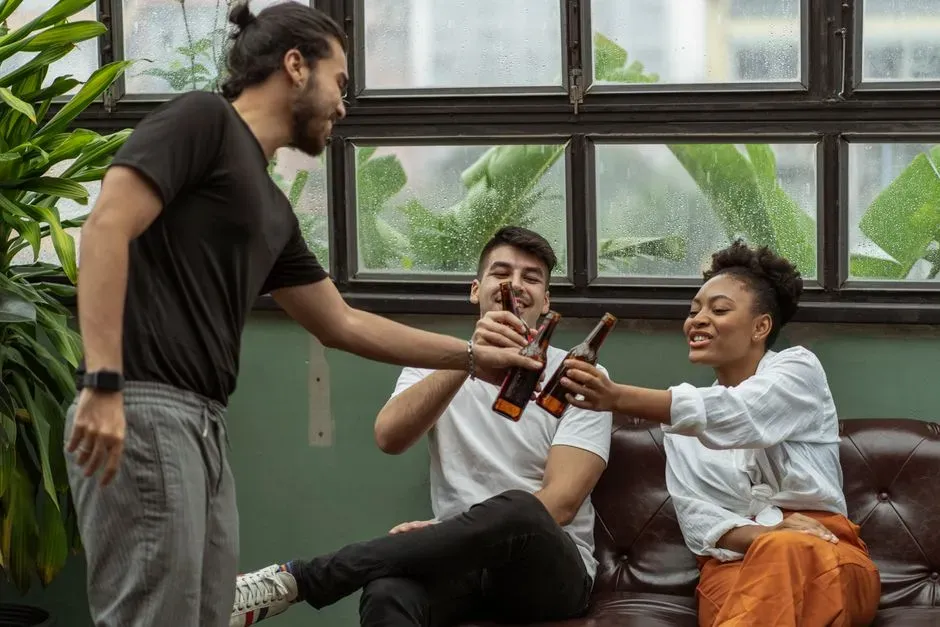
Here is the uncomfortable truth: every one of us is capable of inflicting social pain, often without intending to. Leaving a coworker off an invite list, whispering in a group instead of bringing someone in, or making “jokes” about who is not cool enough to hang out all feed into those same neural alarm systems in others. When you understand that exclusion registers like a bruise in the brain, it becomes harder to see these moments as harmless fun or social politics.
That also means each of us has real power to reduce social pain in our circles through small acts of inclusion. Inviting the quiet person into the conversation, looping in a colleague on an email, or checking in with a friend who seems sidelined may not feel huge in the moment. But on the receiving end, these moments can quiet the pain circuitry and reinforce the sense that they are still part of a tribe. Inclusion, in that sense, is not just good manners; it is nervous-system medicine.
Conclusion: Taking Social Pain Seriously Changes Everything
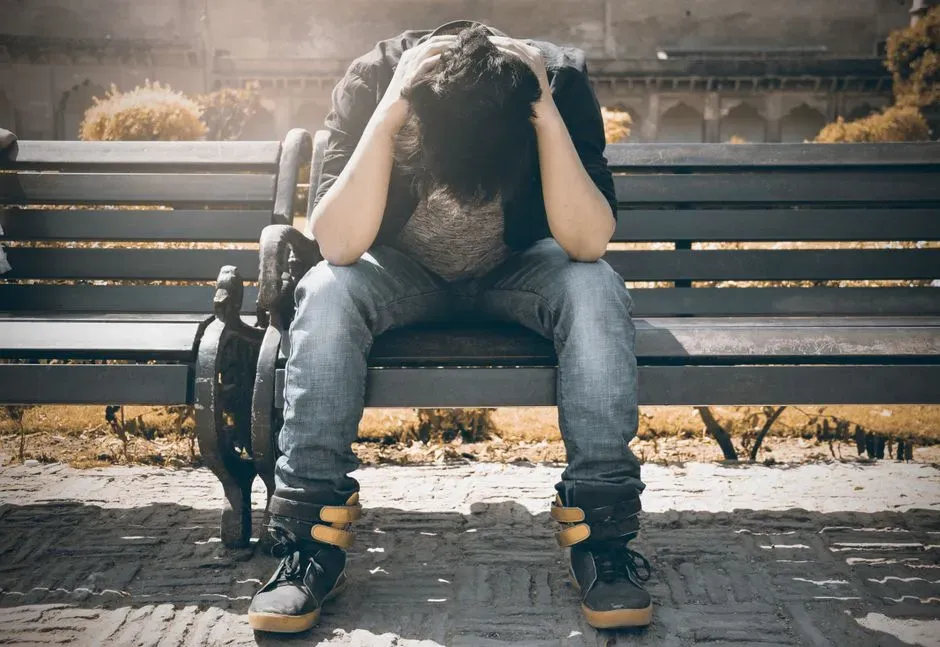
Once you know that the brain processes social exclusion in some of the same regions that handle physical pain, it becomes very hard to keep treating hurt feelings as trivial. The science does not say that every slight is catastrophic, but it does say that loneliness, rejection, and chronic marginalization have real biological weight. Personally, I find that both sobering and strangely relieving, because it validates what so many people quietly feel: they are not weak for hurting; they are human.
In my view, we have been underestimating social pain for far too long, and we pay the price in mental health crises, broken communities, and workplaces where people survive but do not truly belong. Taking social pain seriously does not mean walking on eggshells; it means recognizing that inclusion and kindness are not optional extras, they are core to human health. The next time you are tempted to dismiss your own hurt – or someone else’s – ask yourself a simple question: if this were a physical wound instead of a social one, would you still tell them it is nothing?