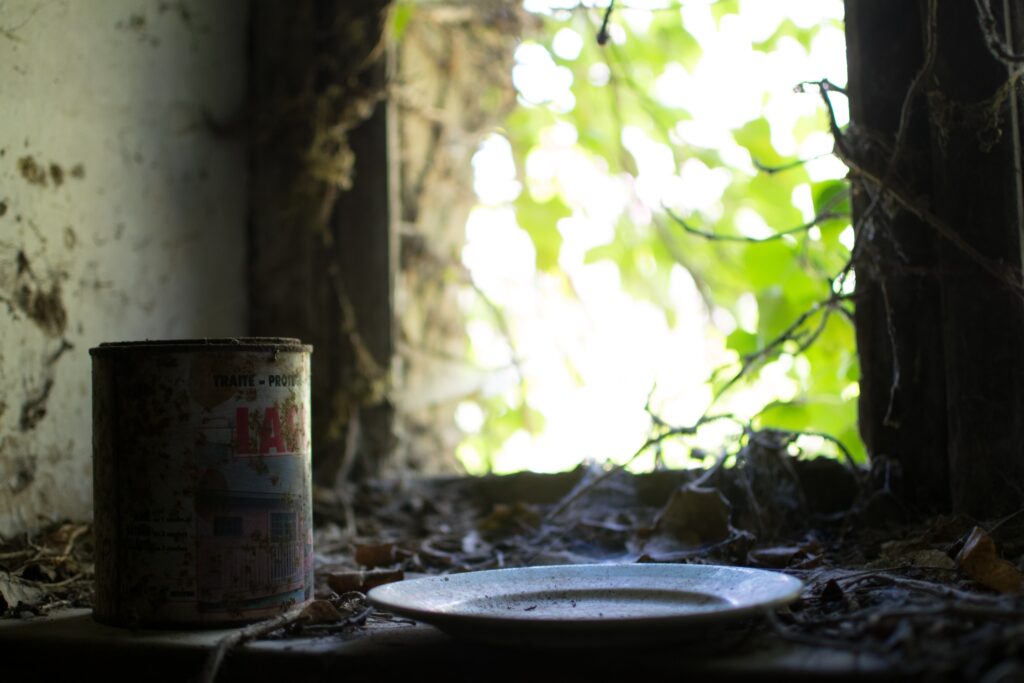
Most people picture ghost towns as dust, cobwebs, and creaking doors. The truth is stranger and colder: in the eeriest abandoned settlements, life didn’t fade away – it just stopped, mid-bite. Pots left on stoves, plates set at empty chairs, drinks half-finished on the table, as if someone shouted “run” and an entire community obeyed within seconds.
The stories behind these places are a tangle of real history, shaky eyewitness memory, and outright myth, and that mix is exactly why they refuse to leave your head. Some of these 13 abandonments really did happen in a matter of hours. Others took years to unravel, yet somehow still ended with a table set for a meal nobody ever came back to finish. Here’s what actually happened at each one, and why the truth is often stranger than the legend.
#13 – Oradour-sur-Glane, France: Lunch Interrupted by a Massacre
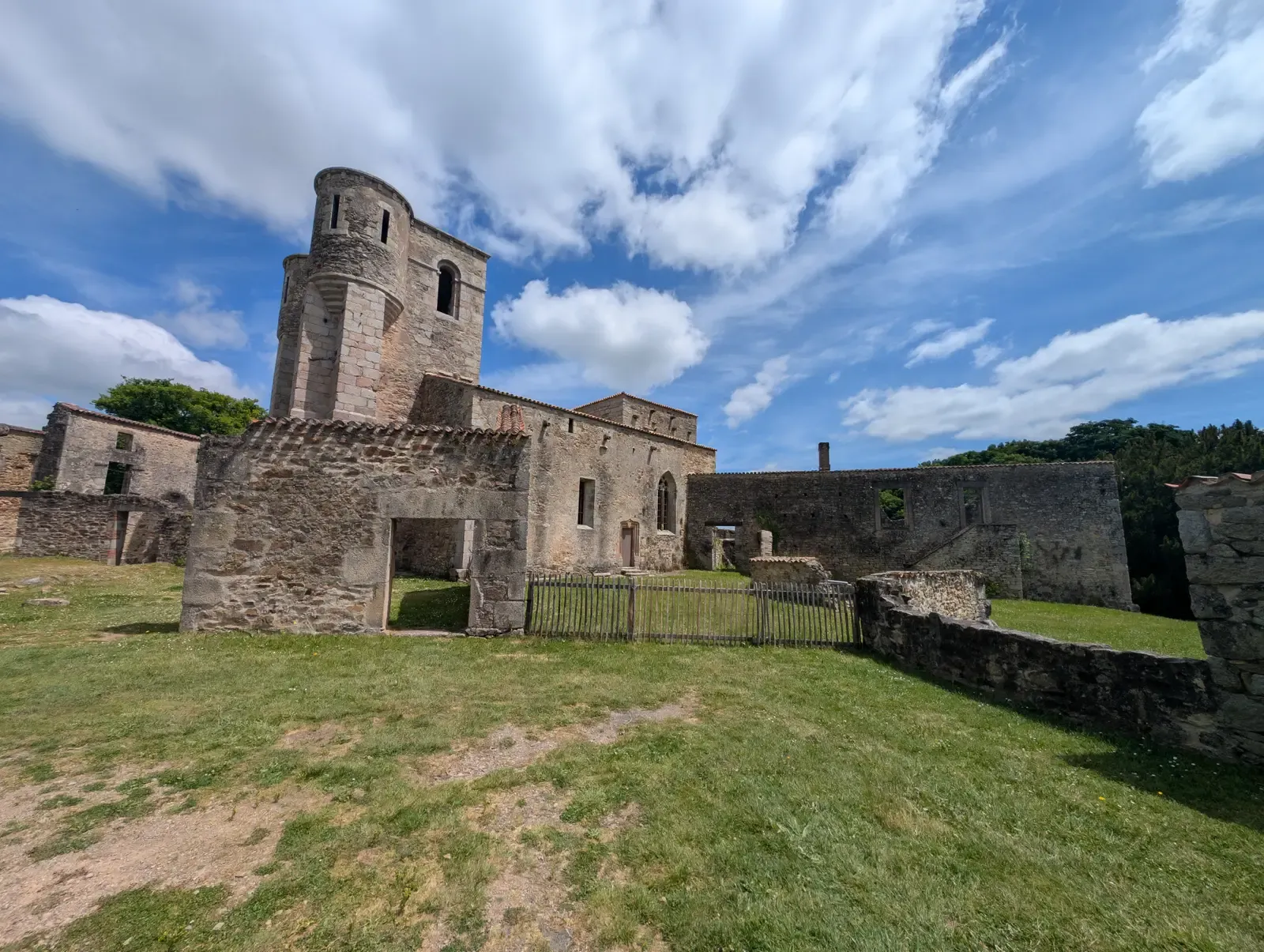
Locals in western France still say Oradour-sur-Glane feels like a table left waiting for guests who will never arrive. On June 10, 1944, a German SS unit destroyed the village, killing 642 inhabitants in a single afternoon. The French government later froze the ruins in place as a “village martyr,” and visitors today walk past rusted cars, collapsed roofs, and homes where everyday life stopped in a matter of hours.
Contemporary accounts describe meals in progress, kitchens half-used, and crockery left out, exactly what you’d expect when a calm Saturday suddenly becomes an execution ground. Survivor testimonies and post-war investigations confirm just how sudden the roundup and killings were. Many visitors say the most disturbing detail isn’t the burned church or the bullet-scarred walls, but the ordinary domestic spaces – ovens, dining tables, sideboards – where it still looks like someone meant to be back by supper.
Fast Facts
- Massacre date: June 10, 1944, carried out by a German Waffen-SS unit
- Death toll: 642 villagers, with only six known survivors
- French President Charles de Gaulle announced that the site would be preserved and the ruins were to become a national memorial
- A new village was rebuilt nearby; the original ruins remain untouched to this day
#12 – Pripyat, Ukraine: Breakfast in a Frozen Nuclear City
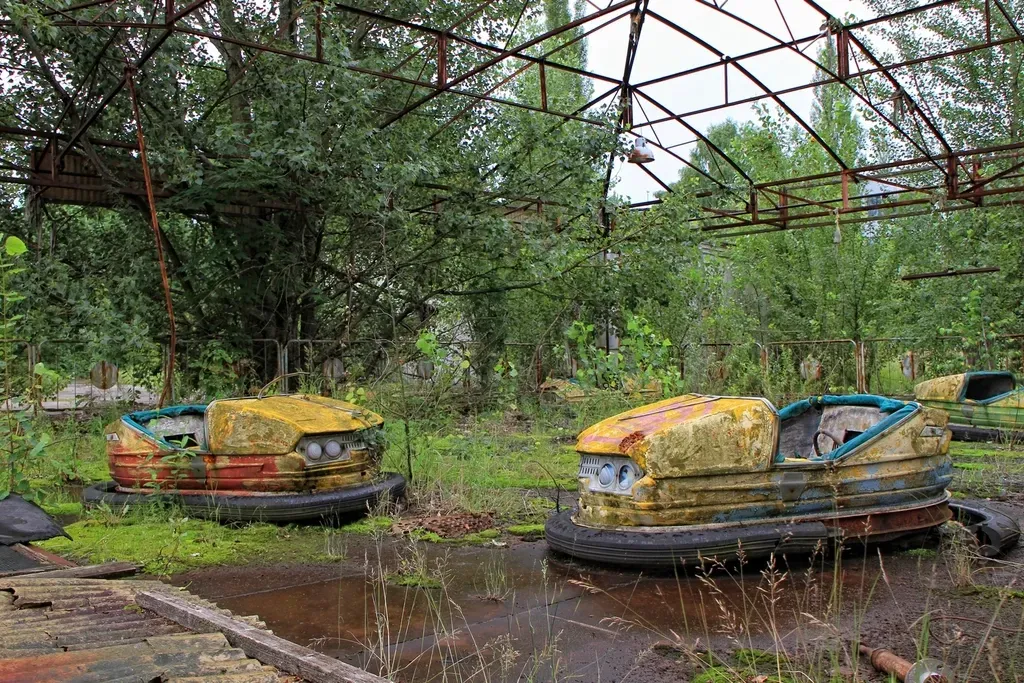
Everyone “knows” Pripyat as the Chernobyl city abandoned overnight, but that’s not quite how it happened. The evacuation actually unfolded over about 36 hours after the April 26, 1986 explosion. Still, it was sudden enough that thousands left clothing, toys, and yes, food and dishes exactly where they were, because residents were told they’d be gone for only a few days.
Photos from the late 1980s show kitchens with plates still stacked on tables and pantries partially stocked, slowly claimed by mold and dust. The famous idea of “meals still steaming on the tables” is myth – the timeline simply doesn’t allow it. But the emotional truth is close: people left in a hurry under false assurances, expecting to return to routines that never resumed. Today, with access tightly controlled and many interiors staged, Pripyat still proves something important – you don’t need a cinematic instant freeze for a city to feel like life just got up and walked out.
#11 – Centralia, Pennsylvania, USA: A Town That Cooked From Below
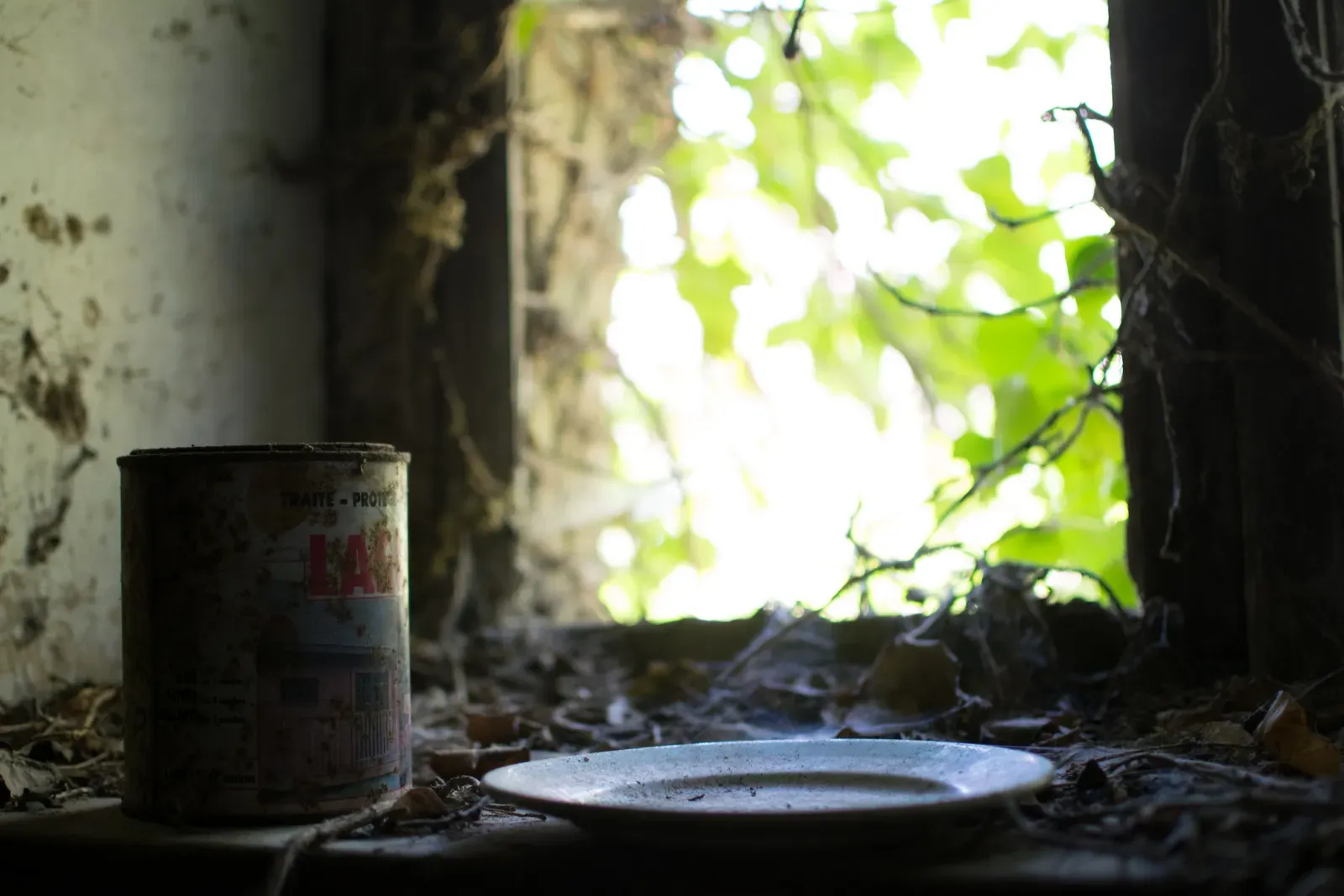
Centralia isn’t the classic “plates still warm” story, but it’s one of the rare cases where the ground itself turned into an oven. In 1962, an underground coal seam fire started beneath this small Pennsylvania town and never really stopped. Over the following decades, roads cracked, basements filled with fumes, and the state slowly bought out residents.
Eyewitnesses from the 1970s and 80s describe entering evacuated houses where dining tables were still set, family photos hung neatly, and pantries were oddly intact, as if the owners had simply stepped outside and never come back. Some residents refused to leave until the 1980s and even 90s, cooking Sunday dinner in homes perched above a fire they couldn’t see or stop. That overlap created a strange scene – one house still hosting family dinner while the neighbor’s kitchen quietly collected dust around an unused table.
#10 – Hashima Island (Gunkanjima), Japan: Bento Boxes and Black Gold
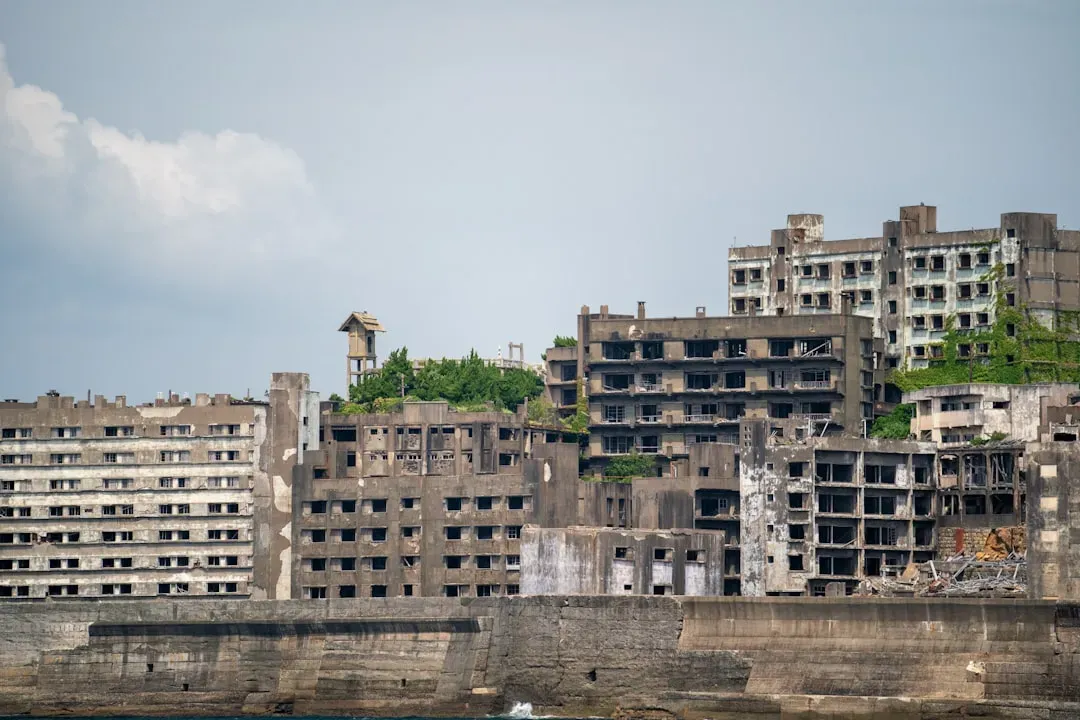
Hashima Island, nicknamed “Battleship Island,” was once a densely packed coal-mining community off the coast of Nagasaki. At its peak in the 1950s, more than 5,000 people lived on its concrete blocks and narrow alleys. When Japan shifted from coal to oil in the 1970s, the mine closed and the island was shut down in 1974, so abruptly that workers and families left personal belongings, tableware, and even old lunch tins behind rather than hauling everything back to the mainland.
Photographers who gained access in the 2000s documented cafeterias and apartments where chairs, cups, and kitchen tools still sat exactly where someone last placed them decades earlier. The evacuation was organized, so nobody likely walked away from a hot meal – but the density of life here, tiny apartments, shared baths, crowded canteens, means a single lone table with a few aging bowls hits hard. It reads like a family stepping out for a shift and never coming home, made heavier by the island’s history of forced wartime labor.
#9 – Kolmanskop, Namibia: Dining Rooms Swallowed by Sand
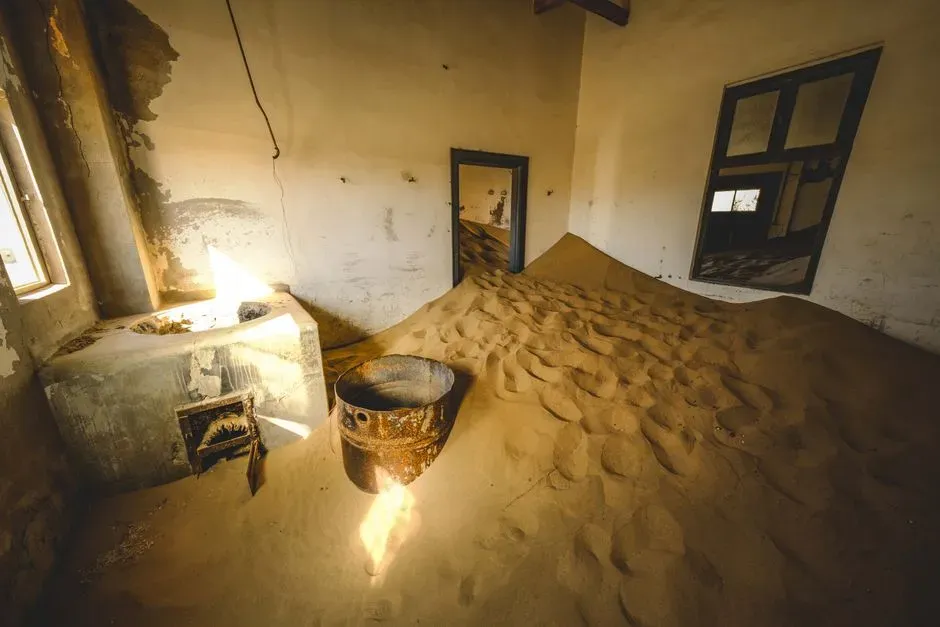
Kolmanskop is Instagram-famous now, which is partly why its “abandoned meals” reputation has been exaggerated. This early-20th-century diamond town in Namibia declined once richer deposits were found elsewhere, and by the 1950s most residents had gone, leaving behind solid German-style villas, a hospital, and a grand hall. Over time, the desert crept in.
Modern explorers stepping into former dining rooms find chairs half-buried in sand, crockery scattered on the floor, and rusting stoves still in place, giving the eerie feeling that a dinner party ended halfway through dessert. In reality, people had months and years to leave. What’s brutal here isn’t panic, it’s physics – sand pours through broken windows and doors, swallowing tables until only a few ceramic shards remain to hint that people once sat here over coffee.
At a Glance
- Founded in 1908 when a rail worker named Zacharias Lewala in the area discovered a diamond
- Peak population ran into the several hundreds during the town’s wealthiest years
- Richer diamond deposits discovered near the Orange River drew miners south in the following decades
- Final residents left by the mid-1950s, and the desert has been reclaiming the town ever since
#8 – Plymouth, Montserrat: Dinners Lost Under Volcanic Ash
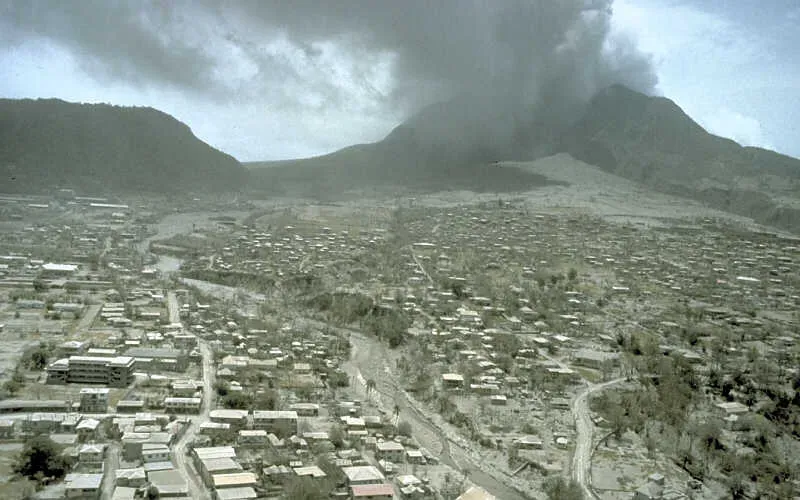
When the Soufrière Hills volcano erupted in the mid-1990s, the capital of Montserrat didn’t vanish instantly, but it died fast enough that daily routines never got a goodbye. As eruptions intensified between 1995 and 1997, most of the city was buried under ash and mudflows. People fled with what they could, but repeated pyroclastic flows meant many homes, restaurants, and hotels were left with tables set, glasses on bars, and kitchens mid-stock, only to be entombed by grey ash.
Access is now limited and dangerous, so most evidence comes from early photo surveys and resident accounts describing dining tables cut off by collapsed roofs and hardened ash drifts. What makes Plymouth so unsettling is scale – a living Caribbean city with schools, nightlife, and family dinners, reduced to an exclusion zone in just a few years. Upper floors still poke above the ash, hinting at buried fridges and cupboards no one will ever open again.
#7 – The Villages Near Fengdu, China: Ritual Food Left Behind
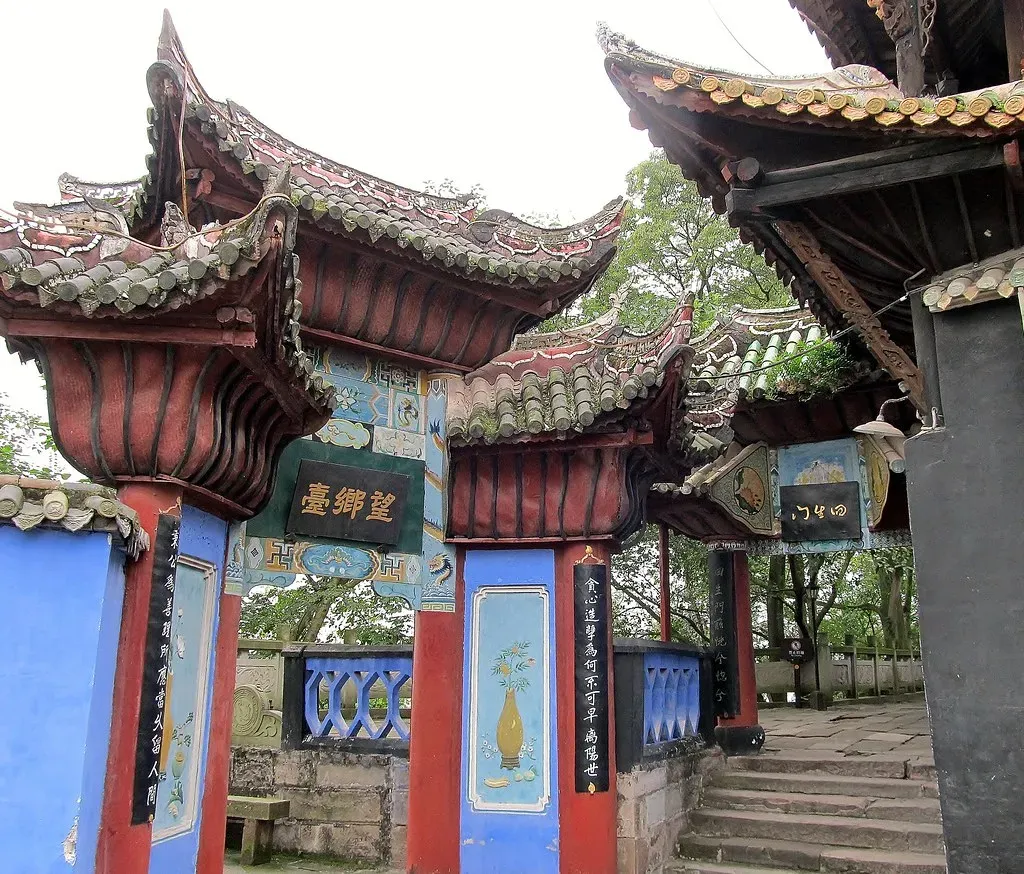
Fengdu Ghost City on the Yangtze River is known for its temples and afterlife-themed sculptures, but the real “meals left behind” stories come from the villages around it that were partially abandoned during the Three Gorges Dam project. As water levels rose in the early 2000s, some neighborhoods were evacuated while others lingered in a strange half-occupied state. Local reports show family altars with offerings, bowls, and chopsticks still in place, alongside small dining tables with utensils and empty bottles left as the water climbed.
Here, the eeriness is cultural, not catastrophic. Food in many Chinese households isn’t just sustenance, it’s a line of communication to ancestors and gods, so when families left in a hurry, these ritual arrangements were sometimes the last things touched. Ex-residents recall returning by boat to peer through windows at upper stories, spotting altars and sideboards untouched amid peeling paint. There’s less tourism here and more quiet resentment – not everyone wanted to go, and not everyone agreed that progress justified drowning their kitchens.
#6 – Craco, Italy: A Medieval Hilltown Evacuated Mid-Routine
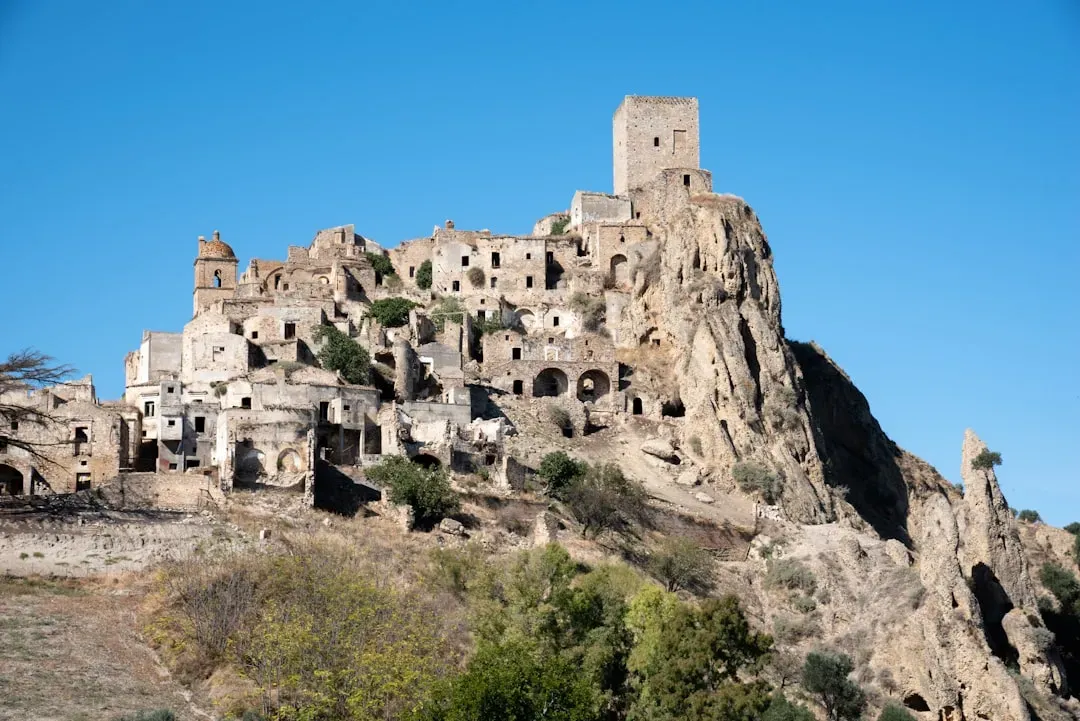
Perched on a steep hill in southern Italy, Craco looks like a movie set, and filmmakers love it for exactly that reason. Landslides, floods, and an earthquake between the 1960s and 1980s forced residents to relocate gradually, but several key evacuations happened abruptly enough that everyday life broke off mid-routine. Early photo surveys from the 1980s suggest furnished homes, with tables, crockery, and framed religious images, were left largely as-is, at least at first, with table linens and dishes laid out as remnants of family meals that never resumed.
Over time, looting and tourism stripped most interiors, and guided tours now walk visitors through cracked rooms where only a few fixtures remain. The romantic image of “meals still on the table” is partly nostalgia from displaced Crachese families, who remember being rushed out for safety and never told it was permanent. Craco’s dining tables, once the center of extended-family life, were sacrificed to geography – what’s left is the skeleton of a social fabric and the occasional plate fragment buried in plaster dust.
#5 – Fordlandia, Brazil: An American Dining Dream Rotting in the Jungle
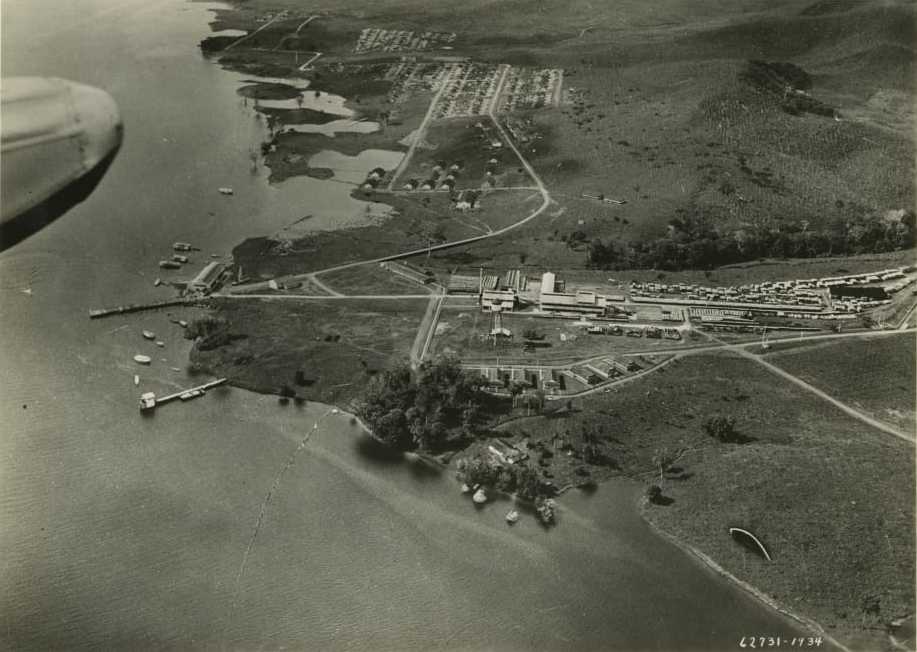
Henry Ford’s attempt to build a model American town in the Amazon is infamous for failing spectacularly, but less discussed is how the failure played out around its dining halls. Ford imported not just rubber trees but American-style cafeterias, menus, and even “proper” table manners, trying to impose Midwestern routines on Brazilian workers. When the project collapsed in the 1940s, buildings were left half-used, with equipment, dishes, and industrial kitchens slowly taken over by mold and vines.
The abandonment wasn’t a sudden disaster, it was a managerial defeat. Workers resisted the rigid schedule, the banned alcohol, even the forced diet, and in a sense the most haunting leftovers here are conceptual: Ford tried to script every bite his workers took, and the jungle simply outlasted him. Every rusted ladle and forgotten plate feels like proof that you can’t engineer a community just by building a kitchen and writing a rulebook.
You can’t organize a jungle.
A phrase historians have long used to summarize Fordlandia’s collapse
#4 – Sutcliffe’s Fishing Shacks, Pyramid Lake, USA: Meals Paused by the Waterline
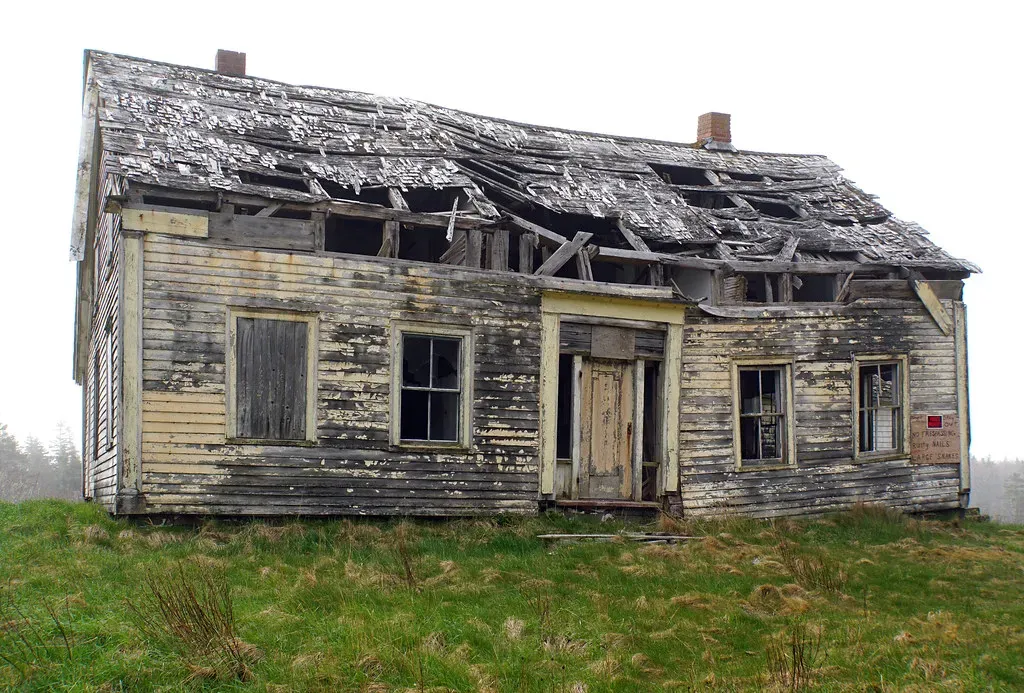
Compared to war zones and nuclear disasters, the abandoned fishing cabins around places like Pyramid Lake in Nevada sound almost tame. Yet longtime locals talk about tables still cluttered with coffee mugs, bait tins, and half-used condiment bottles when rising lake levels, legal disputes, or economic shifts pushed people away from these tiny lakeside communities.
These weren’t cities, they were micro-settlements where meals were ritual as much as nutrition: dawn coffee before fishing, communal fish fries at dusk, card games stretching late into the night. When ownership battles or environmental pressure forced fast departures, people took their rods and coolers but left the heavier kitchen gear behind. No one declared these heritage sites; they simply decayed, which might make them the most relatable entry on this list – not a world-historical event, just a quiet decision that dinner at this table was over, forever.
Worth Knowing
- Pyramid Lake sits within tribal land in the Nevada desert, far from major highways
- These were informal fishing camps, not incorporated towns with official records
- Shifting lake levels have reshaped the shoreline repeatedly over the past century
- No preservation order protects these sites, so decay here is quiet and ongoing
#3 – Arctic Weather Stations: Half-Finished Meals in the Polar Night
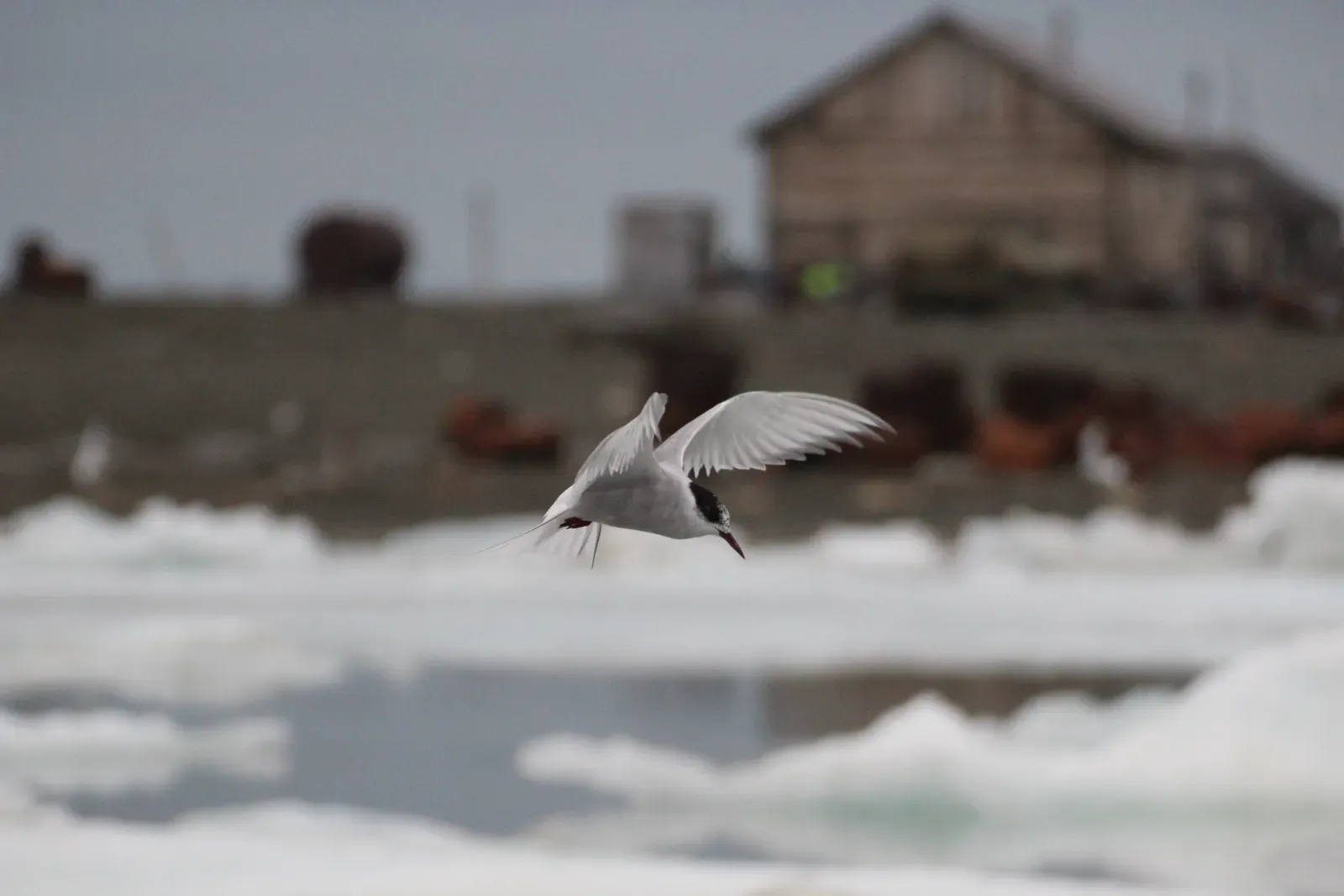
Cold-war and scientific weather stations across the Arctic and sub-Arctic have produced some of the starkest “meals left behind” scenes that don’t involve war or nuclear accidents. When funding cuts or sudden evacuation orders hit, crews sometimes had hours, not weeks, to clear out. At a few high-latitude outposts, relief teams arriving months later photographed canteens with plates, mugs, and partially used rations still laid out, caught between frozen preservation and slow decay.
Harsh logistics shape everything here. In winter, cold preserves food almost indefinitely, so leaving items on tables isn’t immediately disgusting, it’s just another chore postponed. When an airlift finally comes, staff focus on instruments and survival gear, not scrubbed dining rooms, which is how you end up with tables holding opened cans and a deck of cards mid-game. These images push back against the romantic idea of polar exploration – instead of heroics, you get the banality of chili bowls and instant coffee, abandoned under emergency time pressure.
#2 – Military Barracks and Outposts: Mess Halls Frozen Mid-Service
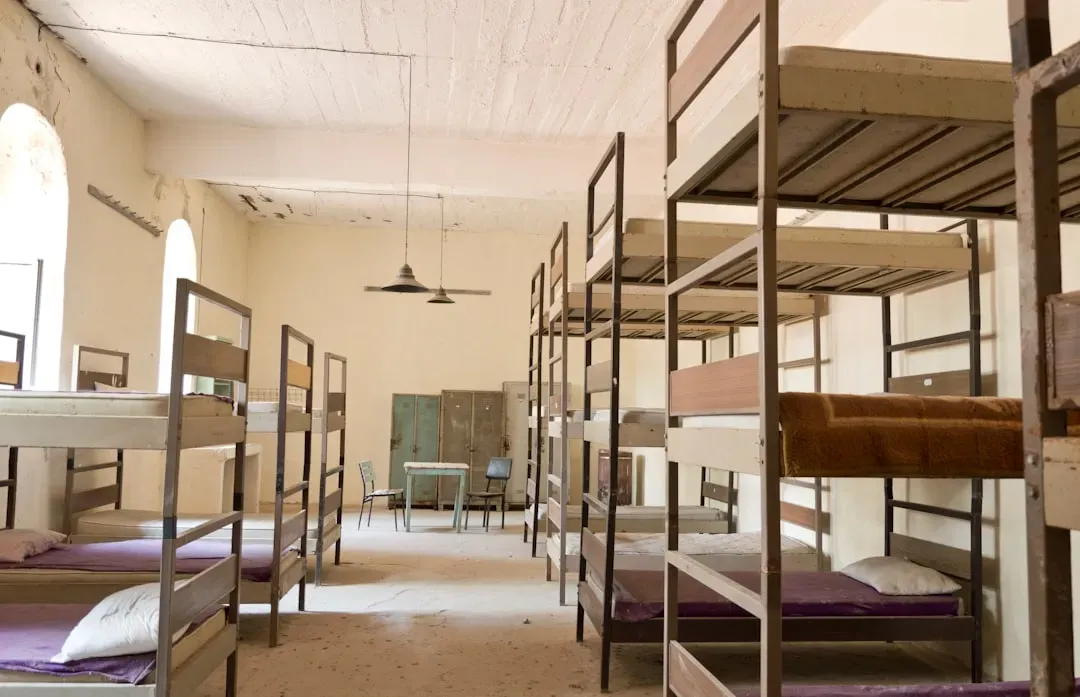
If you talk to soldiers rather than tourists, they’ll tell you the most believable “meals left on the tables” aren’t in postcard ghost towns but in evacuated barracks and forward outposts. Whether in the Balkans, the Middle East, or remote training ranges, units sometimes receive orders to move so fast that mess halls are left mid-clean, with trays, cutlery, and half-emptied serving dishes on counters and tables. Photos from declassified or derelict bases show chairs pushed back and serving lines frozen as if expecting the next platoon.
These spaces are built around regimentation, so when that rhythm breaks abruptly, nobody’s priority is wiping down tables. The evidence rarely survives long, since the next unit, scavengers, or demolition crews usually strip everything, but when it does, it hits hard. For civilians, these mess halls are eerie imagery. For veterans, they’re something else entirely – a reminder that behind every romantic “forgotten meal” was an order that dropped without warning.
#1 – The Mythic “Suddenly Empty” Mining Towns: Where Legend Outruns the Leftovers
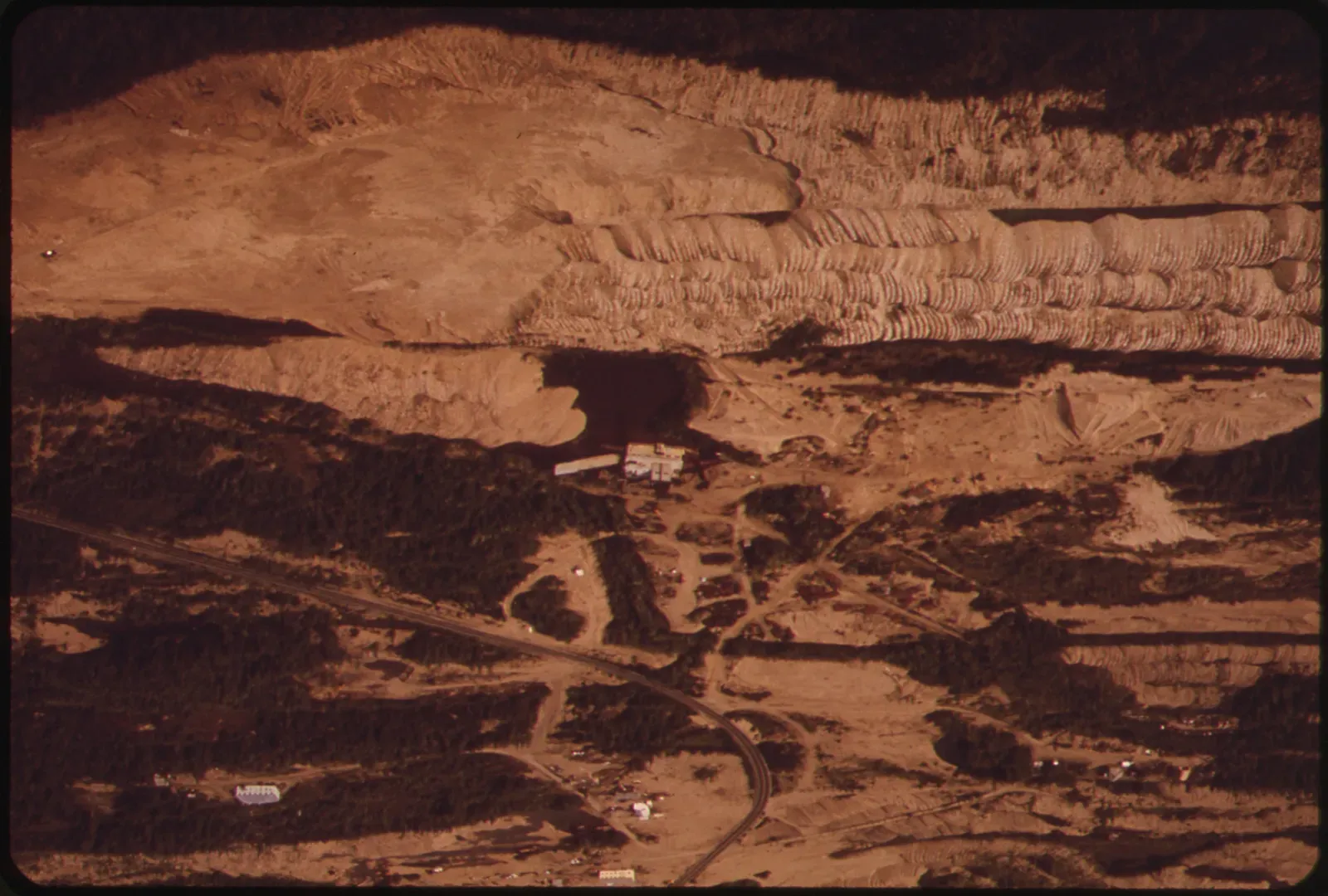
Topping the list are the mining settlements that live more in rumor than in archives: frontier camps in North America, prospecting villages in Australia, or boomtowns in Eastern Europe where locals insist meals were left half-eaten when a disaster, price crash, or bandit threat sent everyone running. These are the places where “meals still on the tables” became folklore currency, a tidy visual that turns messy economic history into one cinematic scene: stew cooling untouched, cards mid-game, chairs askew.
Historians are blunt: in most of these cases, the evidence is weak or nonexistent. Towns usually faded over months or years as people sold what they could, packed their cookware, and moved on. So why does the half-eaten meal image cling so stubbornly? Because it does emotional work – it compresses uncertainty, fear, and loss into one snapshot everyone can understand, even when today’s “discoveries” are staged or the product of decades of squatters, not original abandonment.
Why It Stands Out
- Most “sudden abandonment” mining town legends lack solid primary documentation
- Real declines usually stretched over months as ore prices fell or veins ran dry
- Many “frozen in time” displays visitors see today are staged for tourism
- The half-eaten meal image endures because it compresses slow economic decline into one unforgettable scene
The Bottom Line
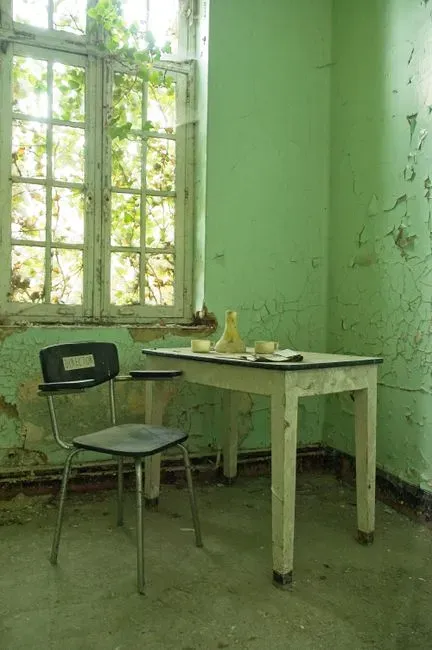
Across wars, volcanoes, nuclear accidents, and corporate hubris, one pattern keeps surfacing: the idea of life stopping so suddenly that dinner never got finished is far cleaner than reality. In well-documented cases like Oradour-sur-Glane and Pripyat, there really were homes and tables abandoned mid-routine, just not usually with the theatrical “still-steaming” meals people love to imagine. In slower deaths like Centralia, Kolmanskop, and Fordlandia, the haunting power lies in how long the tables sat waiting, not how fast they were deserted.
Here’s my honest take: we don’t cling to “meals left on the table” because it’s accurate, we cling to it because it’s the only version of catastrophe our brains can actually hold onto. Real history is slow, bureaucratic, and messy – a town emptying over three winters instead of one terrifying night. But a plate of cold stew and an empty chair? That’s a story, and stories outlive spreadsheets every time. Which version do you trust more, the archive or the legend? I’d bet on the legend winning most nights, and honestly, I understand why.