Stand close enough to Lincoln’s statue, or the Great Pyramid, and it feels like you’re reading words that have survived untouched since the last stone was set. That feeling is mostly an illusion. On a surprising number of the world’s most famous monuments, the actual text – the words tourists photograph and quote like gospel – was carved decades, sometimes centuries, after construction ended.
Some of these later additions were quiet repairs. Others were full rewrites, designed to smooth over an uncomfortable history or hand an old monument a brand-new political job. Thirteen of the biggest examples are below, and once you know which lines were added late, you’ll never read a plaque the same way again.
#13 – The Lincoln Memorial’s “In This Temple” Inscription (Washington, D.C.)
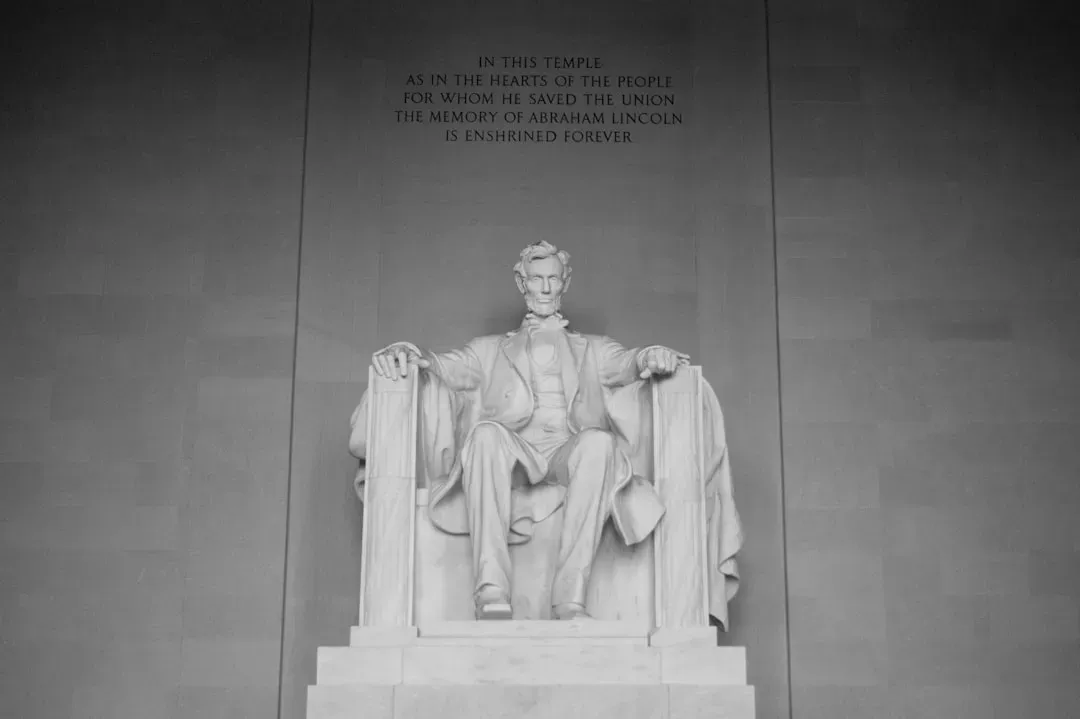
Look up at the words above Lincoln’s statue and it’s easy to assume they date to the Civil War generation. They don’t. The memorial wasn’t even dedicated until 1922, almost sixty years after Lincoln’s assassination, and the sweeping line overhead – “IN THIS TEMPLE AS IN THE HEARTS OF THE PEOPLE FOR WHOM HE SAVED THE UNION THE MEMORY OF ABRAHAM LINCOLN IS ENSHRINED FOREVER” – was a calculated choice from an entirely different era.
That almost-religious language wasn’t an accident. Words like “temple” and “enshrined” quietly turn a divisive wartime president into a unifying civic saint, decades after the fact. The memorial’s exterior also skips any direct mention of slavery – that reckoning is tucked inside, in Lincoln’s own speeches – so the inscription above his head steers your emotions before you’ve read a single word he actually wrote. You’re not just reading history here. You’re reading what 1920s America wanted you to believe about him.
Fast Facts
- Dedicated May 30, 1922 – 57 years after Lincoln’s death
- The inscription was penned by art critic Royal Cortissoz, not a historian or politician
- Stonecutter Ernest C. Bairstow carved the words into the wall
- Architect Henry Bacon modeled the entire building on the Parthenon in Athens
#12 – “Lest We Forget” on London’s Cenotaph
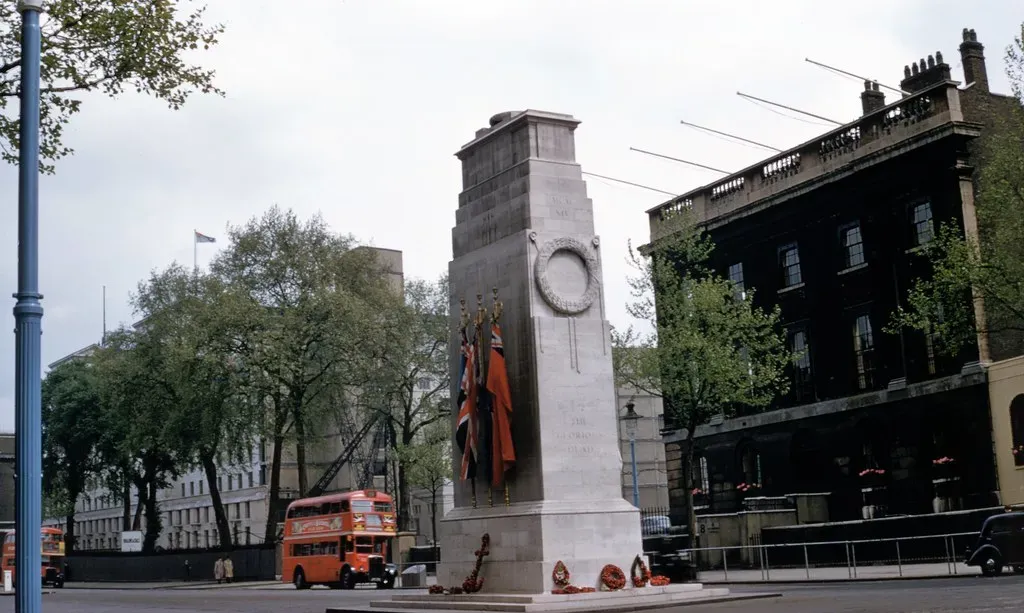
Most people assume “Lest we forget” has been chiseled into Britain’s war memorials since the guns went silent in 1918. At the Cenotaph, the phrase isn’t even part of the original design. The permanent stone version, unveiled in 1920, carries one deliberately spare inscription: “THE GLORIOUS DEAD.” No crosses, no statues, no comforting phrase – just a void.
“Lest we forget,” borrowed from Kipling’s poem “Recessional,” worked its way into remembrance culture and onto related plaques later, retrofitting a very specific emotional instruction onto a monument built to feel almost unbearably blank. That single addition changes the whole experience: “The Glorious Dead” alone invites quiet grief, while pairing it with “Lest we forget” turns mourning into a moral command. Most visitors assume the phrase was carved there from day one. It wasn’t – it was layered on by the culture that grew up around the stone.
#11 – The Statue of Liberty’s “Give Me Your Tired” Plaque
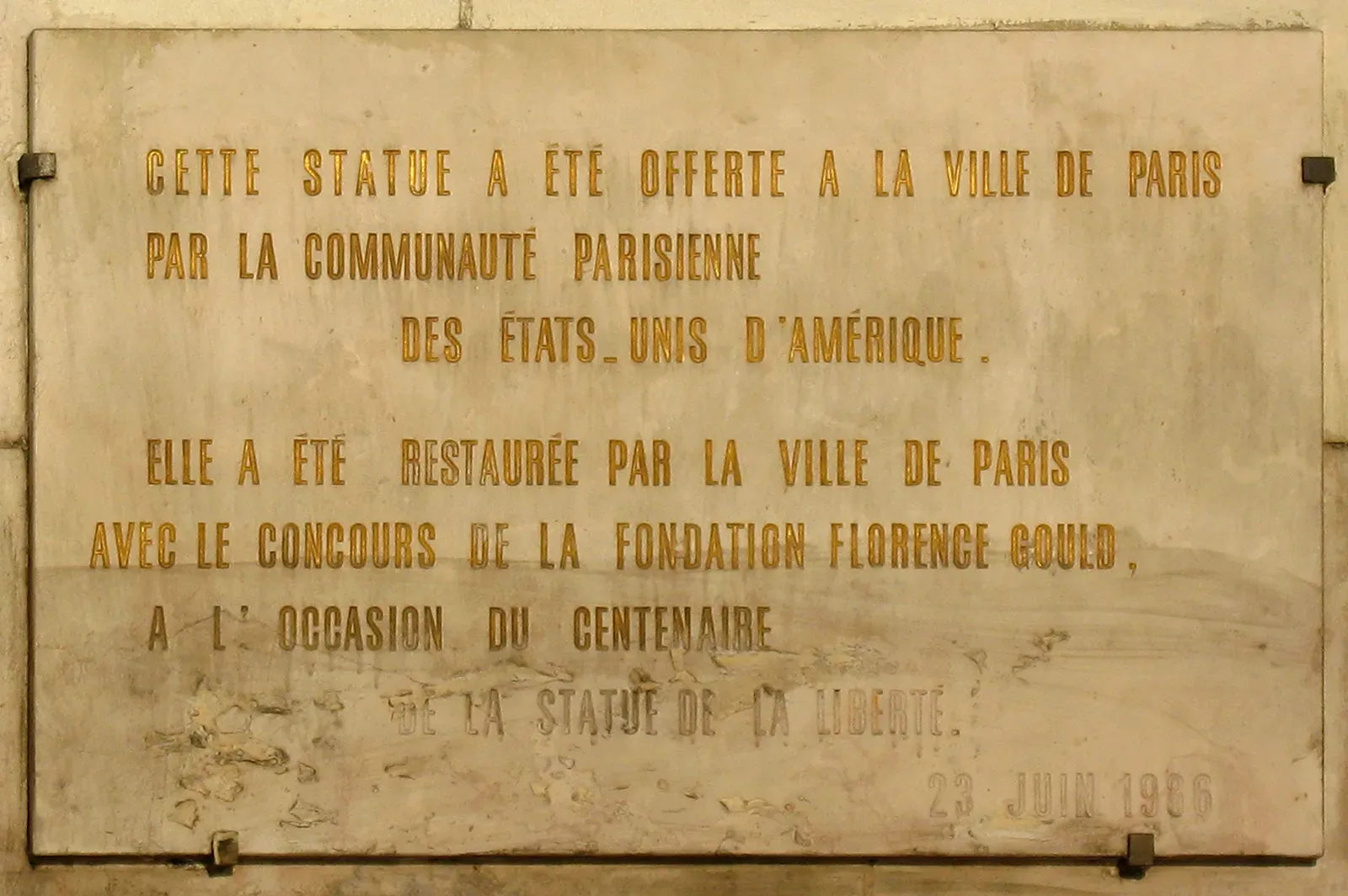
Everyone treats “Give me your tired, your poor” as though it’s been welded onto Lady Liberty since 1886. It wasn’t there for her unveiling at all. Emma Lazarus wrote the sonnet in 1883 to help raise money for the pedestal, and then it was basically forgotten – for seventeen years.
“Give me your tired, your poor, your huddled masses yearning to breathe free.”
Emma Lazarus, “The New Colossus”
The bronze plaque bearing those lines wasn’t installed inside the pedestal until 1903, invisible to the ships that had already been sailing past for nearly two decades. Sculptor Frédéric Auguste Bartholdi never designed the statue around that text – he built a monument to Franco-American liberty, not an immigration manifesto. By the mid-1900s, though, the poem had become Liberty’s unofficial mission statement, quoted in political fights as if it were carved into the Constitution instead of added to a fundraising sonnet decades later.
#10 – The Taj Mahal’s Restored Quranic Calligraphy (Agra)
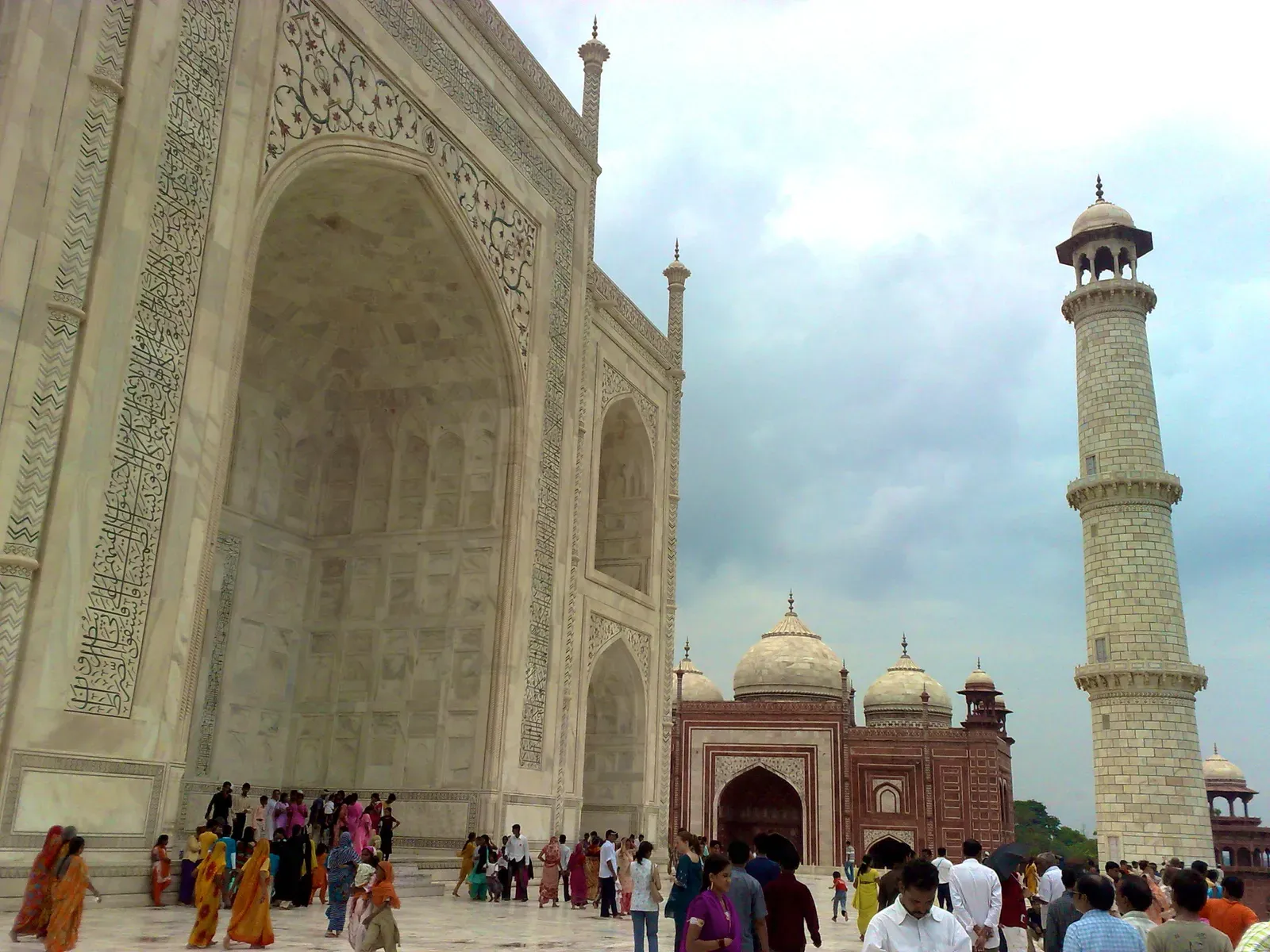
Most visitors assume every line of calligraphy on the Taj Mahal was finished in one continuous burst of Mughal perfection between the 1630s and early 1650s. The truth is messier. Some Quranic inscriptions and decorative bands were likely refreshed or re-cut during later restoration campaigns, especially under British colonial stewardship and 20th-century conservation work.
Stone inlays and calligraphy exposed to weather and pollution for centuries eventually need repair, and repair sometimes means re-engraving letters or swapping panels entirely. Inscriptions on the subsidiary gateways and garden structures are the most suspect, having gone through multiple rounds of intervention. That raises an uncomfortable question historians still argue about: when does restoration quietly become rewriting? What tourists photograph as “pure” 17th-century script may actually be a 19th- or 20th-century re-cut of it.
#9 – The Arc de Triomphe’s Rewritten Roll of Battles (Paris)
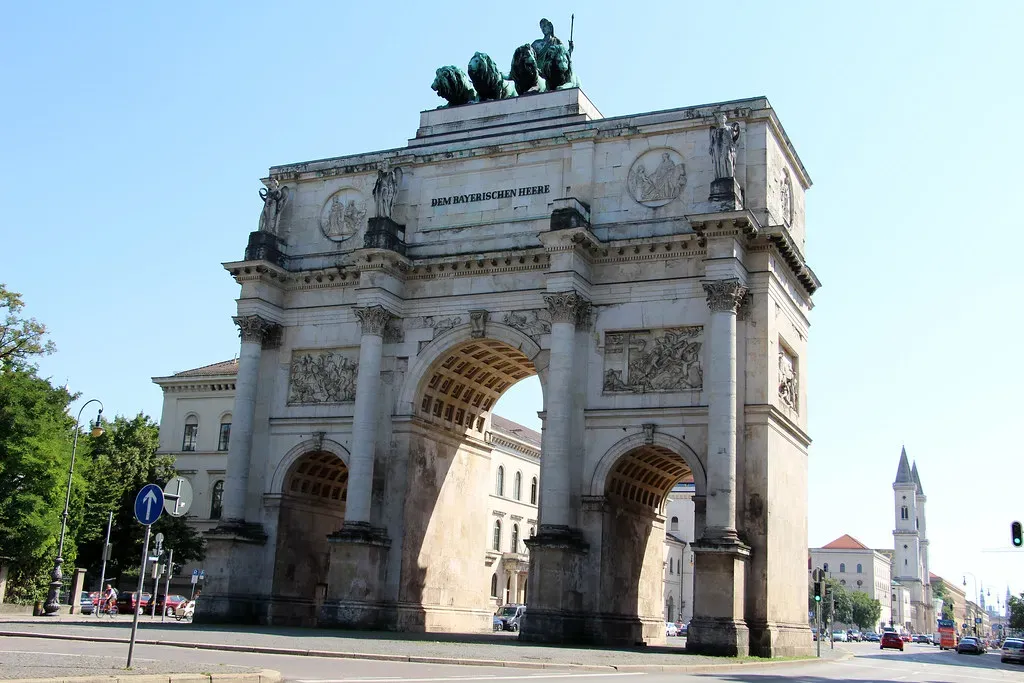
Ask people about the Arc de Triomphe and they’ll say the engraved battles and generals were carved under Napoleon. Not even close. Construction began in 1806, but the arch wasn’t finished until 1836, long after Napoleon’s fall, and its roll call of victories and commanders has been tinkered with ever since.
Dozens of battle names and generals were added or altered under later regimes – especially the July Monarchy and Second Empire – as each government tried to claim a slice of Napoleonic glory or quietly bury a defeat. Some originally engraved names were later underlined to mark soldiers killed in action, a convention that didn’t exist when the arch was designed. Modern visitors think they’re reading a frozen snapshot of Napoleonic history. They’re actually reading a 19th-century editing war carved in slow motion – one that later got a second act when the Tomb of the Unknown Soldier was added beneath it in 1920.
Quick Compare
- Commissioned: 1806, under Napoleon
- Structurally completed: 1836, under King Louis-Philippe
- Final names added: 1895 – nearly 60 years after opening
- Final tally: 660 generals and 158 battles etched into the stone
#8 – The Washington Monument’s Late “Laus Deo” and Donor Stones (Washington, D.C.)
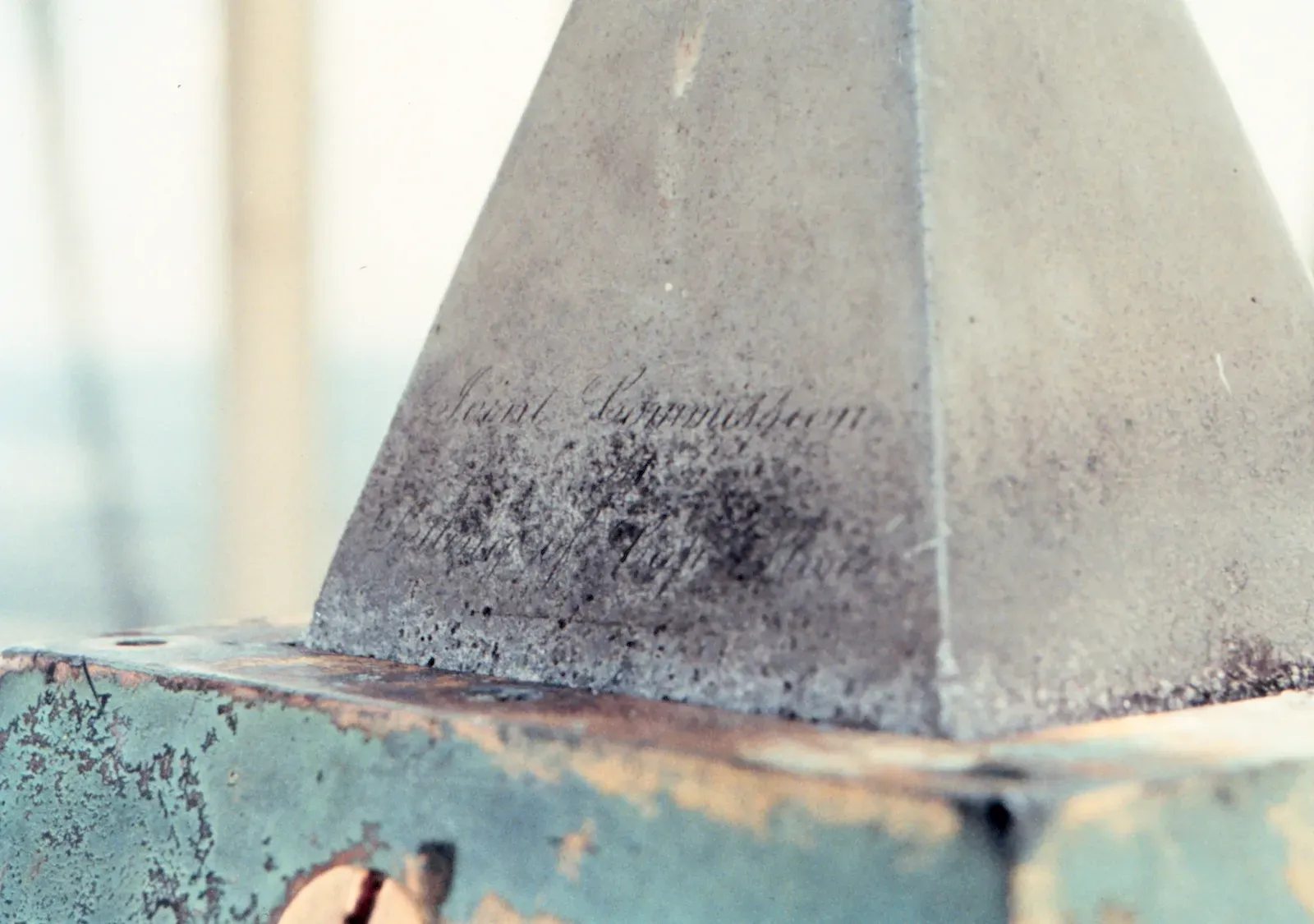
Americans love repeating that “LAUS DEO” – Praise be to God – sits secretly at the top of the Washington Monument like some founding-era Easter egg. Construction actually dragged from 1848 to 1884, stalled by money troubles and the Civil War, and that famous line reflects the monument’s much later completion, not Washington’s own century.
Inside the shaft are dozens of commemorative stones donated by states, organizations, and foreign governments, many installed well after the original design and some carrying language that praises donors as much as Washington himself. Critics have called the result a 19th-century sponsorship wall disguised as a national memorial. Defenders counter that this patchwork of stones is literally what made the monument financially possible – proof that even our most solemn obelisk was partly funded like a Kickstarter campaign.
#7 – The Parthenon’s Erased Christian and Ottoman Inscriptions (Athens)
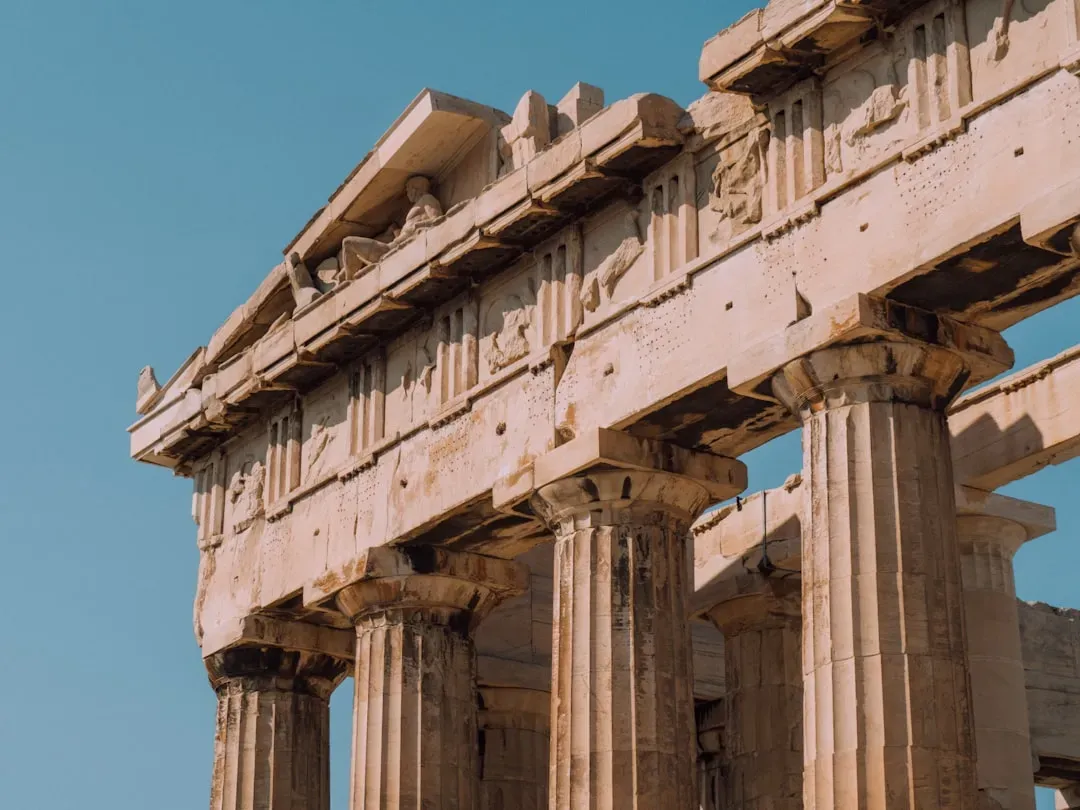
Most tourists picture the Parthenon as a purely classical space, covered only in solemn Greek dedications to Athena. That fantasy ignores a thousand years of later history. After antiquity, the building became a church, then a mosque, and medieval Christian inscriptions – crosses, saints’ monograms, dedicatory texts – were carved into its columns and walls long after the pagan cult ended, with Ottoman-era markings layering on top later still.
In the 19th and 20th centuries, restorers scraped much of that away, treating it as “defacement” so they could return the building to an imagined classical purity. Epigraphers now argue those erased inscriptions were historically valuable in their own right, recording real communities and rulers. Today’s Parthenon looks older than it really is, because a whole era of Christian and Ottoman text was deliberately edited out of view.
#6 – The Berlin Victory Column’s Post-Reunification Warning Plaques (Berlin)
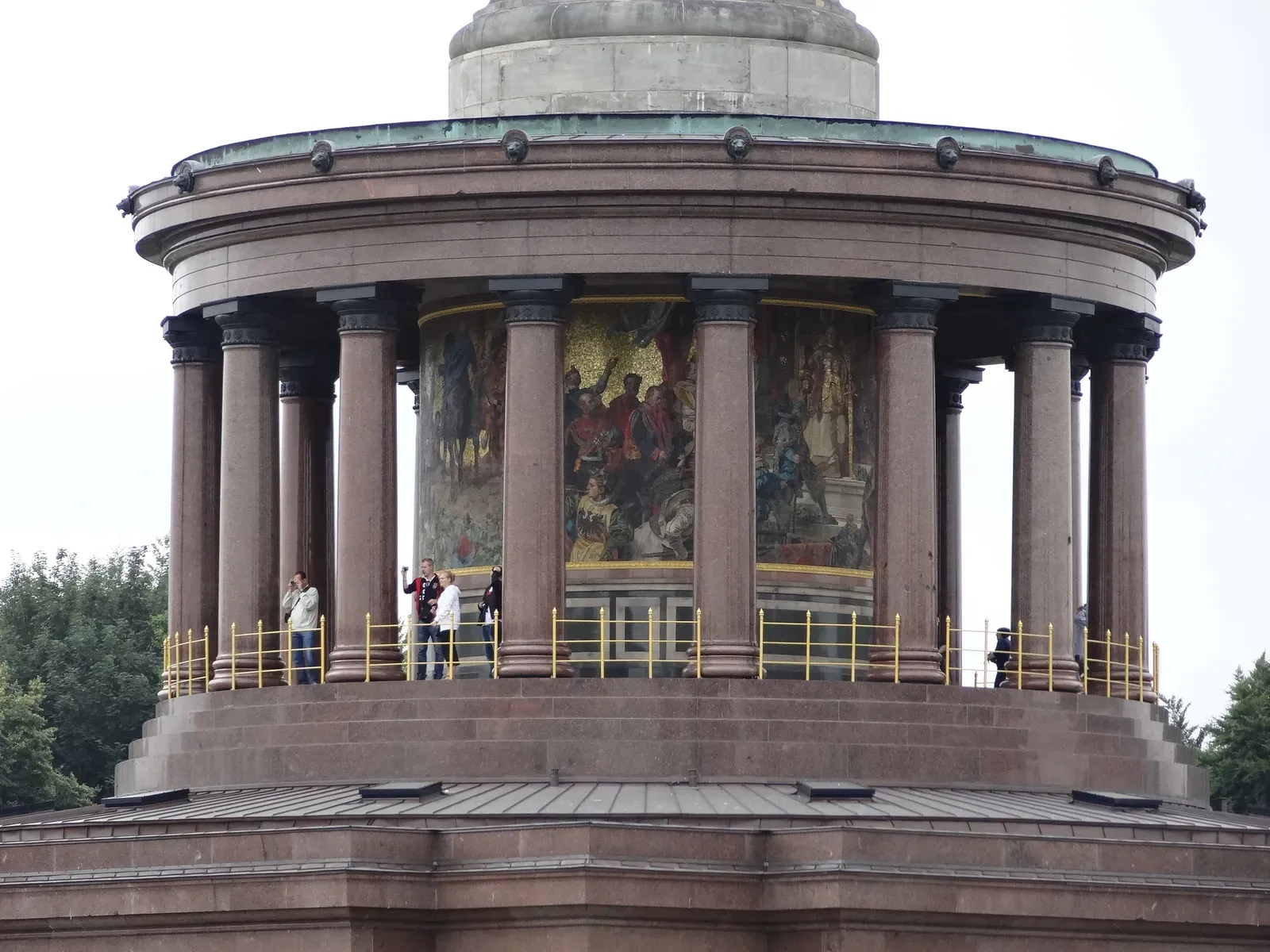
If you think the Siegessäule tells one clean story about 19th-century Prussian wars, you’re missing half the plot that was added much later. The original bronze reliefs date to the 1870s, but the column was moved and repurposed by the Nazis in the 1930s, then had to be politically detoxed after 1945.
Interpretive plaques added at the base in the late 20th century, especially after reunification, don’t just label the monument – they actively call out its appropriation by the Third Reich and its uneasy survival in a democratic Germany. Instead of tearing the column down, Berlin carved a new layer of meaning around it. The added text invites you to read the monument critically, not reverently – proof that modern societies would rather write over an old message than erase the stone entirely.
At a Glance
- Original bronze reliefs (1873) celebrate Prussian victories over Denmark, Austria, and France
- Relocated in 1938-39 as part of the Nazi redesign of central Berlin
- Interpretive plaques confronting that Nazi-era move were added decades later, after reunification
- The column still stands at its relocated spot on the Großer Stern today
#5 – The Vietnam Veterans Memorial’s Names That Keep Arriving (Washington, D.C.)
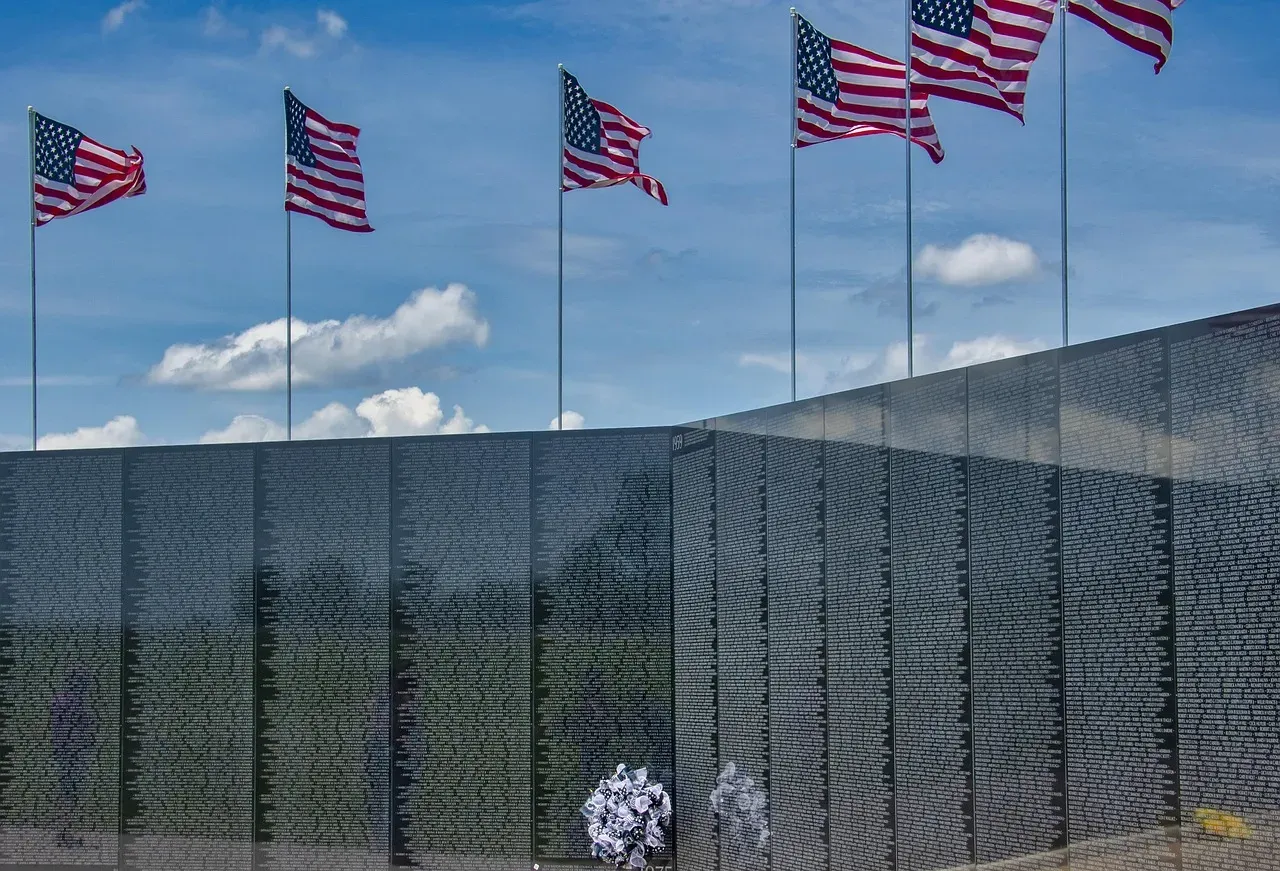
Here’s a monument that openly admits its text was never finished. When the black granite walls were dedicated in 1982, they carried just over 57,900 names. Since then, names have been added again and again, as remains are identified, deaths get reclassified, and archival research turns up casualties nobody had listed.
Every few years, stonecutters return to slot new names into chronological order by date of death – a possibility the original design quietly built in. Families experience a strange double shock: first losing a relative, then years or decades later watching that name finally appear on the national record. The wall proves that even the most carefully researched war memorial can be incomplete on the day it opens, and that public memory is a work in progress rather than a finished verdict.
#4 – The Alamo’s 20th-Century “Heroes” Language (San Antonio)
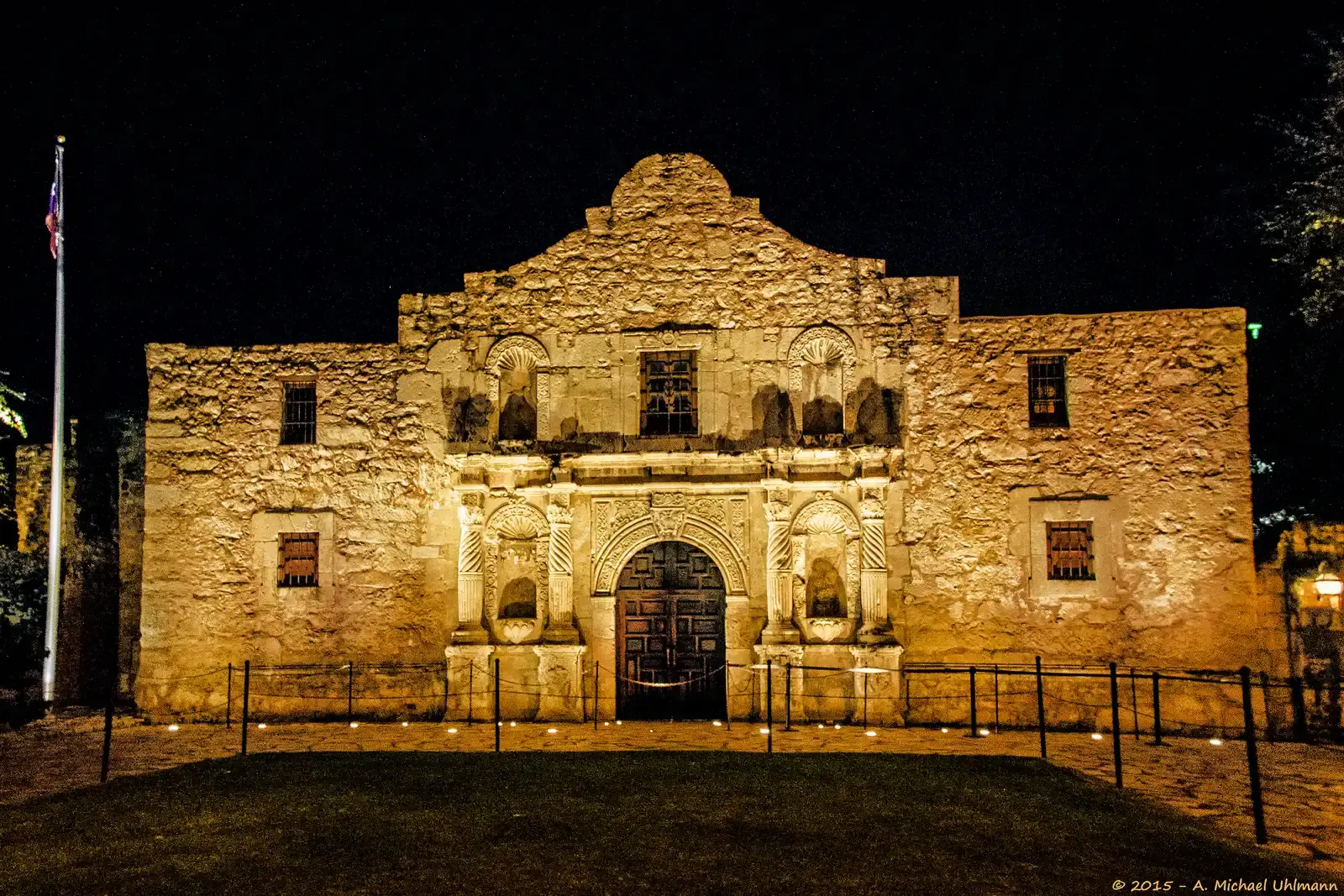
Ask Texans about the Alamo and you’ll hear one word over and over: heroes. The building itself never called anyone that. The 18th-century mission complex was built as a functioning church and military post, not a shrine to defiance.
Most of the reverent language – “martyrs,” “heroes,” the almost liturgical phrasing on today’s plaques – was added in the late 19th and especially 20th centuries, largely by groups like the Daughters of the Republic of Texas, who turned the site into a nationalist pilgrimage ground. Messier, more ambiguous details of the battle and the Texas Revolution were quietly stripped from the official inscriptions along the way. The stones are 18th-century, but the story most tourists absorb is a 20th-century editorial project – which is exactly why modern efforts to reinterpret the Alamo spark such fierce arguments.
#3 – Mount Rushmore’s Missing Text and Its Awkward Replacement (South Dakota)
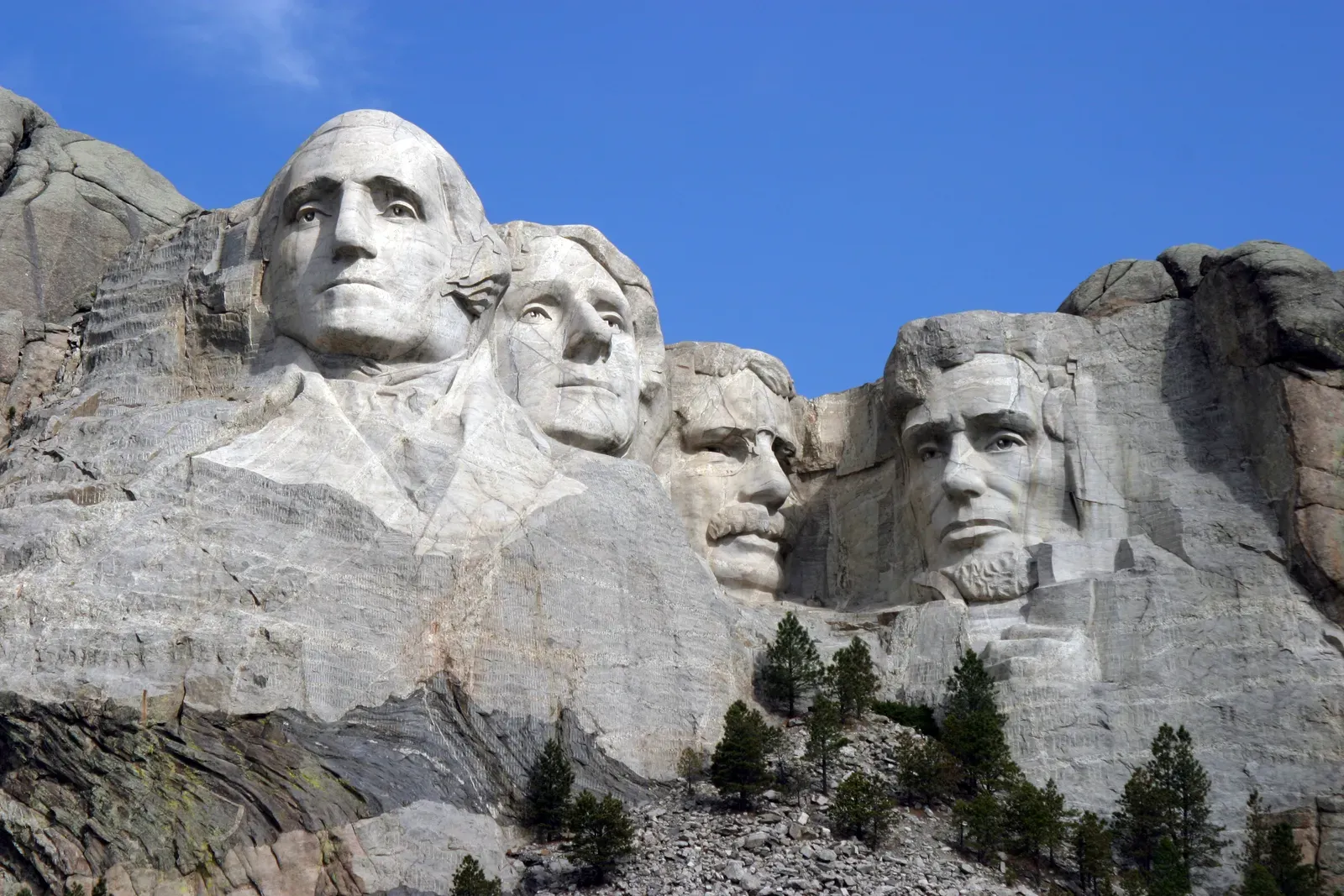
Most people think of Rushmore as giant stone faces and forget that words were supposed to be a central part of the design. Sculptor Gutzon Borglum originally planned a massive carved inscription beside the presidents, summarizing key events in American history. Funding and technical problems killed the idea entirely.
Decades later, the National Park Service added its own explanatory plaques instead – including text acknowledging that the Black Hills are sacred Lakota land taken in violation of treaties, language that didn’t exist when blasting began in the 1920s. Those later additions force a choice: read Rushmore as pure patriotic sculpture, or as a monument to settler colonialism drilled into a mountain many Indigenous activists still view as stolen. The most honest part of Mount Rushmore today may not be the carving at all – it’s the uncomfortable text standing beside it.
Worth Knowing
- Carving ran from 1927 to 1941 under sculptor Gutzon Borglum
- Borglum’s planned inscription, or “entablature,” was scrapped for lack of funding
- Later NPS plaques directly address the disputed Lakota treaty history of the Black Hills
- That acknowledgment text simply didn’t exist when blasting first began
#2 – The Roman Pantheon’s Christian Takeover Inscription (Rome)
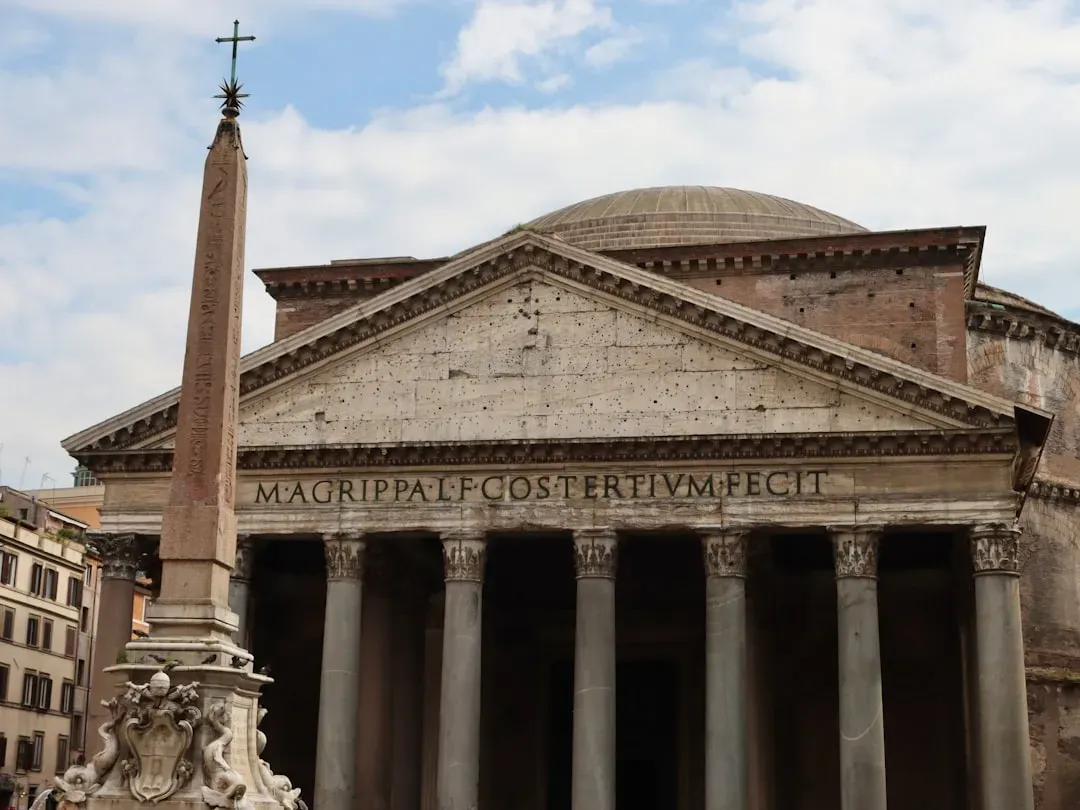
Walk up to the Pantheon and giant letters greet you: “M AGRIPPA L F COS TERTIUM FECIT” – Marcus Agrippa built this. It isn’t the real story. The building standing today is Emperor Hadrian’s reconstruction from around 125 CE; Agrippa’s original was long gone, and his name was reused purely to flatter tradition.
In the 7th century the Pantheon was converted into a Christian church, and new inscriptions were carved inside dedicating it to “St. Mary and the Martyrs,” with popes layering on more tomb markers and dedications well into the Renaissance. Here’s the twist: those later Christian inscriptions did more to preserve the building than any love of pagan architecture ever did, giving Rome an institutional reason not to strip it for parts like every other pagan temple in the city. What tourists visit today is effectively a medieval church wrapped around an imperial shell, kept alive by post-Roman text.
#1 – The Great Pyramid’s Contested “Rediscovered” Quarry Marks (Giza)
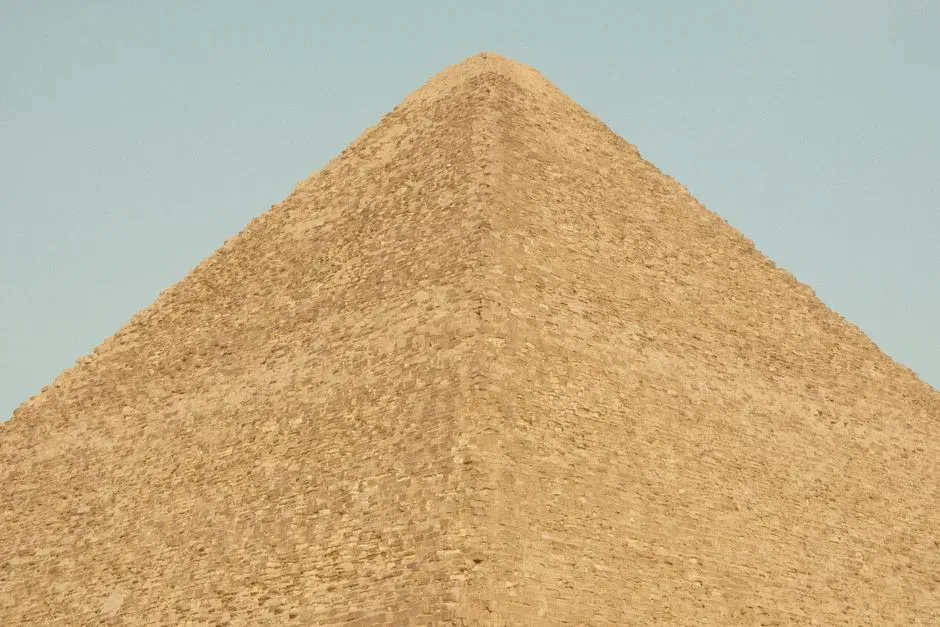
If there’s one monument people insist is untouched and mysterious, it’s the Great Pyramid. Ironically, some of its most argued-over inscriptions are relatively recent discoveries – and possibly later additions inside the structure itself. In the 1830s, British explorer Howard Vyse blasted his way into hidden “relieving chambers” above the King’s Chamber and reported red ochre quarry marks and hieroglyphic gang names, including one referencing Pharaoh Khufu.
Because Vyse used explosives and documented his finds inconsistently, a minority of researchers still question whether some markings were traced, recopied, or even forged to strengthen the conventional dating – mainstream Egyptologists firmly defend their authenticity, and conspiracy theorists just as firmly don’t. Meanwhile, 19th- and 20th-century tourists carved their own names throughout the pyramid and nearby tombs, and restoration teams have since removed much of that graffiti while preserving the ancient text. What we see today as “pure” Old Kingdom stone is already curated by modern hands – deciding which inscriptions survive and which quietly disappear.
The Bottom Line
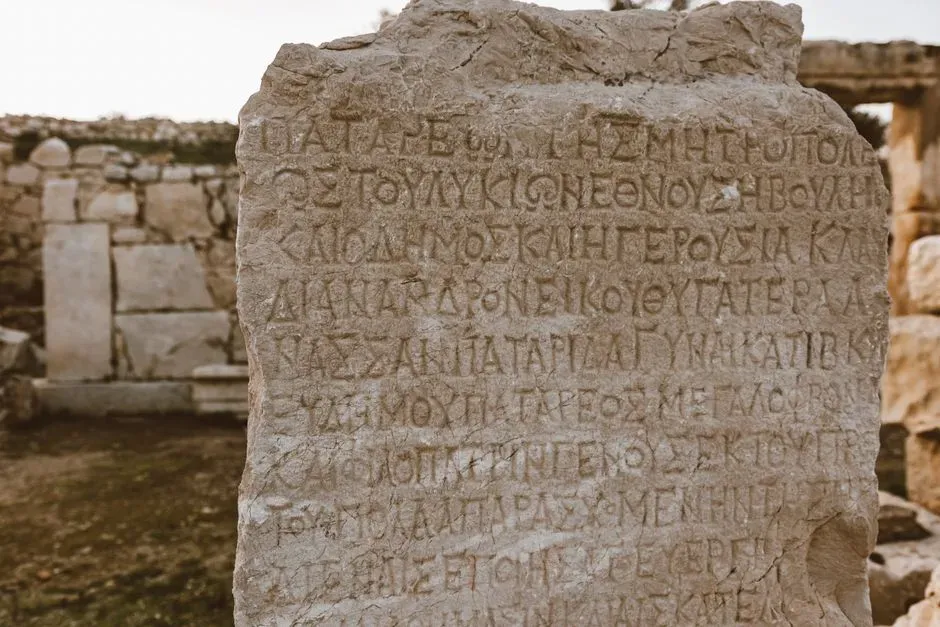
Once you start looking, something uncomfortable becomes obvious: very few “ancient” or “original” monuments say exactly what their builders intended, because later generations keep carving their own opinions into the stone. From Liberty’s immigrant sonnet to the Alamo’s hero worship and the Pantheon’s Christian takeover, the most powerful inscriptions are often the ones added long after the walls went up.
That’s not a harmless footnote. It changes what schoolkids learn, what tourists feel standing in front of these places, and which myths quietly survive another generation. Monuments don’t just remember history – they get edited by whoever holds the chisel next. And if that’s true, the real question isn’t which of these thirteen surprised you most. It’s which “untouched” monument near you has never actually been checked.