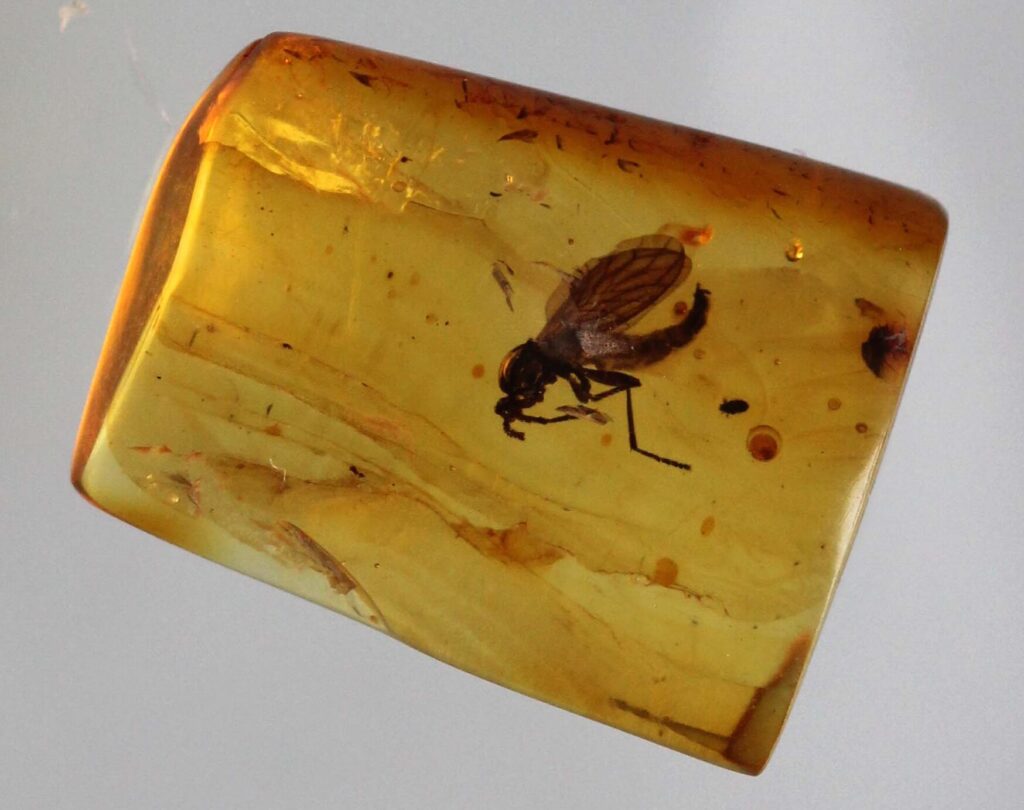
Most people think amber is just prehistoric jewelry with a dead mosquito trapped inside, a curiosity best left to Jurassic Park references. The truth is stranger and a lot less tidy: paleontologists keep cracking open these golden tombs and finding creatures that don’t match anything alive, anything extinct, or anything in between.
These aren’t blurry rock impressions open to interpretation. They’re perfectly preserved bodies with claws, jaws, and abdomens that shouldn’t exist together, and they’ve forced scientists to invent entirely new orders, families, and genera just to have somewhere to file them. Here are 13 specimens that broke the system.
#13 – The Crab-Clawed True Bug That Reinvented Pincers
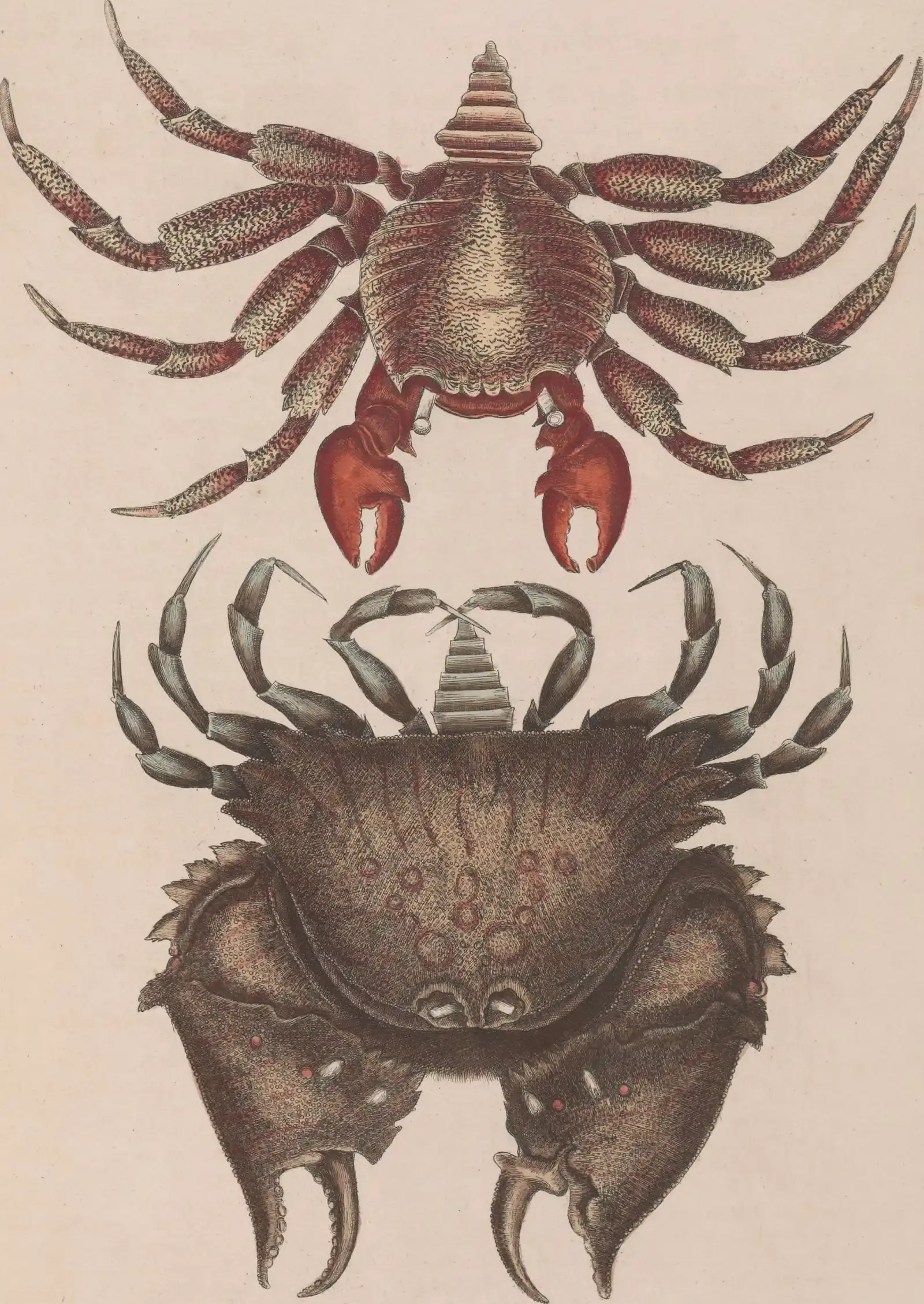
Somewhere in a 99-million-year-old chunk of Burmese amber sits a true bug that grew front legs ending in something closer to a crab’s chelae than any insect claw on record. It was so unprecedented that researchers had no choice but to build it its own genus, Carcinonepa, because nothing in living Heteroptera comes close.
Those pincers likely helped it grab prey or grip vegetation in a way its modern relatives simply can’t. Only three other insect lineages ever stumbled onto a similar design through separate evolutionary accidents, which makes this the fourth known case in all of insect history. Its body plan blends aquatic and terrestrial traits so awkwardly that taxonomists still argue about how it actually lived.
#12 – The Venus Flytrap Wasp With an Abdomen No One Expected
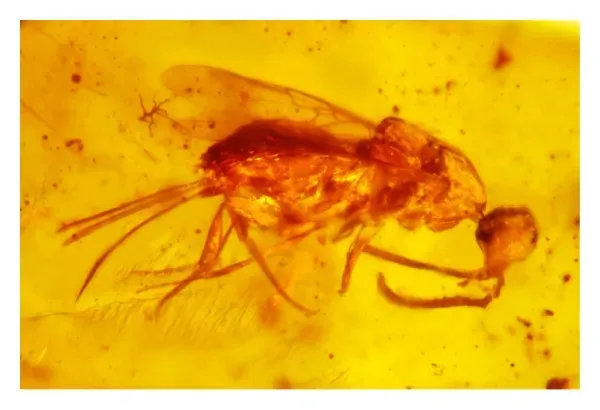
When researchers first spotted the strange bulge on Sirenobethylus charybdis, they assumed it was an air bubble trapped during fossilization. Detailed imaging proved them wrong: sixteen specimens from 99-million-year-old Myanmar amber all showed the same structure, an abdominal expansion that worked like a plant trap rather than anything ever documented on a wasp.
Scientists think it snapped shut on hosts to feed its parasitic larvae, a hunting method with zero modern parallel. Nothing alive today does this. It’s the kind of discovery that quietly rewrites how paleontologists think Cretaceous parasitoids actually operated in the wild.
Fast Facts
- Species: Sirenobethylus charybdis
- Age: roughly 99 million years old
- Amber source: Myanmar (Burmese amber)
- Specimens studied: 16, all showing the same trap-like abdomen
#11 – The ‘Ugly Bug’ With a Triangular Head and Mystery Neck Glands
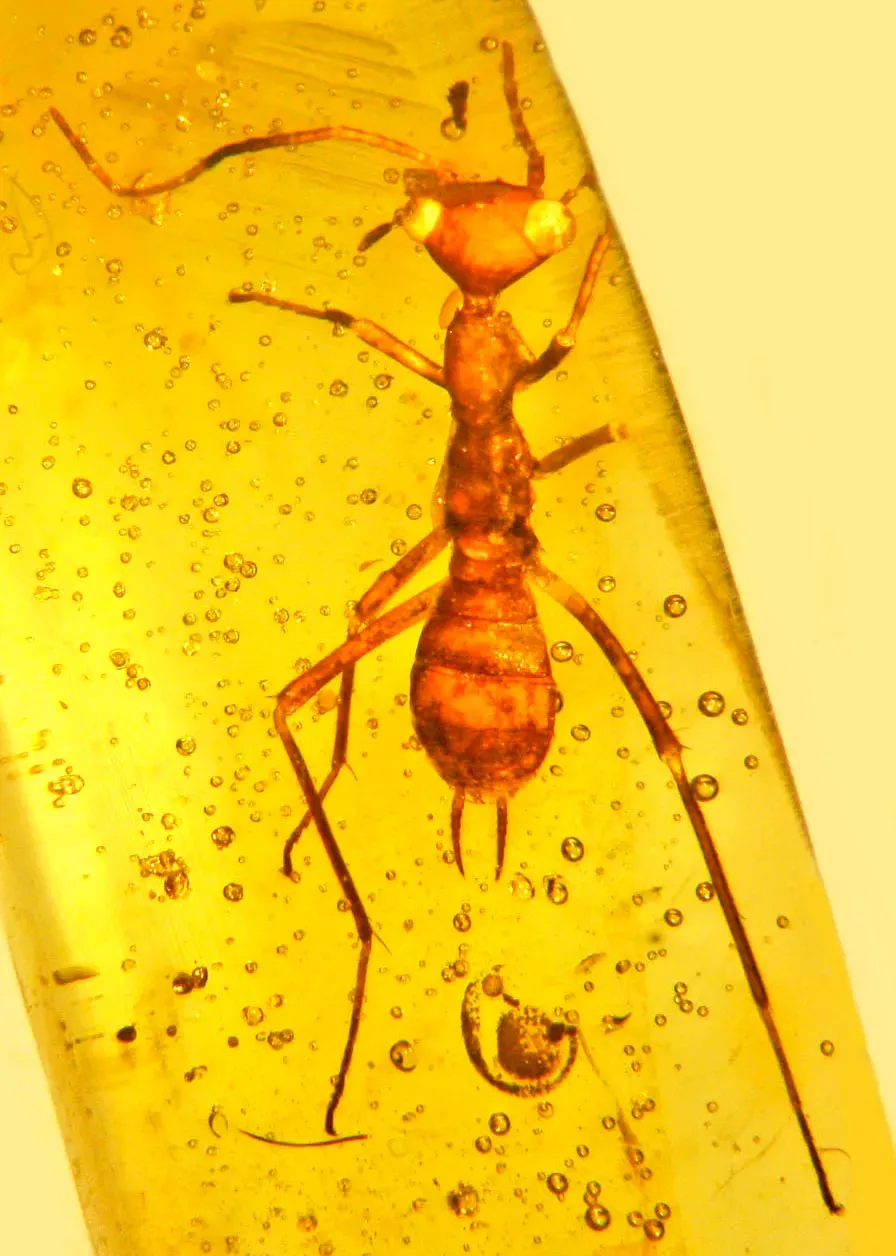
Aethiocarenus burmanicus earned its blunt nickname honestly: a triangular head, bulging eyes, and neck glands that match nothing crawling around today. It came out of 100-million-year-old Burmese amber looking like it wandered in from a different planet, and it now sits in its own extinct order because its features cross too many insect lineages to fit cleanly into any single one.
Experts say it resembles other long-dead lineages far more than anything currently alive. The preservation is sharp enough to show fine sensory details on those neck glands, yet nobody has figured out what they were actually for.
#10 – The Wingless Wasp That Stole Parts From Three Other Insects
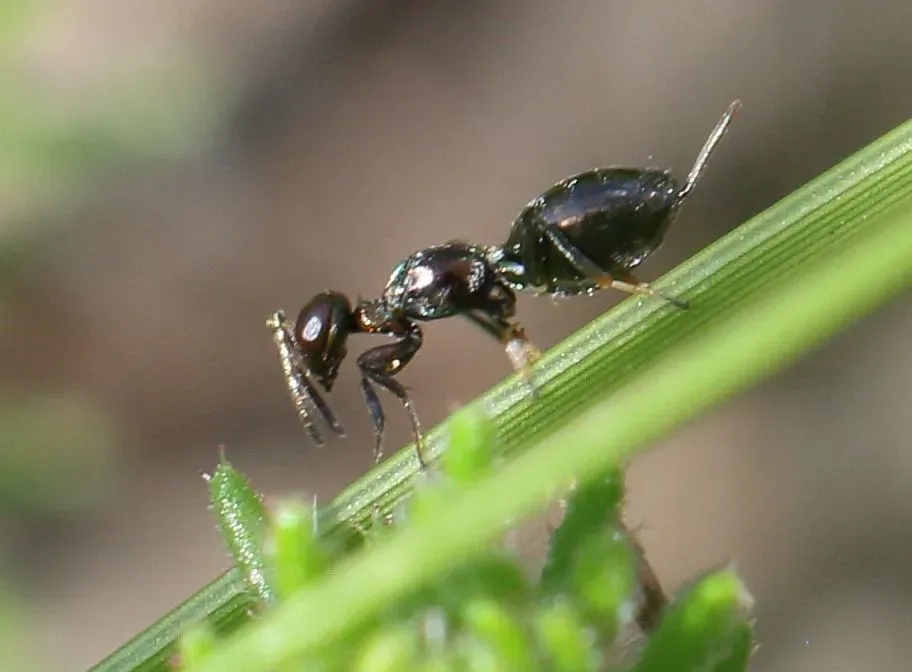
Picture an insect with an ant’s antennae, a grasshopper’s powerful legs, a wasp-like face, and a thick, cockroach-style abdomen, all on one wingless body. That’s exactly what turned up in a 100-million-year-old inclusion, and it doesn’t slot into any existing family no matter how you turn it.
Its odd proportions hint at a lifestyle somewhere between predator and scavenger, a niche with no living equivalent anywhere on Earth. Microscopic examination confirmed every conflicting trait sits on a single, flawlessly preserved animal, which rules out contamination or a mixed-up fossil.
#9 – The New Mayfly Genus Hidden in Baltic Amber for 35 Million Years
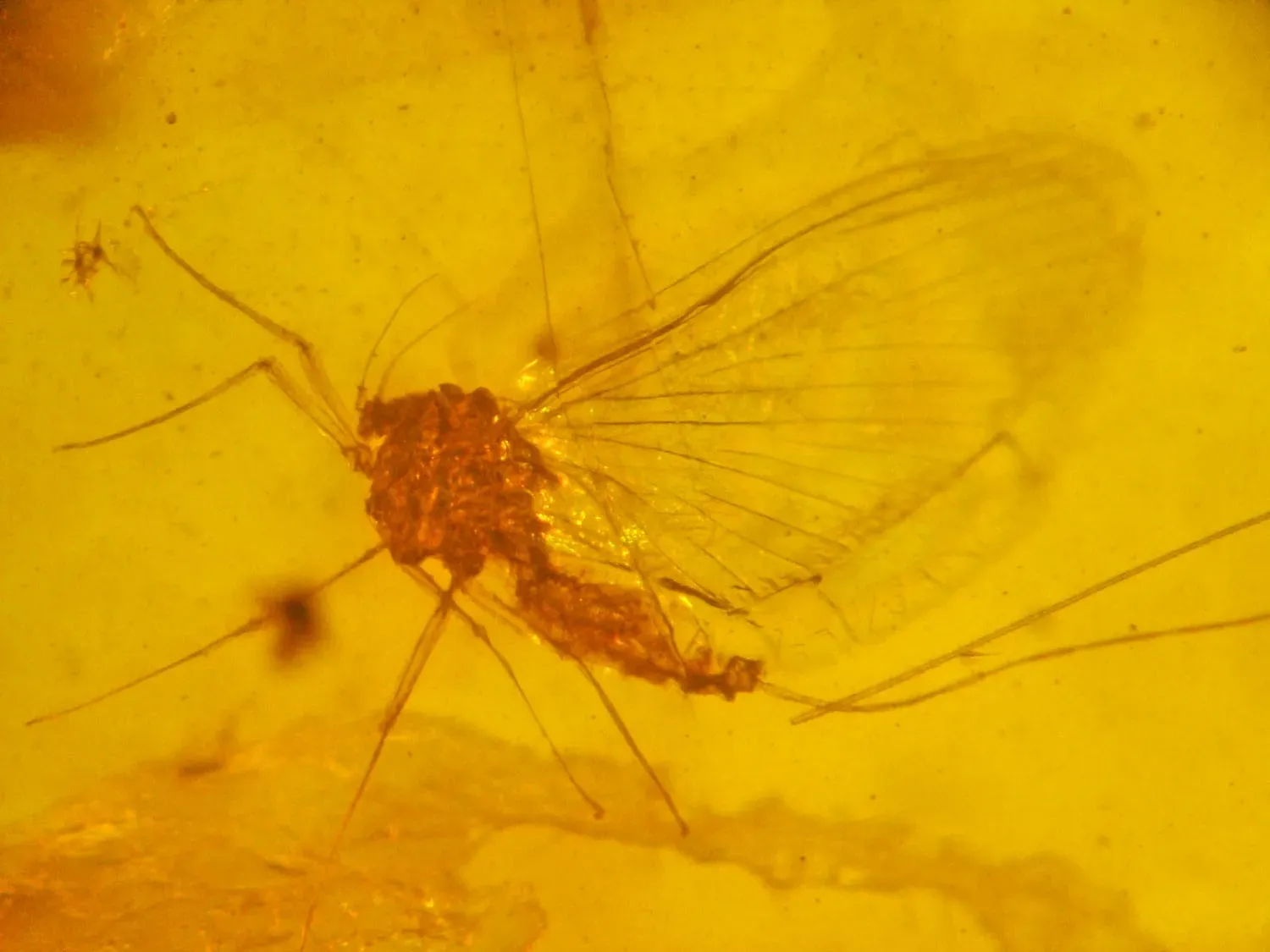
Calliarcys antiquus sat unclassified for decades because its most important diagnostic features were hidden in translucent tissue that ordinary microscopes couldn’t penetrate. Only micro-CT scanning finally cracked it open, revealing an entirely new mayfly genus inside a 35-to-47-million-year-old Baltic specimen.
The scan placed it firmly within Leptophlebiinae, a lineage still buzzing around parts of Europe today. It joins just a small handful of mayflies ever recovered from amber, and the breakthrough only happened because international teams pooled imaging technology that standard labs simply didn’t have.
#8 – The Jewel Wasp Family That Pushed the Fossil Record Back 30 Million Years
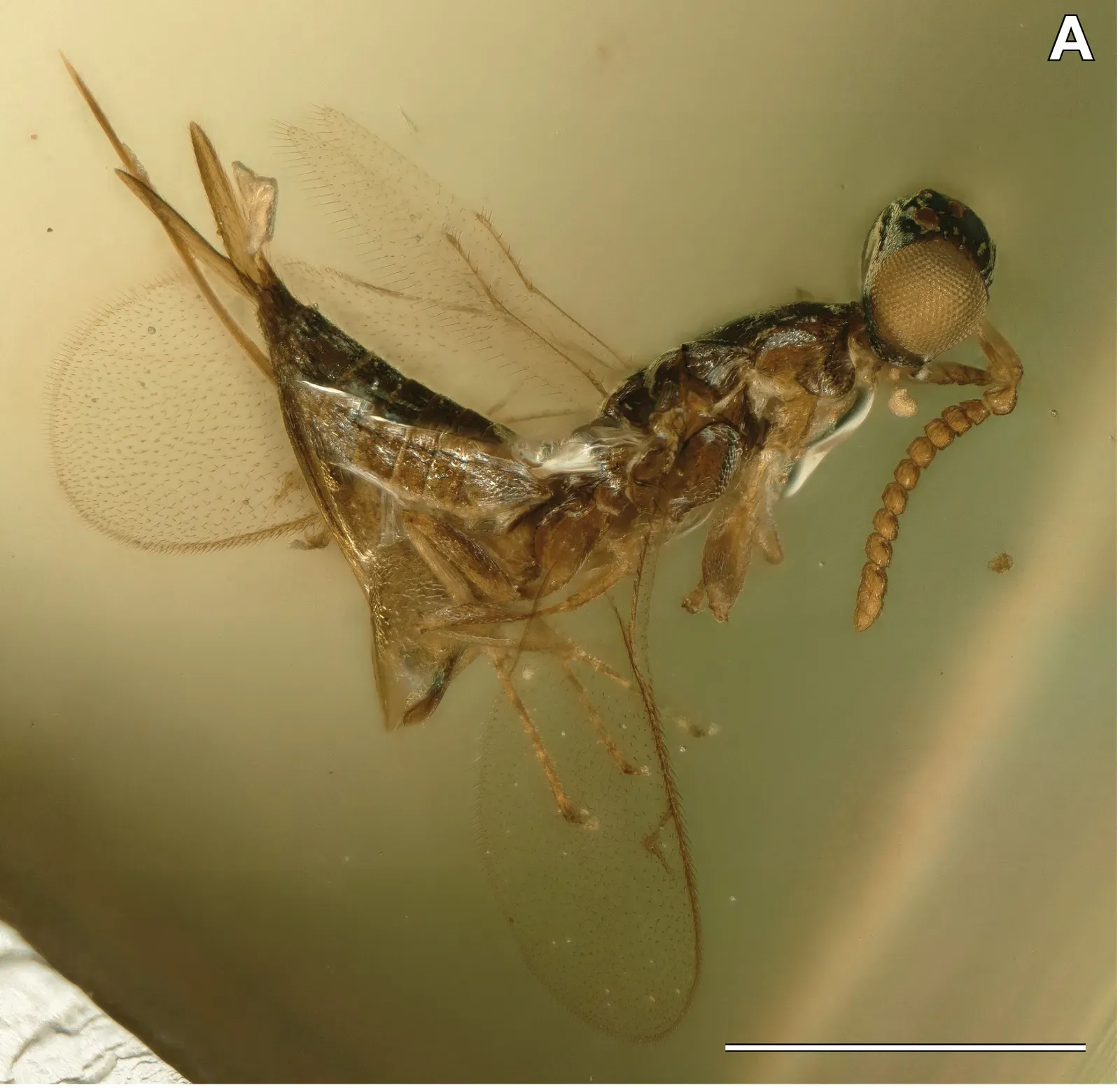
Protoitidae showed up in 130-million-year-old Lebanese amber and instantly extended the known history of Chalcidoidea, the jewel wasps, by tens of millions of years. A distinctive tail-like structure covering the ovipositor let researchers link multiple specimens together and carve out two brand-new genera.
No wasp alive today shares that exact anatomy. The discovery quietly overturned a long-standing assumption that these tiny parasitic wasps didn’t appear until much later in insect evolution, meaning textbooks on early parasitism now need a rewrite.
#7 – The ‘Mold Pigs’ That Look Like Tardigrades But Belong to No Known Group
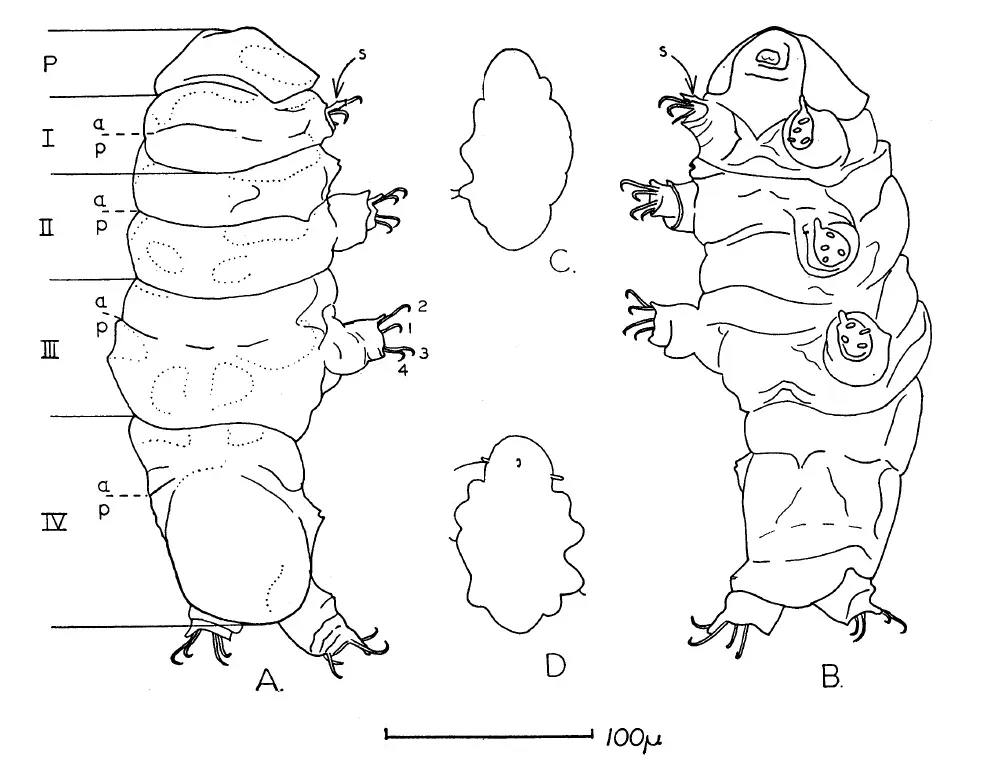
Buried in Dominican amber are microscopic fungus-eaters nicknamed “mold pigs,” and they look uncannily like tardigrades without actually being tardigrades. Their body plan doesn’t match any described micro-arthropod group closely enough to earn a home, so they’ve been classified as something new sitting entirely outside existing categories.
Scientists still argue about where these 30-million-year-old creatures actually belong because their traits overlap several phyla without committing fully to any of them. It’s a strong reminder that amber doesn’t just preserve individual bugs, it preserves entire miniature ecosystems that resist easy labeling.
Worth Knowing
- Nicknamed “mold pigs” for their fungus-eating habits
- Found in Dominican amber, roughly 30 million years old
- Look like tardigrades but aren’t classified as tardigrades
- Traits overlap several phyla without fitting fully into any
#6 – The Missing-Link Fungus Gnat Connecting Japan and North America
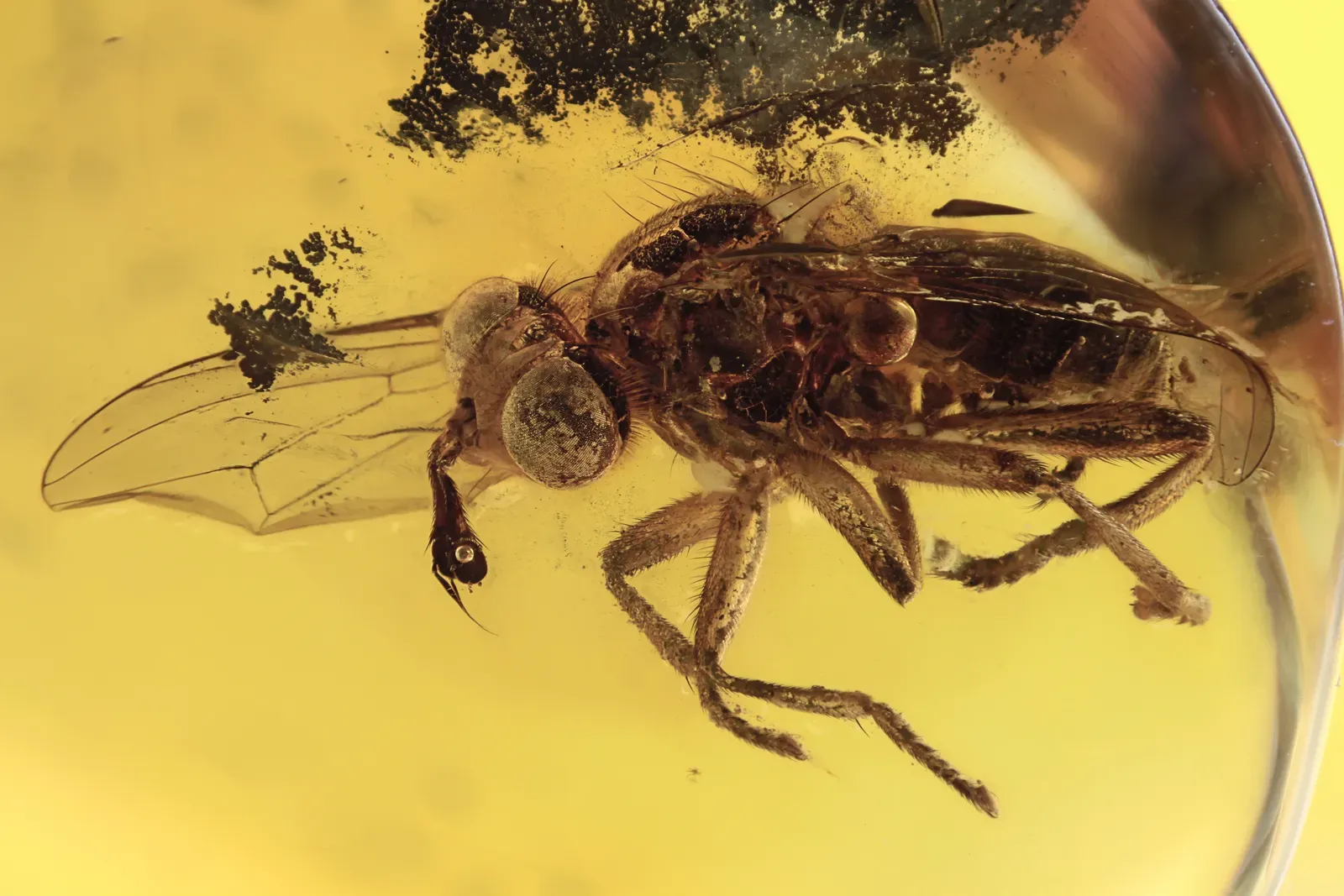
Robsonomyia henningseni spent over 60 years forgotten in a Danish museum drawer before anyone realized what it actually was: a 40-million-year-old Baltic amber specimen that turned out to be the evolutionary bridge between fungus gnat populations now scattered across separate continents.
Its anatomy shows the genus once ranged freely across Eocene Europe before the world pulled apart into today’s disconnected populations. A second new species surfaced from the same research batch, reinforcing the pattern rather than making it a fluke. Details this fine simply don’t survive in rock fossils.
#5 – The Scale Insect From Jurassic Amber That Shouldn’t Exist
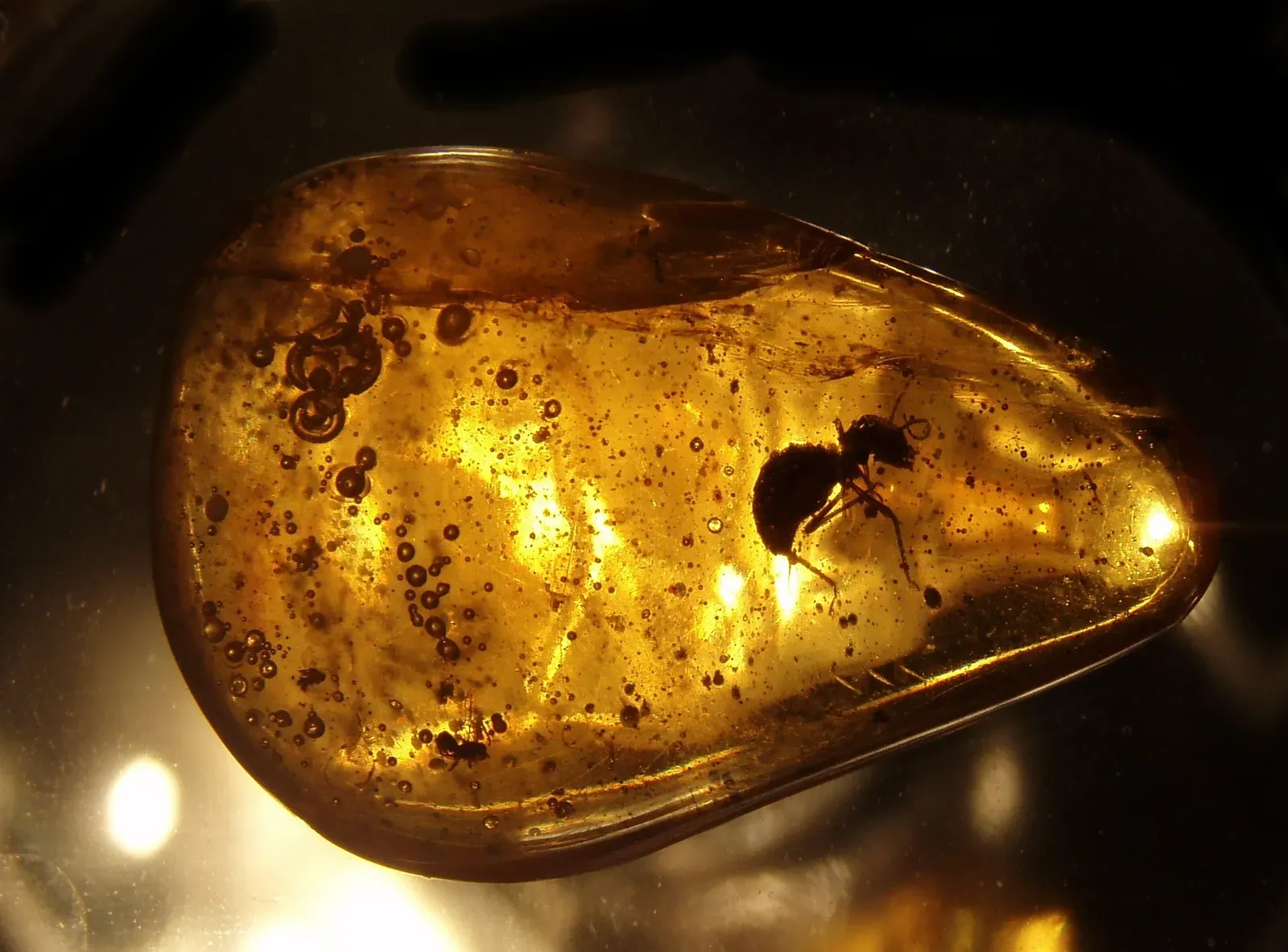
For a long time, scientists assumed amber fossils this old weren’t even possible. Then came a scale insect from Late Jurassic Lebanese amber, now the earliest known amber insect on record, and it pushed the timeline for Sternorrhyncha inclusions back further than anyone expected.
Its plant-sucking mouthparts appear fully formed already, which challenges assumptions about how quickly these insects diversified. The tiny male’s wing structure needed an entirely new taxonomic placement to accommodate it. One small fossil, and suddenly Jurassic terrestrial ecosystems look a lot more complicated.
#4 – Alienoptera, the Extinct Order With No Living Relatives at All
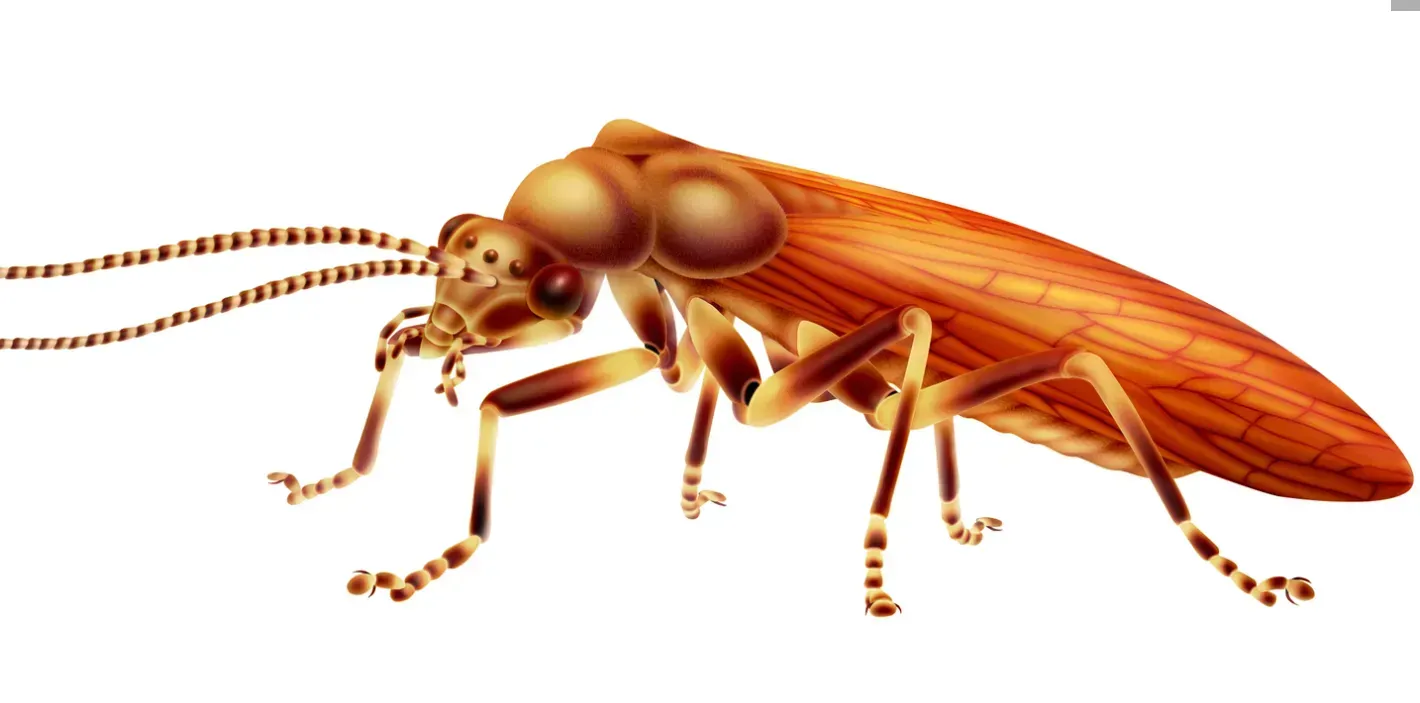
Alienoptera isn’t a nickname, it’s the actual scientific name for an entire extinct order known only from Burmese amber. These 100-million-year-old specimens blend cockroach and mantis traits so thoroughly that existing classifications simply collapsed under the weight of the contradictions.
Paleontologists had no choice but to build a brand-new group from scratch. The wing and leg structures fit nothing modern, and the entire order vanished without a trace once the Cretaceous ended, leaving no descendants to study today.
At a Glance
- Order name: Alienoptera
- Known only from Burmese amber, roughly 100 million years old
- Blends cockroach and mantis features
- No living descendants survived past the Cretaceous
#3 – The Harvestman With Ridges and Genitals From a Vanished Lineage
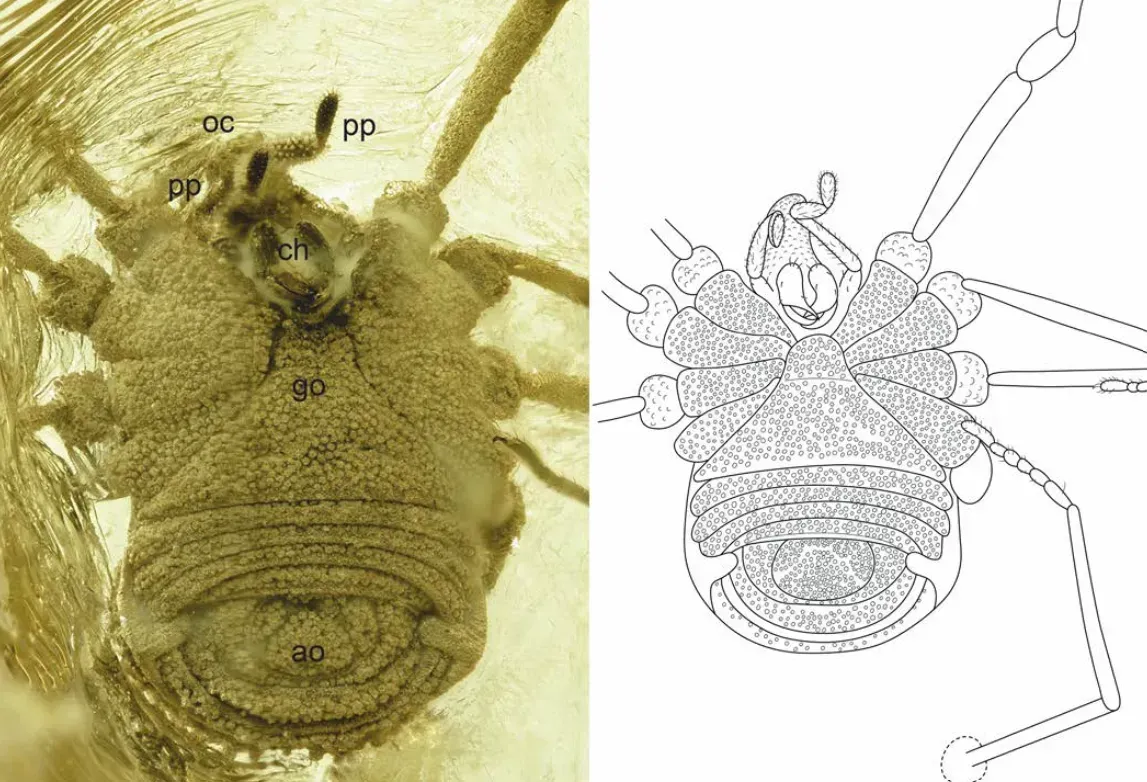
Balticolasma wunderlichi carries lattice-like patterns on its head and genital structures complex enough to place it in an extinct European lineage of harvestmen that no longer exists on the continent at all. Two 35-million-year-old specimens, recovered from two different amber deposits, both showed the same ornate back ridges and raised eye mounds.
Nothing alive resembles it closely. The find proves these arachnids thrived during the warm Eocene stretch of Earth’s history before quietly disappearing, and it took micro-CT scanning to finally confirm its place in its own unique subfamily.
#2 – The Insects That Turned to Stone Instead of Fossilizing Normally
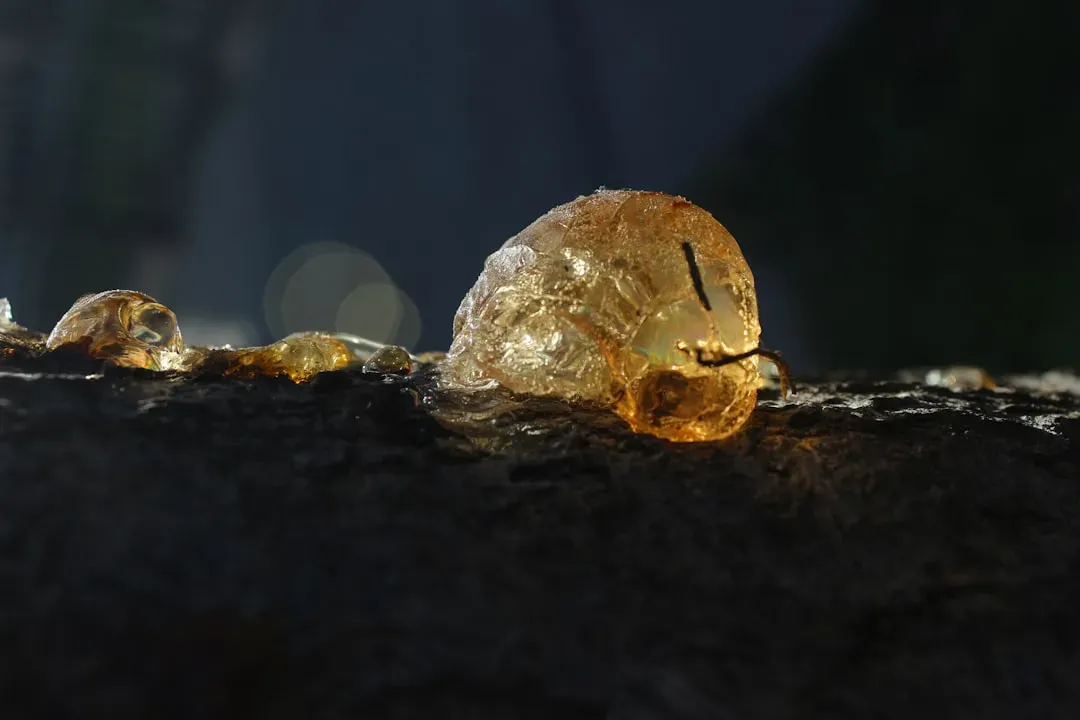
Mid-Cretaceous Burmese amber has produced something researchers never expected: insects whose soft tissue calcified or silicified while still trapped inside the resin. That completely contradicts the standard model of amber preservation, which usually leaves either a hollow mold or a thin carbon film.
Multiple insect orders show this mineral replacement, yet nobody has nailed down the exact chemistry that caused it. It’s forcing scientists to reconsider what was actually happening inside ancient resin flows the moment these creatures got trapped, which is a bigger question than it sounds.
#1 – The Impossible Mosaic Blending Five Different Insect Orders
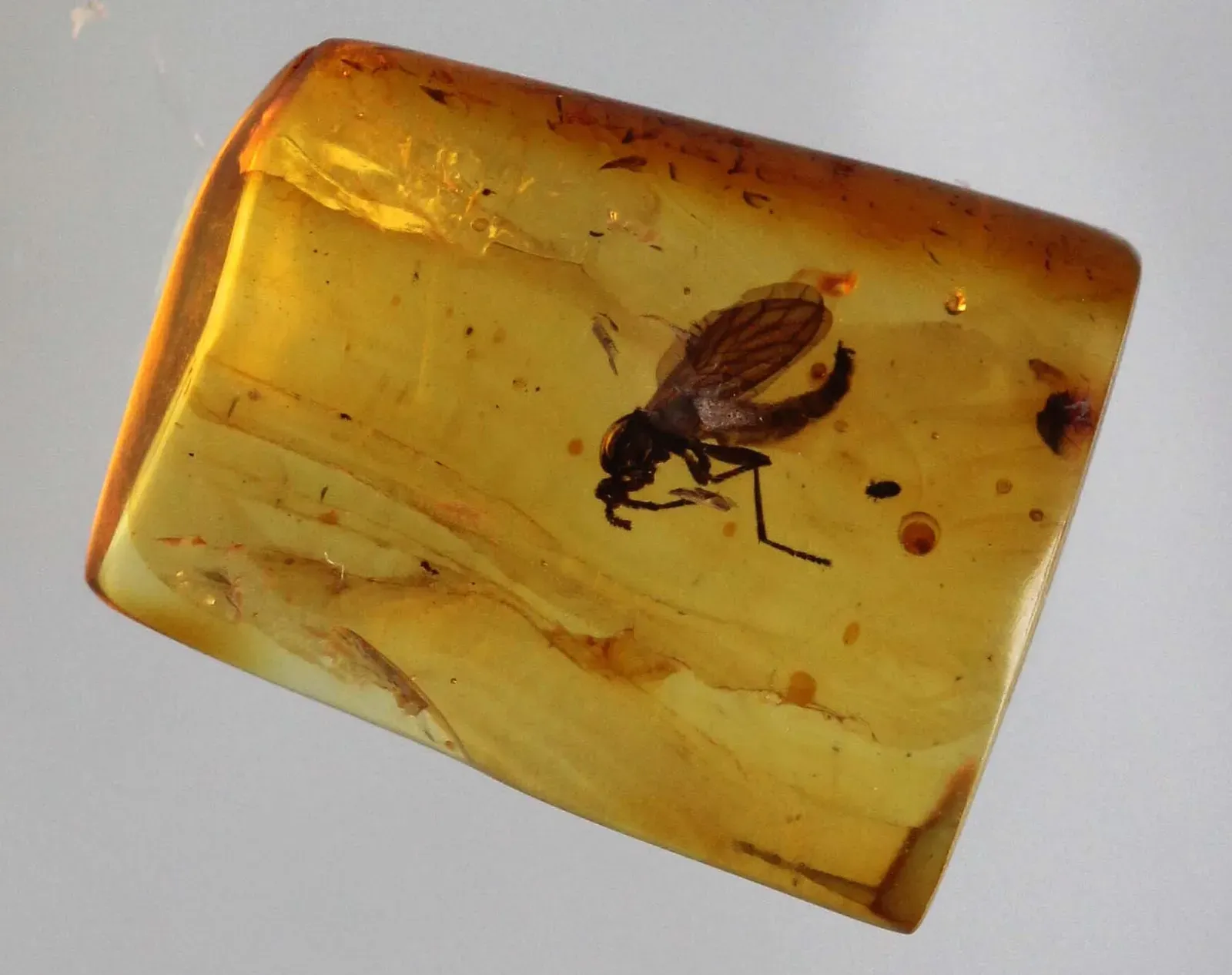
One Burmese amber specimen manages to combine traits from ants, grasshoppers, wasps, cockroaches, and silverfish into a single wingless body, and it still doesn’t have a firm home in any classification system. Its antennae, legs, face, abdomen, and sensory structures assemble into a combination that simply shouldn’t exist on one animal.
Experts have settled on treating it as incertae sedis, scientific shorthand for “we genuinely don’t know.” It likely filled a narrow ecological niche that disappeared along with the dinosaurs, and no living insect comes anywhere close to matching its anatomy. If amber has a final boss of unclassifiable creatures, this is it.
Why It Stands Out
- Combines traits from five separate insect orders: ants, grasshoppers, wasps, cockroaches, and silverfish
- Wingless body with no confirmed classification
- Officially labeled incertae sedis, meaning “undetermined placement”
- No living insect shares a comparable anatomy
The Bottom Line
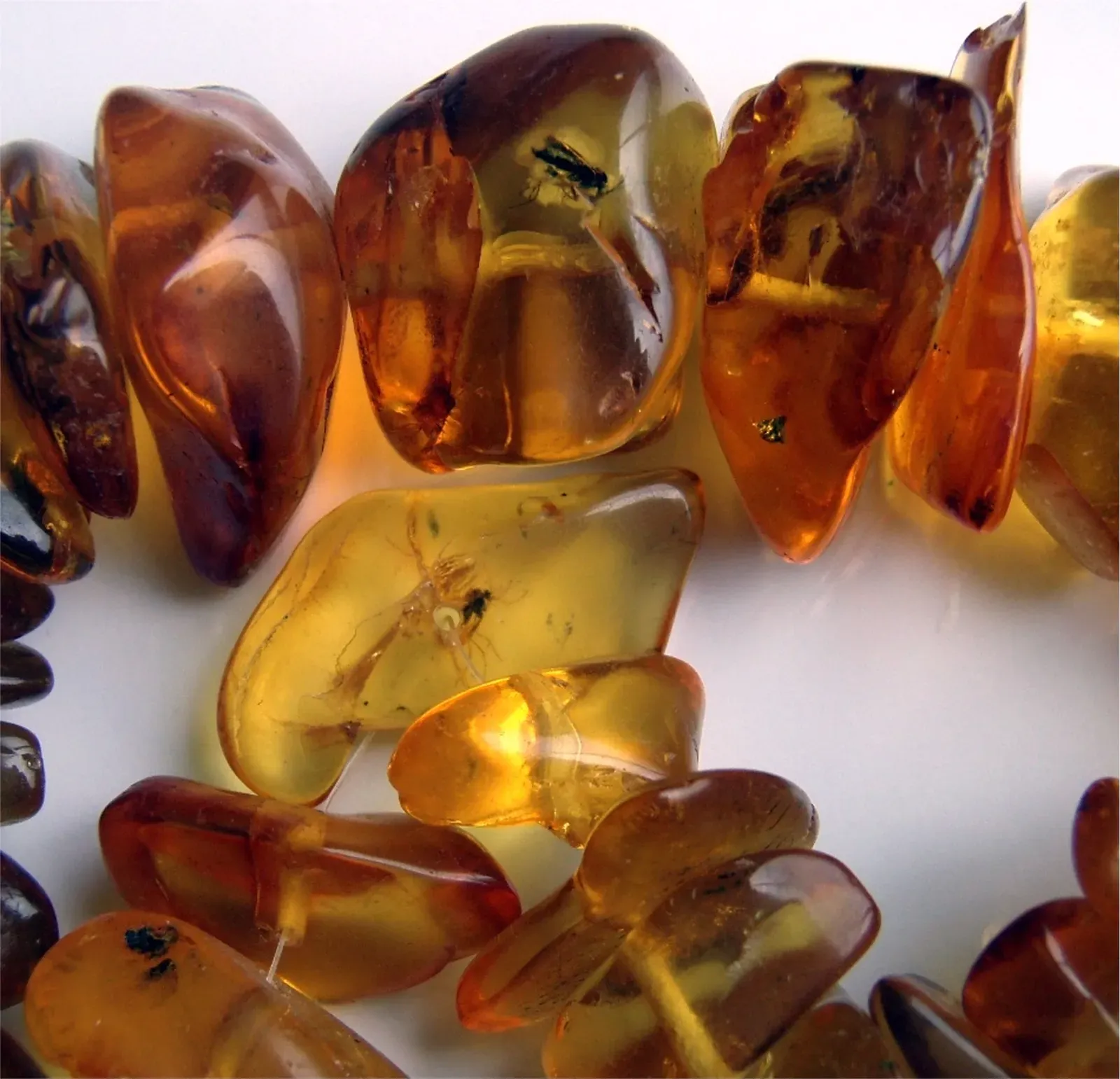
Amber was never supposed to be this messy. Pop culture sells it as a simple time capsule, a clean freeze-frame of ancient life exactly as it looked millions of years ago. These 13 specimens say otherwise.
What they actually reveal is a fossil record full of evolutionary dead ends, body plans that got tried once and never repeated, and entire lineages that vanished so completely they left no living relatives to compare them to. I find that more fascinating than any neat, tidy timeline could ever be. And the part that should genuinely unsettle you: plenty of these specimens sat in drawers for decades before anyone had the technology to even recognize what they were looking at, which means the next impossible creature might already be sitting in a collection somewhere, waiting.
Did we miss one? Drop it in the comments.