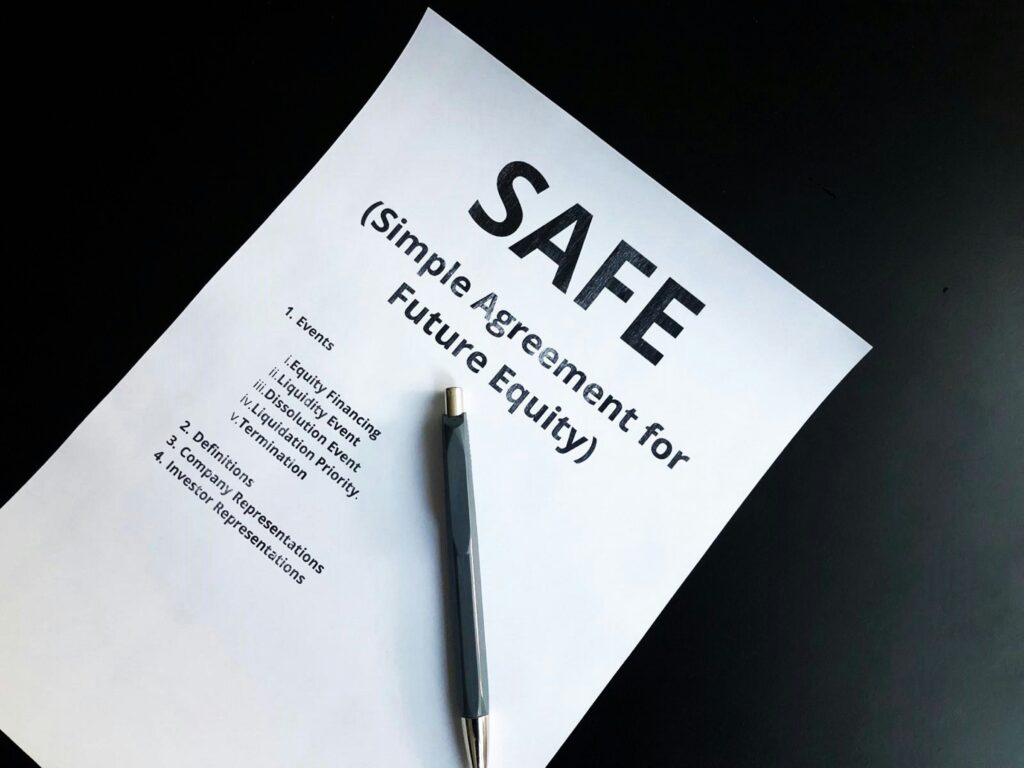
Most people assume a final report is just a cleaned-up version of the draft – same story, tidier sentences, nothing to see here. That’s almost never true. Some of the most influential reports in modern history quietly changed what they actually concluded somewhere between the draft that landed on an editor’s desk and the version that reached your inbox, your kitchen table, or the evening news.
Numbers got softened. Language got hedged. Blame got diluted until it practically disappeared. In a few cases, the whole narrative flipped completely without a single new fact entering the room. These 21 shifts weren’t typos or clerical fixes – they were the product of lawyers, political handlers, corporate PR teams, and nervous institutions doing what nervous institutions always do: managing risk instead of managing truth. Keep going, because #1 involves the kind of report that can quietly help start a war.
#21 – The Climate Assessment That Quietly Added “Uncertainty”
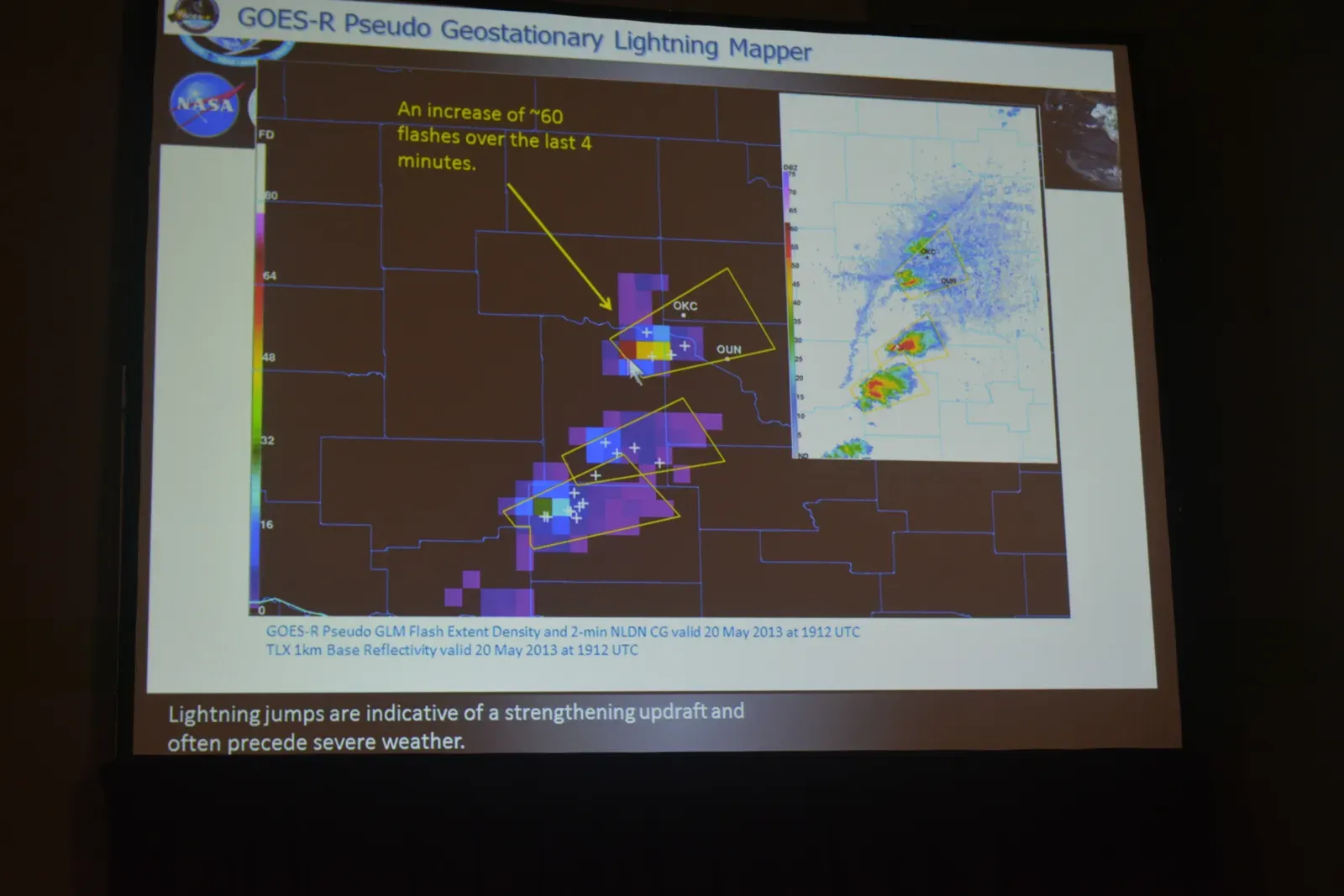
Draft versions of several national and international climate assessments have used surprisingly blunt language: “humans are responsible,” “very likely caused.” Scientists inside these processes know the first drafts can hit hard. By the time the final report goes public, those same conclusions somehow arrive wrapped in “high confidence,” “likely,” or “suggests,” even though the underlying data barely moved. The conclusion shifts from a punch in the face to a polite nudge.
The reason is rarely scientific. There’s usually a long back-and-forth between researchers, government reviewers, and diplomatic teams who hate definitive statements that could force regulation, trigger lawsuits, or strain trade relationships. So a draft’s clear warning that “X will happen if Y continues” quietly becomes “X may occur under certain scenarios” – technically still correct, but stripped of urgency. Most readers never see the original phrasing, so they walk away believing the final version is pure, unfiltered science.
Fast Facts
- Climate assessments rely on a formal “calibrated language” scale, where “virtually certain” means 99-100% probability and “very likely” means 90-100%.
- “Likely” covers a 66-100% probability range, while “about as likely as not” spans only 33-66% – a huge gap for a single word swap.
- This scale exists specifically to keep scientific confidence from getting lost in translation between technical drafts and public summaries.
- Dropping just one rung on the scale – from “very likely” to “likely” – can quietly change how policymakers and headline writers treat the same finding.
#20 – The Workplace Harassment Report Softened By Lawyers

Internal investigations into workplace harassment are notorious for changing tone between draft and final. Investigators might initially write, “We find a pattern of harassment,” naming specific managers and describing a clear cultural failure. Then the legal review team steps in. By the final version, “pattern of harassment” becomes “isolated incidents,” and clear blame becomes “breakdowns in communication.”
Final reports aren’t written only for truth – they’re written for liability. A direct finding of harassment can fuel lawsuits, invite regulators, and rattle a company’s stock price, so legal teams push declarative findings toward vague “opportunities for improvement.” Concrete stories get folded into sanitized categories, and words like “abuse” and “retaliation” quietly vanish, replaced by “perceptions” and “concerns.” Insiders learn fast: the draft is the real story, and the final report is the press release.
#19 – The Safety Audit That Magically Met Compliance

When outside consultants audit factories, warehouses, or job sites, their draft reports can be brutal – missing machine guards, blocked emergency exits, fire systems nobody tested in years. Some drafts flatly state that a site “fails to meet minimum safety standards.” Strangely, the final version often declares the same site “broadly compliant with minor remedial actions required.”
Here’s the uncomfortable part: consultants want repeat business, and a formal non-compliance finding creates conflict, legal exposure, and lost contracts. So after a quiet conversation with management, a “serious hazard” becomes a “priority recommendation,” and “non-compliant” drifts into “needs improvement.” The actual list of problems may still exist buried in an appendix, but the headline conclusion looks reassuring instead of alarming – and the workers who might have used that draft as leverage never get to read it.
#18 – The Academic Meta-Analysis That Downgraded Its Own Certainty

Meta-analyses – the big studies that combine dozens of papers – carry enormous weight in medicine and psychology. Early drafts sometimes use bold wording: “strong evidence supports,” “robust effect,” “clear benefit.” Then peer reviewers, journal editors, and sometimes funders push back. By publication, “strong evidence” quietly becomes “limited but suggestive evidence,” even when the statistics are nearly identical.
Academic culture punishes overclaiming far more than underclaiming, so reviewers insist on hedges: “may,” “could,” “appears to,” and an endless string of caveats. Politics creeps in too, especially when a result challenges an established practice, threatens a profitable drug, or questions a cherished theory. The data tables stay identical, but the final summary is quieter, safer, and much easier to ignore – leaving patients and clinicians to believe they’re reading raw science when they’re really reading science after social sanding.
#17 – The Financial Risk Report That Hid The “Worst Case”

Internal risk reports at banks and major corporations often start with a blunt warning: “If X happens, we are in serious trouble.” Drafts may model realistic worst-case scenarios – 20% losses, liquidity crunches, cascading defaults. Then the executive suite reacts. The final report tends to emphasize “base case” and “optimistic” scenarios, burying the truly catastrophic outcomes in footnotes.
Aggressive risk projections can force boards to halt profitable strategies or increase capital reserves, so the language quietly shifts: “likely” becomes “remote,” “material risk” becomes “monitoring required.” Whole downside scenarios get reframed as “stress tests” that are “unlikely to materialize.” Shareholders and regulators reading the sanitized final version walk away with a calm picture the modeling team never actually produced – and history’s biggest financial blow-ups almost always leave behind this exact paper trail.
#16 – The Internal Diversity Report That Removed The Hard Numbers
Early drafts of diversity, equity, and inclusion reports can be painfully specific: “Zero Black employees at the executive level,” “no women in technical leadership,” “pay gap of 18% after adjusting for role and tenure.” Those numbers are uncomfortable, and legally sensitive. In the final version, precise gaps often disappear, replaced by warm phrases like “opportunities to further advance inclusion.”
Companies say partial numbers could be “misinterpreted.” In reality, they fear headlines, activist pressure, and regulatory scrutiny. So a draft conclusion as sharp as “the company has systematically failed to promote underrepresented employees” turns into “the company continues to evolve its inclusive culture.” The underlying problem never changes – only the framing does – and the employees living inside that gap almost never see the draft that called it what it was.
#15 – The Health Policy Report That Lost Its Strong Recommendation
Policy reports commissioned by governments often start with a clear directive: “Implement X nationwide,” “ban Y,” or “fund Z at scale.” Draft versions can be crystal clear about what should happen and by when. Then stakeholders swarm – industry groups, lobbyists, advocacy organizations, ministries with clashing priorities. By the time the final report appears, strong recommendations often shrink into “options for consideration.”
This matters because a firm conclusion can anchor an entire public debate and shape a budget. Soften it to “one of several promising strategies” and suddenly politicians can cherry-pick or simply do nothing. Sometimes the evidence hasn’t changed at all – only the political comfort level has – and draft language naming clear winners and losers quietly disappears, leaving a report that looks neutral but hides that the original experts wanted bold, disruptive change.
#14 – The Environmental Impact Study That Softened The Damage

Environmental impact assessments are supposed to be brutally honest about what a project will do to air, water, wildlife, and communities. Draft versions circulated among technical teams often are: “significant and irreversible habitat loss,” “high risk to local water quality.” Then project sponsors, lawyers, and sometimes politicians lean in. In the final version, “significant and irreversible” often morphs into “manageable with mitigation measures.”
The trick is that mitigation plans are frequently theoretical, so the conclusion shifts from “this will cause serious harm” to “this will cause harm, but we assume planned interventions will work perfectly.” Phrases like “cumulative impact” or “disproportionate burden on local residents” get softened or dropped entirely. Communities read confidence where the drafts expressed alarm, and years later, when the promised mitigation never fully materializes, almost nobody can reconstruct what the original experts actually warned.
#13 – The Corporate Culture Survey That Removed The Word “Toxic”

Employee engagement surveys can produce devastating draft reports. Analysts summarize open-ended responses bluntly: “employees describe the culture as toxic,” “fear of retaliation,” “deep mistrust of leadership.” HR and outside consultants see this raw language first. By the time the report reaches executives – or especially employees – the word “toxic” has almost always disappeared.
Instead, you get “challenges in trust” and “opportunities to strengthen communication” – technically accurate, emotionally neutered. Admitting the culture is toxic means admitting leadership failure and the need for radical change, so the final conclusion leans on “progress since last year” and “pockets of excellence,” burying the existential critique underneath. Employees usually notice the gap between their lived reality and the report’s sunshine anyway, and that gap erodes trust even further than the original problem did.
#12 – The Product Safety Report That Reframed A Design Flaw
When a company faces accusations that its product is unsafe – cars, medical devices, consumer electronics – the internal investigation becomes a high-stakes document. Engineers might initially conclude, “this is a design flaw that can cause failure under normal use.” That phrase is dynamite. In the final report, it often mutates into “performance under certain extreme conditions may deviate from optimal specifications.”
Notice the shift: from “our design is broken” to “edge cases exist.” Legal and PR teams push hard for this, because “design flaw” is exactly the language plaintiffs’ lawyers go looking for. The final conclusion usually insists the product “meets or exceeds industry standards” while quietly recommending “optional enhancements” for future versions – even as everyone internally understands that a recall or redesign is actually needed.
#11 – The School District Review That Erased Systemic Failure

Independent reviews of failing school districts often start with painful honesty. Draft reports describe “systemic failure,” “chronic underfunding,” “leadership instability,” and “inequitable outcomes for marginalized students.” Those words carry moral and political weight – someone is responsible. Final versions, especially those released jointly with school boards, tend to replace them with bland structural language: “complex challenges,” “multiple contributing factors.”
This shift matters because it deflects accountability. A draft that clearly links leadership decisions to poor student outcomes could justify replacing a board or superintendent; a final report that emphasizes “complexity” suggests no one can really be blamed. The numbers may still show stark disparities, but the conclusion now encourages resignation instead of urgency – and parents who fought for the review often feel gaslit when the published report seems to say, “yes, it’s bad, but no, it’s not really anyone’s fault.”
#10 – The Ethics Investigation That Removed The Names
Ethics investigations live and die on their conclusions. Drafts frequently name names: “we find that X directed Y,” “Z misused funds,” “senior leadership endorsed this practice.” These drafts are rarely meant for public eyes, but they shape everything that follows. In the final public report, individual accountability often dissolves into phrases like “decisions were made” and “processes broke down.”
Naming individuals invites lawsuits and political blowback, and it forces boards to act decisively – something they’d often rather avoid. So even when the underlying facts stay the same, the conclusion stops short of connecting those facts to specific people, and the report becomes a story about systems instead of actors. For insiders who saw the draft, the final version can feel like an alternate universe where events somehow happened without anyone actually choosing them.
#9 – The Tech Privacy Audit That Watered Down “Violation”

As scrutiny over data collection grew, privacy audits became more common – and internal drafts sometimes state the obvious: “this practice violates users’ reasonable expectations of privacy,” or “may conflict with regulatory requirements.” Those words are red flags for regulators. So in many final versions, “violation” morphs into “misalignment,” and “non-compliant” becomes “not fully aligned with evolving best practices.”
This linguistic gymnastics lets a company acknowledge a problem without admitting legal fault. The conclusion pivots to future-focused language – “we are committed to enhancing transparency” – while quietly skipping the plain admission that current behavior crosses a line. Companies sometimes fix things substantially behind the scenes based on the draft, while the final report pretends nothing serious was ever wrong in the first place.
Quick Compare
- Draft: “This practice violates reasonable privacy expectations.” Final: “This practice is not fully aligned with evolving best practices.”
- Draft: “Non-compliant with data protection requirements.” Final: “Opportunities exist to further strengthen compliance.”
- Draft: “Users were not adequately informed of data use.” Final: “Our transparency efforts continue to evolve.”
- Draft: “Immediate remediation required.” Final: “We remain committed to ongoing improvement.”
#8 – The Public Health Outbreak Report That Softened Blame
After disease outbreaks – foodborne illness, hospital infections, community clusters – investigators often write frank drafts: “delayed reporting from Facility X contributed significantly” or “inadequate infection control at Site Y amplified spread.” These statements draw a straight line from behavior to harm. In the final report, you’ll often find “multiple factors contributed,” spreading responsibility so thin that no one actually feels it.
The motive is rarely malice – agencies worry harsh language will scare hospitals or companies away from future cooperation. Still, the conclusion moves from “we must never let this happen again” to “we should all improve together,” a sentiment too vague to enforce. Families looking for accountability find only generalities, and the professionals inside the system may never learn how close the drafts came to pointing the fingers that could have changed behavior faster.
#7 – The Social Science Report That Edited Out The Political Inconvenience

Social scientists work in politically charged territory – crime, education, family structure, inequality. A draft report might present a clear, statistically strong finding that challenges a prevailing narrative on either the left or the right. Between peer review, institutional communications teams, and authors’ own risk calculations, those sharp edges often get sanded down in the final conclusion.
Instead of “our data strongly suggests X policy has failed,” the final version reads, “the evidence on X policy’s effectiveness is mixed and requires further study.” That’s technically true across the field in general – but it hides that this specific study produced a very lopsided result. Comms teams sometimes explicitly ask authors to avoid “sound-bite-friendly” lines that could be cherry-picked by political actors, and the public gets a safe conclusion instead of the one the data actually supported.
#6 – The Internal Tech “Post-Mortem” That Downplayed Human Error
When major outages hit cloud services, social networks, or payment platforms, internal post-mortems start out brutally honest. Drafts often say, “engineer A made change B without review,” or “on-call failed to follow documented procedure C.” These aren’t character attacks; they’re crucial for learning. Yet the externalized final reports often explain everything through “unexpected interactions” and “complex system behavior,” barely mentioning any human decision.
The industry has a legitimate reason for this – “blameless post-mortems” encourage honest reporting – but there’s a thin line between avoiding a witch hunt and avoiding accountability entirely. Final conclusions that treat every incident as a random storm can ignore real patterns: understaffing, poor training, a culture that rewards speed over safety. Users reading the public summary see an act of God; insiders who saw the draft know it was a predictable outcome of very human trade-offs.
Worth Knowing
- The “blameless post-mortem” concept was popularized by the site-reliability engineering movement at companies like Google and Etsy.
- The premise is simple: engineers who fear punishment tend to hide details, so removing blame is supposed to surface more honest information, not less.
- In practice, many organizations only apply the “blameless” filter to the version customers see, while the internal draft still names specific people and decisions.
- Critics argue a truly blameless process should still name systemic failures clearly, instead of dissolving them into vague “complexity.”
#5 – The NGO Impact Evaluation That Massaged Disappointing Results

Nonprofits live on grants, and grants live on success stories. When independent evaluators study whether a program actually works – reducing poverty, improving literacy, cutting violence – draft reports sometimes show underwhelming or even negative impacts. Before finalization, there’s intense pressure to “contextualize” these findings, turning failure into “promising mixed results.”
The conclusion stops short of “this program doesn’t work” and instead highlights the one small subgroup where outcomes looked slightly better. Terms like “no statistically significant effect” get buried in a technical appendix while the executive summary trumpets “important lessons learned.” It isn’t always malicious – people genuinely want to believe in the mission – but it means weak programs stay funded, and donors read cautious optimism where the first draft basically said, “this isn’t doing what we claim.”
#4 – The Corporate Strategy Review That Erased The “Quit” Option

Strategic reviews are supposed to confront reality: should we exit this market, kill this product, stop this failing acquisition spree? Drafts often do exactly that, bluntly advising, “we should consider withdrawing from Segment X” or “we lack any credible path to profitability here.” By the time the final version reaches the board, the “quit” option is often reframed as “reposition” or “explore strategic partnerships.”
Quitting is politically radioactive – it implies past leadership made a bad bet – so the conclusion gets massaged into a story of “refinement” instead of retreat. Resources stay tied up in zombie projects because the one document that could have killed them was defanged before it reached the people who needed to see it unvarnished. Shareholders who crave focus and discipline rarely learn that the first draft of the strategy review actually agreed with them completely.
#3 – The Independent Inquiry That Pulled Its Punch At The End

Public inquiries into disasters, corruption, or scandals often promise total transparency, and early drafts sometimes deliver exactly that – clear responsibility, strong recommended penalties, institutional rot called by its name. Then comes a phase almost never described in press conferences: quiet negotiations over wording, scope, and “tone,” where sharp accusations turn into carefully balanced prose.
The final conclusion often reads like a compromise document. It acknowledges “serious failings” but pairs every criticism with sympathetic context, and proposes reforms that sound bold while staying vague on implementation. Specific calls for resignation or prosecution may vanish altogether. The public, exhausted by the saga, hears that “lessons have been learned” and moves on – but those who saw the draft know the most radical lessons were never allowed on stage.
#2 – The Corporate Climate Pledge That Walked Back Its Real Targets

Sustainability reports have become branding tools, and draft versions sometimes include genuinely concrete commitments: “50% emissions reduction by 2030, including supply chain,” or “no new fossil investments after 2025.” These targets usually come from internal sustainability teams trying to align with science-based pathways. Executives and investor-relations teams then pressure the authors to swap hard targets for aspirational language.
By the final version, “we will reduce by 50%” morphs into “we aim to align with a 1.5°C trajectory where feasible.” Supply-chain emissions get sliced out as “long-term ambitions,” and offsets suddenly occupy prime real estate in the conclusion. Stakeholders see glossy infographics and assume a binding promise; insiders know the binding part died quietly in the editing room, replaced by words that sound committed but are structurally slippery.
#1 – The Government Intelligence Assessment That Rewrote The Narrative

The most consequential shifts happen in intelligence and national-security assessments, where draft conclusions can determine whether a country goes to war, imposes sanctions, or reshapes alliances entirely. Analysts may initially write, “evidence is weak,” “source reliability is low,” or “multiple plausible explanations exist.” Through layers of political review, those cautious assessments can transform into definitive public claims: “we assess with high confidence that X is responsible.”
Most people never see how phrases like “low confidence,” “fragmentary evidence,” and “alternative hypotheses” quietly disappeared on the way from analysts’ desks to a podium. The final declassified summary often reflects a narrative decision rather than a pure distillation of caveated analysis. There can be two versions of the truth even inside government – the nuanced, hedge-filled draft, and the streamlined, action-ready conclusion – and when the stakes are highest, the temptation to rewrite the conclusion instead of the evidence can be overwhelming.
Fast Facts
- Since 2007, U.S. intelligence products have followed a directive known as ICD 203, which standardizes how analysts express uncertainty.
- The rules separate two distinct ideas: the likelihood an event happened, and the analyst’s confidence in that judgment – rated high, moderate, or low.
- Analysts are explicitly barred from mixing a likelihood term and a confidence level in the same sentence, precisely to prevent one from masking the other.
- These standards grew partly out of the flawed pre-Iraq War intelligence assessments, where analytic uncertainty got lost somewhere between the analysts’ desks and the policymakers who acted on it.
The Bottom Line
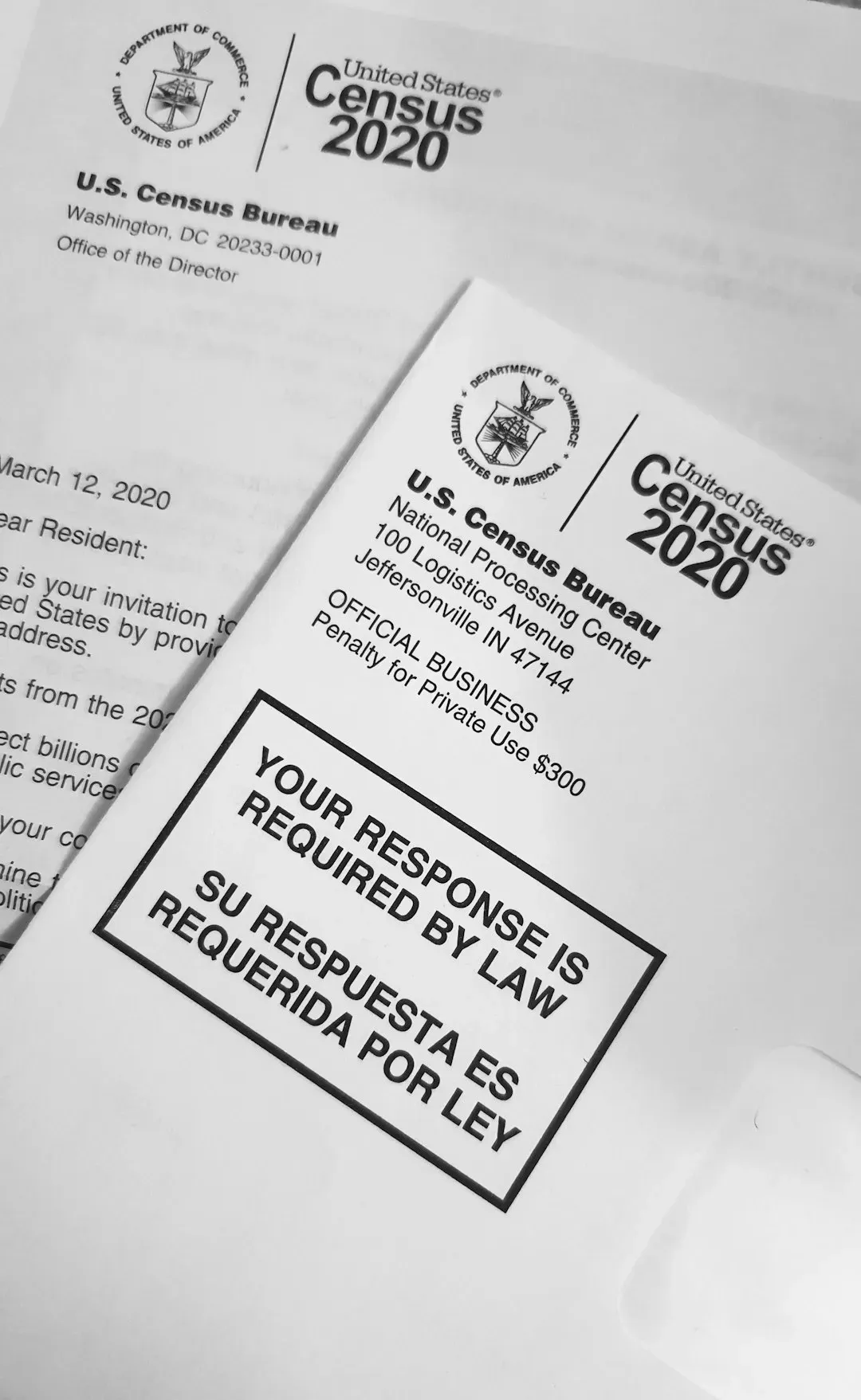
Across every sector – government, corporations, NGOs, academia – the same pattern quietly repeats. The data stays roughly the same, but the conclusion becomes gentler, vaguer, and less disruptive between draft and final. What changes most is not the facts. It’s the courage.
It is difficult to get a man to understand something when his salary depends on his not understanding it.
Upton Sinclair
Lawyers, PR teams, political handlers, and sometimes even nervous experts massage language until hard truths become “opportunities,” failures become “complex challenges,” and clear villains dissolve into “systemic issues.” This doesn’t mean every final report is a lie. It means that if you only ever read polished conclusions, you’re getting a risk-managed version of reality, not the one investigators first wrote down.
My honest opinion, after tracing this pattern across all 21 examples: the drafts are usually closer to the truth than the reports we’re actually handed. If the public saw more first drafts, trust in institutions might take a short-term hit – but the quality of the decisions built on top of those reports would almost certainly improve. Which of these quiet rewrites bothers you the most, and have you ever watched it happen up close?