Every shipwreck story is supposed to follow the same script: storm, sinking, silver coins scattered across the seabed. But somewhere in the dusty customs ledgers and salvage reports, a stranger kind of wreck keeps surfacing – one where the cargo itself doesn’t add up.
These aren’t rumors of cursed treasure. They’re actual manifests, filed by actual clerks, listing materials and technologies that history insists shouldn’t have existed for decades – sometimes centuries. Historians are split: clerical slip-up, bad translation, or a crack in the official timeline of invention? Here are the 10 wrecks where the paperwork causes more sleepless nights than the gold ever did.
#10 – The 1902 Steamer That Carried “Synthetic Rubber” Before It Was Supposed to Exist
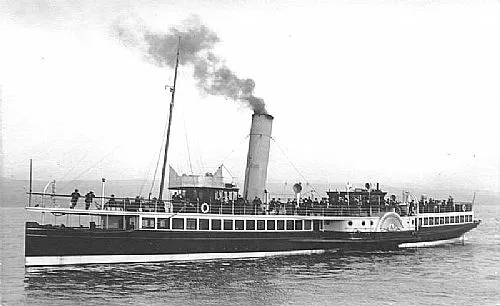
The small coastal steamer Hjalmar, a name that circulates mostly in maritime nerd forums, sounds like a footnote until you hit one line in its 1902 cargo manifest: several tons of “synthetic rubber blocks,” bound for a European tire maker. That’s a problem, because commercial synthetic rubber didn’t hit the market until the 1910s, and serious industrial production only ramped up during World War I.
The ship went down in a North Sea storm, and divers later confirmed large, rubber-like masses in the hold – badly degraded, but clearly not natural latex. Most historians blame loose terminology: the clerk may have used “synthetic” to describe vulcanized rubber, not a lab-made polymer. But chemists who’ve examined samples from similar wrecks say the composition looks more advanced than standard processing of the era allowed, which raises an uncomfortable question about how early some labs were quietly getting this right.
#9 – The Black Sea Freighter Rumored to Carry an “Aluminum Hull” in the 1840s

Aluminum is so cheap today it wraps sandwiches. In the early 1800s, it was rarer than gold – literally displayed beside crown jewels at royal courts. That’s what makes a mid-1840s Black Sea freighter, referenced in Russian customs records under a generic name like Torgovy, so strange: its translated manifest lists “aluminum-framed lifeboats” as specialty cargo imported from France.
Practical aluminum shipbuilding didn’t become viable until the late 1800s, after major leaps in extraction and refining. Skeptics say “aluminum” is a mistranslation of an alloy trade name, or of “alumed” wood treated with alum. But supporters point out that Napoleon III’s court was already showing off aluminum tableware around this time, which means a prototype lifeboat fitting isn’t as impossible as it sounds. If wreck fragments are ever chemically tested, this quiet archival oddity could rewrite a chapter of maritime materials history.
Fast Facts
- Napoleon III reportedly reserved aluminum cutlery for his most honored dinner guests, while less important visitors made do with gold.
- By the 1850s, aluminum cost more per pound than gold, prized as a curiosity metal by European royalty.
- The Washington Monument was capped with a solid aluminum pyramid in 1884, then one of the largest single pieces of the metal ever cast.
- Affordable, mass-market aluminum only arrived after the Hall-Héroult electrolytic process debuted in 1886.
#8 – The 17th-Century Spanish Galleon Manifest Listing “Refined Steel Rails”
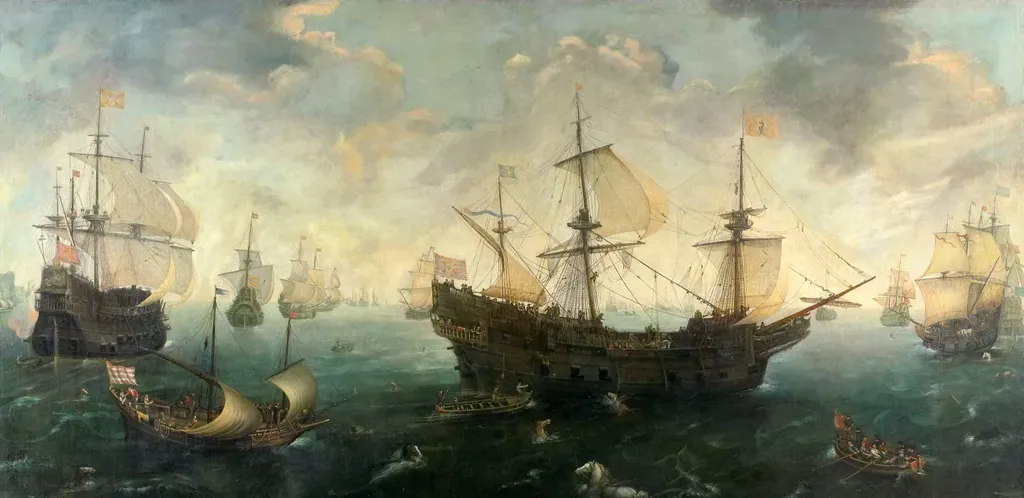
Spanish treasure fleets are famous for silver, so it’s easy to miss the odd little line buried in a late-1600s manifest tied to a Caribbean galleon nicknamed Nuestra Señora de la Fe: “doce barras de acero refinado para carriles” – twelve bars of refined steel for rails. Steel existed in plenty of forms by then, but modern, consistent rail steel wasn’t central to anything until railways exploded in the 1800s.
The tidy explanation is that “rails” meant mine tramways or plantation cart tracks, which did use early metal rails long before locomotives showed up. Fringe writers love spinning this into secret pre-industrial railroads, but the dig sites just don’t back that up. The more grounded read is that specialized steelmaking for mining was quietly more advanced, and more widely traded, than most popular histories give it credit for.
#7 – The Baltic Wreck Whose Papers Mention “Canned Meat” Before Canning Exists
Canning took off in the early 1800s, after Nicolas Appert’s breakthroughs and later tinplate innovations. So when a late-1700s Baltic merchant vessel, catalogued simply as “Wreck 12” in Scandinavian databases, turns up with “flesh in cans” listed for military supply, it reopens an old argument – decades before reliable tin-canned meat was supposed to exist at this scale.
Conservative historians think “can” was used loosely, maybe for salted meat in metal-lined wooden containers or casks with internal metal hoops. Others note that experimental sealed-vessel food preservation started earlier than most people assume, even if it rarely worked well. Until intact containers are recovered and corrosion-tested, this stays a textbook case of how one ambiguous word can set off a lost-technology theory overnight.
Worth Knowing
- French confectioner Nicolas Appert pioneered sealed-jar food preservation around 1809, largely to feed Napoleon’s armies on the move.
- English merchant Peter Durand patented the tin-plated canister in 1810, effectively launching the modern tin can.
- Early canned goods were built almost entirely for military and naval supply chains, not household kitchens.
- Reliable, affordable canned meat didn’t reach ordinary consumers until decades later in the 19th century.
#6 – The Indian Ocean Wreck Naming “Petroleum Lamps” in the 1600s
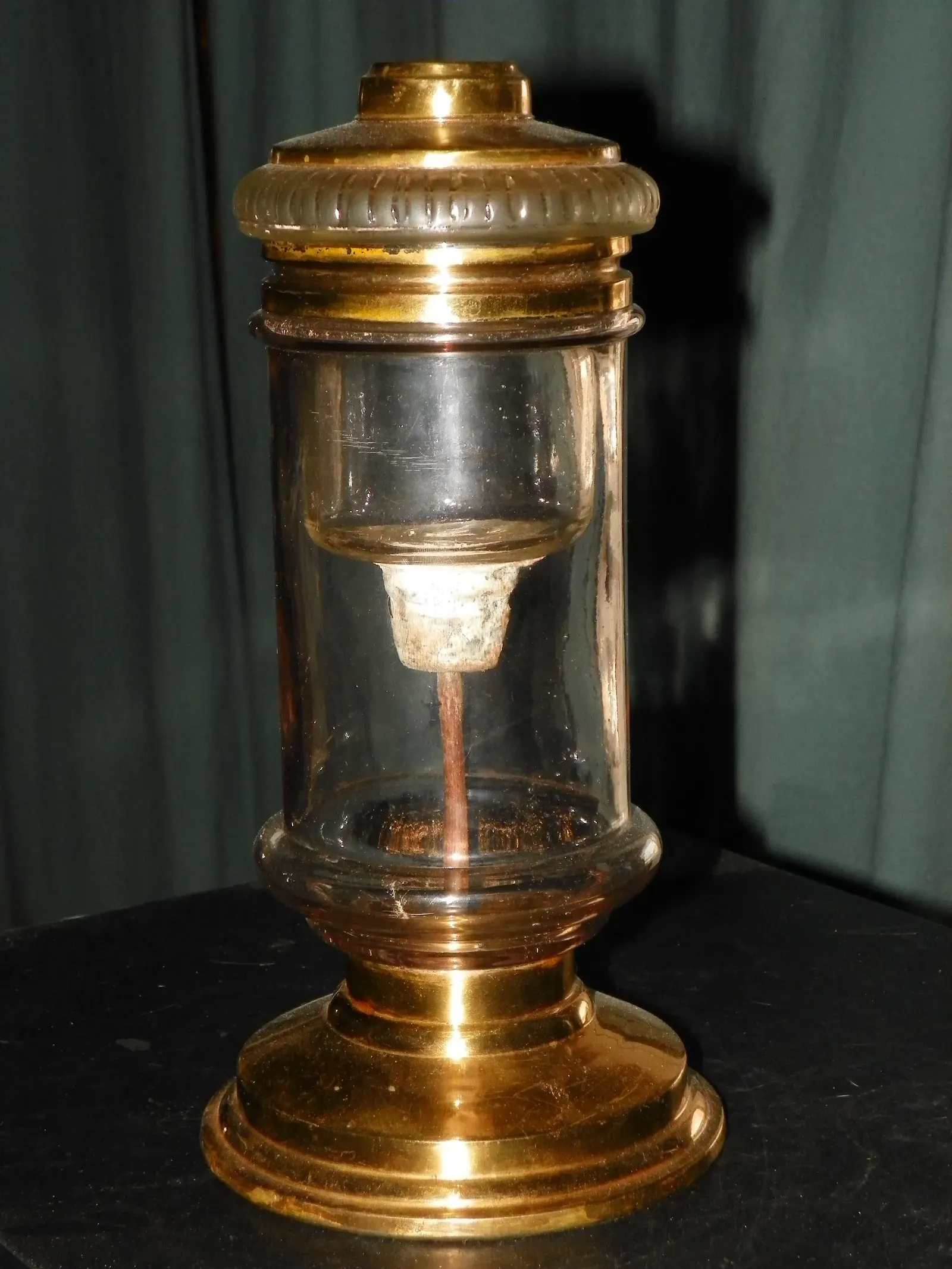
Oil lamps are ancient, but the specific term “petroleum lamp” doesn’t sit right in 17th-century Indian Ocean trade. Yet Dutch East India Company records tied to a wreck off Sri Lanka list cargo as “petroleum-lampen voor nachtwerk” – petroleum lamps for night work – roughly two centuries before the global kerosene boom.
One theory: traders along the Persian Gulf were already using naturally seeping petroleum or bitumen, and the Dutch simply labeled the fuel by its origin, not its chemistry. A more radical idea holds that small, localized workshops were doing crude fractional distillation for lighting fuel long before it was written into any official record. The wreck has yielded glass lamp chimneys and residue traces but no preserved fuel barrels – so if chemical fingerprinting ever confirms true distilled petroleum, the timeline on controlled fossil-fuel lighting gets pushed back hard.
#5 – The 18th-Century Caribbean Sloop Manifest Listing “Frozen Fish”
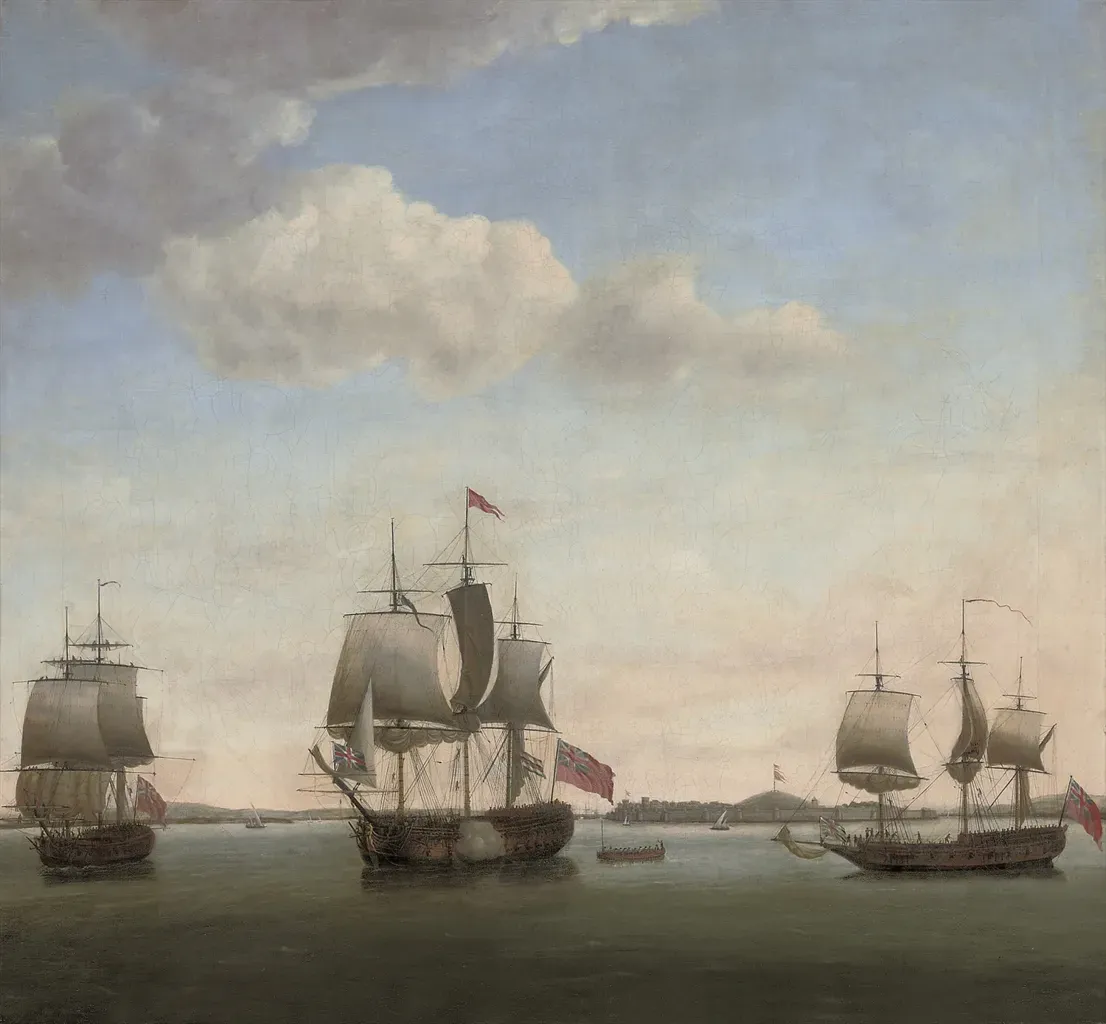
We think refrigeration’s story is simple: icehouses, then mechanical cooling, then modern freezers. That neat narrative is exactly why an 18th-century British sloop lost near the Bahamas causes so much fuss. Its surviving port record summarizes the cargo as “barrels of frozen fish” – not salted, not pickled, not dried. Frozen. In a region where ice itself was a luxury import.
Most historians immediately suspect a transcription slip – “fresh” misread as “frozen.” But local accounts from the same decade describe experimental shipments of ice and chilled goods from northern colonies, packed in sawdust and straw. That opens a weirder but plausible scenario: someone was running a proto-cold-chain experiment using natural ice in insulated holds. Until archaeologists recover preserved organic remains or insulation material from the wreck, “frozen fish” hangs uncomfortably between clerical curiosity and an actual technological leap nobody credited them for.
#4 – The Medieval Mediterranean Ship That “Carried” Tobacco Centuries Too Early
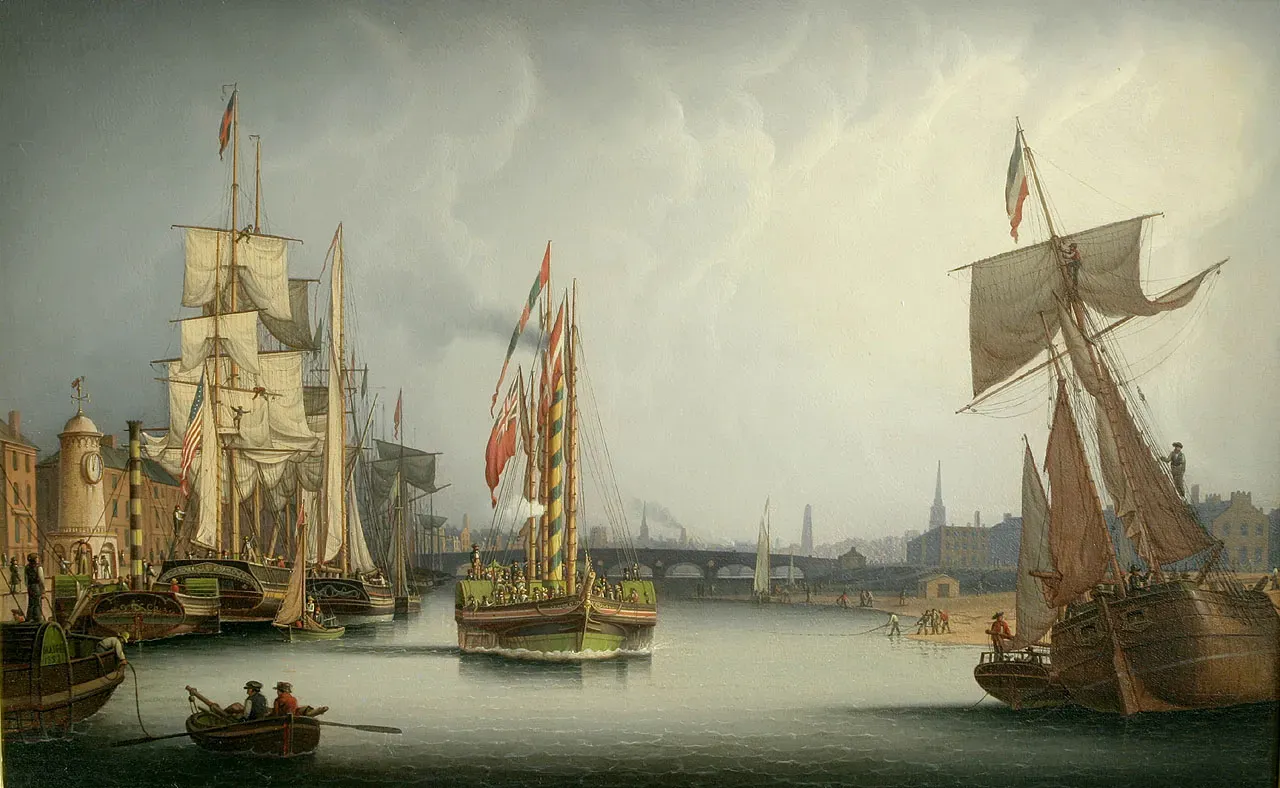
Tobacco is supposed to be strictly post-Columbian – Europeans only met it after contact with the Americas. That’s why a translated manifest tied to a 13th- or 14th-century Mediterranean trader is so explosive: it reportedly lists “tabaco leaves, dried for fumigation.” If accurate, that puts tobacco in European trade at least a century before Columbus ever set sail, which would blow a hole in accepted history.
Here’s where skepticism earns its keep. The original documents are fragmentary, and some experts argue the word isn’t “tabaco” at all, but a similar-sounding term for medicinal herbs used in fumigation rituals. Medieval scribes were famously inconsistent spellers, and no physical tobacco residue has ever turned up at the wreck or nearby port storage. The likely truth is a mistaken transcription that got amplified by repetition – but it’s a perfect example of how one fuzzy word can fuel pre-Columbian contact theories for decades.
#3 – The Roman Wreck Whose Cargo List Hints at “Hard Glass Lenses”
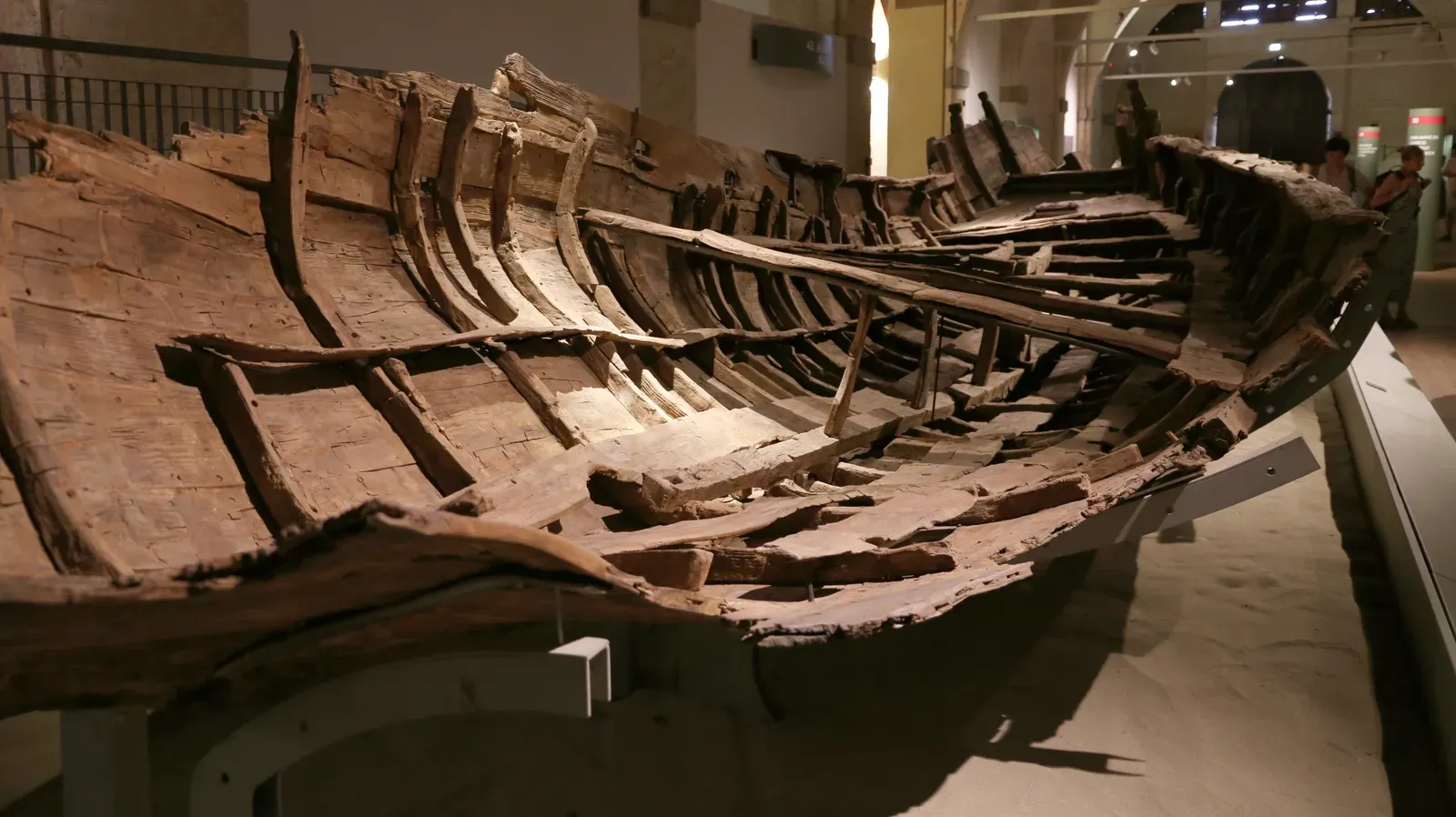
Romans could absolutely make glass, but precision optical lenses are usually credited to much later medieval craftsmen. So a cargo inventory tied to a Roman-era Mediterranean wreck raises eyebrows with its listing: “vitrea sphaerae ad visum acuendum” – glass spheres to sharpen sight. Archaeologists actually found hundreds of small glass objects aboard, some roughly lens-shaped, which sounds suspiciously like reading aids centuries before textbooks say they existed.
Optics historians are split. Some argue these were decorative beads or crude magnifiers never mounted in frames; others insist even rough lenses can meaningfully sharpen near-vision, and Romans may have used them as handheld aids the way jewelers use loupes today. The manifest’s phrasing – explicitly tying the glass to “sight,” not just decoration – is what keeps the debate alive. There’s no evidence of mass literacy aids or eyeglass-style devices in Roman art, so the safest read is that Romans dabbled in early magnification without ever building a full optical industry.
Why It Stands Out
- The so-called Nimrud lens, a ground rock-crystal disc from ancient Assyria, has puzzled historians about its true purpose since its discovery.
- Roman writers described using glass globes filled with water to magnify text and small objects long before modern optics existed.
- No surviving Roman art or literature shows anyone wearing eyeglass-style lenses on the face.
- True optical eyeglasses are generally credited to craftsmen working in 13th-century Italy, over a thousand years later.
#2 – The Bronze Age Shipwreck Carrying Tin From a Region That “Shouldn’t” Have Had Any
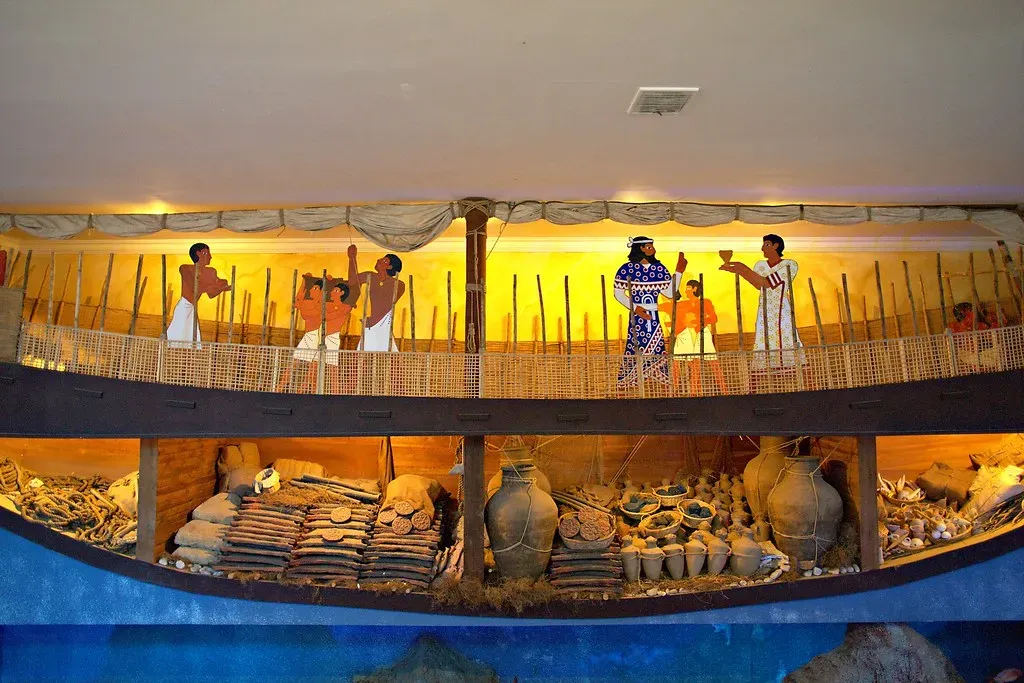
Bronze Age archaeologists live and die by trade networks, because bronze needs both copper and tin, and workable tin sources were rare and scattered. That’s why the famous Late Bronze Age wreck off the Turkish coast made waves: its reconstructed cargo list, pieced together from stamped ingots, port tallies, and correspondence, points to large quantities of pure tin ingots from a region that current mining evidence says shouldn’t have been exporting tin yet.
To be clear, tin itself wasn’t anachronistic here – it’s the source region and the sheer shipping scale that don’t fit the accepted model. This case has already forced scholars to redraw their maps of Bronze Age trade and admit that our picture of who controlled key metals, and when, was too narrow. It’s less “impossible cargo” and more proof that ancient traders were quietly running circles around what we thought their world could do.
#1 – The 19th-Century Wreck Manifest Listing a “Wireless Radio Apparatus” Before Radio Went Public
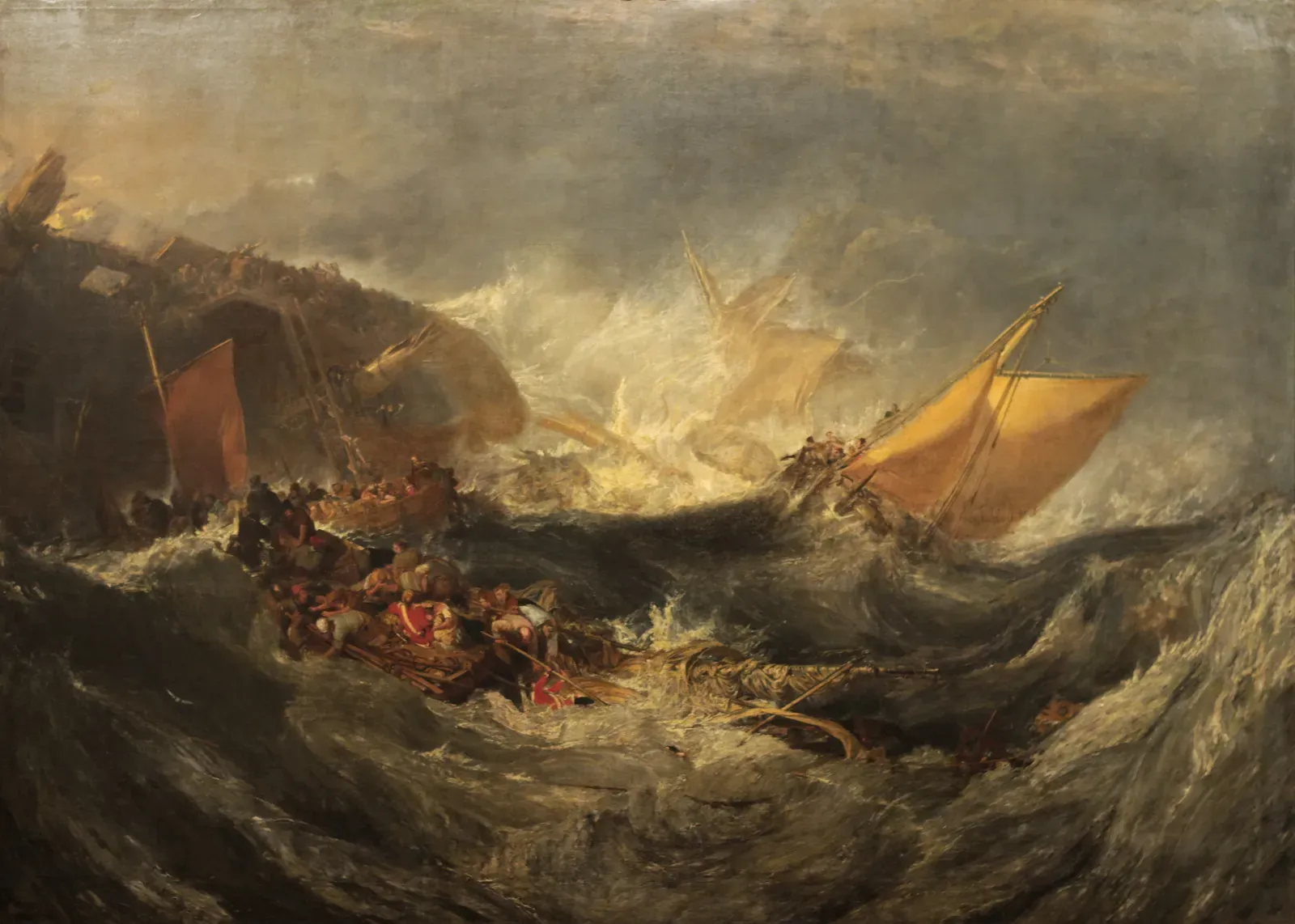
At the top of the list sits the wreck that gets name-dropped in almost every conversation about anachronistic manifests: a late-19th-century North Atlantic mail steamer whose paperwork references a “wireless radio apparatus,” consigned from a private inventor to a naval observer – years before Marconi’s headline-making demonstrations. Divers later confirmed the wreck and pulled up fragments of copper coils, batteries, and insulated cabling from the hold.
Here’s where hype and reality actually diverge. Wireless telegraphy didn’t spring fully formed from Marconi alone; multiple inventors were openly experimenting with it throughout the late 1800s. What makes this case genuinely spicy is that the manifest reportedly uses terminology that wouldn’t become standard until later, and the ship sank before the device was ever demonstrated publicly. Conspiracy-minded writers turn this into a tale of “suppressed early radio,” but the more grounded takeaway is that innovation is messy and parallel – the patent race erases the near-misses that happened quietly on ships, in labs, and in forgotten workshops.
Quick Compare
- Guglielmo Marconi: widely credited for a public transatlantic wireless signal in 1901, the moment most textbooks call “the birth of radio.”
- Nikola Tesla: explored wireless transmission principles years earlier and clashed with Marconi over overlapping patent claims.
- Alexander Popov: a Russian physicist building wireless receivers in the mid-1890s, working almost in parallel with Marconi’s earliest tests.
- Oliver Lodge: a British physicist who gave a public wireless demonstration in 1894, ahead of Marconi’s more famous trials.
Any sufficiently advanced technology is indistinguishable from magic.
Arthur C. Clarke
The Bottom Line
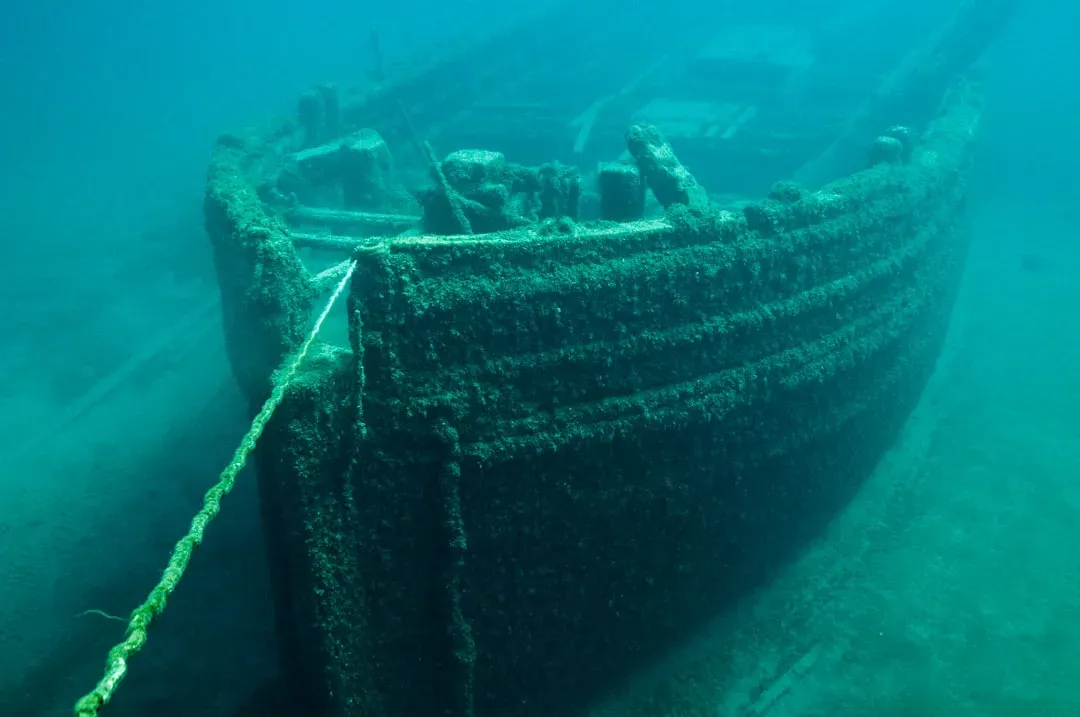
Across all ten wrecks, the pattern isn’t time travel – it’s how untidy technological history actually is. Synthetic rubber in 1902, “canned” meat before canning, petroleum lamps in the 1600s: each one sits right on the fault line between genuine early innovation, sloppy translation, and wishful thinking.
The uncomfortable truth is that our neat timelines – “aluminum only after year X,” “radio only after inventor Y” – flatten out a mess of quiet experiments, dead-end prototypes, and local tricks that never made it into the textbooks. I’d argue that’s the real story here: these strange manifests prove how many inventions lived half-formed lives long before history stamped an official start date on them. They’re not smoking guns for lost civilizations. They’re paper ghosts of ideas that almost changed the world early – and got buried in a cargo hold instead.
So which wreck on this list do you think is a genuine early breakthrough, and which is just a spectacular clerical mistake?