Historians love to insist that if a trade route really mattered, someone wrote it down somewhere – a tablet, a temple wall, a king bragging about tribute. No text, no trade. That’s the assumption. And it’s wrong, embarrassingly wrong, more often than most people realize.
Obsidian blades turning up hundreds of miles from the nearest volcano. Amber glowing in Greek tombs centuries before anyone put pen to record about a “northern trade.” Turquoise moving between two civilizations separated by deserts and mountains, with not a single scrap of paperwork tying them together. Each case below is a trade network so old, so quiet, and so completely ignored by scribes that the only witnesses left are buried in the dirt – and they’ve been talking the whole time.
Absence of evidence is not evidence of absence.
Carl Sagan
#14 – The Obsidian Web Older Than Writing
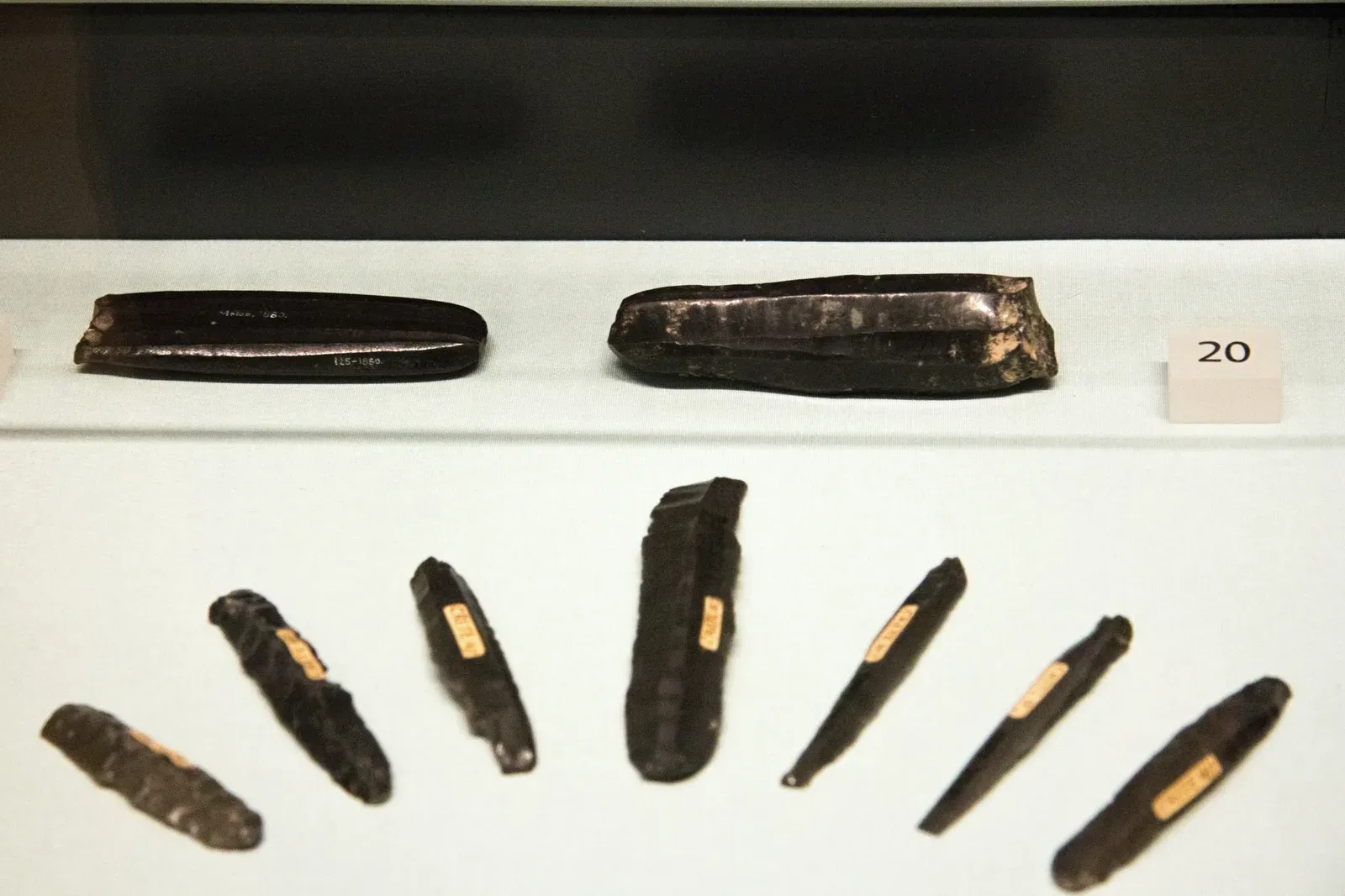
Archaeology’s least-talked-about “shipping empire” isn’t bronze or gold – it’s obsidian. For thousands of years before anyone kept a ledger, volcanic glass from specific mountains was moving hundreds of miles into villages that had never seen a volcano. The proof is chemical: every obsidian outcrop has a unique fingerprint, and those signatures keep turning up across the Near East, Anatolia, and the Balkans.
What makes this so striking is how systematic it looks. In some Neolithic villages, over 90% of cutting tools are made from distant obsidian rather than local stone, which rules out chance finds and points to steady, trusted supply lines. People were running seasonal fairs or itinerant trade relationships long before anything resembling a “market” shows up in text – which means the textbook timeline for complex trade is off by millennia.
Fast Facts
- Obsidian sourcing relies on trace-element fingerprinting methods like X-ray fluorescence and neutron activation analysis.
- Key sources feeding the ancient Near East and Anatolia include quarries in central Turkey and the Aegean.
- Some Neolithic villages drew the vast majority of their cutting tools from outcrops hundreds of miles away.
- This exchange predates writing by thousands of years, so no tablet or inscription ever recorded it.
#13 – The Baltic Amber Highway To The Mediterranean
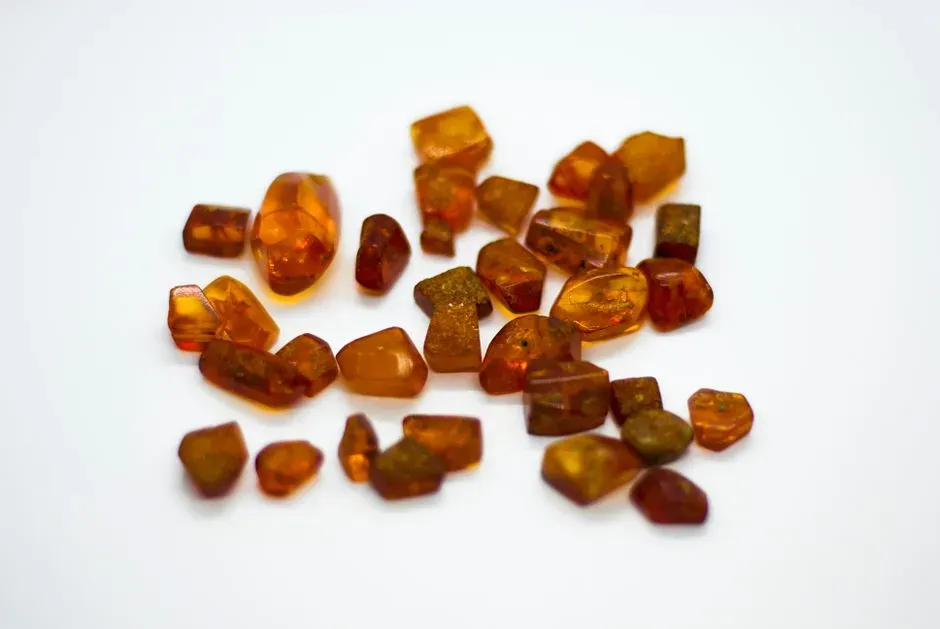
Ask a textbook about Baltic amber and it’ll tell you the trade starts with Rome. The artefacts say otherwise. Baltic amber beads show up in Mycenaean Greece and Bronze Age Italy centuries before any surviving record even hints at a northern amber route, and chemical analysis confirms the source: the Baltic coast, not some local resin substitute.
This wasn’t a lucky one-off trade. Burial goods across Central Europe show a stepwise chain reaction – local goods paired with amber in one region, that region’s bronzes paired with something even more exotic further south. It’s a “down-the-line” system, amber passed hand to hand for things each community valued more, and elite Greek graves glitter with northern gemstones no palace archive ever mentioned sending for.
#12 – African Glass Beads In Villages With No Glassmakers
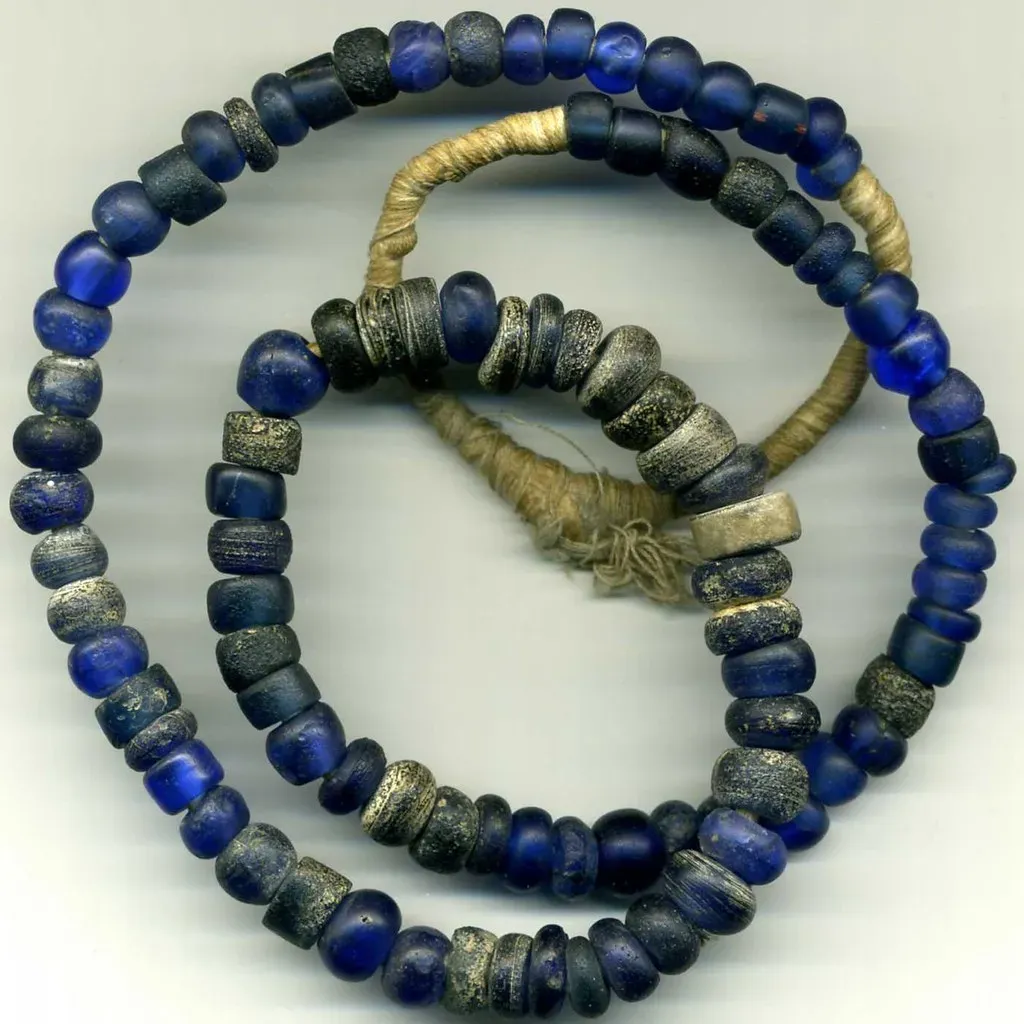
Most people imagine medieval sub-Saharan Africa as isolated until Arab caravans and European ships “opened it up.” Yet in small inland settlements, far from any coast or desert crossing, archaeologists keep finding glass beads made in workshops an ocean away. Compositional testing matches some beads to South Asian recipes, others to Middle Eastern or European ones, arriving in periods with zero local written mention of glass or overseas traders.
What’s genuinely surprising is how ordinary these finds are. They’re not locked away in royal hoards – children’s burials, modest household floors, and small shrines all contain imported beads, meaning they circulated widely rather than as rare gifts for kings. Arabic geographers and Swahili chronicles only show up late in this story and write as if they invented the connection, when centuries of anonymous middlemen had already done the real work.
#11 – Pacific Obsidian And The Invisible Canoe Network
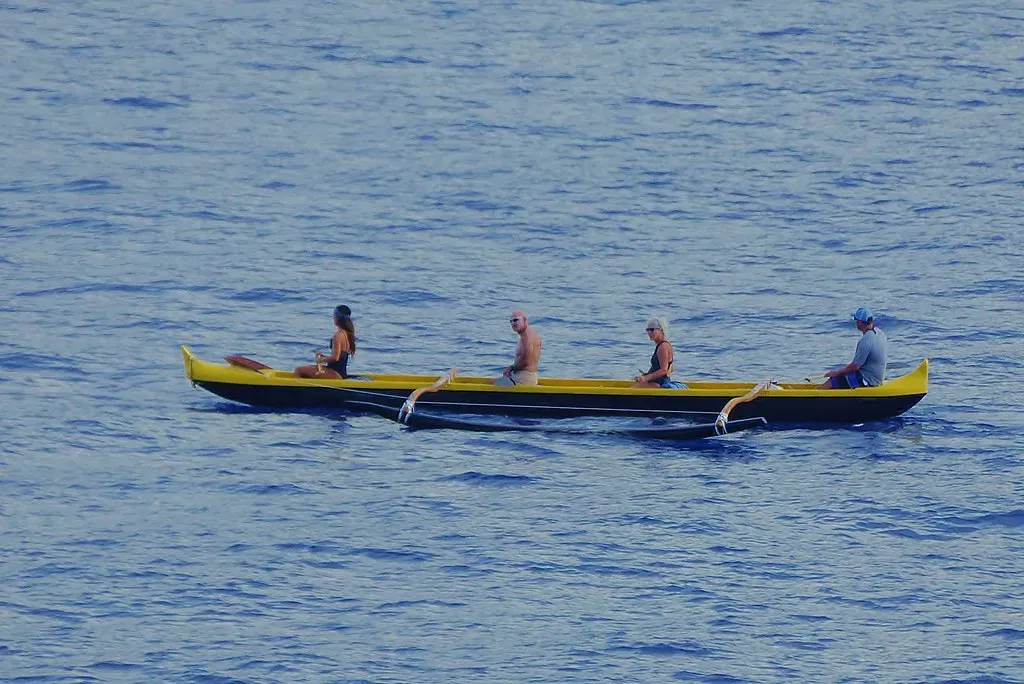
Everyone’s heard that Polynesians were brilliant navigators, but the scale of their trade is still badly underestimated. In the Bismarck Archipelago and the wider western Pacific, obsidian from tiny volcanic islands appears on dozens of distant atolls that have no volcanic rock of their own. Geochemical fingerprinting ties these blades to sources like Talasea and Lou, some travelling over 400 to 500 kilometers of open ocean.
What’s harder to ignore is the consistency. These weren’t one-off heroic voyages – assemblages contain heavy volumes of foreign obsidian across centuries, meaning someone kept the routes alive on purpose. In some places, imported stone dominates entire toolkits, which points to scheduled exchange or gathering-based trade, not lucky shipwrecks, and it quietly demolishes the idea that pre-contact Pacific trade was small and sporadic.
#10 – Turquoise Corridors From The American Southwest To Mesoamerica
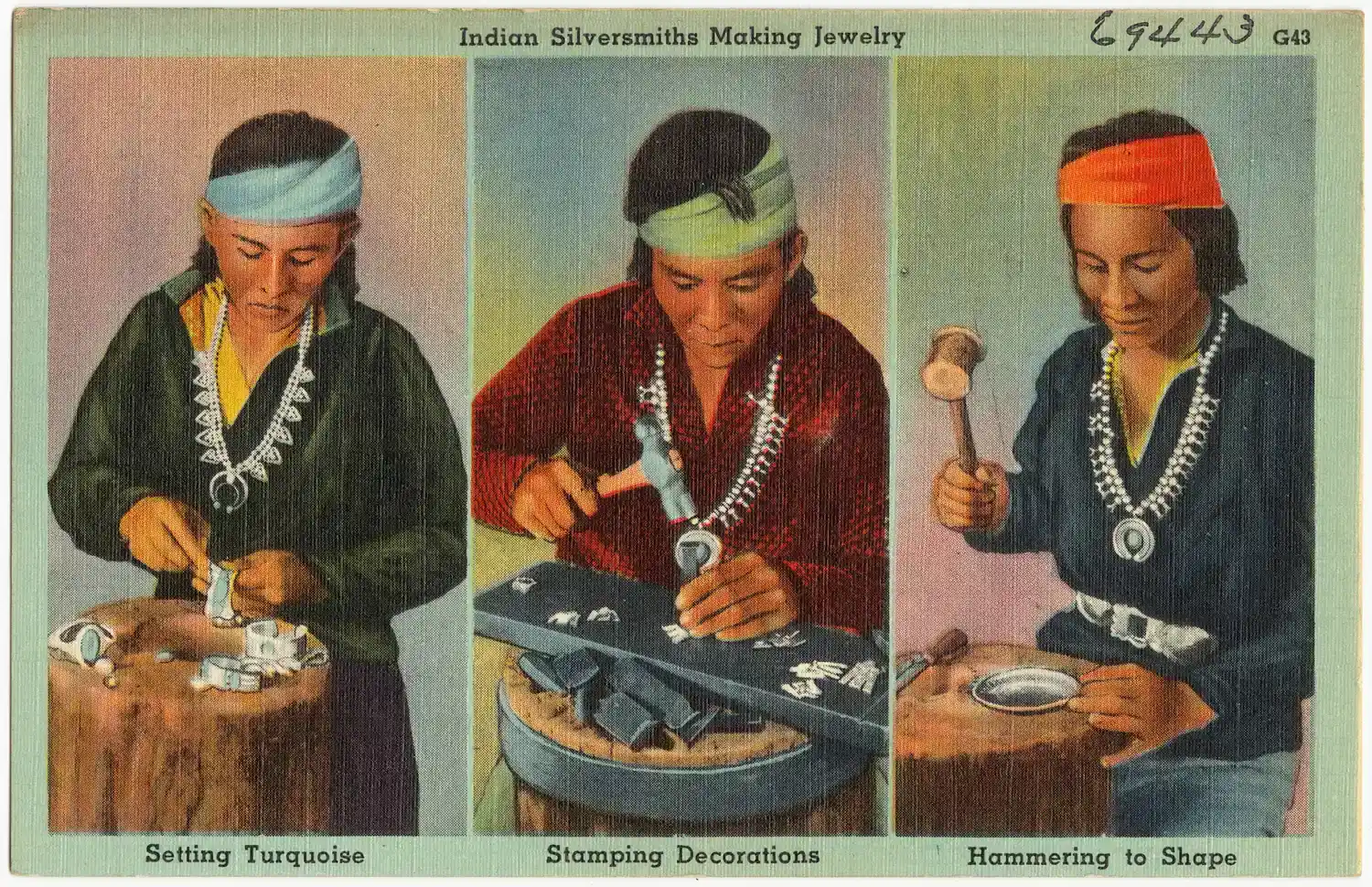
Textbooks like to fence off ancient North America and Mesoamerica into separate chapters. The artefacts don’t respect that boundary. High-status sites in central Mexico contain turquoise whose isotopic signature matches mines in what is now New Mexico, not any local deposit – while the U.S. Southwest turns up shells and copper bells tied straight back to Mesoamerican production.
The social context makes it even more compelling. Turquoise shows up heavily in ritual and elite display in both regions, the kind of use that demands dependable supply, not the occasional lucky caravan. Some Aztec offerings blend turquoise with other imports in ways that scream “bundle trade,” and hints of intermediary trading communities in northern Mexico – people who barely appear in either region’s traditional history – keep surfacing in the mineral evidence.
#9 – The Lapis Lazuli Chain From Afghanistan To Egypt And Beyond
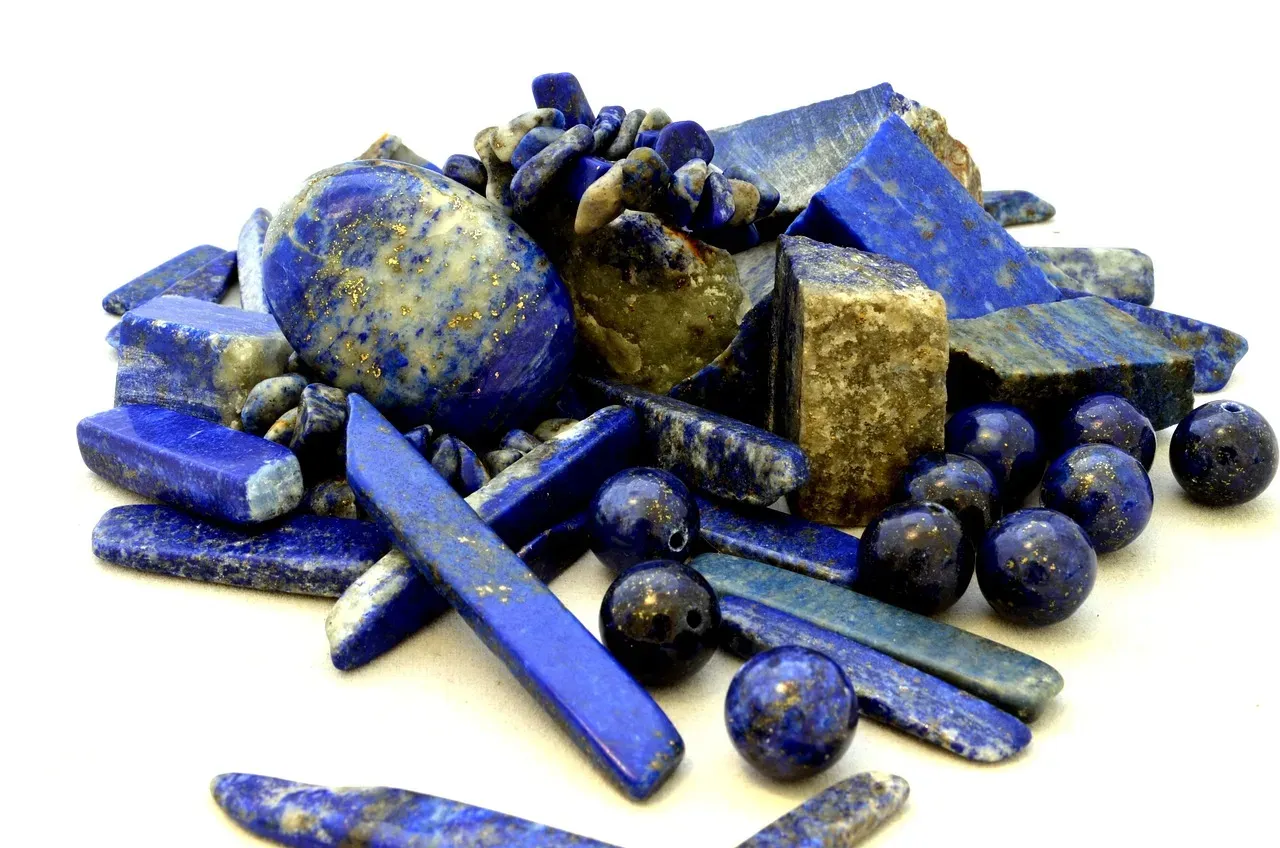
Lapis lazuli is so tied to Egypt’s royal blue that people assume it was practically a local resource. It wasn’t. Nearly all ancient lapis in the Old World traces back to a handful of mines in what is now Afghanistan, meaning it crossed deserts, mountain ranges, and war-torn frontiers to end up in the jewelry of Mesopotamian and Egyptian elites – with no ancient text confidently naming the route or the traders who ran it.
Beads and inlays keep appearing in intermediate settlements across Iran and the Levant, often next to other exotic stones, which points to organized movement through multiple relay points rather than one legendary trader. By the time scribes finally mention lapis by name, the trade had already been running for centuries, if not longer – one of the clearest smoking guns we have for a massive, text-free network.
#8 – Shell Highways Connecting Coasts And Deep Interiors
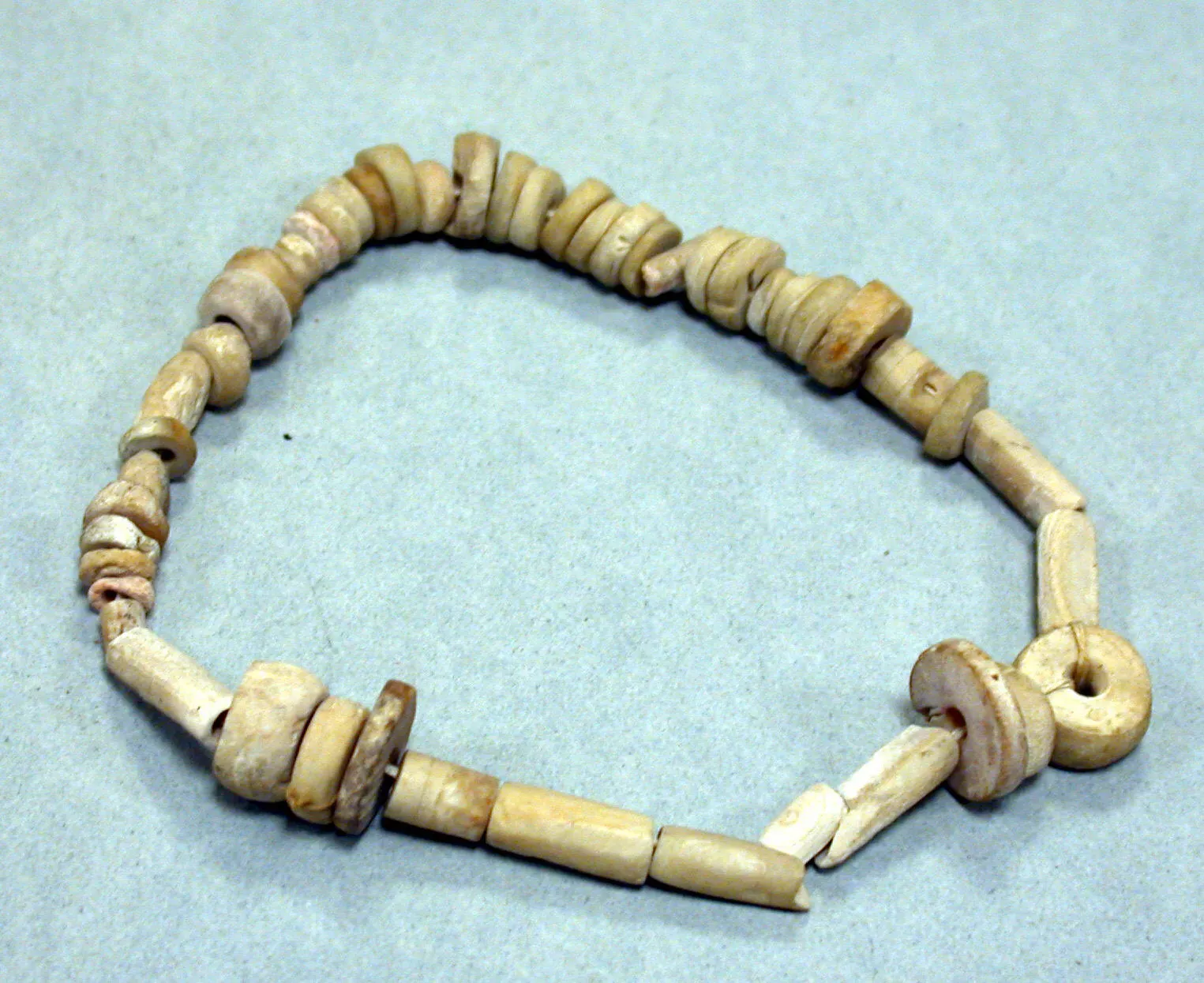
Academic writing often files shell ornaments under “simple” prestige goods, but the logistics behind them are anything but. From Neolithic Europe to pre-Columbian North America to prehistoric Africa, marine shells show up hundreds – sometimes over a thousand – kilometers from any coastline, and species-level identification frequently ties them to one specific coast, not just “the ocean” in general.
This wasn’t a trickle. Inland sites sometimes contain thousands of beads made from a single coastal species, with workshop debris suggesting people were processing incoming shell loads on a real scale. In North America, Gulf and Atlantic shell gorgets appear across the entire Mississippi valley; in Europe, Mediterranean shells turn up north of the Alps in early farming villages – forgotten inland corridors that no coastal chronicle ever thought worth mentioning.
#7 – The Sahara As A Green Trade Belt Before The Desert Chronicles
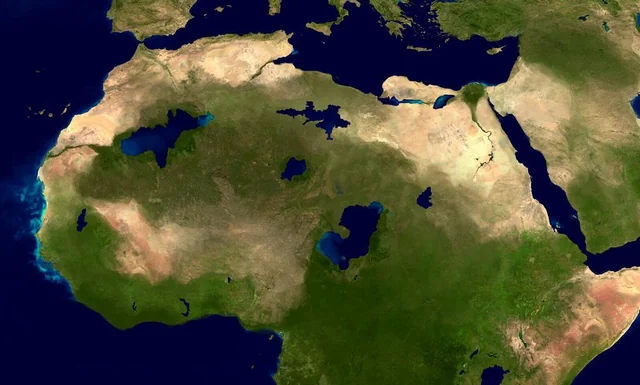
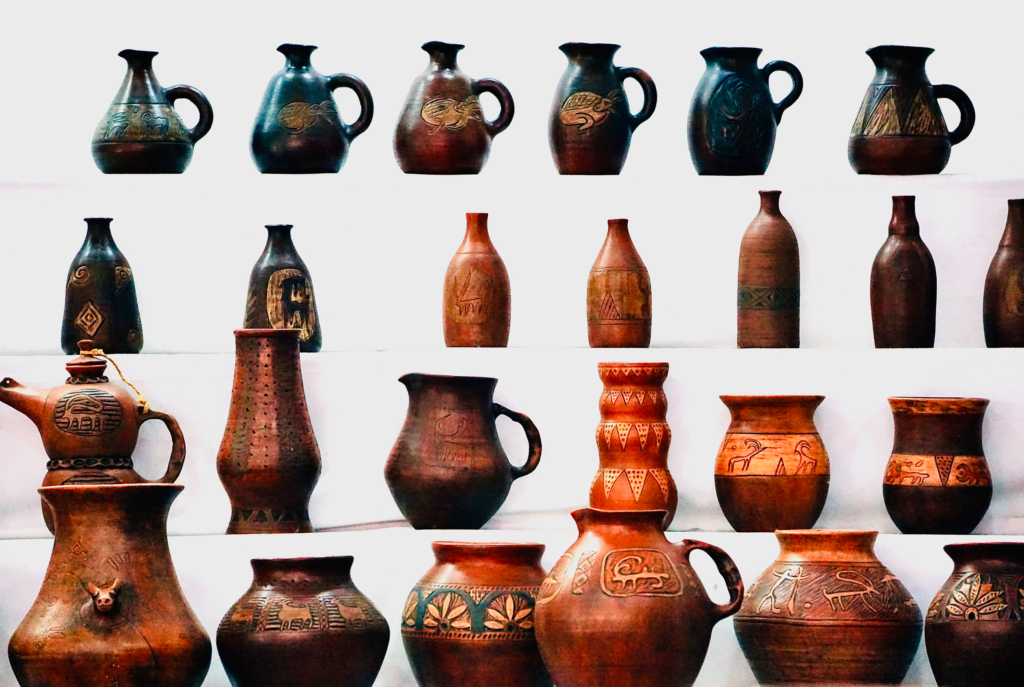
When people picture the Sahara, they imagine sand and camel caravans lifted straight from Islamic-era texts. Dig deeper and there’s an older story. In the pre-desert periods, when the Sahara was green, archaeologists uncover pottery styles, stone tools, and animal remains that clearly moved between far-flung regions – some decorative motifs and clay recipes appearing hundreds of kilometers from their source, long before anyone wrote a word about “trans-Saharan trade.”
Even as the region dried out, isolated oases stayed connected. Copper artifacts show up in areas with no local ore at all, implying imports from distant mining zones via routes that have since vanished under sand. Later Arabic geographers describe Saharan trade as if it’s a fresh discovery, when really they’re catching the tail end of a tradition with deep prehistoric roots.
Worth Knowing
- The “Green Sahara” gradually dried into desert conditions over roughly two thousand years as the region’s climate shifted.
- Copper objects found in ore-free zones point to import routes older than any written mention of Saharan trade.
- Pottery styles and decorative motifs traveled hundreds of kilometers between distant Saharan communities.
- Arabic geographers only documented trans-Saharan trade centuries after these prehistoric networks had already formed.
#6 – Hidden River Routes Of The Amazon And Their Ceramic Signatures
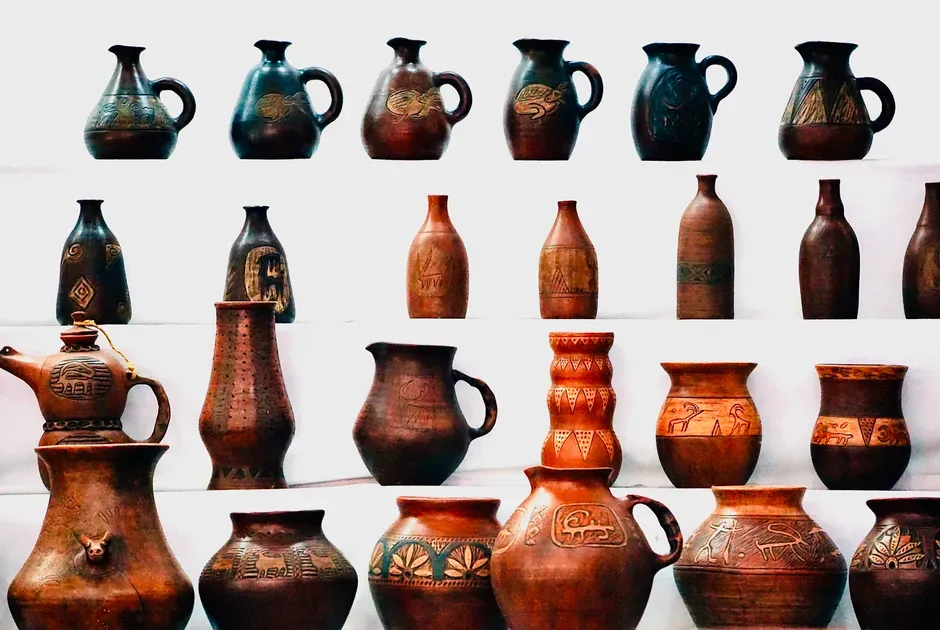
Popular imagination still treats the pre-contact Amazon as untouched wilderness dotted with tiny, isolated tribes. Excavation after excavation is shredding that idea. Distinctive pottery styles, earthworks, and crop remains show coordinated interaction across hundreds of kilometers of river and floodplain, with certain painted motifs and vessel forms tracking entire river systems far from where they originated – all without a single indigenous written map of any “trade route.”
Non-local stone tools and transplanted plant species point to exchange rather than conquest, and some regions show clear specialized production zones whose goods spread widely downstream. The rivers themselves were the highways, invisible on any European map, which dismissed the region as wild frontier while the Amazon may have run one of the largest unrecorded economic systems on Earth.
#5 – Pre-Silk Road Silk: Threads Without A Text
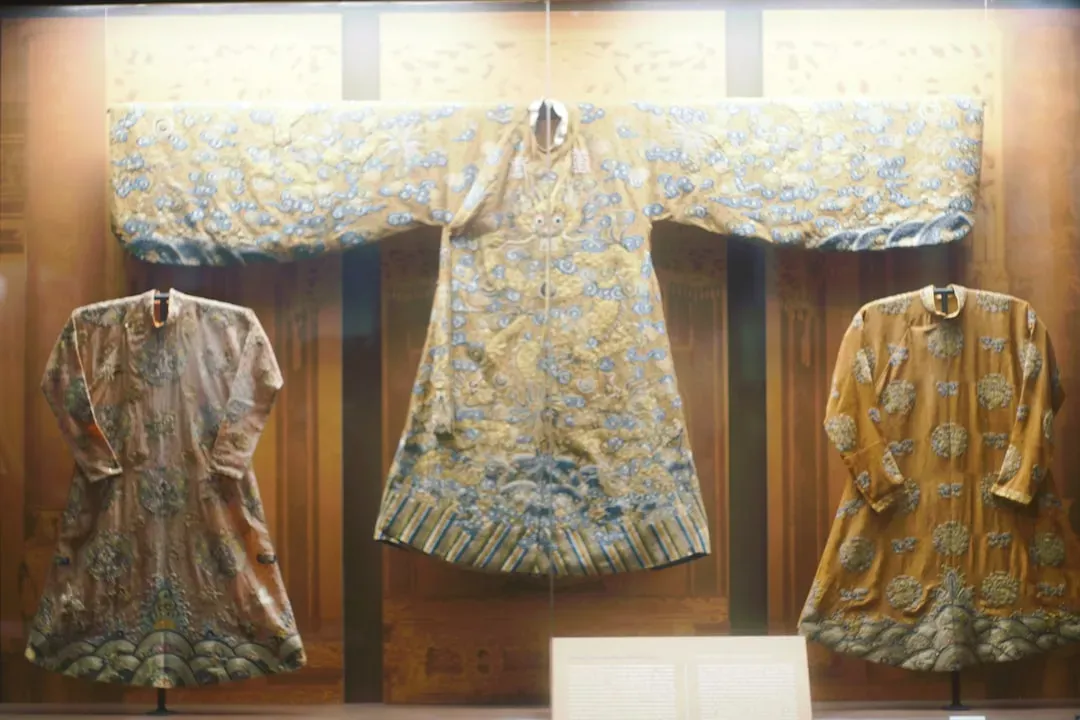
Everyone “knows” the Silk Road started once empires formalized east-west caravans and diplomats began taking notes. Yet tiny fragments of silk have turned up in graves and hoards far west of China centuries before any secure written mention of that trade existed. Textiles rot fast, so the fact that any of this survived at all makes the pattern even harder to dismiss.
Early texts from both East and West are maddeningly vague, praising exotic fabrics without ever naming an itinerary or an intermediary people. Microscopic and chemical analysis of the fibres points straight back to East Asian sericulture, meaning quieter, piecemeal routes were already linking distant worlds through cloth long before any chronicler thought to brand it the “Silk Road.”
#4 – Tin Trails Hiding Behind The Bronze Age Boom
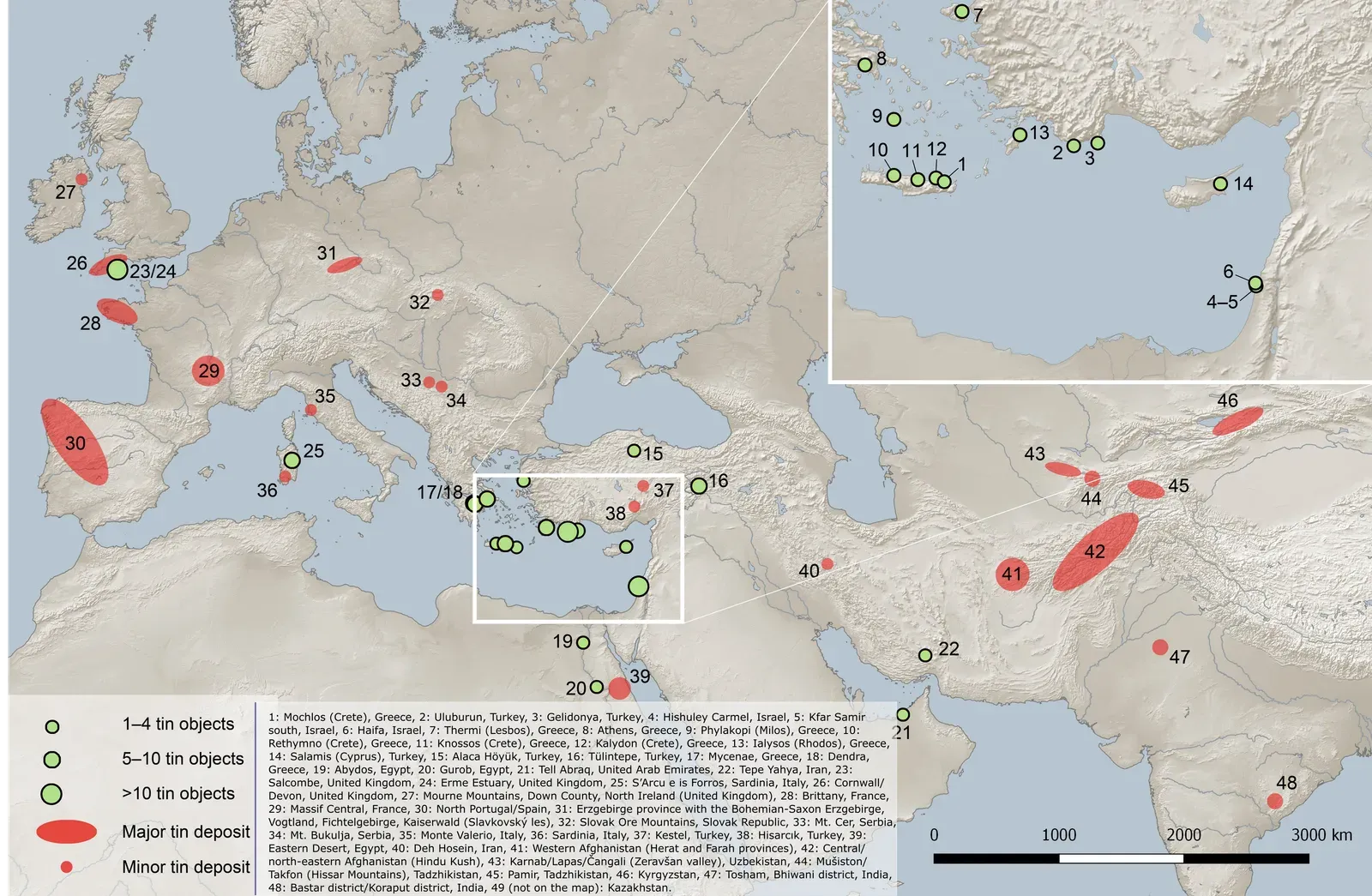
Bronze doesn’t exist without tin, and yet tin might be the single worst-documented commodity in Bronze Age writing. Kings bragged endlessly about gold, cedar, and lapis, but not one detailed, uncontested account survives of how tin actually moved from its scattered deposits to the great bronze-using civilizations. The bronzes themselves are chemically blunt about it – loaded with tin, sometimes isotopically traced to mines in Central Asia, Anatolia, or even Western Europe.
Tin deposits are rare and often remote, so supplying entire regions demanded either long, multi-stage relay routes or tight control by specialist groups who left almost no textual footprint. Some scholars suspect small, mobile prospectors and smelters did the real work, quietly operating below the notice of any elite scribe – which makes the irony brutal: the entire “Bronze Age” is named for an alloy whose key ingredient moved through networks history barely remembers.
Quick Compare
- Gold and cedar: Frequently boasted about in royal inscriptions and tribute lists.
- Lapis lazuli: Occasionally named as a prestige gift in diplomatic correspondence.
- Tin: Essential to every bronze object ever cast, yet almost never named as a traded commodity in surviving texts.
#3 – The Indian Ocean’s Anonymous Coastal Shippers
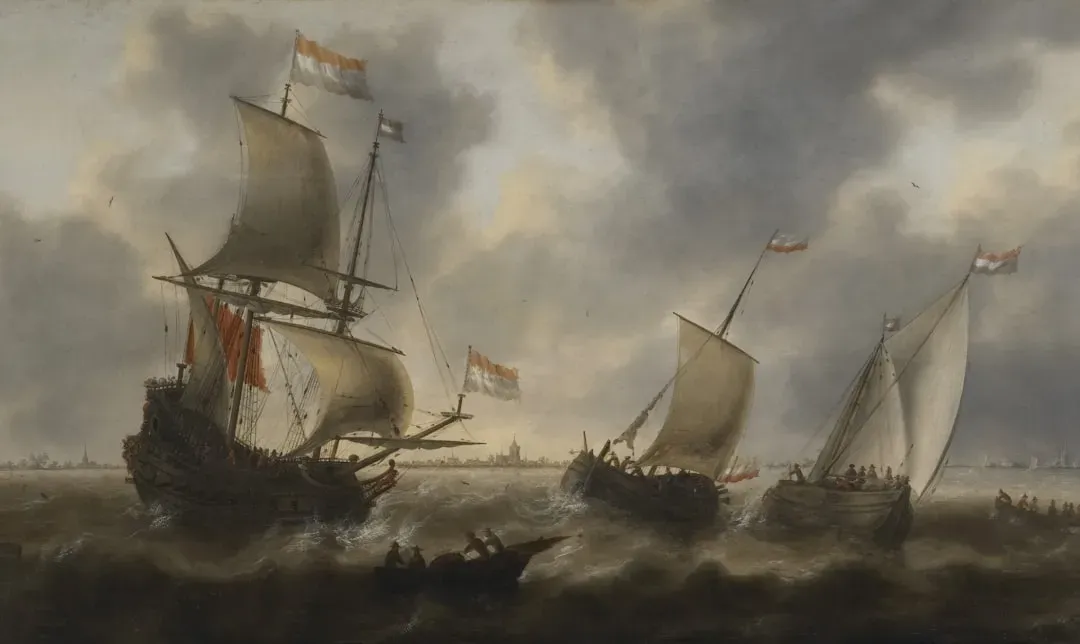
History classes usually hand credit for “opening” the Indian Ocean to famous navigators or big empires. The artefacts say everyday traders beat them there by centuries. Across East Africa, South Arabia, India, and Southeast Asia, ceramics, glass, and metal objects clearly of overseas origin show up in periods where written sources are either silent or hopelessly vague – Southeast Asian pottery reaches East Africa long before Arabic shipping logs even start.
What stands out is the specialization: coastal towns with large storage jars, imported wares, and evidence of ship repair, but zero archive naming a guild or a shipping company. Much of this ran on practical knowledge and oral agreements, and only once bigger empires tried to tax or monopolize the routes did scribes finally notice – often erasing the local players who’d been running the show for generations.
#2 – The Levant’s Invisible Everyday Traders Behind Exotic Imports
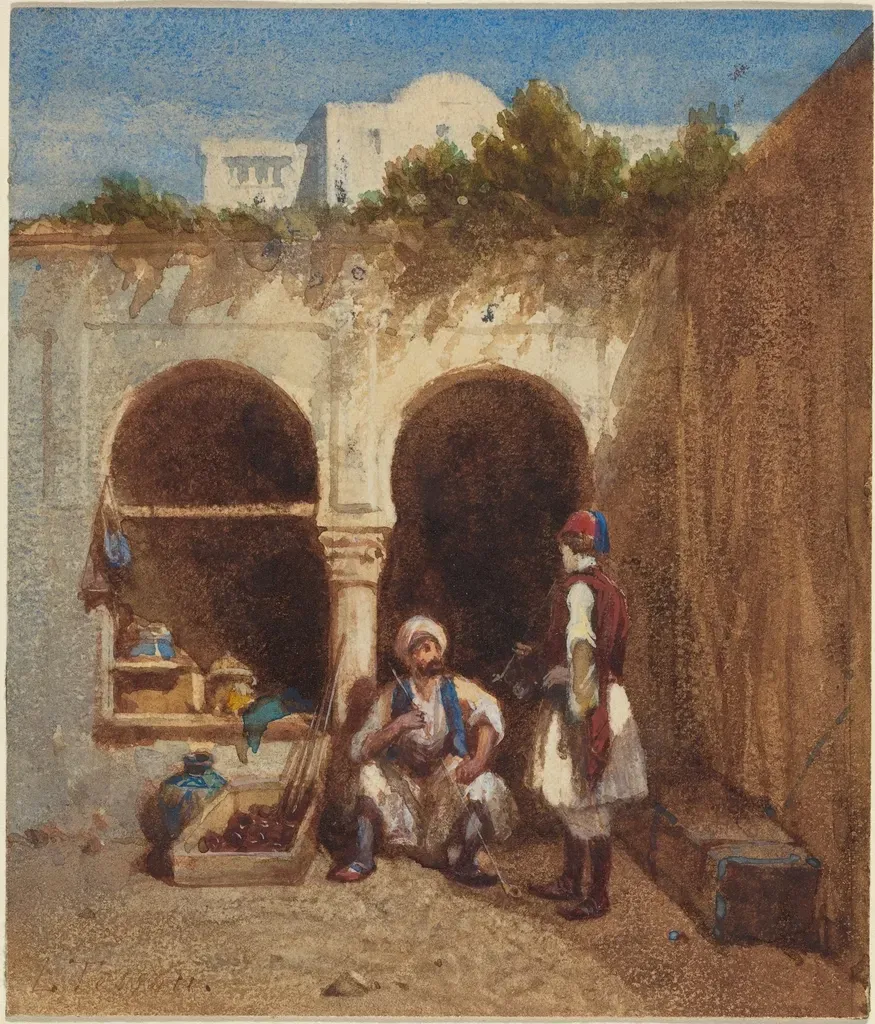
When an Egyptian tomb turns up cedar from Lebanon and resins from who-knows-where, textbooks call it “international trade” and move on. What they skip is how consistently these goods appear in completely ordinary, non-royal sites across the Levant and Eastern Mediterranean – places that never got their own written chronicle. Household assemblages in Canaanite and Syrian towns regularly include imported pots and metals that must have filtered down from palace exchanges, or moved along entirely separate, informal tracks.
Royal inscriptions love grand language – tribute, diplomatic gifts – but never the actual mechanics of movement: the pack-animal drivers, the port brokers, the local ferrymen. Archaeology fills that silence with wear patterns on jars, repair marks on tools, and mixed cargo dumps that scream routine commerce, not royal spectacle – a messy, decentralized backbone of small operators who simply didn’t merit ink.
#1 – The First Farmers’ Exchange Networks That Pre-Date History Itself
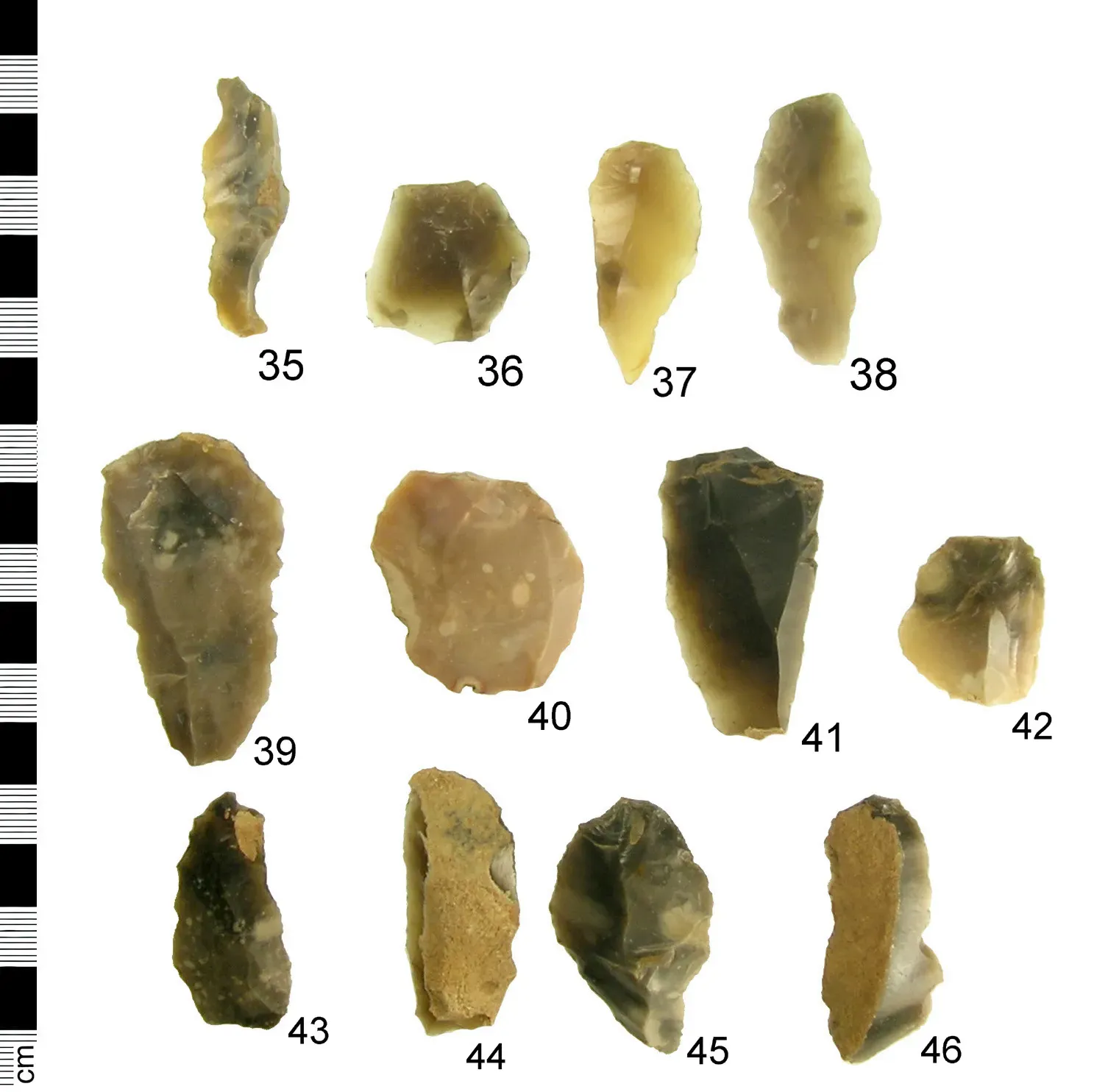
If you want trade that never had a chance to be written down, go back before cities, before kings, back to the first farmers. Across early Neolithic sites in Europe, the Near East, and parts of Asia, archaeologists keep finding exotic items – flint from distant quarries, ornamental stones from remote mountains, and domesticated crops appearing beyond their native zones far faster than natural spread could ever explain.
The detail is startling. Raw materials were clearly quarried in bulk and reshaped elsewhere, with workshop debris clustering at the source and finished tools radiating outward across the landscape. None of this came with writing – these communities simply didn’t have it yet – but without these invisible, dirt-level trade routes, there would have been no surpluses, no specialists, and no elites left to eventually commission a scribe.
At a Glance
- Early Neolithic communities moved flint, ornamental stone, and crops well beyond their natural ranges.
- Workshop debris clustering at quarry sites shows raw material was processed in bulk before distribution.
- These exchange networks existed before cities, kings, or any writing system had been invented.
- Without this groundwork trade, the surpluses that later funded elites and scribes may never have formed.
The Bottom Line
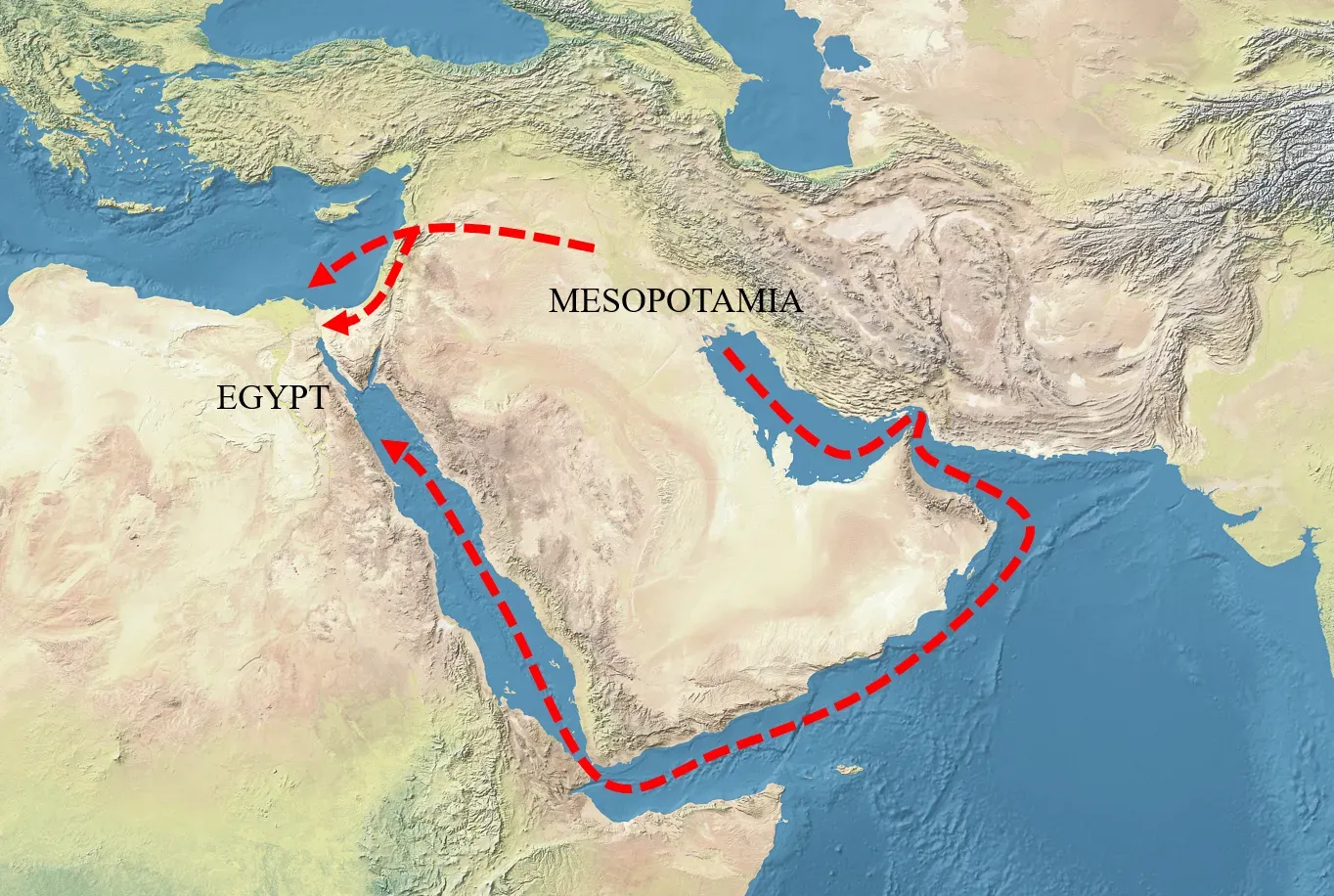
Taken together, these 14 cases expose an uncomfortable truth: our written sources give a brutally biased, top-down view of ancient trade. Kings, priests, and bureaucrats only recorded the routes and deals that served their own interests, and even then, only selectively.
Meanwhile, obsidian blades, amber beads, lapis inlays, shell ornaments, glass beads, and early crops quietly map out entire economic systems that ran perfectly well without ever earning a line of text. In several cases – tin for bronze, lapis for royal art, coastal shipping across the Indian Ocean – these “invisible” networks weren’t background noise. They were the engine room.
My honest take: we haven’t just underestimated a few missing trade routes, we’ve underestimated the people who ran them – the ones with no palace, no scribe, and no reason to think anyone would ever doubt they existed. Artefacts aren’t filling gaps in the record anymore; they’re quietly proving the record was never complete to begin with, and there are almost certainly more of these buried networks waiting in the ground than any archive could ever have hoped to contain.