Here’s the version of Earth’s history most of us walked away from school with: simple blobs, then fish, then reptiles, then dinosaurs, then mammals, then us – a tidy staircase where every step waits patiently for the next.
The rocks never agreed to that story. Scattered across the planet are fossil beds that show ecosystems too complex too early, extinctions that refuse to behave, climates that flip overnight, and creatures that shouldn’t exist where or when they do. None of this breaks evolution or geology – but it absolutely breaks the cartoon version you were handed. Twenty-three sites, starting with one of the strangest ecosystems ever preserved in stone.
#23 – The Burgess Shale: Cambrian Life That’s Way Too Complex, Way Too Early
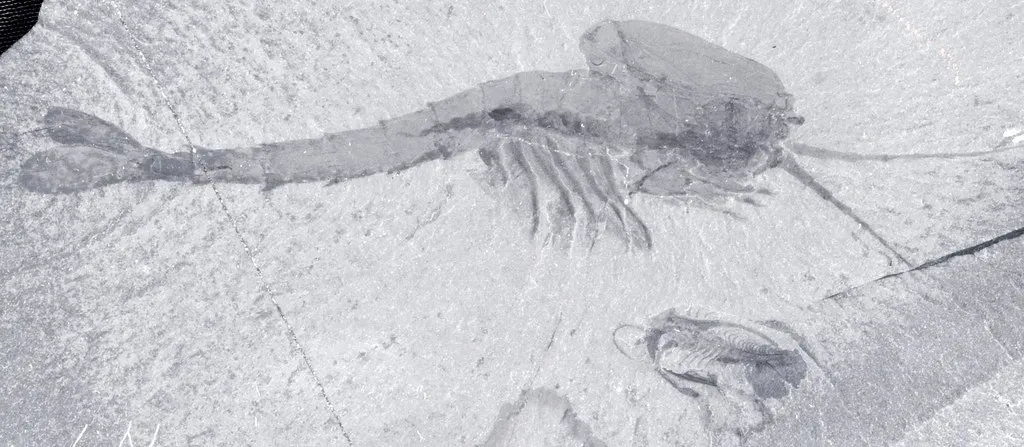
You were probably taught that the Cambrian was when life finally graduated from simple blobs to basic animals. The Burgess Shale in British Columbia, discovered in the early 1900s, quietly torches that version of events.
These rocks are about 508 million years old, and the preservation is absurd – intact eyes, guts, limbs, feeding structures, not just vague smudges. Opabinia had five eyes and a hose-like proboscis. Hallucigenia bristled with spines and tentacles. Early arthropods already had compound eyes rivaling modern insects.
That’s not a species slowly climbing a ladder. That’s an ecosystem that showed up already weird, already specialized, already experimenting wildly.
Fast Facts
- Location: Yoho National Park, British Columbia, Canada
- Age: roughly 508 million years old
- First described in the early 1900s, then reinterpreted through decades of restudy
- Notable residents: Opabinia, Hallucigenia, and early compound-eyed arthropods
Many of these body plans don’t map onto any group alive today. They diversified fast and vanished fast – a burst of invention and pruning, not a slow crawl toward complexity. But that’s nothing compared to what we found in Greenland.
#22 – Sirius Passet (Greenland): Cambrian Complexity in the Wrong Place Entirely
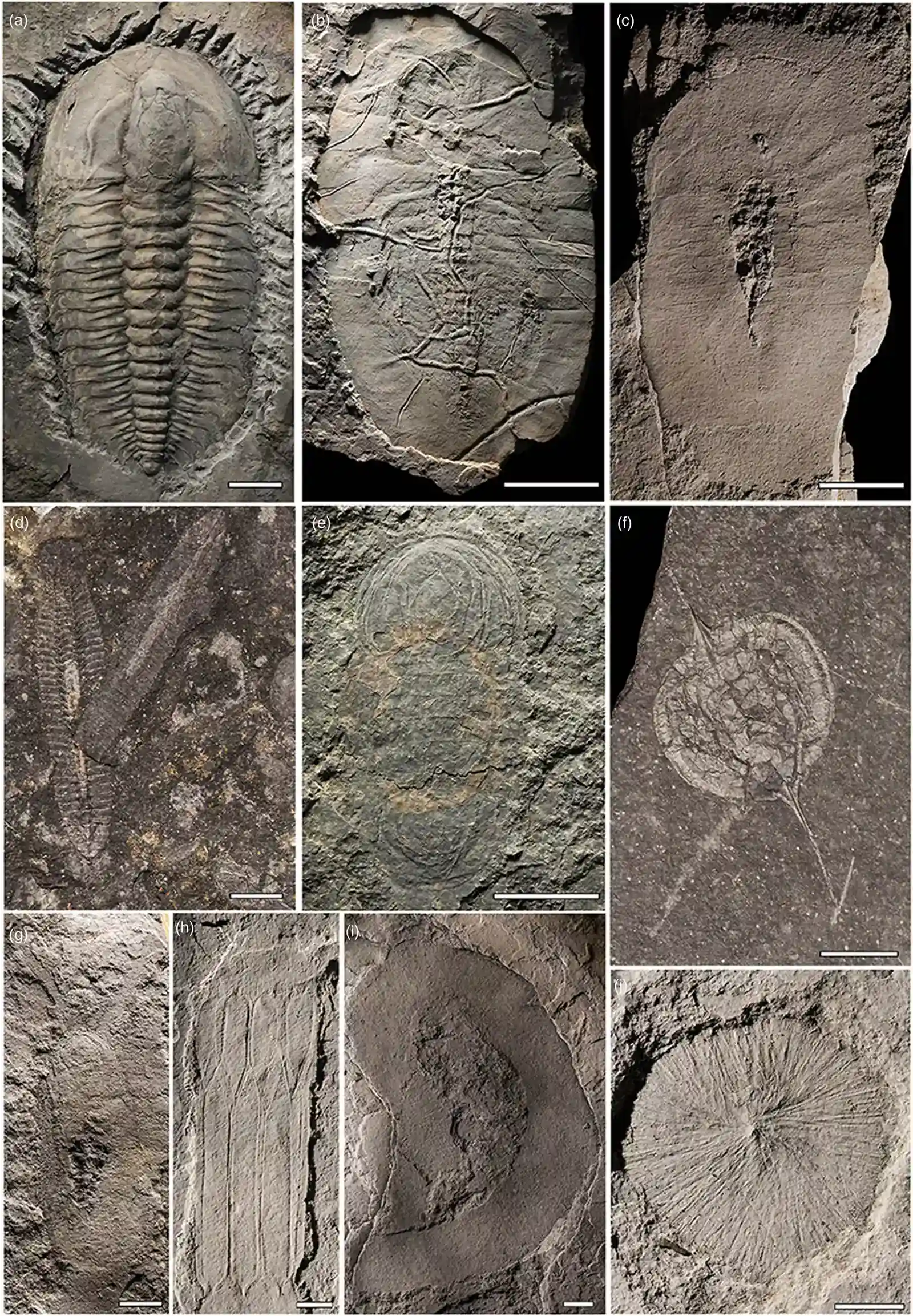
If the Burgess Shale were a one-off, skeptics could shrug it off as a fluke. Sirius Passet, tucked into northern Greenland, makes that impossible.
At roughly 518 million years old, it’s even older than Burgess Shale, and it also preserves soft tissue in stunning detail. Worms, arthropods, sponges, and Halkieria – a slug-like creature armored in mineralized plates – were already thriving as a full community.
That pushes serious evolutionary complexity back further than most textbooks admit.
The location makes it worse for the simple story. This site sits far north of the equator, yet hosted a rich marine ecosystem, undercutting the idea that early complex life huddled in one warm equatorial band. Complexity wasn’t a single spark – it was multiple, scattered fires. But that’s nothing compared to what we found in China.
#21 – Chengjiang (China): The Ecosystem That Wasn’t Supposed to Exist Yet
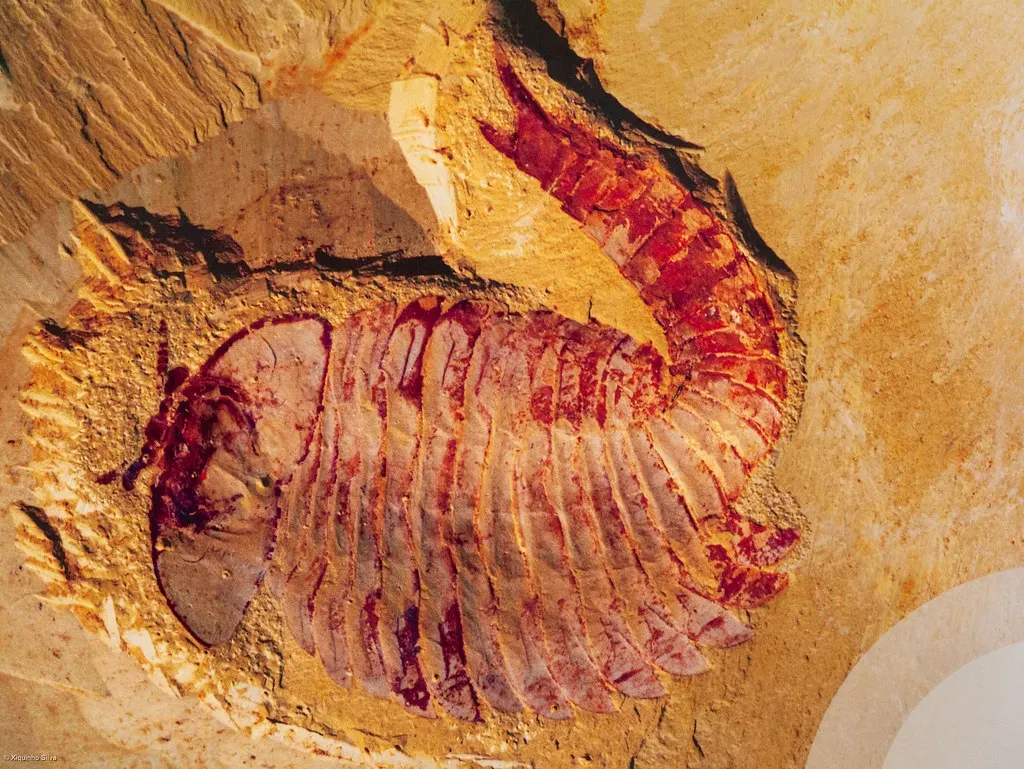
Most diagrams treat the Burgess Shale as the definitive Cambrian snapshot. Chengjiang, in Yunnan, China, quietly predates it – and complicates the whole picture.
Dated to about 518–520 million years ago, Chengjiang preserves over 250 species: early chordates, arthropods, worms, and creatures with startlingly sophisticated sensory organs. Fossils like Myllokunmingia and Haikouichthys are among the earliest vertebrate-like animals ever found – proto-fish complexity showing up right alongside primitive life-forms that hadn’t caught up yet.
The ecosystem itself looks unnervingly modern: predators, scavengers, burrowers, plankton feeders, all locked into a working food web, not a half-finished sketch.
For anyone raised on “life slowly got more complex,” Chengjiang feels like finding a cheat code buried in the rock. But that’s nothing compared to what we found in Newfoundland.
#20 – Mistaken Point (Newfoundland): Complex Life Before Animals Were Supposed to Show Up
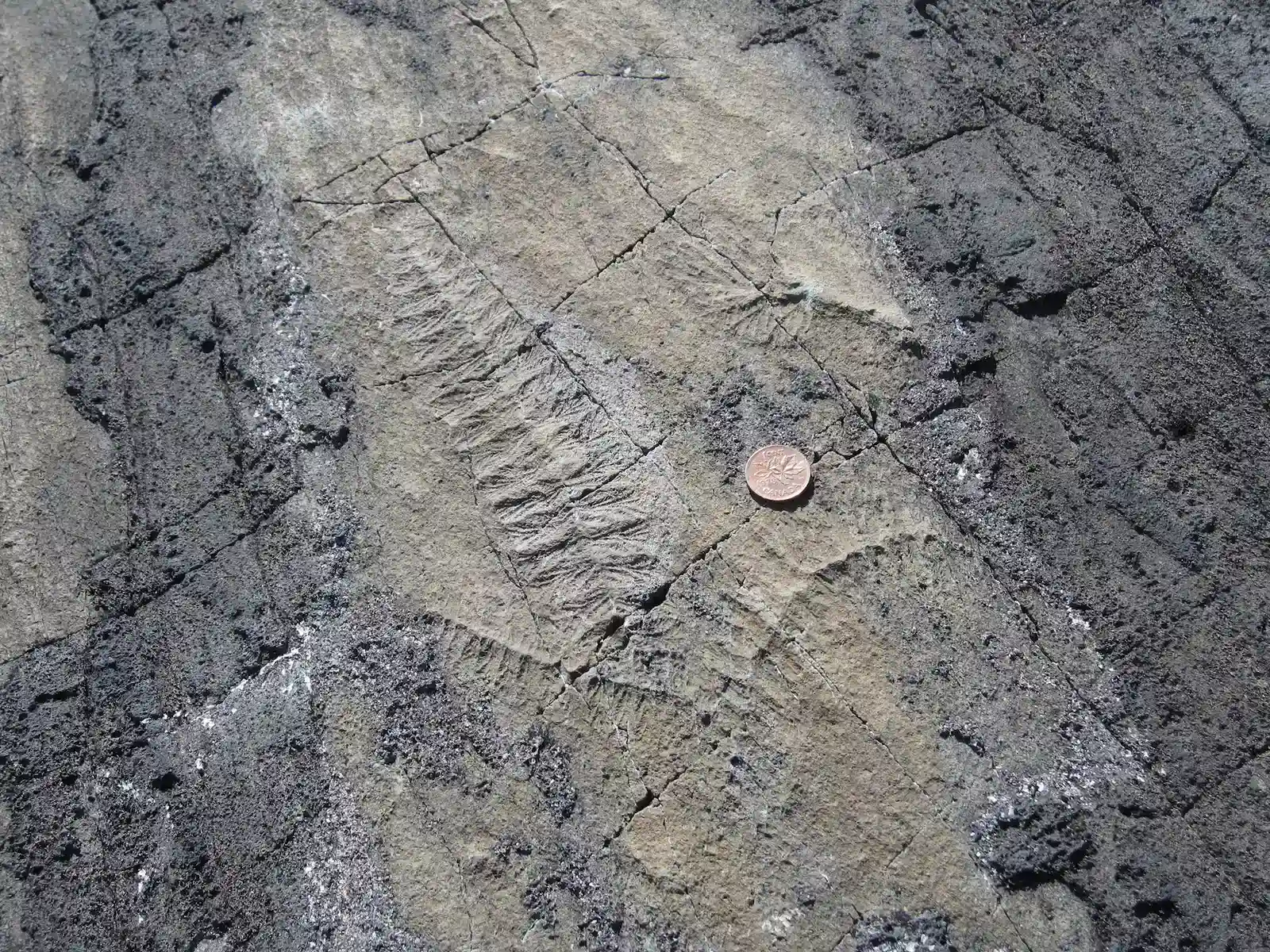
Ask most people when complex multicellular life began, and they’ll say “the Cambrian.” Mistaken Point says we’re late to the party by tens of millions of years.
These Ediacaran rocks are 565–575 million years old, preserving entire seafloor communities buried by volcanic ash – frond-like forms over a meter long, quilted discs, branching structures rooted in the mud. Dozens of species coexisted in tiered communities long before anything resembling the Cambrian explosion.
Some growth patterns hint at biology far more sophisticated than “simple ancient blob” implies.
The real disruption is ecological: different forms occupying different micro-habitats, something close to niche partitioning, in a world textbooks describe as microbial slime and not much else. Whatever these organisms actually were, complexity clearly didn’t wait for a starting gun. But that’s nothing compared to what we found in Australia.
#19 – The Ediacara Hills (Australia): A Lost World With No Modern Address
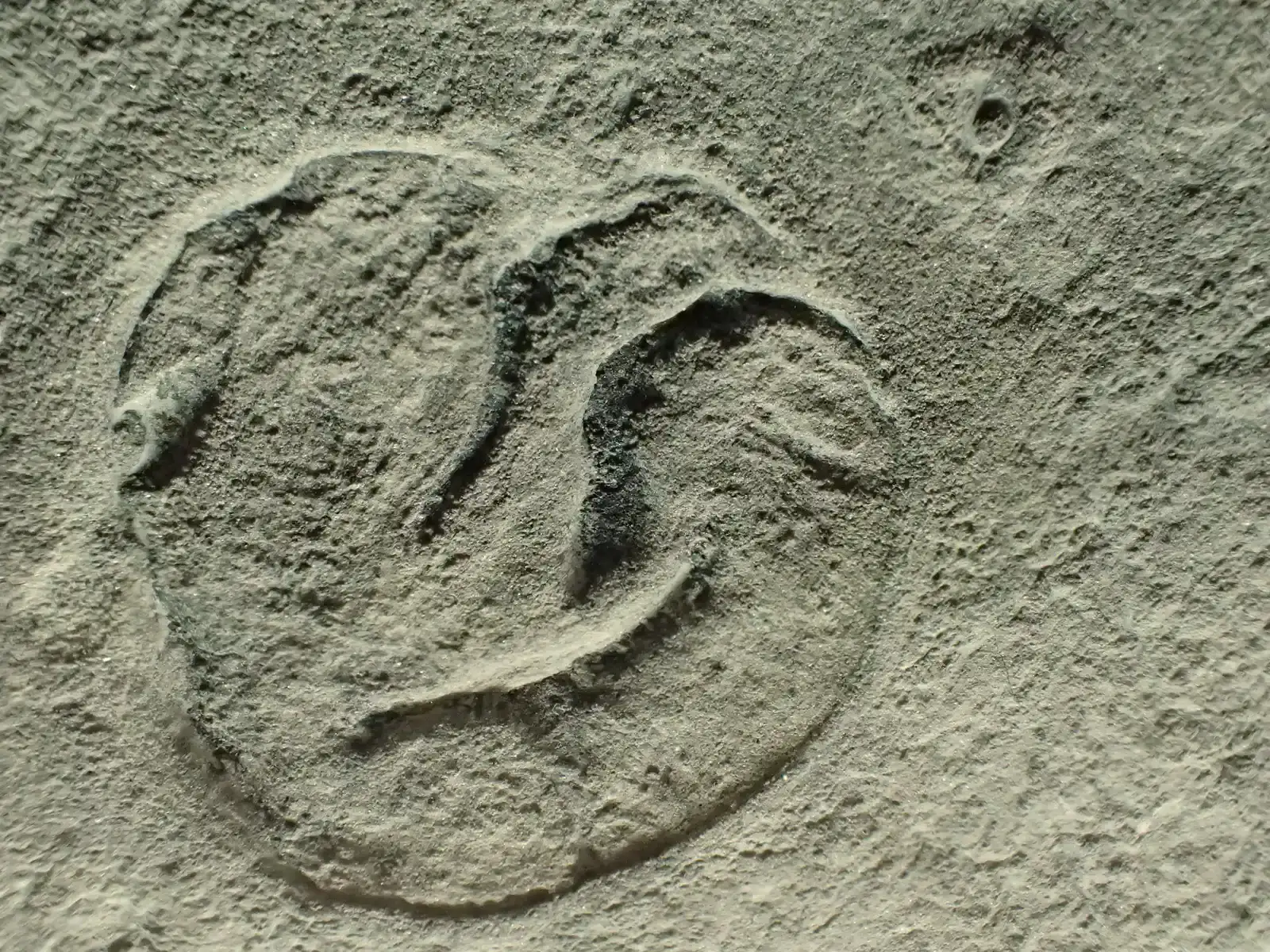
Textbooks often treat the Ediacaran biota as a footnote before the “real” story starts. The Flinders Ranges in South Australia make that dismissal look embarrassing.
These sandstone beds, roughly 550–560 million years old, preserve soft-bodied forms like Dickinsonia, Spriggina, and Charniodiscus – creatures that don’t map onto any living group. Paleontologists have spent decades arguing whether they’re animals, algae, fungi, or something with no modern equivalent at all.
That uncertainty alone undercuts the comforting idea of one clean, continuous tree of life.
Dickinsonia even left feeding trails, suggesting movement and organism-level behavior earlier than most people assume. Then almost the entire cast vanishes right before the Cambrian, replaced by a completely different set of animals. That’s not a gradual unfolding – that’s a full ecological reset. But that’s nothing compared to what we found hiding at microscopic scale.
#18 – The Doushantuo Formation (China): Fossils So Small They Rewrite the Timeline Anyway
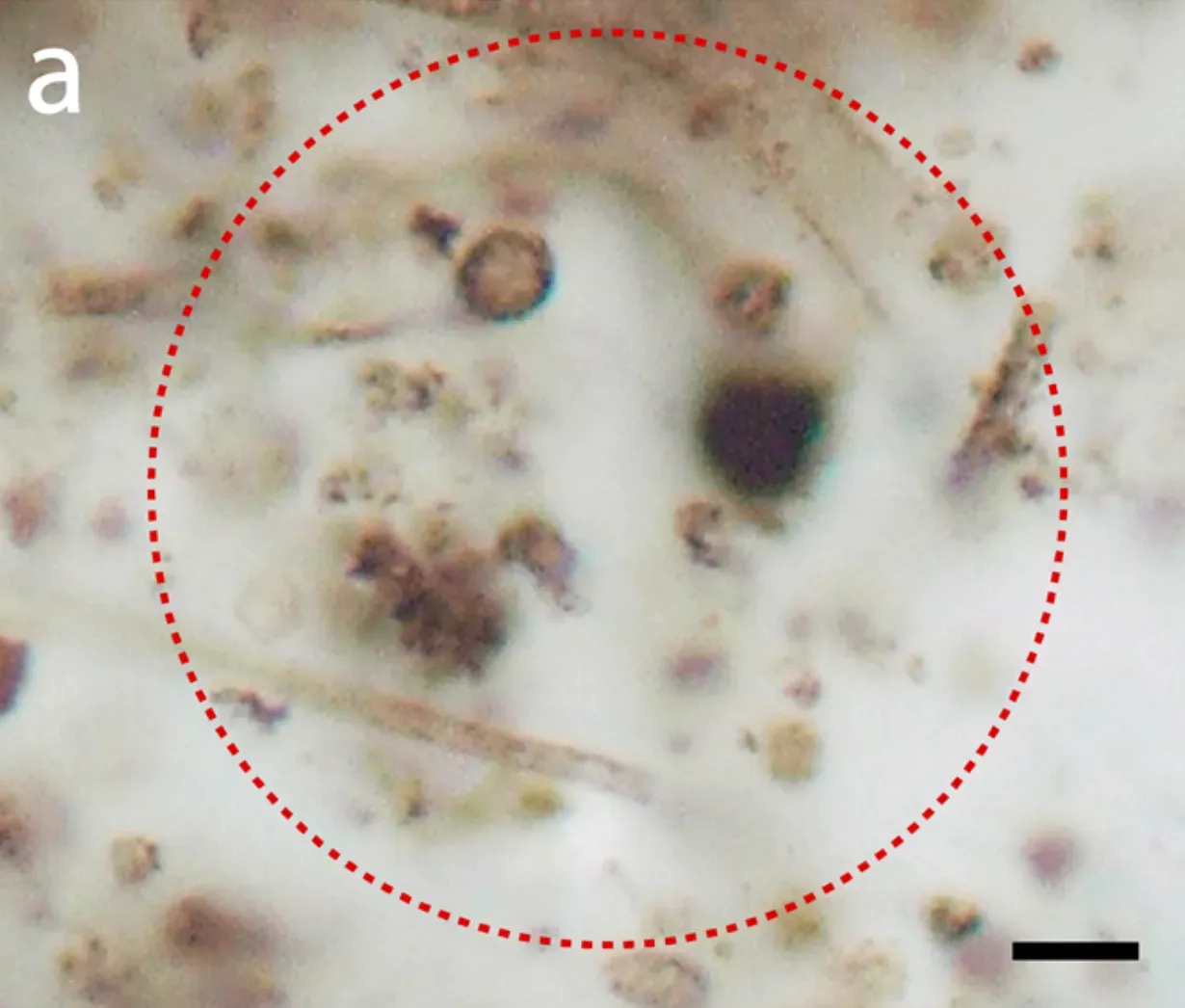
If you assume the story only starts once fossils are big enough to see, the Doushantuo Formation in South China will end that assumption fast.
These phosphorite deposits, 600–630 million years old, preserve microfossils at near-cellular resolution – tiny spheroidal structures some researchers interpret as possible animal embryos or early multicellular stages, long before the Cambrian even begins. There’s real debate here; some may turn out to be algae or protists.
But the mere possibility of animal-grade development that early is deeply inconvenient for any simplified timeline.
Doushantuo also preserves potential sponge-like fossils and complex acritarchs showing eukaryotic life was already diversifying in the shadows. Instead of a clean “switch flips on” moment at the Cambrian, we get decades of quiet experimentation nobody put in the textbook. But that’s nothing compared to what we found in a German lake bed.
#17 – The Messel Pit (Germany): The “Primitive Mammal” Myth Dies Here
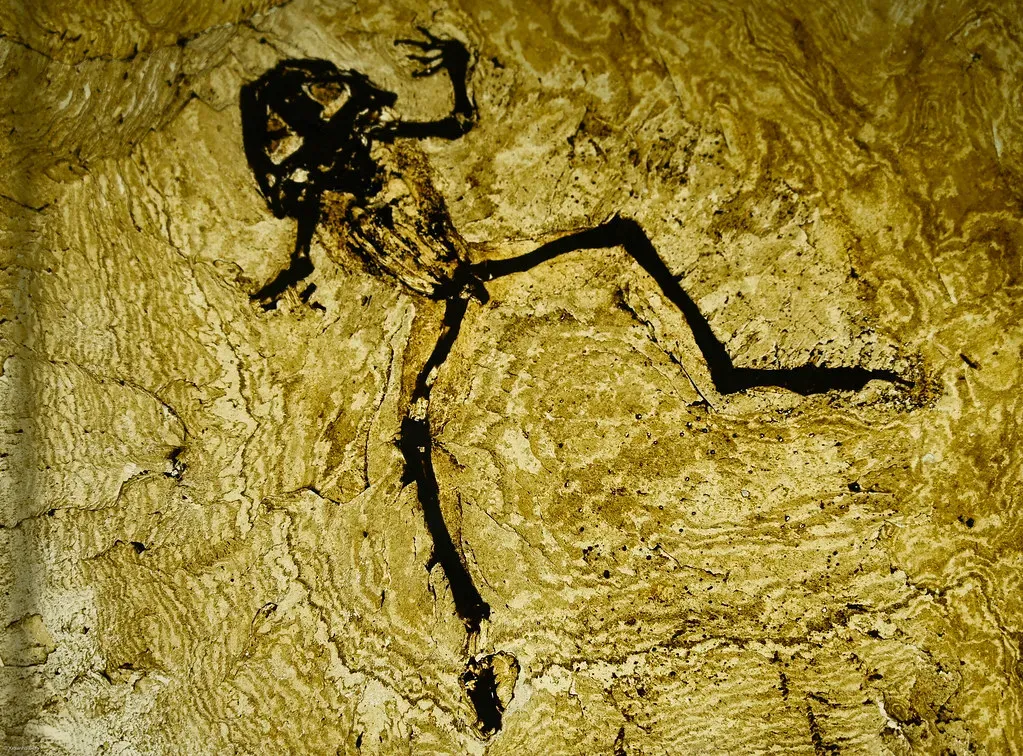
Most people picture early mammals as bland, generic little creatures that only got interesting once the dinosaurs cleared out. The Messel Pit in Germany politely disagrees.
Dating to about 47 million years ago, Messel was once a lake ringed by lush subtropical forest, and its oil shale preserved vertebrates in staggering detail – early horses, bats, primates, crocodiles, birds, turtles, complete with fur, stomach contents, and soft-tissue outlines. These weren’t placeholder animals; they had specialized diets and complex locomotion.
Some of the earliest known bats already show fully developed wings and echolocation-related anatomy.
Early primates had grasping hands and oversized eye sockets, hinting at advanced arboreal life and social behavior. Less than 20 million years after the asteroid, the mammal world already looks dizzyingly sophisticated – not a slow climb, but a fast, messy takeover. But that’s nothing compared to what we found in Montana.
#16 – The Hell Creek Formation (USA): Mammals Were Never Just Background Extras
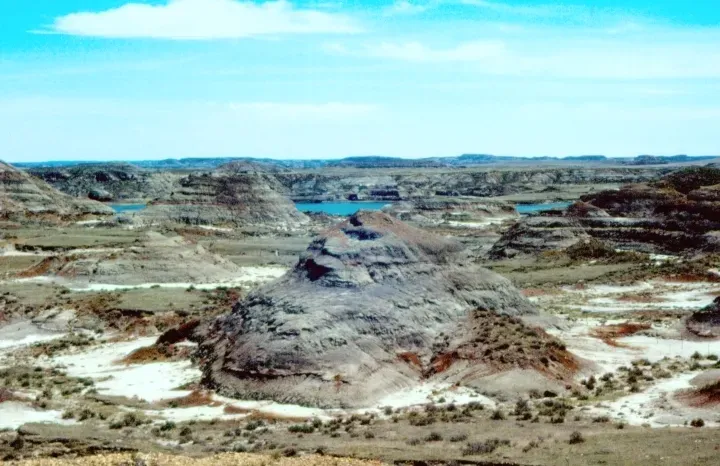
The standard line paints the late Cretaceous as “the age of dinosaurs,” with mammals cowering in the shadows. Hell Creek, spread across Montana, the Dakotas, and Wyoming, tells a messier story.
This formation captures the final stretch of the Cretaceous, about 66–68 million years ago, preserving T. rex, Triceratops, hadrosaurs, and a surprisingly diverse mammal lineup. Decades of careful sampling show small to medium mammals filling insectivore, herbivore, and even carnivore niches.
The “only tiny shrew-like things” narrative simply doesn’t survive contact with the data.
Some mammal lineages were already diversifying before the asteroid ever hit, meaning their later dominance wasn’t pure luck – it was built on complexity that existed the whole time. Hell Creek turns the end of the Cretaceous from a clean handoff into overlapping dominance. But that’s nothing compared to what we found in South Africa.
#15 – The Karoo Basin (South Africa): Earth’s Worst Extinction Refuses to Behave
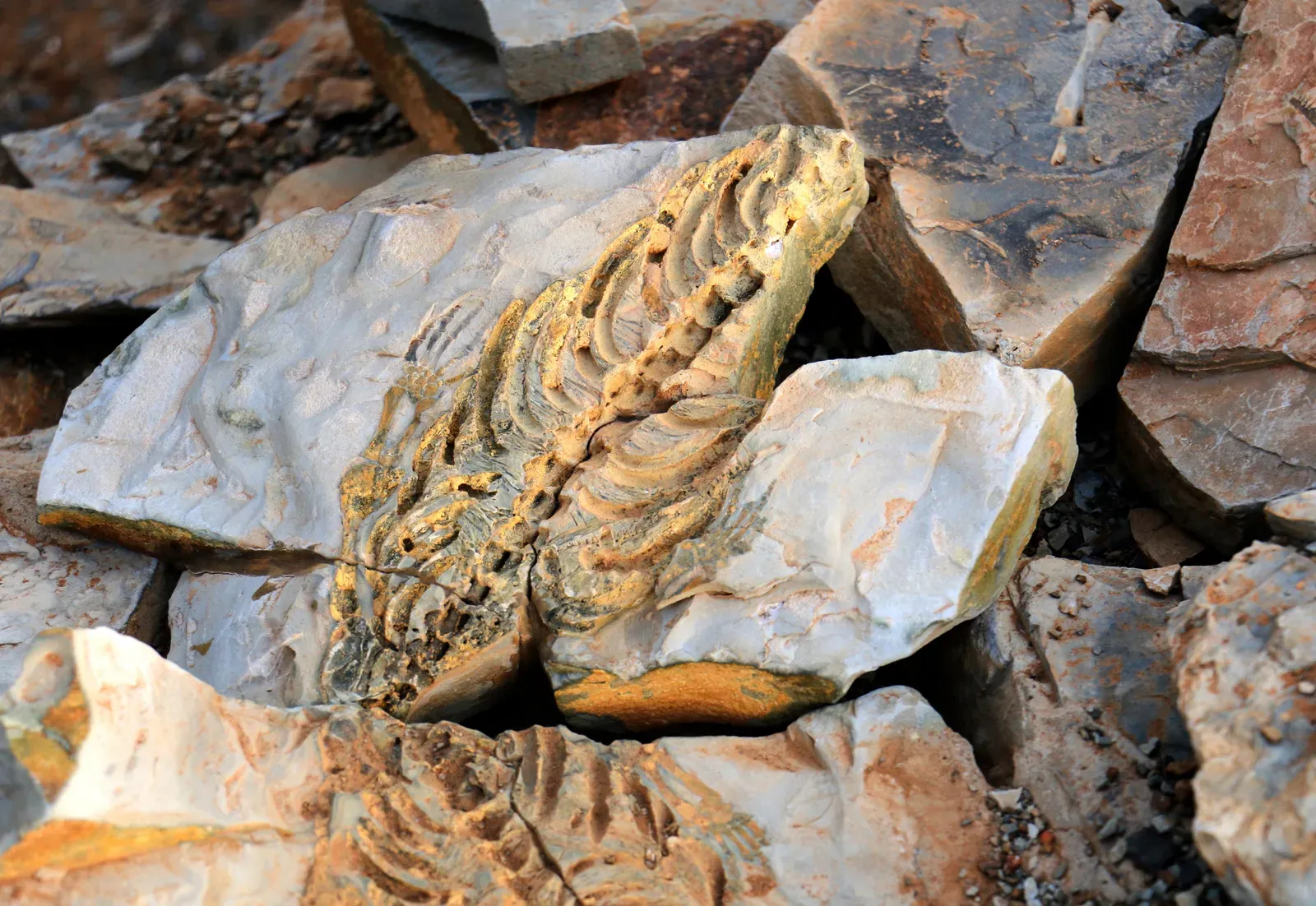
Most people imagine mass extinctions as instant kill switches – one bad day, total wipeout, then recovery. South Africa’s Karoo Basin tells a far more chaotic story.
This near-continuous rock record spans the Permian-Triassic boundary around 252 million years ago, the worst extinction in Earth’s history. Instead of one clean before-and-after, the vertebrate record shows pulses of decline, regional differences, and oddball survivors thriving while others vanished.
“Disaster taxa” dominated stripped-down ecosystems for millions of years afterward.
This isn’t a graph of instant collapse followed by smooth recovery – it’s a series of stumbles, partial rebounds, and re-collapses. Some mammal-like reptiles held on far longer than expected while early archosaurs rose in fits and starts. Extinctions, it turns out, are messy transitions with unpredictable winners. But that’s nothing compared to what we found in China’s ash beds.
#14 – The Jehol Biota (China): The Fossils That Erased the Line Between Reptile and Bird
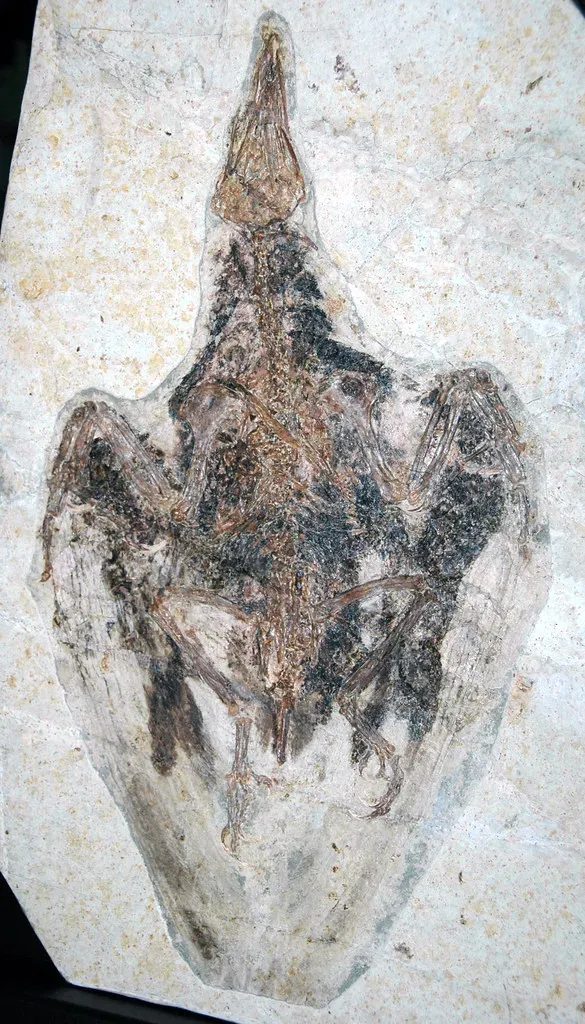
For decades, people pictured dinosaurs as scaly reptiles and birds as something entirely separate. The Jehol fossil beds in northeastern China obliterated that divide.
Dating to the Early Cretaceous, roughly 125–133 million years ago, these volcanic ash layers preserve small theropods with clearly visible feathers, wings, and complex plumage – Sinosauropteryx, Microraptor, Anchiornis. Some non-avian dinosaurs even had asymmetrical flight feathers, the kind normally associated with actual flight.
The old “dinosaurs, then suddenly birds” story is dead on arrival here.
Quick Compare
- Old textbook view: Dinosaurs were reptiles, and birds evolved separately much later.
- Jehol reality: Small theropods already carried feathers, wings, and even asymmetrical flight feathers.
- Old textbook view: A clean line separates “dinosaur” from “bird.”
- Jehol reality: Gliders, flapping experimenters, and true birds all coexisted in the same ecosystem.
What Jehol shows instead is a feathered continuum – gliders, flapping experiments, ground-runners flashing display feathers, and true birds, all coexisting. If you still think dinosaurs simply “went extinct,” Jehol delivers the harder truth: they partially became the birds outside your window right now. But that’s nothing compared to what we found in ancient lake sediment.
#13 – The Green River Formation (USA): Proof That Climate Was Never as Calm as the Charts Suggest
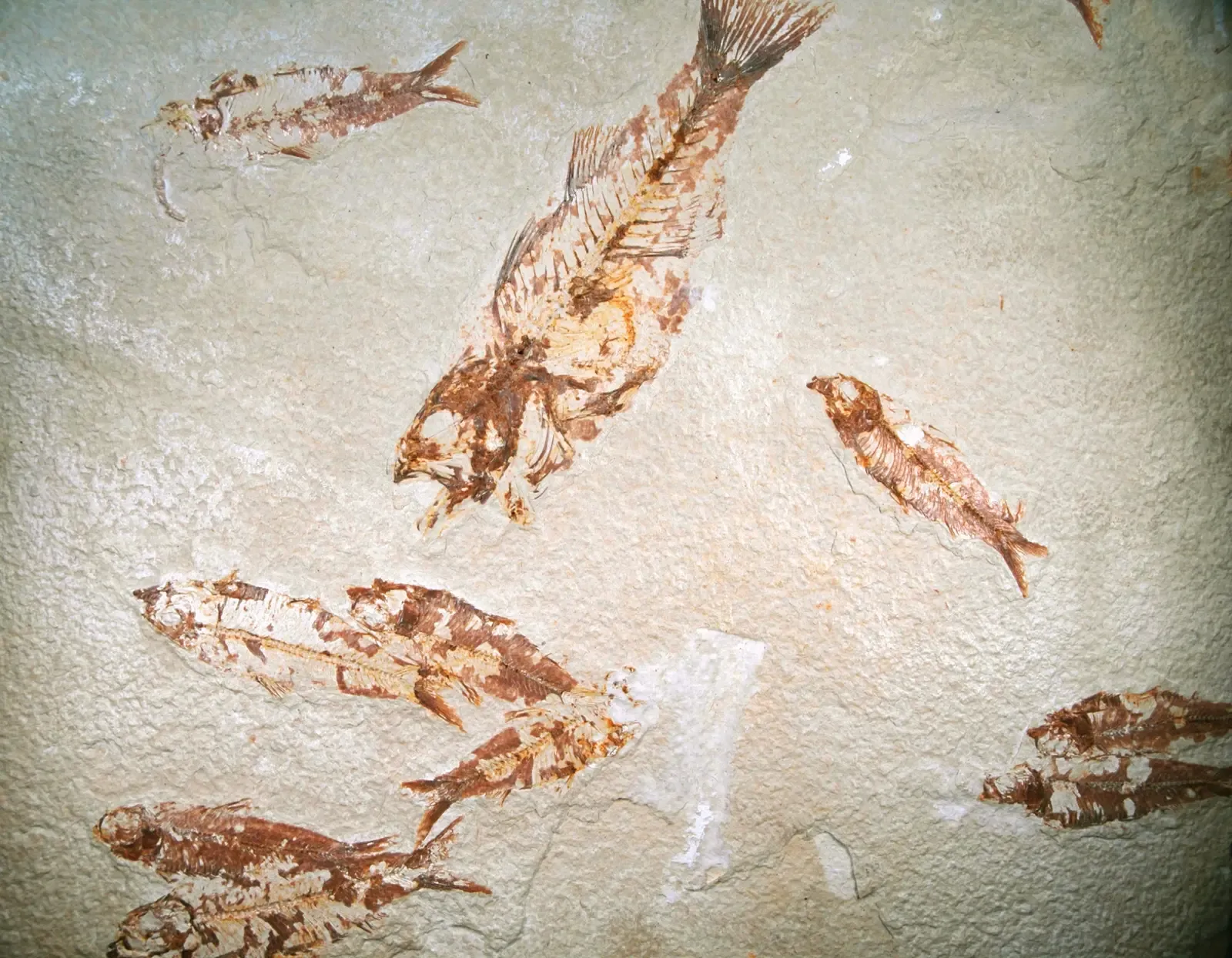
Textbook climate graphs love a smooth, gentle curve. The Green River Formation, spread across Colorado, Wyoming, and Utah, tells a far jumpier story.
Laid down in the early-to-middle Eocene, roughly 53–48 million years ago, these lake sediments preserve fish, insects, plants, and feathers in extraordinary detail. Tropical-to-subtropical species thriving at mid-latitude North America point to an intensely warm greenhouse world with almost no polar ice.
That alone kills any comforting notion that Earth’s climate has always looked roughly like today’s, give or take a wiggle.
The finely laminated layers also capture short-term chaos – lake-level swings, algal blooms, anoxic events – stacked on top of that long-term heat. Instead of a stable Eocene paradise, we get freshwater ecosystems constantly reorganizing under stress. Climate change, this bed insists, was never slow and predictable. But that’s nothing compared to what we found in Bavaria.
#12 – The Solnhofen Limestone (Germany): Where the Jurassic Refuses to Sort Itself Neatly
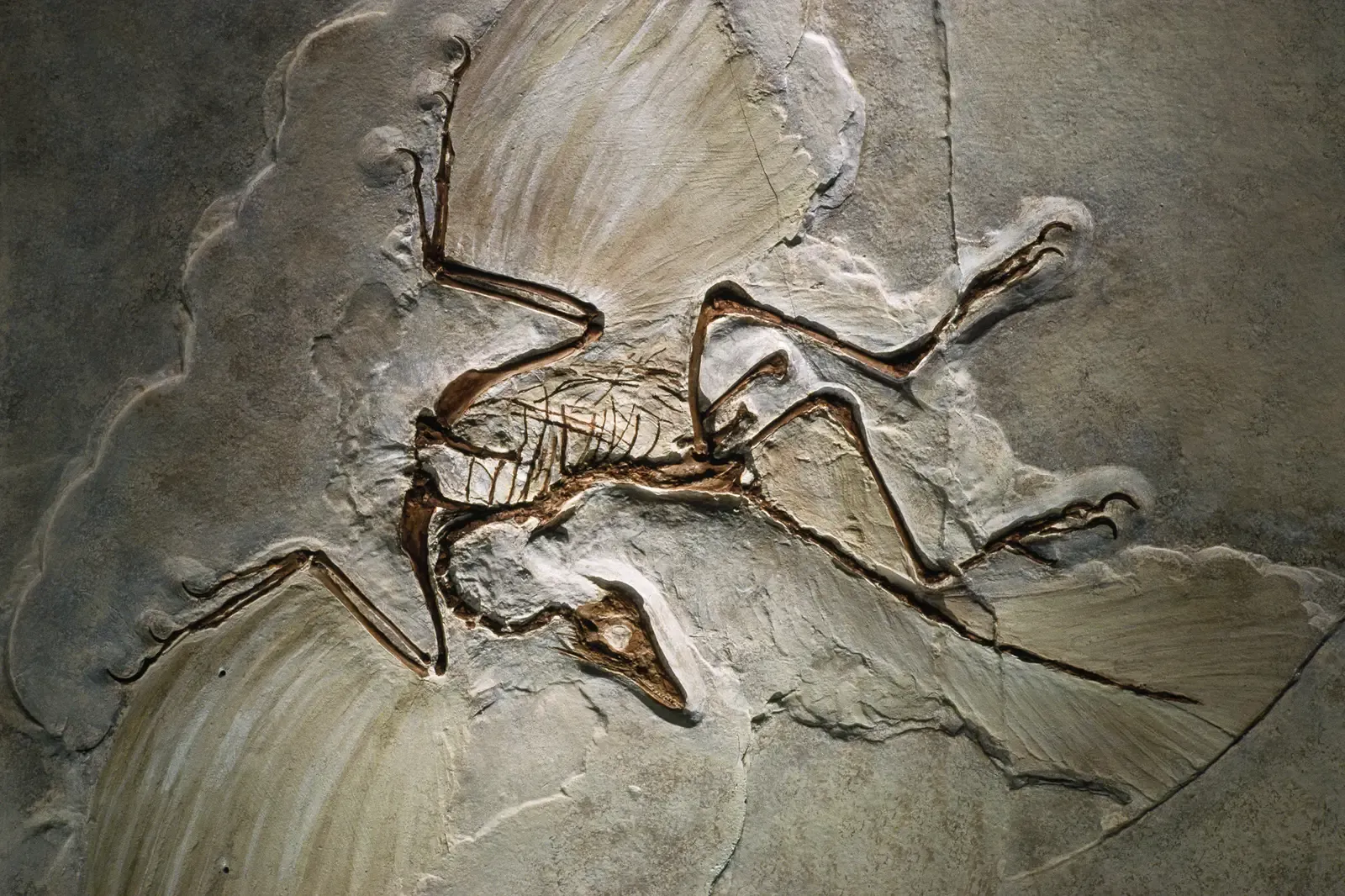
Most diagrams treat the Jurassic as a tidy middle act – dinosaurs booming, pterosaurs soaring, clean categories all around. Solnhofen, in Bavaria, preserves exactly the messy in-between forms those diagrams like to hide.
Deposited about 150 million years ago, its fine limestone captured jellyfish, crustaceans, fish, pterosaurs, and the iconic Archaeopteryx – feathers, long bony tail, and all. Soft-part preservation here is so good it catches cephalopods and delicate organisms that almost never fossilize elsewhere.
Dinosaurs, early birds, and flying reptiles were all sharing the same complex aerial and marine world at once.
Archaeopteryx in particular wrecks the simplistic “missing link” story. It isn’t the first bird, and it isn’t a clean halfway point – it’s one branch in a tangled bush of feathered theropods. Evolution doesn’t hand you neat sequences; it hands you overlapping mosaics that only look obvious in hindsight. But that’s nothing compared to what we found under the streets of Los Angeles.
#11 – The La Brea Tar Pits (USA): Ice Age L.A. Was Not the Frozen Wasteland You Picture
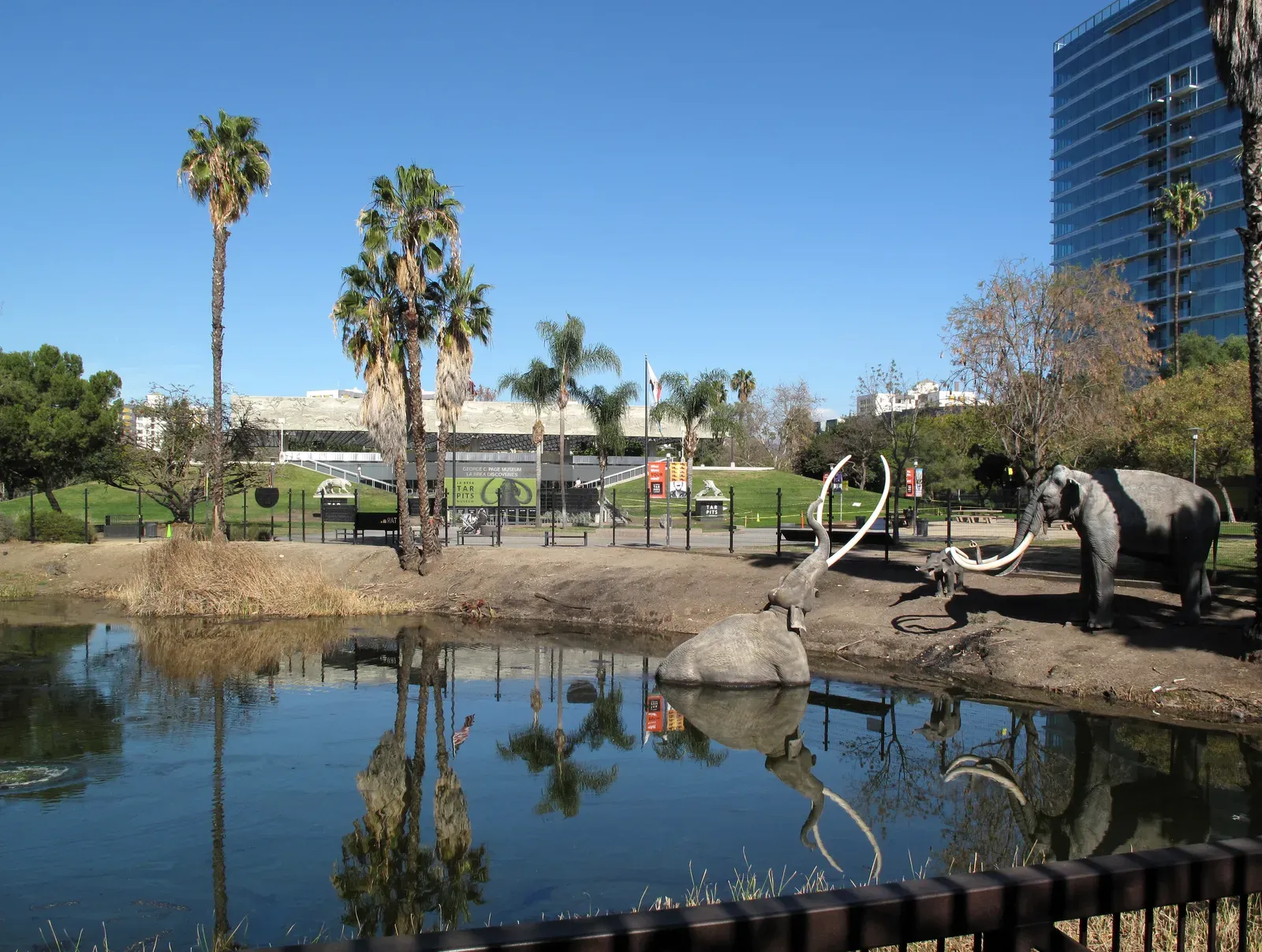
When people picture the Ice Age, they imagine mammoths trudging across empty tundra. The La Brea Tar Pits, sitting right in the middle of Los Angeles, tell a completely different story.
These asphalt seeps have trapped animals for the last 50,000 years, preserving an almost absurd number of Pleistocene fossils. Everyone knows the mammoths and saber-toothed cats, but the real shock is the predator count – dire wolves, big cats, bears, eagles, vultures – carnivores massively outnumber herbivores in the pit assemblages.
That blows up any naive idea of a simple, balanced predator-to-prey ratio.
La Brea also shows Ice Age Southern California as a rich mosaic – woodlands, grasslands, wetlands – packed with camels, bison, horses, and giant ground sloths, not some bleak frozen plain. And the megafauna vanish in a tight window right as humans arrive and the climate shifts, forcing an uncomfortable conversation the sanitized textbook version usually skips. But that’s nothing compared to what we found 8,000 feet up a Colorado mountain.
#10 – The Florissant Fossil Beds (USA): A Subtropical Forest Where an Alpine Landscape Now Stands
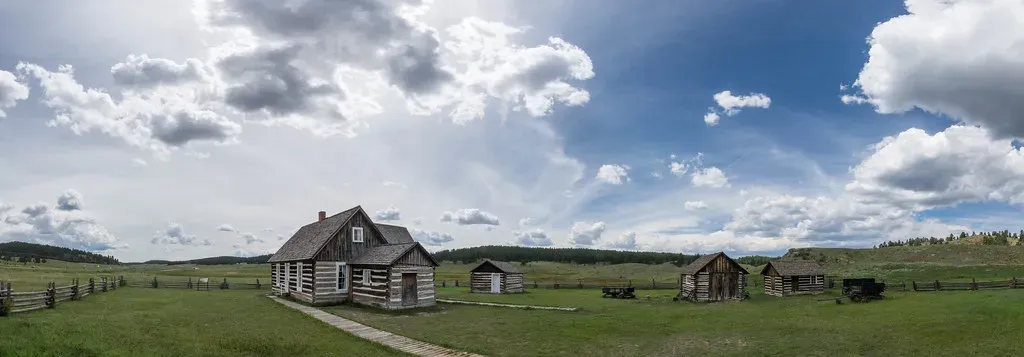
Today, central Colorado is cool, dry, and high. The Florissant Formation says that around 34 million years ago, the exact same ground hosted a completely different world.
These lake shales are loaded with fossil leaves, insects, fish, and massive petrified redwood stumps. Botanical analysis points to a warm-temperate to subtropical forest sitting at an elevation that’s now roughly 8,000 feet – giant redwoods, more like modern coastal California trees, growing where today’s landscape is harsh and alpine.
That’s not a theory. That’s a physical contradiction of the idea that regional climate and elevation stay put over geologic time.
The insect record backs it up: diverse beetles, wasps, and butterflies point to intricate plant-insect relationships nothing like modern Colorado’s. Florissant is a snapshot taken right before global cooling into the Oligocene – proof that even mountains don’t keep the same identity forever. But that’s nothing compared to what we found under the sauropods’ feet.
#9 – The Morrison Formation (USA): Giant Dinosaurs Living in Surprisingly Harsh Terrain
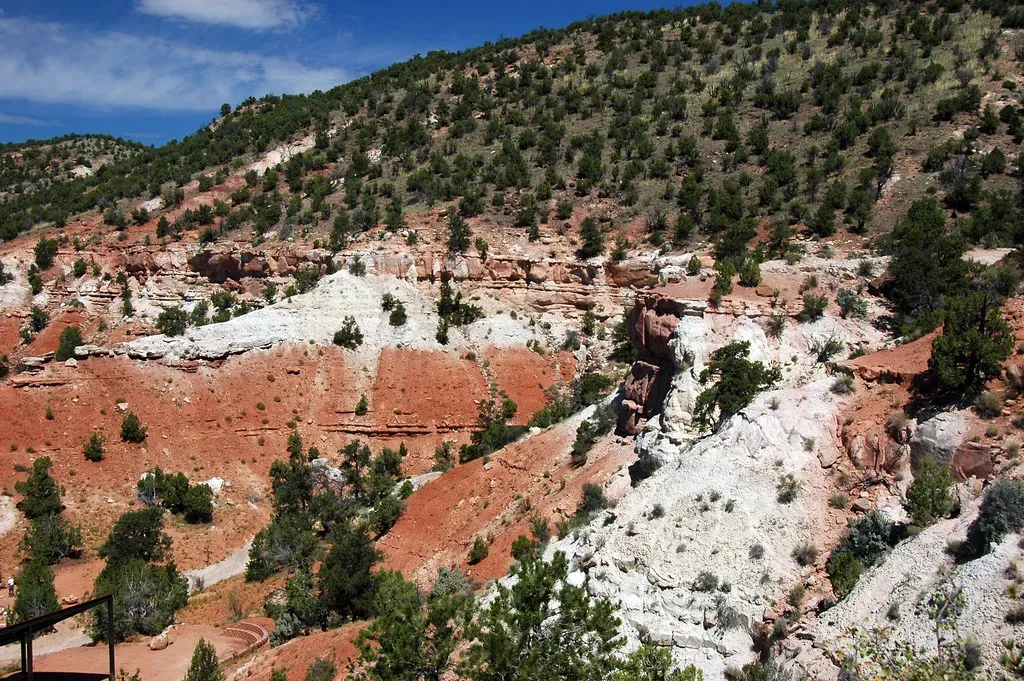
The Morrison Formation is famous for giant sauropods roaming across the western United States roughly 150–155 million years ago. The usual sales pitch is endless fern prairies and lazy swampy rivers. The rocks tell a rougher story.
Sedimentology shows a mosaic of environments – floodplains, river channels, semi-arid plains, seasonally dry forests. Some beds even preserve drought-tolerant plants and caliche, a soil carbonate that only forms under real dryness – yet these same regions hosted enormous sauropods like Diplodocus and Apatosaurus, animals long assumed to need lush, permanently wet habitats.
These weren’t slow, swamp-bound giants wallowing in mud.
Worth Knowing
- Spans roughly 150–155 million years ago across the western U.S.
- Includes floodplains, river channels, and semi-arid plains, not just wet fern prairies
- Caliche soil deposits confirm real seasonal drought in sauropod habitats
- Home to Diplodocus, Apatosaurus, stegosaurs, and small ornithopods side by side
Morrison also preserves small ornithopods, stegosaurs, crocodylomorphs, and freshwater clams that rarely make it into the popular reconstructions. Huge herds surviving in patchy, periodically stressed landscapes are forcing scientists to rethink dinosaur metabolism and carrying capacity from the ground up. But that’s nothing compared to what we found in Oregon’s ash layers.
#8 – The John Day Fossil Beds (USA): Mammal Evolution Wasn’t Gentle or Gradual
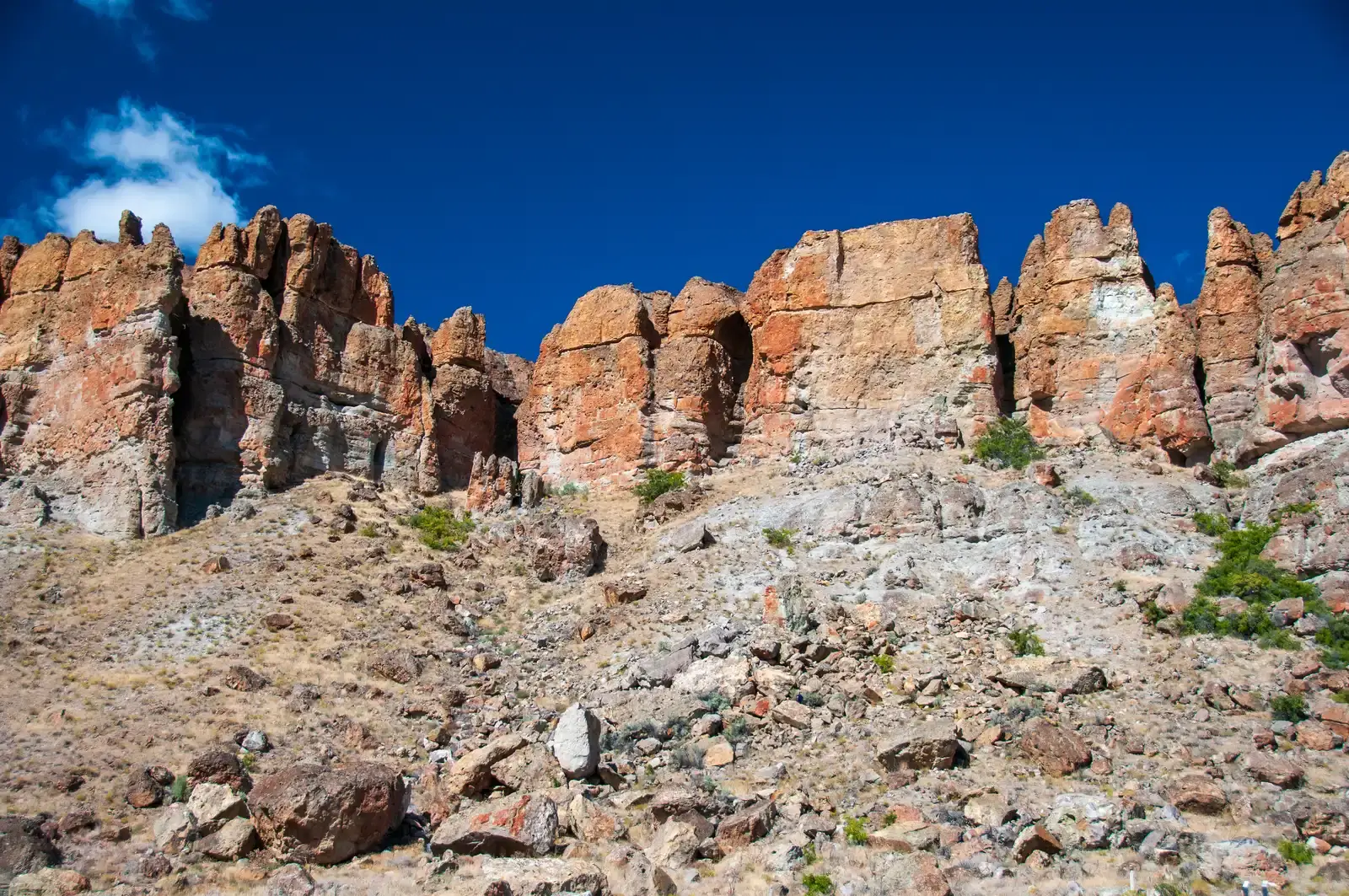
If you were taught that mammal evolution after the dinosaurs was a smooth, gradual rise, the John Day Fossil Beds in Oregon are a rude awakening.
Spanning the Eocene through Miocene, roughly 45–5 million years ago, these volcanic and sedimentary layers preserve a detailed, stepwise record of mammal faunas – early horse ancestors with multiple toes, beardogs, false sabertooths, oreodonts, early camels, rhinos. The real contradiction is how often entire communities overhaul themselves in short geologic bursts.
Forest dwellers flip to open-country runners as climates dry out, then flip again as new immigrants arrive.
There’s no single smooth trend toward “modern” mammals here – just extinctions, radiations, and invasions tied to volcanic pulses and climate jolts recorded right in the ash. North America’s mammal history reads like a series of abrupt rearrangements, not a slow march. But that’s nothing compared to what we found in ancient coral cities.
#7 – The Devonian Reef Complexes (Australia & Canada): Reefs Built by a Completely Different Cast
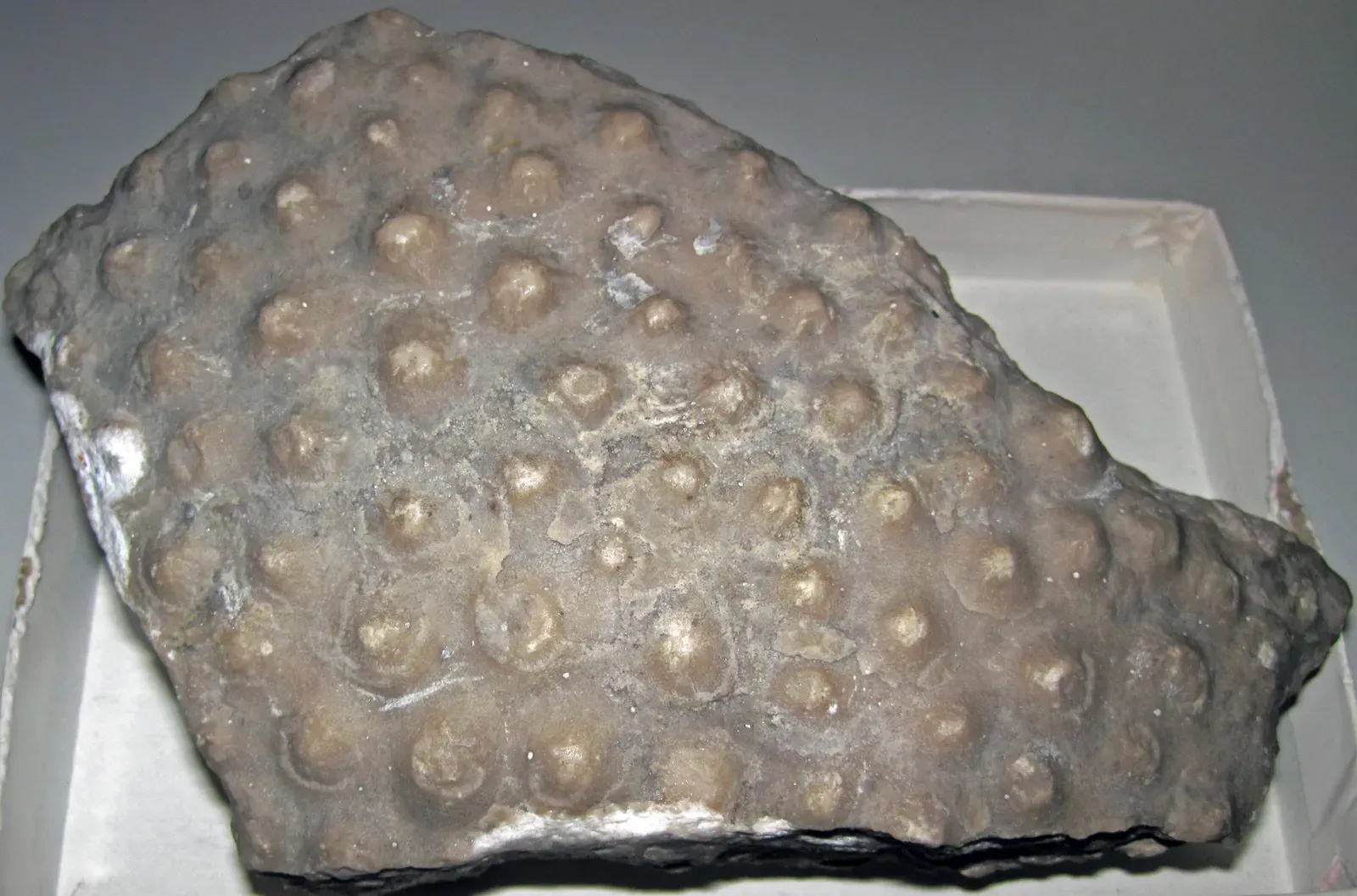
Many people assume today’s coral reefs are simply updated versions of ancient ones. The Devonian reef complexes in Australia’s Canning Basin and western Canada reveal something far stranger.
These mid-Paleozoic reefs, roughly 380–400 million years old, weren’t built by modern corals at all – they were raised by rugose and tabulate corals alongside massive stromatoporoid sponges, in ocean chemistry likely higher in CO₂ and structured completely differently. The architecture is foreign to modern eyes: thick, sprawling limestone mounds with a different dominant builder entirely.
The surprise isn’t that reefs existed back then – it’s that the entire cast can be swapped out and the ecosystem still fills the same role.
These reefs collapsed catastrophically during the late Devonian extinction, and their builders mostly vanished for good. Modern scleractinian corals only took over the “reef” job much later. Ecosystems don’t gradually refine the same cast of characters – sometimes the whole set gets replaced. But that’s nothing compared to what we found in a Montana limestone quarry.
#6 – The Bear Gulch Limestone (USA): Carboniferous Fish That Already Look Startlingly Modern
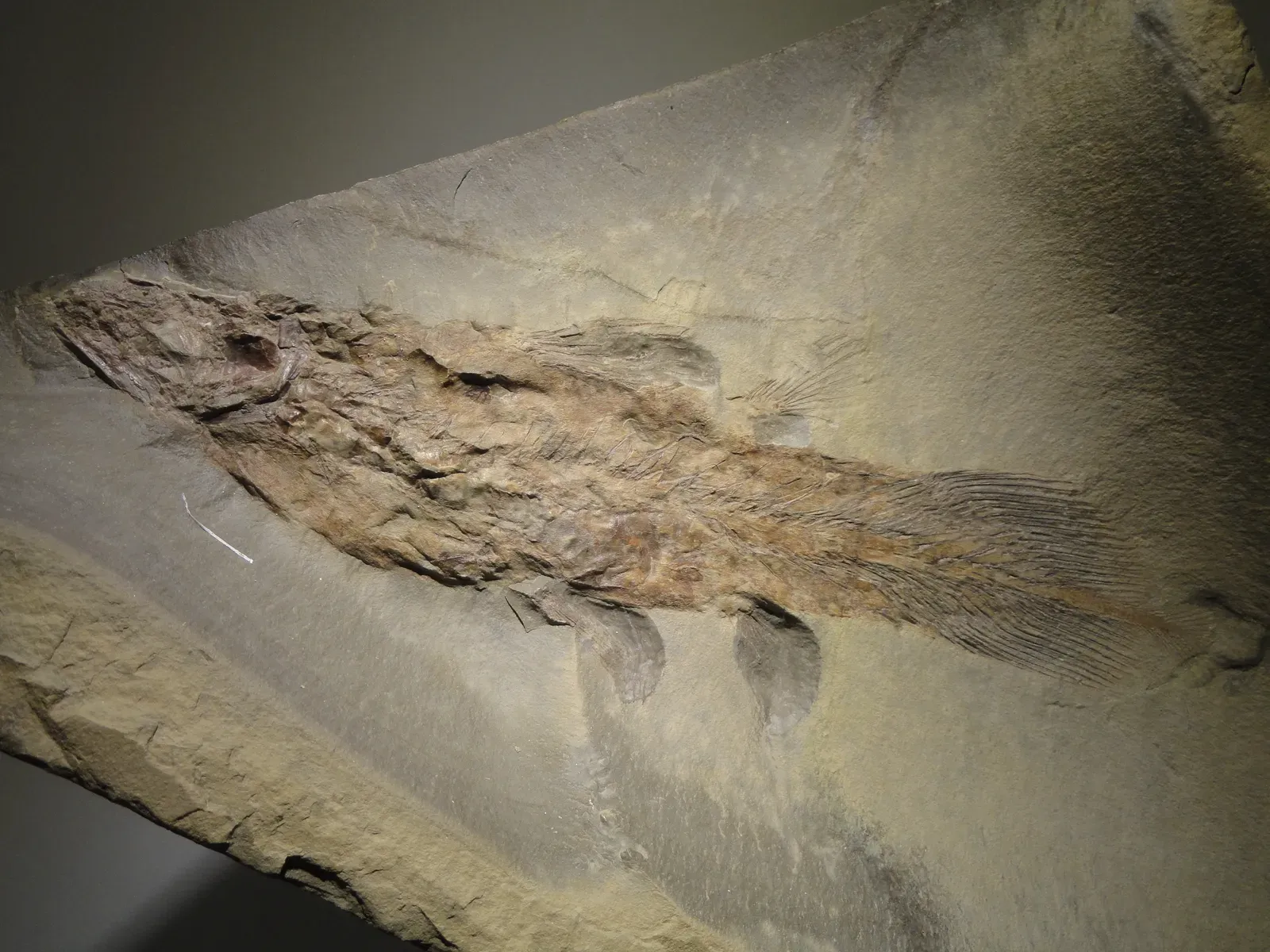
Ask someone about fish evolution and they’ll picture a slow climb from jawless fish to the bony and cartilaginous species swimming today. The Bear Gulch Limestone in Montana, about 322 million years old, disrupts that staircase completely.
This Mississippian Lagerstätte preserves a stunningly diverse array of cartilaginous and bony fishes, complete with fin rays, stomach contents, even internal organs. Certain shark relatives already show highly specialized body shapes and dentitions tailored to specific diets, not unlike modern rays or deep-sea predators.
Ecologically, this fish community already resembles a complex modern marine food web.
Top predators, mid-level hunters, and specialized bottom feeders were all carving out their own space in a world textbooks often reduce to “early amphibians and primitive fish.” The Carboniferous seas weren’t a rough draft – in some ways, they were already the finished product. But that’s nothing compared to what we found in three-dimensional Australian fish fossils.
#5 – The Gogo Formation (Australia): Fish Fossils That Rewrote the Story of Live Birth
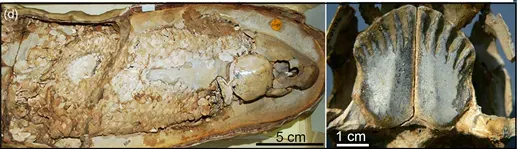
Flat fossils are one thing. The Gogo Formation in Western Australia gives us three-dimensional, articulated fish fossils from the late Devonian, roughly 375 million years ago, that rewrite what we thought we knew about early vertebrates.
Preserved inside limestone nodules, Gogo fish – including early armored placoderms – show internal structures almost never seen at this age: muscles, embryos inside adults, even remnants of nervous tissue. One of the most shocking findings is direct evidence of viviparity, live birth, in ancient armored fish.
That means complex reproductive strategies evolved far earlier, and in far more groups, than older narratives ever suggested.
The diversity of lobe-finned and ray-finned fish here also clarifies the messy transition toward tetrapods. Instead of a few tentative steps onto land, Gogo reveals a flourishing set of experiments in fin structure and joint mobility – a tangled, surprising prequel to “primitive fish, then amphibians.” But that’s nothing compared to what we found beneath the Himalayas.
#4 – The Siwalik Hills (India & Pakistan): Mammal Evolution Chasing a Moving Climate Target
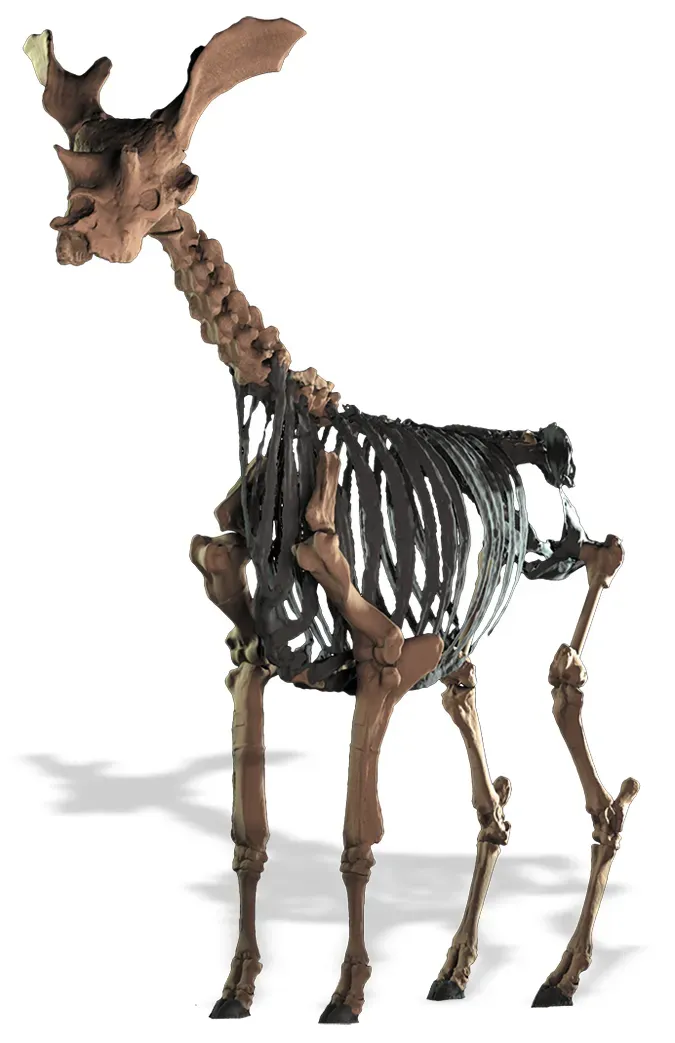
Human evolution is often drawn as a linear story unfolding against a stable African backdrop. The Siwalik fossil beds along the Himalayan foothills show just how violently environments can change underneath evolving animals.
These Neogene deposits, spanning roughly 18 million to 500,000 years old, record successive mammal faunas – early elephants, rhinos, antelopes, apes, carnivores – laid down as the Himalayas rose and monsoon systems intensified. The sediments chart a shift from dense forests to open grasslands, with matching turnovers between browsing and grazing mammals.
The contradiction is speed: faunas reorganize fast and repeatedly, not gently.
Instead of a slow fade from forest to savanna, the record shows pulses – woodland communities giving way to mixed habitats, then grass-dominated ones, with groups flourishing and then collapsing in geologically short windows. Landscape change can overhaul who lives where far faster than any “slow internal evolution” story admits. But that’s nothing compared to what we found in La Brea’s smallest fossils.
#3 – La Brea’s Microfauna: Tiny Fossils, Enormous Climate Contradictions
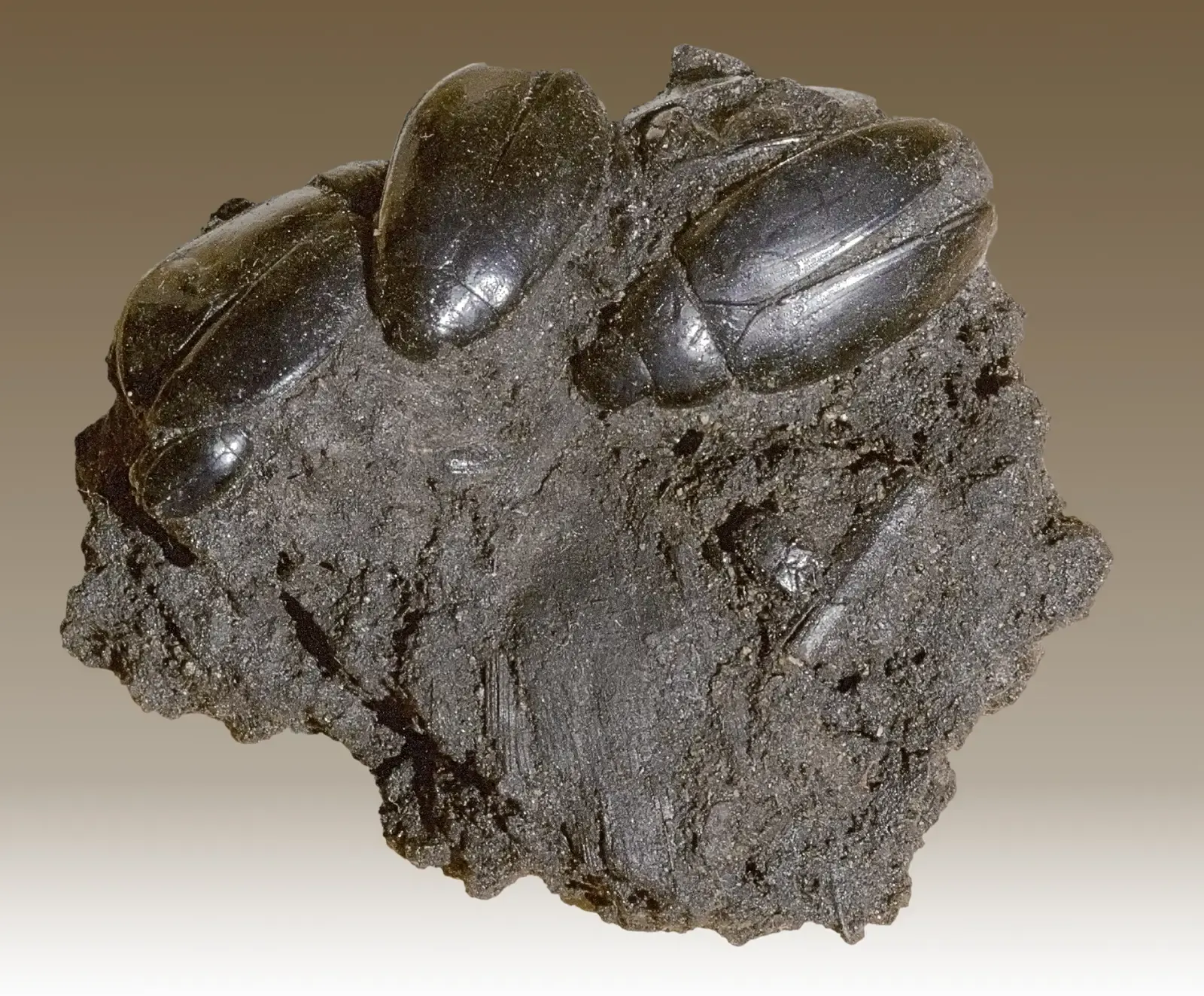
Most people only hear about La Brea’s big Ice Age beasts. The smaller fossils – rodents, lizards, insects, plant remains – are where the real climate contradictions hide.
By analyzing tiny bones, seeds, and insect parts across different tar seep layers, researchers reconstruct microhabitat and climate changes on the scale of centuries, not millennia. Some intervals show warmer, drier assemblages; others show cooler, moister communities – all crammed under the same broad “Ice Age” label.
In other words, Pleistocene Southern California wasn’t one uniform climate. It was a patchwork of swings.
This fine-grained record kills any lazy assumption that glacial periods are single, static states. Species moved, populations expanded and contracted, and communities churned constantly, likely tied to shifting ocean currents and ice volume. Climate history, up close, looks like a jagged heartbeat, not a gentle slope. But that’s nothing compared to what we found in rocks over three billion years old.
#2 – The Pilbara and Barberton Greenstone Belts: Life Thriving Where It “Shouldn’t” Have Survived
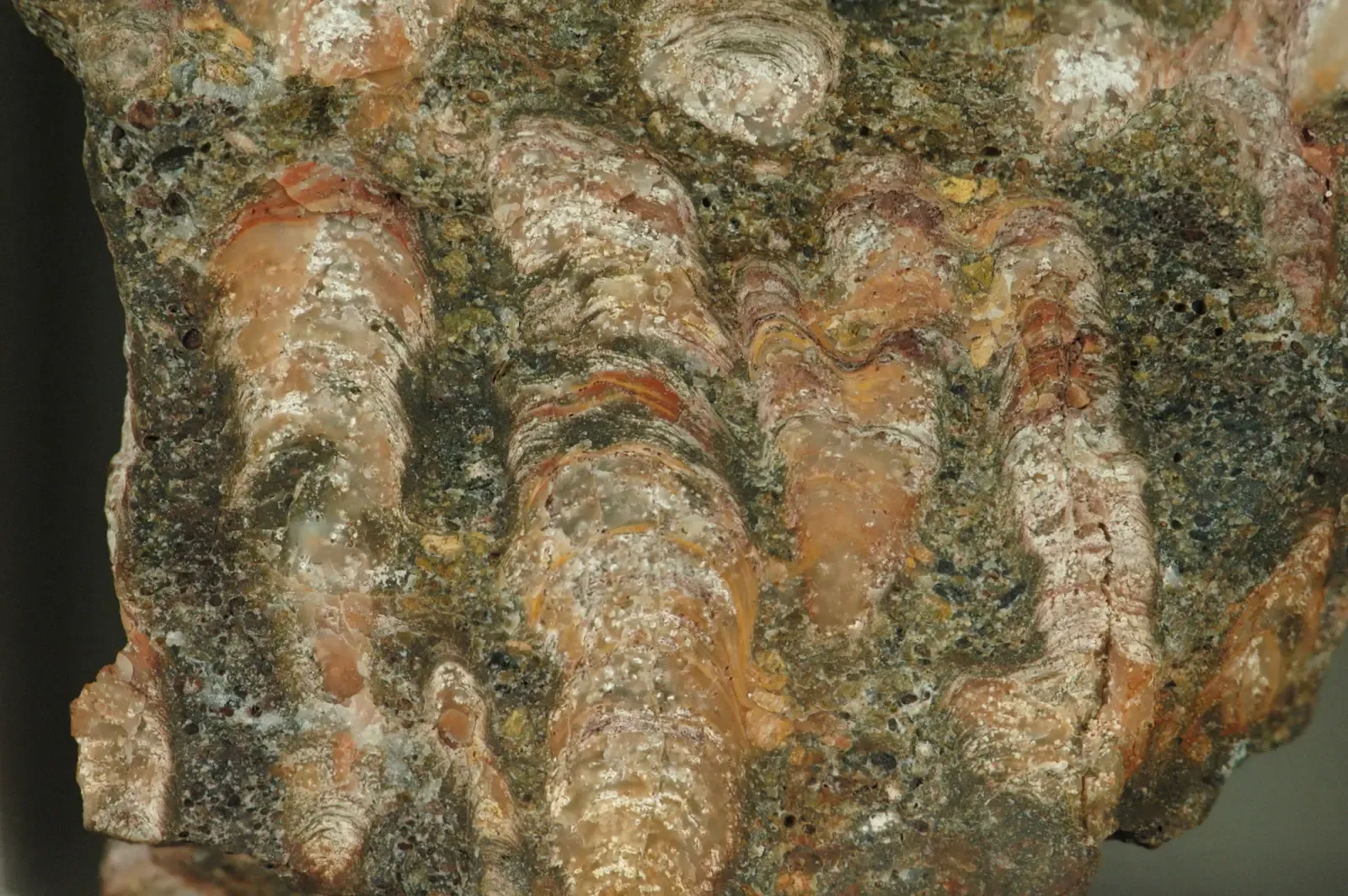
Ask when life began, and most people say something vague like “billions of years ago, in warm shallow seas.” The Pilbara in Australia and Barberton in South Africa hold some of the oldest convincing signs of life – and the setting isn’t the storybook version at all.
These rocks, 3.4 to 3.5-plus billion years old, preserve stromatolites – layered structures built by microbial mats – along with isotopic signatures consistent with biological activity. They formed in conditions likely hotter, hammered by higher UV radiation, and wrapped in an atmosphere with far less oxygen than today.
Yet microbial communities were already building macroscopic structures and reshaping sediment around them.
At a Glance
- Locations: Pilbara Craton (Australia) and Barberton Greenstone Belt (South Africa)
- Age: 3.4 to 3.5-plus billion years old
- Evidence: layered stromatolites and isotopic signatures tied to biological activity
- Conditions: hotter, high-UV, low-oxygen early Earth
That contradicts the comfortable assumption that life needed Earth to calm down first. Instead, life shows up the moment conditions are barely tolerable and builds something sophisticated anyway. Habitability and comfort, it turns out, were never the same thing. But that’s nothing compared to what we found frozen inside a Canadian rock even older in relative significance.
#1 – The Gunflint Chert (Canada): The Fossil Bed That Exposes What Textbooks Leave Out
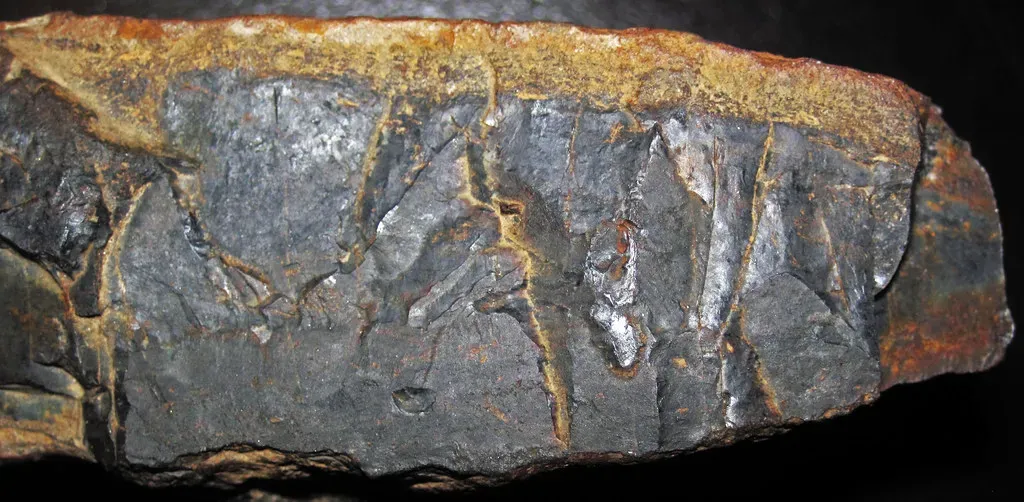
If you want a fossil bed that really rattles the simple “no life, then suddenly abundant fossils” narrative, the Gunflint Chert on the north shore of Lake Superior is it.
Dating to about 1.88 billion years ago, it contains exquisitely preserved microfossils – filamentous and spherical forms interpreted as bacteria and microbial mats – locked inside silica-rich rock. Under a microscope, you can see cell-like structures, colonies, and possible evidence of metabolic diversity, including photosynthesis, long before animals, plants, or complex eukaryotes ever entered the picture.
The contradiction isn’t that microbes existed. It’s how rich and structured their world already was, and how completely invisible that world remains in most classrooms.
The geological record is extremely imperfect.
Charles Darwin, On the Origin of Species
For over a billion years, microbes quietly ran the planet, altering oceans and atmosphere and setting the stage for everything that came after. Gunflint makes it painfully clear that the “fossil record” most of us picture is biased toward hard parts and big bodies – and that most of Earth’s evolutionary drama happened at a scale we almost never bother to look at.
The Bottom Line
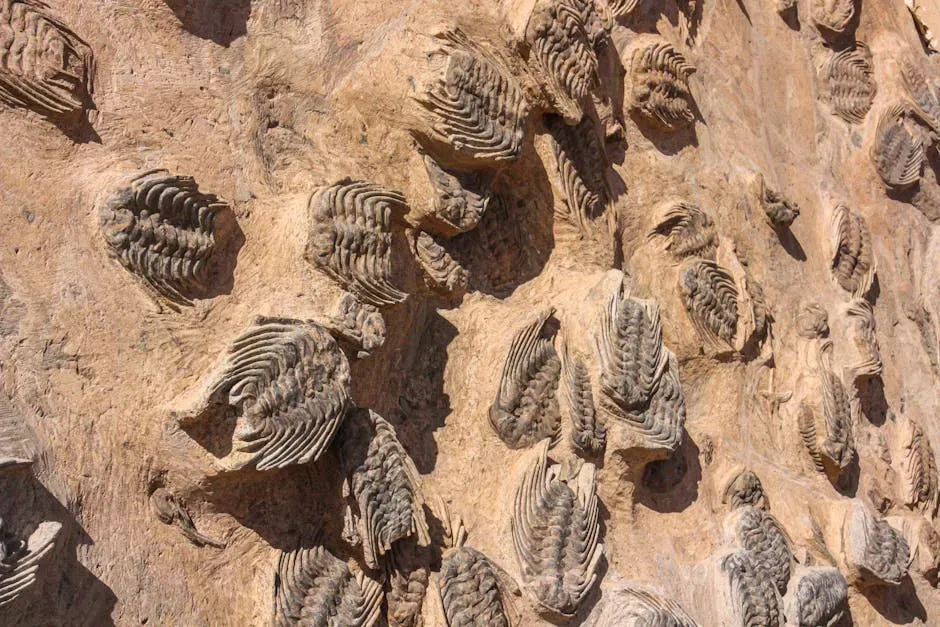
Taken together, these 23 fossil beds don’t overthrow geology or evolution. They overthrow the lazy, oversimplified versions of those stories that somehow still get taught as settled fact.
From Ediacaran quilts that don’t fit into any modern group, to Cambrian ecosystems that were already hyper-complex, to an Ice Age city of predators buried under downtown Los Angeles, the pattern holds: nature’s history is messier, faster, and far more experimental than most textbooks admit. Mass extinctions smear across time instead of snapping shut. “Primitive” mammals turn out to be sophisticated specialists. Entire reef systems swap out their builders like actors changing roles backstage.
Some people will hate that. They want a clean ladder, not a tangled web, and I understand the appeal of a simple story. But the rocks don’t owe us tidiness, and pretending otherwise isn’t science – it’s nostalgia. If we actually care what happened, we have to sit with the uncomfortable parts: abrupt turnovers, out-of-place climates, and entire lost worlds where microbes quietly ran the show for a billion years before anyone was around to notice.
Did we miss a fossil bed you think breaks the standard story even harder? Make your case in the comments – this is exactly how the picture keeps getting sharper.