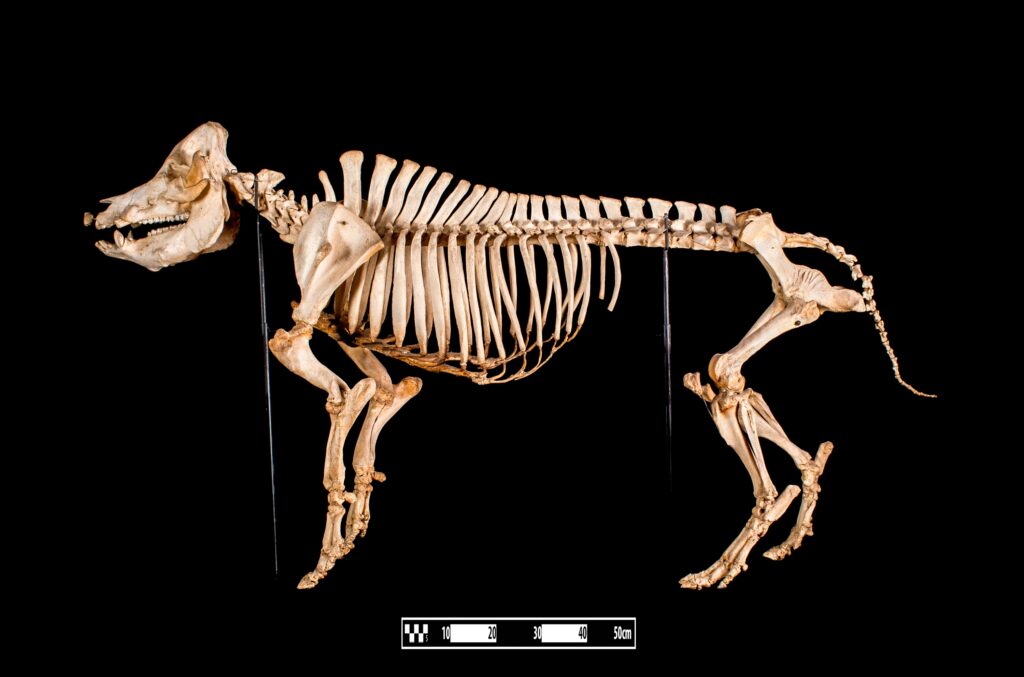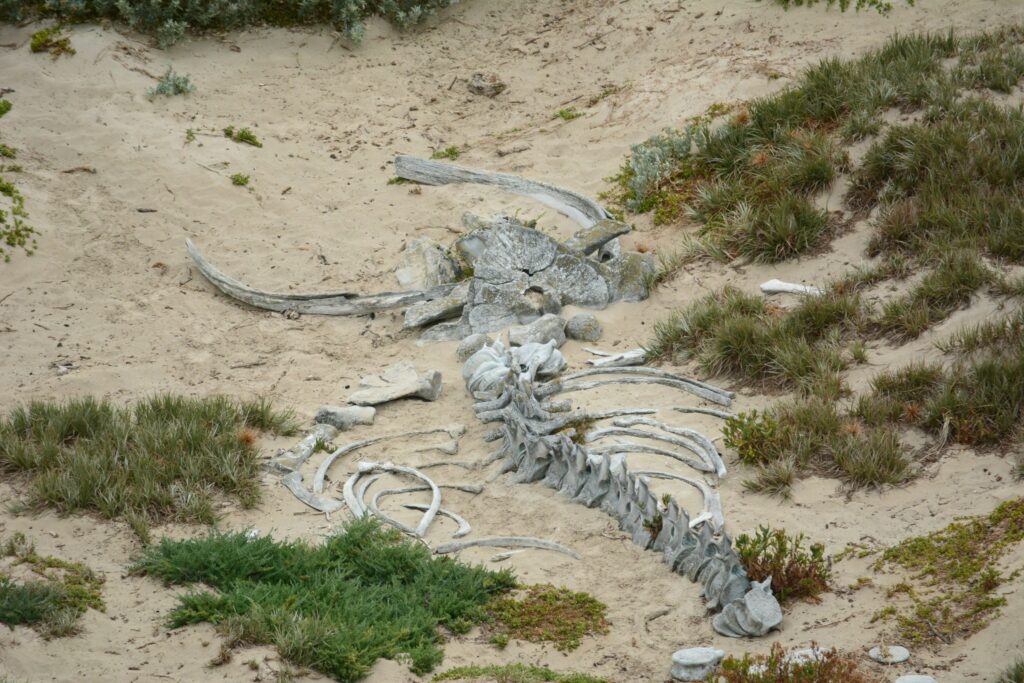
Stand in the middle of Kansas, a thousand miles from the nearest tide, and you would swear no ocean has ever touched this ground. Farmers know better. So do geologists, hikers, and the fossils themselves, because entire shark skeletons, coral reefs, and whale bones keep turning up in places that have absolutely no business holding marine life.
Here’s the part that makes this worth your time: this isn’t a handful of oddball digs scattered around the map. It’s a pattern so consistent across four continents that it quietly rewrites how we picture ancient Earth. Twelve of the strangest, most convincing examples are below, and by the last one, “landlocked” might stop sounding like a permanent fact.
#12 – Shark Teeth Scattered Across Midwest Cornfields
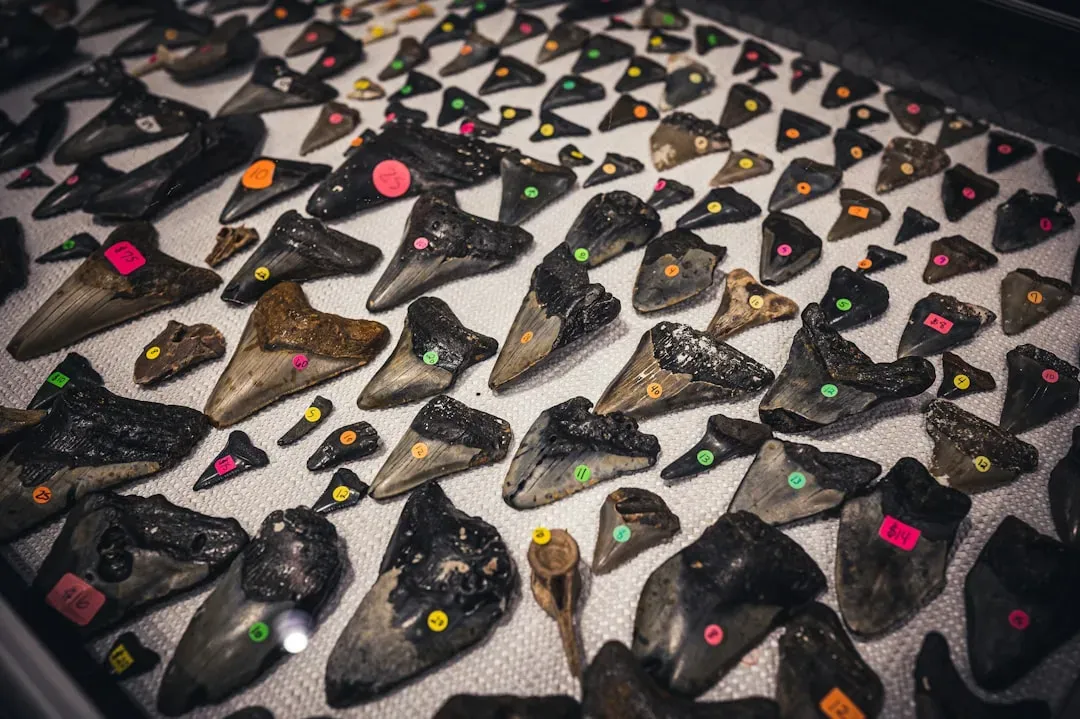
Believe it or not, farmers in Kansas and Nebraska regularly plow up shark teeth, and nobody planted them there for kids to find. These teeth belonged to sharks that once patrolled the Western Interior Seaway, a shallow inland ocean that split North America in half during the Late Cretaceous.
Most people picture the Midwest as permanent farmland. About 90 million years ago, it was warm, tropical water crowded with sharks, mosasaurs, and ammonites. Enamel survives where bone dissolves, so these small, glossy teeth are basically time capsules, and some still show wear patterns that hint at exactly what those sharks were hunting.
Fast Facts
- The Western Interior Seaway existed for roughly 34 million years, from about 100 to 66 million years ago
- At its widest, it split North America into two separate landmasses, Laramidia and Appalachia
- Some stretches of the seaway ran over 2,000 miles long and hundreds of miles wide
- Fossil shark teeth from this ancient sea are still commonly plowed up in Kansas, Texas, and South Dakota
Collectors sometimes assume the teeth washed in from modern rivers. But their spread across land far above current sea level tells a different story: the ground itself rose and shifted dramatically after the sea vanished. Finding shark teeth a thousand miles from today’s coastline is about as blunt a proof as geology gets.
#11 – Giant Ammonites Locked in the Rockies
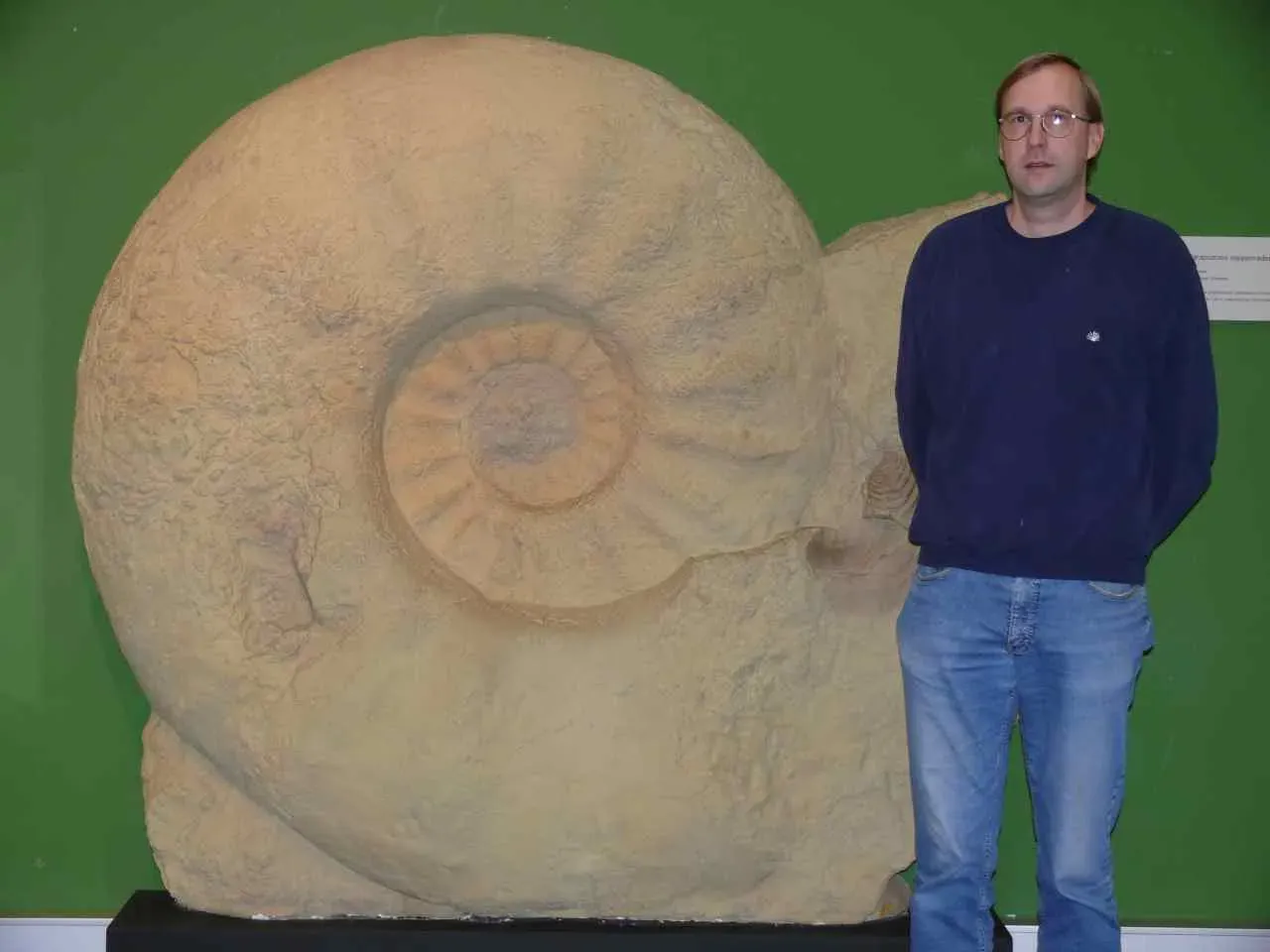
Hikers in Colorado and Alberta are often stopped cold by spiraled “stone shells” bigger than a steering wheel, embedded in sheer mountain rock. Those spirals are ammonites, extinct cephalopods related to squid and octopus that once drifted through ancient oceans using gas-filled chambers for buoyancy.
Today their fossils cling to rugged cliffs thousands of feet above sea level, and that’s not a mapping error. These soft-bodied ocean animals died and settled into seafloor sediment that was later squeezed, folded, and thrust skyward as the Rockies formed. Some shells still flash iridescent mother-of-pearl, a strange reminder that this “rock” was once a living, shimmering thing on an ocean floor.
Geologists actually use these fossils like a dating tool, since specific ammonite species only existed during narrow windows of time. When the same species turns up in both Canada and Europe, scientists know those rocks formed in the same ancient sea, no matter how far apart the mountains sit today.
#10 – Whale Skeletons Buried in Desert Sand
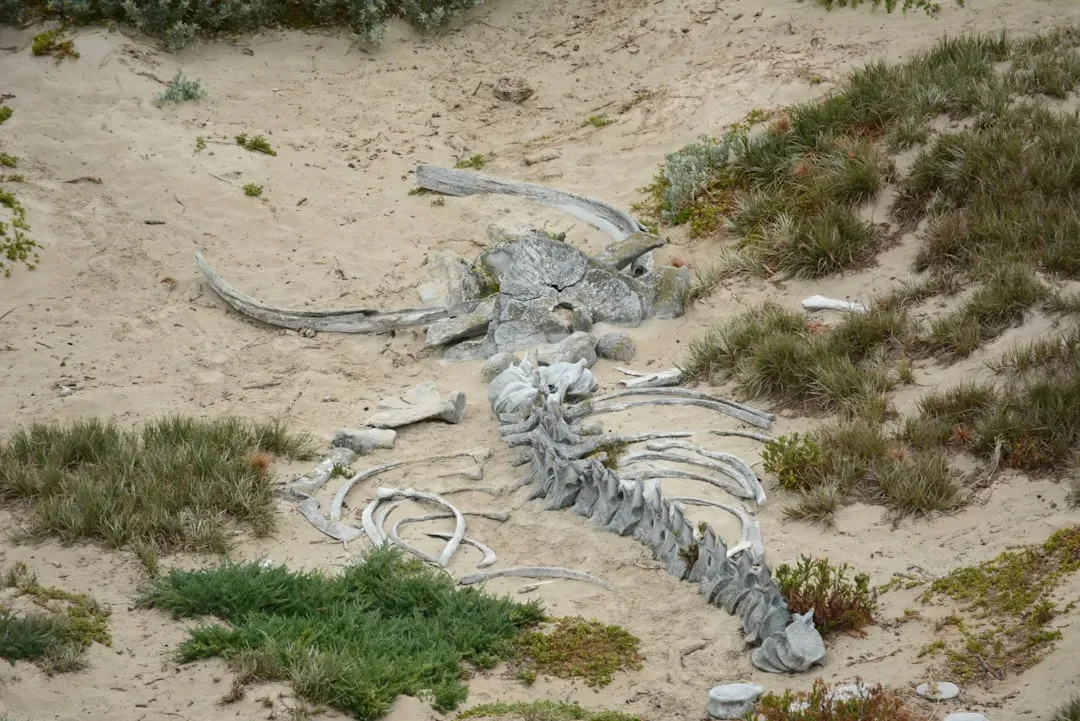
Most people think whales mean deep modern ocean. Yet entire whale skeletons have been dug out of bone-dry deserts like Chile’s Atacama and Egypt’s Fayum region, and we’re not talking scattered fragments. Some sites hold dozens of nearly complete skeletons stacked in layers, hinting at repeated mass strandings in a coastal basin that no longer exists.
In Egypt, early whales like Basilosaurus still show tiny hind limbs, physical proof that whales evolved from land mammals back into full-time ocean life. That single detail quietly wrecks the “unchanged forever” myth people love to repeat online. Where we see dry desert valley today, there was once a shallow bay or a fully marine strait.
What unsettles people most is how fast an entire ecosystem can disappear. Many of these whale graveyards formed around rich upwelling currents that later dried out or uplifted as tectonics reshaped the land. Seeing a whale spine arched in the middle of a desert is the kind of quiet gut punch no textbook diagram can match.
#9 – Tropical Coral Reefs in the Middle of Continents
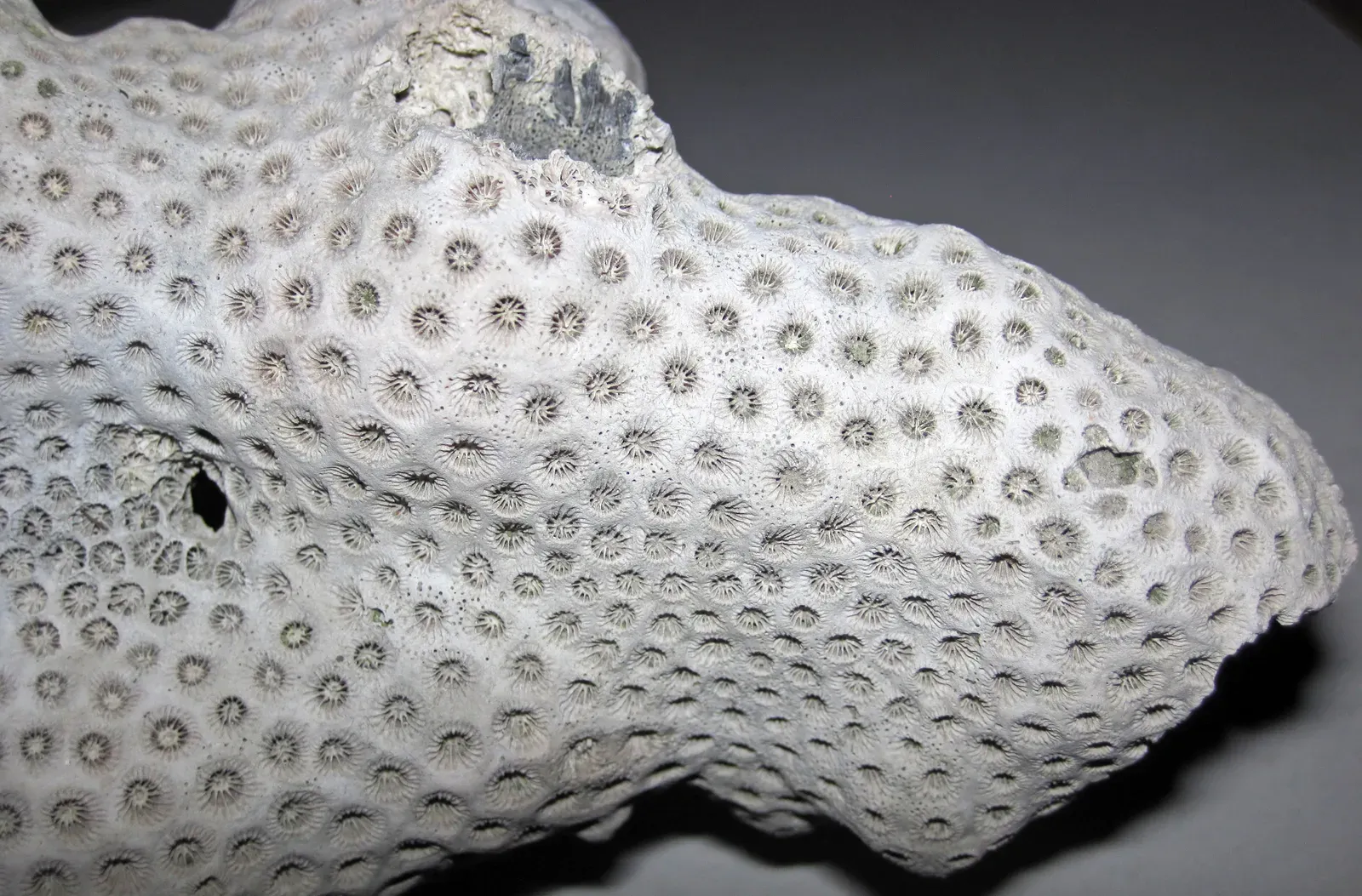
You don’t need scuba gear to see a reef. In places like Indiana, Ontario, and central Europe, ancient coral reefs sit frozen in limestone quarries hundreds of miles from the nearest saltwater. Some of these fossil reefs stretch for kilometers, built by rugose corals, brachiopods, and crinoids during warm periods like the Devonian and Silurian.
You can literally walk across what used to be the top of a reef platform and still make out coral heads, branching structures, and the little gaps where fish once hid. The kicker is that many of these reefs grew at tropical latitudes but now sit in temperate zones, solid proof that continents have drifted a long way over time.
At a Glance
- Many Midwest fossil reefs formed during the Devonian period, roughly 380 million years ago
- Some fossil reef complexes extend for miles beneath the surface in quarry country
- Reef-building corals needed warm, shallow, tropical seas to survive
- Continental drift has since carried these ancient reefs thousands of miles from the equator
Most visitors assume the textures are just random rock patterns until someone points out the repeating, biologically organized shapes underfoot. Geologists now use these inland reefs to reconstruct ancient water depth, temperature, and even storm patterns, all from a quarry wall nowhere near an ocean.
#8 – Crinoid “Stems” Littering Hills in Landlocked States
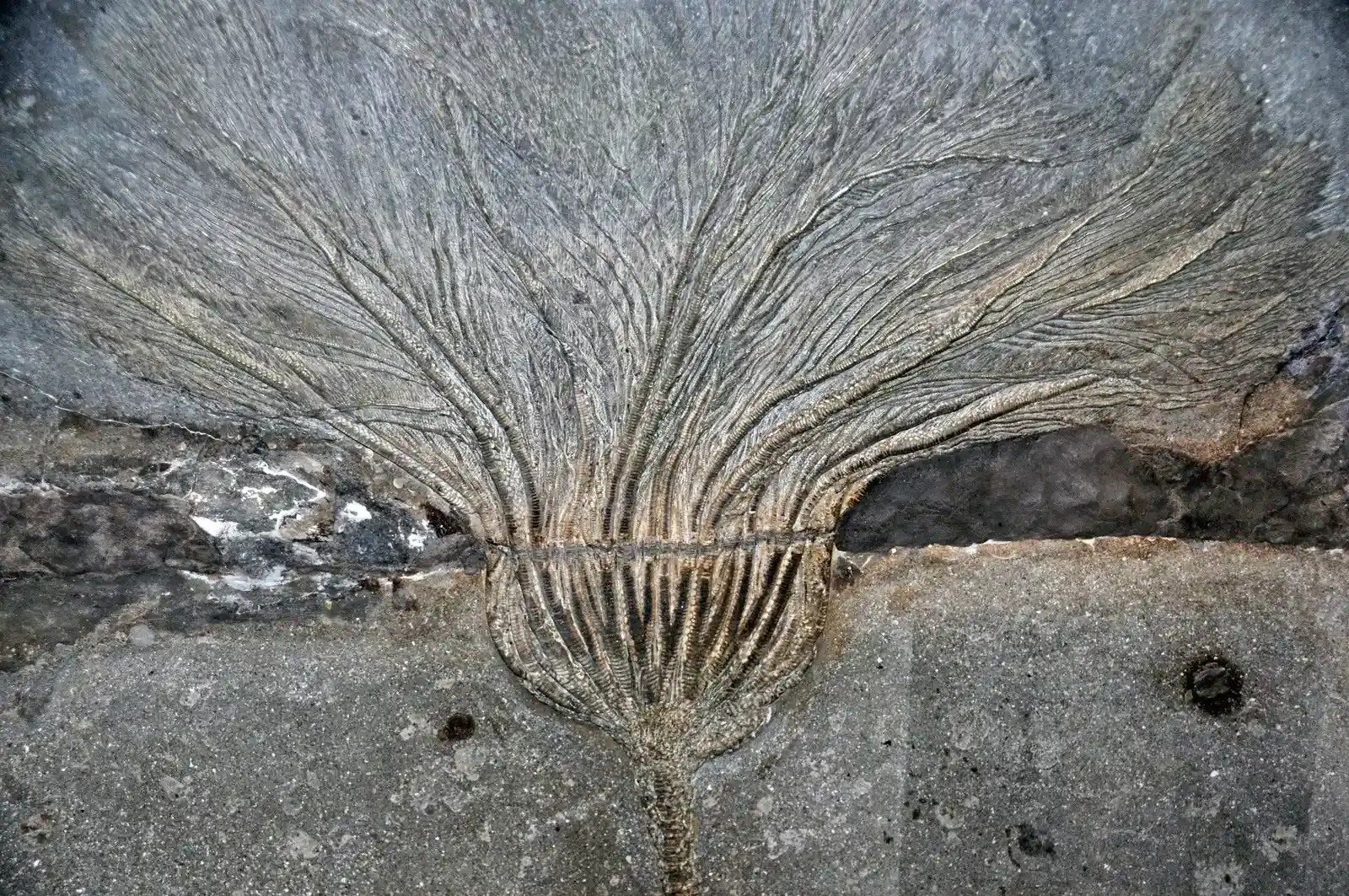
If you’ve ever picked up a little stone “Cheerios” ring in Illinois, Missouri, or the UK, you were probably holding the spine of a marine animal without knowing it. Crinoids, often called sea lilies, are echinoderms related to starfish that anchored to the seafloor with long, stacked discs that look like beads.
When crinoids died, those stems broke apart and scattered, and over millions of years the discs piled up into limestone hills and bluffs. In some places entire rock beds are basically crinoid graveyards, evidence of dense underwater “meadows” where no ocean exists today.
People who demand “show me proof the sea used to be here” usually haven’t held a hand sample full of these stems. Each little ring is a vertebra-like segment of a stalk that once waved in seawater, and finding them miles from any modern coast is like discovering the bricks of a toppled skyscraper out in an empty field.
#7 – Marine Microfossils in High Plains and Mountain Soils
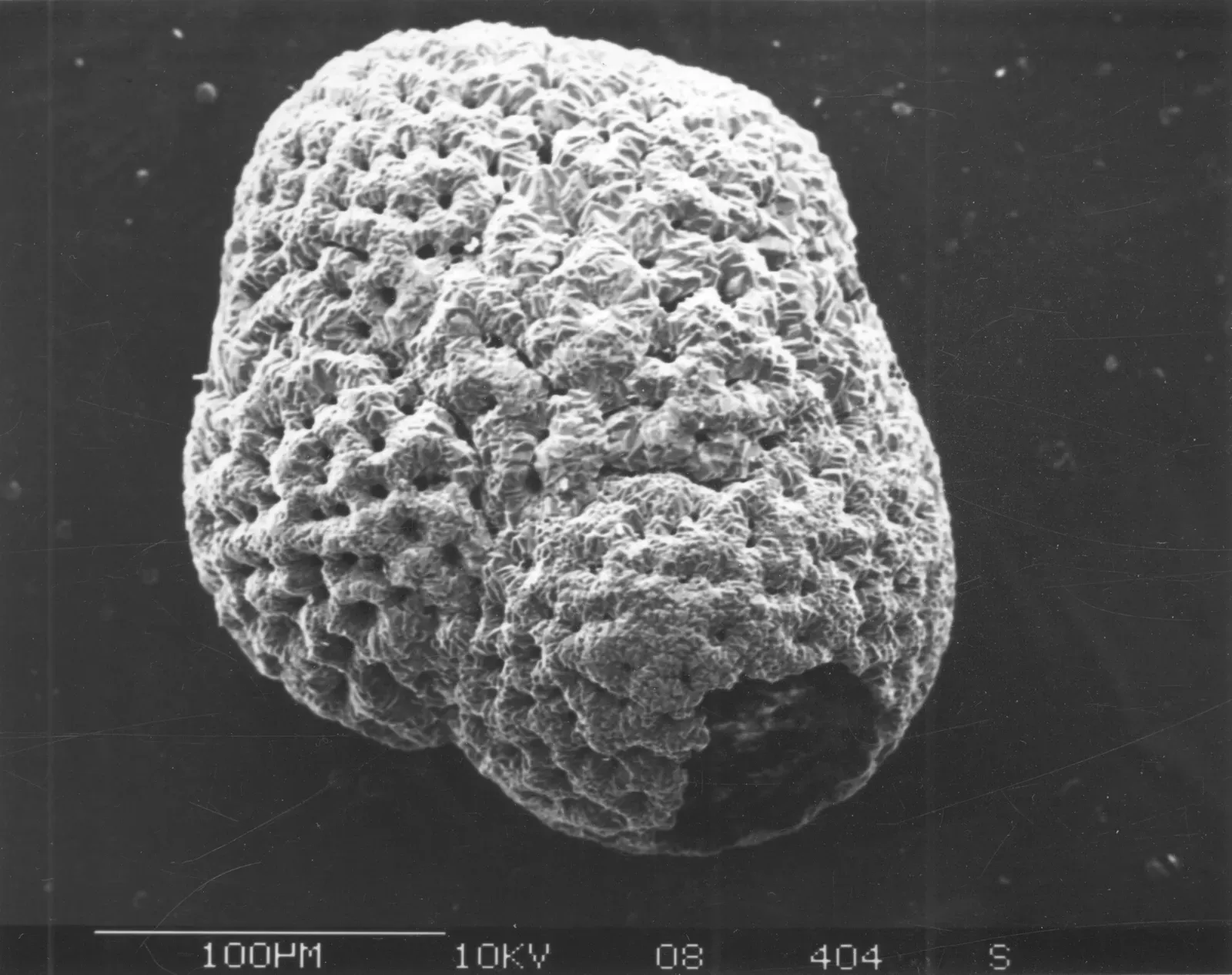
The most convincing marine fossils inland aren’t dramatic at all; they’re microscopic. Under a basic lab microscope, ordinary-looking dirt from Kansas, Wyoming, or the Tibetan Plateau can reveal thousands of tiny shell-like structures called foraminifera and coccolithophores, tiny organisms that once drifted near the surface of ancient oceans.
When they died, their shells rained down for millions of years, building up the chalks and marls that now sit deep inside continents. Geologists drill cores and find these microfossils at exact depths, using them to map prehistoric shorelines and reconstruct past climates from subtle shifts in shell chemistry.
Someone casually insisting “the ocean was never here” is arguing against a mountain of micro-scale evidence they’ve never seen. Even where the big, dramatic fossils are missing, these tiny shells quietly certify that whole regions sat under waves for millions of years.
#6 – Marine Reptiles Unearthed in the Great Plains
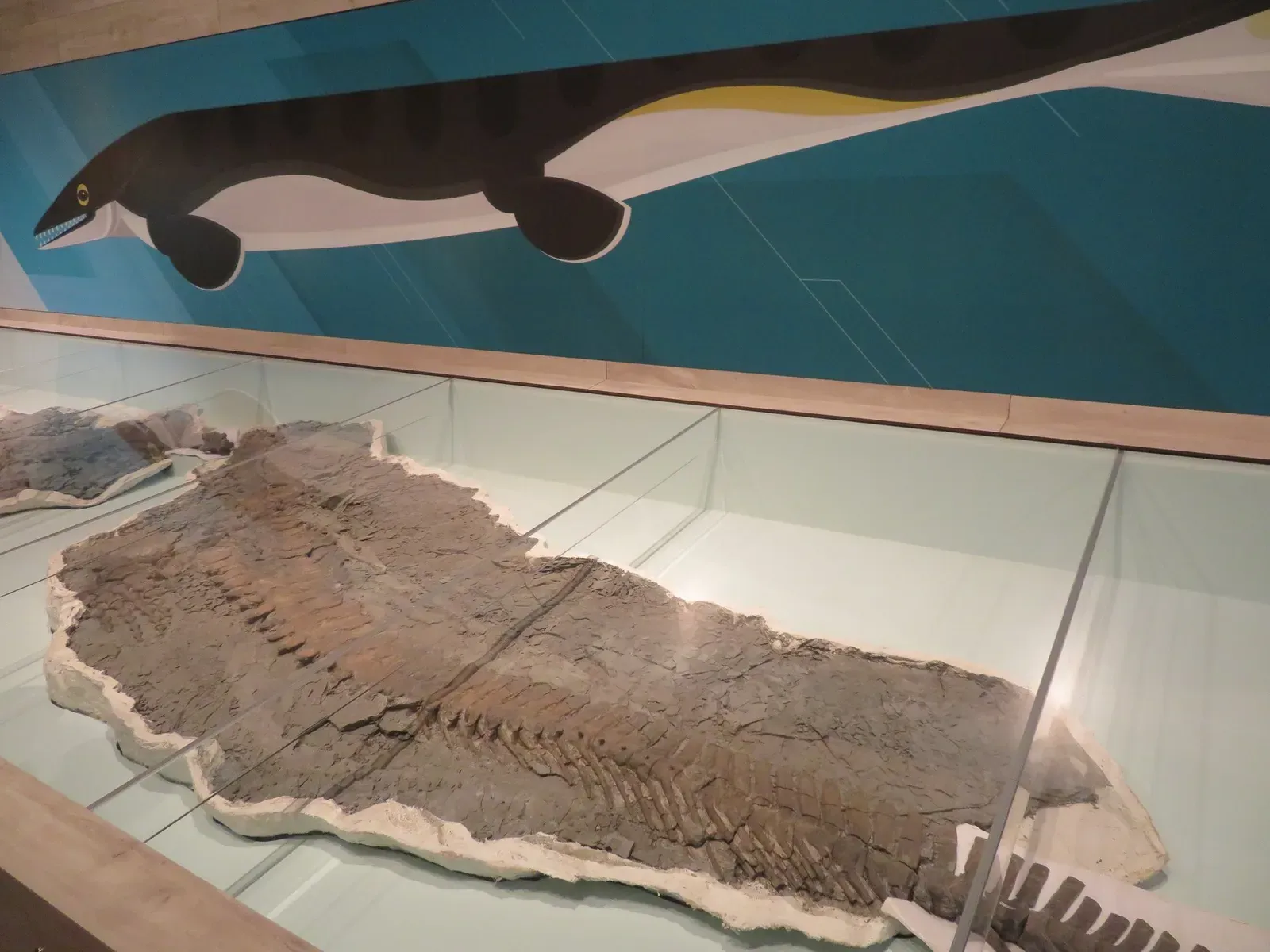
Nothing kills the “this was always dry land” myth faster than pulling a mosasaur skull out of a cattle pasture. In South Dakota, Kansas, and Manitoba, paleontologists have recovered massive marine reptiles, mosasaurs, plesiosaurs, and sea turtles, from rock layers that now form quiet prairies.
These predators once patrolled the Western Interior Seaway, some stretching over 40 feet long. Many fossils are so well preserved that skin impressions and stomach contents are still identifiable, showing last meals of fish and other marine animals, not a single land creature in sight.
Quick Compare
- Mosasaurs – apex ambush predators, some exceeding 40 feet, built with powerful paddle-like limbs
- Plesiosaurs – long-necked or short-necked pursuit hunters adapted for chasing fish through open water
- Sea turtles – smaller, shelled survivors representing a lineage that still swims in oceans today
The uncomfortable truth is that these animals lived and died in open ocean conditions where we now raise corn and drive pickup trucks. When a fully articulated mosasaur turns up with fish still in its ribcage, sitting in a layer full of marine invertebrates, it’s impossible to explain away as anything but a stable, long-term sea.
#5 – Belemnites and Squid-Like Fossils in Inland Quarries
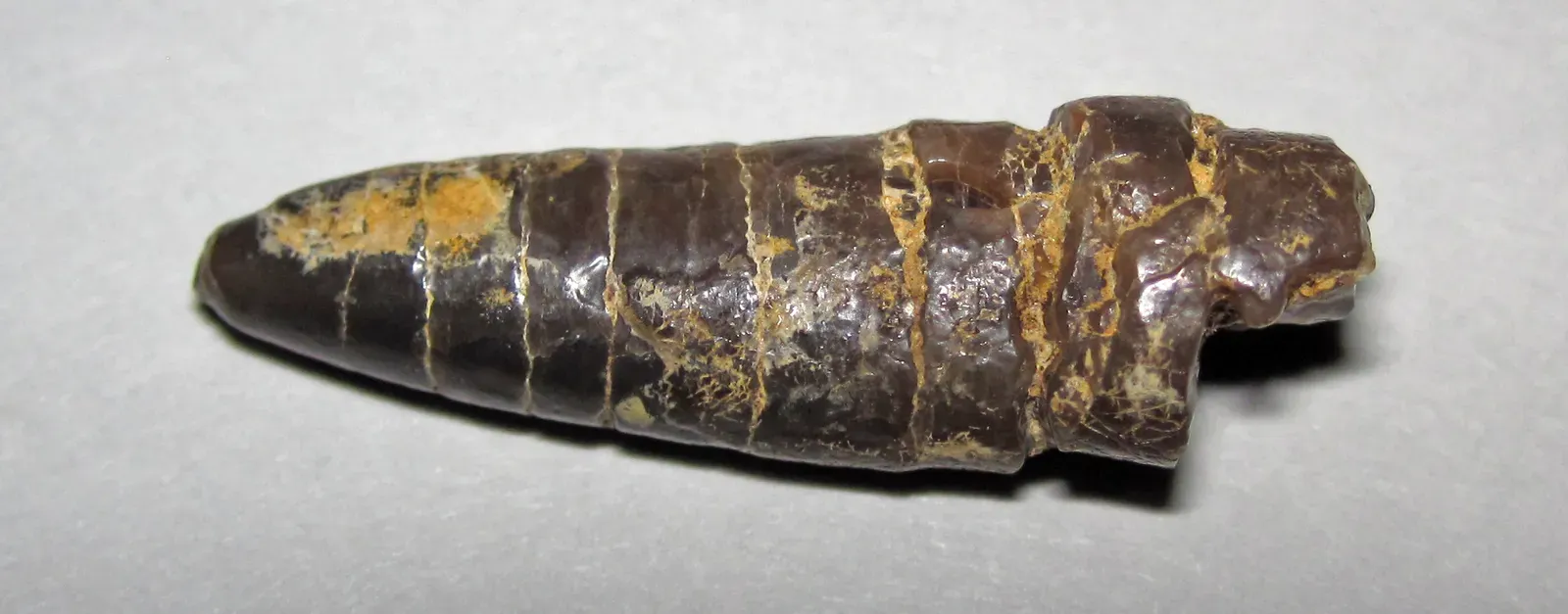
Many inland limestone quarries in Europe and North America are packed with bullet-shaped fossils that once belonged to squid-like predators called belemnites. Unlike modern squid, belemnites had internal calcite “guards” that fossilized easily, and today those guards look like smooth, tapered cylinders that collectors often mistake for random stones.
In reality, they’re the hard remains of hunters that chased fish and smaller cephalopods through seas that once covered land now dry and often elevated. You’ll usually find them right alongside ammonites and bivalves, painting a clear picture of a full marine food web.
These fossils matter because they’re tightly time-stamped: specific belemnite species mark narrow slices of the Jurassic and Cretaceous. When a quarry wall 600 miles from the coast contains the same belemnite species as a coastal cliff, that’s a geological fingerprint proving both formed in the same ocean.
#4 – Brachiopod Beds Miles Above Current Sea Level
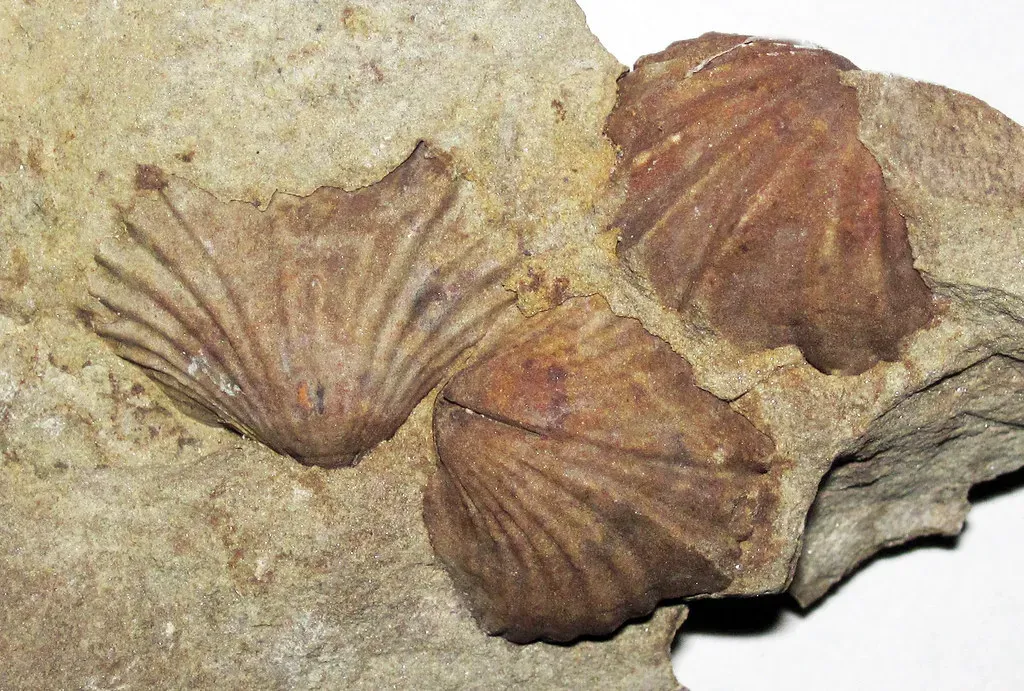
In the Appalachians, the Alps, and other mountain chains, entire hillsides are made of brachiopod shells, marine animals that superficially resemble clams but belong to an entirely different group. Walk certain ridges in Pennsylvania or Wales and you’ll crunch over thousands of little “lamp shell” impressions with every step.
These filter-feeders lived on the seafloor, and their shells piled up in thick beds that were later compressed into rock and shoved upward as mountains rose. Finding them at high elevation is about as blunt as geology gets: this rock formed at the bottom of a sea, then got pushed toward the sky.
The shells are often so dense you can barely see the rock between them. Many of these brachiopod groups are long extinct, so there’s no arguing they’re modern clams that somehow wandered inland. Their unique hinge structure screams “ancient ocean” even to a total amateur.
#3 – Fish Fossils in Lake Beds That Were Once Seaways
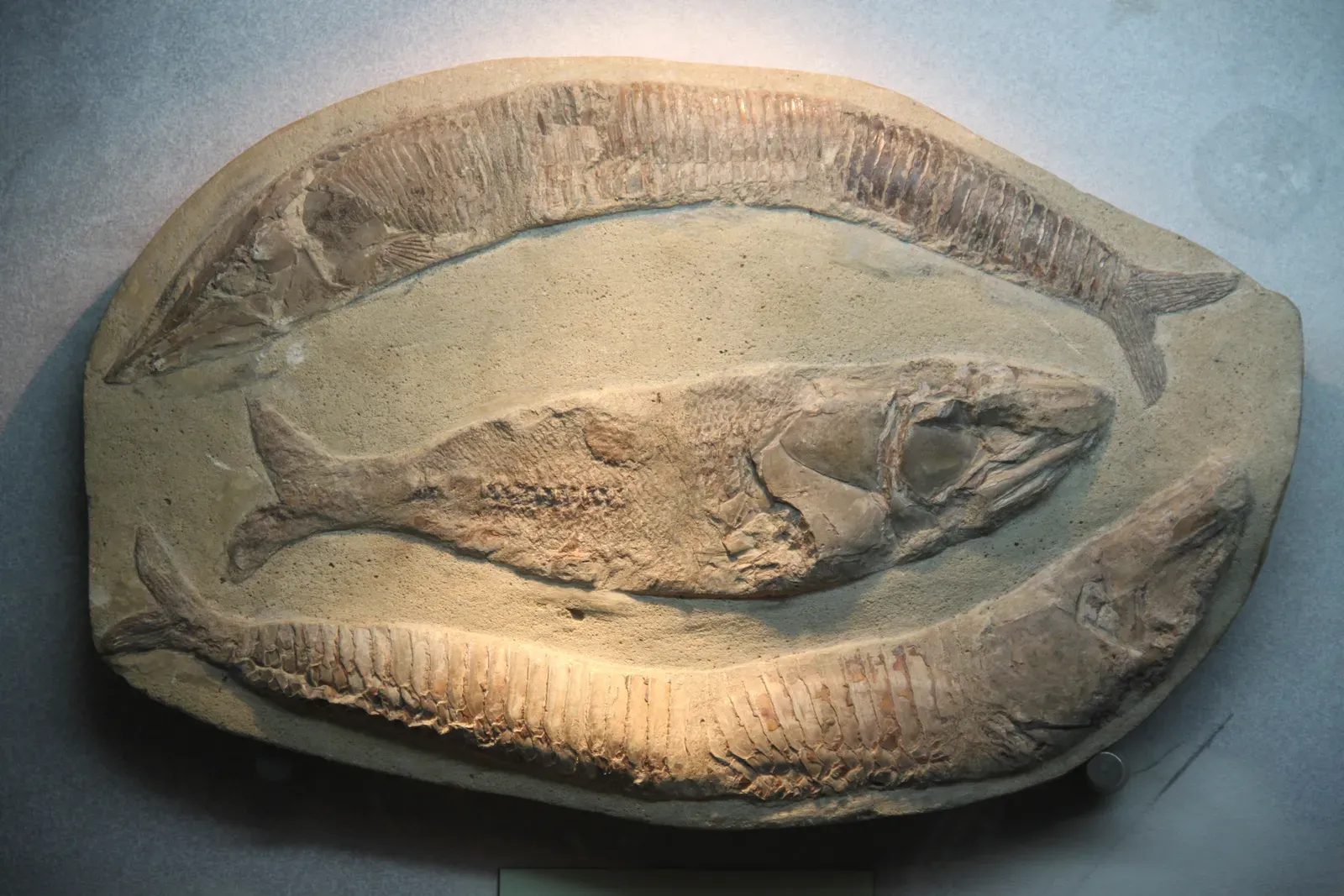
Some of the best-preserved fossil fish on Earth come from spots we now casually call “lakes,” but the real story is more complicated. Sites like Wyoming’s Green River Formation and parts of Europe preserve fish in sediments tied to shifting marine and brackish environments connected to much bigger ancient seaways.
These layers show clear transitions from fully marine to brackish to freshwater conditions as sea levels rose and fell or basins got cut off. You’ll find fish with delicate fin rays and preserved stomach contents, sometimes mingled with marine invertebrates in the same layer, proof of strong ocean influence far from any current shoreline.
Not every inland fish fossil means open ocean, and that nuance matters. But the repeated pattern of marine indicators and tidal layering points to ancient coastlines that swept deep into continents, then slowly retreated, a dynamic story that simplistic “the land never moved” narratives conveniently skip.
#2 – Inoceramid Clams the Size of Suitcases on the Plains
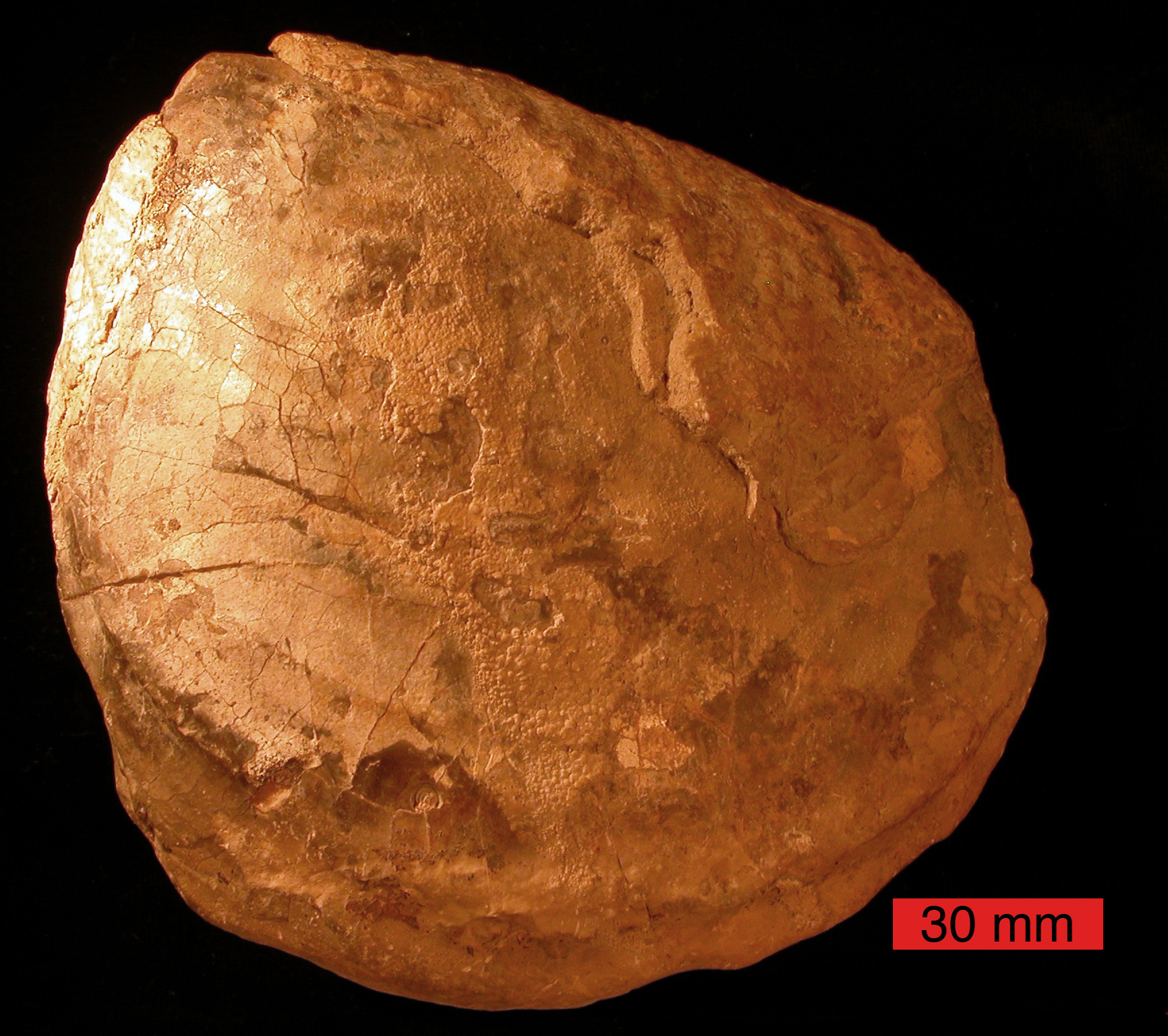
Walk into certain Cretaceous outcrops in Colorado, Texas, or the Czech Republic and you’ll see clam-like shells as big as your torso jutting out of the rock. These are inoceramids, enormous bivalves that once anchored themselves in soft seafloor sediment, and their sheer size makes them hard to ignore or explain away.
In some layers, inoceramid shells form sprawling pavements, suggesting low-oxygen seafloor conditions where few other large animals could survive. These bivalves thrived across the Western Interior Seaway and other shallow seas, leaving thick shell beds that now crust over badlands and bluff faces far from any modern coast.
Worth Knowing
- Some inoceramid shells exceeded three feet across, ranking among the largest bivalves ever known
- Their growth rings can preserve seasonal shifts in ancient seawater chemistry
- Dense shell pavements point to low-oxygen seafloor conditions that few other species could tolerate
- Inoceramids vanished before the end of the Cretaceous, ahead of the mass extinction that followed
Their growth rings even record shifts in ancient seawater chemistry over time. The uncomfortable takeaway is that this wasn’t a one-off flood event; it was a stable, nutrient-rich seafloor community that thrived for millions of years on what is now high, dry land.
#1 – Entire Inland Seaway Ecosystems Mapped in the Heart of Continents
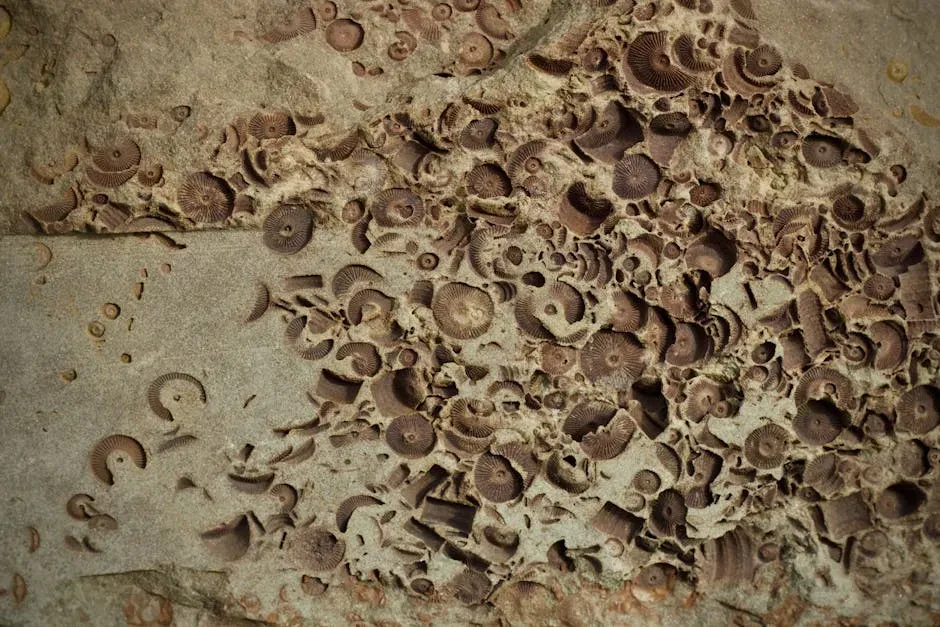
The single most powerful piece of evidence isn’t one animal; it’s the overwhelming pattern. In North America, Africa, Europe, and Asia, scientists can now map complete ancient seaway ecosystems stretching hundreds of miles from today’s coastlines.
In the Western Interior Seaway alone, there’s a stacked record: microfossil-rich chalks, ammonite and belemnite zones, inoceramid pavements, shark teeth, mosasaurs, and marine reptiles, layered with occasional nearshore plant debris and dinosaur bones from the adjacent coastal plains. It’s a full 3D snapshot of an ocean that once split a continent in half.
Similar stories play out along the old Tethys seaway across Europe and North Africa, and in basins now uplifted into plateaus and mountain ranges. Taken together, inland marine fossils aren’t a curiosity; they’re the backbone of how we know continents drifted, seas rose and fell, and climates shifted radically over geologic time.
The Bottom Line
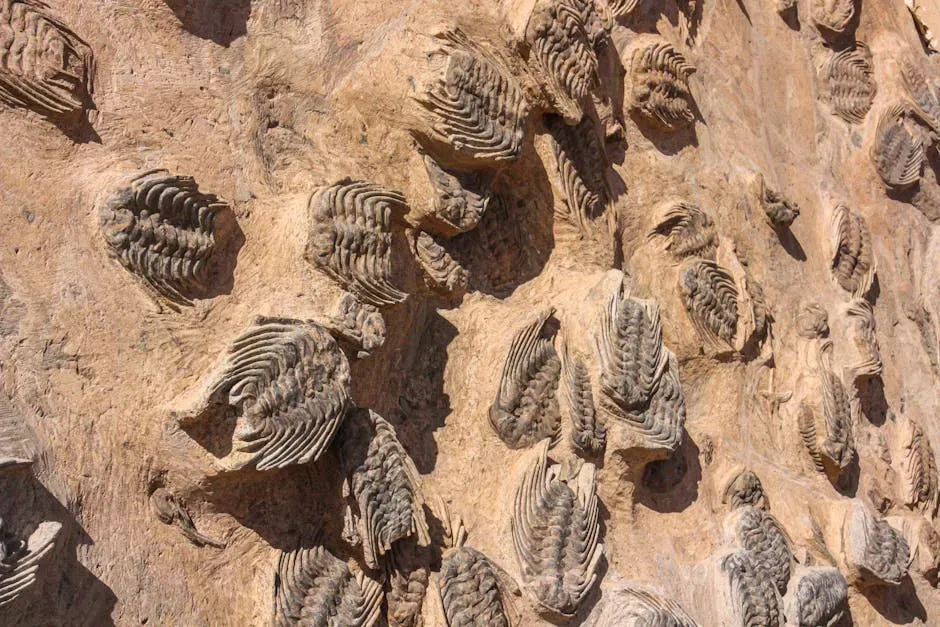
Line these discoveries up, from shark teeth in cornfields to whales in deserts and coral reefs in quarry walls, and the message gets brutally simple: today’s coastlines are temporary, and “landlocked” is a modern illusion propped up by a short human lifespan.
Inland marine fossils aren’t random anomalies. They’re receipts left behind by oceans that came and went on their own timeline, long before anyone was around to argue about it. The uncomfortable truth is that Earth’s surface has never sat still, and any version of history that pretends otherwise is comforting, not honest.
Which inland marine fossil surprises you the most, or challenges what you were taught about Earth’s history?