You’d think every archaeological dig ends the same way: bones get cataloged, findings get published, a museum case gets a new plaque. That’s the fantasy. The reality is messier and a lot more uncomfortable – a surprising number of digs vanish into a paperwork purgatory called “pending review,” sometimes for decades, sometimes forever.
In that grey zone, career-making discoveries get stalled, re-interpreted, or buried under bureaucratic dust rather than headlines. This isn’t a conspiracy theory. It’s the blunt collision of science, money, and politics that never makes it into a press release. These 12 files show exactly what gets left out of the textbooks – and why.
#12 – The Highway Bypass Burial Ground That Rewrote Local History
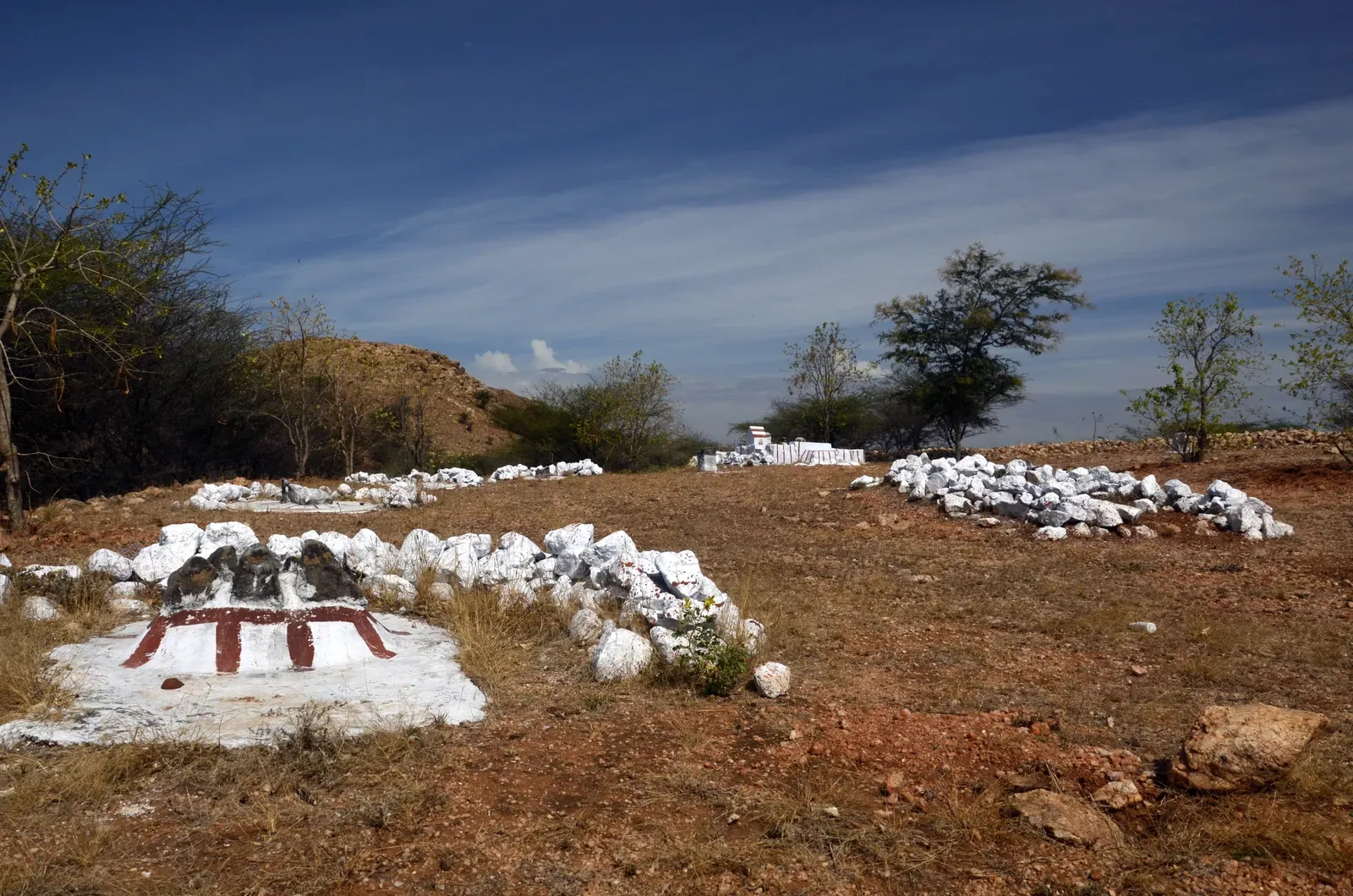
The official story on most infrastructure digs goes like this: contractors hit old bones, archaeologists step in, everything gets cataloged, and the project resumes on schedule. On one large highway bypass project, the “final” excavation report never made it out of review. The reason was almost embarrassing: the cemetery didn’t match the expected historical timeline at all.
Radiocarbon dates suggested the burials were hundreds of years older than the town’s official founding date, quietly wrecking a tidy civic origin story that had been sold to tourists for years. Insiders say the draft raised the kind of question no committee wants attached to their name – who was actually here first? The report stalled in technical review, the urgency faded, and the field notes now sit scattered across university servers while the roadside plaques still tell the simpler version.
Fast Facts
- Discovery type: unmarked cemetery unearthed during highway bypass construction
- Dating method: radiocarbon analysis on skeletal remains
- Conflict: burial dates predate the town’s official founding by centuries
- Current status: report frozen in technical review; roadside plaques unchanged
#11 – The Plantation Dig With More Than One Story to Tell
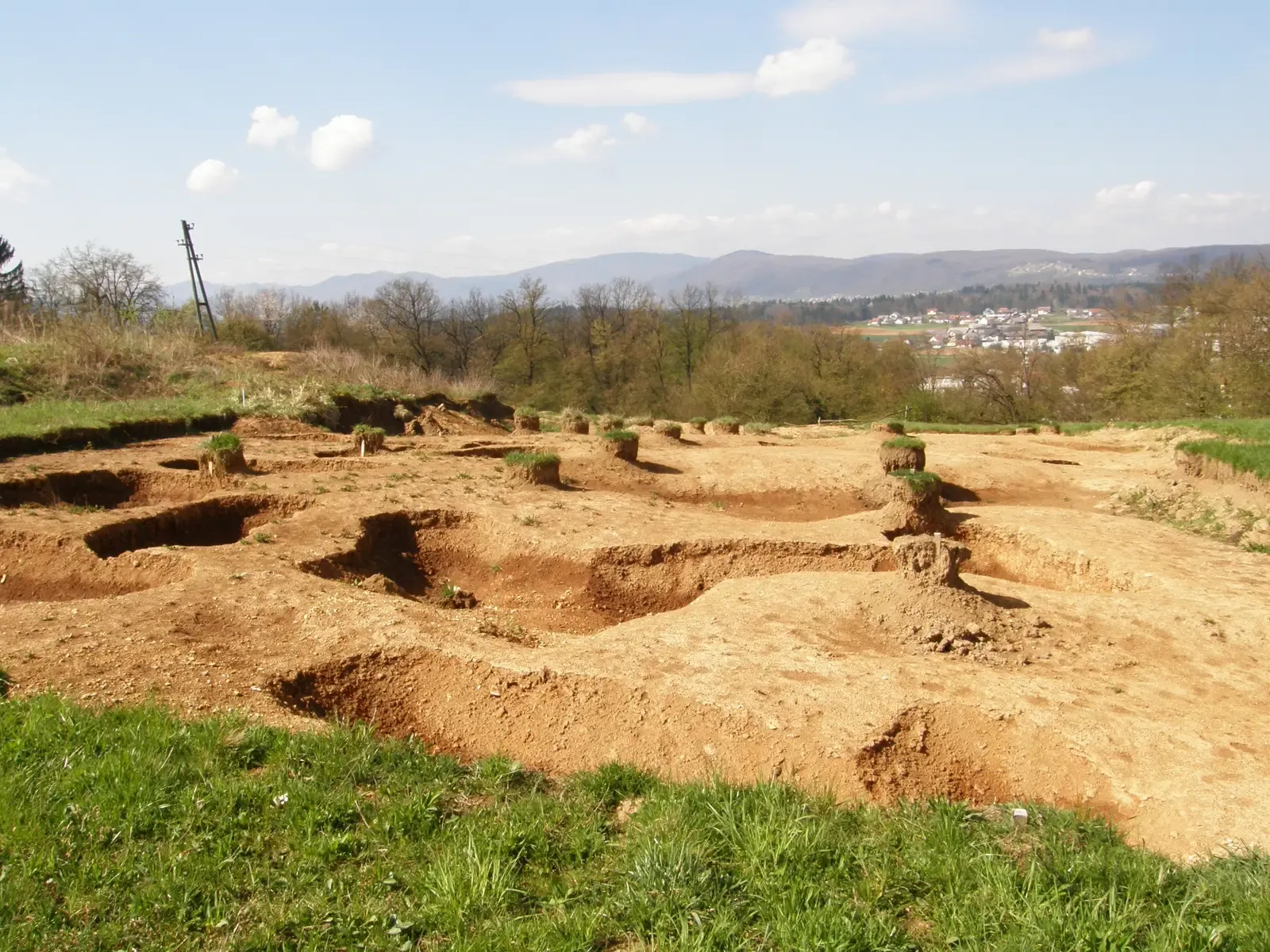
Salvage excavations at former plantations get framed as sober public history projects. On one site, archaeologists carefully mapped slave quarters, waste pits, and personal belongings detailed enough to anchor a powerful new museum exhibit. Instead, the full site report got parked in “awaiting comments” status and never moved again.
The early chapters celebrated plantation wealth. The later chapters documented systematic violence and resistance that clashed hard with the glossy heritage tours next door. People close to the project say the landowners, who still controlled site access, weren’t eager to tie their modern brand to freshly documented shackles and forced child labor. So the report “needed more stakeholder input” – permanently, it turns out. Only a slim, sanitized summary circulates locally now, while the raw data sits in a repository nobody visits.
#10 – The Desert Petroglyph Site That Didn’t Fit Anyone’s Timeline
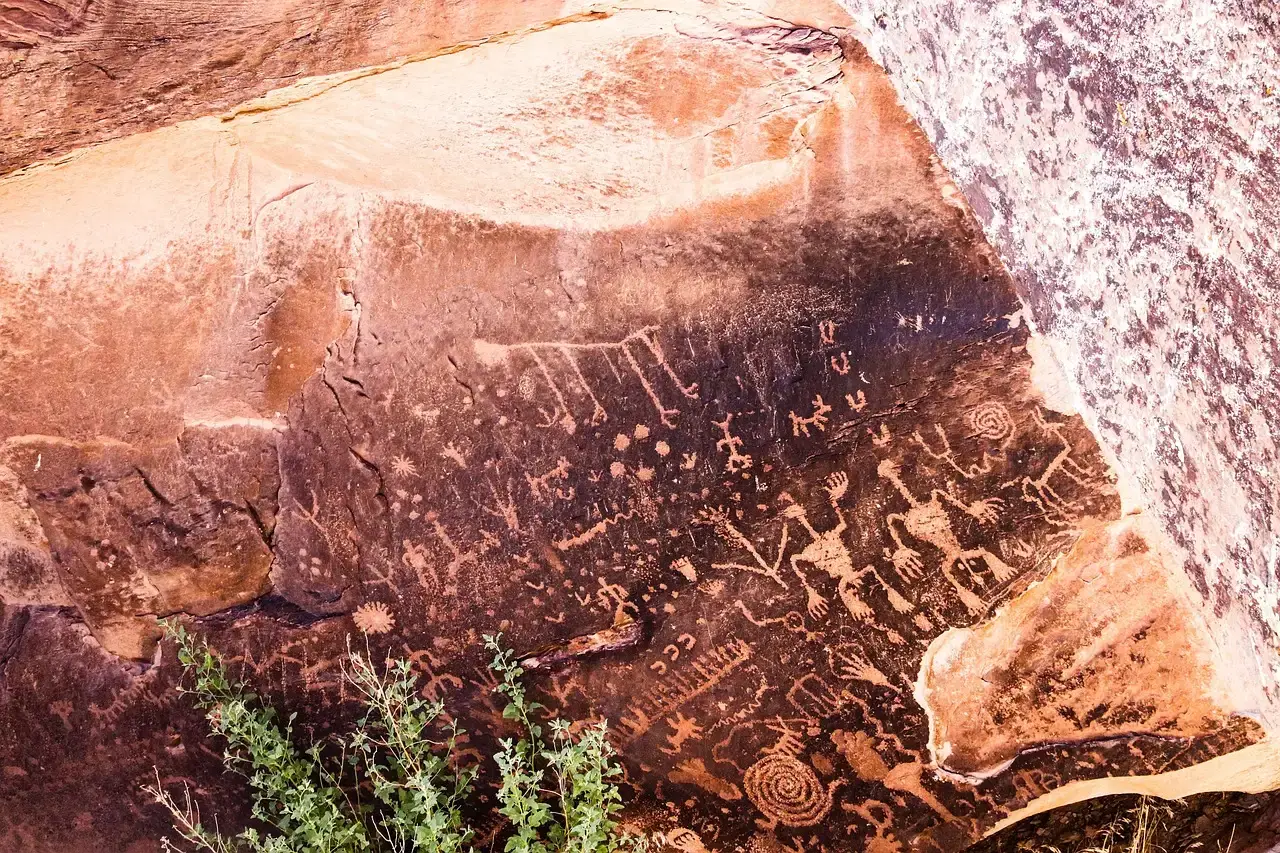
In a sparsely populated desert, a rescue excavation ahead of a solar farm project uncovered a dense cluster of rock art, hearths, and stone tools. Field teams logged thousands of GPS points and pulled samples for dating, expecting a routine confirmation of the known regional sequence. Instead, several preliminary dates didn’t match the textbook chronology at all, and some petroglyph motifs looked eerily similar to designs from far outside the region.
Rather than a splashy paper, the technical report landed in a state office stamped “Pending Specialist Review.” Years passed. Specialists changed jobs. The solar farm went up anyway, and the original crew scattered to other projects. The messier the data, the easier it became to justify one more round of “further analysis” before anyone had to commit to a conclusion. Locals still mention “that strange site they had to check” – they just don’t know how strange it actually was.
#9 – The Urban Dig That Undermined a Real-Estate Fairy Tale
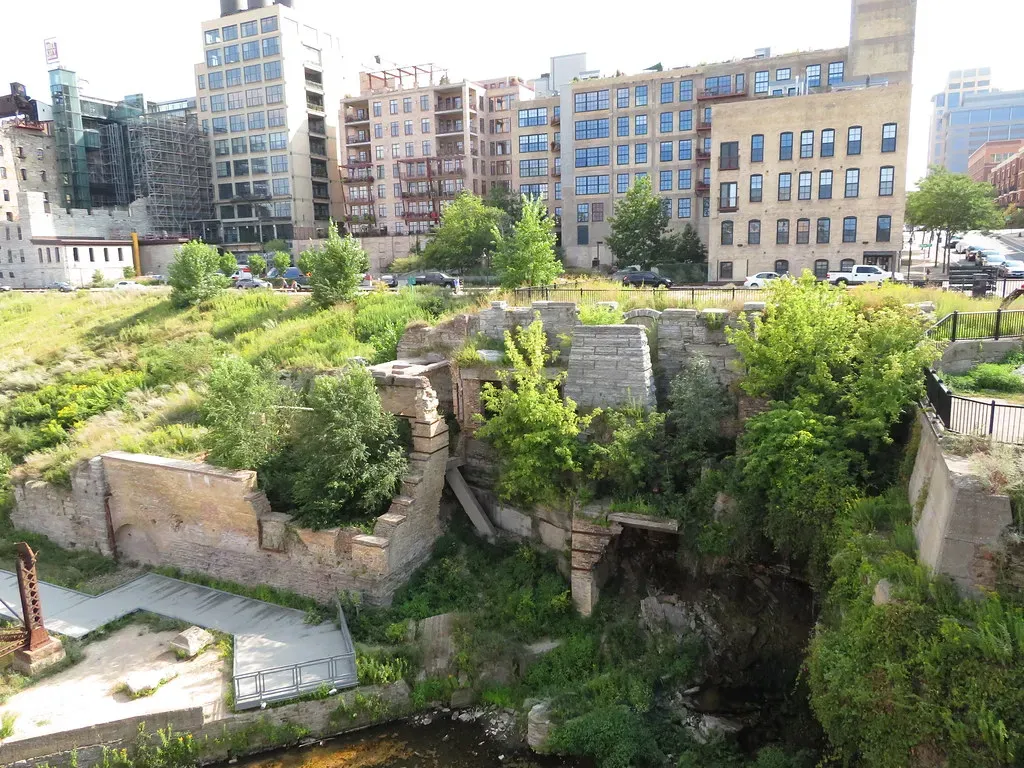
In a gentrifying downtown, a deep excavation for a luxury development cut straight through layers of working-class housing, immigrant businesses, and an unmarked burial area. Archaeologists documented cramped tenements, reused food tins, and remains showing clear signs of industrial disease – a hard contradiction to the “golden age” story painted on the building’s marketing boards.
The report didn’t disappear outright; it just never advanced past internal “legal review,” where lawyers quietly weighed liability against PR damage. By the time that process wrapped up, funding cycles had shifted and nobody wanted to revive a report that might trigger memorial demands or compensation talk. The data survived. The story didn’t. The lobby boards still skip straight from “empty land” to “vibrant modern community.”
#8 – The Cave Chamber With Bones No One Wants to Classify
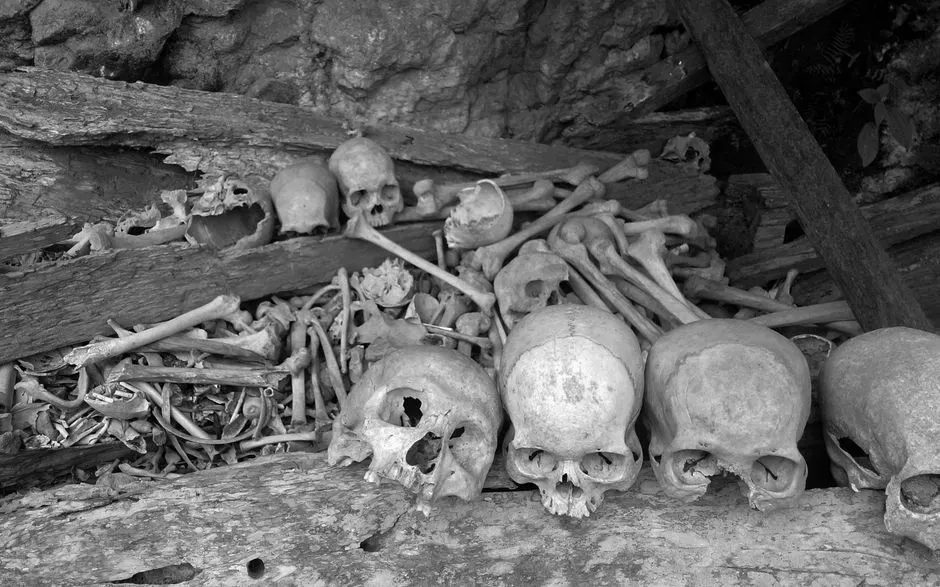
Caves are already a nightmare for archaeologists – tight spaces, tricky stratigraphy, endless room for misreading the evidence. In one limestone cave system, a small team mapped a hidden chamber containing scattered bones, charcoal lenses, and deliberately modified stone. Early lab work found a confusing mix of human and animal remains, some burned, some cut-marked, in a pattern that fit no standard burial, domestic, or ritual explanation.
Instead of claiming a dramatic new ritual complex – or, worse, hinting at ancient violence – the lead investigator flagged the report as “provisional” and called for outside review. Those reviews were never finished, largely because no one wanted their name attached to an interpretation easy to attack later. The safest move became institutional paralysis: keep it under review until consensus magically shows up. It hasn’t. The cave is sealed, and the strangest chamber in the whole dataset remains officially a mystery.
Quick Compare
- Expected: a straightforward burial or ritual deposit
- Found: mixed human and animal bones with burn and cut marks
- Expected: a pattern matching known regional practices
- Found: no fit with any standard classification
#7 – The Coastal Village That Was Supposed to Be Temporary
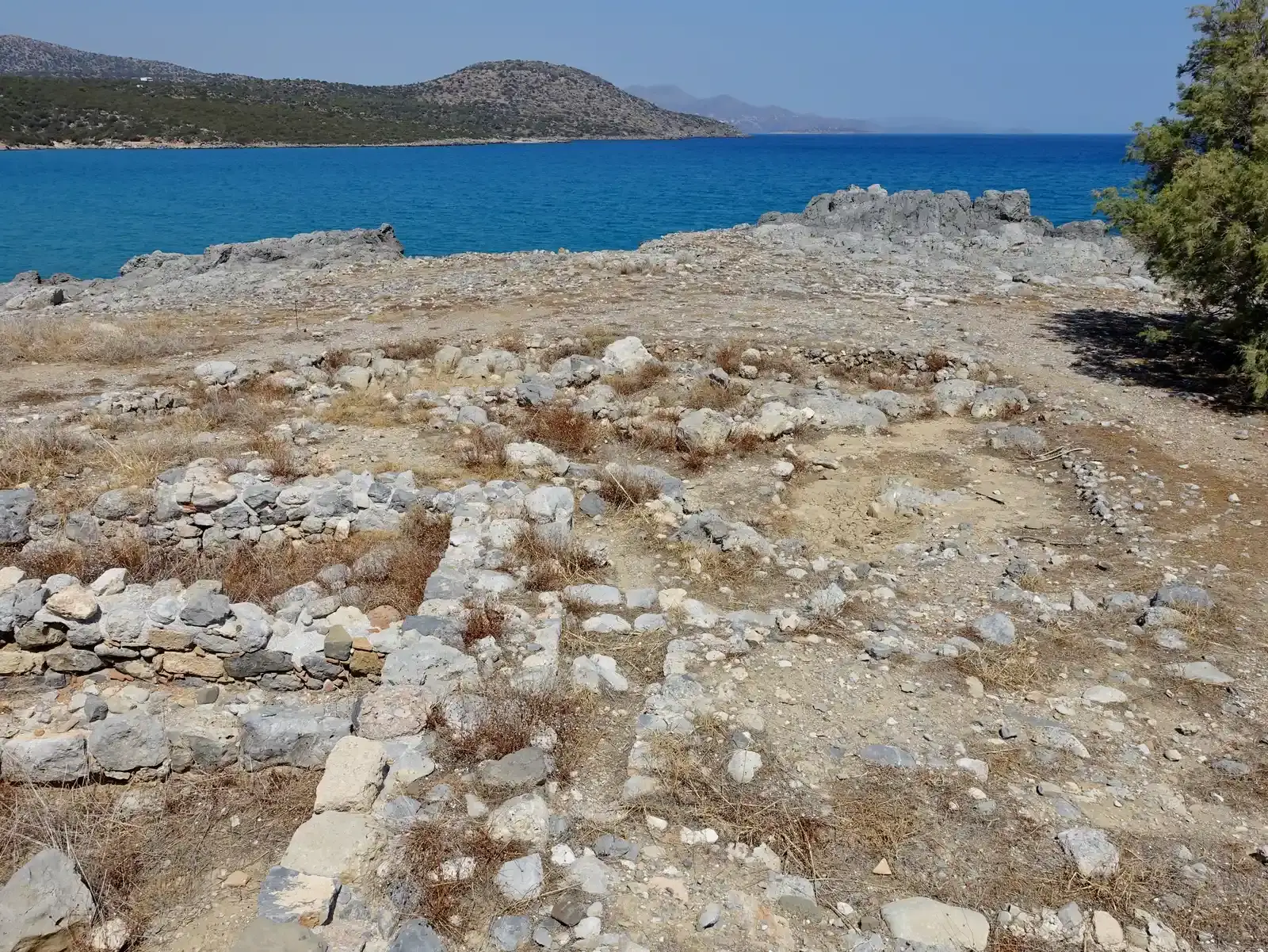
In a low-lying coastal zone, an emergency excavation raced against rising seas. Everyone expected a short-lived fishing camp. What they found instead was deep postholes, storage pits, and imported goods from far inland – evidence of a long-term, sophisticated settlement, not a seasonal outpost.
Admitting that this coastal community was permanent and complex raises modern, thorny questions about land rights and erosion protection, and who gets final say over what’s preserved. The full technical report, with its bold reinterpretation, circulated in draft before landing in “pending consultation” with multiple agencies and descendant communities. Consultation matters, but in practice it became a convenient excuse for delay. The site is now partly eroded, and its boldest conclusions survive only in conference slides and half-cited grey literature.
#6 – The “Anomalous” Burial Practices No Textbook Wants to Rewrite
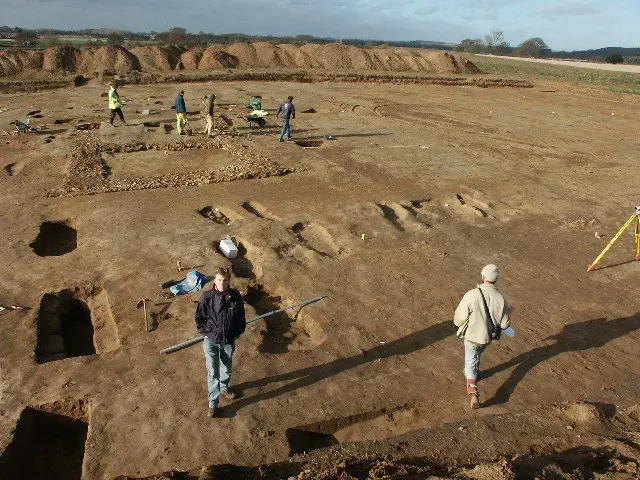
One cemetery excavation was supposed to be routine – map the graves, log the artifacts, confirm the known cultural sequence. Instead, a cluster of graves turned up individuals buried face-down, with unusual object placements and clear evidence the same pits had been reopened repeatedly. None of it matched the mortuary norms documented across decades of prior scholarship.
Some archaeologists saw a fascinating window into internal social tension or shifting beliefs. Others worried it would spark sensational “cursed graves” headlines that trivialize a nuanced culture. The report went to additional peer review, the argument over how to frame it stalled into a standoff, and it’s stayed “under review” ever since – while textbooks keep printing a neat, uniform burial pattern that the actual dirt flatly contradicts.
Worth Knowing
- Reports often stall when findings clash with a site’s marketed or textbook history
- “Awaiting stakeholder input” can function as an indefinite hold rather than a real review step
- Legal and financial risk, like potential lawsuits, can freeze technical reports for years
- The scientific data usually survives – it’s the public narrative that gets left behind
#5 – The Industrial Dump That Documented Corporate Negligence
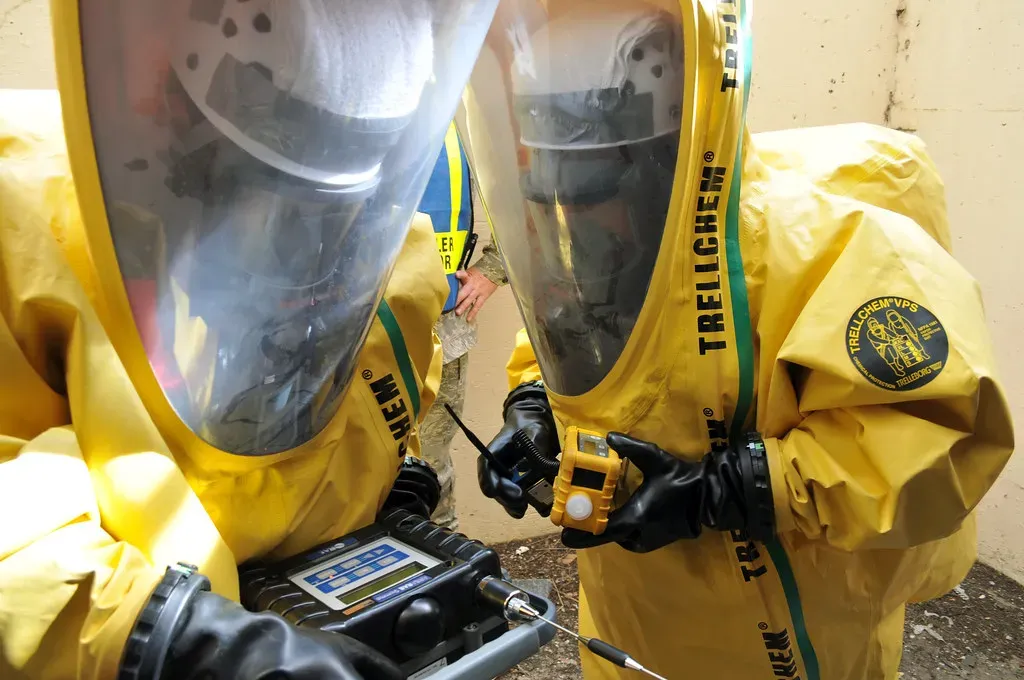
Not every excavation is glamorous. On the edge of an old factory town, archaeologists were called in ahead of a redevelopment project and found layers of discarded chemical containers, animal bones with strange lesions, and visibly contaminated sediment. Cross-referenced with archival research, the site strongly suggested prolonged hazardous dumping – likely illegal even under the loose regulations of its era.
Here the conflict wasn’t academic, it was legal. A thorough report could fuel lawsuits, force expensive remediation, and embarrass companies that still sponsor local institutions. The draft flagged those risks plainly, then vanished into a dense loop of environmental, legal, and corporate review. Publicly, the site is “remediated according to guidelines.” Internally, the report sits in a folder labeled “Draft – do not cite.” The scientists did their job. The system just didn’t like the answer.
#4 – The Temple Complex That Didn’t Belong to the “Right” Dynasty
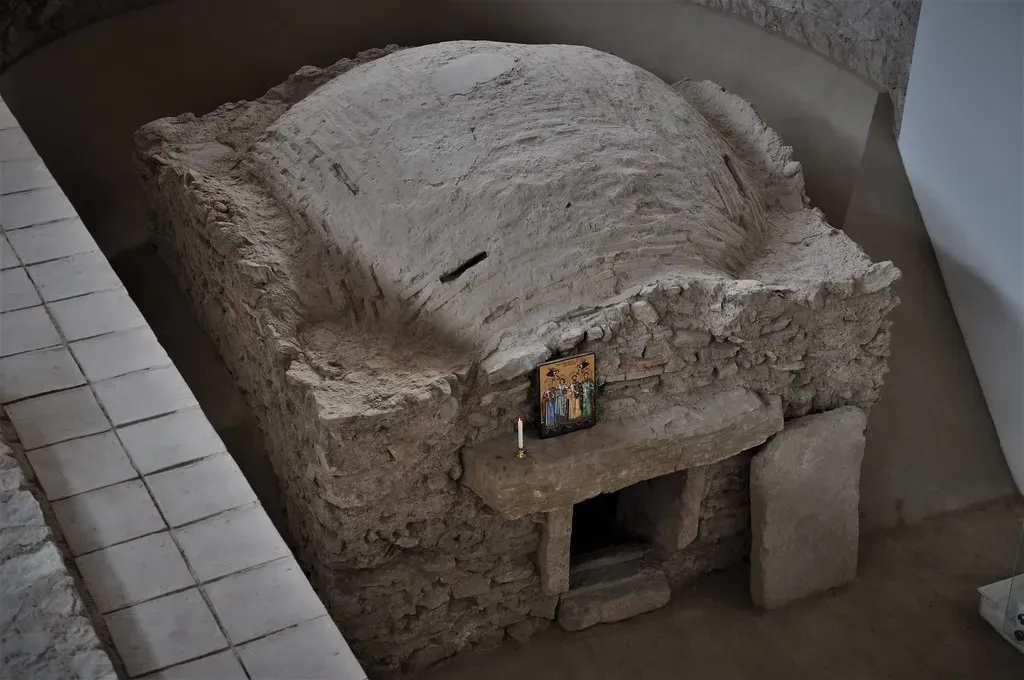
At a famous archaeological region built around one celebrated dynasty’s legacy, a smaller, less-publicized dig turned up structural remains and inscriptions pointing not to the expected rulers, but to a rival line long dismissed as minor and short-lived. The layout, artifacts, and early readings suggested this “lesser” dynasty had far more reach and staying power than the standard histories admit.
That’s not a footnote, that’s a threat to museum galleries, blockbuster documentaries, and national narratives built around one heroic dynasty. Once the implications became explicit, the report entered what insiders bluntly call “the long hallway” of institutional review. Scholars with careers built on the old chronology weren’t rushing to endorse a rewrite based on one site, so the report stayed pending, cited obliquely, never fully published. The stones are real. The power struggle over what they mean isn’t finished.
#3 – The Burial Mounds Caught Between Science and Sovereignty
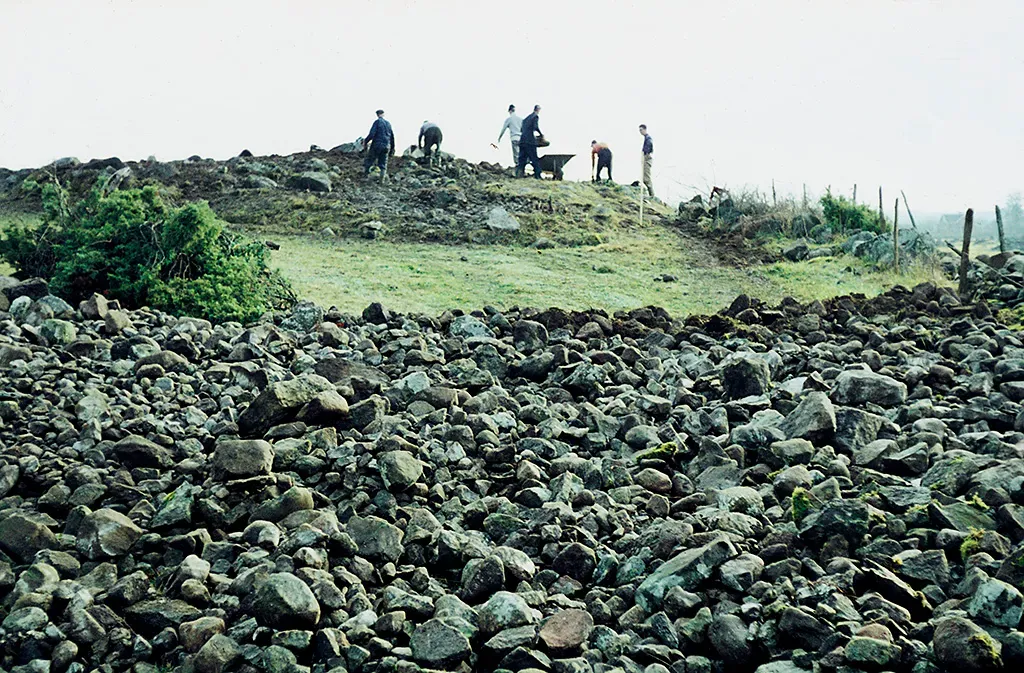
In many regions, ancient burial mounds sit right at the fault line between archaeological curiosity and Indigenous sovereignty. In one major mound complex, decades-old excavations removed human remains and artifacts that were never properly documented. A recent project tried to fix that, cataloging old collections and running limited new test units.
The updated report acknowledged past abuses, incomplete records, and the need for repatriation, folding in descendant community perspectives that openly challenged older interpretations. That honesty is exactly what slowed everything down. Agencies had to coordinate repatriation, museums had to rethink displays, and some senior archaeologists resisted having their foundational work relabeled as ethically flawed. Years later, the report is still “under review,” even as public debate over ancestral remains keeps getting louder. The most accurate version of the story is written. It just never gets stamped official.
#2 – The Early-Contact Settlement That Complicates Origin Stories
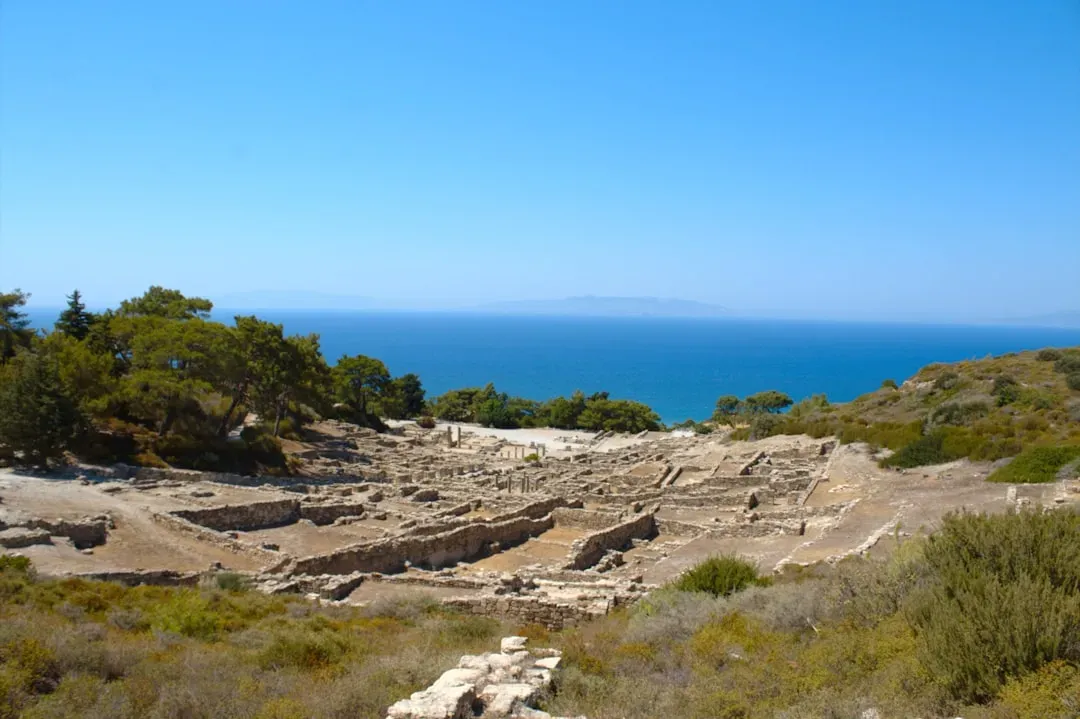
One coastal excavation revealed a layered settlement: Indigenous structures overlain by early European features, with shared tool types, hybrid building styles, and diet shifts that pointed to sustained interaction rather than a sudden, single “contact moment.” It painted a picture of negotiated coexistence and adaptation – not the clean conquest-or-collapse story most people grew up with.
For some, that’s a richer, more honest history. For others, it muddies a clean narrative of heroes and villains. When the report framed the site as evidence of entangled, multigenerational relationships, it ran into resistance from both nationalist historians and advocacy groups who preferred clearer lines. Review committees called for “sensitivity checks” and “additional stakeholder input” on the language – necessary, sure, but also a convenient stall. The result is a report that’s technically alive and practically invisible, because no one wants to sign off on a story that complicates identity politics on every side.
#1 – The Settlement That Proved the Map Was Always Wrong
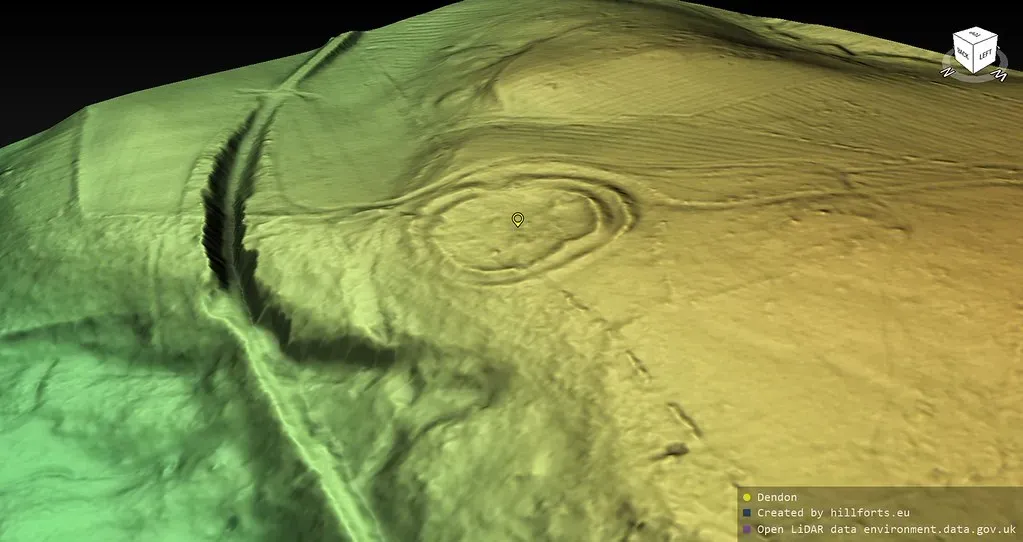
The most striking “pending” report on this list belongs to a site that, if fully published, would force a rewrite of regional maps in multiple textbooks. Surveyors expected scattered farmsteads. Ground-penetrating radar and excavation trenches instead revealed a dense, planned settlement with streets, workshops, and public spaces – sitting exactly where no major center was supposed to exist. Trade goods showed links running in every direction, effectively demolishing the core-periphery model that underpins how experts describe the entire region.
Why is it still “under review”? Because it doesn’t tweak a date or add a footnote – it topples a whole chain of comfortable assumptions, research agendas, and tourism branding built on that area being empty. Funding bodies that bankrolled the old model aren’t thrilled to watch their investment get upended. University departments quietly use the data in lectures anyway, while the official monograph lingers in draft, waiting for a consensus that will probably never arrive. When one excavation proves the map itself was wrong, institutions don’t move slowly by accident. They move slowly on purpose.
Why It Stands Out
- Contradicts the long-standing core-periphery model for the entire region
- Reveals a planned settlement with streets, workshops, and public spaces where none was expected
- Trade evidence points to connections running in every direction, not just local exchange
- Undermines tourism branding and research funding built on the area being “empty”
The Bottom Line
Across these 12 cases, one pattern refuses to hide: the most inconvenient excavation results almost never get dramatically “suppressed.” They just drift into an endless “pending review” status where no one ever has to take public responsibility for the decision to bury them.
Whenever a dig threatens a tourist myth, a real-estate fantasy, national pride, or a tidy academic model, the review process suddenly grows teeth it never had before. This isn’t secret vaults and hidden basements. It’s quiet attrition – controversial data simply aging out of urgency until it’s easier to forget than to publish.
Here’s my honest take: what ends up in museums and popular history is filtered not just by what gets found, but by what institutions are willing to sign their name to. That should bother us more than it does. The real question isn’t whether more of these buried reports exist. It’s how many, and which parts of our own past they’d force us to finally admit we got wrong.
Did we miss one that you think never saw daylight? Put it on the table in the comments.