
Most people assume that if something makes it all the way into a glossy, high-end auction catalog, every detail has already been checked, double-checked, and quietly signed off on by people who know what they’re doing. That assumption is wrong more often than the auction world would ever admit out loud.
Some of the splashiest lots in recent memory got yanked at the very last minute, not because of a scheduling hiccup, but because one quiet, uncomfortable question landed and nobody could answer it. Was it really owned by that celebrity? Is that signature actually theirs? Why does the paper trail go dead silent right at the moment it matters most? Here are 13 objects that got close enough to the gavel to smell the sale before the questions got too loud to bury.
#13 – The “Too-Perfect” Celebrity Wedding Dress
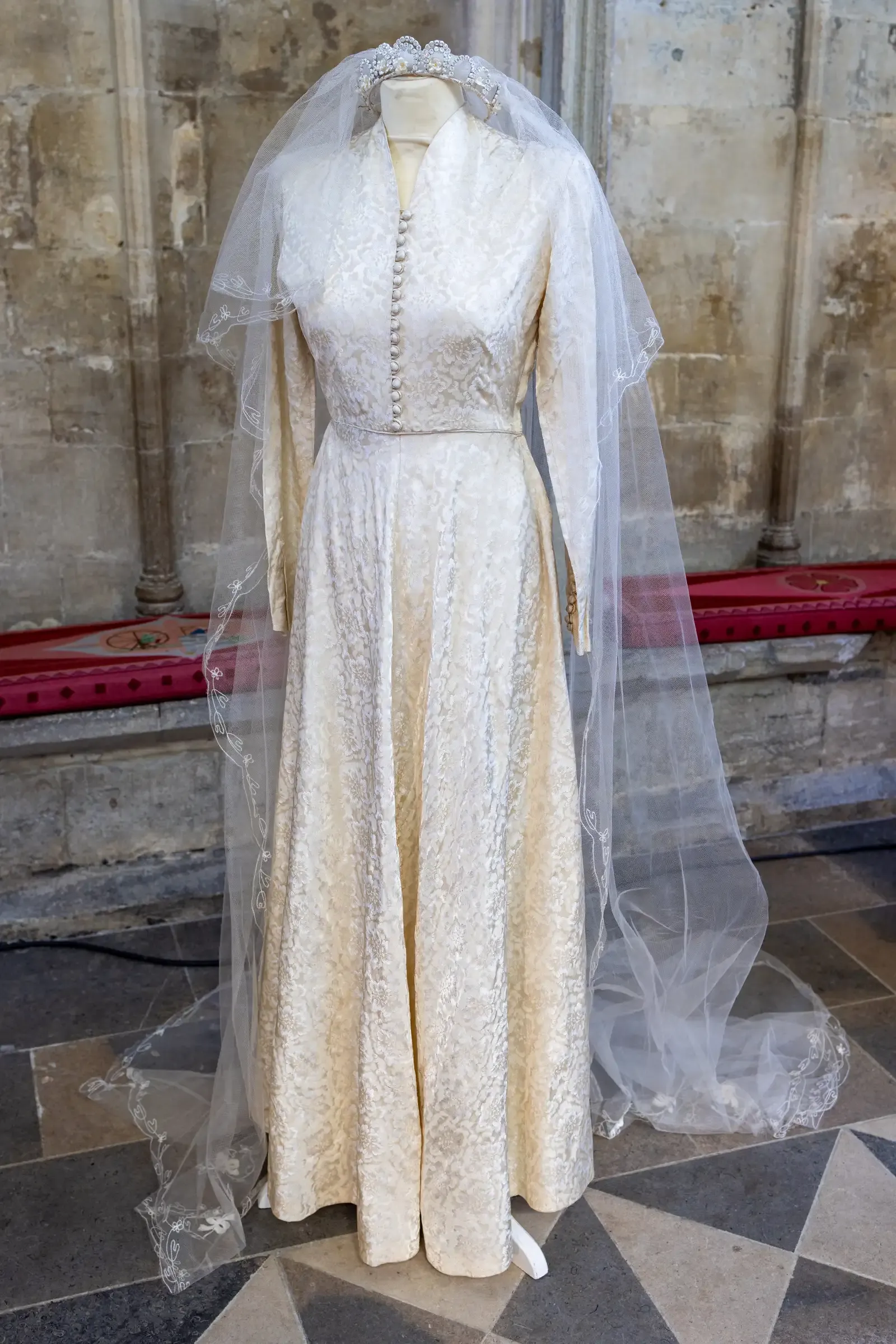
Auction insiders will tell you: anything tied to a famous wedding is basically a license to print money, until the paperwork doesn’t add up. This dress was cataloged as the actual gown worn by a beloved A-list actress at her first wedding, complete with a glossy photo spread and a sky-high estimate.
The problem? Every forensic detail on the fabric suggested it had never seen a real wedding day. No sweat stains, no makeup transfer, no heel damage at the hem, not even the faintest smell of storage or alteration. Collectors demanded invoices, tags, repair receipts, anything solid, and got only family stories and a blurry Polaroid that could have been any white dress anywhere. When a sharp-eyed researcher spotted a zipper style introduced years after the wedding, the lot vanished from the online catalog overnight.
#12 – The Painting With a Gap in Its Past

Old master paintings sell for millions, but the real experts spend more time reading paperwork than admiring brushstrokes. This canvas checked every visual box – style, pigments, craquelure – but its ownership record had a black hole between 1938 and 1952.
In auction slang, that’s the “danger zone,” the stretch when countless artworks were seized, lost, or quietly laundered across borders with almost no documentation. Buyers asked for export records and war-era inventories and got vague answers about “ongoing research.” The more specialists dug, the stranger it got: misaligned stamps, a mysteriously re-typed letter, a gallery name that didn’t even exist until decades later. The house pulled the lot “pending further clarification,” which is code for nobody wanting to be the test case in a restitution lawsuit.
Fast Facts
- Historians estimate that roughly 650,000 pieces of art were looted across Europe between 1933 and 1945.
- At least 100,000 of those works are still considered missing today.
- The 1998 Washington Principles push museums and dealers to actively research ownership gaps from that era.
- Databases like the Art Loss Register exist specifically to flag suspicious provenance holes like this one.
#11 – The Sports Jersey That Never Quite Matched the Game

Game-worn jerseys are big business, and also a minefield. This one was billed as a star’s shirt from a record-breaking playoff game, hyped with slow-motion replays and side-by-side photos. To a casual fan, it looked right.
To serious collectors, the font spacing on the back nameplate was wrong for that season, and the manufacturer’s tag carried a code used the following year. For a five-figure jersey, those aren’t quirks – they’re red flags. A fan forum then surfaced high-res game footage showing a subtle customization on the real jersey that simply didn’t exist on the auction piece. When bidders started emailing screenshots, the auction house went silent on one question: had any league or team archive actually verified it? The jersey disappeared from the lot list soon after.
#10 – The “Signed” First Edition With a Modern Pen
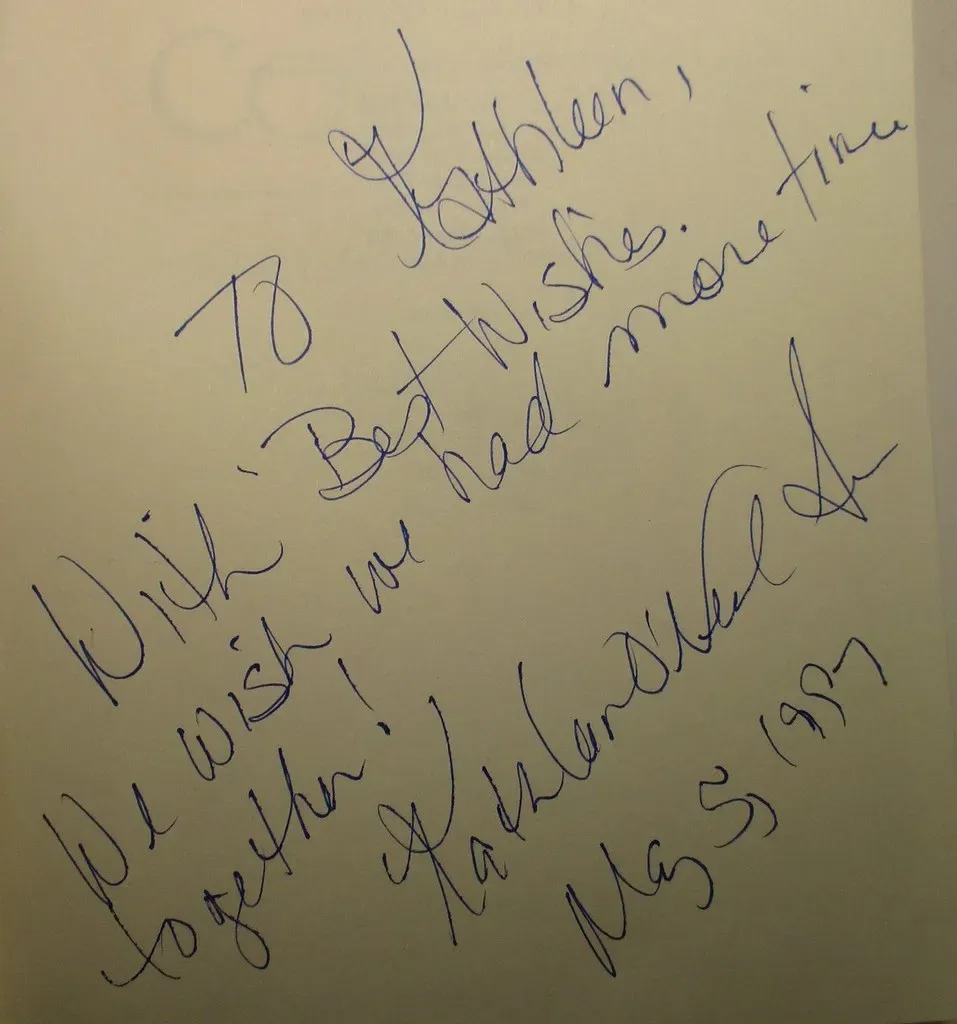
To non-collectors, a famous author’s signature on a first edition looks like a small miracle. To book pros, it’s a forensic puzzle. This volume was marketed as a rare, personally signed copy of a mid-20th-century classic, and the handwriting looked convincing at first glance.
Then a collector zoomed in on the ink and asked why a supposedly 1950s signature seemed written with a pen formula that wasn’t invented for decades. The inscription overlapped a faint watermark from a later library stamp, the placement was odd for the author’s known habits, and the flourish resembled a well-known forger’s style more than the real thing. When pressed about chemical testing, the auction house suddenly announced the lot had been “withdrawn by the consignor.” In plainer English: once the ink questions started, nobody wanted to be on the hook.
#9 – The “Titanic-Era” Trunk With a Suspicious Story
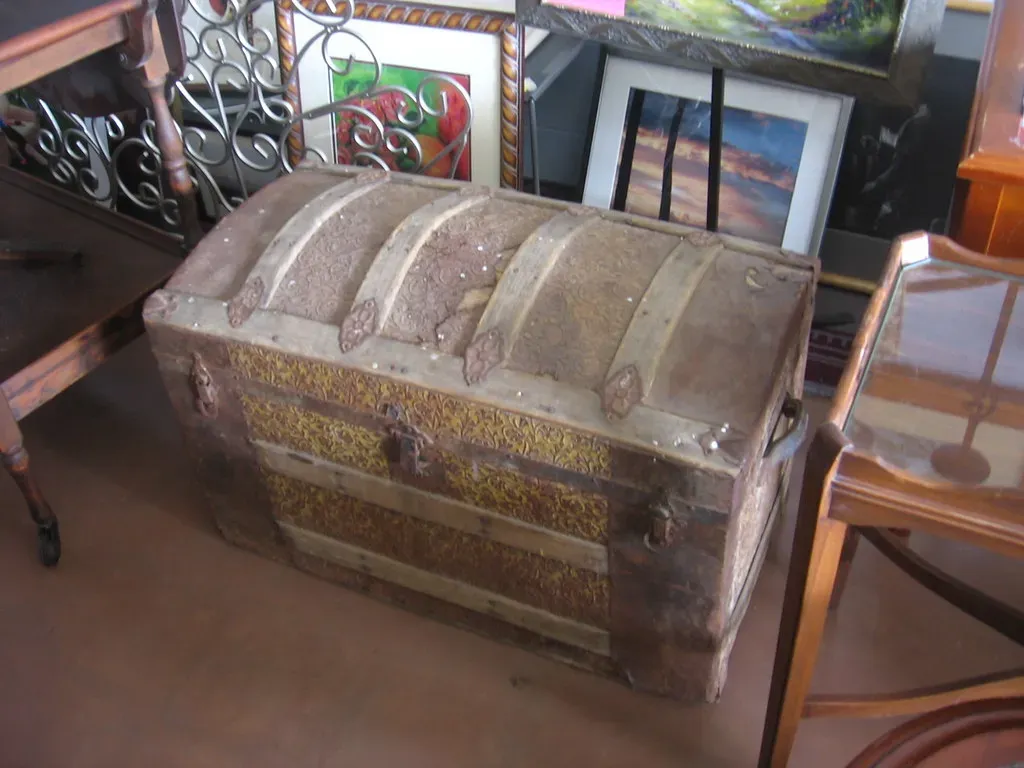
Anything even loosely linked to the Titanic turns into a bidding frenzy. This steamer trunk came with “strong family tradition” of belonging to a third-class passenger who never made it home. The estimate rocketed the second “Titanic-era” hit the listing.
Then maritime historians started nitpicking. The hardware matched models manufactured years after the sinking, and the shipping label referenced a port routing that wasn’t created until the 1920s. Worse, the family story echoed details that only became public through a 1990s documentary. Under pressure, the house quietly downgraded the description from “believed to be associated” to “in the style of.” Once a well-known Titanic researcher called the provenance “wishful thinking at best,” bidding interest collapsed and the trunk was pulled.
#8 – The Coin That Was Somehow Too Rare
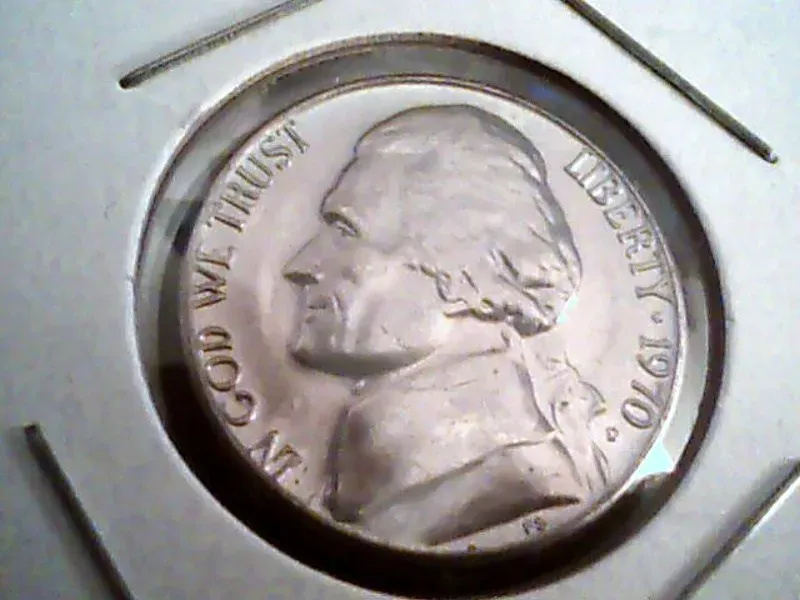
Occasionally something shows up in a catalog that seems almost too good to be true. This rare coin was exactly that: a supposed “unique” minting error from a famous historical run, the kind of thing that could rewrite valuation guides.
A numismatist simply asked how a piece of this magnitude had never been documented in any reputable reference in decades of scholarship. Under magnification, microscopic tooling marks suggested modern tampering, and the wear pattern didn’t match where a genuine strike would show stress. When asked about metallurgical testing, the house gave a vague line about “confidential internal review” – which usually means the lab report didn’t agree with the price tag. With no chain of custody and no prior record anywhere, the lot vanished from the preview.
#7 – The Museum “Deaccession” That Wasn’t
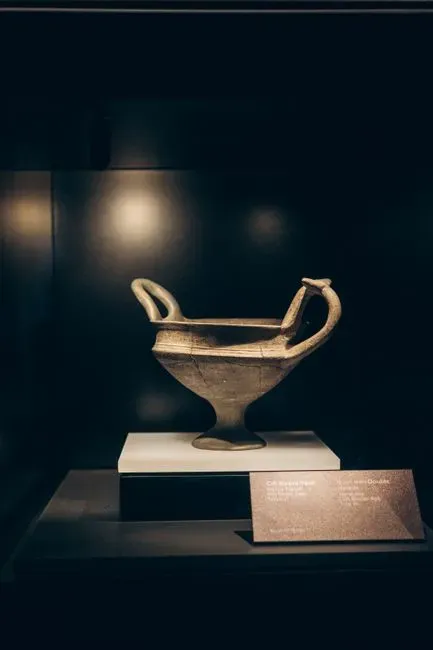
Objects coming out of museum collections carry built-in prestige, which is exactly why this ornate religious object was trumpeted as a “former museum collection” deaccession. Collectors loved the story, until someone noticed the museum had no record of ever owning it.
A single email inquiry set off a chain reaction. The institution confirmed they had never accessioned, cataloged, or approved the sale of anything like it. Now the questions turned uglier: was this piece stolen long ago and repackaged as legitimately released? Was the “museum inventory number” simply painted on to look official? With whispers of cultural property law violations, the safest move was to pull the lot entirely – serious houses would rather lose a commission than end up in court, or the news.
Worth Knowing
- Accredited museums generally follow strict guidelines when deciding to deaccession an object from their collection.
- Legitimate deaccession proceeds are typically required to go back into future acquisitions, not general operating costs.
- A real deaccession leaves a public paper trail: board minutes, catalog entries, and often press coverage.
- A missing accession number is one of the fastest ways to unravel a fabricated museum-provenance story.
#6 – The Pop Star’s Microphone With No Tour Photos

Music memorabilia lives or dies on photographic proof. This microphone was promised as the one used by a major pop star during a legendary world tour, complete with a letter from a former crew member and a staggering estimate.
But fans are obsessive archivists. A few of them combed through thousands of concert photos and videos and realized the mic on stage simply didn’t match the model up for sale – different color, different grille, a different logo in close-ups. When pressed, the consignor’s story shifted to “maybe rehearsal use” or “kept as backup,” both of which tank the value. Nobody could produce a serial number or a single shot of the artist holding this exact device. The auction quietly listed the lot as “withdrawn,” no further comment offered.
#5 – The “Found in Grandma’s Attic” Comic Book
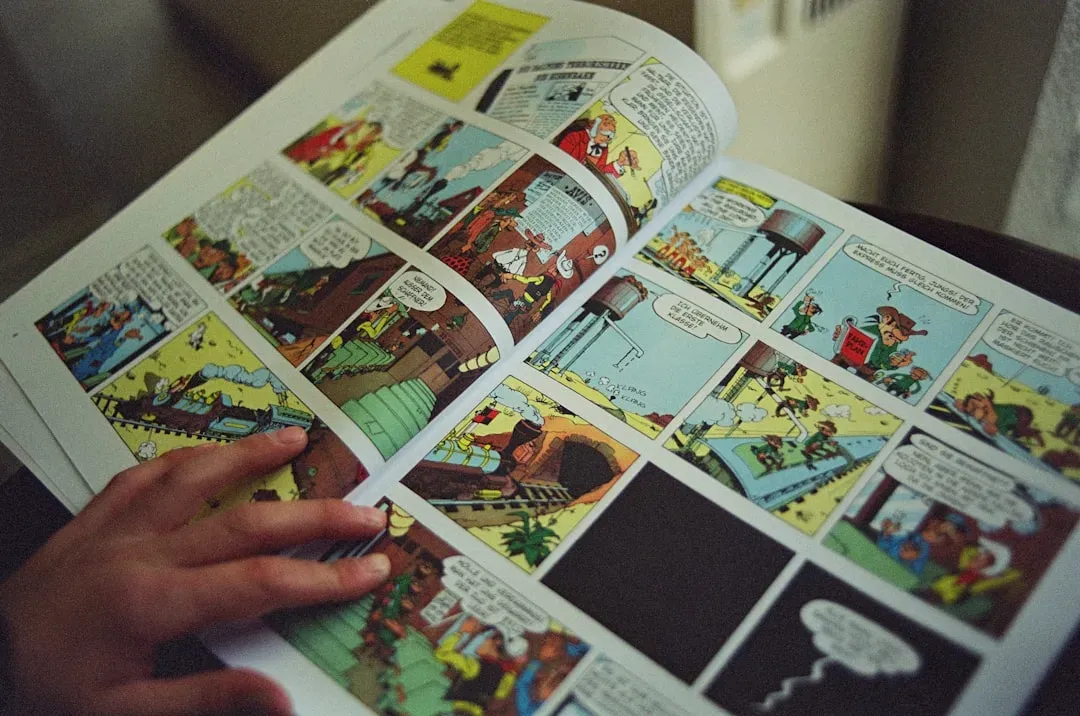
Every auction season, a miracle Golden or Silver Age comic allegedly emerges from someone’s attic. This one was a key issue, supposedly untouched since the day it was bought, with grading that looked almost impossibly high for a casual household find.
One skeptic asked the obvious question: if grandma really bought it new, why no storage wear, sun fading, or kid handling anywhere on it? The page whiteness and razor-sharp corners looked far more like a recently pressed, carefully restored copy. A grader later leaked that the book had previously been submitted under a different label and flagged for “significant intervention.” A raw, attic-fresh myth sells better than a restored reality, and once that fantasy collapsed, the house simply pulled the listing instead of correcting it.
#4 – The Watch With Two Birth Certificates
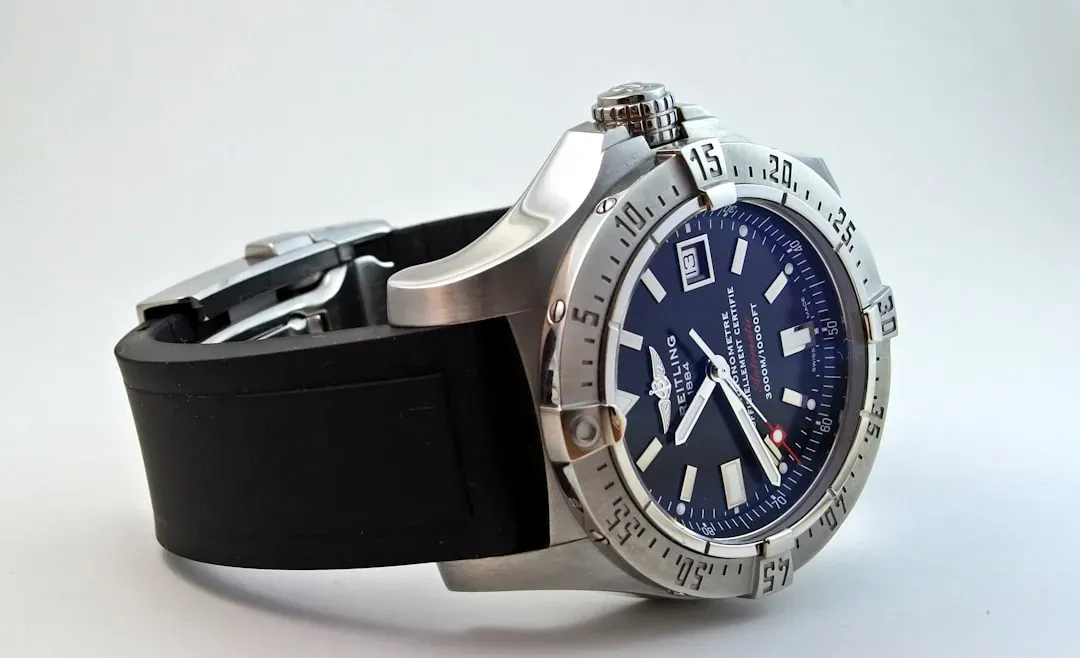
High-end watches lean heavily on their “papers,” the original documents proving when and where they were sold. This piece, from a very famous Swiss brand, was touted as a rare early example with full documentation.
Then a collector noticed the serial number on the warranty card had already appeared before, attached to a completely different watch in an older auction catalog. Two watches claiming the same identity is the horological equivalent of a cloned passport. Either the card had been altered, or a fresh one had been created to match the watch on offer. In a market already flooded with “frankens” assembled from mismatched parts, suspect papers plus a six-figure estimate proved toxic, and the lot was withdrawn “at the request of the consignor.”
#3 – The Historical Letter That Quoted the Wrong Event
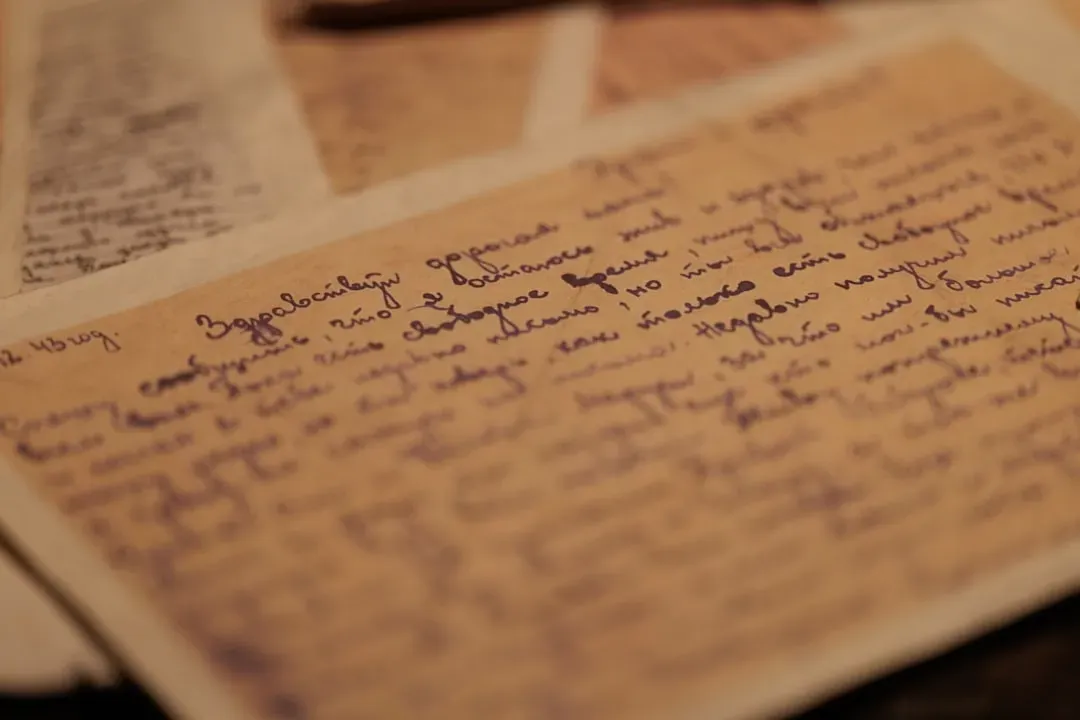
Autograph hunters love historical letters, especially ones that reference iconic events. This handwritten note was attributed to a 19th-century statesman commenting directly on a major speech, beautifully written and full of quotable lines – maybe too quotable.
A historian noticed a key phrase matched a modern biography’s wording almost exactly, not any known original 19th-century text, raising an odd question: how was this author paraphrasing a book that didn’t exist yet? When asked about ink dating or stylistic comparison with authenticated letters, the auctioneers admitted the attribution was “based on consignor information” – never independently tested. Once academics started publicly casting doubt, bidders evaporated and the house pulled the lot rather than risk selling a clever modern pastiche as the real thing.
#2 – The “Missing” Sculpture That Might Not Be Missing
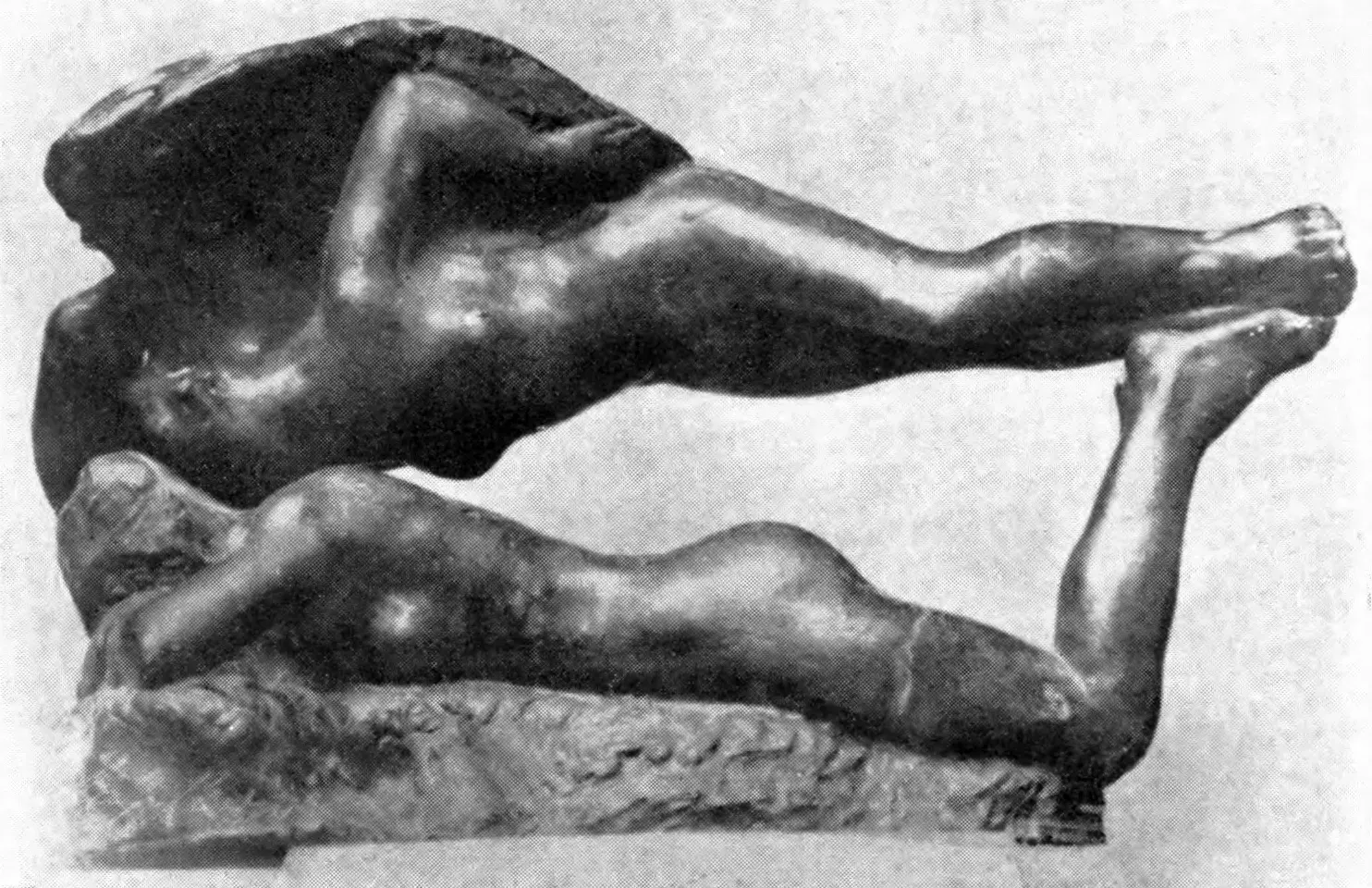
Nothing generates buzz like a work believed destroyed decades ago suddenly resurfacing from a private collection. That was the pitch for this small sculpture by a blue-chip modern artist. The catalog hinted at rediscovery while sidestepping an obvious problem: if this was the real missing piece, how did it vanish from every record for decades without a single loan, insurance claim, or photograph?
Curators started asking harder questions. The patina looked slightly off, the welds didn’t quite match documented techniques from that year, and no one could produce an unbroken ownership chain from the artist’s studio to the present. Rumors swirled that it might be an unauthorized copy cast later from a mold. Faced with the possibility of a legal challenge from the artist’s estate, the house pulled the lot, promising “additional consultation.”
#1 – The Artifact That Might Have Been Looted
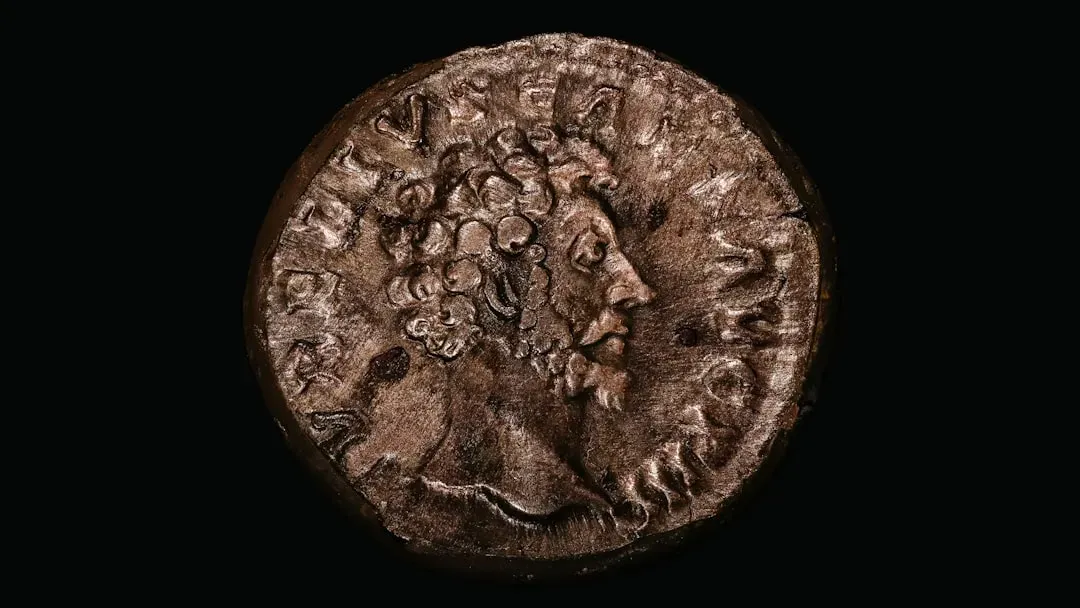
At the very top of the list sits the category that terrifies serious auction houses most: objects that might be looted cultural property. This artifact – ancient, sacred, and extremely valuable – came with a vague story about being “acquired in Europe in the 1960s.” That phrase alone is a giant red flag to anyone who has watched this world closely.
Archaeologists and cultural heritage lawyers asked the obvious questions no one had answered: was this piece ever properly excavated, documented, or legally exported? Requests for export permits and excavation records produced nothing. The region it allegedly came from has strict repatriation laws and a long, well-documented history of trafficking. Local scholars pointed out that comparable pieces in their national museum had detailed dig records, while this one had simply appeared out of thin air. With diplomatic protests, criminal investigation, and forced restitution all on the table, the house withdrew the object before the sale – likely never to appear publicly again.
At a Glance
- The 1970 UNESCO Convention set the modern baseline for stopping illicit trade in cultural property.
- Many source countries legally require an export permit before any antiquity can leave their borders.
- Auction houses risk seizure orders, lawsuits, or criminal referrals when an artifact’s origin can’t be verified.
- High-profile repatriation cases have sent artifacts home decades after their original, unquestioned sale.
The Bottom Line

When objects get pulled from auction, it’s almost never about “changing minds” or vague scheduling issues. It’s about questions that cut too close to the bone. Who really owned it? Who really signed it? Who really has the right to sell it at all?
The pattern insiders already know by heart is simple: the higher the estimate, the more dangerous an unanswered question becomes. From suspicious ink to invented family legends, from cloned watch papers to potentially looted artifacts, withdrawals are the market’s quiet self-defense mechanism kicking in before the lawyers have to.
My take? Auction houses still aren’t cautious enough. For every lot pulled at the eleventh hour, plenty more with the same shaky paperwork sail through simply because nobody happened to ask the right question in time. The gavel shouldn’t be the last line of defense – the paper trail should be. Did we miss an infamous withdrawn lot you think deserves a spot on this list? Drop it in the comments.