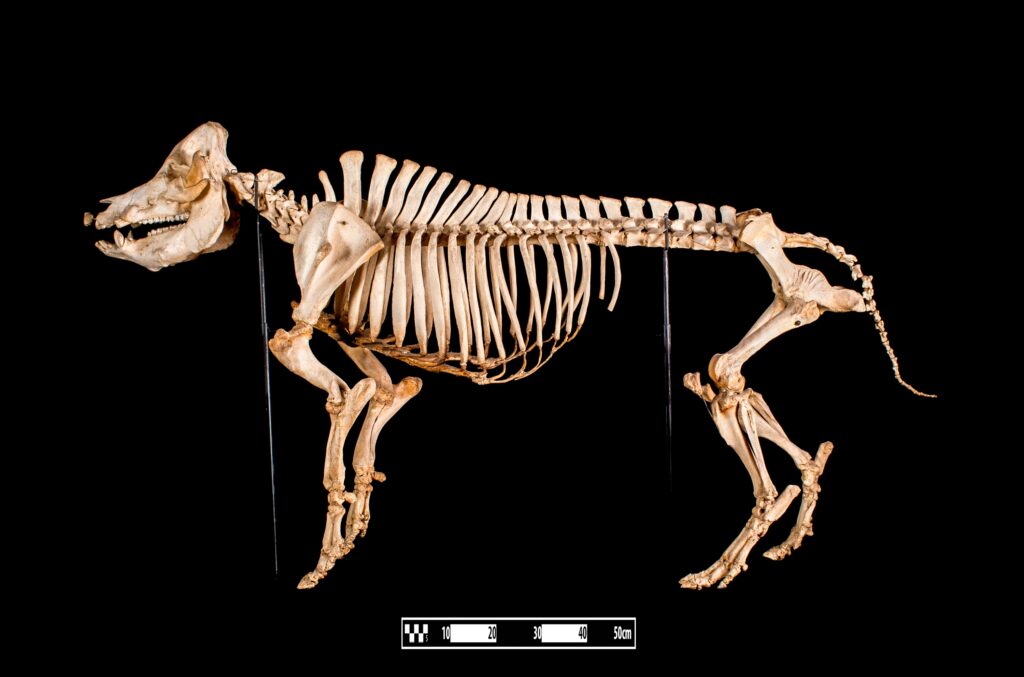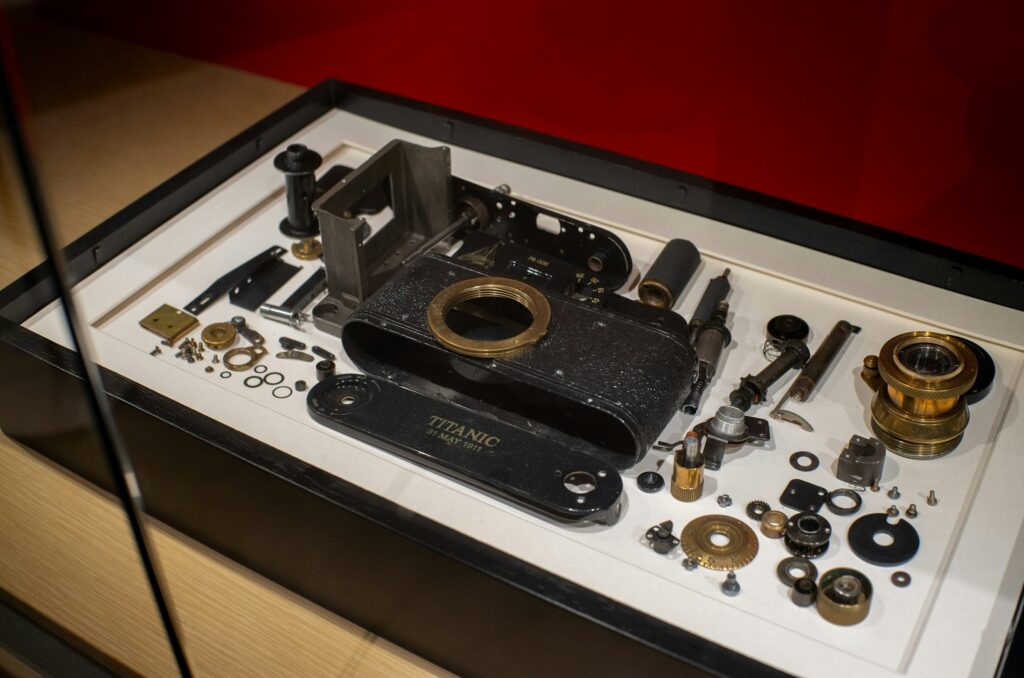
Most people picture museum mysteries as lost pharaohs and secret Nazi vaults. The truth is stranger and a lot closer to home: objects sitting in climate-controlled storage right now, fully cataloged, insured, sometimes even on display, that nobody on Earth can actually explain.
Curators hate admitting this, but every serious collection has a shelf of “what-on-earth-is-that” donations that quietly break the system. They have paperwork. They have donor names and accession numbers. What they don’t have is an answer. Some are probably misremembered heirlooms. A few might be hoaxes. And a handful, honestly, look like they shouldn’t exist at all – here’s what happens when an expert opens the drawer and simply has nothing to say.
#13 – The “Wrong” Tool in the Archaeology Drawer
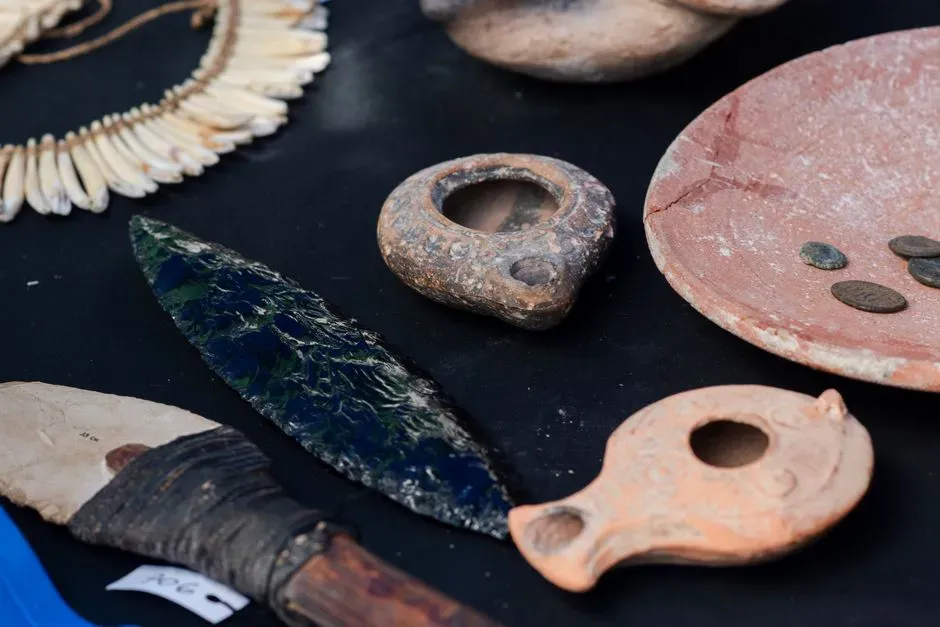
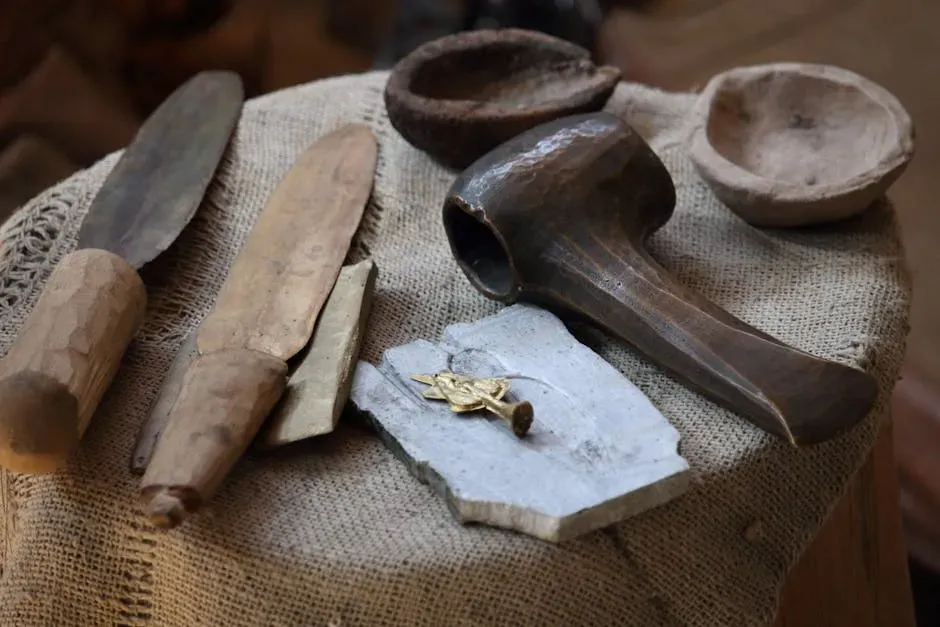
Everyone loves a dramatic “ancient alien” meme, but the real headache for archaeologists is far more mundane: perfectly real tools with no known culture, date, or function. Many regional museums have at least one donated artifact that came from “Grandpa’s farm” or “a dig years ago” with zero proper record. It’s clearly man-made, clearly old, and obviously a tool – yet it matches nothing in the typology guides.
Curators quietly log these as “unidentified implement” and move on, but they haunt research databases for decades. Some look almost modern, with drilled holes or odd angles that don’t fit stone-age tech. Others resemble known artifacts except for one detail that breaks the pattern, like a bevel on the wrong side or a grip that makes no ergonomic sense. The uncomfortable possibility curators rarely say out loud: some of these tools might belong to cultures we’ve erased so thoroughly we can no longer recognize their basic gear.
#12 – The Anonymous Military Medal That Shouldn’t Exist
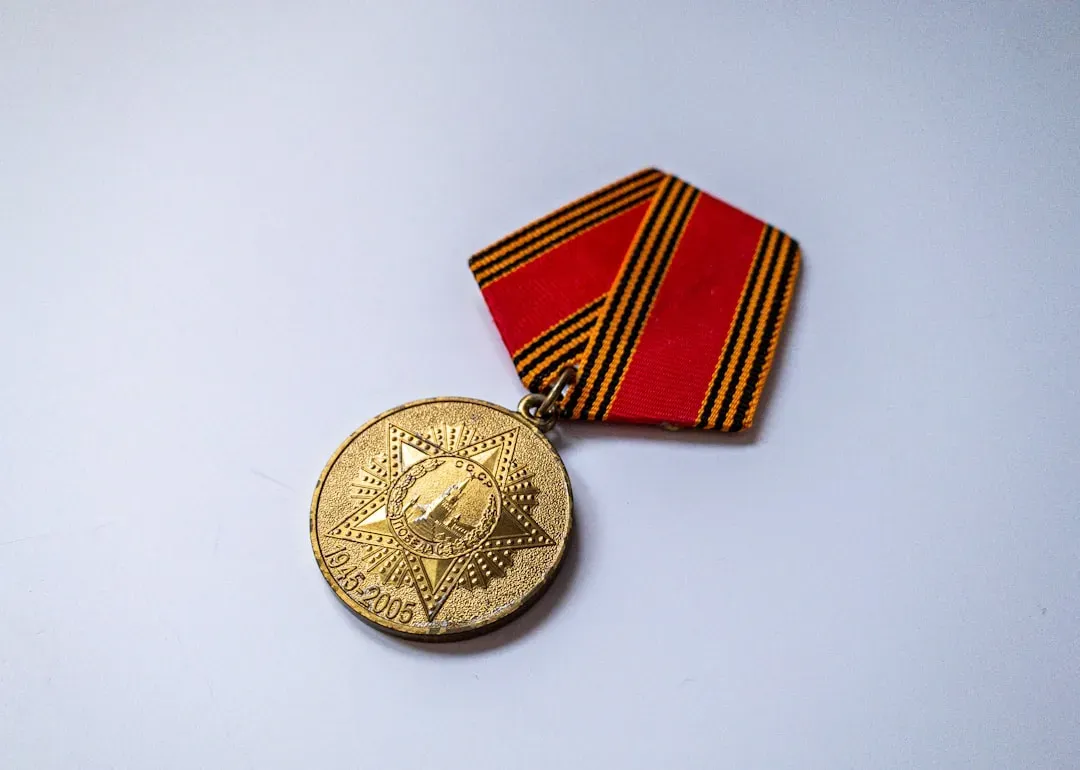
In military museums, provenance is everything. Dates, units, campaigns – those details turn a chunk of metal into history. But curators quietly admit they receive donated medals and decorations that don’t match any country’s official records. The ribbon colors don’t line up with known awards, the emblems mash up symbols from different eras, and the engraving, if there is any, references battles that never happened.
The most unsettling examples look almost like legitimate campaign medals, off by just enough to break identification. Some experts suspect homemade commemoratives, made by veterans’ groups and later mistaken for the real thing. Others think they’re fakes built for movies or reenactments that lost their context along the way. But a small camp of researchers argue that at least a few might be prototypes for decorations that were designed, struck, and never formally adopted – leaving orphaned medals with no paper trail at all.
Quick Compare
- Homemade commemorative: made in good faith by a veterans’ group, later separated from its story
- Movie or reenactment prop: convincing on the surface, but disconnected from any real archive
- Unadopted prototype: a real design that was struck once and then shelved before official approval
#11 – The Family “Relic” With a Story That Doesn’t Match the Object
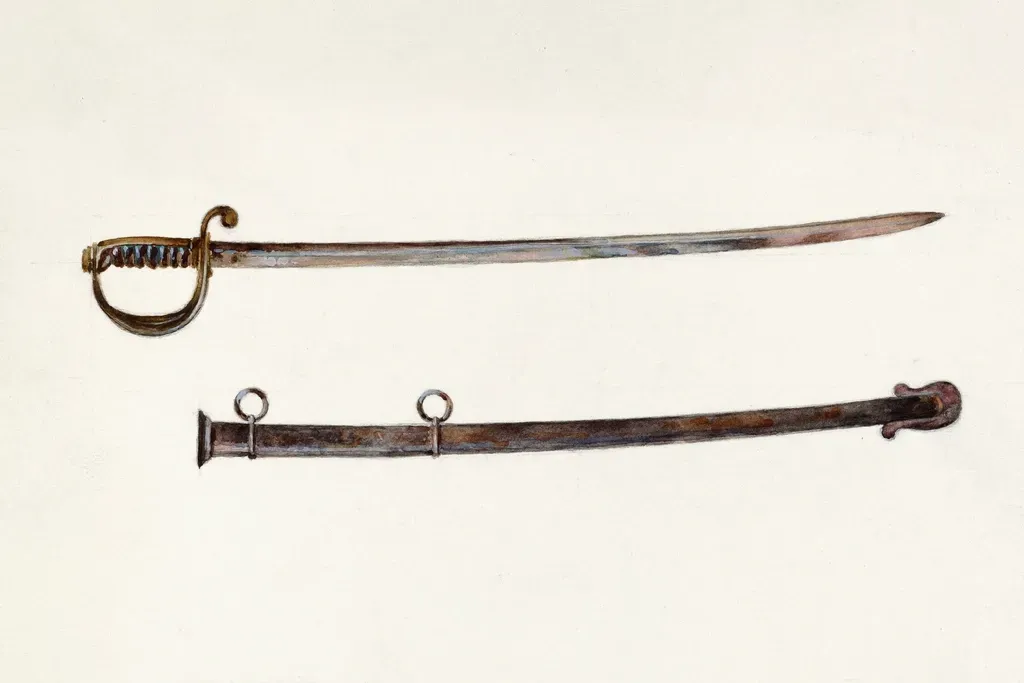
Ask any local history curator about their nightmare objects, and they’ll mention the donated heirloom with an amazing story that absolutely does not match the object in their hands. Grandchildren arrive with “George Washington’s sword,” which turns out to be from a 19th-century catalog, or “a Viking bracelet” that’s clearly 20th-century tourist silver. Most of the time staff can gently debunk it.
But sometimes the object defies even that. The piece is clearly old and clearly high quality, yet the family story points to the wrong continent, the wrong century, the wrong culture entirely. Metallurgy, style, and wear patterns clash so hard with the oral history that both versions can’t be true – and occasionally, neither one leads anywhere. What’s left is a real, expertly crafted relic that belongs to some tradition, just not any tradition anyone can actually pin down.
#10 – The Unknown Scientific Instrument Sitting in Storage
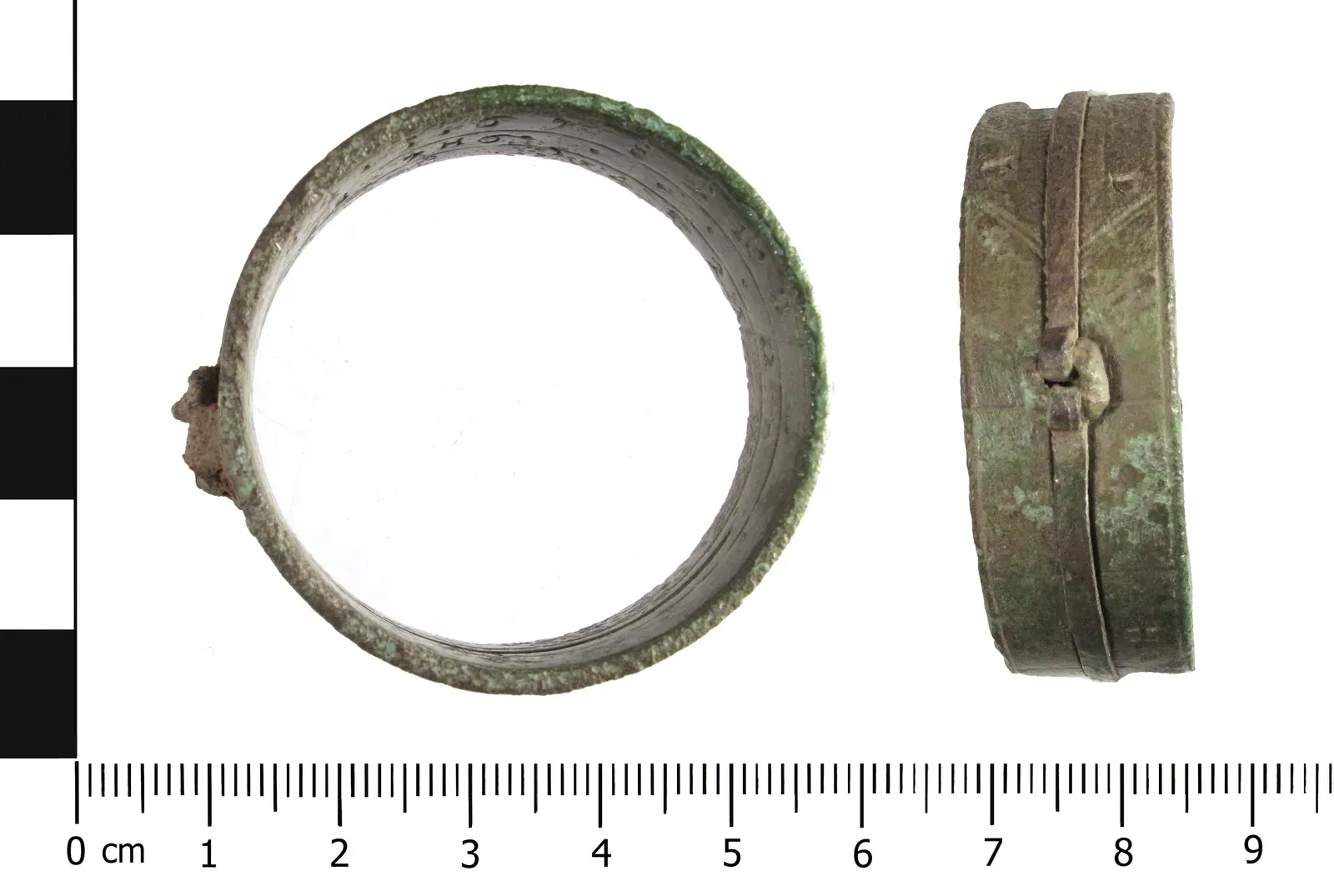
Science museums are full of devices that look like props from a time-travel film. The real embarrassment is that some of them are genuine instruments nobody can explain anymore. Donors bring in complex brass contraptions from old laboratories or observatories – knobs, scales, lenses – with no labels, no maker’s marks, and no surviving manual.
Archivists can usually guess the broad category, optical or electrical or measuring, but the specific function stays a mystery. This is what happens when niche subfields die off completely. There were once thousands of custom instruments built for one professor’s obscure experiment or one short-lived industrial process, and when the methods vanished, so did the documentation. In some collections, the “unknown instrument” has been photographed, published online, and crowdsourced to thousands of eyes – with zero definitive answers.
#9 – The Manuscript Page Written in No Known Hand

Most people think every mysterious text is the next Voynich Manuscript. The quieter reality is more mundane, and somehow more unnerving: single pages or fragments donated to archives that no paleographer can place. These aren’t elaborate codices, just a sheet of parchment or a torn page filled with neat, consistent writing that fits no cataloged script.
Sometimes the text resembles a known medieval hand but breaks basic rules of stroke order or letter shape. Other times the language itself is unclassifiable – too structured to be doodles, too odd to match any known tongue. Scholars debate whether these are student exercises, private shorthand, or invented pseudo-scripts from behind monastery walls. After decades of study, a few remain totally unassigned: no language, no author, no date, no culture, just ink that refuses to join any known family tree.
#8 – The Cultural Object Nobody Will Claim
![#8 - The Cultural Object Nobody Will Claim (Tamoikin Art Fund [1] [2], CC BY-SA 3.0)](https://nvmwebsites-budwg5g9avh3epea.z03.azurefd.net/dws/2b1ca270400647432470759d15dad16e.webp)
Museums are finally talking more honestly about repatriation, but there’s an under-reported flip side: ritual or cultural objects that clearly came from somewhere specific, yet no community steps forward to recognize them. These arrive through estate donations or old colonial-era collections with sparse records – “acquired in Africa, 1903” and nothing else. The carving style and iconography scream “important.” Important to whom, nobody can say.
Curators sometimes consult cultural representatives directly, only to hear a baffling answer: “We don’t make anything exactly like this. It might be related, but it’s not ours.” That’s when things get uncomfortable. Either the object belongs to a group that no longer exists, it represents a discontinued secret tradition, or it was altered by outsiders somewhere along the way. In a few documented cases, experts suspect collectors literally combined parts of different objects, creating one-off artifacts no living community could ever recognize.
Worth Knowing
- Sparse colonial-era paperwork often lists only a continent and a year, nothing more specific
- Some source communities no longer exist in a form that can confirm or deny an object
- Certain ritual traditions were deliberately kept secret and never widely documented
- A handful of pieces show signs of being combined from more than one original object
#7 – The Photograph With Faces but No Past
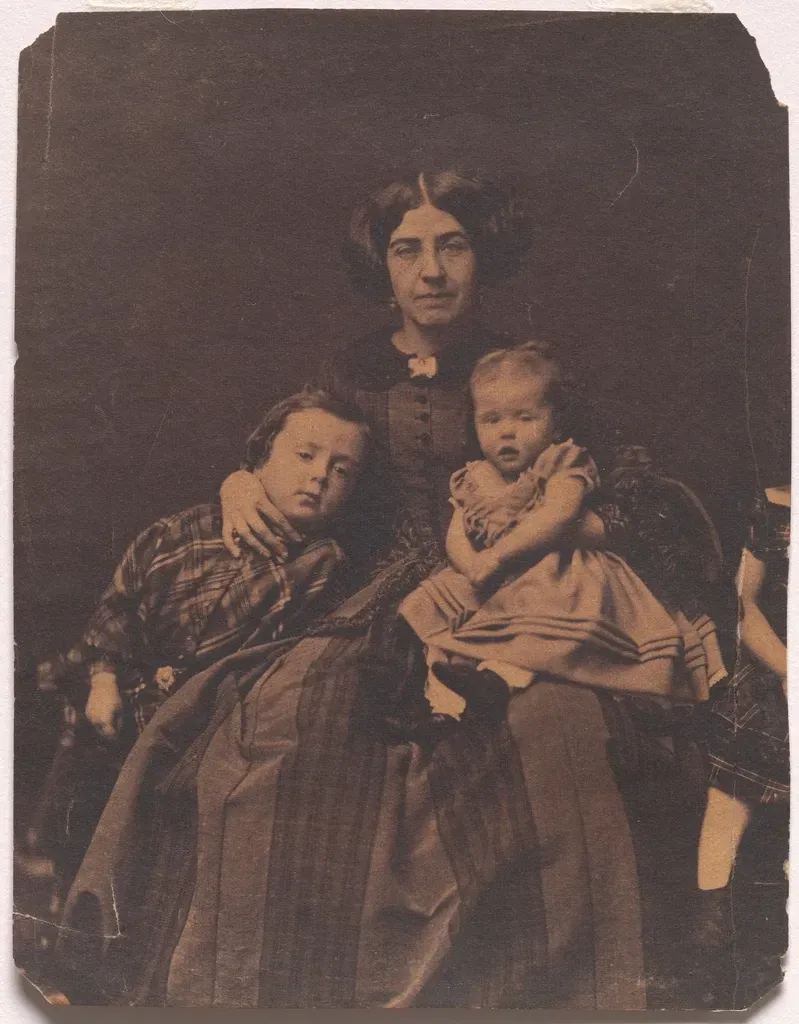
Digital crowdsleuthing has solved thousands of old-photo mysteries, but archivists still have drawers full of prints with crystal-clear faces and absolutely no context. A donor drops off a box of “family photos,” swears they’ll send names later, and never does. Staff eventually find staged studio portraits with uniforms, props, even visible shop signs – and every attempt to identify the people hits a wall.
Facial recognition can’t legally be applied at scale in most institutions, and even in controlled research projects, matches for pre-digital generations are rare. You’d think uniforms would help, but fashion fads, unofficial costumes, and local club outfits complicate everything. What’s left behind are weddings, funerals, and proud group shots where everyone is frozen in time, officially nobody, from nowhere, doing nothing the record can name.
#6 – The Deep-Sea “Thing” in the Natural History Freezer
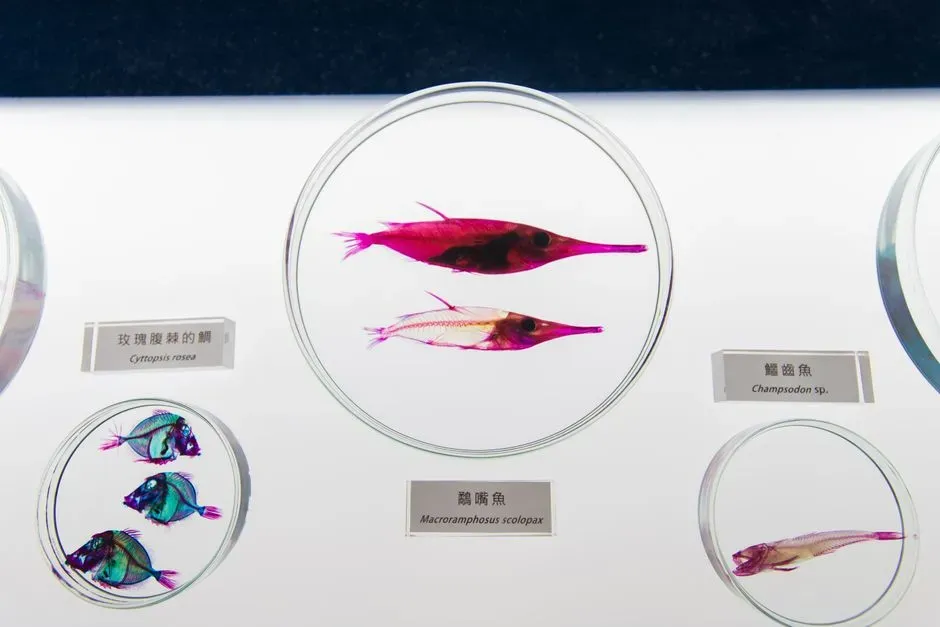
Natural history collections quietly admit that their freezers and ethanol jars contain specimens labeled, sometimes bluntly, “unidentified organism.” The worst offenders come from deep-sea trawls or old expeditions, where a strange blob or translucent mass was scooped up and bottled decades before DNA testing existed. By the time genetic analysis became possible, there’s often too little usable material left, or the preservation method itself destroyed the genetic clues.
Most of these turn out to be life stages of known species – larvae, damaged adults, decomposed fragments. But there are stubborn outliers where the morphology doesn’t line up with any cataloged group at all. Without enough tissue for full sequencing, taxonomists are simply stuck. A few samples have sat for fifty-plus years under vague labels, widely suspected to represent either an undescribed species or an extreme deformity of something familiar – and nobody can say which.
Fast Facts
- Formalin and ethanol preservation can break down DNA long before modern testing exists to use it
- Many “unidentified organism” labels eventually turn out to be larval or juvenile stages of known species
- Some specimens have sat under vague labels for fifty-plus years, waiting on tissue good enough to sequence
#5 – The Art Object Authenticated as… Absolutely No One
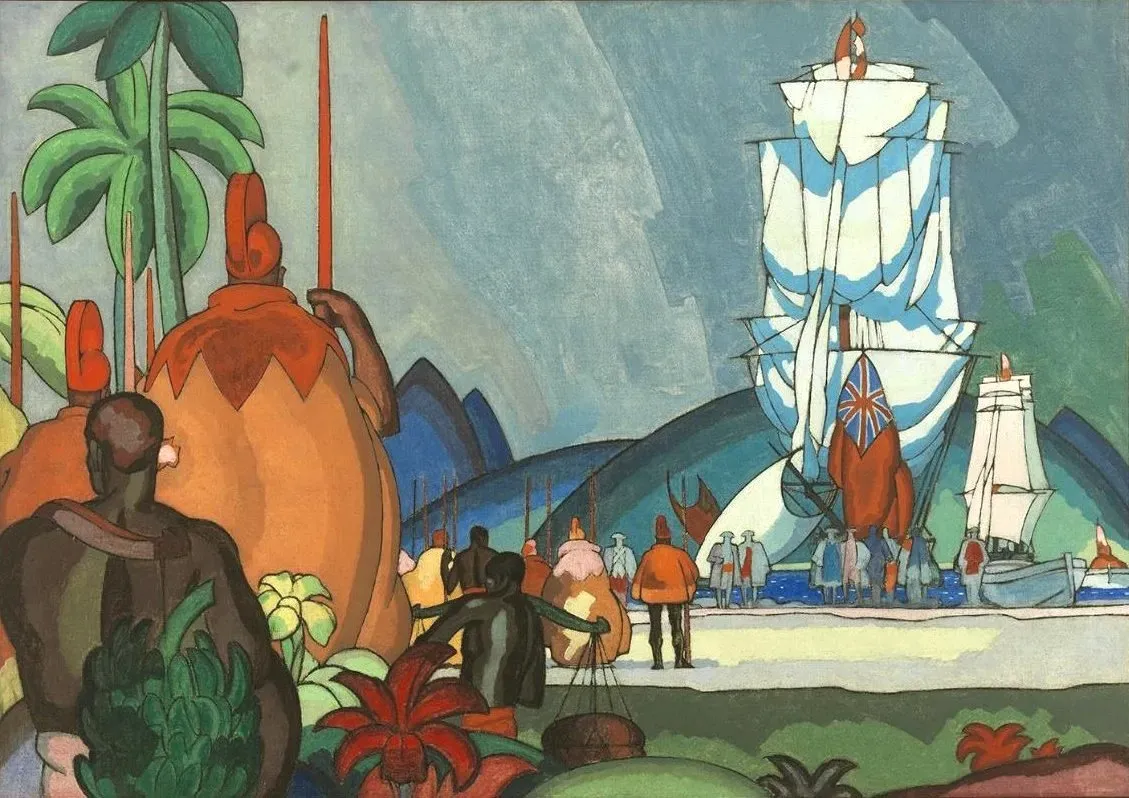
While the art market obsesses over “Is this a real Picasso?”, curators quietly wrestle with a weirder category: undeniably skilled works that belong to no known artist, school, or period with any confidence. A painting is donated with a vague family story – “it’s by an important European artist” – but expert analysis finds no signature, no matching style, no record of anything comparable.
Sometimes technical tests show period-accurate pigments, ruling out a modern fake outright. Style analysis reveals hints of multiple influences, as if the painter trained across traditions and simply never achieved fame. The result is a piece that’s clearly not student work, clearly not mass-produced, yet stubbornly credited to “Unknown.” In at least a few documented cases, these orphans have been re-evaluated over decades, with experts changing their minds about era and origin again and again while still failing to attach a single name.
#4 – The Machine Part From No Known Machine
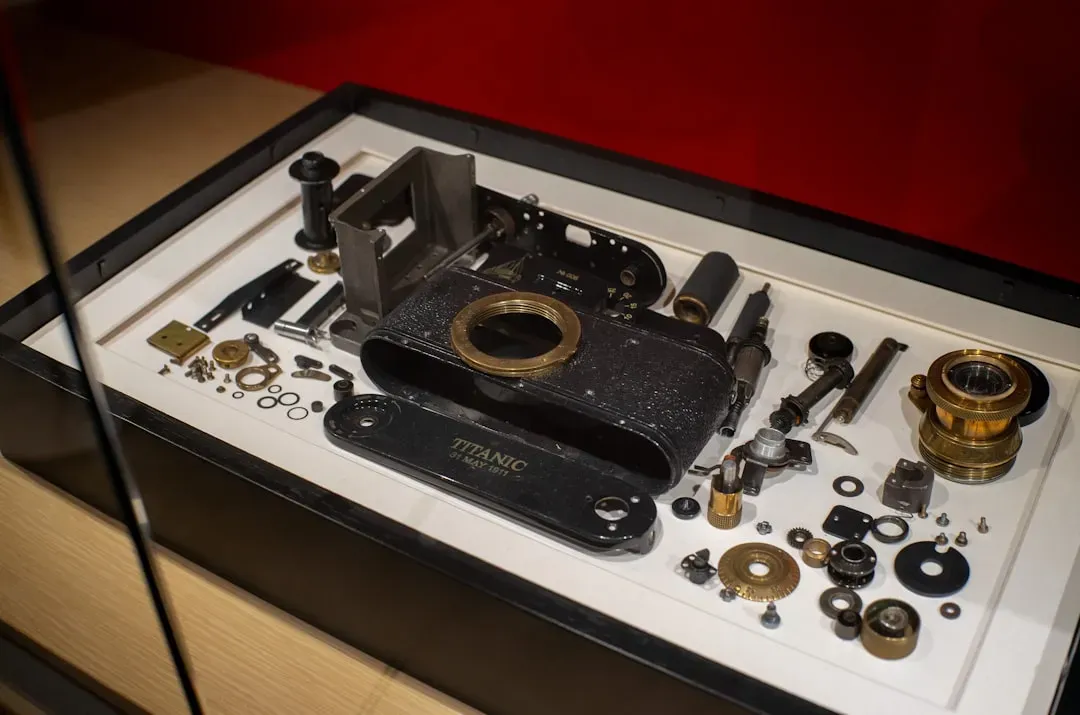
Technical museums love complete systems – engines, looms, presses. But the back rooms always hold shelves of beautifully machined parts that don’t belong to any surviving blueprint. These arrive via factory clear-outs, shipyard closures, or family donations from retired engineers, and each piece is too expensive and precise to be random scrap, with custom threading, odd gear ratios, or unusual alloys.
Engineers can often tell how something might move or lock into place, yet they can’t find the parent device in any catalog or patent file anywhere. Some parts clearly belong to prototypes that never left the experimental stage. Others look almost like components of known machines, but with tolerances that make no sense for that use. There’s a growing suspicion that a nontrivial amount of early innovation simply vanished when companies folded, leaving parts behind that now function as unsolvable industrial riddles.
#3 – The Musical Instrument Nobody Knows How to Play
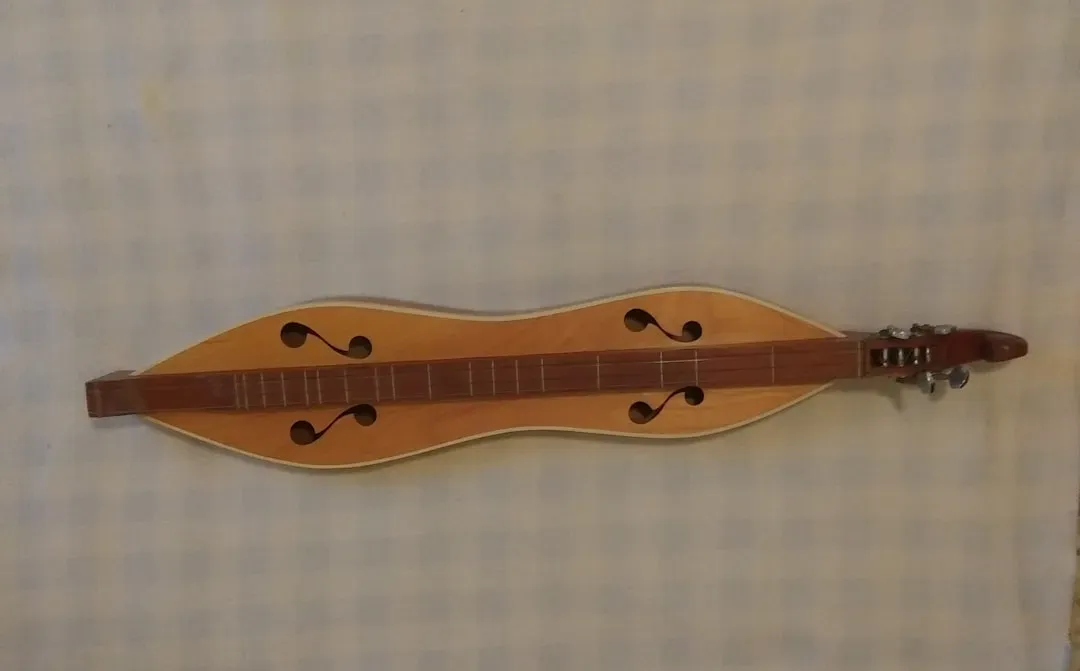
Ethnomusicology collections are full of instruments that are easy to classify – flutes, drums, lutes. Yet here and there you find one-off creations that defy both design logic and performance practice. A donor turns over a carved wooden object with strings in nonstandard positions, or a wind instrument with finger holes placed so awkwardly no human hand could ever cover them all at once.
Experts will experiment, of course, but without historical recordings or living practitioners it’s mostly guesswork. Some pieces may be ceremonial objects only loosely related to real instruments, used visually in dances rather than actually played. Others might be experimental designs from individual makers that never caught on beyond one workshop. The strangest examples have acoustical properties that don’t line up with standard music theory at all, suggesting they were tuned to scales or sound concepts nobody ever bothered to write down.
#2 – The Time-Capsule Object That Makes No Historical Sense
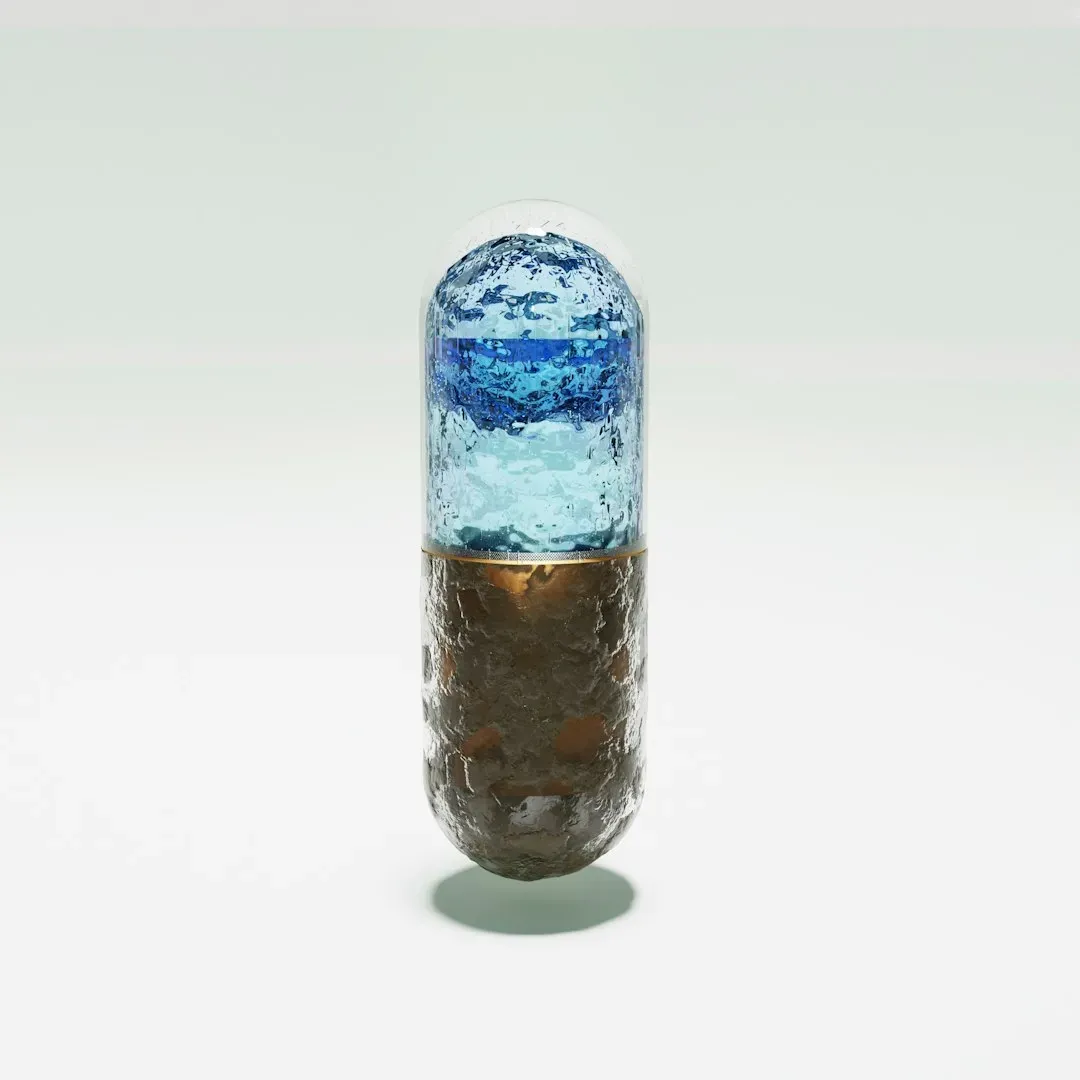
Time capsules sound like perfect historical packages – everything labeled, dates sealed, nothing left to interpretation. In reality, when some are opened, curators find objects whose existence doesn’t match the year on the capsule at all. A supposedly 1920s capsule contains a manufactured item from the 1940s. A “buried in 1880” box holds a plastic-like material that shouldn’t exist yet.
Conspiracy theorists jump straight to time travel, but the real explanation is messier. Capsules get reopened, added to, or quietly replaced without proper recordkeeping, especially on community or corporate projects. Items shift containers, dates get misremembered, plaques get it wrong. But in rare cases, multiple independent witnesses swear the capsule was undisturbed, and material testing still backs up the impossible later date – leaving either faulty human memory on a massive scale, or a chain-of-custody error nobody can ever reconstruct.
#1 – The “Perfectly Ordinary” Object With No Category at All
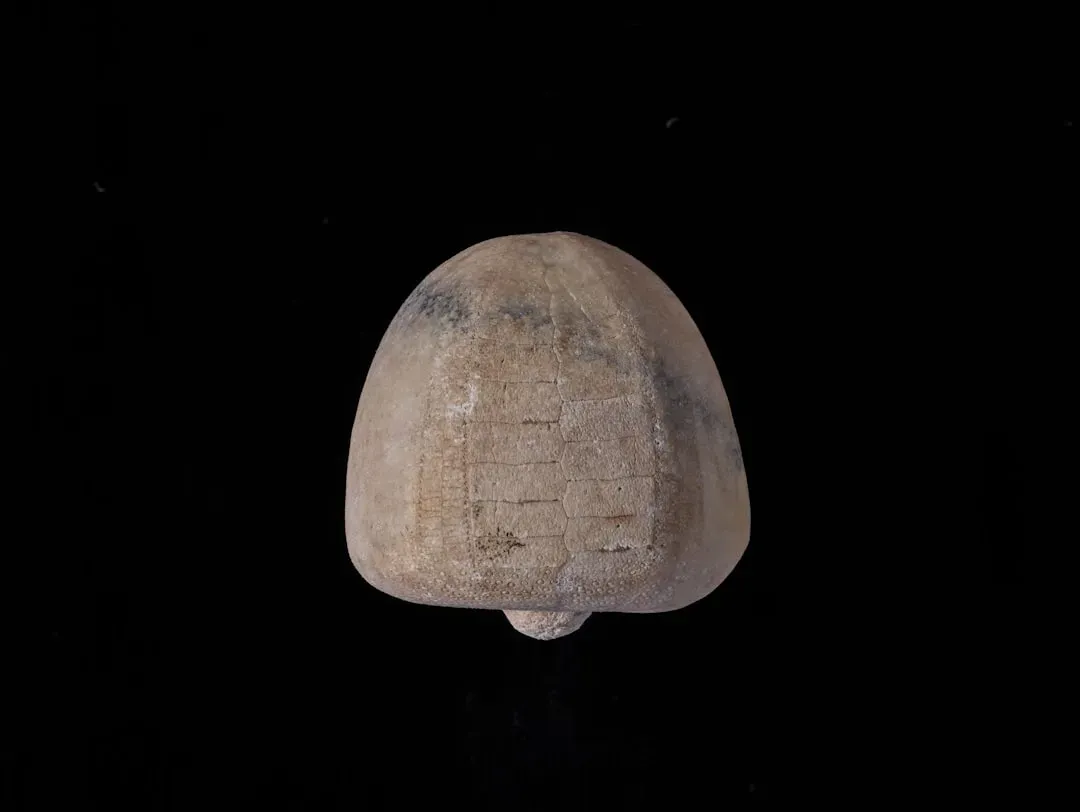
The most disturbing unidentified donations aren’t flashy at all. They’re objects so ordinary-looking that they should be easy to classify, yet they fit no category anyone can agree on. Curators talk about these in hushed tones: a plain wooden box built with carpentry techniques from three different eras; a ceramic dish whose glaze chemistry belongs to one region while the clay screams another; a bit of hardware that’s not quite domestic, not quite industrial.
Everything about them is almost right, but every hypothesis hits one hard contradiction. If it’s from this culture, why that material? If it’s this century, why that tool mark? Experts cycle through prototype, student experiment, tourist fake, theatrical prop, and still land back on “unidentified.” These objects make a quietly radical point: our existing taxonomies are incomplete, and some human-made things simply fall between the cracks of what we know how to name.
Why It Stands Out
- No stylistic flourish or decoration to help date it or trace its origin
- Materials or techniques span multiple eras that shouldn’t logically overlap
- Function sits between recognized categories instead of fitting neatly into one
- Every leading theory explains part of the object, but never all of it
The Bottom Line
Taken together, these 13 cases reveal an uncomfortable truth: even in an age obsessed with data and classification, our museums, archives, and collections are full of objects that refuse to be pinned down. The problem isn’t just missing labels – it’s the limits of our frameworks. When a military medal, a deep-sea specimen, and a plain wooden box can all stump the same experts, it means some parts of our past, and present, aren’t merely lost. They’re untranslatable.
Some readers will insist there has to be an answer for every item on this list. But the most honest curators know that forcing a neat explanation can be worse than admitting ignorance outright. In a way, these unidentified donations are the most honest artifacts any collection owns – they quietly testify that our knowledge is always partial, always provisional, no matter how many drawers we open.
Which one do you think is the most unsettling – and have you ever owned something you secretly suspect nobody could properly identify?