You’d think a notebook that’s been signed, dated, cataloged, and shelved by a trained archivist would be about the safest object in the building. That’s the myth. The reality is stranger: dozens of field notebooks that once had their own line in an official inventory – accession number, description, shelf location, all of it – are simply gone today, and nobody can produce a clean explanation for where they went.
Not decayed. Not disintegrated. Missing, despite paperwork proving they once existed. We went digging through geology, anthropology, paleontology, and climate archives to figure out how this keeps happening, and the pattern gets stranger the deeper you go. Some notebooks vanished during quiet “reappraisal.” Some left in a staffer’s briefcase and never came home. A few seem to have disappeared right around the time their contents got inconvenient. Here are the 12 cases archivists keep whispering about – starting with a numbering glitch nobody can explain.
#12 – The “Notebook #4” Problem No One Can Explain
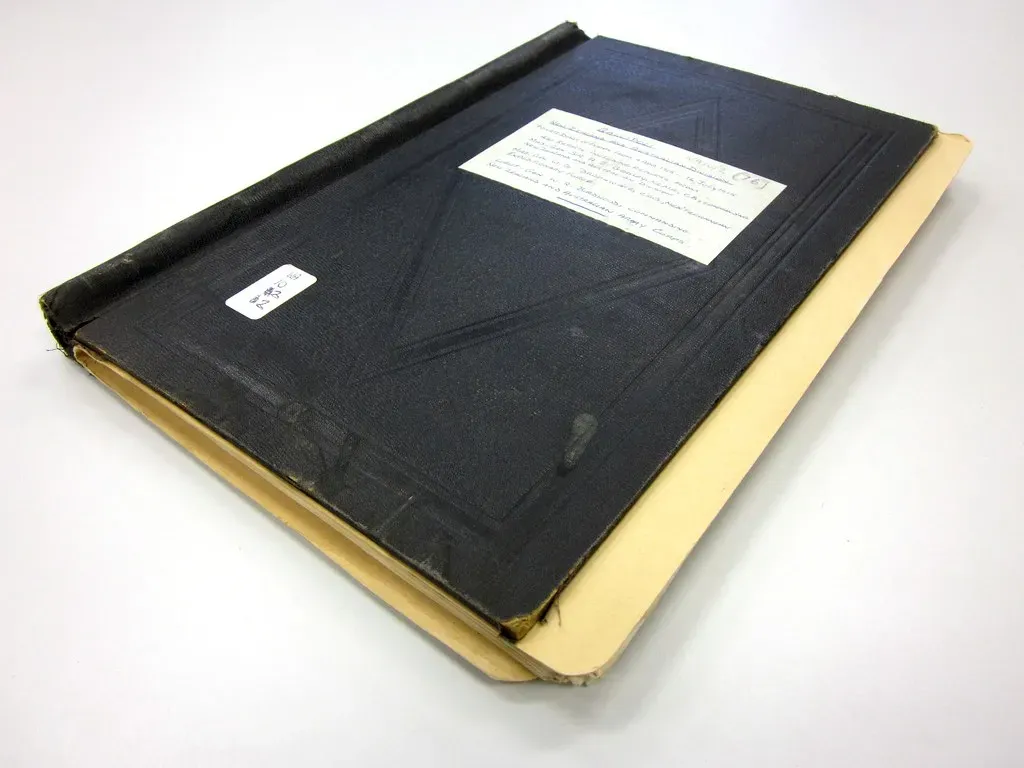
Researchers started noticing a weird pattern: when a scientist’s notebooks are numbered, the middle ones quietly vanish. Notebook #1 is there. Notebook #2 is there. Notebook #5 is there. Notebook #4? Cited in old inventories, missing today. Archivists will tell you this isn’t rare – in 20th-century geology, anthropology, and botany collections, you’ll find countless entries like “Field notebook #3 (Rocky Mountain survey, 1932) – 1 vol.” sitting in early card catalogs.
When modern staff go to pull those items, the box is empty or the call number skips that volume entirely. Sometimes there’s even a penciled note in the margin: “Not found, 1978.” In other words, the archive itself documents its own loss. Some blame simple mis-shelving. Others quietly admit that “problematic” content – racial language, territorial claims, early nuclear or mineral surveys – may have been weeded out by an earlier generation who never wrote down why.
Fast Facts
- Missing volumes often show up as a single skipped number in an otherwise complete numbered set
- Old card catalogs are sometimes the only surviving proof a notebook ever existed
- Margin notes like “Not found, 1978” prove archivists flagged the loss themselves
- Suspected causes range from ordinary mis-shelving to quiet, content-driven weeding
#11 – Expedition Logs That Survived the Field But Not the Basement
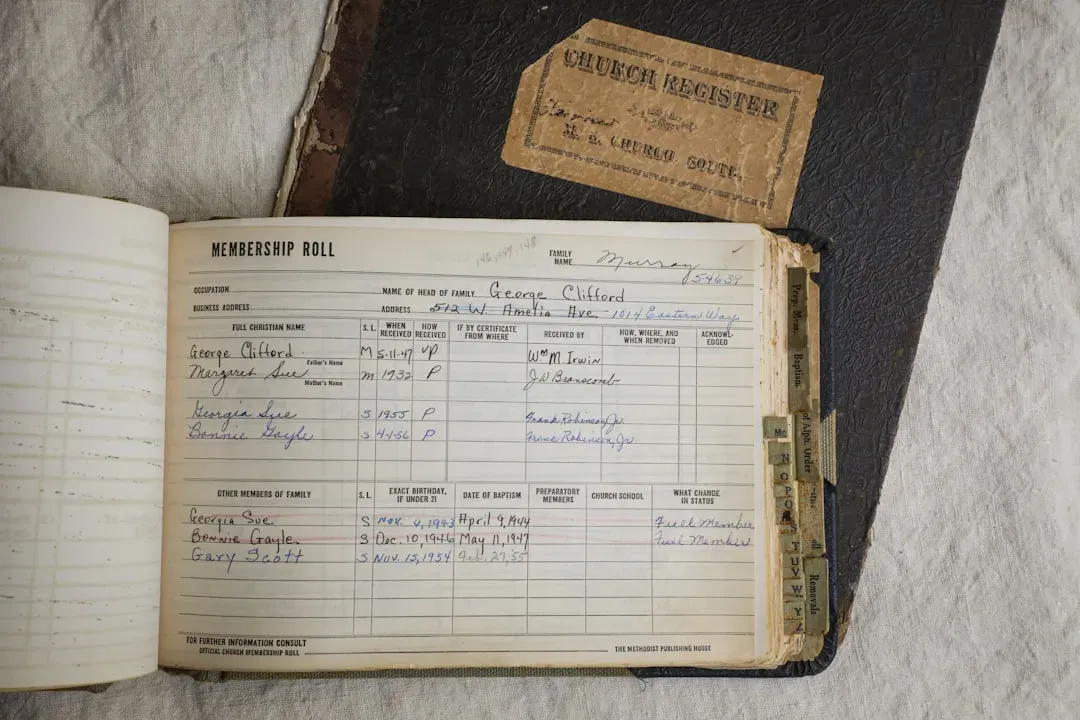
Field notebooks are supposed to die in storms, shipwrecks, or moldy jungle camps. Instead, archivists keep telling the same story: the notebook made it home, got cataloged properly, and then disappeared in storage. That’s a very different kind of loss, and a much harder one to explain away.
In polar, desert, and rainforest expeditions, the field log is the spine of the whole project – it records who was where, what sample came from which coordinates, and what locals said about the land. Early inventories from the 1930s through the 1960s often list these volumes in dry, bureaucratic language, like “Logbook – Ice Core Party, Season II.” Decades later, researchers show up to cross-check climate data or Indigenous place names, and the log is simply gone, even though everything that depended on it – specimens, photographs, final reports – is still sitting neatly on the shelf. Some archives even still hold the accession paperwork referencing the exact missing notebook, which makes the empty spot even harder to explain.
#10 – The War-Era “Quiet Withdrawals” No One Likes to Talk About
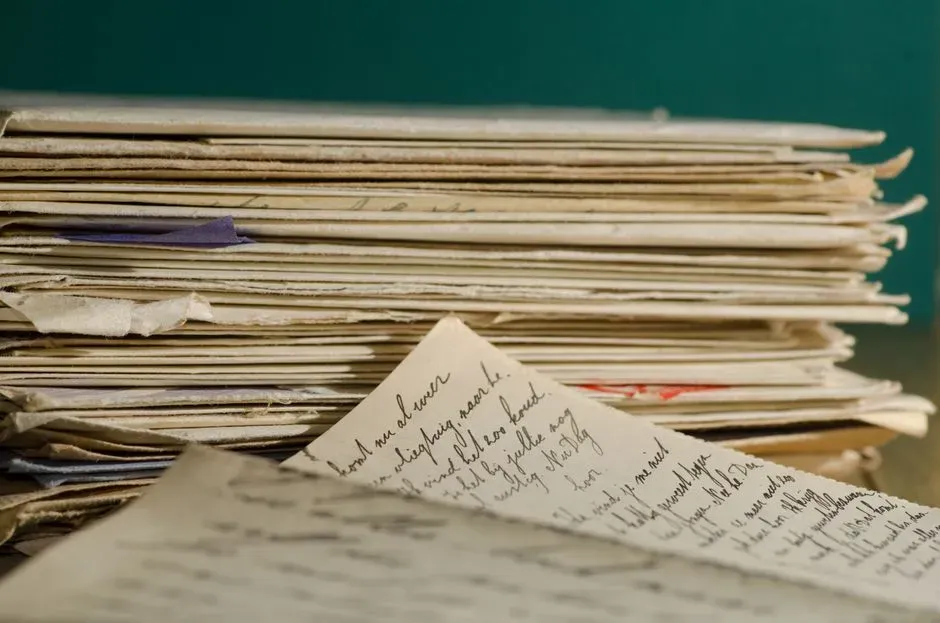
Ask older archivists off the record and you’ll eventually hear a phrase they rarely put in print: “quiet withdrawal.” During and just after the World Wars, and into the early Cold War, some field notebooks didn’t vanish by accident at all. They were intentionally pulled, sometimes at government request, and nobody bothered updating the public record.
War-era natural resource surveys, coastal mapping, uranium or rare earth prospecting – these all generated field books that once appeared in general inventories. As strategic concerns shifted, those same volumes were “transferred,” “reclassified,” or simply marked “withdrawn.” A finding aid might still list “Notebook 7 – Strategic Mineral Survey, 1943,” with a faint pencil note underneath reading “Removed to restricted series, 1951.” The problem is that modern staff have no idea where that restricted series lives, or whether it still exists. Officially, institutions insist they don’t destroy this kind of material. Unofficially, boxes marked “to be reviewed” have a habit of never making it back.
#9 – Anthropologists’ Field Books That Vanished After Reappraisal
Some of the most controversial missing field notebooks come out of anthropology and folklore. Early 20th-century ethnographers took meticulous notes – word lists, kinship diagrams, sacred stories, and often deeply biased descriptions of the communities they visited. Those notebooks were routinely listed in card catalogs and accession ledgers. Many of them are gone now.
Between the 1970s and 1990s, archives across the U.S., Canada, and Europe ran “reappraisal projects” meant to free up shelf space by weeding out “low-value” or duplicative material. Field notebooks were sometimes judged already “summarized” in the published monograph and quietly deaccessioned – thrown out, essentially, because someone assumed the finished book said it all. Today, historians of colonialism and Indigenous scholars consider those lost books irreplaceable, not because they were unbiased, but precisely because they showed how researchers framed and filtered what they heard in the field. A few institutions now publicly admit past over-weeding and have started “lost collections” audits, literally trying to trace notebooks they threw away decades ago.
#8 – The Missing Climate Logs That Could Have Changed Baselines
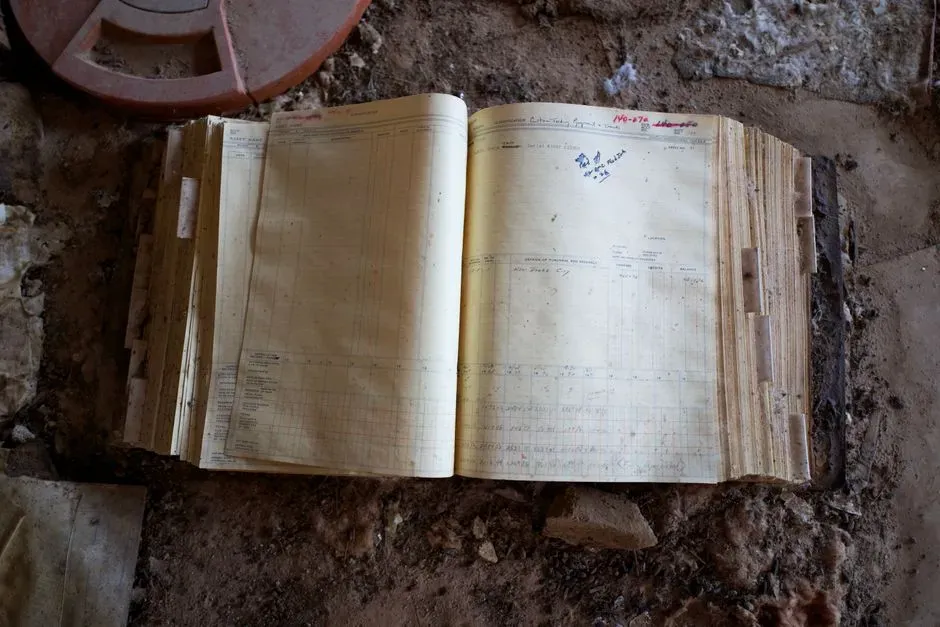
Talk to climate historians and you’ll hear a bitter refrain: we know the notebook existed, because later papers quote directly from it. Yet when they go looking, the physical log is gone, even though the archive once listed it plainly. Shipboard weather logs, glacier diaries, alpine snowpack records, and farm-station notebooks from the late 19th and early 20th century often hold hyperlocal daily data – temperatures, freeze-thaw cycles, unusual storms – that are gold for reconstructing pre-industrial climate baselines.
Older finding aids describe these plainly: “Field diary, 1897-1903, precipitation and frost observations.” The modern online catalog shows no such volume. Some likely culprits include a “conservation triage” era when moldy, fragile volumes were destroyed instead of treated, or staff assuming that meteorological summaries in government yearbooks made the underlying notebook redundant. The irony is brutal: today’s climate models sometimes rely on single-station records, and losing one “redundant” field book can erase an entire valley’s early climate memory for good.
Worth Knowing
- Shipboard weather logs, glacier diaries, and farm-station notebooks often held daily, hyperlocal readings
- Older finding aids describe specific volumes that no longer appear in current catalogs
- “Conservation triage” sometimes meant destroying fragile books instead of treating them
- A single “redundant” notebook can represent a valley’s only pre-industrial climate record
#7 – Paleontology Notebooks That Explain Famous Fossils… Except They’re Gone

In museum gift shops, you can buy posters of iconic dinosaur skeletons. What you can’t easily see is the original field notebook explaining exactly where each bone came from – and in some cases, that record has vanished entirely. Paleontological field books often tie specimen catalog numbers to precise quarry layers, hand-drawn quarry maps, and informal comments like “bone scattered – possible scavenging.”
Early 20th-century paleontologists were diligent enough that these notebooks got listed in accession records, like “Field Book C, Como Bluff, 1903,” and cited in internal memos during later re-mounting of skeletons. When modern researchers go back to test new hypotheses about growth rates, bone disease, or misidentified species, they find the specimens sitting right there – but not the working notes that explain them. The archive’s own historical inventories prove these notebooks once sat on a shelf. Whether they were lost in a remodeling project, borrowed by a curator who never returned them, or quietly taken by a private collector remains genuinely murky.
#6 – The Herbarium Codes That Lead to Nowhere
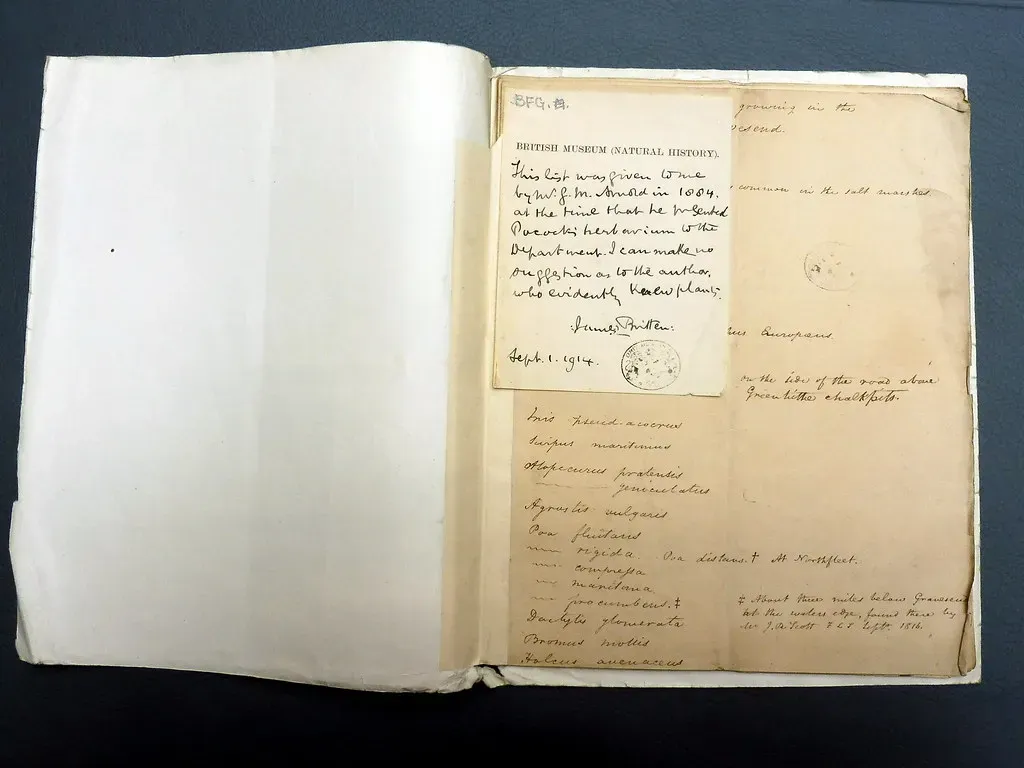
Botanists treat herbarium labels as gospel – a specimen tag lists a collector’s name, number, date, and location. Behind those cryptic numbers is usually a field notebook recording habitat, associated species, and observations. Many herbaria once listed those notebooks right alongside the plant sheets. Today, a surprising fraction are simply missing.
Here’s the pattern researchers keep describing: an old printed catalog reads “Field book of A. Smith, Nos. 1-312, Mexico, 1910.” The modern database shows thousands of sheets labeled “A. Smith 147,” “A. Smith 212,” and so on. But the physical archive has no trace of the corresponding field book – just a note saying “not located since 1970s.” This matters because the notebook often records the precise microhabitat and local names, crucial for tracking environmental change and for working respectfully with the communities whose knowledge guided those collections in the first place. Sometimes the only proof a notebook ever existed is a single citation buried in a 1920s flora: “See Smith’s Mexico field book, p. 47.” When that book is gone, so is most of the context behind every specimen it describes.
#5 – “Cleaned-Up” Archaeology Records and the Vanishing of Embarrassing Notes

Archaeology has a long paper trail – trench notebooks, locus sheets, sketch pads, day-by-day dig diaries. Early inventories at universities and national museums frequently itemized every one of them. But when digital cataloging began, some archivists ran into an uncomfortable reality: the surviving paper no longer matched the old lists.
In several well-known excavations, secondary literature references something like “Field Notebook K: upper courtyard, 1936 season,” and early paper finding aids list it too. But the actual archive boxes hold only a sanitized subset of documentation. Marginal notes that once recorded on-the-spot arguments over dating, disagreements about artifact ownership, or comments on removing human remains and sacred objects are now missing entirely, sometimes along with the whole notebook. Insiders quietly suggest that mid-century curators, eager to present a “professional” narrative, may have discarded messy, compromising paperwork during exhibit redesigns. Not everyone agrees – some blame war damage or building moves – but the pattern is suspicious enough to fuel long-running debates among historians.
At a Glance
- Survived: sanitized documentation, published reports, artifact catalogs
- Missing: marginal notes on dating disputes and ownership disagreements
- Missing: comments on removing human remains and sacred objects
- Cited in early paper finding aids, but absent from current archive boxes
#4 – Private Donor Pressure and the “Edited” Legacy
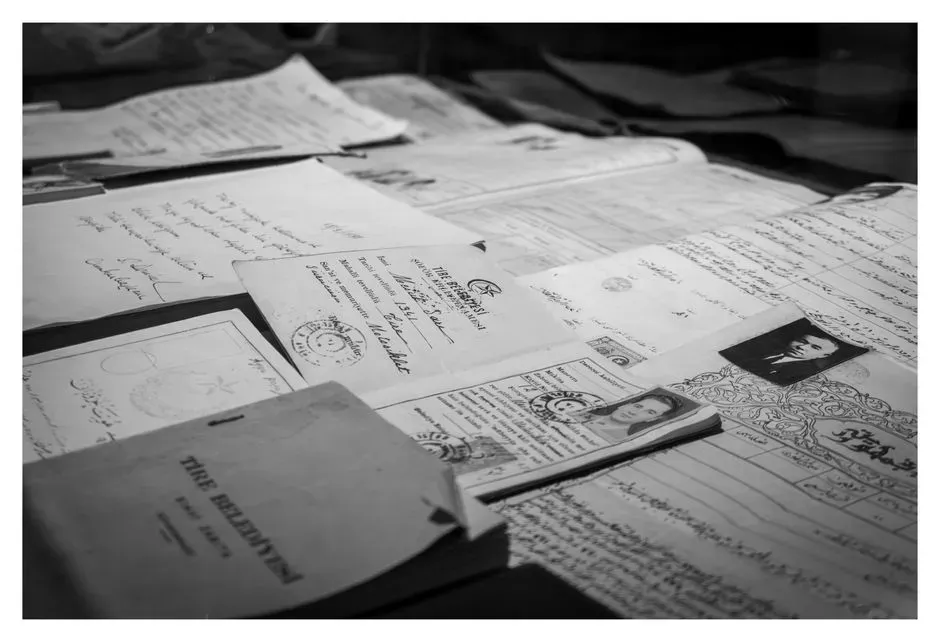
Here’s a part of archival work that rarely makes it into glossy brochures: donors and their families often negotiate what actually gets saved. When a famous explorer, geologist, or naturalist dies, their papers may arrive “complete” at the archive’s loading dock. But by the time they’re formally accessioned and listed, certain field notebooks have already been quietly pulled out.
Archivists and historians point to cases where an early internal inventory notes 15 field notebooks from a donor, while the public finding aid, written later, lists only 10, with no explanation offered anywhere. Family correspondence, preserved elsewhere, sometimes suggests concerns about “sensitive remarks” or “unfortunate opinions” in the field diaries themselves. Some donor agreements explicitly allow families to recall or destroy material deemed damaging to reputations, and while that clause usually targets private letters, field notebooks that mix scientific notes with personal commentary can get swept up in the same dragnet. To future researchers, it just looks like the archive once listed a field book that now “cannot be located” – when the real story may be editorial surgery, done quietly under family and legal pressure.
#3 – The Digitization Mirage: Scanned, Cited, But the Originals Are Missing

Digitization was supposed to save everything. Instead, it sometimes turned field notebooks into ghost objects. In the rush to scan material through the 1990s and 2000s, some institutions created crude item lists – “Notebook A,” “Notebook B,” and so on – and those lists made their way straight into public catalogs. Years later, a researcher tries to see the physical volume, and it’s simply gone.
Several scenarios keep cropping up in professional archivist forums: a notebook scanned and then misfiled in off-site storage during a renovation, conservation staff separating brittle pages for a treatment that never actually happened, or temporary project workers using ad hoc numbering systems that never matched the older accession records. The result is weirdly modern – a low-resolution PDF of a notebook whose original is effectively lost, even to the institution that holds it. For scientific work, that’s not trivial. Paper color, marginalia, ink changes, and paper type can all be evidence in their own right. When the only proof of a notebook’s existence is a line in a digitization log and a corrupted image file, “listed but missing” takes on an entirely new meaning.
#2 – The “Staff Copy” Notebooks That Went Home and Never Returned

One of the more uncomfortable open secrets in archival culture is that field notebooks sometimes lived double lives – official institutional record and personal reference tool at the same time. Scientists, curators, or senior technicians would take a “staff copy” home to work on a publication, fully intending to bring it back. Many simply never did.
The evidence for this isn’t speculative. Researchers occasionally uncover auction listings or estate inventories from retired staff mentioning “field notes from [Institution] expeditions,” or marginal notes in surviving notebooks that read “Copy made for Dr. X, 1964,” while that copy is nowhere in the institution’s current holdings. Internal memos from the 1950s through the 1970s sometimes ask specific individuals, by name, to return “borrowed notebooks” that were legally state or university property. In older paper finding aids, those notebooks still appear, because as far as the archive was concerned, they were part of the collection. Today, staff quietly mark them “missing since [year],” and whether you call that theft, culture, or a gray area of scholarly habit depends entirely on who you ask – which is exactly why the conversation tends to stay behind closed doors.
Quick Compare
- Official record: notebook logged in the accession ledger, expected to stay on-site
- Staff copy: personal working duplicate taken home “temporarily” for research
- Institutional memo: formal requests asking named staff to return borrowed volumes
- Modern status: marked “missing since [year]” with no return date on file
#1 – When “Missing” Looks a Lot Like Selective Erasure
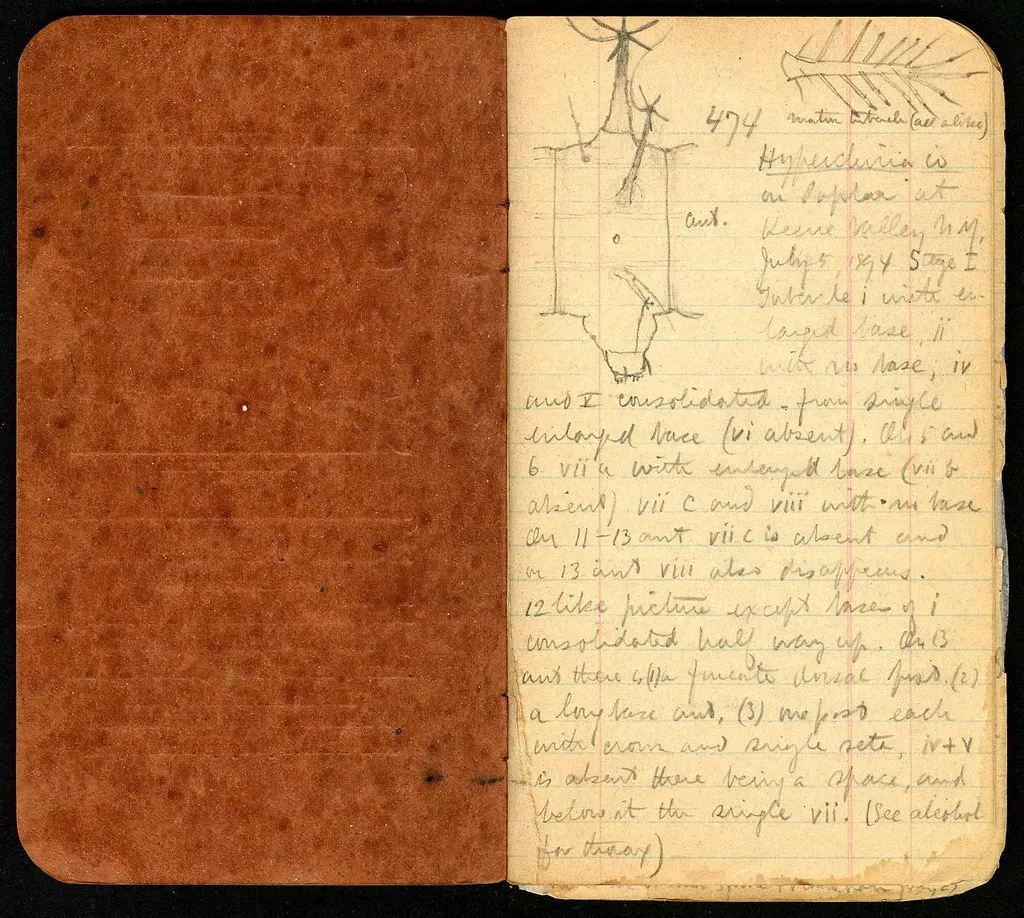
The most unsettling cases don’t look random at all. Across disciplines, the notebooks that disappear most often are the ones that cut against the grain of later, tidier narratives – records of failed hypotheses, uncomfortable partnerships, or messy moral choices. When early inventories list them clearly and modern archives simply can’t produce them, it’s hard not to notice a pattern.
Historians keep flagging the same kinds of examples: field books documenting collaboration with local guides and Indigenous experts, even though later publications erased their names entirely; notebooks from early industrial or extraction surveys that show companies knew about environmental damage long before they publicly admitted it; diaries where a scientist openly questions their own methods, or the ethics of collecting human remains, only for that self-critique to vanish from the official record. No serious archivist claims there’s a global conspiracy – most losses really are mundane, the product of water damage, mold, bad moves, and thin budgets. But the fact that the missing notebooks so often sit at the intersection of science, power, and accountability is exactly why researchers keep pushing on this, and why some suspect “lost in the stacks” sometimes really means someone didn’t want this one to survive.
The Bottom Line

If you thought archives were neutral vaults, the story of these twelve notebooks should change your mind. When a volume that was once explicitly listed in an inventory quietly disappears, we’re not just losing “old papers” – we’re losing the working memory of how science, exploration, and extraction actually happened, mistakes and all.
The uncomfortable pattern is hard to ignore once you see it: the most endangered notebooks are so often the ones that contradict heroic origin stories, expose ethical gray zones, or preserve voices that later got written out of the official version. That doesn’t mean every gap hides a scandal – plenty of losses really are just mold, bad shelving, and underfunded conservation departments doing their best with nothing. But pretending it’s all random feels just as dishonest as assuming it’s all cover-up.
My honest take: institutions don’t owe us a perfect record, but they owe us an honest one. If a field notebook was destroyed, sold, borrowed, or quietly withdrawn, that decision belongs in the finding aid too – not erased alongside the notebook itself. Until archives start documenting their own losses as carefully as they once documented the notebooks, we’ll keep finding these ghost entries, and we’ll keep wondering exactly what they were trying not to keep.