Somewhere in a drawer at a regional geology lab sits a bone that, according to the rock around it, appeared on Earth tens of millions of years before its own species existed. It sounds impossible. It sounds like the kind of thing that would blow up the entire fossil record overnight.
That’s exactly how these stories spread online – as smoking guns for a hidden history science supposedly doesn’t want you to see. But when actual paleontologists get their hands on the same bones, a very different, much stranger story tends to unfold. Here are the 11 most talked-about “out-of-place” bones, and what really happened once the lab notes caught up with the legend.
#11 – The “Human” Femur Found Below a Coal Seam
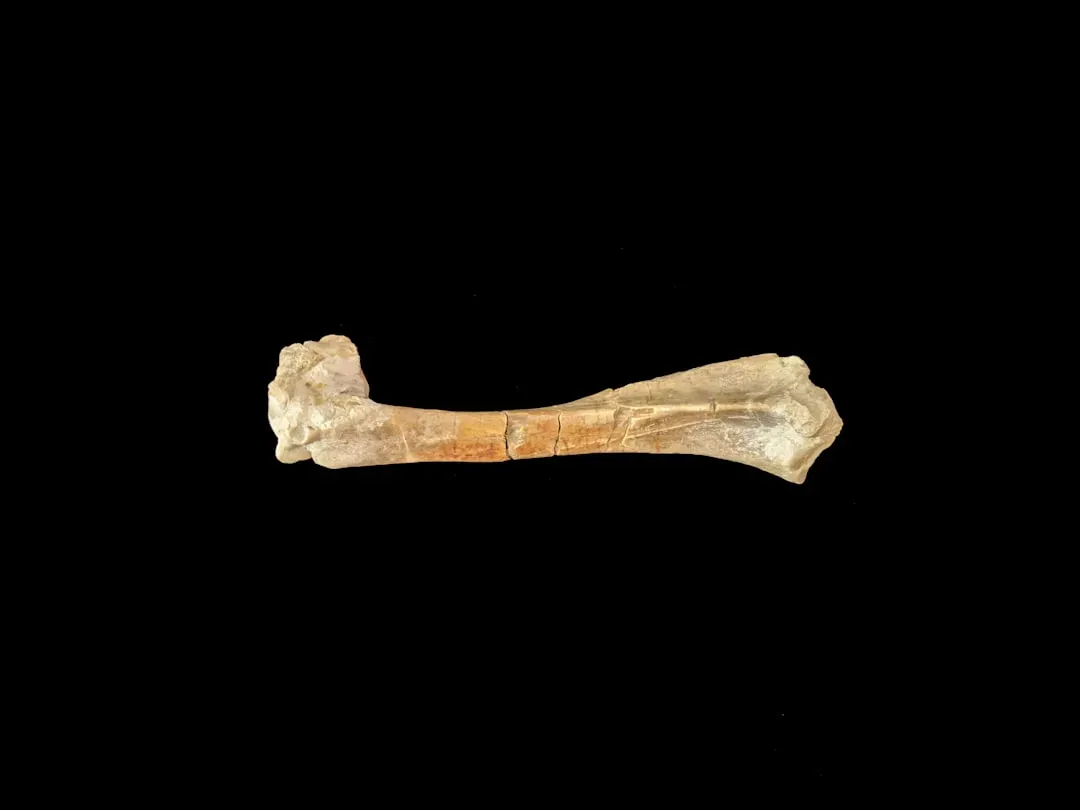
A single “human-like” femur pulled from rock beneath a coal seam has circulated on fringe websites for years, offered as proof people walked the Earth tens of millions of years before Homo sapiens existed. On the surface, that’s explosive. A modern-looking bone in wildly ancient rock – case closed, right?
Not quite. When geologists revisited the actual site, they found something the viral posts conveniently skip: the bone sat in disturbed, fractured rock, not a clean, undisturbed layer. In stratigraphy, that’s basically a crime scene where someone’s already tracked mud everywhere.
Bones can slip into cavities, get reworked by groundwater, or even get dropped down old mine shafts and later cemented in by minerals seeping through cracks. When more than one anatomist actually examined the fragment, it looked less human and more like a heavily mineralized chunk of a large mammal’s leg bone.
No peer-reviewed paper has ever confirmed it as a human femur sitting in pre-human strata. It’s a genuine curiosity – just nowhere near the species-shattering discovery it’s sold as online. And #10 follows almost the exact same script.
#10 – The London Hammer and the Bone Claims Around It
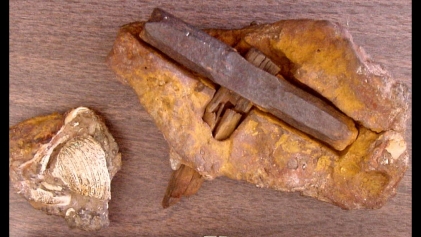
You’ve probably seen the photos: a hammer encased in rock, sometimes shown next to supposed “out-of-place” bones, all said to be millions of years older than humanity itself. The so-called London Hammer exploded online as proof that modern humans – or something even stranger – existed in the deep past.
What most people never hear is how geologists actually read objects like this. The “rock” around the hammer is a concretion – sediment and minerals that can harden relatively fast around anything solid. Geologists have found fence posts, bottles, even entire boots encased the same way, and nobody’s arguing boots are millions of years old.
The bones that get linked to the hammer in conspiracy circles almost never come with documented, verifiable stratigraphic context. No logged layer, no confirmed depth, no chain of custody – just a photo and a claim.
Without a solid, recorded position in the rock, the age claim collapses instantly. The hammer is fascinating as internet folklore. It’s just not science. Which brings us to a fossil that fooled people for decades.
#9 – The Cretaceous “Human Finger” That Wasn’t

For decades, creationist publications passed around images of what they called a “fossilized human finger,” reportedly pulled from Cretaceous-aged rock – tens of millions of years older than any accepted date for humans. At first glance, it does look finger-like: a rounded end, a knuckle-shaped bump, an elongated shaft.
That’s exactly why it spread so fast. It’s weirdly convincing in a low-res photo passed between Facebook groups.
But when actual paleontologists and anatomists looked closely, the illusion fell apart fast. The specimen showed no clear internal bone structure consistent with a human phalanx – no distinct cortical bone, no medullary cavity, no articulating surfaces matching a real joint. It looked far more like a concretion, a naturally rounded mineral form that tricks the eye the same way a cloud tricks you into seeing a face.
Fast Facts
- Real fossilized bone preserves microscopic Haversian canals – tiny tunnels that once carried blood vessels.
- Genuine bone also retains a hollow medullary cavity; solid mineral concretions do not.
- Concretions form when minerals precipitate around any nucleus – a shell, a stick, even a bubble – not just organic remains.
- No verified hominin fossil has ever been recovered from confirmed Cretaceous-age rock.
Even worse for the story, there’s no solid record of exactly where or how it was collected. No coordinates, no field log, no independent team confirming the find. In science, an anomaly without paperwork isn’t an anomaly. It’s a rumor. And rumors like that get much bigger once dinosaurs get involved.
#8 – Dinosaur Bones Showing Up in the “Wrong” Layer
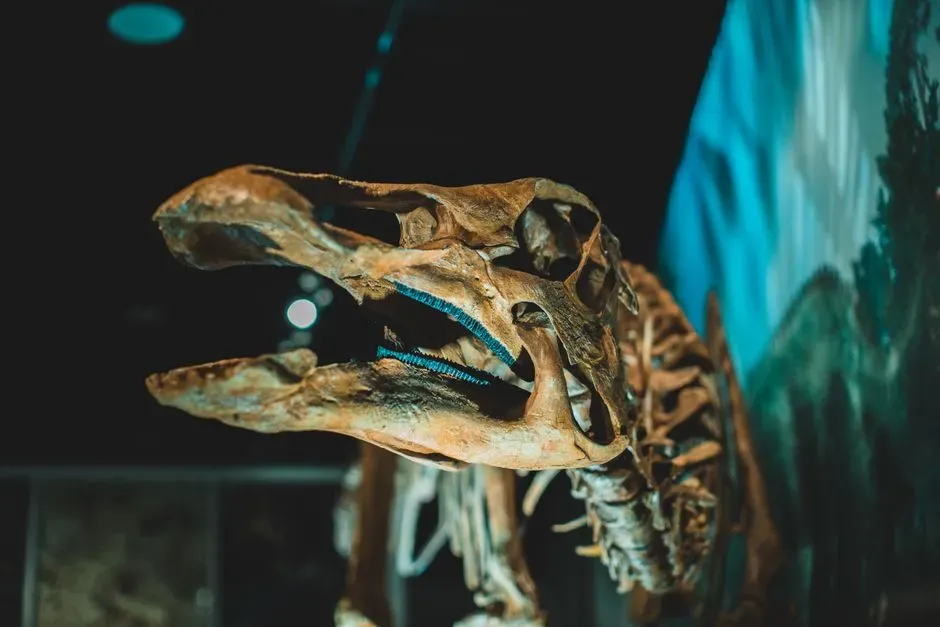
Every few years, a headline claims dinosaur bones were found in rock layers too young for them – or mammal bones in layers too old. The implication is always the same: the geologic column is fake, and scientists know it.
The real explanation is quieter, and honestly kind of fascinating once you see it. Many of these cases involve reworked fossils, where older bones erode out of their original layer and get redeposited somewhere younger entirely.
Picture a dinosaur skeleton weathering slowly out of a cliff face over thousands of years. Rivers grab loose bones, tumble them downstream, and bury them in much younger sand or mud. Millions of years later, someone digs them up in a layer that doesn’t match their true age at all.
Geologists can usually spot this happening – the bones are worn smooth, mixed with river pebbles, or sitting inside obvious channel deposits. Dinosaur bones really have turned up in younger strata. It’s not because the timeline is broken. It’s because erosion has never once cared about our charts.
#7 – Human-Like Footprints in Supposedly Ancient Layers
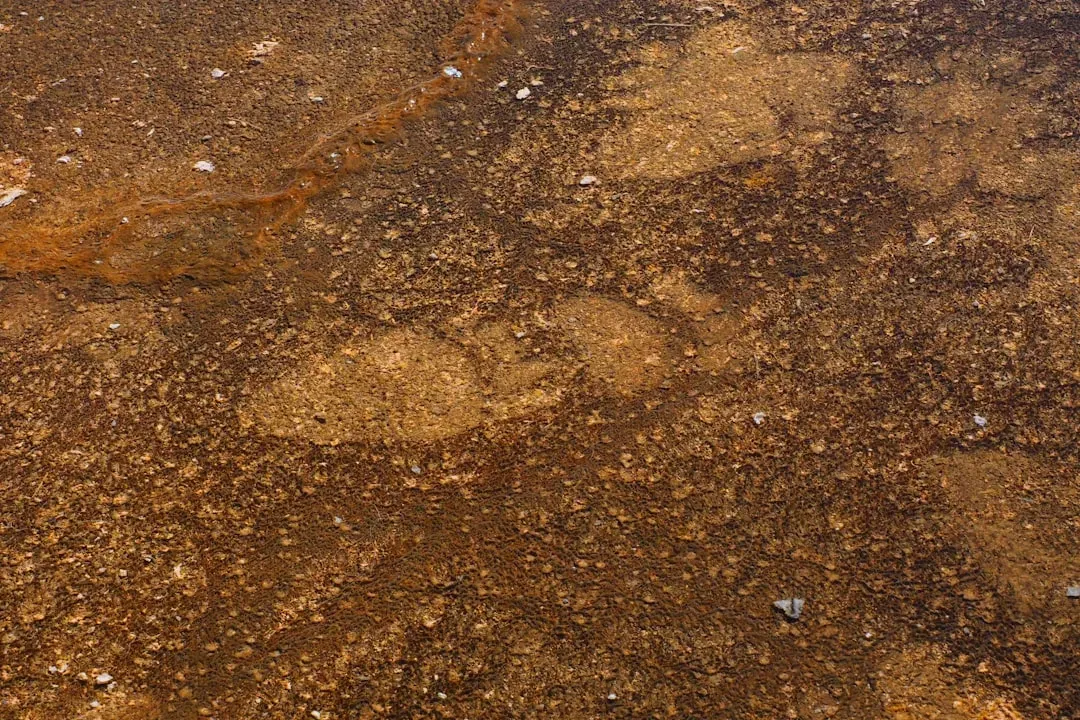
Photos of “human footprints next to dinosaur tracks” are pure social media gold. The most famous versions come from riverbeds where real Cretaceous dinosaur tracks are preserved, alongside some elongated, worn-down prints hyped as barefoot humans strolling right beside them.
If that were true, it would erase 150 years of evolutionary science in a single footstep. It would be one of the biggest discoveries in human history.
But on-site investigations have quietly killed the drama almost every single time. Many of the “prints” are just partially eroded dinosaur tracks – the front or back of a three-toed footprint wears away, leaving an oval blob that looks vaguely human in a grainy photo. Others are outright carvings; locals have literally chiseled human-shaped tracks near real dinosaur prints to sell to curious tourists, and up close, the tool marks are obvious.
No well-documented case has ever produced anatomically correct human foot bones or trackways in rock reliably dated millions of years before our species existed. But one whale bone came close to breaking that streak.
#6 – The Misdated Whale Vertebra in Ancient Sediments
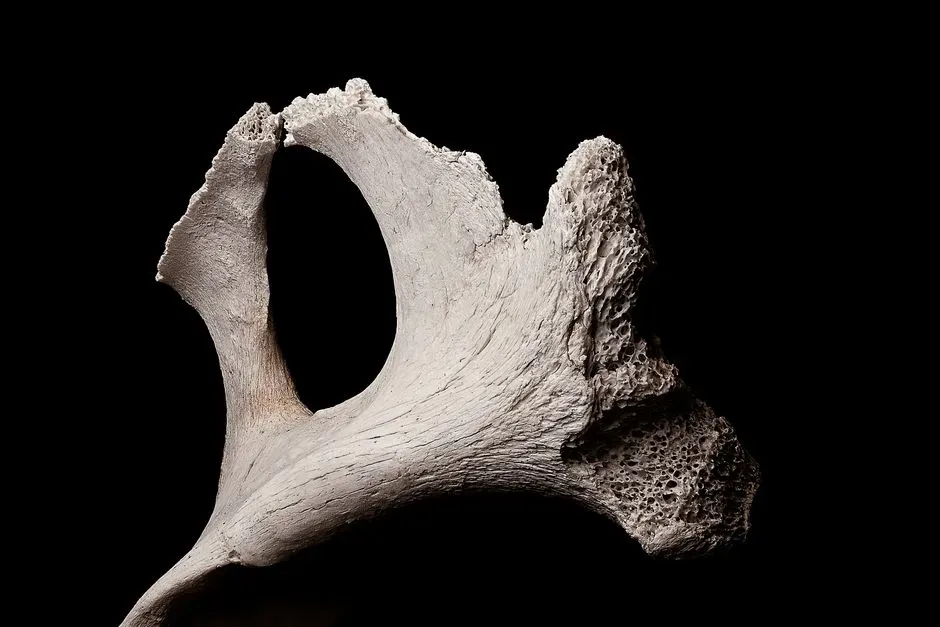
One of the more quietly debated cases among geologists involves a marine mammal bone – a whale or dolphin vertebra – reported sitting in strata dated tens of millions of years before modern cetaceans should exist. For a moment, it genuinely raised eyebrows inside a regional lab.
Then someone went back into the field with sharper tools and better questions, and the mystery unraveled fast.
The key detail: the bone sat inside a burrow-like structure that cut straight down through multiple layers, including much younger ones above it. Burrowing animals and root systems can drag material downward over time, and cracks in rock can open, fill, and eventually look like part of the original layer to an untrained eye.
Worth Knowing
- Burrows, root channels, and cracks can move a fossil across layers long after it was buried.
- Geologists call this a “cross-cutting relationship” – and it has to be ruled out before any age claim is trusted.
- River and coastal deposits are especially prone to mixing bones of very different ages together.
- Re-mapping a site with modern tools frequently corrects decades-old field reports.
When the site was carefully re-mapped, the bone’s true age matched the younger formation above it, not the ancient one beneath. A single misread contact between two layers had created the illusion of an “impossible” fossil. The next case shows how easily an entire skull can get caught in the same trap.
#5 – The “Pliocene” Human Skull Fragment That Raised Hell

In some European quarries, workers in the early 1900s reported finding human skull fragments inside deposits initially mapped as Pliocene – millions of years before Homo sapiens supposedly existed. For decades, these stories floated in the background of pamphlets and fringe circles, rarely making it into serious journals.
Then, quietly, modern stratigraphers went back and re-mapped those same quarries with far better tools.
What they found should make anyone pause before trusting an old headline. The supposed Pliocene deposits often had younger sediments slumped or faulted into them, including caves and sinkholes that later filled in with much more recent remains. Human bones, tools, and even pottery had been sitting in these disturbed pockets – and got mis-logged as coming from the older host rock underneath.
Once radiometric dating and careful sediment analysis were finally applied, the “ancient” skull fragments turned out to be completely consistent with known human timelines. The bones were never too old. The maps were wrong.
#4 – The Alleged Precambrian “Human” Bone: A Lesson in Wishful Thinking
Every few years, a claim resurfaces about a “human bone” or “advanced fossil” found in rock supposedly from the Precambrian – hundreds of millions of years before complex animals even existed. If even one of these held up, it would be the single biggest discovery in the history of biology.
Not one has survived real scrutiny. The pattern, honestly, has gotten almost boring.
Usually the alleged bone turns out to be a naturally formed concretion, nodule, or mineral vein that happens to look vaguely anatomical. Human brains are wired to find patterns everywhere – faces in clouds, figures in shadows, and yes, bones in random rocks. Under a microscope, genuine bone shows something very specific: Haversian systems, collagen imprints, distinct mineral organization. These “Precambrian bones” show none of it.
Extraordinary claims require extraordinary evidence.
Carl Sagan
They’re just rock – sometimes beautifully layered, but rock all the same. The fact that these claims still go viral says far more about our hunger for mystery than about the actual fossil record.
#3 – The Controversial “Archaic” Hominin Bones in Unexpected Places
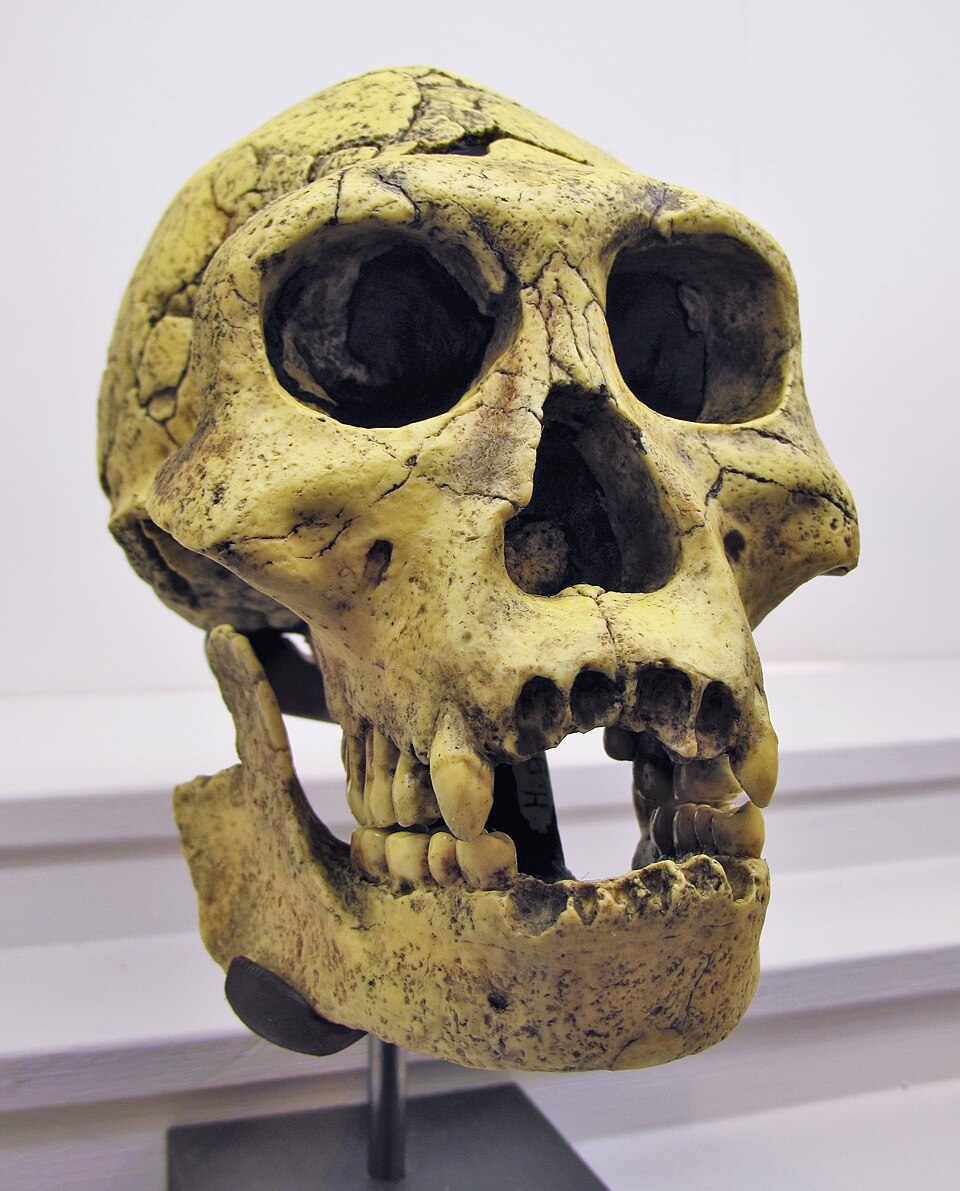
Now we hit the genuinely uncomfortable cases: bones that really are human, or close relatives, showing up in places or layers that strain our current migration maps. Several sites across Asia and Europe have produced archaic hominin remains or tools in contexts that seemed, at first glance, older or geographically stranger than expected.
These aren’t dusty Victorian curios sitting forgotten in a drawer. They’re active, ongoing areas of research, and paleoanthropologists argue about them at conferences right now.
What separates these from the obvious hoaxes is simple: the bones are clearly anatomical. Teeth with recognizable hominin morphology, skull fragments with distinct features, limb bones consistent with known species. The debate here isn’t “is this even bone?” It’s “how old is it, exactly, and who does it actually belong to?”
Most of these finds end up nudging timelines, not obliterating them – pushing back regional arrival dates by tens of thousands of years, not millions. They’re proof that our species’ story is still being rewritten in the margins of the map, not in the headlines of tabloid websites.
#2 – The Hominin Fossils That Seem Too Old… Until Dating Improves
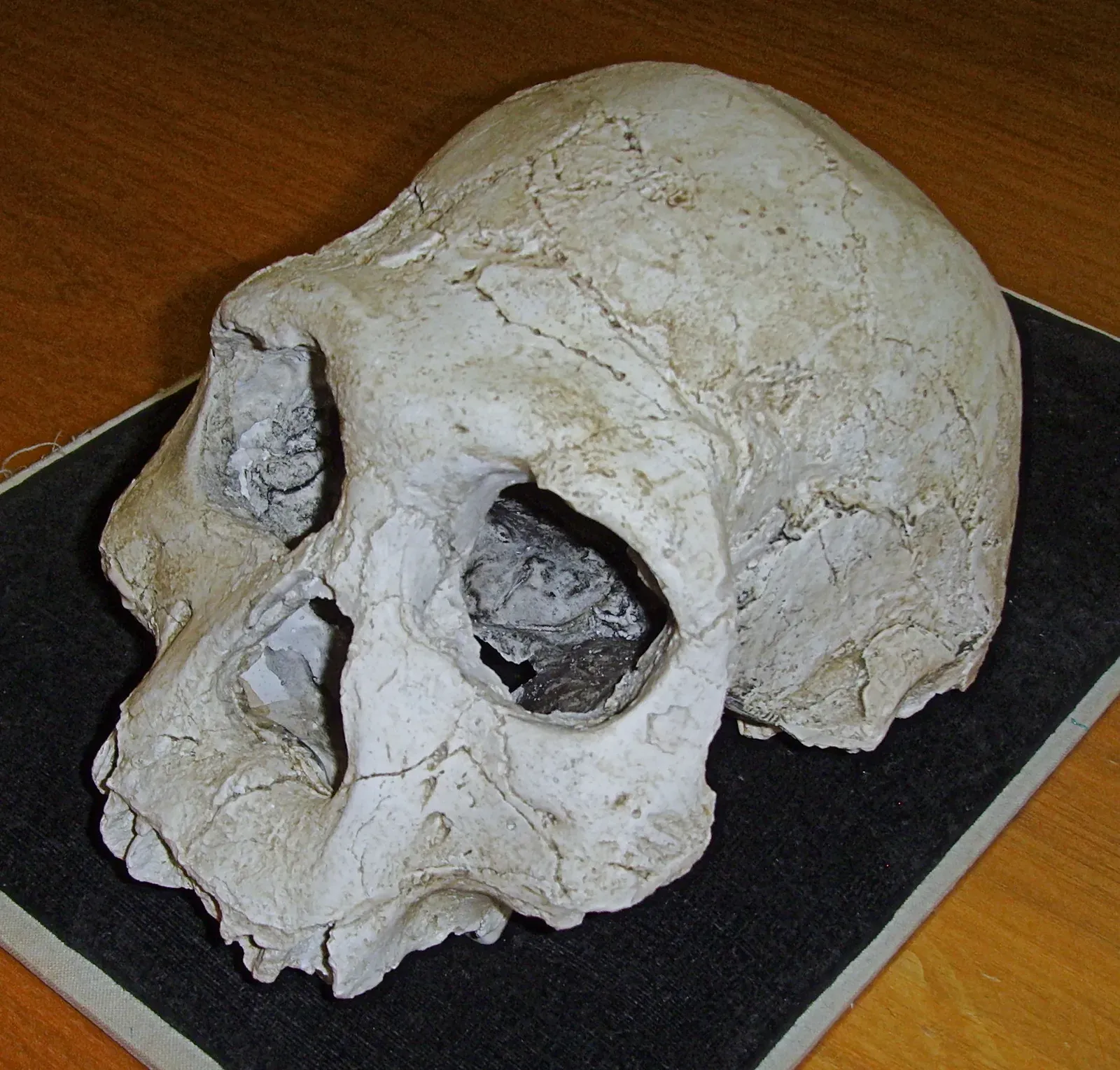
Some of the biggest “this can’t be right” moments in paleoanthropology start with a bone that looks too modern for its reported age. A jaw here, a tooth there, a partial skull that seems to belong to Homo or near-Homo in layers dated surprisingly far back in time.
At first, the possibilities sound wild. Did our lineage appear far earlier than we think? Are we missing entire chapters of the story?
What follows is usually a brutal, years-long grind. Independent labs re-date the surrounding rock, the sediment locked inside the bone, and sometimes even the mineral overgrowth on its surface. Different methods – uranium-series dating, paleomagnetism, argon-argon dating – get cross-checked against each other before anyone publishes a word.
Quick Compare
- Uranium-series dating: best for cave deposits and works reliably within a few hundred thousand years.
- Argon-argon dating: applied to volcanic ash layers, accurate across millions of years.
- Paleomagnetism: matches a rock’s magnetic signature to the known timeline of Earth’s field reversals.
- A controversial fossil date is only accepted once multiple independent methods agree.
In a few famous cases, the initial date turned out to be off by a lot, and the fossil slid comfortably back into the known window. In others, the dates mostly held, and our models of early hominin expansion had to stretch to fit. The key point: when a bone really does push a boundary, it ends up in journals and textbooks – not just on a sensational Facebook page.
#1 – The Real “Anomalies”: Bones That Don’t Break the Timeline But Do Rewrite the Story
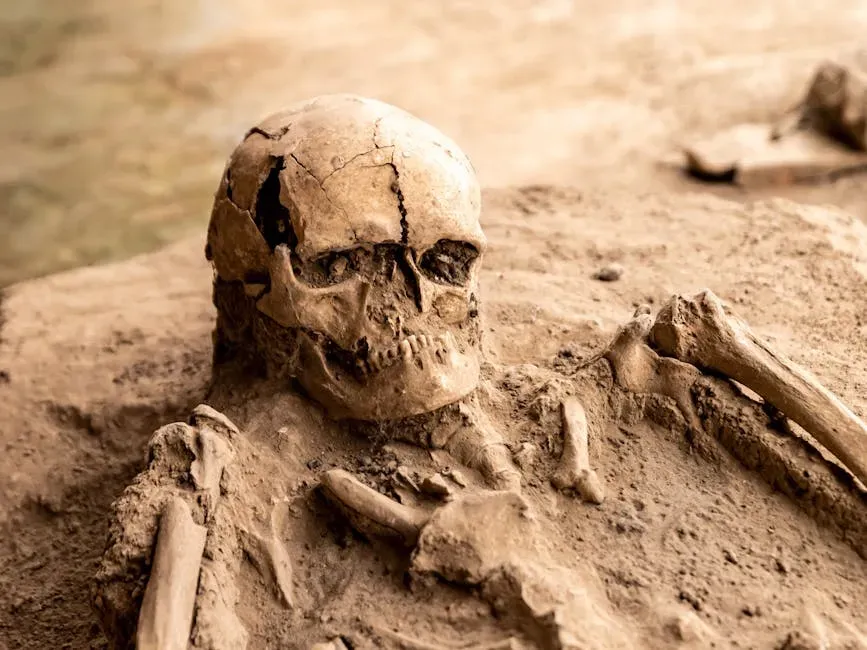
Here’s the twist most people don’t want to hear: the most important “bones out of place” were never the ones supposedly millions of years off. Those almost always crumble under basic scrutiny – misidentification, disturbed strata, or an outright hoax dressed up for clicks.
The truly disruptive bones are the ones that are just a little bit too old, or in the “wrong” region, but still sitting comfortably within the broad evolutionary window. They don’t nuke the timeline. They refine it, one inconvenient fossil at a time.
Why It Stands Out
- Genuine anomalies get published in peer-reviewed journals, not just shared as viral screenshots.
- They shift timelines by thousands or hundreds of thousands of years – never by tens of millions.
- They arrive with full documentation: GPS coordinates, stratigraphic logs, and an unbroken chain of custody.
- They typically trigger multi-lab collaboration and repeat testing before anyone announces a conclusion.
Think of early Homo fossils turning up in parts of Africa or Eurasia where nobody expected them, or surprisingly modern-looking traits showing up in individuals we assumed should still be archaic. These finds force scientists to redraw migration routes, revise branching diagrams, and admit that evolution was messier and far more overlapping than the clean, tidy charts hanging in classrooms.
They’re not proof that humans co-existed with dinosaurs, or that our species is hundreds of millions of years old. They’re proof that even in a field this well-studied, the details keep surprising the very people who’ve spent their careers mapping them.
The Bottom Line
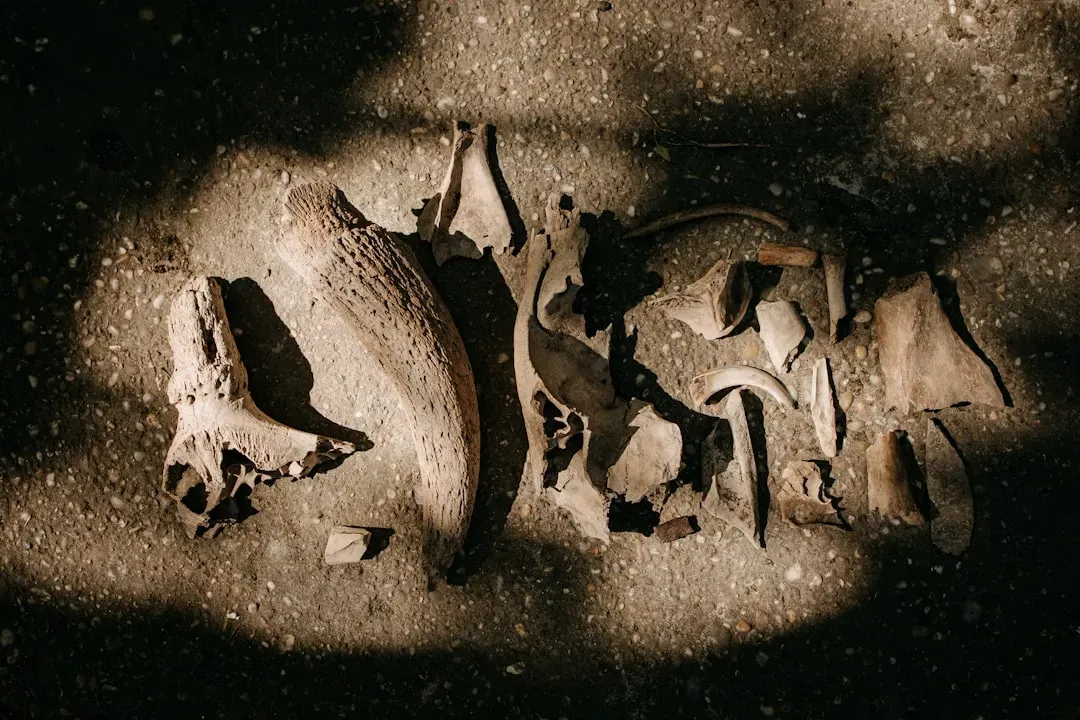
Strip away the clickbait, and a clear pattern emerges. The bones that supposedly “predate their species by millions of years” almost always collapse under basic geology, better dating, or simple anatomy. The real anomalies refine the story by thousands or hundreds of thousands of years – not by ripping it apart by eons.
That won’t satisfy anyone who wants humans strolling beside dinosaurs, but it’s honestly the more interesting version of events. It means our fossil record is incomplete and stubbornly messy, and it means our brains are wired to crave a dramatic shortcut more than a slow, careful answer.
The serious “out-of-place” bones rarely stay mysterious for long. They either get reclassified as honest mistakes, or they quietly, meticulously shift the edges of what we thought we knew. That’s not as flashy as a viral meme – but it’s how science actually moves forward. So which do you trust more: the lab notes, or the legend?